Washing Machine Rubber Seals and Filters: The Source of Musty Odors
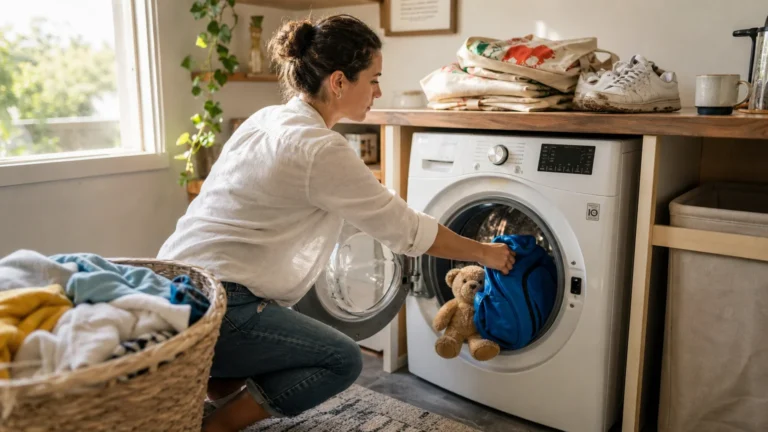
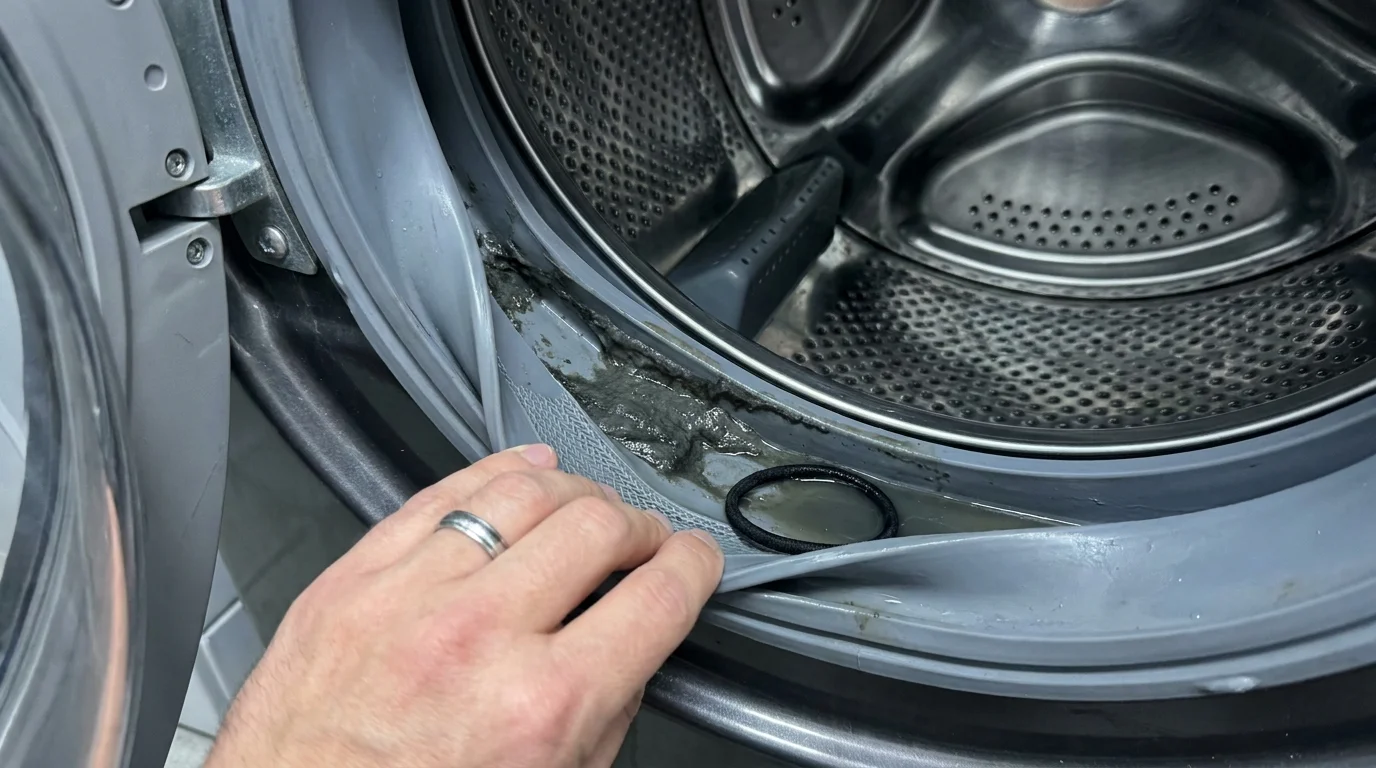
Washing machines handle your dirtiest, sweatiest clothing, yet most people rarely stop to wash the machine itself. This oversight proves especially disastrous for high-efficiency, front-loading washers. To prevent water from leaking onto your floor, front loaders utilize a thick, heavy-duty rubber gasket around the door. While this gasket creates a watertight seal, its deep folds easily trap stagnant water, lint, pet hair, and excess fabric softener.
When you close the door between laundry days, you trap that moisture inside a dark drum. Mold and mildew immediately begin to colonize the rubber folds. This fungal growth produces a distinctive, sour, musty odor that transfers directly onto your freshly washed towels and clothes.
Furthermore, the drain pump filter—hidden behind a small access panel at the bottom corner of the machine—quietly catches coins, keys, hairpins, and clumps of lint. A blocked drain pump filter causes water to drain slowly, leaving your clothes soaking wet at the end of the spin cycle.
Implement a monthly maintenance checklist to keep your washing machine smelling fresh and draining perfectly.
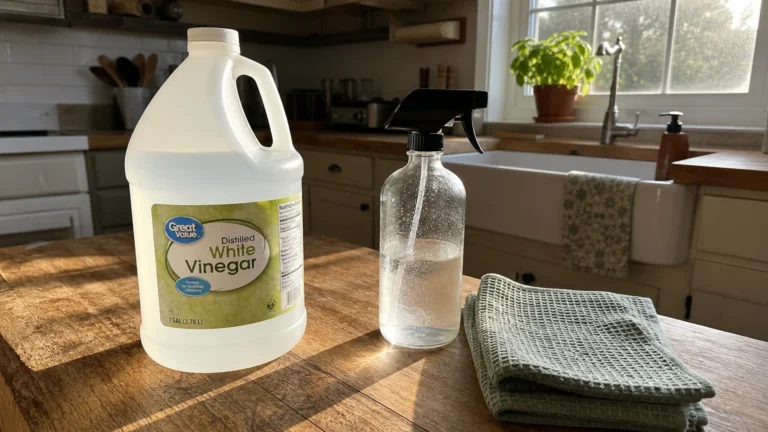
- Wipe the gasket: Peel back the thick folds of the rubber door seal. Use a microfiber cloth soaked in white vinegar or warm soapy water to wipe away the gray sludge, hair, and mold spores hiding inside the crevice.
- Clear the drain pump filter: Place a shallow baking pan or a thick towel directly under the access door to catch the inevitable rush of trapped water. Unscrew the filter cap, pull out the plastic cylinder, and pick out any debris. Rinse the filter under the sink before screwing it back in tightly.
- Run a cleaning cycle: Place a commercial washing machine cleaning tablet directly into the empty drum, or pour half a cup of liquid chlorine bleach into the detergent dispenser. Run the machine on its longest, hottest cycle to sanitize the internal hoses and drum.
- Change your daily habits: Never close the washing machine door immediately after finishing a load. Leave it cracked open to allow the interior moisture to evaporate completely.