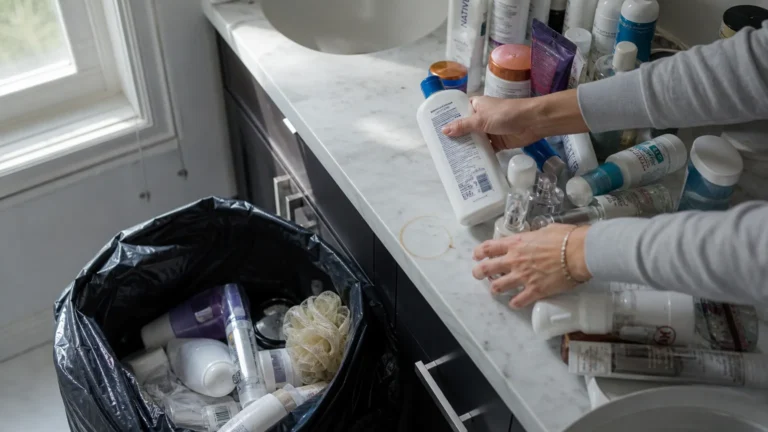
Your bathroom should be a peaceful start to your morning, not a chaotic storage unit for expired products you no longer use. Clearing out bathroom clutter immediately cuts down on your daily frustration, saves you time getting ready, and creates a much healthier living space. Over months and years, medicine cabinets and vanity drawers fill up with separated lotions, old prescriptions, and frayed tools that actually harbor dangerous bacteria. Tackling this specific room yields the fastest return on your home organization efforts. Grab a heavy-duty garbage bag and review these twelve common culprits taking up valuable bathroom storage. You can reclaim your counters and permanently simplify your daily routine right now.
1. Expired Sunscreen
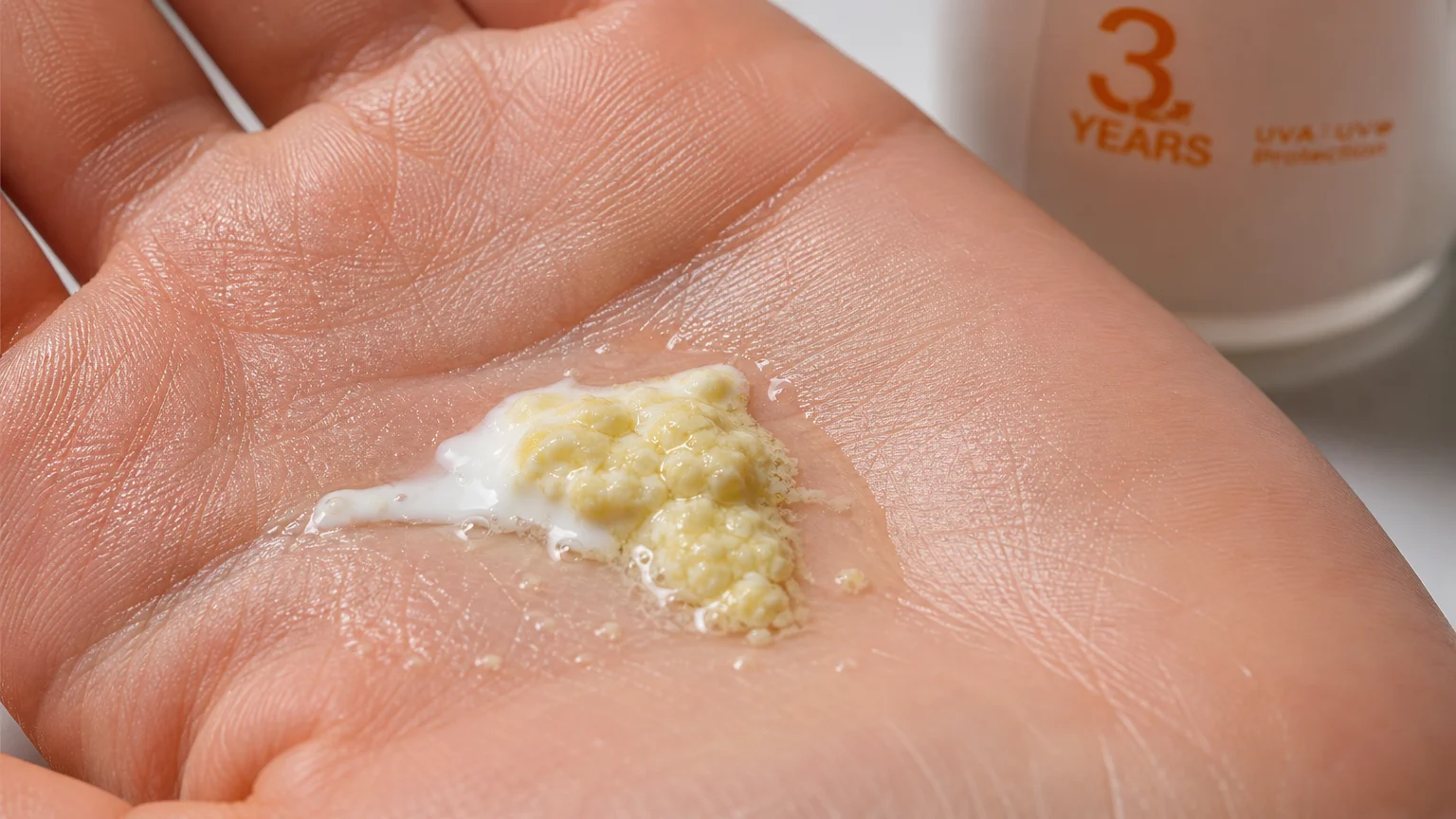
Sunscreen formulas degrade over time, leaving your skin completely vulnerable to severe sunburns and cumulative sun damage. The U.S. Food and Drug Administration (FDA) regulations require sunscreen products to remain stable at their original strength for three years. If your bottle does not feature a printed expiration date, you must consider it expired three years after the purchase date. Environmental factors—like leaving the bottle in a hot car, carrying it to the beach, or exposing it to direct sunlight—greatly accelerate this chemical breakdown. Squeeze a small amount of the lotion onto your hand; if the product has separated into a liquid and a chunky paste, or if it emits a sour odor, throw it out immediately. Using an expired SPF product puts you at high risk for skin damage. Write the month and year of purchase directly on the bottle with a permanent marker when you buy a new one. This simple habit removes the guesswork from your bathroom organization routine next summer.
2. Old Mascara and Liquid Eye Makeup
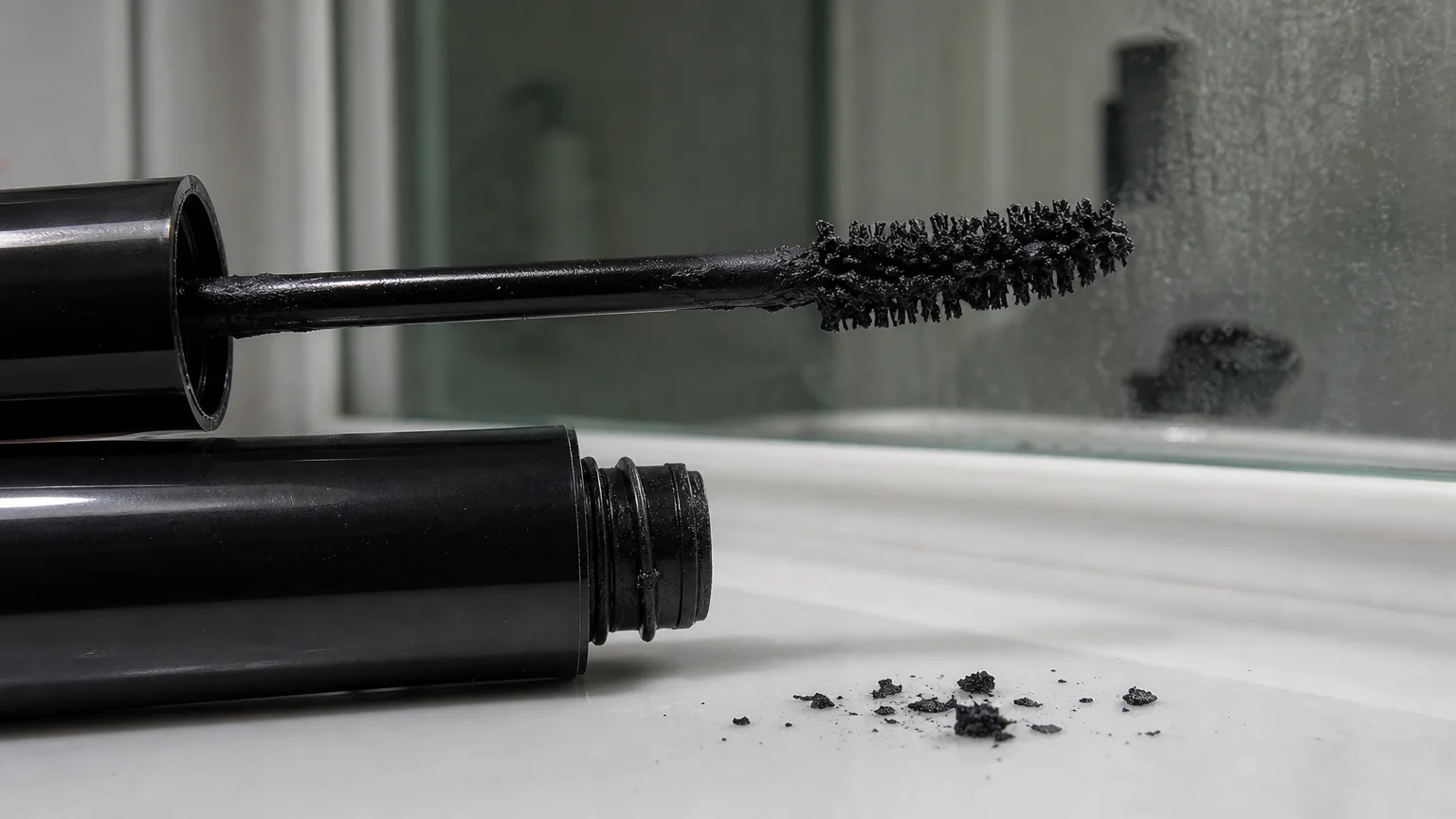
Liquid eye cosmetics provide an ideal breeding ground for harmful microorganisms. Every time you pull the mascara wand out, swipe it across your eyelashes, and push it back into the tube, you pump air and fresh bacteria directly into the product. The dark, moist environment inside the plastic tube allows fungi and bacteria to multiply rapidly. To prevent serious eye infections like styes, corneal scratches, or conjunctivitis, the FDA recommends discarding mascara two to four months after purchase. If the mascara becomes dry, flaky, or smells foul before that timeframe, throw it out immediately. Never add tap water or saliva to moisten dried makeup; this introduces dangerous mouth bacteria into the tube and dilutes the built-in preservatives, which can cause severe, permanent eye damage. Protect your vision by routinely keeping your cosmetics fresh and storing them in a cool, dry place away from shower humidity.
3. Frayed and Overused Toothbrushes
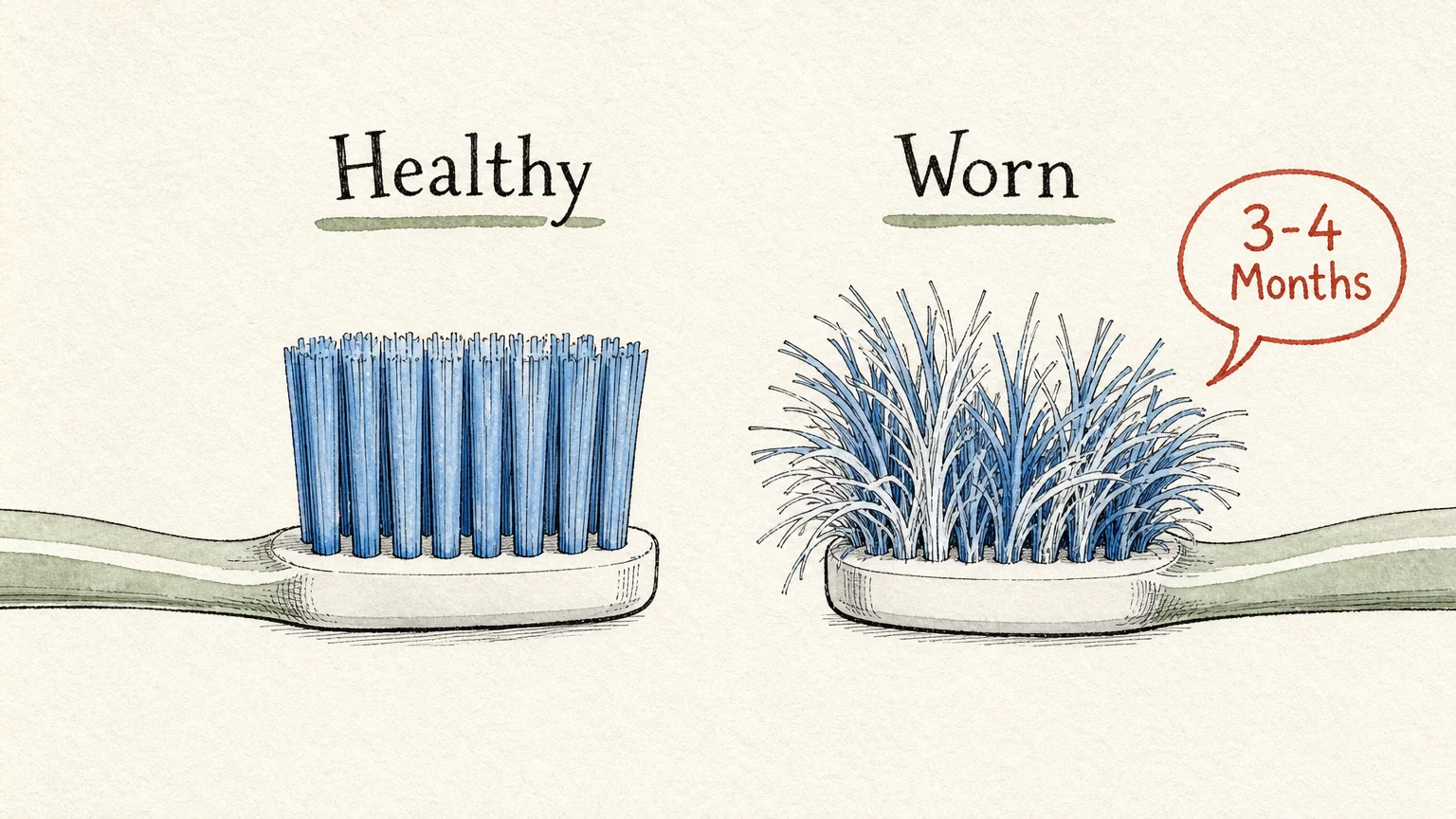
A worn-out toothbrush simply cannot do its job effectively. The American Dental Association (ADA) advises replacing your manual toothbrush or your electric toothbrush head every three to four months. Once the nylon bristles become matted, splayed, or frayed, they entirely lose their ability to sweep destructive plaque away from your teeth and gums. Using a frayed brush actually causes more harm than good—you will likely press harder to force the teeth clean, leading to irreversible enamel wear and receding gums. Furthermore, you need to toss your toothbrush immediately after recovering from a viral or bacterial illness, such as strep throat or the flu, to prevent reintroducing the sickness back into your immune system. You do not have to throw the old brush in the garbage right away; old toothbrushes are perfect tools for scrubbing sink fixtures, scrubbing tile grout, and cleaning jewelry.
4. Worn-Out Loofahs and Bath Sponges
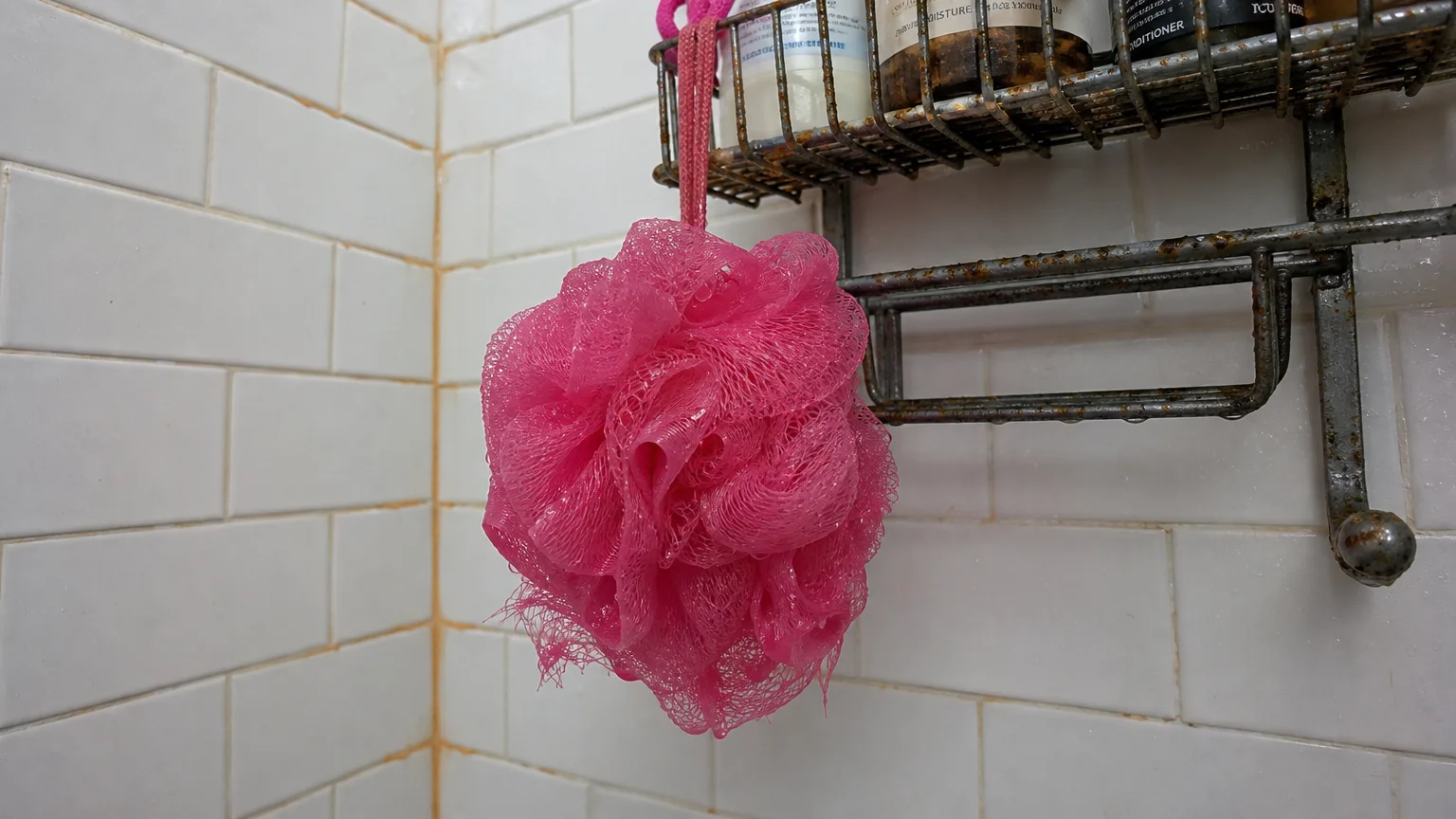
That colorful mesh loofah hanging in your shower currently harbors a massive, invisible colony of bacteria. Shower sponges physically trap dead skin cells, environmental dirt, and body oils deep inside their intricate netting. Because they rarely dry completely between your daily showers, they become an ideal breeding ground for mold, yeast, and pathogens. Dermatologists at the Cleveland Clinic strongly advise that natural loofahs must be replaced every three to four weeks, while synthetic plastic mesh poufs can last up to two months at absolute maximum. If you ever notice a musty mildew odor or visible dark mold spots, you need to throw it away immediately, regardless of its age. For an easier and more sanitary bathing routine, switch to using 100 percent cotton washcloths. You can easily grab a fresh washcloth every couple of days and run the dirty ones through a hot laundry cycle to effectively kill any lingering bacteria.
5. Unused and Expired Prescription Medication
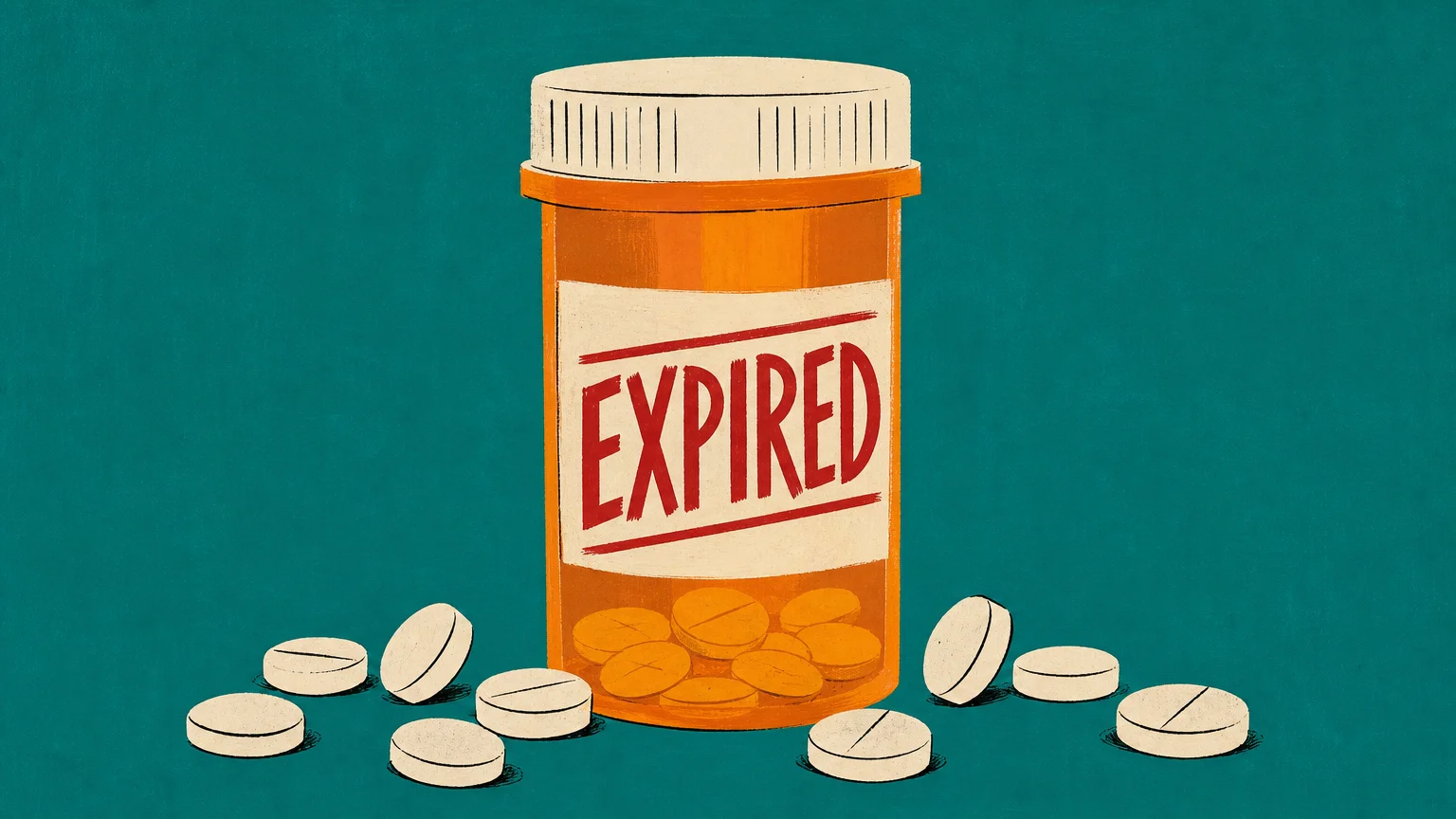
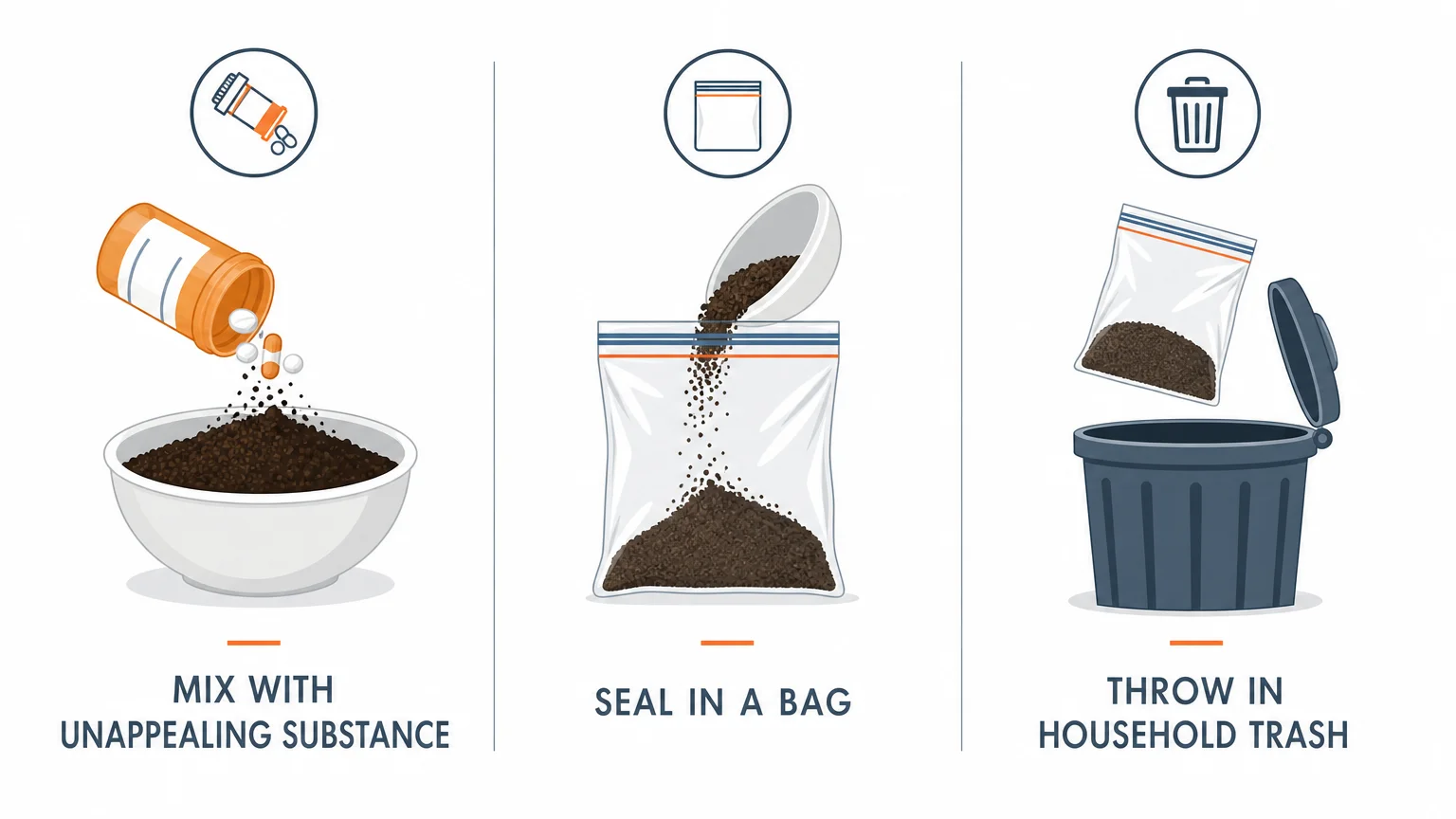
Keeping leftover prescriptions from a past surgery or a chronic illness poses a massive safety risk, particularly if you have grandchildren, teenagers, or pets visiting your home. Taking an expired medication is medically dangerous because the chemical composition changes over the years, making the drug less effective or highly toxic. If you have unwanted medications, first check if your local pharmacy or police department offers a medication take-back program. If that is not a viable option, you need to dispose of them safely at home. Do not arbitrarily flush medications down the toilet unless they specifically appear on the FDA flush list—this list contains highly dangerous opioid medications that pose an immediate risk of death if accidentally ingested by a child. For most standard, non-flushable prescriptions, you can safely dispose of them in your household trash by mixing them with unappealing substances to prevent accidental consumption.
6. Rusty Razors and Dull Blades
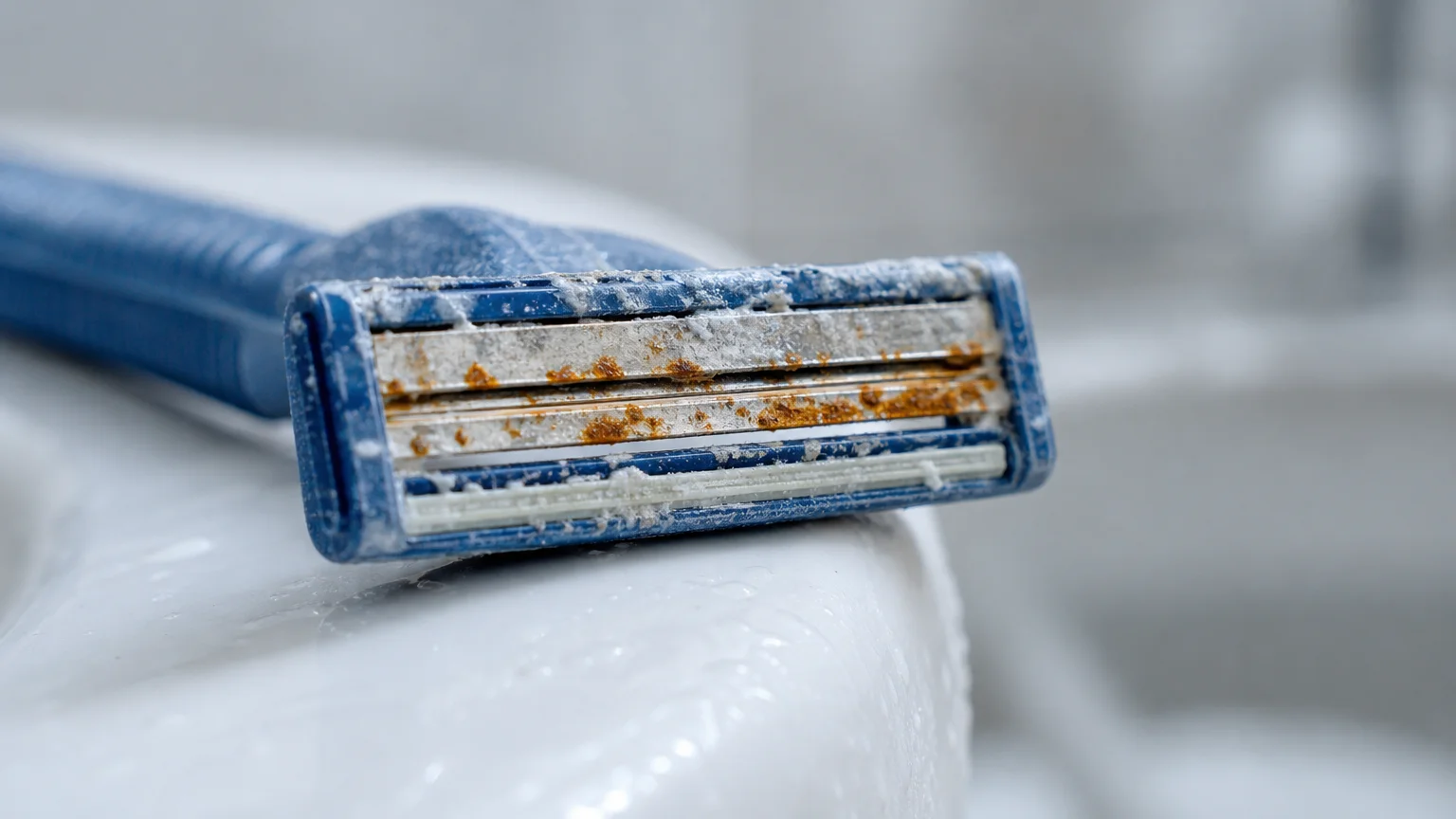
Shaving with a dull, rusty razor blade virtually guarantees razor burn, painful ingrown hairs, and severe skin irritation. Microscopic rust spots and trapped hairs harbor bacteria that press directly into your pores and small micro-abrasions every single time you drag the blade across your skin. You should ideally replace your razor blade after five to seven uses. If you shave twice a week, that means changing the blade head roughly once a month. Inspect your current razor right now. If the colored moisturizing strip looks faded, the blade feels tuggy on your skin, or you see any distinct orange rust spots, throw it away. To effectively extend the life of your fresh blades, stop storing them on the shower ledge where trapped humidity constantly causes them to oxidize and rust. Instead, thoroughly dry the blade with a towel after shaving and store it securely inside a vanity drawer.
7. Separated and Clumpy Nail Polish
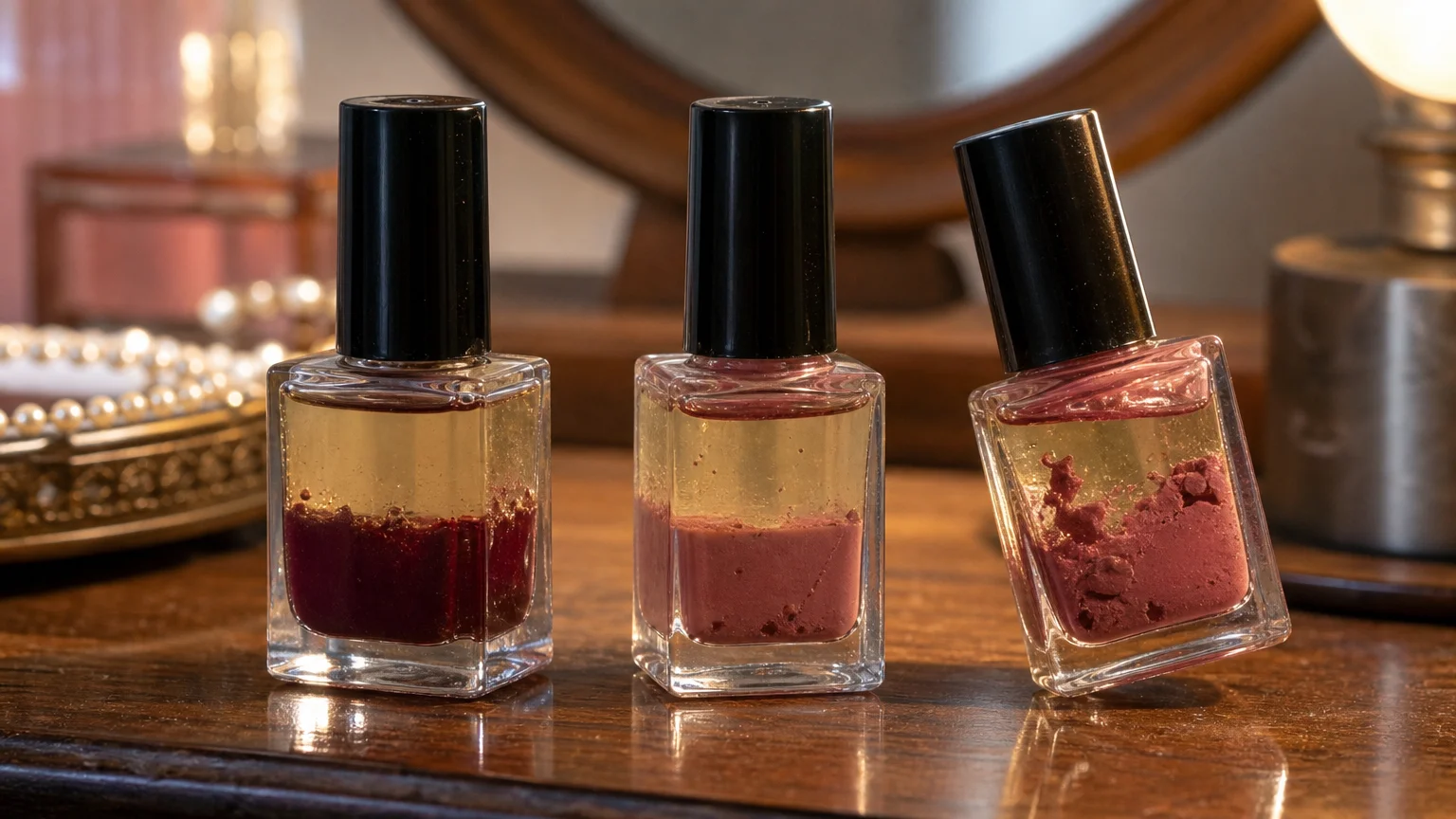
Nail polish does not technically expire in a way that makes it dangerous to your health, but its sensitive chemical components break down and separate permanently over time. A standard bottle of nail polish performs beautifully within the first year or two of opening. After that window passes, the essential solvents evaporate, leaving behind a thick, clumpy mess that will not apply smoothly or dry correctly on your nail bed. If you have a collection of polishes that have completely separated into two distinct liquid layers, and aggressively shaking the bottle does not mix them back together, they are permanently ruined. Throwing away unusable bottles frees up massive amounts of drawer space, instantly upgrading your bathroom decluttering efforts. Because nail polish is highly flammable, check your local municipal guidelines; many cities strictly require you to drop off old polish at a household hazardous waste facility rather than tossing it in the regular kitchen trash.
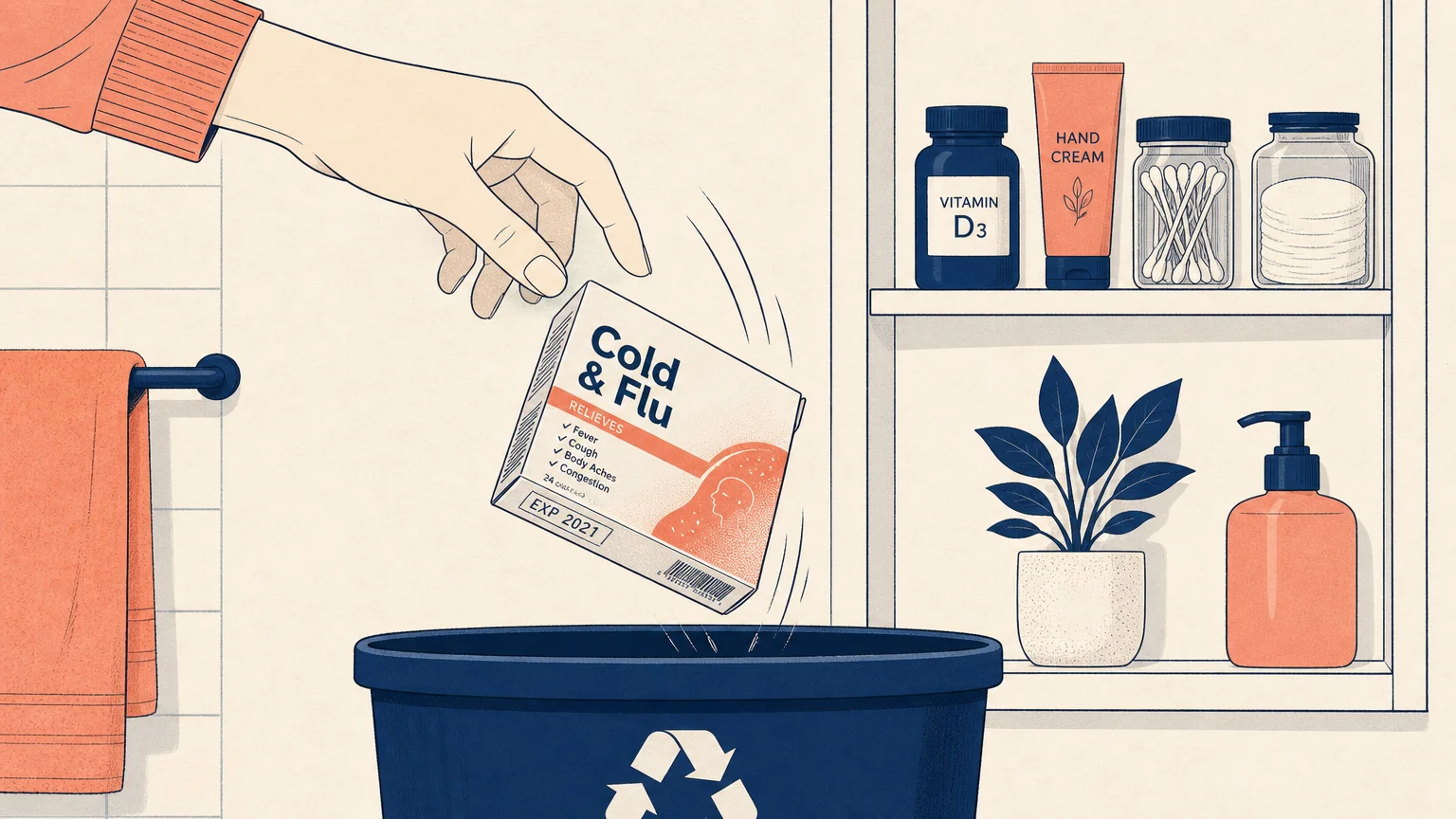
8. Expired Over-the-Counter Medicine
Your medicine cabinet likely hides half-empty boxes of cold and flu medication, antacids, hydrocortisone creams, and basic pain relievers that secretly expired years ago. Over-the-counter medications lose their chemical potency rapidly after their printed expiration dates pass. You absolutely do not want to wake up with a midnight fever or a severe headache, only to discover that your ibuprofen is five years old and no longer effective. Liquid medications, such as cough syrups and children’s liquid pain relievers, are particularly problematic; the water content evaporates over time, leaving a much higher, unmeasured concentration of the active ingredients inside the bottle. This evaporation makes correct dosing highly unpredictable and potentially dangerous. Pull every single box, tube, and bottle out of your cabinet and verify the stamped date. Discard anything that has passed its prime to ensure you only possess reliable, safe remedies when you truly need them.
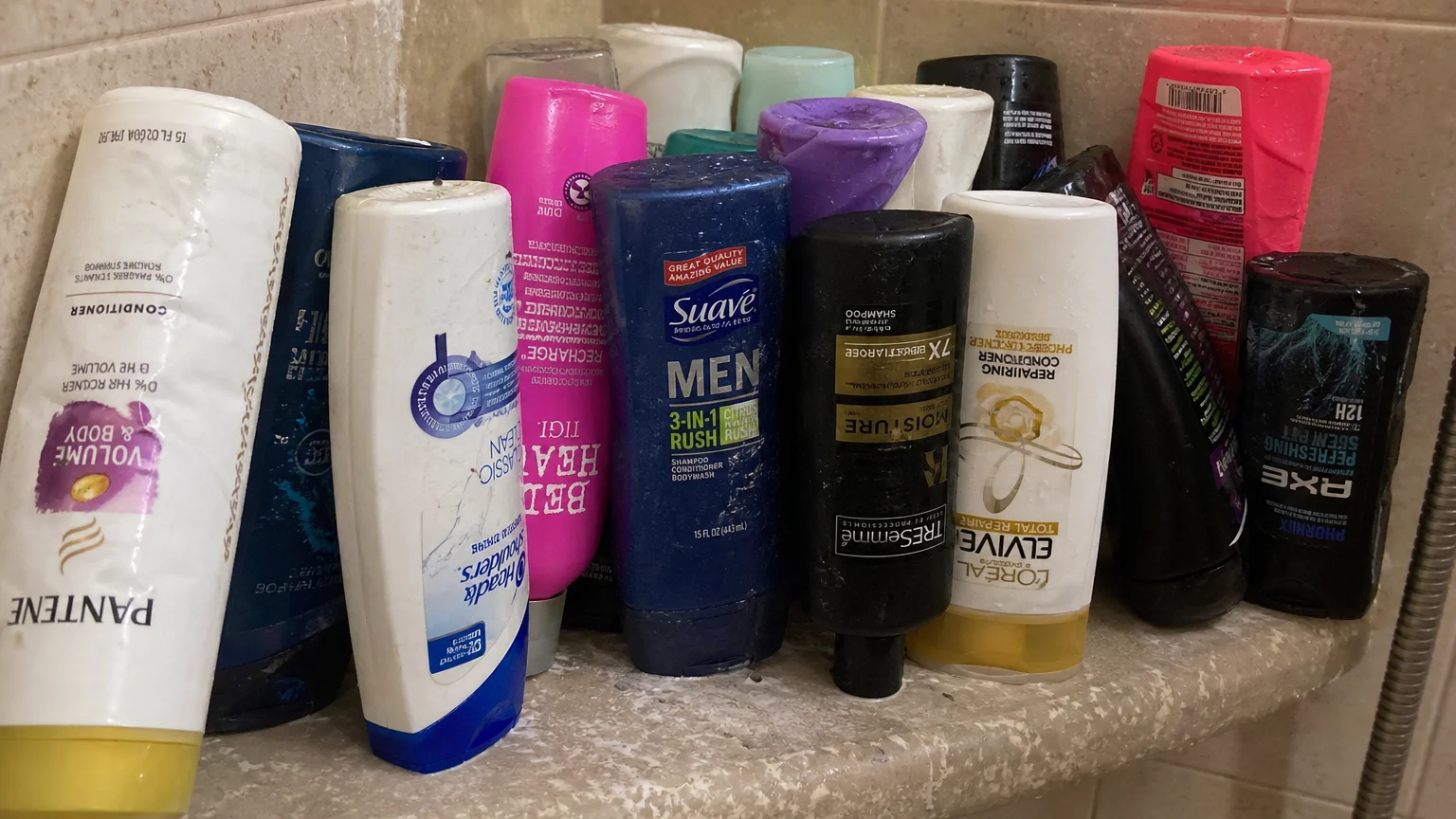
9. The Graveyard of Almost-Empty Bottles
Most modern bathrooms suffer from a severe case of the “bottle graveyard.” These are the cumbersome shampoo, conditioner, body wash, and daily lotion bottles sitting on the edge of the tub with barely a quarter inch of product left at the very bottom. You purchase a replacement, start utilizing the brand-new bottle, and leave the old one sitting there collecting soap scum for months. This common habit creates massive visual clutter and makes scrubbing your shower ledge significantly harder. Consolidate your bottles today. If it is the exact same product, unscrew the plastic caps and balance the nearly empty bottle upside down over the new one to slowly drain the last few drops. If you switched brands entirely because you disliked the old product, give yourself full permission to rinse out and throw the old bottle in the recycling bin. Streamlining your shower ledge represents one of the absolute best bathroom storage ideas you can execute.
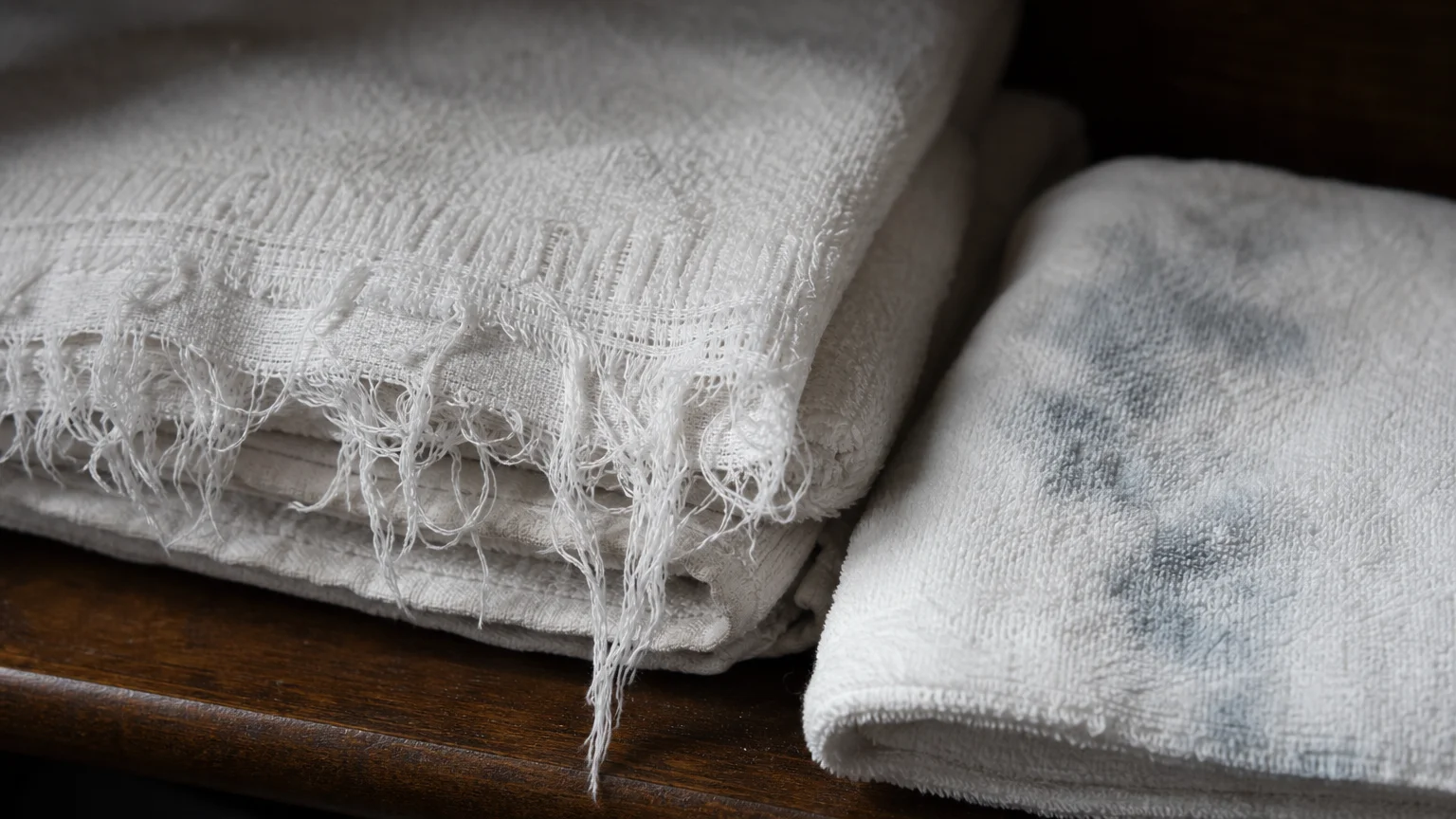
10. Tattered Towels and Mildewed Washcloths
Bath towels endure incredibly heavy daily use, constant moisture exposure, and harsh laundry cycles. Over a few years, the soft cotton fibers degrade and break down, causing the towel to completely lose its plush absorbency and feel terribly scratchy against your skin. Even worse, towels that have been left damp on the floor too many times develop a permanent, sour mildew odor that actively reactivates as soon as the fabric gets wet again. Pull out your main stack of linens and carefully inspect them for frayed edges, permanent makeup stains, holes, and lingering musty smells. Keep only the soft, highly absorbent towels that you genuinely enjoy using. You do not need to throw the worn-out ones in the garbage; cut the tattered towels into smaller squares to use as heavy-duty cleaning rags for your car, or drop them off at a local animal shelter, where they are desperately needed for animal bedding.
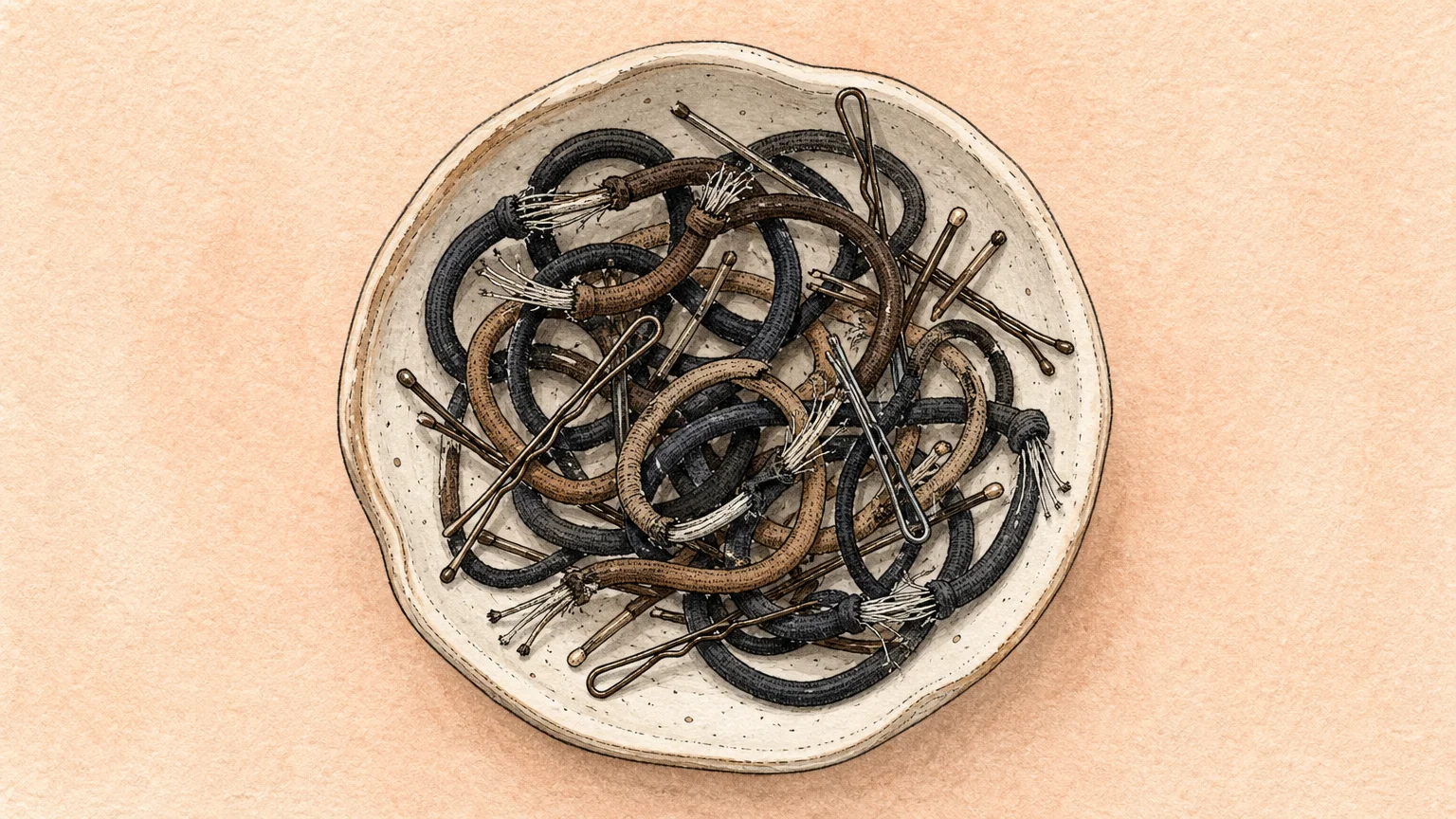
11. Stretched-Out Hair Elastics and Broken Bobby Pins
Small hair accessories multiply rapidly and inevitably end up scattered across every flat counter surface and drawer bottom. Hair elastics eventually lose their internal rubber elasticity, becoming stretched out, structurally brittle, or highly prone to snapping mid-use. Metal bobby pins frequently lose the protective rubber tip coated on the ends. Using a bobby pin without that smooth rubber cap will aggressively scrape your scalp and tear your individual hair shafts, directly causing breakage and split ends. Scoop up all the hair ties, scrunchies, and loose pins floating around your bathroom. Physically test the stretch on the elastics and check the tips of the bobby pins. Throw away anything broken, rusted, or permanently stretched out. Store the remaining high-quality accessories in a small designated glass jar or attach them to a magnetic strip mounted inside your drawer for incredibly easy access. This provides a brilliant, instant win for your decluttering tips checklist.
12. Hoarded Hotel Toiletries
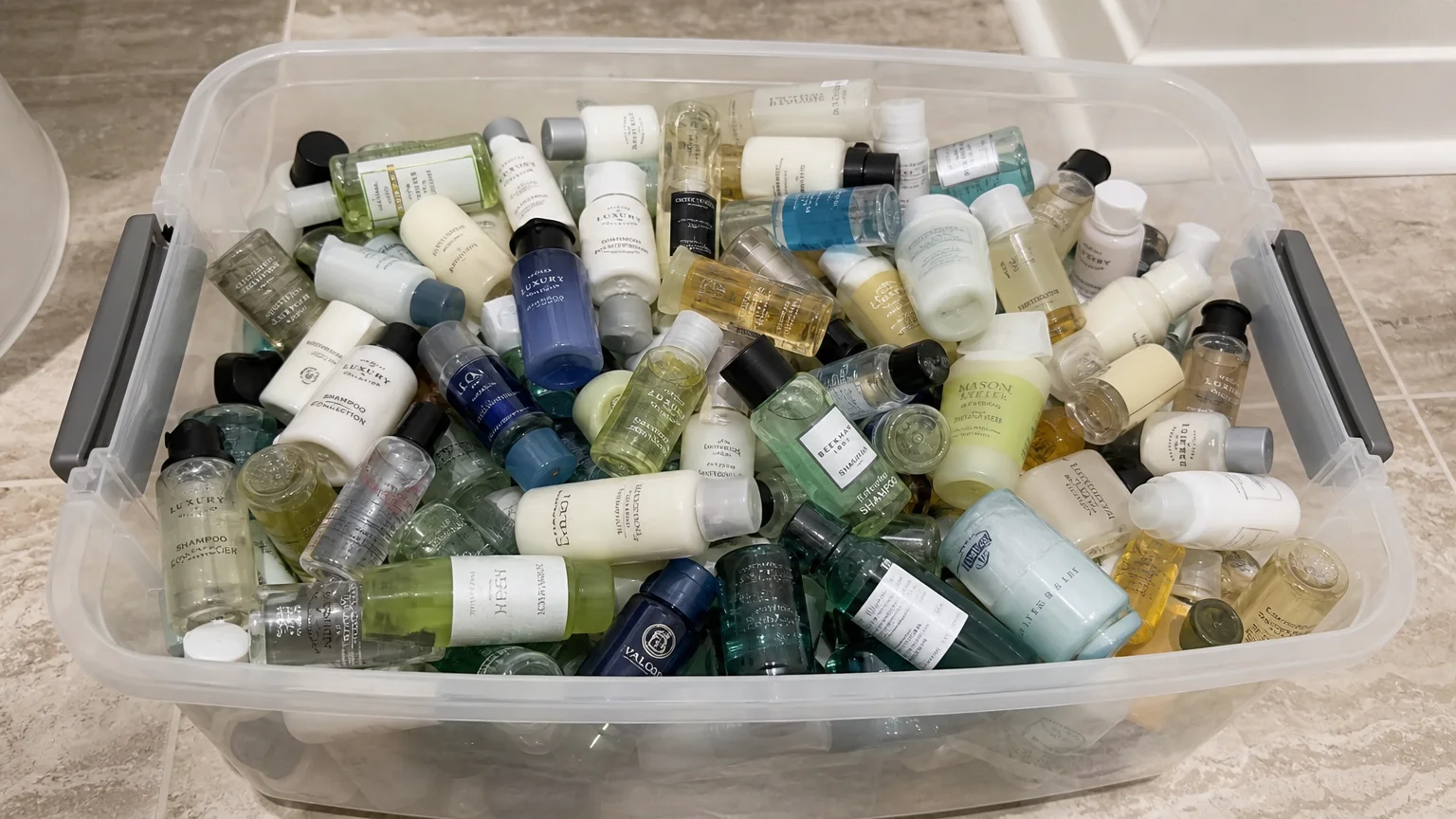
We all love the fun thrill of taking the tiny, complimentary bottles of shampoo, conditioner, and body wash from a luxury hotel stay. However, tossing them casually into a large basket under your sink “just in case guests visit” quickly turns into years of accumulated, unusable clutter. Realistically, you strongly prefer using your own specialized hair and skin products, and your houseguests highly prefer using standard-sized products over struggling with tiny, hard-to-squeeze tubes. If you have a hidden stash of hotel toiletries that is more than a year old, they need to leave your house. Open bottles must be thrown away, as the internal preservatives degrade and dangerous bacteria easily grow inside. For the completely sealed, unopened bottles, bag them up and immediately donate them to a local homeless shelter or a domestic violence safe house. They prove incredibly useful for people in transition, rather than just gathering dust in your home organization journey.
How to Safely Dispose of Unused Medicine at Home
The FDA strongly recommends these specific steps for throwing away non-flushable medications in your household trash. This exact method actively prevents accidental poisoning, protects local wildlife, and deters intentional misuse:
- Remove the medication directly from its original prescription bottle or cardboard packaging. Do not physically crush the pills or capsules.
- Mix the medication with an unappealing, inedible substance. Used coffee grounds, garden dirt, or dirty cat litter work perfectly to completely deter children and animals from investigating.
- Place the mixture into a fully sealable container, such as a heavy-duty zipper storage bag, an empty plastic margarine tub, or a coffee can with a tight lid.
- Throw the sealed container away in your regular household garbage can.
- Scratch out all visible personal information on your empty prescription bottle using a heavy black marker, or peel the paper label off entirely before dropping the empty bottle in the recycling bin.
Bathroom Replacement Timeline Guide
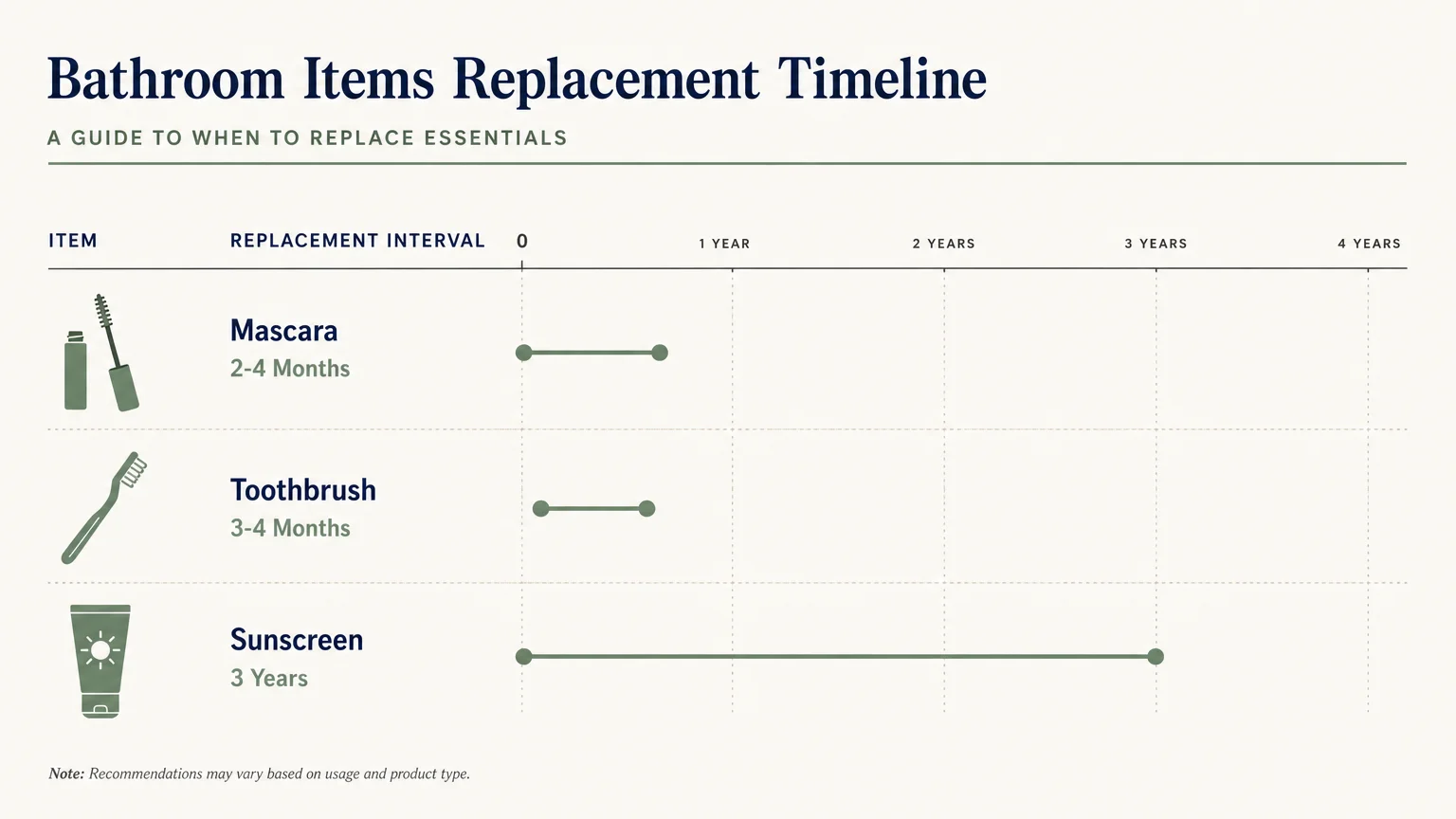
Use this practical reference table to proactively maintain a safe, clean, and highly functional bathroom environment. Pin this inside your cabinet for easy access.
| Bathroom Item | When to Replace or Throw Away | Safety Reason |
|---|---|---|
| Mascara | Every 2 to 4 months | Prevents serious bacterial eye infections and styes. |
| Toothbrush | Every 3 to 4 months | Frayed bristles fail to remove plaque and damage gums. |
| Natural Loofah | Every 3 to 4 weeks | Traps dead skin cells and breeds mold quickly. |
| Razor Blades | Every 5 to 7 uses | Dull blades cause razor burn and harbor rust bacteria. |
| Sunscreen | After 3 years | Chemical SPF filters degrade and stop protecting skin. |
Your Practical Next Step
Do not try to organize your entire home in one overwhelming afternoon. Start small today. Grab a single garbage bag, set a timer for fifteen focused minutes, and physically open your main medicine cabinet. Focus strictly on obvious garbage first: the frayed toothbrushes, the expired pain relievers, and the crusty makeup tubes. Once you remove the clutter, you will immediately feel a profound sense of relief every time you walk into the room. Keep up the positive momentum, and enjoy your newly clean, functional, and peaceful bathroom.