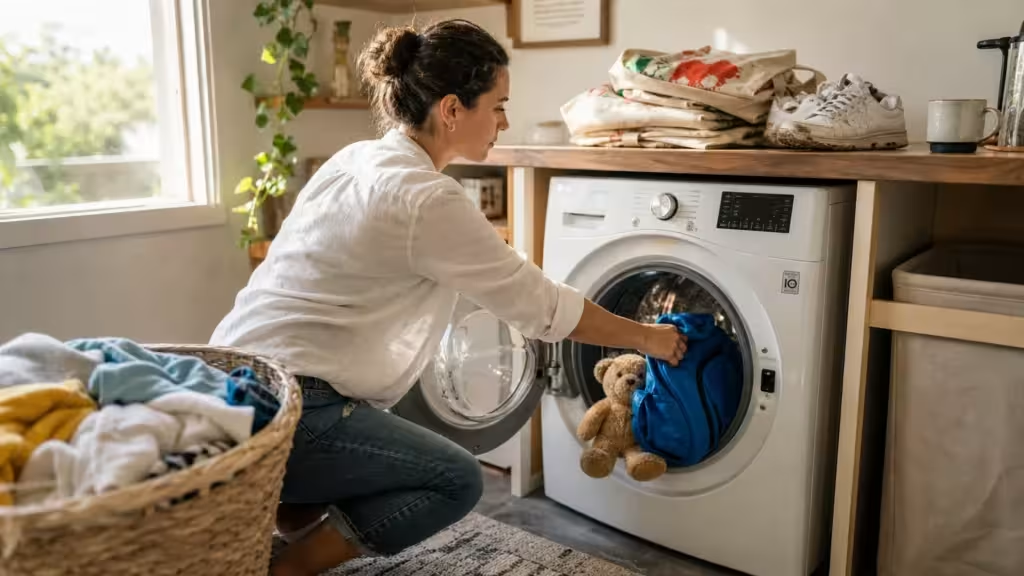
Your washing machine is the most underutilized cleaning tool in your home. Most people limit this appliance to clothing and bedsheets, wasting hours hand-scrubbing household items that could be tossed into a spin cycle. Modern washers handle much more than delicate fabrics; they agitate, rinse, and sanitize a surprising variety of durable goods safely. Expanding your laundry repertoire saves valuable time and achieves a deeper clean for items collecting daily grime. From moldy plastic shower liners to your favorite canvas sneakers, knowing exactly what withstands a wash cycle transforms your weekend chores. Here are nine surprising items you can confidently clean in your washing machine.
Canvas Sneakers and Tennis Shoes
Shoes endure muddy puddles, dusty trails, and everyday street grime. Scrubbing them by hand with an old toothbrush takes immense patience and rarely restores their original brightness. Fortunately, your washing machine can handle sturdy footwear with ease, provided you take a few simple precautions.
According to appliance manufacturer Bosch, synthetic materials like nylon and polyester, alongside traditional cotton canvas, withstand the mechanical action of a washing drum exceptionally well in a washing machine. Leather and suede shoes, however, will warp and crack when submerged in water, so keep those out of the laundry room.
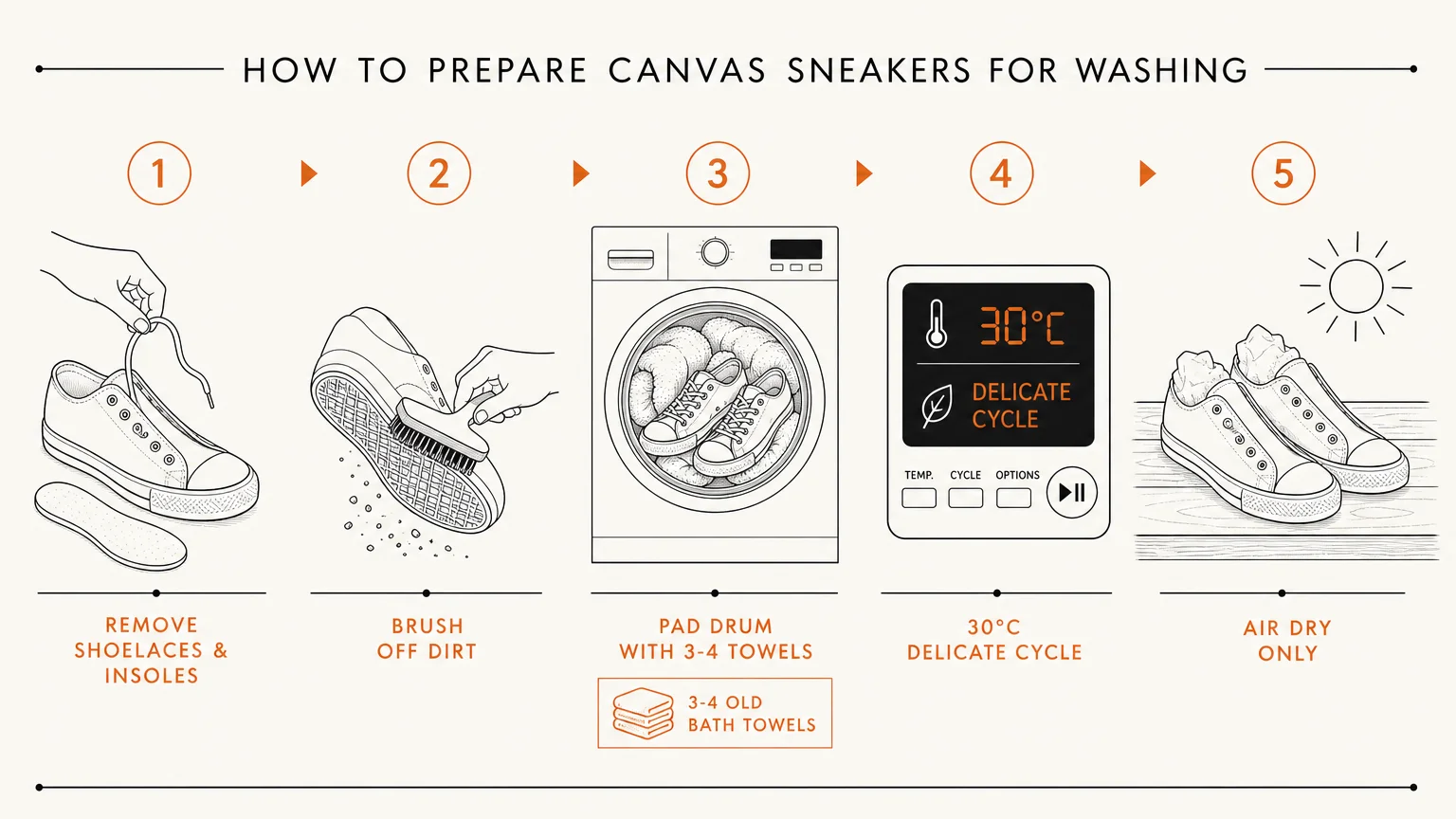
Follow this step-by-step process to wash your canvas sneakers safely:
- Remove the shoelaces and insoles. Wash the laces separately in a small mesh bag to prevent them from tangling around the agitator or slipping through the drum holes. Clean the insoles by hand using warm water and dish soap to neutralize foot odors.
- Brush off loose dirt. Take a stiff-bristled cleaning brush and remove dried mud, leaves, and gravel from the soles and canvas. This preparation prevents your machine’s drain pump from clogging with heavy outdoor sediment.
- Pad the drum. Add three or four old bath towels to the washing machine alongside your shoes. The towels act as a necessary buffer, preventing the heavy rubber soles from slamming violently against the metal drum and causing mechanical damage.
- Use the delicate cycle. Set your washer to a low temperature, ideally 30 degrees Celsius, and select a slow spin speed to minimize extreme impact during the final extraction phase. Add a mild liquid laundry detergent.
- Air dry thoroughly. Never put your shoes in the tumble dryer. The intense heat permanently melts the industrial adhesive holding the rubber soles to the fabric upper. Stuff the damp sneakers with white paper towels to maintain their structural shape and leave them in a well-ventilated area to dry completely.
Plastic Shower Curtain Liners
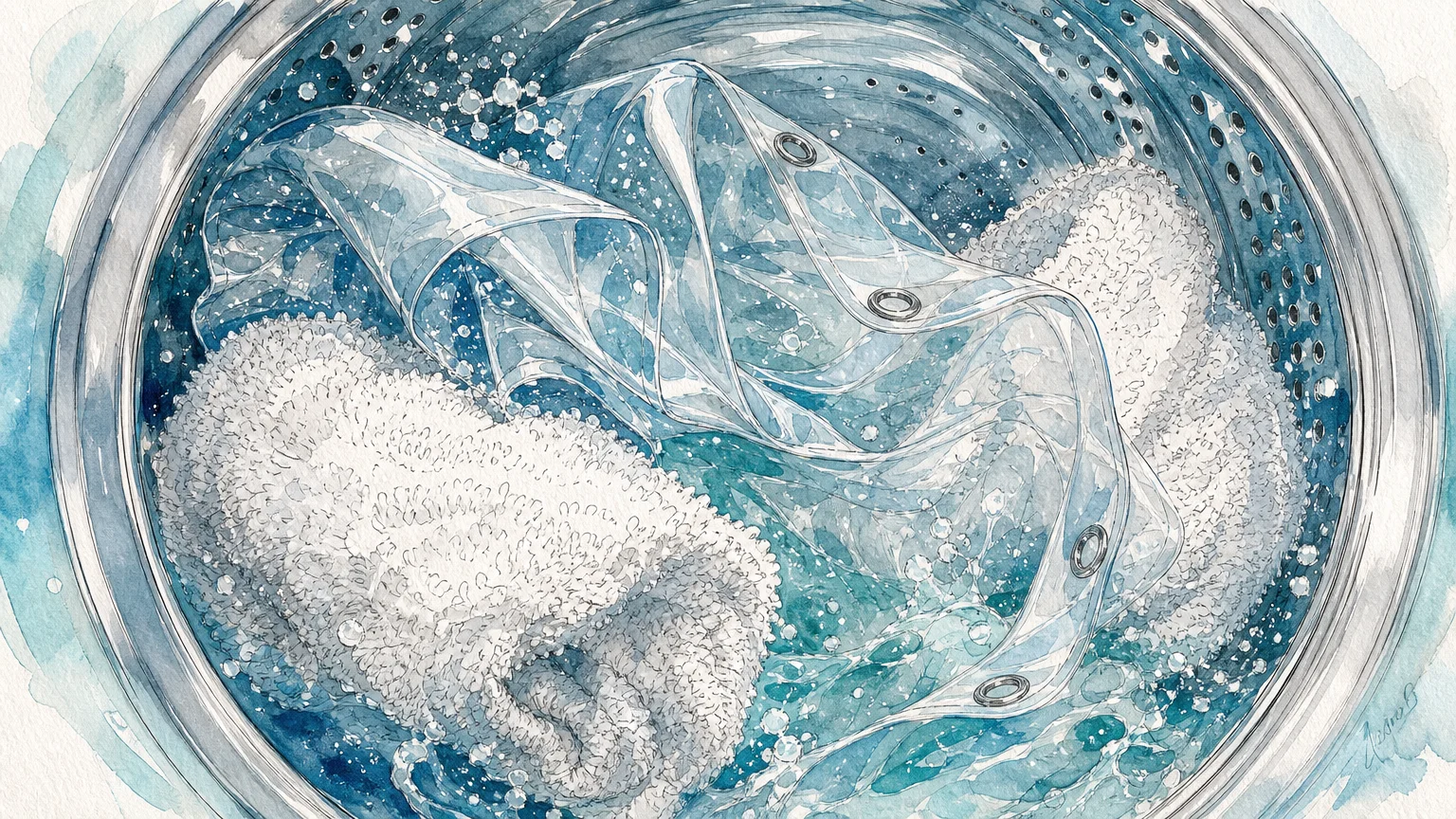
Your bathroom is a humid environment where soap scum, hard water minerals, and pink mildew thrive constantly. When the bottom third of a plastic shower liner turns slimy and discolored, many people simply throw it in the trash and buy a new replacement. You can easily save money and reduce unnecessary plastic waste by running that grimy liner through a quick laundry cycle.
Major appliance brands like Whirlpool confirm that plastic and vinyl shower curtains are completely machine washable when handled correctly using standard household supplies. The secret to a successful wash lies in adding friction to the drum. The smooth plastic needs something slightly abrasive to scrub away the stubborn built-up soap scum effectively.
Toss the shower curtain liner into the machine along with two or three light-colored cotton bath towels. The rough terry cloth texture of the towels gently scrubs the plastic surface as the items agitate together in the water. Add your standard amount of liquid laundry detergent and pour in half a cup of baking soda. Baking soda acts as a mild abrasive and naturally neutralizes stale, musty bathroom odors. Set the machine to a normal or gentle cycle using warm or cold water. Avoid hot water entirely; extreme heat will warp, stretch, or permanently melt the thin vinyl material. Once the cycle finishes, skip the dryer completely. Simply take the damp liner back to the bathroom, hang it on the shower rod, and spread it out to air dry. The liner will drip dry perfectly within a few hours.
Cloth Mouse Pads and Desk Mats
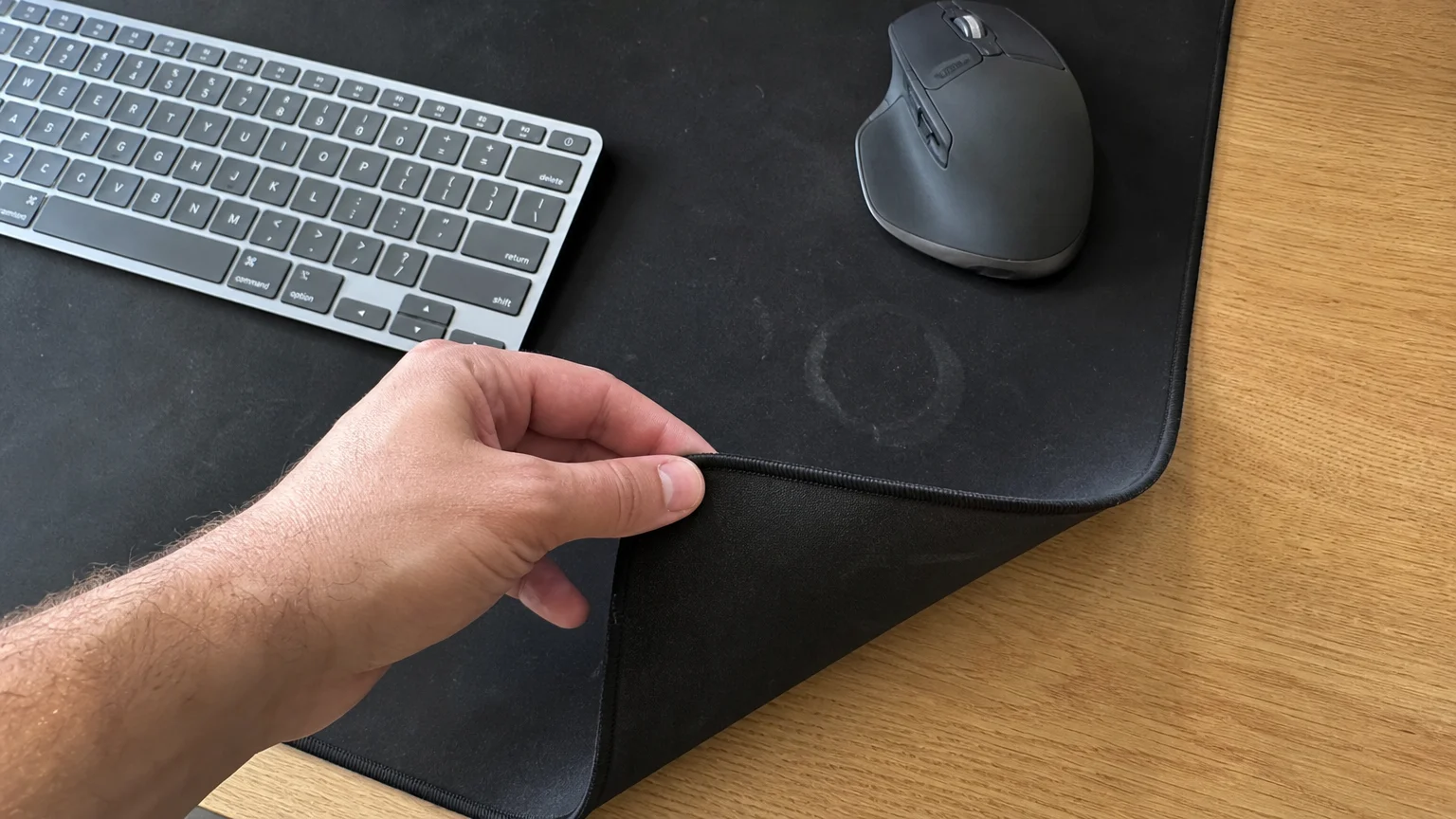
If you work from home or enjoy PC gaming, your hands rest on your mouse pad for hours every single day. Over time, the soft fabric surface absorbs palm sweat, natural skin oils, and microscopic dead skin cells. You might even notice white friction marks or a sluggish feeling when moving your optical mouse across the desk.
Most oversized desk mats and flexible cloth mouse pads feature a woven fabric top securely glued to a rubberized anti-slip base. You can safely restore the smooth glide of your mouse pad by throwing it into the washing machine. The most critical rule for this item is managing the water temperature. Hot water degrades the commercial adhesive bonding the fabric to the rubber, causing the delicate edges to peel, warp, and curl irreparably.
Place the mouse pad in the drum alone or alongside a few microfiber cleaning cloths to balance the load. Add a small squirt of gentle liquid detergent; powdered detergents often fail to dissolve completely in cold water and leave a chalky, abrasive residue trapped inside the fine fabric weave. Run the machine on a delicate cycle with cold water and turn off the spin cycle if your machine allows it. When the wash completes, lay the pad completely flat on a towel or a drying rack out of direct sunlight. Hanging it over a clothesline by a single corner will stretch the heavy wet rubber permanently out of shape.

Reusable Canvas and Polyester Grocery Bags
Reusable shopping bags are excellent for reducing environmental waste, but they are notorious for harboring unseen bacteria. Leaky meat packaging, unwashed root vegetables covered in soil, and minor food spills turn the dark bottom of these bags into active breeding grounds for germs. Regularly sanitizing your grocery totes protects your kitchen counters and your family’s health.
Heavy-duty canvas and thick cotton bags are the easiest to clean. Turn them inside out before tossing them into the machine to ensure the interior seams—where crusty crumbs and bacteria hide—are fully exposed to the soapy water. Wash cotton bags in hot water with a heavy-duty detergent to kill lingering pathogens effectively.
Polyester and nylon reusable bags require a slightly gentler touch to maintain their structural integrity. Wash them in warm water on a standard cycle. If your bags contain rigid plastic or thick cardboard bottom inserts, slide those out before washing and wipe them down manually with a household disinfecting spray.
Never put insulated cooler bags in the washing machine. The delicate foil lining and thermal foam insulation will shred apart during the violent agitation process. For your standard canvas and polyester bags, let them line dry over a shower rod; tossing them in the hot tumble dryer often causes severe fabric shrinkage, leaving you with misshapen bags that barely hold a single loaf of bread.
Microfiber Mop Heads and Duster Refills
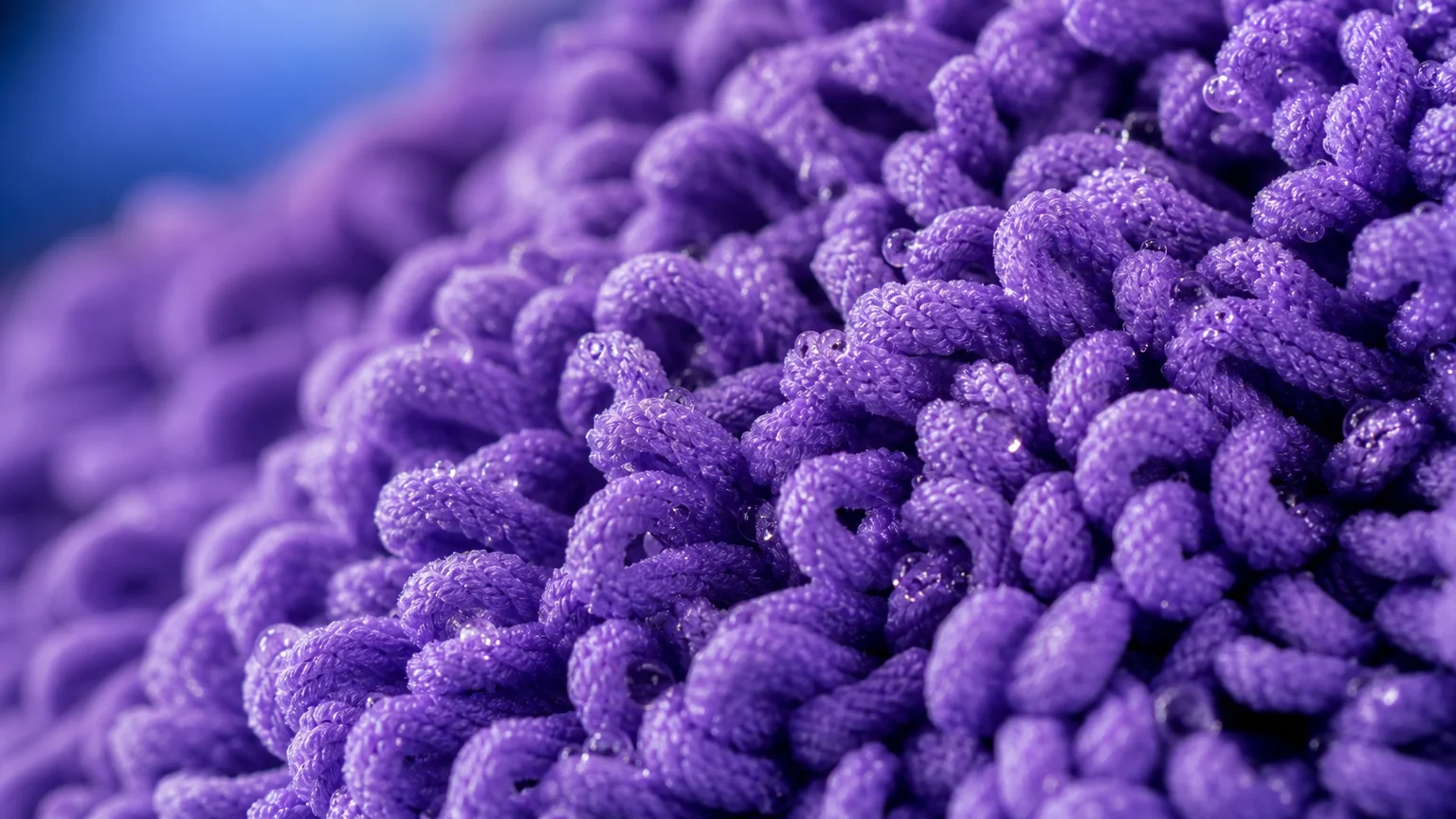
Upgrading from a traditional dripping sponge mop to a reusable microfiber system makes hard floor cleaning significantly more efficient. The millions of microscopic fibers create a strong static charge that acts like a magnet for pet hair, household dust, and sticky kitchen floor spills. However, pushing a saturated, dirty mop pad around your kitchen only redistributes the soil across your tiles.
When your weekend cleaning session ends, peel the dirty microfiber pads off the plastic mop head and drop them directly into the washing machine. Wash them on a heavy-duty cycle using warm or hot water. The hot water naturally expands the synthetic fibers, allowing them to release the deeply trapped dirt and sticky grime effectively.
You must follow one absolute rule when laundering microfiber cleaning tools: never use fabric softener. Liquid fabric softeners and heavily scented dryer sheets coat textiles in a thin layer of conditioning oils. While this chemical layer makes your bath towels feel luxurious and fluffy, it completely clogs the microscopic pores in microfiber. This renders the material utterly useless at absorbing water or picking up dust in the future. Use a basic, additive-free liquid detergent. Tumble dry the pads on a low heat setting or simply let them air dry on a rack.
Nylon Pet Collars and Leashes
Active dogs explore their environment by running through prickly bushes, splashing in muddy creeks, and rolling in questionable outdoor scents. Consequently, their woven nylon collars and heavy leashes absorb rain, sweat, and pungent odors, eventually developing a distinct sour smell that transfers to your hands.
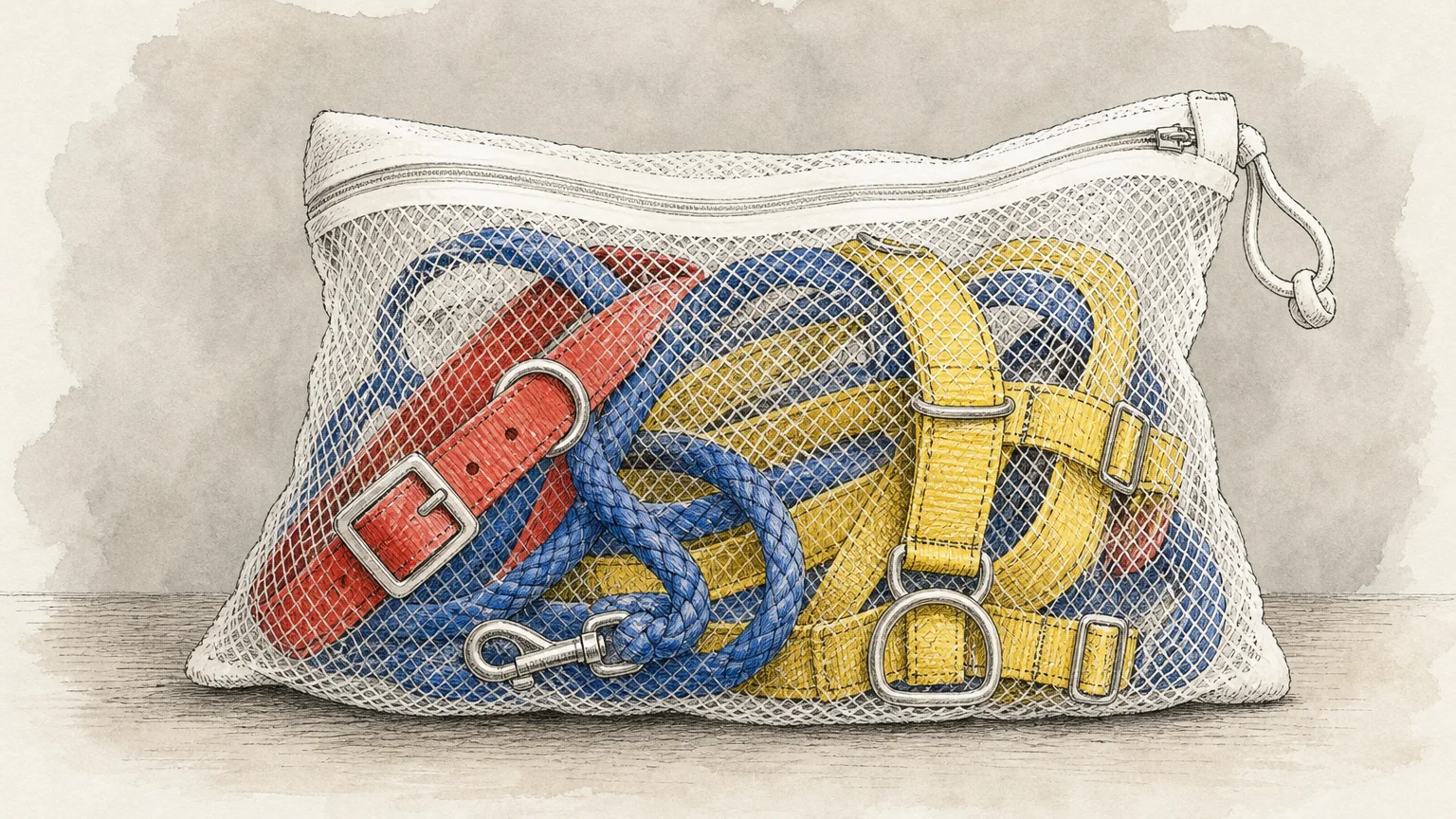
You do not need to spend twenty minutes scrubbing these accessories over the bathroom sink. Major appliance brands like Maytag recommend machine washing nylon dog collars and leashes to keep them hygienic and odor-free using standard cycles. The primary concern when washing rugged pet gear is protecting the machine itself. Heavy metal buckles, thick D-rings, and brass leash clips will aggressively slam against the stainless steel drum during the spin cycle, causing deep scratches or cracking the plastic agitator fins.
Place all collars, harnesses, and leashes inside a heavy-duty mesh laundry bag or a thick cotton pillowcase tied securely at the top. This simple barrier deadens the loud clanking noise and protects the hardware from catching on the drum holes. Wash the items on a gentle, cold-water cycle. Use a hypoallergenic or pet-specific laundry detergent. Dogs possess highly sensitive skin and noses; strong floral fragrances from standard chemical detergents can cause intense itching or severe olfactory discomfort. Lay the nylon straps flat on a dry towel to air dry, ensuring you wipe the metal hardware completely dry with a cloth to prevent rust buildup.
Nylon and Polyester Backpacks
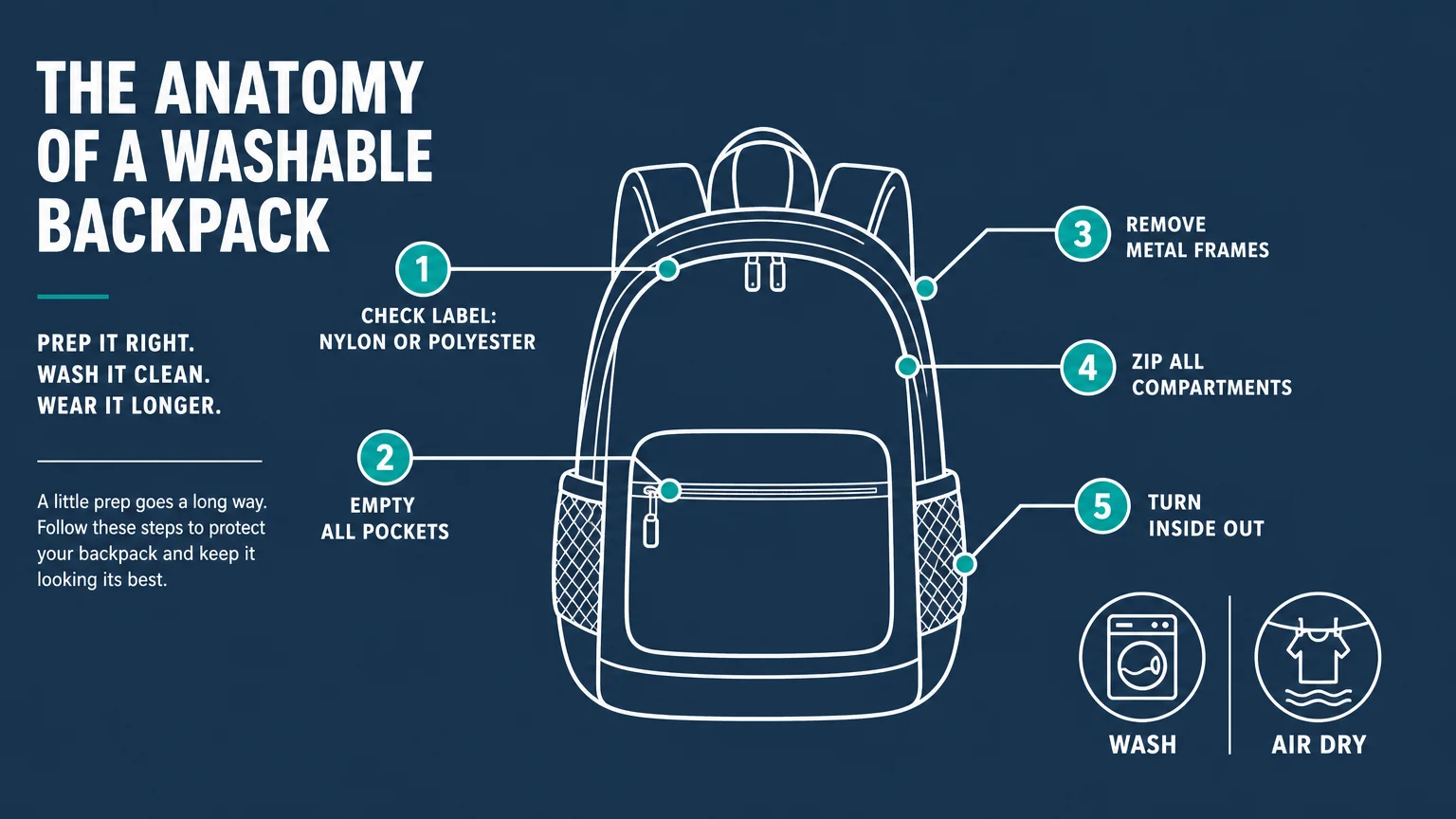
Whether it is a child’s school bag filled with crushed graham crackers or a gym bag saturated with post-workout sweat, backpacks endure heavy daily abuse. Hand wiping the interior lining rarely removes the deeply embedded odors that accumulate over months of use. Many popular outdoor and athletic brands, including Adidas, note that backpacks constructed from durable nylon, canvas, and polyester can be safely machine washed using cold water on a gentle cycle.
Before you approach the laundry room, meticulous preparation is vital. Use the following checklist to prep your backpack for the wash:
- Empty every compartment entirely. Double-check small zippered interior pockets for loose change, ink pens, or forgotten lip balm. A rogue pen will permanently stain the bag and coat your washer drum in ink.
- Vacuum the interior corners. Attach the narrow crevice tool to your household vacuum cleaner and suck out the fine sand, pencil shavings, and food crumbs hiding deep in the bottom seams.
- Remove detachable parts. Take off metal carabiners, sternum straps, rigid waist belts, and any removable internal frames.
- Leave all zippers unzipped. This allows the soapy water to flush through the interior compartments freely, flushing out trapped sweat and dirt.
Place the unzipped backpack inside a large mesh laundry sack. If you lack a laundry sack large enough, place the bag inside an old pillowcase and tie the top securely with a shoelace. Wash it on a gentle cycle with cold water and a small amount of mild liquid detergent. Avoid harsh bleach and aggressive stain removers, which strip the water-resistant coating applied to the exterior nylon shell. Hang the bag upside down in a shaded, well-ventilated area to dry completely.
| Backpack Material | Machine Washable? | Recommended Water Temperature |
|---|---|---|
| Nylon | Yes | Cold Water Only |
| Polyester | Yes | Cold or Warm Water |
| Canvas and Cotton | Yes | Cold Water (to prevent shrinkage) |
| Leather and Suede | No | Spot Clean Only |
Stuffed Animals
Young children treat their favorite plush toys as constant companions. These toys get dragged across dirty grocery store floors, dropped in public playground sandboxes, and cuddled tightly during sick days. Consequently, beloved stuffed animals become silent magnets for microscopic dust mites, harmful bacteria, and airborne allergens.
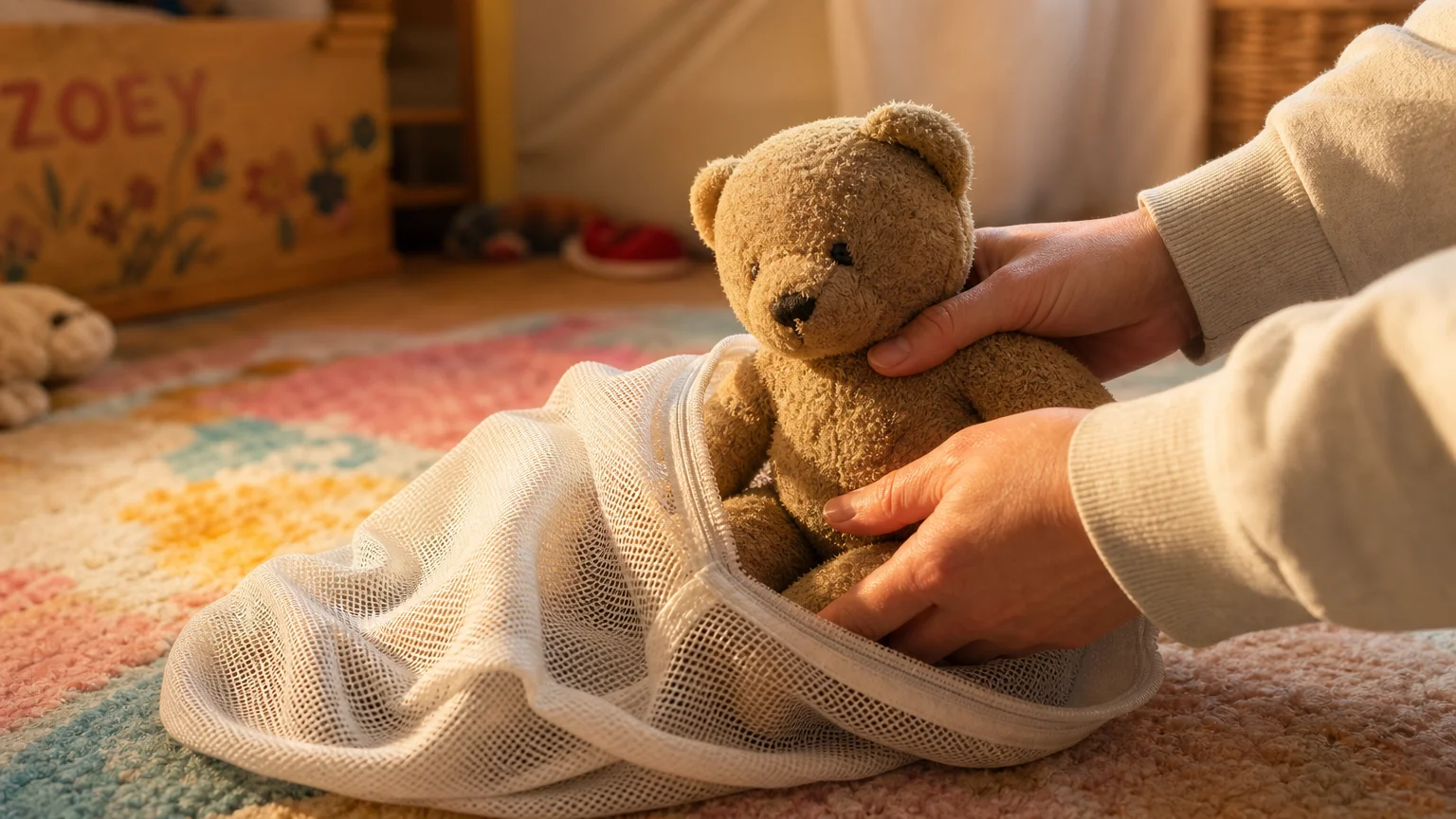
Before tossing a cherished toy into the wash drum, inspect it thoroughly. Toys containing battery packs, electronic voice boxes, or internal mechanical skeletons absolutely cannot be submerged in water. Additionally, older vintage toys filled with dense foam beads or excelsior wood wool will disintegrate completely. For standard modern plushies stuffed with synthetic polyester fiberfill, the washing machine provides an excellent, deeply penetrating clean.
Mend any small tears in the fabric before washing; the vigorous agitation cycle will turn a tiny hole into a massive blowout, leaving your washing machine full of fluffy white stuffing. Place the toy inside a mesh delicates bag or a zippered pillowcase to protect any glued-on plastic eyes, delicate sewn features, or yarn hair. Wash the stuffed animal on the gentlest cycle available using cold water and a mild detergent. To keep the faux fur feeling soft and prevent the synthetic plastic fibers from melting, let the toy air dry in a warm, sunny spot, occasionally fluffing the fur with your fingers to restore its volume.
Small Pet Beds and Couch Covers
Your dog or cat spends countless hours sleeping in the exact same spot, pressing layers of dander, shed fur, and natural body oils deep into the fabric of their bedding. When the pet bed starts making the entire living room smell unmistakably like a kennel, it is time for a thorough, deep wash.
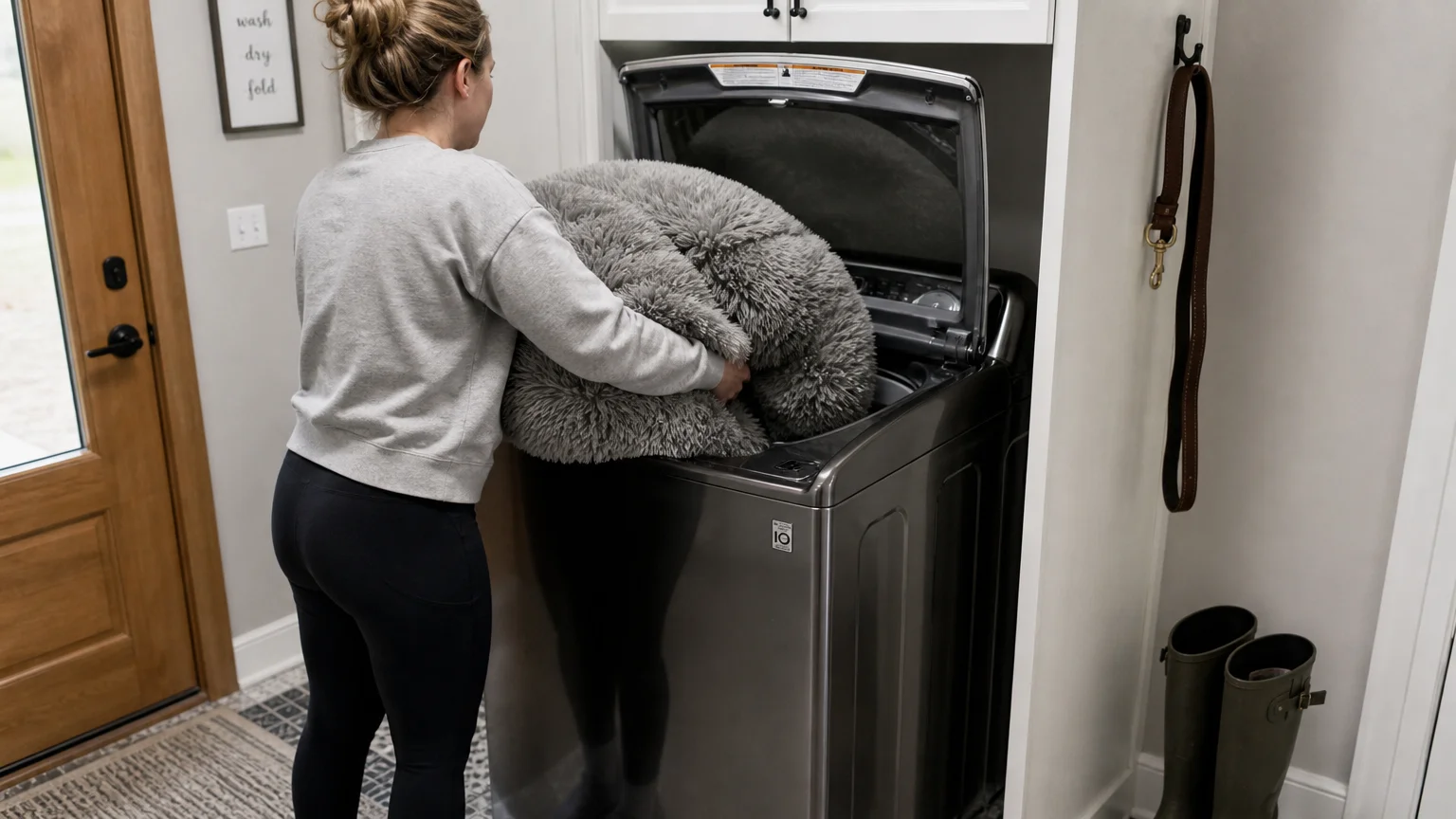
Most small pet beds and removable couch protectors are designed specifically to withstand frequent household laundering. The biggest threat to your washing machine during this process is accumulated pet hair. Thick clumps of wet fur easily bypass the machine’s internal lint trap, clogging the main drain pump and leading to costly plumbing repairs. Always take the bed outside and vigorously shake it. Follow up by vacuuming the sleeping surface with a motorized brush attachment to lift as much embedded fur as mathematically possible.
If the pet bed features a removable cover, unzip it and wash the cover independently. If you are washing an entire padded bed, ensure your machine is large enough to handle the volume. A bulky, water-logged bed can unbalance the drum, causing the machine to shake violently across the laundry room floor. Wash the bed on a bulky or heavy-duty cycle with warm water. Program an extra rinse cycle to ensure all traces of detergent wash away, as leftover soap residue commonly triggers severe skin allergies and hot spots in sensitive pets.
Pick one item from this list—perhaps your grimy shower liner or your dusty mouse pad—and toss it in with your next load of household towels. You will instantly see how much time and manual scrubbing you save by letting your washing machine do the heavy lifting.