A clear bedroom space directly improves your sleep quality and lowers your daily stress levels, giving you a restful sanctuary instead of a stressful storage unit. When clothes pile on the chair and nightstands overflow with old receipts, your brain struggles to switch off at night. Identifying and conquering the specific zones where clutter naturally gathers is the fastest way to reclaim your personal space and master clutter control. You can transform your bedroom by targeting the five most common clutter magnets that derail a peaceful environment. By applying simple, practical sorting methods to these specific trouble spots, you will build maintainable habits that keep the mess from returning.
The Infamous Bedroom Chair
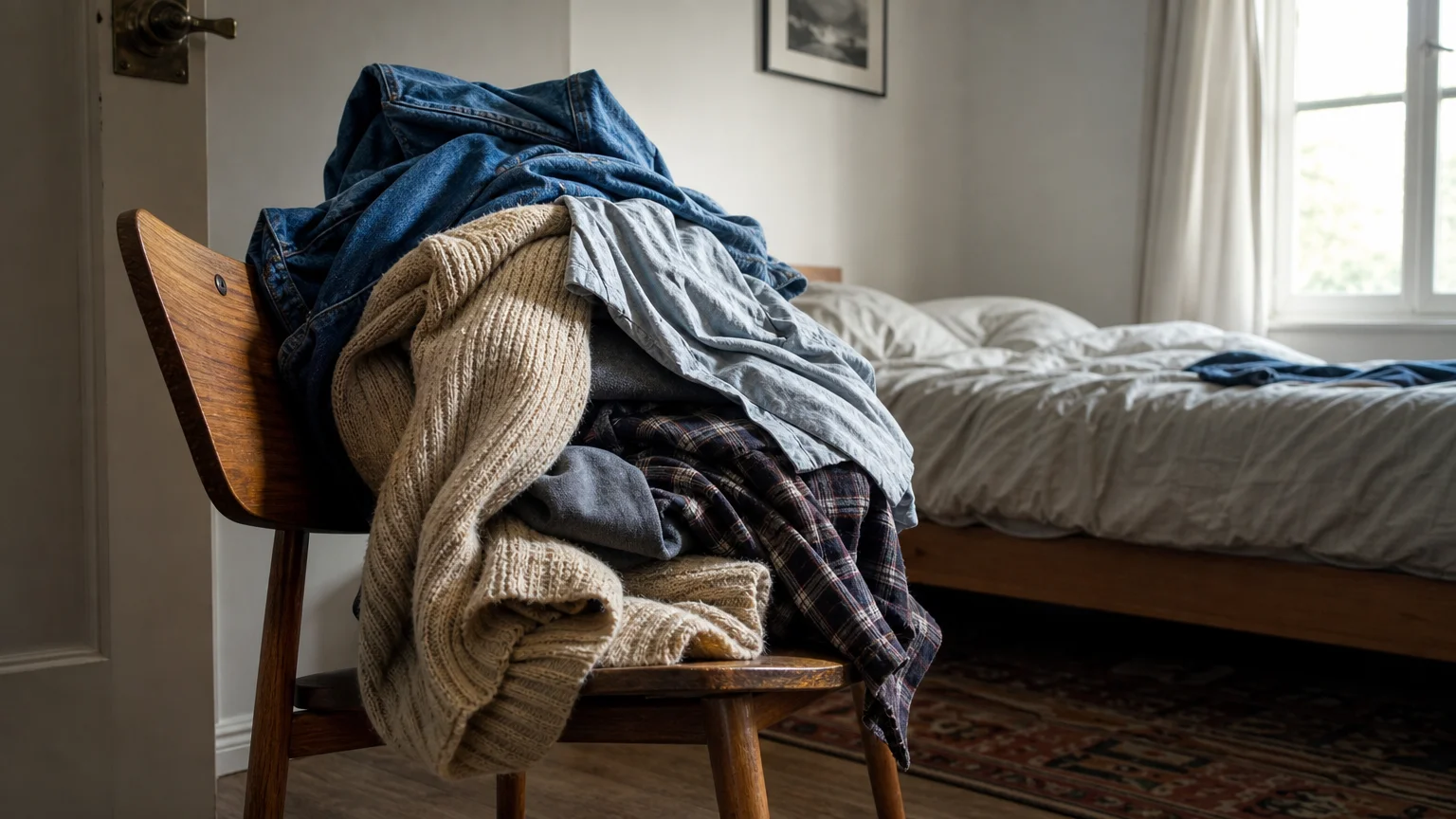
Almost every bedroom features a piece of furniture that rarely sees someone actually sitting on it. Instead, the bedroom chair—or the exercise bike, or the storage bench at the foot of the bed—serves as a purgatory for clothing. You toss jeans there when they are not dirty enough for the hamper but not fresh enough to hang back in the pristine closet. Over the course of a week, this pile grows into a towering fabric mountain.
This visual clutter acts as a constant cognitive drain. Research into home environments consistently demonstrates that competing visual stimuli overload your brain, forcing it to work harder to filter out distractions. When you try to unwind before sleep, that looming pile of garments reminds you of unfinished chores. Your stress levels remain elevated, directly interfering with your ability to rest and recharge for the next day.
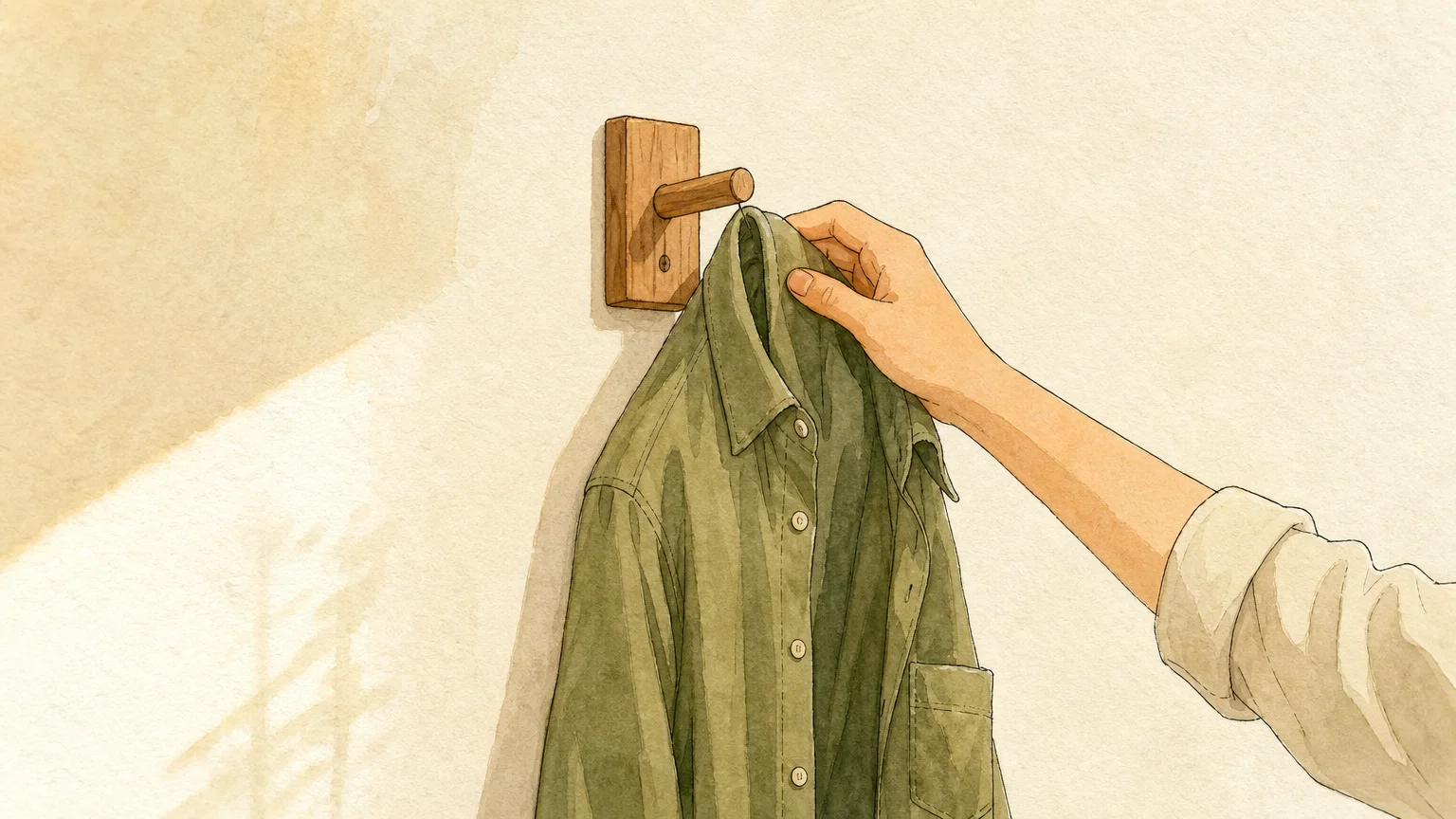
Effective bedroom organization requires a dedicated system for these “in-between” clothes. The chair fails because it lacks boundaries. Replace the chair habit with a practical alternative that limits volume. Install a set of decorative wall hooks directly behind your bedroom door or inside your closet. Assign these hooks exclusively for garments you plan to wear again before washing.
Alternatively, place a small, shallow basket inside your closet specifically for lightly worn items. When the basket fills up, you must either wear the items, wash them, or put them away properly. The chair serves as a visual reminder of indecision; deciding whether a shirt is clean or dirty requires a micro-decision, and draping it over the chair allows you to avoid making a choice. By implementing the hook or basket system, you eliminate the friction of this decision. If it is dirty, it goes in the hamper; if it is wearable, it goes on the hook. Instead of tossing a sweater onto the chair, take the extra ten seconds to hang it up. Over time, you build the muscle memory required to keep the chair clear without even thinking about it.
The Overloaded Nightstand
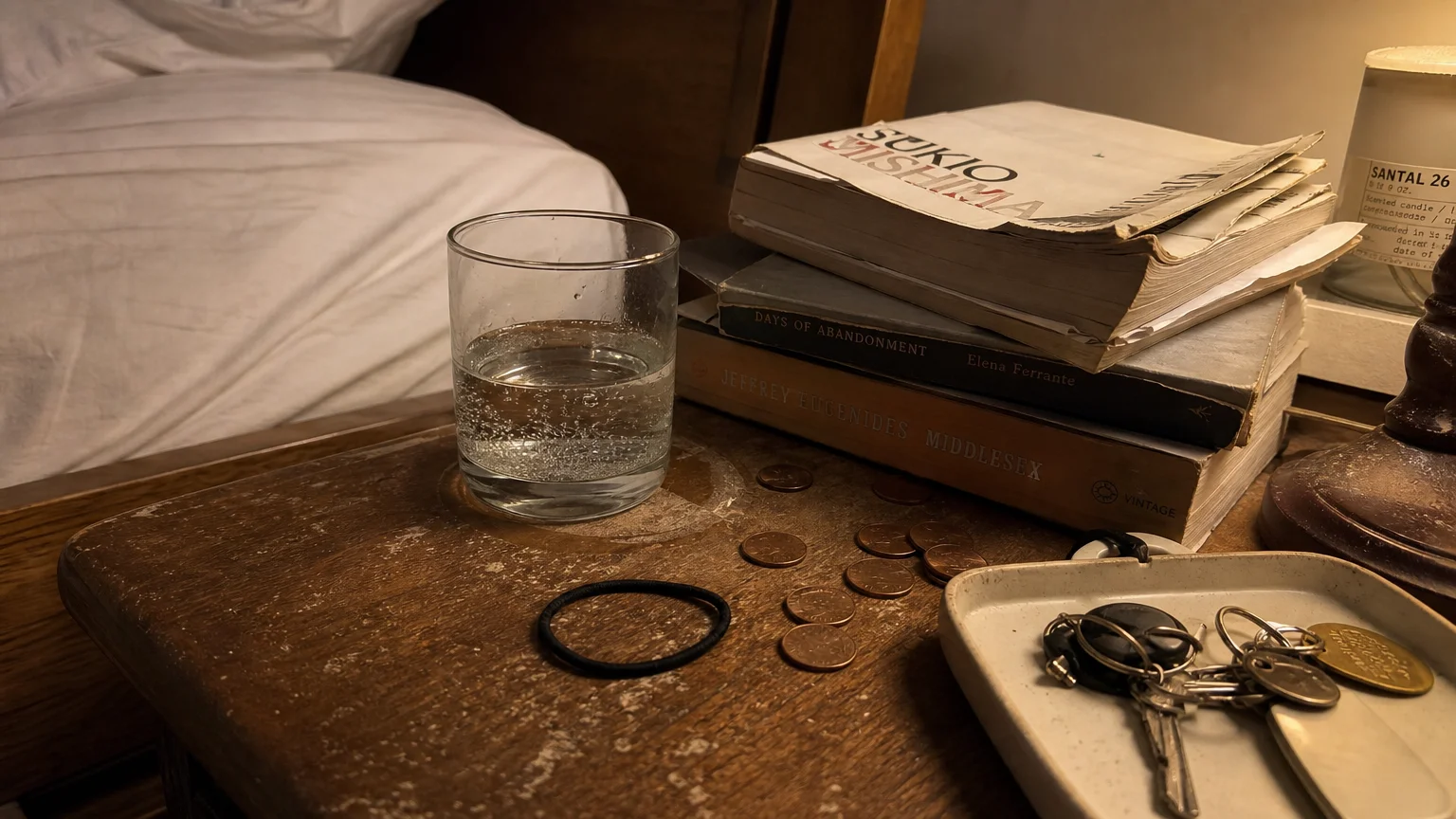
Your nightstand sits inches from your head every night. It should hold only the essentials you need immediately before sleep and right after waking. Instead, it often becomes a dumping ground for half-empty water glasses, stacks of unread books, loose receipts, hair ties, and scattered daily medications.
When you crowd this small surface, you create immediate frustration. Groping around for your alarm or phone in the dark often results in knocking items onto the floor. More importantly, using the nightstand as a haphazard storage area poses significant safety risks, particularly regarding your prescriptions.
Many people keep prescription pills on their nightstand for convenience, but health authorities strongly advise against this practice. The Environmental Protection Agency (EPA) and the FDA recommend storing medications in a secure, dry place completely out of sight and reach of children and pets. Keeping pills on an open nightstand surface invites accidental ingestion. If you must keep daily medications near your bed for immediate access or health reasons, secure them properly inside a lockable nightstand drawer.
Decluttering the nightstand mess means applying a strict boundary rule. Limit the surface to three items: a lamp, a clock or phone charger, and one item for comfort, such as a single book or a glass of water. Clear the surface completely and sort the accumulated items into trash, recycling, and relocation piles. Take a damp microfiber cloth and wipe out the inside of the drawers before placing your organizers inside. Dust and crumbs inevitably gather in these dark, neglected spaces over time.
If your nightstand has drawers, use small acrylic organizers or shallow boxes to compartmentalize the space. Assign one compartment to lip balm and hand cream, another to reading glasses, and another to charging cables. Evaluate your lighting situation while you reorganize. If a bulky table lamp consumes half of your usable surface area, consider installing a wall-mounted sconce or a plug-in pendant light above the nightstand. This simple swap instantly doubles your available space, providing a much cleaner look and a calmer environment right next to your pillow.
The Hidden Wasteland Under the Bed
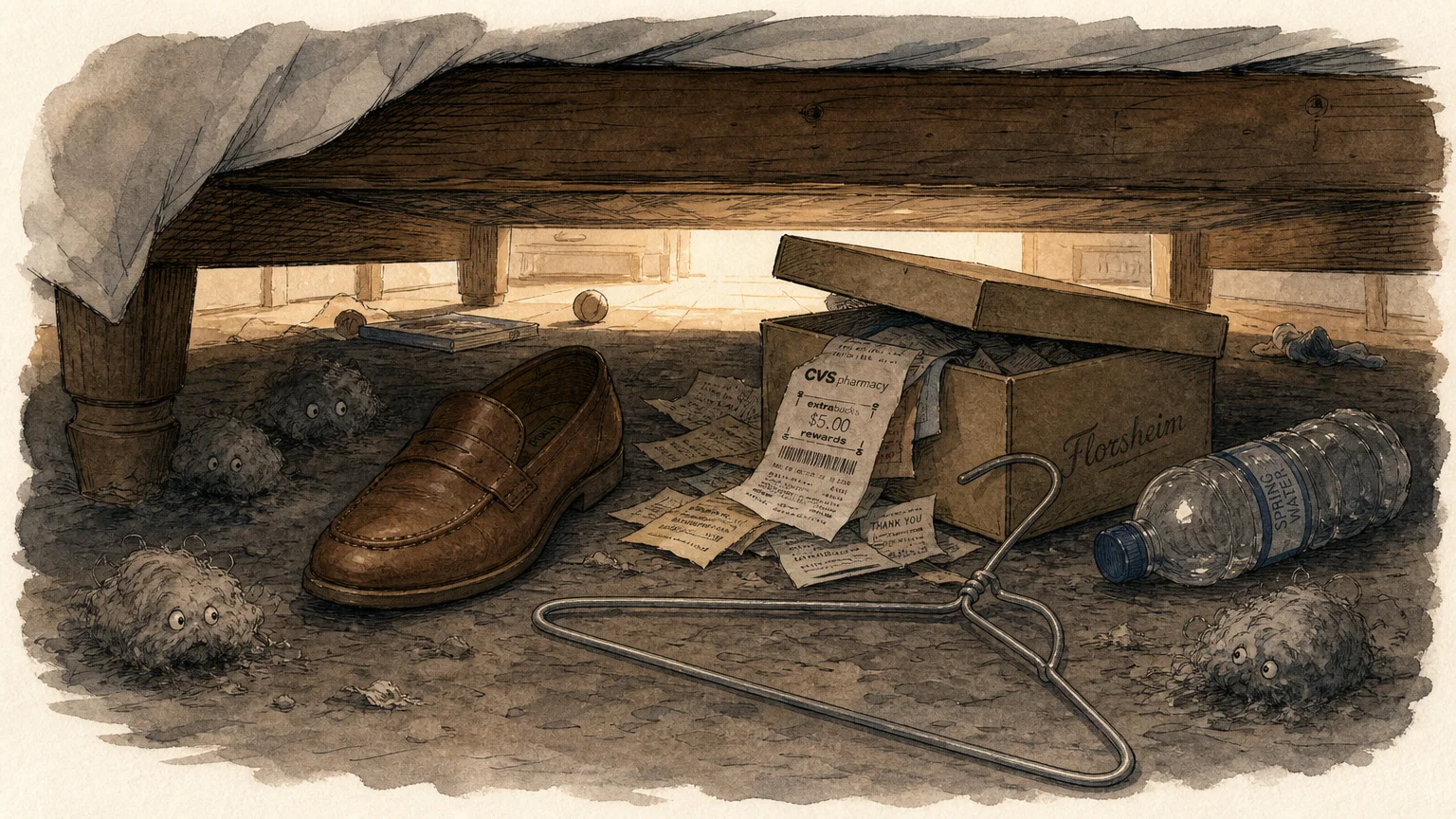
Out of sight usually means out of mind. The vast space beneath your mattress offers a tempting solution for stashing items you do not know what to do with. Old shoeboxes, out-of-season clothing, sports equipment, and discarded electronics slide easily under the frame and quickly disappear into the shadows.
This hidden clutter creates a serious problem for your home air quality. The area under your bed acts as a massive trap for dust, pet dander, and microscopic debris. When you block this space with loose items and cardboard boxes, you make it impossible to vacuum effectively. According to the American Lung Association, dust mites thrive in these undisturbed, dusty environments and represent one of the major indoor triggers for asthma and allergies. Every time you shift in bed, you stir up these allergens right where you breathe.
Reclaiming this space requires pulling everything out into the open. Drag every single item out from under the bed. Pulling boxes out from under a heavy bed frame requires effort, so enlist a friend or family member if you have mobility concerns. Once the space is clear, take the opportunity to inspect your mattress support system and clean the floorboards. Vacuum the floor thoroughly; you will likely find a thick layer of dust that proves exactly why this area needs regular maintenance.
Sort the items you pulled out. Discard empty boxes, donate outgrown clothing, and trash broken items. If you discover items you forgot you even owned during this process, that is a clear signal that you no longer need them. By moving seasonal or sentimental items to the top shelf of a guest room closet or a dry basement, you free up the breathing room your bedroom requires.
If you live in a small home and need clever storage ideas, use the under-bed area deliberately. Never store items loose. Invest in long, low-profile storage bins made of smooth plastic with tight-fitting lids. Plastic bins wipe clean easily and keep dust from settling on your belongings. Store only clean, long-term items in these containers, such as winter coats or holiday linens. Leave enough empty space between the bins so you can easily maneuver your vacuum attachment during your weekly cleaning routine.
The Closet Floor Drop Zone
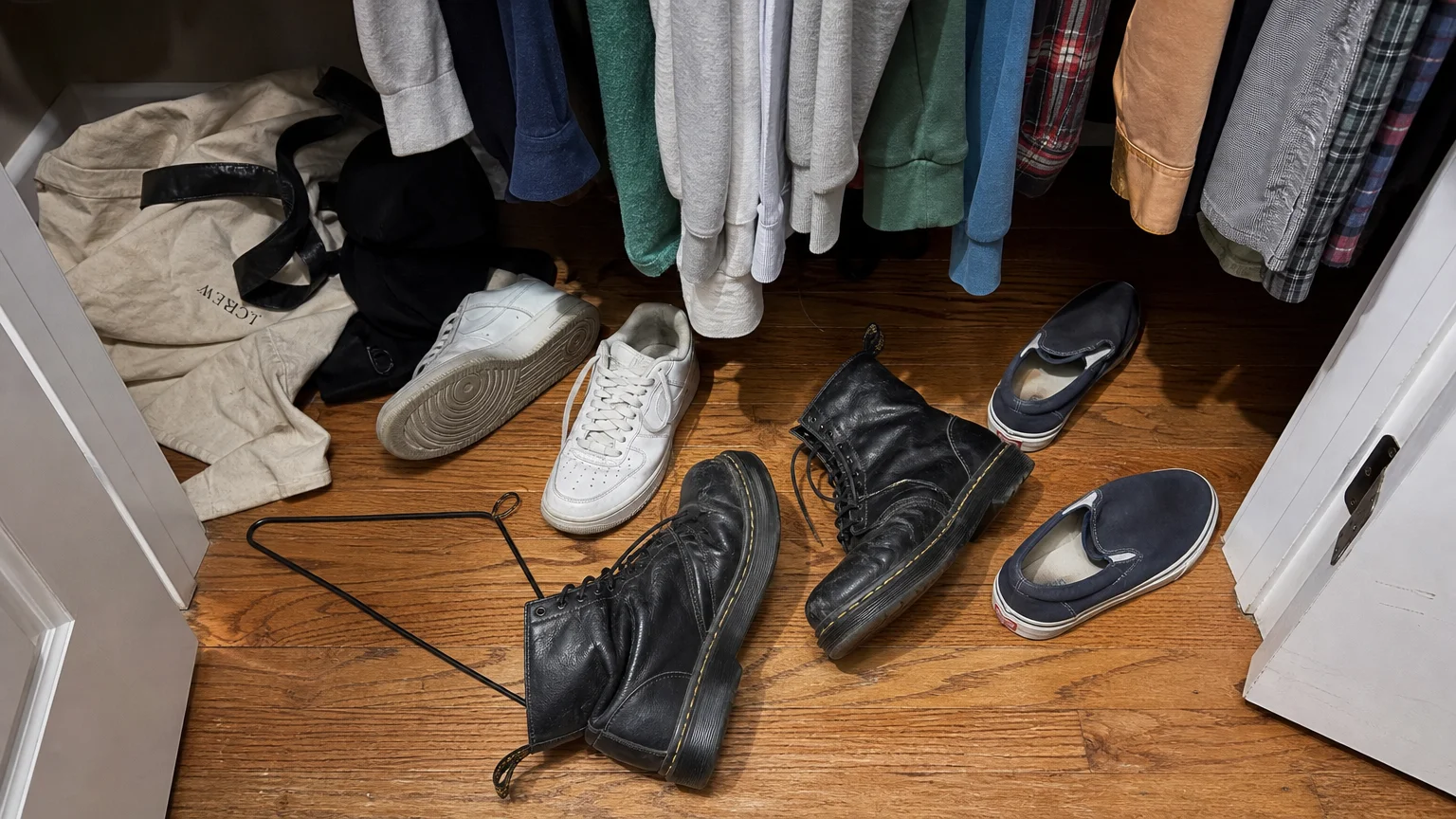
The closet floor often catches whatever you drop when you walk in the door tired. Shoes pile up in a tangled mess, gym bags collapse in the corner, and items that fell off hangers remain exactly where they landed. Eventually, the floor becomes so cluttered that you cannot step inside your closet, forcing you to reach dangerously over the mess just to grab a coat.
Allowing your closet floor to become a storage unit is more than just messy; it represents a significant tripping hazard. The Centers for Disease Control and Prevention (CDC) specifically flags bedroom floor clutter, including shoes and scattered papers, as a leading cause of preventable home falls, particularly for older adults. Tripping over a rogue shoe in a dark bedroom can result in severe injuries, changing your life in an instant.
To clear the drop zone effectively, implement this practical step-by-step organizational strategy:
- Empty the floor completely: Remove every shoe, bag, and fallen garment, placing them on your bed. Your goal is to see the baseboards and give the floor a thorough vacuuming before anything goes back inside.
- Audit your shoes mercilessly: Match the pairs. Donate shoes you have not worn in over a year, and throw away pairs that are irreparably scuffed, uncomfortable, or broken.
- Elevate your storage: The golden rule for a functional closet floor is simple—nothing sits directly on the carpet or hardwood. Install a floating shoe shelf, utilize a hanging canvas shoe organizer that attaches directly to the closet rod, or place a sturdy, multi-tiered shoe rack against the back wall.
- Relocate bulky bags: Install heavy-duty hooks on the side walls of your closet for backpacks, purses, and gym bags. Hanging these items clears floor space instantly and helps your structured bags retain their proper shape.
- Establish a “one in, one out” rule: When you bring home a new pair of shoes or a new work bag, immediately select an old one to donate. This maintenance habit prevents the volume of your belongings from exceeding the capacity of your new storage systems.
While you are organizing the floor, consider upgrading your hangers. Slim velvet hangers prevent clothes from slipping off and falling to the floor in the first place, stopping the cycle of clutter at its source. When you elevate items off the floor, you create a clear, safe walking path and make it significantly easier to sweep the closet.
The Dresser Top and Charging Station
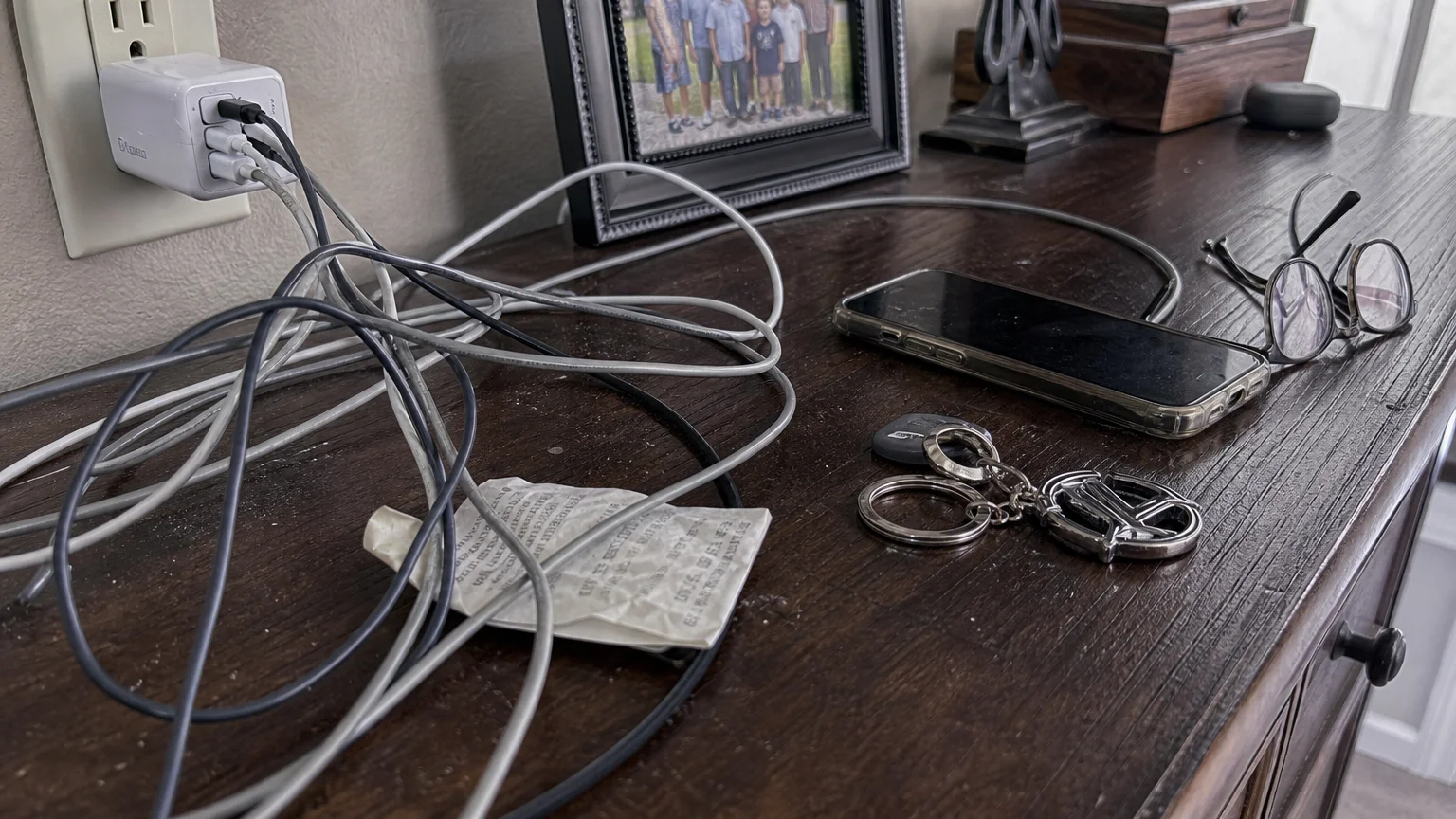
Your dresser top provides a large, flat surface at waist height, making it the perfect landing pad for daily detritus. Pocket change, assorted jewelry, half-used perfume bottles, makeup brushes, and a tangled web of electronics cords usually cover every inch of available space.
This surface clutter creates a chaotic visual environment right at eye level, making the whole room feel messy even if the rest of the space is clean. Furthermore, when multiple electronics—such as phones, tablets, smartwatches, and e-readers—compete for power on top of a dresser, they often rely on a dangerous network of extension cords and power strips. The Consumer Product Safety Commission (CPSC) warns that overloading extension cords or daisy-chaining power strips presents a severe fire and electrical shock hazard.
Tame the dresser top by corralling loose items and streamlining your power sources using these specific actions:
- Clear and clean: Remove every single item from the top of the dresser. Polish the wood or wipe down the surface to give yourself a clean slate.
- Establish a catch-all tray: Introduce a valet tray or a decorative shallow bowl. This provides a dedicated physical boundary for loose items like keys, coins, and rings. When the tray gets full, empty it into your permanent storage spaces.
- Go vertical with cosmetics: Use a tiered stand or a small rotating acrylic caddy for perfumes and lotions to radically reduce their footprint on the dresser.
- Consolidate power safely: Swap multiple dangerous cords for a single, safety-certified multi-device charging station. Plug this station directly into a wall outlet rather than relying on an extension cord to eliminate the fire hazard.
- Limit decorative objects: Restrict framed photos, plants, or candles to a maximum of three items to avoid visual overload.
This visual restraint transforms the furniture from a cluttered storage shelf into a styled, calming focal point for the room. You will find it much easier to get ready in the morning when you are not digging through a pile of loose change and tangled wires to find your watch.
Make Your First Move Tonight
You do not need to tackle all five hotspots in a single weekend. Overhauling your entire bedroom at once often leads to burnout, leaving you with a bigger mess than when you started. Instead, focus on building momentum through small, manageable victories. Pick the one hotspot that frustrates you the most—perhaps it is the chaotic nightstand or the overflowing bedroom chair. Grab a single trash bag and a sorting basket, set a timer for fifteen minutes, and clear that specific zone tonight. You deserve a bedroom that feels like a retreat at the end of a long, exhausting day. Your bedroom should support your well-being, not drain your energy. Start your transformation today and take back your space.