Your outdoor space should be a relaxing retreat, but restoring it after a long winter often feels overwhelming. You can completely transform your patio and garden without exhausting yourself by tackling the space in practical, systematic steps. Rather than wandering around with a trash bag and a hose, focus your energy on the zones that deliver the highest visual impact and comfort. Clearing debris, washing hardscapes, and treating fabrics will instantly elevate the atmosphere. Whether you want to prep your yard for hosting summer dinners or you simply need a calm, low-maintenance spot to drink your morning coffee, these strategies will help you achieve a cleaner, more inviting backyard.
1. Clear Away the Accumulated Debris
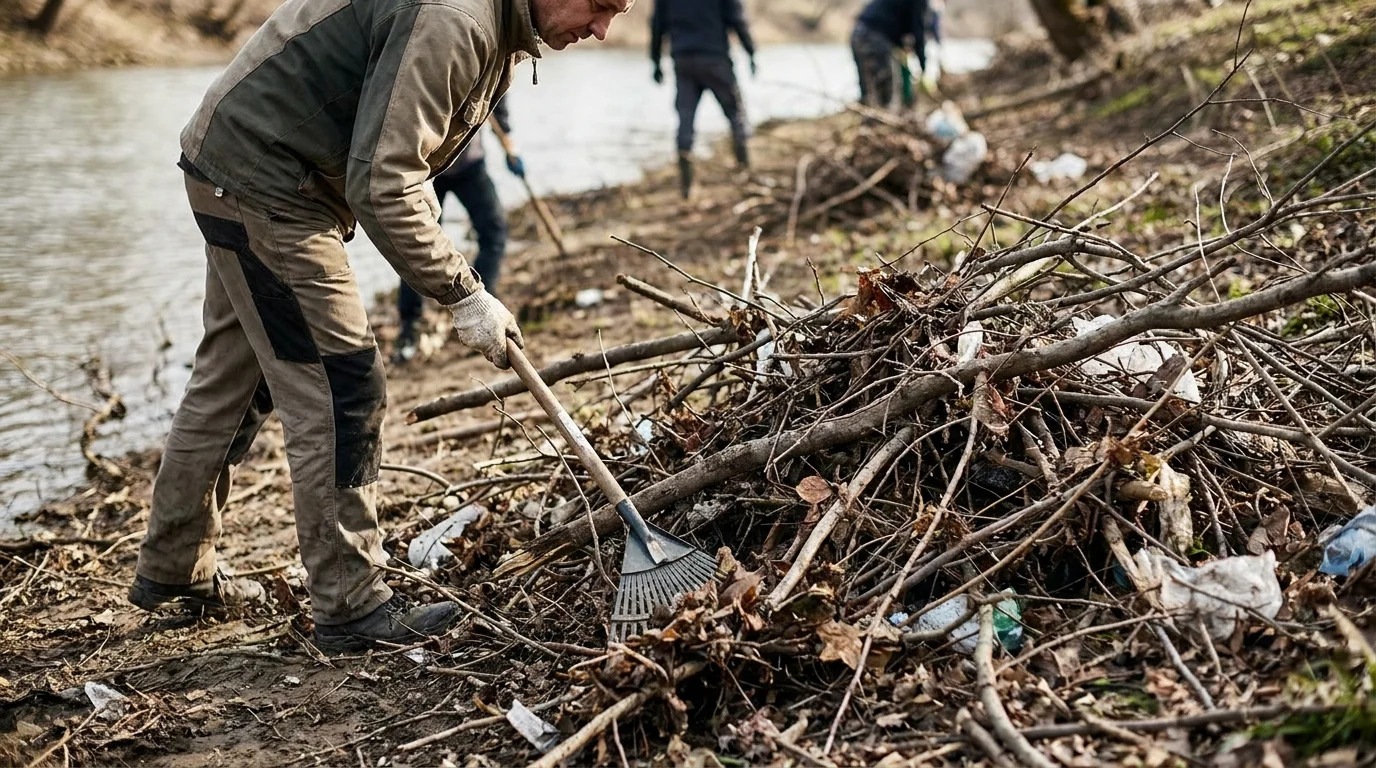
Start with a clean slate. Dead leaves, fallen twigs, and stray garden tools make any yard look cluttered. Grab a sturdy rake, a push broom, and a contractor bag, then walk the perimeter of your space. Pick up loose branches and toss out any organic waste that has collected in the corners of your patio or deck.
As you move around the yard, categorize the items you find. Create a dedicated pile for yard waste that can be composted, a pile for outright trash, and a staging area for items that need to be cleaned or stored. Pay special attention to the areas under bushes and along fence lines, as the wind tends to trap leaves and trash in these tight spaces. Removing this built-up organic matter does more than just tidy the yard—it prevents rot and keeps pests from making nests near your home. Once the ground is clear, use a leaf blower or a stiff-bristled push broom to clear the remaining dirt from your walkways and patios. If you have older flower pots that cracked during the winter frost, throw them away now; keeping broken items only adds to visual clutter.
2. Deep Clean Hardscapes and Decking
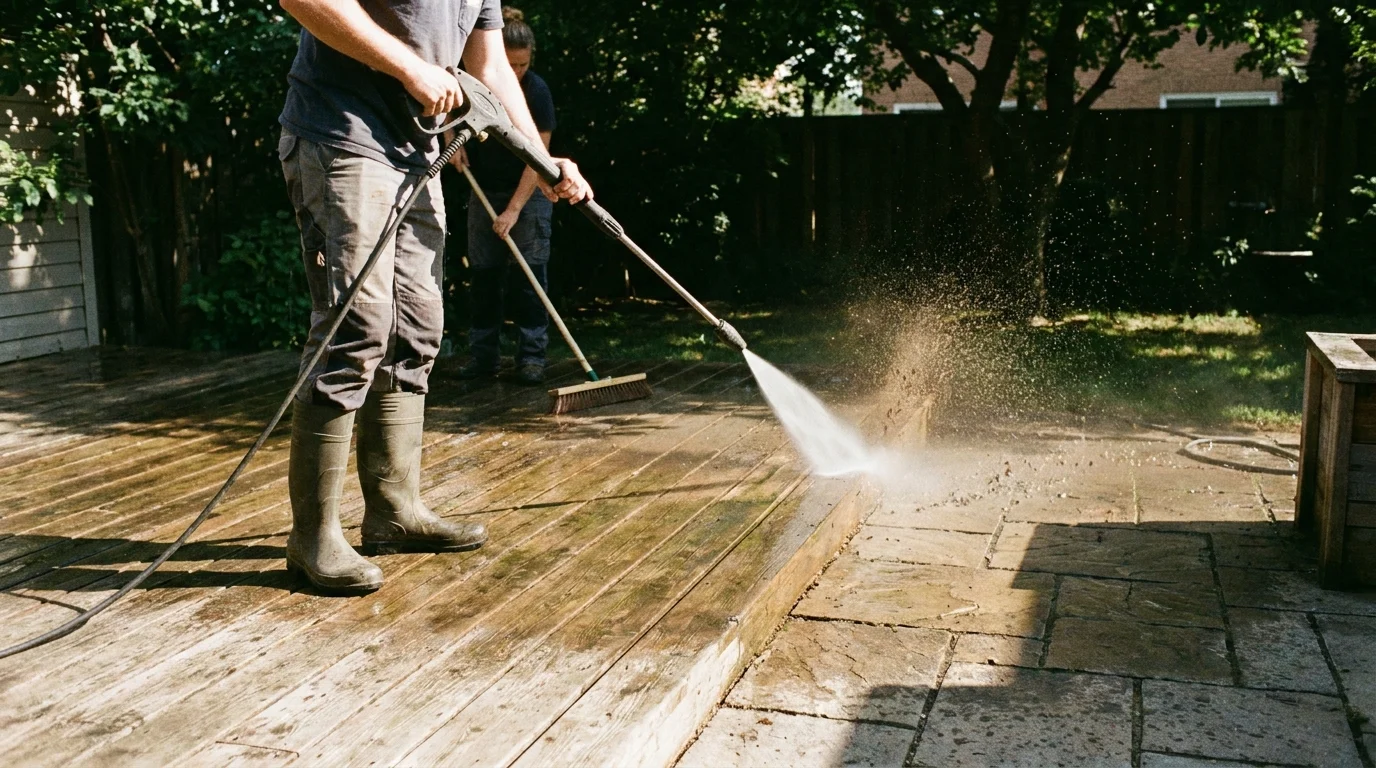
Grime, algae, and bird droppings build up on your patios, brick pathways, and wooden decking over time. A thorough wash instantly erases months of weathering. Power washing is highly efficient, but you must use the correct pressure settings to avoid causing permanent damage to your surfaces. Softwoods like cedar and pine are especially vulnerable to splintering and gouging if hit with too much force; therefore, taking the time to test your settings on an inconspicuous area will save you costly repairs.
When washing a wood deck, hold the wand 12 to 18 inches away from the surface and use a wide fan-tip nozzle. Work with the grain of the wood, sweeping the wand in a smooth, continuous pendulum motion. Avoid starting or stopping the spray directly pointed at the wood, as this leaves harsh start-and-stop lines. Once you finish washing, wait at least 48 hours for the wood to dry completely before applying any fresh stain or protective sealant.
To help you choose the right pressure for the job, use the guidelines in the table below:
| Surface Type | Recommended PSI | Best Practices |
|---|---|---|
| Softwood Decks (Pine, Cedar) | 500 – 600 PSI | Use a 40-degree fan tip. Keep the nozzle moving constantly to prevent gouging the soft wood fibers. |
| Hardwood Decks (Ipe, Mahogany) | 800 – 1,200 PSI | Follow the wood grain. Do not exceed 1,200 PSI, as higher pressure can cause the wood to splinter. |
| Vinyl Siding | 1,300 – 2,000 PSI | Spray at a slight downward angle to prevent water from pushing up behind the siding panels. |
| Concrete Patios & Driveways | 2,500 – 3,000 PSI | Pre-treat oil stains with a degreaser. A surface cleaner attachment speeds up the job and prevents zebra striping. |
3. Refresh and Protect Your Outdoor Furniture
Your patio chairs, loungers, and outdoor dining tables face the elements year-round. Over time, fabric cushions develop stubborn mildew, and metal frames may show signs of rust or oxidation. To extend the life of your furniture and make your seating area inviting again, clean the pieces thoroughly before placing them back in their designated spots.
Start by brushing loose dirt, pollen, and spider webs off your cushions. For routine cleaning, wipe the fabric with a sponge dipped in warm water and mild dish soap. If you notice dark spots of mildew, you will need a stronger solution. According to the Utah State University Extension, you can treat mildew on bleach-safe outdoor materials by using a mixture of bleach and mild detergent. A common ratio is one cup of bleach and one-quarter cup of mild soap mixed into a gallon of water. Spray the solution onto the fabric, scrub gently with a soft-bristled brush, and rinse thoroughly with a garden hose. Always test a small, hidden area of the fabric first to ensure the bleach will not ruin the dye. Letting the cushions dry entirely in direct sunlight will naturally bleach out any remaining mild stains.
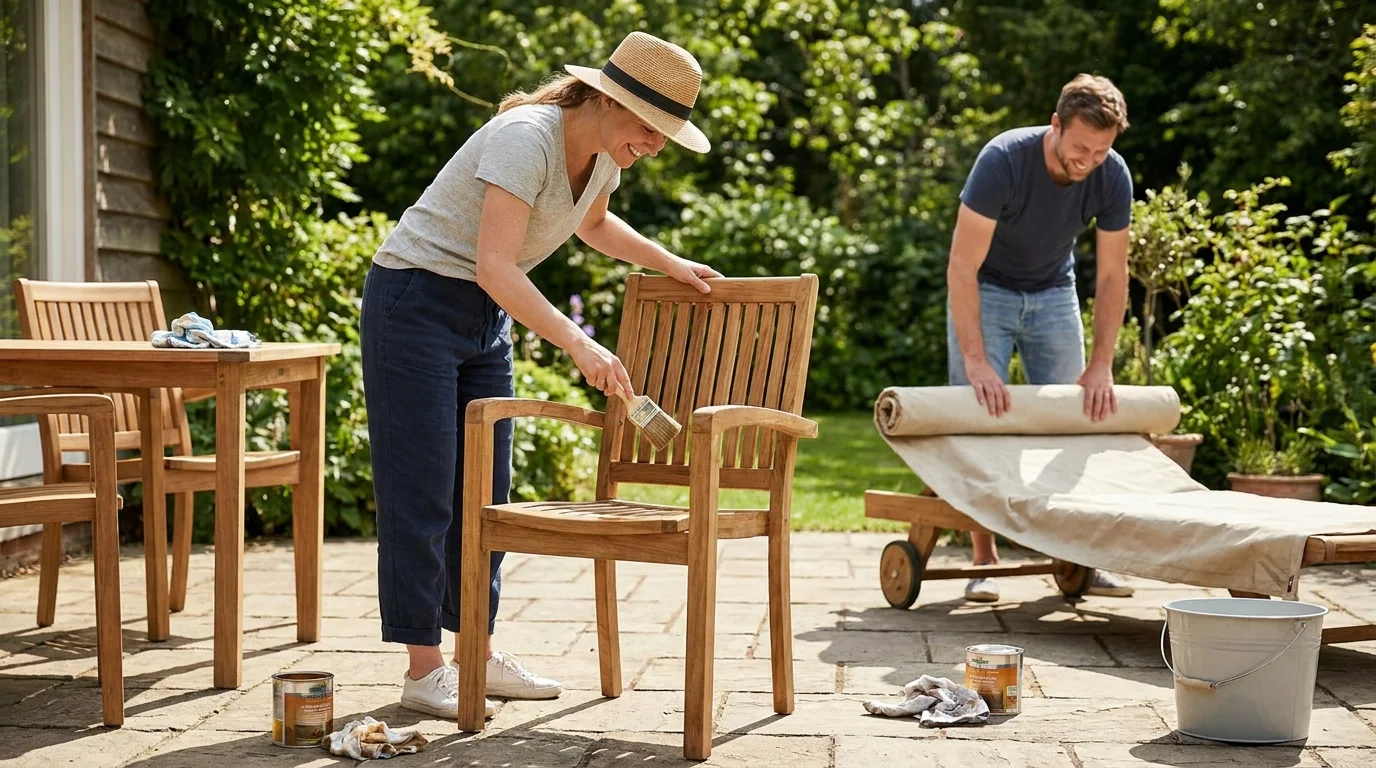
After tackling the fabrics, focus on the frames. Wipe down metal, wicker, and plastic frames with an all-purpose cleaner. If you have aluminum or powder-coated metal furniture, applying a thin coat of liquid automotive wax after washing adds a layer of protection. The wax helps the frame shed rainwater, protects the paint from fading in the sun, and prevents rust from forming on exposed joints. For teak or cedar wood furniture, apply a specialized oil to restore the rich, natural color of the timber.

4. Revitalize Your Plant Life
A garden refresh breathes new energy into your entire yard, turning overgrown, chaotic beds into neat focal points. Start by pruning dead branches from your shrubs and pulling weeds that sprouted during the rainy season. Cutting back overgrown foliage instantly makes the space look manicured, encourages healthy new growth, and allows the remaining plants to receive more sunlight.
Next, remove any dead annuals from last year and evaluate your perennial plants. If your hostas or ornamental grasses have grown too large, early spring is an excellent time to divide them and replant the halves in other areas of the yard.
Once you finish pruning and weeding, apply a fresh layer of organic mulch around your garden beds and at the base of your trees. Mulch not only makes the yard look finished and cohesive, but it also provides vital benefits for the underlying soil. The University of Minnesota Extension recommends maintaining a 2- to 4-inch layer of organic mulch to suppress annual weeds, conserve soil moisture, and regulate soil temperature. Be careful not to pile the mulch directly against the base of tree trunks or plant stems; leave a gap of 3 to 6 inches to prevent bark rot and discourage pests from tunneling into the wood.
5. Address Drainage and Pest Control
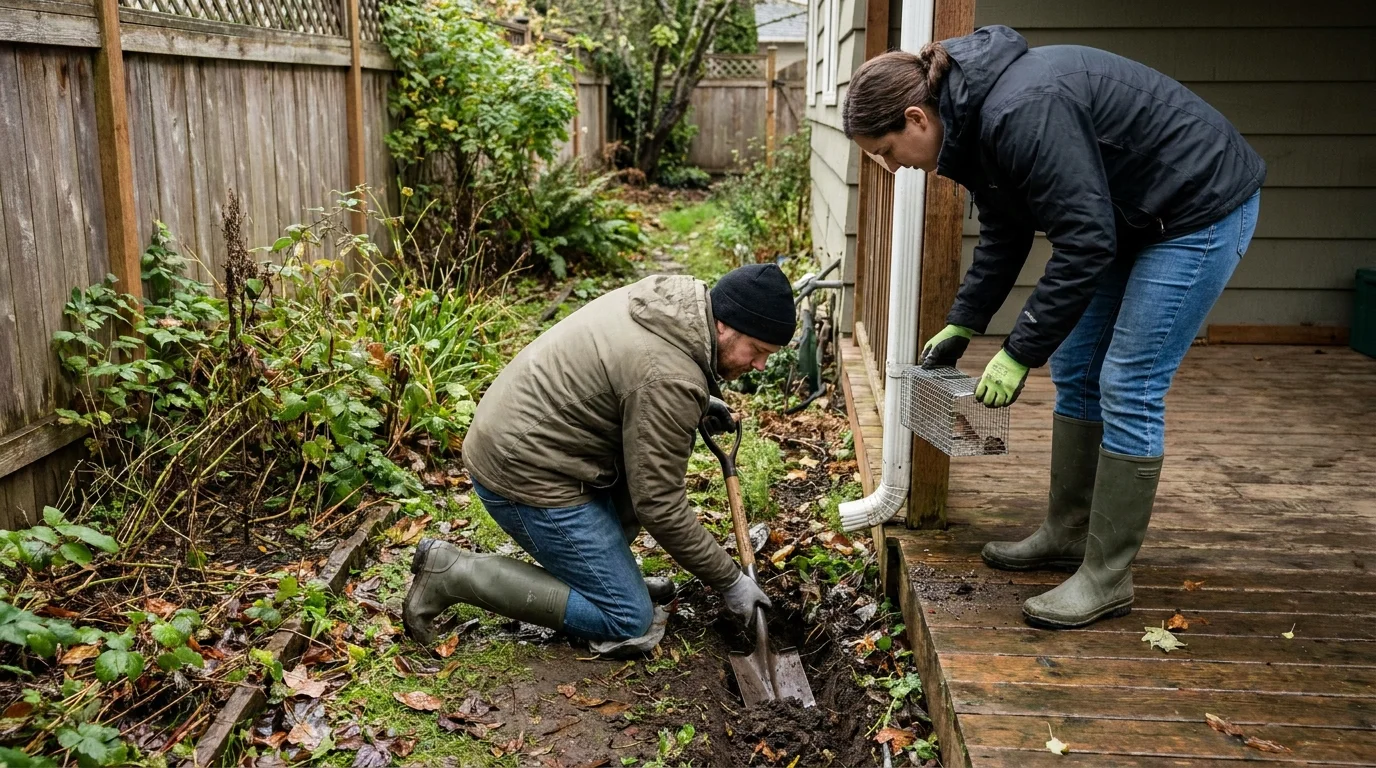
Nothing ruins a relaxing evening outside faster than a swarm of biting mosquitoes. These pests breed rapidly in stagnant water, making drainage and moisture control a top priority when brainstorming backyard cleaning ideas. Walk around your property after a heavy rain and look for any areas holding water. Check your gutters for clogs, empty out old bird baths, and overturn unused buckets, wheelbarrows, or children’s toys. Even a discarded bottle cap holds enough water to breed dozens of mosquitoes.
If you have a water feature, a rain barrel, or a decorative pond that you cannot easily empty, you must treat the water to prevent mosquito larvae from developing into biting adults. The Environmental Protection Agency (EPA) approves the use of Bti (Bacillus thuringiensis israelensis), a naturally occurring soil bacterium that specifically targets and kills mosquito larvae. Bti is commonly sold in dissolving dunks or granular bits at local hardware stores. Dropping a mosquito dunk into standing water breaks the mosquito life cycle effectively. The Centers for Disease Control and Prevention (CDC) notes that Bti only works against actively feeding larvae and will not harm people, pets, fish, birds, or beneficial pollinators. Replace the dunks every 30 days during the warmest months of the year for continuous protection.

6. Update Your Lighting for Ambiance and Safety
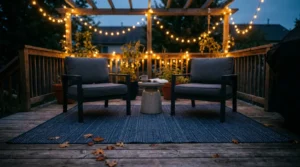
A smart outdoor space makeover completely shifts the mood of your yard as the sun goes down. Good lighting allows you to safely navigate your steps and walkways while creating a warm, inviting atmosphere that encourages you to stay outside longer. You do not need to hire an electrician to dramatically improve your landscape lighting.
Consider adding layered lighting to serve different purposes throughout the yard. Here is a practical approach to brightening your space:
- Solar path lights: Line your walkways, driveway, and garden borders with solar stakes. They require zero wiring, install in seconds by simply pushing them into the dirt, and automatically turn on at dusk.
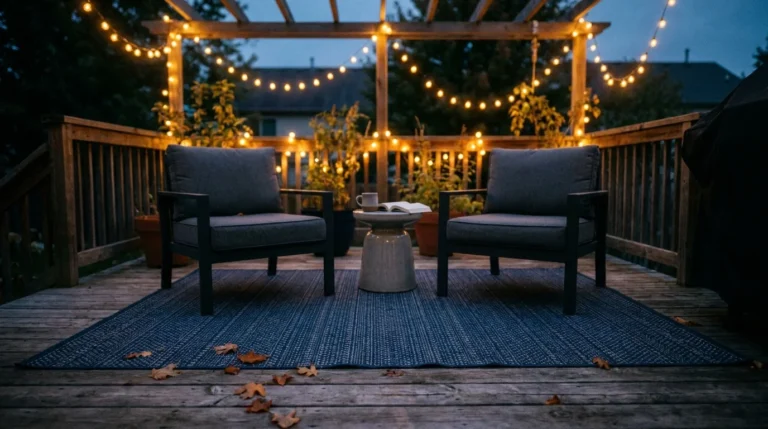
- String lights: Drape commercial-grade LED string lights above your patio, attach them to a pergola, or weave them through the branches of a sturdy tree. They cast a soft, flattering glow over your primary seating and dining areas.
- Motion-sensor floodlights: Install these near your garage, storage shed, or side gates. They boost your home security, deter nocturnal pests, and make taking out the trash much easier at night.
Take a few minutes to wipe down the solar panels on your existing landscape lights with a damp microfiber cloth. Dust, dirt, and pollen block the sun, significantly reducing the battery charge and dimming the light output at night.

7. Define Zones with Outdoor Rugs and Decor
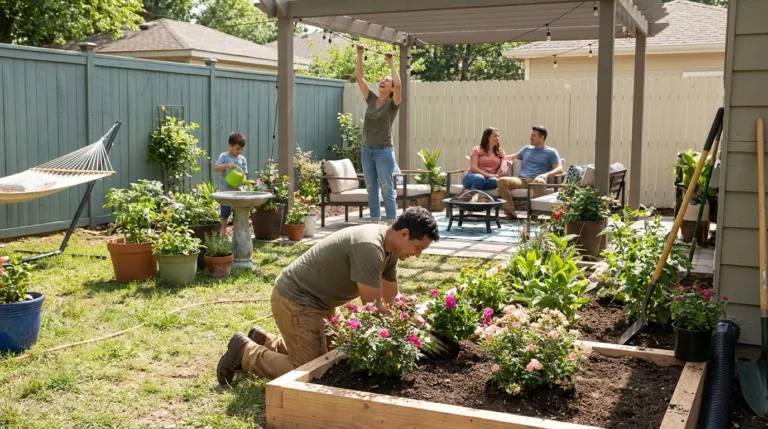
If your patio feels like a large, empty concrete slab or a sprawling wooden deck without a clear purpose, break it up by creating dedicated activity zones. Grouping your furniture with intention is one of the easiest patio makeover tips to implement. You can designate one area specifically for dining, another for lounging around a fire pit, and perhaps a small, quiet corner with a comfortable chair for reading.
Anchor your main seating area with a durable, weather-resistant outdoor rug. An outdoor rug adds a pop of color, hides unsightly stains or imperfections in the decking, and feels comfortable under bare feet. Choose rugs made from polypropylene or recycled plastics, as they resist mold, withstand heavy foot traffic, and can be easily hosed off when dirty.
Once your rug is in place, layer in some practical decor; for example, add a few weather-resistant throw pillows to your chairs for extra lumbar support. Position a small ceramic stool or side table near your loungers to hold morning coffee cups or evening drinks. Finally, incorporate a few potted plants or a small tabletop herb garden to blend the hardscaping of your patio with the soft, natural elements of your yard.

8. Upgrade Your Storage Solutions
Outdoor spaces quickly look messy when garden hoses, pool toys, barbecue tools, and bags of potting soil are left lying around. Proper storage keeps your yard highly functional and extends the life of your supplies by protecting them from the damaging effects of the sun and rain.
Assess the items that currently clutter your patio and find dedicated homes for them. Invest in a weather-resistant resin deck box to store your patio cushions, throw blankets, and children’s outdoor toys when they are not in use. A sturdy deck box protects your fabrics from sudden rainstorms and prevents spring pollen from coating your seating areas. Furthermore, some deck boxes are reinforced to double as extra seating when you host larger gatherings. Look for models with lockable latches to keep curious animals out during the night.
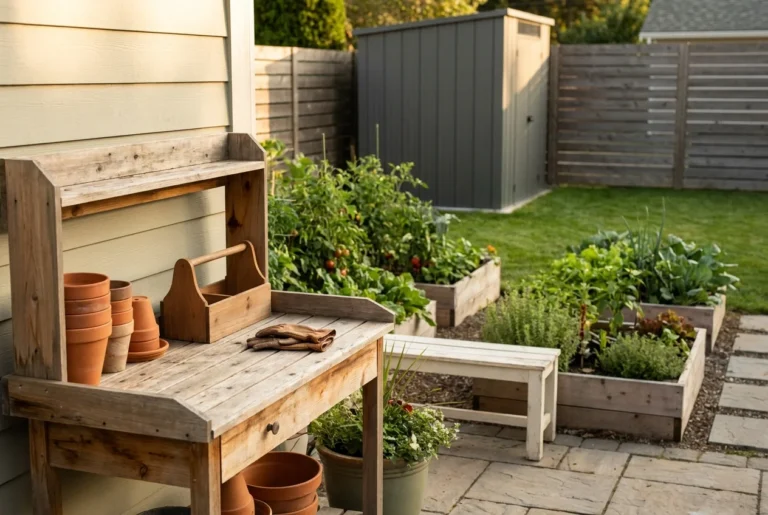
Mount a retractable hose reel to the side of your house to keep your garden hose neatly coiled and out of the walkway, preventing a common tripping hazard. If you have larger yard tools, consider adding a small, slim-profile storage shed against your fence line or on the side of your house. Keeping shovels, rakes, bags of fertilizer, and extra potting soil behind closed doors instantly elevates the cleanliness of your property and keeps hazardous materials safely away from pets. Storing items vertically on pegboards inside your shed will free up floor space and make it easier to grab what you need.

9. Create a Low-Maintenance Routine
Once you put in the hard work to refresh your space, keep it looking sharp with a simple, sustainable routine. Implementing a massive list of outdoor refresh ideas only lasts if you establish practical habits to maintain your hard work. You want your yard to be a relaxing retreat, not a constant source of demanding weekend chores.
Develop a weekly checklist that takes less than 30 minutes to complete. Make a habit of sweeping your patio every weekend to prevent dirt from settling into the grooves of the decking and staining the concrete. Wipe down your dining table and chairs after every meal to prevent food spills from attracting ants or wasps. Shake out your outdoor rugs once a month, and spot-clean any bird droppings immediately before they bake into the fabric.
When you buy new plants for your garden, opt for native, drought-tolerant species. Native plants are adapted to your local climate; consequently, they require significantly less watering, fewer fertilizers, and less constant attention than exotic varieties. By keeping your layout streamlined, organizing your tools, and sticking to small, regular maintenance tasks, you ensure your outdoor space remains welcoming, tidy, and ready to enjoy at a moment’s notice.
Grab a trash bag and spend 15 minutes today picking up loose debris and broken branches. This single, simple step instantly improves the look of your yard and builds momentum for the rest of your outdoor refresh.