Protecting your health as you age means looking beyond dust and clutter to find the silent hazards lurking in your home. Mold grows rapidly in dark, damp spaces, releasing invisible spores that can compromise an older adult’s respiratory system and trigger severe allergic reactions. While you likely scrub your shower tiles and wipe down bathroom sinks, the most dangerous fungal growth often happens entirely out of sight. Identifying these covert breeding grounds is crucial for maintaining a safe, breathable living environment. Checking a few overlooked spaces allows you to eliminate toxic air pollutants before they cause lasting harm. These specific hidden pockets of moisture require your immediate and careful attention today.

Why Fungal Spores Are Highly Dangerous for Older Adults
As we grow older, our bodies undergo natural changes that make us far more susceptible to environmental toxins. According to the Centers for Disease Control and Prevention (CDC), inhaling or touching mold spores can cause severe allergic reactions, asthma attacks, and chronic respiratory issues. For an older adult with a naturally aging immune system, the health effects of breathing contaminated air are often magnified; you might experience persistent coughing, wheezing, watery eyes, and a stuffy nose that feels like a cold you simply cannot shake.
Furthermore, specialized medical organizations like the Mayo Clinic warn that individuals with compromised immune systems or underlying lung conditions face a much higher risk of developing serious fungal infections directly in their lungs. Because older adults spend a significant amount of their time indoors, maintaining pristine indoor air quality is vital. The severe health risk mold presents to anyone over 60 makes routine inspections a crucial part of independent living. By tracking down and eliminating these hidden hazards, you instantly reduce your daily toxic load, allowing your body to rest and recover efficiently.
1. The Refrigerator Drip Pan
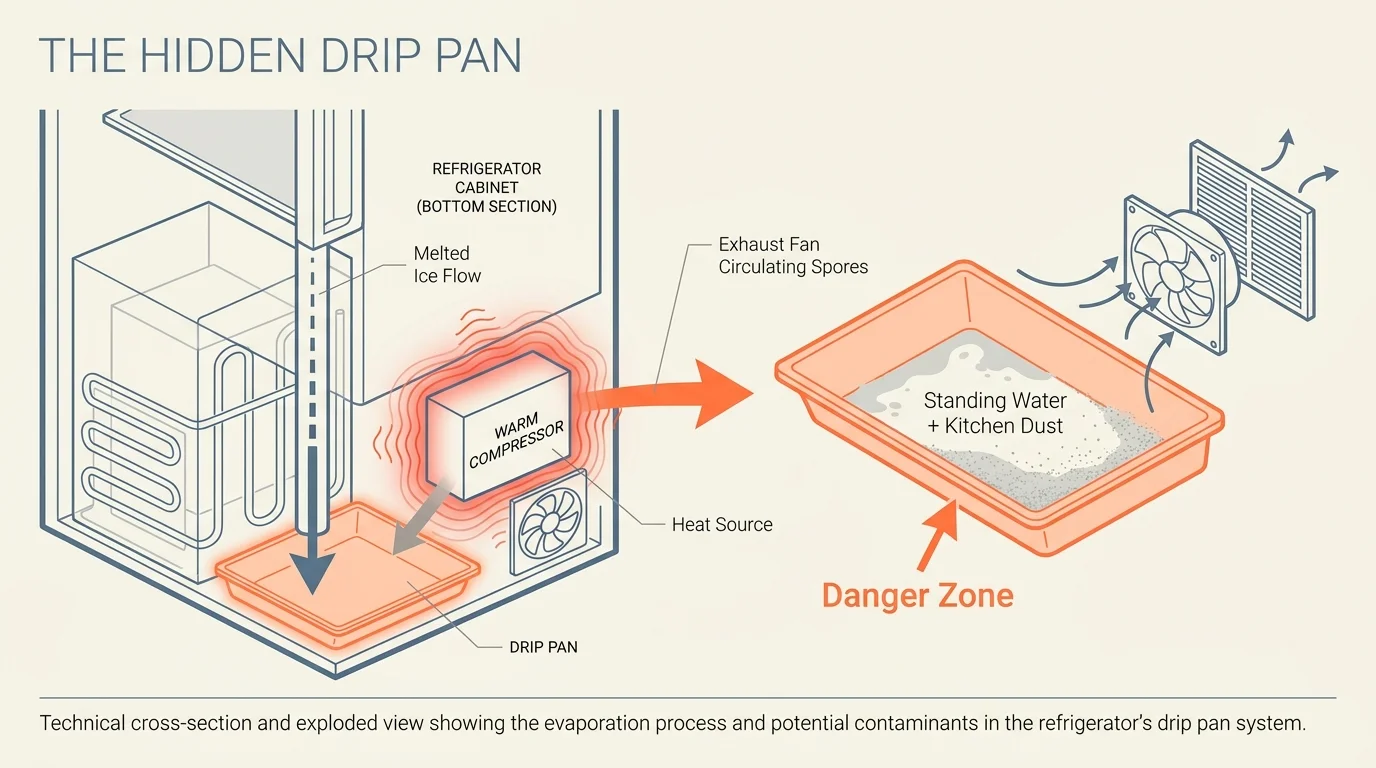
Your refrigerator runs constantly to keep your food safe, but the mechanics behind this cooling process create an ideal environment for fungi. Modern frost-free refrigerators melt ice off their cooling coils automatically to prevent freezing over. This water flows down a hidden tube into a shallow drip pan located at the very bottom of the appliance, near the warm compressor. The combination of standing water, accumulated kitchen dust, and heat from the motor creates a perfect incubator for mold.
Because the refrigerator exhaust fan blows air out into the kitchen, a contaminated drip pan can actively circulate microscopic spores throughout your living space. When tracking down hidden mold, home seniors must prioritize the spaces that collect standing water like this tray. To address the issue, unplug the refrigerator and carefully remove the front base grille. Slide the pan out, empty any stagnant liquid, and wash it thoroughly in the sink using hot water and a few drops of dish soap. Follow up by wiping the pan down with a solution of equal parts water and white vinegar to eliminate lingering roots. Check this tray twice a year to ensure your kitchen air remains pristine.
2. Front-Loading Washing Machine Gaskets
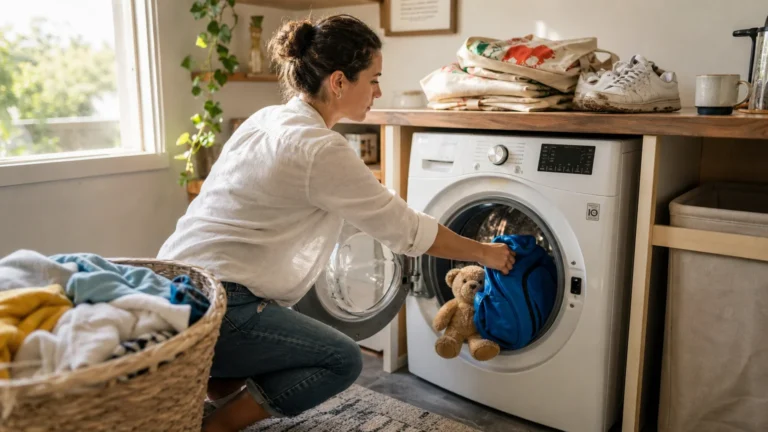
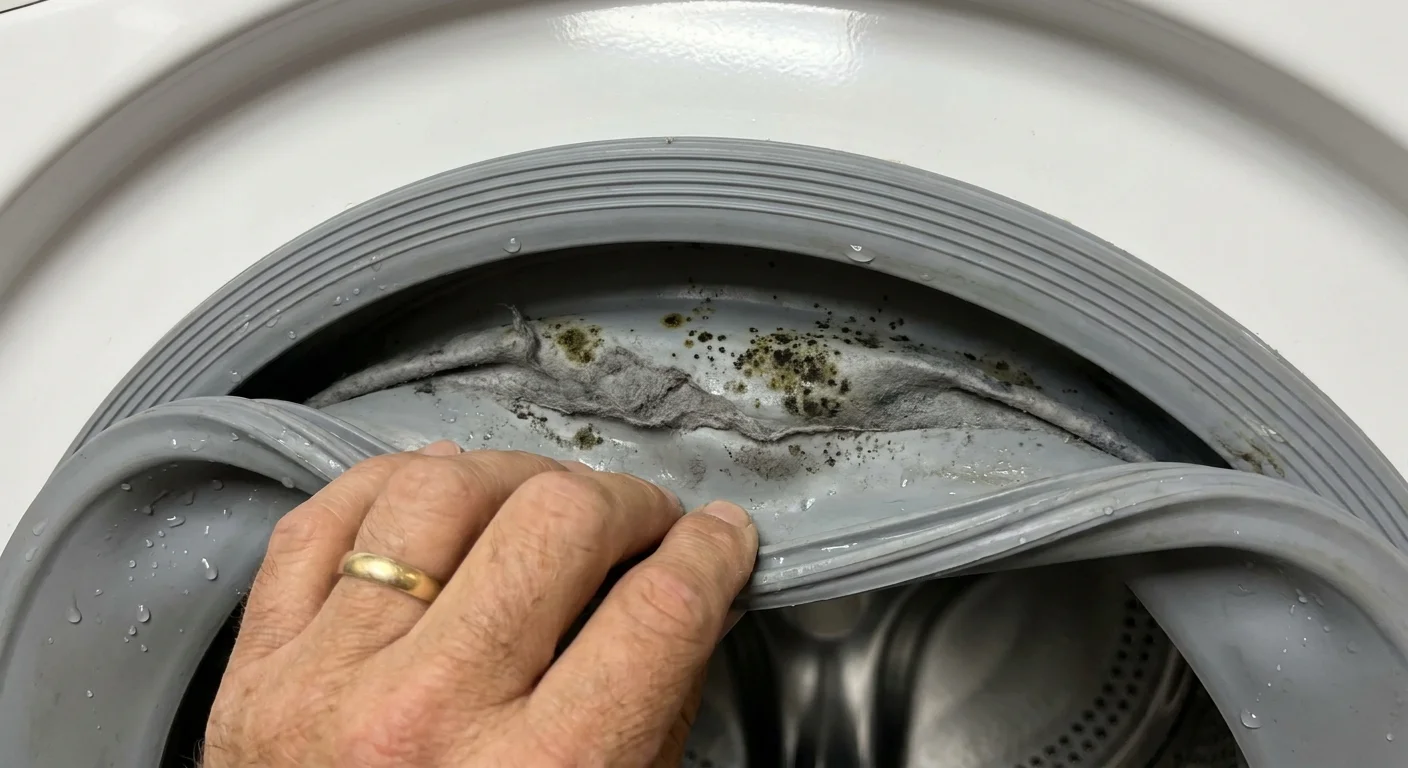
Front-loading washing machines save water and are easier to load without bending deeply, making them an excellent choice for preserving your mobility. However, the heavy rubber gasket that creates a watertight seal against the door is notorious for harboring black mold. During a wash cycle, lint, dirt, and detergent residue get trapped within the thick folds of the rubber.
When you shut the door after removing your laundry, the inside of the machine stays dark and humid—the exact conditions fungi need to thrive. Over time, mold embeds itself into the rubber, transferring a musty odor directly onto your freshly washed clothing and linens. You can prevent this vicious cycle by taking a few seconds to wipe the inside of the rubber seal with a dry microfiber cloth after your final load of the day. Leave the washer door cracked open to allow fresh air to circulate and dry out the drum. If you already spot black stains, spray the gasket with a mixture of hydrogen peroxide and water, let it sit for ten minutes, and wipe it clean.
3. The Backs of Heavy Furniture
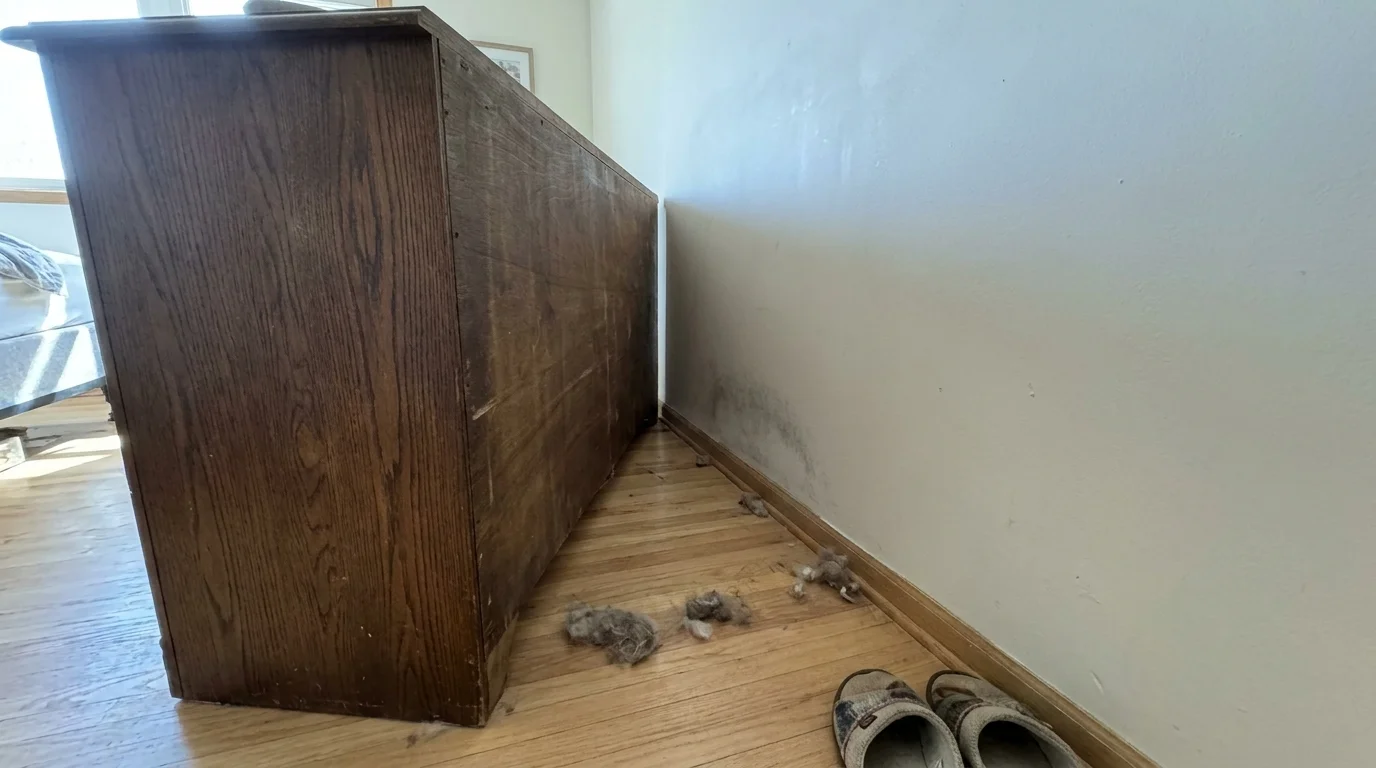
When you arrange your living room or bedroom, pushing heavy solid-wood wardrobes, dressers, and sofas flush against the wall maximizes your floor space. Unfortunately, this common decorating habit creates a severe mold risk, particularly on exterior walls. During colder months, the outside temperature chills the exterior walls of your home. Meanwhile, your heating system pumps warm air into the rooms.
When the warm indoor air hits the cold drywall behind a massive piece of furniture, the air rapidly cools and drops its moisture, forming heavy condensation. Because the furniture blocks airflow, this moisture never evaporates. The drywall paper and the wooden backing of your furniture absorb the water, sparking widespread mold growth that remains completely hidden until you eventually move the piece. To quickly find mold, senior home organizers recommend pulling heavy furniture away from the walls to inspect the paint. Protect your walls and your lungs by leaving at least a three-inch gap behind large items. This simple adjustment allows your heating and cooling system to circulate air behind your belongings, keeping the surfaces dry.
4. Dark, Tightly Packed Closets
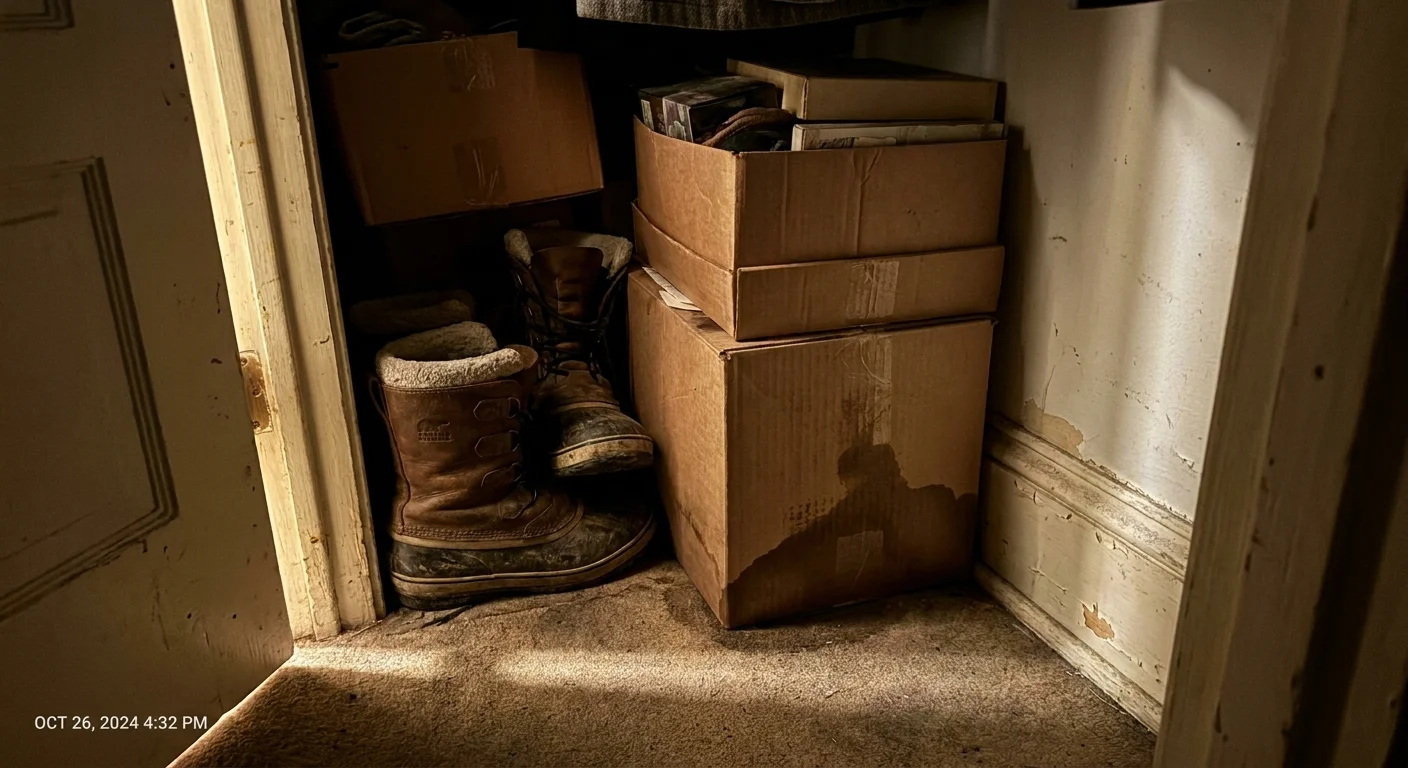
Many older adults possess extensive wardrobes filled with high-quality, natural materials gathered over a lifetime. Wool coats, leather shoes, silk blouses, and heavy cotton garments are staples in our homes. Unfortunately, these organic materials provide an excellent food source for mold. Closets rarely have dedicated air conditioning vents or return registers, resulting in stagnant, humid air.
If the relative humidity in your home creeps above sixty percent, the dark, undisturbed environment of a crowded closet becomes a breeding ground. Mold often starts on the items pushed furthest to the back or stored tightly in cardboard boxes. To combat this, avoid packing clothes so tightly that air cannot move freely between the hangers. Swap out moisture-absorbing cardboard storage boxes for clear plastic bins with tight-fitting lids. You can also hang rechargeable silica gel dehumidifier bags from the closet rod to absorb excess moisture in the air. If you discover a beloved garment smelling musty, wash it with a cup of white vinegar to kill the spores, or take dry-clean-only pieces to a professional immediately.
5. Window Sashes and Bottom Tracks
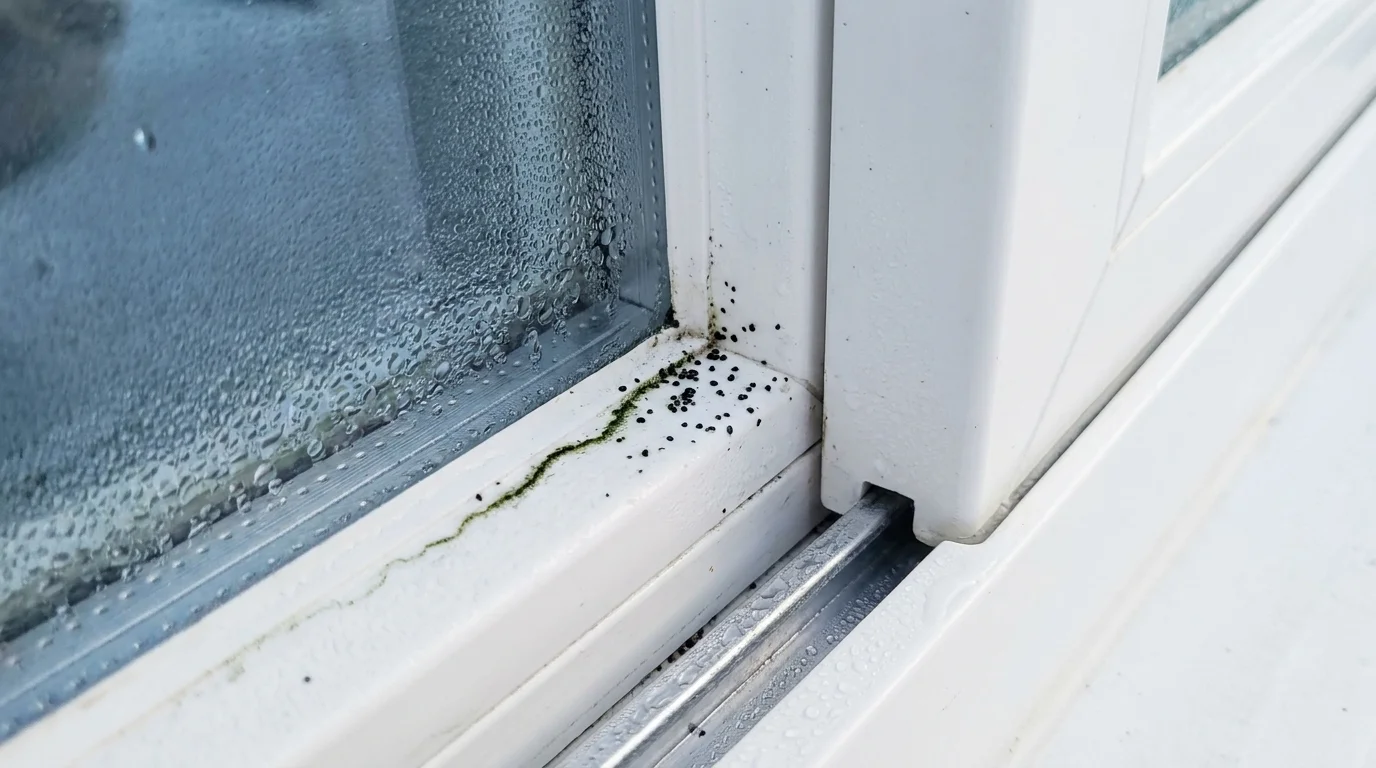
Windows are the primary barrier between your climate-controlled home and the harsh outdoor weather. Regardless of how well-insulated your house is, the temperature differential between the indoors and outdoors frequently causes condensation to bead up on the glass. Gravity pulls this water straight down into the window sashes and tracks. Modern double-pane windows still get condensation; older single-pane windows are even worse.
Over time, the bottom of the window frame collects a mixture of dead insects, pollen, and household dust. When this organic debris gets wet, mold begins to digest it. Because you likely open your windows to enjoy a fresh breeze, a moldy window track means you are actively blowing spores directly into your face. Inspect your window frames and use a dry towel to wipe away morning condensation before it drips into the track. For a deep clean, mix a few drops of dish soap with warm water and scrub the metal or vinyl tracks using an old toothbrush. Ensure the small exterior weep holes on the frame are clear of dirt so rainwater can properly drain away.
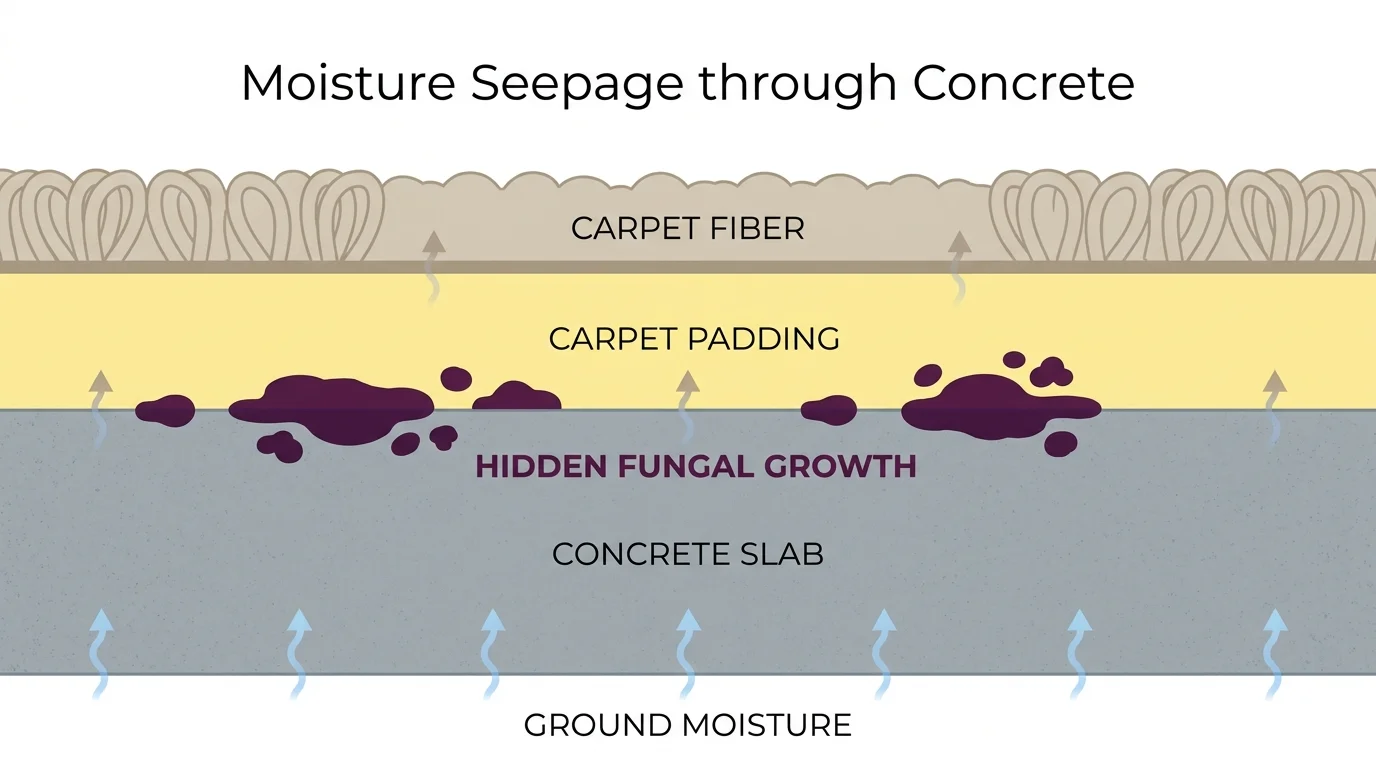
6. Beneath Carpets Resting on Concrete Floors
Wall-to-wall carpeting provides a comfortable, slip-resistant surface that many seniors prefer for fall prevention and warmth. However, when carpet is installed directly over a concrete slab—such as in a finished basement or a ground-floor living room—it becomes highly susceptible to hidden mold. Concrete is a porous material that naturally wicks moisture up from the earth.
Without a proper vapor barrier, this moisture rises through the concrete and absorbs directly into the foam carpet pad. Because you only see the top layer of the carpet, the padding underneath can rot and harbor immense colonies of toxic mold for years. The first warning sign is typically a persistent musty odor that lingers even after vacuuming or steam cleaning. If you suspect moisture intrusion, inspect the edges of the room carefully; look for rust on the metal carpet tack strips or dark stains along the baseboards. To manage ground-level moisture, run a standalone dehumidifier in the room. For a safer long-term solution, replace wall-to-wall carpeting with solid surface flooring and use washable area rugs.
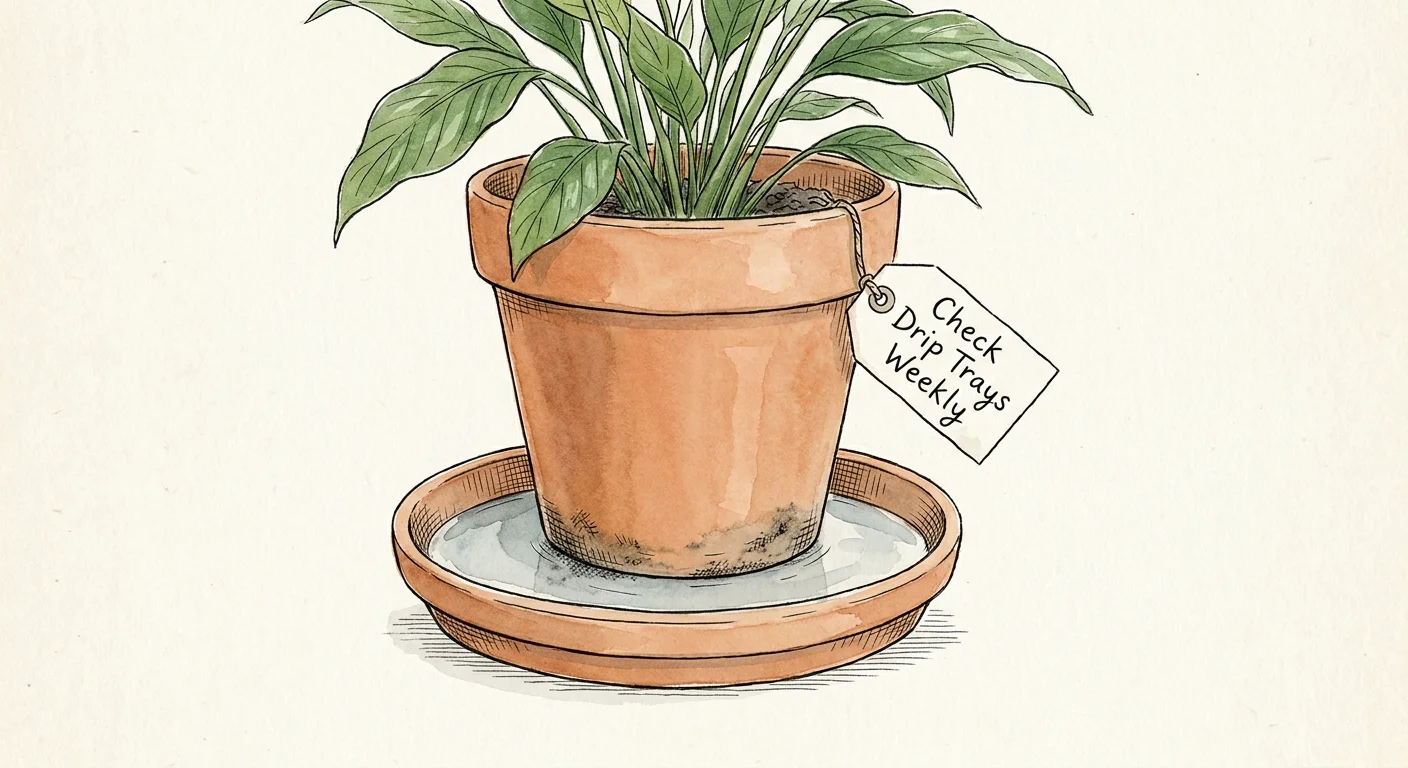
7. Indoor Plant Soil and Drip Trays
Tending to houseplants is a rewarding hobby that reduces stress and adds a touch of nature to your living room. Despite their aesthetic benefits, potted plants are notorious sources of indoor fungal growth. When you overwater a plant, the excess moisture saturates the potting soil and drains into the plastic or ceramic saucer underneath. This standing water quickly grows mold and algae.
Furthermore, constantly damp soil encourages the growth of white, fuzzy mold directly on the surface of the dirt, which then releases spores into the air every time your heating vent kicks on. To protect your air quality, adjust your watering habits immediately. Allow the top two inches of the soil to dry out completely before reaching for the watering can. Switch to bottom-watering your plants by placing the pot in a shallow bowl of water for twenty minutes, letting the roots drink up exactly what they need, and then returning the plant to its dry tray. Promptly empty any water that pools in the saucers under your indoor pots.
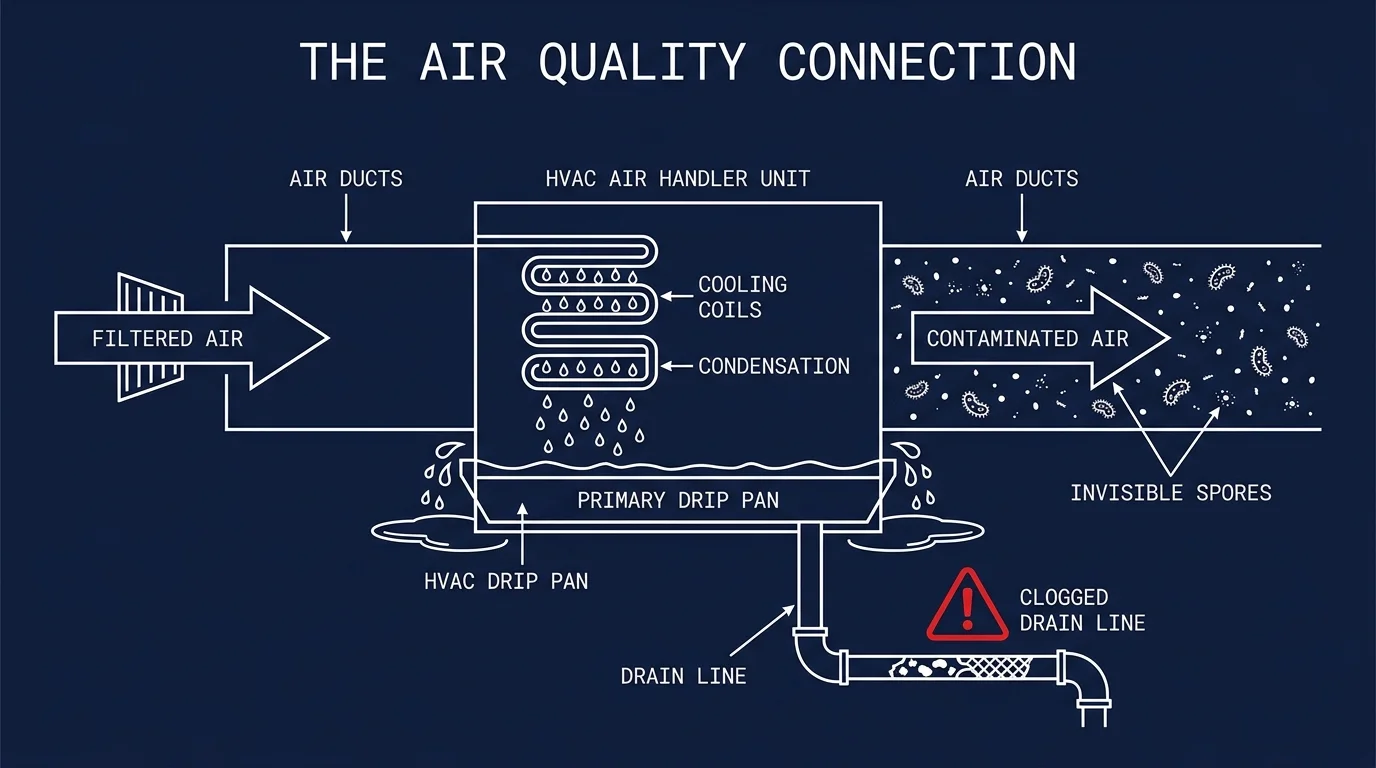
8. HVAC Drip Pans and Air Ducts
Your home’s heating, ventilation, and air conditioning (HVAC) system controls the temperature, but it also acts as the respiratory system of your house. As the air conditioner cools the air, it simultaneously strips out humidity. This extracted water drips off the cold evaporator coils and falls into a shallow metal or plastic drain pan. Under normal conditions, the water flows out of your home through a narrow PVC condensate pipe.
However, this pipe easily clogs with dust, algae, and bacterial slime. When the line backs up, the drain pan overflows into the dark, insulated interior of your air handler unit. Mold rapidly colonizes the damp insulation and coils. From there, the blower fan forcibly distributes millions of spores through your ductwork and into every single room of your house. The Environmental Protection Agency (EPA) emphasizes that moisture control is the absolute key to mold control. Prevent this systemic contamination by replacing your air filters every thirty to sixty days to minimize dust buildup. Additionally, ask your HVAC technician to flush the condensate line and sanitize the drip pan during your annual maintenance check.
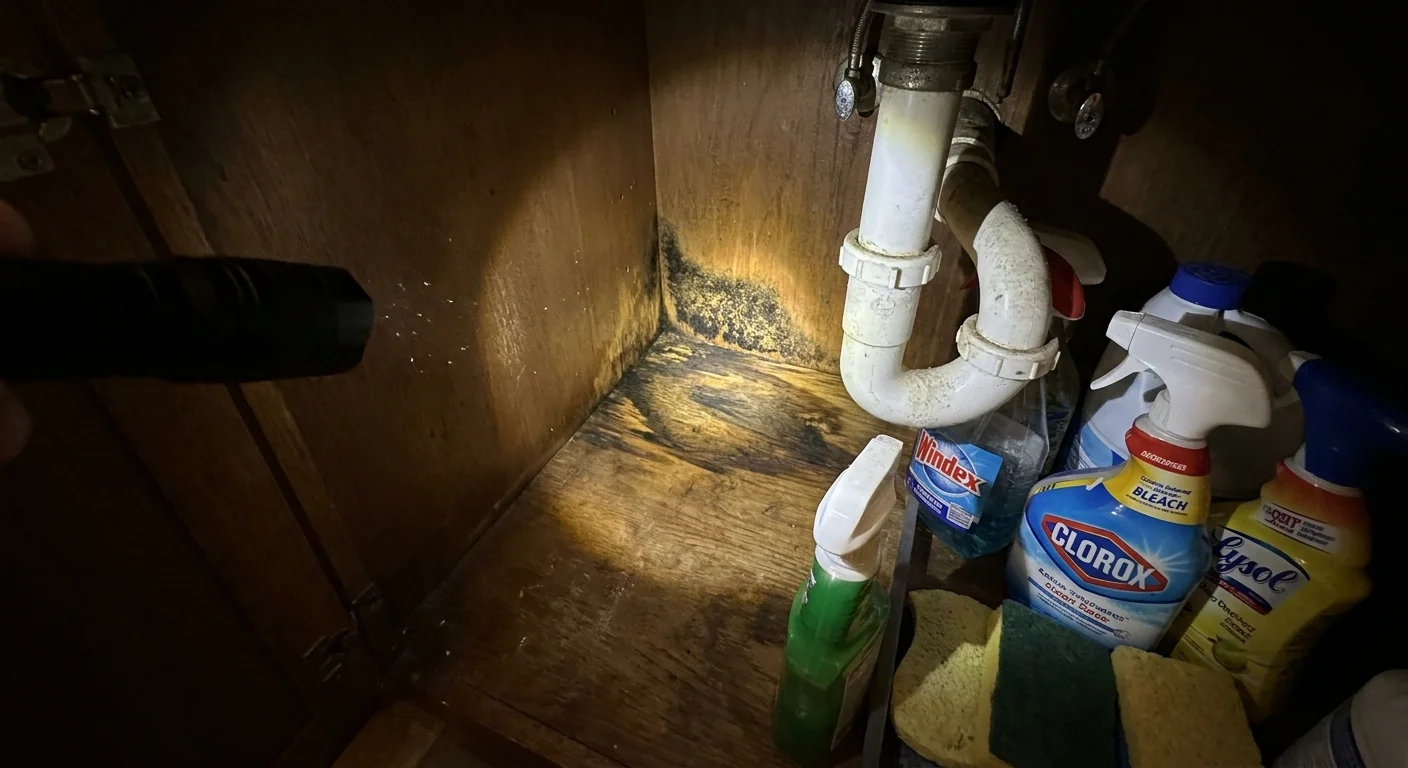
9. The Dark Corners Under Bathroom Sinks
The cabinet under your bathroom or kitchen sink is typically a chaotic storage area for cleaning supplies, sponges, and extra toiletries. It is also a prime location for hidden water damage. Unlike exposed bathroom tiles, the worst mold hiding places home environments provide are tucked behind plumbing fixtures. While a major pipe leak will quickly catch your attention, slow drips from a loose fitting or constant condensation sweating off cold water pipes often go unnoticed.
If you store cardboard boxes of trash bags or paper towels beneath the sink, these porous materials act like giant sponges. They absorb the ambient moisture and rapidly grow mold in the dark. One of the most dangerous mold spots elderly residents miss completely is the very back wall of this cabinet. Clear out the space completely and inspect the floor of the cabinet for warped wood, peeling contact paper, or dark discolorations. Run the hot and cold water for a few minutes and feel the pipes for subtle dampness. Discard any cardboard storage boxes and replace them with solid plastic bins that repel water.
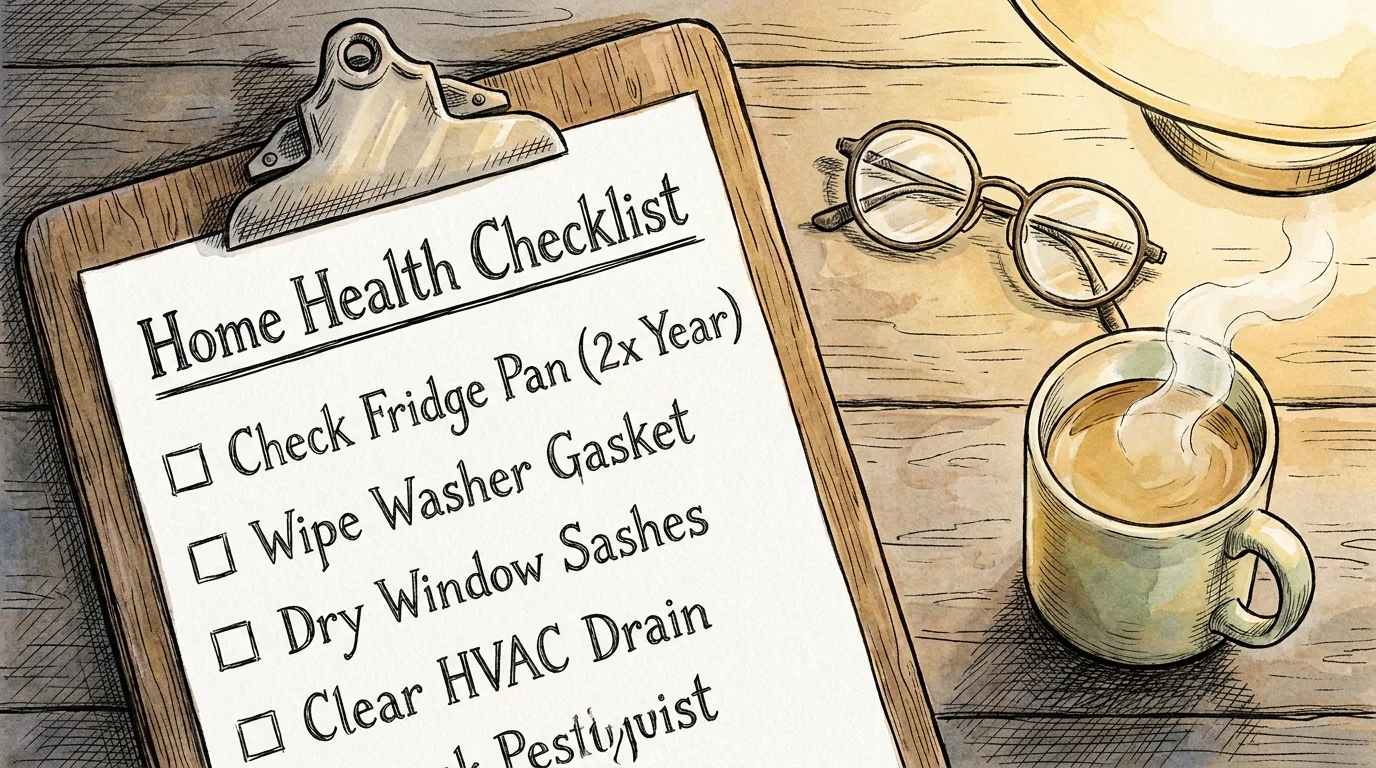
Your Step-by-Step Mold Prevention Routine
Maintaining a healthy, breathable home does not require hours of exhausting labor. By integrating these targeted checks into your existing household schedule, you can catch excessive moisture before it turns into a dangerous fungal problem. Use the following practical guide to stay on top of your indoor air quality effortlessly.
| Frequency | Actionable Task | Why It Protects You |
|---|---|---|
| Daily | Leave the washing machine door slightly ajar after your last load. | Allows moisture to evaporate from the rubber gasket, stopping black mold from embedding deeply into the seal. |
| Weekly | Wipe down window condensation and empty all indoor plant drip trays. | Removes the stagnant water sources that opportunistic spores rely on to colonize and spread. |
| Monthly | Clear out underneath your sinks and check pipes for dampness or slow drips. | Prevents the wooden cabinets and stored paper goods from absorbing condensation and rotting in the dark. |
| Biannually | Pull out the refrigerator drip pan and scrub it with hot water and white vinegar. | Stops the refrigerator’s exhaust fan from blowing contaminated, spore-filled air directly into your kitchen space. |
Grab a flashlight today and choose just one room to inspect. Start with the kitchen—slide your refrigerator forward, check the drip pan underneath, and wipe down the seals. Taking this single step will instantly improve the air quality in the heart of your home and protect your lungs for the years ahead.