A spotless home does not require endless scrubbing, harsh chemicals, or complicated daily routines—it just takes the right approach. When you stop relying on outdated advice, you save time and protect your surfaces from long-term damage. Many popular cleaning methods actually trap more dirt, ruin expensive appliances, and leave your living spaces dull. Whether you want to simplify your daily chores or streamline how you maintain your home as you get older, ditching these common misconceptions is the first step. By replacing old habits with proven, data-backed techniques, you can make your home cleaner, calmer, and much easier to manage.
Myth 1: More Soap Means a Cleaner Surface
It feels logical to add an extra splash of detergent when you face a mountain of dirty laundry, a greasy stove, or a scuffed floor. You assume more bubbles equal more cleaning power; however, the exact opposite is true. Soap and detergent are formulated with surfactants designed to attach to dirt molecules and lift them away, but those surfactants must be completely rinsed off. When you use too much product, the excess cannot wash down the drain. Instead, it leaves a sticky, invisible residue behind.
That residue acts like a magnet for fresh dirt. If you have ever mopped a floor only to find it feels tacky or shows footprints an hour later, excess soap is the culprit. The same rule applies to your clothes. Overloading your washing machine with detergent makes your garments feel stiff, scratchy, and dull because the fibers are coated in leftover soap.
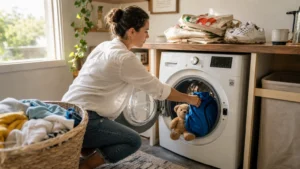
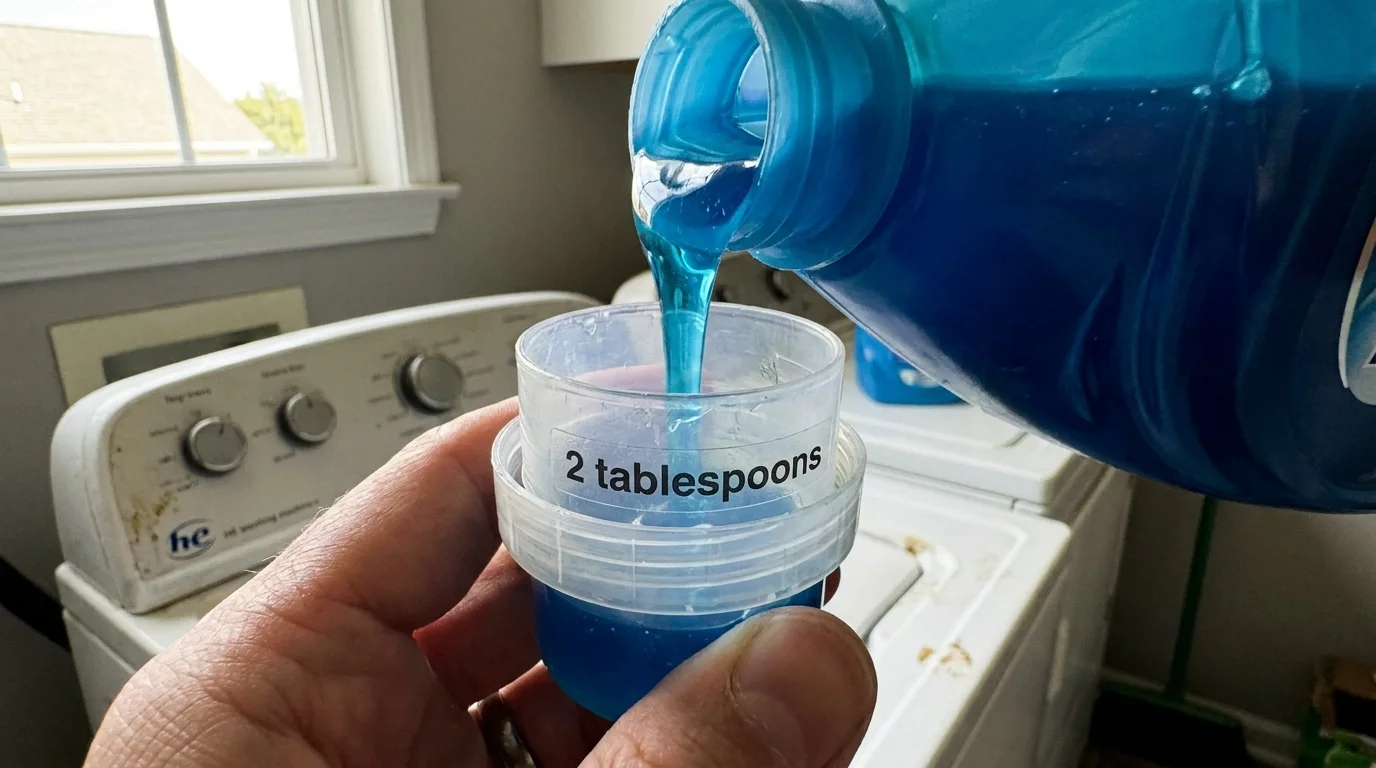
Modern high-efficiency (HE) washing machines use significantly less water than older agitator models. Because there is less water to dilute the soap, appliance manufacturers strongly advise against heavy detergent use. For a normal-sized load in an HE machine, the appliance experts at Whirlpool recommend using just two tablespoons of liquid HE detergent. Highly concentrated formulas may require even less.
This same principle applies to your dishwasher. Filling the detergent cup to the absolute brim often results in cloudy glassware and powdery white streaks on your dishes. By scaling back your soap usage across your entire home, your surfaces rinse perfectly clean, your appliances avoid mold-causing buildup, and you save money on supplies.
Myth 2: Bleach Cleans Everything
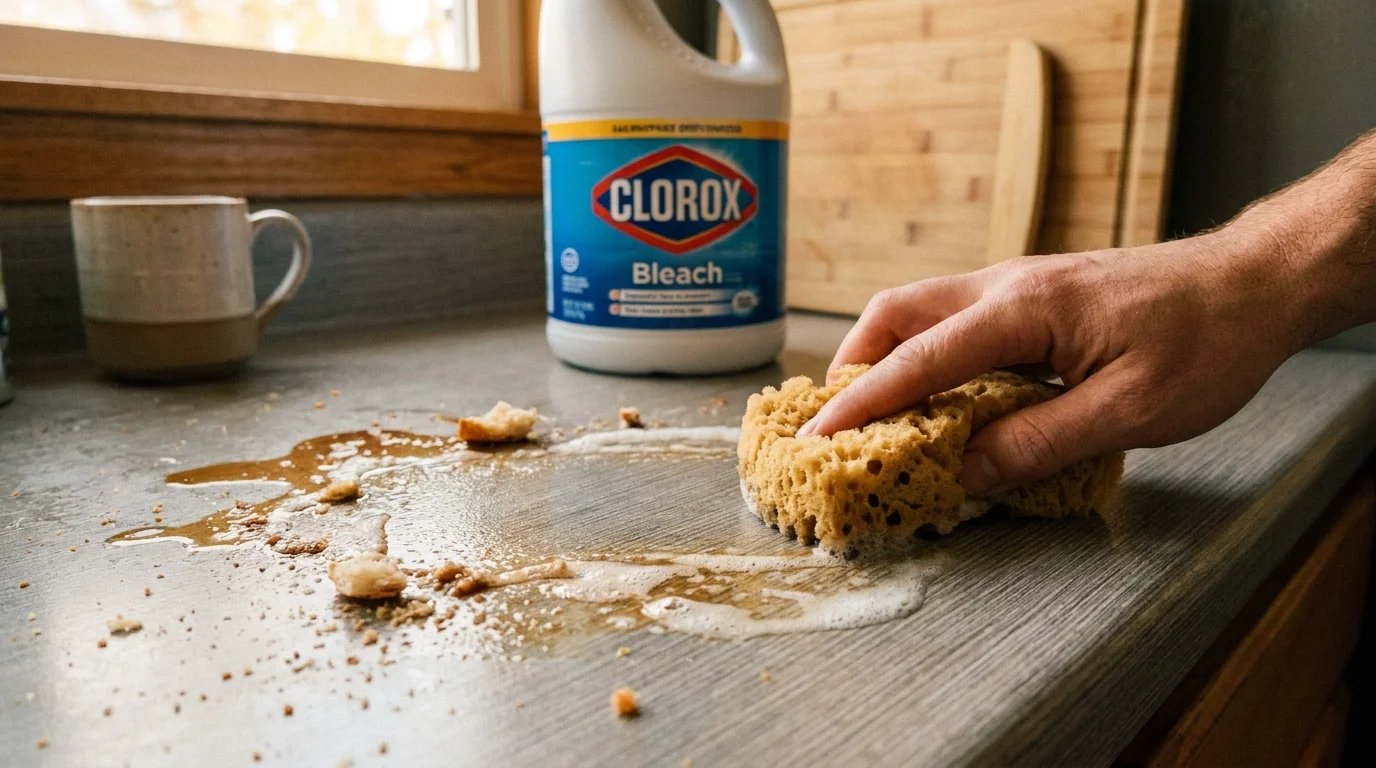
People often reach for a bottle of bleach the moment they see a tough mess, assuming it blasts through dirt and germs alike. This is a crucial misunderstanding of how the chemical operates. Bleach is a highly effective, broad-spectrum disinfectant, but it is not a cleaner. It does not contain the necessary chemical agents to break down grease, lift soil, or remove physical grime from a surface.
If you spray bleach directly onto a dirty kitchen counter or a muddy floor, the physical soil acts as a barrier. The germs hide underneath the dirt, completely protected from the disinfecting power of the bleach. To maintain a truly safe environment, you must follow a two-step process. First, wash the surface with soap and water or an all-purpose cleaner to remove the physical debris. Once the surface is visually clean, apply your bleach solution to destroy the remaining bacteria and viruses. The Centers for Disease Control and Prevention (CDC) strictly advises cleaning physically before you apply any chemical disinfectant.
Furthermore, bleach requires adequate dwell time to work properly. Wiping it away immediately does not kill pathogens. You must let the diluted solution sit on the surface for at least five minutes—or the specific time listed on the product label—before wiping it dry. Finally, never mix bleach with vinegar, ammonia, or other household chemicals, as the combination releases highly toxic, life-threatening gases.
Myth 3: Mixing Baking Soda and Vinegar Creates a Miracle Cleaner
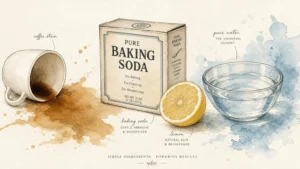
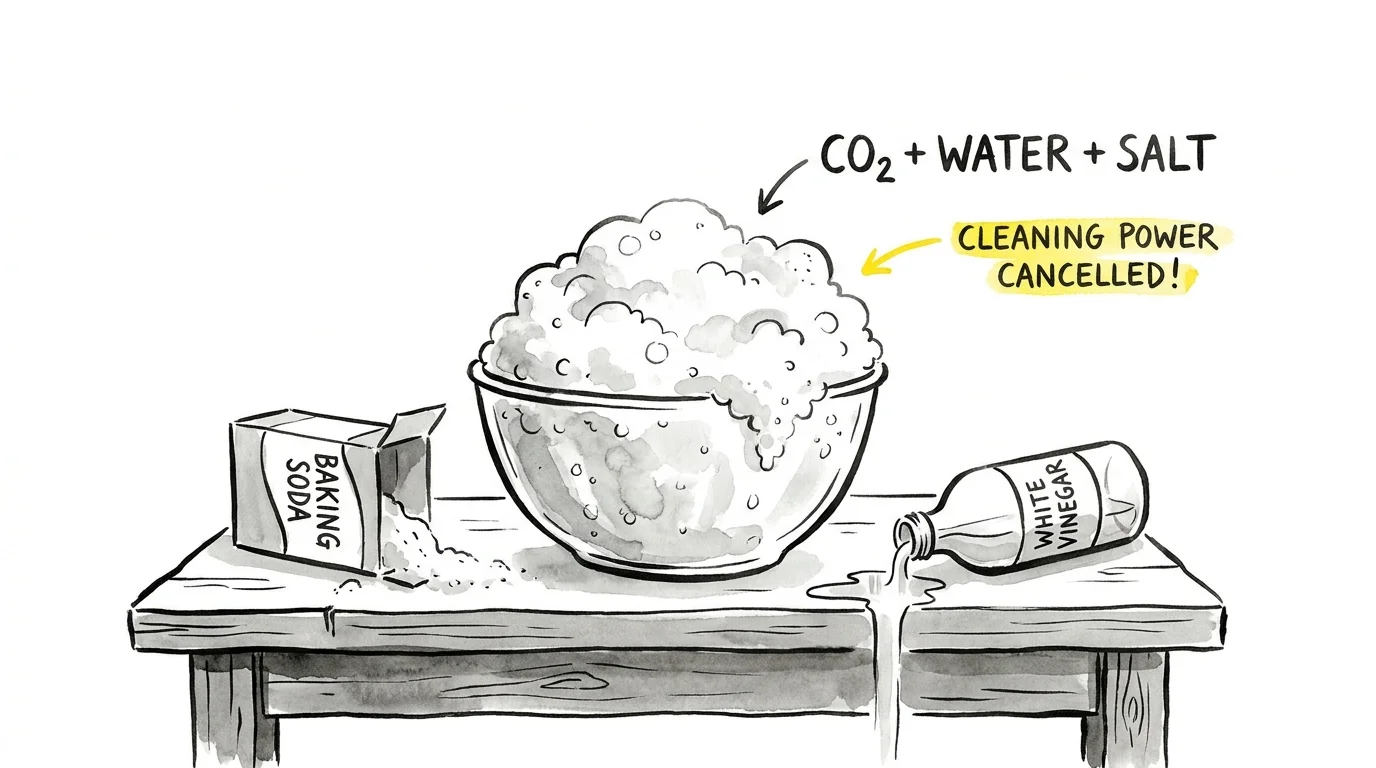
Scroll through any online cleaning forum, and you will inevitably see someone recommending a paste of baking soda and vinegar for scrubbing tubs, sinks, and tile. When you combine them, the mixture bubbles vigorously, making it look incredibly powerful and tough on grime. Unfortunately, basic chemistry tells a different story.
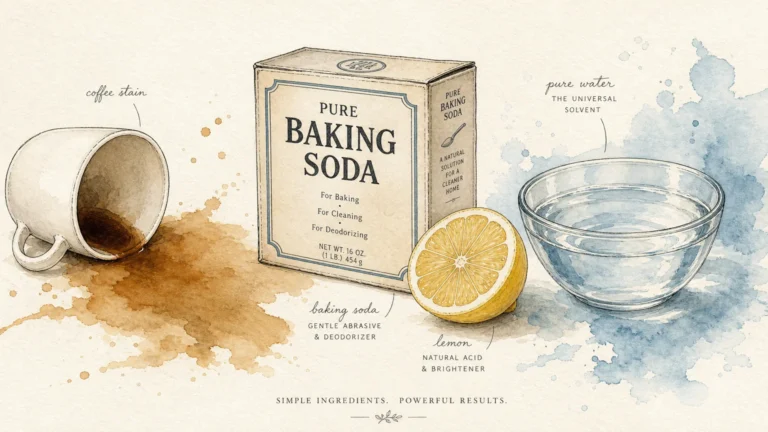
Baking soda is a base, and white vinegar is an acid. When you mix them together, they immediately neutralize each other. The resulting fizz releases carbon dioxide gas, leaving you with little more than water and a tiny bit of salt known as sodium acetate. While the physical bubbling action can help lift loose debris out of a slow drain, the resulting liquid has virtually no chemical cleaning power to tackle grease or hard water stains.
You get much better, faster results by using these two pantry staples separately. Use baking soda mixed with a little warm water or dish soap to create a mild, effective abrasive scrub for tough oven stains, grout, or bathtub rings. Use vinegar entirely on its own to dissolve hard water buildup, descale your coffee maker, or remove mineral deposits from showerheads. By respecting their individual properties, you unlock their actual cleaning potential.
Myth 4: You Should Wash Your Windows on a Sunny Day
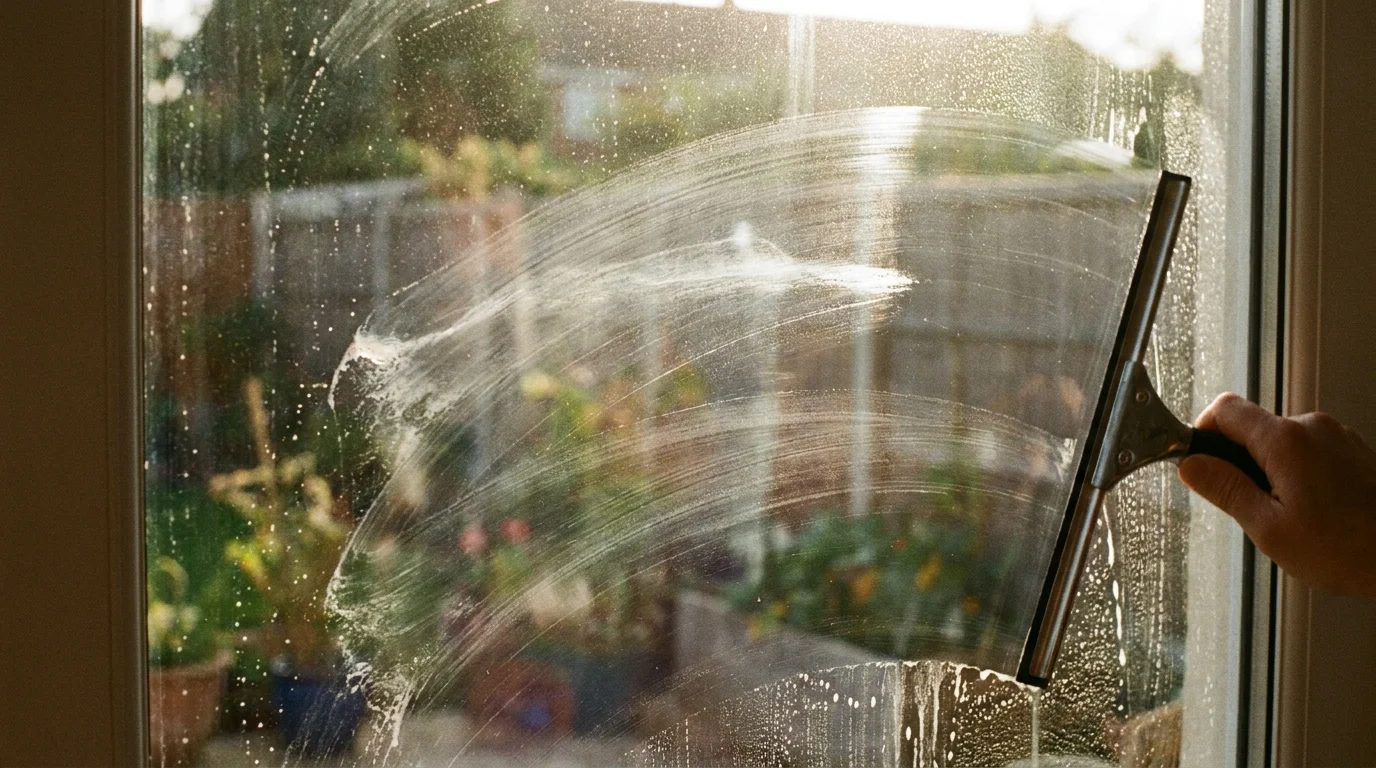
A bright, sunny afternoon seems like the perfect time to tackle dirty windows so you can easily spot every smudge and fingerprint. In reality, the heat from direct sunlight is your worst enemy when washing glass. The warmth from the sun heats the panes, causing your liquid window cleaner to evaporate rapidly—long before you have a chance to wipe it away with a cloth or squeegee.
When the cleaning solution dries onto the hot glass, it leaves behind a frustrating layer of streaks and chemical residue that is incredibly difficult to buff out. To achieve crystal-clear, invisible glass, plan your window washing for an overcast day or wait until the sun moves to the opposite side of your house, leaving the windows in the shade.
If you have a large home with multiple windows, tackle the project by chasing the shade. Start on the west-facing windows in the morning while the sun is rising in the east. In the afternoon, shift your focus to the east-facing windows. This simple scheduling adjustment completely eliminates the race against evaporation. For the best results, skip the standard blue glass cleaner and paper towels, which push dirt around and leave paper lint behind. Instead, use a simple solution of distilled water and one drop of dish soap, then wipe the cool glass with a high-quality microfiber cloth or a professional-grade squeegee.
Myth 5: Polishing Wood Furniture Keeps It Healthy
Many people inherited the habit of aggressively polishing their wooden dining tables, bookshelves, and dressers, believing the wood needs to “drink” the oils to stay hydrated and prevent cracking. While this was absolutely true for antique pieces treated with raw oils or waxes centuries ago, almost all modern wood furniture is sealed with polyurethane, lacquer, or a similar protective topcoat.
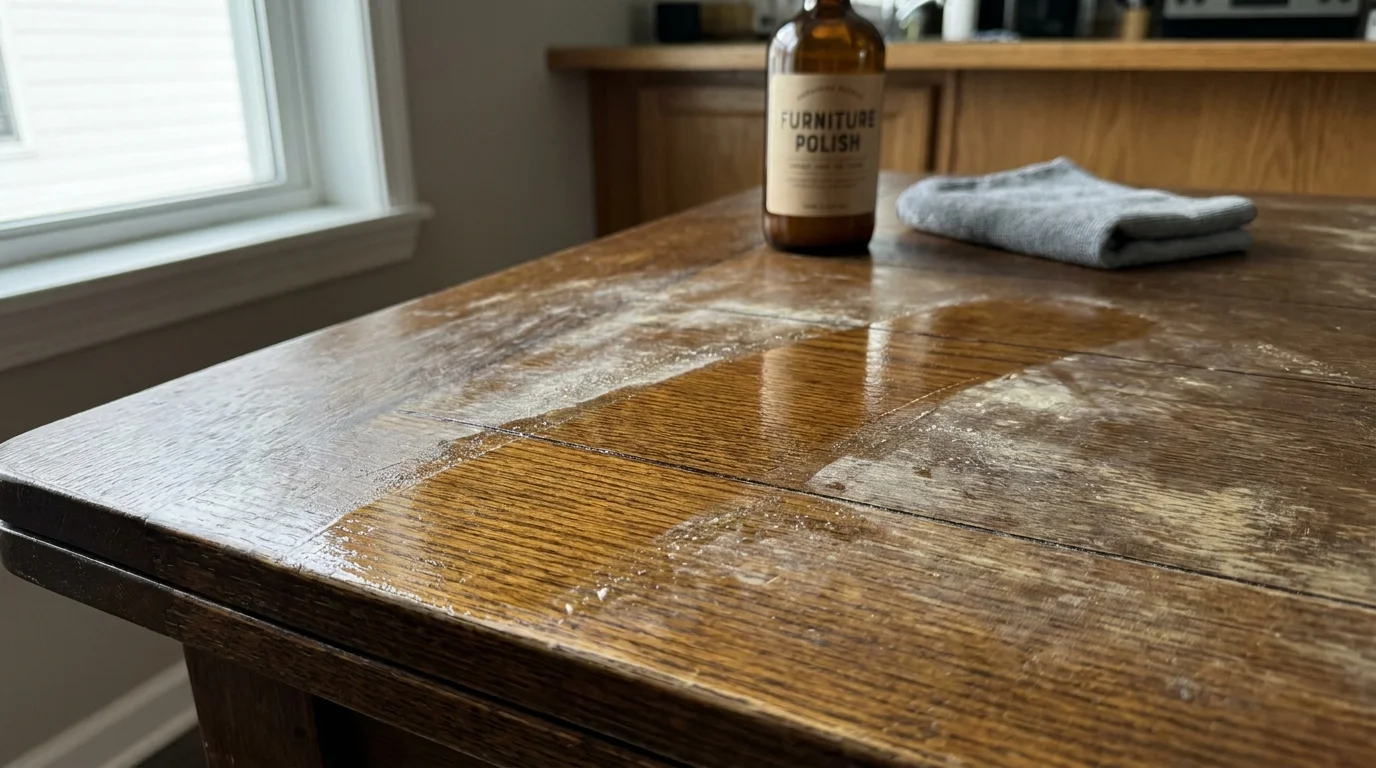
Because this modern sealant is entirely nonporous, the furniture polish cannot actually penetrate the wood. Instead, the oily spray simply sits on the surface. Over time, this creates a sticky, hazy buildup that acts like an adhesive for household dust and highlights every single fingerprint. Worse, silicone-based furniture polishes can permanently contaminate the finish, making it nearly impossible to strip and refinish the piece if you ever want to restore it in the future.
To properly care for contemporary wood furniture, skip the heavy aerosol polishes. To determine if your furniture is sealed, place a single drop of water on an inconspicuous spot; if it beads up, the wood is sealed. Maintain these surfaces by simply dusting them with a dry or slightly damp microfiber cloth. If you encounter a sticky food spill, a tiny drop of dish soap on a damp cloth will safely lift it away without leaving a cloudy film behind.
Myth 6: Vacuuming Regularly Damages Your Carpets
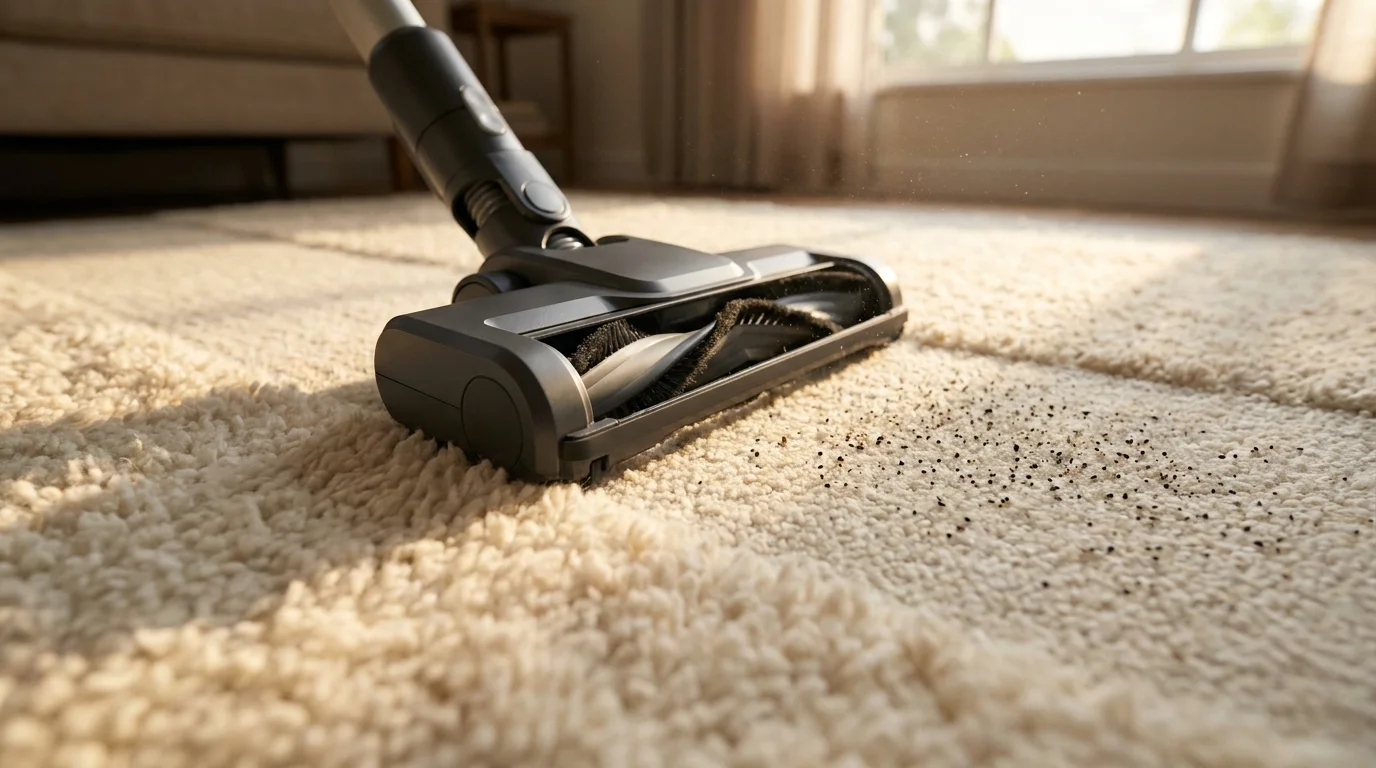
Some homeowners try to stretch the time between vacuuming sessions, fearing that the spinning brush roll will wear out the carpet fibers, cause fuzzing, and lead to bald spots. The truth is quite the reverse. What actually destroys carpet is the abrasive dirt, sand, and grit that settles deep into the pile.
Every time you walk across a dirty rug, those sharp microscopic particles grind against the synthetic fibers like tiny pieces of sandpaper. This constant friction slices the fibers, causing the carpet to look permanently frayed, matted, and dull. Frequent vacuuming is the single best way to protect your investment and prolong the life of your flooring. The Carpet and Rug Institute strongly recommends vacuuming high-traffic areas—such as entryways, hallways, and living rooms—daily or at least twice a week to capture loose soil before it works its way down into the backing.
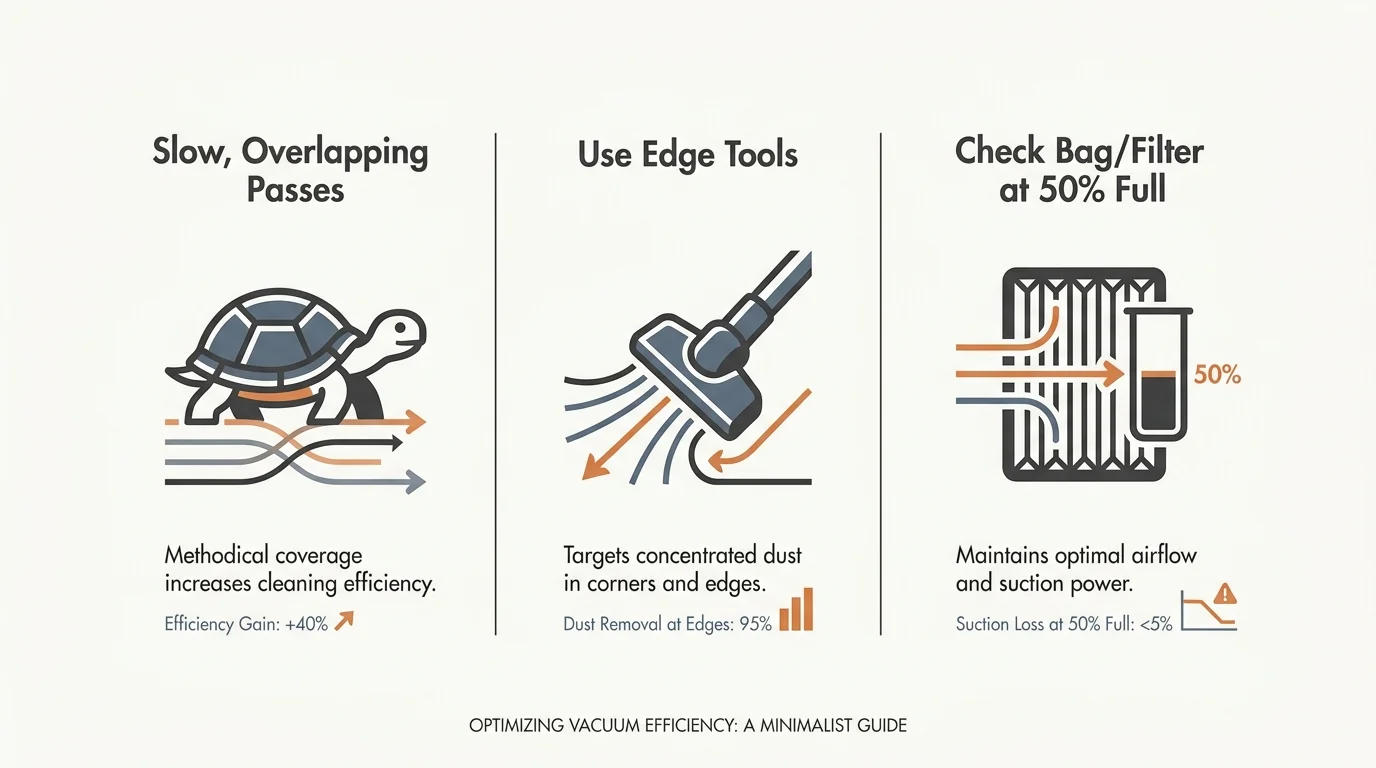
Proper Vacuuming Technique Checklist
To get the most out of your routine and protect your floors, follow these practical steps:
- Check the canister or bag: Empty your vacuum when it reaches two-thirds full. A packed dustbin drastically reduces suction power, leaving heavy dirt behind.
- Adjust the height: Set the brush roll height so it lightly sweeps the top of the carpet fibers. If it is set too low, it will aggressively dig into the pile and strain the motor.
- Slow down your pace: Make slow, deliberate passes rather than fast, frantic sweeps. This gives the machine enough time to agitate the fibers and extract embedded dirt.
- Change directions: Vacuum in multiple directions (like a grid pattern) across high-traffic zones to lift crushed fibers and pull debris from all angles.
- Maintain the brush roll: Once a month, take a pair of scissors and carefully snip away any hair or strings wrapped around the brush roll to keep the bristles spinning freely.
Myth 7: Natural Cleaners Are Always Safe and Effective
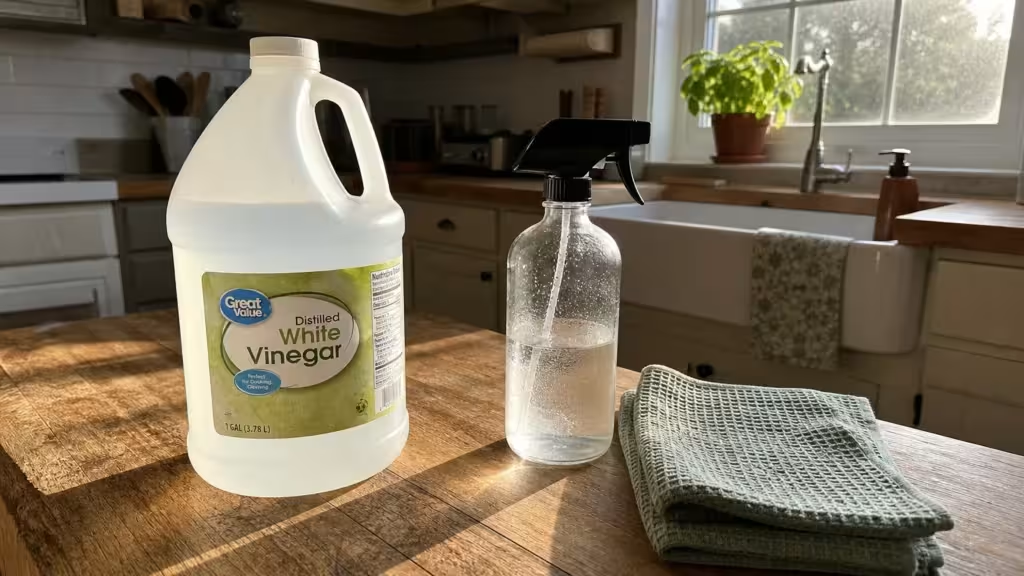
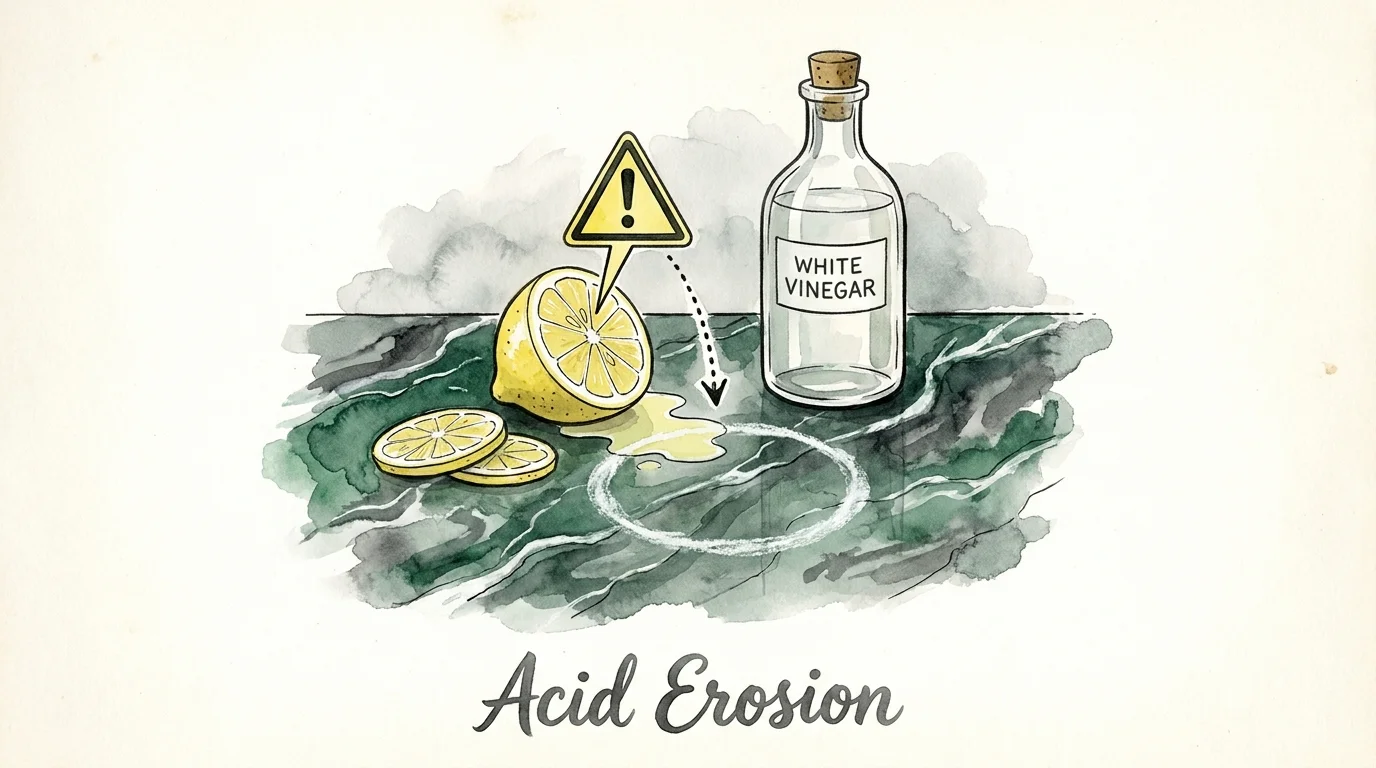
Switching to plant-based or natural cleaning solutions is a smart way to reduce harsh fumes and simplify your cleaning caddy. However, it is dangerous to assume that “natural” means harmless. White vinegar, lemon juice, and baking soda are excellent tools, but they can cause permanent damage when used incorrectly.
Vinegar is highly acidic. While it does wonders on glass and stainless steel, spraying it on natural stone floors, marble countertops, or granite will slowly etch the surface, stripping away the expensive protective finish and leaving dull spots. Similarly, the acid in vinegar can eat away at the cement-based grout between your tiles if used as a daily floor cleaner. Furthermore, essential oils like tea tree, eucalyptus, and citrus—often used to scent homemade cleaners—are highly toxic to cats and dogs, even in small airborne doses.
When it comes to fighting illness, natural cleaners also fall short. Vinegar does not possess the broad-spectrum killing power necessary to neutralize dangerous pathogens. If you are cleaning up after preparing raw poultry, handling raw eggs, or caring for a family member with a contagious illness, natural remedies will not keep you adequately protected. For these high-risk areas, you need a product proven to kill serious bacteria and viruses. Always look for an EPA registration number on the label when purchasing a disinfectant. This designation ensures the product has been rigorously tested and meets strict federal efficacy standards for public health.
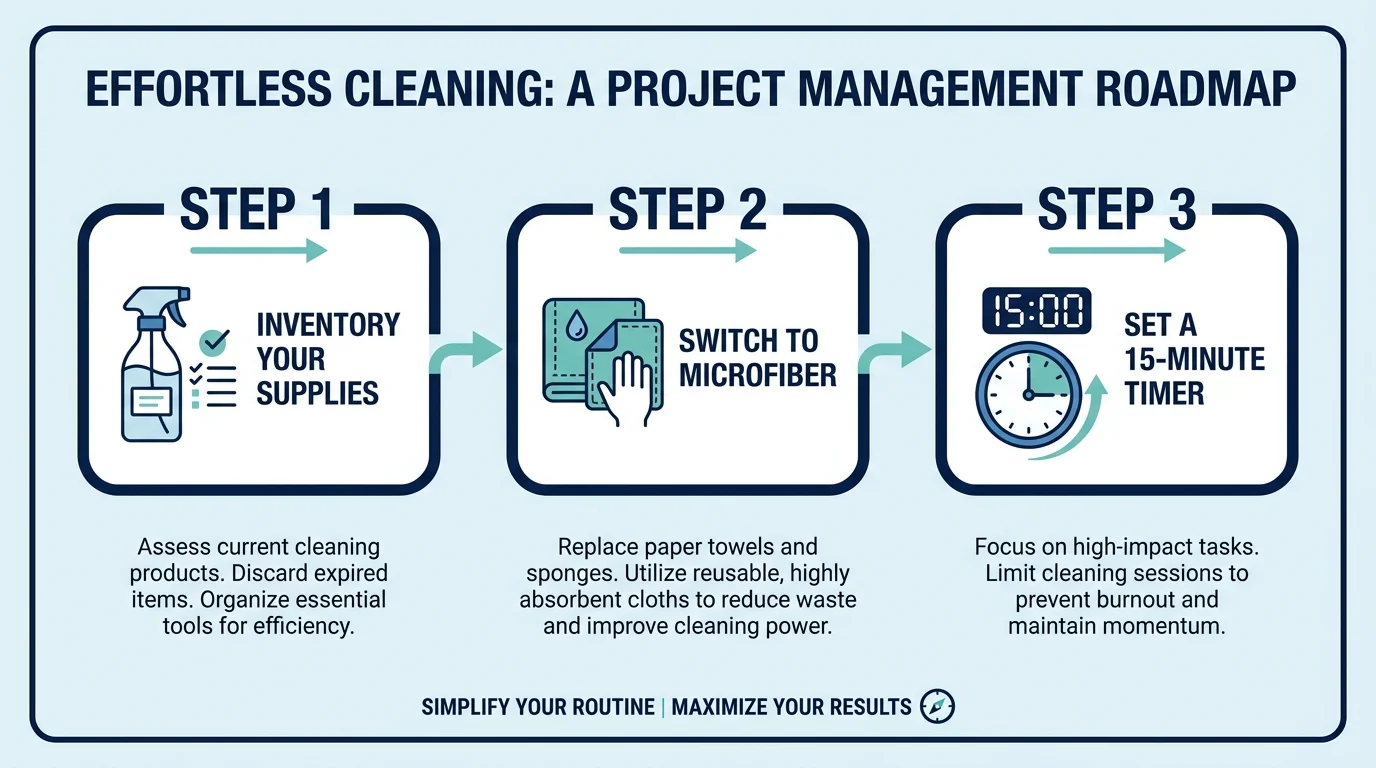
Your Practical Next Step
Pick one area of your home today—like a smudged living room window or your laundry routine—and apply one of these updated methods. Try washing your glass surfaces in the shade, or physically measure out just two tablespoons of detergent for your next wash. You will immediately notice how much easier cleaning becomes when you stop fighting against the science of your supplies.