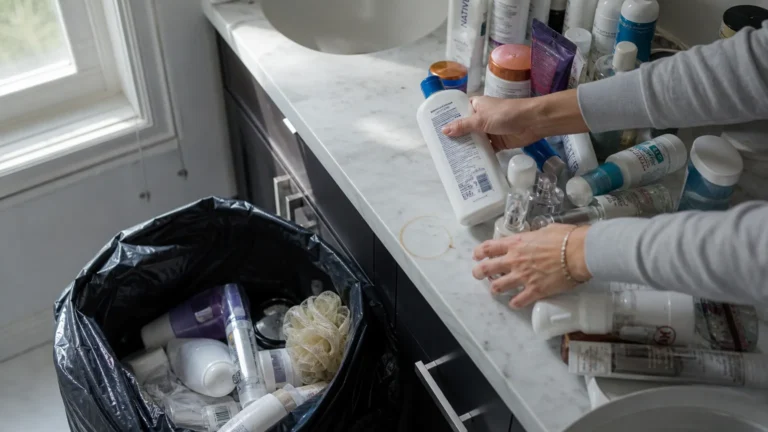
Walking into a home that smells consistently fresh instantly lifts your mood and creates a calmer environment for you and your family. Achieving this signature clean scent does not require masking odors with heavy chemical sprays or constantly lighting candles; it relies on neutralizing the underlying sources of bad smells. When you build smart, targeted cleaning habits into your daily and weekly routines, you eliminate odor-causing bacteria before they spread. These proactive home hacks ensure your living space feels welcoming the moment you step through the door. By simplifying your approach and focusing on strategic areas like fabrics, drains, and ventilation, you can maintain a beautifully fresh home with far less effort.
Target the Trash Before Odors Multiply
Your kitchen trash can acts as ground zero for stubborn household odors. You might diligently take the bag out every day, but smells still linger. This happens because micro-spills, drips, and torn bags allow highly odorous liquids to pool at the bottom of the plastic or metal bin—often completely out of sight. Over time, this garbage juice becomes a breeding ground for bacteria, producing a persistent sour smell that permeates your entire kitchen.
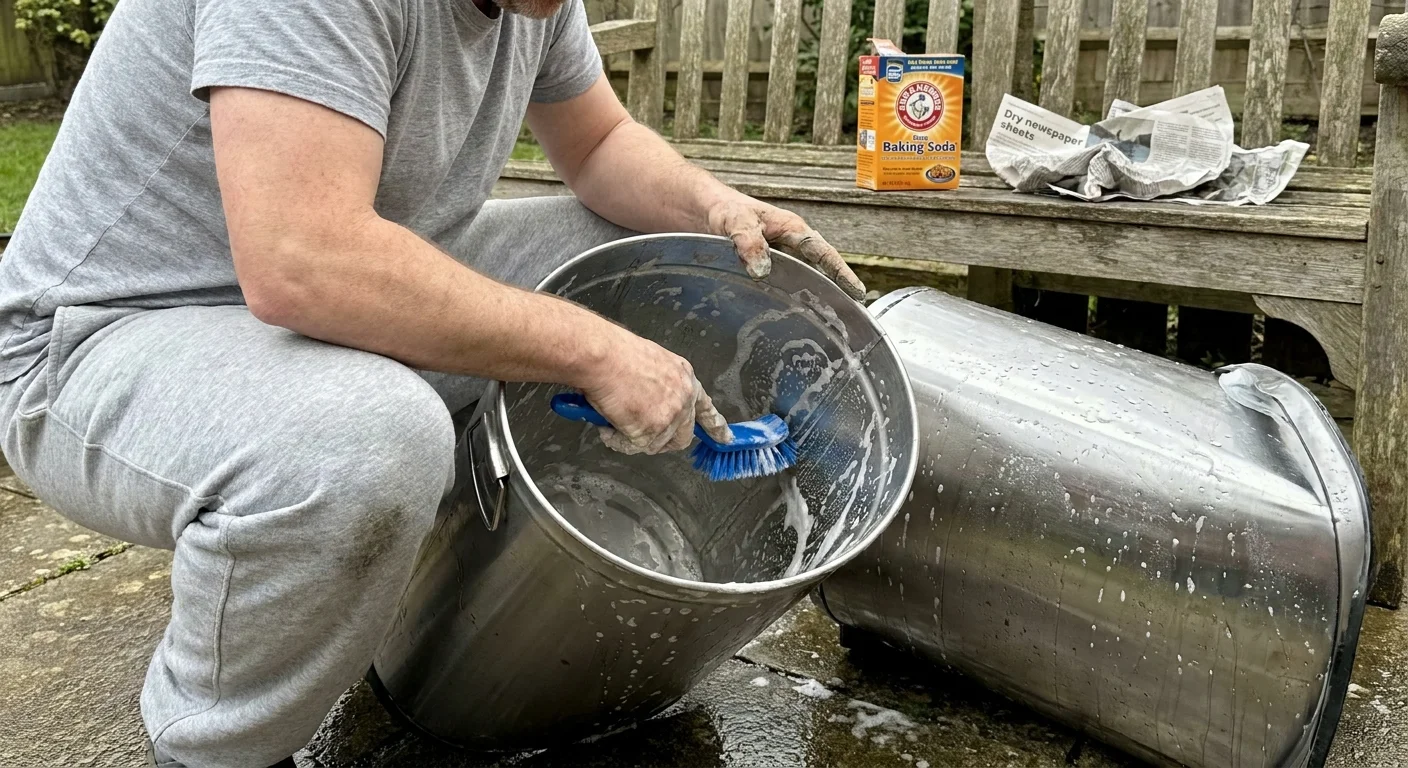
To fix this, you must treat the bin itself as a regular cleaning task rather than just a receptacle. Once a month, take your empty trash can outside or place it in your shower. Scrub the interior and exterior with hot water, a generous squirt of grease-cutting dish soap, and a designated utility brush. Pay special attention to the lid and the hinges, as food splatters frequently land there when you scrape plates.
After washing, you must dry the bin completely before putting a new bag inside; lingering moisture encourages mold growth. For daily maintenance, sprinkle a thick layer of plain baking soda at the bottom of the empty can before inserting the liner. The baking soda acts as a powerful desiccant and odor absorber. You can also place a few dry newspaper sheets at the bottom to catch unexpected drips. Furthermore, consider separating your wet food scraps into a sealed countertop compost bin. Keeping your main garbage dry drastically reduces the rate at which foul odors multiply.
Neutralize Soft Surfaces Regularly
Soft furnishings behave like massive air filters scattered throughout your living space. Carpets, area rugs, heavy window curtains, and plush couch cushions trap airborne particles, cooking grease, and pet dander. While you might wipe down your solid floors and wooden tables, neglecting these soft surfaces allows stale odors to build up over months.
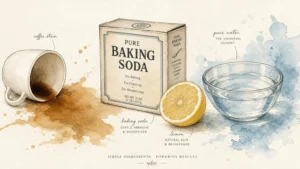
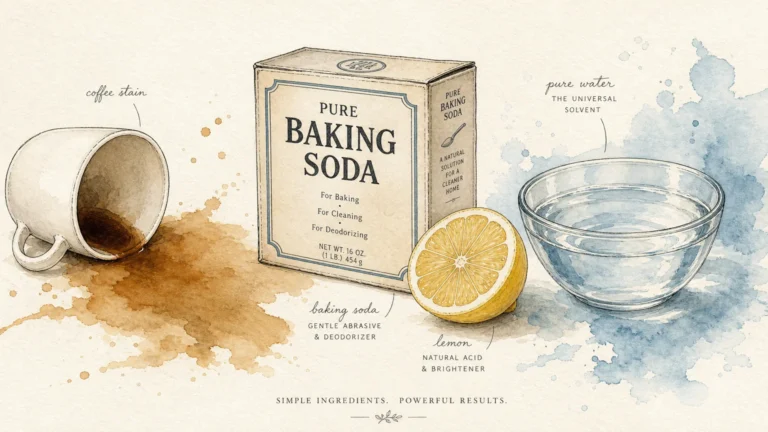
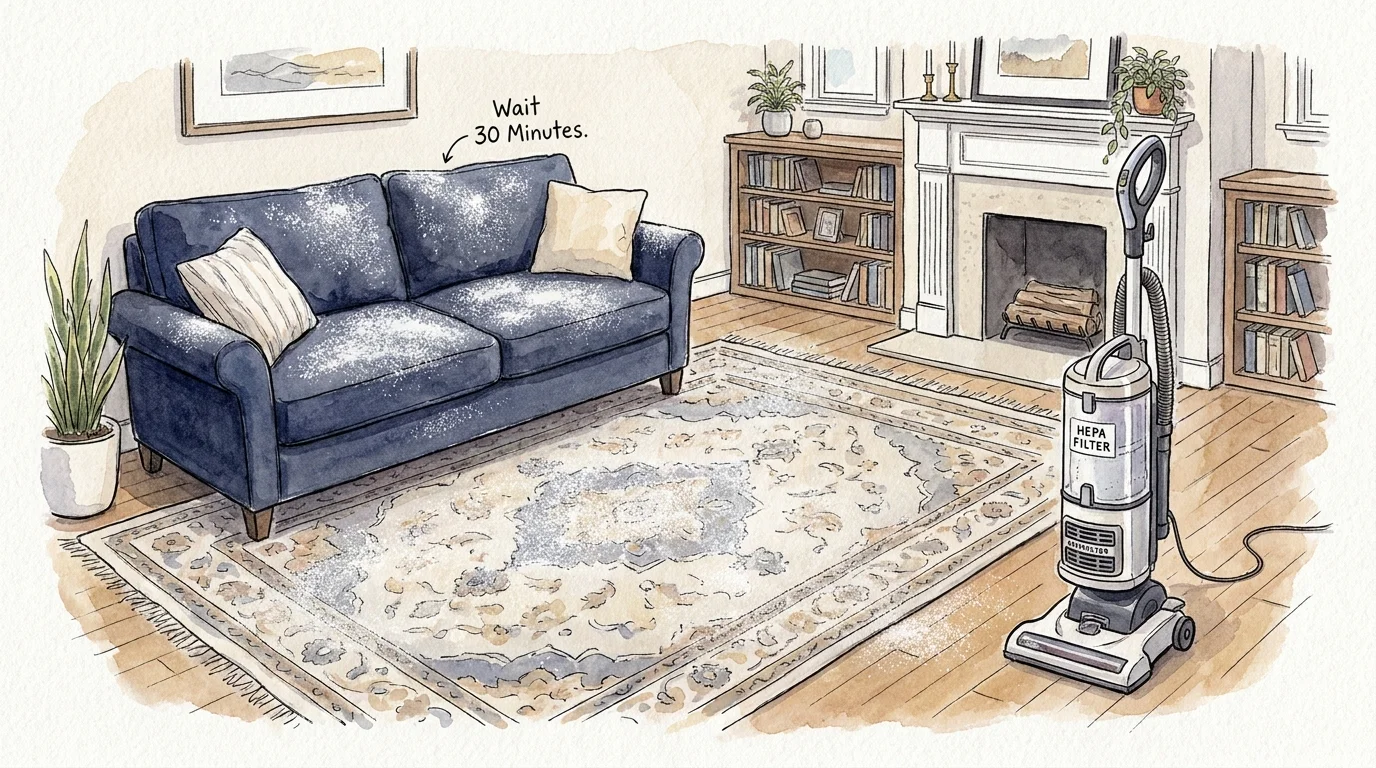
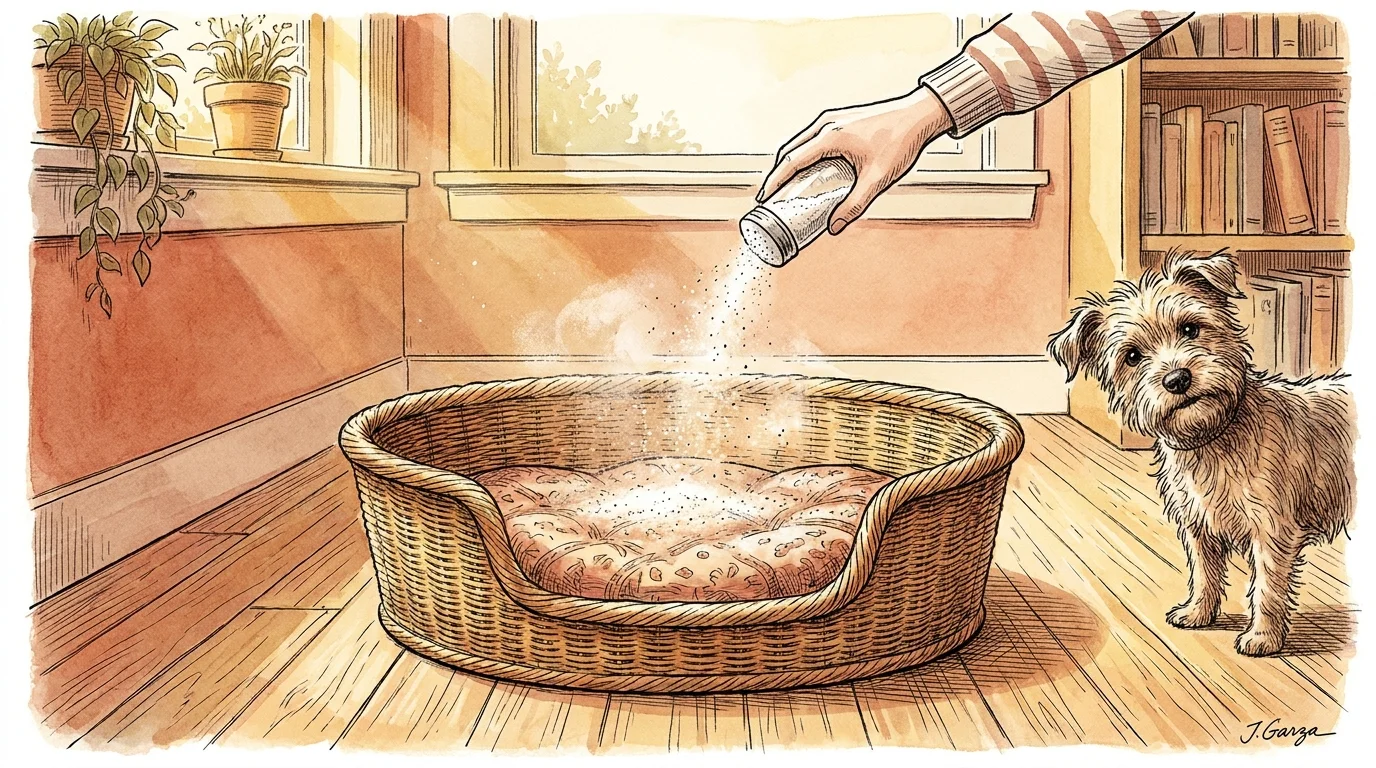
You can easily neutralize these trapped smells using ordinary baking soda. Baking soda is a natural, mild alkali; this means it chemically reacts with and neutralizes acidic odor compounds left behind by sweat, dirt, and food spills. Once a week, strip your couches of blankets and pillows, and sprinkle a fine, even layer of baking soda directly onto the upholstery and your living room rugs.
Allow the powder to sit undisturbed for at least thirty minutes. This dwell time gives the baking soda the opportunity to bond with and neutralize the odor molecules. Afterward, vacuum the surfaces slowly using a machine equipped with a clean HEPA filter. A slow vacuuming technique pulls up the powder along with the deeply embedded dust.
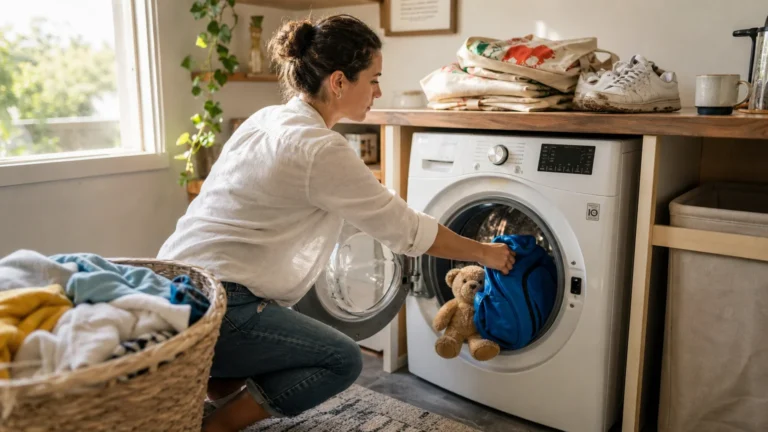
Do not forget your smaller fabric items. Throw pillow covers, decorative blankets, and pet throws should go into the washing machine every few weeks. If your curtains smell dusty, you do not necessarily need to wash them; take them down and tumble them in the dryer on a no-heat, air-fluff cycle with a damp washcloth for twenty minutes to knock the loose dust out.
Optimize Ventilation and Change HVAC Filters
A sealed house traps humidity, chemical off-gassing from furniture, and cooking smells inside, creating a heavy, stale atmosphere. Improving your home’s air circulation pushes those lingering smells out and pulls fresh air in. According to the Environmental Protection Agency, indoor air can frequently be more polluted than outdoor air, making active ventilation and source control vital components of a healthy living environment.
Whenever the weather permits, open windows on opposite sides of your house for ten to fifteen minutes. This creates a cross-breeze that quickly flushes out stagnant air. However, when temperatures drop or humidity spikes, you must rely on your home’s mechanical systems to clean the air.
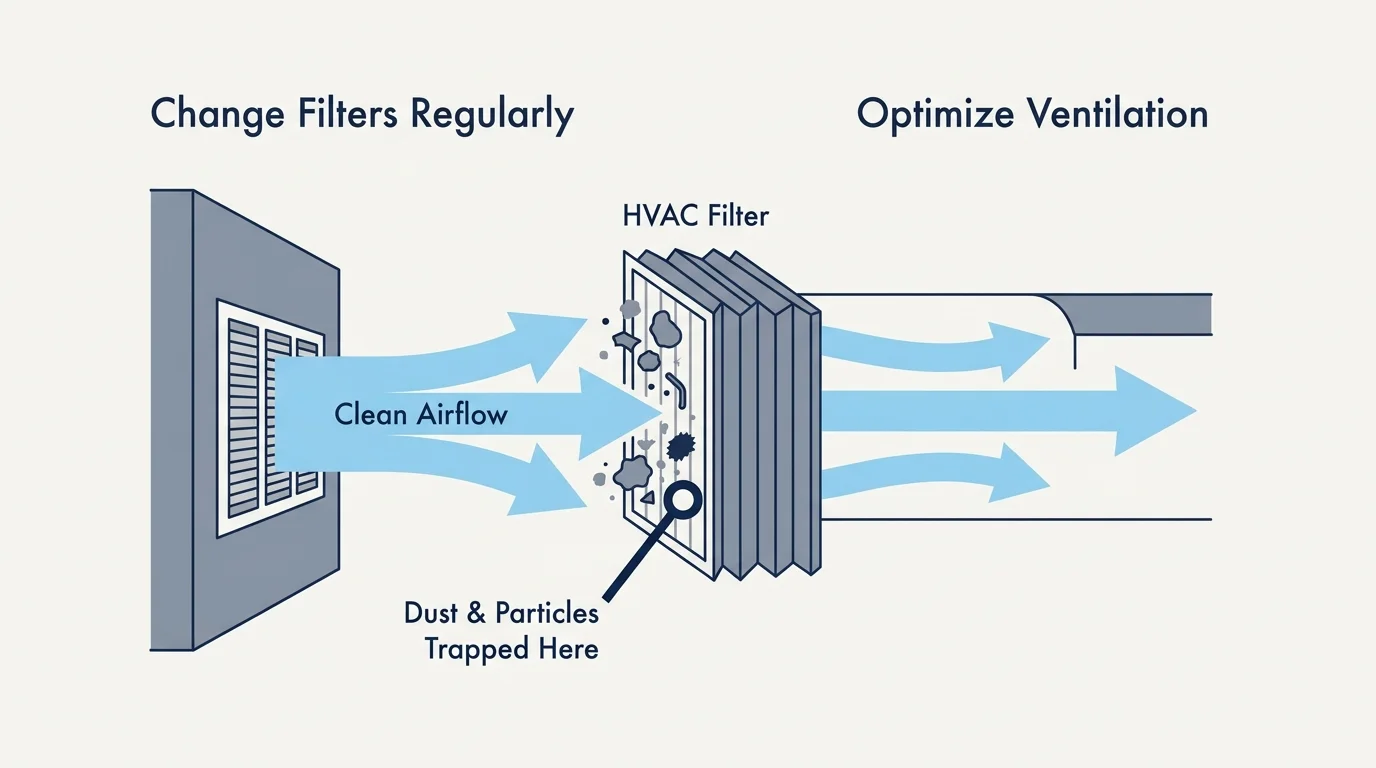
Your heating, ventilation, and air conditioning system plays a massive role in how your home smells. The Department of Energy advises inspecting and replacing your HVAC filters every month or two during heavy use seasons to trap airborne particulates effectively. A severely clogged filter not only forces your system to consume up to fifteen percent more energy; it also actively blows accumulated dust and old odors back into your rooms.
Make filter replacement a non-negotiable habit by following these straightforward steps:
- Locate your return air grille or the filter slot directly on your main air handler unit.
- Turn off your heating or cooling system at the thermostat to prevent loose dust from being sucked into the blower motor while the slot remains open.
- Carefully slide the old filter out and immediately place it into a plastic trash bag to trap the loose debris.
- Select a new pleated filter with a MERV rating between 8 and 11, which captures pollen, pet dander, and dust without straining residential equipment.
- Slide the new filter into the tracks, double-checking that the printed airflow arrows point toward the internal fan.
- Turn your system back on and write the date on the edge of the filter as a reminder.
Manage Moisture to Stop Mildew Growth
Moisture serves as the primary catalyst for mildew, a fungus that emits a highly distinct, musty odor. If your home smells reminiscent of an old basement, trapped humidity in your bathrooms or kitchen is likely the culprit. Managing this moisture stops the fungi from taking root in your grout, caulking, and textiles.
Always run your bathroom exhaust fan during your shower and leave it running for at least thirty minutes after you step out. The fan actively pulls the heavy, humid air out of the room before it can settle onto the drywall. If your bathroom lacks an exhaust fan, leave the door wide open and crack a nearby window to allow the steam to dissipate quickly.
Pay close attention to your bathing textiles. When you finish showering, pull your shower curtain completely closed so it stretches flat across the rod. If you leave it bunched against the wall, the water trapped within the folds will inevitably breed pink mold and mildew. Similarly, hang your damp bath towels flat across a wide bar. Hanging a wet towel on a single hook restricts airflow, preventing the center from drying.
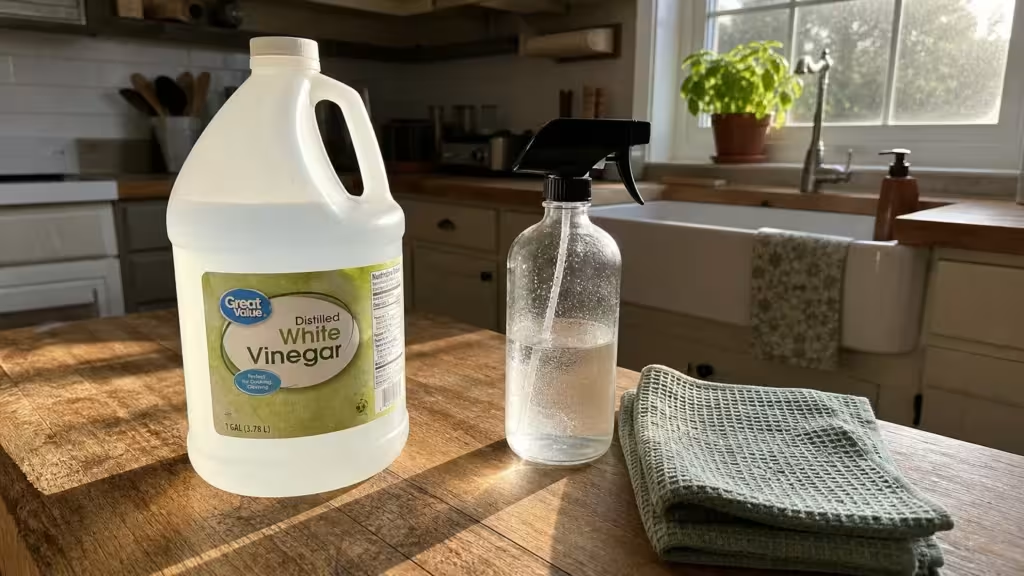
You should also evaluate your bathmats. Heavy, rubber-backed bath mats trap moisture against your floor and take hours to dry. Switch to lighter, quick-drying cotton mats that you can easily drape over the edge of the bathtub after use. If any of your towels or mats develop a sour, permanent smell, wash them in hot water with a cup of white vinegar. The vinegar strips away accumulated fabric softener and detergent buildup, effectively killing the embedded mildew spores.
Sanitize Kitchen Sponges and Sinks
The kitchen sink area handles an immense volume of organic waste, from raw meat juices to coffee grounds and dairy spills. Naturally, this zone frequently becomes the epicenter of foul household smells. The primary offender is almost always your kitchen sponge.
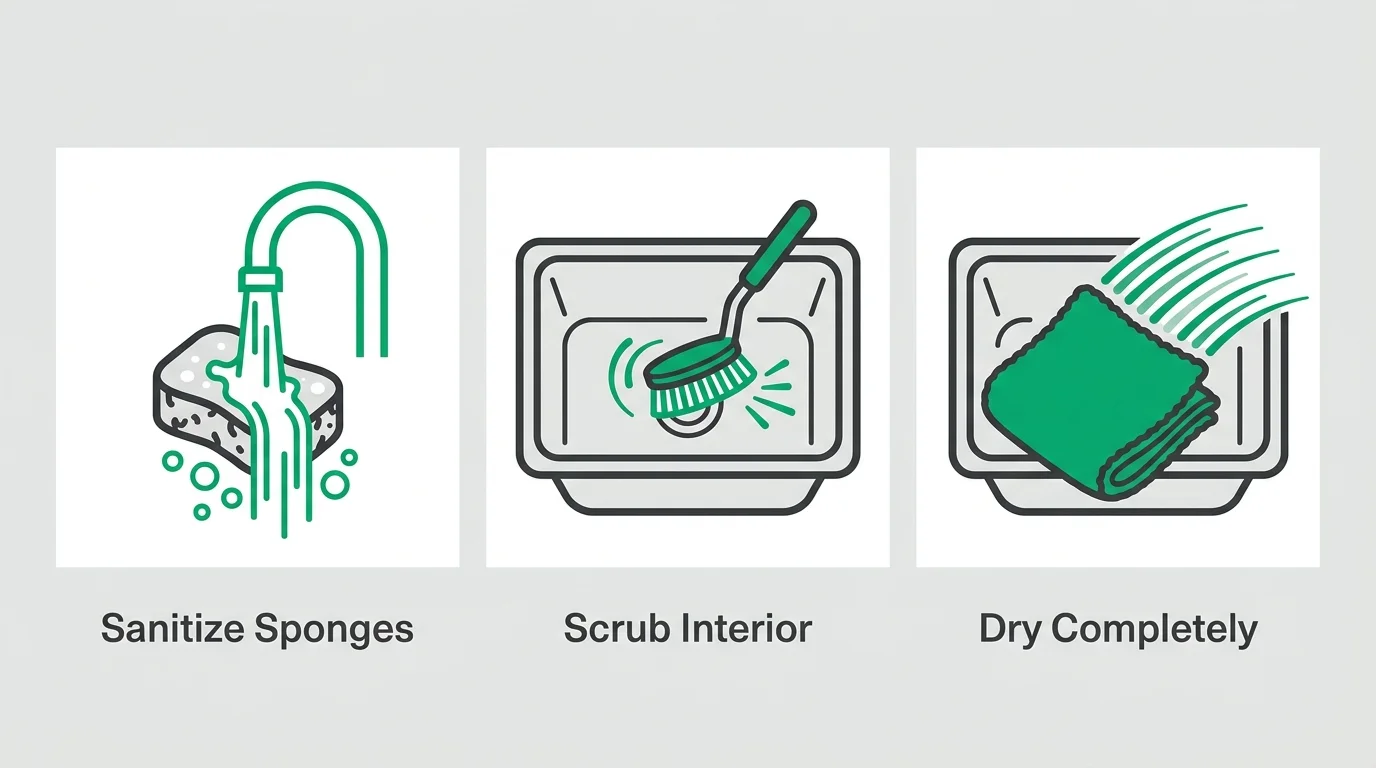
When you attempt to clean your countertops with a sour, aging sponge, you are not actually cleaning; you are smearing a microscopic layer of bacteria across your food preparation surfaces. According to kitchen safety guidelines published by Nationwide Children’s Hospital, kitchen sponges harbor severe contamination, and experts advise using clean dishcloths washed daily to prevent the spread of infection. If you absolutely prefer the scrubbing power of a sponge, the Centers for Disease Control and Prevention recommends discarding and replacing it every two weeks.
Your sink drain and garbage disposal require equally rigorous attention. Food particles easily stick to the sides of the plumbing pipes, rotting slowly over time. Implement a strict maintenance routine to keep your sink area smelling pristine.
| Maintenance Task | Frequency | Actionable Method |
|---|---|---|
| Freshen the Disposal | Weekly | Drop half a lemon or a few orange peels into the disposal along with a handful of ice cubes. Run the cold water and turn on the blades. The ice dislodges stubborn food particles, while the citrus peels release potent, natural degreasing oils. |
| Clear the Drain Pipes | Bi-weekly | Pour one cup of baking soda directly down the drain, followed immediately by one cup of white vinegar. Let the foaming chemical reaction sit for fifteen minutes to break down grease, then flush the pipes heavily with a kettle of boiling water. |
| Scrub the Splash Guard | Monthly | Lift the black rubber flaps of your garbage disposal splash guard. Apply dish soap to an old toothbrush and aggressively scrub the slimy underside of the rubber, rinsing frequently with hot water until the brush pulls away clean. |
Maintain Pet Zones Without Harsh Chemicals
Sharing your home with dogs and cats brings immense joy, but it also introduces heavy odors from dander, saliva, and outdoor dirt. Many homeowners attempt to solve this by purchasing highly perfumed aerosol sprays or plugging in synthetic air fresheners. Unfortunately, masking animal smells with heavy fragrances usually creates an overwhelming, unpleasant mixture that irritates your lungs and your pet’s sensitive nose.
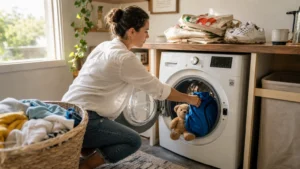
Instead of covering the smell, you must routinely remove the organic matter causing it. The ASPCA advises pet owners to gather and wash all pet bedding, blankets, and soft toys frequently in hot water to eliminate bacteria, skin cells, and loose hair. If your dog frequently sleeps on your living room sofa, place a dedicated, machine-washable throw blanket over their favorite cushion to catch the dander before it embeds into the upholstery.
When dealing with urine or vomit accidents, completely avoid ammonia-based cleaners, as the scent mimics urine and encourages pets to re-mark the area. Instead, blot the spill thoroughly and saturate the spot with a high-quality enzymatic cleaner. Enzymatic formulas contain beneficial bacteria that actively digest and destroy the uric acid proteins, ensuring the odor does not return on a humid day.
For households with cats, litter box hygiene directly dictates how the entire home smells. Scoop the waste out at least once a day, and empty the entire pan once a week. When the pan is empty, scrub the plastic bottom thoroughly with unscented dish soap and hot water. Avoid using bleach on litter boxes, as it can interact dangerously with the ammonia in cat urine.
Adopt a Nightly Kitchen Reset Routine
The way you leave your kitchen at night dictates how your entire house smells the next morning. Leaving dirty pots on the stove, crumbs scattered across the island, and food scraps sitting in the sink trap gives bacteria eight uninterrupted hours in a dark, warm environment to multiply and release odorous gases.
You can prevent this completely by adopting a ten-minute nightly kitchen reset. Make it a strict habit to empty the sink before you turn off the lights. Load the dishwasher and start the cycle immediately, ensuring you have sanitized dishes waiting for you at breakfast.
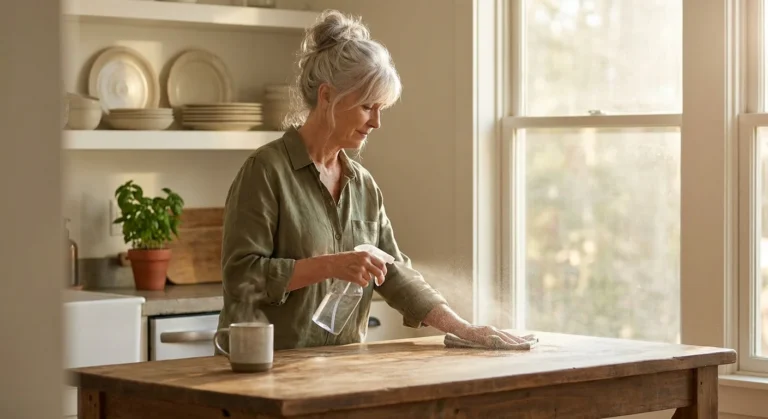
Next, spray down your countertops, the dining table, and the stovetop with a multi-surface cleaner, wiping away sticky spots and grease splatters. Pay special attention to the floor space directly beneath the stove and the cabinet fronts below the sink, as dropped food frequently hides in these vertical spaces. Wipe out the inside of your kitchen sink basin with a soapy cloth to remove the invisible film of grease left behind by dirty dishwater.
Tie up the kitchen garbage bag and place it in the outside bin if it contains any meat packaging, dairy products, or strong-smelling vegetable scraps like onions and broccoli.
As a final rewarding touch, once the kitchen is gleaming, fill a small saucepan with water and add a cinnamon stick, a few whole cloves, or leftover citrus rinds. Bring the water to a gentle simmer for twenty minutes. This easy stovetop potpourri neutralizes lingering cooking smells and fills your freshly cleaned kitchen with a warm, inviting scent that greets you the moment you wake up.

Your Practical Next Step
You do not need to overhaul your entire cleaning routine today to experience a noticeable difference in how your home smells. Start by focusing on the most persistent odor source in your kitchen. Walk to your sink right now, grab your current kitchen sponge, and throw it directly into the trash if you have used it for more than two weeks. Next, boil a kettle of water, pour half a cup of baking soda down your main sink drain, and flush it entirely with the boiling water. These two fast, highly targeted actions require less than five minutes of your time, yet they immediately eliminate millions of odor-causing bacteria, setting you on the immediate path to a fresher, more welcoming home.