Transforming a neglected outdoor space into a lush oasis does not require a landscaping crew or endless weekends of breaking your back in the dirt. You can revitalize your property by selecting hardy, forgiving varieties that thrive on neglect while still delivering vibrant colors and rich textures. Whether you are tackling a comprehensive garden makeover or simply need reliable backyard plants to spruce up a bare corner, choosing the right greenery guarantees lasting backyard improvement. By focusing on drought-tolerant perennials and sturdy shrubs, you save time, lower your water bill, and build a sustainable landscape. The following ten resilient outdoor plants will help you easily turn an overgrown or barren yard into a beautiful retreat.
Assess Your Space Before You Plant
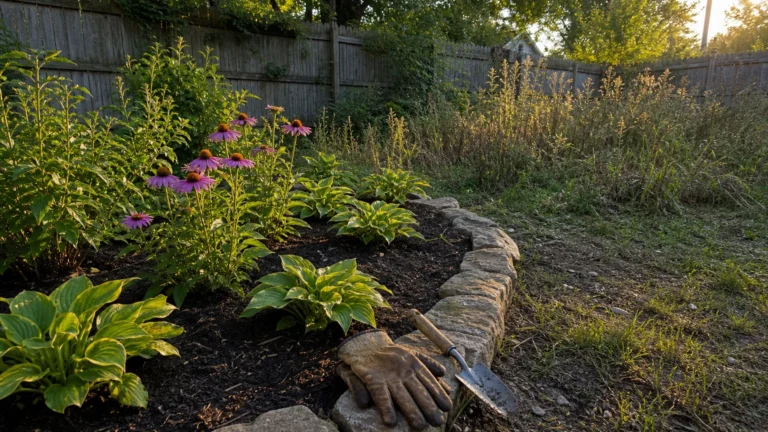
Before you dig a single hole, evaluate your existing yard conditions to ensure your new landscaping ideas take root successfully. Many garden makeovers fail because homeowners force sun-loving species into heavy shade or place delicate flowers in compacted, poorly draining clay. Identifying your environmental constraints ahead of time saves you from wasting money on greenery that will struggle to survive.
You can easily determine which plants will survive your local winters by checking the USDA Plant Hardiness Zone Map. Choosing plants rated for your specific zone drastically reduces winter die-off. Additionally, if you live in an arid climate, utilizing drought-tolerant landscaping principles—often supported by resources from institutions like Washington State University Extension—will keep your yard looking vibrant even when rainfall is scarce.
Follow this straightforward checklist to prep your neglected space:
- Clear the debris: Remove dead branches, weeds, and old mulch to expose the bare soil.
- Test the soil drainage: Dig a small hole, fill it with water, and watch how fast it drains. Slow drainage indicates heavy clay that requires aeration.
- Map the sunlight: Check the area at morning, noon, and late afternoon to accurately track sun exposure.
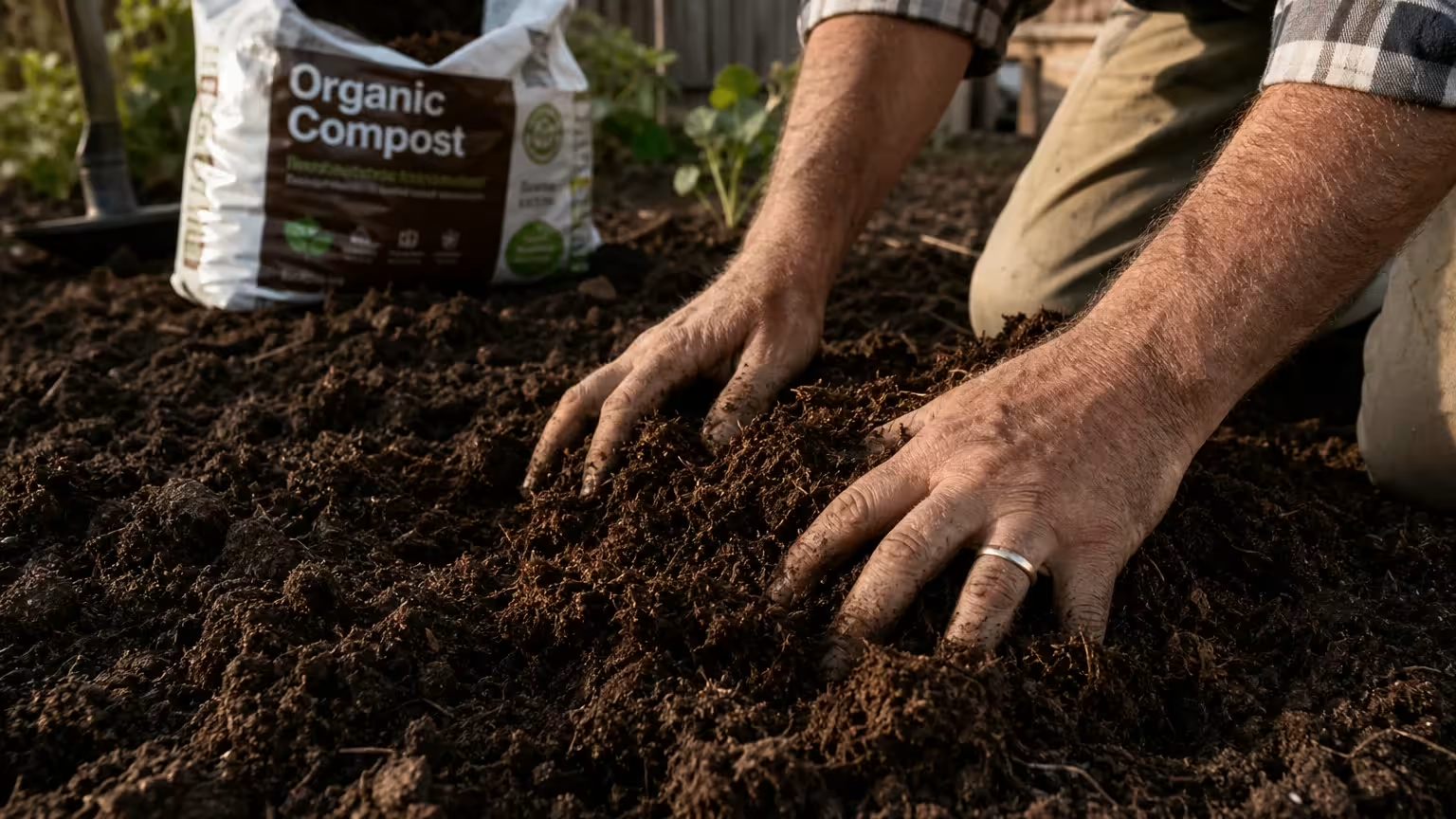
- Amend the dirt: Mix a thick layer of organic compost into the topsoil to improve nutrient density before placing your new outdoor plants.
1. Hostas: Shade-Loving Foliage Champions
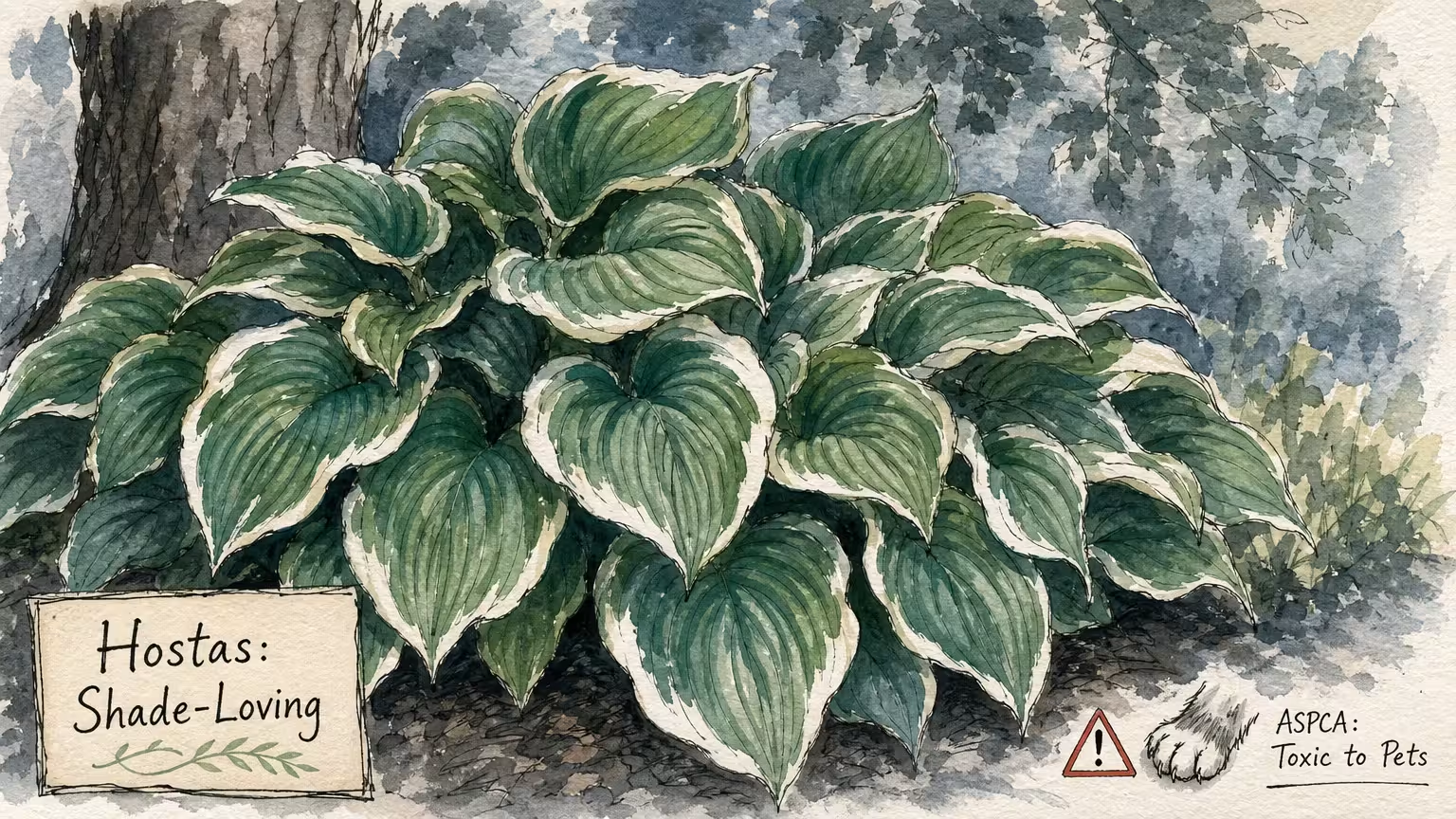
When you have a shady corner that looks bare and uninviting, hostas provide an immediate, lush transformation. These hardy perennials are celebrated for their broad, ribbed leaves that range in color from deep emerald to variegated shades of lime and cream. Because they thrive in partial to full shade, hostas are perfect for planting under mature trees or along the north-facing side of your home.
Maintenance is incredibly simple. Hostas die back in the winter and reliably push through the soil every spring. You only need to divide them every few years if they grow too large for their designated space; simply slice the root ball in half with a sharp spade and replant the divisions. However, if you share your home with furry companions, you must exercise caution. The ASPCA lists hostas as toxic to dogs and cats, noting that the saponins in the plant can cause severe gastrointestinal upset. If your pets have free roam of the yard, consider planting hostas in fenced-off areas or elevated planters to prevent accidental nibbling.
2. Coneflowers (Echinacea purpurea): Sun-Drenched Resiliency
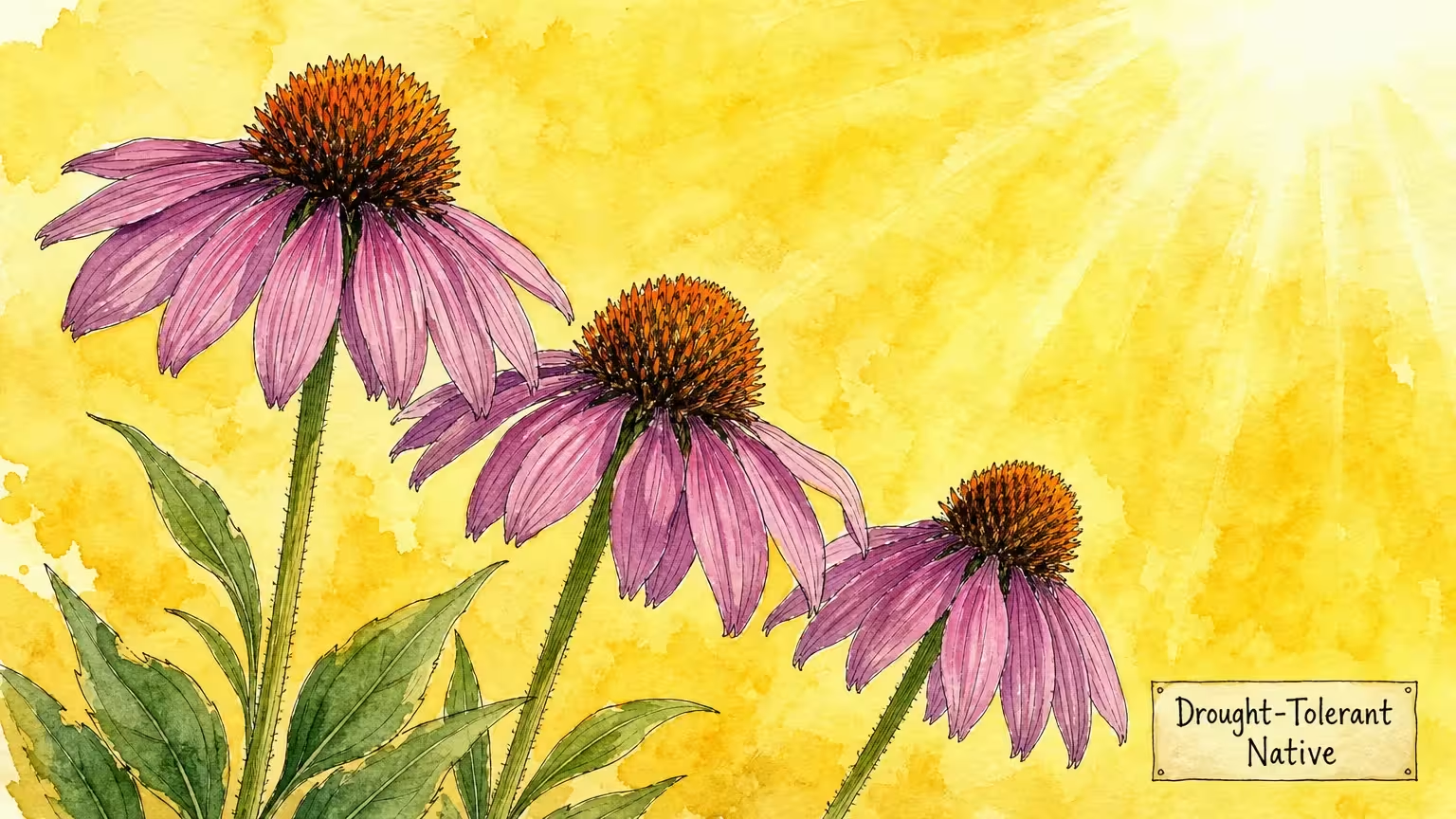
For areas of your yard that bake in the afternoon sun, purple coneflowers offer an unbeatable combination of toughness and beauty. These native prairie plants feature distinctive, daisy-like blooms with raised, spiky centers. They are exceptionally drought-tolerant once established, utilizing deep taproots to access moisture far below the surface of the soil.
Coneflowers bloom from mid-summer straight through the first frost, providing critical nectar for local pollinators like bees and butterflies. In the late fall, you can leave the dried seed heads standing to feed overwintering birds. Echinacea thrives in poor, rocky soils and requires virtually no fertilizer. Furthermore, they are entirely non-toxic to dogs and cats, making them a worry-free addition to a busy household. To keep the blooms looking fresh, simply snip off the dead flowers—a process known as deadheading—to encourage the plant to produce a second wave of buds.
3. Coreopsis (Tickseed): A Non-Toxic Burst of Sunshine
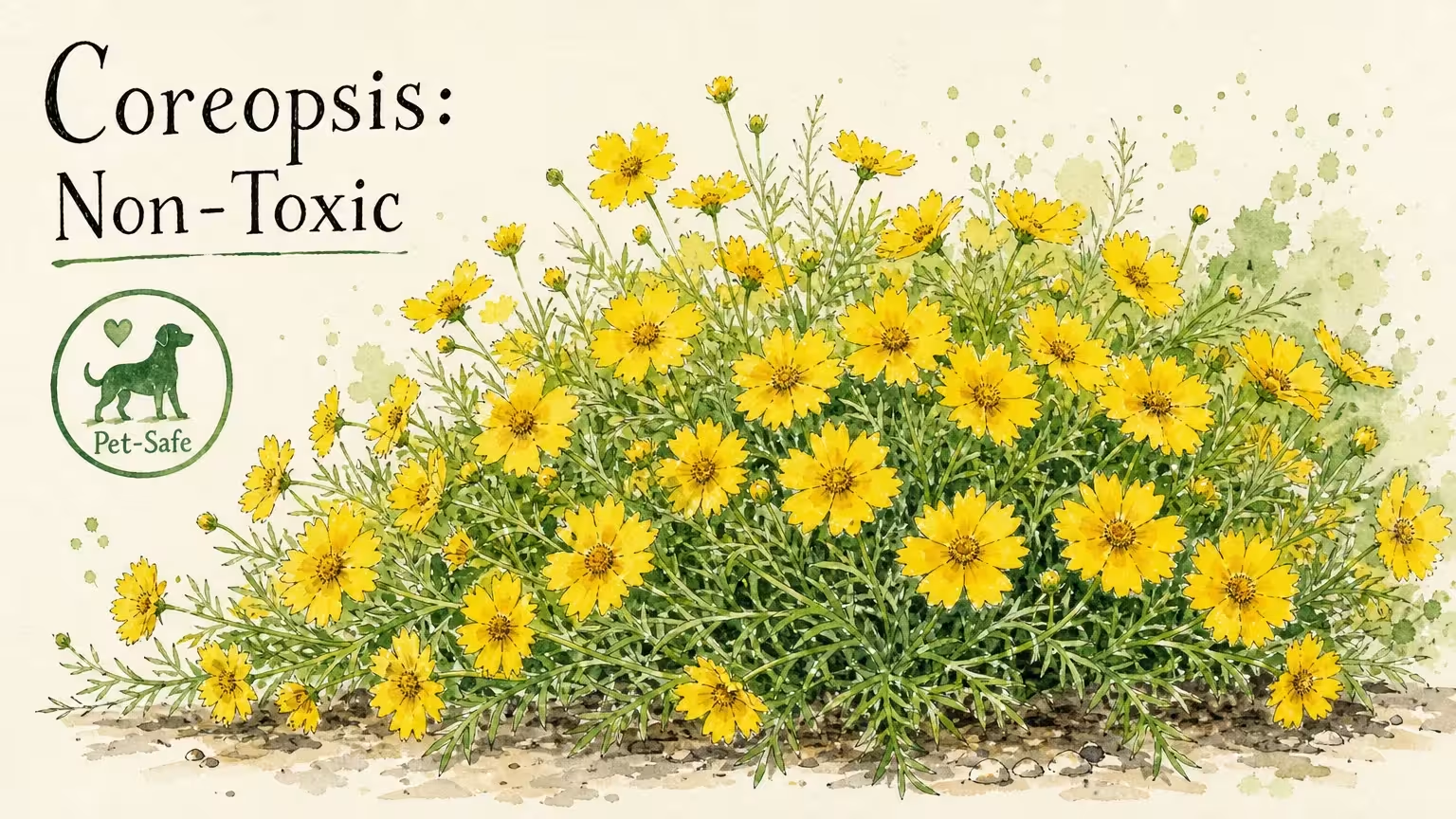
If you want to inject cheerful, vibrant color into your backyard improvement project, coreopsis is an outstanding choice. Commonly known as tickseed, this rugged perennial produces masses of golden-yellow, pink, or red flowers that seem to float above delicate, fern-like foliage. Coreopsis thrives in full sun and handles extreme heat and humidity with ease.
Like the coneflower, coreopsis is highly drought-resistant and typically survives entirely on natural rainfall once its root system takes hold. It spreads steadily but remains easy to control by dividing the clumps every spring. If the plant begins to look leggy or exhausted by mid-summer, you can shear it back by a third to force a dense, colorful autumn bloom. Best of all, coreopsis is completely non-toxic to dogs, cats, and horses. You can safely plant large sweeping borders of this bright flower around walkways or patios where your pets frequently nap.
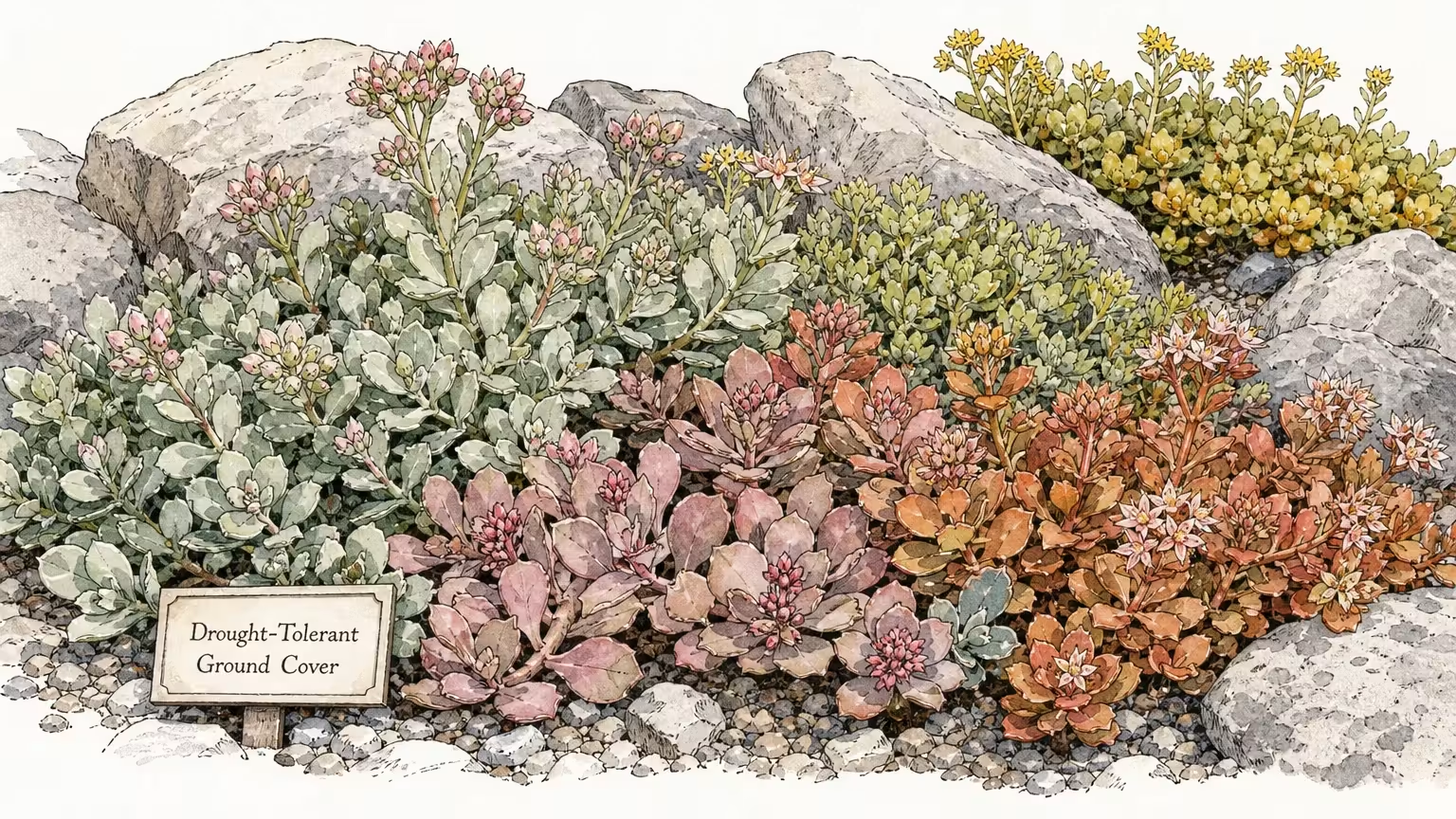
4. Sedum (Stonecrop): Drought-Tolerant Ground Cover
Neglected slopes, rocky patches, and sandy soils often frustrate homeowners looking to establish a traditional lawn. Enter sedum, a vast family of succulent plants commonly called stonecrop. Sedums store water in their fleshy, thick leaves, allowing them to endure weeks of intense drought without wilting or losing their visual appeal.
Low-growing sedum varieties creep along the ground to form a dense, weed-suppressing mat, while upright varieties grow into sturdy mounds that burst into pink or rust-colored blooms late in the season. These plants require excellent drainage; their roots will quickly rot in heavy, waterlogged clay. When planted in the right conditions, sedums are virtually indestructible. They also carry the benefit of being completely pet-safe, offering a textured, modern look to your landscaping ideas without posing a hazard to grazing animals. Propagating them is effortless—you can often snap off a healthy stem, stick it directly into the dirt, and watch it grow roots within weeks.
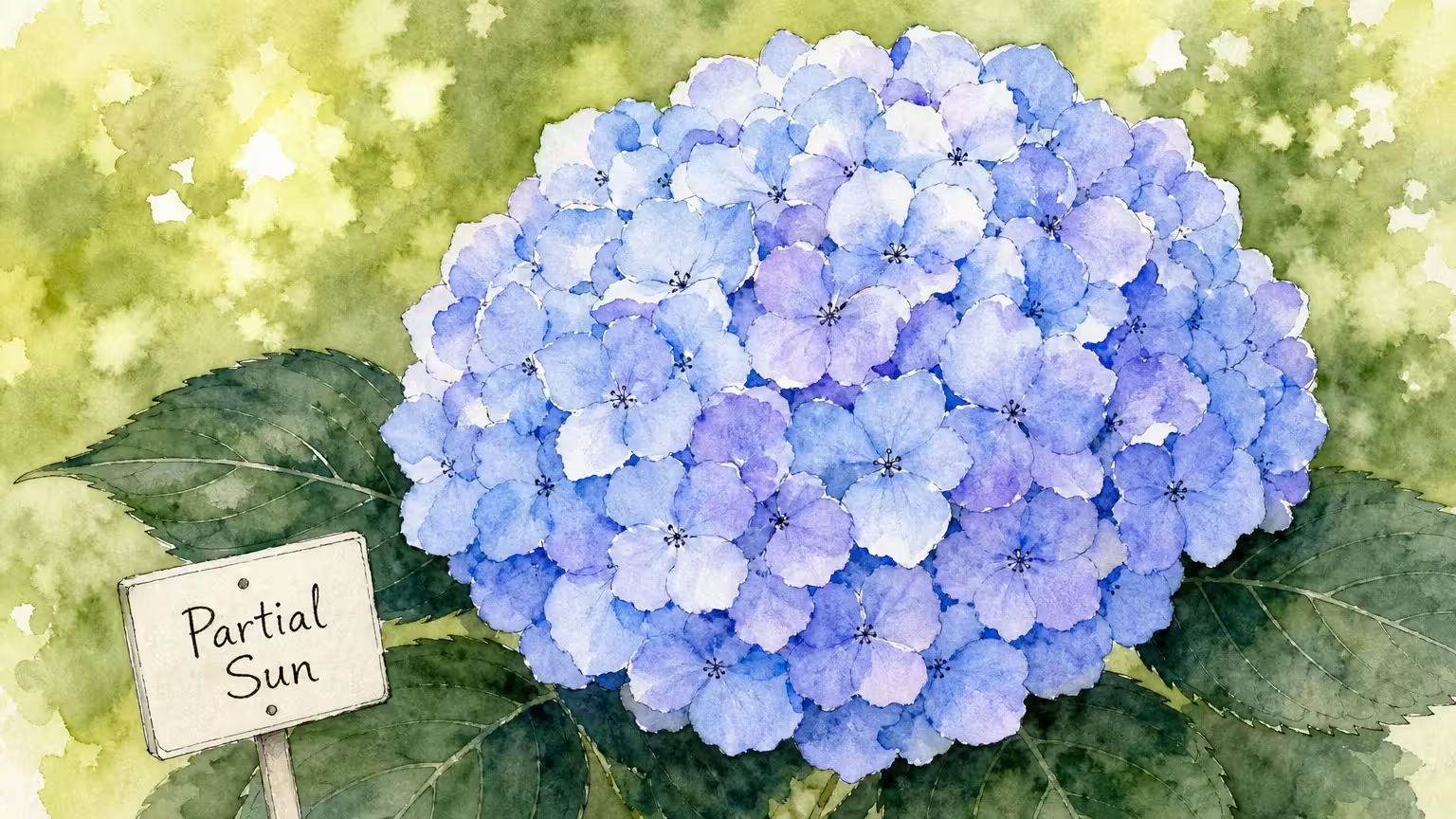
5. Hydrangeas: High-Impact Blooms for Partial Sun
Few plants deliver the sheer visual impact of a mature hydrangea bush. Producing massive globes of pink, blue, or white flowers, hydrangeas serve as incredible focal points or privacy hedges in a garden makeover. They prefer a balanced environment—ideally receiving morning sun and afternoon shade—and require consistently moist, well-draining soil to perform their best.
While they demand slightly more water than the prairie natives on this list, hydrangeas are highly forgiving once they settle into their environment. You can even alter the bloom color of certain varieties by adjusting the acidity of your soil; acidic soil yields blue flowers, while alkaline soil produces pink blooms. Before you incorporate them into your landscape, be aware of their safety profile. The ASPCA classifies hydrangeas as toxic to dogs and cats; eating the leaves or flower buds can trigger vomiting and lethargy. Plant them strategically out of reach of curious pets, perhaps behind a decorative fence or nestled deep within a wider garden bed.
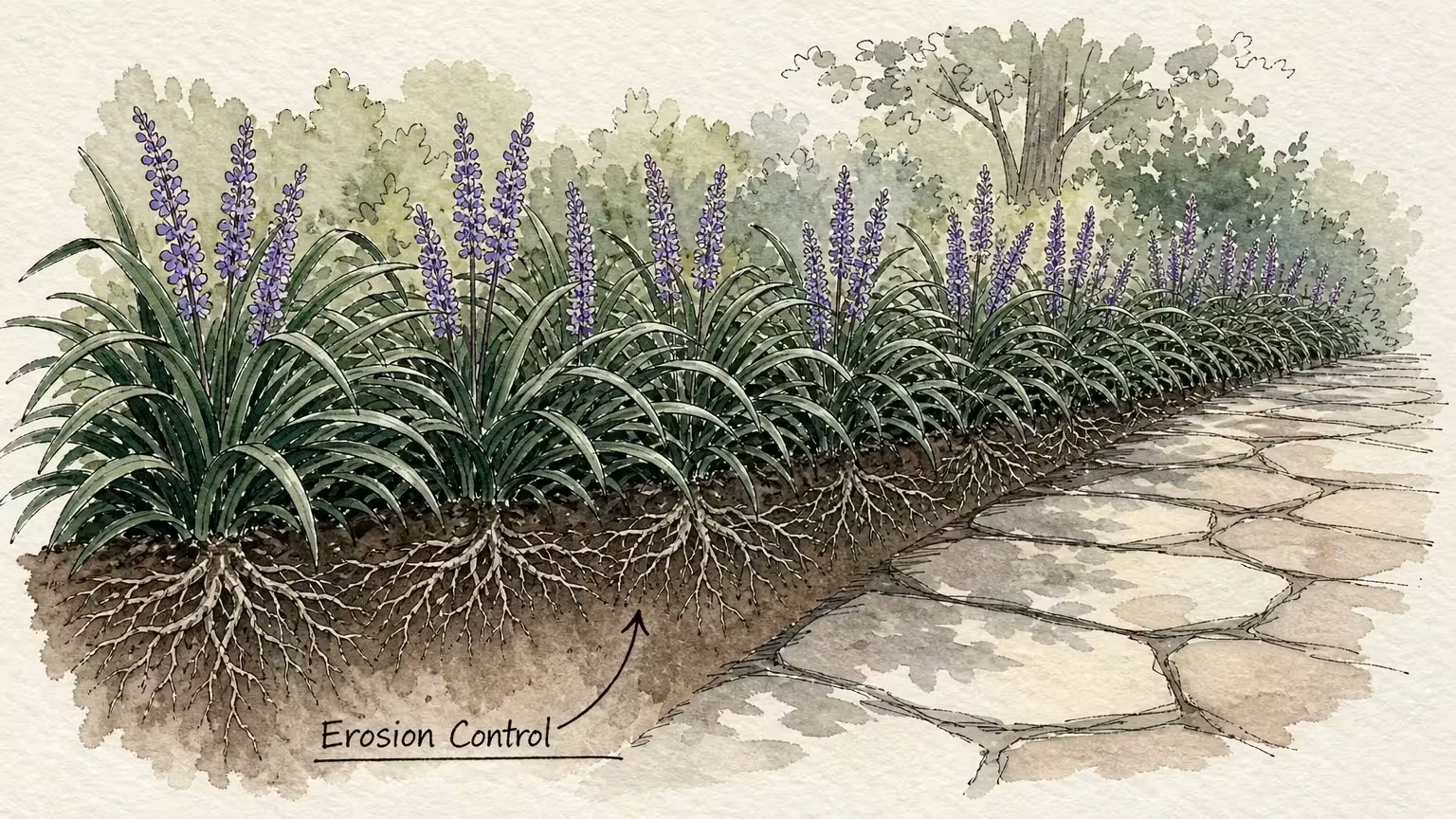
6. Liriope (Lilyturf): Erosion Control and Edging
When you need to define the borders of your garden beds or stabilize a hill that washes out during heavy rain, liriope is your most reliable tool. Often mistaken for a type of ornamental grass, lilyturf is actually a member of the asparagus family. It forms neat, arching clumps of evergreen foliage and sends up spikes of purple or white flowers in late summer.
Liriope handles a remarkable range of conditions. It grows happily in deep shade under oak trees but will also tolerate full sun if provided with occasional supplemental watering. Because it forms a dense, fibrous root system, it acts as a living retaining wall to prevent soil erosion. It requires no complicated pruning; simply give the clumps a quick trim with hedge clippers in early spring to remove tattered winter foliage before the new growth emerges. It is also non-toxic to pets, providing a safe and practical border along your backyard pathways.

7. Switchgrass (Panicum virgatum): Texture and Movement
A truly dynamic landscape includes plants that catch the breeze and provide auditory ambiance. Switchgrass is a tough, native ornamental grass that adds vertical height, rustling sounds, and varied textures to your garden design. Growing upright in tight bunches, switchgrass features green or blue-tinted blades that often transition to striking shades of red and gold in the autumn.
This grass serves as an anchor for low-maintenance outdoor plants. Its roots reach deep into the earth, breaking up heavy soil and pulling up moisture during prolonged dry spells. You do not need to fertilize switchgrass; doing so actually causes the plant to grow too rapidly, resulting in weak stems that flop over. Leave the stalks standing through the winter to provide architectural interest and shelter for wildlife, then cut them down to a few inches above the ground just before spring arrives.
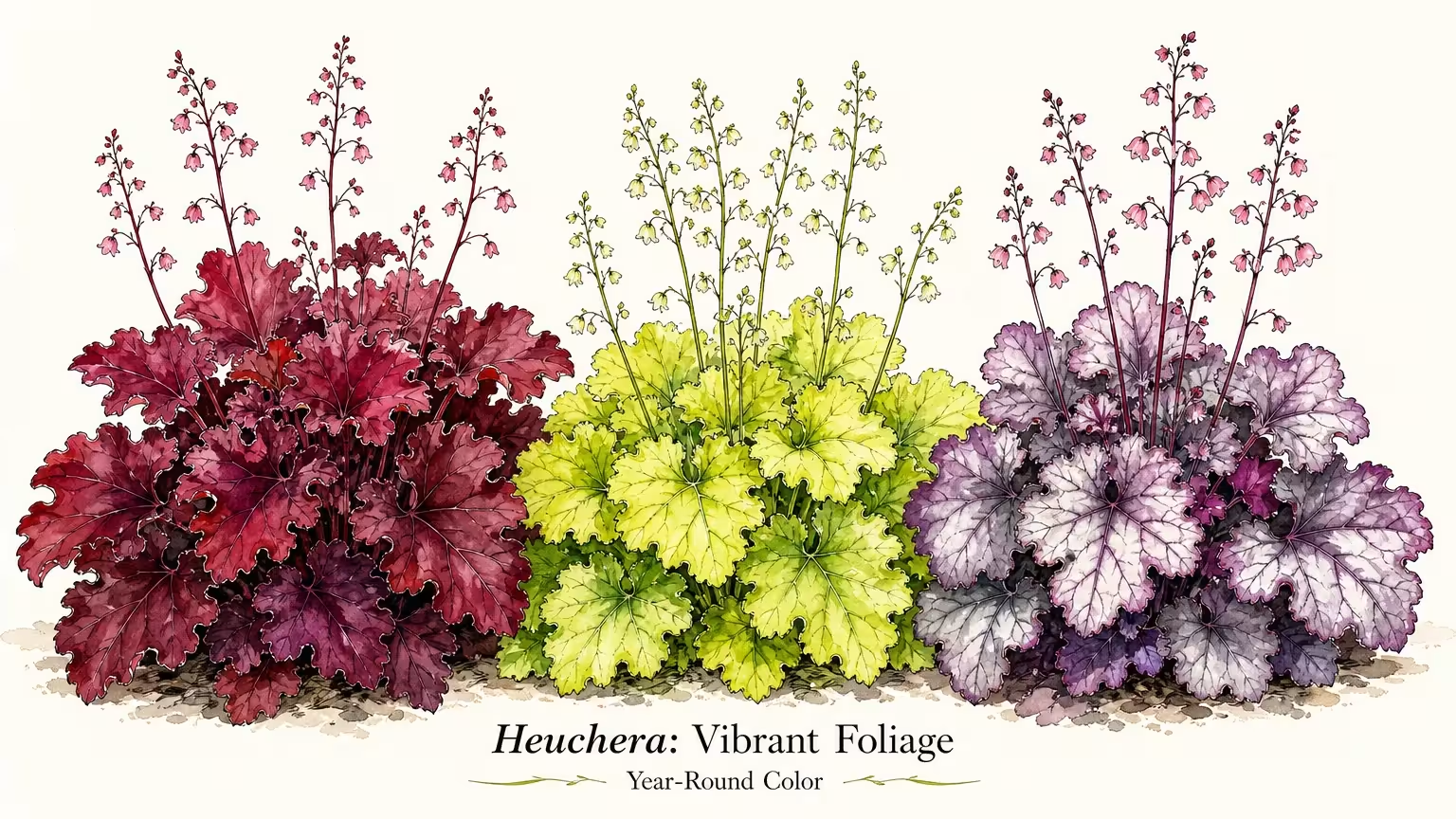
8. Coral Bells (Heuchera): Year-Round Color Accents
For shaded areas where traditional blooming flowers struggle to survive, coral bells bring brilliant color through their foliage alone. These low-growing, mounding perennials feature scalloped leaves available in an astonishing array of colors—ranging from deep plum and metallic silver to bright chartreuse and fiery caramel. In late spring, they shoot up delicate, bell-shaped flowers on wiry stems, but the leaves remain the primary attraction.
Coral bells require well-draining soil and benefit from a layer of mulch to keep their shallow roots cool during the heat of summer. Because they are evergreen in milder climates, they offer visual interest even when the rest of your garden has gone dormant. They are non-toxic to dogs and cats, pairing beautifully with hostas and ferns to create a highly textured, pet-safe shade garden. During harsh winters, frost may push their shallow roots out of the ground; simply press them gently back into the soil when the ground thaws.
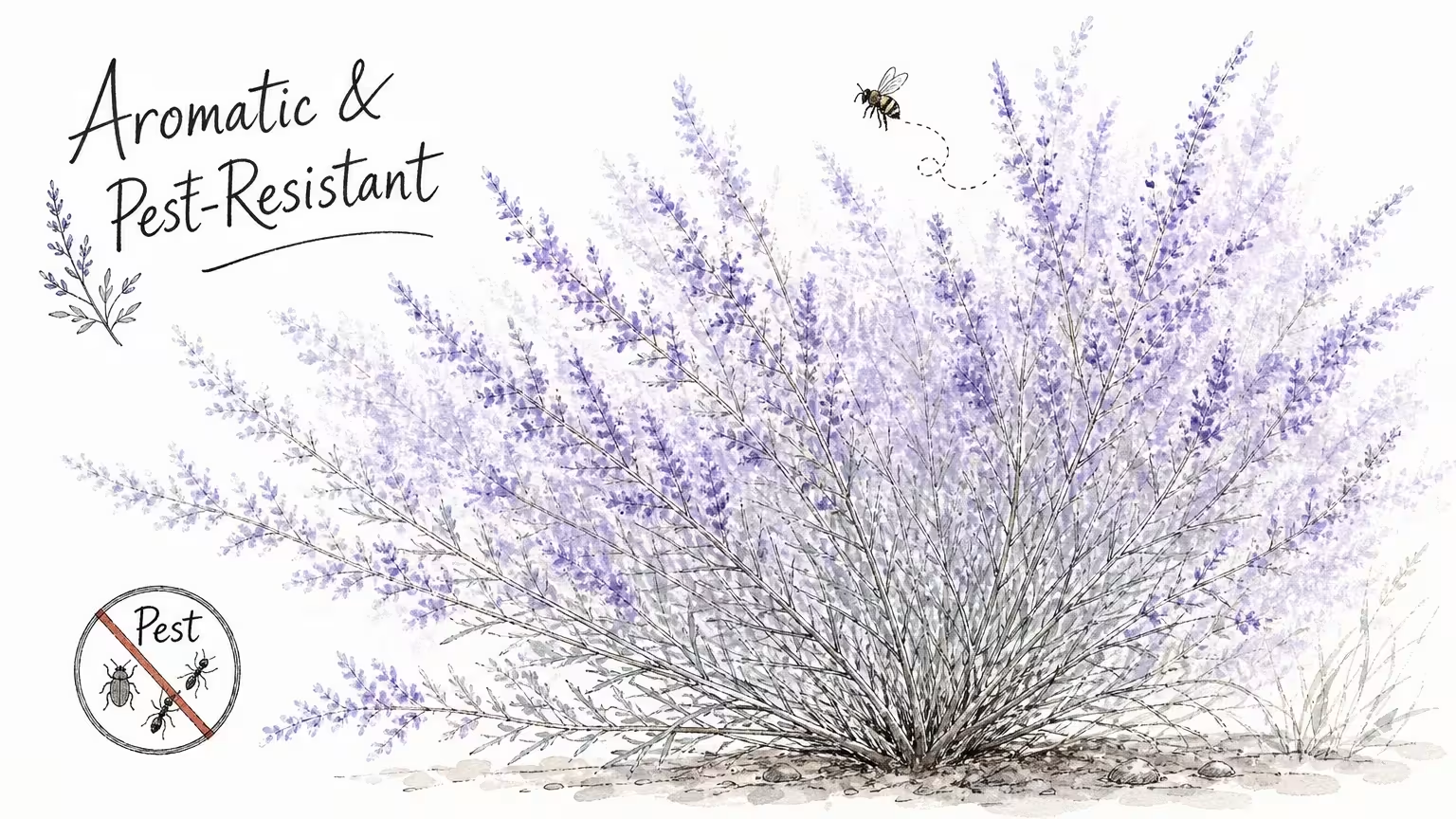
9. Russian Sage (Perovskia atriplicifolia): Aromatic and Pest-Resistant
If your backyard suffers from hungry deer or rabbits that decimate your landscaping efforts, Russian sage offers a highly resilient solution. This woody perennial features silvery-gray stems and lacy leaves that emit a strong, herbaceous fragrance when brushed against. From mid-summer into autumn, it explodes with airy clouds of lavender-blue flowers.
The aromatic oils that make Russian sage so appealing to humans act as a natural deterrent to grazing wildlife and pest insects. It requires full sun and thrives in poor, sandy, or rocky soils where other plants fail. Overwatering or heavy fertilizing will cause the stems to sprawl and weaken. Once established, Russian sage is deeply drought-resistant. The ASPCA categorizes Russian sage as non-toxic to pets, and its strong scent naturally discourages chewing. To maintain a tidy shape, prune the woody stems back to about six inches tall in early spring.
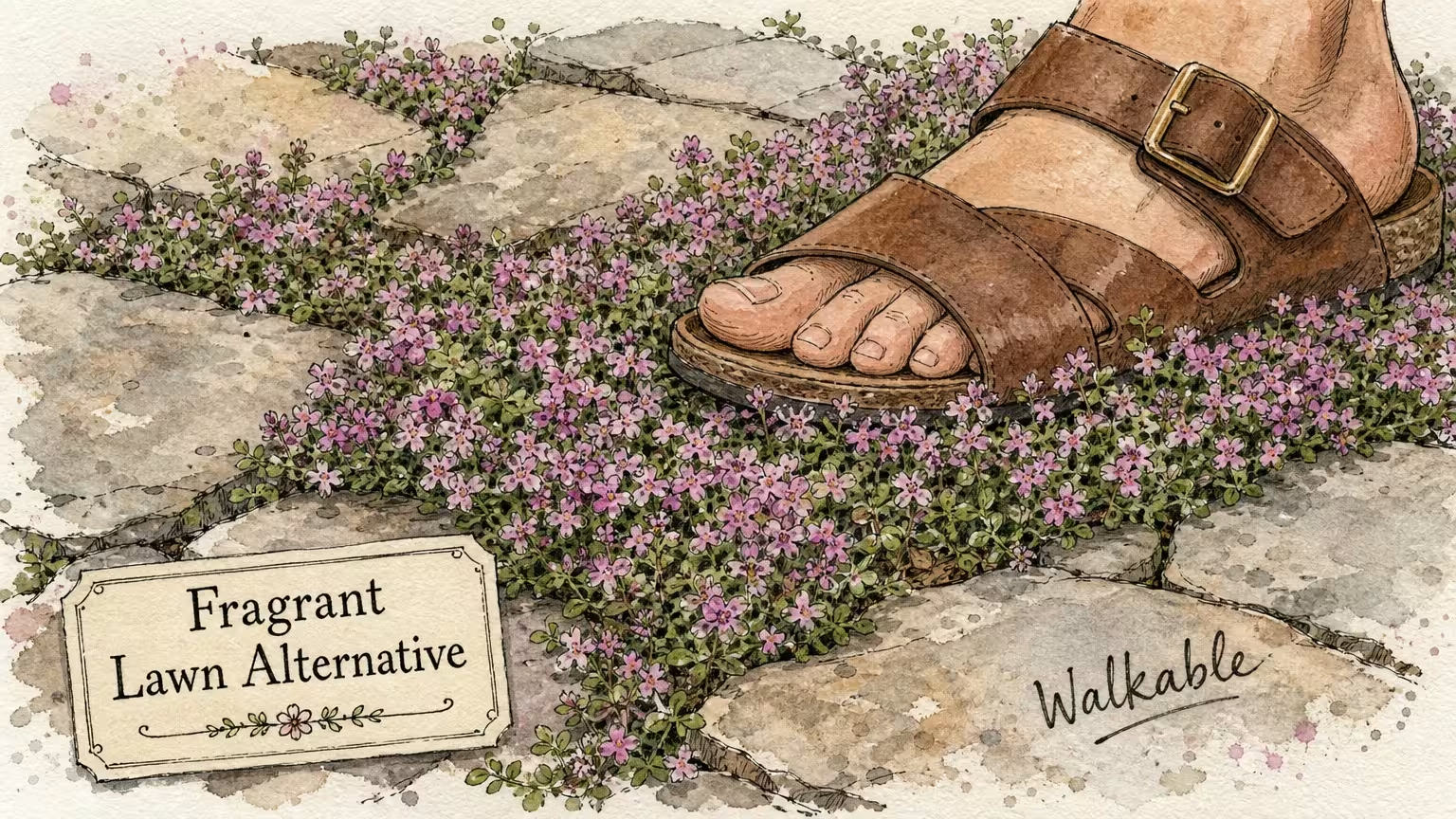
10. Creeping Thyme (Thymus serpyllum): A Fragrant, Walkable Lawn Alternative
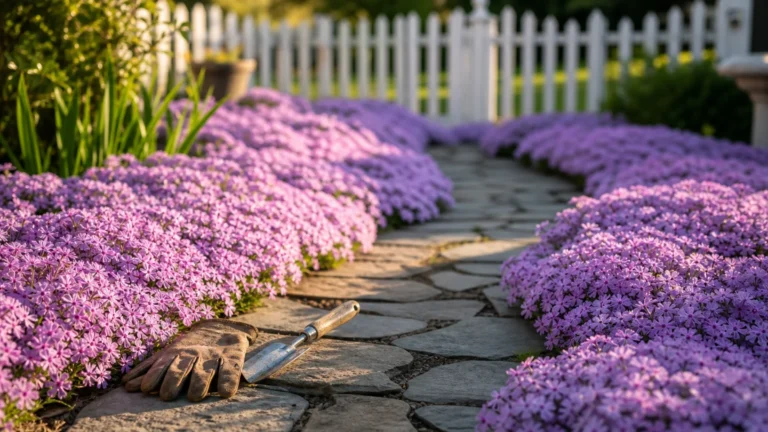
Lawns require constant mowing, edging, watering, and fertilizing—chores that quickly turn a property into a heavy burden. If you have a patchy, struggling stretch of grass, consider replacing it with creeping thyme. This low-growing, evergreen ground cover forms a dense, durable mat that maxes out at just a few inches tall, completely eliminating the need for a lawnmower.
Creeping thyme easily handles light to moderate foot traffic. When you walk across it, the crushed leaves release a pleasant, savory scent. In the summer, the entire plant is blanketed in tiny pink or purple flowers that draw in beneficial pollinators. It requires well-drained soil and plenty of sunlight to thrive. As confirmed by pet safety experts, creeping thyme is non-toxic to dogs and cats, making it an excellent, low-maintenance surface for family play areas or stepping-stone pathways. Just be sure to thoroughly weed the planting area beforehand, as removing aggressive grass from established creeping thyme can be difficult.
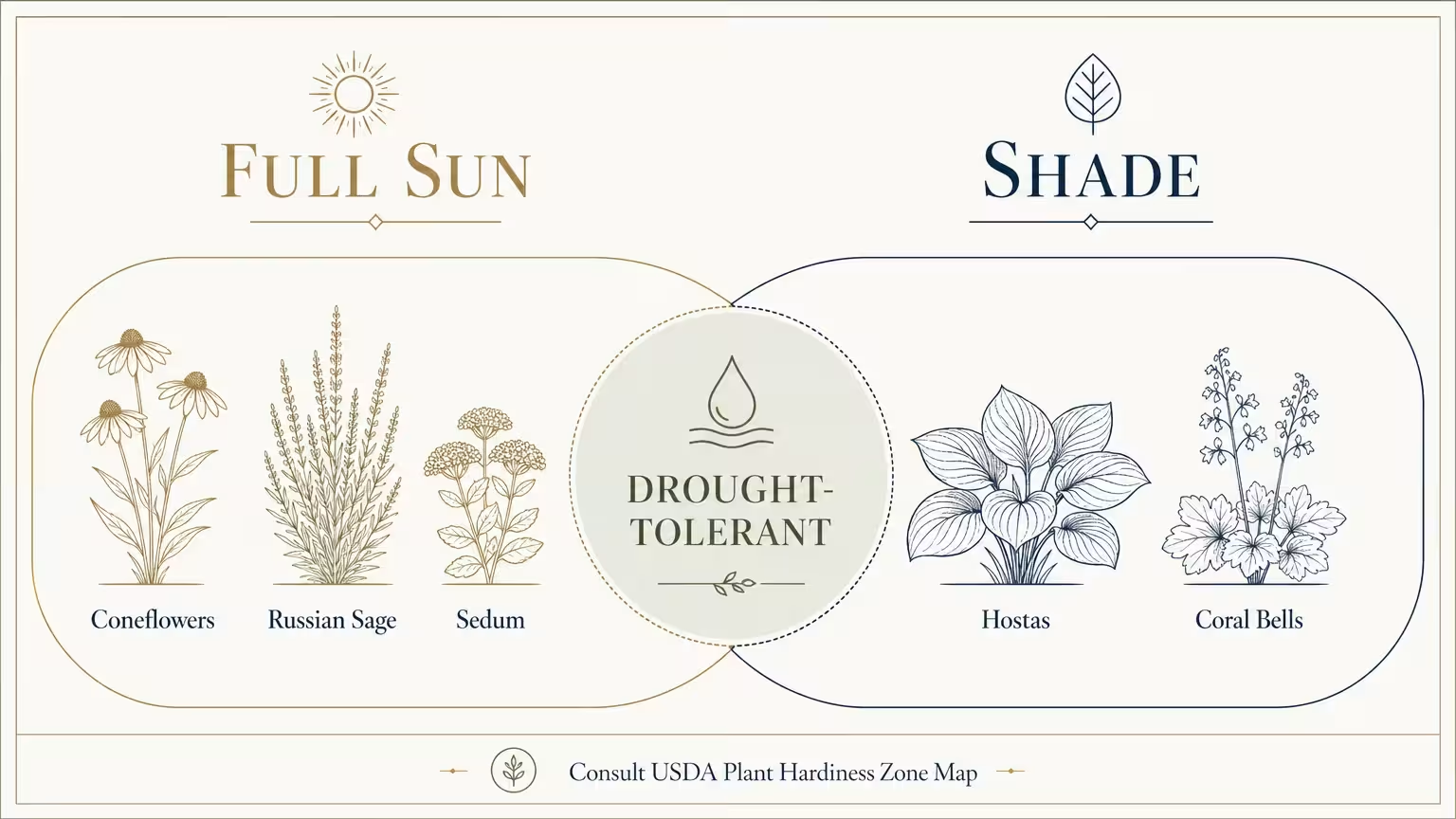
Planning Your Low-Maintenance Garden Makeover
Transforming your yard with these ten plants becomes even easier when you organize your approach based on sunlight and water needs. Grouping plants with similar requirements—a practice known as hydro-zoning—prevents you from accidentally drowning a drought-tolerant succulent while trying to keep a thirsty hydrangea alive.
Use the table below to quickly reference how to arrange these hardy backyard plants in your landscape design:
| Plant Name | Ideal Lighting | Water Needs | Best Landscape Use |
|---|---|---|---|
| Hostas | Partial to Full Shade | Moderate | Tree underplanting, shaded corners |
| Coneflowers | Full Sun | Low (Drought-tolerant) | Pollinator gardens, sunny borders |
| Coreopsis | Full Sun | Low (Drought-tolerant) | Mass planting, colorful accents |
| Sedum | Full Sun | Very Low | Rock gardens, dry slopes |
| Hydrangeas | Morning Sun, Afternoon Shade | Moderate to High | Privacy hedges, focal points |
| Liriope | Versatile (Sun or Shade) | Moderate to Low | Path edging, erosion control |
| Switchgrass | Full Sun | Low (Drought-tolerant) | Backdrop planting, privacy screens |
| Coral Bells | Partial to Full Shade | Moderate | Textured shade beds, container planting |
| Russian Sage | Full Sun | Low (Drought-tolerant) | Deer-resistant borders, sensory gardens |
| Creeping Thyme | Full Sun | Low (Drought-tolerant) | Lawn replacement, between pavers |
By utilizing this hydro-zoning strategy, you minimize your maintenance hours, reduce unnecessary watering, and maximize the survival rate of your new foliage.
Your Next Step for Backyard Improvement
Pick just one overgrown corner or empty patch of dirt in your yard this weekend. Clear away any existing weeds, determine whether that specific spot receives sun or shade, and choose two plants from this list that perfectly match those conditions. By starting small, you build momentum without feeling overwhelmed, paving the way for a complete and manageable outdoor transformation.