Transforming a cramped apartment into a calm, easy-to-manage haven is entirely possible without adding a single square foot. When you leverage vertical space and hidden compartments, you instantly reclaim your floors and make daily routines feel effortless. The solution is not ruthlessly throwing everything away; it is making your existing layout work harder for you. By adopting smarter organizing habits and choosing dual-purpose furniture, you can stop stepping over clutter. These practical adjustments directly streamline your day—especially helpful if you are simplifying your life as you get older. Ready to finally breathe easier in your own home? Apply these eight proven storage methods to maximize your small space immediately.
1. Maximize Vertical Real Estate with Heavy-Duty Adhesive Hooks
Maximizing your apartment begins with looking up. When floor space runs out, your blank walls offer untapped potential for keeping daily essentials within reach. However, if you rent your home or prefer avoiding power tools, heavy-duty adhesive hooks provide an ideal solution—provided you install them correctly.
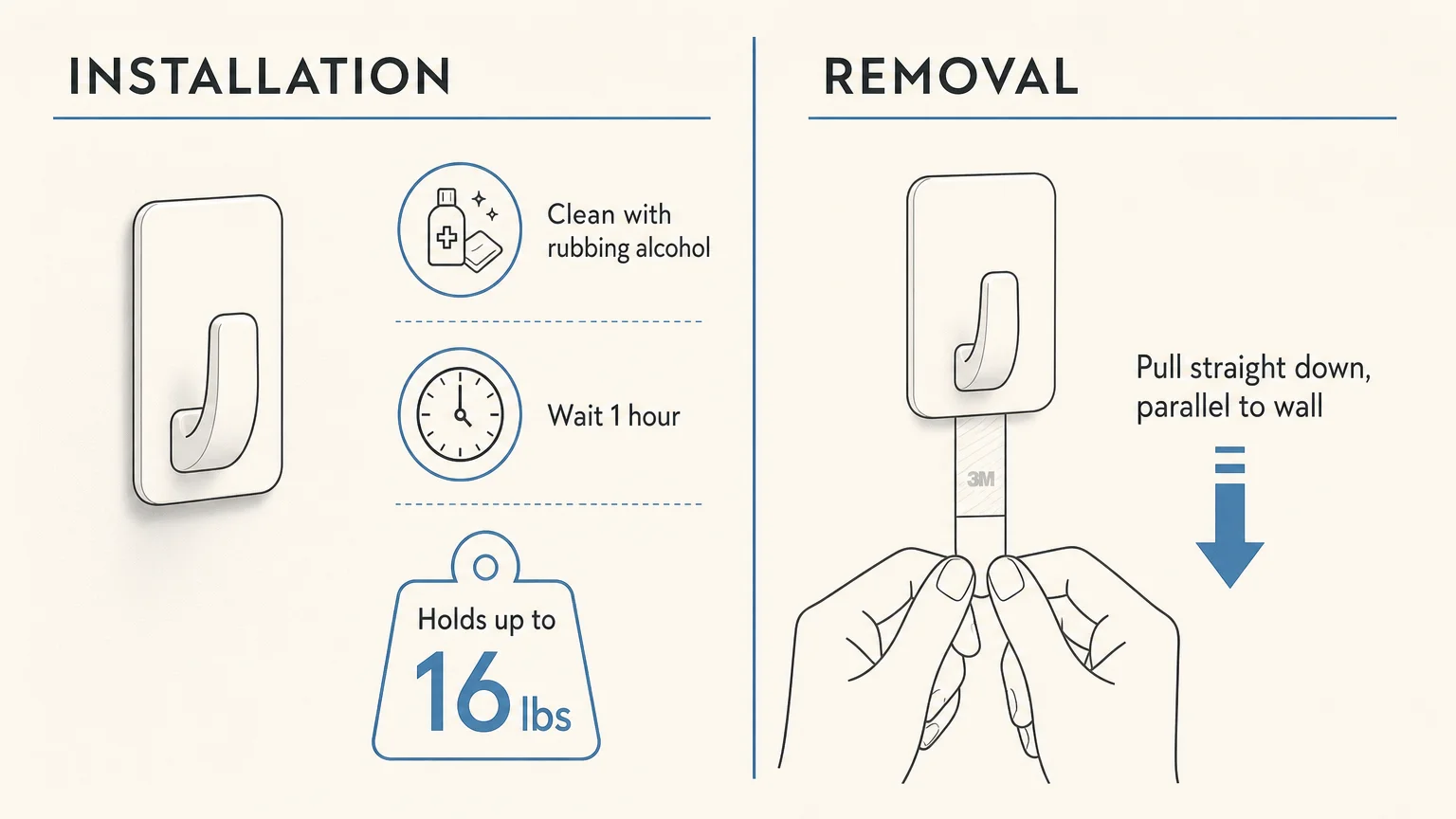
A common mistake is treating all adhesive strips equally or rushing the installation process. Major brands like Command design specific hooks capable of holding anything from half a pound up to 16 pounds. Before attaching a hook, weigh your item to ensure it falls safely within the product’s maximum capacity. Exceeding these limits leads to shattered frames, damaged belongings, and torn drywall.
Installation technique matters just as much as weight limits. Clean your designated wall space with isopropyl rubbing alcohol to remove hidden grease and dust; do not use standard household spray cleaners, as they leave a slippery residue. Press the adhesive firmly against the wall, then wait a full hour before hanging anything. This waiting period allows the adhesive to bond properly with the paint. Keep in mind that these hooks perform best on smooth, painted surfaces; applying them to delicate wallpaper typically results in tearing.
If you are renting, avoiding wall damage is critical for protecting your security deposit. When the time comes to move out, never pull the adhesive strip straight toward you. Instead, grasp the exposed tab and pull it slowly and directly downward, parallel to the wall, stretching the adhesive until it releases its grip. Pulling at an angle or rushing the process is the most common cause of peeling paint.
2. Turn Doors into Storage Hubs Without Blocking Traffic
Interior doors represent another massive blank canvas often ignored in small homes. Turning the back of a door into a storage hub frees up significant space in your closets and cabinets without permanently altering your apartment.
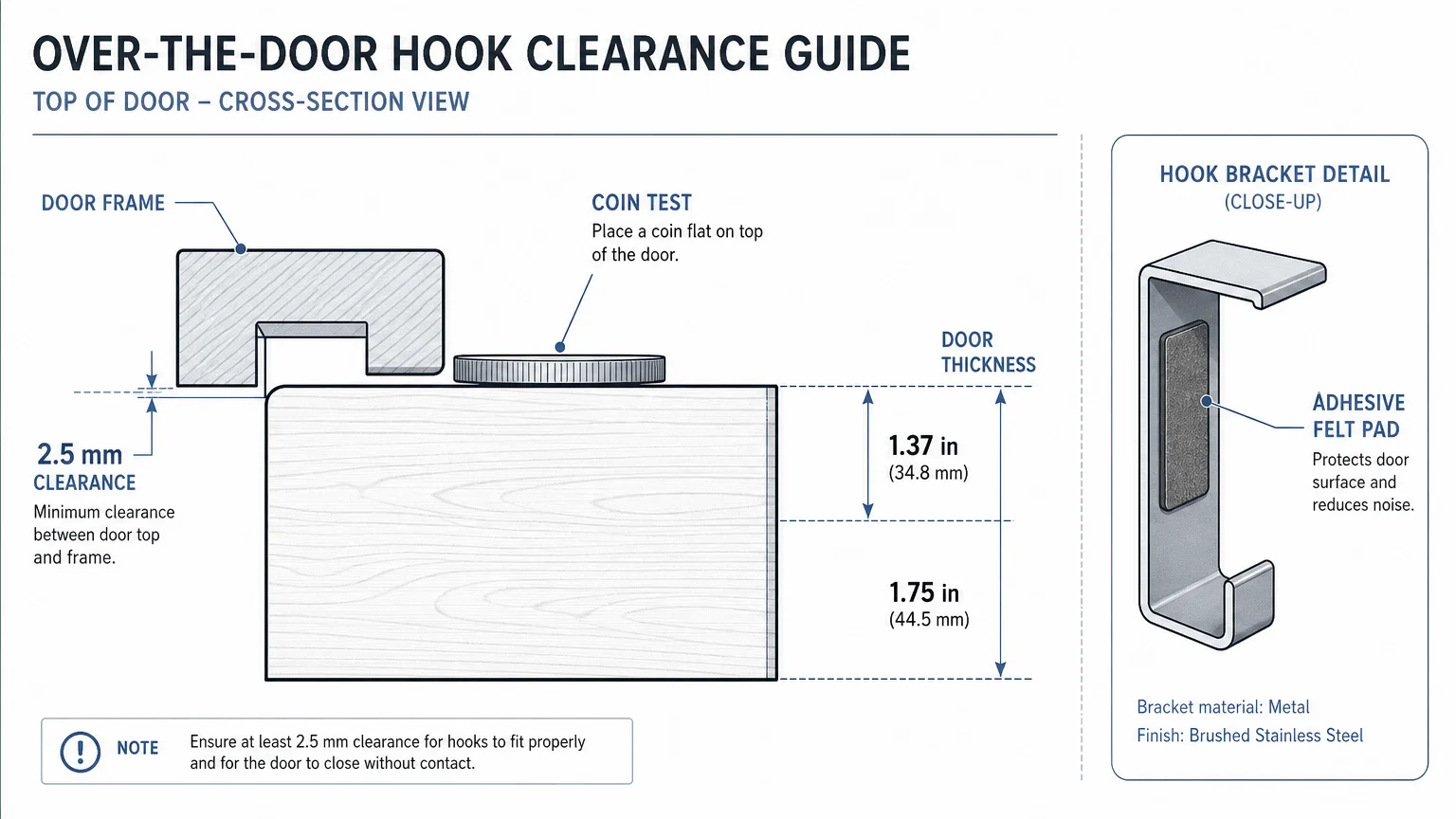
Over-the-door hooks and racks work exceptionally well in bathrooms for damp towels, in bedrooms for bulky robes, and in entryways for heavy winter coats. A high-quality metal over-the-door rack can typically support between 11 and 20 pounds per individual hook. Before purchasing a rack, measure the thickness of your door. Most standard interior residential doors measure 1.37 inches thick, while some exterior or older interior doors measure 1.75 inches.
You also need to check the clearance between the top of the door and the door frame. A simple test involves placing a standard coin on top of the door and attempting to close it. If the door closes smoothly without jamming the coin, you have the necessary 2.5 millimeters of clearance required for most metal hook brackets. To protect your paint and prevent the rack from loudly banging against the wood every time you move the door, secure small adhesive felt pads to the back of the vertical metal brackets.
Do not limit yourself strictly to metal hooks. Clear, multi-pocket over-the-door shoe organizers offer an incredibly versatile storage solution for small, hard-to-organize items. Hang one on the inside of your pantry door to hold loose spice packets, small snack bags, and water bottles. In a hallway closet, these pockets can neatly separate winter gloves, rolled-up scarves, and knit hats. Because the pockets are transparent, you can instantly see your inventory without rummaging through dark, crowded bins.
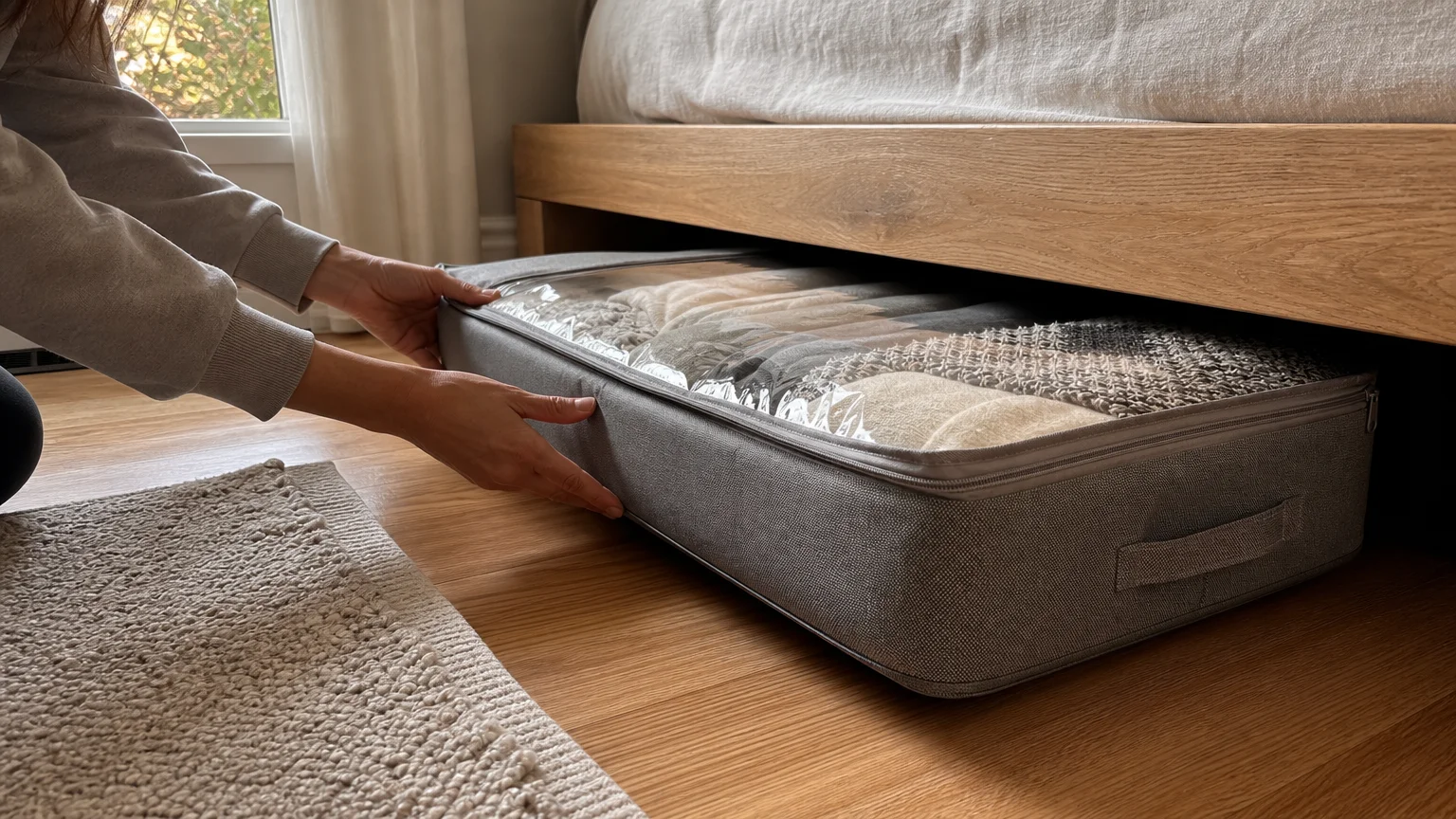
3. Rethink Under-Bed Storage to Protect Your Health
The gap beneath your bed seems like an obvious place to stash out-of-season clothing or extra bedding. Unfortunately, this shadowy, hard-to-reach area acts as a magnet for dust, making it a potentially hazardous storage zone for your respiratory health.
Dust mites thrive in warm, humid, and dusty environments—precisely the conditions found under most beds. These microscopic creatures feed on shed human skin cells, and their droppings are a potent trigger for asthma and indoor allergies. Shoving porous items like unprotected sweaters, soft linens, or open cardboard boxes under your mattress guarantees they will absorb these allergens. Furthermore, cardboard naturally absorbs moisture and attracts pests like silverfish, leading to mold and degraded belongings over time.
If you must utilize under-bed storage, prioritize airtight containment recommended by health experts like the Asthma and Respiratory Foundation. Swap flimsy cardboard for hard-sided plastic bins with secure latching lids. For soft textiles, invest in vacuum-sealed storage bags that compress your winter coats and extra duvets while creating an impenetrable barrier against dust mites and moisture. Regular maintenance remains critical; pull your storage bins out at least once a month to vacuum the floor underneath, preventing allergens from accumulating where you sleep. A cleaner under-bed area directly translates to cleaner air in your bedroom.
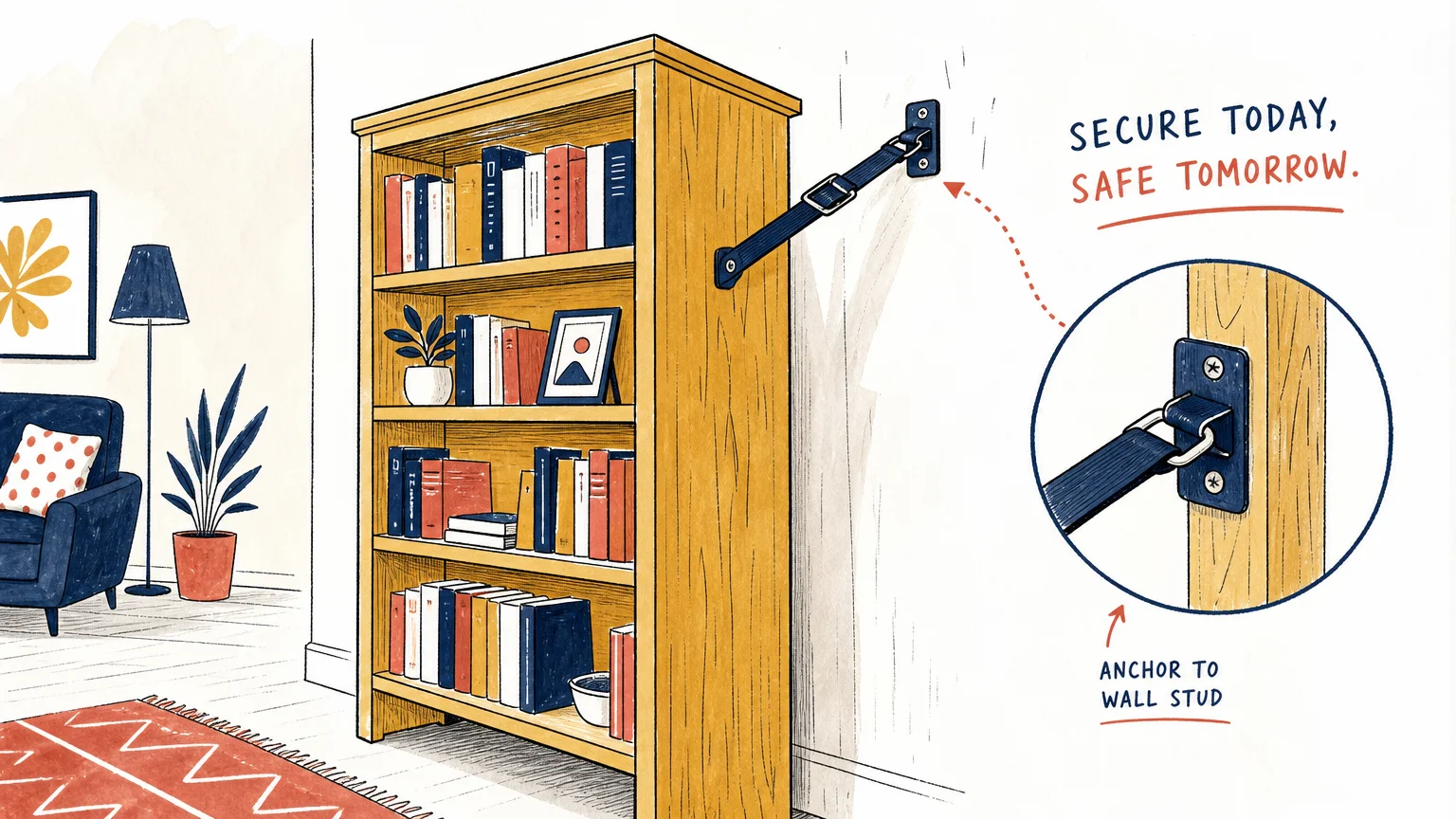
4. Anchor Tall Furniture to Prevent Dangerous Tip-Overs
When you live in a small space, acquiring tall bookshelves, armoires, and vertical dressers provides an excellent way to gain storage footprint. However, adding vertical furniture introduces a severe safety hazard if you fail to secure it properly.
As you fill drawers and shelves, the center of gravity shifts forward. Pulling out multiple loaded drawers simultaneously—or a child attempting to climb the lower shelves—can easily cause a heavy piece to topple forward. According to the U.S. Consumer Product Safety Commission (CPSC), emergency rooms treat tens of thousands of individuals annually for injuries related to furniture tip-overs. While young children face the highest risk, recent data indicates that older adults are increasingly suffering severe injuries from falling dressers and heavy cabinets.
Do not rely on the weight of the furniture itself to keep it upright. Protect yourself and your family by implementing this simple, step-by-step anchoring process:
- Locate a wall stud: Use a magnetic or electronic stud finder to locate the solid wood supports behind your drywall. Drywall anchors alone generally cannot withstand the sudden force of falling heavy furniture.
- Select appropriate hardware: Purchase anti-tip brackets or heavy-duty nylon straps specifically designed for anchoring furniture. Avoid cheap plastic zip ties, which turn brittle over time and snap under pressure.
- Secure the bracket to the furniture: Attach the first bracket near the top edge of your dresser or bookshelf using solid wood screws. Avoid screwing into thin particleboard backing, which will tear out instantly.
- Secure the bracket to the wall: Drill into your marked wall stud and attach the second bracket securely.
- Connect and tighten: Thread the nylon strap or steel cable through both brackets and pull it taut, ensuring the furniture sits securely against the baseboard.
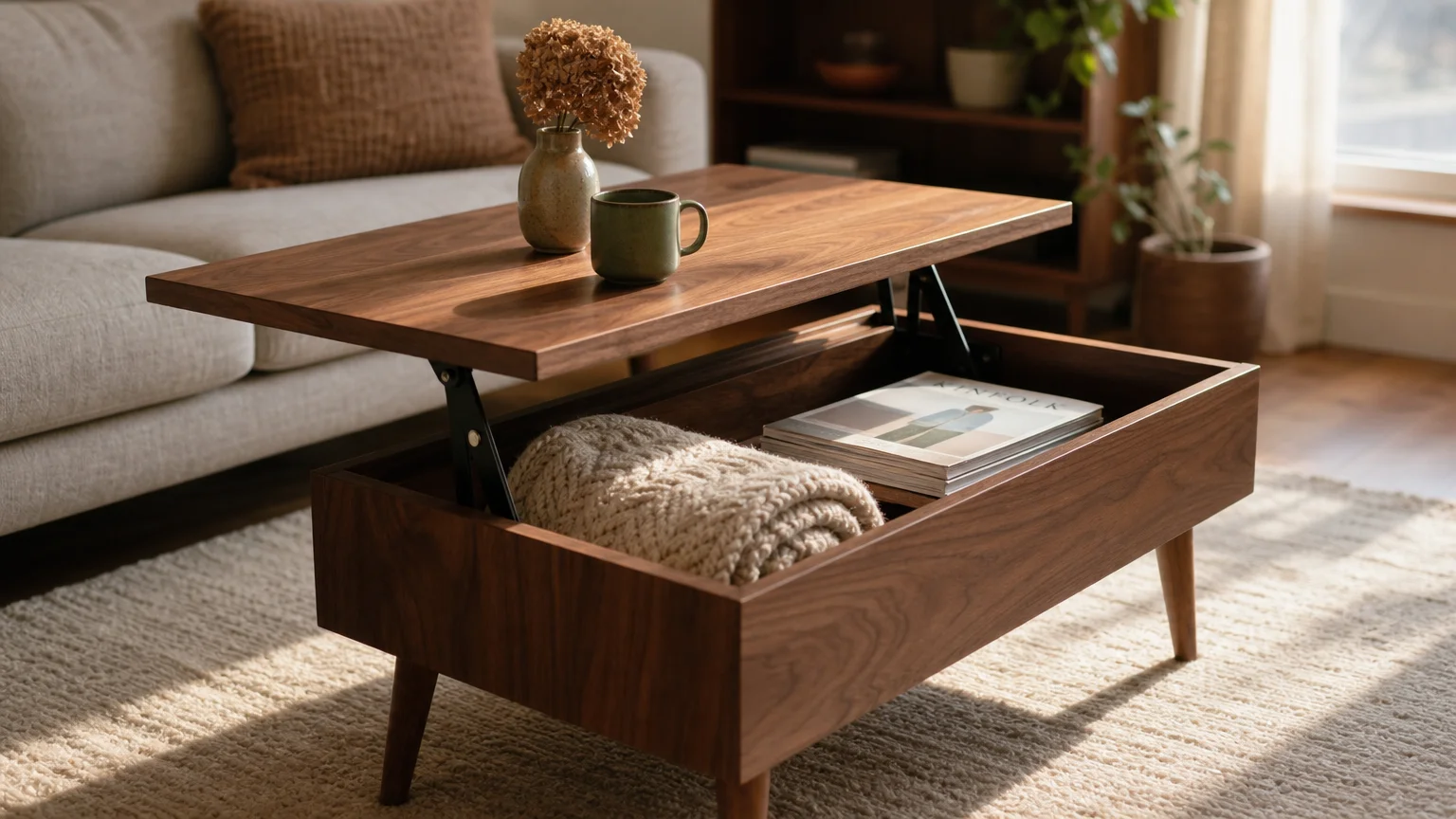
5. Invest in Double-Duty Furniture for High-Traffic Rooms
In an apartment where square footage comes at a premium, every piece of furniture must earn its footprint. Single-purpose items waste valuable real estate. By swapping standard furnishings for double-duty alternatives, you instantly expand your storage capacity without cluttering your visual field.
Evaluate your current living room setup. A traditional coffee table provides a surface for your mug, but a lift-top coffee table conceals a deep compartment for board games, remotes, and laptop chargers—all while lifting to a comfortable height for dining or working from your sofa. Similarly, trading a standard armchair for a hollow storage ottoman gives you a place to rest your feet while neatly hiding extra throw blankets and pillows.
When shopping for a new bed, consider a gas-lift storage bed. Unlike standard drawer bases, a gas-lift frame allows you to easily lift the entire mattress on hydraulic hinges, revealing a massive, closet-sized compartment underneath. This provides the perfect, dust-free environment for storing bulky suitcases, heavy winter coats, or holiday decorations that would otherwise eat up a third of your apartment’s floor space.
Before investing in new dual-purpose furniture, take a thorough inventory of the exact items you need to store. Measure the dimensions of your bulkiest items to ensure they will actually fit inside the hidden compartments of your new furniture, preventing costly purchasing mistakes.
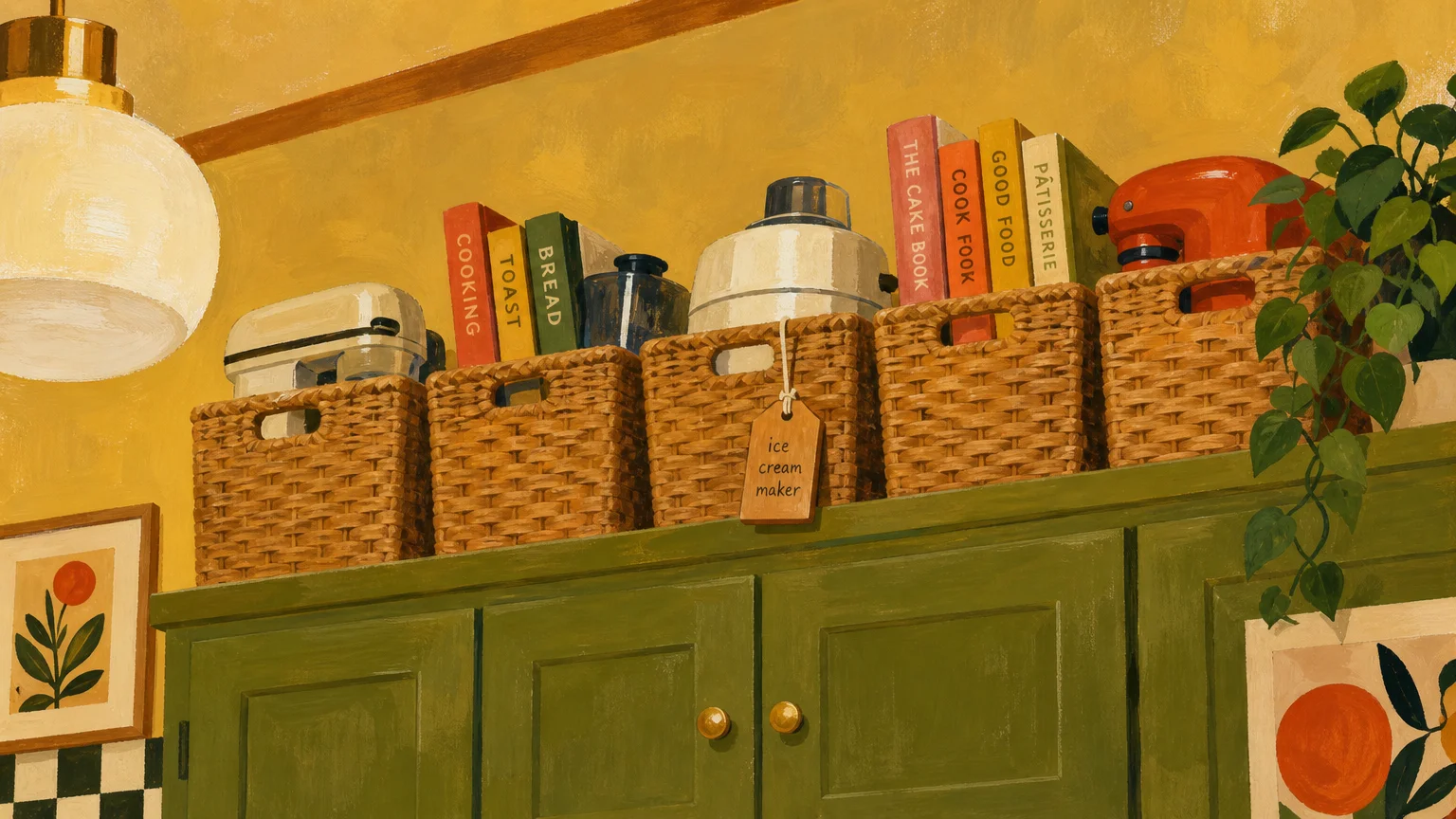
6. Utilize the Unseen Space Above Kitchen Cabinets
Look above your kitchen cabinets, your refrigerator, and your wardrobe. In many apartments, a gap of twelve to eighteen inches exists between the top of the cabinetry and the ceiling. This overhead zone provides prime real estate for items you only need occasionally.
Because these areas remain highly visible, you want to avoid simply stacking loose items, which creates visual chaos and makes the room feel cluttered. Instead, measure the height and depth of the gap and purchase a set of matching, opaque storage bins or woven baskets. Woven baskets add a touch of natural texture to a sterile kitchen, while opaque plastic bins hide brightly colored packaging and irregular shapes. This creates a clean, uniform line that draws the eye upward, making the ceiling appear taller. Label the bottom edge of each bin so you never have to guess where your items are located.
Reserve these high shelves strictly for lightweight items like extra paper towels, seasonal decorations, or empty reusable bags. Storing heavy appliances, such as stand mixers or cast-iron roasting pans, high above your head poses a significant lifting hazard. The Health and Safety Executive emphasizes that lifting heavy objects while reaching over your head dramatically increases your risk of severe back and shoulder strains. Keep your heavy equipment securely stored at waist level.
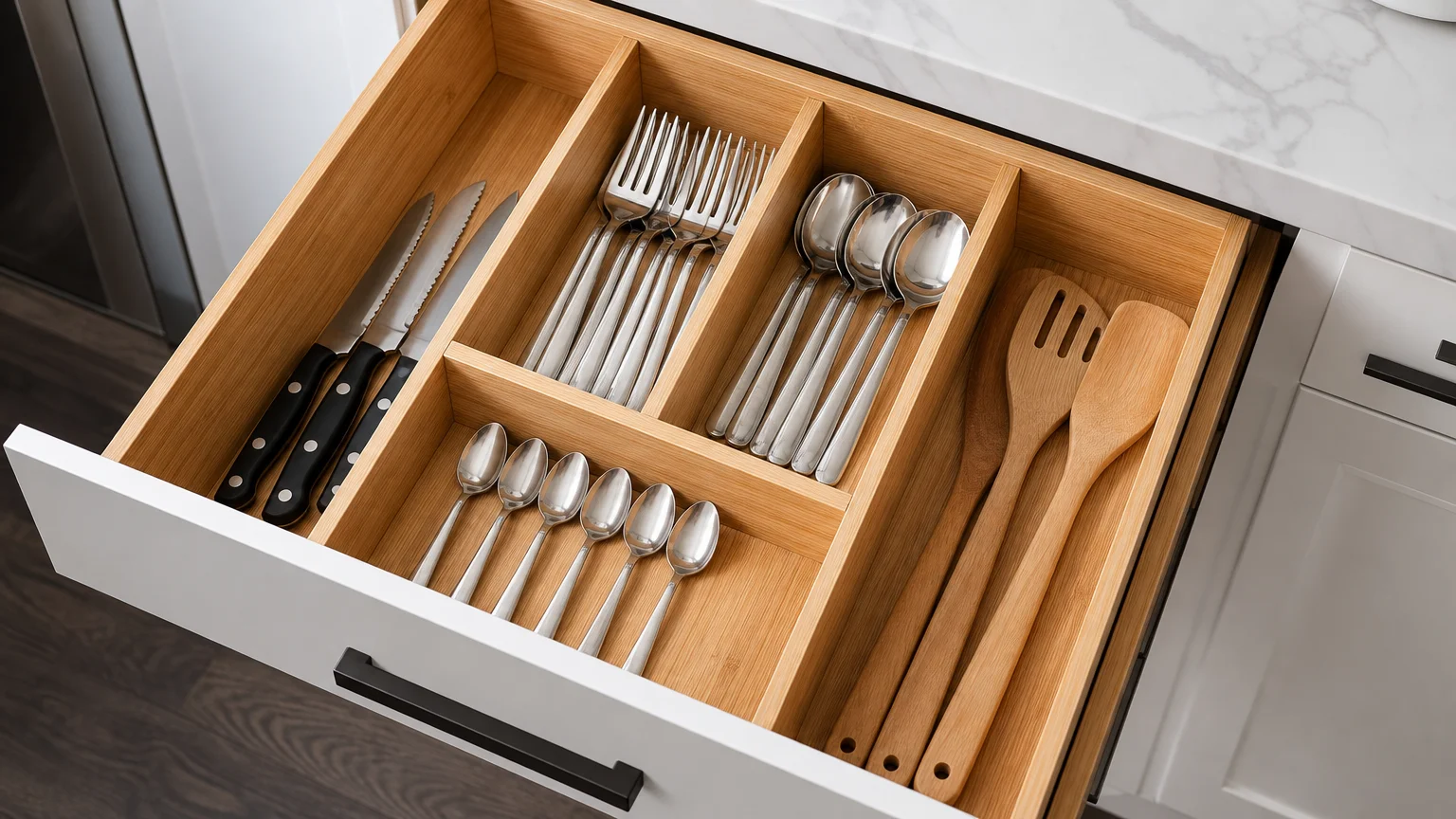
7. Subdivide Deep Drawers and Deep Cabinets
Deep cabinets and wide drawers easily devolve into disorganized black holes. When you toss items into a large, un-subdivided space, smaller items get crushed in the back, and finding what you need requires pulling everything out. Adding structural subdividers allows you to categorize items, utilize the full vertical height of the cabinet, and maintain order with minimal effort.
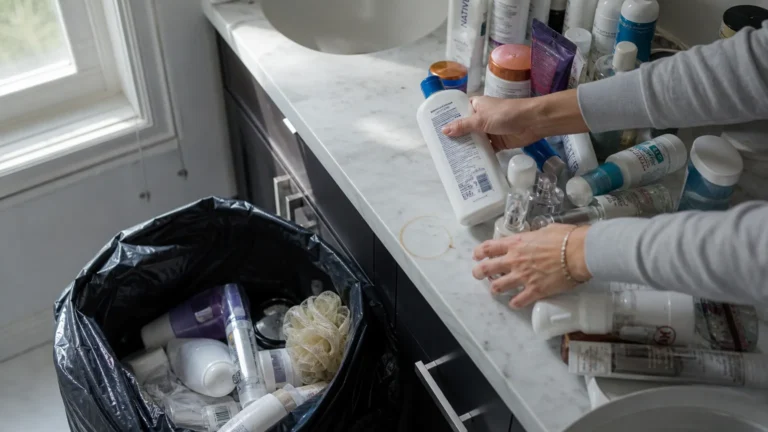
Instead of stacking baking sheets and cutting boards into a heavy, clattering pile, install inexpensive tension rods vertically inside your lower kitchen cabinets. This creates custom slots, allowing you to slide individual pans out like books on a shelf. In the bathroom, the cabinet under the sink is notoriously difficult to organize due to the intruding plumbing pipes. Clear acrylic bins can separate daily skincare bottles from first aid supplies, ensuring bottles stay upright and liquid spills remain contained. Because the bins are transparent, you can instantly take stock of your shampoo and toothpaste reserves before heading to the grocery store.
Consider the following subdividing tools based on the specific storage challenges in your apartment:
| Storage Tool | Best Used For | Why It Works |
|---|---|---|
| Vertical Tension Rods | Baking sheets, cutting boards, large serving platters | Prevents heavy items from stacking; allows you to grab one item without disturbing the rest. |
| Clear Acrylic Bins | Bathroom toiletries, cleaning supplies beneath sinks | Contains liquid spills and groups small items by category while keeping inventory visible. |
| Lazy Susans (Turntables) | Spices, cooking oils, deep corner cabinet items | Eliminates the ‘back of the cabinet’ problem by bringing hidden items directly to the front with a simple spin. |
| Tiered Shelf Inserts | Canned goods, coffee mugs, small pantry boxes | Acts like miniature stadium seating, doubling the usable surface area on a single, tall shelf. |

8. Implement the “One In, One Out” Rule for Wardrobes
Even the cleverest storage hacks will eventually fail if you bring new possessions into your apartment faster than you remove old ones. Small spaces possess a strict physical limit; once you hit maximum capacity, the only way to maintain a calm environment is to change your daily habits.
The “One In, One Out” rule offers a simple but highly effective behavioral strategy for apartment living. The premise is straightforward: for every new item you bring across your threshold, an older item of a similar size must leave. If you purchase a new winter coat, you must donate an old jacket. If you buy a new set of bath towels, the frayed ones must be repurposed as cleaning rags or thrown away.
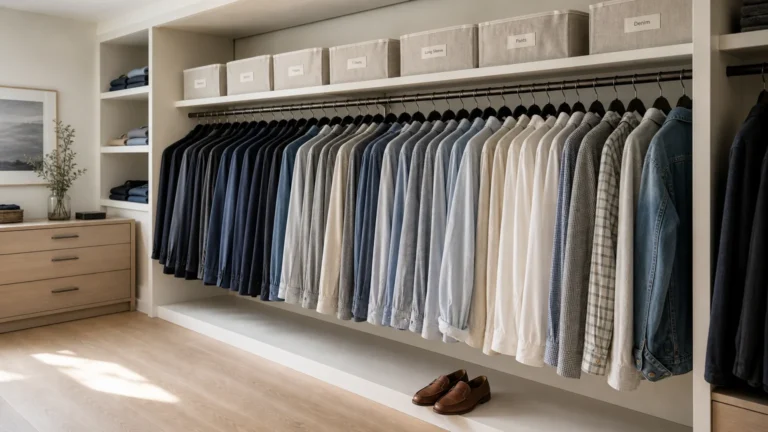
This rule forces you to pause and evaluate purchases before bringing them home. It shifts your mindset from mindless accumulation to intentional curation. The rule works best when applied strictly to specific categories. For example, assign a set number of hangers to your closet; if all the hangers are full, you cannot buy a new shirt without decluttering an old one.
To make this habit frictionless, keep a dedicated donation box or bag at the bottom of your closet. When you try on a sweater and realize it no longer fits, or when you decide to let an item go, drop it directly into the box. Do not put it back on the hanger. Once the donation box fills up, place it in your car or take it to your local charity center immediately. By controlling the flow of inventory, you ensure your closets remain functional, your newly optimized spaces stay organized, and your home retains its peaceful atmosphere.
Your next step is simple: Walk through your apartment right now and identify one blank wall, one bare door, or one chaotic cabinet. Choose a single storage trick from this list and tackle that specific area today. Small, immediate actions build the momentum you need to completely transform your home.