10 Boosting Laundry Detergent and Deodorizing Wash Drums
Hard water contains dissolved minerals that hinder laundry detergent performance, leaving clothes looking dingy and smelling stale. Modern high-efficiency front-loading washing machines also trap residual moisture inside door seals, fostering sour mildew odors.
Adding baking soda to your laundry routine stabilizes water pH and improves detergent efficiency.
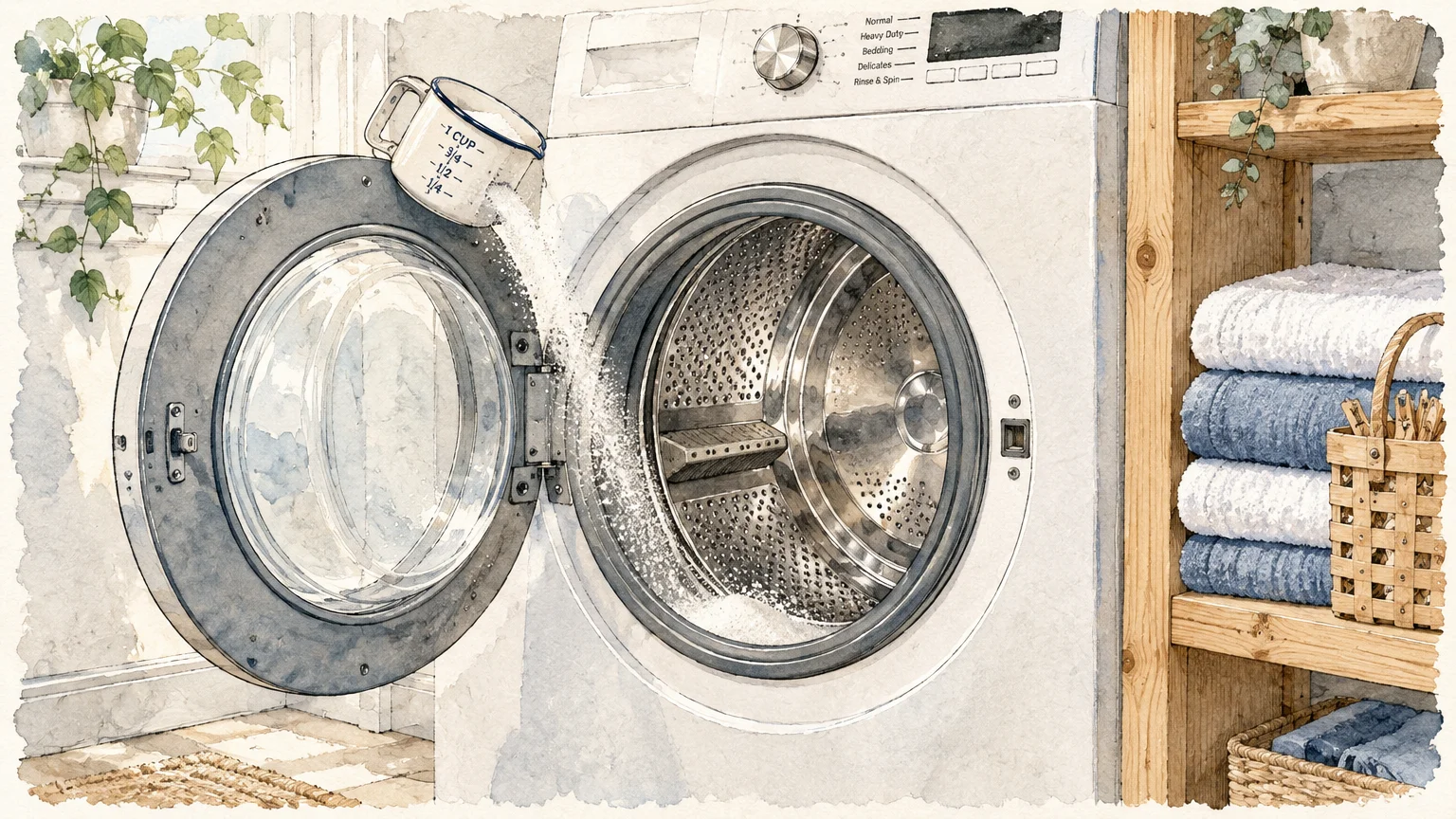
Add half a cup of baking soda directly inside the washer drum before loading your regular laundry. The elevated pH softens the wash water, allowing your detergent surfactants to loosen ground-in body oils and dirt more efficiently.
To eliminate lingering mildew odors from your washing machine drum, run an empty cycle using the hottest water setting with one cup of baking soda inside the tub. Wipe the rubber door gasket clean afterward with a dry towel.
Avoid using baking soda on delicate protein fibers such as natural wool or raw silk. The high alkaline level can cause natural animal fibers to become brittle and lose their soft texture over time.
Surface Compatibility Guide for Baking Soda
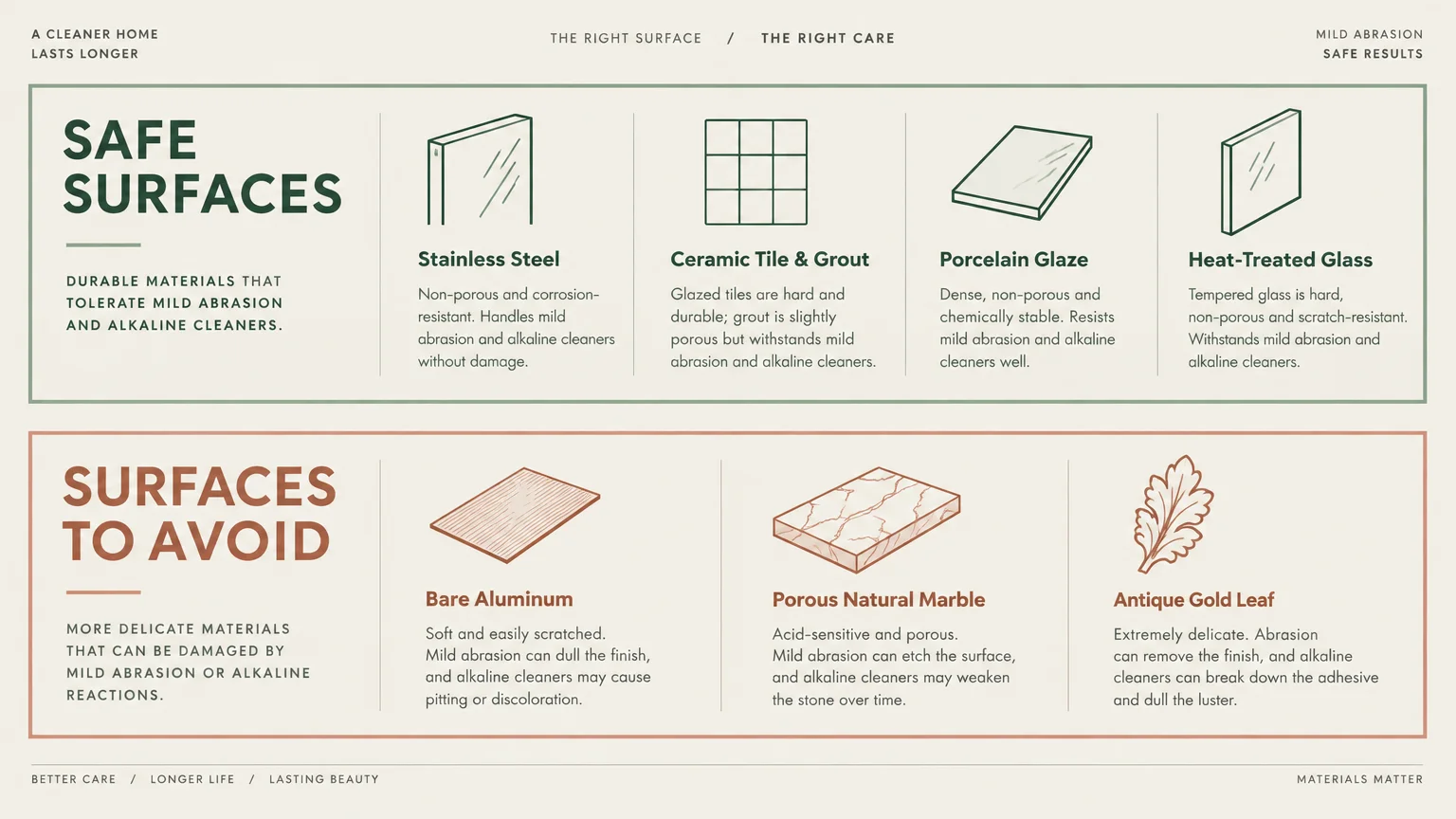
While baking soda is one of the safest household cleaners available, its physical abrasiveness and chemical alkalinity make it unsuitable for certain materials. Use this reference guide to match the right cleaning method to your specific household surfaces.
| Surface Material | Safety Level | Scientific Reason | Recommended Practice |
|---|---|---|---|
| Stainless Steel | Safe | Resists mild alkali; hardness rating exceeds sodium bicarbonate. | Rub paste along the natural metal grain; rinse well. |
| Tempered Glass | Safe | Glass surface is significantly harder than baking soda crystals. | Use wet paste; avoid dry scrubbing with coarse cloths. |
| Glazed Ceramic & Porcelain | Safe | Fired vitreous glazes resist mild friction and pH shifts. | Ideal for sinks, tubs, and standard glazed wall tile. |
| Polished Marble & Limestone | Caution | Calcite stones are soft and can scratch or lose polish. | Avoid; clean only with pH-neutral stone cleaners. |
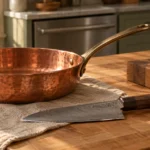
| Raw / Uncoated Aluminum | Avoid | Alkaline ions trigger surface oxidation and black discoloration. | Use warm water and neutral dish soap instead. |
| Seasoned Cast Iron | Caution | Alkali can weaken polymerized oil seasoning layers over time. | Limit use to brief spot-cleans; re-oil immediately. |
Always perform a discrete spot test on an inconspicuous corner before applying any paste to antique finishes or specialty surfaces.
Common Mistakes to Avoid When Cleaning with Baking Soda
Adopting natural cleaning tips simplifies your home routines, but avoiding common procedural mistakes ensures you achieve the best results. A few minor adjustments will protect your surfaces and save you valuable time.
One widespread mistake involves mixing baking soda and white vinegar in equal parts inside a spray bottle. While the resulting bubbling action looks impressive, this reaction quickly yields water, carbon dioxide gas, and sodium acetate.
Store each ingredient separately and use them sequentially rather than mixing them into an inert liquid.
Another frequent issue is failing to rinse surfaces thoroughly after cleaning. Because baking soda consists of dissolved salts, it leaves a powdery white film on dark countertops and appliances if wiped with a dry cloth.
Always follow any paste application with a damp microfiber cloth, rinsing the cloth in clean water several times to lift all residual minerals.
Avoid using baking soda dry on delicate finishes like high-gloss lacquered wood or soft gold-plated plumbing fixtures. The Colorado State University Extension offers helpful consumer guides on home cleaning chemistry and safe surface care.