You can create a rich, inviting living space without covering your tables and shelves in dust-collecting knick-knacks. By layering room texture design ideas directly into your home’s surfaces, you introduce warmth while keeping flat surfaces completely clear.
Adding depth to a room relies on architectural finishes, varied textile weaves, and sculptural materials rather than superficial accessories. This approach eliminates visual noise and cuts your cleaning routine in half.
These interior design texture tips show you how to build a cozy, high-end environment using smart structural choices that stay effortlessly organized.

01 Install Architectural Wall Molding and Trim
Flat drywall absorbs light uniformly, which leaves standard rooms feeling sterile and flat.
When you install architectural trim—such as board and batten, picture rail molding, or vertical slatting—you create deliberate shadows across the wall.
These permanent woodwork elements generate immediate physical depth without taking up an inch of floor space.
Painted applied molding retains a uniform color scheme while bouncing ambient light at different angles.
You avoid visual chaos because the entire wall shares the exact same paint hue.
To keep maintenance simple, choose semi-gloss or satin enamel paint for your trim work.
A quick pass with an electrostatic microfiber duster clears dust from horizontal ledges in seconds.
Vertical fluted wall paneling works particularly well in tight entryways and narrow hallways where furniture would create physical obstacles.

02 Apply Mineral Wall Finishes Like Limewash or Roman Clay
You do not need to hang clusters of framed art to make a blank wall visually captivating.
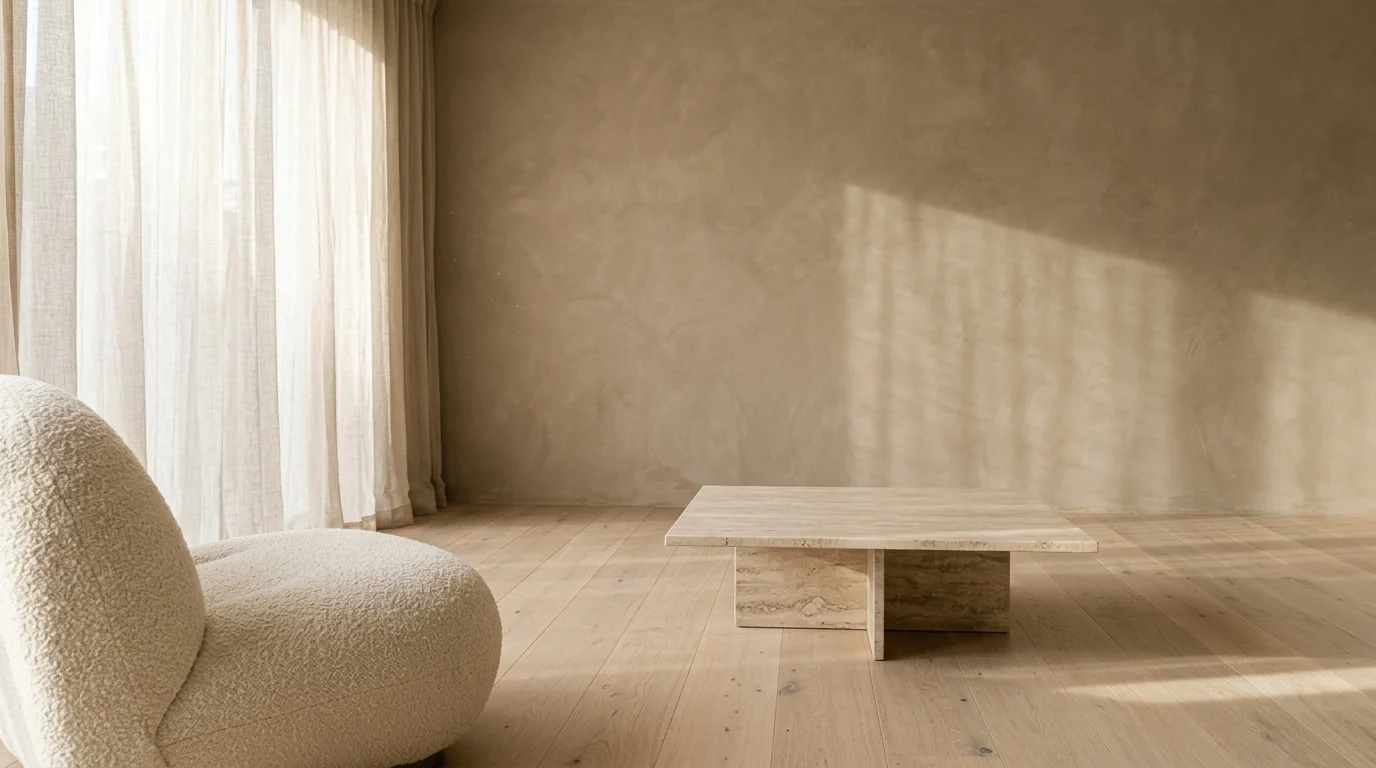
Mineral-based wall applications, including Roman clay and limewash, provide a suede-like chalky movement that replaces boring flat paint.
These finishes reflect light irregularly, which mimics the natural patina of weathered stone.
Limewash consists of slaked lime and water, making it a breathable, naturally mold-resistant surface option.
According to the U.S. Environmental Protection Agency, selecting low- or zero-VOC finishes prevents airborne chemical off-gassing in living areas.
Roman clay provides a smooth, marble-like tactile surface that feels silky under your fingertips.
Because the texture is embedded directly into the wall, you have zero items to pick up, rearrange, or dust.
A sealed mineral wall resists everyday smudges and requires only occasional spot-cleaning with a slightly damp cloth.

03 Upgrade Primary Furniture with Distinct, Tactile Upholstery
Piling a dozen decorative throw pillows onto a sofa often makes seating uncomfortable and looks cluttered.
Instead, invest in cozy room design ideas by selecting primary furniture pieces wrapped in tactile, expressive fabrics.
Bouclé, heavy slub linen, ribbed corduroy, and distressed saddle leather provide built-in textural contrast.
A single sofa upholstered in washed Belgian linen brings natural creases and rich texture without requiring extra cushions.
Pairing a nubby bouclé accent chair alongside a smooth leather couch instantly creates tactile balance.
The Asthma and Allergy Foundation of America notes that excessive decorative pillows and unwashed throws quickly harbor dust mites.
Relying on the sofa’s primary fabric for texture reduces hidden allergen reservoirs throughout your home.
Look for high-performance weaves treated with stain repellents so your textured fabrics resist everyday spills effortlessly.

04 Anchor the Room with Ribbed or Low-Pile Natural Fiber Rugs
Rugs serve as the largest textural canvas in any room besides the walls.
High-pile shag carpets may feel soft, but they trap dirt, mat easily, and create a chaotic look.
Opt instead for tightly woven natural fibers like jute, sisal, or low-pile looped wool.
These materials establish organic, earthy contrast against sleek hardwood or polished tile flooring.
A ribbed wool loop rug introduces crisp geometric shadows while feeling dense and supportive underfoot.
The Carpet and Rug Institute highlights that proper vacuuming with strong suction maintains tight woven carpets far longer than high-pile alternatives.
Natural fiber rugs also resist crushing under heavy furniture legs, which keeps your floor layout looking crisp and intentional.
If you enjoy layering textures at home, place a small, washable flatweave over a broad jute foundation.

05 Hang Floor-to-Ceiling Textured Window Drapery
Bare windows and generic vinyl blinds often make rooms feel echoey and unfinished.
Dressing your windows with rich fabrics adds substantial vertical texture without taking up any usable living area.
Select heavyweight linen drapes with a distinct slub weave, or install woven wooden Roman shades crafted from bamboo.
Woven wood shades introduce natural grain, subtle striping, and filtered sunlight that enriches plain walls.
The U.S. Department of Energy points out that properly installed draperies can reduce indoor heat loss and lower energy bills.
Hang drapery rods high and wide—near the ceiling line—to draw the eye upward and maximize perceived room height.
The gentle folds of fabric absorb room echoes, creating a quieter, more tranquil living environment.
Because curtains hang vertically, they gather far less airborne dust than flat horizontal tabletop displays.

06 Incorporate Fluted Glass, Ceramic, and Natural Wood Fixtures
Every room requires functional lighting, hardware, and storage surfaces.
You can transform these everyday utilities into textural focal points without adding decorative trinkets.
Swap smooth glass pendant shades for reeded, fluted, or seeded glass that refracts light across the ceiling.
Choose table lamps with raw matte ceramic, hand-thrown stoneware, or turned wood bases.
These tactile lamp bases provide rich character on side tables while serving an essential purpose.
In kitchens and bathrooms, install fluted glass cabinet inserts to conceal interior clutter while adding elegant vertical ridges.
Select cabinet hardware crafted from knurled brass or brushed blackened iron for a pleasing tactile experience every time you open a drawer.
These functional elements introduce refined architectural grit without occupying a single inch of counter space.

07 Scale Up with Singular Organic Architectural Elements
A common decorating mistake is scattering five or six small knick-knacks across every tabletop.
Multiple small items fragment your visual field and collect thick layers of household dust.
Replace those small clusters with one large, high-texture architectural item.
A heavy hand-carved solid wood bowl or an oversized rough stone trough creates bold, sophisticated presence.
Display a single architectural vessel filled with tall, sculptural olive branches or dried dogwood clippings.
This single dramatic focal point introduces organic shape and texture while leaving the rest of the table empty.
When you clean, you only need to lift one substantial object instead of dusting dozens of delicate figurines.
Limiting accents to large-scale organic pieces keeps your surfaces practical, calm, and usable.

Comparing Low-Clutter Texture Strategies
Selecting the right textural material depends on your lifestyle, cleaning habits, and the room you are designing.
The table below details how foundational design elements balance visual depth with everyday ease of maintenance.
| Texture Method | Primary Material | Visual Impact | Maintenance Routine | Clutter Risk |
|---|---|---|---|---|
| Applied Wall Trim | Painted Poplar or MDF | High architectural depth and sharp shadow lines | Dust horizontal ledges monthly with microfiber | Zero floor or tabletop clutter |
| Mineral Wall Plaster | Roman Clay or Limewash | Soft, mottled suede-like light reflection | Wipe gently with a damp microfiber cloth | Zero surface clutter |
| Woven Upholstery | Bouclé, Slub Linen, or Leather | Tactile comfort on primary seating pieces | Vacuum with a soft brush attachment weekly | Eliminates extra accent pillows |
| Low-Pile Floor Coverings | Looped Wool, Sisal, or Jute | Grounded, earthy foundation underfoot | Suction vacuuming without a rotating beater bar | Zero loose clutter |
| Woven Window Shades | Bamboo, Reeds, or Heavy Linen | Filters natural light with organic ribbing | Feather dust or vacuum with brush monthly | Zero flat surface clutter |
| Fluted Architectural Fixtures | Reeded Glass, Turned Wood, Brass | Diffuses direct light and adds micro-texture | Wipe clean with a vinegar-water solution | Replaces decorative accents |
| Large Organic Vessels | Chiseled Stone or Carved Timber | Bold, sculptural focal point with raw edges | Move one item to dust underneath | Replaces small trinket trays |
As the table shows, permanent wall and window treatments deliver the highest visual impact with the lowest maintenance burden.
You maximize tactile interest while keeping your flat surfaces completely free for daily living.

The 5-Step Clutter-Free Texture Audit
Before you purchase any new textured decor, run it through this practical evaluation checklist.
This quick audit prevents impulse purchases from turning into high-maintenance dust magnets.
- 1. Surface Displacement Test: Does this object sit on a tabletop? If yes, ensure it replaces at least three smaller decorative items rather than joining them.
- 2. Crevice and Cleaning Check: Inspect the weave or texture up close. Make sure dust and crumbs will not get trapped in deep recesses that require tedious manual scrubbing.
- 3. Tonal Harmony Evaluation: Keep the color palette tight and cohesive. Monochromatic and neutral tones allow strong textures to shine without visually overwhelming the room.
- 4. Natural Light Alignment: Place dimensional finishes where morning or afternoon sunlight hits them obliquely. Side lighting casts soft shadows that amplify subtle surface variations.
- 5. Daily Touch Point Assessment: Prioritize tactile materials on items you touch constantly, such as dining chairs, drawer pulls, and sofa armrests.
Applying these five criteria ensures every textured addition serves your lifestyle rather than demanding your spare time.

How to Maintain and Clean Textured Surfaces
Textured surfaces bring warmth, but their physical grooves and weaves require smart cleaning techniques.
You do not need harsh chemical cleaners or hours of intense scrubbing to keep them pristine.
For architectural trim and slatted wood panels, use an extendable microfiber duster with electrostatic charge.
The fibers trap airborne dust particles rather than scattering them into the air or onto the floor.
When maintaining bouclé or slub linen upholstery, vacuum weekly using an upholstery brush attachment with soft bristles.
This routine prevents skin cells, pet dander, and household dust from embedding deep within the fabric weave.
For natural fiber rugs, vacuum along the weave rather than across it, and turn off the rotating beater bar.
Disabling the beater bar protects delicate organic fibers from unraveling while thoroughly extracting trapped grit.
Clean fluted glass light fixtures and cabinet panels with a 50/50 mix of distilled water and white vinegar.
A lint-free waffle-weave microfiber cloth pulls grime cleanly out of vertical glass ridges without leaving streaks behind.

Take Your First Textural Step This Weekend
You do not need to overhaul your entire house at once to experience the benefits of textural design.
Pick one flat, lifeless area in your home—such as your entryway wall or the main living room sofa.
Remove any small knick-knacks and evaluate how a single structural texture could transform the space instead.
Whether you install simple picture molding or switch to a heavy slub linen throw, focus on quality surfaces.
By swapping clutter for intentional texture, you will create a calm, deeply comforting home that stays easy to clean.