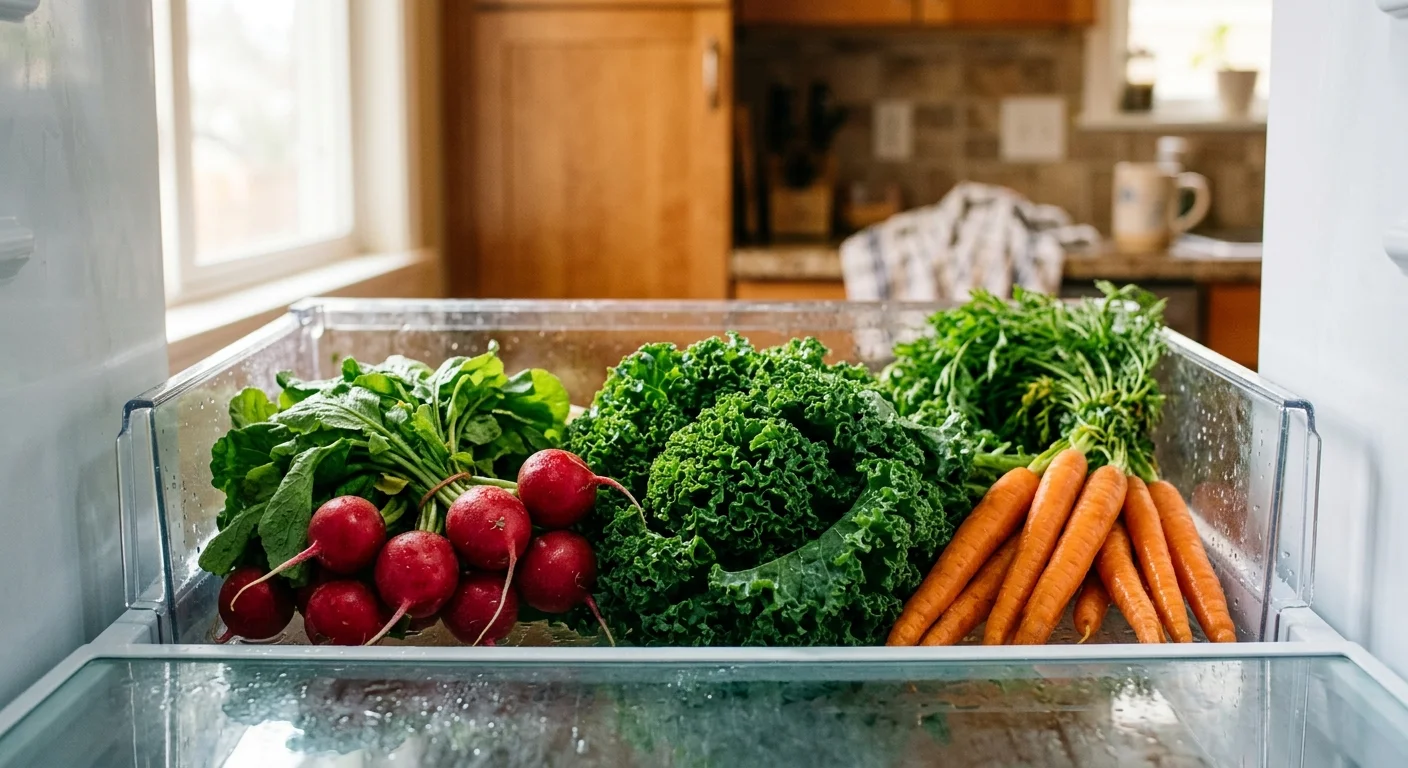
Throwing away slimy leafy greens or rubbery carrots usually points directly to mismanaged humidity sliders inside your refrigerator. Adjusting your crisper drawers takes less than five seconds, yet getting the settings wrong can double your household food waste and strain your grocery budget. Refrigerator crisper drawers rely on simple mechanical vent sliders to balance moisture levels and ethylene gas airflow; matching the right humidity setting to your specific produce keeps fruits and vegetables crisp, flavorful, and safe for days longer. By learning to identify the subtle warning signs of improper airflow, you can take total control of your fridge storage, protect your fresh ingredients, and enjoy an effortless, highly organized kitchen routine.
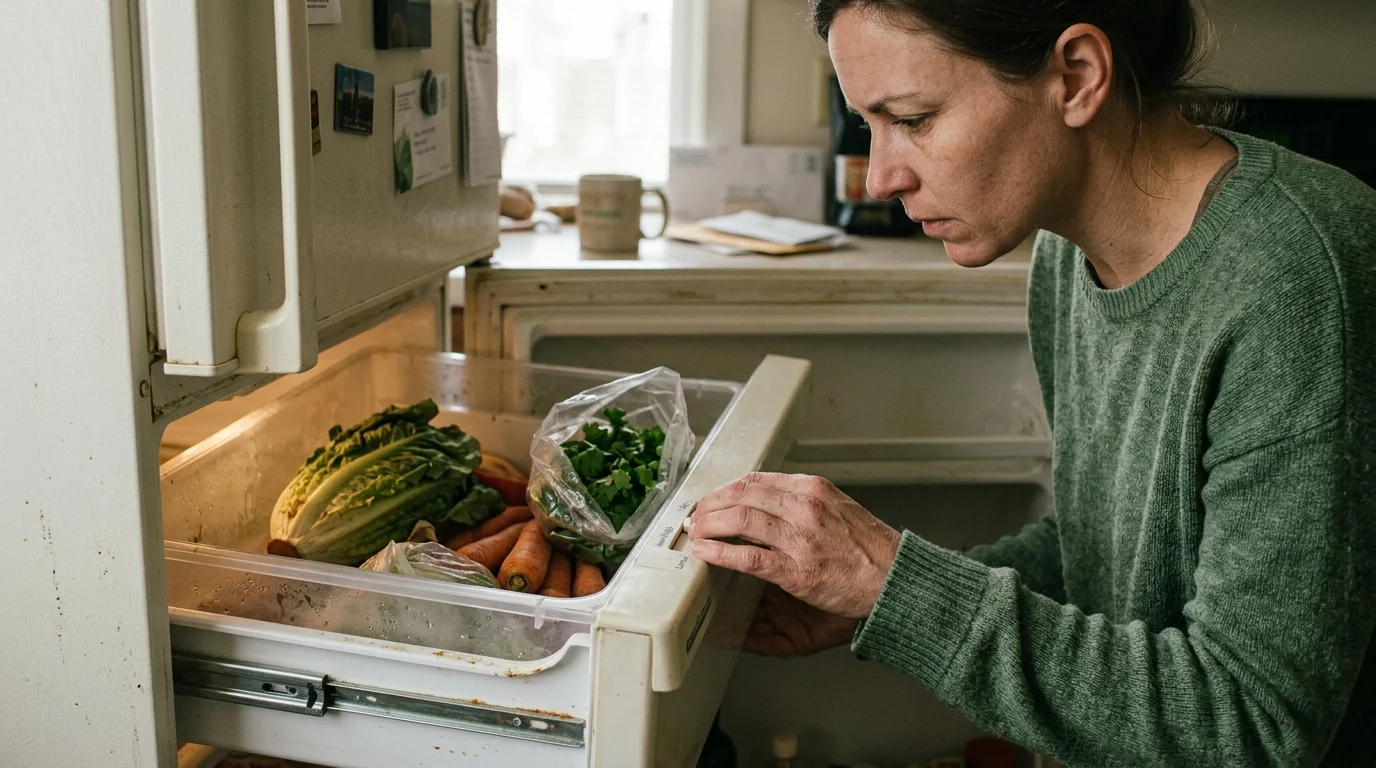
How Crisper Drawers Work to Protect Fresh Food
Most modern refrigerators come equipped with two dedicated crisper drawers located at the bottom of the main cooling compartment. These drawers feature adjustable mechanical sliders—often labeled High and Low, or decorated with small icons of vegetables and fruits. Contrary to popular belief, these sliders do not alter the temperature inside the drawer; instead, they control small sliding window vents that govern internal moisture levels and air circulation.
When you close the drawer vent slider to the High Humidity setting, you shut off air exchange with the rest of the refrigerator. This action traps moisture inside the drawer, creating a high-humidity microclimate that prevents tender plant tissues from drying out. Conversely, moving the slider to the Low Humidity setting opens the vent, allowing internal moisture and gasses to escape into the wider refrigerator compartment where cool air continuously circulates.
Understanding this balance is essential because fresh fruits and vegetables continue to undergo biological processes long after harvest. Plants release water vapor through transpiration, and many ripening fruits emit ethylene gas—a natural plant hormone that accelerates decay. When you organize your refrigerator without considering these biological factors, you make common fridge storage mistakes that cause produce to spoil days ahead of schedule. Research from the UC Davis Postharvest Technology Center emphasizes that managing ethylene gas and atmospheric moisture is the single most effective way to extend produce shelf life in home storage.
Sign 1: Leafy Greens Turn Slimy and Soft Within Days
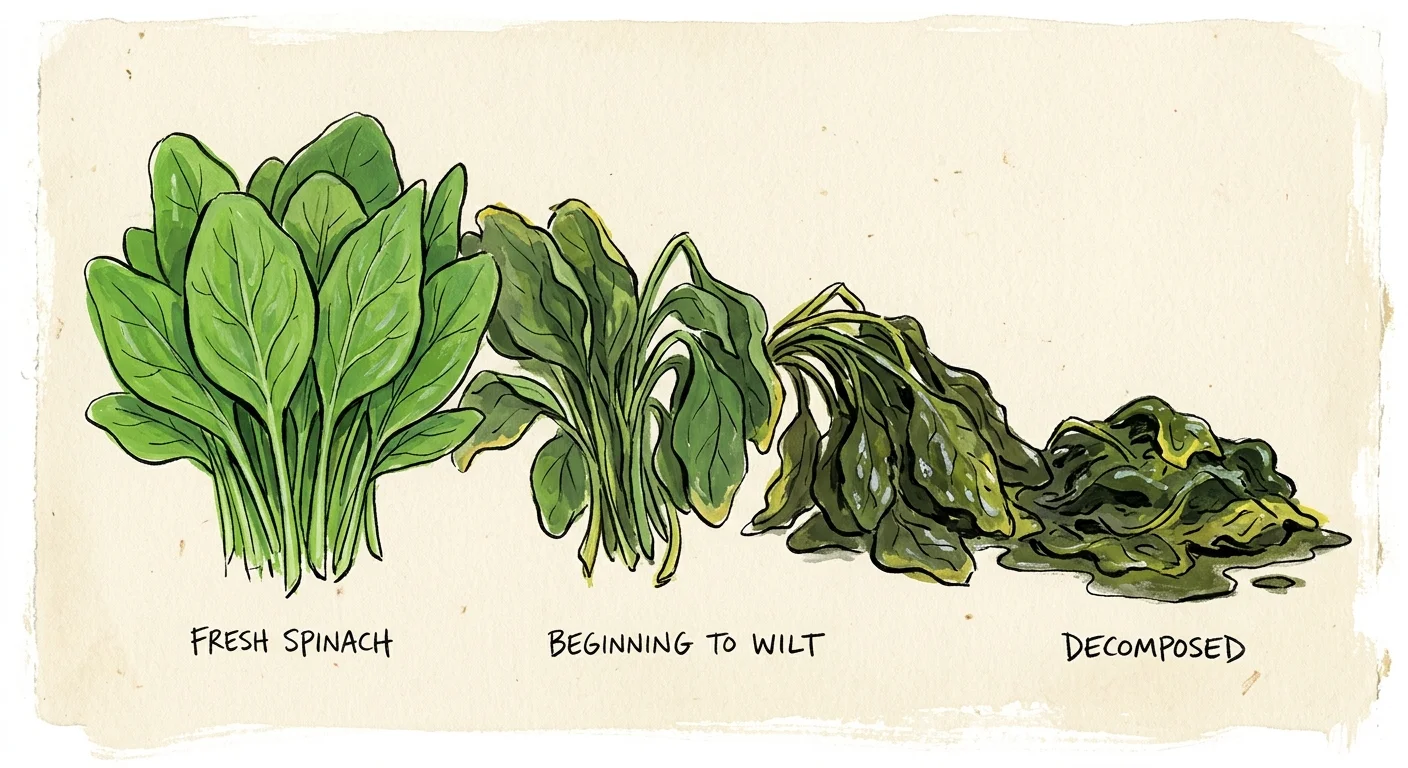
Tender leafy greens—including spinach, arugula, baby kale, romaine lettuce, and soft herbs like cilantro or parsley—consist primarily of water held within fragile cell walls. If your fresh greens collapse into a wet, yellowing, or slimy sludge within forty-eight hours of grocery shopping, your produce drawer humidity settings are incorrect.
When you leave the crisper vent open on a low humidity setting, dry air continuously sweeps through the drawer cavity. This ambient dry air pulls moisture directly out of thin leaf structures; as the leaves lose water, their cell walls collapse. Internal fluids leak onto surrounding leaves, creating a breeding ground for surface decay bacteria. The combination of collapsed plant cells and stagnant surface liquid results in the unpleasant slime that forces you to toss entire bags of salad greens into the compost bin.
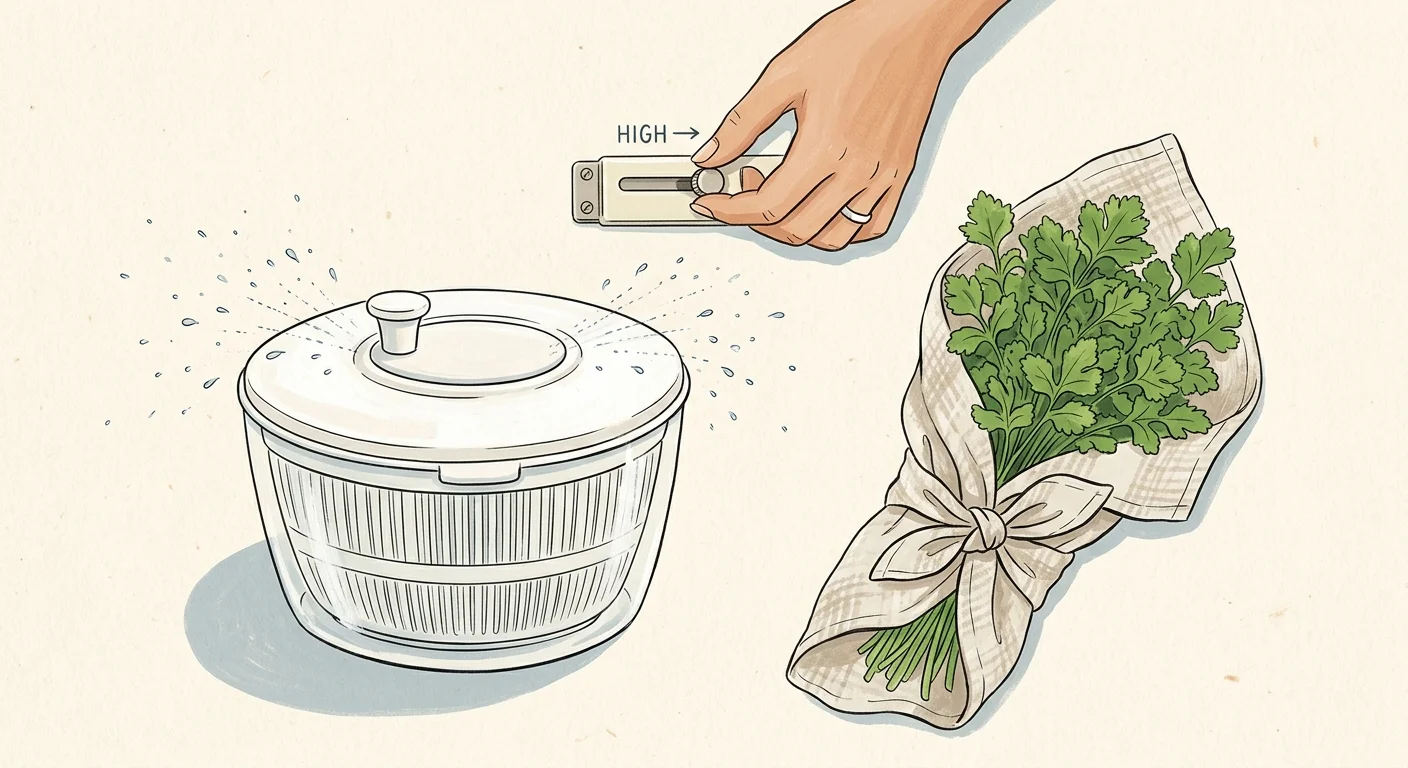
To fix this issue, move your drawer slider completely to the high humidity position (closing the vent window). To maximize freshness, wash greens only right before cooking, or dry them thoroughly with a salad spinner before placing them in the drawer. Placing a dry cloth towel inside the container helps absorb excess droplets while maintaining the high ambient moisture greens need to remain crisp.

Sign 2: Carrots, Celery, and Cucumbers Become Rubbery and Bendable
Root vegetables and thick-skinned vegetables require rigid cellular water pressure—known as turgor pressure—to maintain their characteristic crunch. If you pick up a carrot or cucumber and find that you can bend it in half without breaking it, moisture loss has severely compromised its structure.
Rubbery vegetables signal that your refrigerator crisper drawer tips are not being put into practice effectively. When stored under low-humidity conditions with open vents, root crops like carrots, radishes, and parsnips continually lose moisture to the surrounding air. Cucumbers, squash, and celery suffer the exact same fate; as water leaves plant tissues, cell walls contract and lose rigidity, turning crisp stalks into pliable, rubbery sticks.
Establishing correct produce drawer settings stops this dehydration process entirely. Keep all root vegetables, brassicas like broccoli and cauliflower, and thin-skinned cucumbers inside a sealed high-humidity drawer with the vent completely closed. If your carrots have already turned somewhat bendy, soaking them in an ice-water bath for thirty minutes will restore lost water; however, adjusting your drawer slider prevents dehydration from happening in the first place.
Sign 3: Excessive Condensation Pools on Drawer Walls and Floors
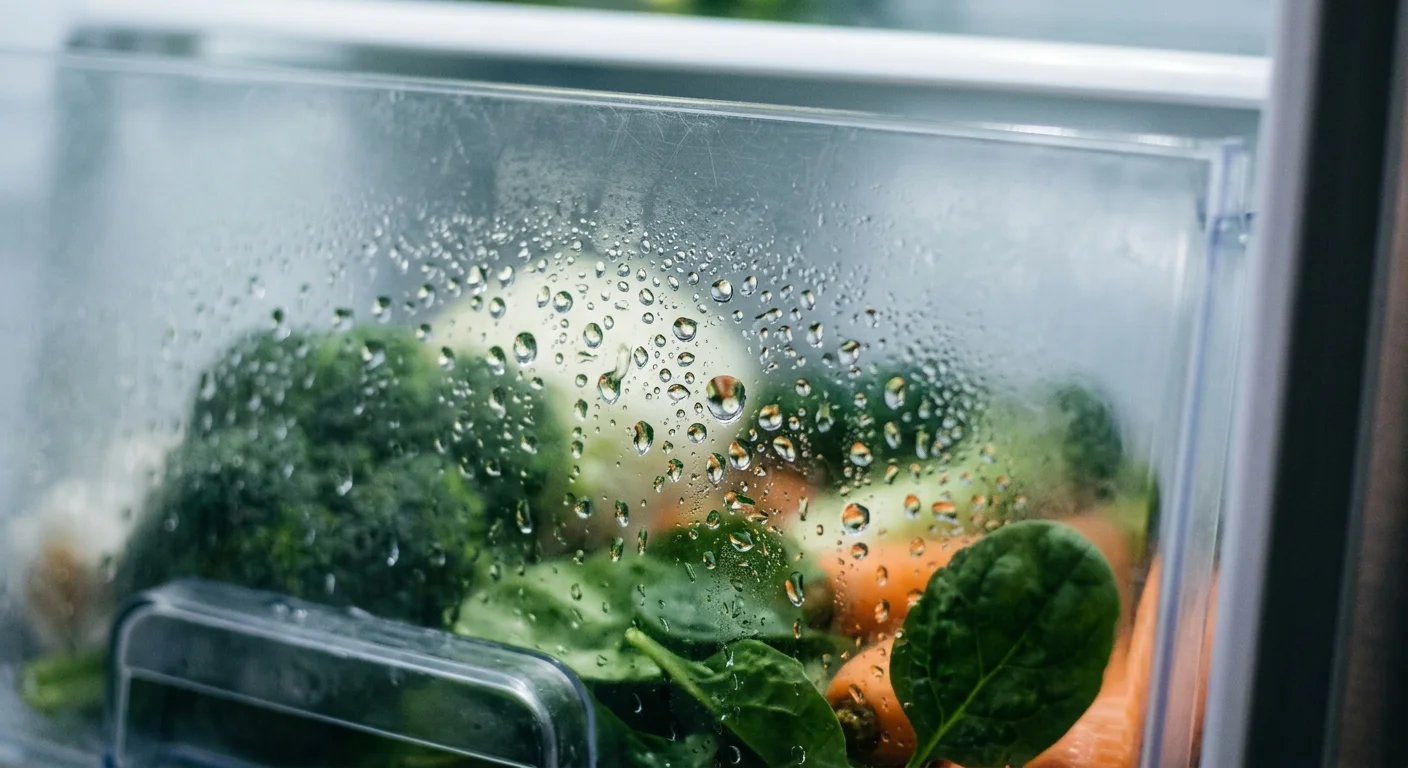
While moisture is necessary for vegetables, standing liquid creates a severe food safety hazard. Opening your crisper drawer to find visible water droplets running down the clear plastic walls—or standing water pooling under your vegetables—indicates that moisture is trapped without adequate relief.
Heavy condensation occurs when high-moisture items off-gas water vapor faster than the drawer environment can handle, or when damp produce is packed tightly into an unvented drawer. According to guidelines from the USDA Food Safety and Inspection Service, pooled moisture inside refrigeration units drastically accelerates bacterial decay and mold spore germination. Standing water creates anaerobic pockets that cause vegetables to rot and develop sour smells.
When you spot droplets coating your drawer interior, take immediate action. Wipe the walls and drawer floor dry using a clean cloth. If you notice persistent heavy fogging, crack the vent slider slightly toward a medium setting to allow a tiny amount of moisture release, or line the bottom of the drawer with a washable cotton mat to catch stray water without robbing the air of needed humidity.
Sign 4: Ethylene-Producing Fruits Rot Quickly or Taste Off
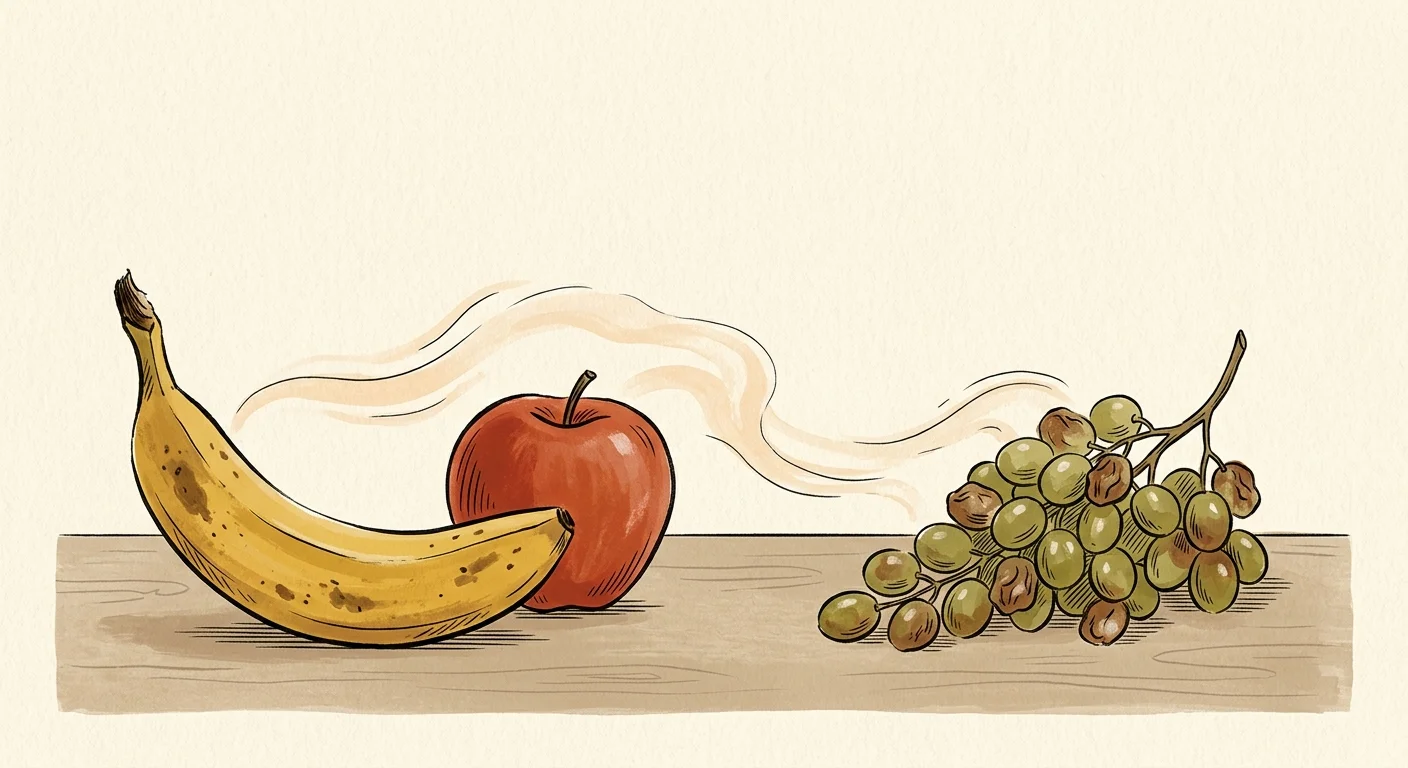
Apples, pears, avocados, ripe peaches, plums, kiwi, and cantaloupe naturally emit high levels of ethylene gas as they mature. If you store these fruits in a high-humidity drawer with the vent fully closed, you create a trapped gas chamber that rapidly shortens their usable life.
Ethylene acts as an airborne plant hormone that signals fruits to ripen. When trapped inside an unvented crisper drawer, the gas accumulates in high concentrations, forcing the fruit to over-ripen at double speed. Your apples become mealy, pears turn mushy overnight, and avocados develop brown, stringy interiors. Furthermore, high ethylene levels cause fruits to absorb surrounding food odors, altering their sweet natural flavors.
To avoid this issue, set your fruit drawer vent completely to the Low Humidity position (open vent). Opening the slider allows ethylene gas to escape freely into the main refrigerator compartment where air currents dilute it safely. Keeping ethylene-releasing fruits in an open-vent environment is one of the best ways of keeping produce fresh longer while maintaining optimal taste and texture.
Sign 5: Frost or Ice Crystals Form on Vegetables
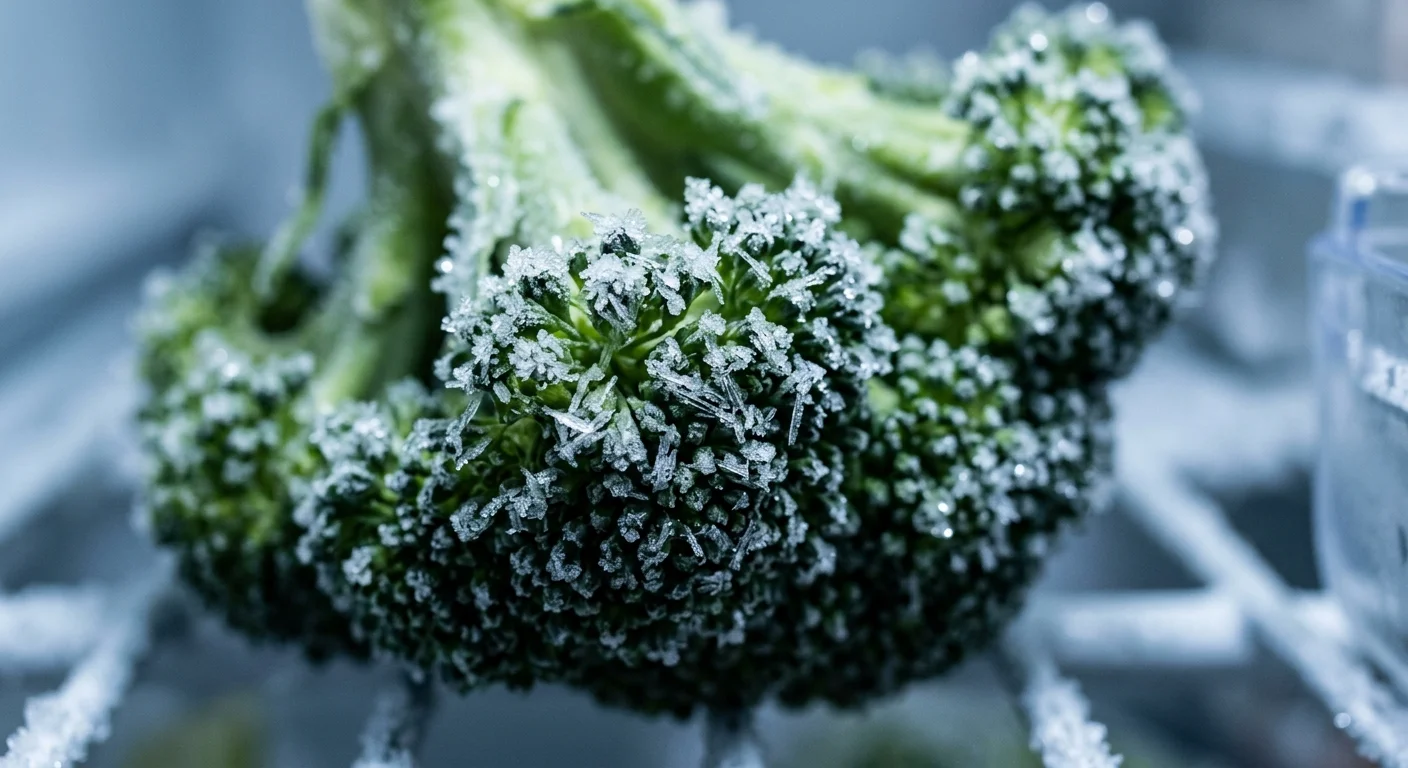
Discovering delicate ice crystals along the edges of spinach leaves or finding frozen, glassy patches across your zucchini is a clear sign of severe airflow miscalibration. When produce freezes inside a standard refrigerator compartment, cellular walls rupture permanently.
Frost formation happens when drawer vents align directly with the cold air discharge ducts coming from the freezer unit, or when humidity settings allow cold draft currents to hit delicate vegetables directly. When plant tissues freeze, water within the cells expands into sharp ice crystals that puncture delicate cell membranes. Once the drawer warms slightly or you bring the produce to room temperature, those punctured cells collapse entirely, turning crisp vegetables into unusable, watery mush.
To resolve this, verify that your main refrigerator temperature remains set between 37°F and 40°F. Ensure that items inside your crisper drawers are not packed tightly against the cold air intake ducts at the back or sides of the cavity. Keeping delicate greens inside a properly closed high-humidity drawer shields them from sudden freezing drafts while maintaining safe, uniform cooling.
Sign 6: Fresh Berries Develop Mold Within 24 Hours
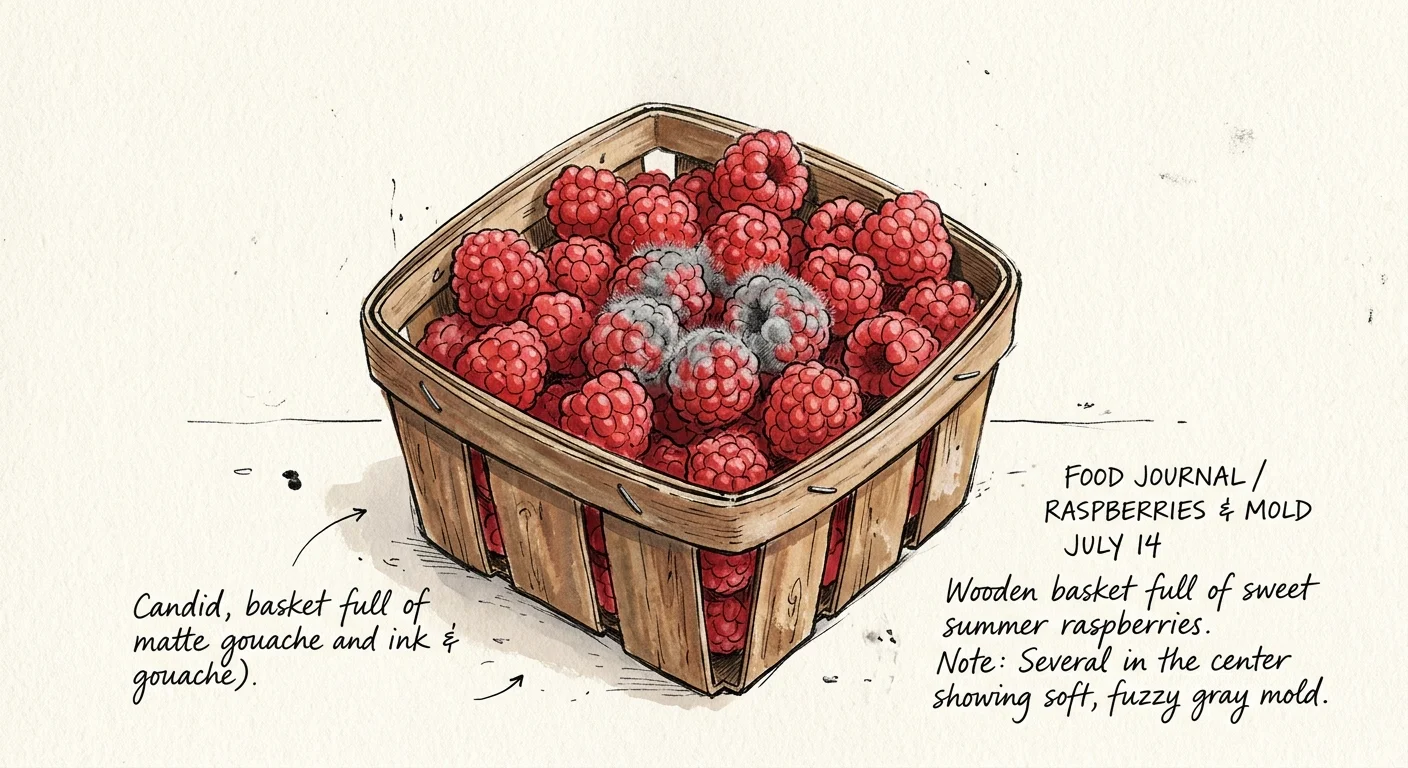
Strawberries, raspberries, blueberries, and blackberries are extremely perishable fruits with porous skins. Placing a container of fresh berries inside a closed high-humidity crisper drawer is a guaranteed recipe for rapid mold development.
Berries naturally harbor invisible mold spores on their skin. When placed in a high-humidity environment with restricted airflow, trapped atmospheric moisture settles on the fruit’s surface, triggering rapid spore growth (most commonly Botrytis cinerea, or gray mold). Within twenty-four hours, an entire container of expensive berries can turn into a fuzzy, white mass of decay.
Keep berries out of closed high-humidity drawers entirely. Store them in a low-humidity drawer with the vent wide open, or place them on an open eye-level shelf where cool air circulates constantly. Keep them unwashed in their original ventilated clamshell containers until the exact moment you plan to eat them; introducing water beforehand accelerates mold growth significantly.
Sign 7: Vegetables Yellow and Wilt Despite High Humidity Settings
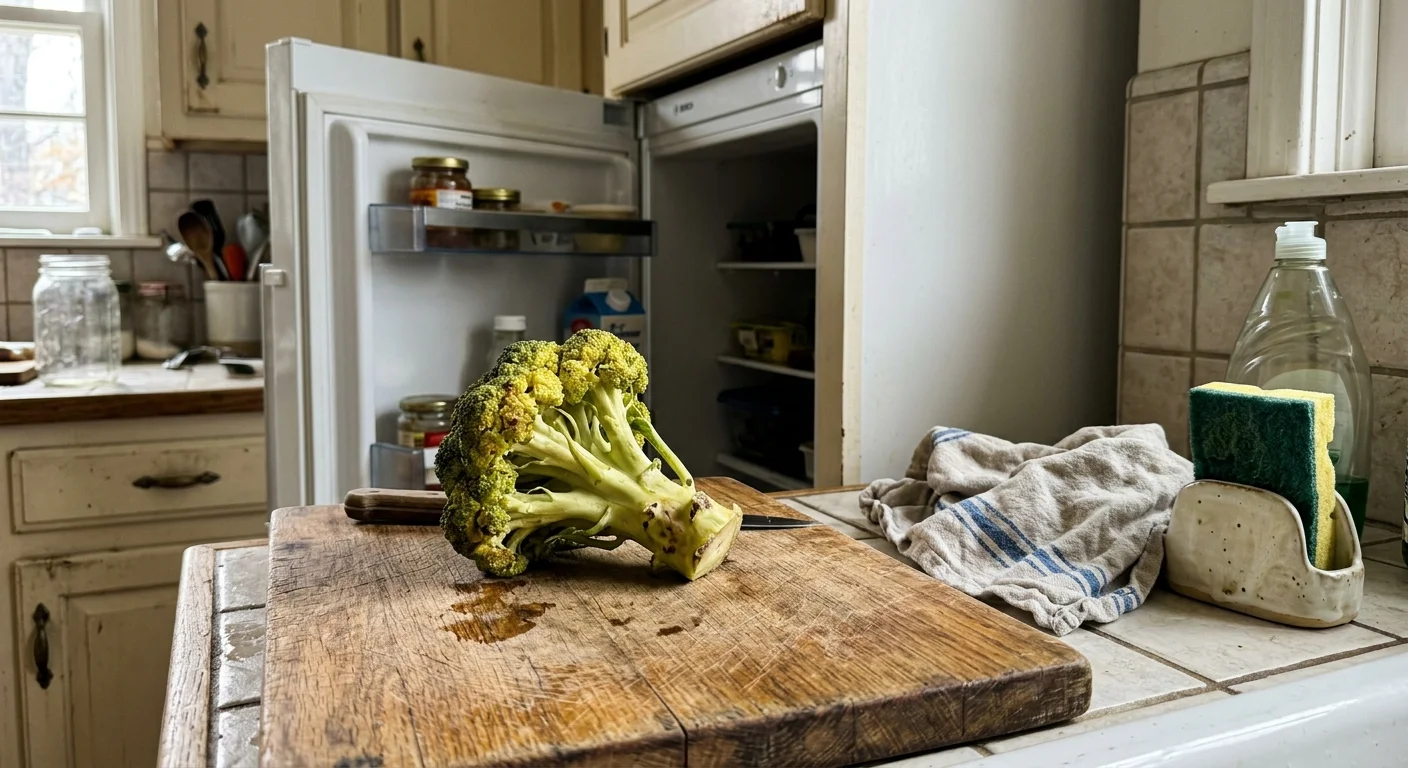
You might feel confident because you moved your crisper slider to High Humidity for your vegetables, yet your broccoli head still turns yellow and your kale wilts within days. This frustrating scenario occurs when you mix ethylene-producing fruits with ethylene-sensitive vegetables inside the exact same closed compartment.
High humidity drawers retain moisture wonderfully, but they also trap ethylene gas completely. If you store an apple, tomato, or melon inside a closed high-humidity drawer alongside ethylene-sensitive items like lettuce, broccoli, carrots, or herbs, the fruit releases gas that gets locked inside with the vegetables. The trapped gas forces chlorophyll breakdown—causing green vegetables to turn yellow (chlorosis)—and triggers rapid wilting despite the humid atmosphere.
To fix this, establish strict zones inside your refrigerator. Dedicate one entire drawer to high-humidity, ethylene-sensitive vegetables (vent closed) and keep a separate drawer for low-humidity, ethylene-producing fruits (vent open). Never let ethylene gas emitters share a sealed space with sensitive green vegetables.
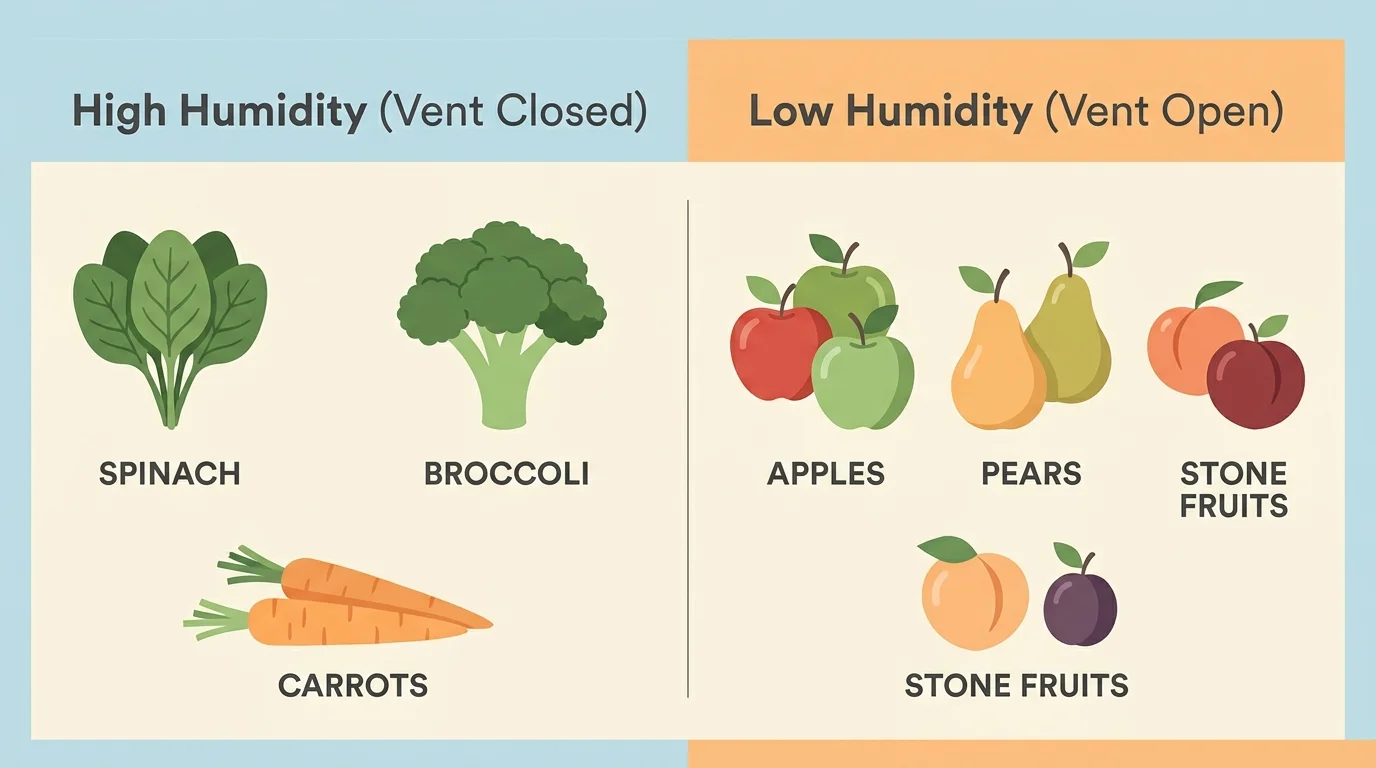
Quick-Reference Guide: High vs. Low Humidity Settings
Use this reference table to instantly choose the correct produce drawer settings for your weekly grocery haul.
| Drawer Setting | Vent Position | Best Produce Items | Why It Works |
|---|---|---|---|
| High Humidity | Completely Closed | Leafy greens, spinach, kale, lettuce, herbs, carrots, cucumbers, broccoli, celery, radishes, green beans, squash. | Traps water vapor, prevents dehydration, and keeps thin-skinned vegetables crisp and firm. |
| Low Humidity | Completely Open | Apples, pears, avocados, peaches, plums, nectarines, melons, kiwi, citrus fruits, ripe figs. | Allows ethylene gas and excess surface moisture to escape, preventing rot and over-ripening. |
4 Practical Steps for Keeping Produce Fresh Longer
Transforming your refrigerator crisper drawer tips into daily habits requires only a few minutes during your weekly grocery routines. Follow this step-by-step process to optimize your storage setup:
- Inspect and Clean the Drawers: Empty both crisper drawers completely once a week. Wash the interior surfaces with warm water and mild dish soap to eliminate mold spores, lingering bacteria, and dried juice drips. Wipe completely dry.
- Sort Produce by Ethylene and Moisture Needs: Group your items into two distinct categories before putting them away—ethylene-releasing fruits on one side, and moisture-loving, ethylene-sensitive vegetables on the other.
- Adjust Mechanical Slider Vents: Set your fruit drawer vent to Low Humidity (open) to allow gas to escape freely. Set your vegetable drawer vent to High Humidity (closed) to seal in vital atmospheric moisture.
- Use Breathable Drawer Liners: Place a clean cloth towel or washable cotton drawer liner at the bottom of your high-humidity vegetable drawer. The liner absorbs stray condensation droplets while keeping the air surrounding your greens comfortably humid.

A Simple Next Step for a Calmer, Fresher Kitchen
Take three minutes today to open your refrigerator, inspect your current crisper drawer sliders, and separate your apples from your leafy greens. Making this quick adjustment instantly protects your grocery budget, eliminates annoying food waste, and ensures crisp, healthy ingredients are always ready for your next meal.