You can transform your living space into a welcoming retreat without spending days scrubbing baseboards or reorganizing hidden closets. Focus your energy on high-impact areas to make your home feel fresh, calm, and effortlessly inviting within a few hours.
Strategic cleaning before guests arrive targets sensory details—what visitors see, smell, and touch first. By letting go of low-priority chores, you preserve your stamina so you can actually enjoy hosting your company.
Concentrating on these ten targeted tasks guarantees a guest ready home without the exhaustion of deep cleaning every corner.
Establishing Your Cleaning Priorities First
Preparing your house for visitors often triggers anxiety because you notice every tiny imperfection. Visitors do not inspect your medicine cabinets, linen closets, or baseboards behind the sofa.
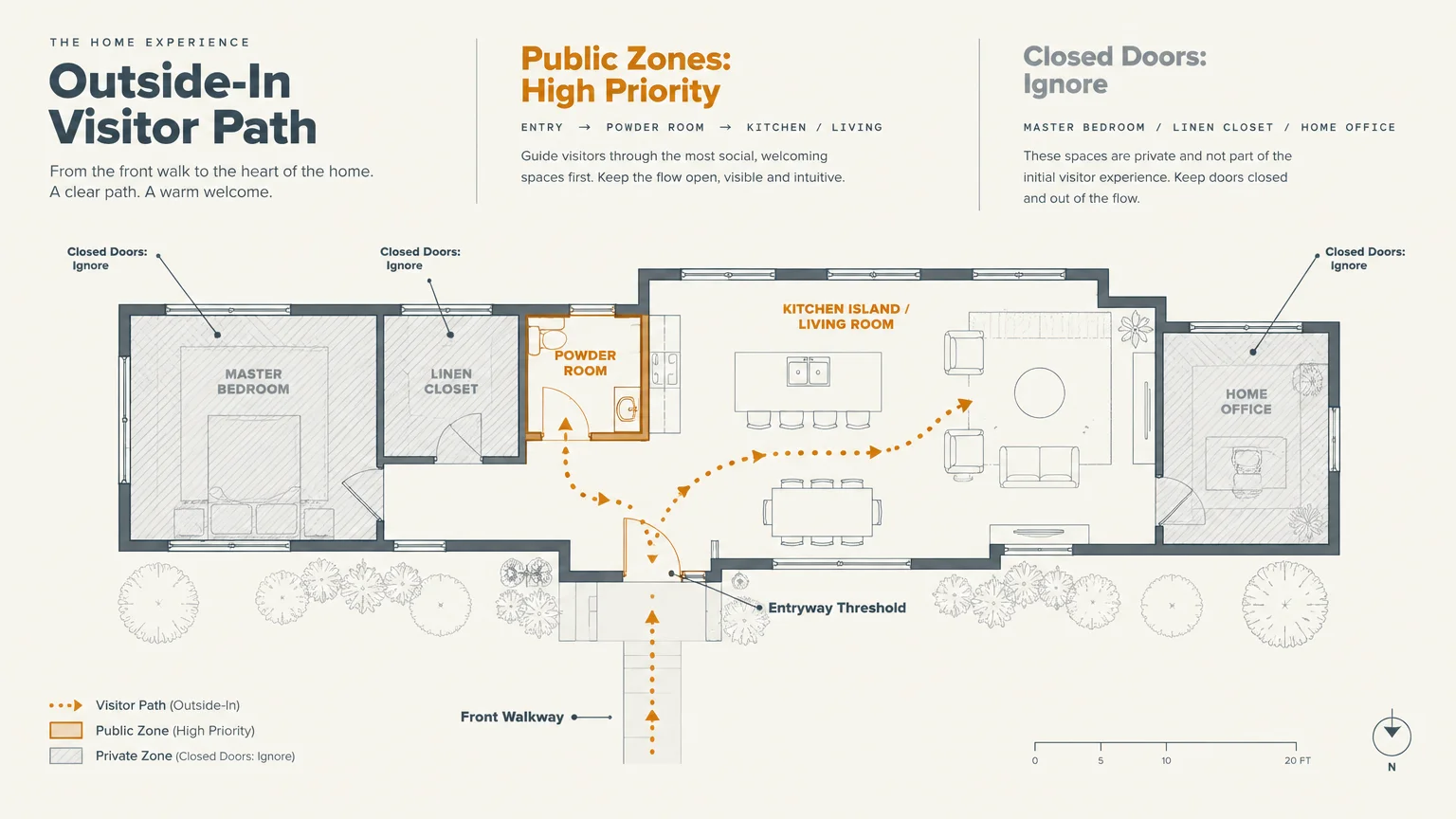
Setting firm cleaning priorities allows you to concentrate strictly on public zones where people congregate. You save significant physical energy by actively ignoring private rooms that remain behind closed doors.
Adopt an outside-in perspective as you plan your cleaning routine. Walk up your front pathway, step across the threshold, and evaluate your rooms through the fresh eyes of an arriving visitor.
This sensory perspective reveals which clutter piles draw immediate attention and which areas require zero effort. Your goal is a comfortable, hygienic environment rather than a sterile showroom.
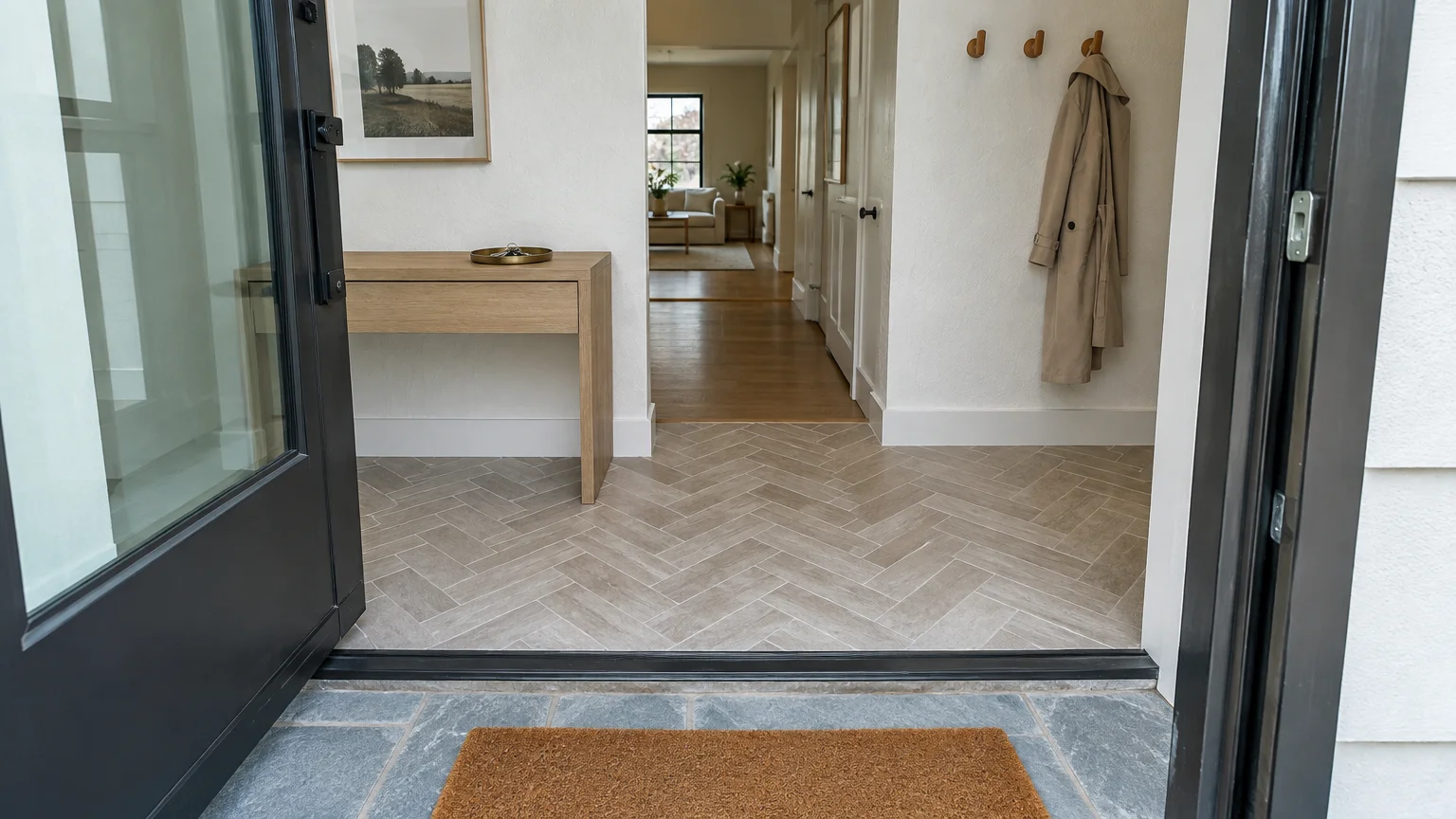
01 Clear and Reset the Front Entryway
Your entryway establishes the emotional tone for the entire visit within three seconds of opening the door. When shoes, unread mail, and pet leashes litter the floor, guests immediately feel crowded and unsettled.
Remove every pair of shoes except the footwear you wear daily. Stash loose mail inside a desk drawer and transfer excess family jackets into a bedroom closet.
Give your exterior doormat a firm shake against the porch railing to remove trapped dirt and leaves. A swift sweep across the stoop keeps visitors from tracking exterior grit onto your clean indoor flooring.
Wipe the storm door glass with a microfiber cloth to eliminate pet nose prints and smudges. This five-minute reset ensures your home feels spacious and welcoming the moment visitors cross your threshold.
- Sweep exterior steps and shake out the welcome mat.
- Stash family shoes inside a closed closet or storage bin.
- Clear mail, packages, and stray bags off the foyer table.
- Wipe finger smudges from the storm door and interior glass.
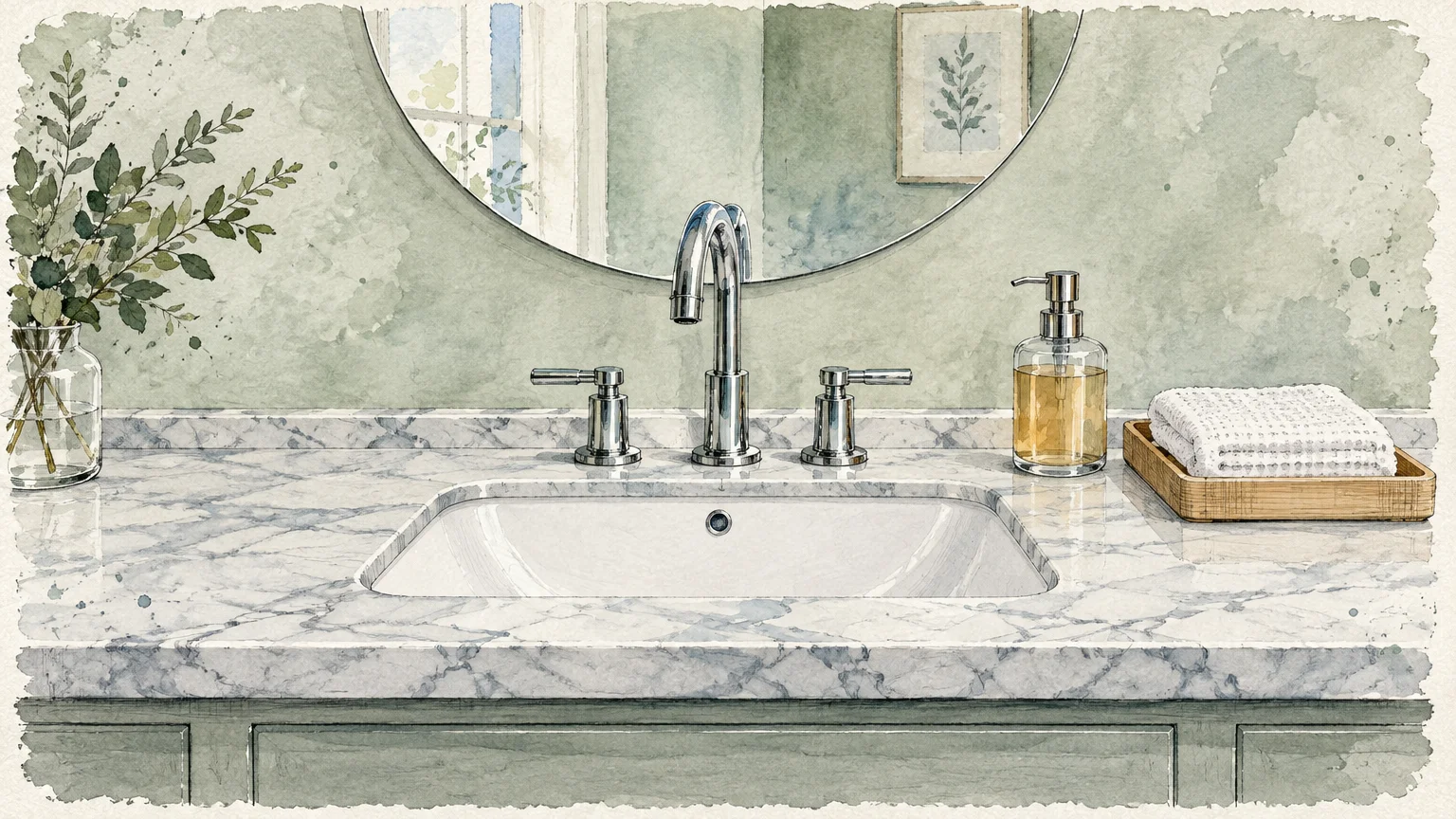
02 Sanitize and Polish the Guest Bathroom
The guest powder room requires your most rigorous hygiene standards. Visitors spend several minutes alone inside this small space, giving them ample time to inspect every surface closely.
Coat the toilet bowl with cleaner, let it sit for two minutes, and scrub the interior with a toilet brush. Thoroughly wipe down the seat, lid, and base using disinfectant wipes or an all-purpose spray.
Polish the sink basin and faucet handles with warm soapy water until water spots disappear completely. Check the mirror at eye level and buff away toothpaste speckles with a dry microfiber cloth.
Clear personal toiletries, medications, and loose hair from the countertop. A spotless bathroom counter instantly reassures visitors that your home meets top cleanliness standards.
- Disinfect the toilet bowl, seat, flush handle, and base.
- Scrub the sink basin and polish the chrome faucet to a shine.
- Buff the mirror with glass cleaner and a lint-free cloth.
- Clear counters of personal grooming products and clutter.
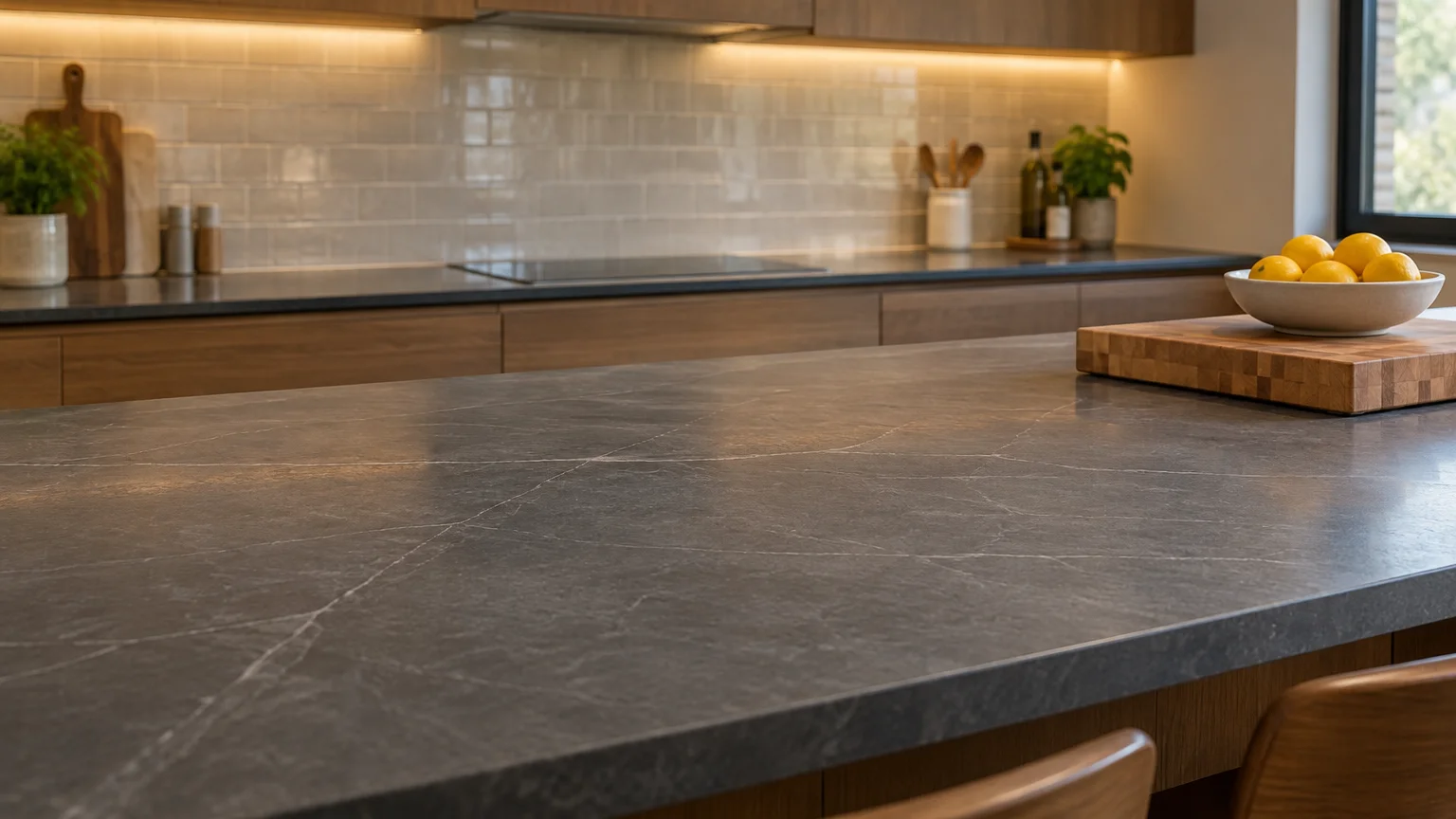
03 Clear and Degrease Kitchen Counters
No matter how comfortable your living room seating appears, social gatherings inevitably migrate toward the kitchen. Clear countertops provide the visual breathing room necessary for relaxed conversations around food and drinks.
Pack away countertop clutter, including vitamin bottles, knife blocks, and small appliances you will not need during the visit. Clearing the vast majority of counter surface area creates an expansive, functional food preparation zone.
Wipe down counter surfaces with a damp microfiber cloth and a grease-cutting cleaner. Focus specifically on the perimeter around the cooktop and sink, where food splatters collect unnoticed.
Wash every dirty dish or hide them inside the dishwasher before guests arrive. An empty, gleaming sink basin serves as a powerful visual signal of an orderly home.
- Store countertop appliances inside cupboards to maximize workspace.
- Wipe counters and cooktops with a degreasing spray.
- Load all dirty dishes, glasses, and cookware into the dishwasher.
- Rinse and polish the kitchen sink basin until spotless.
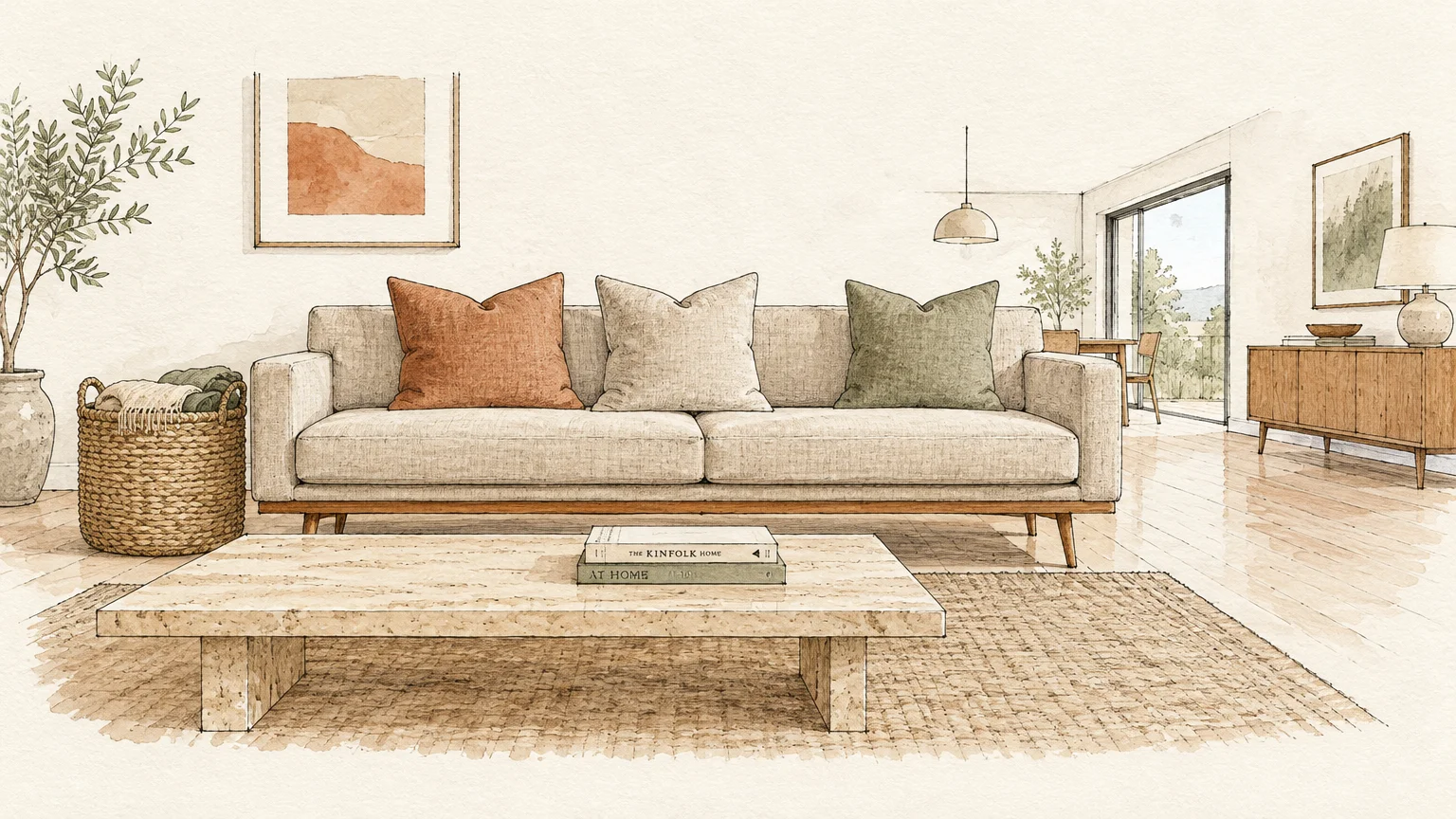
04 Tame Living Room Sightlines and Fluff Soft Furnishings
Your living room functions as the central relaxation hub during any gathering. Messy throws, crushed cushions, and scattered magazines create visual noise that makes the entire room feel disorganized.
Remove throw pillows from the sofa, beat them firmly to restore their loft, and arrange them symmetrically. Fold accent blankets into neat rectangles and drape them cleanly across the arm or back of chairs.
Collect remote controls, phone chargers, and loose papers into a dedicated basket or lidded decorative box. Clear the main coffee table surface entirely, leaving only a single decorative candle or small bowl.
Provide clear horizontal surfaces so guests can place drinks, eyeglasses, or plates down without balancing them awkwardly. This orderly layout makes your seating area instantly comfortable and functional.
- Fluff sofa cushions and arrange throw pillows neatly.
- Fold throws and blankets crisply over chair arms.
- Clear coffee tables and end tables of loose personal items.
- Corral electronic remotes, cords, and reading material in baskets.
05 Banish Lingering Household Odors and Circulate Fresh Air
Residents develop olfactory fatigue, which means you cannot readily smell your own household odors. Lingering cooking grease, damp pet bedding, and stale indoor air greet guests the second they enter.
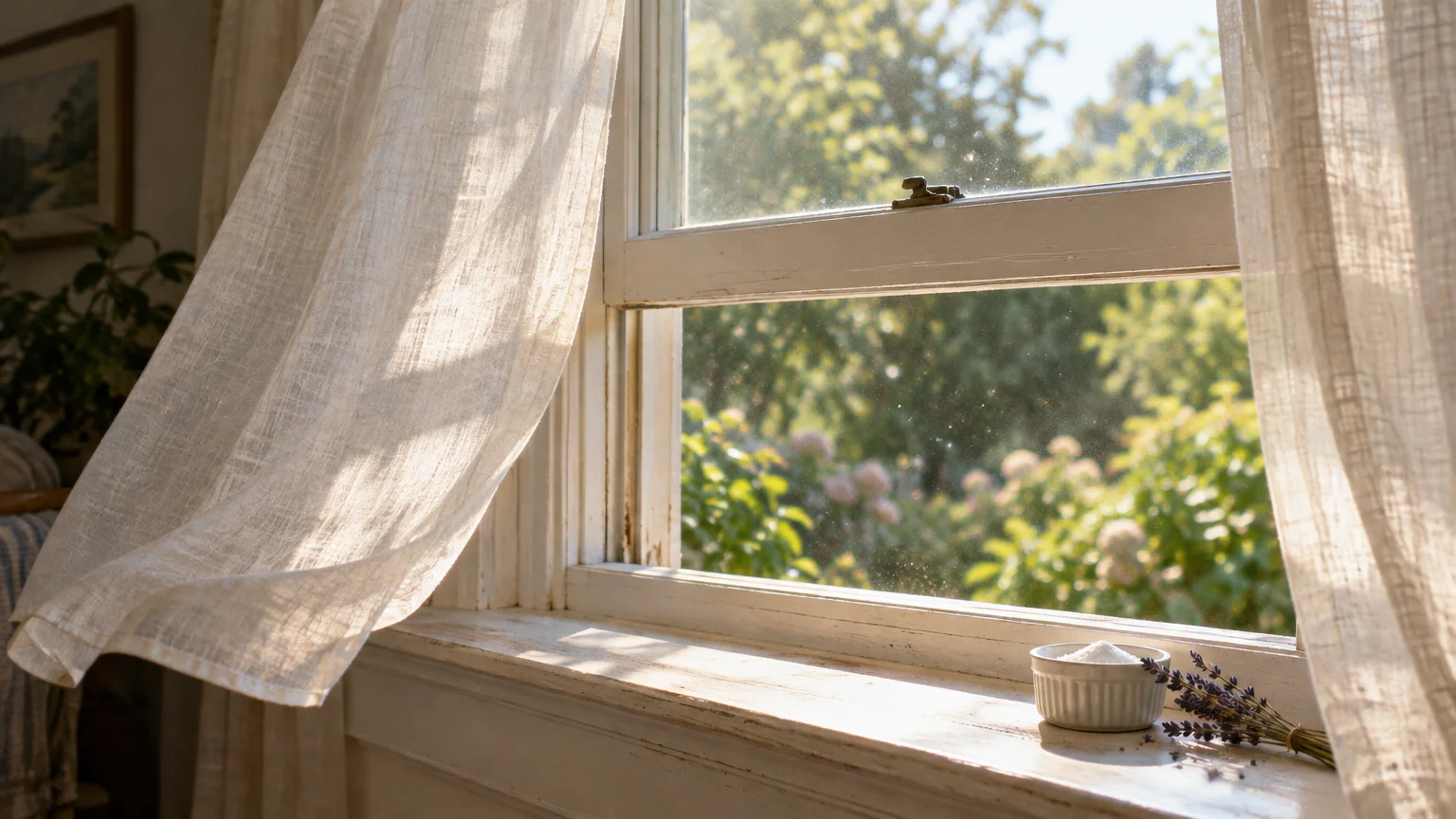
Open windows on opposite sides of your house for ten minutes to generate a gentle cross-breeze. Replacing stale indoor air with fresh outdoor air removes trapped odors far more effectively than masking agents.
Simmer a small pot of water on the stove with sliced lemons, rosemary sprigs, and a splash of vanilla extract. This creates a gentle, natural aroma that welcomes visitors without triggering respiratory sensitivities.
Avoid heavy synthetic aerosol sprays or overpowering plug-in air fresheners. Strong artificial scents often cause headaches for sensitive guests and create the impression that you are concealing unpleasant smells.
- Open windows for ten to fifteen minutes to vent stale air.
- Simmer natural aromatics like citrus slices, cinnamon, or herbs.
- Wash or tuck away pet bedding before guests arrive.
- Skip artificial chemical aerosols that trigger allergic reactions.
06 Vacuum High-Traffic Walkways and Main Rugs
You do not need to move heavy armchairs or vacuum the perimeter of every baseboard today. Concentrate your vacuuming efforts strictly on the primary pathways your guests will walk through.
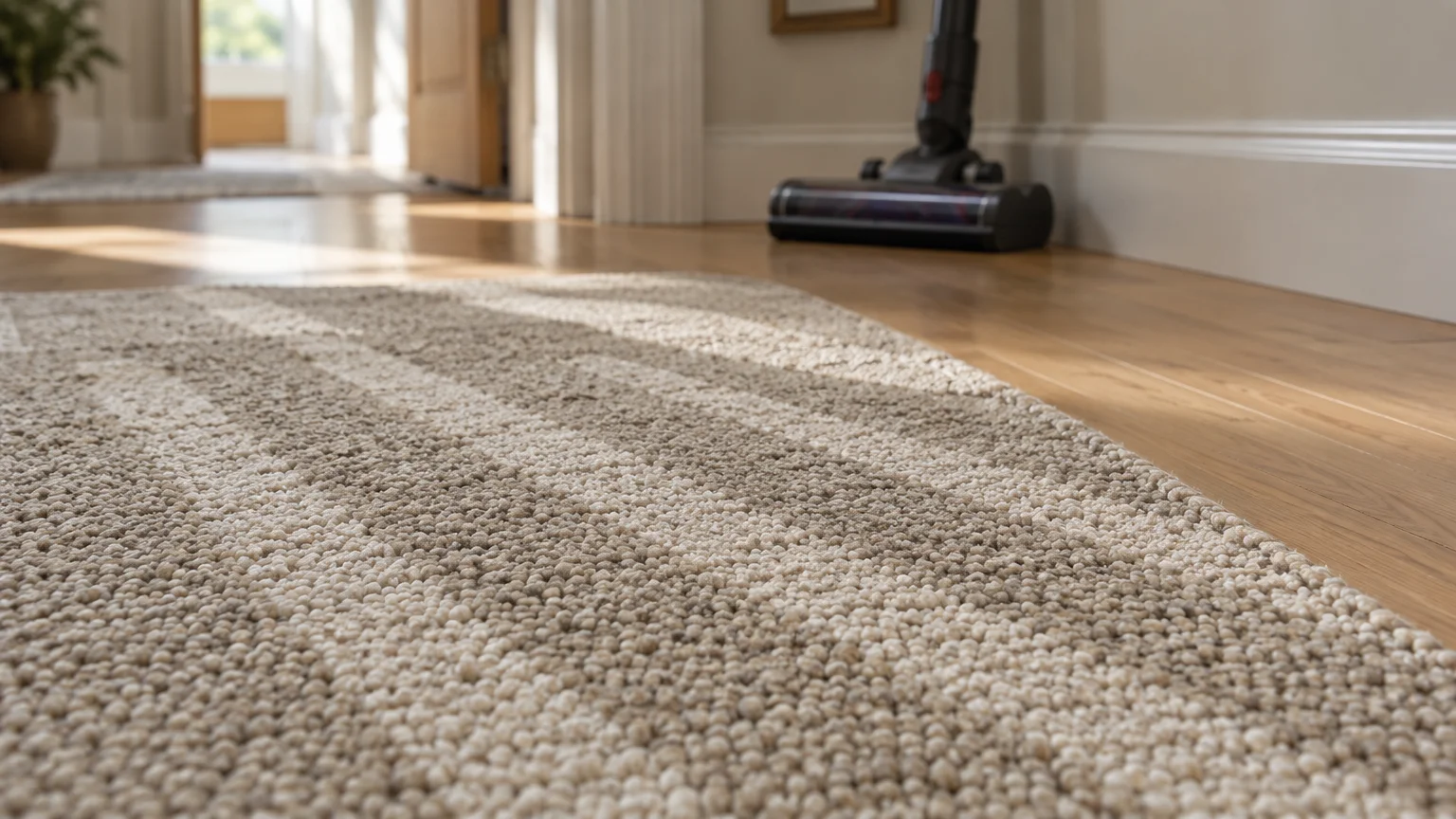
Vacuum the entryway rug, the main hallway, and the center carpet of your living room. Use slow, overlapping strokes to lift flattened fibers and pull pet hair from carpet textures.
Use a dry microfiber sweeper on hardwood or laminate floors to collect tumbling dust bunnies along baseboards. Clean flooring under natural light makes the entire room look significantly fresher.
Spot-clean obvious carpet spills using a clean rag and carpet foam rather than soaking the rug. Wet carpet smells damp and creates an inconvenient hazard for arriving guests.
- Vacuum the entryway mat and high-traffic hall runners.
- Make slow passes across the main living room area rug.
- Glide a dry microfiber dust mop along exposed baseboard edges.
- Dab visible floor spots with a damp cloth instead of soaking.
07 Empty and Wipe Every Visible Trash Can
Overflowing waste receptacles instantly diminish the look of an otherwise tidy room. A trash can filled with discarded food packaging, personal grooming supplies, or paper towels draws the eye immediately.
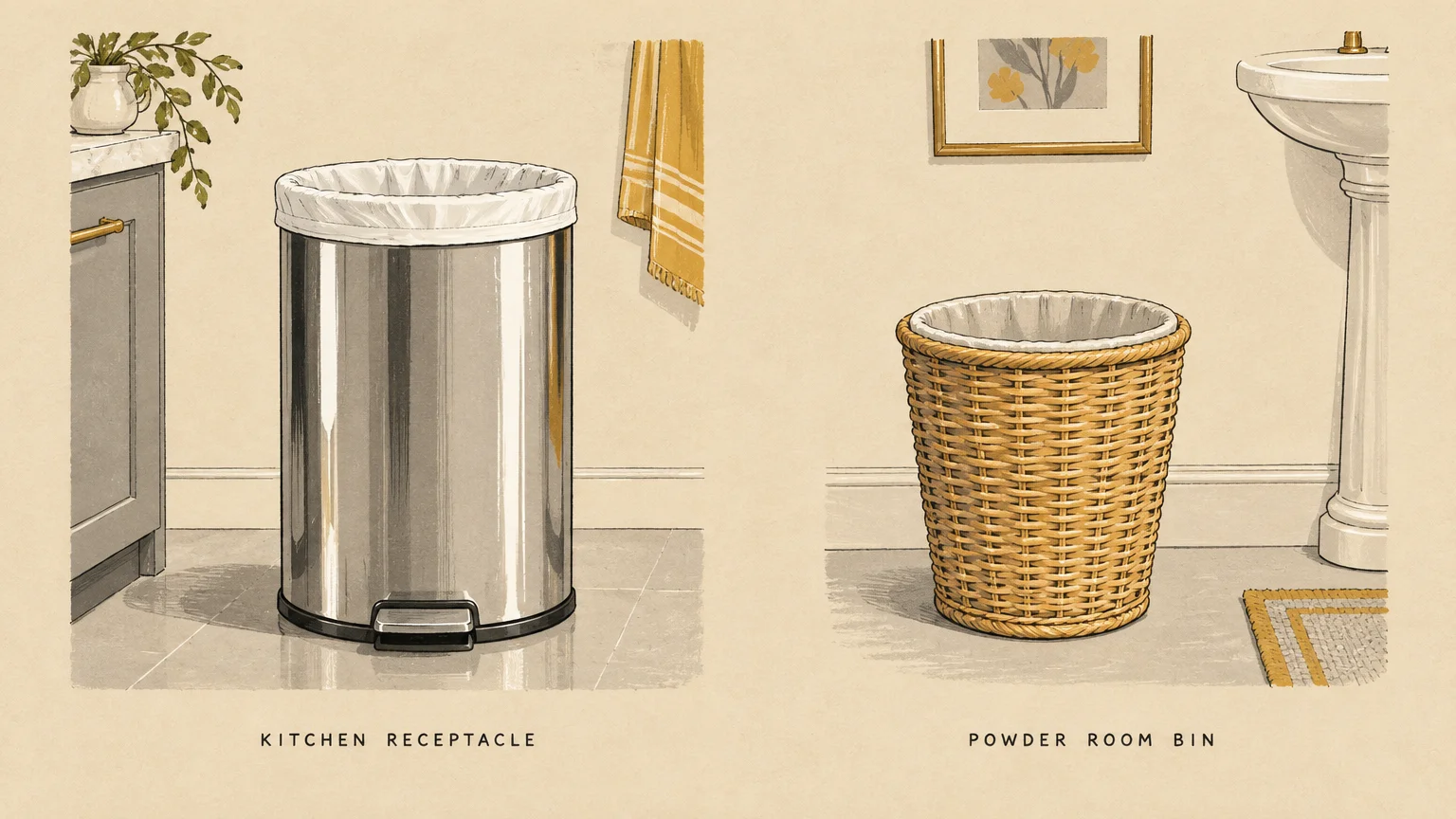
Walk through your kitchen, powder room, and living areas with a large garbage bag. Empty every single wastebasket, even if the can is only a quarter full.
Wipe the rim and exterior lid of each bin with a sanitizing wipe to remove spills and sticky residues. Lining every can with a fresh bag ensures your bins look clean and smell neutral throughout the visit.
Never leave bathroom trash visible to visitors. A lined, empty powder room can offers visitors comfortable privacy when disposing of personal items.
- Collect waste from the kitchen, powder room, and living spaces.
- Wipe down can lids, foot pedals, and outer surfaces.
- Install fresh, properly sized plastic liners in each bin.
- Carry the master trash bag directly to outside bins.
08 Wipe Smudges from High-Touch Architectural Hardware
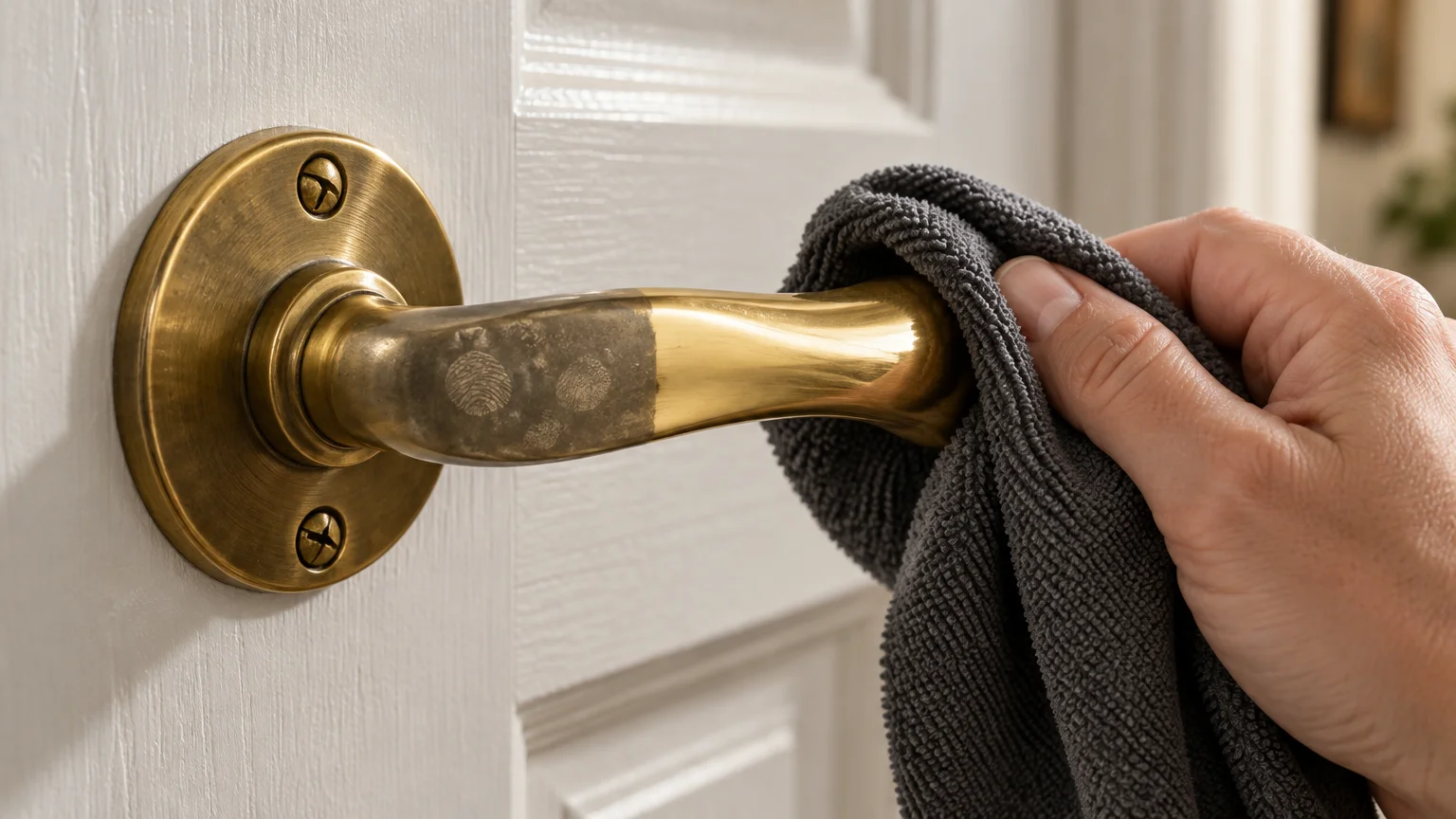
Everyday handling leaves an invisible layer of body oils, cooking residue, and grime on doors and cabinets. When sunlight strikes these surfaces at an angle, fingerprint smudges become glaringly noticeable.
Moisten a microfiber cloth with an all-purpose surface cleaner or mild dish soap solution. Wipe the primary entrance door handle, interior door knobs, and high-frequency light switch plates.
Clean the refrigerator door handles, dishwasher latch, and cabinet pulls where hands touch frequently. Clean hardware feels pleasant underhand and demonstrates meticulous attention to personal hygiene.
Check the glass around door latches and French doors for stray pet nose prints or sticky fingerprints. A rapid wipe with warm water leaves glass bright and smudge-free.
- Dampen a microfiber cloth with safe cleaning spray.
- Wipe exterior and interior entry door hardware.
- Clean light switch plates and the surrounding wall area.
- Buff kitchen appliance handles and primary cabinet pulls.
09 Clear Dedicated Storage for Coats and Bags
Arriving guests frequently hold coats, heavy winter wraps, handbags, and travel items. Forcing visitors to hold their belongings or drop them onto a messy chair creates an awkward start to the visit.
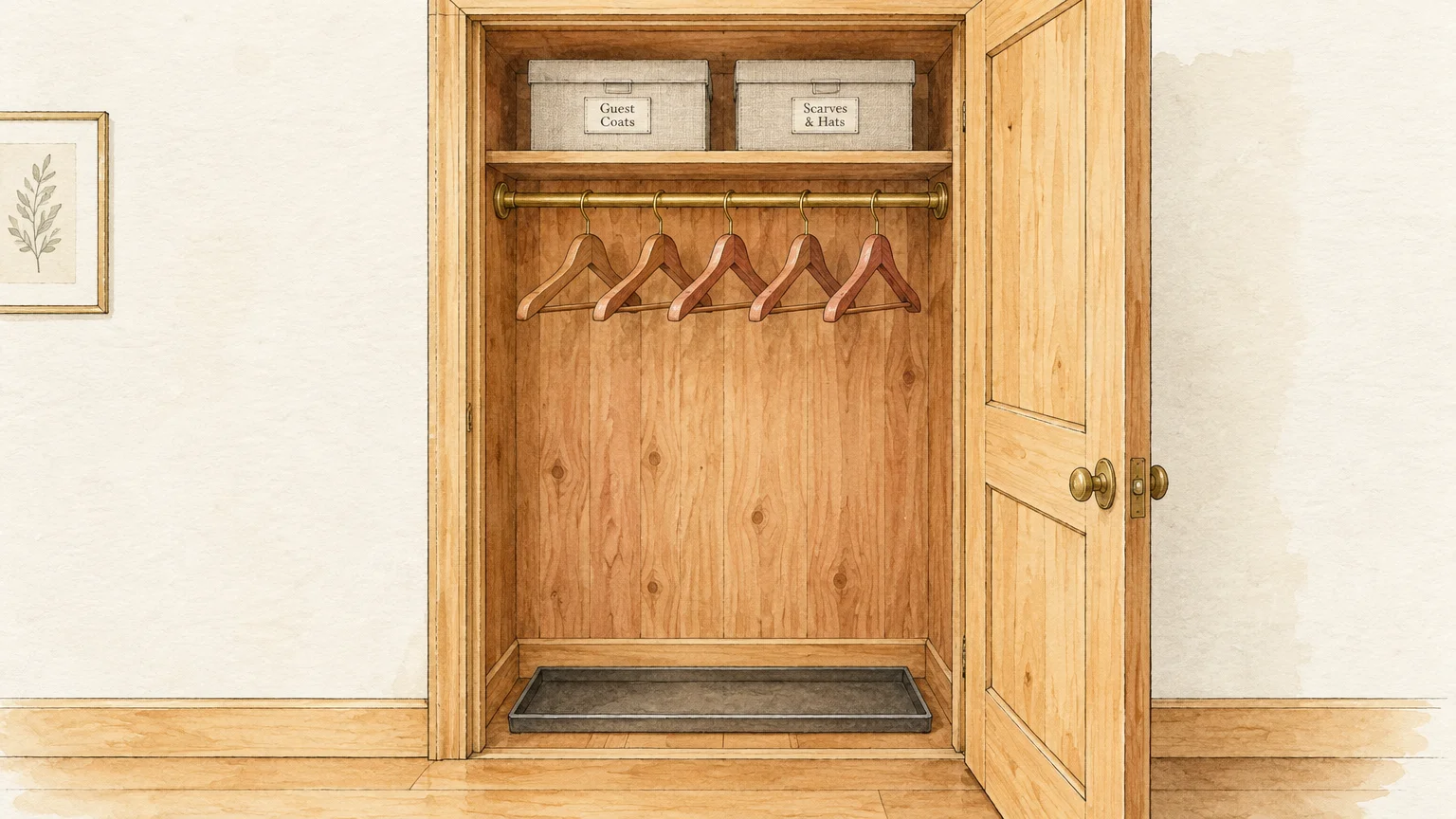
Free up at least four to six sturdy wooden or plastic hangers in your foyer closet. If your closet is full, clear off an entryway coat rack or place a standing clothes valet nearby.
Designate a sturdy chair, entryway bench, or low shelf specifically for personal handbags and diaper bags. Guests appreciate having an elevated, clean surface rather than placing valuable personal items on the floor.
If you are welcoming overnight visitors, clear adequate luggage space in the guest bedroom. A luggage rack or empty luggage bench keeps suitcases accessible without cluttering walkways.
- Clear half a dozen empty hangers in the front coat closet.
- Empty hooks on wall-mounted racks or free-standing coat trees.
- Provide an elevated, clean surface for visitors to rest purses.
- Set up a luggage rack or bench for overnight travelers.
10 Restock Essential Paper Products and Guest Linens
Running out of toilet paper or hand towels causes acute social discomfort for both guests and hosts. Preparing your guest spaces with ample supplies eliminates embarrassing requests during a gathering.
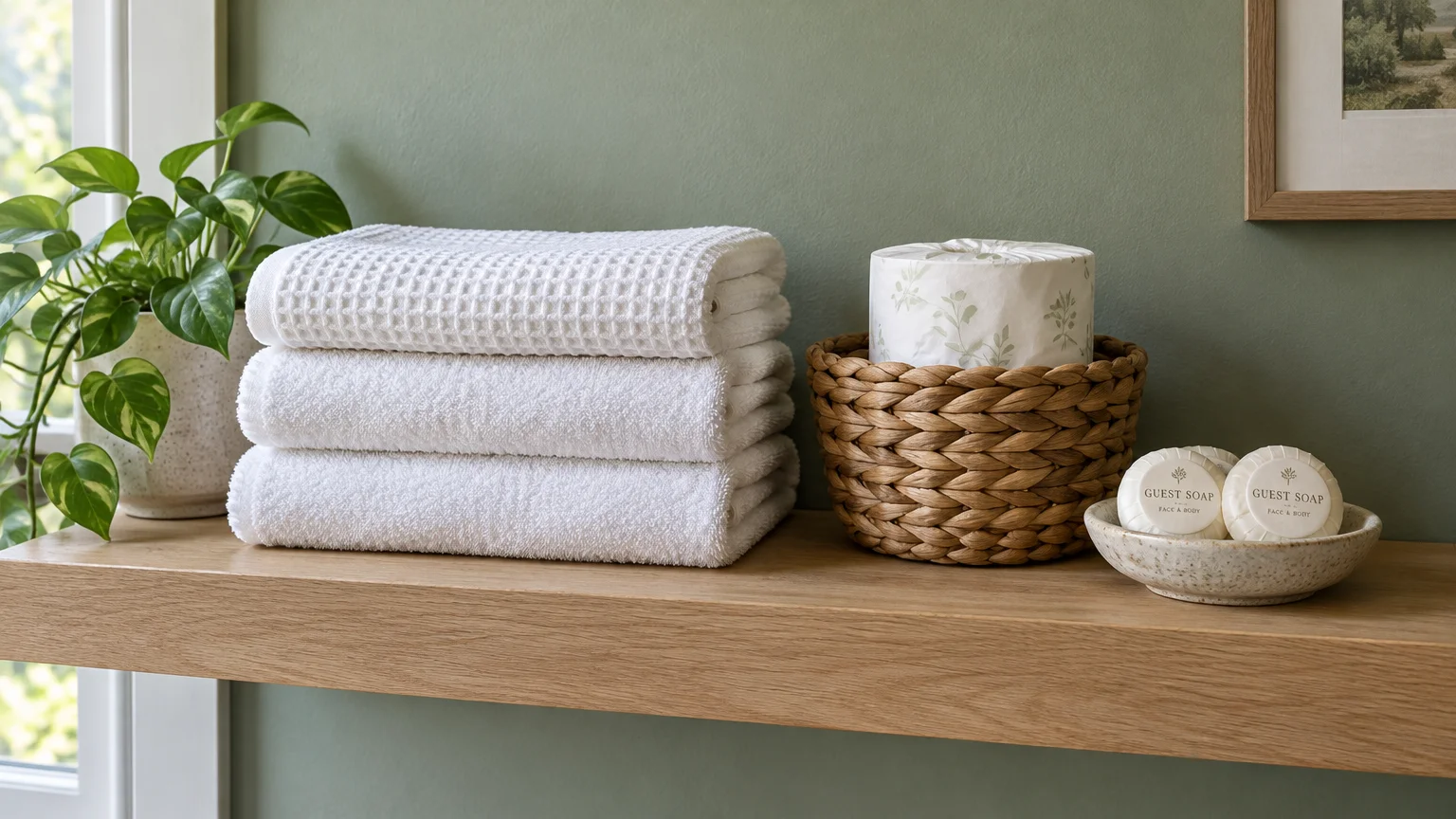
Hang a freshly laundered, plush hand towel on the bathroom ring or place a basket of single-use hand towels nearby. Damp, used family towels should never greet guests entering your powder room.
Set out two spare rolls of toilet paper where visitors can locate them without opening vanity cupboards. Fill the liquid hand soap pump to the top so guests do not have to struggle with an empty dispenser.
Place a box of facial tissues on an accent table in the living area. Having tissues readily accessible prevents guests from searching through your kitchen drawers during unexpected sneezes.
- Hang a crisp, clean hand towel in the guest bath.
- Place two extra toilet paper rolls in plain view.
- Refill the liquid hand soap dispenser completely.
- Set out facial tissues in the main entertaining room.
Quick Clean Before Guests: Action Plans by Time Limit
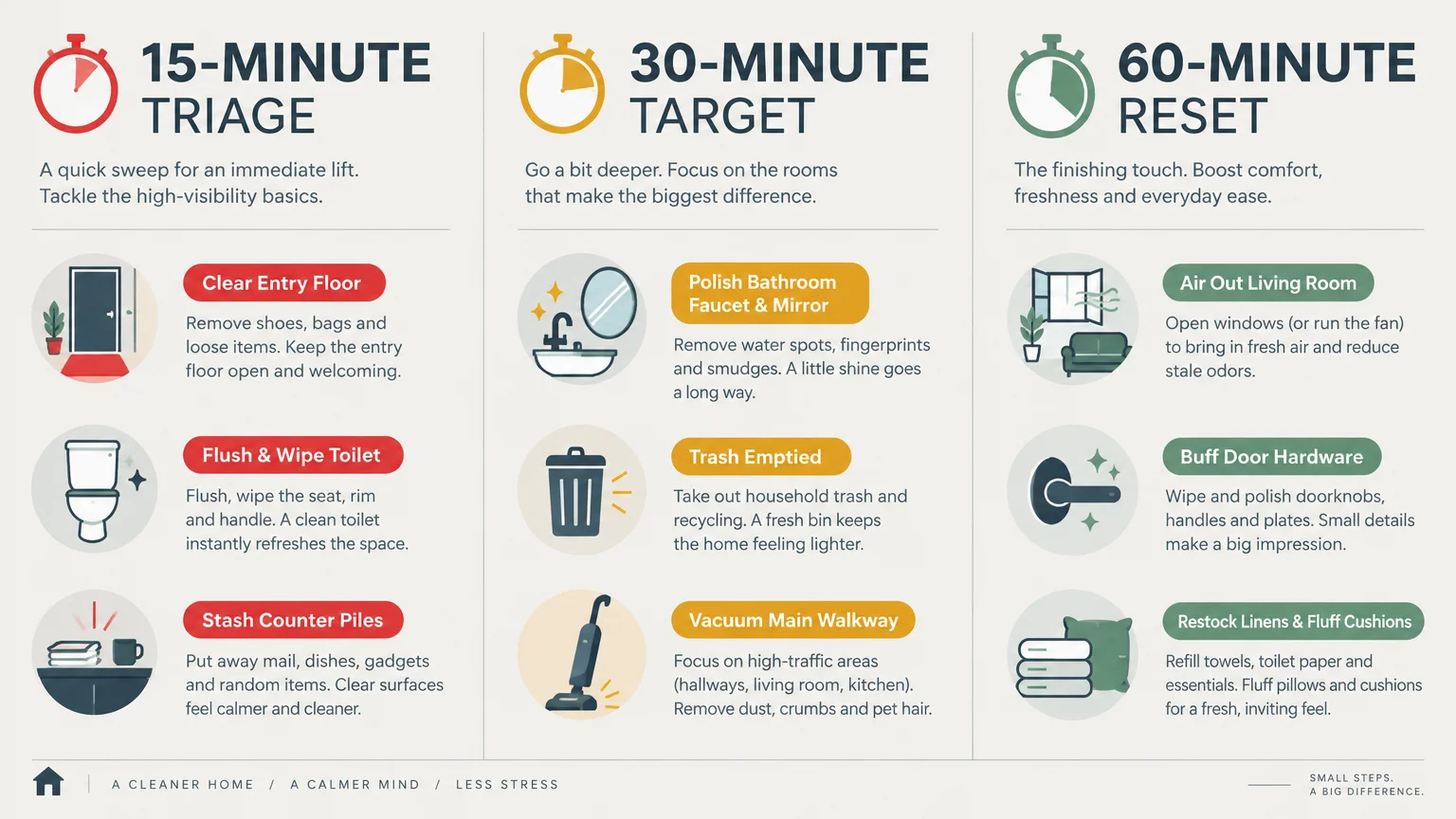
When unexpected guests announce an arrival on short notice, you must tailor your cleaning priorities to the exact time available. Use this phased guide to maximize your impact without panicking.
Identify how many minutes you have before the doorbell rings and execute only the tasks listed for that tier. Resisting the urge to start non-essential projects keeps your preparation calm and organized.
| Time Window | Target Areas | High-Impact Tasks | What to Skip |
|---|---|---|---|
| 15 Minutes | Guest Bath & Entryway | Wipe bathroom sink, empty powder room trash, hang clean hand towel, stash stray entryway shoes. | Vacuuming, dusting furniture, washing dishes, deep bathroom scrubbing. |
| 30 Minutes | Entryway, Bath, & Kitchen | Complete the 15-minute list, load dishes into dishwasher, wipe kitchen counters, fluff couch pillows. | Baseboards, interior windows, vacuuming secondary rooms, cleaning mirrors. |
| 60 Minutes | Main Public Zones | Complete the 30-minute list, vacuum main rugs, take out all trash, wipe door handles, open windows for fresh air. | Mopping under heavy furniture, doing laundry, sorting closet shelves. |
| 2 Hours | Complete Guest Ready Home | Execute all 10 priority tasks, dust exposed table surfaces, simmer stovetop aromatics, clear guest coat hooks. | Deep-cleaning the oven, organizing the garage, scrubbing guest bedroom closets. |
Sticking strictly to your designated time block keeps your energy intact for your visitors. A composed host provides a far warmer welcome than a spotless house accompanied by an exhausted host.
Safe Sanitizing and Surface Care Principles
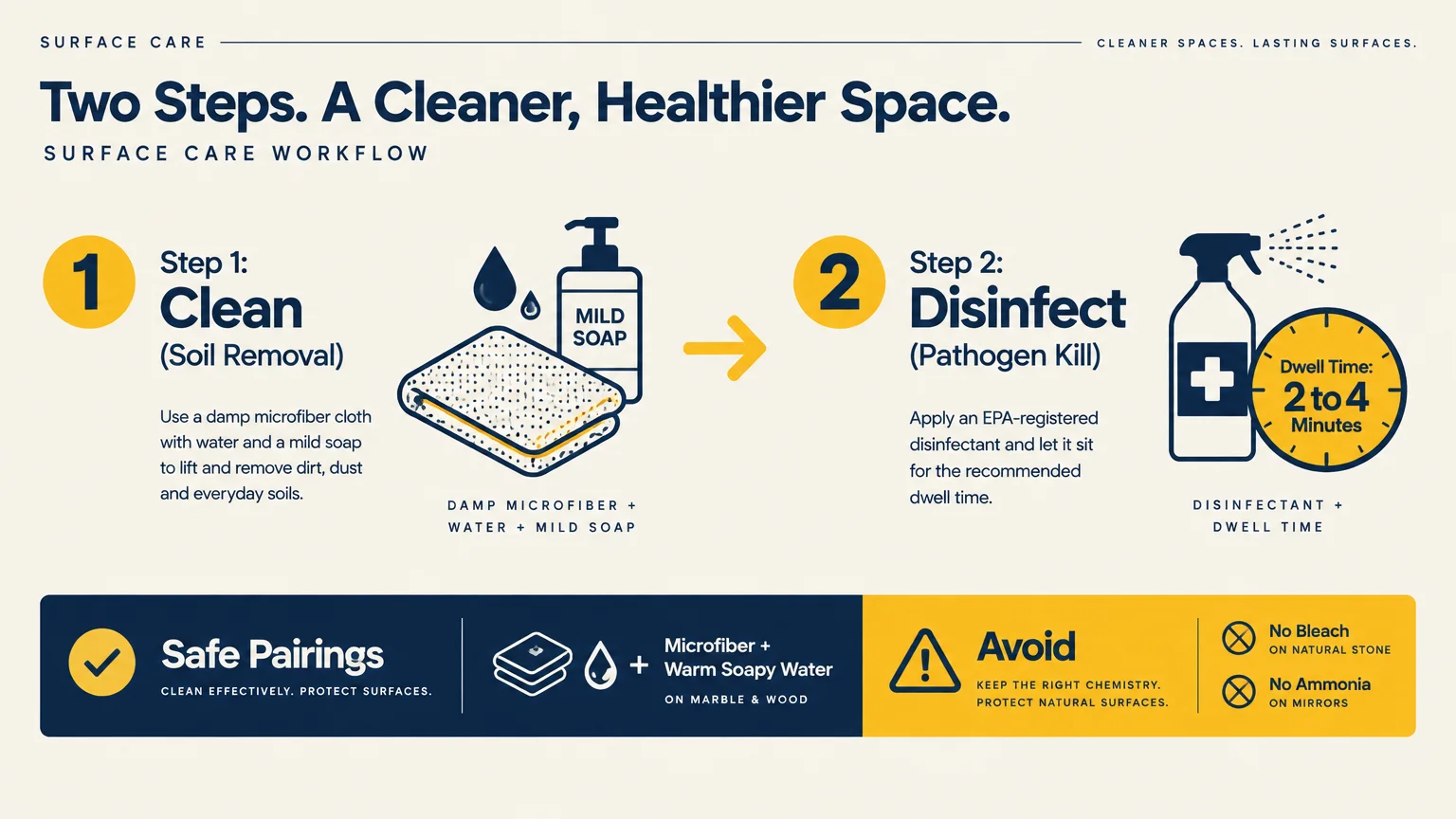
Understanding the distinction between simple cleaning and germ disinfection protects your family and visitors. The CDC cleaning and sanitizing guidelines clarify that removing dirt with soap and water lowers viral risk before applying disinfectants.
Always clean grime from hard bathroom surfaces before applying chemical sprays. Disinfectants cannot penetrate layers of soap scum or dust effectively, rendering chemical application far less potent.
Select disinfectants recognized by the EPA Safer Choice program to reduce indoor airborne irritants. Safer formulations sanitize high-touch zones effectively without leaving harsh chemical odors that bother asthmatic guests.
Maintain adequate ventilation whenever applying cleaning solutions inside small bathrooms or enclosed kitchens. Reviewing advice from the EPA on indoor air quality underscores the value of running exhaust fans during cleaning sessions.
Store cleaning chemicals securely away from children and pets during entertaining. The American Cleaning Institute product safety tips emphasize keeping spray bottles tightly closed and out of casual reach.
Holiday Cleaning Tips for Low-Stress Entertaining
Special gatherings often compound the pressure of routine cleaning before guests arrive. Practical holiday cleaning tips emphasize strategic crowd control and sensory warmth rather than surgical perfection.
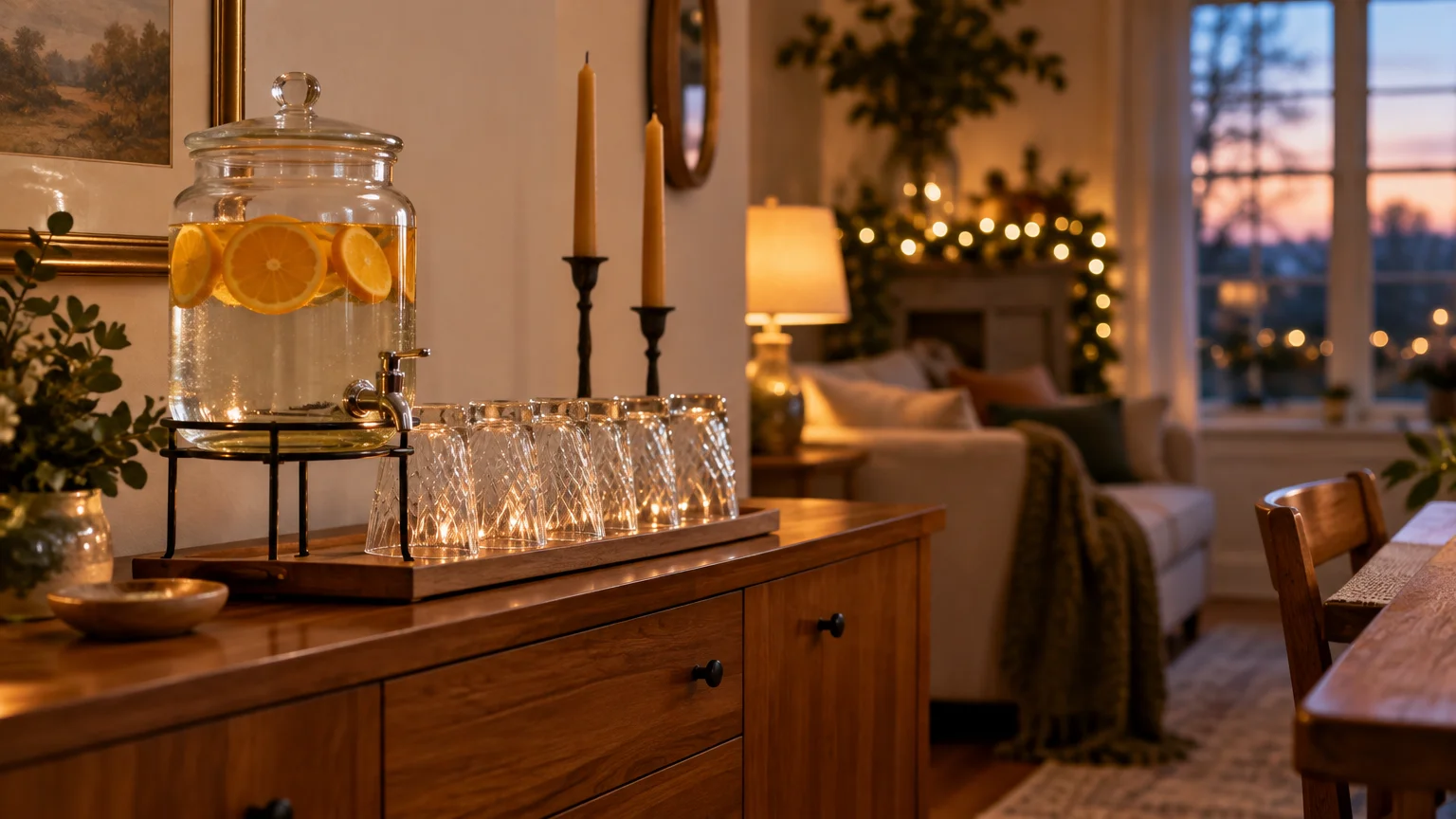
Set up a separate drink station away from the kitchen workspace to prevent traffic bottlenecks. This arrangement keeps wandering visitors out of your active cooking zones while meals simmer.
Place an oversized boot tray near the main door if hosting during rain or snowy winter weather. Providing clear footwear storage protects your rugs and relieves visitors of guessing where shoes belong.
Empty your coat closet completely before large seasonal parties. Stashing your household jackets in a master bedroom wardrobe creates effortless hanging space for cold-weather guest wraps.
Daily Micro-Habits That Keep Your Home Guest Ready
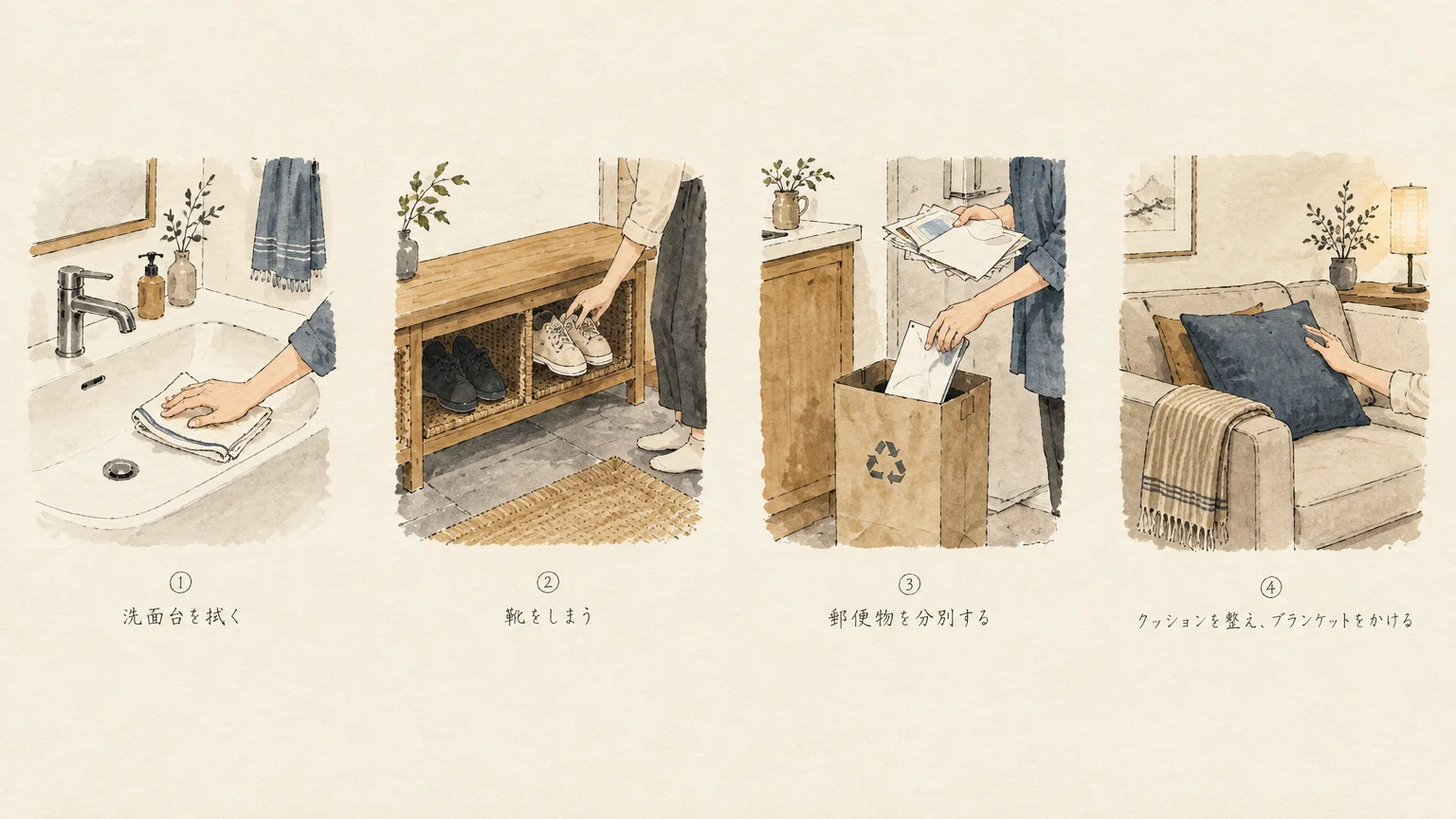
A guest ready home does not require exhausting weekend marathons if you implement small maintenance habits. Daily micro-resets prevent clutter from snowballing into overwhelming chores.
Wipe down your bathroom sink faucet with a dry hand towel every evening after brushing your teeth. This five-second habit prevents stubborn limescale buildup and maintains a continual polish.
Run your dishwasher every night and empty it each morning while your coffee brews. Keeping the sink basin empty eliminates most kitchen visual clutter permanently.
Keep a decorative woven basket in your living room to capture stray mail, chargers, and toys throughout the day. When company rings the bell, putting things away takes thirty seconds.
Your Next Practical Step
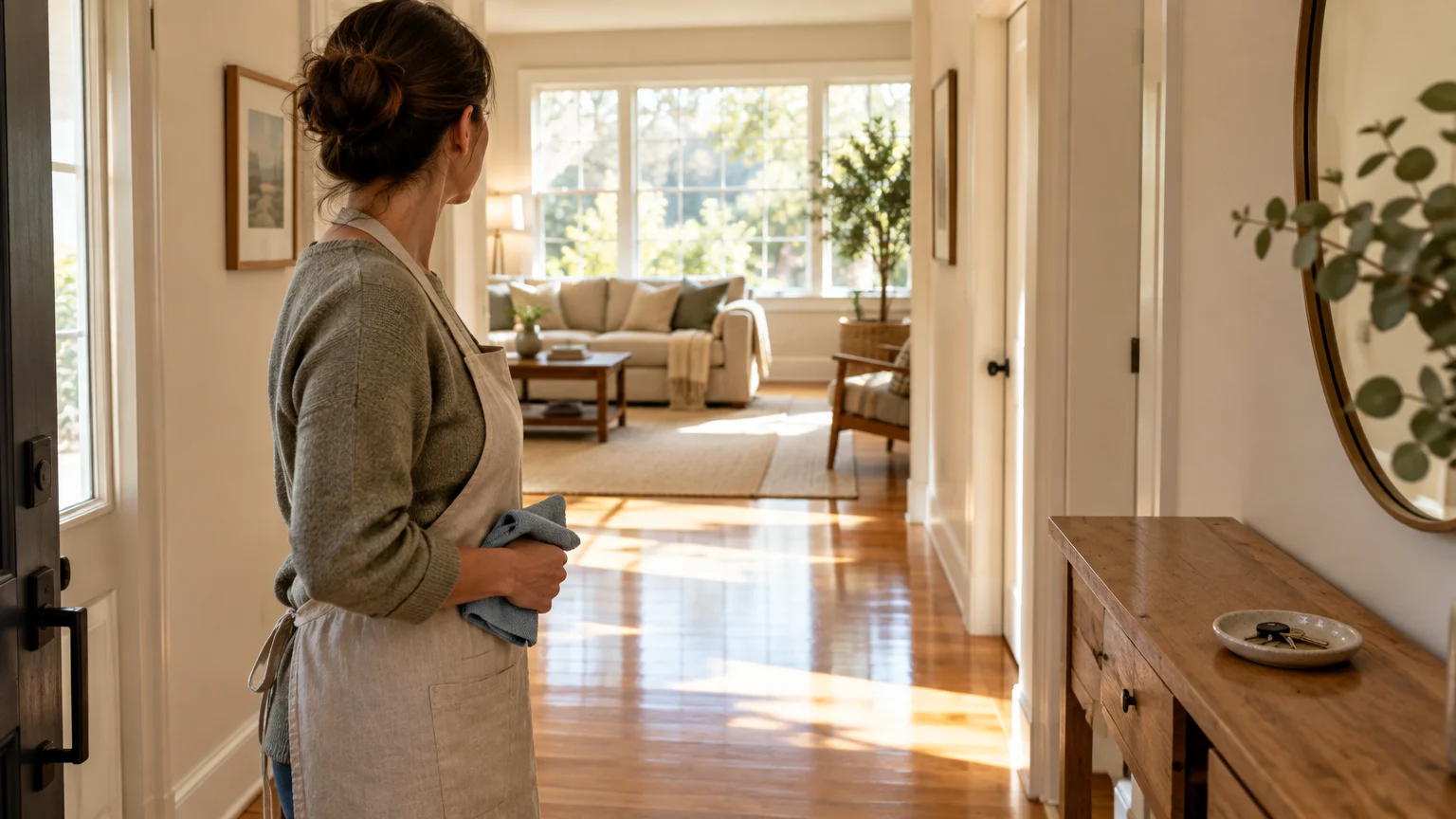
Grab an empty laundry hamper right now and walk through your entryway and living room. Collect any stray items that do not belong in public view, stash the basket in a private closet, and wipe your kitchen counters.
Once those primary visual zones look tidy, light a subtle candle and relax. Your visitors care about enjoying your company, not inspecting your baseboards.