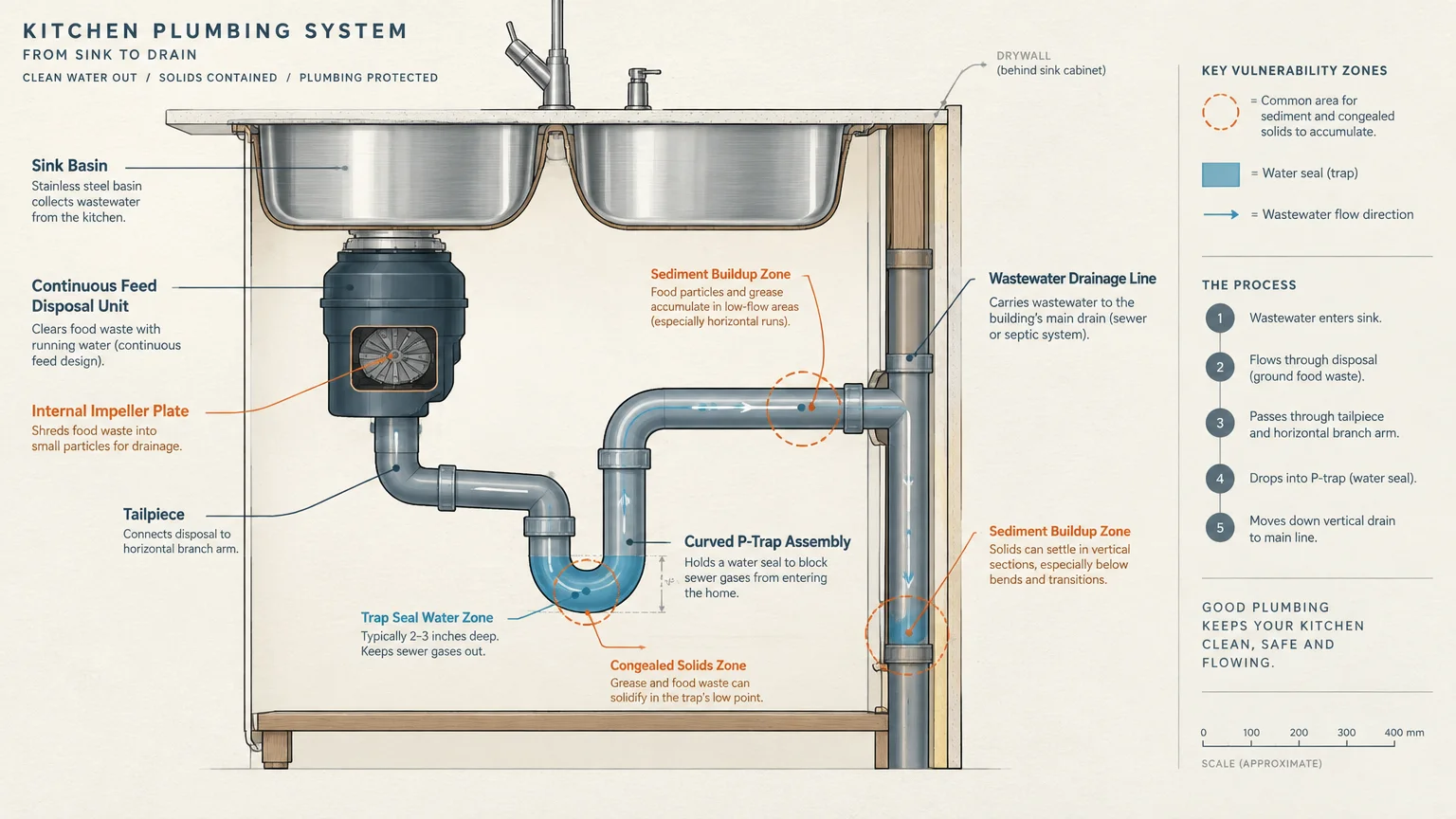
Pouring the wrong food scraps into your sink leads directly to stubborn kitchen drain clogs and costly pipe repairs. Knowing what not to put down drain openings protects your home plumbing and keeps wastewater flowing freely.
Many everyday ingredients seem harmless, yet they congeal into sticky barriers or wrap tightly around disposal blades. Learning these essential plumbing tips will save you from messy backups and expensive emergency service calls.
Review this comprehensive guide to establish simple habits that prevent clogged drains and safeguard your kitchen plumbing system.
01 Cooking Oil, Animal Grease, and Butter
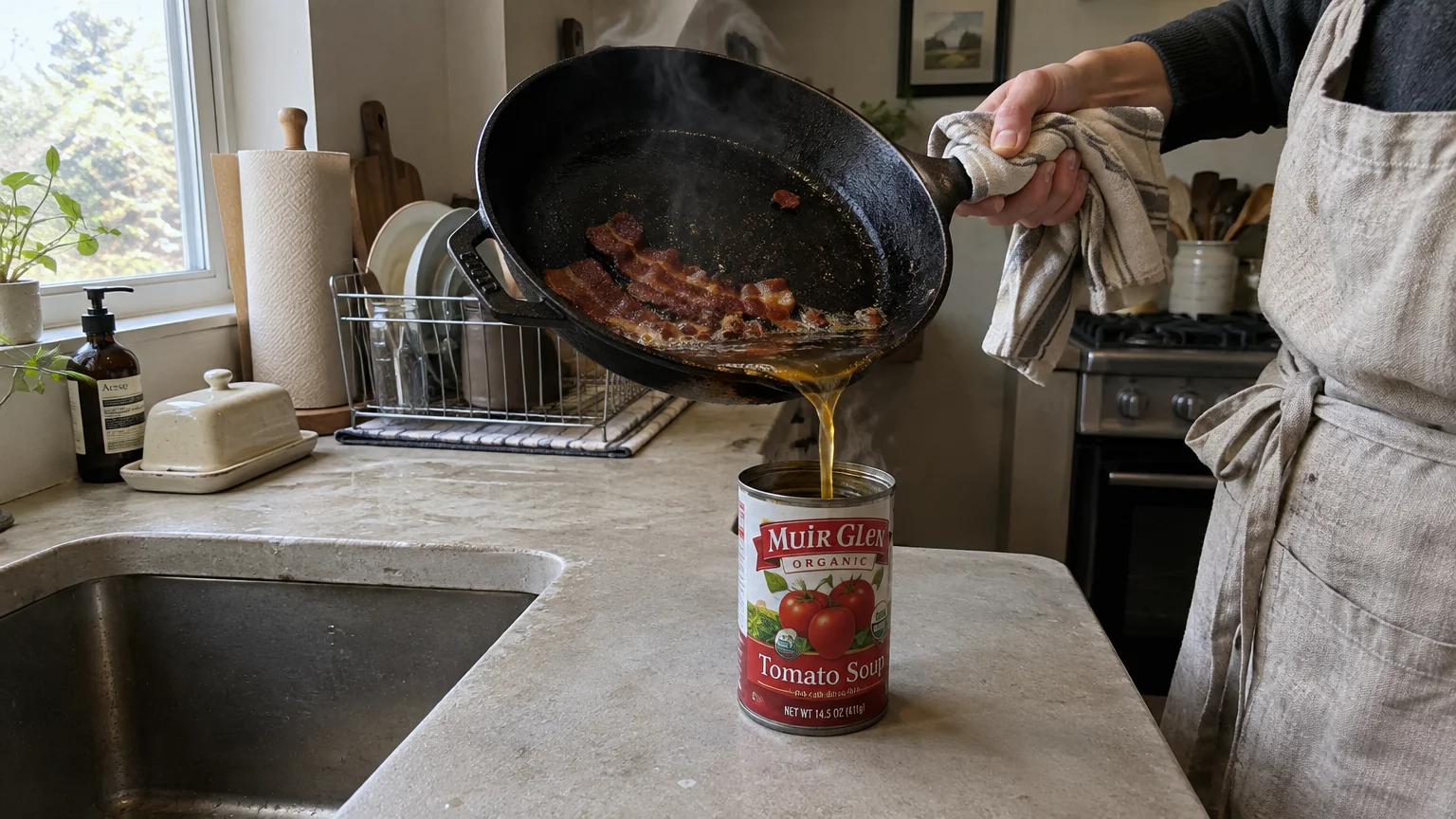
Warm cooking oil and liquid animal fat glide effortlessly out of hot skillets, giving the false impression that they rinse away safely. Once these liquefied fats enter your cooler drainage lines, they drop in temperature and solidify rapidly.
Solidified fat coats the interior circumference of your pipes, narrowing the opening with every meal you cook. This sticky layer acts like flypaper, grabbing passing crumbs, vegetable bits, and stray rice grains.
According to the Environmental Protection Agency (EPA), fats, oils, and grease cause thousands of municipal sewer overflows each year. These greasy accumulations merge into massive blockages that force foul wastewater backward into homes.
Pour hot grease into an empty metal can or heat-safe container rather than your sink basin. Once the fat cools and hardens completely, scoop it directly into your regular trash bin.
Wipe greasy skillets and roasting pans with a dry paper towel before washing them in warm water. This simple step stops stubborn grease from coating your drainage pipes.
02 Used Coffee Grounds
Spent coffee grounds feel fine and powdery when damp, tricking many people into treating them like water-soluble liquids. In reality, coffee grounds never dissolve in household water.
When you rinse damp grounds into the sink, the dense particles sink directly to the lowest curve of your drainage trap. Instead of washing away smoothly, they settle into thick layers of wet sediment.
The tiny granules quickly combine with dish soap residue and stray cooking oils, creating a stubborn, paste-like barrier. This dense sludge resists household water pressure and steadily restricts water flow through your pipes.
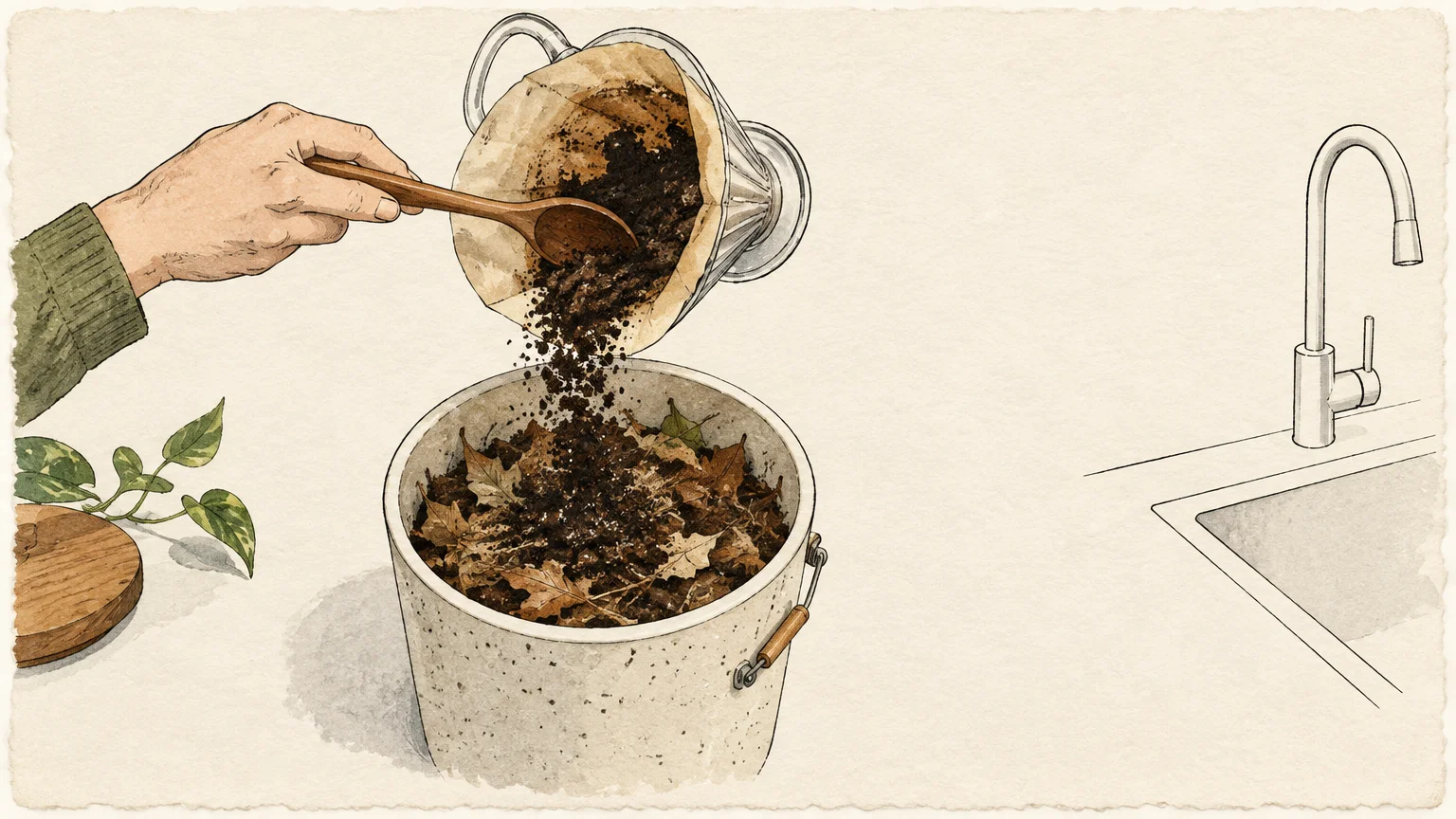
Deposit used coffee grounds directly into your compost pile or municipal green waste bin instead. Their rich nitrogen content improves soil quality and nourishes garden beds naturally.
If you do not maintain a garden, knock your coffee filter directly into your household trash can. Taking this quick precaution keeps heavy sediment out of your plumbing trap.
03 Eggshells and Inner Shell Membranes
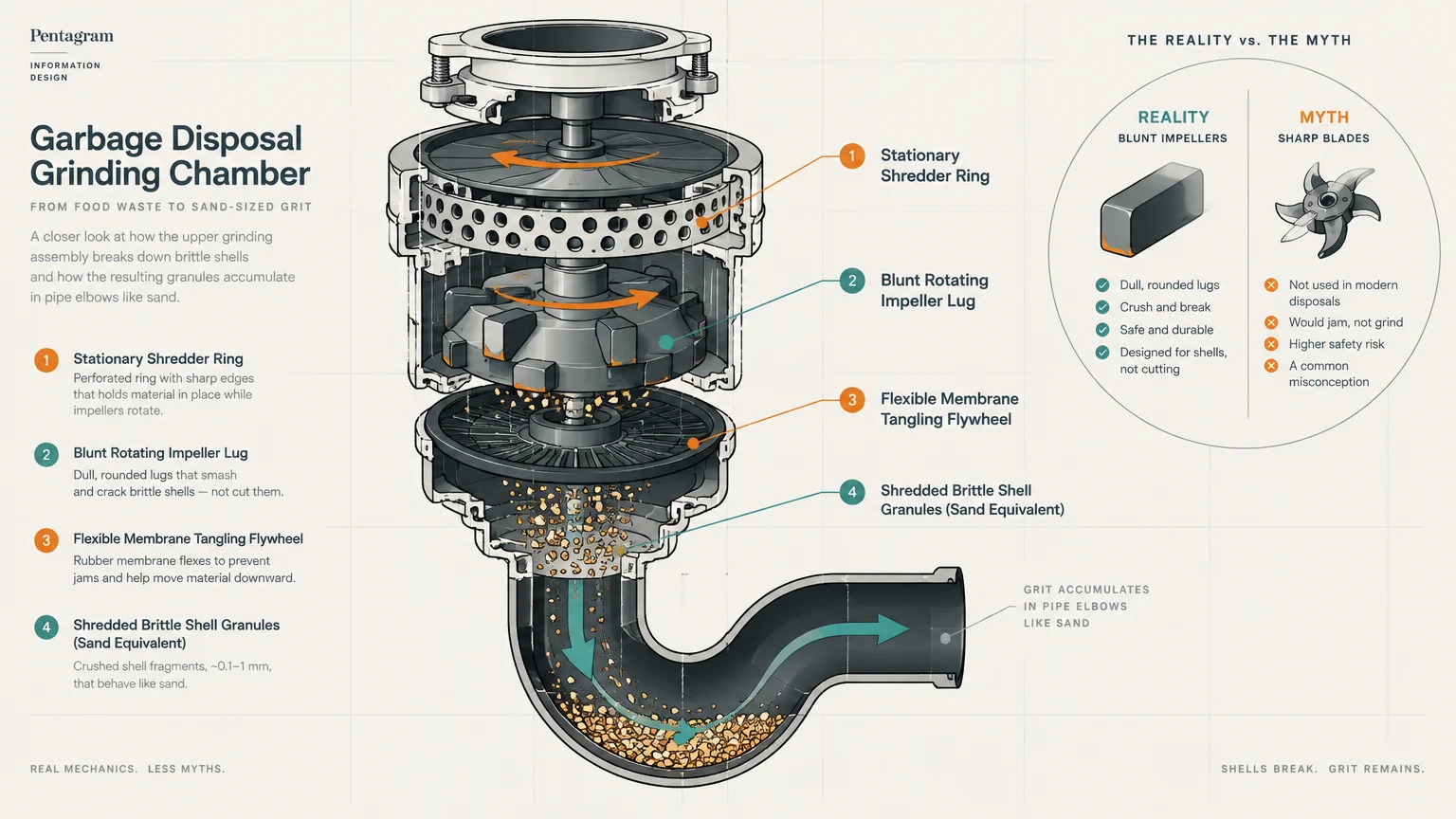
A persistent household myth claims that running eggshells through your garbage disposal sharpens the rotating blades. This widespread claim is entirely false and frequently causes unexpected plumbing problems.
Modern garbage disposals do not feature sharp blades. Instead, blunt rotating impellers fling soft organic waste against a stationary shredder ring to break down food.
Eggshells shatter into hundreds of tiny, brittle granules with physical properties identical to coarse sand. These dense mineral flecks drop to the bottom of the P-trap and collect inside pipe elbows.
Furthermore, the delicate, rubbery membrane lining each shell detaches during grinding. This flexible membrane wraps tightly around the rotating flywheel, eventually causing the disposal motor to seize and overheat.
Place cracked eggshells into your compost bin alongside fruit peels and vegetable trimmings. Crushed eggshells break down cleanly in soil, providing valuable calcium to your garden plants.
04 Fibrous and Stringy Vegetables
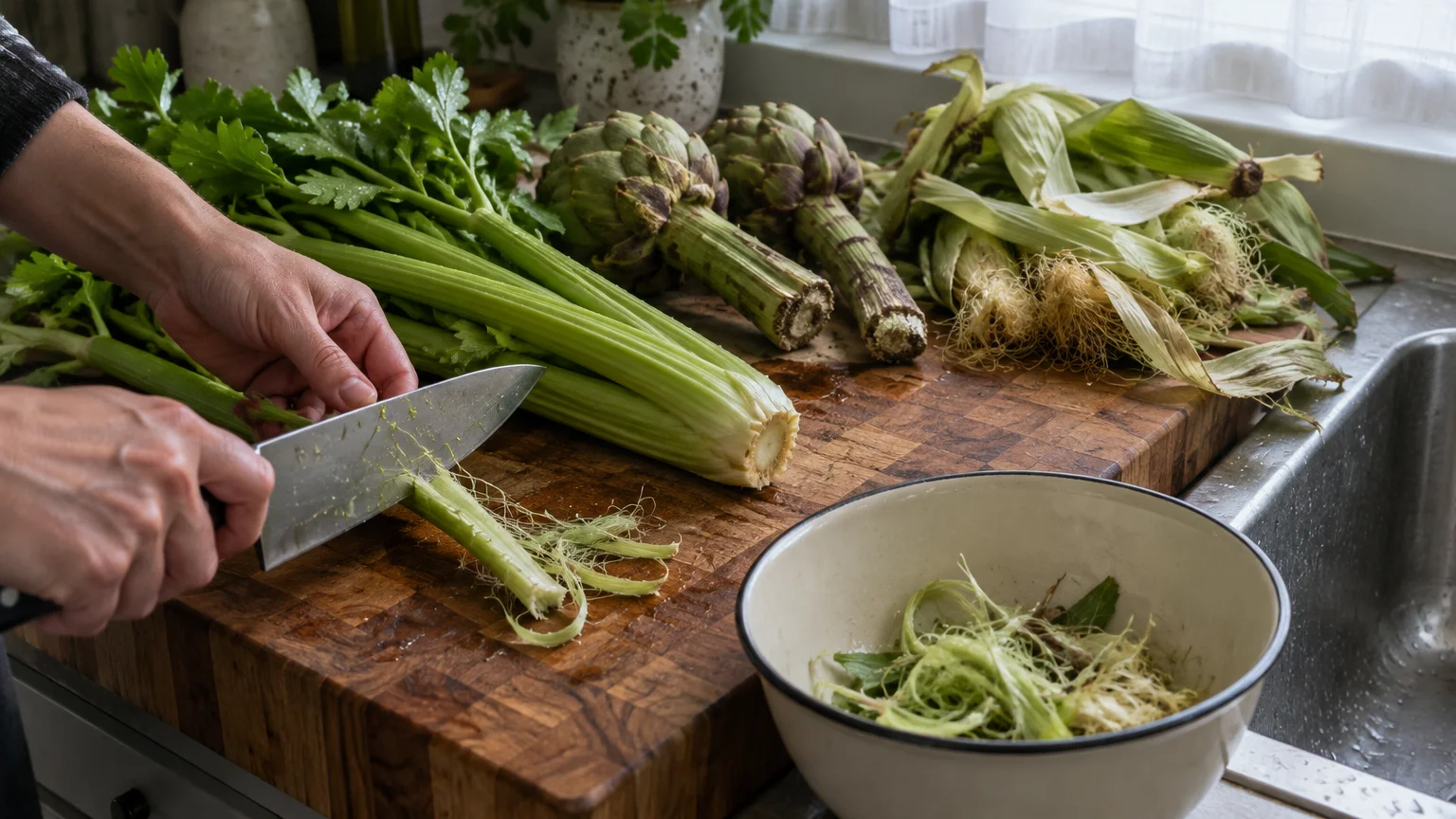
Stringy produce presents a serious mechanical threat to the internal components of residential garbage disposals. Common vegetables such as celery stalks, corn husks, artichoke leaves, asparagus spears, and rhubarb contain unusually tough, fibrous strands.
These long fibers do not break down cleanly under the blunt force of standard disposal impellers. Instead, they act like durable strands of twine or monofilament fishing line inside the grinding chamber.
As the disposal spins, the flexible strands wrap tightly around the central drive shaft and rotating shredder assembly. This entanglement stalls the electric motor, trips the reset breaker, and can burn out internal motor windings.
Strands that slip past the disposal often catch on rough pipe joints further down the drainage line. Once snagged, they trap passing food debris and rapidly generate stubborn kitchen drain clogs.
Toss fibrous vegetable trimmings into your countertop compost container or municipal yard waste bin. Keeping high-tensile plant fibers out of the sink protects your disposal motor from costly mechanical strain.
05 Pasta, Rice, and Expanding Grains
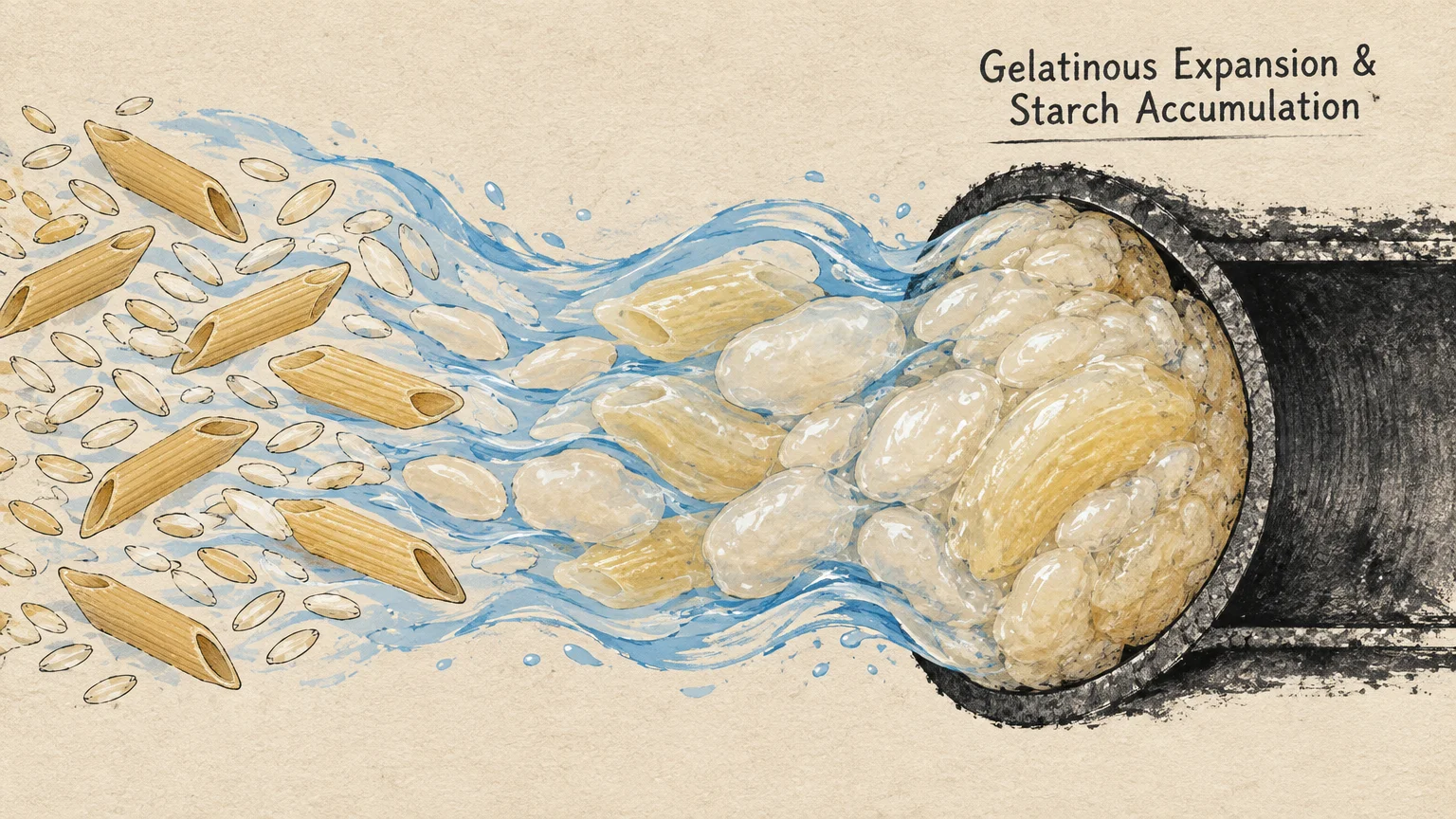
Cooked grains and pasta absorb standing moisture continuously, making them particularly dangerous for domestic drains. Leftover spaghetti, macaroni, white rice, barley, and rolled oats swell significantly long after they leave your dinner plate.
When you rinse leftover grains down the sink, they collect inside pipe bends and expand to several times their initial size. Trapped drain water accelerates this swelling, creating an impenetrable, gelatinous blockade.
Starchy grains quickly mash together under drain pressure, transforming into a thick paste that clings tenaciously to pipe walls. This dense mass resists simple plunging and often forces homeowners to hire a plumber for drain snaking.
Scrape unfinished pasta dishes, rice bowls, and cereal pots into your trash can before washing them. A quick scrape prevents expanding starches from entering your plumbing lines.
Place a removable mesh basket over your sink drain to capture stray noodles during dishwashing. Empty the trapped food scraps into your garbage can whenever you finish rinsing cookware.
06 Baking Flour and Wet Dough Scraps
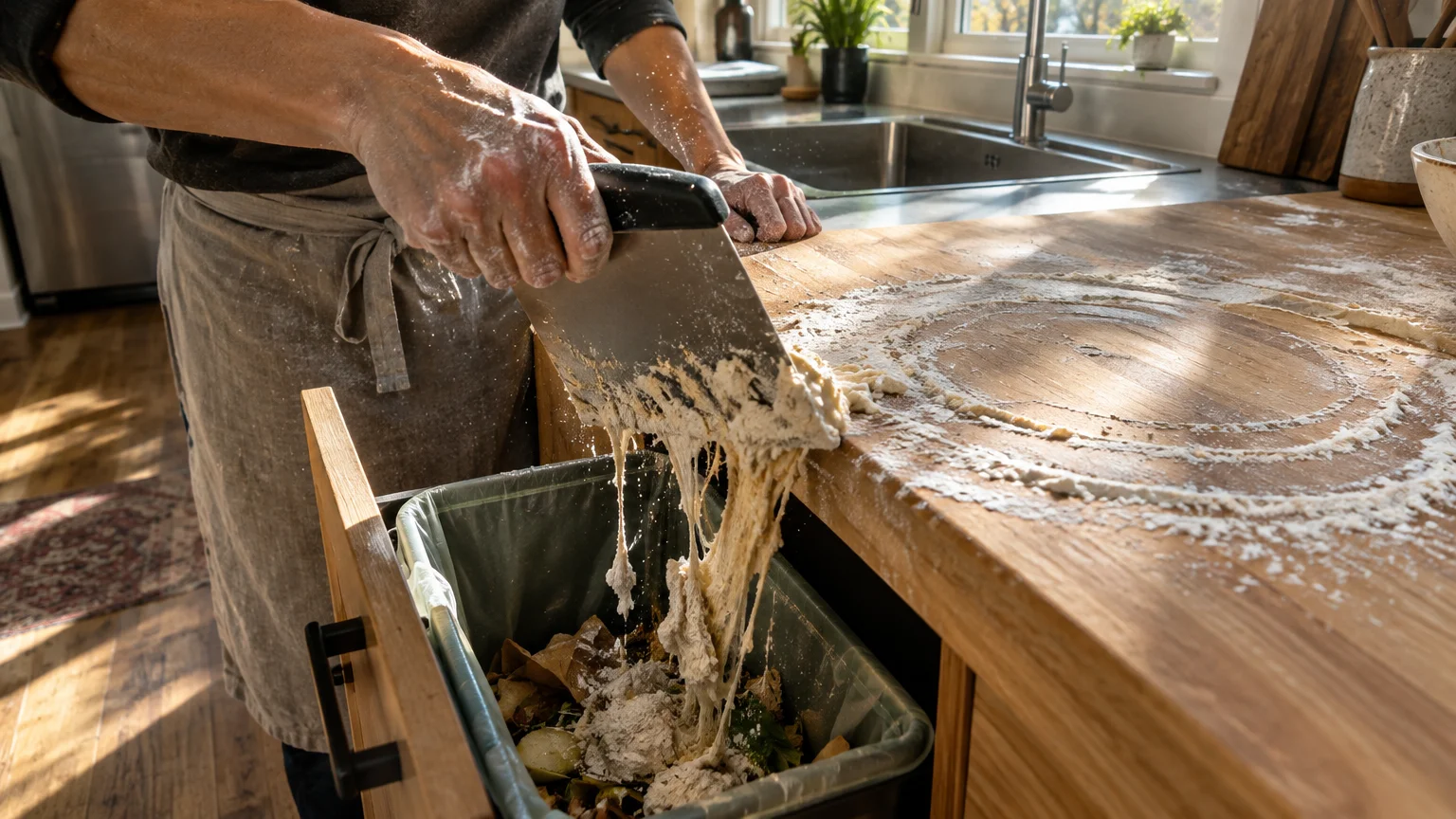
Anyone who has mixed flour and water for baking knows how quickly the combination turns into a powerful adhesive. When raw flour or sticky dough slips down your sink, that identical reaction occurs inside your pipes.
The mixture of flour and water produces a thick, coagulated glue that coats the inner walls of drainage lines. This gummy substance hardens gradually as water drains away, steadily narrowing the interior diameter of your pipes.
Passing food particles adhere to the sticky dough residue, accelerating the formation of a severe drainage obstruction. Unlike loose dirt or liquid broths, hardened flour paste does not dissolve readily when rinsed with fresh water.
Clean your baking counters and mixing bowls using a stiff bench scraper before washing them in the sink. Deposit all loose flour and dough scraps directly into your waste container or compost receptacle.
Wipe down flour-dusted bowls with a dry paper towel to remove fine powder before turning on the faucet. Keeping dry baking ingredients out of your drainage pipes ensures smooth, uninterrupted water flow.
07 Hard Animal Bones and Fruit Pits
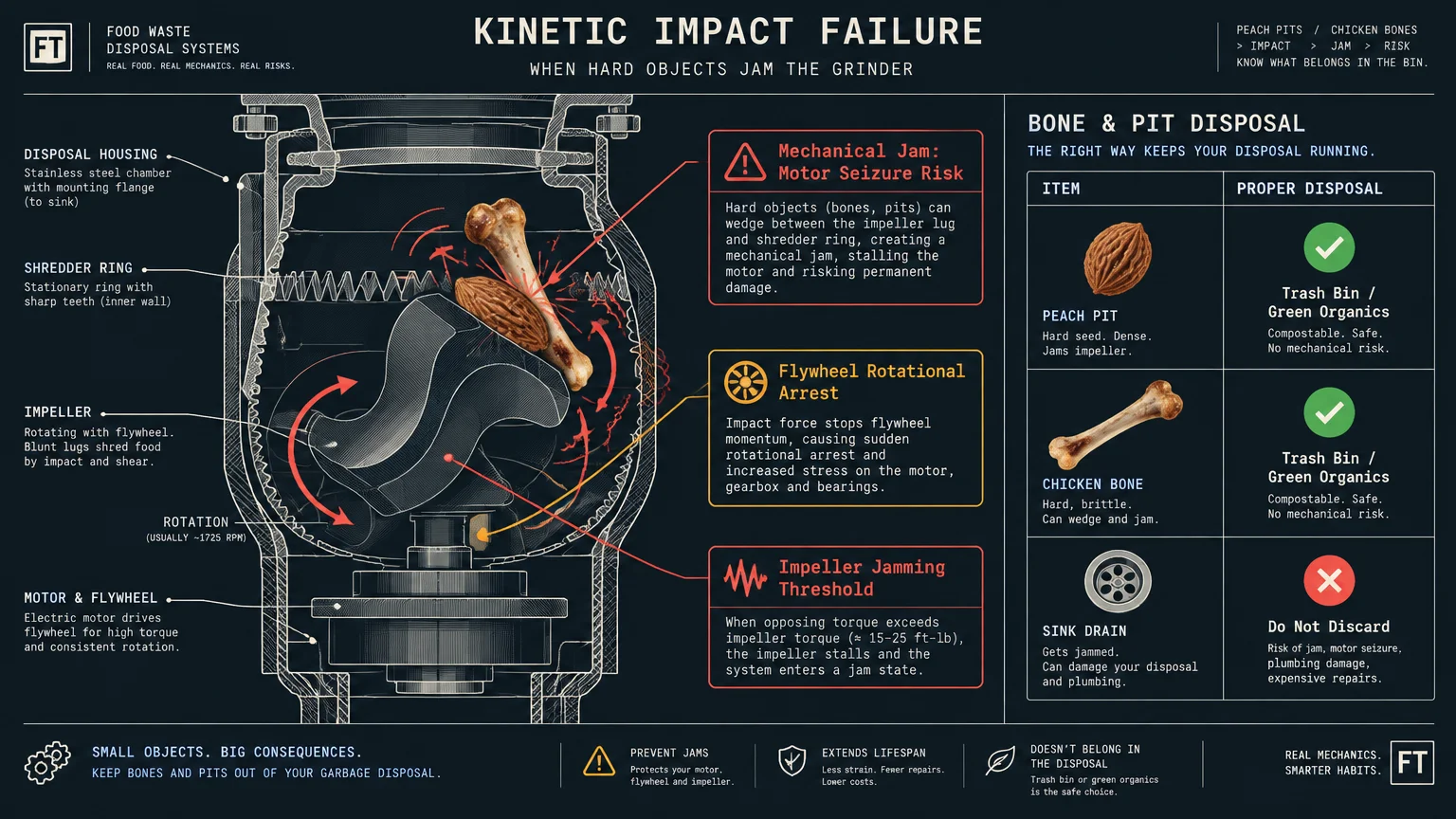
Residential garbage disposals are engineered to process soft, biodegradable food scraps, not hard mineral structures. Dropping chicken wings, beef ribs, pork chops, or lamb bones down the sink almost always causes severe mechanical damage.
Dense fruit pits from peaches, plums, avocados, cherries, and nectarines pose an identical risk to your kitchen appliances. These stone-hard pits are far too dense for standard disposal impellers to crush effectively.
When a bone or hard pit enters the grinding chamber, it ricochets violently off the metal walls. This impact can chip or snap the impellers, crack the disposal housing, and damage the underlying motor bearings.
If small bone fragments manage to pass through the disposal, they frequently lodge horizontally across narrow drainage pipes. Once stuck, these sharp fragments catch food particles and grease, creating a dense blockage deep inside your plumbing.
Always clear plate scraps containing bones directly into your household trash can before placing dishes in the sink. If you make homemade bone broth, allow the strained bones to cool and bag them securely for disposal.
08 Adhesive Produce Stickers and Packaging Film
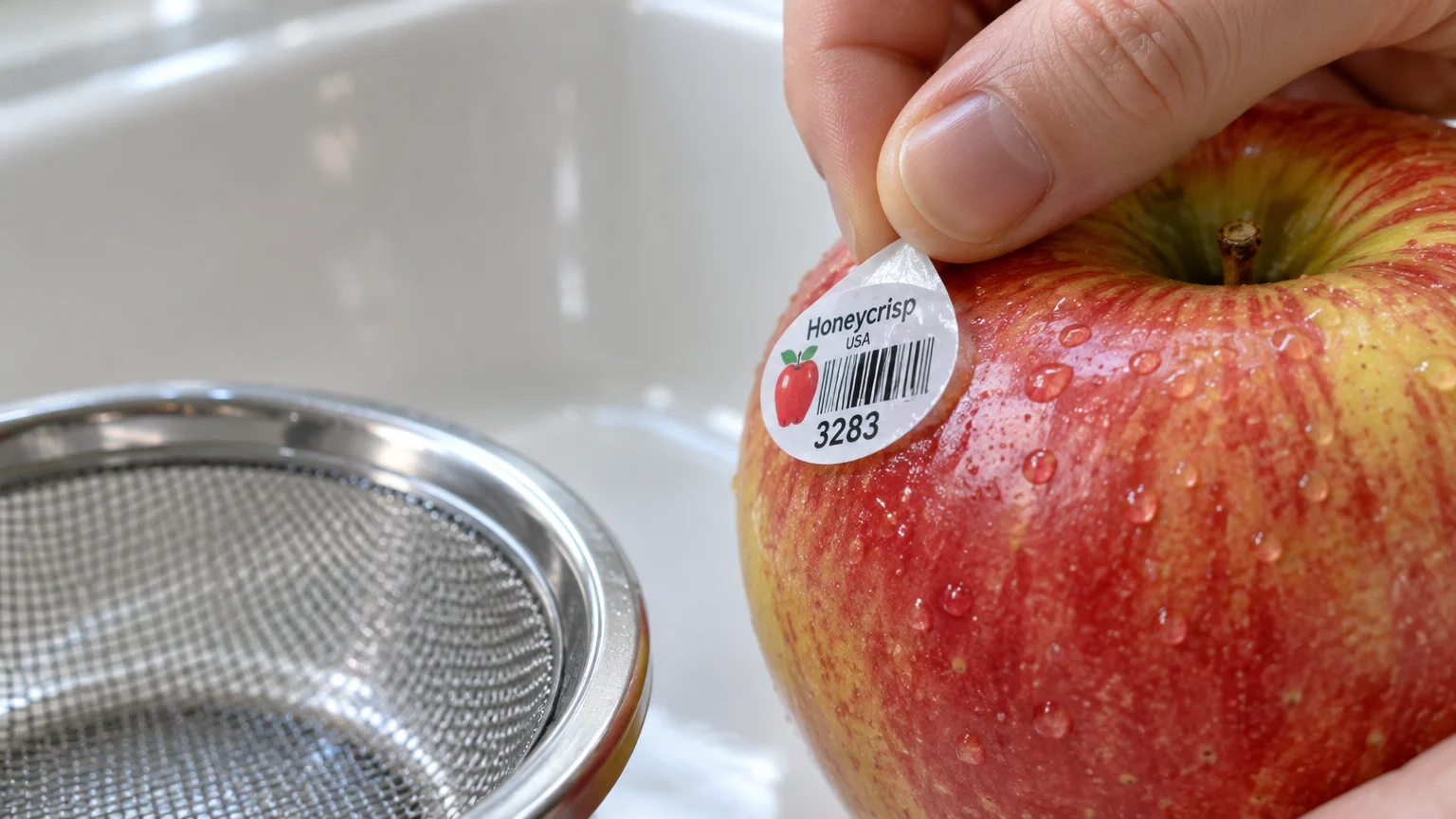
Tiny plastic stickers affixed to apples, pears, avocados, and citrus fruits seem harmless, yet they cause widespread plumbing trouble. These synthetic labels easily slip off fruit during washing and tumble down the drain opening unnoticed.
Produce stickers are manufactured from durable vinyl, thin plastic film, and water-resistant adhesives designed to survive agricultural transport. Because they do not break down in water, they survive disposal grinding completely intact.
The sticky labels readily adhere to disposal impellers, interior pipe seams, and accumulated grease deposits inside drain lines. Over time, multiple stickers congregate around pipe joints, snagging hair, food debris, and soap residue into tight clumps.
Stickers that navigate your home plumbing intact present an environmental hazard at municipal wastewater treatment plants. Because of their microscopic thickness, they often bypass preliminary filter screens and pollute local aquatic environments.
Make a deliberate habit of peeling produce labels off fresh fruits and vegetables before bringing them near the sink basin. Stick the removed labels onto an empty plate or food wrapper for quick disposal in the trash.
09 Prescription Pills and Liquid Medications
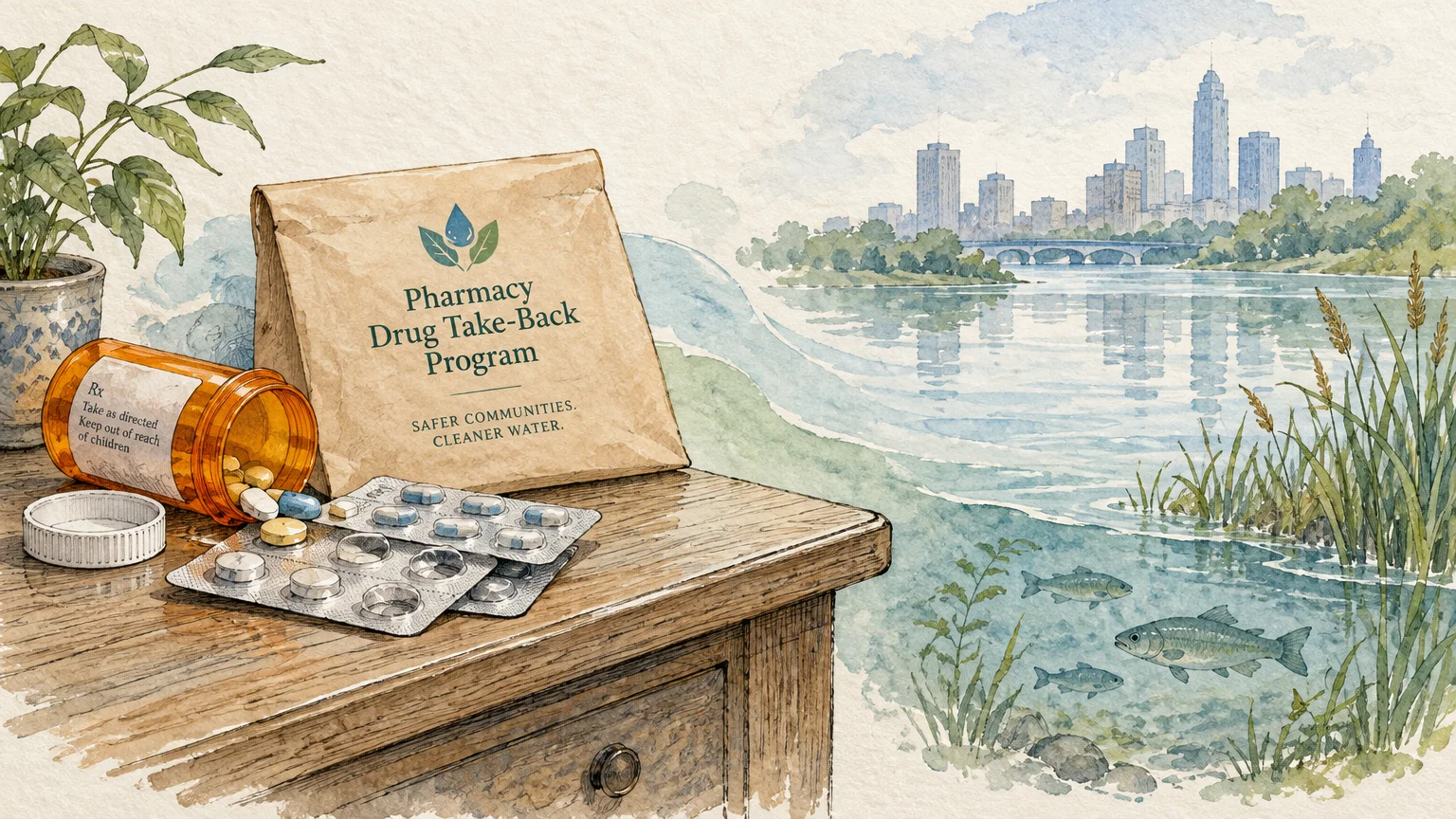
Flushing expired pills, vitamins, or liquid syrups down the kitchen sink is an outdated practice that threatens clean water supplies. Chemical compounds from pharmaceuticals do not simply vanish once they swirl down your drain opening.
Municipal wastewater treatment facilities are engineered to filter biological waste and common organic matter, not complex pharmaceutical compounds. As a result, active medications pass directly through filtration systems and discharge into natural waterways.
Research documented by the U.S. Geological Survey (USGS) reveals widespread traces of prescription drugs across national aquatic ecosystems. These lingering chemical residues disrupt aquatic wildlife development and contaminate shared drinking water aquifers.
To safely discard unwanted prescriptions, follow the medicine handling protocols established by the U.S. Food and Drug Administration (FDA). The agency maintains detailed instructions for utilizing authorized community medicine collection kiosks.
Take advantage of periodic community drug take-back days or permanent drop-off boxes located inside local pharmacies and police stations. Alternatively, mix uncrushed pills with undesirable materials like used coffee grounds before sealing them in household trash.
10 Caustic Chemical Drain Cleaners and Bleach
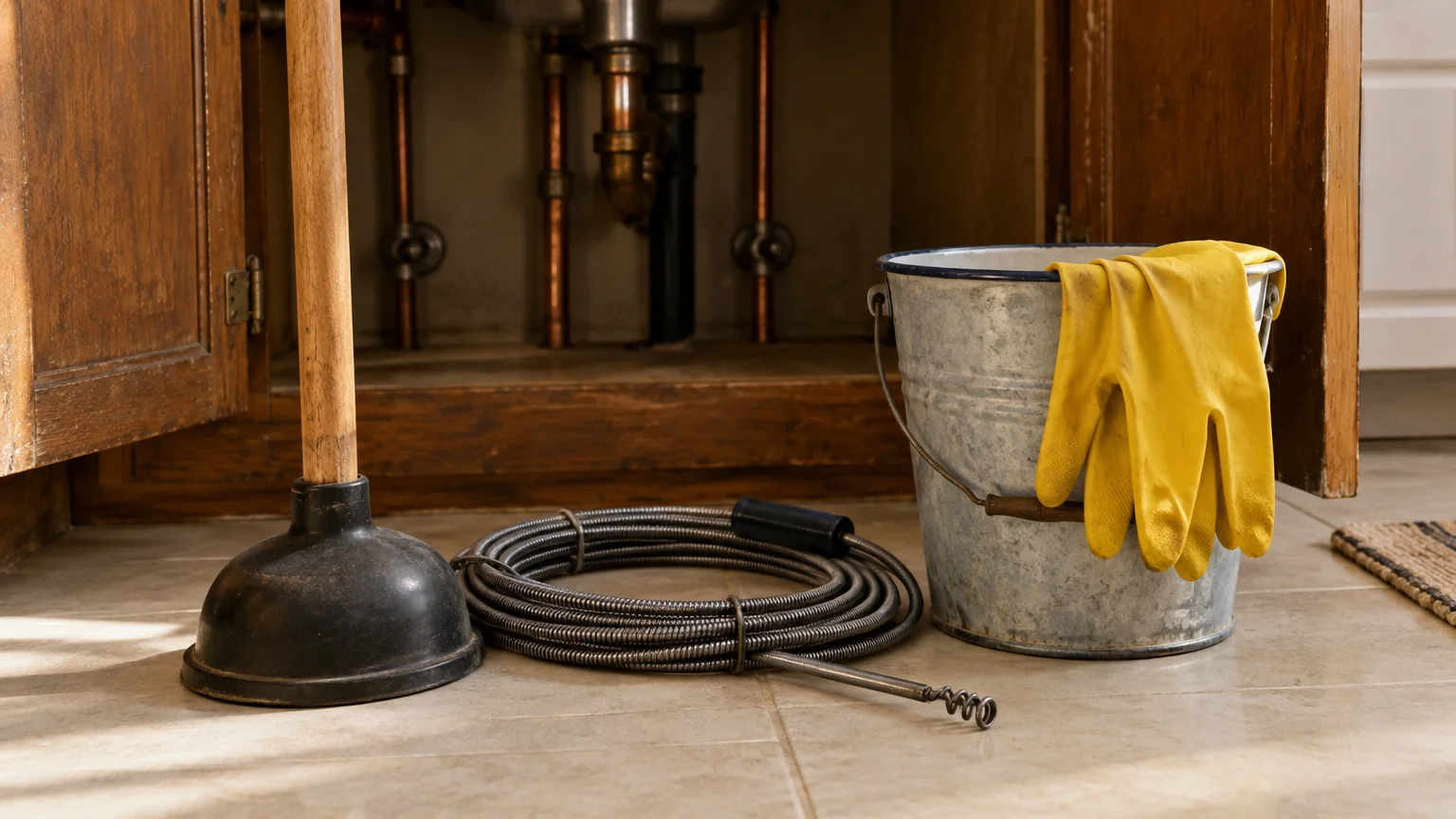
Pouring commercial chemical drain openers into a clogged sink often causes far more damage than the clog itself. These aggressive formulas typically rely on concentrated sodium hydroxide (lye) or sulfuric acid to eat through obstructions.
Chemical drain cleaners trigger violent exothermic reactions that generate intense heat deep within your plumbing lines. This thermal shock easily warps modern PVC drainage pipes, softens plastic connectors, and weakens solder joints on older copper lines.
If the chemical solution fails to clear the clog, it pools inside the sink basin as a caustic, hazardous puddle. This standing chemical puddle poses severe burn hazards to homeowners and any licensed plumbers called to service the line.
Combining chemical cleaners with household bleach or ammonia creates toxic chloramine gas, which causes severe respiratory damage when inhaled. Avoid using corrosive liquid chemicals to dissolve clogs when safe mechanical methods perform far more reliably.
Choose safe biological drain cleaners containing live enzymes and beneficial bacteria to maintain clear pipes without risking structural damage. These natural formulas gently break down organic sludge, hair, and grease without releasing harmful fumes or damaging pipes.
Common Garbage Disposal Mistakes That Damage Pipes
Many homeowners unintentionally damage their kitchen plumbing because they misunderstand how garbage disposals function. Avoiding common garbage disposal mistakes keeps your appliance operating quietly and extends the lifespan of your drainage pipes.
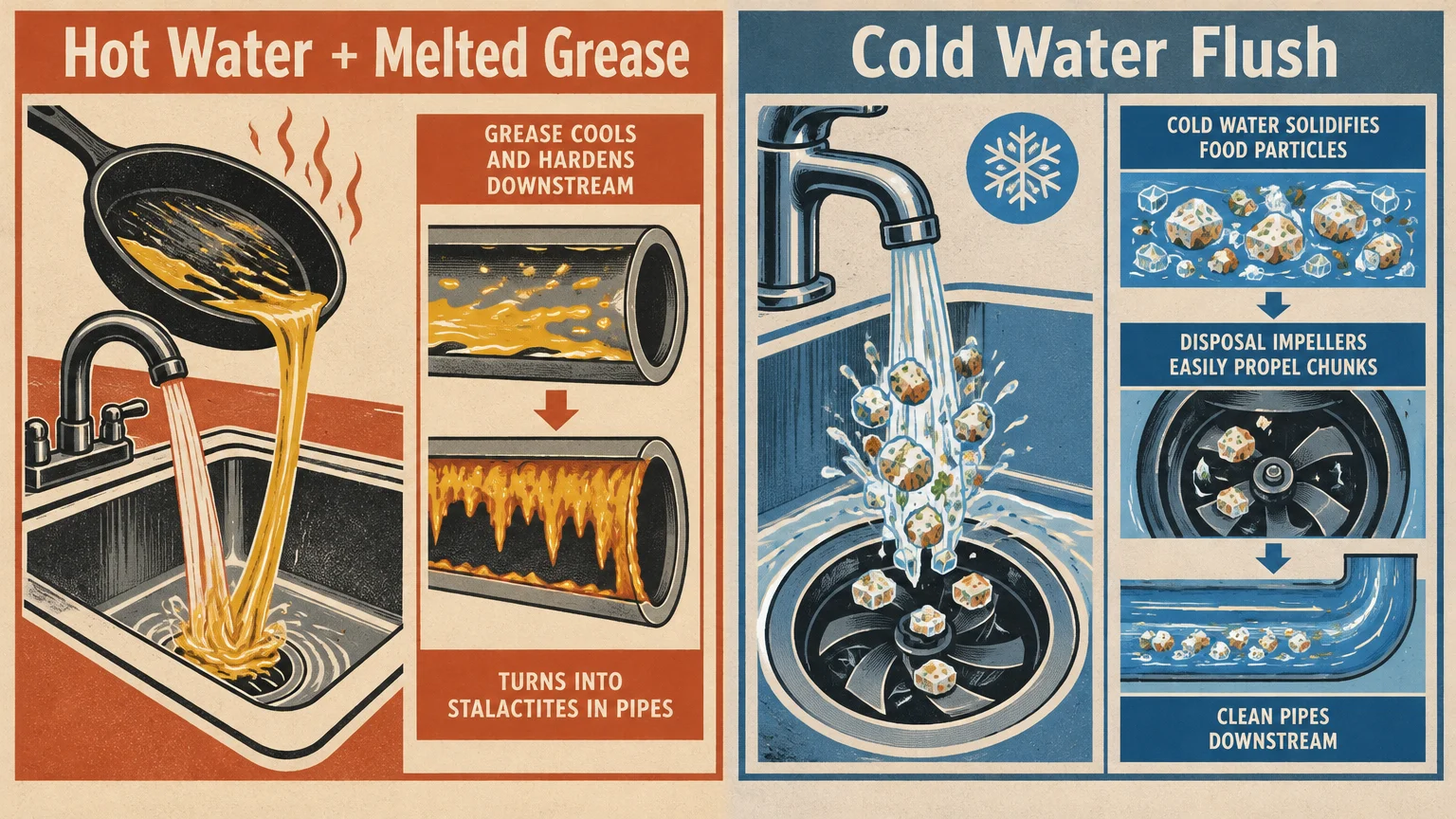
One frequent mistake is running hot water while grinding food scraps in the sink basin. While hot water seems intuitive for cleaning, it actually melts fats and oils, allowing them to travel deeper into your pipes.
Always run a steady stream of cold water before, during, and after operating your garbage disposal. Cold water keeps trace fats solidified, enabling the impellers to chop them into discrete particles that flush out completely.
Another common operational error is feeding massive piles of food scraps into the disposal chamber all at once. Overloading the chamber strains the internal motor, jams the rotating flywheel, and causes food to bypass the shredder unground.
Feed food waste into the disposal in small, steady increments while the motor runs at full operating speed. Allow the disposal to run for roughly fifteen seconds after grinding stops to flush remaining debris past the P-trap.
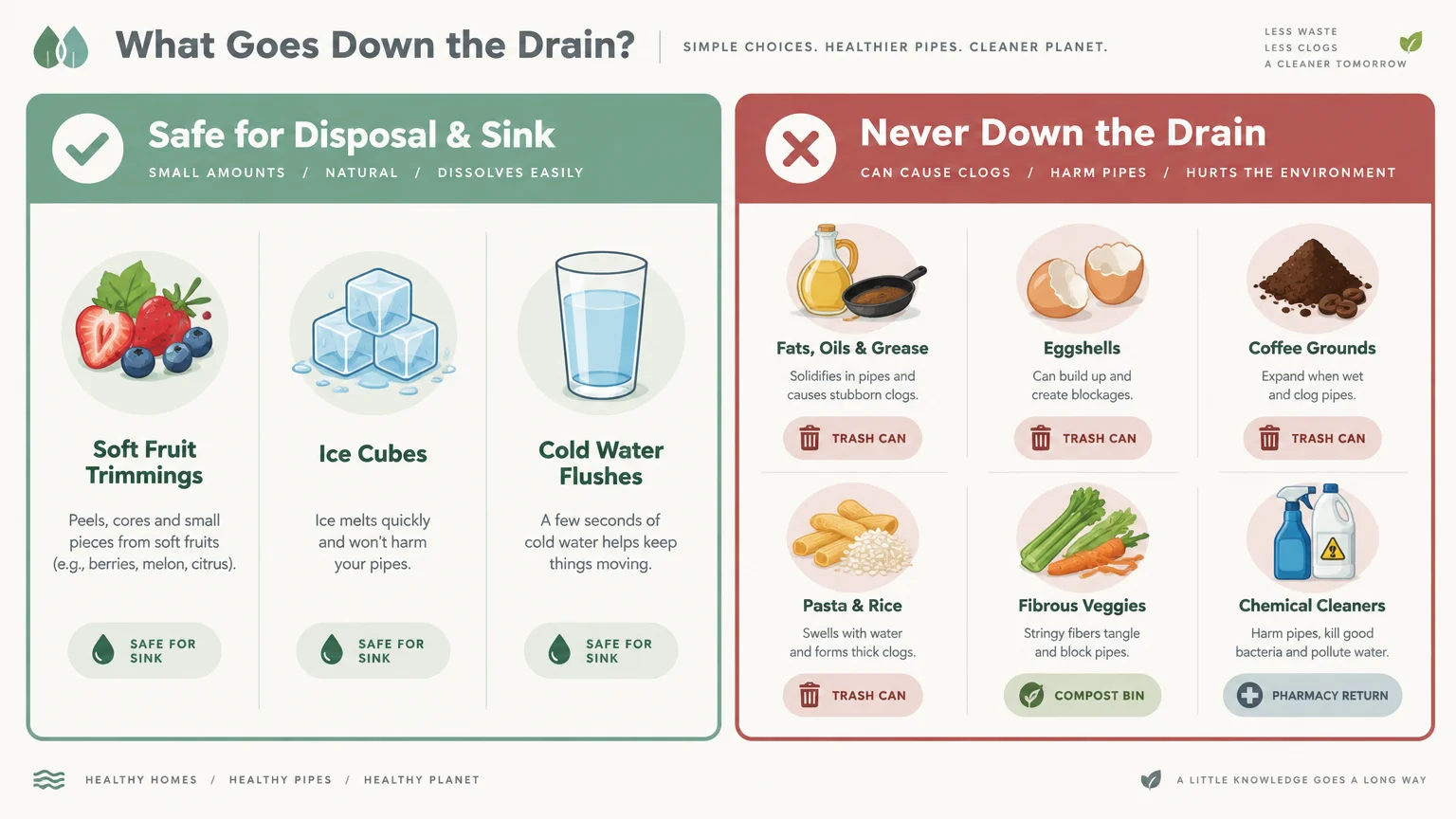
Quick Reference: Safe Disposal vs. Drain Hazards
Understanding where to direct common kitchen scraps eliminates guesswork and keeps your plumbing lines flowing smoothly. Use this reference guide to determine the safest disposal method for standard household kitchen waste.
| Kitchen Scrap or Material | Sink Safe? | Primary Plumbing Hazard | Recommended Disposal Method |
|---|---|---|---|
| Cooking Oil & Animal Fat | No | Solidifies into thick, pipe-blocking fatbergs | Cool in an empty can; discard in trash |
| Used Coffee Grounds | No | Forms dense, clay-like sediment in the P-trap | Add to garden soil, compost, or trash |
| Eggshells & Membranes | No | Gritty sand collects in traps; membranes jam motors | Crush for compost pile or trash bin |
| Fibrous Vegetables (Celery, Husks) | No | Stringy fibers tangle around rotating disposal parts | Toss into municipal compost or green bin |
| Pasta, Rice & Oatmeal | No | Absorbs drain water and swells into heavy paste | Scrape plates cleanly into household trash |
| Baking Flour & Sticky Dough | No | Combines with water to form adhesive, gummy glue | Scrape dry counters into waste bin |
| Meat Bones & Fruit Pits | No | Shatters impellers, cracks housing, and jams lines | Bag tightly and place in regular garbage |
| Produce Stickers & Plastic Film | No | Synthetic vinyl clings to pipes and escapes treatment filters | Peel off before washing; place in trash |
| Prescription & Liquid Medicine | No | Passes through treatment plants into natural waterways | Drop off at authorized pharmacy kiosks |
| Small Citrus Rinds | Yes (In moderation) | None when chopped; helps deodorize disposal chamber | Feed slowly while running cold water |
Step-by-Step Maintenance to Prevent Clogged Drains
Preventing plumbing emergencies requires minimal effort when you implement a consistent, low-stress kitchen maintenance routine. Follow these straightforward steps each week to prevent clogged drains and maintain clean, fresh-smelling pipes.
Step 1: Fit Every Drain Basin with a Fine Mesh Strainer
Place a durable stainless steel mesh strainer basket inside your kitchen sink drain opening. This inexpensive tool captures tiny food scraps, loose rice grains, and stray packaging labels before they enter your plumbing lines.
Empty the collected food debris directly into your trash can or compost container after every meal prep session. Rinse the mesh basket thoroughly under the faucet to maintain unrestricted drainage flow.
Step 2: Flush Pipes Weekly with Very Hot Water
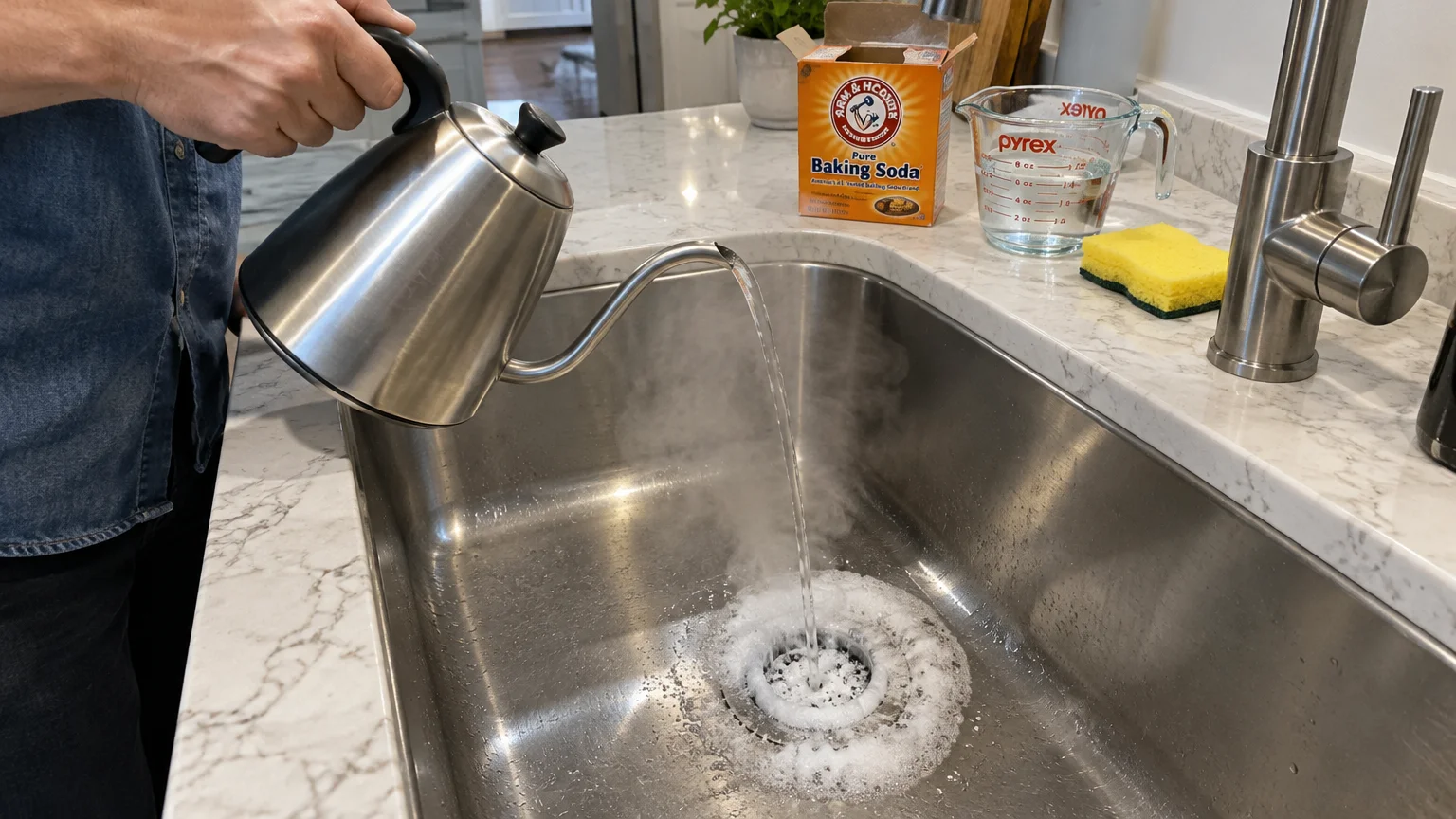
Flush your kitchen sink lines once each week with a kettle of near-boiling water to liquefy mild soap residue. For homes with PVC piping, use hot tap water rather than boiling water to protect plastic pipe seals.
Add a few drops of grease-cutting liquid dish soap directly into the drain opening right before pouring the water. The combination of heat and concentrated detergent dissolves light grease deposits before they accumulate into thick obstructions.
Step 3: Refresh the Disposal with Ice and Citrus Peels
Scour your garbage disposal chamber every two weeks by dropping in two cups of ice cubes and rock salt. Turn on cold water and run the disposal to knock stubborn food buildup off the internal flywheel.
Follow the ice treatment by grinding a few fresh lemon or orange peels through the running disposal. Natural citrus oils cut through lingering grease odors and leave your kitchen smelling crisp and clean.
Step 4: Use a Cup Plunger for Sluggish Drains
If you notice water draining more slowly than usual, clear the line immediately using a standard flat-bottom sink plunger. Avoid reaching for toxic chemical bottles that produce caustic heat and fumes inside your sink.
Block the secondary sink basin or overflow opening with a damp cloth to create an airtight seal inside the system. Apply six to eight firm downward thrusts over the drain opening to dislodge the trapped obstruction mechanically.
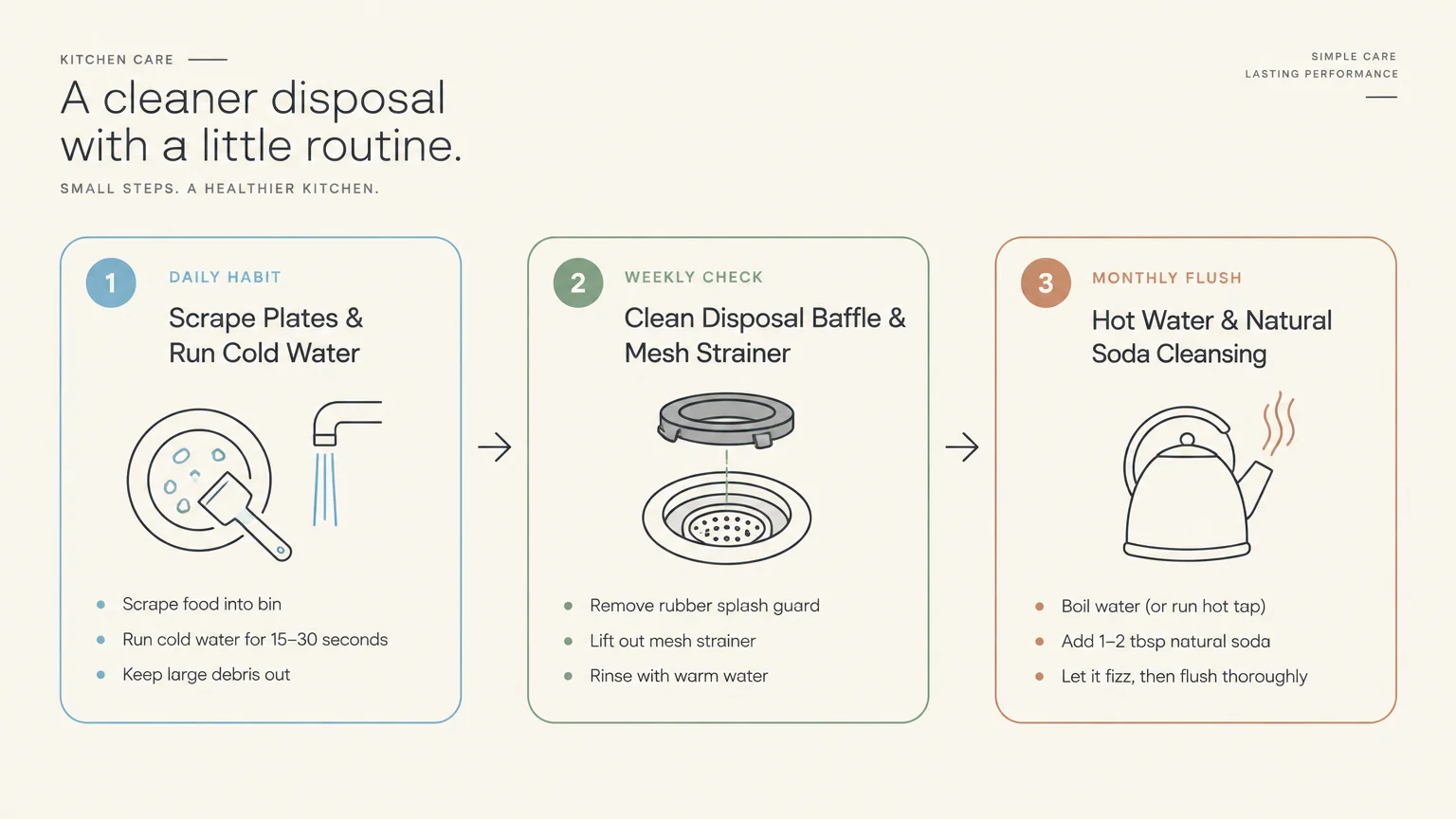
Simple Routine for a Trouble-Free Kitchen Sink
Protecting your kitchen plumbing begins with setting up convenient waste collection stations right where you prepare meals. Place an empty, clean metal coffee can beneath your sink today to collect leftover cooking fats and grease.
Equip your sink with a fine mesh drain strainer this afternoon to prevent stray food particles from slipping away. These small, low-effort changes protect your pipes, prevent stressful backups, and keep your kitchen running smoothly every day.