Grabbing the wrong bottle from your cleaning caddy can instantly ruin your most expensive household surfaces. To protect your home’s value and avoid costly replacement bills, you must stop using harsh chemicals and abrasive tools on delicate finishes. Manufacturers frequently market all-purpose cleaners, but no single product safely cleans every material. Acidic liquids chew through natural stone, strong bleaches corrode metal, and rough scrubbing pads strip away protective coatings. Applying the incorrect technique often causes irreversible damage in seconds. By learning exactly which popular products destroy specific materials, you can confidently sanitize your space while keeping your countertops, appliances, and fixtures looking brand new.
1. White Vinegar on Natural Stone Countertops
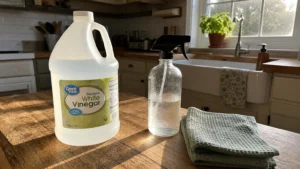
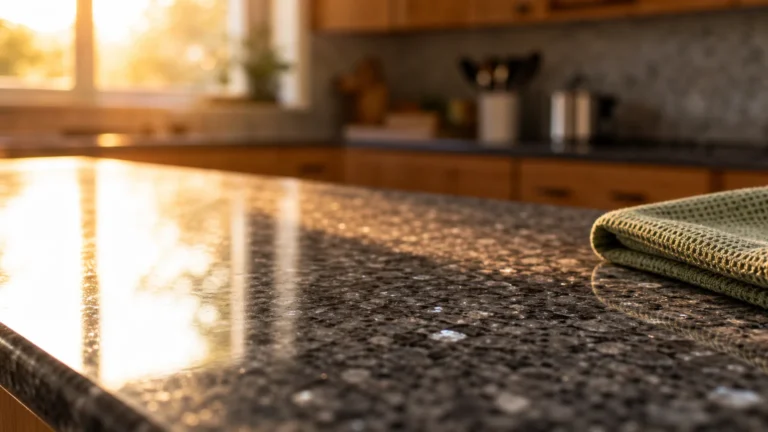
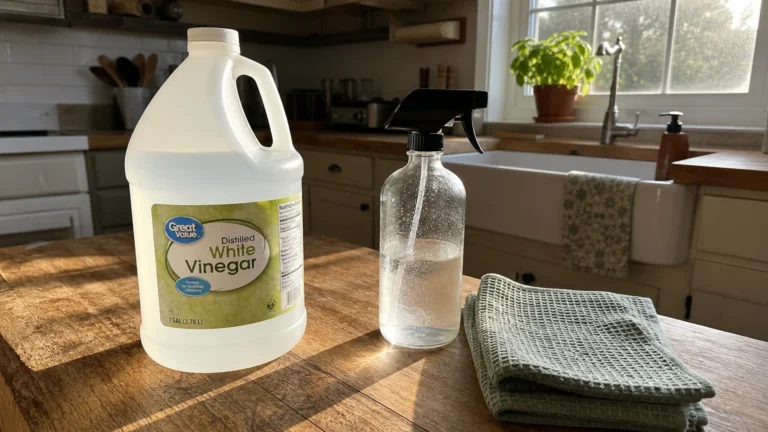
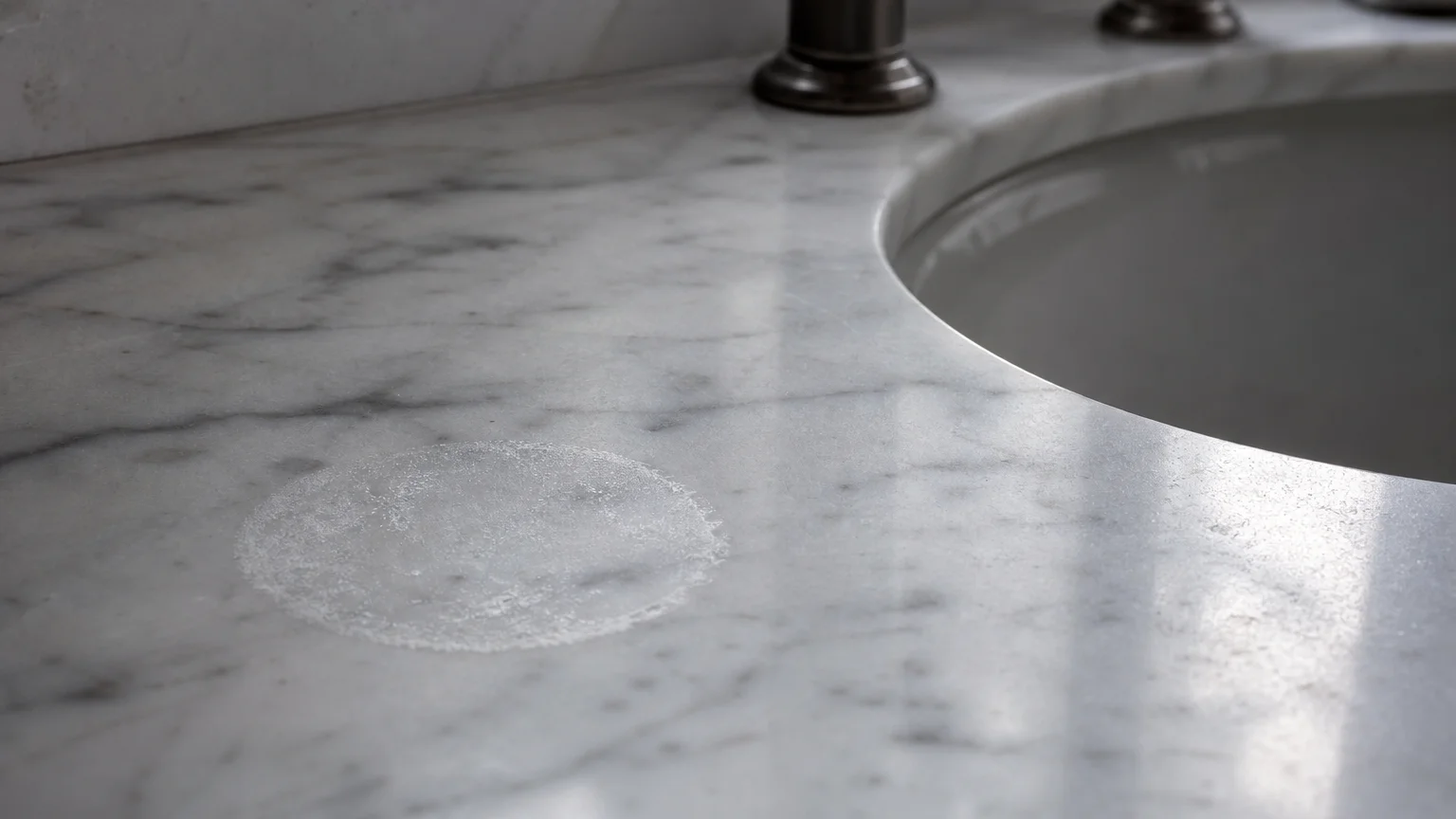
Vinegar reigns supreme in the world of natural, do-it-yourself cleaning recipes. You can safely use it to descale coffee makers and shine windows, but you must keep it far away from natural stone. Countertops crafted from marble, travertine, limestone, and onyx contain calcium carbonate. Acetic acid—the active compound in white vinegar—aggressively attacks and dissolves calcium carbonate upon contact.
When you spray a vinegar solution on your marble vanity or granite kitchen island, the acid chemically burns the top layer of the stone. Industry experts call this process acid etching. Etching leaves behind dull, whitish, rough spots that often mimic the appearance of hard water stains or cup rings. Unlike a simple surface stain, an etch mark represents physical erosion of the rock. No amount of scrubbing will remove it; you must hire a professional stone restoration expert to grind and repolish the damaged area.
You can perform a simple water test to see if your stone requires a fresh coat of sealant. Pour a tablespoon of water onto the counter and wait ten minutes. If the water beads up, your sealant remains intact. If the stone absorbs the water and darkens, you need to reapply a penetrating sealer immediately. Sealing provides a brief window to wipe up spills, but remember that no sealant can stop an acid burn from prolonged contact with vinegar.
What you should do instead: Clean your natural stone surfaces with a dedicated, pH-neutral stone cleaner or a few drops of mild dishwashing liquid mixed with warm water. Always use a soft cloth to wipe up acidic food spills—like lemon juice, tomato sauce, or wine—immediately before they have time to eat into the finish. You can learn more about proper material care through the Natural Stone Institute.
2. Chlorine Bleach on Stainless Steel Appliances
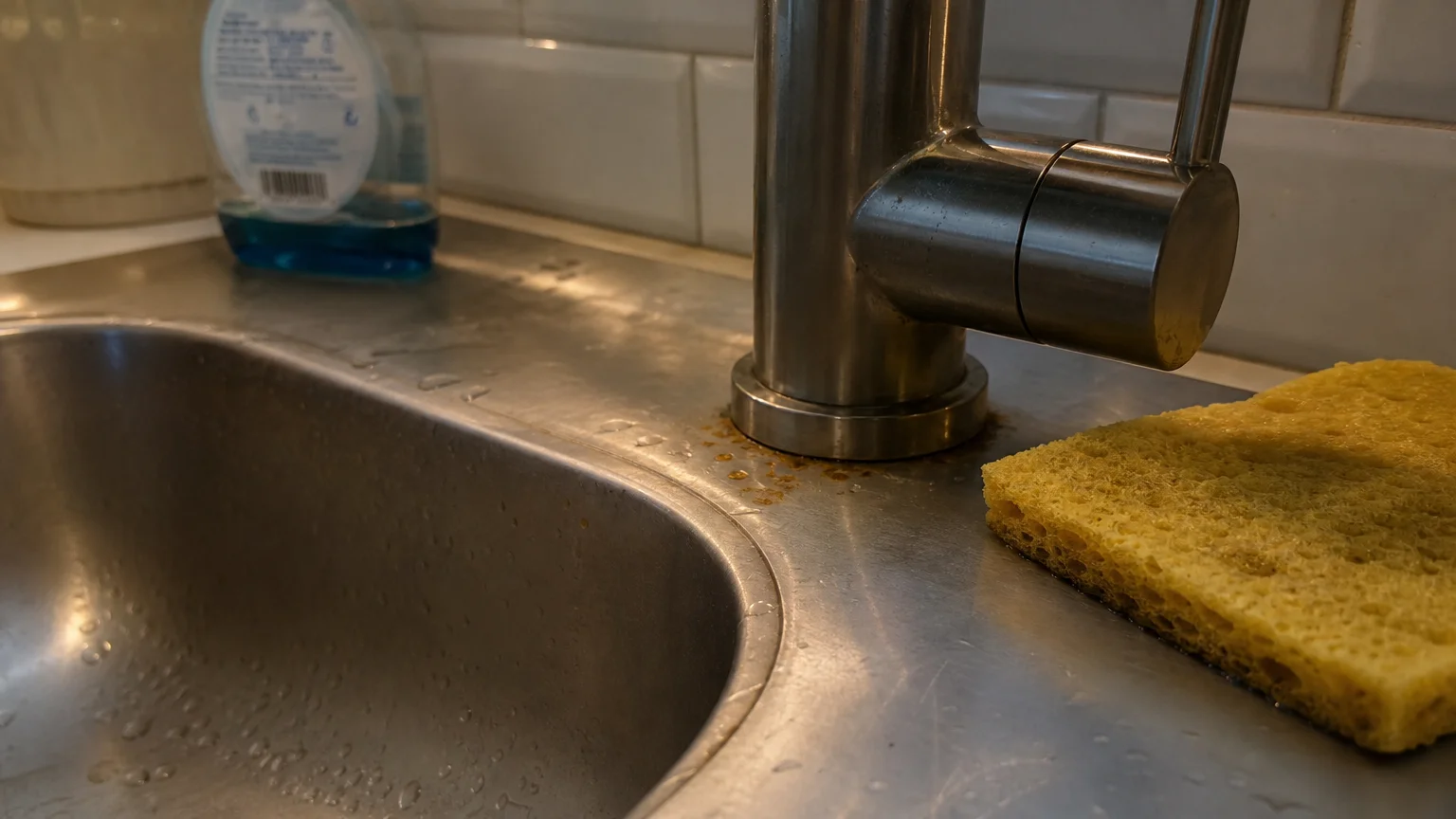
Stainless steel offers exceptional durability and a sleek aesthetic, making it the dominant finish for modern kitchen appliances and sinks. However, despite its rugged name, stainless steel possesses a critical vulnerability to chlorine bleach. To prevent rust, manufacturers rely on a microscopic, invisible layer of chromium oxide that naturally forms over the steel.
Chlorine bleach contains sodium hypochlorite, a harsh chemical that rapidly degrades this protective passive film. When you apply bleach to disinfect your kitchen sink or wipe down your refrigerator handles, the chlorides attack the metal, exposing the raw steel underneath to moisture and oxygen. This chemical reaction leads directly to accelerated corrosion, rust stains, and permanent microscopic pitting. Once the metal pits, bacteria and dirt hide in the crevices, rendering the surface unsanitary and structurally compromised.
If you have already accidentally exposed your stainless steel appliance to bleach and notice small rust spots forming, do not panic. You can often restore the passive layer by gently rubbing the affected area with a specialized stainless steel rust remover or a paste made from baking soda and water. Apply the paste with a soft cloth, following the original brush lines of the metal. Once clean, wipe the area with a dry cloth to prevent new moisture from settling into the compromised steel.
What you should do instead: Ditch the bleach when sanitizing metal. Wash your stainless steel sinks and appliance fronts with warm water and a gentle degreasing dish soap. Always wipe in the direction of the metal grain to prevent micro-scratches and achieve a streak-free shine. For safe disinfection, follow the guidance provided by the Stanford Environmental Health and Safety department, which warns against the corrosive nature of bleach on metals and recommends safer, compatible alternatives.
3. Ammonia-Based Glass Cleaners on Electronic Screens
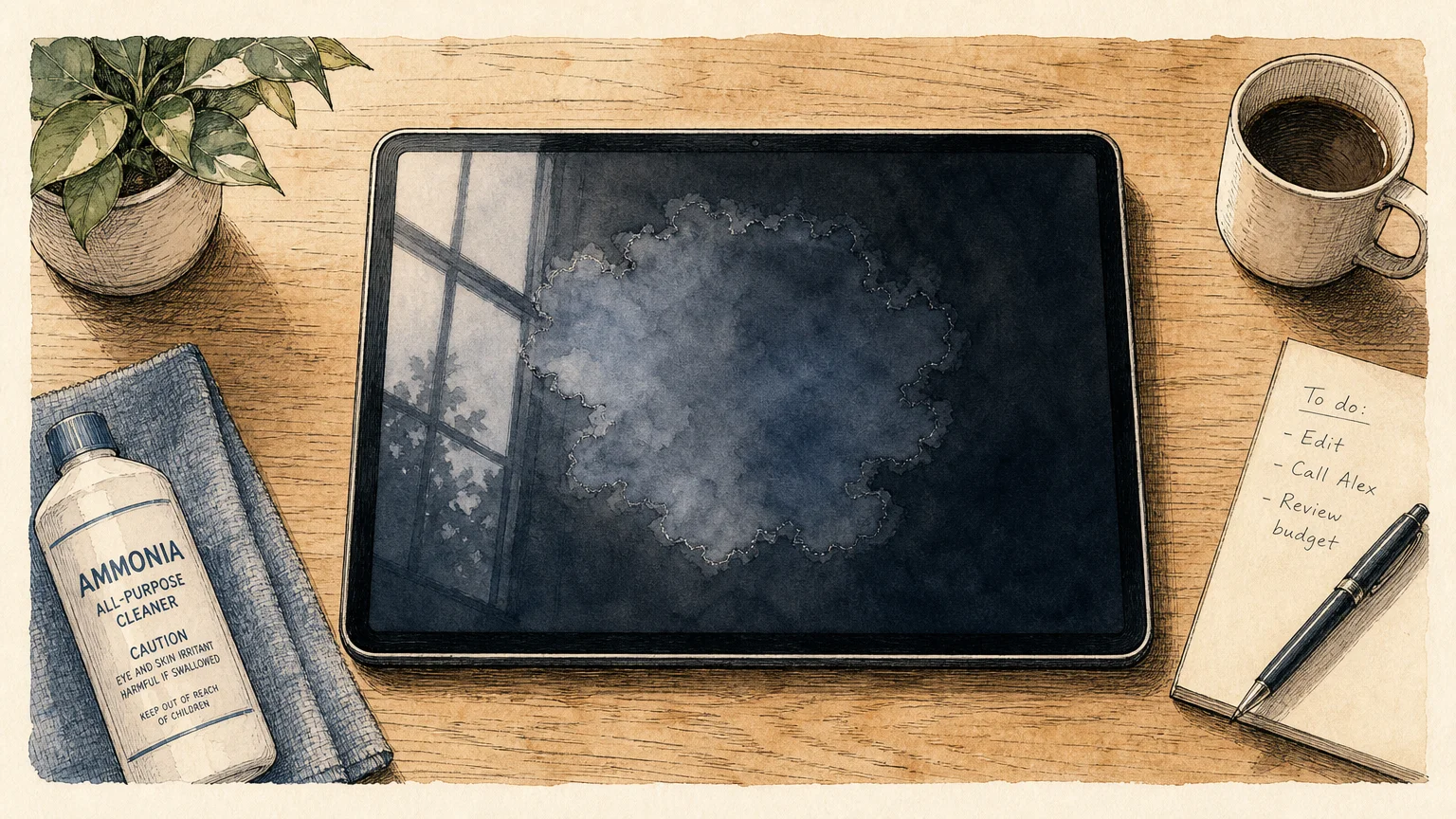
Because televisions, computer monitors, and laptop screens look like glass, you might naturally reach for a standard blue window cleaner when you spot fingerprints. You must resist this urge. Most commercial glass cleaners contain ammonia, a powerful solvent designed to cut through thick grease on household windows.
Modern electronic displays do not use plain glass. Manufacturers coat these screens with highly engineered, delicate polymer films to reduce glare, enhance color contrast, and prevent static buildup. Spraying an ammonia-based cleaner onto your television instantly strips these protective coatings. The chemical reaction turns the crisp, clear plastic into a cloudy, yellowed, and brittle mess. In severe cases, the liquid seeps into the edges of the bezel, short-circuiting the display panel and destroying the device entirely.
Additionally, avoid using ammonia-based cleaners on your laptop keyboard. The harsh chemicals can seep under the keys, deteriorating the rubber membrane beneath them and erasing the printed letters on the keycaps. To safely clean a keyboard, use compressed air to blow out crumbs, followed by a cotton swab lightly dampened with isopropyl alcohol to sanitize the keys without harming the internal electronics.
What you should do instead: Turn off your device so you can clearly see the dust and smudges against the black background. Take a clean, dry microfiber cloth and wipe the screen using gentle, circular motions. If stubborn fingerprints remain, lightly dampen a corner of your cloth with distilled water and gently buff the spot. Never spray any liquid directly onto the screen.

4. Abrasive Steel Wool on Glass Cooktops
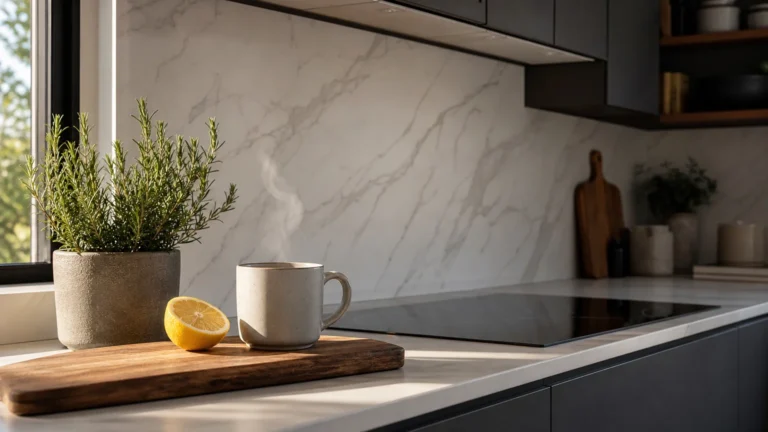
When pasta water boils over and bakes into a hardened, carbonized crust on your stove, you need a strong tool to lift the mess. However, using a steel wool scouring pad on a radiant glass or induction cooktop guarantees instant, irreversible damage.
Glass-ceramic cooktops boast high heat resistance, but their physical hardness cannot withstand the sharp, aggressive bite of metal fibers. Scrubbing with steel wool carves deep scratches and micro-fractures directly into the smooth surface. These scratches catch the overhead kitchen light, ruining the sleek aesthetic of your appliance. Worse, the jagged gouges act as traps for future grease and sugar spills, making every subsequent cleanup significantly harder. Over time, heavy scratching weakens the structural integrity of the glass, increasing the risk of the entire panel shattering under the weight of a heavy stockpot.
Beyond avoiding abrasive scrubbers, you can protect your glass cooktop by regularly inspecting the bottom of your cookware. Cast iron skillets and heavily used aluminum pans often develop burrs or rough patches. Dragging a rough pan across the delicate glass acts just like steel wool, leaving permanent trails of scratches. Always lift your pots and pans straight up when moving them between burners.
What you should do instead: Rely on chemical softening rather than brute force. Apply a thick paste made from baking soda and warm water directly onto the burnt food. Let it dwell for twenty to thirty minutes to break down the carbon. Once the crust softens, use a specialized plastic scraper or a single-edge razor blade held nearly flat against the glass to safely lift the debris without digging into the surface.
5. Liquid Fabric Softener on Microfiber Cleaning Cloths
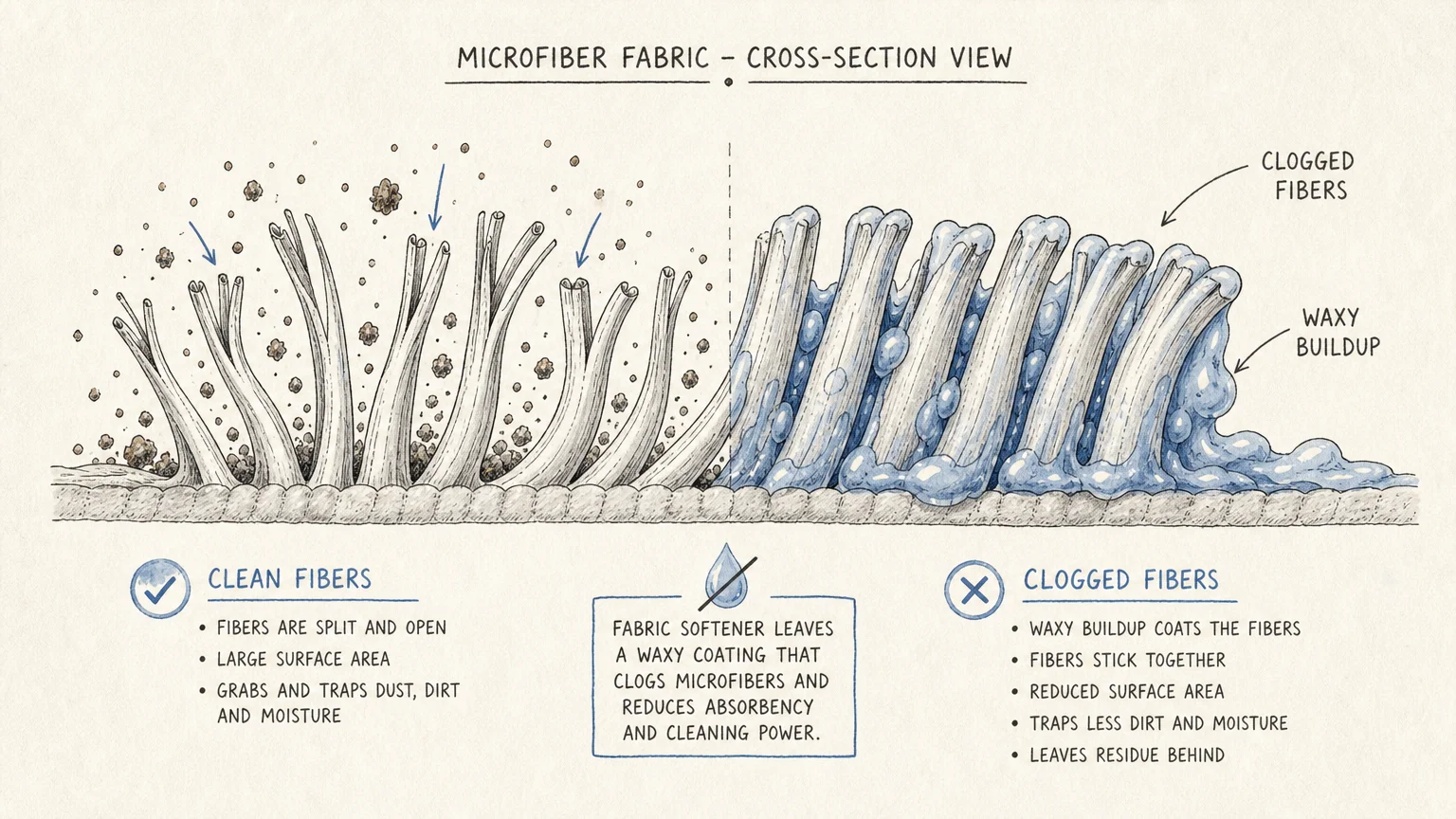
Microfiber towels represent the ultimate modern cleaning tool. They lift dust, absorb massive liquid spills, and scrub surfaces without requiring chemical cleaners. They achieve this magic through their unique physical structure. Manufacturers split synthetic polyester and polyamide fibers into microscopic strands—often one hundred times thinner than a human hair. These split fibers create thousands of tiny hooks and open spaces that aggressively trap dirt and moisture.
If you wash your microfiber towels with liquid fabric softener or toss them in the dryer with a softening sheet, you destroy their functionality. Fabric softeners operate by coating fabrics in a thin layer of liquid silicone or wax. This waxy coating fills in the microscopic splits and permanently clogs the fibers. Your high-performance towel instantly transforms into a useless, water-repelling sheet of plastic that simply pushes dirt around your home.
Dryer sheets pose the exact same threat as liquid softeners. The heat of the dryer melts the waxy coating from the sheet directly onto your laundry. Furthermore, exposing microfiber to extremely high heat in a commercial dryer can actually melt the synthetic fibers together. When the split fibers fuse, the cloth becomes permanently stiff and completely useless for picking up dust.
What you should do instead: Maintain your microfiber by washing it in a dedicated load, entirely separate from cotton bath towels that shed lint. Use a mild liquid laundry detergent and absolutely no fabric softener. You can find excellent guidelines on maximizing the lifespan of these synthetic materials through institutions like UC San Francisco, which actively promote microfiber for chemical-free facility cleaning. Tumble dry on a low-heat setting or hang them to air dry.
6. Melamine Foam on High-Gloss Painted Surfaces
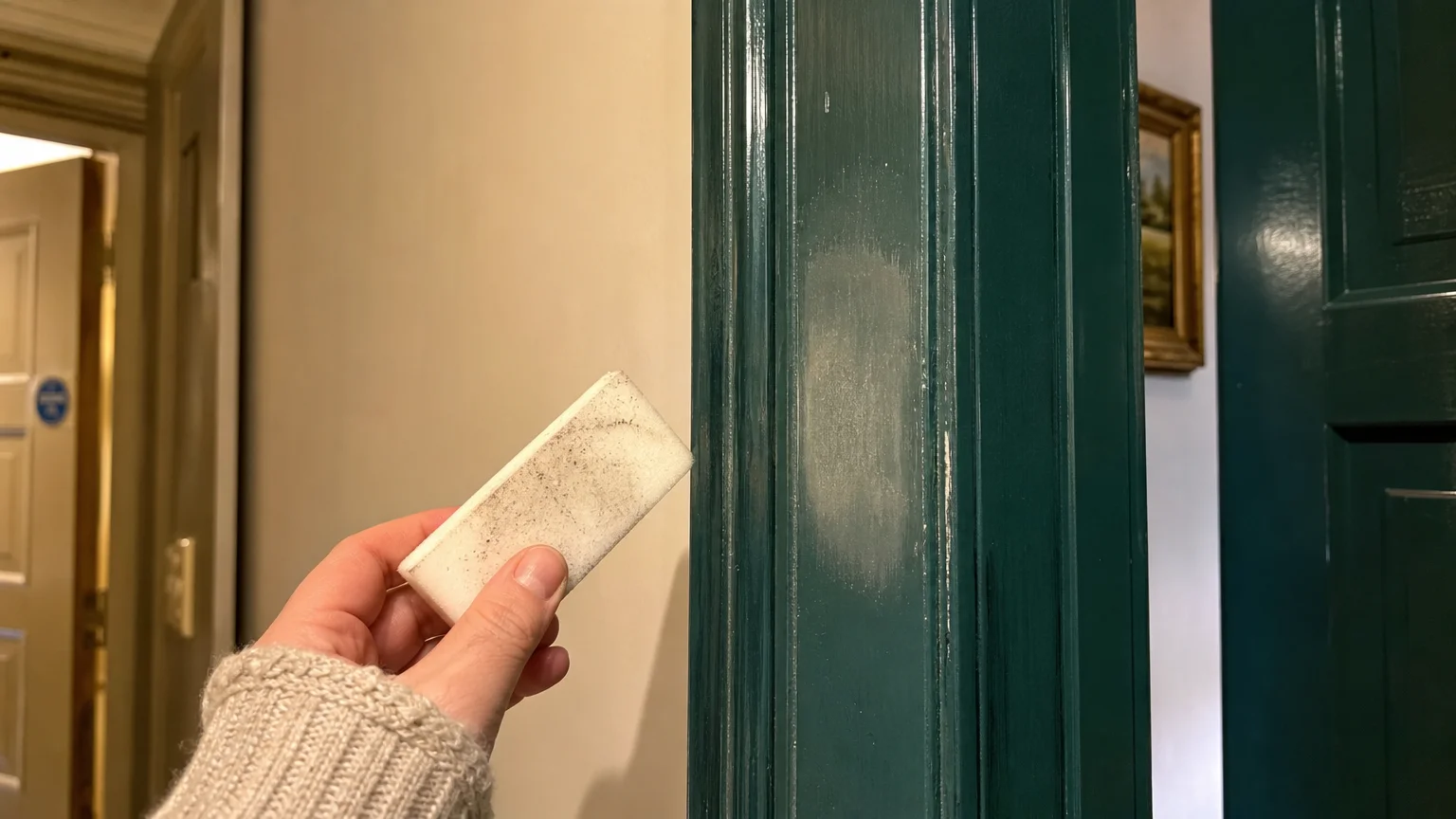
Melamine foam—commonly sold under brand names like Magic Eraser—feels like a soft, squishy sponge. This tactile illusion leads many people to assume it provides a gentle cleaning experience. In reality, melamine foam functions as a micro-abrasive. On a microscopic level, the foam consists of tiny, rock-hard glass-like struts that scrape away dirt.
When you enthusiastically scrub a scuff mark off a glossy painted cabinet, a lacquered door, or a shiny appliance, the foam acts exactly like ultra-fine grit sandpaper. It easily removes the scuff mark, but it also grinds away the protective clear coat and the top layer of the paint. Once the area dries, you will discover a dull, flat, uneven patch right in the middle of your otherwise shiny finish. You cannot wipe this dull spot away; the only way to fix it is to apply a fresh coat of paint.
Melamine foam remains a brilliant tool when used in the correct environment. You can confidently use it to erase soap scum from textured shower pans, remove baked-on grease from glass oven doors, or clean dirt from textured plastic patio furniture. Just keep it strictly away from anything that shines, reflects light, or features a delicate clear coat.
What you should do instead: Reserve melamine foam for highly durable, matte surfaces. For scuffs on high-gloss paint, apply a few drops of mild dish soap to a damp, soft cloth and rub gently. If the mark comes from a shoe scuff on a baseboard, try rubbing it with a standard pink pencil eraser before escalating to a chemical cleaner.
7. Harsh Scouring Powders on Fiberglass Bathtubs
Fiberglass and acrylic bathtubs offer a lightweight, affordable, and flexible alternative to traditional cast iron. Manufacturers finish these tubs with a thin, glossy layer called a gel coat. While this gel coat flexes under pressure without cracking, it remains highly susceptible to scratching.
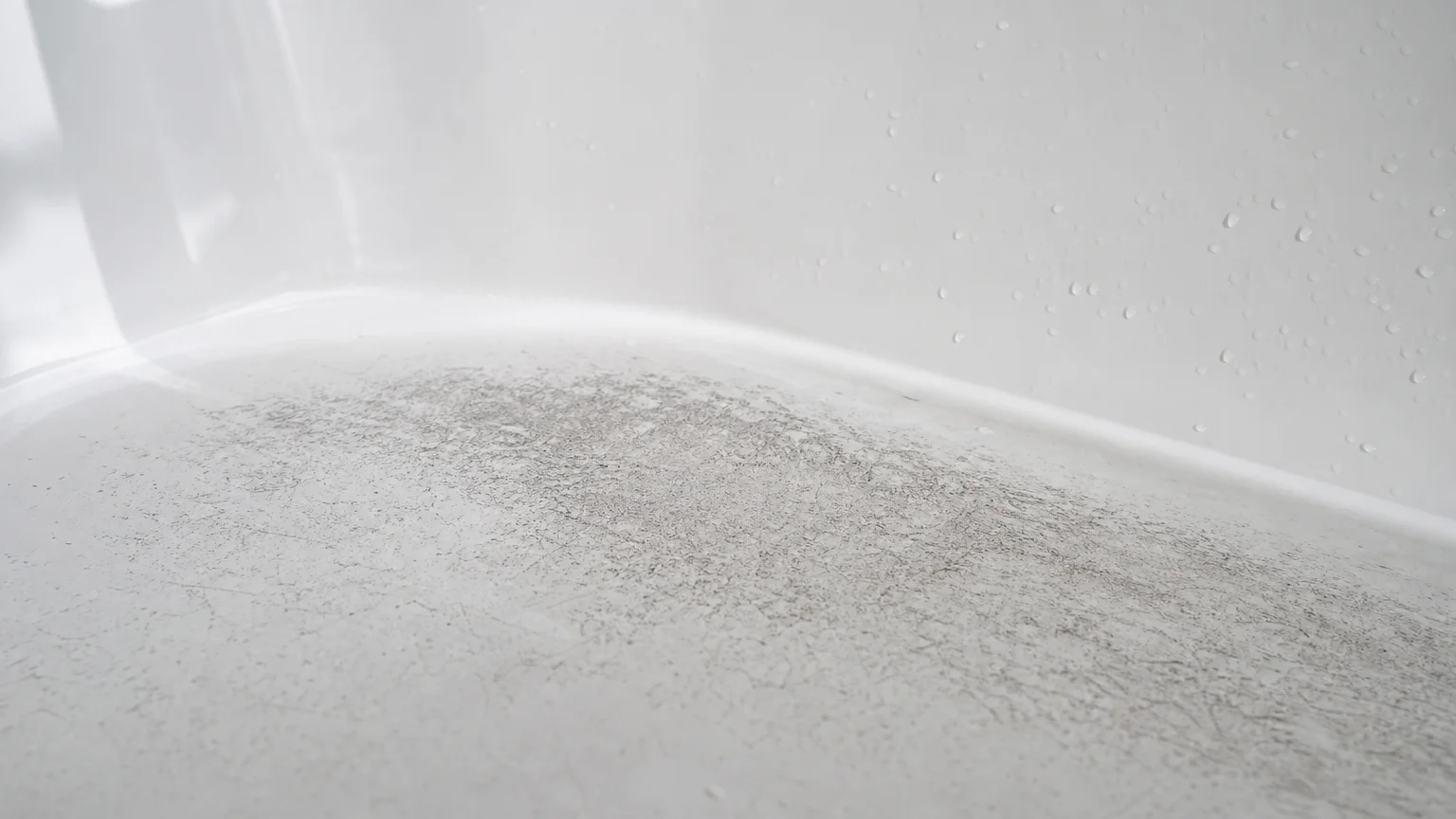
Sprinkling heavy-duty, silica-based scouring powders into your tub to conquer stubborn soap scum spells disaster for this finish. The gritty particles in the powder dig into the soft gel coat, creating thousands of microscopic scratches. You might achieve a clean tub today, but you have fundamentally changed the surface texture. Those tiny scratches act as magnets, catching and holding onto dead skin cells, hard water minerals, and soap residue. Your bathtub will look dirty much faster, and it will require increasingly aggressive scrubbing to look clean again.
If you live in an area with hard water, you likely battle severe calcium and magnesium deposits along the waterline of your tub. Instead of aggressively grinding these deposits with powder, lay paper towels over the stains and saturate them with pure white vinegar. The paper towels hold the acid against the vertical walls of the tub, allowing the chemical reaction to dissolve the minerals completely. Remove the towels after thirty minutes, and the stains will wipe away effortlessly.
What you should do instead: Melt soap scum chemically to preserve your tub’s smooth finish. Spray the entire surface with a one-to-one mixture of warm white vinegar and grease-cutting dish soap. Allow the solution to sit for fifteen minutes to dissolve the mineral deposits and grime. Wipe the tub clean with a non-abrasive sponge and rinse thoroughly with warm water.
Quick Reference Guide: Safe Cleaning Alternatives
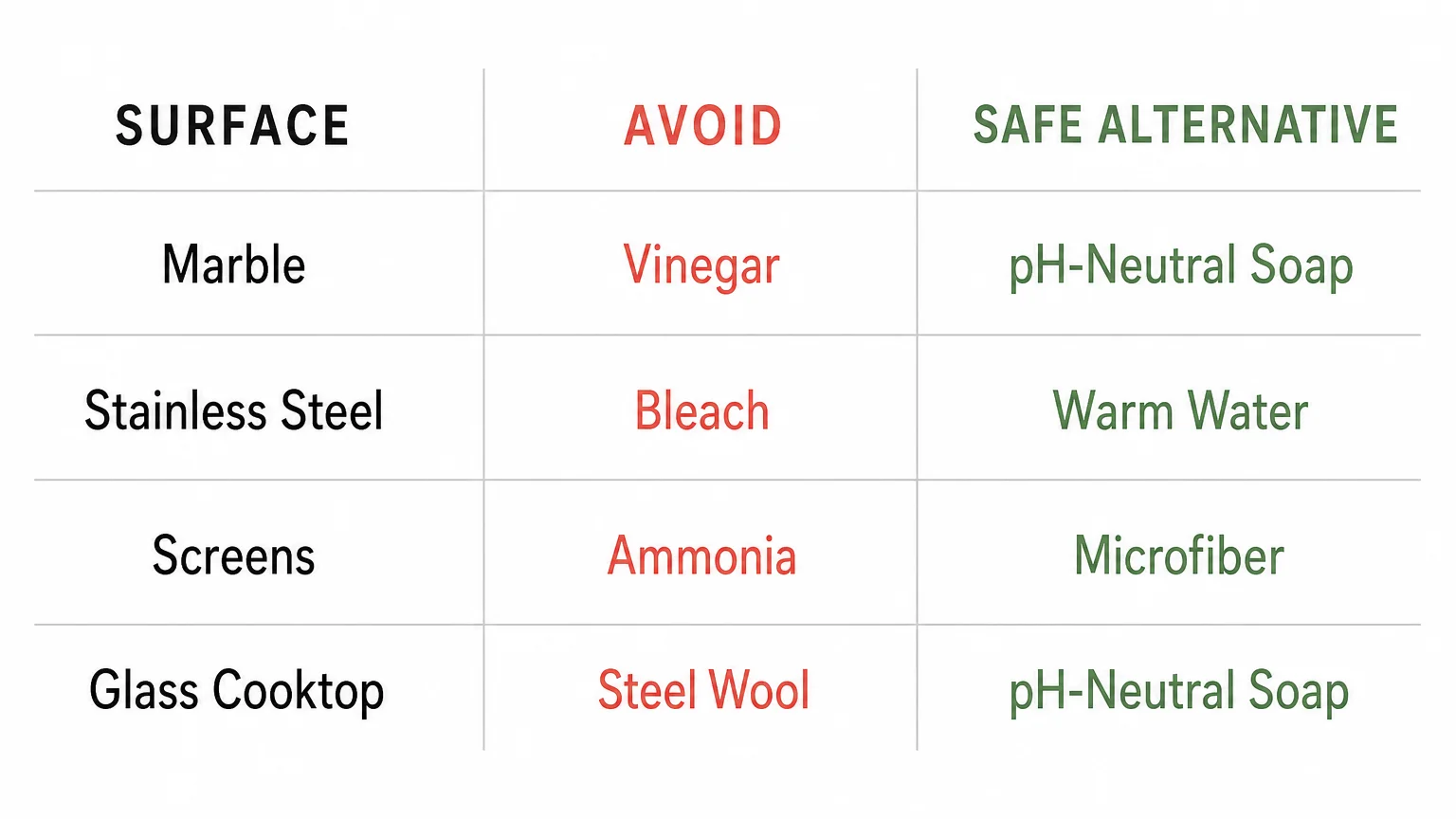
To help you remember these critical rules, keep this fast-action chart in mind before you tackle your next chore.
| Surface Type | Do Not Use | Safe Alternative |
|---|---|---|
| Natural Stone (Granite, Marble) | White Vinegar or Lemon Juice | pH-neutral stone cleaner or mild dish soap |
| Stainless Steel Appliances | Chlorine Bleach | Dish soap and water, wipe with the grain |
| Electronic Screens | Ammonia Glass Cleaners | Dry microfiber cloth, lightly dampened with distilled water |
| Glass & Induction Cooktops | Steel Wool or Scouring Pads | Baking soda paste and a flat plastic scraper |
| Microfiber Cleaning Cloths | Liquid Fabric Softener | Plain liquid detergent, air dry or tumble dry low |
| Glossy Painted Cabinets | Melamine Foam (Magic Erasers) | Soft cloth and soapy water, or a standard pencil eraser |
| Fiberglass & Acrylic Tubs | Gritty Scouring Powders | Vinegar and dish soap mixture, dwell for 15 minutes |
10. the (10)
11. key (11)
12. to (12)
13. a (13)
14. damage-free (14)
15. home. (15)
Total: 15 words.
The Next Step to a Damage-Free Home
Go to your cleaning caddy right now and read the labels on your favorite spray bottles. Separate your heavy-duty acidic and abrasive cleaners from your daily gentle sprays. By keeping harsh chemicals out of easy reach, you prevent accidental surface damage and ensure your home stays beautifully maintained for years to come.