Fresh lemons do much more than brighten your favorite dinner recipes. You can use these tart yellow fruits for fast, affordable lemon cleaning hacks in almost every room of your home.
Their sharp juice cuts through soap scum, mineral scale, and sticky kitchen grease without heavy perfumes. Even better, you likely have a fresh lemon sitting in your fridge right now.
Knowing where lemon juice works—and where it ruins finishes—keeps your home safe. Follow these practical green cleaning tips to scrub tough messes and protect every surface you own.

Why Lemon Juice Works for Natural Cleaning
Fresh lemon juice contains about five percent natural acid, mostly citric acid. That gives it a pH of 2.0 to 2.6, according to FDA and Clemson University food data.
This mild acid breaks down alkaline messes like hard-water deposits, rust, and copper tarnish. Fresh lemons also stay affordable for natural cleaning at $2.14 per pound in October 2026, per Bureau of Labor Statistics data.
You should still know what lemon juice cannot do. Plain lemon juice is a food product, not a registered germ killer with the U.S. Environmental Protection Agency.
EPA and CDC two-step guidance notes that mild cleaners remove dirt and some germs. To disinfect surfaces against viruses or bacteria, you still need an EPA-registered disinfectant left wet for its full labeled contact time.
Some commercial cleaners use standardized citric acid formulas that kill specific viruses in one minute. Fresh lemons vary in strength by ripeness, so save them for routine grime rather than medical sanitizing.
10 Practical Lemon Cleaning Hacks Around Your Home
1. Steam Away Dried Microwave Splatters
Mix half a cup of lemon juice with one cup of water in a microwave-safe bowl. This two-to-one dilution creates plenty of steam to loosen baked-on food.
Heat the bowl for two to ten minutes, depending on your microwave wattage, until the window fogs up. Keep the door shut for 5 minutes before wiping clean with a soft microfiber cloth.
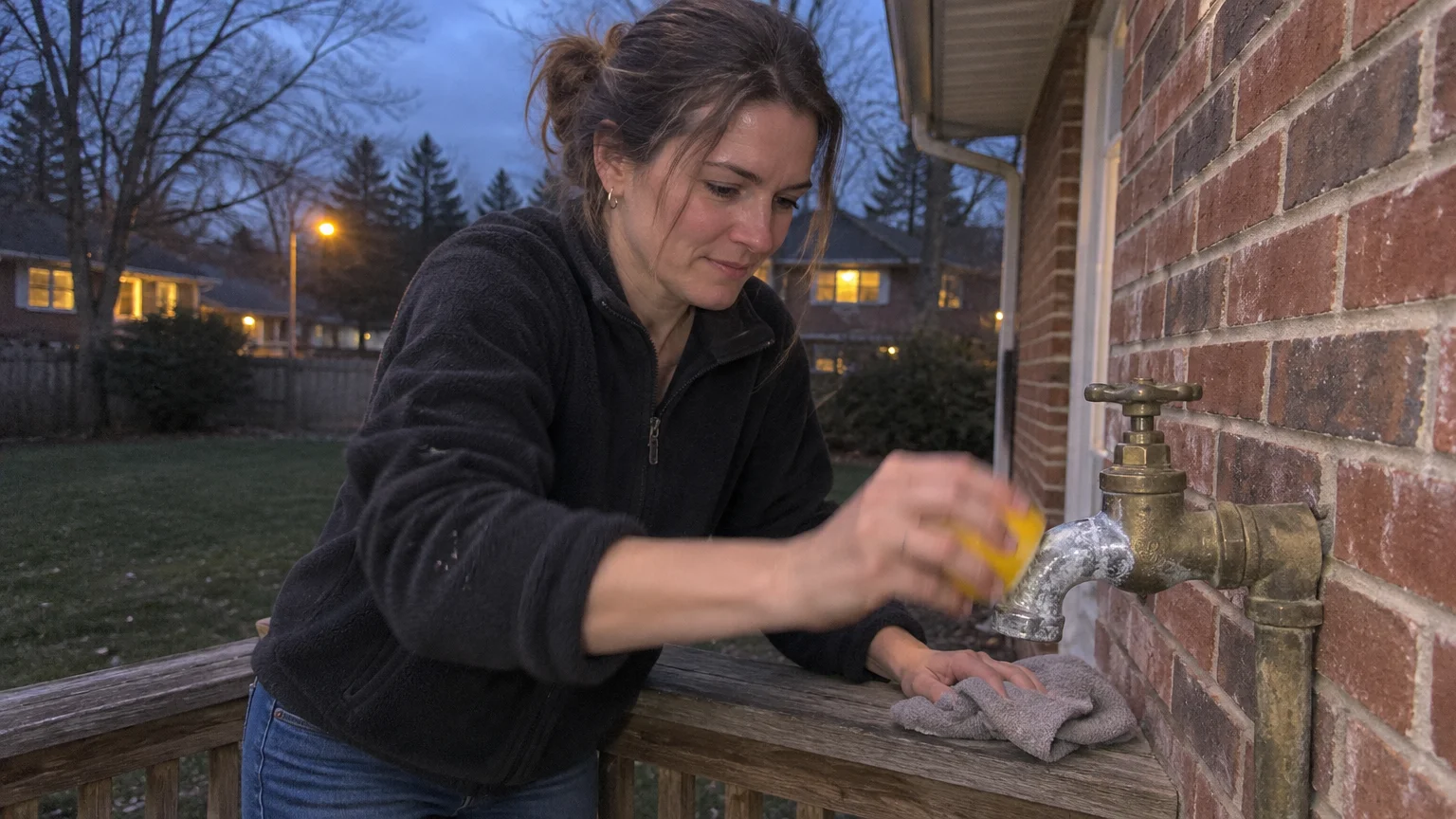
2. Dissolve Hard-Water Scale on Chrome Faucets
Rub the cut side of half a lemon directly over cloudy chrome spouts and handles. Let the juice sit for five to ten minutes so the acid softens chalky mineral spots.
Rinse well with warm water and buff dry with a clean cotton towel. Always tuck a rag under the faucet so acidic drips never touch marble counters or cement grout.
3. Brighten Tarnished Copper and Brass Cookware
Dip half a lemon in fine table salt and rub it across dull copper pots or brass hardware. Let the mixture sit for about five minutes to lift dark tarnish.
Scrub lightly with a non-scratch sponge, rinse with warm water, and dry right away. Leftover acid turns copper blue-green, and you should never use this method on silver.
4. Deodorize Your Kitchen Garbage Disposal
Drop a few leftover lemon rinds into your disposal while running cold water. Turn the blades on for twenty seconds to flush stale food odors from the drain.
Keep unused peels sealed in your trash bin rather than leaving them on the counter. ASPCA Animal Poison Control warns that lemon peels upset stomachs in dogs, cats, and horses.
5. Scrub Stainless Steel Sinks
Sprinkle baking soda over your wet stainless steel sink and squeeze fresh lemon juice on top. Mixing an acid with baking soda creates a lively fizz of carbon dioxide gas.
That fizzing lifts stuck food, though it quickly neutralizes both ingredients toward water and salt. Scrub right away with a soft sponge, rinse thoroughly, and wipe dry to stop water spots.
6. Refresh Stained Plastic Food Containers
Tomato sauce leaves stubborn orange rings and odors inside plastic storage tubs. Rub fresh lemon juice over the inside walls and let it sit for at least ten minutes.
Wash the container with warm dish soap and water using a soft cloth. Non-profit cleaning guidance notes mild acids need at least ten minutes of dwell time to tackle stubborn grime.
7. Lift Odors From Wooden Cutting Boards
Sprinkle coarse salt over a clean wooden board and scrub with half a lemon to lift onion smells. Rinse with warm water and stand the board upright to dry completely.
Remember that lemon and salt do not sanitize wood against foodborne bacteria. The Partnership for Food Safety Education recommends a diluted chlorine bleach solution for disinfecting boards after raw meat.
8. Descale Your Electric Kettle or Coffee Carafe
Check your appliance care manual first to make sure your kettle allows mild acid descaling. Mix half a cup of lemon juice with one cup of plain water inside the pot.
Bring the liquid to a boil, turn off the kettle, and wait ten minutes. Pour it out and run two full cycles with fresh water to clear any citrus taste.
9. Spot-Treat Rust and Sweat Marks on White Cotton
Dab fresh lemon juice and salt onto small rust or sweat spots on sturdy white cotton. Let the fabric sit for about ten minutes before rinsing in cool water.
Wash the item right away in your machine so prolonged acid contact does not weaken the fibers. Never use lemon juice on silk, wool, or colored clothes.
10. Clear Soap Scum From Sealed Glass Shower Doors
Pour one part lemon juice and two parts water into a labeled spray bottle for easy green cleaning tips. Mist your glass shower door and open a bathroom window for airflow.
Wait five minutes, scrub gently with a non-abrasive nylon pad, and wipe dry with a squeegee. Skip this spray if your shower floor or trim uses natural stone or cement grout.
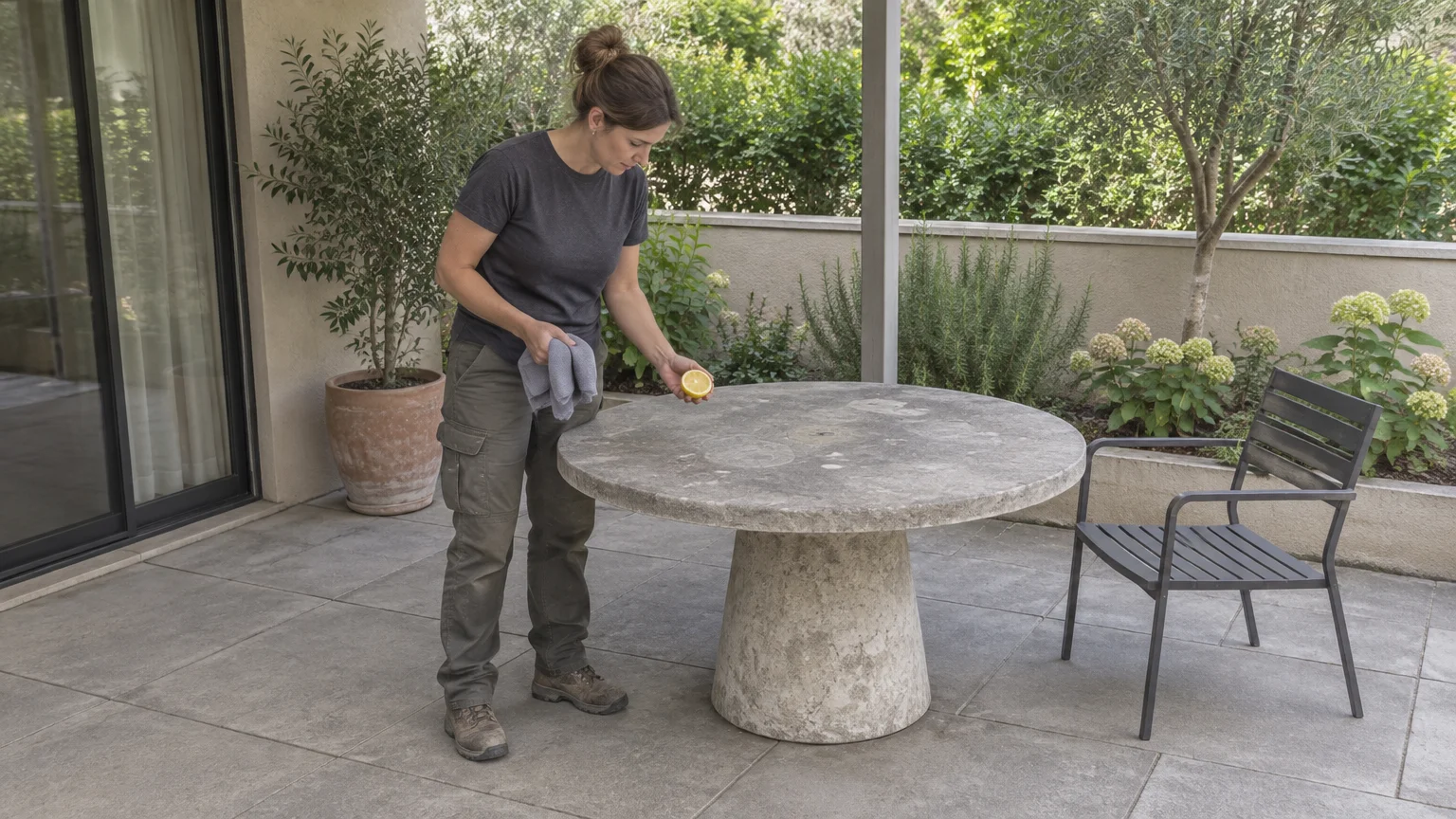
Surfaces and Tools to Avoid When Cleaning With Lemons
Acid reacts fast with certain household finishes, causing damage you cannot wipe away. Before you test any homemade cleaners, check what your counters, floors, and appliances are made of.
The Natural Stone Institute warns against using lemon juice or vinegar on marble, limestone, travertine, and onyx. Acid etches polished stone on contact, leaving dull spots that need professional refinishing.
Stone sealers only block oil and water stains, not acid etching. For granite, quartzite, slate, or sandstone, the Institute recommends pH-neutral cleaners or mild dish soap with water.
Grout maker MAPEI also warns that acidic liquids erode cement-based grout over time. Also, tossing a lemon half into your dishwasher will not remove limescale buildup inside the machine.
| Surface or Item | Safe for Lemons? | Better Alternative |
|---|---|---|
| Marble, travertine, limestone, onyx | No — acid etches polish on contact | Warm water and pH-neutral stone cleaner |
| Granite and quartzite | Not recommended | Mild dish soap or pH-neutral cleaner |
| Cement-based tile grout | No — erodes grout over time | Mild pH-neutral tile cleaner and soft brush |
| Silverware and plated silver | No — can pit or dull finish | Dedicated silver polish and soft cloth |
| Chrome faucets and glass | Yes — rinse after 5 to 10 minutes | Microfiber cloth and plain water rinse |
| Copper and brass pots | Yes — rinse well after 5 minutes | Soft non-scratch sponge and thorough drying |
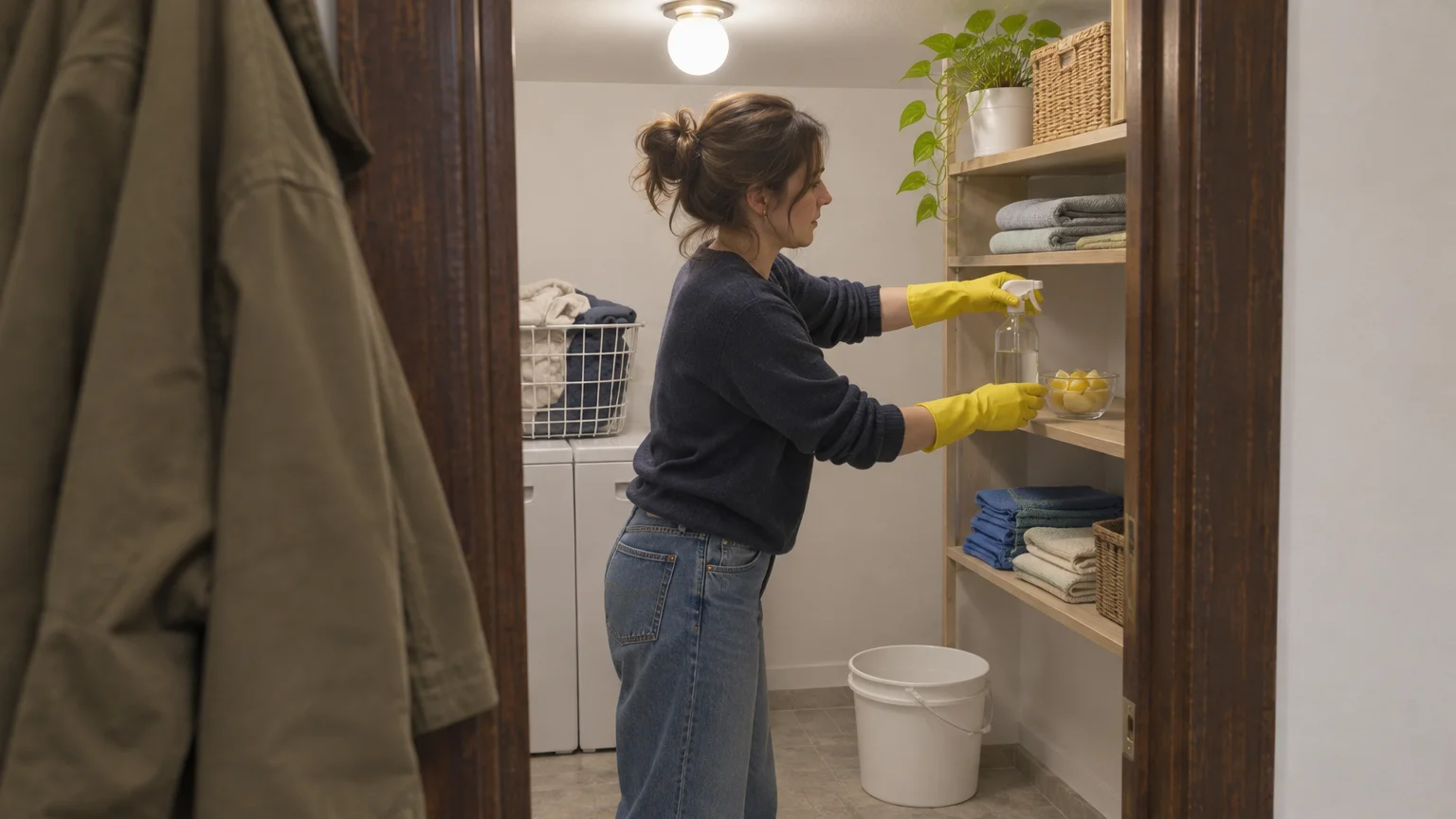
Safety Rules for Homemade Cleaners
Even simple kitchen ingredients require careful handling around your family and pets. The most urgent rule is simple: never mix lemon juice with bleach or any product containing sodium hypochlorite.
Poison Control (1-800-222-1222) and state health agencies warn that acid drops bleach pH below four and releases toxic chlorine gas. Breathing that gas burns your eyes and throat and can cause severe lung injury.
A September 2025 NIH-published review of U.S. poison center data showed chlorine gas exposures jumped 68 percent from 2015 to 2022. Nearly half of isolated chlorine gas cases happened when people mixed household acids with bleach.
Never spray bleach onto a surface you just scrubbed with lemon juice. Rinse the area thoroughly with plain water before switching cleaners, and keep windows open for steady airflow.
Protect your skin as well when cleaning outdoors or near sunny windows. The American Academy of Dermatology warns that lemon juice contains plant compounds called psoralens that trigger painful sun rashes.
Skin exposed to lemon juice and ultraviolet sunlight can blister within 24 to 48 hours and leave dark spots for months. Wear rubber gloves, or wash your hands with soap and cold water right away.
Keep pets away from lemon peels and concentrated citrus oils too. The ASPCA Animal Poison Control Center (888-426-4435) lists lemon as toxic to dogs, cats, and horses.
Cats lack the liver enzymes needed to process essential oils safely. Avoid using citrus oil diffusers around cats, birds, or small pets that groom their fur.

Your Quick Lemon Safety Checklist and Next Step
Before you grab a fresh lemon from the fridge, run through these four quick checks. Taking ten seconds to verify your surface saves time and protects your home.
- Confirm your surface is chrome, glass, copper, or plastic, never marble, travertine, silver, or cement grout.
- Verify no chlorine bleach remains on the counter, sink, or sponge before starting.
- Put on household gloves if you plan to step outside into sunlight afterward.
- Keep cut rinds and unused halves out of reach of curious pets.
Try the microwave steam trick right after dinner tonight for an easy win. Heat half a cup of lemon juice in one cup of water, wait five minutes, and wipe the walls clean.