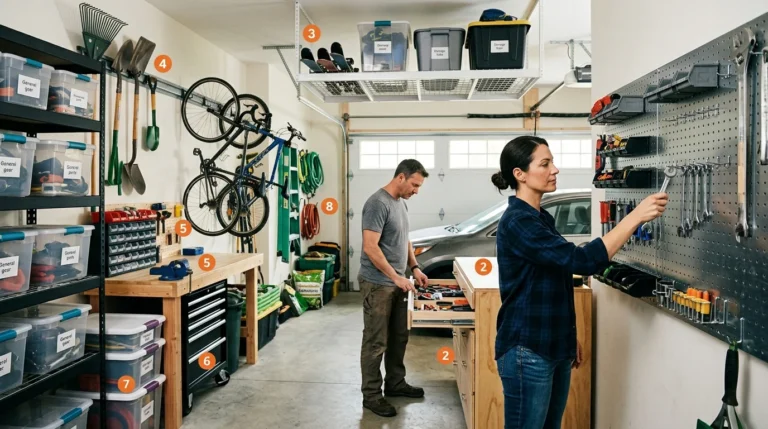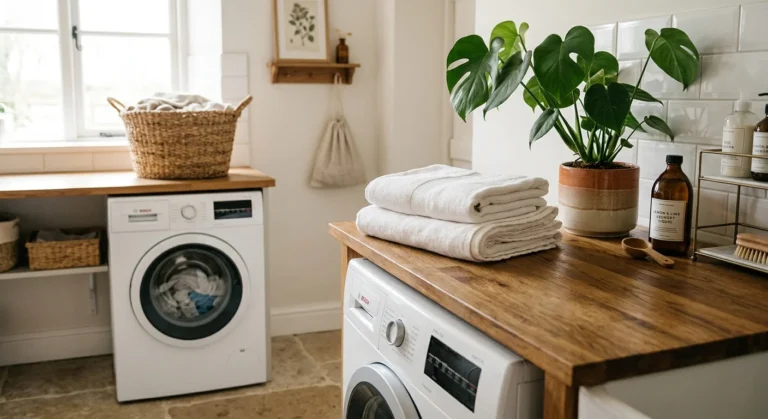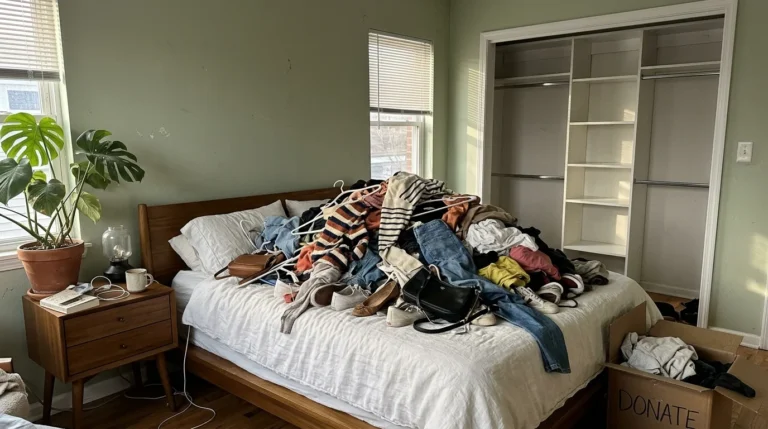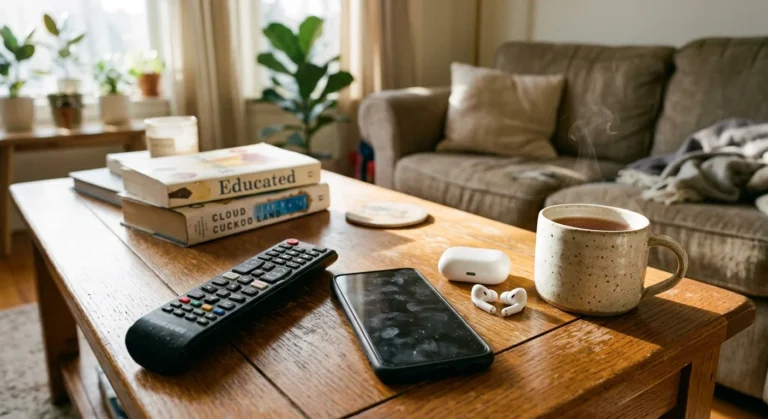
Designing your living room with intention prevents daily messes from piling up and creates a truly relaxing space. You can eliminate constant organizing by choosing furniture and layouts that naturally absorb daily life without looking chaotic. Strategic interior decorating solves the root causes of a messy room, whether you want a modern clutter-free home or simply need to streamline your daily routine for easier upkeep. By rethinking your storage pieces, traffic flow, and surface areas, you stop playing catch-up with stray items like remotes, blankets, and mail. Implementing smart home improvement strategies right from the start means less time tidying up and more time enjoying a calm, manageable environment that works effortlessly for your specific lifestyle.
1. Choose Closed Storage Over Open Shelving
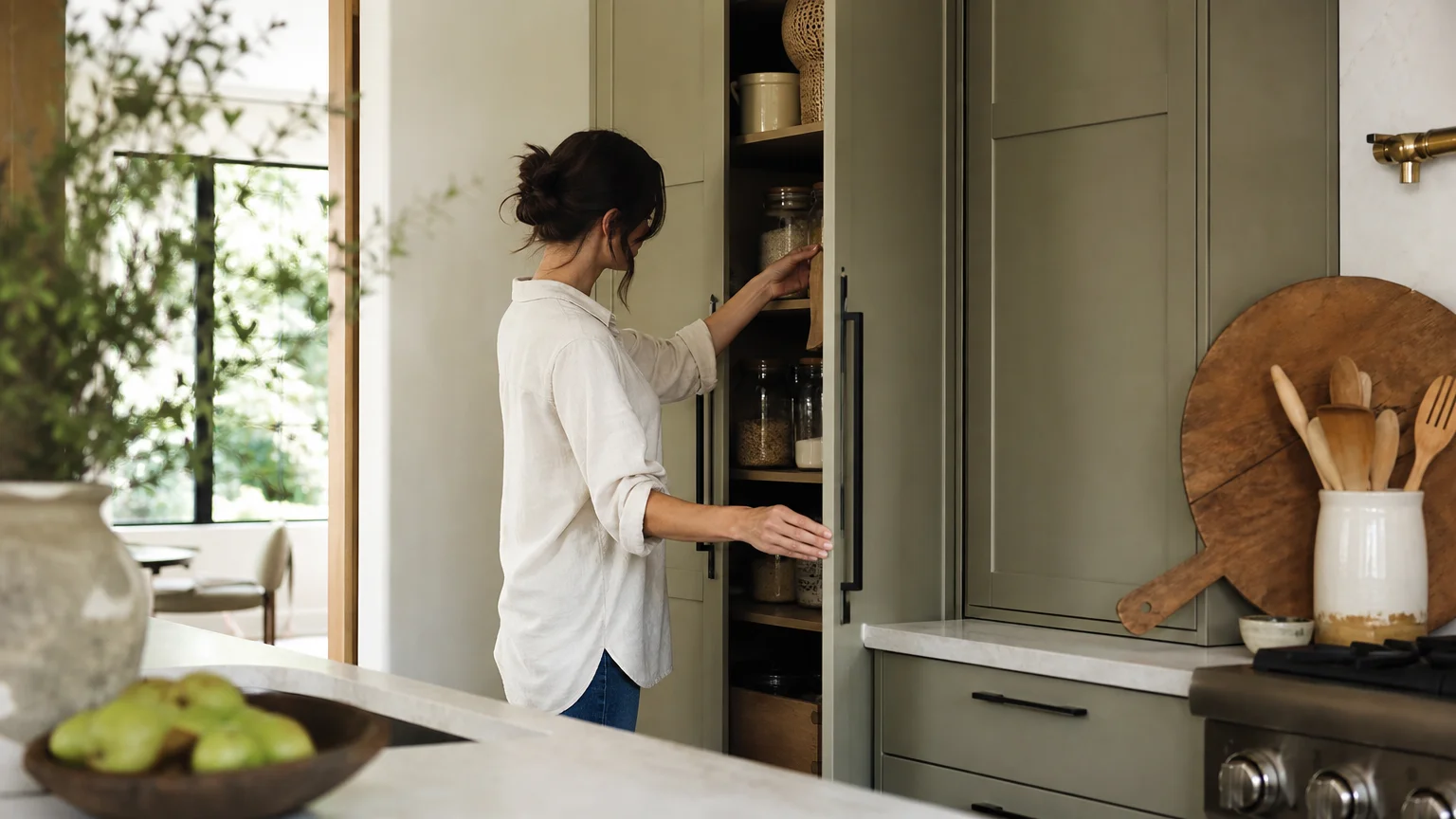
Open shelving demands constant curation to look presentable; otherwise, it quickly becomes a chaotic display of miscellaneous household items. When you use closed storage, you immediately hide the visual noise of books, board games, and electronics. Solid doors on cabinets, sideboards, and media consoles provide a clean, unbroken visual break for your eyes. Visual clutter directly impacts your mental health and drains your physical energy on a daily basis. A highly cited study by the UCLA Center on Everyday Lives of Families measured the stress hormone cortisol in dual-income households. Researchers discovered that individuals—specifically women—who described their homes as cluttered or full of unfinished projects showed flattened daily cortisol profiles, a pattern strongly correlated with chronic stress, fatigue, and depressed mood.
You can drastically reduce this environmental stress by swapping out open, tiered bookshelves for cabinets equipped with solid doors. If you already own built-in open shelving and do not want to replace it, incorporate opaque baskets or decorative canvas bins that slide neatly onto the shelves. These containers effectively corral loose, unappealing items like charging cables, video games, and reading glasses. They keep your essential items highly accessible but entirely out of sight. You maintain the functionality of having your possessions nearby without the mental burden of staring at a disorganized pile every time you sit on the sofa to relax. Closed cabinets also drastically reduce the amount of dusting you have to perform, which is incredibly beneficial if you have allergies or mobility concerns that make bending and reaching difficult. By standardizing your storage boxes in matching colors and textures, you unify the room’s aesthetic and establish a calmer, cohesive interior design.
2. Select Multi-Functional Furniture with Hidden Compartments
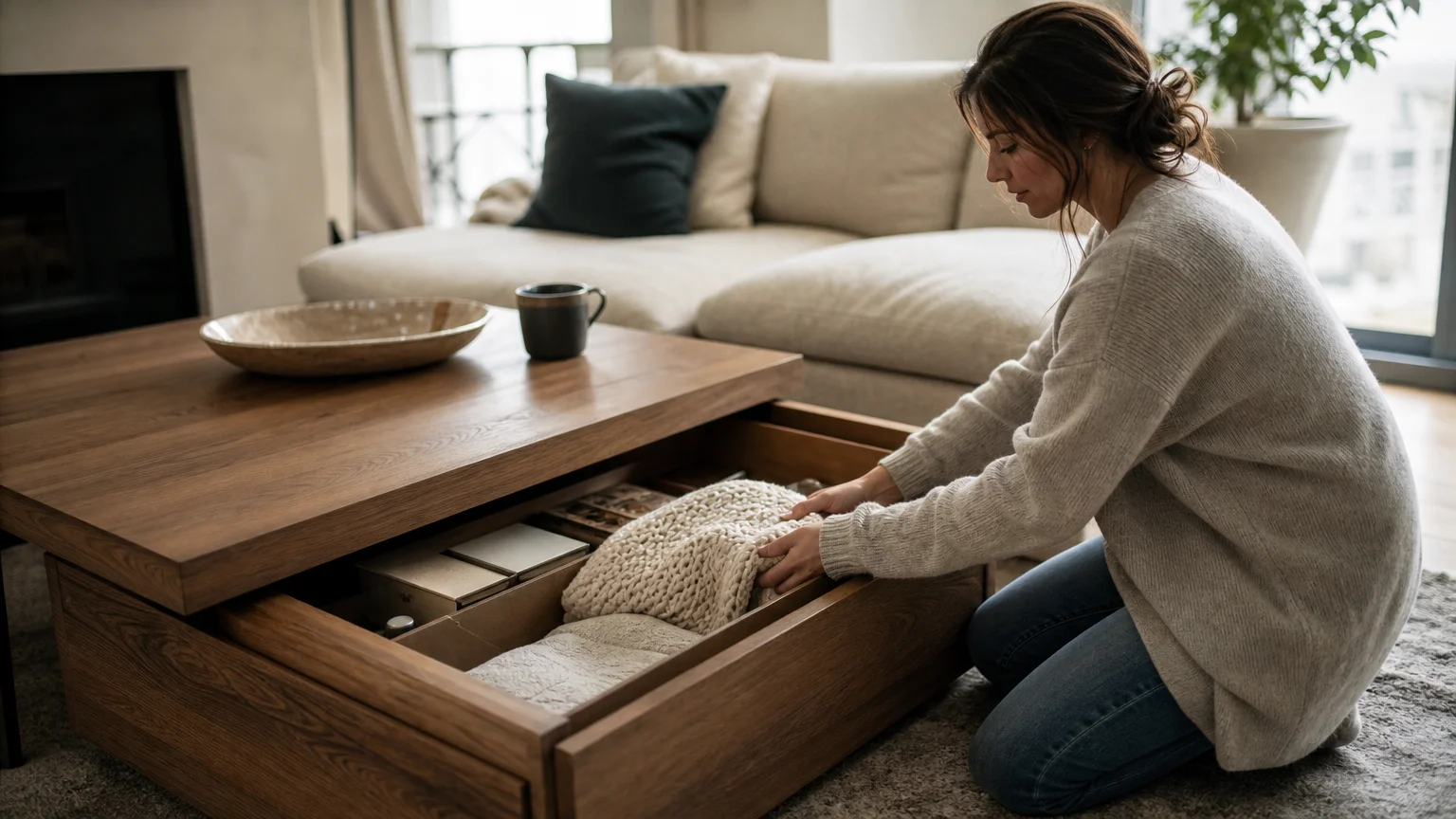
A clutter-free home relies heavily on furniture that works double duty. Multi-functional pieces absorb the daily mess before it can accumulate on your horizontal surfaces. Traditional living room furniture often leaves dead space underneath or features transparent glass surfaces that highlight every single disorganized item resting beneath them. Replacing these outdated choices with storage-focused alternatives gives every stray item a dedicated home. An upholstered storage ottoman can effortlessly hold extra throw blankets, seasonal decorative pillows, and bulky board games. Lift-top coffee tables provide a hidden interior cavity for remote controls, beverage coasters, and magazines while elevating the top surface so you can comfortably eat or work on a laptop.
By utilizing the empty voids inside your furniture, you drastically cut down on external storage bins that eat up valuable floor space. Evaluate your current layout and identify pieces that only serve one decorative purpose.
| Clutter-Causing Choice | Clutter-Reducing Alternative |
|---|---|
| Glass-top coffee table | Solid lift-top wood table with internal storage compartments |
| Slender-legged footstool | Upholstered storage ottoman with a removable lid |
| Open, tiered TV stand | Media console with solid cabinet doors and cord-hiding back panels |
| Standard accent chair | Accent chair featuring a hidden storage base for throw blankets |
| Decorative woven floor basket | Sturdy entryway bench with integrated shoe and bag storage |
When executing your interior decorating plan, evaluate every new piece of furniture strictly for its storage potential. You should avoid buying a piece that takes up significant square footage without offering a designated place to stash your living room essentials. Over time, these hidden compartments act as micro-organizers that keep your top surfaces completely clear, making your weekly cleaning routine much faster. You will spend significantly less time moving piles of magazines to dust a coffee table when those magazines live comfortably inside the table itself.
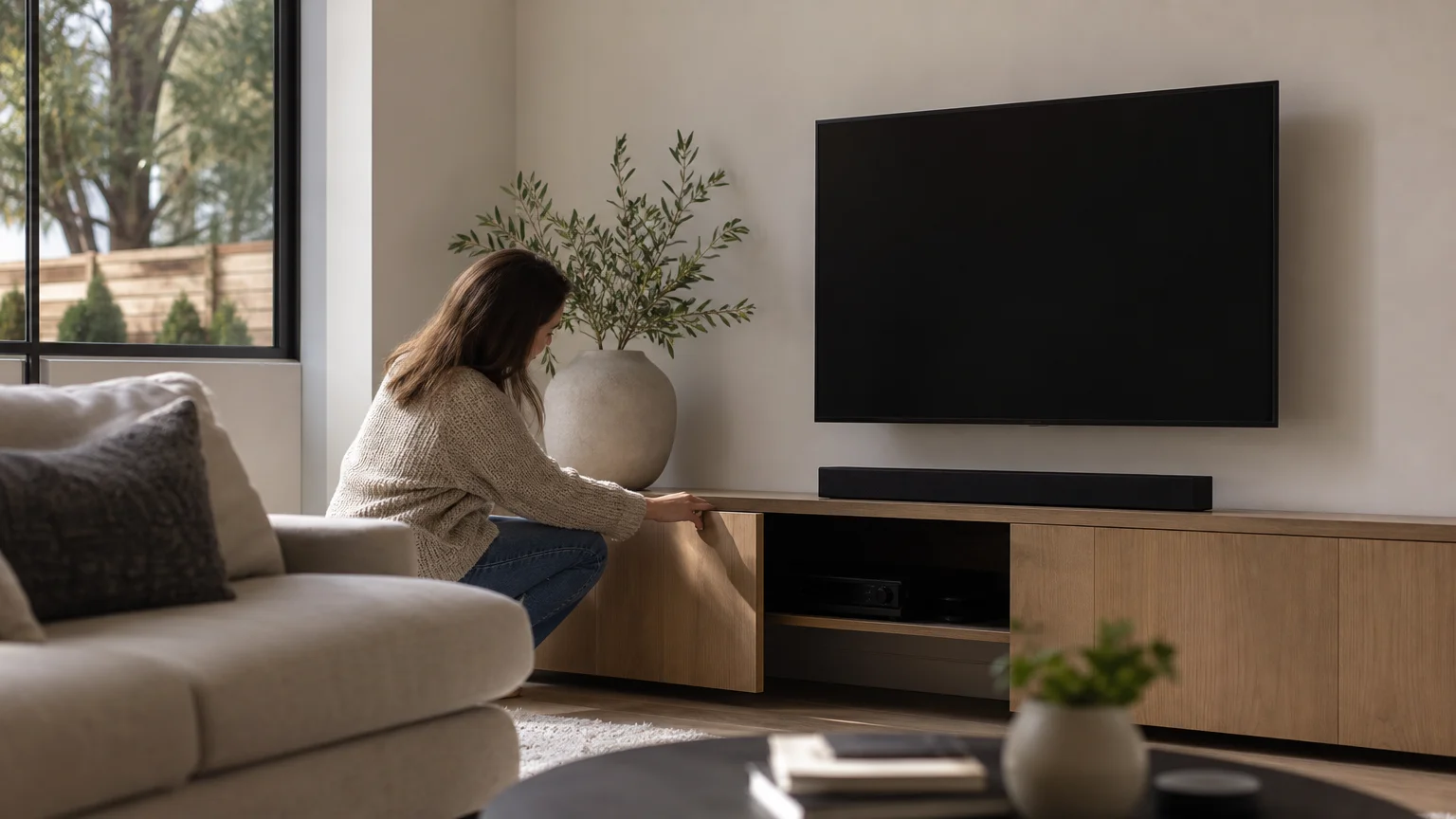
3. Prioritize Concealed Cable Management for Electronics
Tangled power cords spilling from televisions, floor lamps, and gaming consoles create instant visual clutter and present serious safety hazards. Leaving electrical wires exposed makes the room look permanently unfinished, regardless of how beautifully you arrange the rest of your furniture. Proper cable management integrates seamlessly into your living room design and protects your household from electrical fires. The National Fire Protection Association (NFPA) explicitly warns against daisy-chaining power strips or relying on extension cords as permanent wiring solutions. Extension cords strung across walkways or tucked under area rugs can deteriorate quickly, overheat, and cause catastrophic residential fires. Instead, you must install permanent, concealed solutions for your media components.
Follow these practical steps to eliminate cable clutter safely and permanently:
- Unplug all electronic devices and untangle every cord associated with your media center.
- Group together cables traveling to the same destination using plastic zip ties or reusable hook-and-loop fabric straps.
- Mount a high-quality, UL-listed surge protector directly to the back of your wooden media console or the wall behind it, keeping the unit completely off the floor.
- Plug the grouped cables into the mounted surge protector, wrapping any excess cord length neatly into a designated cable management box.
- Install paintable wall cord covers or route your cables safely behind the drywall if you choose to wall-mount your flat-screen television.
Concealing your cables eliminates the chaotic visual noise behind your media console. It also physically prevents dust bunnies and pet hair from accumulating in sticky, tangled webs of wire. When you manage your cables correctly, your television and surround sound speakers look like high-end, integrated parts of your home improvement plan rather than a messy afterthought.
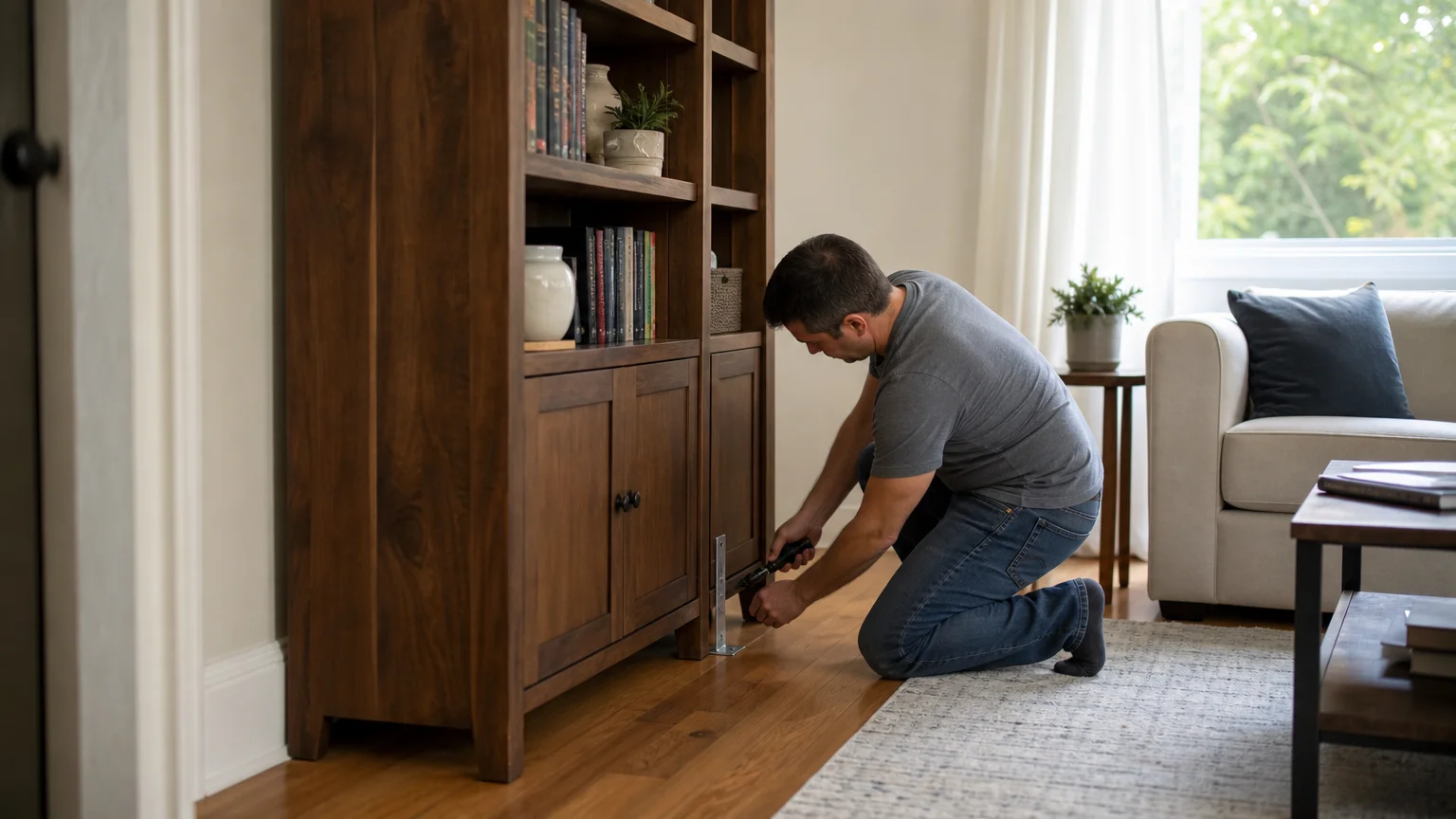
4. Anchor Heavy Furniture to Create a Safer Layout
Furniture placement dictates the flow of your living room, but unanchored heavy furniture severely limits your design options and creates a highly dangerous environment. Tall bookcases, bulky media consoles, and heavy televisions pose severe tip-over risks, especially in homes with young children, grandchildren, or active pets. When you anchor your furniture properly, you free yourself to position pieces creatively—such as using a stable, anchored low bookcase as a room divider—without fearing it will suddenly collapse. The U.S. Consumer Product Safety Commission (CPSC) emphasizes that falling televisions and heavy furniture cause thousands of emergency room visits every single year due to tip-overs. The CPSC specifically warns against leaving tempting items, like remote controls or favorite toys, on top of unsecured media stands, as this encourages children to climb the drawers and destabilize the unit.
Securing your furniture with inexpensive anti-tip brackets or heavy-duty nylon straps takes only a few minutes and completely changes how you interact with your living space. Once your heavy storage cabinets are bolted securely to the wall studs, you can confidently utilize the top shelves for heavier items, fully optimizing your vertical storage. You no longer need to worry about the cabinet wobbling dangerously when you pull open a heavy, fully loaded drawer. A highly secure foundation allows you to load your storage pieces efficiently, moving physical clutter off your floor and into the upper reaches of your cabinets. This vertical approach to interior decorating maximizes your storage capacity while keeping the lower sightlines of your room clean, open, and entirely safe.

5. Establish a Dedicated Drop Zone for Daily Items
Living rooms often double as the primary point of entry from the front door or the garage, making them a powerful magnet for transitional clutter. Car keys, incoming mail, sunglasses, and heavy handbags quickly take over the coffee table or sofa cushions if you do not designate a specific, logical home for them. Establishing a clearly defined drop zone stops this daily sprawl in its tracks. A functional drop zone acts as a physical buffer between the chaotic outside world and your relaxing living space.
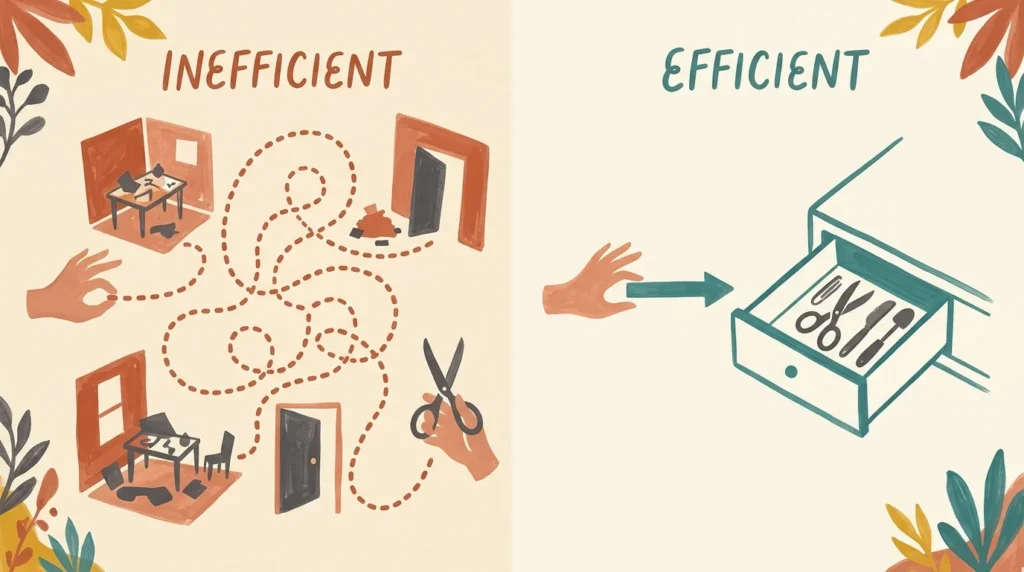
You can create a highly efficient drop zone using very minimal square footage. Place a narrow, low-profile console table near the entryway or directly behind the sofa if your front door opens straight into the living room. Equip this table with a shallow decorative tray specifically for keys and a stylish, tiered mail sorter for incoming envelopes. Add a row of sturdy metal hooks on the adjacent wall for coats and canvas bags, and tuck a woven storage basket underneath the table for shoes. By isolating these transitional items to one specific quadrant of the room, you protect the rest of your living room design from daily accumulation. You train yourself and your household members to deposit their belongings in the drop zone immediately upon entering the house. This single organizational habit eliminates the frustrating need to run around the room gathering stray keys and jackets every morning. You will immediately streamline your daily routine, reduce missing items, and preserve the peaceful, uncluttered atmosphere of your main seating area.
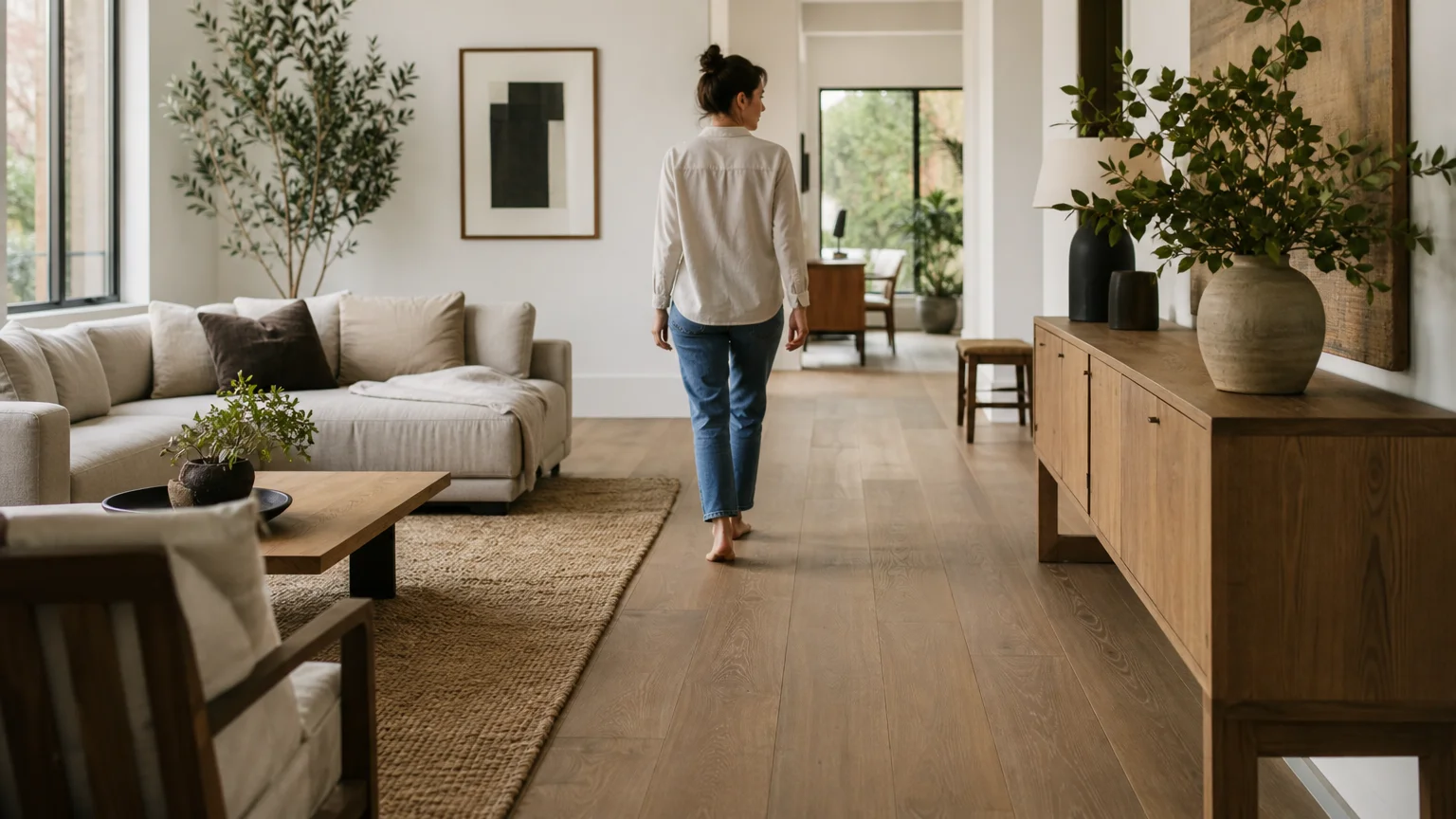
6. Scale Furniture Proportionately to Clear Walkways
Cramming oversized sectionals and bulky recliners into a moderately sized living room creates immense physical clutter that makes the space feel claustrophobic. When your furniture is disproportionately large for the room’s footprint, navigating the space becomes a frustrating obstacle course. Physical clutter restricts your movement and poses significant trip hazards, particularly for older adults focused on simplifying their daily routines. The National Institute on Aging strongly recommends clearing your home’s walkways of low furniture, loose power cords, and scattered area rugs to prevent devastating falls and support safely aging in place.
To achieve a genuinely clutter-free home, you must prioritize generous, unobstructed walkways. Aim for at least 36 inches of clear walking space for your main traffic routes, such as the path stretching from the doorway to the primary seating area. Additionally, maintain 18 to 24 inches of clearance between the coffee table and the sofa to allow people to sit down without squeezing past sharp wooden corners. If your current furniture prevents this open spacing, you need to scale down your pieces. Swap a massive, heavy sectional for a streamlined three-seater sofa paired with a lightweight, movable accent chair. Replace a heavy, solid block coffee table with a leggy design or a set of nested tables that you can easily slide out of the way. Appropriately scaled furniture allows natural light and air to flow freely around the pieces, creating the distinct illusion of more square footage. You will quickly find that vacuuming and sweeping become significantly easier when you do not have to squeeze your tools past tightly packed armchairs. By respecting the natural traffic flow of your room, you create a layout that feels intentional, highly functional, and fundamentally tidy.
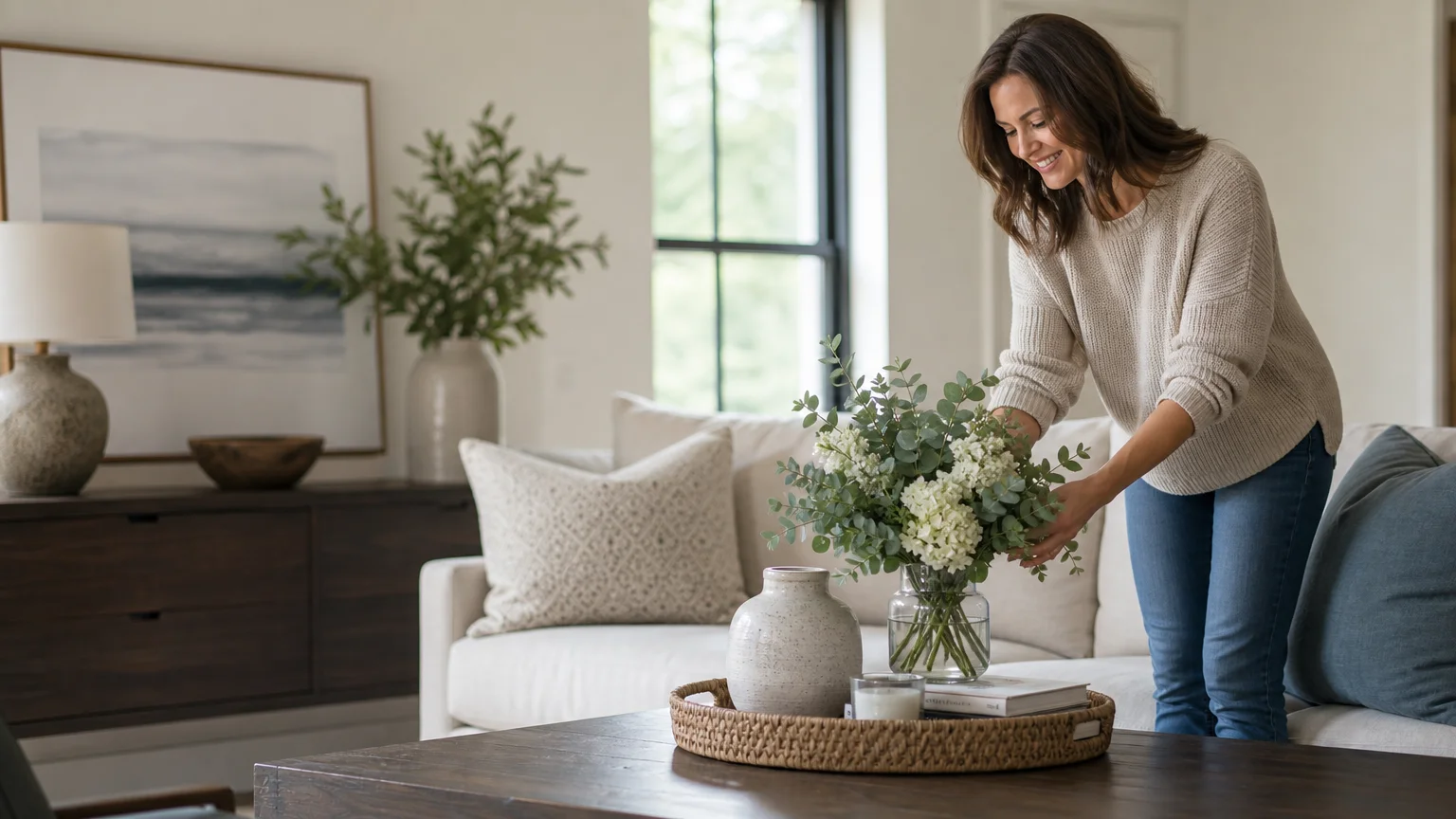
7. Group Decorative Accents to Minimize Surface Clutter
Decorating your living room should add warmth and personality, but spreading too many small objects across your horizontal surfaces quickly devolves into overwhelming visual clutter. When you sprinkle individual ceramic vases, delicate figurines, and tiny picture frames across every available tabletop, the room feels fragmented and disorganized. The eye bounces rapidly from one small item to the next, creating a subconscious sense of unease. Furthermore, picking up dozens of tiny trinkets makes dusting a tedious, frustrating, and time-consuming chore.
You can effortlessly maintain your personal style while reducing visual density by grouping your decorative accents purposefully. Use the interior design principle known as the “rule of three” to cluster objects of varying heights, textures, and shapes together. Instead of placing one candle on the end table, one framed photo on the coffee table, and one potted plant on the windowsill, gather all three items onto a single decorative wooden or metallic tray placed directly on the coffee table. The tray visually anchors the collection, instantly transforming three loose, distracting items into one cohesive centerpiece. When you need to clean the table, you simply lift the entire tray rather than moving and replacing each piece individually. Apply this exact same strategy to your bookcases by grouping a small stack of hardcover books with a sturdy metal bookend and a single sculptural piece. Leave empty, negative space between your groupings to give the room physical room to breathe. Editing your accessories down to a few meaningful, structured clusters highlights the items you truly love and permanently reduces the time you spend tidying your surfaces.
Your Next Step: Walk into your living room right now with an empty laundry basket. Identify the three horizontal surfaces that collect the most daily clutter; these are typically the coffee table, the media console, and the entryway table. Sweep everything that does not belong into the basket to immediately clear the visual noise. Once those surfaces are entirely empty, choose one of the seven design strategies above—such as ordering a cable management box or swapping a glass table for a storage ottoman—and implement it this weekend to permanently stop the pileup.