
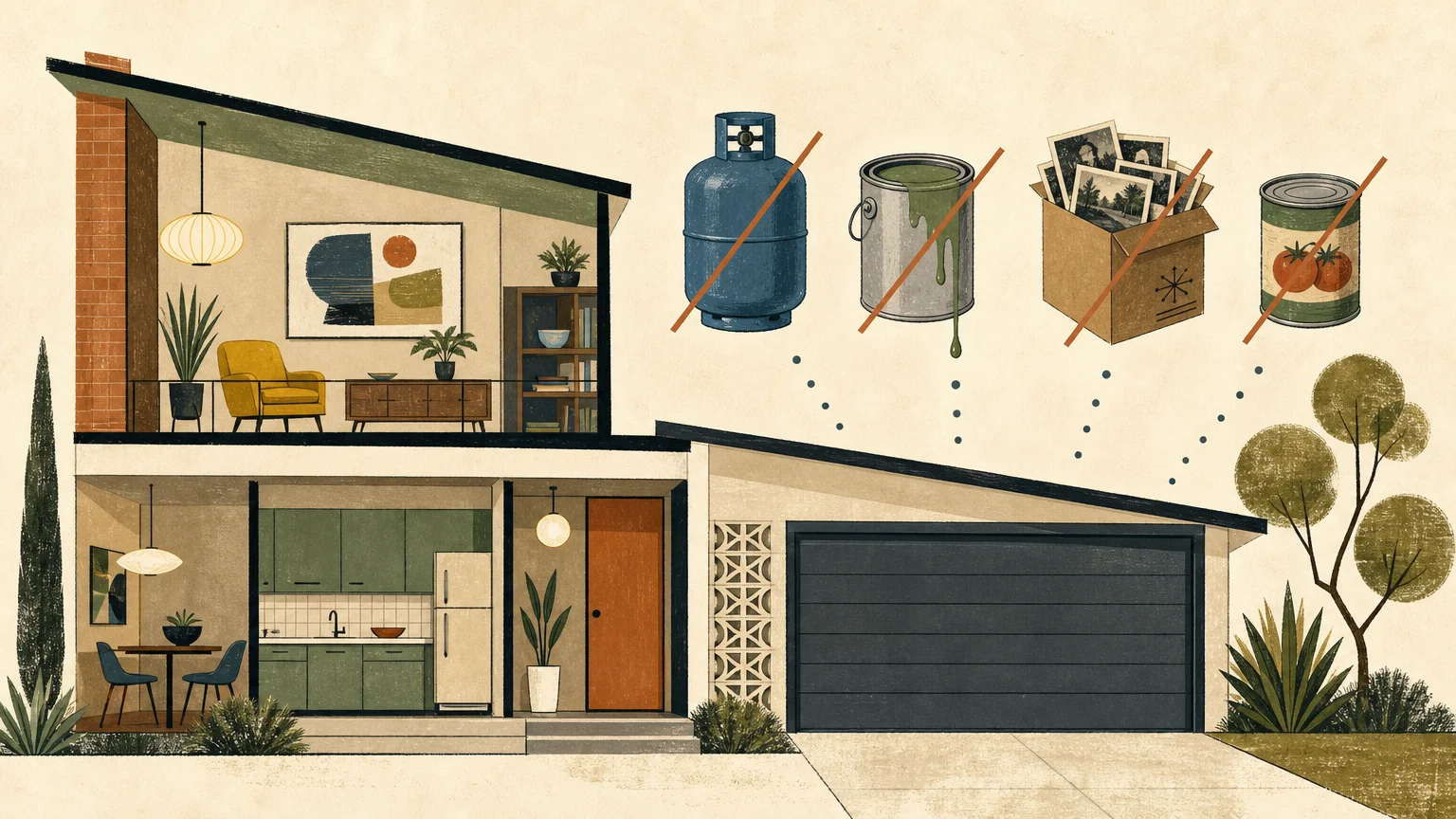
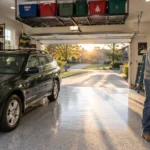
Your garage offers an incredible amount of storage space, but treating it like an all-purpose dumping ground puts your home, health, and valuables at risk. Moving sensitive or hazardous items out of this uninsulated space protects your property from extreme temperature swings, excess humidity, and hungry pests. While it feels convenient to stack extra groceries, leftover renovation supplies, and seasonal gear right next to your car, a garage environment actively destroys certain materials. You can save money and prevent dangerous hazards simply by relocating a few specific categories of items. Read on to discover exactly what you need to remove from your garage today and where to securely store these belongings inside your house instead.
01 Propane Tanks and Hazardous Combustibles
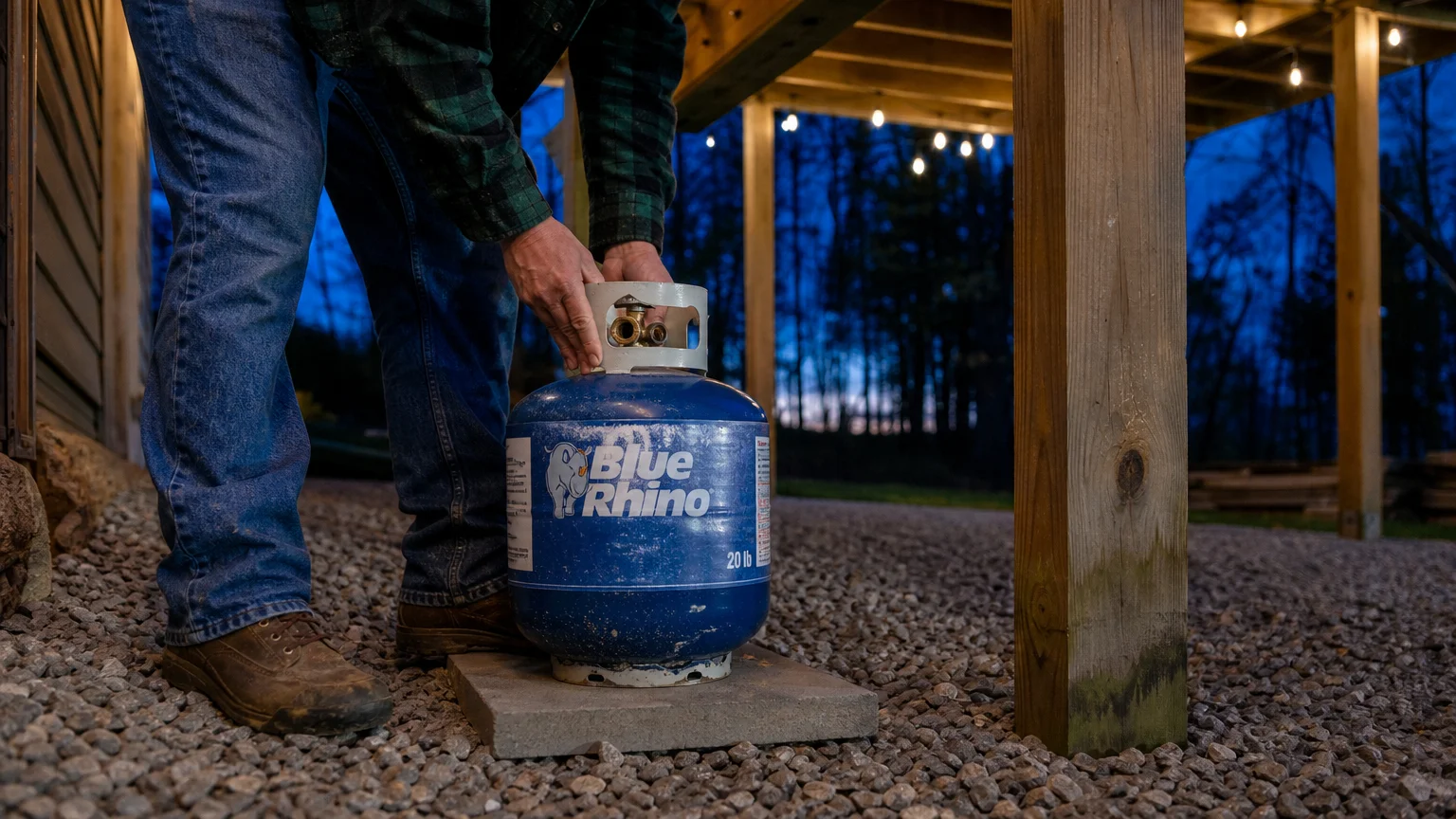
Propane tanks power your summer barbecues, camping stoves, and outdoor patio heaters, but they demand incredibly strict storage conditions. Storing propane indoors—especially in an attached garage—creates a massive safety hazard for your entire household. If a tank valve leaks in an enclosed space, the heavier-than-air gas settles near the floor and waits for a simple ignition source; a small spark from starting your vehicle or your water heater clicking on can trigger a devastating explosion.
The Occupational Safety and Health Administration (OSHA) strictly regulates propane storage, noting that cylinders must stay outside in a well-ventilated area. Heat also poses a significant threat to pressurized tanks. During summer, uninsulated garages easily trap heat, causing the pressure inside a propane tank to rise rapidly. If the ambient temperature climbs above 120 degrees Fahrenheit, the safety relief valve may open to reduce internal pressure, filling your garage with highly flammable fumes. You should always store propane tanks upright in a shaded, outdoor location positioned far from your home’s entryways and ventilation intakes.
02 Leftover Latex and Oil-Based Paint
After finishing a home improvement project, you naturally want to keep the leftover paint for future touch-ups or small crafts. Pushing those metal cans onto a dark garage shelf seems logical, but extreme temperatures quickly ruin the chemical balance of both water-based and oil-based paints.
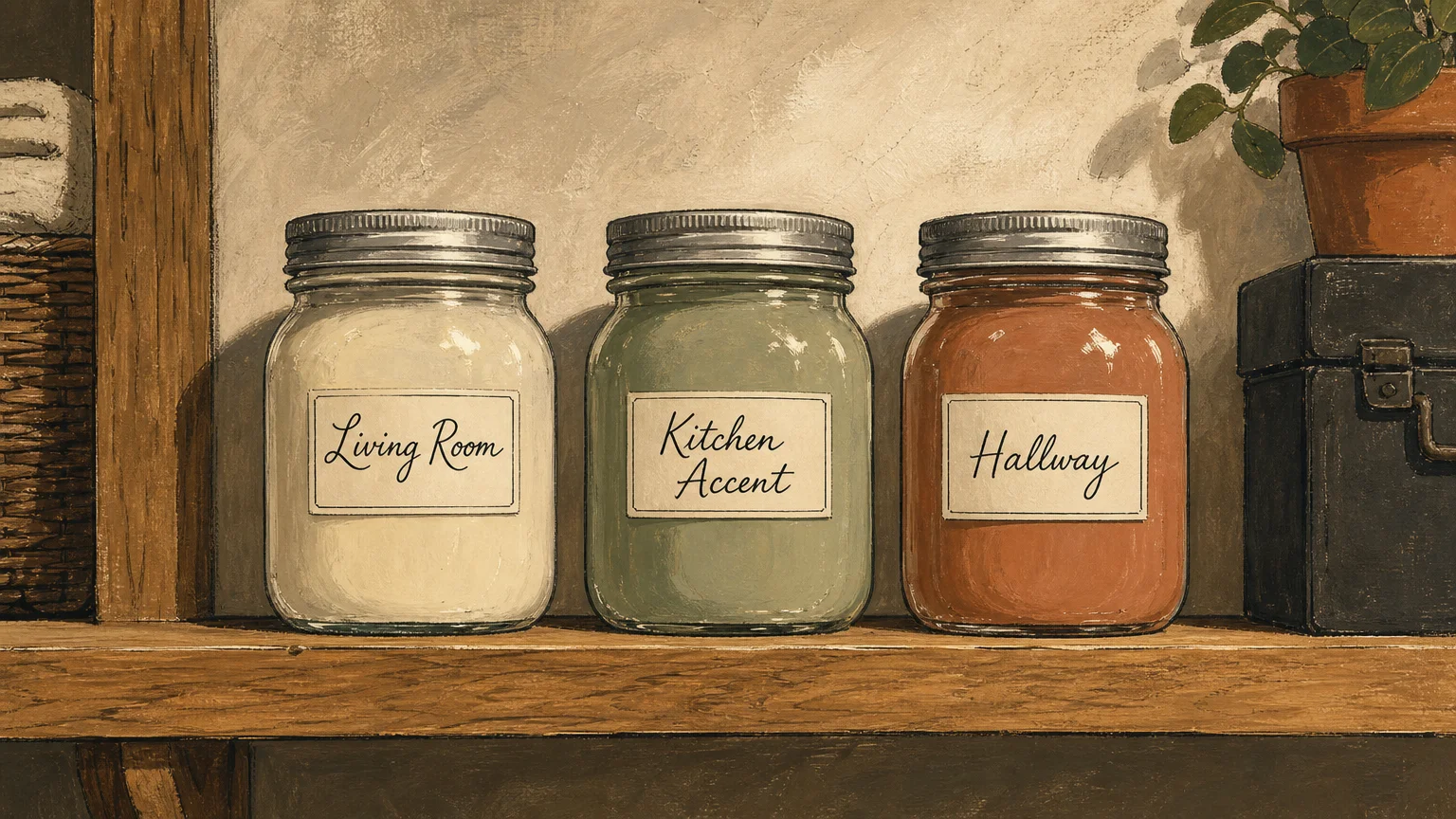
Water-based latex paints freeze at 32 degrees Fahrenheit. When the water inside the can freezes and thaws repeatedly throughout the winter, the paint emulsion permanently breaks down. You will open the can in the spring only to find a separated, lumpy mess that resembles cottage cheese—a texture you cannot fix by stirring or shaking. Extreme heat causes an entirely different set of problems. Temperatures soaring past 110 degrees Fahrenheit bake the paint, causing it to form a thick, rubbery skin on the top layer or dry out completely. Rather than wasting expensive materials, keep your paint indoors. Find a utility closet or a temperature-controlled basement shelf. To save space, transfer small amounts of leftover paint into airtight glass jars, label the lids with the room name, and store them securely inside your home.
03 Canned Food and Extra Groceries
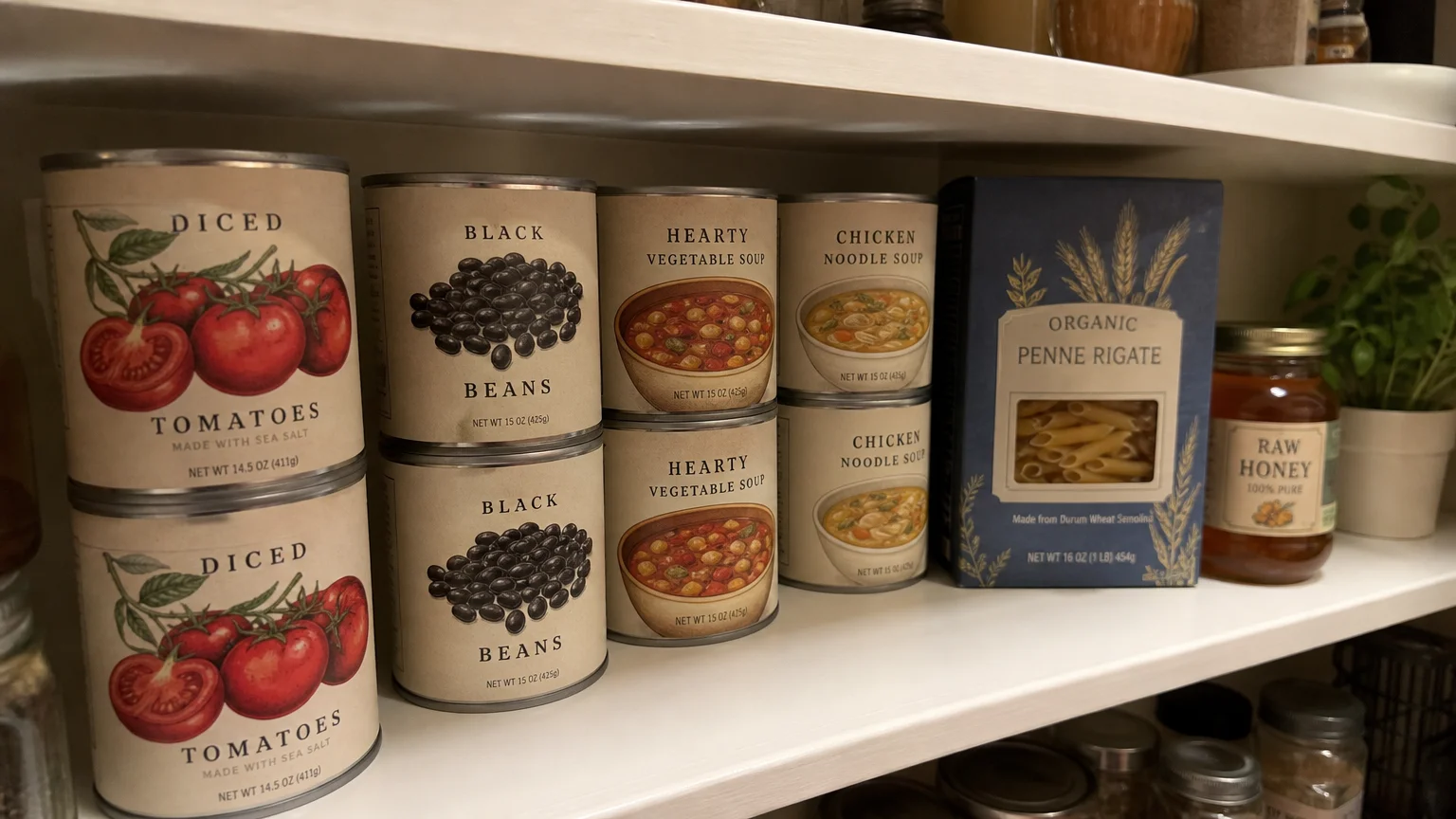
Warehouse clubs make buying food in bulk easy and cost-effective, but your garage cannot serve as a secondary pantry. The United States Department of Agriculture (USDA) warns that canned goods require storage in cool, dry environments, ideally resting between 50 and 70 degrees Fahrenheit for maximum shelf life.
When the summer sun beats down on your garage roof, indoor temperatures easily surpass 100 degrees Fahrenheit. This extreme heat rapidly degrades the nutritional value of your groceries and significantly increases the risk of spoilage. High temperatures can even activate dormant thermophilic bacteria in canned goods, causing the food to ferment and the metal cans to bulge. Conversely, winter freezes cause the liquid inside cans to expand. This freezing expansion stresses the metal seams, creating microscopic tears that let in outside air and harmful bacteria. Furthermore, storing bulk food in the garage acts as a powerful magnet for rodents and insects. Keep all your groceries inside the house. If you lack traditional pantry space, install low-profile shelving in a laundry room or utilize the empty space under your stairs.

04 Wine Collections
Building a wine collection takes time and money, and keeping your bottles in the garage guarantees a quick destruction of your investment. Wine serves as a living, breathing beverage that requires absolute environmental stability. The ideal temperature for storing wine intended for aging hovers between 53 and 57 degrees Fahrenheit.
When you expose bottles to the daily temperature fluctuations of a standard garage, the liquid inside the bottle constantly expands and contracts. This physical movement pushes the cork out slightly as it warms and pulls it back in as it cools, effectively breaking the delicate airtight seal. Oxygen then seeps into the bottle, interacting with the wine and rapidly oxidizing it until it tastes like flat vinegar. High heat also literally “cooks” the wine, destroying its complex flavor profiles and flattening its aroma within just a few days of exposure to temperatures over 80 degrees Fahrenheit. If you do not have a basement or a dedicated climate-controlled wine cooler, store your wine horizontally in a dark interior closet where the temperature remains consistent year-round.
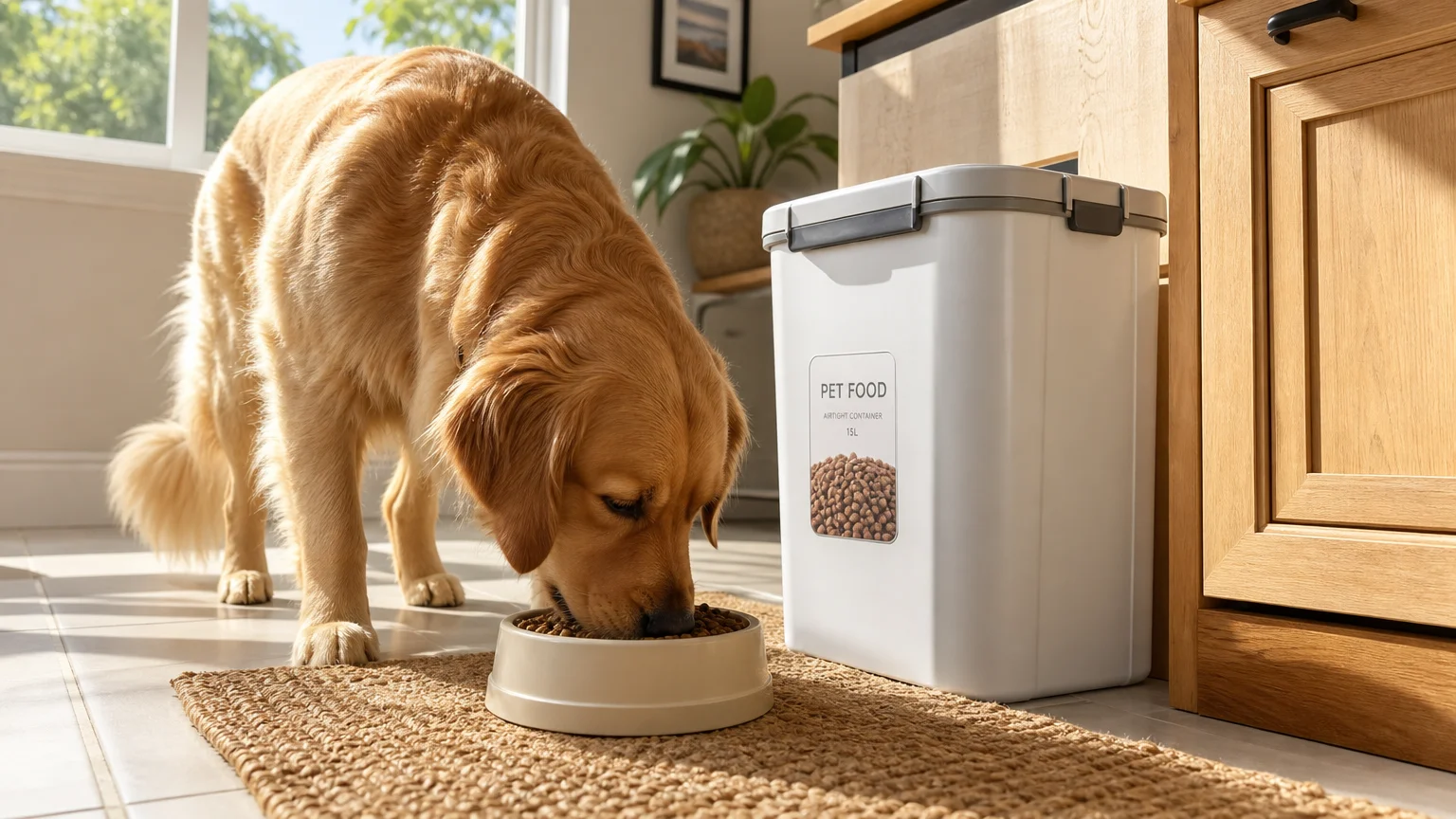
05 Pet Food and Bird Seed
Your pets deserve fresh, safe meals, but keeping their kibble in the garage puts their digestive health at risk. Dry pet food contains essential fats and oils that keep your dog or cat healthy and maintain their coat. When exposed to the high heat of a summer garage, these fats quickly oxidize and turn rancid. Rancid food loses its nutritional value and often causes severe stomach upset or food refusal in pets.
Additionally, paper or plastic bags of dog food, cat food, and bird seed emit a strong odor that attracts neighborhood pests. Mice, rats, raccoons, and insects view your unsealed garage as a convenient 24-hour buffet. Even thick packaging offers zero protection against the sharp teeth of a determined rodent. Keep your pet food in its original packaging to retain the manufacturer’s barcode and expiration date, but place that entire bag inside a clean, dedicated plastic container with a secure locking lid. Keep this sealed bin inside your home’s pantry or laundry room to maintain absolute freshness and keep hungry pests outside where they belong.
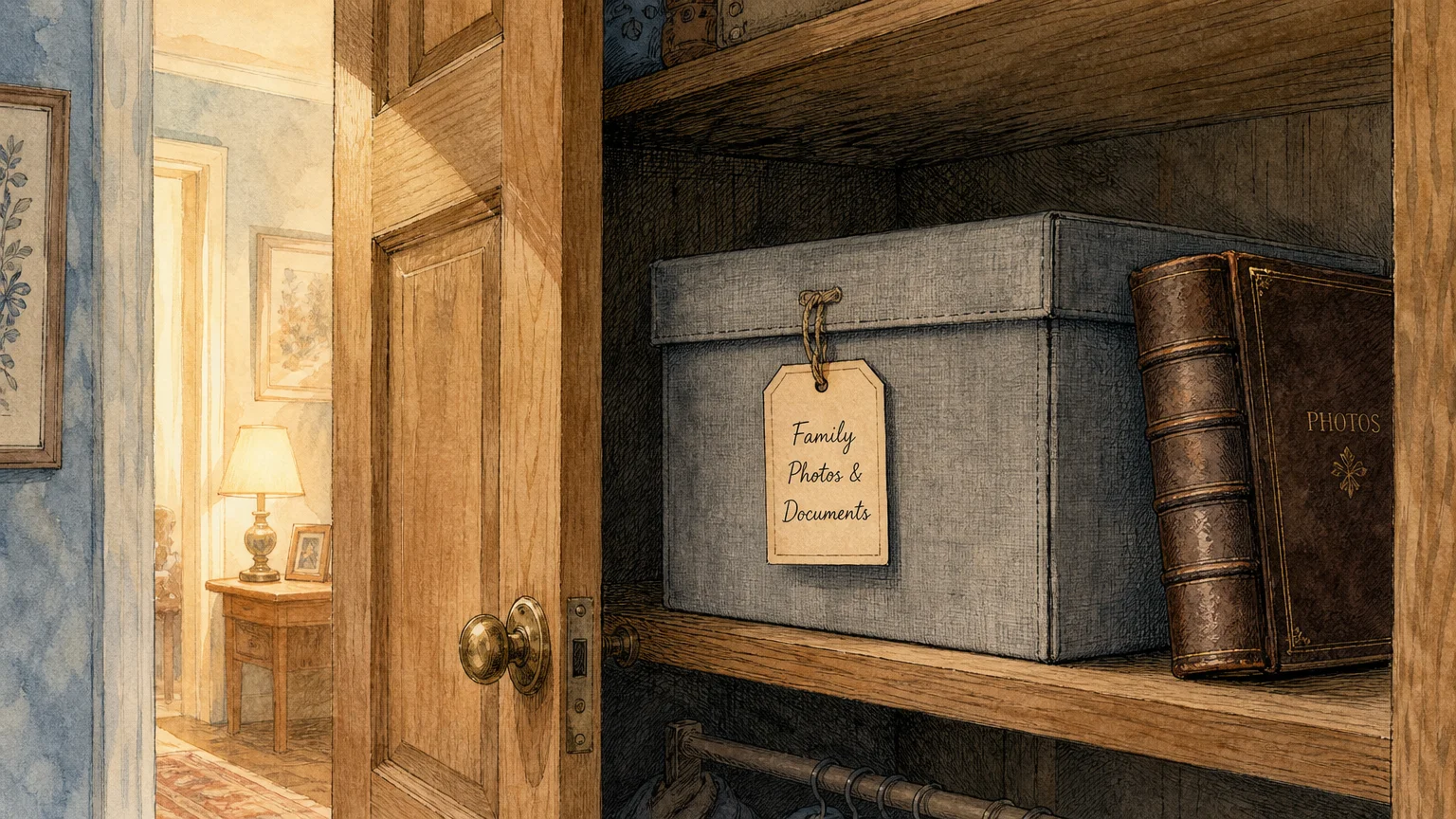
06 Important Documents and Family Photographs
Your garage provides the worst possible environment for delicate paper goods. Storing tax records, passports, birth certificates, or irreplaceable family photo albums next to your vehicle invites total disaster.
Paper acts like a sponge, readily absorbing moisture from the humid garage air. Over time, this ambient moisture causes pages to stick together and breeds toxic mold and mildew. Photographs suffer even more damage; the chemical emulsion on photo paper breaks down in high heat, causing colors to fade, shift, or completely melt together until the images become unrecognizable. Pests also pose a constant threat to your archives. Silverfish, roaches, and mice love to chew through cardboard boxes and use your precious documents as nesting material. Sort through your paperwork immediately, shred anything you no longer need, and transfer the essential documents into a fireproof, waterproof lockbox. Store your photo albums inside your living space in acid-free archival boxes, placing them on a high closet shelf away from direct sunlight.
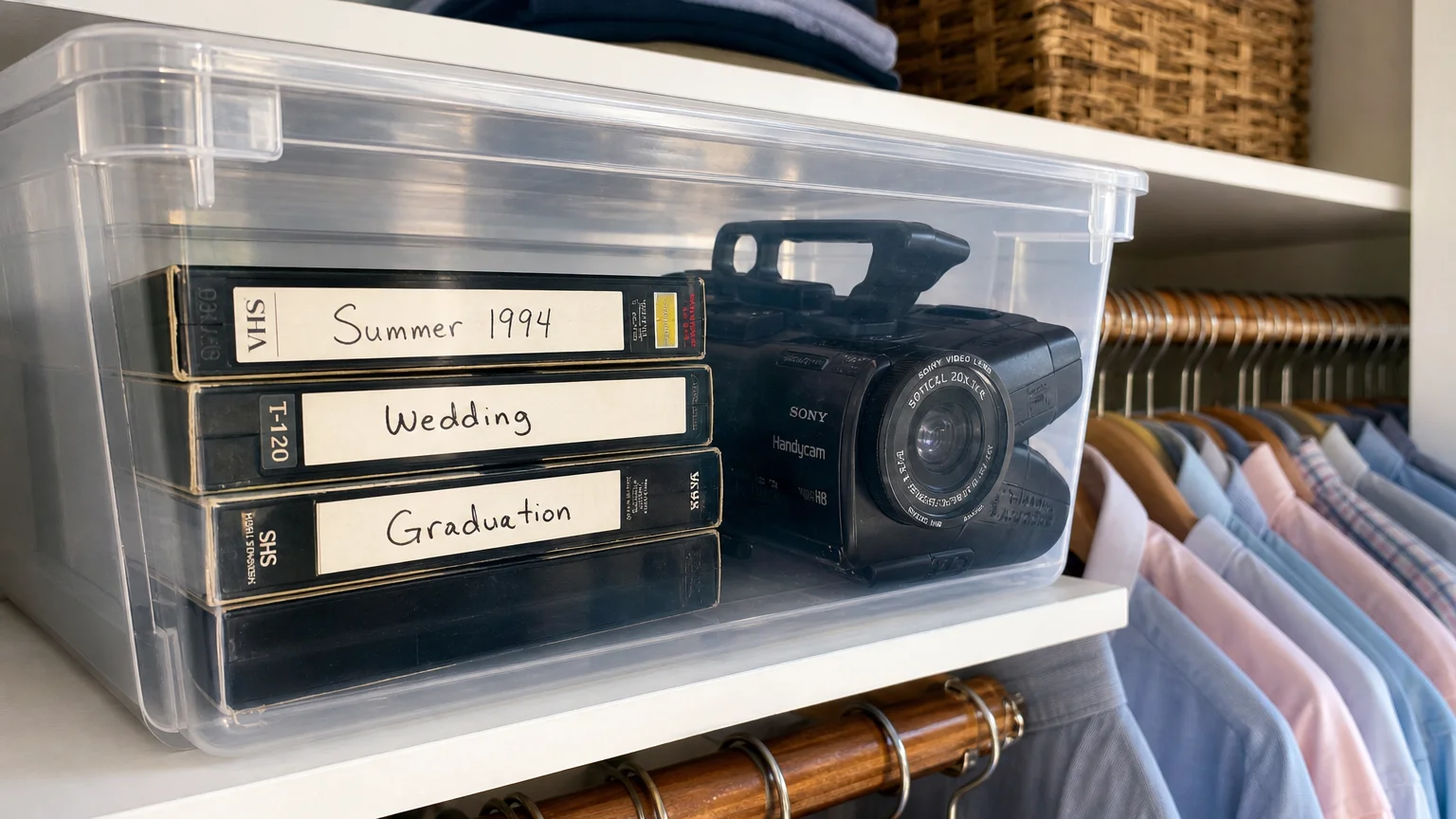
07 Electronics and Vintage Media
Upgrading your television, computer, or gaming system often leaves you with older models you plan to sell or donate later. Leaving these electronic devices in the garage drastically shortens their lifespan and ruins their resale value.
Temperature swings cause condensation to form inside the plastic casings of electronics. This moisture settles directly on sensitive internal circuit boards, leading to rust, corrosion, and permanent short circuits the next time you plug the device into an outlet. Extreme heat also causes plastic chassis parts to warp and melts the internal thermal pastes and adhesives holding the components together. Devices containing lithium-ion batteries require special attention; freezing temperatures drain their charging capacity entirely, while excessive heat causes the batteries to swell, leak corrosive acid, or even catch fire. Vintage media like vinyl records, VHS tapes, and DVDs face similar fates, warping and degrading in the heat until they become completely unplayable. Keep your backup electronics and physical media collections indoors, preferably tucked away in a climate-controlled spare bedroom or home office.
08 Wooden Furniture and Upholstery
Whether you are saving an antique wooden dining table for a family member or holding onto a spare upholstered sofa for your next move, the garage will quickly ruin your furniture. Wood naturally breathes, absorbing and releasing moisture based on the surrounding environment’s humidity levels.
During humid summer months, wooden table legs and dresser drawers swell tightly. In the dry winter, the wood shrinks back down. This constant cycle of expansion and contraction stresses the joints, causing solid wood to crack, warp, and split down the middle. The adhesive glue holding antique furniture together also crystallizes and fails completely under these harsh conditions. Upholstered furniture faces a different but equally destructive set of threats. Sofas, mattresses, and fabric chairs absorb foul odors from car exhaust, gasoline, and stored lawn chemicals. The fabric fibers also trap ambient moisture, turning your spare couch into a hidden breeding ground for toxic black mold. If you must store furniture long-term, utilize an interior room or rent a climate-controlled storage unit to preserve the structural integrity and cleanliness of the pieces.
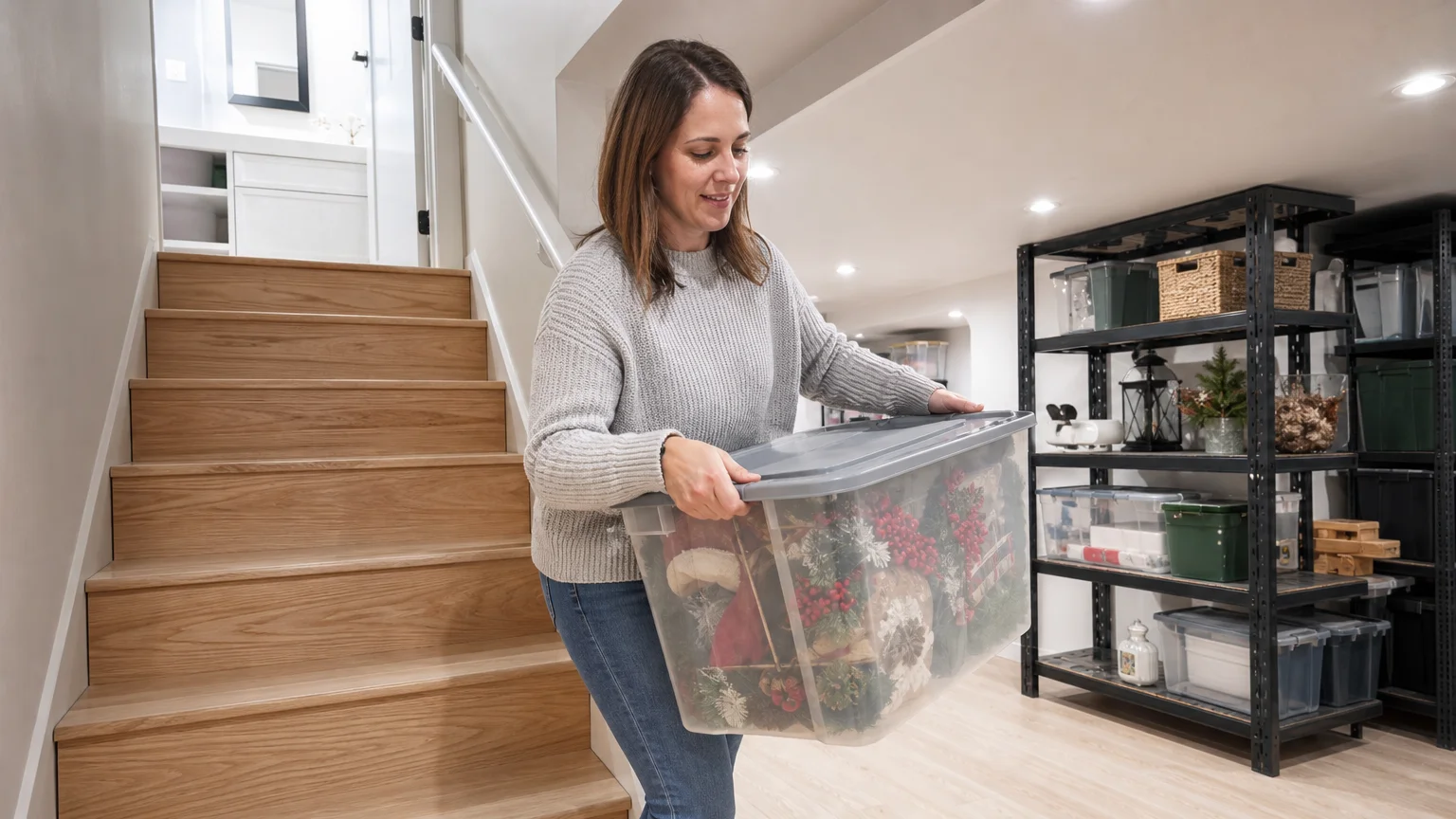
How to Safely Reorganize Your Displaced Items
Moving these eight categories of items inside might feel overwhelming at first, but you can accomplish this task swiftly with a clear, actionable plan. Use this step-by-step checklist to systematically relocate your sensitive belongings without cluttering your main living space.
- Step 1: Audit and Declutter. Pull all paint, food, paper, and electronics out of the garage. Throw away expired food, dried-out paint, and broken electronics responsibly.
- Step 2: Relocate the Propane. Immediately move any propane cylinders to a shaded, well-ventilated outdoor space away from the house siding.
- Step 3: Establish a Utility Zone. Designate a single sturdy shelf in your laundry room or basement exclusively for utility items like fresh paint, caulking, and household cleaners.
- Step 4: Create a Secondary Pantry. Install wire shelving in an interior hallway closet to hold bulk groceries, pet food in sealed bins, and wine bottles.
- Step 5: Secure Your Documents. Buy a fireproof lockbox for your vital records and place it under your bed or on the top shelf of your home office closet.
- Step 6: Assess Furniture Storage. Move wooden and upholstered furniture into a spare room, or list it for sale online if it no longer serves a practical purpose in your home.
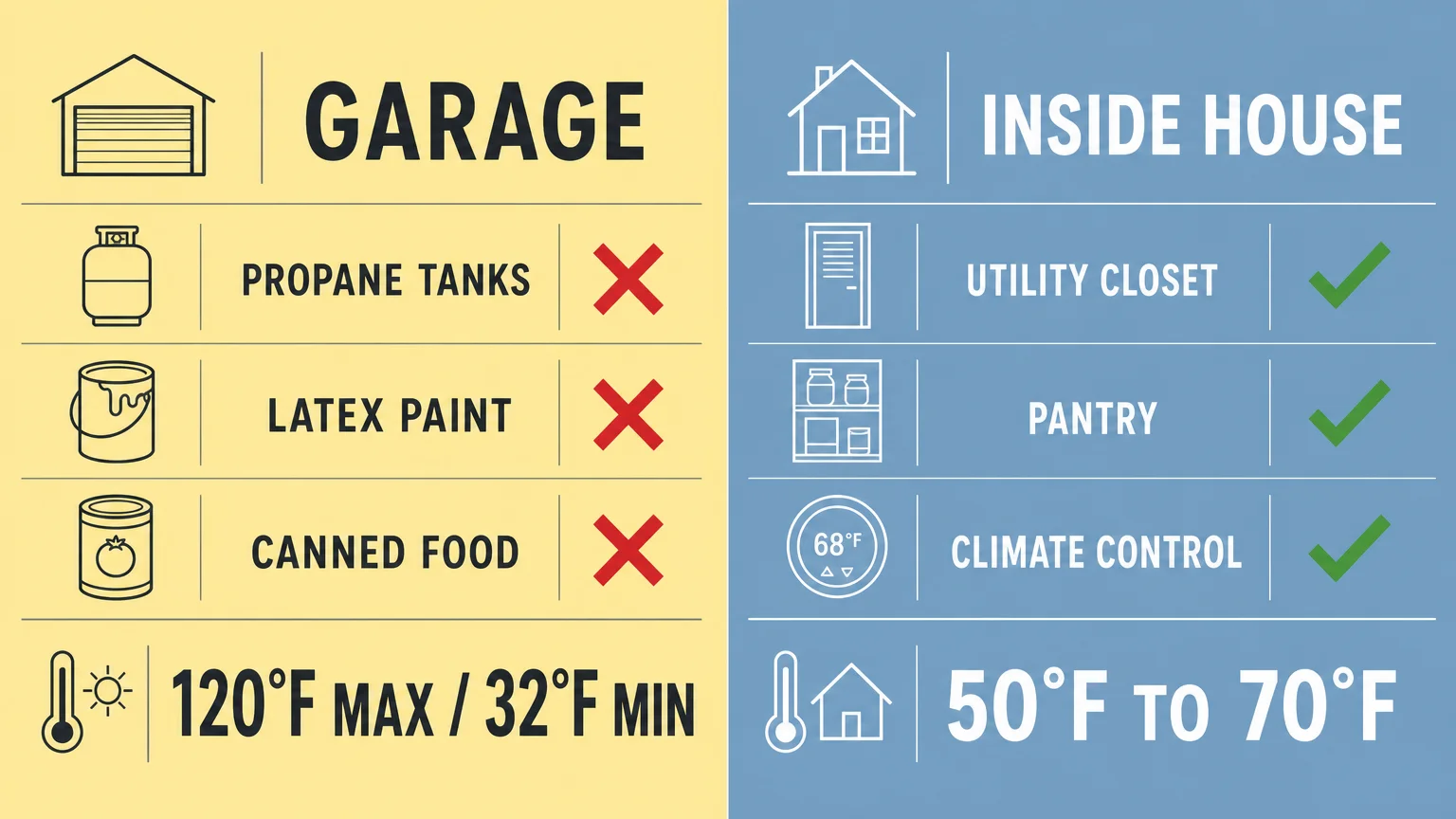
Garage Storage Relocation Guide
To make your reorganizing effort seamless, reference this quick guide for placing your hazardous or sensitive items in their optimal indoor environments.
| Item Category | Primary Threat in Garage | Ideal Storage Location |
|---|---|---|
| Propane Tanks | Explosion risk from heat and enclosed fumes | Outdoors, upright, in a shaded and ventilated area |
| Leftover Paint | Separation from freezing; drying out from extreme heat | Temperature-controlled utility closet or basement |
| Canned Goods | Bacterial growth from heat; rusted or busted metal seams | Indoor kitchen pantry or low-profile hallway shelving |
| Wine | Oxidation from expanding and contracting corks | Dark interior closet or dedicated wine refrigerator |
| Pet Food | Rodent infestation; essential fats going rancid in heat | Sealed plastic bins inside an indoor pantry |
| Documents & Photos | Moisture damage, severe color fading, and pest destruction | Fireproof lockbox or acid-free archival boxes indoors |
| Electronics | Circuit corrosion from condensation; battery failure | Spare bedroom, home office, or climate-controlled unit |
| Wooden Furniture | Warping, splitting, and cracking from humidity fluctuations | Spare interior room or climate-controlled storage unit |
Next Step: Take fifteen minutes today to walk through your garage with an empty cardboard box. Focus solely on grabbing items from the list above—start with any stray cans of food, important papers, or leftover paint—and bring them inside your home to safely sort and store this evening.
Great info glad that I took the time to read this thanks alot for the important information