Your home should be a comfortable sanctuary, not an endless list of physical chores. Now that you have more free time, spending it scrubbing baseboards or wrangling heavy vacuums is the last thing you want to do. Rethinking your cleaning routine means shifting from grueling marathon sessions to smart, targeted habits that protect your joints and save your energy. By upgrading your tools, mastering product dwell time, and rethinking how you move, you can maintain a sparkling space with a fraction of the physical effort. These seven practical hacks will help you streamline daily upkeep, minimize unnecessary strain, and reclaim your time for the activities you actually enjoy.
Upgrade to Ergonomic, Joint-Friendly Tools
As we age, grip strength and joint flexibility naturally change, making traditional cleaning tools feel cumbersome and even painful to use. Squeezing standard trigger bottles, pushing a heavy upright vacuum, or wringing out a traditional string mop can aggravate arthritis and cause lingering soreness. The simplest way to transform your cleaning routine is to swap out these outdated implements for ergonomic alternatives designed specifically to reduce bodily strain.
Look for tools that prioritize a neutral wrist position and require minimal force. For instance, replacing a standard spray bottle with a continuous fine-mist sprayer or a battery-operated power sprayer eliminates the repetitive finger squeezing that triggers joint pain. You can even purchase inexpensive foam grip tubing to slide over the handles of your existing brooms and dusters, instantly increasing the diameter and making them easier to grasp.
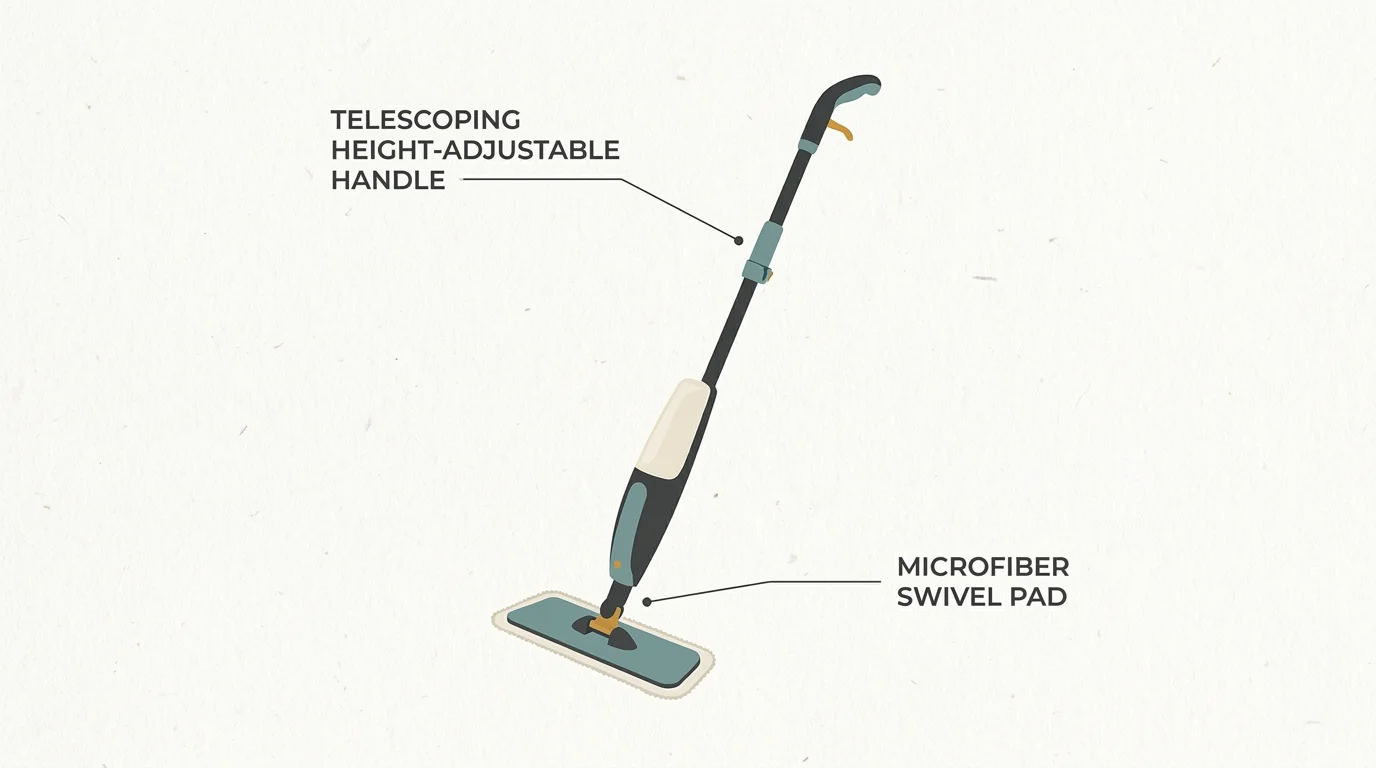
When it comes to floor care, ditch the heavy water bucket. Instead, opt for a lightweight microfiber spray mop equipped with a telescoping handle that adjusts to your exact height, preventing you from slouching as you work. If you are unsure which products are truly joint-friendly, look for the Arthritis Foundation’s Ease of Use commendation. Products bearing this certification have been independently tested by experts and individuals with arthritis to ensure they are genuinely easy to open, hold, and operate. Finally, if you live in a multi-story home, consider purchasing duplicate tools—like an ultra-lightweight stick vacuum for the second floor—so you never have to haul heavy equipment up and down the stairs.
Switch from Heavy Scrubbing to Strategic Dwell Time
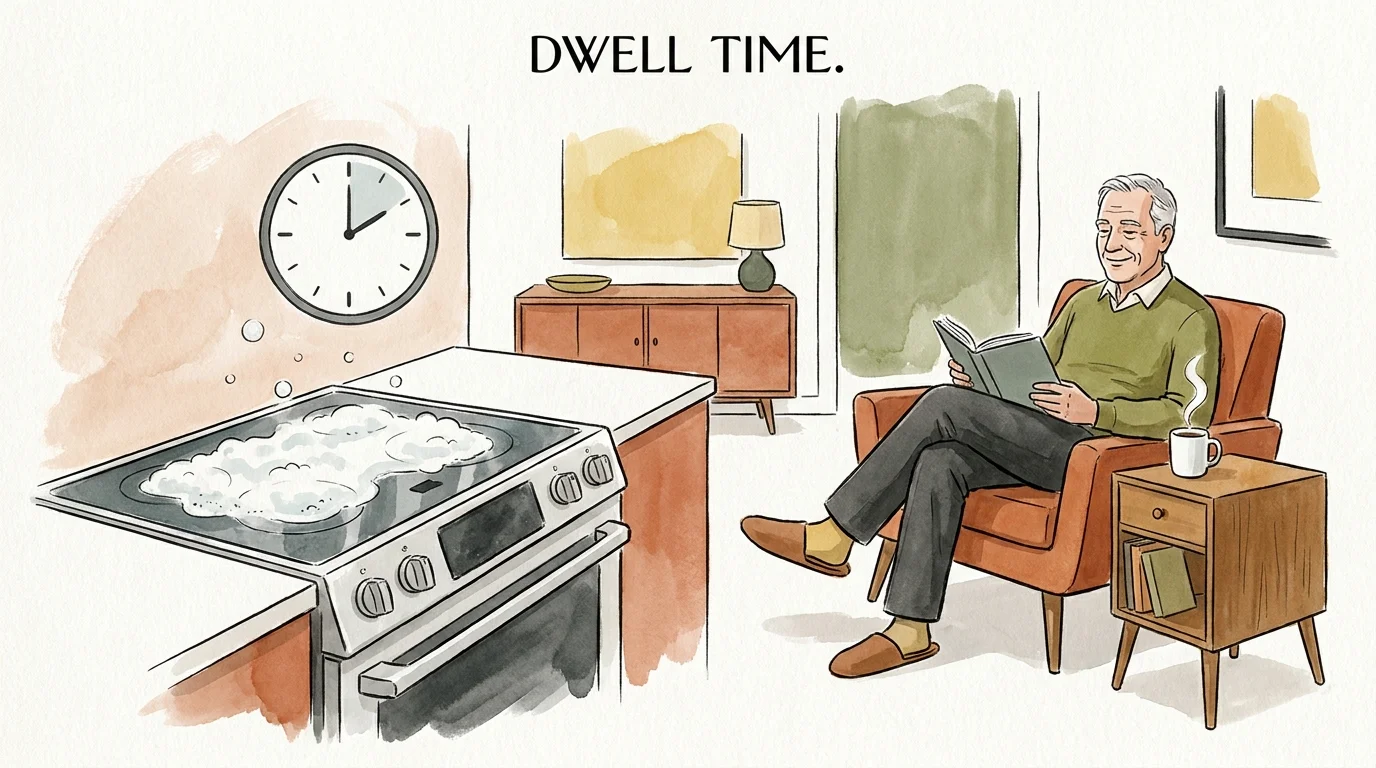
One of the most physically demanding aspects of cleaning is scrubbing away stubborn grime. Whether you are dealing with baked-on stovetop grease or hardened soap scum in the bathtub, relying on sheer elbow grease is exhausting—and entirely unnecessary. Professional cleaners rely on a concept called “dwell time,” which is the amount of time a cleaning product needs to remain wet on a surface to break down the dirt effectively.
Instead of spraying a surface and immediately attacking it with a sponge, you need to let the cleaning solution do the heavy lifting for you. Generously apply your cleaner to the problem area until it is visibly wet, but not dripping. If you are cleaning a vertical surface like shower tile, start spraying from the bottom and work your way up to prevent the solution from running down in concentrated streaks. Once applied, simply walk away. Go fold a load of laundry, read a chapter of a book, or enjoy a cup of coffee.
When you return ten to fifteen minutes later, the active ingredients in the cleaner will have dissolved the bonds holding the grime to the surface. What would have required vigorous, shoulder-straining scrubbing can now be wiped away with a simple, gentle pass of a damp microfiber cloth. For a heavily soiled microwave, you can place a bowl of water with a sliced lemon inside and heat it until the water boils. The resulting steam softens the baked-on food splatters, creating the ultimate hands-off dwell time. By working smarter and giving your products time to activate, you preserve your energy and protect your joints.
Ground the Step Stool and Embrace Extension Tools
Balancing on a step stool or a ladder to dust ceiling fans, wipe down crown molding, or clean the top of the refrigerator is a risky endeavor. According to Centers for Disease Control and Prevention (CDC) fall statistics, falls are the leading cause of injury among older adults, often linked to ladders and step stools. Even a minor slip from a low height can result in fractures, sprains, and a lengthy recovery period. The safest approach to high-reach cleaning is simple; keep both feet firmly planted on the floor.
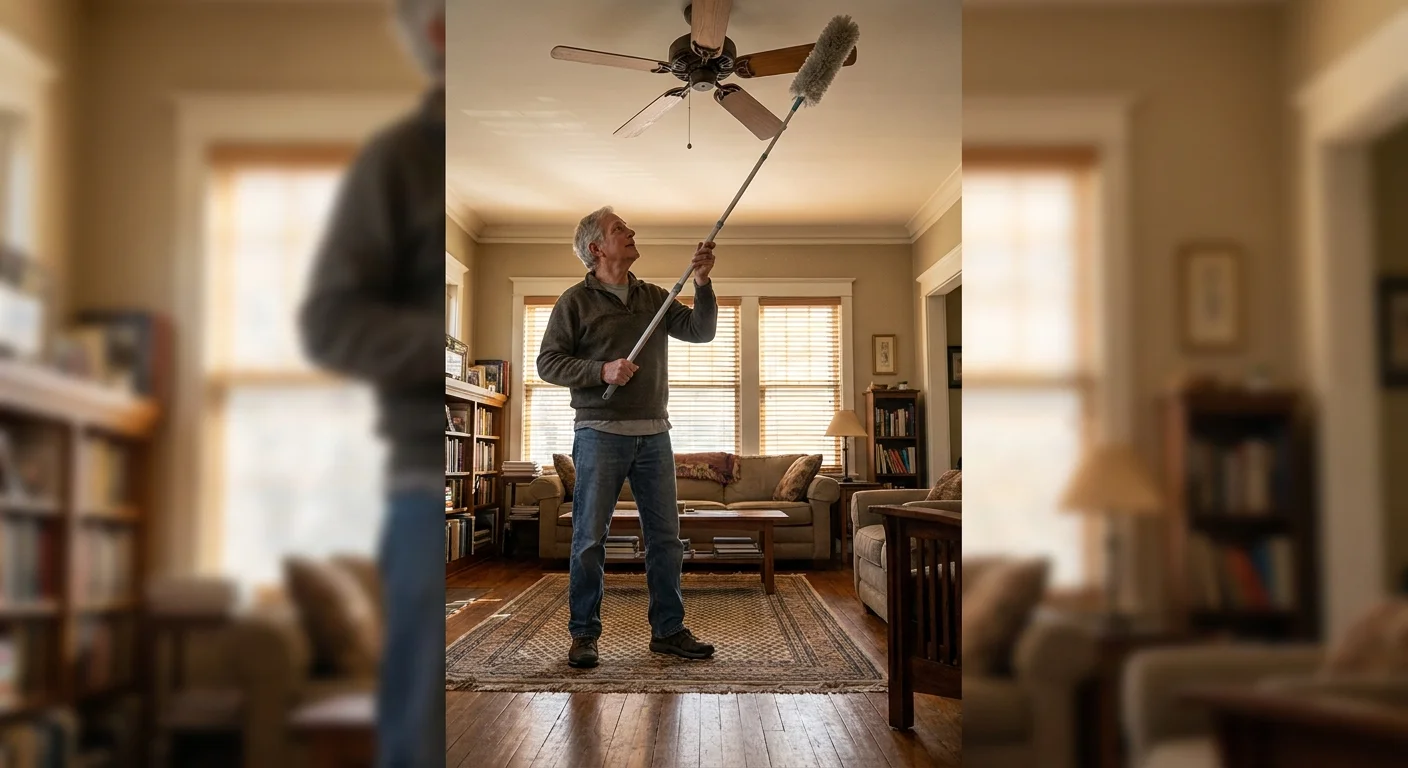
Modern cleaning technology offers fantastic extension tools that completely eliminate the need for climbing. Invest in a high-quality telescoping aluminum pole equipped with interchangeable cleaning heads. You can attach a fluffy microfiber duster to trap cobwebs in the corners of vaulted ceilings, a flexible chenille attachment to clean the blades of your ceiling fan, or a squeegee head to wash tall windows. Because these poles are made of lightweight materials, lifting them overhead will not strain your shoulders.
Additionally, extension tools are not just for high places. For retrieving items from high shelves or picking up dropped debris from the floor without bending over, a long-reach grabber tool is an invaluable addition to your home maintenance arsenal. By grounding your step stool and embracing lightweight extension equipment, you drastically reduce your risk of injury while still maintaining a meticulously clean home.
Simplify and Lighten Your Cleaning Caddy
Lugging a heavy plastic caddy loaded with ten different commercial cleaners from room to room is a fast track to back pain and fatigue. The reality is that you do not need a specialized chemical cleaner for every single surface in your house. Simplifying your cleaning supplies lightens your physical load and streamlines your entire routine.
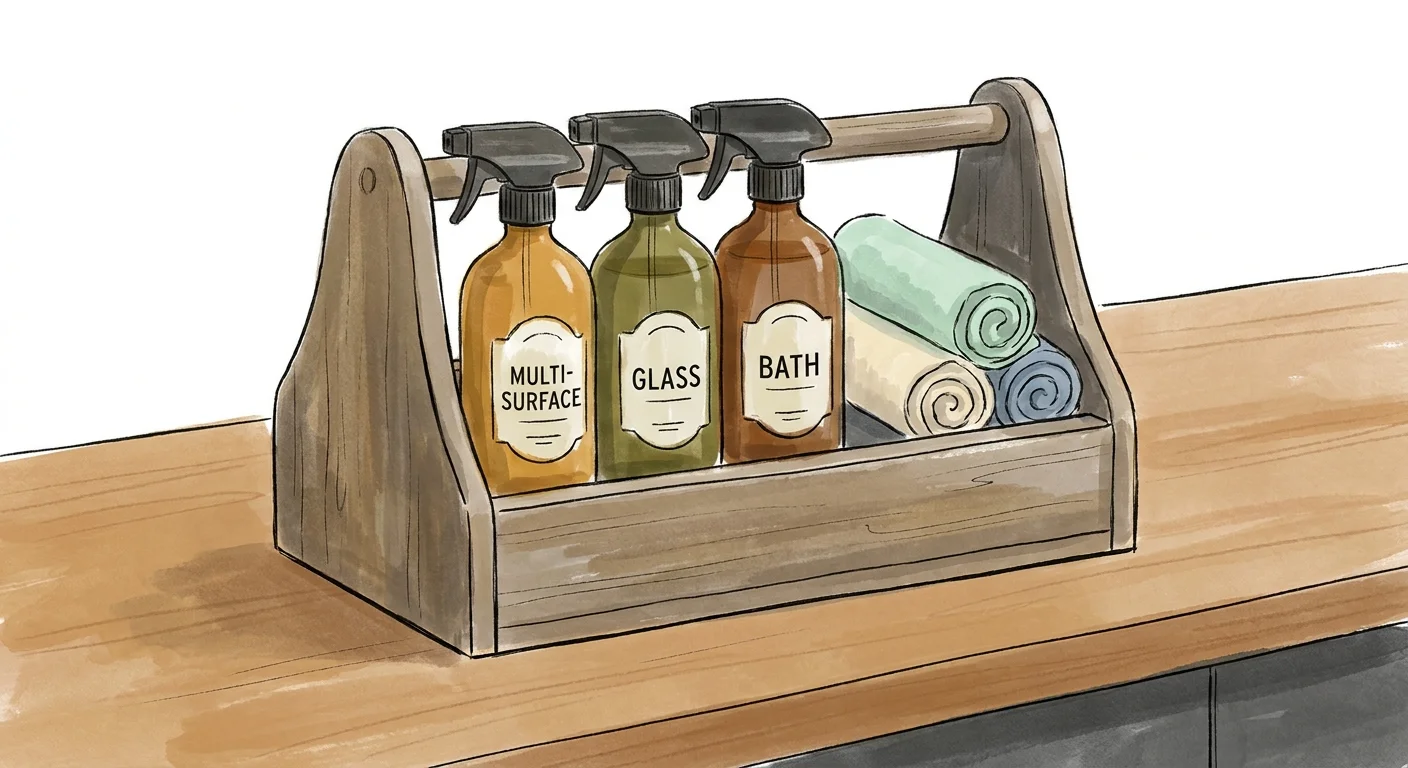
Start by creating localized cleaning stations. Instead of storing all your supplies in a central utility closet, stash a small, lightweight kit in the primary bathroom, the kitchen, and the guest bathroom. When the supplies are already exactly where you need them, you completely eliminate the chore of carrying them around the house.
Next, pare down your products. A good glass cleaner, a mild abrasive like baking soda, and a high-quality all-purpose spray are generally all you need. When selecting new products, prioritize formulas recognized by the EPA Safer Choice program. This label indicates that the product contains chemical ingredients evaluated by scientists to be safer for human health and the environment. Using safer products is especially beneficial for reducing indoor air pollution and protecting your respiratory health as you spend more time at home.
Step-by-Step Guide to Building a Lightweight Cleaning Station:
- Select a small, easily washable fabric or plastic container with a comfortable carrying handle to serve as your localized caddy.
- Add one bottle of an EPA Safer Choice certified multi-surface cleaner, eliminating the need for separate glass, wood, and tile sprays.
- Include three to four high-quality microfiber cloths, which trap dust and dirt more effectively than paper towels and require less physical pressure to wipe surfaces clean.
- Add a small, soft-bristled detail brush—an old toothbrush works perfectly—for cleaning the tight edges of sink faucets and shower drains without intense scrubbing.
- Store the assembled container under the sink in each bathroom and the kitchen for immediate, easy access exactly when you need it.
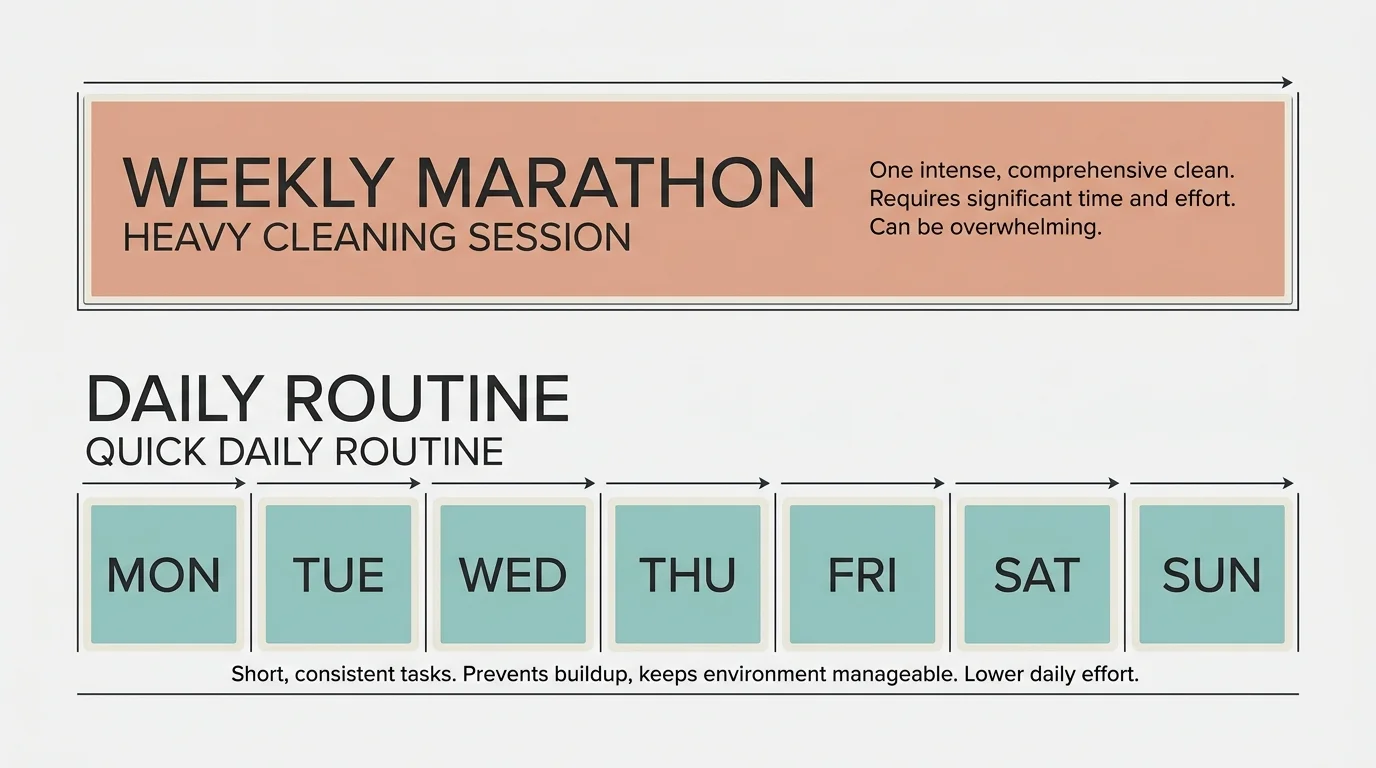
Master the Daily Reset Instead of the Weekly Marathon
The traditional approach of dedicating an entire Saturday to top-to-bottom house cleaning is an exhausting practice that can leave you drained for the rest of the weekend. As a retiree, you have the flexibility to shift your strategy from exhaustive marathon sessions to a low-impact “clean as you go” philosophy. Small, daily maintenance tasks prevent dirt and clutter from accumulating into overwhelming projects.
Incorporate tiny, effortless habits into your existing daily routine. Keep a small squeegee in the shower and spend thirty seconds wiping down the glass doors immediately after you turn off the water. This prevents hard water stains and soap scum from forming, meaning you will rarely need to deep clean the shower glass. Wipe down the bathroom sink with a microfiber cloth right after you brush your teeth. Keep a small, handheld vacuum plugged in near the kitchen to quickly sweep up crumbs after preparing a meal, rather than dragging out the heavy upright vacuum every few days.
Furthermore, understand that routine cleaning does not require heavy, harsh chemicals. According to CDC recommendations for routine household cleaning, simply cleaning surfaces with soap and water is highly effective at removing germs under normal circumstances. Reserve heavy chemical disinfecting for times when someone in your household is actually sick. This daily reset approach keeps your home consistently guest-ready and drastically reduces the physical toll of home maintenance.
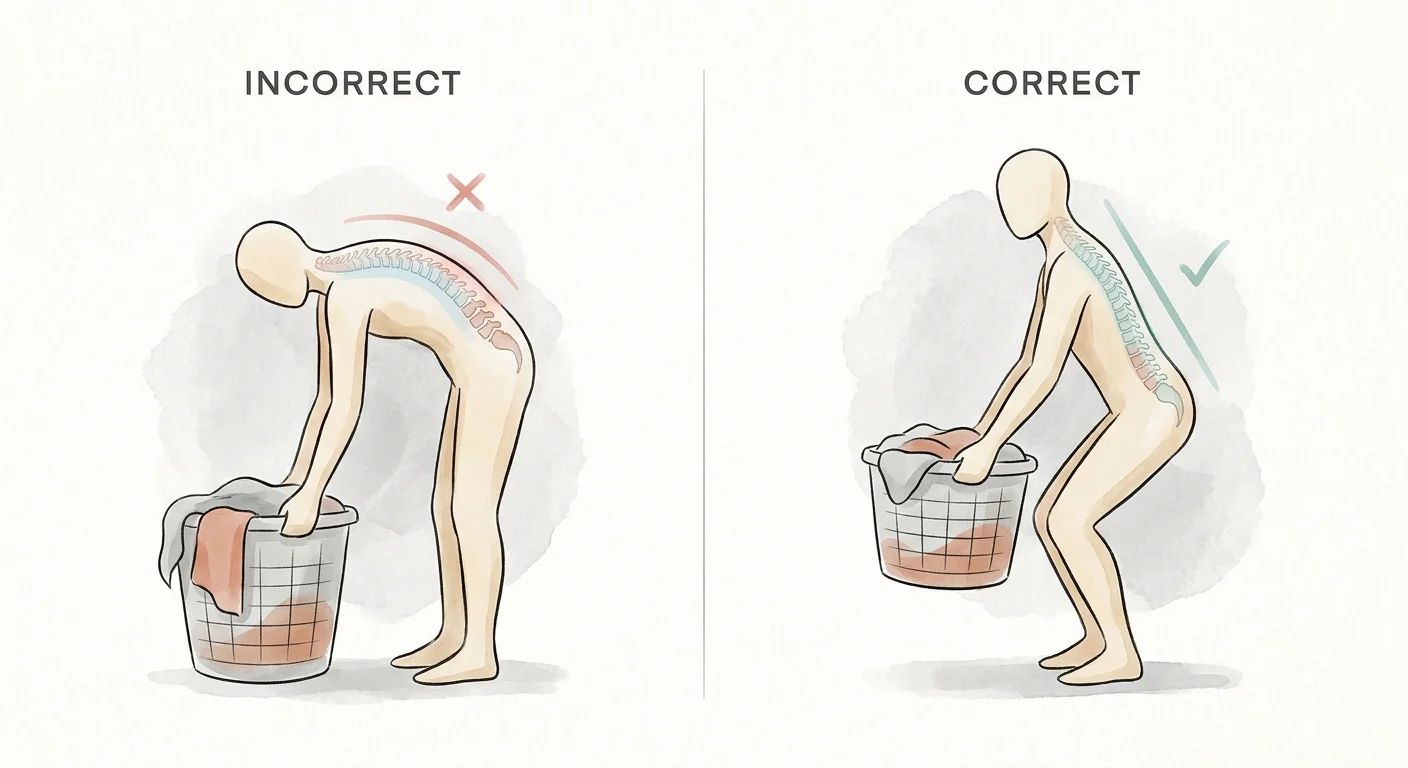
Protect Your Back with Proper Body Mechanics
When you do need to tackle larger chores, the way you physically move your body is critical. Poor posture and incorrect body mechanics during household tasks are common culprits behind lower back pain, strained hamstrings, and sore shoulders. By making minor adjustments to how you bend, lift, and reach, you can protect your spine and joints.
Always avoid bending forward at the waist with straight legs, a motion that puts immense pressure on your lower back. If you need to clean a low surface, practice a hip hinge; push your hips back and bend your knees slightly while keeping your back straight. Better yet, modify the task so you do not have to bend at all. Swap your standard broom and dustpan for a lobby-style dustpan featuring a long, upright handle.
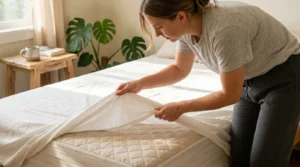
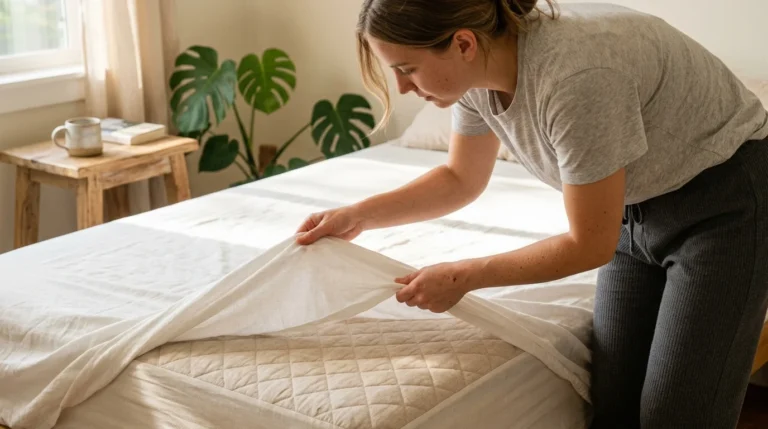
Making the bed is another notoriously strenuous task, particularly when lifting a heavy mattress to tuck in fitted sheets. You can bypass this strain entirely by using a mattress lifter tool or a clean wooden pizza paddle to slide the linens under the mattress. This allows you to stand comfortably upright while securely tucking the sheets.
| Cleaning Task | Traditional Movement (High Strain) | Ergonomic Alternative (Low Strain) |
|---|---|---|
| Sweeping Floors | Bending at the waist to sweep debris into a short handheld dustpan. | Standing completely upright using a long-handled lobby dustpan. |
| Scrubbing Low Tile | Scrubbing the bathtub or baseboards on your hands and knees. | Using a long-handled, extendable tub and tile scrubber from a standing position. |
| Making the Bed | Lifting the corner of a heavy mattress with one hand while tucking sheets with the other. | Using a mattress wedge tool to prop up the mattress hands-free. |
| Vacuuming | Carrying a heavy, cumbersome upright vacuum cleaner up a flight of stairs. | Keeping a separate lightweight stick vacuum on each floor of the home. |
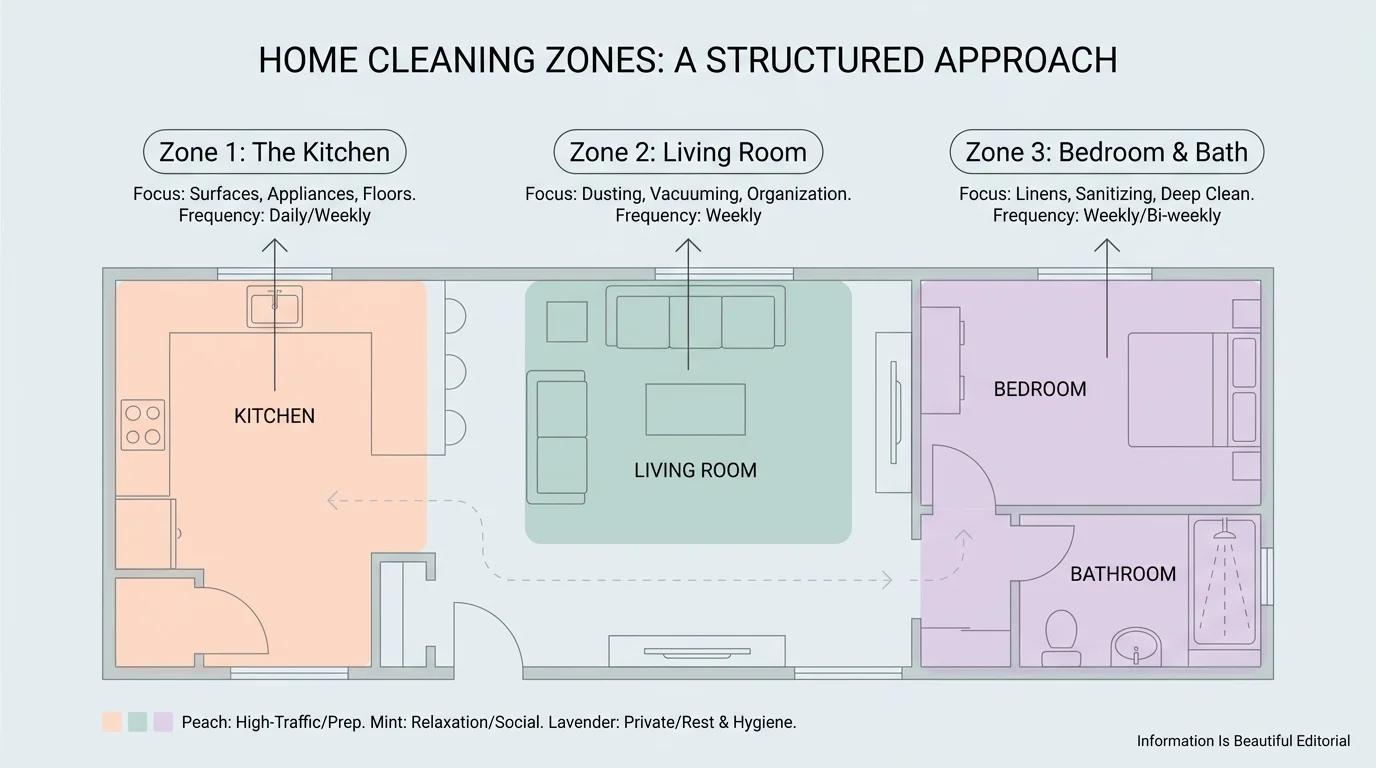
Break the House into Manageable Cleaning Zones
Even with daily maintenance and ergonomic tools, your home will occasionally require deeper attention, such as wiping down baseboards, dusting blinds, or mopping the hard floors. To prevent these tasks from becoming physically overwhelming, implement a zone cleaning schedule. This method involves breaking your home down into distinct areas and focusing on just one zone for a short period each day.
Instead of trying to vacuum the entire house in one afternoon, you simply tackle the living room on Monday, the kitchen on Tuesday, and the bathrooms on Wednesday. Set a timer for fifteen or twenty minutes. When the timer goes off, you stop cleaning, regardless of whether the room is entirely finished. This time-boxed approach prevents fatigue and ensures you still have plenty of energy left for your hobbies, socializing, and relaxation.
Sample Weekly Zone Cleaning Schedule:
- Monday (Living Spaces): Dust tabletop surfaces, water household plants, and run the lightweight vacuum over the rugs in the living room and den.
- Tuesday (Kitchen): Wipe down appliance exteriors, sanitize the countertops, and run a damp microfiber mop over the floor.
- Wednesday (Bathrooms): Clean the mirrors, wipe down the counters, scrub the sinks, and clean the toilet bowls.
- Thursday (Bedrooms): Change the bed linens using a mattress wedge, dust the nightstands, and tidy up any accumulated clutter.
- Friday (Entryway and Hallways): Wipe down the front door handle, sweep the entryway floor, and sort the week’s mail.
- Weekend: Rest completely and enjoy your beautifully maintained home.
Pick one physical bottleneck in your current cleaning routine—whether it is a heavy vacuum, a precarious step stool, or an uncomfortable spray bottle—and replace it with an ergonomic alternative this week. Small, targeted upgrades to your tools and habits will instantly make maintaining your home a safer, more comfortable experience.