Putting things away should protect them, not ruin them. Yet common storage mistakes quietly warp wood furniture, yellow favorite clothes, and ruin family photos in dark corners.
You do not need pricey matching bins to fix crowded closets. Knowing how to store belongings takes simple shifts in containers, room temperature, and shelf spacing to stop damage from storage.
Below are seven everyday habits that quietly wreck your household items. Use these practical organizing tips to protect your things with simple systems you can keep up.
01 Using Cardboard Boxes for Long-Term Storage
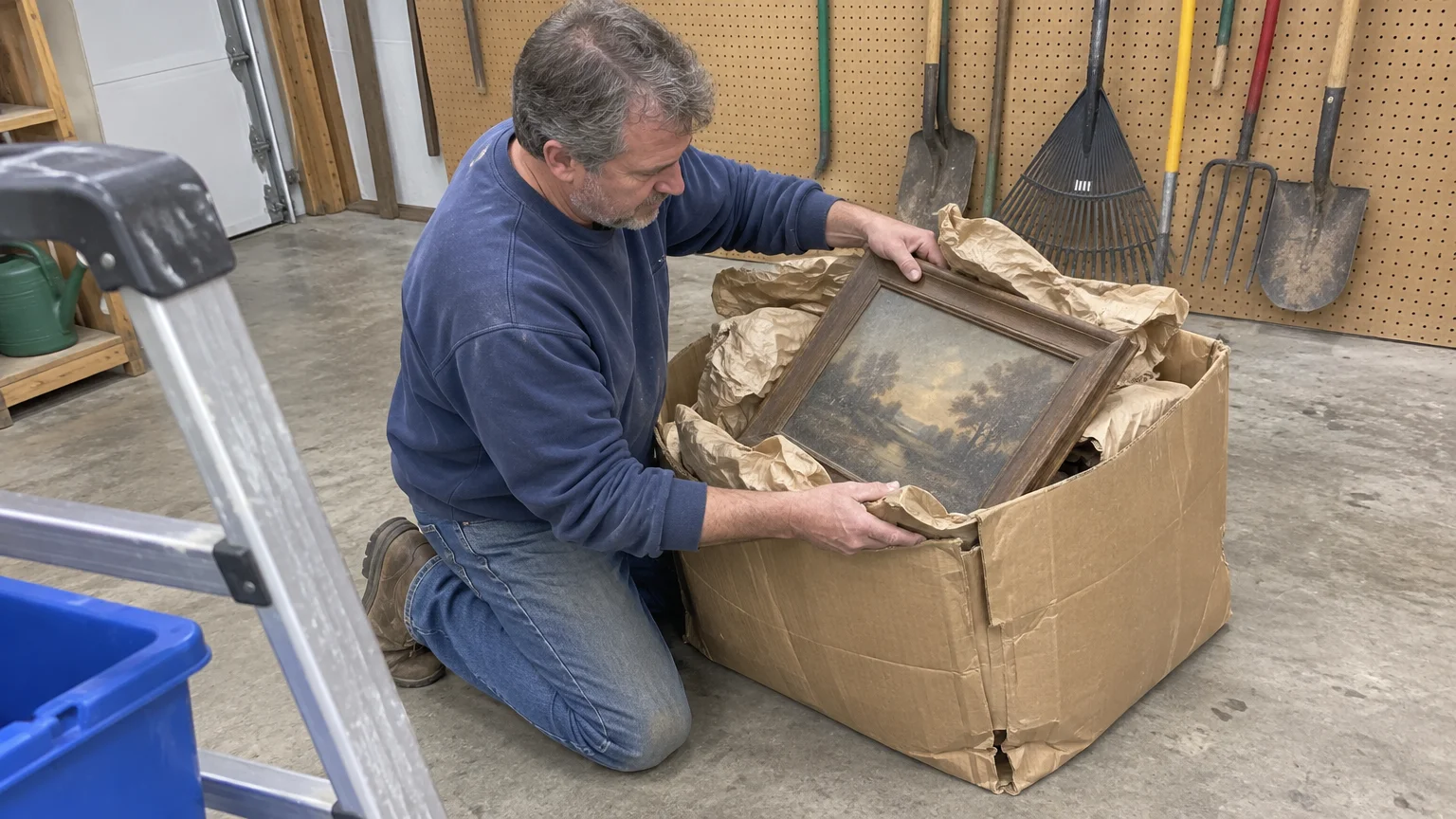
Cardboard boxes work well for moving day, but they fail over time. Corrugated cardboard pulls moisture right out of the air and weakens fast.
Damp cardboard also invites hungry pests into your garage or closet. Cockroaches eat the starch glue between paper layers, while silverfish feed on the cellulose fibers.
Rodents shred soft boxes to build hidden nests. One female silverfish lays up to 3 eggs per day, and one German cockroach egg case produces 30 to 40 nymphs.
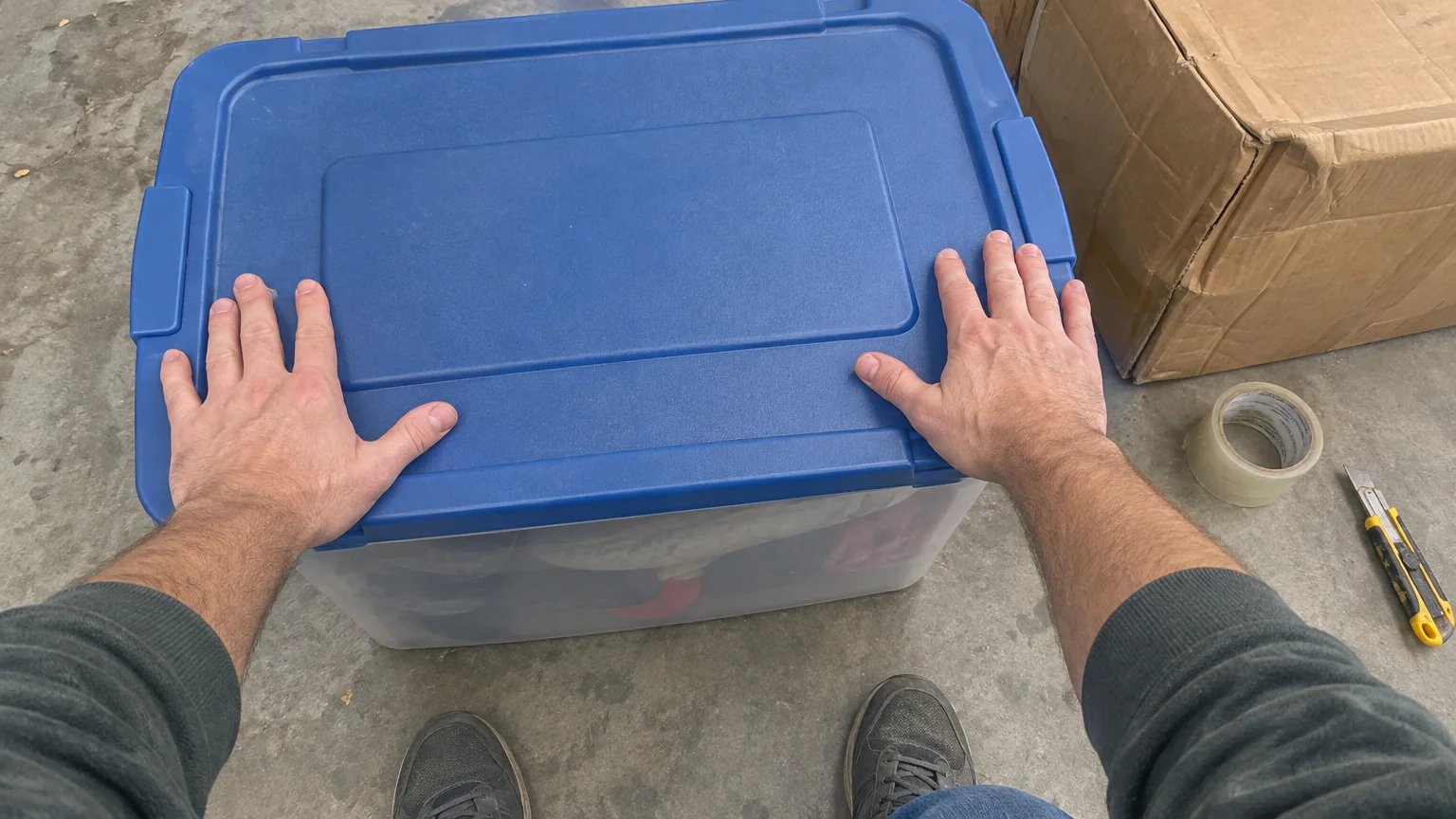
Swap old cartons for clear polypropylene bins with tight snap lids. Pick sturdy 16- to 18-gallon totes that you can lift without straining your back.
Clear plastic lets you spot items without digging through piles. Skip woven wicker baskets in garages or basements because open weaves trap dust and bugs.
02 Leaving Sensitive Items in Unheated Attics
Many people treat the attic as a catch-all zone. Yet unmanaged U.S. attics reach 120°F to 150°F on normal summer days and top 160°F in southern states.
That attic air sits 40°F to 60°F hotter than outside air. Even vented attics still run 10°F to 40°F warmer than the weather outdoors.
Weight creates a second risk above your ceiling. Unreinforced attics with exposed joists often hold only 10 pounds per square foot before drywall cracks or joists sag.
Never store paint or lithium-ion batteries in an attic or unheated shed. Latex paint ruins once it freezes below 32°F, and heat above 80°F to 90°F degrades it.
The U.S. Fire Administration advises keeping lithium-ion batteries at stable room temperature and never charging them below 32°F or above 105°F. Store them between 41°F and 68°F at a 40% to 50% charge.
If you rent storage for wood furniture or electronics, choose climate control. Those units stay between 55°F and 85°F year-round and cost 25% to 50% more than standard drive-up units.
03 Storing Wood and Textiles in Damp Basements
Poor attic basement storage causes most indoor mold headaches. Concrete walls and cool basement floors pull moisture indoors during warm months.
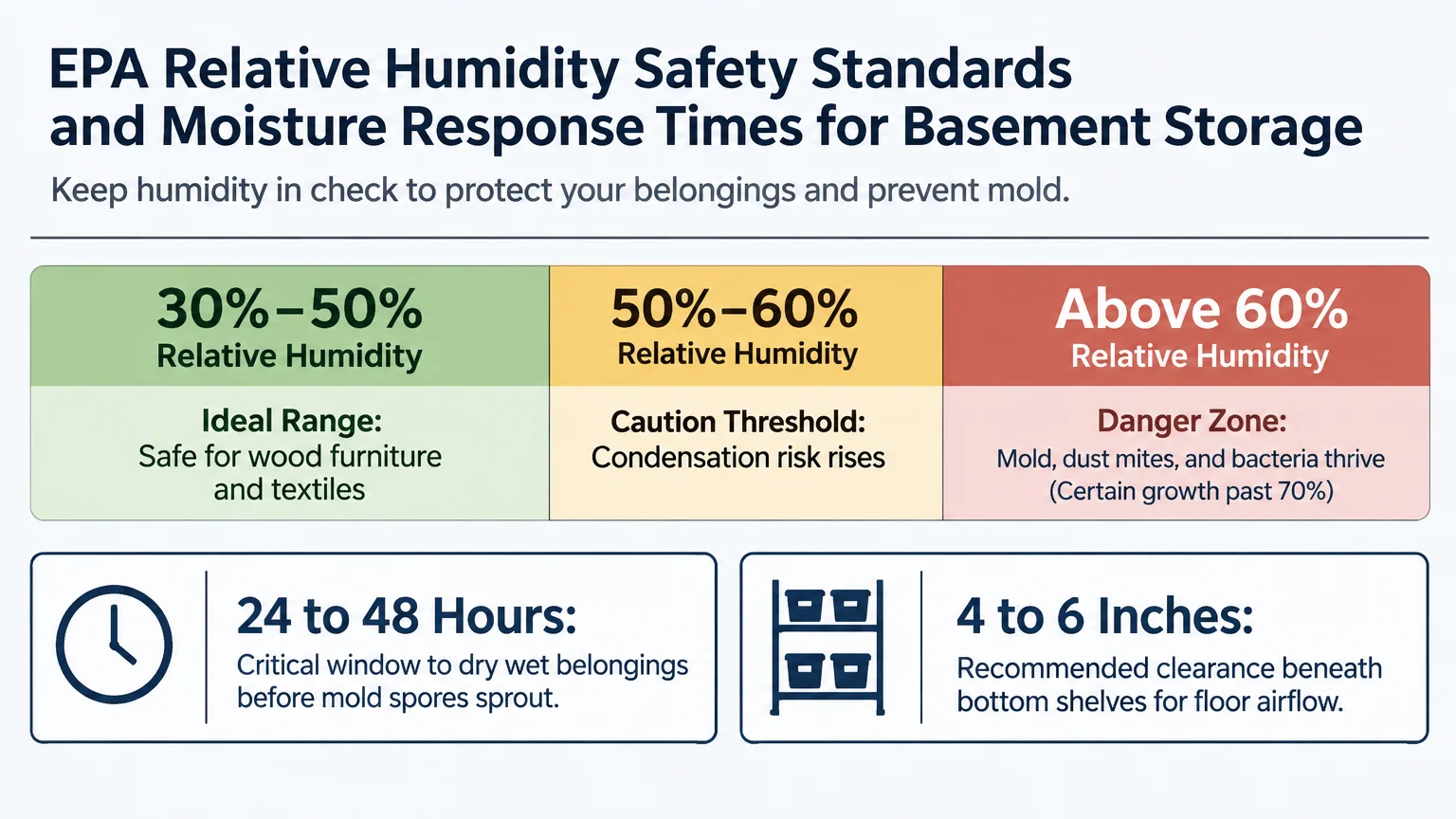
The U.S. Environmental Protection Agency (EPA) urges keeping indoor spaces below 60% relative humidity, and ideally between 30% and 50%. Above 60%, mold, dust mites, and bacteria thrive.
According to the North Carolina Department of Health and Human Services, mold will almost certainly grow above 70% humidity. Dust mite numbers also jump sharply past that mark.
If a basement pipe leaks, dry wet belongings within 24 to 48 hours. The EPA warns that mold spores sprout on damp wood, paper, or fabric inside that window.
Keep basement bins off concrete on open metal wire shelves. Leave 4 to 6 inches of airflow under the bottom shelf and 2 inches above each bin lid.
Run a dehumidifier with a drain hose and place a humidity meter on a middle shelf. Use basements only for sealed plastic tubs holding holiday decor or metal tools.
04 Sealing Clothes in Dry-Cleaning or Vacuum Bags
Clear plastic bags from the dry cleaner are meant only for the ride home. Leaving clothes inside traps moisture and leads to mildew.
Many clear plastic films also contain an additive called butylated hydroxytoluene, or BHT. It reacts with gases in the air and leaves yellow stains on light fabrics.
Remove dry-cleaning plastic as soon as you unpack your car. The Smithsonian Museum Conservation Institute and the National Park Service advise using undyed, unbleached 100% cotton covers instead.
Cotton garment bags breathe while keeping dust off wool coats and suits. Hang heavy items on wide wooden hangers so shoulders hold their shape.
Skip vacuum-seal bags for down coats and comforters. Crushing natural down for six months breaks tiny feathers and permanently cuts the item’s loft and warmth.
Save compression bags for synthetic blankets or short trips. Store down gear loosely inside a large cotton bag or a wide under-bed bin.
05 Keeping Photos and Papers in Cheap Plastic Sleeves
Family photos, tax records, and kids’ art fade fast in hot closets or damp basements. Paper and photo surfaces break down when heat and moisture swing wildly.
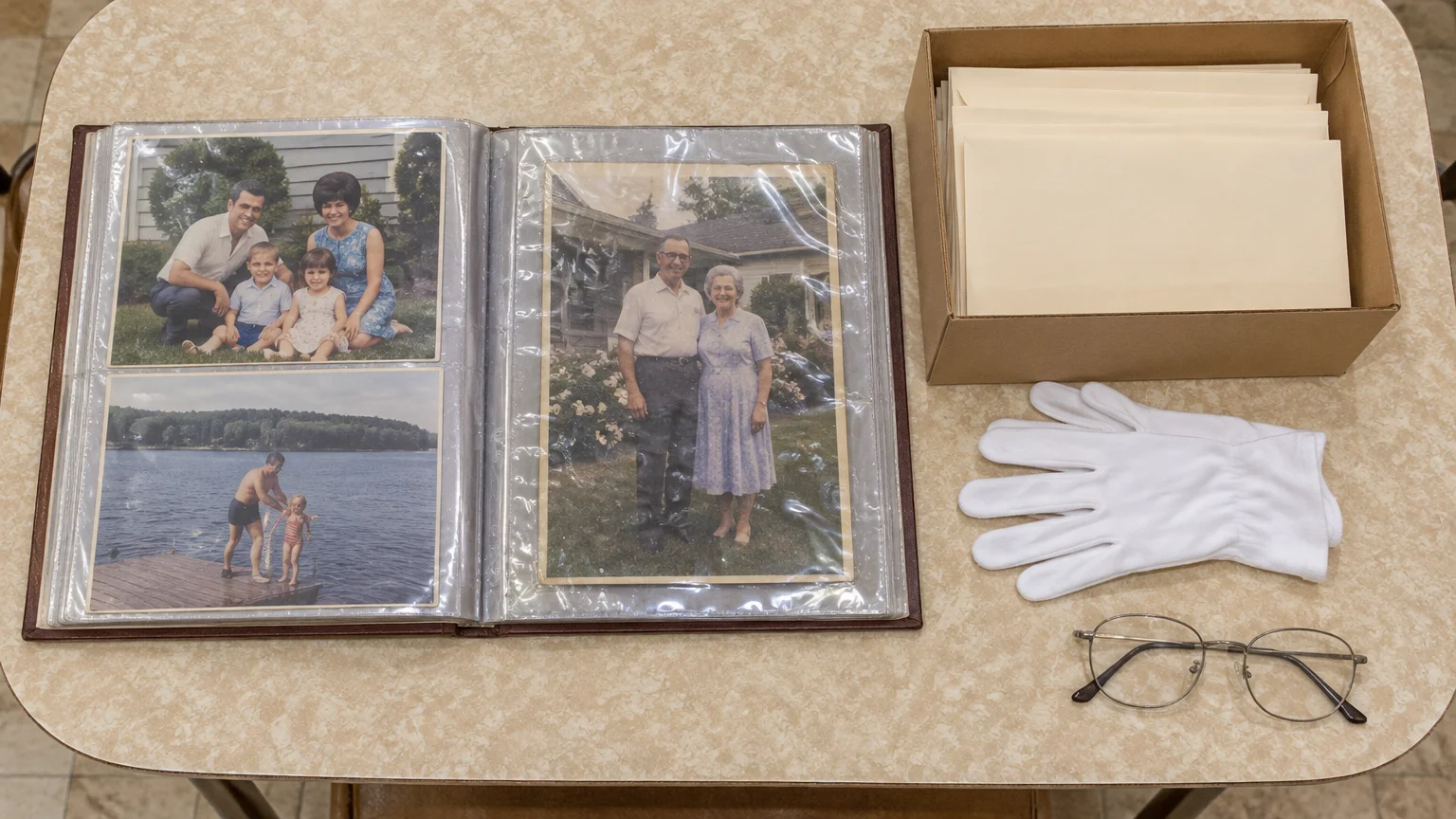
The Library of Congress advises storing photo prints at 70°F or below with 30% to 50% humidity. Color prints and negatives last best at 40°F or below.
Mold grows on photos when humidity tops 60% and heat passes 75°F to 80°F. Once mold infects a print, you usually cannot remove it without ruining the image.
For paper records, the National Archives recommends 50°F to 65°F and 30% to 50% humidity. An interior hall closet protects records far better than an exterior wall.
Avoid sticky albums, rubber bands, tape, foam, and vinyl or PVC sleeves. Those materials give off reactive chemicals that leave permanent stains on paper and photos.
Choose additive-free polyester, polyethylene, or polypropylene sleeves instead. Skip plastic sleeves for early nitrate or acetate negatives, and avoid them whenever room humidity tops 70% to 80%.
When buying archival paper boxes, look for a pH between 7.5 and 10.0 and at least 2% calcium carbonate. Those buffers block acid damage over decades.
06 Dropping Loose Mothballs in Closets and Bins
Many people toss loose mothballs into sweater drawers or open attics. That old habit is unsafe and breaks federal pesticide rules.
Mothballs contain high doses of naphthalene or paradichlorobenzene. Under the EPA and the National Pesticide Information Center, the label is the law when you use them.
You may only put mothballs inside tightly closed, airtight containers. Scattering them in open closets, basements, or yards violates the label and spreads toxic fumes.
Breathing naphthalene vapors can cause headaches, nausea, and hemolytic anemia. The EPA classifies naphthalene as a possible human carcinogen, and the WHO classifies paradichlorobenzene as possibly carcinogenic to humans.
Naphthalene mothballs have been banned in the European Union since 2008 and in New Zealand too. Wash wool clothes first, then pack them in latching plastic bins.
07 Crowding Electrical Panels, Furnaces, and Water Heaters
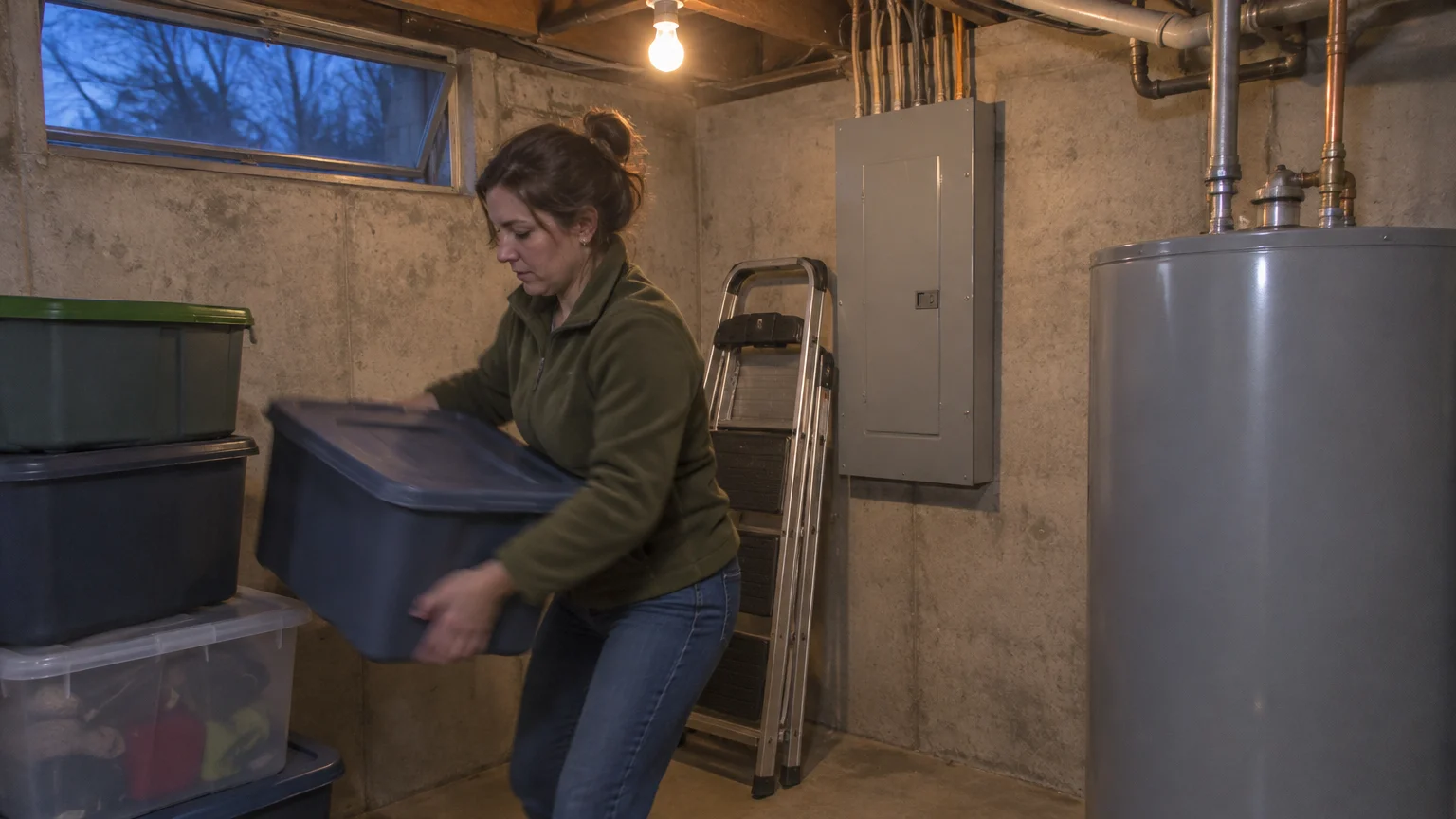
Packing utility rooms wall to wall creates fire and repair hazards. Building and fire codes require open space around home gear so technicians can work safely.
Under the National Electrical Code and OSHA rules, keep an open box in front of your electrical panel. That zone must measure 36 inches deep, 30 inches wide, and 78 inches high.
The panel door must also swing open a full 90 degrees. Never park freezers, shelves, bikes, or cardboard boxes inside that clear space.
Furnaces need at least 30 by 30 inches of clear space in front of the control panel. Fire codes also ban storing cardboard, paint, or cleaners within 36 inches of furnaces and water heaters.
In garages, gas water heaters need burners lifted 18 inches off the floor, and gasoline never belongs in that room. Keep boxes 18 inches below sprinklers or 24 inches below shed ceilings.
NFPA data from 2020 to 2024 reports 1,544 warehouse fires per year causing $314 million in annual damage. Processed wood or paper ignited first in 41% of those fires.
Quick Guide to Safe Home Storage Zones
Match each item to the right room and container before stacking another bin. This chart shows where everyday belongings stay safest.
| Item Group | Best Spot | Safe Container | Key Limit |
|---|---|---|---|
| Photos and records | Hall closet | Archival box or polyester sleeves | 70°F or below, 30% to 50% humidity |
| Coats and woolens | Bedroom closet | Undyed 100% cotton covers | No dry-cleaning plastic or vacuumed down |
| Holiday gear and tools | Basement metal shelf | Clear 16- to 18-gallon plastic bins | Below 60% humidity, 4 to 6 inches off floor |
| Paint and batteries | Indoor utility shelf | Original sealed cans, dry tray | Paint above 32°F, batteries 41°F to 68°F |
How to Fix One Storage Zone Today
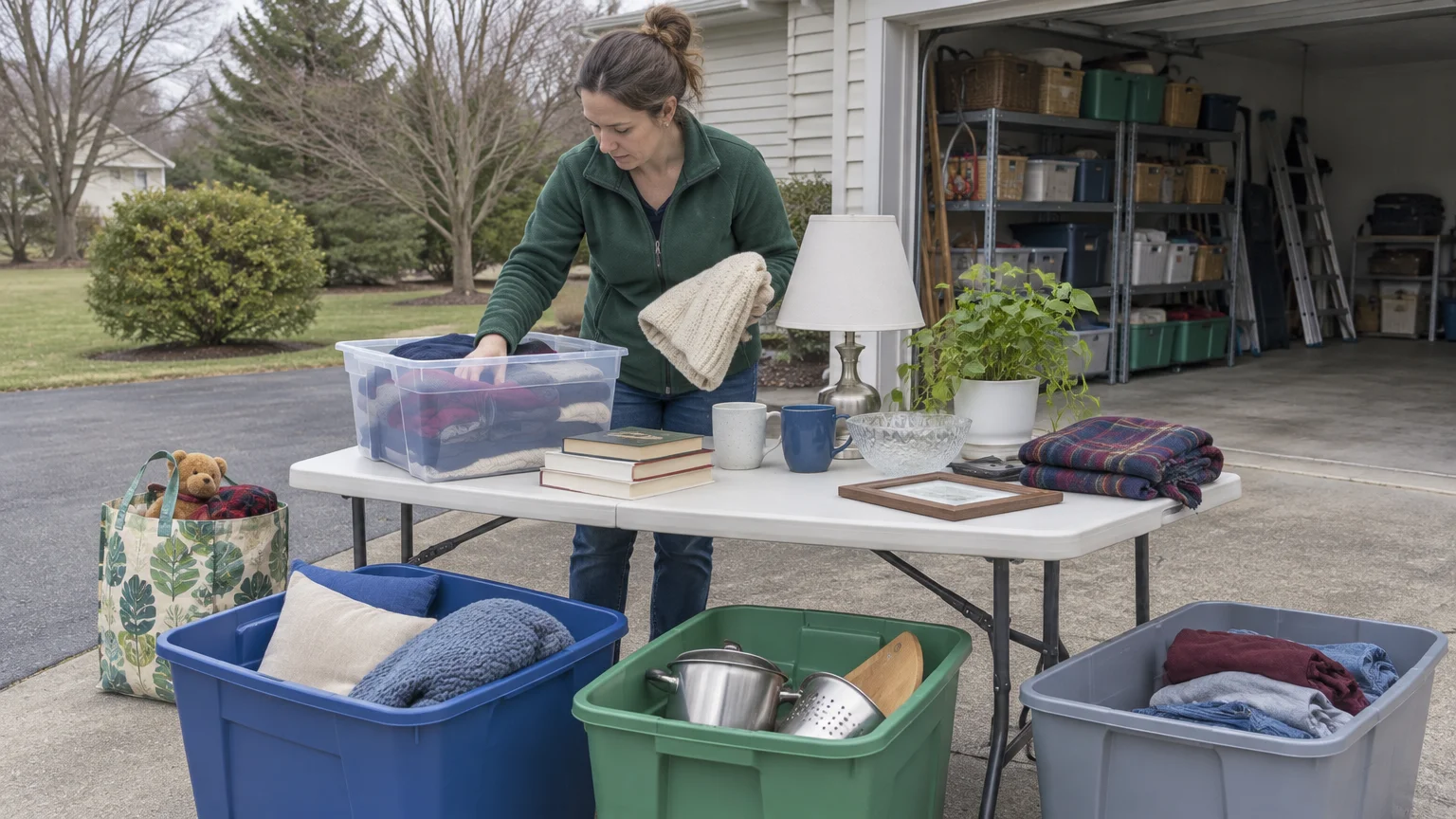
You do not need to empty your whole house at once. Use these four steps to fix one risky shelf or closet in an hour.
- Pull items off one shelf and purge anything broken, expired, or unused for over a year.
- Move heat-sensitive items like photos, paint, and batteries out of the attic or garage.
- Pack what stays into clear latching bins you own instead of buying costly matching sets.
- Stick a bold tape label on each bin and keep a 36-inch gap around utility gear.
For your next step, walk into your basement or utility closet today with a simple humidity meter. Check the moisture level, lift cardboard off bare concrete, and clear a 36-inch path in front of your electrical panel.