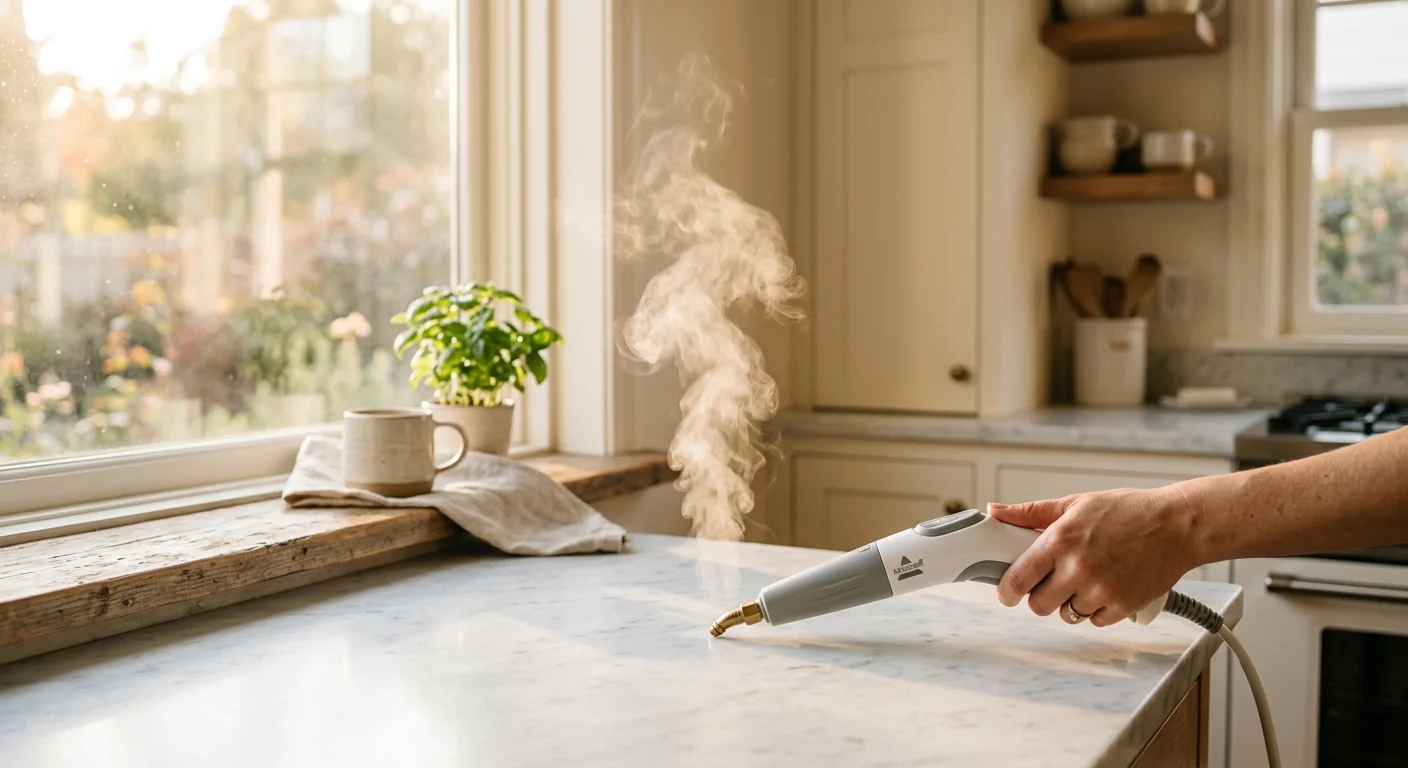
Steam cleaners provide one of the most effective, chemical-free ways to kill 99.9% of household bacteria, viruses, dust mites, and mold spores using only high-temperature water vapor. If you want to deep-clean your living space while reducing your physical effort and eliminating harsh chemical residues, mastering high-heat steam is your ultimate shortcut. By heating water above 212 degrees Fahrenheit (100 degrees Celsius), these versatile machines loosen stubborn grime and sanitize difficult surfaces in seconds; however, using steam on the wrong materials can cause permanent structural damage. Knowing exactly where to deploy your machine ensures maximum hygiene and protects your valuable home assets.
The Science Behind Thermal Sanitization
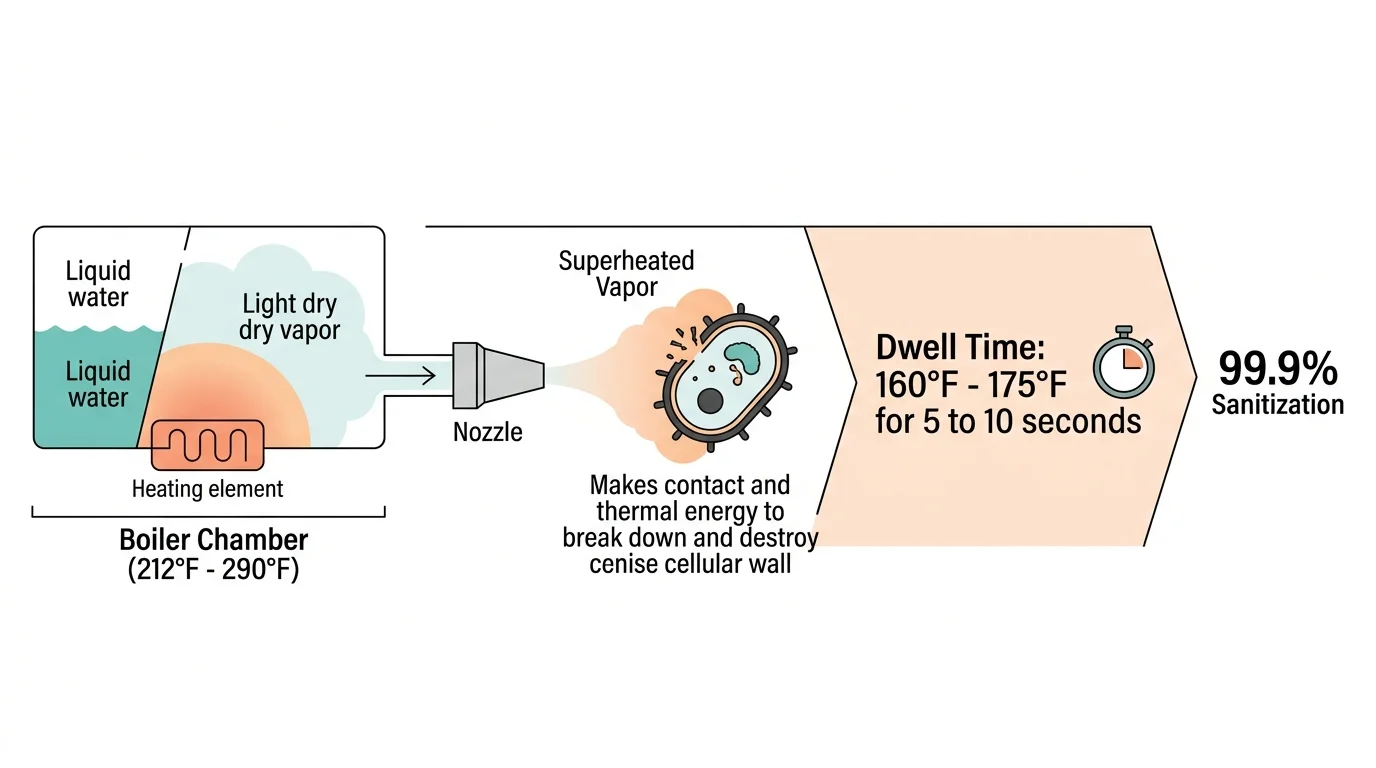
Understanding what steam cleaners disinfect best requires a quick look at thermal sanitation principles. Steam cleaners work by forcing water into a superheated boiler chamber, converting liquid into dry vapor that expands out of the nozzle at temperatures ranging between 212 and 290 degrees Fahrenheit. When this superheated vapor hits a surface, it transfers thermal energy rapidly, destabilizing the cellular walls of bacteria and disrupting the protein structures of viruses. You do not need toxic chemical sprays to achieve a hygienic home; pressurized heat does the heavy work for you.
To achieve true sanitization rather than mere cosmetic surface cleaning, you must maintain heat contact for a specific duration, known as dwell time. Holding steam against a non-porous surface so that it reaches at least 160 to 175 degrees Fahrenheit for five to ten seconds effectively neutralizes pathogens like Escherichia coli, Staphylococcus aureus, and Salmonella enterica. Furthermore, steam vapor easily penetrates microscopic fissures that standard cloth wipes miss completely. Aligning your cleaning routine with U.S. Environmental Protection Agency (EPA) standards for non-chemical pest and germ control allows you to keep your living space pristine while drastically reducing your exposure to synthetic irritants—a major advantage for anyone simplifying home maintenance routines as they age.
01 Grout Lines and Ceramic Bathroom Tile
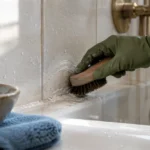
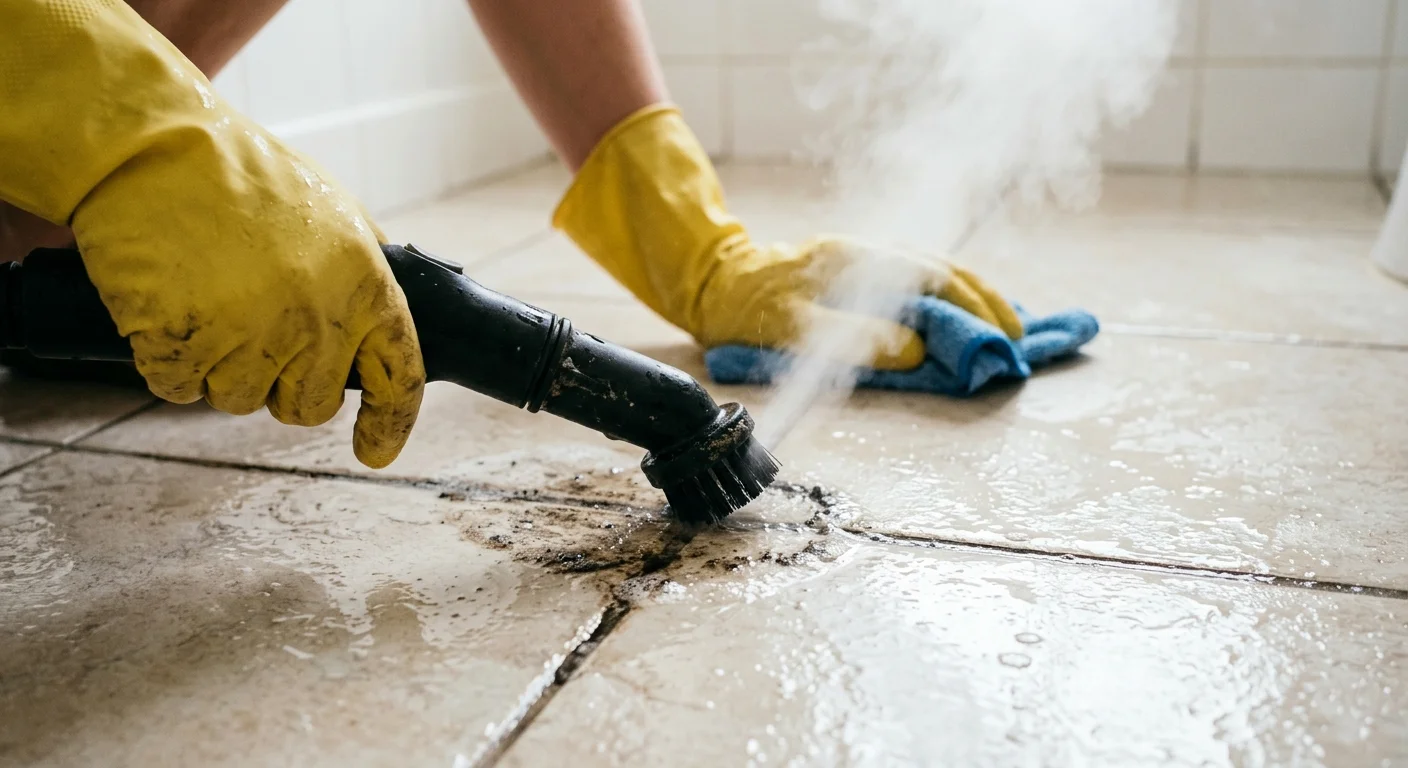
Grout is inherently porous, functioning like a microscopic sponge that absorbs dirty mop water, body soap residues, and airborne mold spores. Traditional scrubbing brushes often only scratch the surface while tiring out your wrists and back; conversely, continuous dry steam forces superheated vapor deep into grout pores. The extreme heat instantly loosens dark mildew stains and breaks down sticky soap scum, lifting dirt to the surface where you can effortlessly wipe it away.
Attach a small nylon detail brush to your steamer nozzle for maximum precision. Hold the brush directly against the grout line and move at a steady rate of about two inches per second. Allow the pressurized vapor to melt away embedded discoloration while keeping a clean microfiber towel in your opposite hand to wipe up the suspended slurry immediately. Steam cleaning grout restores original color without requiring caustic bleach sprays, leaving your bathroom hygienic and odor-free.
02 Mattresses, Sofas, and Upholstered Furniture
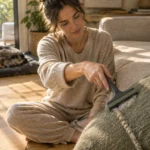
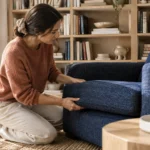
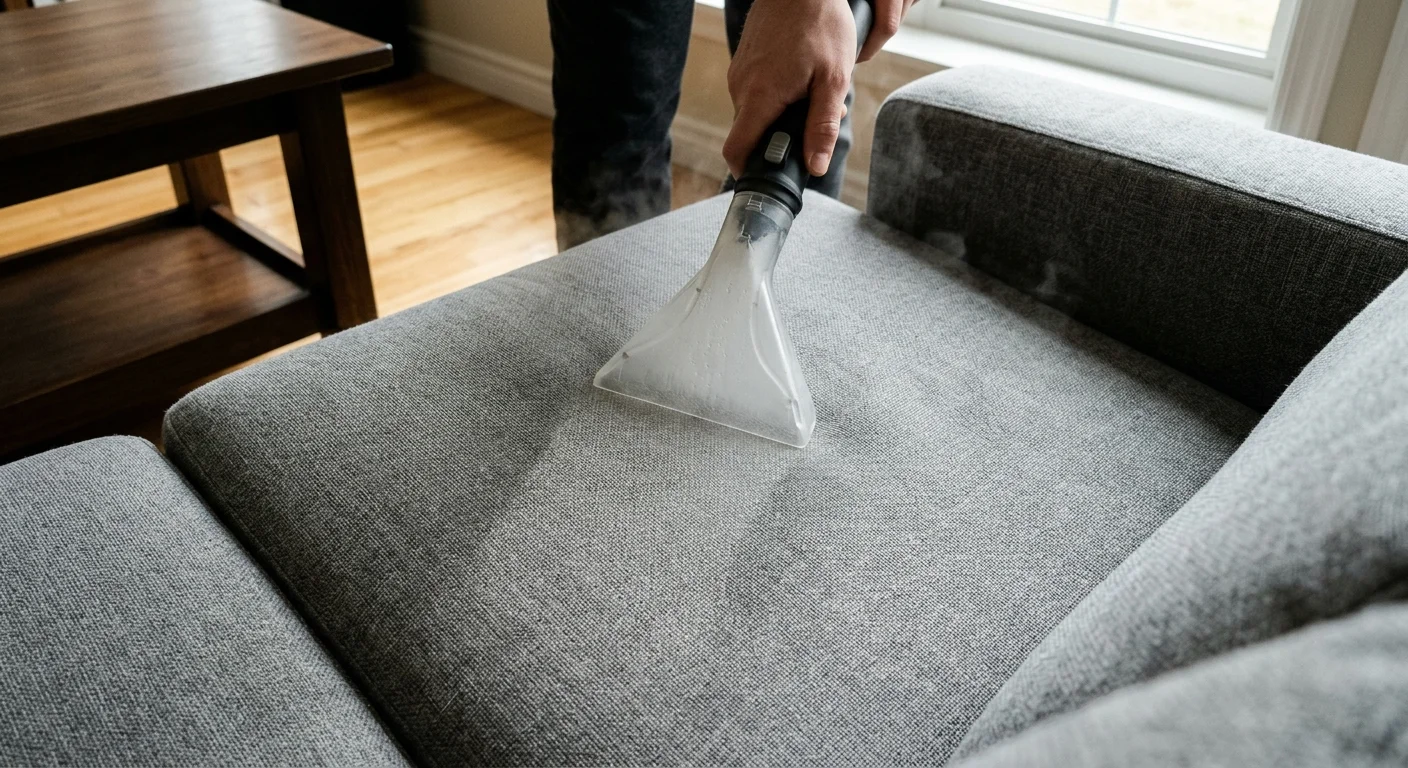
Soft furnishings represent prime real estate for dust mites, dead skin cells, pet dander, and biological allergens. Because you cannot throw a couch cushion or full-sized mattress into a washing machine, deep-cleaning these items often feels challenging. Steam cleaning offers a deep-penetrating solution that kills pests on contact while freshening heavy fabrics.
According to research from the Asthma and Allergy Foundation of America (AAFA), exposure to temperatures of 130 degrees Fahrenheit or higher reliably eliminates dust mites and neutralizes their potent allergen proteins. To safely treat upholstery, wrap your steam cleaner’s triangular or wide fabric attachment in a clean microfiber bonnet. This bonnet diffuses excess moisture while allowing intense radiant heat to penetrate deep into mattress padding. Move the steam head slowly across the fabric in overlapping passes. Always allow your mattress or sofa to air-dry completely in a well-ventilated room for roughly 30 minutes before replacing bedding or seat covers.
03 Kitchen Range Hoods, Stovetops, and Oven Interiors
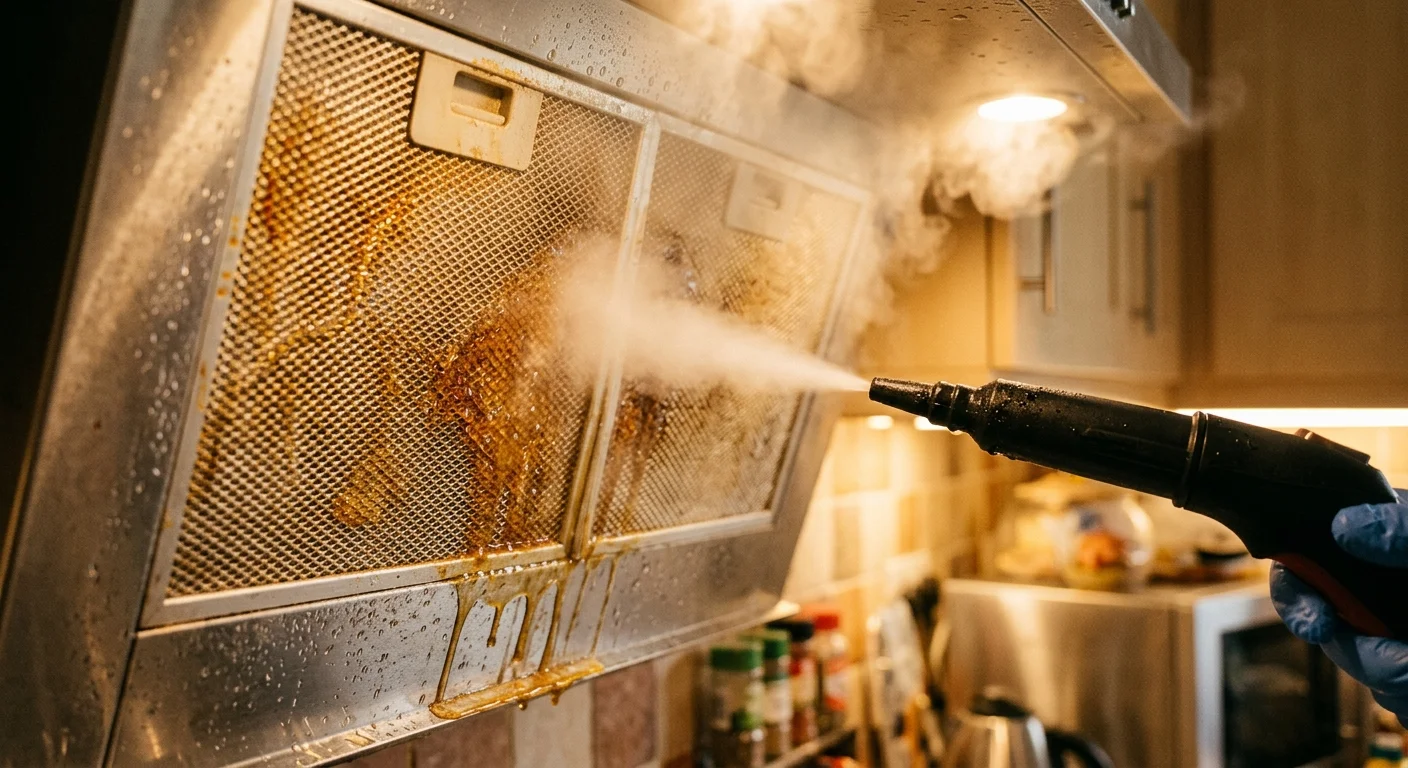
Baked-on grease and carbonized spills on kitchen cooking appliances present some of the toughest cleaning challenges in any home. Traditional oven cleaners rely on harsh lye-based chemicals that release fumes and require heavy scrubbing. High-heat steam offers a safer, highly practical alternative by breaking down heavy grease through thermal saponification.
Equip your machine with a brass or stiff nylon detail brush to tackle baked-on crust inside ovens or on stovetop burners. Direct high-pressure steam at grease deposits from two inches away; the intense heat melts hardened fats into a soft liquid emulsion within seconds. For range hood filters and microwave cavities, steam softens splatters instantly, allowing you to wipe greasy surfaces clean with zero aggressive scraping. Exploring these effective uses for a steam cleaner transforms daunting kitchen deep-cleaning tasks into quick, manageable maintenance steps.
04 Faucet Bases, Drain Outlets, and Fixture Crevices
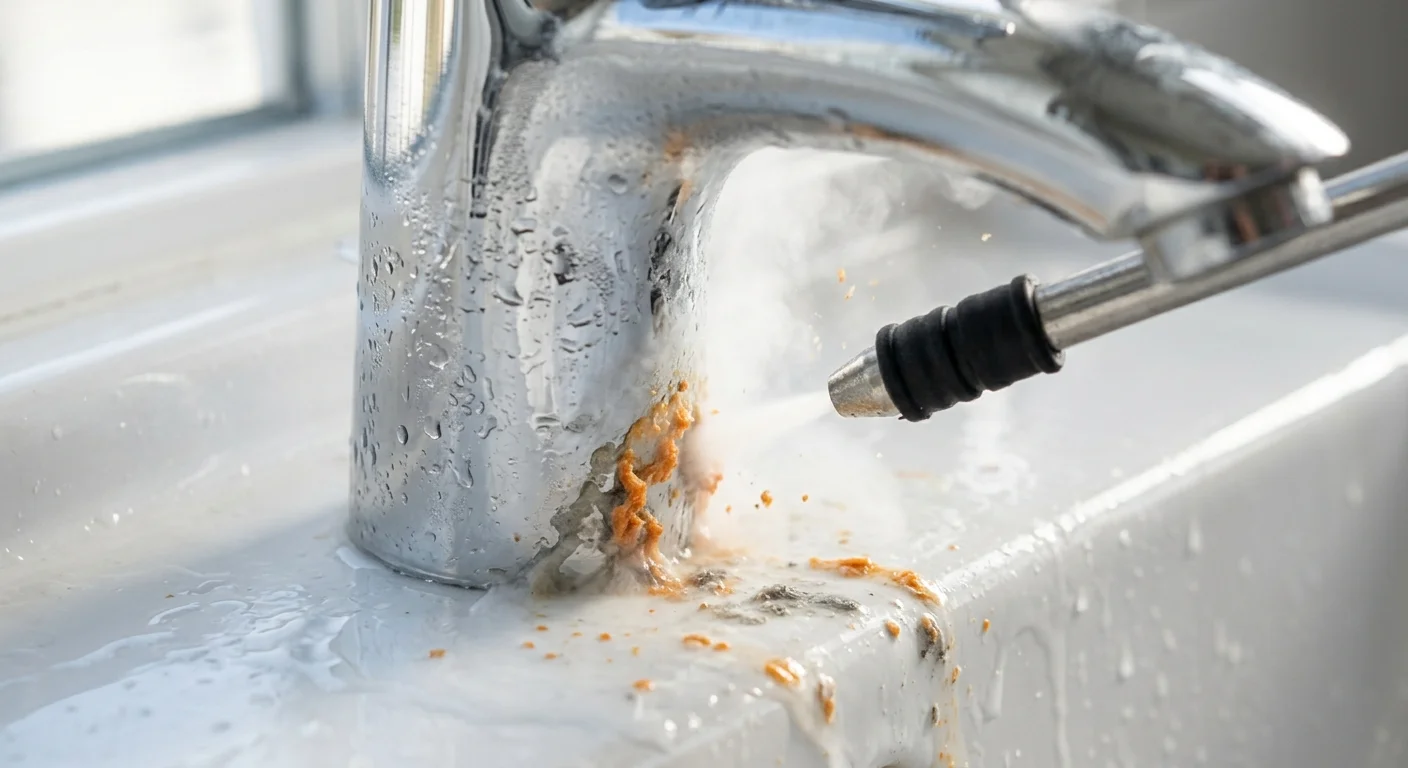
The narrow gaps surrounding faucet bases, pop-up sink drains, and shower door hinges foster thick biofilm layers composed of bacteria, dead skin, and mineral deposits. Spray bottles cannot force liquid deep into these tiny cracks, but pressurized steam excels at reaching obstructed spaces.
Fit your steam unit with a pointed concentrator nozzle to focus the steam into a narrow high-velocity jet. Blast vapor directly into the crevices around handle seams and drain rims; pressurized heat blasts away trapped grime and black mold from hidden channels. Once the steam forces dirt out of the gap, wipe the fixture dry with a soft cloth. This method delivers a spotless, polished finish without requiring you to unscrew or disassemble bathroom hardware.
05 Sealed Hardwood, Laminate, and Natural Stone Flooring
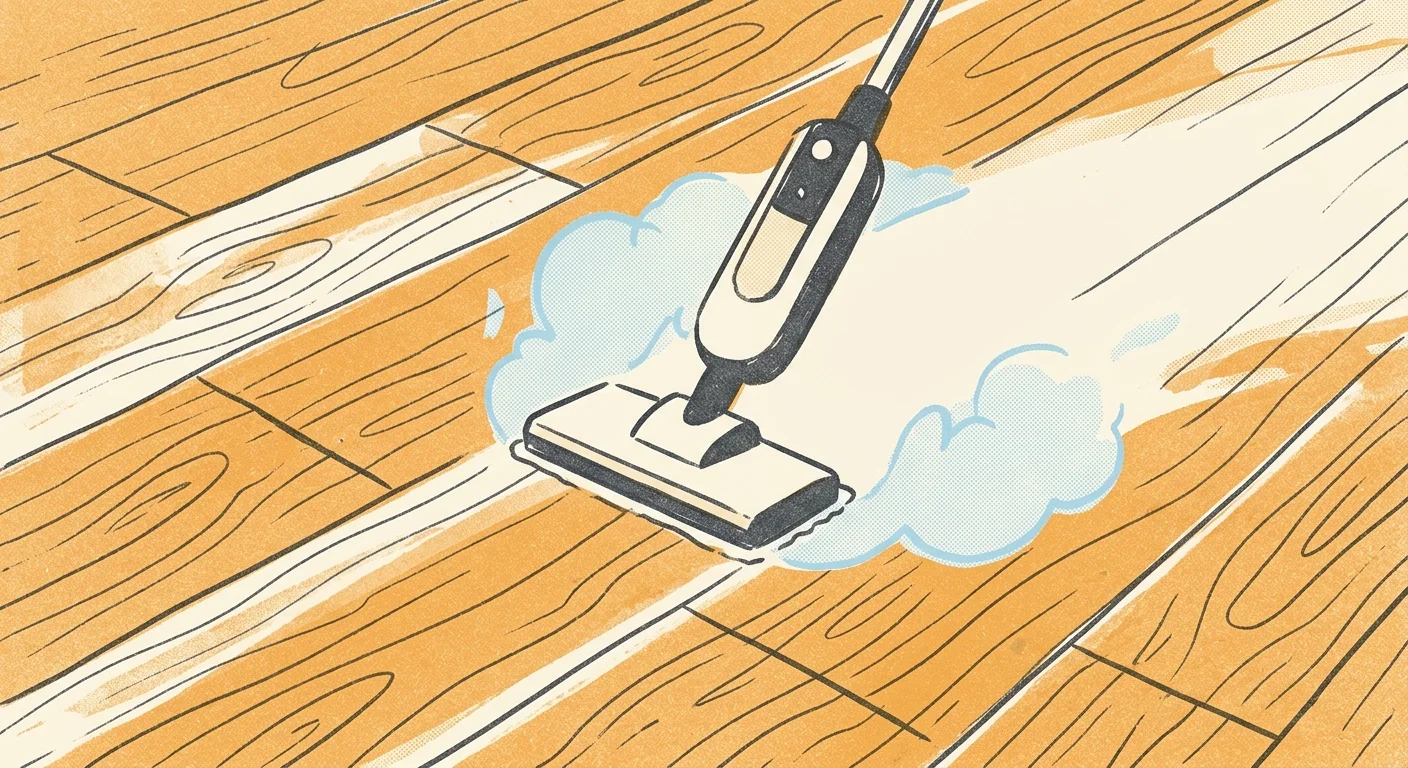
When considering surfaces safe for steam cleaning, sealed hard flooring provides exceptional results when managed with care. Steam mops clean floor surfaces faster and more thoroughly than traditional mop-and-bucket routines, drying within minutes and leaving no chemical residue behind for pets or grandchildren to track across the home.
Before steaming wooden or laminate floors, verify that the surface finish remains completely intact; unsealed wood or cracked varnish absorbs water vapor quickly, causing individual planks to swell, cup, or buckle. Perform a quick test by dropping a small drop of water onto the floor; if the water beads up, the seal is intact. Always run your steam mop on its lowest heat setting, attach a thick microfiber mop pad to cushion the heat, and maintain continuous movement so vapor never concentrates on a single spot for too long.
06 Children’s Plastic Toys and Baby High Chairs
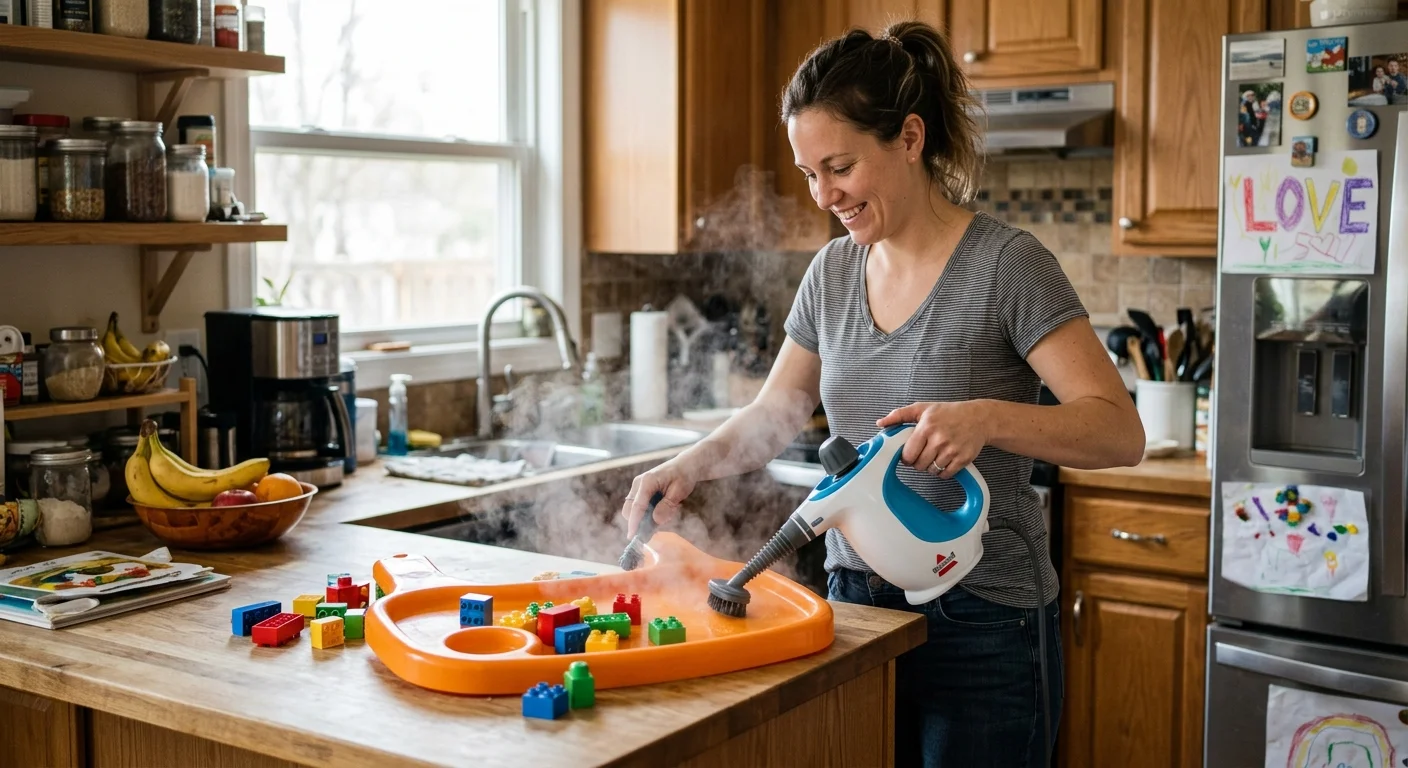
Children and toddlers explore the world with their hands and mouths, making their play items major vectors for viral and bacterial transmission. Washing every plastic building block or action figure by hand takes hours, while chemical disinfectant sprays risk leaving toxic residues on items that children put in their mouths.
High-temperature steam provides a completely non-toxic, food-safe way to sanitize non-electronic plastic toys, play mats, and high chair trays. Adhering to CDC guidelines on household hygiene, steam neutralizes lingering germs without requiring chemical additives or secondary rinse steps. Place small plastic items inside a clean wire basket or mesh tray, pass pressurized steam over them thoroughly, and allow them to air-dry naturally on a clean towel.
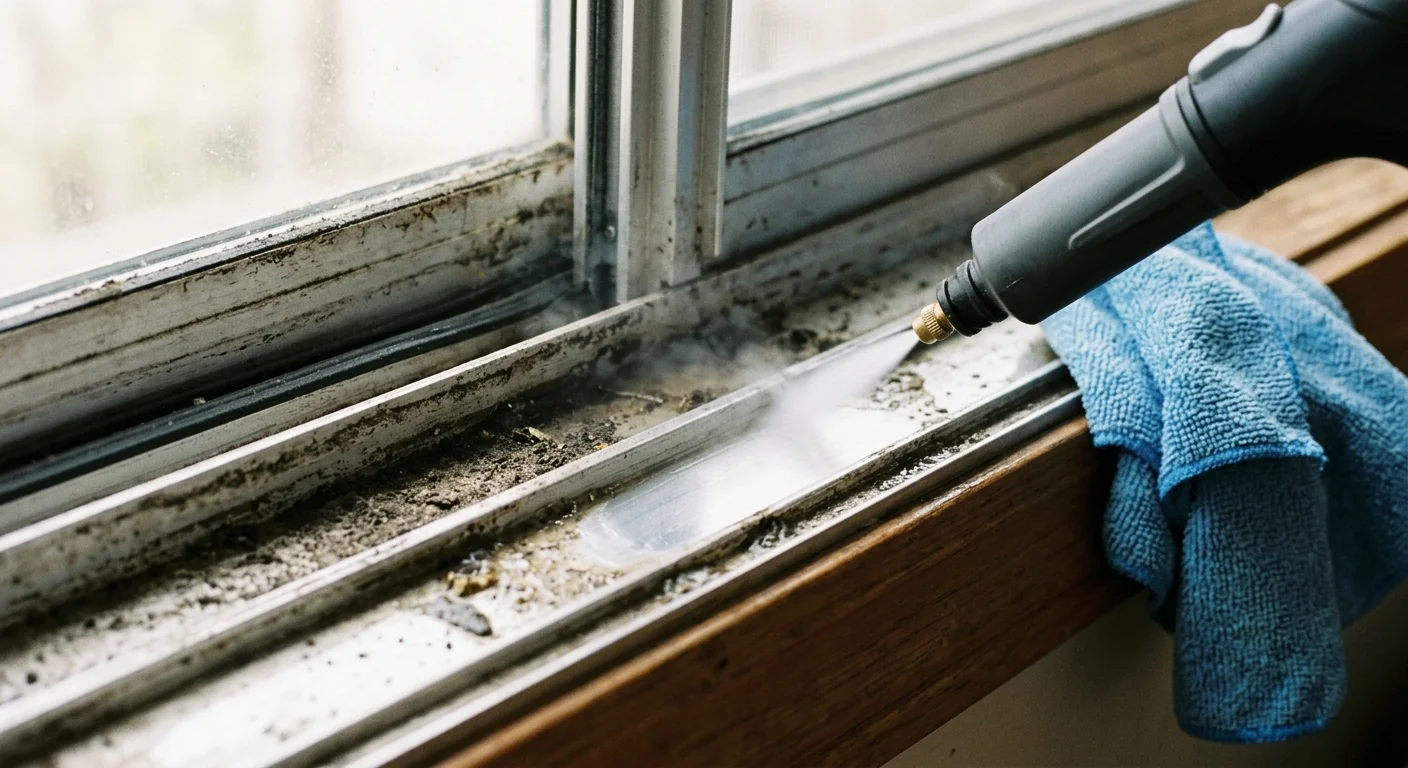
07 Window Tracks, Sliding Door Rails, and Metal Blinds
Sliding door tracks and window sills collect windblown dust, pollen, dead insects, and mold spores caused by indoor condensation. Cleaning these narrow, sharp-edged metal channels with a cloth or cotton swab is tedious and usually leaves dirt trapped in hard-to-reach corners.
Use a concentrated jet steam nozzle to clean track channels systematically from one end to the other. High-pressure steam liquefies packed dirt, dead bugs, and sticky residue instantly, blowing debris out of tight track corners into an easily accessible space. Wipe the track dry with a narrow towel folded over a putty knife or finger. Steam also sanitizes metal or faux-wood blinds quickly, removing static dust while killing mold spores lingering near glass frames.
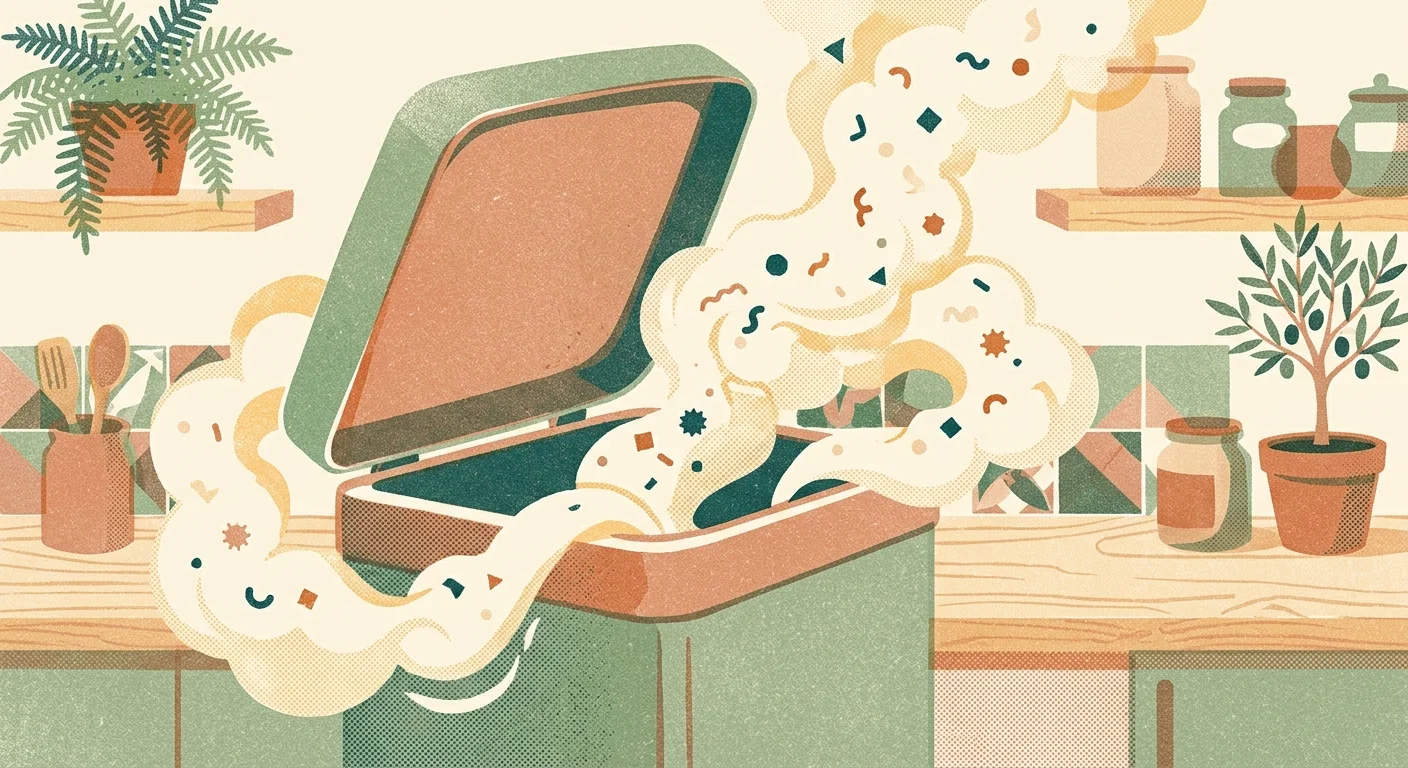
08 Waste Bins, Recycling Containers, and Diaper Pails
Indoor garbage cans, compost containers, and diaper pails absorb foul odors over time because bacteria penetrate deep into plastic walls. Even after you replace the trash bag, unpleasant smells often persist throughout your kitchen or nursery.
Steam cleaning sanitizes plastic waste receptacles thoroughly by destroying odor-causing bacteria at the microscopic level. Spray the interior walls and lid underside with high-heat steam, holding the nozzle three to four inches from the plastic. The hot vapor melts sticky spills that leaked through trash liners while deodorizing the container without perfumed cover-up sprays. Wipe the interior dry with an old towel before inserting a fresh liner bag.
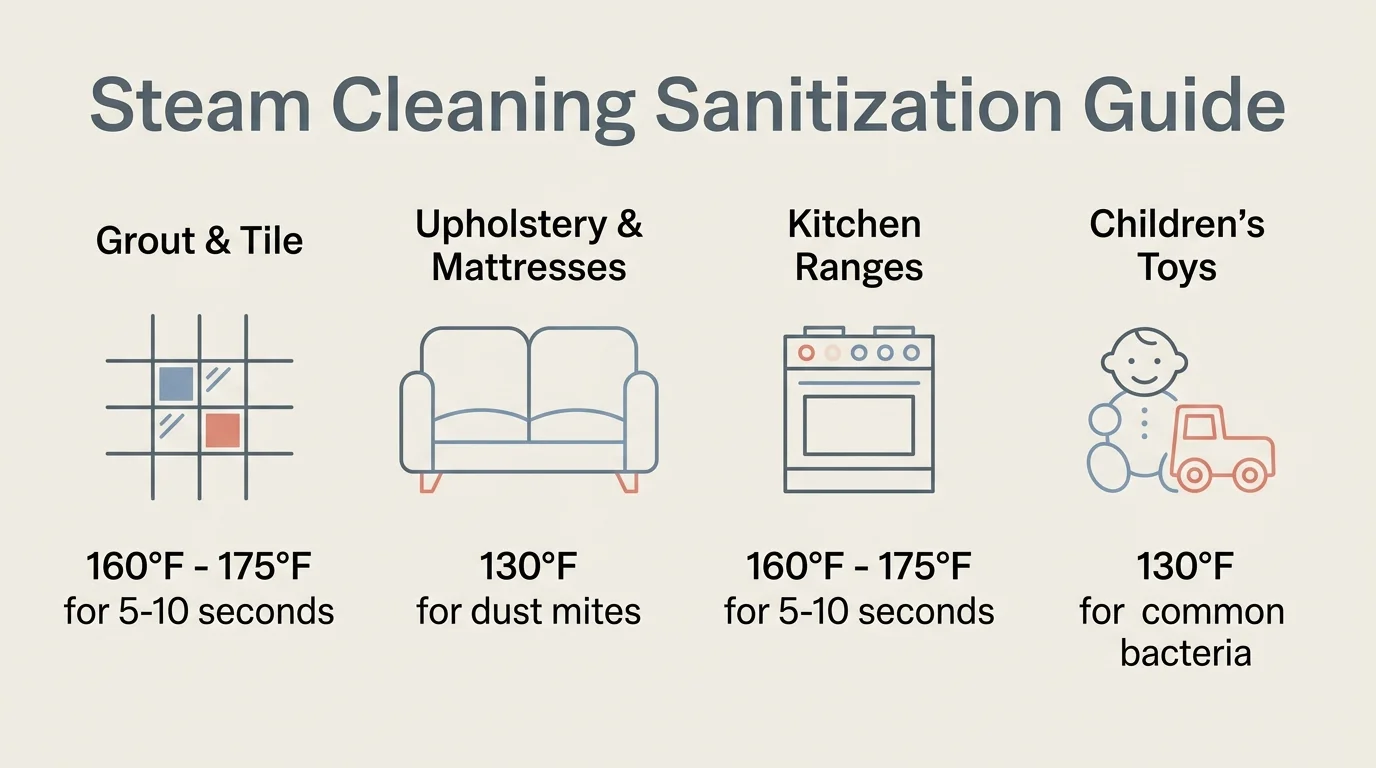
Steam Cleaning Sanitization Guide
Reviewing the ideal steam attachments, dwell times, and primary benefits helps you maximize your efficiency across different items steam cleaning can sanitize. Use this practical reference table to tailor your steam cleaning routine for optimal sanitization without risking heat damage to household items.
| Surface or Item | Recommended Attachment | Target Pathogen / Debris | Minimum Heat Dwell Time |
|---|---|---|---|
| Grout Lines & Tile | Nylon Detail Brush | Black mold spores, mildew, soap scum | 3–5 seconds per section |
| Upholstery & Mattresses | Wide Steamer Head with Bonnet | Dust mites, bed bugs, pet dander | 5–10 seconds per area |
| Oven Racks & Burners | Brass / Stiff Detail Brush | Polymerized grease, carbonized food | 5–8 seconds direct contact |
| Sink Faucets & Drains | Concentrator Jet Nozzle | Bacterial biofilm, mineral deposits | 3–5 seconds per crevice |
| Sealed Wood / Tile Floors | Microfiber Floor Pad | Surface bacteria, dirt, tracked-in grime | Continuous gliding motion |
| Plastic Toys & High Chairs | Concentrator Nozzle / Utility Head | Viruses, bacterial contamination | 5 seconds per item |
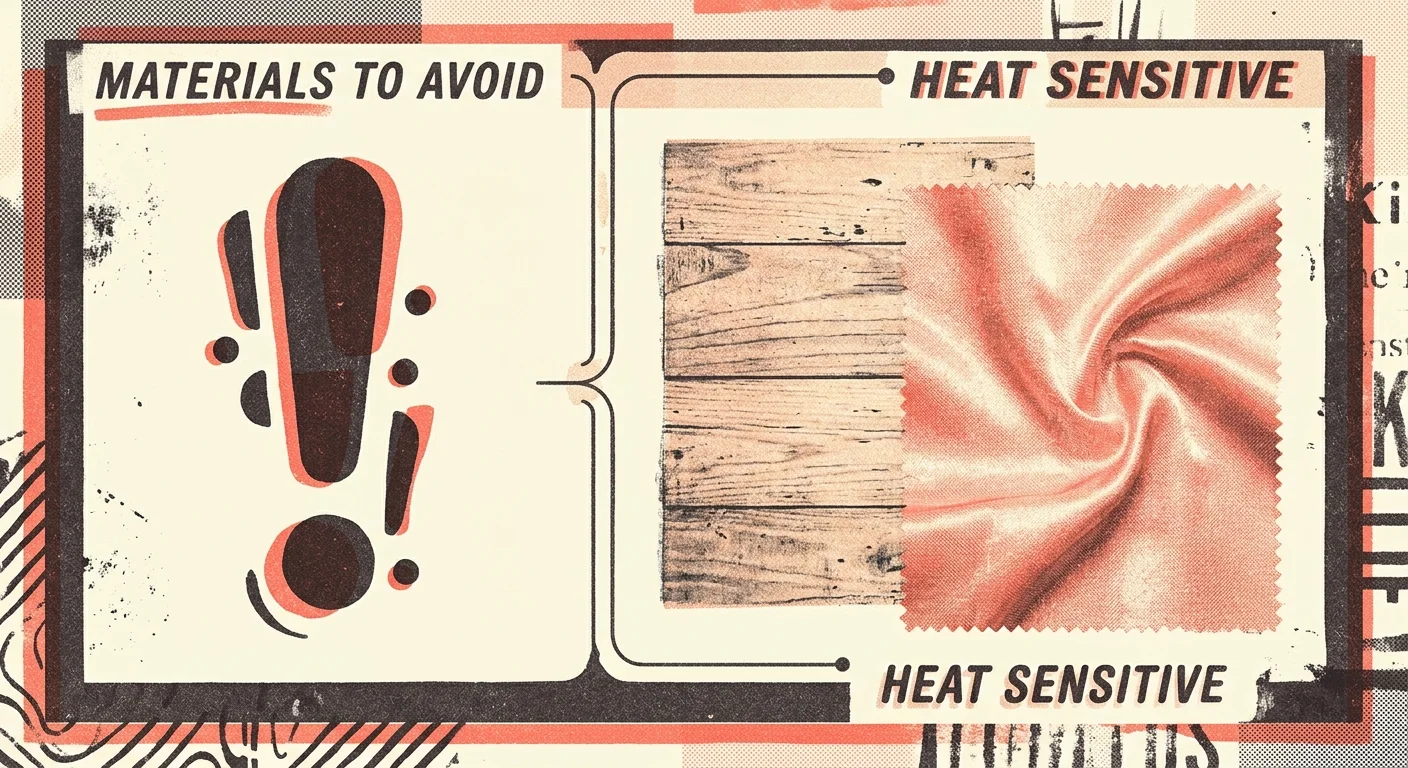
Essential Safety Rules and Materials to Avoid
While steam cleaners sanitize an impressive array of household items, steam heat is not suitable for every material. Excessive moisture and high temperatures can warp, discolor, or permanently destroy delicate items. Always inspect surface integrity and refer to expert guidelines, such as those published by the Institute of Inspection Cleaning and Restoration Certification (IICRC), regarding proper surface moisture management.
- Unsealed or Waxed Flooring: Moisture forced into raw wood or unsealed grout causes swelling, warping, and permanent discoloration. Always verify seal integrity before steaming.
- Delicate Upholstery Fabrics: Silk, velvet, synthetic suede, and delicate vintage fabrics shrink or scorch under extreme steam heat. Check manufacturer care labels beforehand.
- Cold Glass Windows in Winter: Applying 200-degree steam directly to freezing window glass creates severe thermal shock, which can crack or shatter glass panes instantly. Warm the glass gradually or skip steaming exterior windows during freezing temperatures.
- Unsealed Natural Stone: Marble, limestone, and travertine are sensitive to moisture pressure and unbuffered heat if their protective sealants have degraded.
- Paper-Based Products and Cardboard: Wallpaper, unsealed cardboard containers, and delicate plaster items warp and tear immediately when exposed to damp vapor.
Your Practical Next Step
Pick one high-traffic surface in your home—such as your bathroom faucet bases or kitchen tile grout—fill your steam cleaner with distilled water, and test a small, inconspicuous corner today. Mastering your steam cleaner one small task at a time builds immediate confidence, instantly elevates your home’s hygiene, and eliminates the need for expensive chemical cleaners in your daily routine.