You can conquer tough grease spills, hazy mirrors, and persistent household odors using an inexpensive box of cornstarch sitting in your pantry right now. This versatile kitchen staple cleans surfaces effectively without harsh fumes or synthetic fragrances.
Its ultra-fine granules act as gentle absorbents and mild mechanical polishers that lift grime without scratching delicate finishes. You can cut down on expensive commercial sprays while keeping your home spotless.
Try these eight reliable methods to simplify your weekly cleaning routine and tackle stubborn messes quickly.
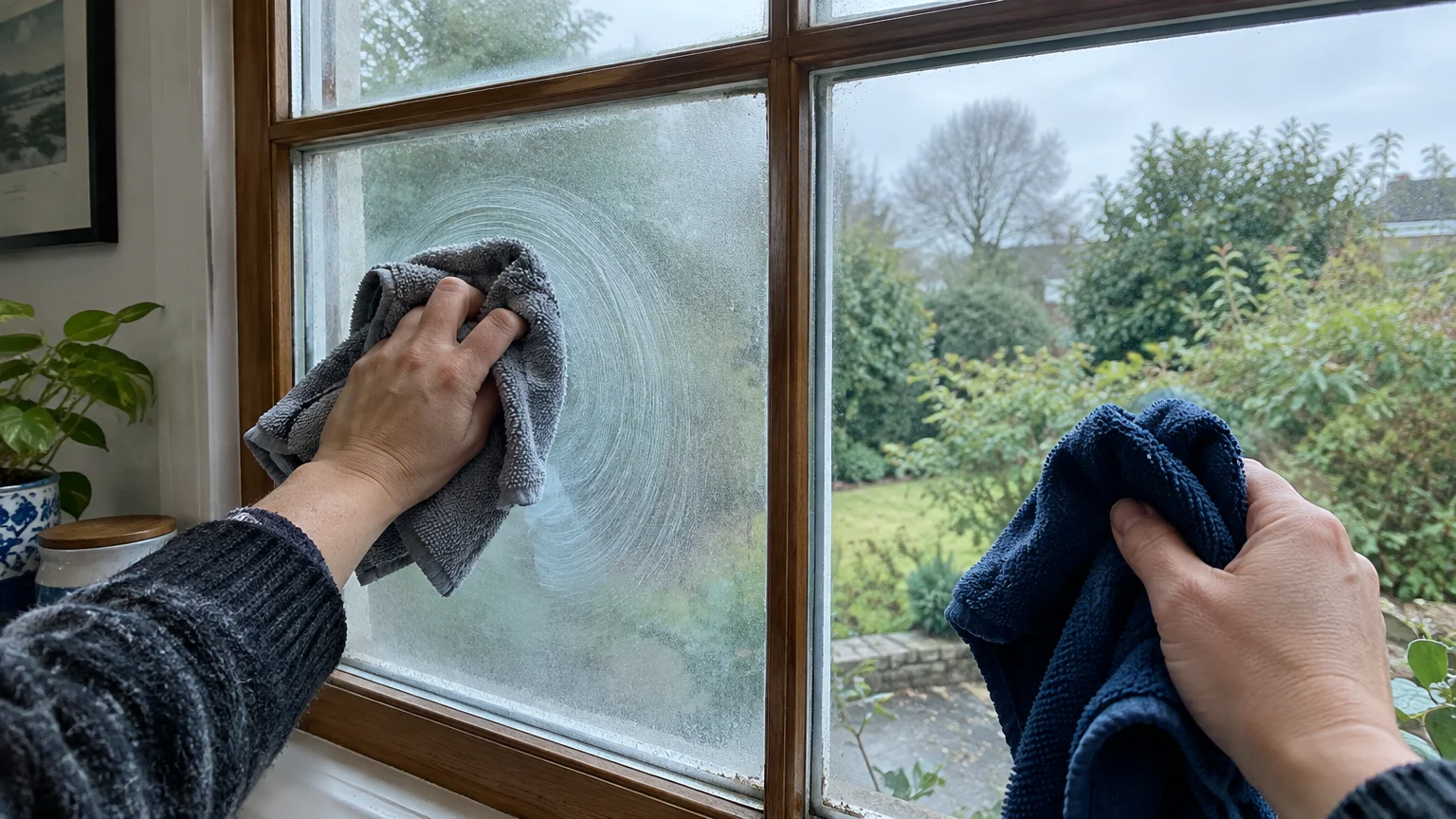
01 Polish Windows and Mirrors for Streak-Free Clarity
Windows often collect an oily film from cooking vapors, automotive exhaust, and outdoor pollen. Commercial window cleaners contain synthetic surfactants that can leave a hazy residue behind.
Cornstarch changes the game by acting as an ultra-mild abrasive that physically lifts grime without scratching glass. It breaks water surface tension, which prevents liquid droplets from beading up into unsightly streaks.
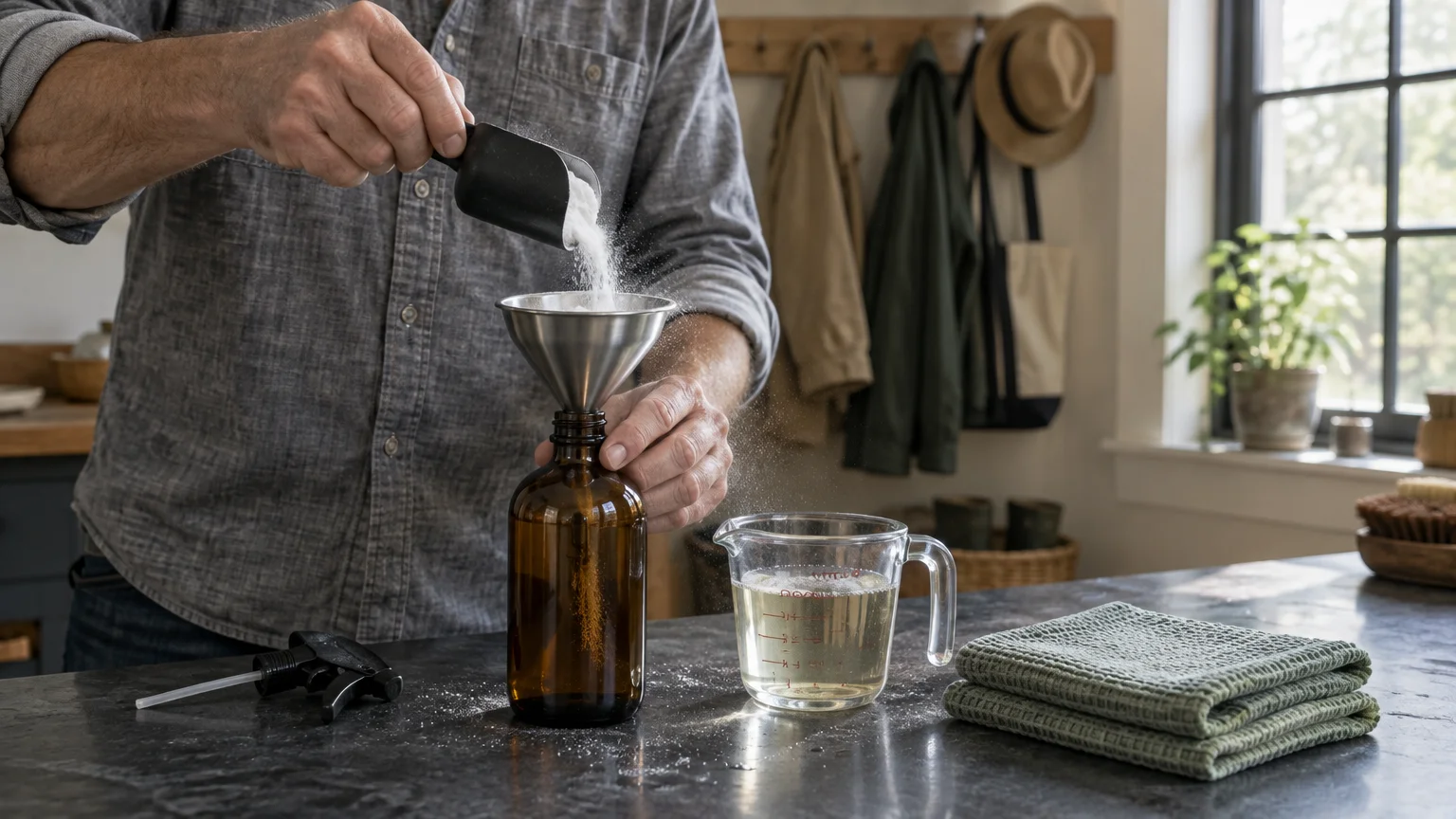
To make this glass wash, combine two cups of warm water, one-quarter cup of white distilled vinegar, and one tablespoon of cornstarch in a clean spray bottle. Shake the container vigorously before each use to keep the powder evenly dispersed.
Mist the glass lightly and wipe the surface immediately using a clean microfiber cloth. Follow up with a second, dry microfiber cloth to buff the glass to crystal-clear brilliance.
Unlike commercial blue liquids, this mixture leaves zero chemical coating behind. Cleaning your windows on an overcast day yields the best results; direct sunlight dries the spray before you can buff away the starch granules.
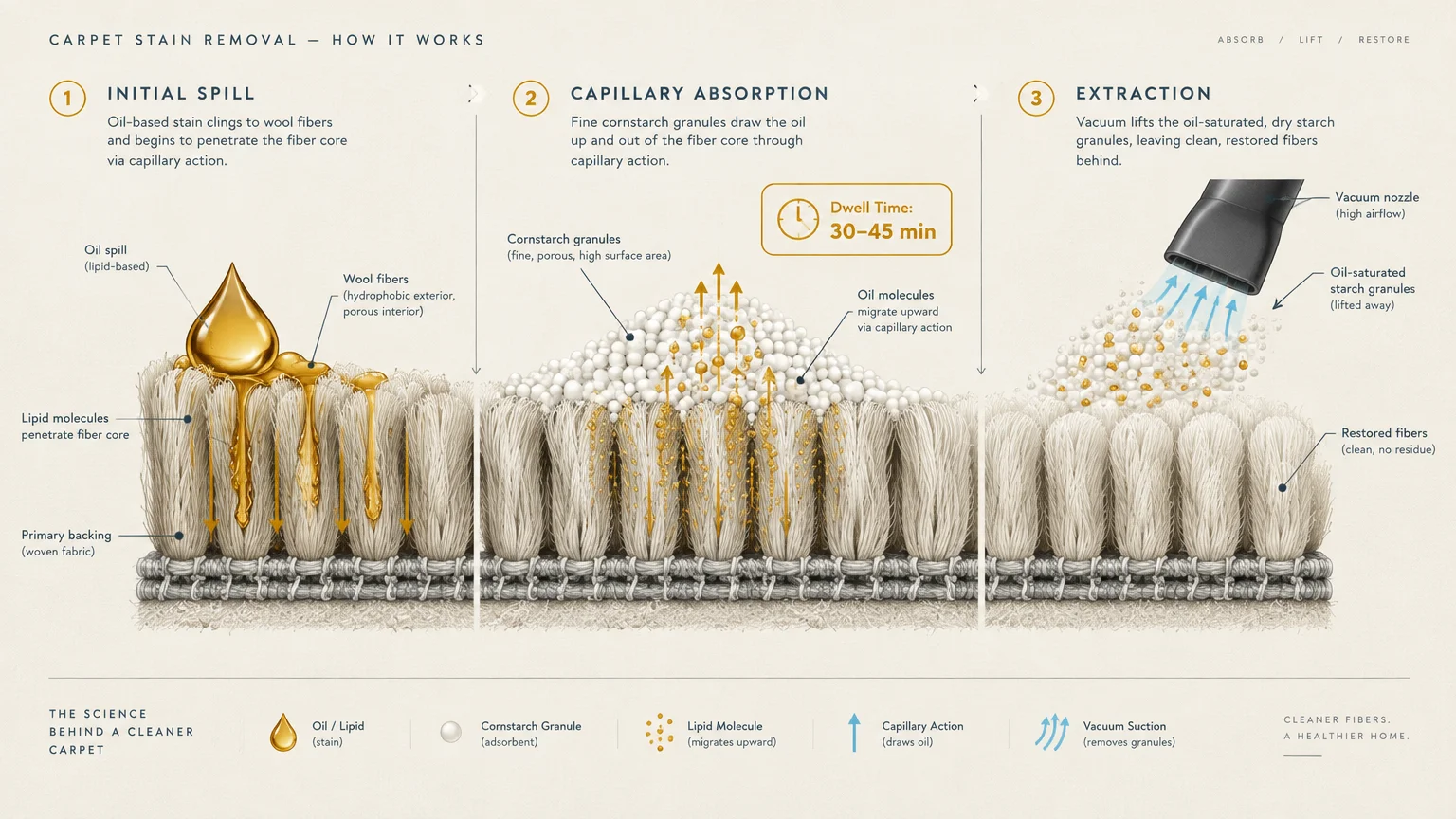
02 Lift Greasy Spills from Carpets and Area Rugs
Dropping buttered toast or salad dressing onto a carpet often sparks immediate panic. Liquid soap can spread the oil deeper into the carpet backing, creating a dark, sticky magnet for future dirt.
Dry cornstarch provides a rapid, capillary-action sponge that pulls lipids out of individual fibers. The fine powder traps the oil molecules before they bind permanently to synthetic or wool yarns.
Blot the fresh spill gently with a dry paper towel to remove excess surface liquid. Never scrub or rub the spot, as lateral friction drives grease deeper into the carpet pile.
Mound dry cornstarch generously over the entire stained area until the spot is completely hidden. Let the powder sit undisturbed for 30 to 45 minutes while it absorbs the oil.
Vacuum the treated zone thoroughly using your vacuum’s standard floor head or upholstery attachment. For stubborn or aged stains, review grease-removal protocols from the Clemson University Cooperative Extension before applying water-based spot treatments.
If a faint shadow remains, repeat the application once more. The second treatment pulls any residual traces up from the base of the carpet tufts.
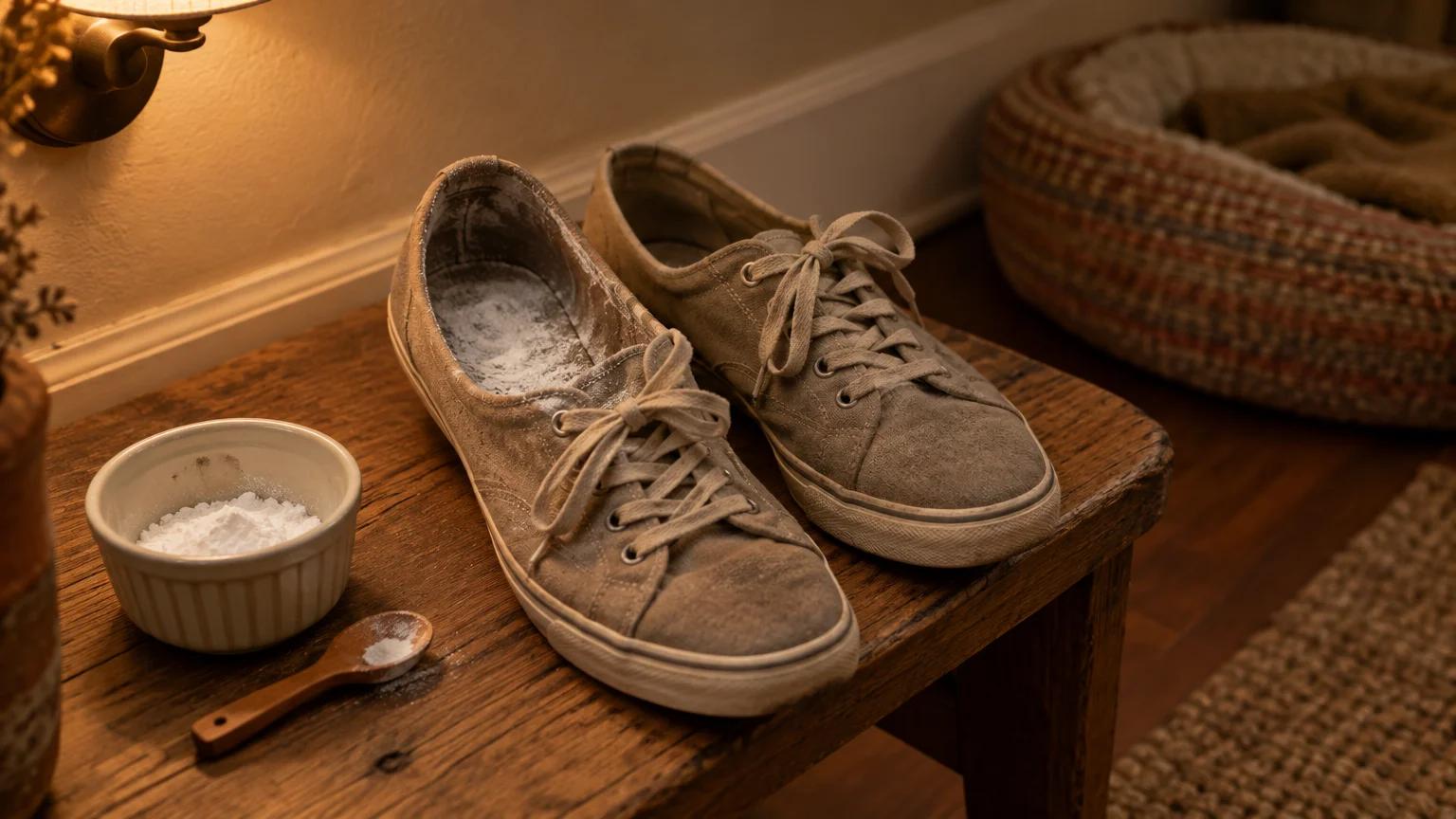
03 Neutralize Stubborn Odors in Shoes and Pet Bedding
Everyday foot perspiration and body oils accumulate rapidly inside athletic sneakers, house slippers, and fabric pet cushions. Damp environments encourage bacterial growth, which generates persistent, sour odors throughout your entryway and living spaces.
Cornstarch excels at odor mitigation because it attacks the moisture that bacteria require to thrive. Unlike heavily scented aerosol deodorizers, it absorbs funky compounds at the source rather than masking them with artificial perfumes.
Sprinkle two tablespoons of dry cornstarch directly into the footbed of each shoe before going to bed. Shake the shoes gently back and forth to distribute the powder evenly from heel to toe.
Allow the powder to rest overnight inside the footwear. In the morning, tap the shoes upside down over a trash bin or shake them outside onto the lawn.
For pet bedding, sprinkle a thin veil of powder over the entire fabric surface. Let it sit for 20 minutes to draw out trapped dampness, then vacuum the fabric thoroughly using a clean upholstery tool.
Your shoes and pet areas will feel dry and smell completely neutral. Repeat this simple habit once a week to keep everyday athletic gear fresh without harsh chemicals.
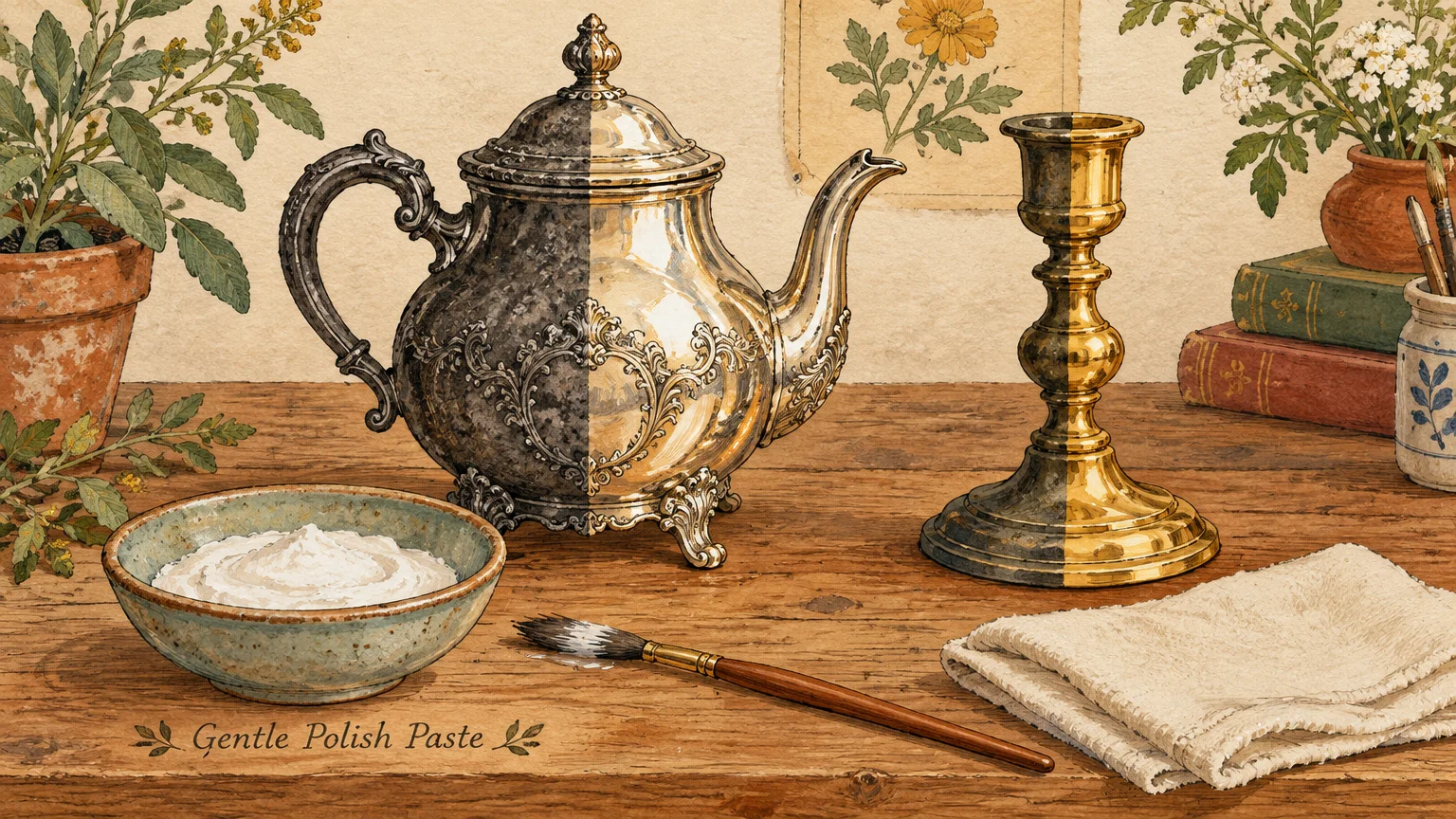
04 Restore Shimmer to Tarnished Silver and Brass
Silver plate and polished brass develop a dark, dull oxidation layer when exposed to airborne sulfur compounds. Aggressive commercial metal polishes can smell caustic and strip away microscopic layers of delicate metal plating.
Cornstarch offers an exceptionally mild abrasive paste that polishes metal without gouging or scratching mirror finishes. It provides just enough mechanical tooth to lift tarnish while preserving delicate decorative details.
Stir together three parts cornstarch and one part lukewarm water in a small dish until a smooth paste forms. The mixture should mimic the consistency of standard toothpaste.
Scoop a small dab of the paste onto a damp microfiber cloth or a soft cotton flannel rag. Rub the tarnished metal gently in circular motions, applying light, even pressure across the surface.
Allow the paste to dry completely into a pale, chalky crust. Then, buff the dried residue away using a clean, dry microfiber towel to reveal a brilliant, reflective luster.
Conservators at the Smithsonian Museum Conservation Institute recommend avoiding aggressive chemical dips that pit silver surfaces. This gentle starch method protects your heirloom pieces from unnecessary wear over time.
Rinse complex silverware patterns with warm water to remove any powder lodged in crevices, then dry immediately with a lint-free towel.
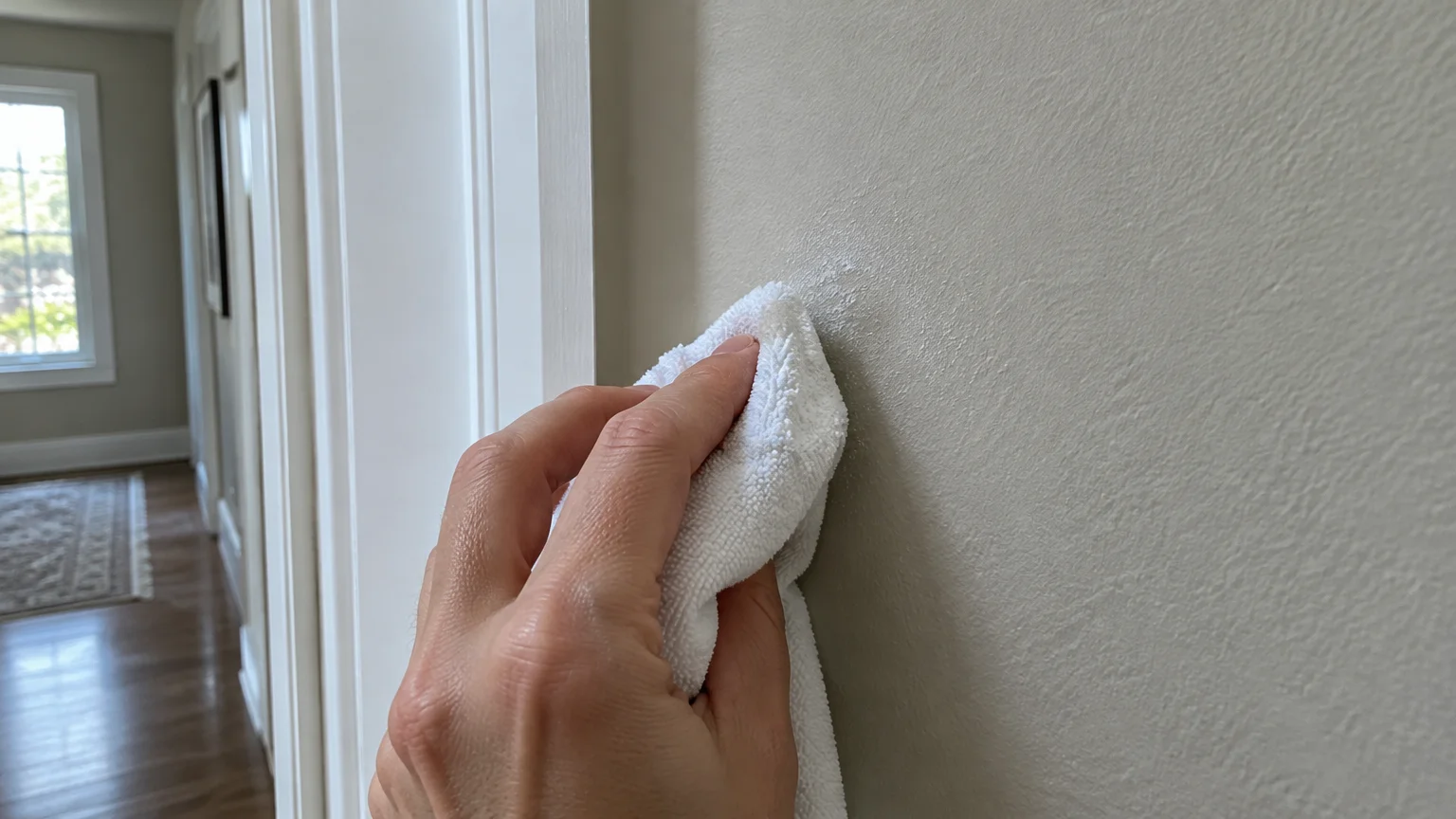
05 Erase Oily Smudges and Fingerprints from Painted Walls
High-traffic areas around light switches, door casings, and hallway corners collect oily fingerprint smudges over time. Scrubbing these spots with liquid all-purpose cleaners often strips away paint sheen, leaving noticeable dull patches on flat or eggshell walls.
Dry cornstarch lifts the skin oils and greasy residues without dissolving the underlying latex paint binders. It eliminates unsightly shine marks while leaving your wall color completely intact.
Dust a soft microfiber cloth with one tablespoon of dry cornstarch. Rub the smudged wall surface in small, gentle circles for 10 to 15 seconds.
Let the fine powder dwell on the wall for two or three minutes so it can absorb the surface lipids. Flip your microfiber towel to a clean, bare section and wipe the powder away.
For thicker grease stains near kitchen stoves, mix cornstarch with a few drops of water to create a thick paste. Dab the paste directly onto the grease spot and let it dry completely.
Brush the dry cake away with a soft paintbrush or dry cloth. The dried starch takes the oil with it, eliminating the grease spot without leaving a water ring on your drywall.
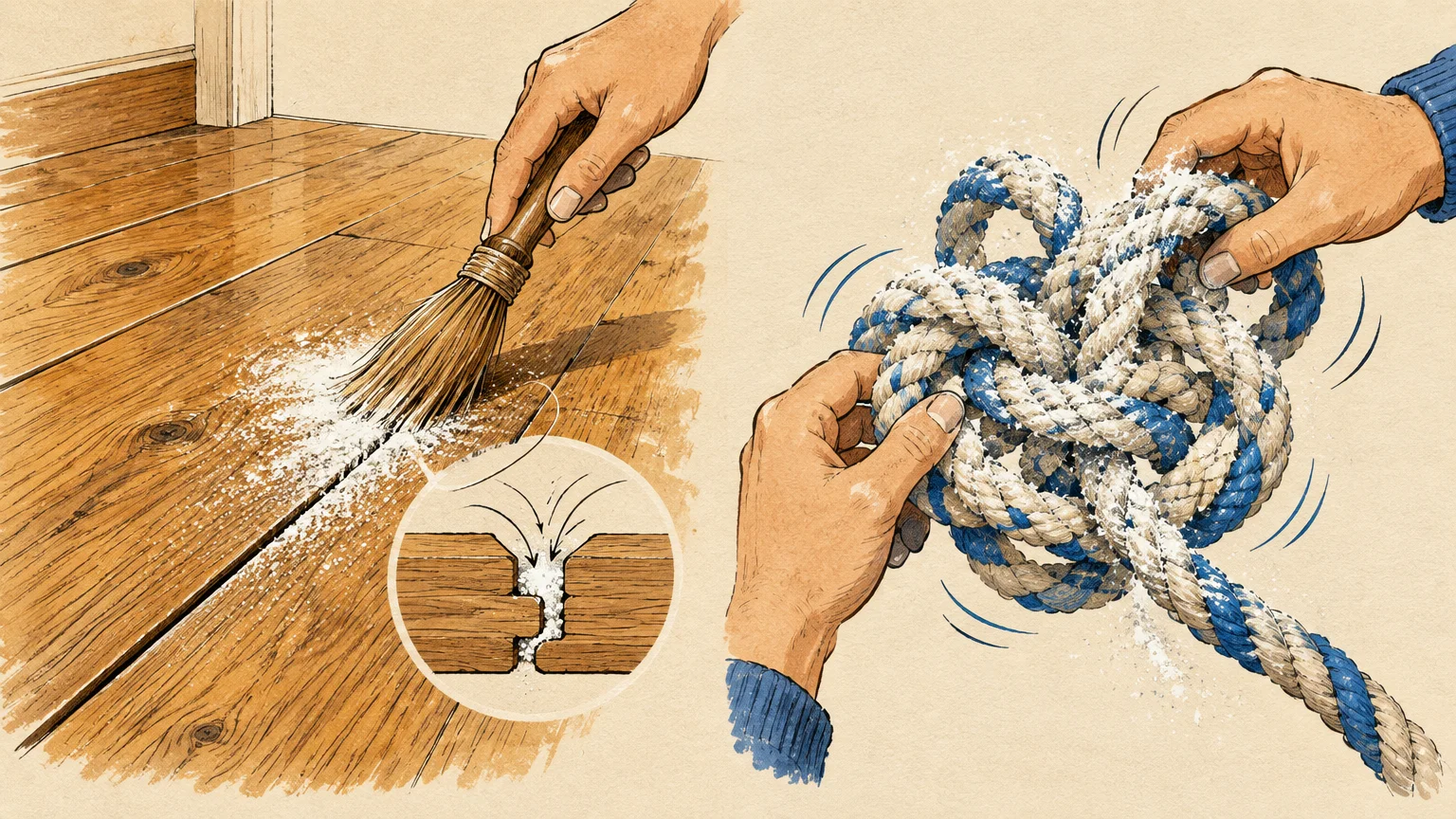
06 Silence Squeaking Floorboards and Loosen Snagged Knots
Seasonal humidity shifts cause hardwood flooring planks to expand and contract over time. As wood planks rub against adjacent boards or subfloor fasteners, they create irritating squeaks whenever you step on them.
Cornstarch serves as a dry, non-staining lubricant that settles into tight friction points between wood planks. Unlike petroleum sprays, it never stains delicate wood finishes or attracts pet hair and dust.
Pour a small pile of cornstarch directly over the noisy seam between two squeaking floorboards. Use a stiff-bristle broom or an old paintbrush to sweep the powder deep into the groove.
Walk firmly over the spot several times to work the powder into the joint where the friction occurs. The fine starch particles coat the contacting edges, allowing the wood to slide silently without creaking.
Sweep away the remaining surface powder with a dustpan and wipe the area with a dry cloth. This dry lubrication technique also works wonders on stubborn knots in shoelaces, yarn, and jewelry chains.
Sprinkle a pinch of cornstarch directly onto a tight knot and roll it between your fingertips. The starch reduces thread-on-thread friction, allowing the tangled strands to slide apart with minimal effort.
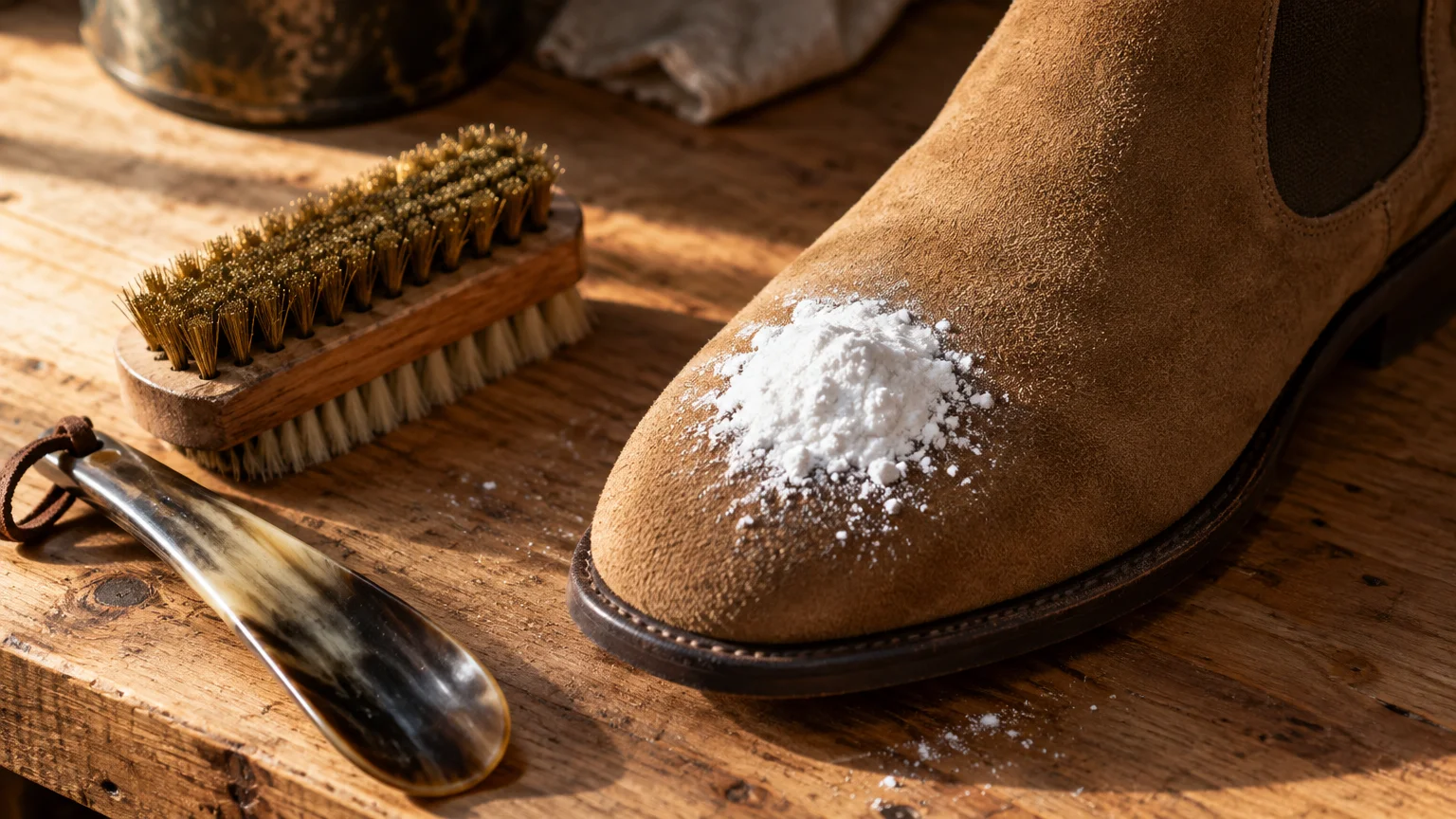
07 Revive Leather and Suede Without Moisture Damage
Leather sofas, car seats, and jackets absorb natural body oils and hair products, developing greasy, shiny dark patches over time. Traditional liquid soaps can saturate the hide, causing leather to stiffen, crack, or discolor permanently.
Cornstarch offers a completely dry cleaning alternative that protects delicate leather and suede from moisture damage. Its porous physical structure wicks grease away from leather pores without altering the dye.
Sprinkle dry cornstarch directly over the oily area on your sofa cushion or leather jacket collar. Gently pat the powder down with your fingertips so it makes full contact with the surface.
Leave the powder in place for at least four hours; leaving it overnight produces even better results on heavy oil buildups. As the starch sits, it draws out embedded sebum and cooking oils safely.
Brush the powder away using a clean, soft-bristle horsehair brush or a dry microfiber cloth. For suede items, use a dedicated suede brush to lift the nap back to its original velvety texture.
For additional techniques on safely managing textile and upholstery stains, consult the household guides provided by the Colorado State University Extension. You will avoid costly professional dry-cleaning bills while keeping your leather furniture looking pristine.
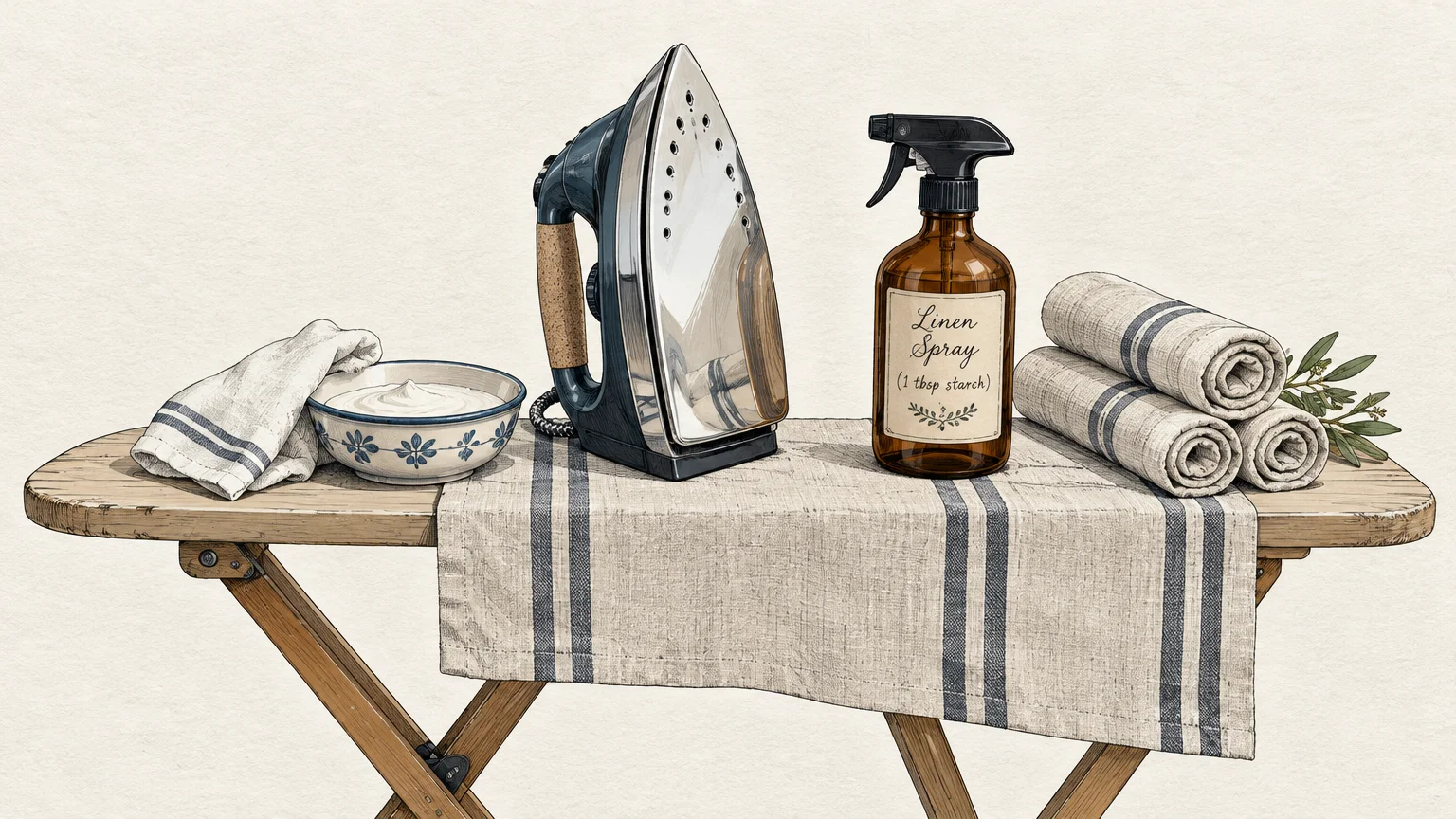
08 Smooth Wrinkled Linens and Clean Iron Soleplates
Limp shirt collars, wrinkled linen napkins, and synthetic scorch marks on iron soleplates frustrate anyone tackling weekly laundry. Commercial aerosol sizing sprays can cause sticky buildup on your iron, which can transfer to freshly washed garments.
You can create a crisp, natural ironing spray using simple pantry ingredients. This homemade alternative imparts a professional hand to cottons and linens without chemical propellants or synthetic perfumes.
Whisk one tablespoon of cornstarch into two cups of cold water until the mixture turns milky and completely smooth. Pour the liquid into a fine-mist spray bottle and shake well before each ironing session.
Mist the garment lightly from about ten inches away, then press it with a warm steam iron. The starch provides crisp structure to collars and cuffs while preventing fabric from picking up static electricity.
If your iron’s metal soleplate develops a sticky, burnt residue from previous laundry sessions, cornstarch will fix that too. Make a paste of equal parts cornstarch and water, then smear it onto a completely cool soleplate.
Scrub the metal plate with a clean cloth, paying close attention to scorched zones around steam vents. The gentle paste lifts burnt fibers and melted sizing without scratching non-stick iron surfaces.
Wipe the plate clean with a damp towel before heating the iron again. Adopting natural laundry aids aligns with safer cleaning standards supported by the EPA Safer Choice program, keeping indoor air free from volatile organic compounds.
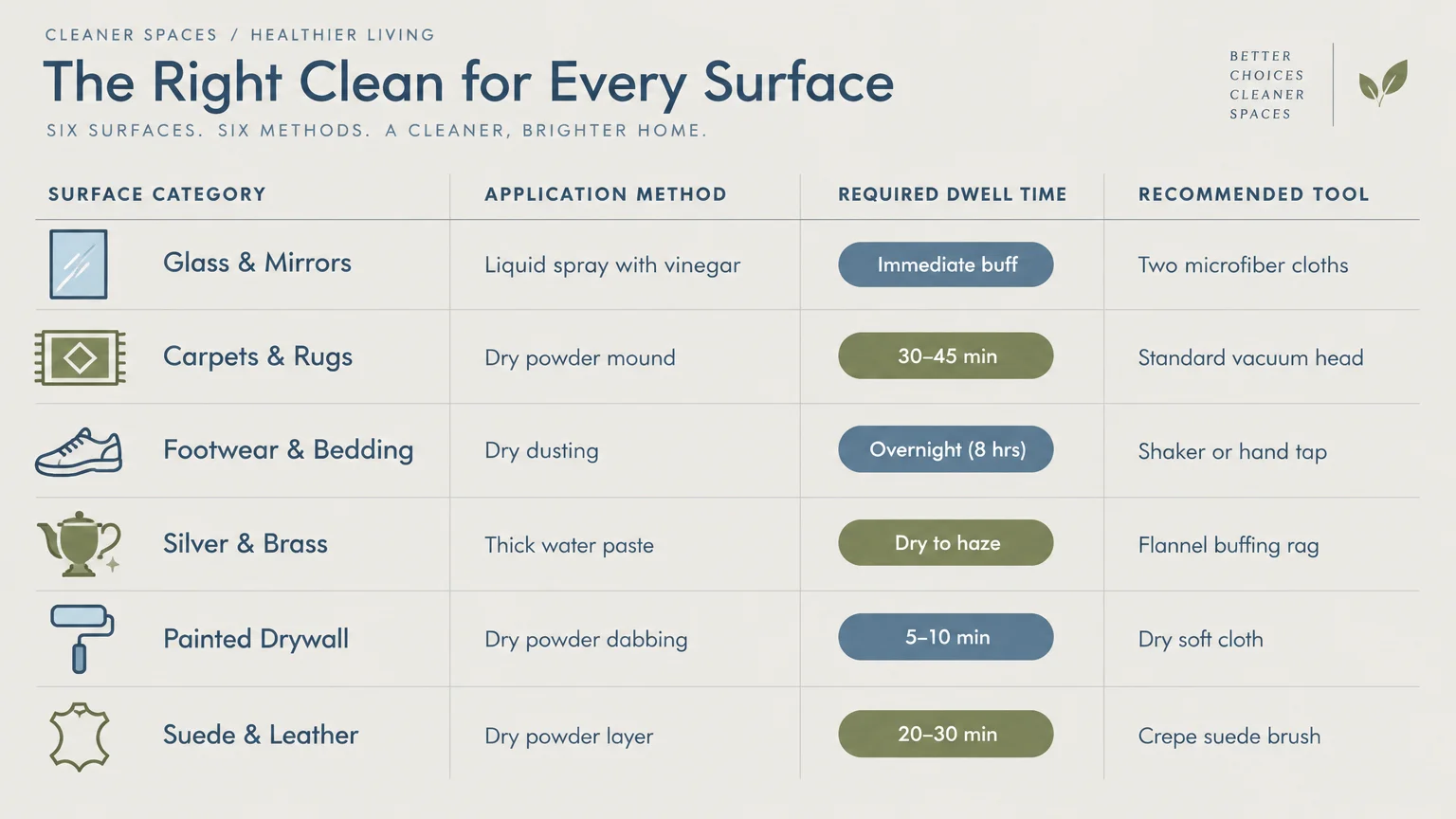
Cornstarch Cleaning Matrix: Surface, Dwell Time, and Tool Guide
Refer to this quick-reference matrix when selecting the proper application method for different surfaces around your home.
| Surface Mess | Application Type | Recommended Dwell Time | Removal Method |
|---|---|---|---|
| Window Glass & Mirrors | Liquid Spray (Vinegar + Water + Starch) | None (Buff immediately) | Dual Microfiber Cloths |
| Fresh Carpet Grease | Dry Powder Mound | 30–45 Minutes | Vacuum Cleaner |
| Smelly Athletic Shoes | Dry Powder Sprinkle | 8 Hours (Overnight) | Shake out into trash |
| Tarnished Silver & Brass | Thick Paste (Water + Starch) | Until dry to chalky touch | Dry Flannel or Microfiber |
| Wall Fingerprints | Dry Powder on Cloth | 2–3 Minutes | Clean Microfiber Buff |
| Squeaky Hardwood Joints | Dry Powder Swept into Seams | Permanent (Walk it in) | Sweep excess with broom |
| Leather & Suede Grease | Dry Powder Layer | 4–8 Hours | Soft Horsehair Brush |
| Scorched Iron Soleplate | Moist Scrubbing Paste | 1–2 Minutes | Damp Cotton Rag |
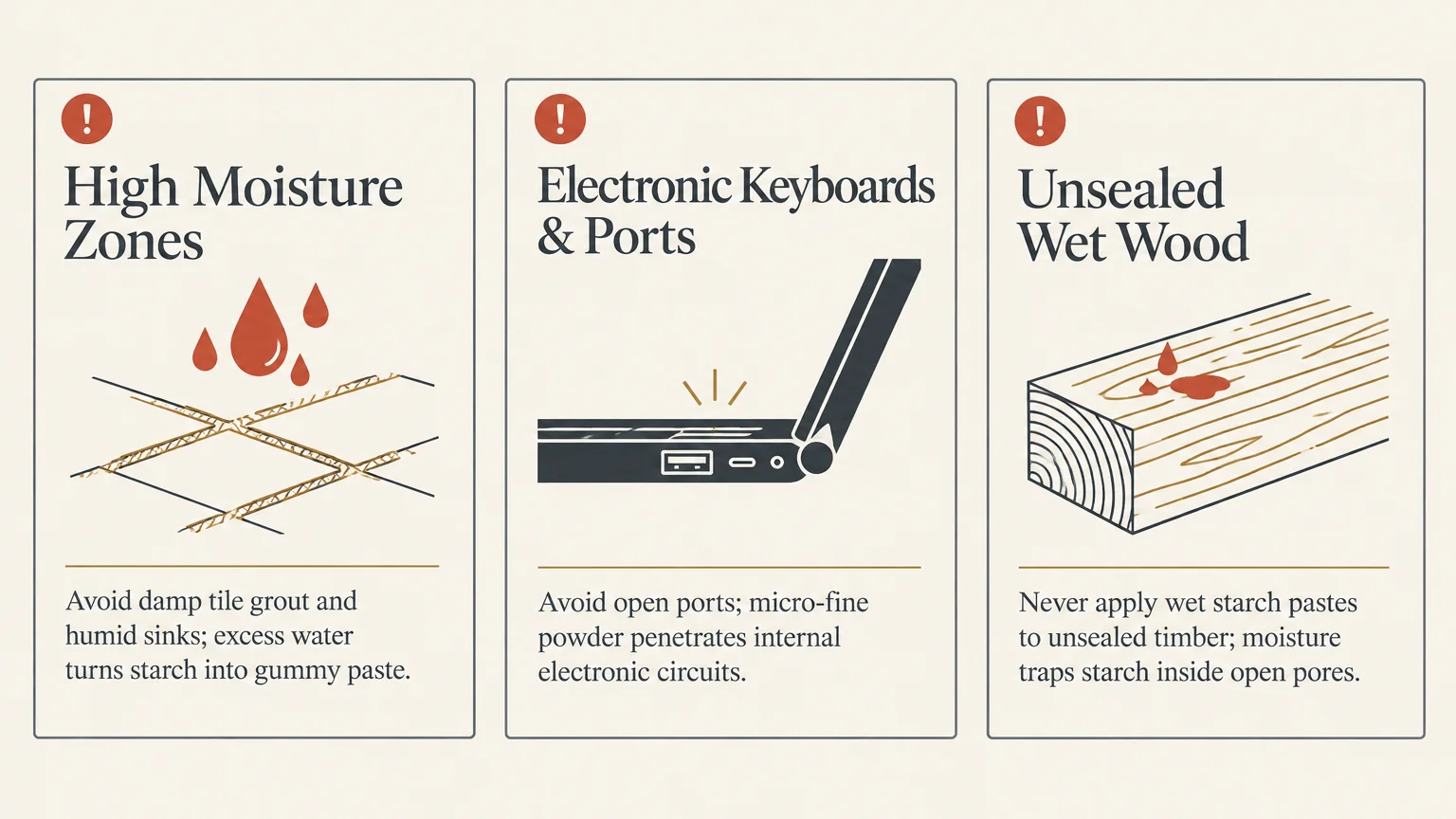
Precautions and Surfaces to Avoid
While cornstarch provides an exceptionally safe cleaning medium, using it improperly can create unintended household headaches. Keeping a few simple safety precautions in mind ensures seamless cleaning results across every room.
Never dump heavy cornstarch slurries or pastes down your plumbing drains. When concentrated starch encounters hot water inside narrow pipes, it gelatinizes into a thick, gummy plug that can block p-traps.
Wipe excess paste into your household trash can before rinsing mixing bowls under running water. Always run plenty of cold water if small amounts of starch rinse down the sink.
Avoid leaving damp cornstarch mixtures on organic fabrics or outdoor upholstery in humid environments. Because cornstarch is an organic carbohydrate, residual damp powder left behind in damp spaces can encourage mold or mildew growth.
When vacuuming substantial quantities of dry cornstarch from rugs, check your vacuum’s filter beforehand. Fine starch granules can coat standard paper filters quickly, reducing suction power and stressing your vacuum motor.
Use a vacuum equipped with a quality HEPA filter or an empty canister to prevent microscopic powder from blowing back into your living room air. Tap out the filter outside immediately after completing your carpet cleanup.
Store your dedicated cleaning cornstarch in a clearly labeled, airtight plastic container kept separate from your cooking supplies. This prevents accidental cross-contamination and shields your cleaning powder from pantry humidity and pests.
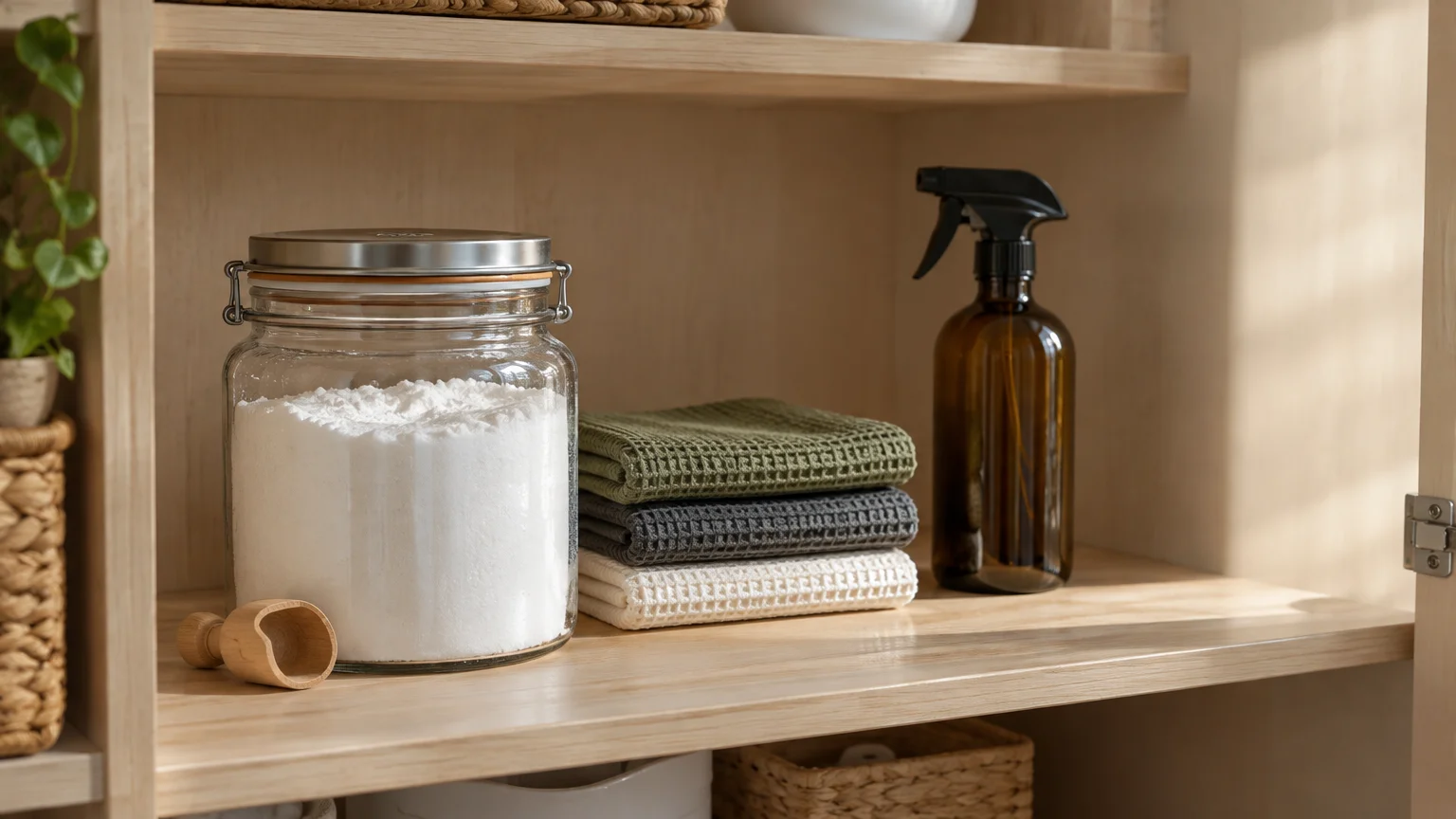
Your Practical Next Step
Grab that half-empty box of cornstarch from your kitchen cabinet and mix up a bottle of streak-free glass cleaner today. Testing this simple formula on your bathroom mirror will prove how easily natural pantry staples can outperform expensive commercial sprays.