Scraping dark pink mildew off a plastic shower liner or scrubbing a cracked, sticky shelf liner often wastes your valuable time and energy while yielding disappointing results. Household liners protect your cabinets, drawers, and shower walls, but they possess a finite lifespan before material breakdown creates hidden health hazards and persistent odors. Recognizing when cleaning isn’t enough for liners saves you from scrubbing uselessly against permanent material degradation, embedded black mold spores, and compromised food safety barriers. By mastering this simple liner replacement vs cleaning guide, you will streamline your household chores, maintain a healthier living environment, and eliminate unnecessary labor from your weekly cleaning routine.
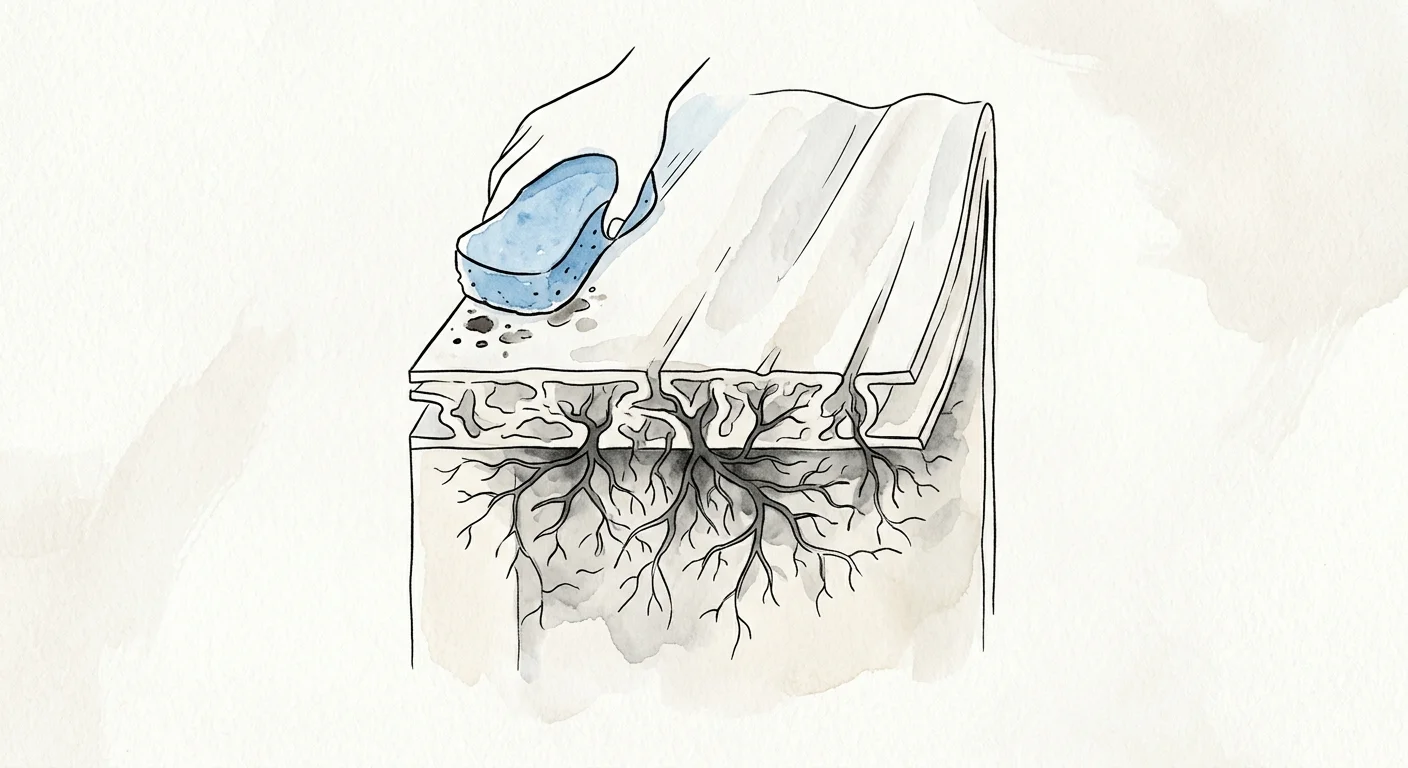
01 Deep-Seated Mold and Black Spores Embedded in the Material
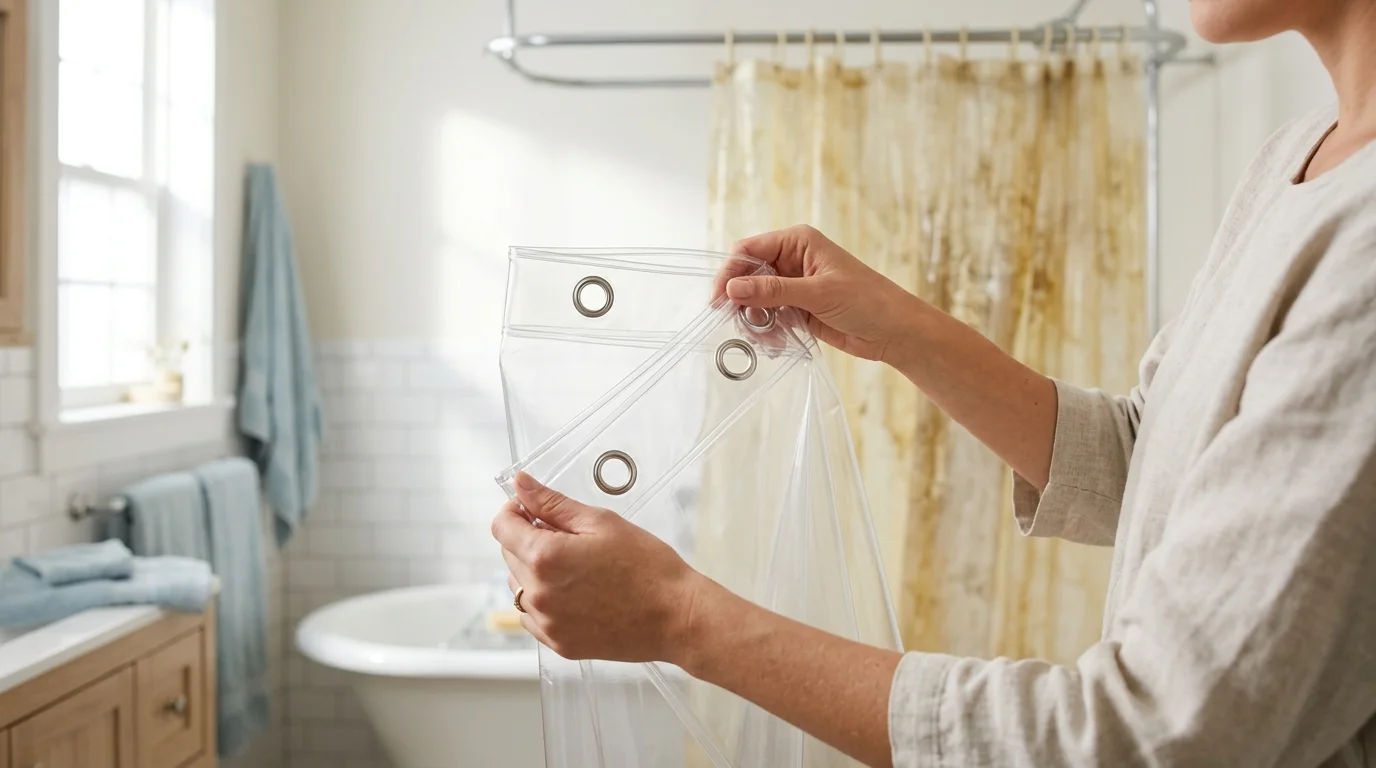
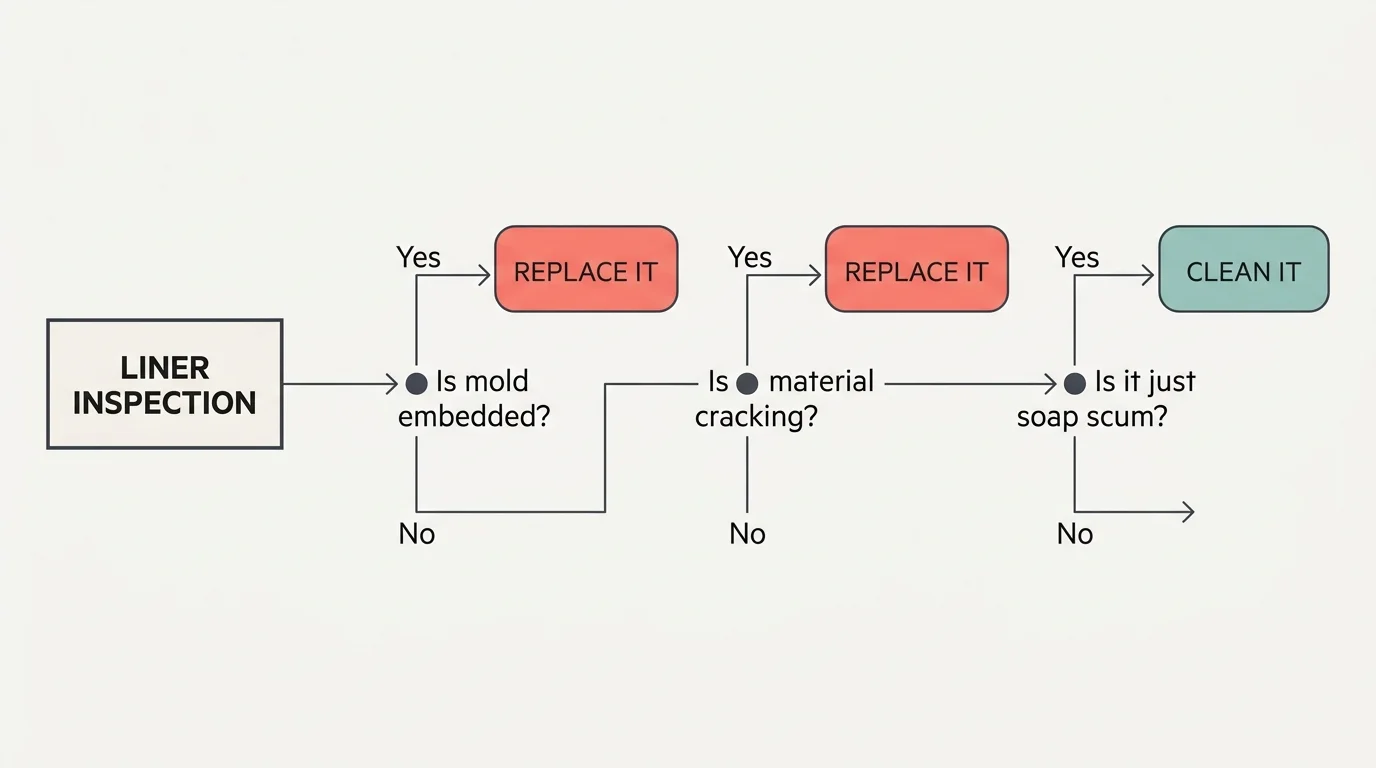
Shower curtain liners, under-sink drip mats, and refrigerator drawer inserts experience constant exposure to moisture, creating prime conditions for fungal growth. While light surface mildew wipes away easily with a splash of diluted white vinegar or soapy water, deep black mold behaves very differently. As flexible plastics like PVC and PEVA age, microscopic fissures open across their surfaces, allowing fungal hyphae to penetrate beneath the exterior layer. When spores embed deep inside the material matrix, surface disinfectants can no longer reach or neutralize the fungal root system; scrubbing merely removes the top layer while the core remains contaminated.
According to guidance from the U.S. Environmental Protection Agency (EPA), porous or semi-porous materials that harbor deep fungal growth must be discarded rather than cleaned because thorough decontamination becomes virtually impossible. If your shower liner displays dark gray, green, or black spots that remain visible from both sides after a thorough wash cycle, you are dealing with structural mold penetration. Identifying these clear signs to replace rather than clean a liner saves you time and protects your indoor air quality by eliminating mold spore dispersion throughout your bathroom.
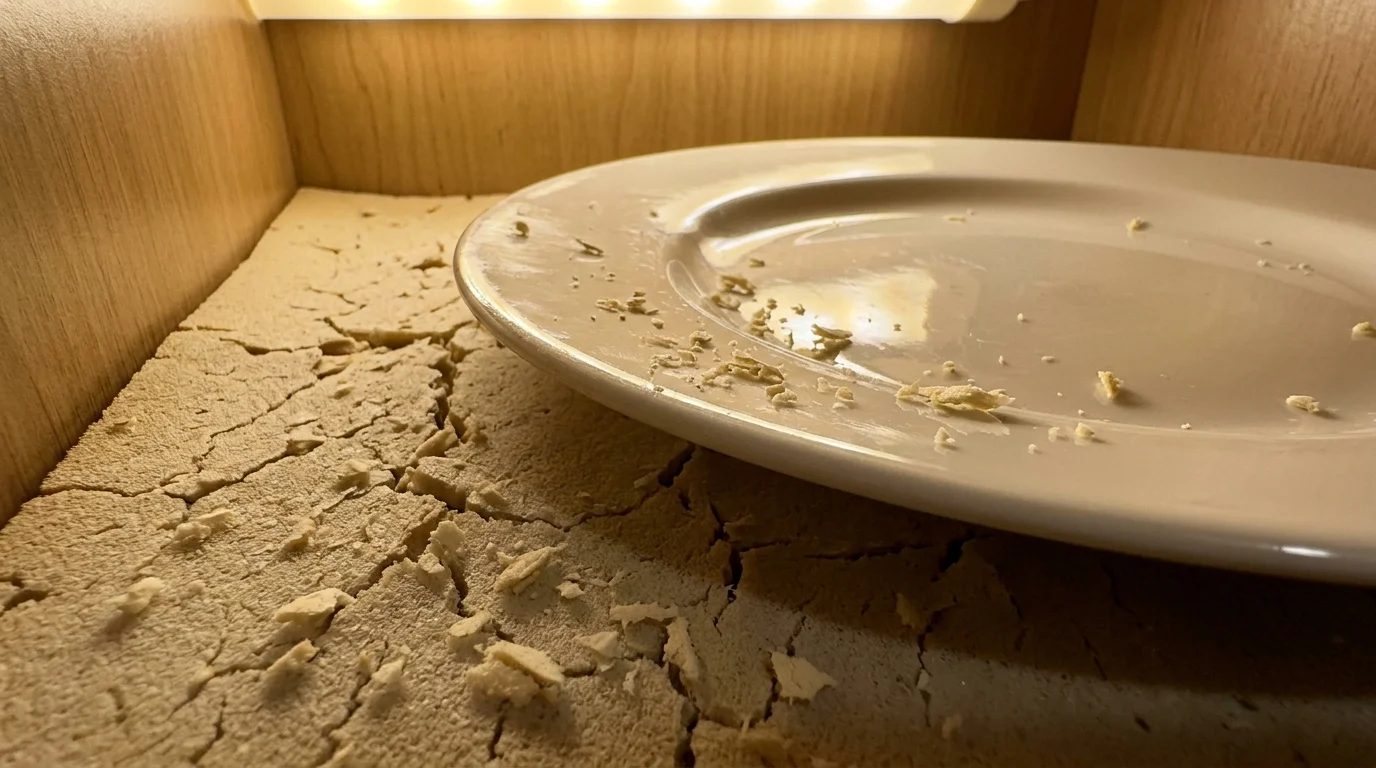
02 Brittle, Cracking, or Flaking Plastic and Foam Surfaces
Shelf liners inside pantry cabinets, wire-rack covers, and cushioned drawer pads lose their structural flexibility over time. Environmental factors—such as seasonal humidity shifts, indirect sunlight, ambient kitchen heat, and exposure to cleaning chemicals—cause the plasticizers in vinyl and foam liners to evaporate. Once these stabilizing chemicals dissipate, the material becomes stiff, brittle, and prone to cracking under minor pressure.
When you notice tiny flecks of foam or plastic shedding onto your clean dishes, cookware, or linens, your liner has crossed the threshold into irreversible structural breakdown. Trying to scrub a flaking liner only accelerates its destruction, sending tiny plastic fragments into your home’s air and water runoff. Furthermore, sharp cracks in pantry liners trap food crumbs and liquid spillages, turning what should be a protective shield into a catching basin for household pests. Throwing away a crumbling liner and replacing it with durable polyethylene (EVA) or washable silicone restores smooth, effortless sanitation to your storage spaces.
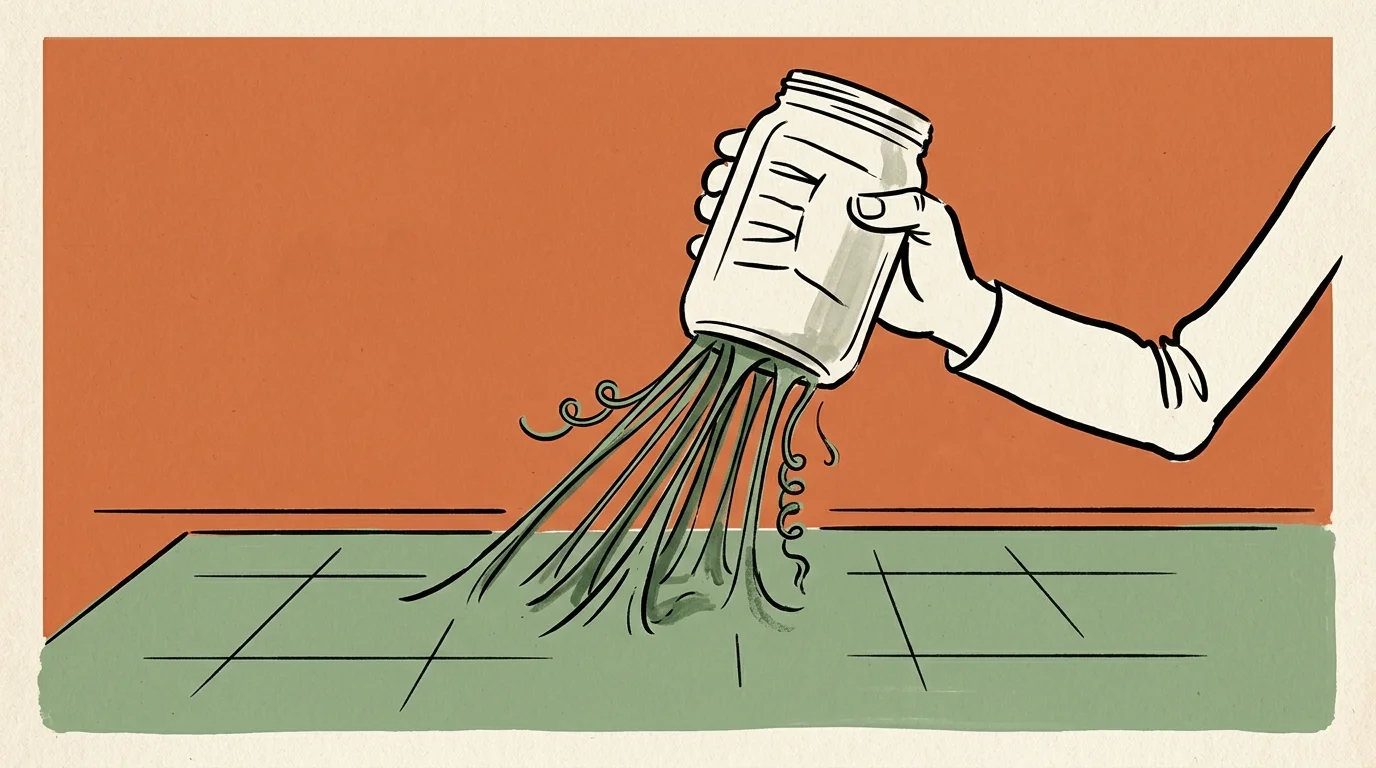
03 Permanent Sticky Residue and Chemical Degradation
If you reach into a kitchen cabinet and feel a tacky, gummy film on your shelf liner that refuses to wash off, you are witnessing chemical degradation rather than simple grease build-up. Many inexpensive vinyl and polyvinyl chloride (PVC) liners rely on synthetic plasticizer additives to maintain pliable, soft textures. Over years of use, these chemical agents slowly migrate to the surface in a process known as plasticizer exuding.
Dish soap, warm water, and heavy-duty degreasers cannot restore these compromised materials because the sticky layer is the dissolving plastic itself, not accumulated grime. In fact, aggressive scrubbing with harsh household cleaners breaks down the remaining polymers faster, leaving behind a gummy mess that can transfer onto your glassware, food packaging, and wooden cabinetry. Identifying this chemical breakdown is one of the clearest worn out liner warning signs. Swapping out degraded vinyl for non-adhesive solid plastic or natural cork liners protects your wooden shelves from permanent finish damage while eliminating frustration.
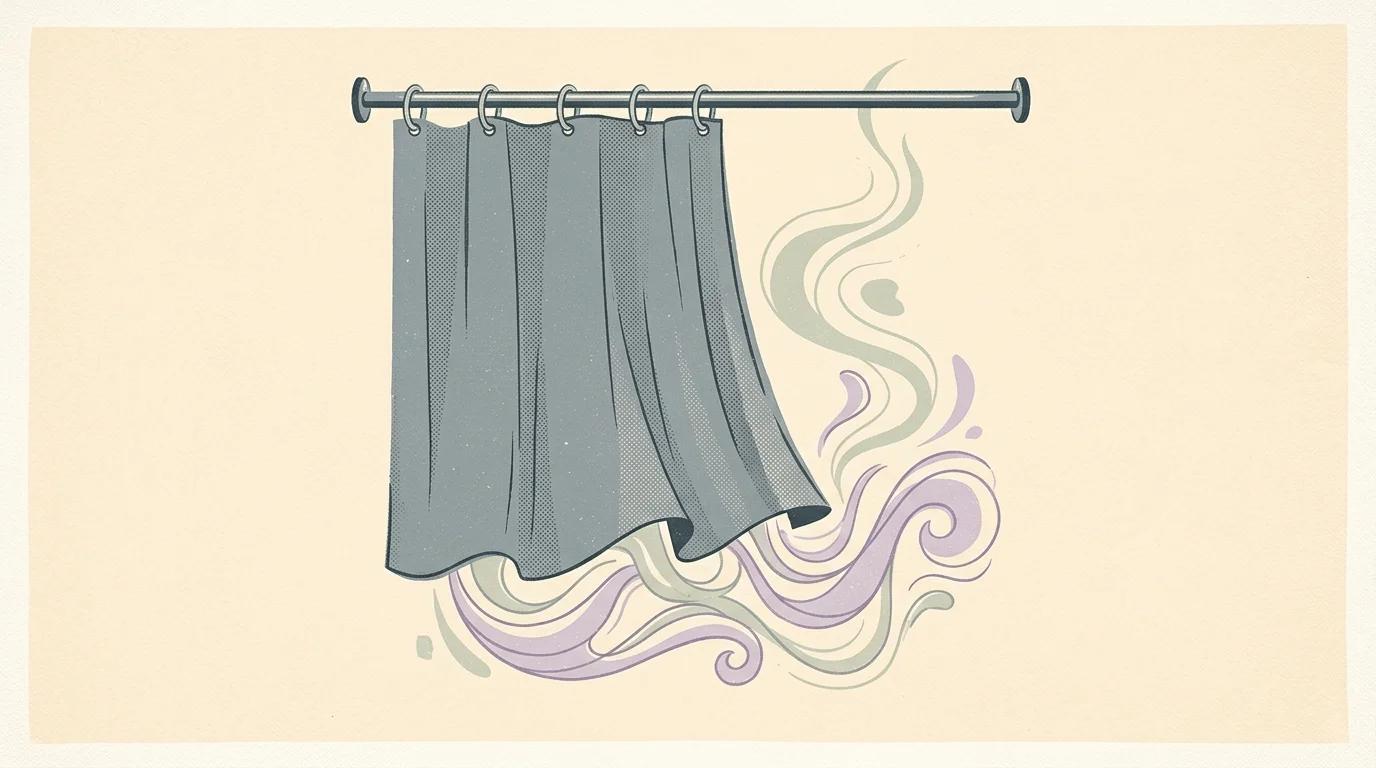
04 Persistent Foul Odors That Survive Deep Scrubbing
A fresh home relies on clean surfaces, yet aging liners often act as sponges for stubborn, offensive smells. Trash bin bottom liners, refrigerator vegetable drawer pads, and bathroom shower liners constantly interact with organic matter, moisture, and volatile organic compounds. When vinyl and rubber materials break down, they develop a porous texture at the microscopic level that traps foul odors deep inside.
If you have soaked your liner in a solution of baking soda, vinegar, or laundry detergent and allowed it to dry thoroughly in fresh air, yet a damp, musty, or sour smell lingers, the liner has permanently absorbed those odor molecules. Continuing to use an odor-tainted liner will contaminate the fresh items placed on top of it, such as clean bath towels or fresh produce. The Centers for Disease Control and Prevention (CDC) emphasizes maintaining sanitary, easily cleanable surfaces in food storage and living areas to prevent bacterial cross-contamination. When deep scrubbing fails to restore a neutral smell, discarding the liner is the only practical solution to keep your home smelling fresh.
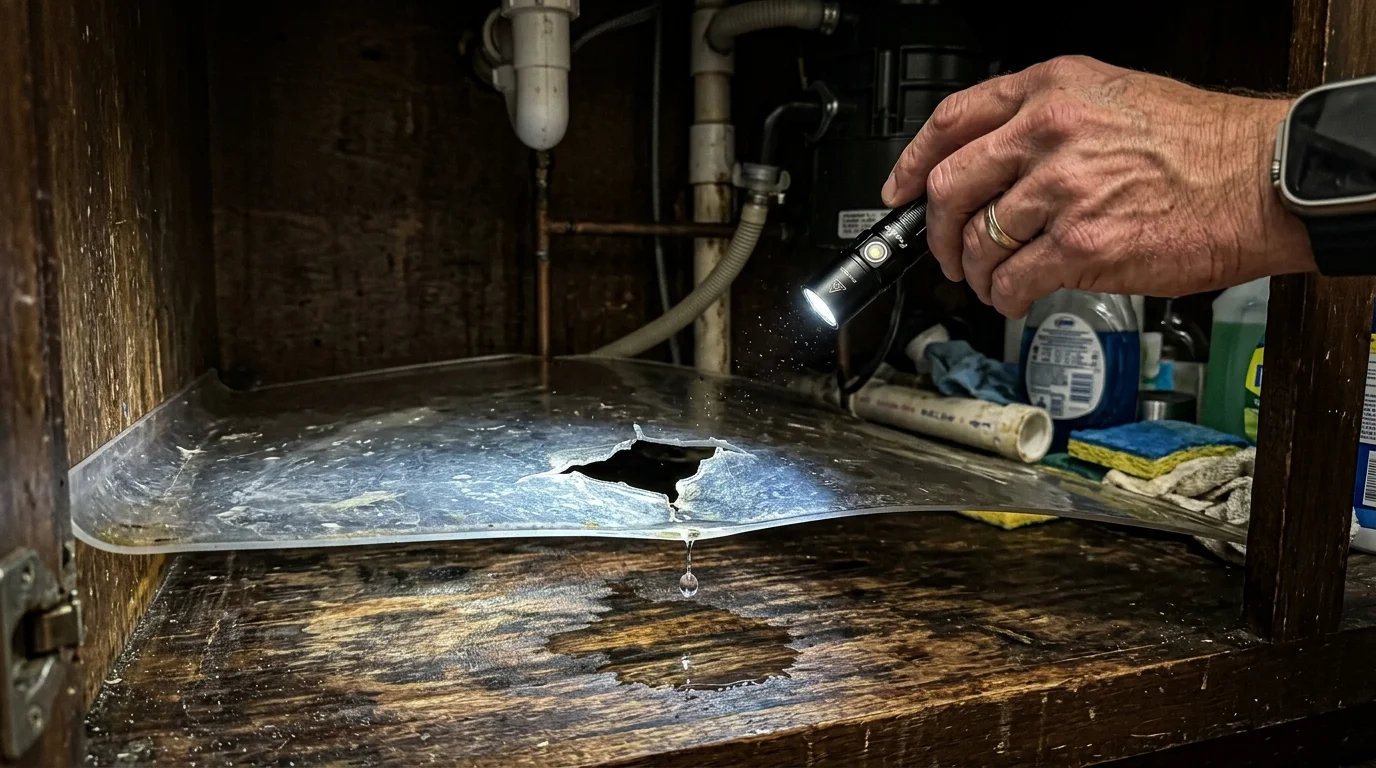
05 Punctures, Tears, and Compromised Fluid Barriers
The fundamental purpose of any protective liner—whether it sits beneath your kitchen sink, inside a slow cooker, lining a trash can, or covering a refrigerator shelf—is to form an impermeable barrier against moisture, leaks, and stains. Small pinpricks, tears from sharp utensil edges, or split seams compromise this protective barrier entirely.
Under-sink drip liners, for example, exist specifically to shield solid wood or particleboard cabinet floors from plumbing leaks and chemical bottle drips. Once a tear develops, liquid naturally migrates toward the breach via capillary action, trapping moisture directly against the wood underneath without your knowledge. This trapped moisture breeds wood rot, structural warping, and hidden mold colonies. Similarly, using a punctured reusable trash bin liner or damaged slow cooker insert liner guarantees messy leaks that require double the cleanup time. When physical integrity fails, cleaning the damaged material offers zero benefit; immediate replacement is essential to protect your home’s expensive sub-surfaces.
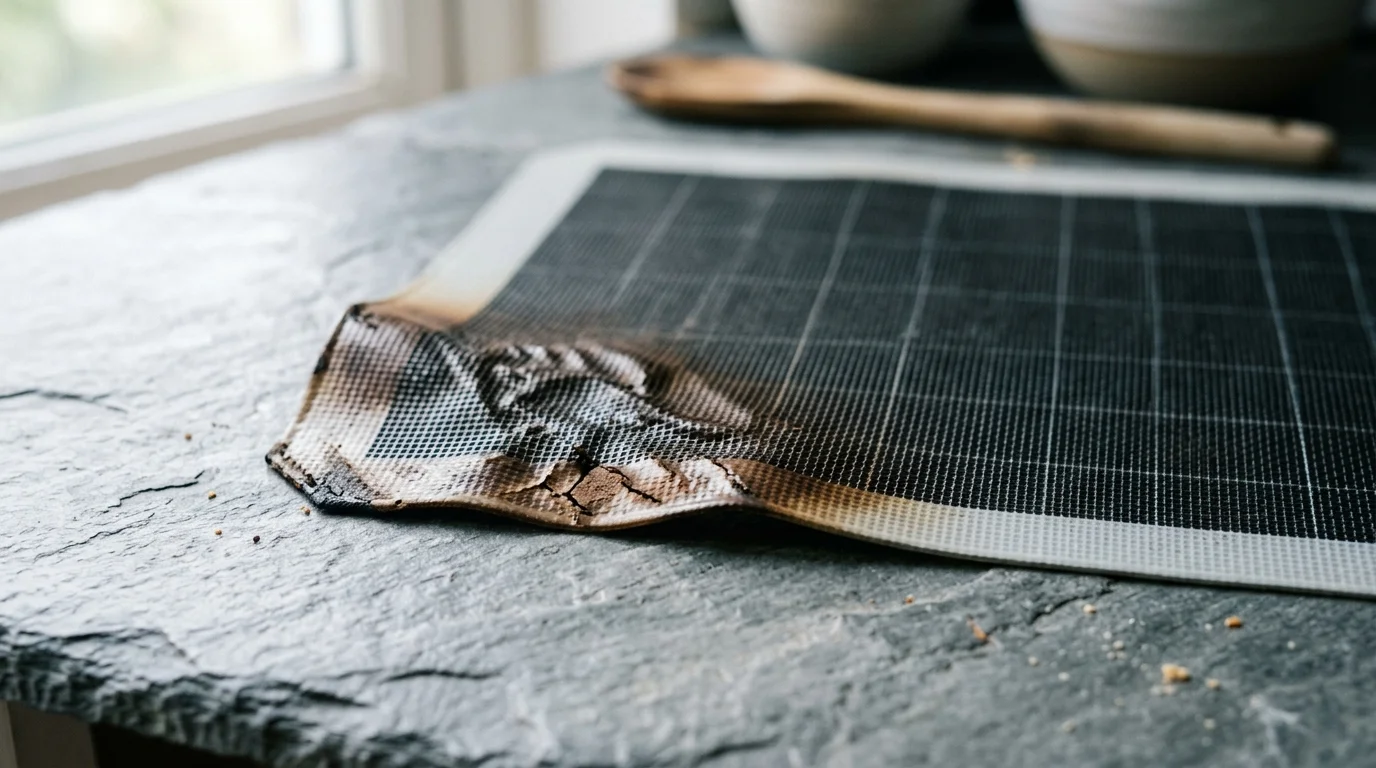
06 Melted, Charred, or Warp-Damaged High-Heat Liners
Kitchen appliances like ovens, air fryers, toaster ovens, and slow cookers often rely on high-heat silicone mats, parchment liners, or non-stick PTFE oven floor protectors to simplify cleanup. However, exposing these specialized liners to temperatures above their rated capacity, direct heating elements, or broiler flames causes physical and chemical distortion.
Signs to replace rather than clean a liner in high-heat appliances include bubbling surfaces, charred edges, deep discoloration, or melted spots. Cooking on a heat-damaged liner creates serious health and safety hazards. Thermally degraded non-stick coatings can off-gas harmful chemicals into your kitchen air, while charred silicone mats can transfer synthetic residues directly into your food. The U.S. Food and Drug Administration (FDA) regulates food-contact materials to ensure safety, but these guarantees apply only when items remain intact and undamaged. If your oven or air fryer liner turns stiff, curls upward toward heating elements, or exhibits scorched patches, discard it immediately to prevent kitchen fires and guard your family’s health.
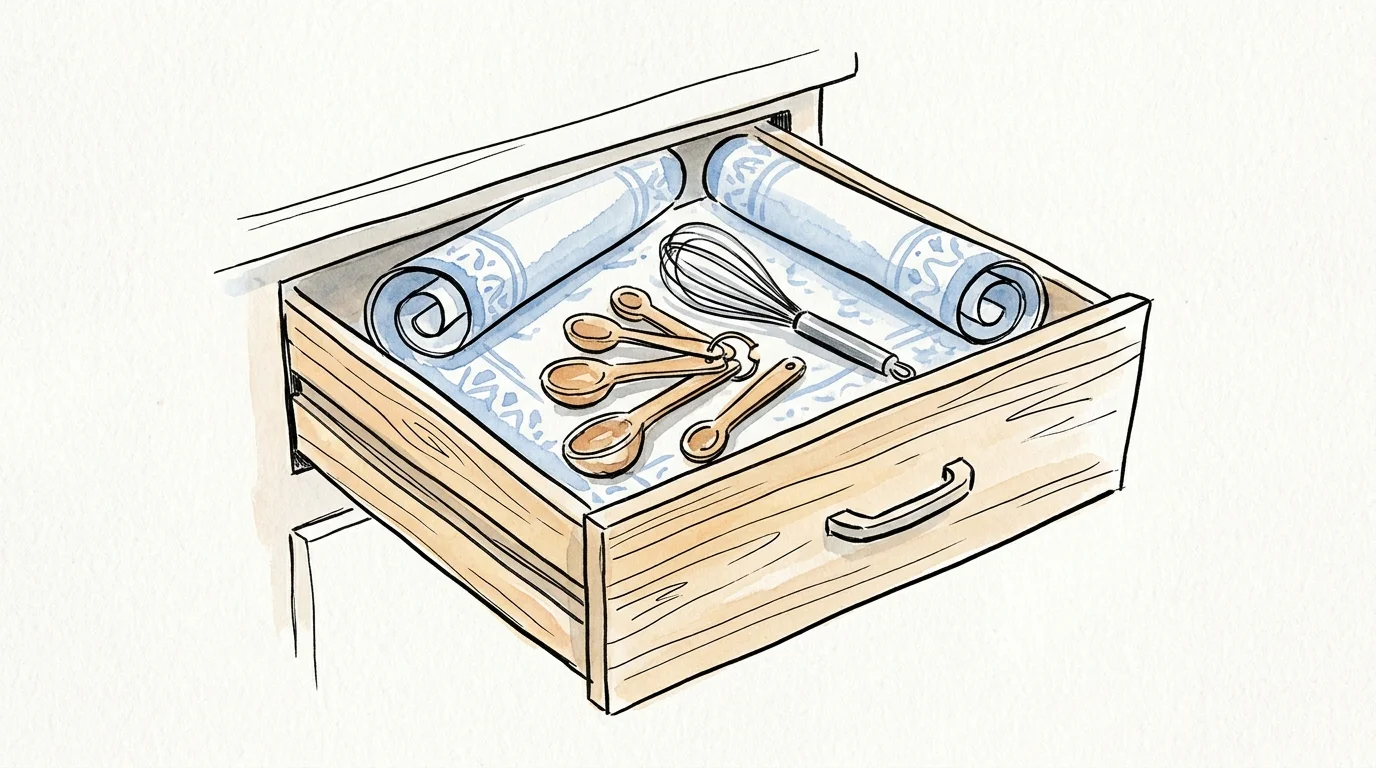
07 Curled Edges and Loss of Non-Slip Traction
A safe, organized home relies on stability, particularly for older adults simplifying daily kitchen routines. Non-slip drawer liners, rug pad liners, and shelf mats use textured backing to keep dishware, silverware, and pantry items from sliding around when drawers open and close. Over time, physical stress, cleaning washes, and material aging cause the edges of non-adhesive liners to curl upward and the rubberized grip backing to smooth out or turn powdery.
Curled liner edges catch on plate bottoms, mug handles, and cutlery trays, causing tip-overs, spilled liquids, and broken glassware. Furthermore, when a liner loses its grip, items shift violently every time you access a drawer, defeating the entire purpose of installing protection. Washing a worn-out non-slip liner will not restore its original flexibility or grip tension. When flat-lying mats start bunching up or curling like parchment paper, replacing them with flat, high-density EVA or silicone lining restores smooth safety and effortless organization to your daily tasks.
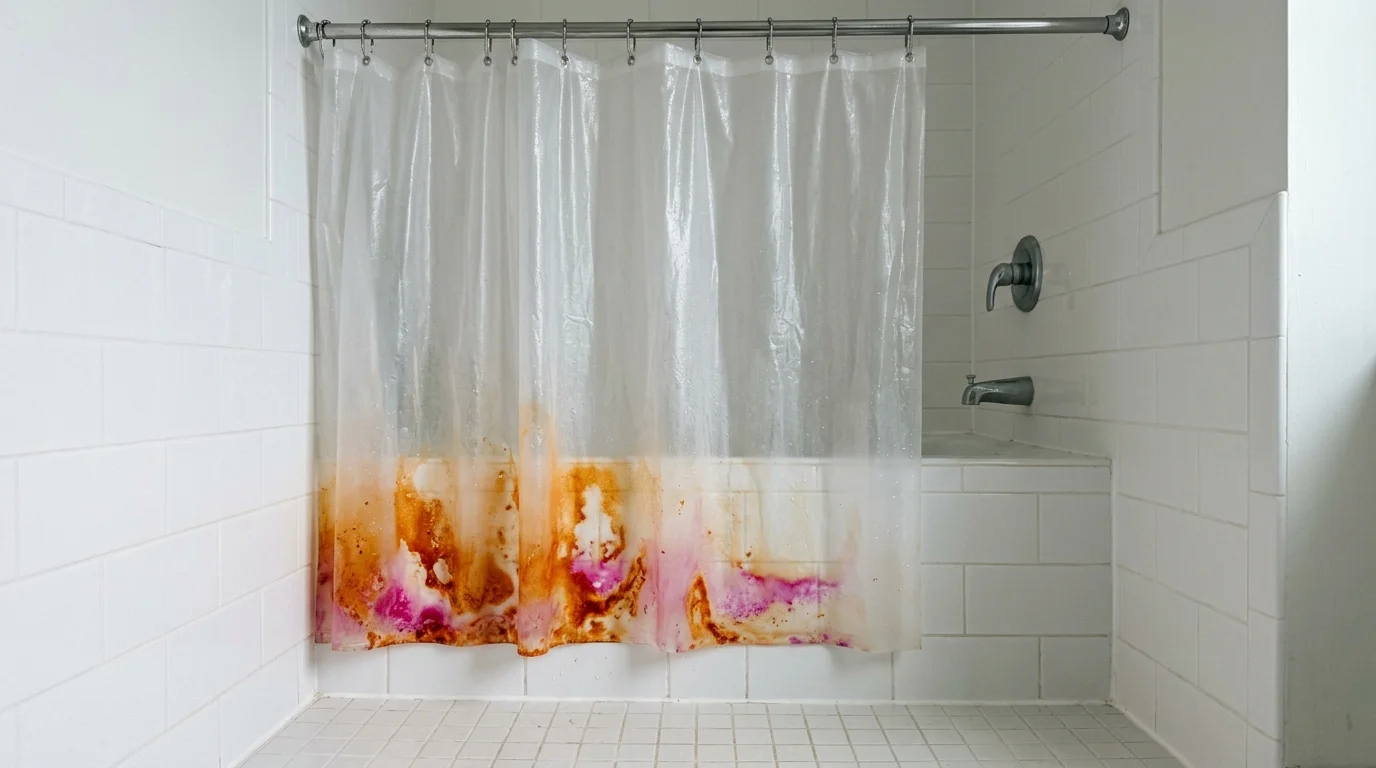
08 Irreversible Discoloration and Severe Staining
Spills happen constantly in active households. While freshly spilled coffee, red wine, turmeric, or tomato sauce easily wipes off high-quality liners, neglect or prolonged exposure allows dark pigments to migrate deep into polymer structures. Once chemical dyes and heavy organic pigments cross-link with plastic molecules, no amount of aggressive bleaching or abrasive scrubbing will lift the stain.
While cosmetic staining alone might seem harmless, severe discoloration masks underlying dirt, mold, and bacterial growth, making it nearly impossible to determine whether your surface is truly clean. Scrubbing stained liners with abrasive sponges creates fine scratches that harbor even more grime and micro-organisms over time. If a thorough soak in an oxygen-based cleaner or warm dish soap leaves behind dark, blotchy stains, accept that the liner has reached the end of its aesthetic lifespan. Replacing discolored mats with fresh, stain-resistant alternatives instantly brightens dark cabinet interiors and restores a crisp, hygienic appearance to your home.
09 Severe Thinning and Material Fatigue
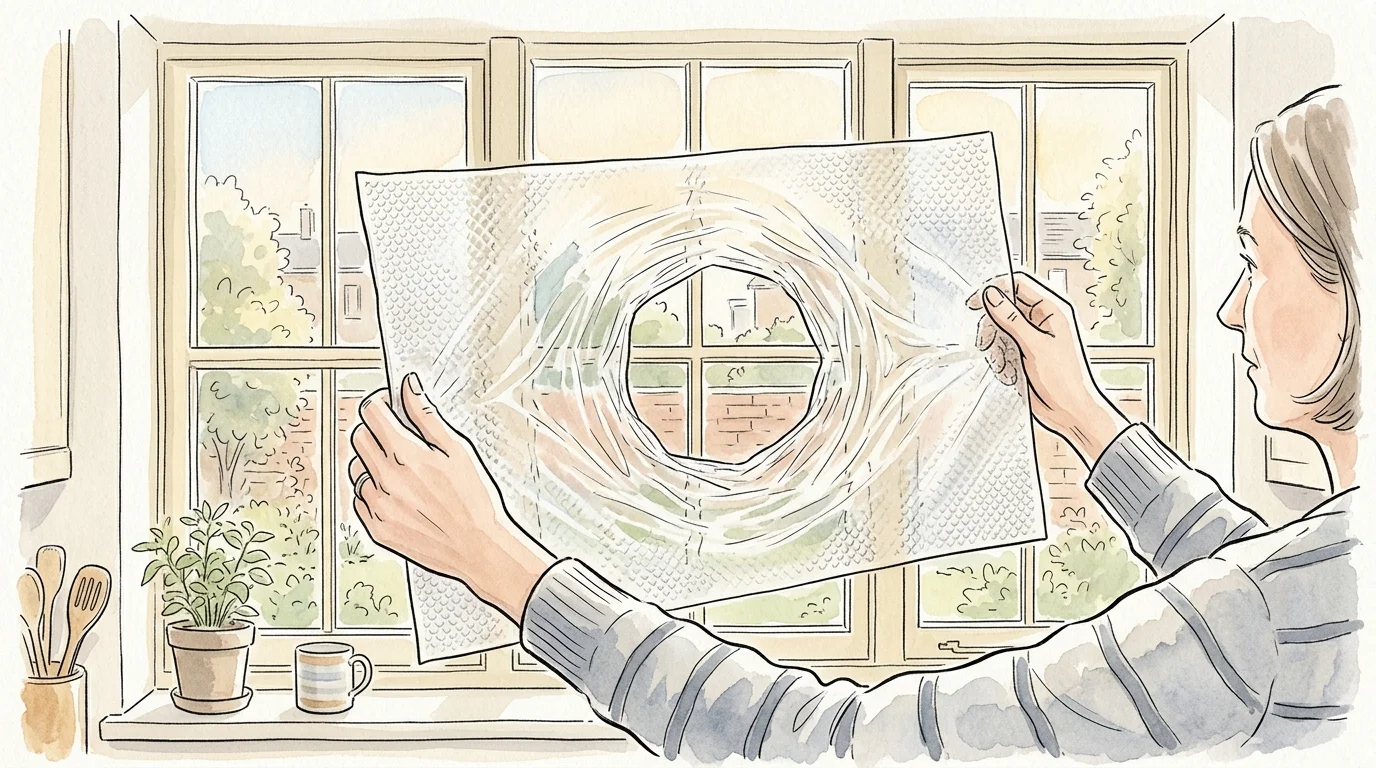
High-traffic areas experience heavy mechanical friction every single day. Heavy iron skillets sliding into lower kitchen cabinets, metal tools sliding across toolbox drawer liners, and muddy boots stepping onto entryway tray liners wear down even the toughest materials over time. Material fatigue manifests as thin, translucent spots, stretched fabric weaves, or flattened foam bubbles.
When determining when to replace a liner instead of cleaning, pay close attention to structural density. A thinned liner no longer dampens noise, cushions delicate items, or distributes weight evenly. If heavy pots press straight through a thinned foam mat onto your wooden cabinet floor, the liner has ceased doing its job. Washing a fatigued, paper-thin liner will not restore its lost thickness or protective cushioning. Upgrading to heavy-duty, thick-gauge commercial shelf or drawer liners protects your valuable cabinetry and equipment from denting, scratching, and long-term wear.
10 The Liner Outlives Modern Environmental or Health Standards
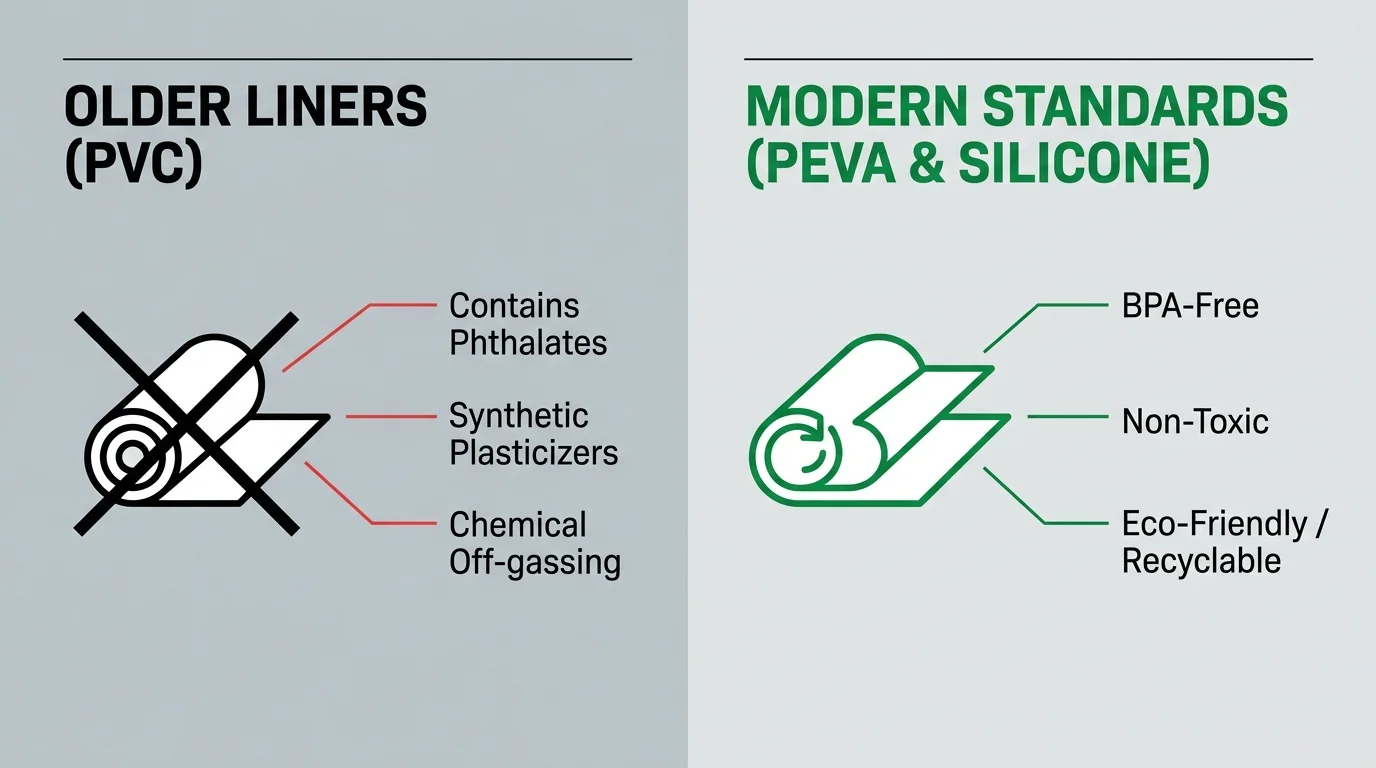
Household health standards have evolved dramatically over the past decade. Many older homes still contain original shelf paper, heavy flexible vinyl drawer liners, or vintage shower curtains made from polyvinyl chloride (PVC) loaded with toxic phthalates and heavy metals like lead or cadmium.
According to safety investigations by the U.S. Consumer Product Safety Commission (CPSC), chronic exposure to certain phthalates found in flexible plastics poses developmental and hormonal health risks. Older scented antimicrobial liners also utilized chemical additives that continuously off-gas synthetic fragrances and volatile chemicals into closed pantry drawers containing your food. Even if an old liner appears physically intact, keeping legacy toxic materials in contact with your eating utensils, plates, and fresh produce is unnecessary. Upgrading vintage or mystery-material liners to modern, BPA-free, food-safe silicone, natural cork, or recyclable PEVA ensures your home remains free from unnecessary chemical exposure.
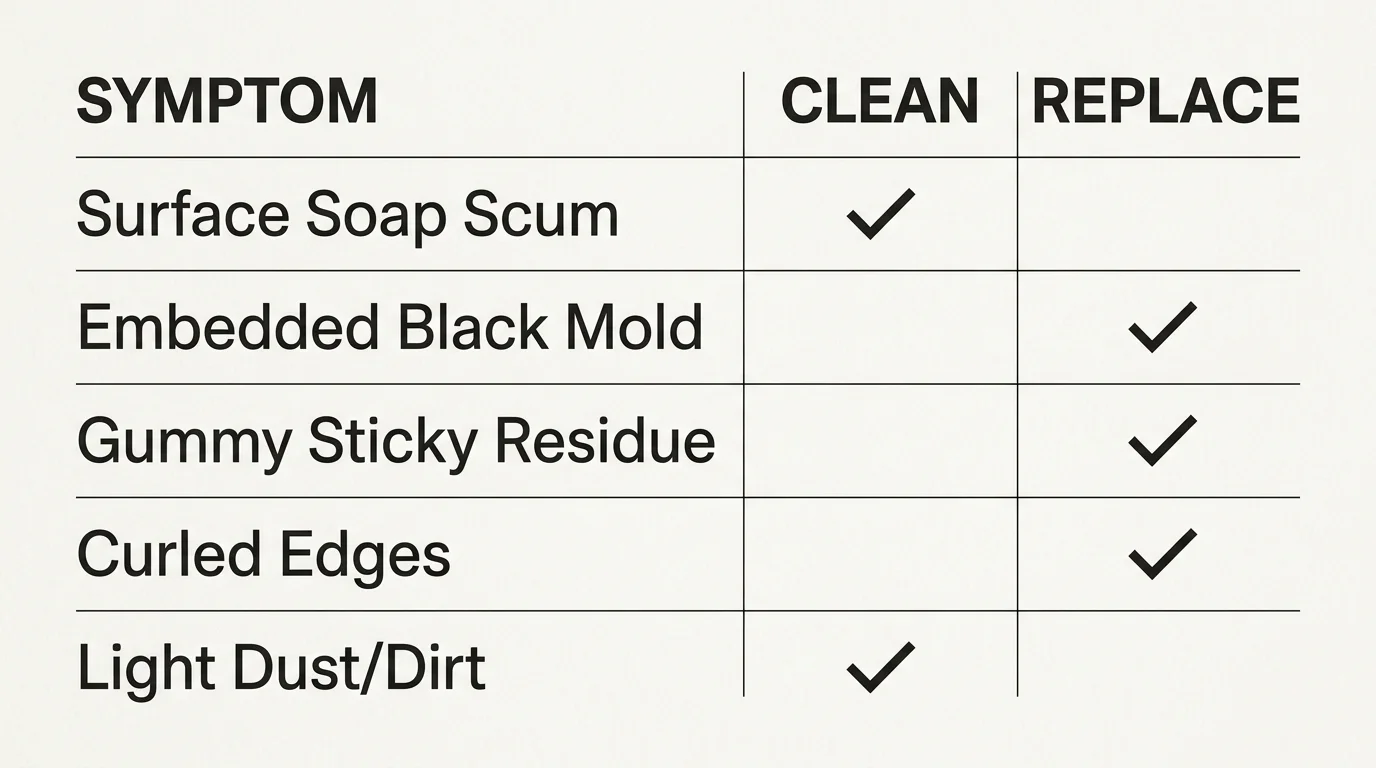
Liner Replacement vs. Cleaning Decision Matrix
Use this convenient reference table to evaluate different liners across your home and determine whether a quick wash or a complete replacement is the smartest move.
| Liner Type | Safe to Clean When… | Immediately Replace When… | Average Lifespan |
|---|---|---|---|
| Shower Curtain Liner (PEVA / Vinyl) | Light pink soap scum or clear water spots appear on the surface. | Dark black mold spots penetrate the interior plastic or hem stiffens completely. | 6 – 12 Months |
| Kitchen Shelf & Drawer Liners (EVA / Foam) | Dry crumbs, superficial dust, or fresh liquid drips wipe off cleanly. | Surface feels sticky/gummy, edges curl, or material flakes onto dishes. | 2 – 4 Years |
| High-Heat Appliance Liners (Silicone / PTFE) | Light grease or baked-on food residue lifts after soaking in warm soapy water. | Edges char, material warps, or non-stick surface bubbles, peels, or burns. | 1 – 2 Years |
| Under-Sink Drip Mats (Rubber / Heavy Plastic) | Dust, minor grime, or surface soil washes off with a garden hose or sponge. | Punctures, tears, or permanent chemical softening occurs from leaking bottles. | 5+ Years |
| Refrigerator Drawer Liners (Polyester / Mesh) | Spilled juices or produce dirt wash clean in warm water with dish soap. | Musty mold odors persist after washing or dark juice stains become permanent. | 1 – 2 Years |
Step-by-Step Checklist: Should You Clean or Replace Your Liner?
Follow this simple 4-step practical framework whenever you encounter a dirty or worn liner during your regular home routine:
- Perform the Tactile Test: Touch the surface. If it feels sticky, gummy, brittle, or powdery despite being dry, discard it immediately. Chemical breakdown cannot be reversed.
- Conduct the Wash and Odor Audit: Wash the liner with mild dish soap and warm water (or run plastic shower liners through a gentle cold machine cycle). If dark mold spots remain visible or sour, damp smells persist after 24 hours of air drying, toss it out.
- Inspect the Barrier Integrity: Hold under-sink, slow cooker, or refrigerator liners up to a light source. If you see pinpricks, hairline tears, or worn-thin spots, the fluid barrier is broken. Replace it before moisture damages your surfaces.
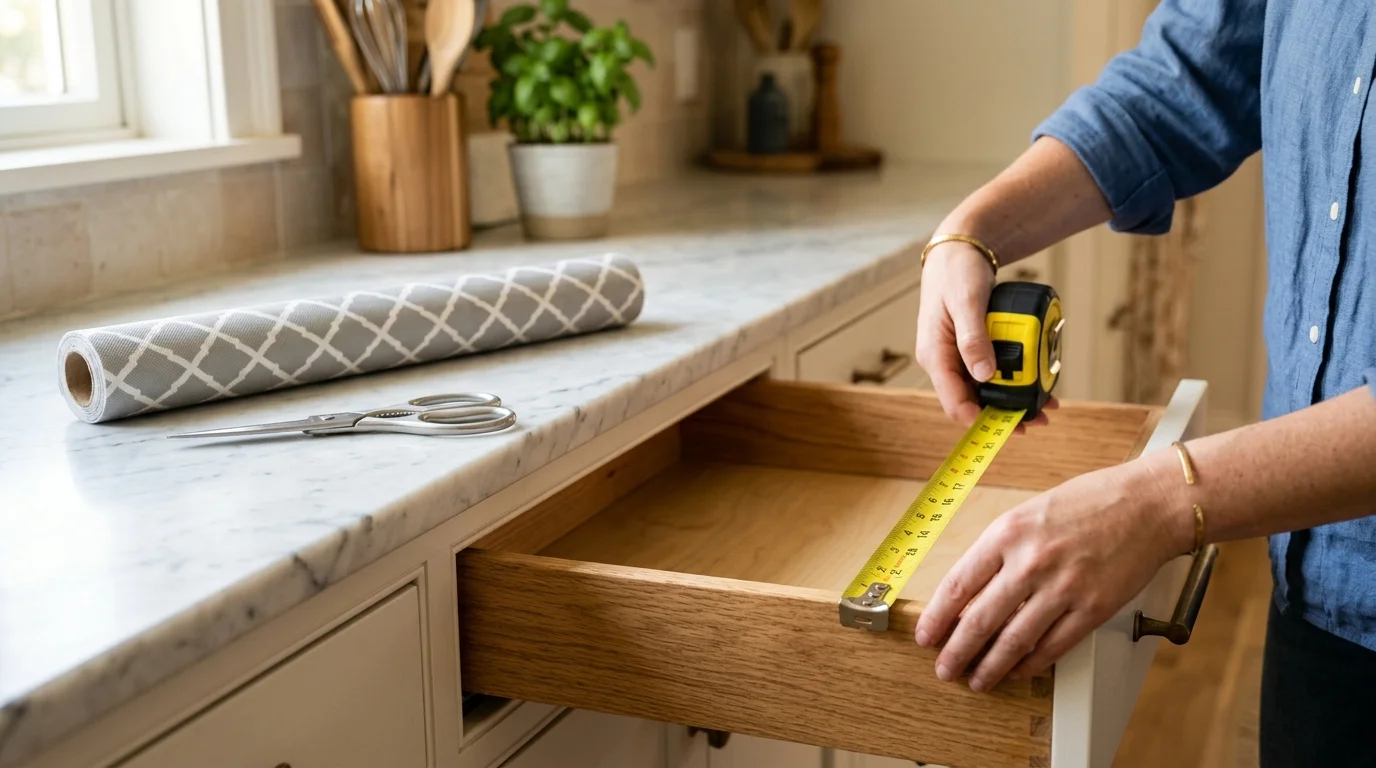
- Select Non-Toxic Upgrades: Measure your shelves or shower area accurately before buying replacements. Choose food-safe silicone, heavy-gauge PEVA, or natural cork over cheap PVC vinyl to maximize longevity and minimize home toxins.
Your Immediate Next Steps for a Cleaner Home
Take five minutes right now to audit one high-risk area in your home—such as beneath your kitchen sink, your bathroom shower curtain, or your primary utensil drawer. Pull back the liner, inspect the underside for dark mold or sticky chemical degradation, and test its flexibility. If you spot any of the warning signs detailed above, discard the compromised liner immediately rather than wasting your afternoon scrubbing it. Measure your space, order a modern BPA-free or PEVA replacement, and enjoy an instantly cleaner, healthier, and easier-to-manage living environment.