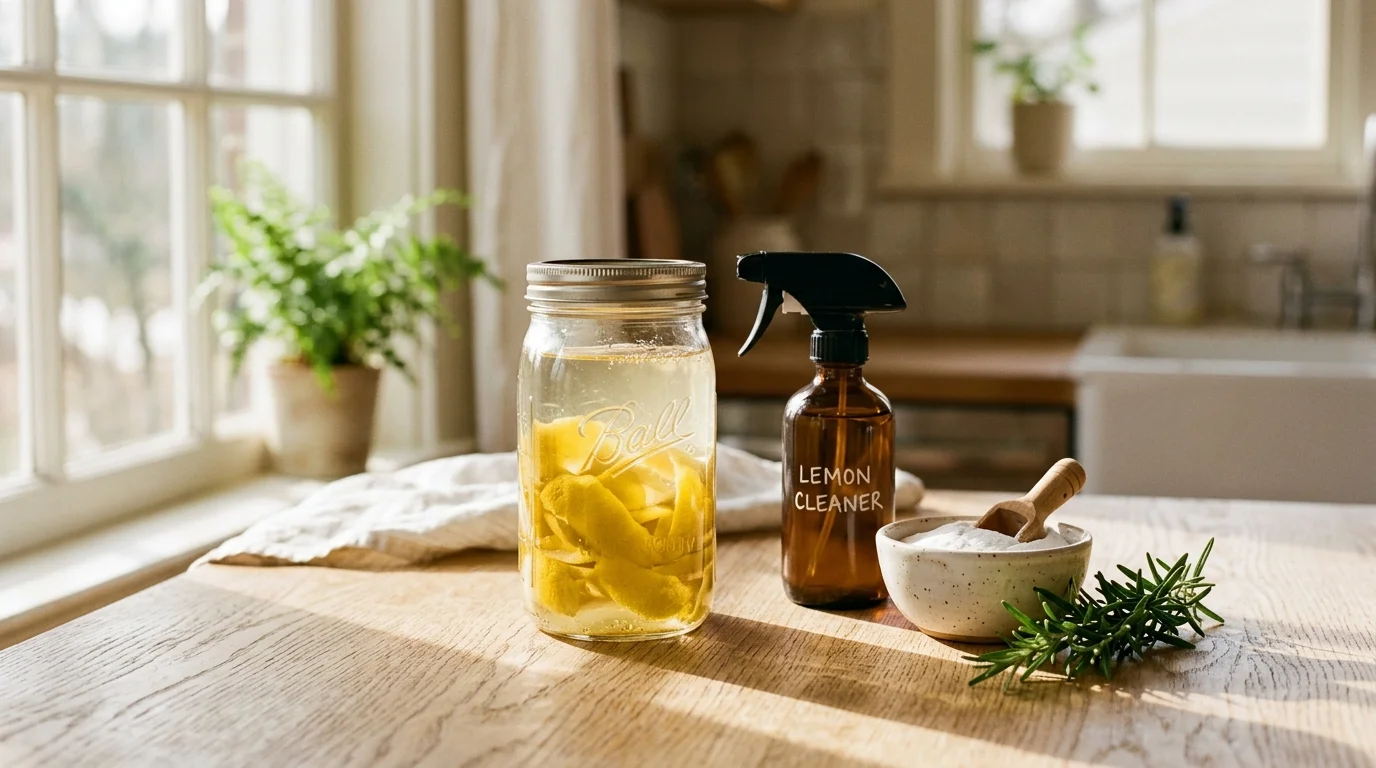
Replacing expensive, chemical-heavy commercial cleaners with simple household items cuts your grocery budget while keeping your home spotless and safe. Pantry staples like white vinegar, baking soda, hydrogen peroxide, and rubbing alcohol tackle greasy stovetops, streaky mirrors, and stubborn grout lines without harsh synthetic fragrances. You can whip up these non-toxic solutions in less than five minutes using tools already sitting in your kitchen cabinets. By controlling your ingredients, you simplify your weekly chore routine, protect sensitive respiratory systems, and eliminate plastic packaging waste. Master these ten proven homemade cleaning recipes to maintain a refreshed, sparkling home effortlessly and economically year-round.
Essential Safety Rules for Homemade Cleaning Products
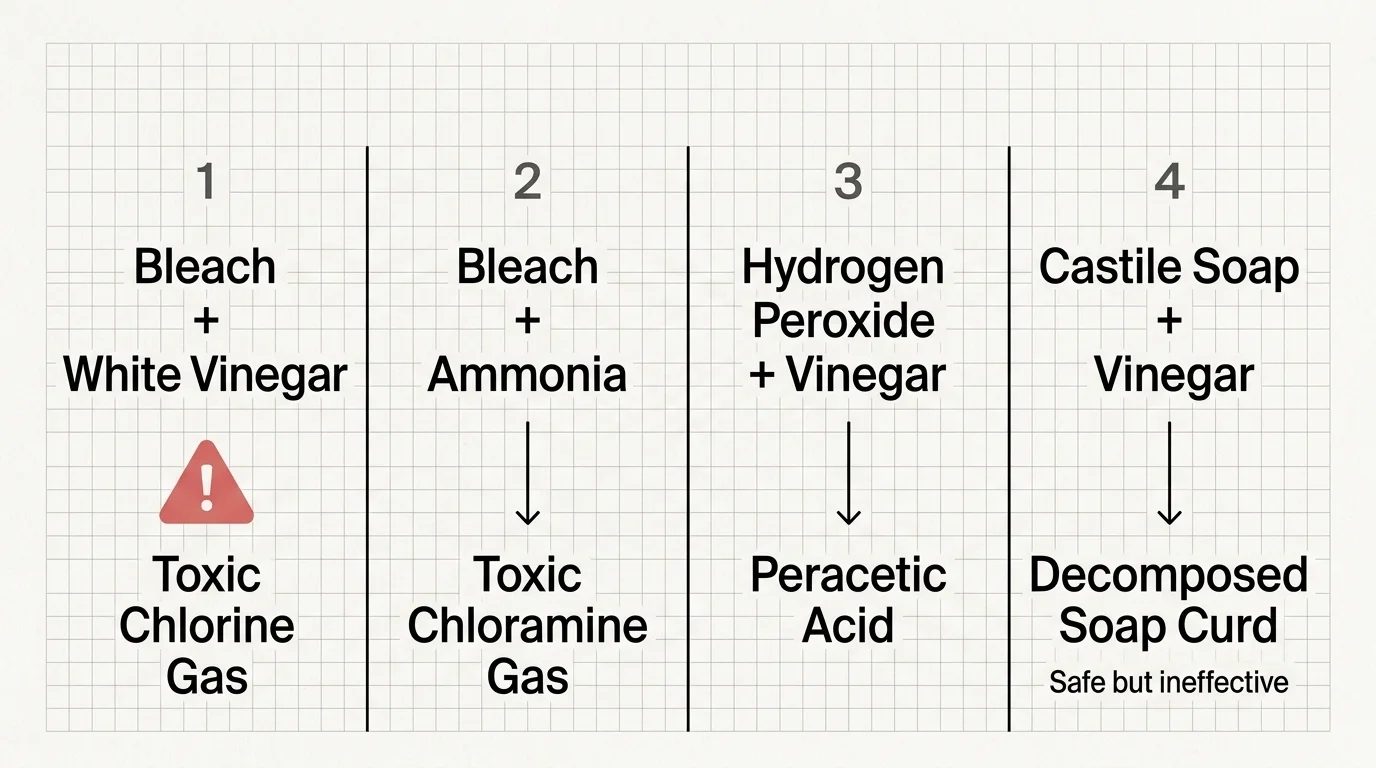
While natural cleaning recipes reduce your exposure to harsh commercial toxins, mixing ingredients without understanding their chemical reactions creates genuine safety hazards. According to guidance from the National Capital Poison Center, combining improper household chemicals produces dangerous vapors that irritate eyes, skin, and lung tissue. Before mixing any household item cleaners, memorize these foundational chemical compatibility rules to protect your household.
| Ingredient Combination | Chemical Hazard Created | Safety Advice |
|---|---|---|
| Bleach + White Vinegar | Toxic Chlorine Gas | NEVER combine. Causes severe coughing, eye irritation, and chemical burns. |
| Bleach + Ammonia | Toxic Chloramine Gas | NEVER combine. Leads to chest pain, fluid in the lungs, and shortness of breath. |
| Hydrogen Peroxide + Vinegar | Peracetic Acid | Do not store in the same container. Creates an unstable corrosive acid that irritates skin and eyes. |
| Castile Soap + Vinegar | Decomposed Soap Curd | Safe but ineffective. Acidic vinegar unsaponifies oil soap, leaving an oily, curdy mess. Use sequentially instead. |
Follow guidelines established by the Centers for Disease Control and Prevention (CDC) regarding sanitation: cleaning removes dirt and organic matter from surfaces, while targeted treatments eliminate harmful bacteria. Using clean spray bottles, clearly labeling every formula, and working in well-ventilated rooms keeps your cleaning routine safe and effective.
01 All-Purpose Citrus Surface Cleaner
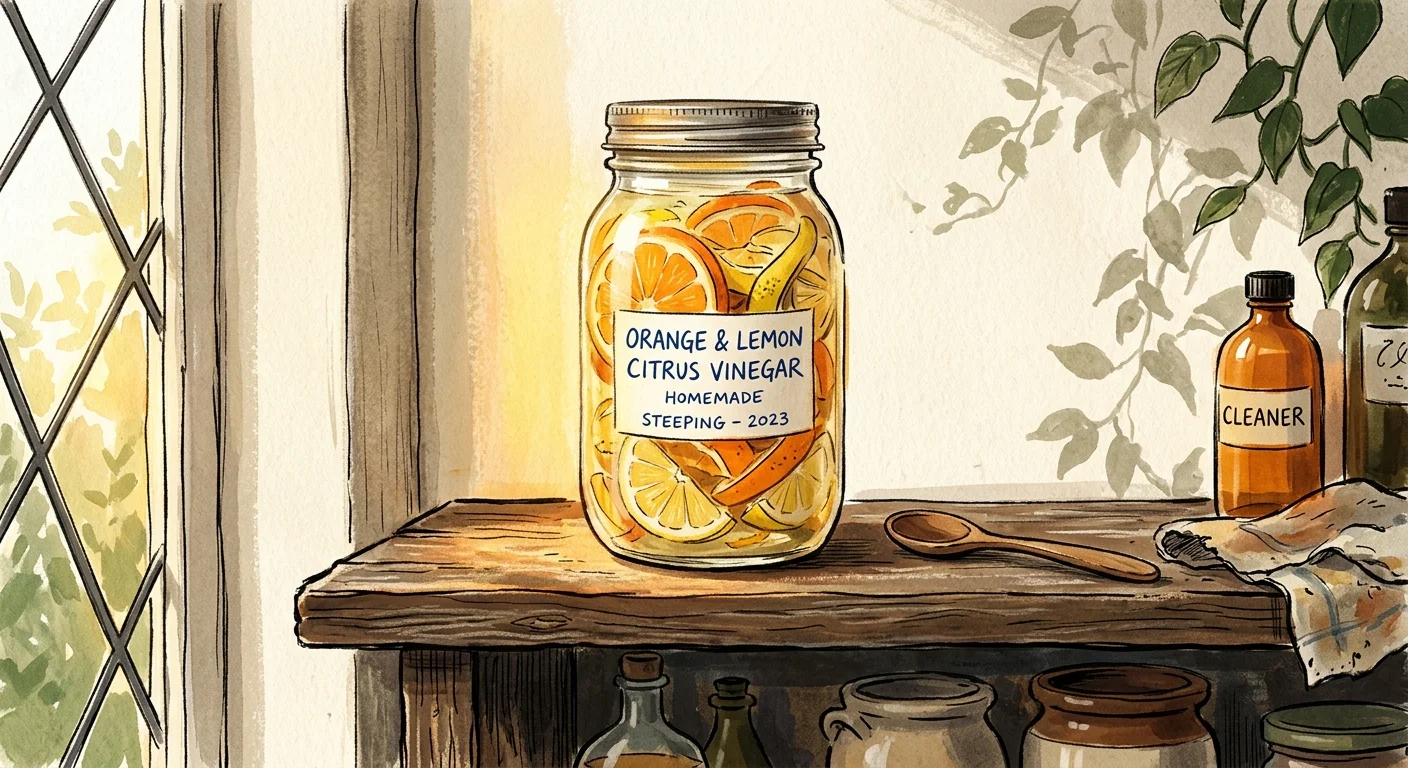
Infusing white vinegar with citrus peels neutralizes the harsh vinegar smell while boosting grease-cutting power. The natural limonene compound found in lemon and orange rinds dissolves sticky cooking oils and fingerprints on non-stone surfaces.
Ingredients:
- 1 cup distilled white vinegar
- 1 cup distilled water
- Peels from 2 fresh lemons, oranges, or limes
Instructions:
- Place citrus peels into a glass mason jar and cover them completely with distilled white vinegar.
- Seal the jar with a lid and let it steep in a dark cupboard for 10 to 14 days.
- Strain the infused vinegar through a fine mesh sieve into a clean spray bottle.
- Add 1 cup of distilled water, cap the bottle, and shake gently to mix.
Best Uses: Laminate countertops, porcelain sinks, trash cans, plastic cutting boards, and stove backsplashes.
Surface Caution: Avoid using this acidic solution on marble, granite, or quartzite surfaces; acid etches and dulls natural stone sealants over time.
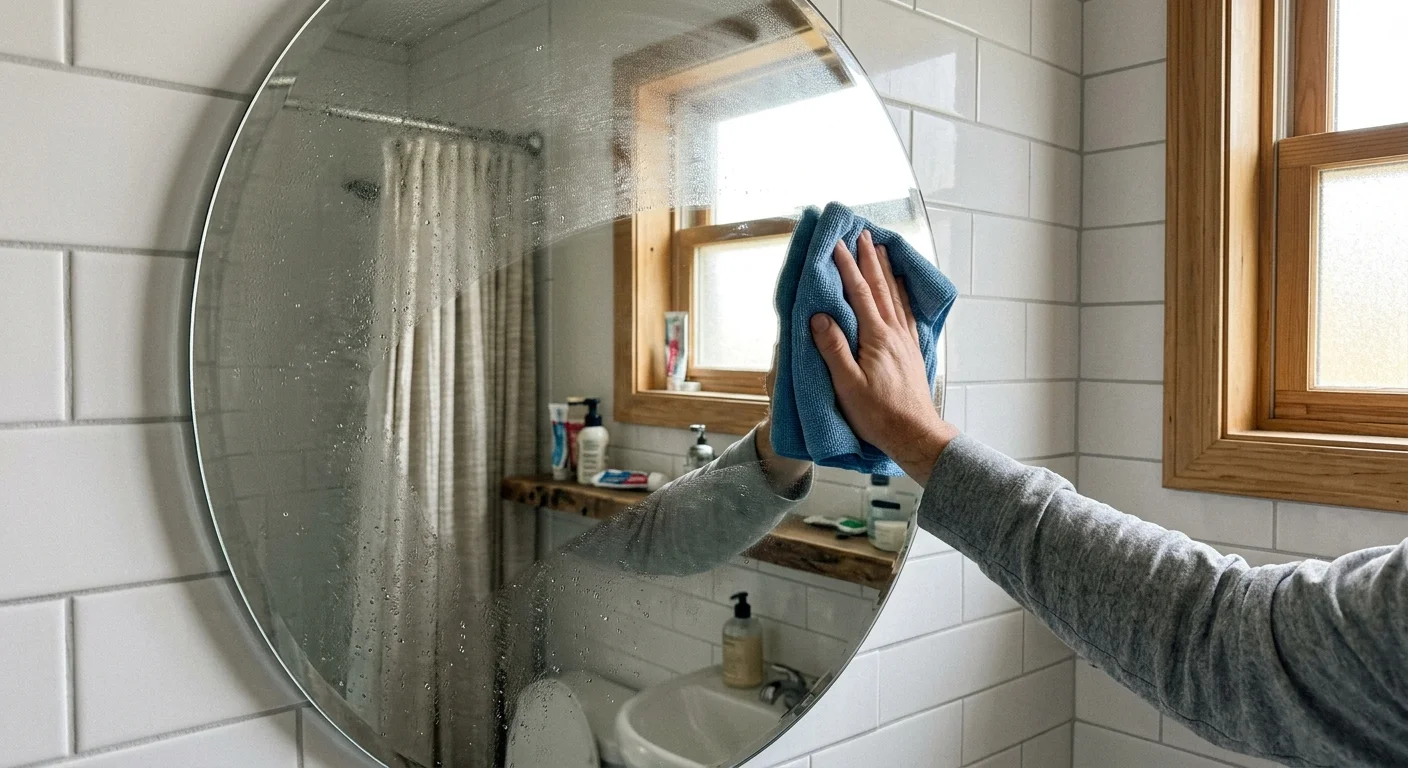
02 Streak-Free Glass and Mirror Polish
Commercial glass cleaners often rely on artificial dyes and heavy synthetic fragrances. This natural glass cleaner uses isopropyl alcohol to evaporate rapidly, preventing unsightly streaks and water spots on reflective surfaces.
Ingredients:
- 1 cup rubbing alcohol (70% isopropyl alcohol)
- 1 cup distilled water
- 1 tablespoon white vinegar
Instructions:
- Pour the rubbing alcohol, distilled water, and white vinegar directly into a spray bottle using a funnel.
- Screw on the spray nozzle tightly and shake the bottle for 5 seconds to combine the liquids.
- Mist the liquid sparingly onto glass or mirror surfaces from 8 inches away.
- Wipe immediately with a lint-free microfiber cloth using a tight “Z” pattern from top to bottom.
Best Uses: Bathroom mirrors, exterior window glass, glass tabletops, and chrome bath fixtures.
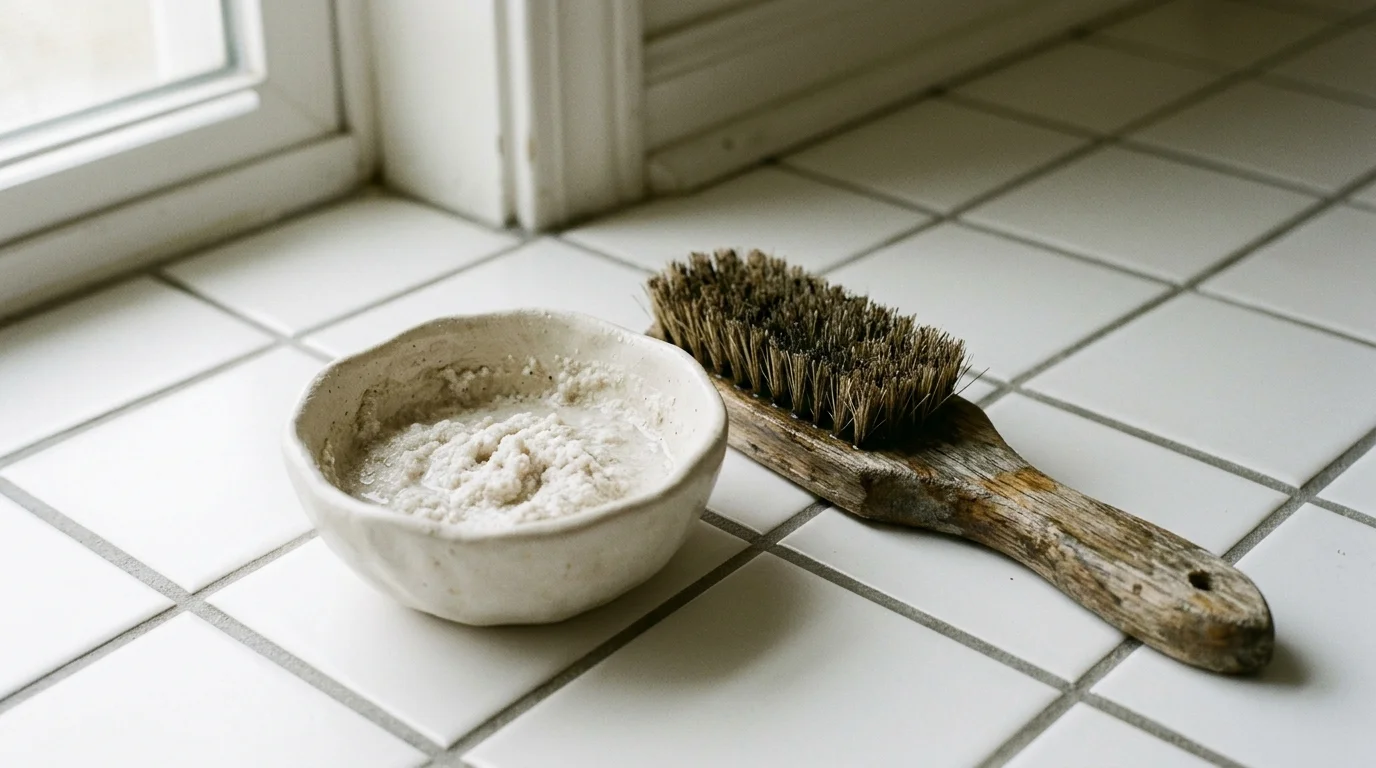
03 Heavy-Duty Grout and Tile Scrub Paste
Tile grout absorbs soap scum, mineral deposits, and grime over time. This oxygenated scrub paste uses baking soda’s mild abrasive power combined with hydrogen peroxide’s whitening action to lift stubborn bathroom buildup without harsh fumes.
Ingredients:
- 1/2 cup baking soda
- 1/4 cup 3% hydrogen peroxide
- 1 teaspoon gentle liquid dish soap
Instructions:
- Combine the baking soda, hydrogen peroxide, and liquid dish soap in a small plastic bowl.
- Stir the ingredients with a spoon until a thick, spreadable paste forms.
- Apply the paste directly onto dirty grout lines or soap scum deposits using an old toothbrush or stiff nylon brush.
- Allow the paste to dwell on the surface for 10 minutes to break down organic buildup.
- Scrub in small circles, then wipe clean with a warm, damp sponge and rinse thoroughly.
Best Uses: Shower grout, bathtub rings, porcelain sink basins, and ceramic floor tile.
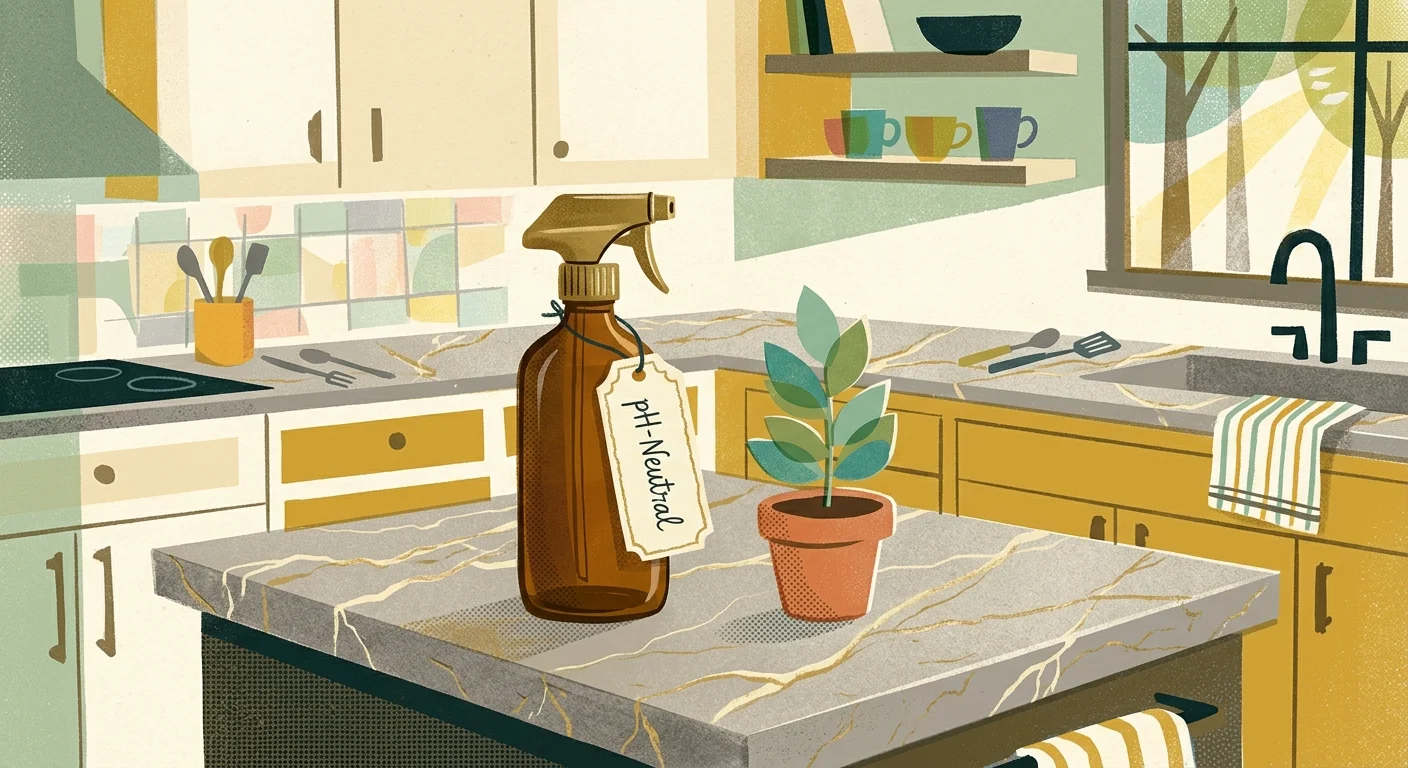
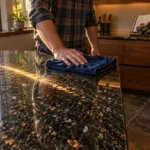
04 pH-Neutral Granite and Quartz Countertop Cleaner
Natural stone countertops require gentle, non-acidic treatments to protect their protective sealants. This pH-neutral spray combines mild dish soap with rubbing alcohol to disinfect and dry quickly without dulling sealed stone finish.
Ingredients:
- 2 cups warm distilled water
- 1/4 cup rubbing alcohol (70% isopropyl)
- 1/2 teaspoon liquid dish soap
Instructions:
- Pour warm distilled water into a spray bottle.
- Add the rubbing alcohol and liquid dish soap.
- Swirl the bottle gently to mix the components without generating excess soap foam.
- Spray directly onto stone surfaces and wipe clean using a soft, plush microfiber towel.
Best Uses: Granite, marble, quartzite, quartz engineered stone, and butcher block counter space.
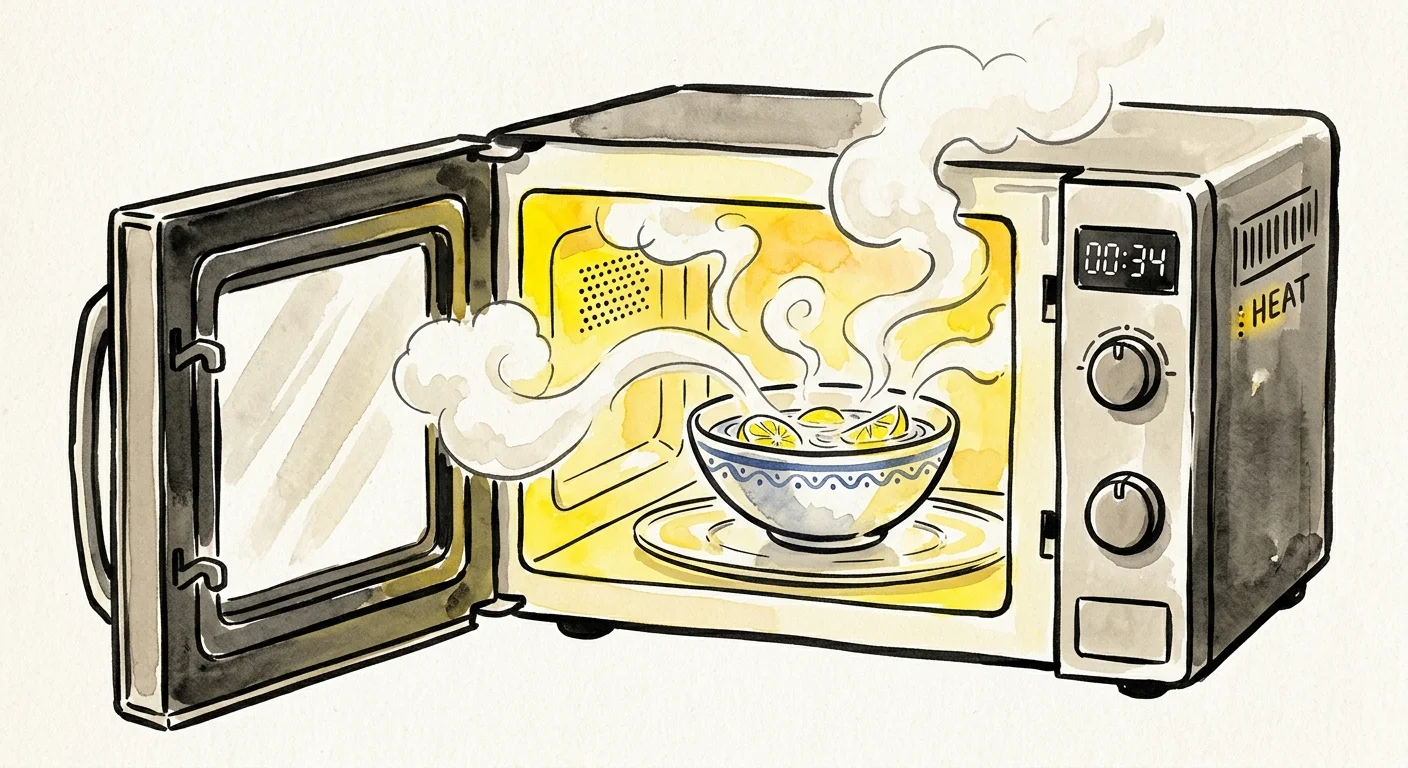
05 Microwave and Oven Steam Sanitizer
Baked-on food splatters inside microwaves and oven walls require tedious scraping when dry. Using steam softens cooked food residue in minutes, making chemical-free wipe-down effortless.
Ingredients:
- 1 cup tap water
- 1 fresh lemon (halved) or 2 tablespoons white vinegar
Instructions:
- Fill a microwave-safe glass bowl with 1 cup of tap water.
- Squeeze the juice of one lemon into the water and drop the lemon halves directly into the bowl.
- Microwave on HIGH for 3 to 5 minutes, or until the liquid boils vigorously and fills the microwave with steam.
- Leave the microwave door closed for 5 minutes to allow trapped steam to loosen baked-on grease.
- Carefully remove the hot bowl using oven mitts, then wipe down interior walls with a damp microfiber cloth.
Best Uses: Microwave interior walls, turntable plates, and small toaster oven interiors.
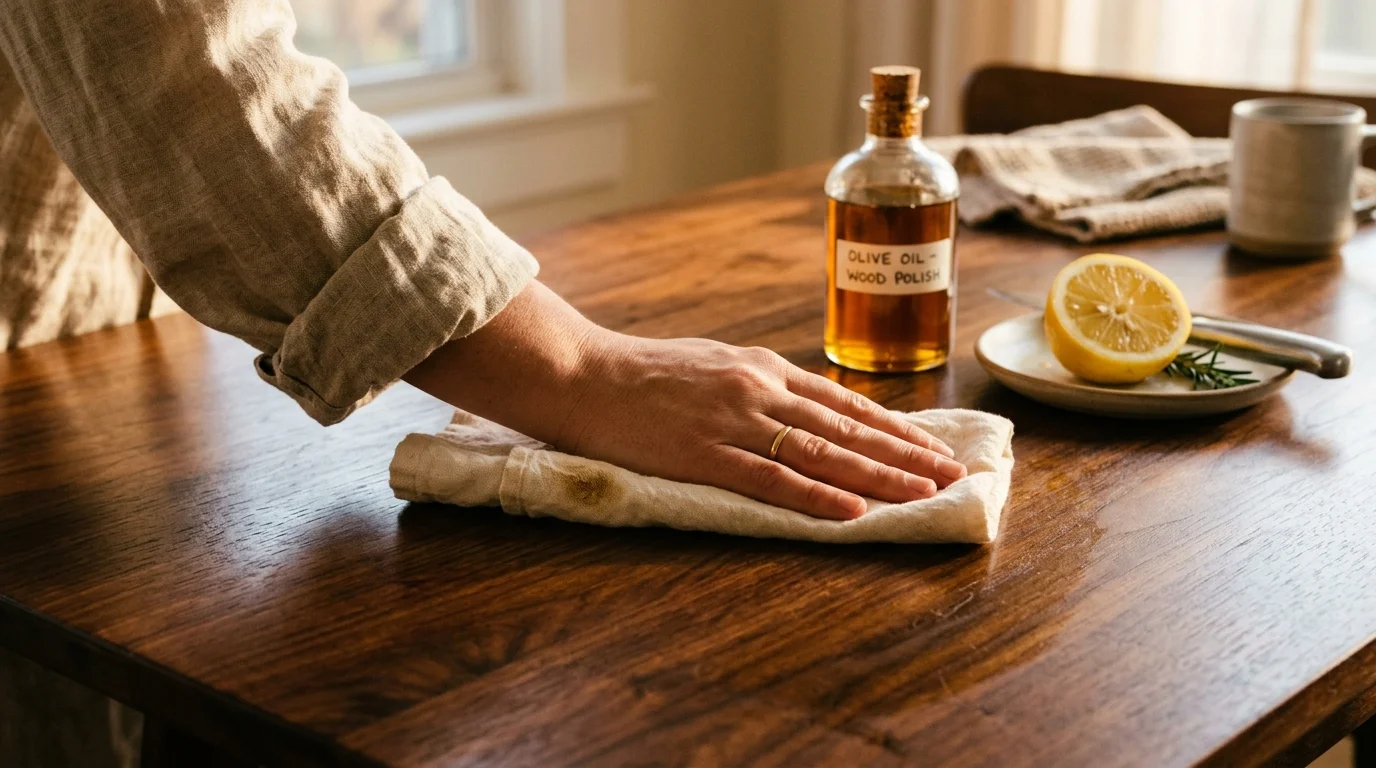
06 Nourishing Wood Furniture Polish
Commercial furniture sprays often leave a heavy silicone residue that attracts airborne dust. Mixing olive oil with lemon juice conditions dried wood fibers while lifting grime and finger smudges naturally.
Ingredients:
- 3/4 cup olive oil or jojoba oil
- 1/4 cup fresh lemon juice or white vinegar
Instructions:
- Pour the oil and lemon juice into a small glass bottle or spray container.
- Vigorously shake the container before every single use to emulsify the oil and acid.
- Apply a quarter-sized amount of polish directly onto a soft microfiber cloth—never directly onto the furniture.
- Rub the polish into the wood grain using smooth circular motions.
- Buff with a dry section of the cloth to remove excess oil and reveal a soft sheen.
Best Uses: Sealed wooden dining tables, wooden cabinet doors, banisters, and hardwood dressers.
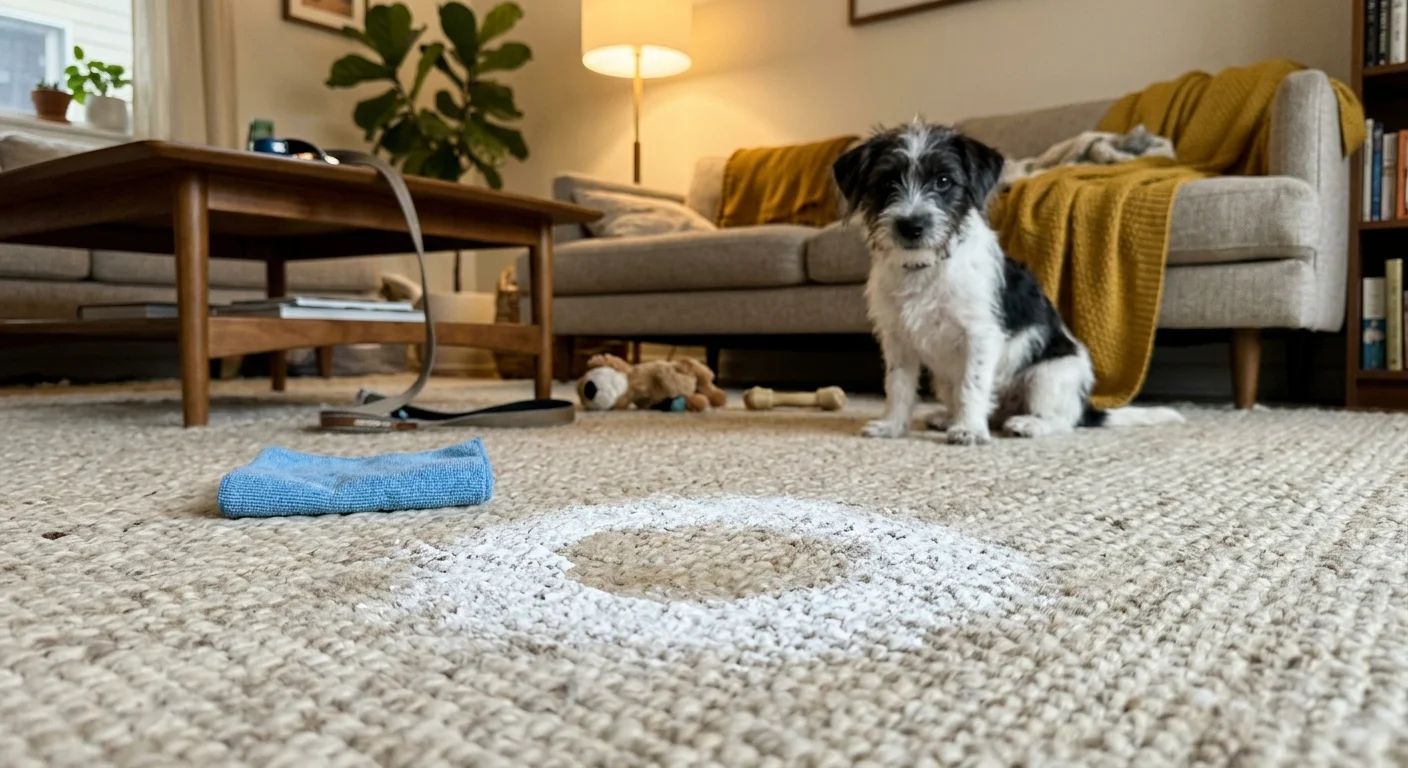
07 Deep Carpet Stain and Odor Neutralizer
Accidental pet stains and coffee spills require fast, deep-cleaning action before liquid sets into carpet backing. Baking soda absorbs odors while hydrogen peroxide breaks down organic discoloration.
Ingredients:
- 1/2 cup baking soda
- 1/2 cup 3% hydrogen peroxide
- 1 teaspoon liquid dish soap
Instructions:
- Blot liquid spills immediately using dry paper towels to lift surface moisture.
- Sprinkle a generous layer of dry baking soda directly over the stain spot.
- Mix the 3% hydrogen peroxide and liquid dish soap in a small cup.
- Pour the liquid mixture slowly over the baking soda layer until saturated.
- Gently work the slurry into carpet fibers using a soft-bristle brush.
- Let the area dry completely for several hours, then vacuum up the dried baking soda residue.
Best Uses: Light-colored carpets, rugs, and fabric upholstery stain treatment.
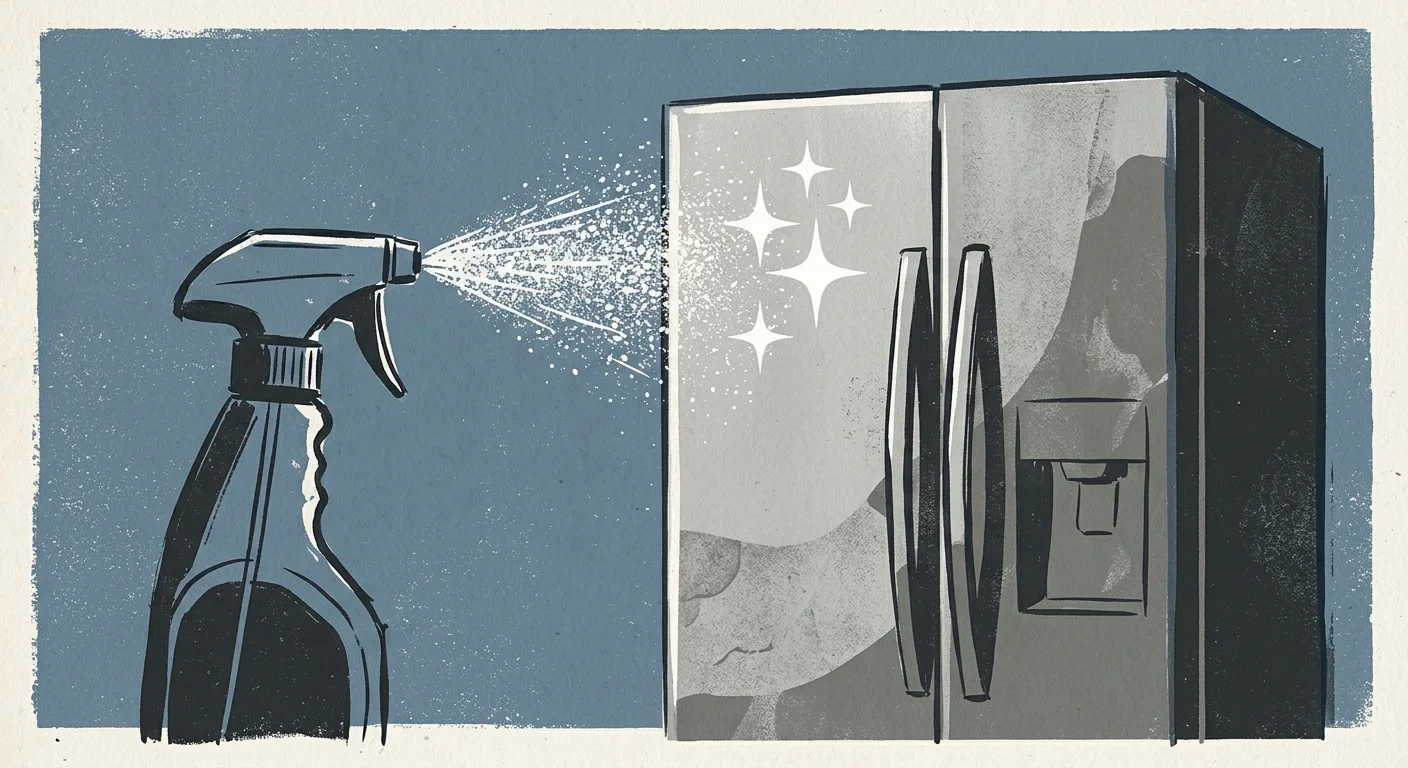
08 Streak-Free Stainless Steel Polish
Stainless steel appliances easily collect oil prints, smudges, and water marks. This simple two-step application uses white vinegar to remove grease, followed by a microscopic coat of oil to repel future smudges.
Ingredients:
- 1/2 cup white vinegar in a spray bottle
- 1 teaspoon olive oil or mineral oil
- 2 dry microfiber cloths
Instructions:
- Mist white vinegar light-handedly across the stainless steel appliance surface.
- Wipe the surface firmly using your first microfiber cloth, moving strictly along the directional metal grain.
- Drip 3 to 4 drops of olive oil onto your second dry microfiber cloth.
- Buff the oil along the metal grain to polish the steel and create a smudge-resistant protective barrier.
Best Uses: Stainless steel refrigerators, dishwashers, ovens, and sink basins.
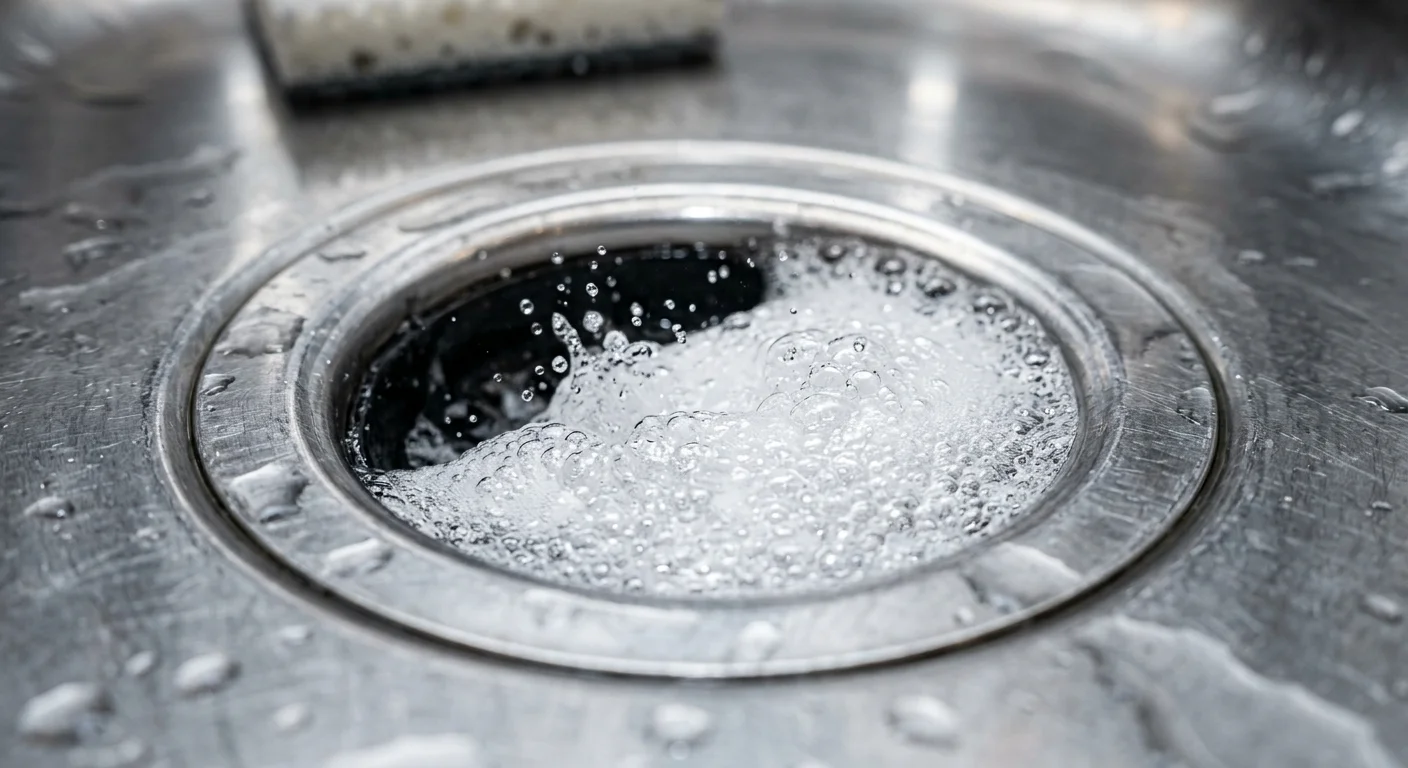
09 Deep-Cleaning Sink Drain Refreshing Treatment
Organic food particles, grease, and soap scum accumulate in sink drains, creating sour odors over time. This physical foaming treatment scours drain pipe walls without harsh caustic lye.
Ingredients:
- 1/2 cup baking soda
- 1 cup white vinegar
- 1 gallon boiling water
Instructions:
- Pour 1/2 cup of baking soda straight down the open sink drain opening.
- Follow immediately with 1 cup of white vinegar and insert the drain plug or cover.
- Allow the volcanic fizzing action to scrub organic buildup inside the drain for 15 minutes.
- Remove the plug and flush the drain thoroughly with 1 gallon of boiling water.
Best Uses: Kitchen sink disposal lines, bathroom vanity drains, and laundry room drains.
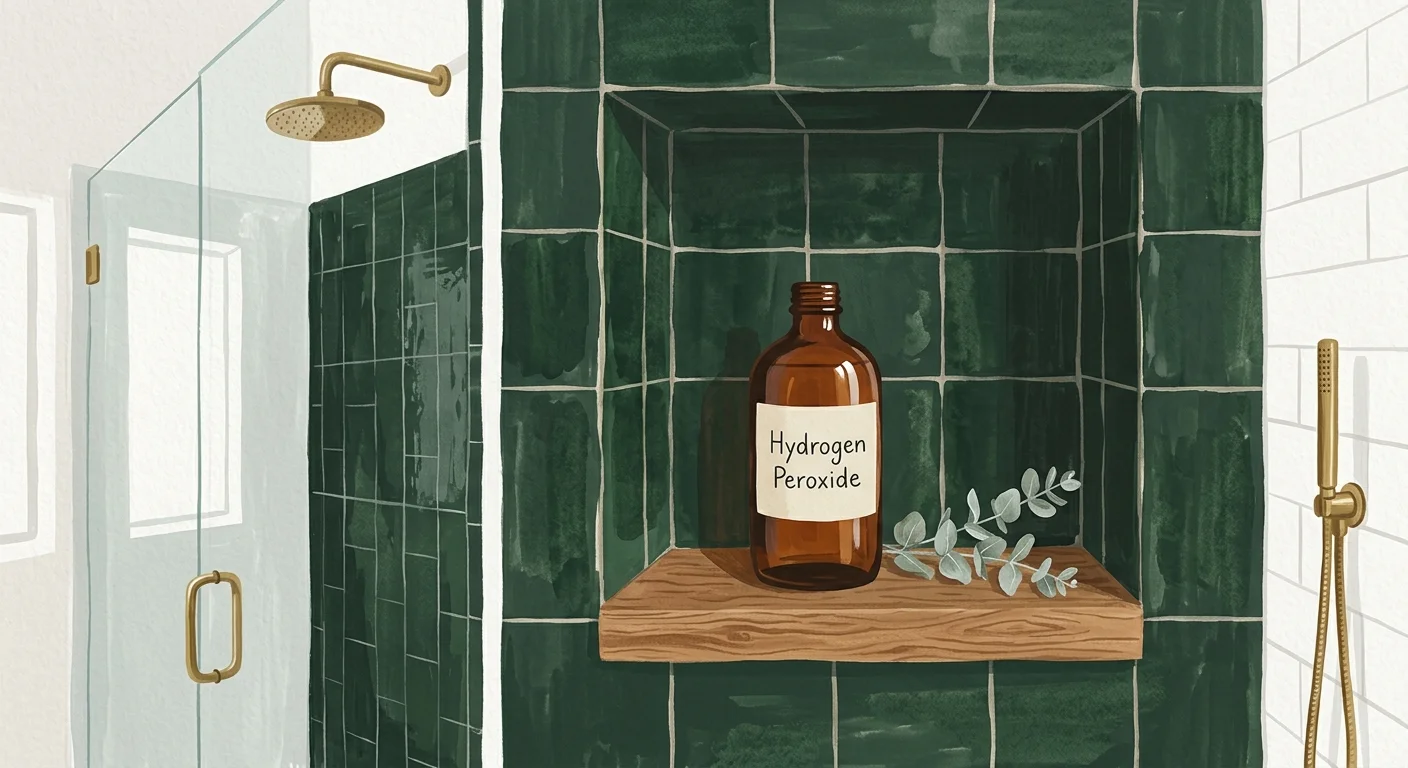
10 Hydrogen Peroxide Mold and Mildew Shower Spray
Moist shower walls create prime conditions for mildew growth. Hydrogen peroxide offers a non-toxic alternative to harsh chlorine bleach sprays, breaking down fungal cell walls safely.
Ingredients:
- 1 cup 3% hydrogen peroxide
- 1 cup distilled water
Instructions:
- Combine 3% hydrogen peroxide and distilled water inside an opaque spray bottle.
- Spray liberal amounts onto shower walls, tile caulking, and vinyl shower curtains after showering.
- Allow the solution to dwell for 15 to 20 minutes to break down mildew spores.
- Scrub stubborn spots with a brush, then rinse cleanly with warm water.
Best Uses: Bathroom tile grout, caulking lines, glass shower doors, and vinyl curtain liners.
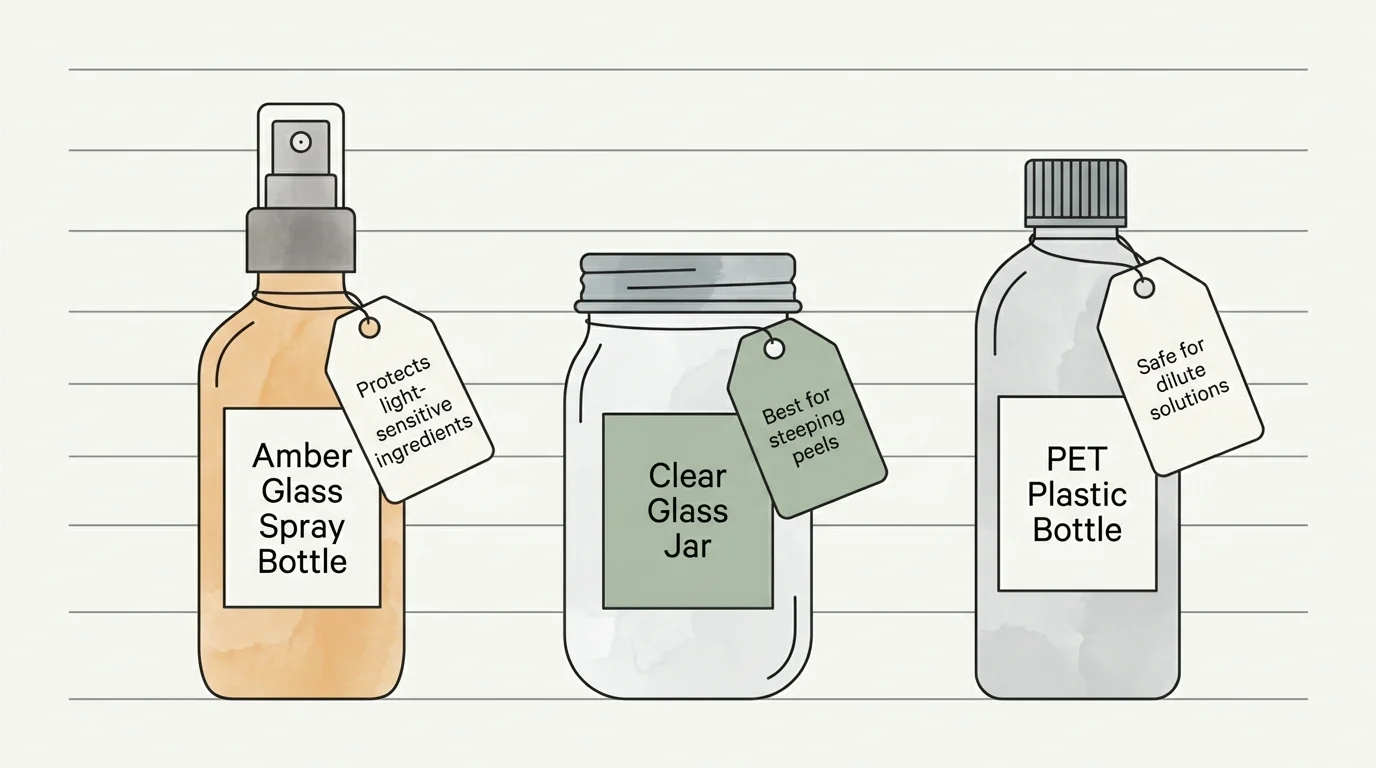
Best Practices for Container Selection, Labeling, and Storage
Maximizing the shelf life and efficacy of your homemade cleaning recipes requires proper storage hardware and habits. Following safety standards from the U.S. EPA Safer Choice standards keeps DIY green products effective over long periods.
- Use Opaque Containers for Peroxide: Hydrogen peroxide rapidly degrades into oxygen and plain water when exposed to light. Always store peroxide-based formulas in dark amber glass or original opaque brown bottles.
- Choose High-Density Polyethylene (HDPE) or Glass: Acidic formulas containing vinegar dissolve low-quality plastics over time. Use glass spray bottles or high-grade HDPE plastic (#2 recycling symbol) sprayers.
- Use Distilled Water for Long Shelf-Life: Tap water contains trace minerals and microscopic bacteria that shorten recipe shelf life. Always use distilled water for solutions stored longer than two weeks.
- Label Every Bottle Clearly: Use waterproof tape or label makers to mark every spray bottle with the full recipe name, creation date, and specific ingredient safety warnings.
- Store Out of Reach: Store all household item cleaners on high shelves or inside latched cabinets, safely away from young children and domestic pets.
Your Practical Next Step to Simplify Your Cleaning Routine
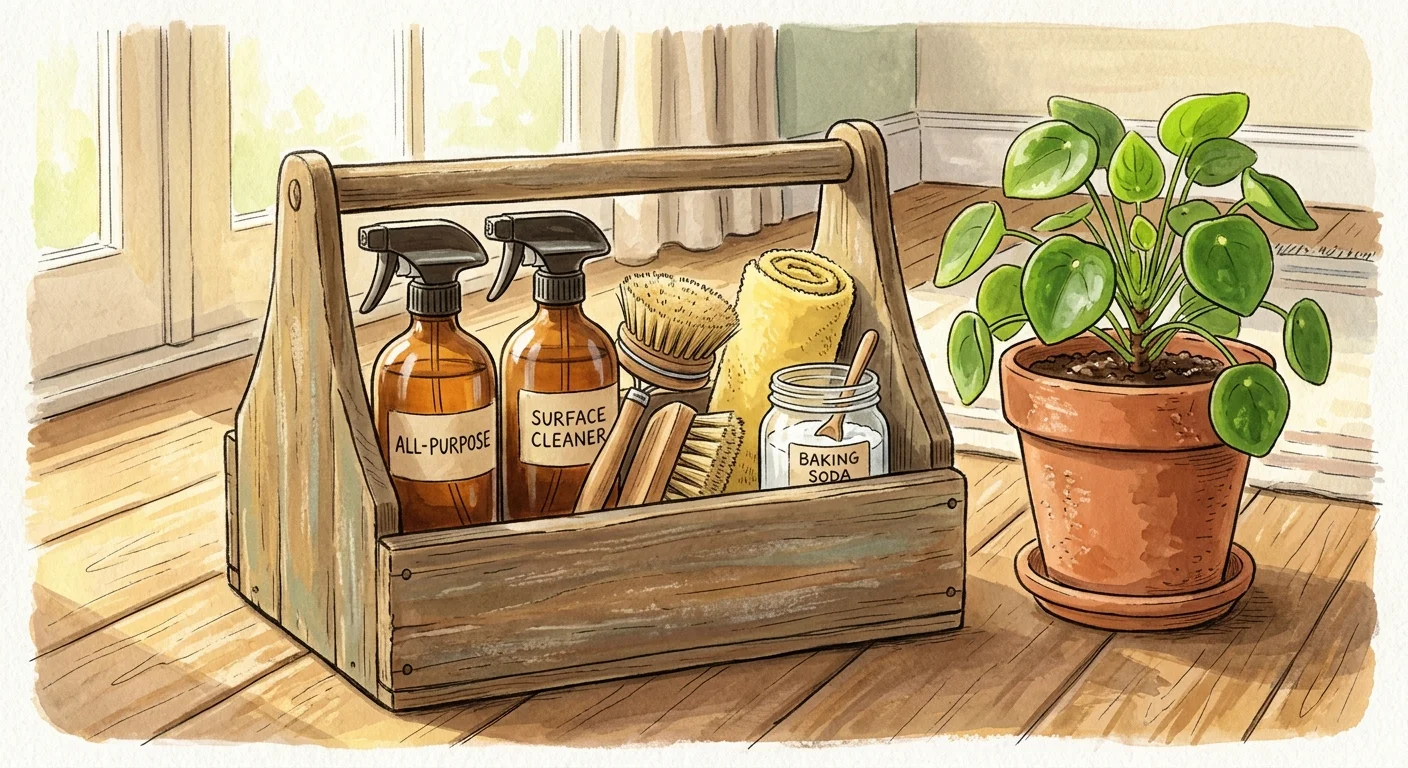
You do not need to overhaul your entire cleaning routine in a single day. Pick just one solution—such as the Streak-Free Glass and Mirror Polish or the All-Purpose Citrus Cleaner—and mix your first batch using the spray bottles and pantry staples you already own. Once you experience how quickly these natural formulas eliminate grease and grime without chemical fumes, slowly add the remaining recipes to your regular home care routine.