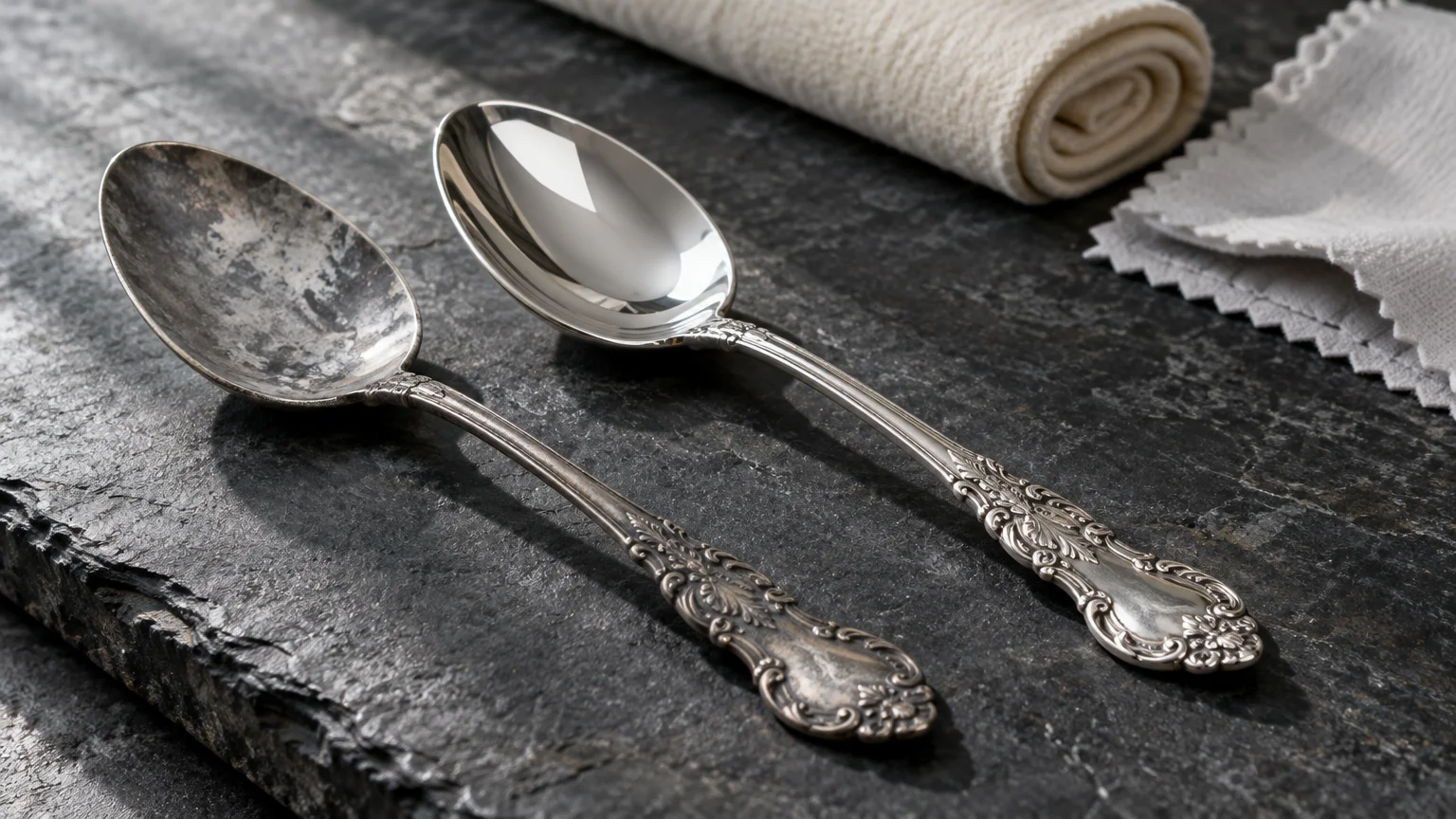
Dull, cloudy flatware ruins an inviting table setting; yet everyday washing habits often create this cloudy haze. Learning how to clean silverware properly restores a brilliant mirror shine and eliminates stubborn discoloration.
Most people accidentally degrade their flatware by using harsh detergents, abrasive tools, or incorrect drying techniques. Sterling silver and stainless steel demand completely different care routines to stay bright.
Avoid these ten frequent silverware cleaning mistakes to protect your knives, forks, and spoons from tarnished silver buildup, chemical etching, and premature surface wear.
Understanding Flatware Chemistry: Why Silver and Steel Lose Their Luster
Cutlery loses its reflective brilliance through two distinct processes: mechanical abrasion and chemical reaction.
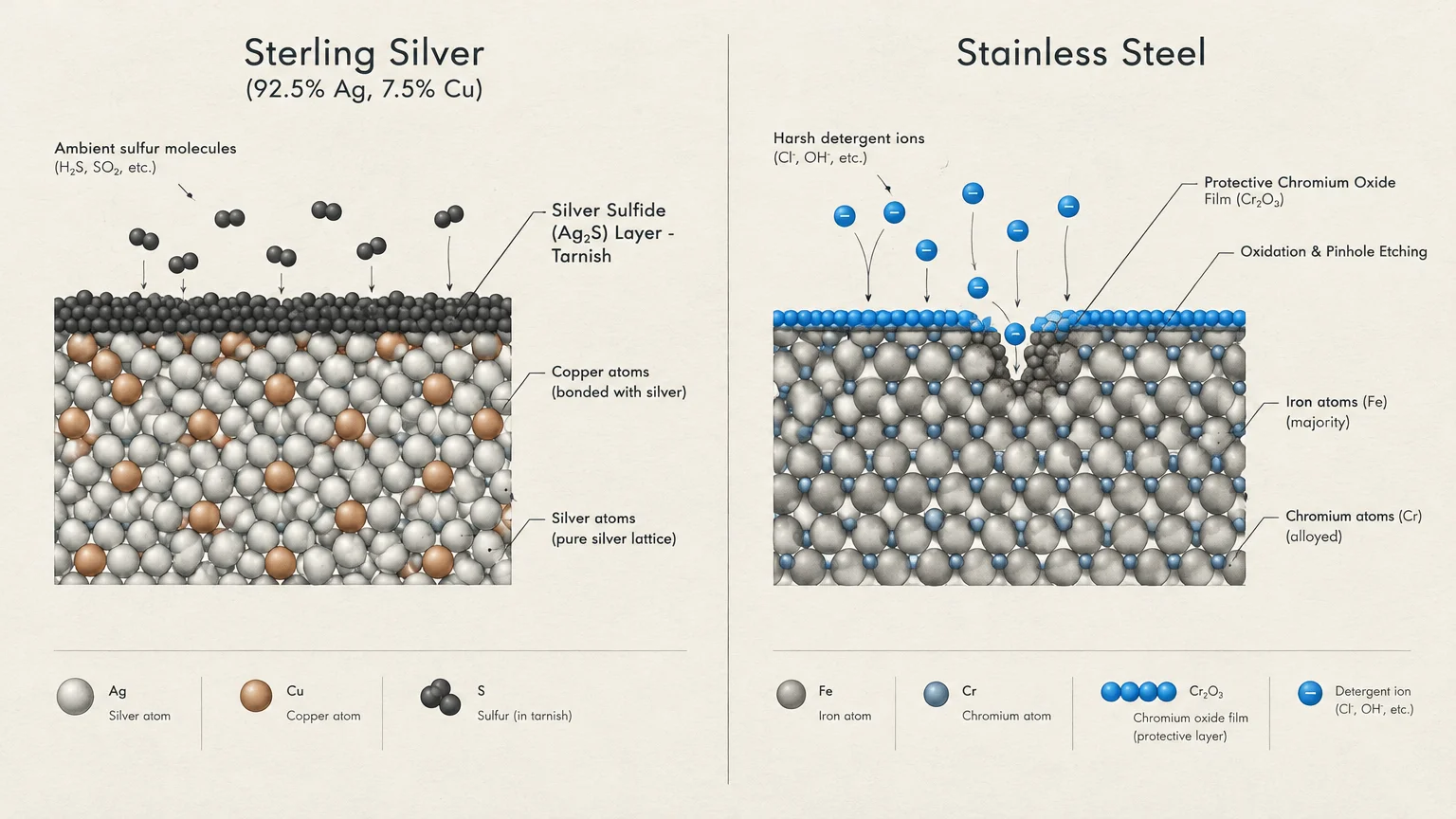
True sterling silver consists of 92.5 percent pure silver alloyed with 7.5 percent copper for strength. Copper reacts eagerly with ambient sulfur in the air, creating the dark coating known as silver sulfide.
Stainless steel relies on an invisible microscopic layer of chromium oxide to resist corrosion and retain shine. When harsh detergents or salts strip this protective film, the steel oxidizes and turns cloudy.
Understanding these metallic reactions helps you choose cleaning methods that preserve your cutlery rather than stripping its finish.
01 Mixing Sterling Silver and Stainless Steel in the Dishwasher
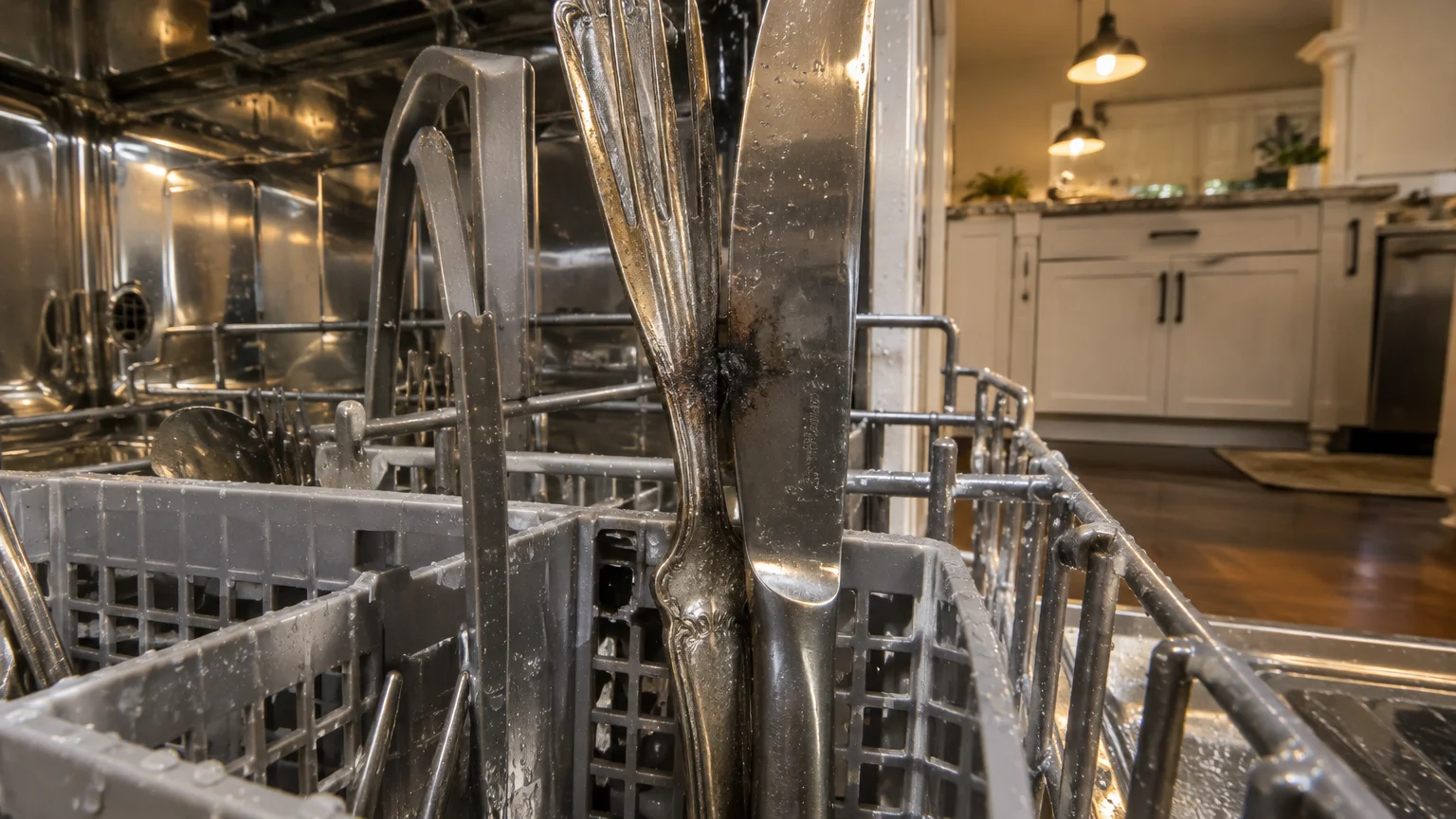
Placing sterling silver and stainless steel cutlery together inside a dishwasher basket triggers an electrochemical disaster.
When two dissimilar metals touch in warm, soapy water, an electric current flows naturally between them.
Scientists at the American Chemical Society classify this phenomenon as galvanic corrosion. The electrical voltage difference transfers metal ions directly between adjacent pieces.
Stainless steel attracts dark, stubborn chemical stains during this exchange. Soft silver flatware develops tiny craters and severe surface discoloration.
You cannot buff out deep chemical pitting without shaving away significant amounts of precious metal.
Always separate your cutlery into distinct compartments, or wash sterling silver entirely by hand.
02 Using Citrus-Based, Chlorinated, or High-Phosphate Detergents
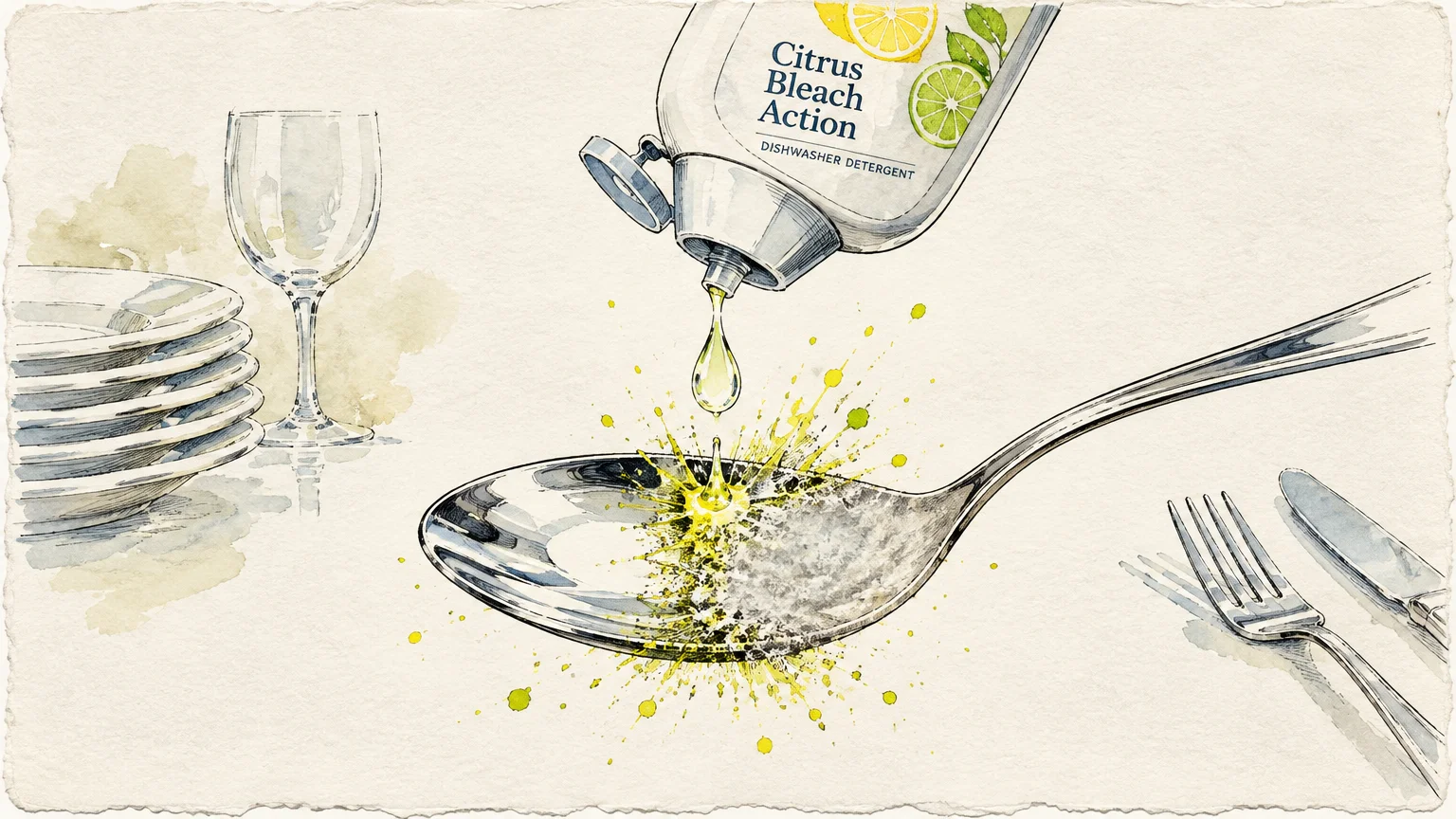
Many modern dishwashing detergents contain concentrated lemon extracts, citric acid, or chlorine compounds.
These aggressive additives dissolve baked grease quickly, but they attack polished metallic surfaces with equal intensity.
Chlorine bleach creates microscopic chloride salts that pit stainless steel and turn silver a dull, murky gray.
Citric acid chemically reacts with metal surfaces during high-heat wash cycles. This leaves an etched, milky film that no amount of standard hand-buffing can remove.
Switch to mild, phosphate-free detergents with a neutral pH balance.
Avoid any dishwashing formula that advertises citrus power or added bleach when washing your flatware.
03 Leaving Acidic and Salty Foods on Flatware Overnight
Lingering dinner scraps pose an immediate threat to your cutlery’s pristine finish.
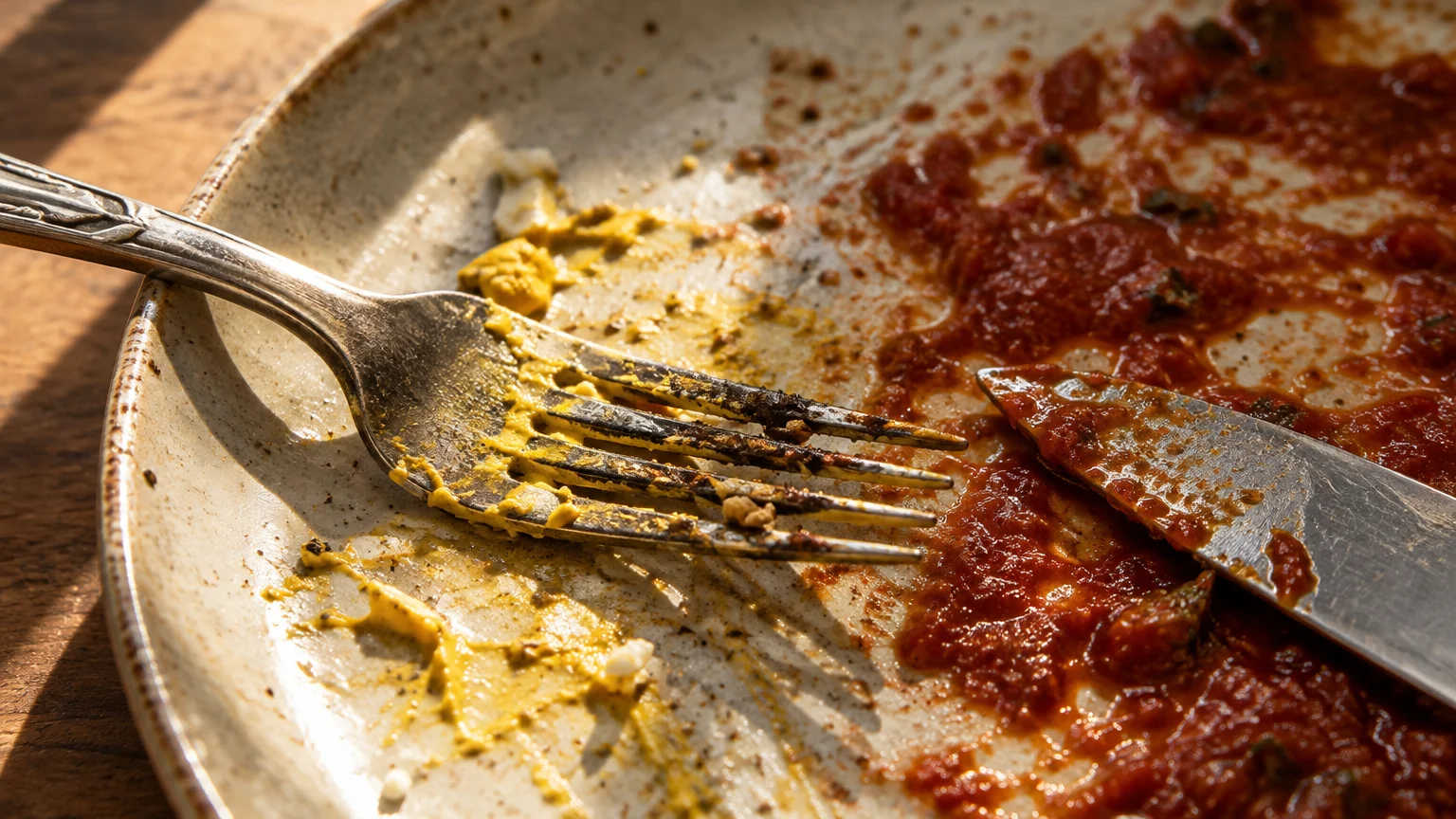
Common staples like eggs, mayonnaise, mustard, and onions contain high concentrations of natural sulfur.
Sulfur binds rapidly with silver molecules to produce silver sulfide, which you recognize as dark tarnished silver.
Meanwhile, table salt and acidic foods like tomato sauce break down the protective chromium oxide film on stainless steel.
This chemical breakdown causes pinhole rust spots and cloudy discoloration within hours.
Rinse flatware with warm water immediately after dining, even if you plan to run the dishwasher later.
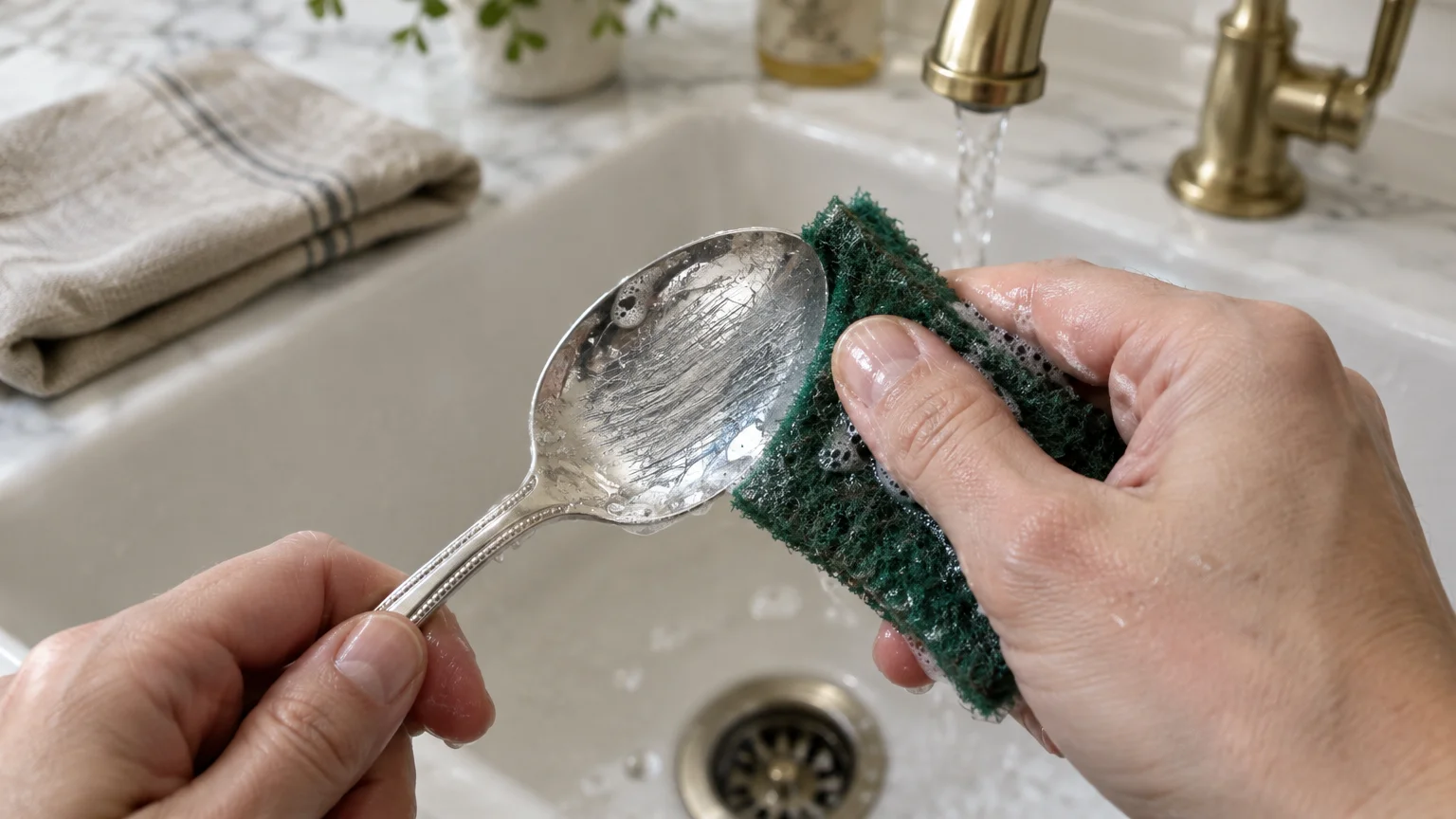
04 Scrubbing with Coarse Scouring Pads and Steel Wool
Tough food residues often tempt home cooks to grab heavy-duty green scouring pads or wire wool.
Applying these abrasive scrubbers to flatware destroys the factory luster instantly.
Silver rates low on mineral hardness scales; it scratches under the slightest mechanical pressure.
Micro-scratches scatter light across the metal rather than reflecting it cleanly, producing a cloudy, matte appearance.
Even resilient stainless steel suffers permanent scratch patterns from coarse nylon scourers.
Soak stubborn food deposits in warm soapy water for twenty minutes; then lift the softened residue using a gentle microfiber cloth.
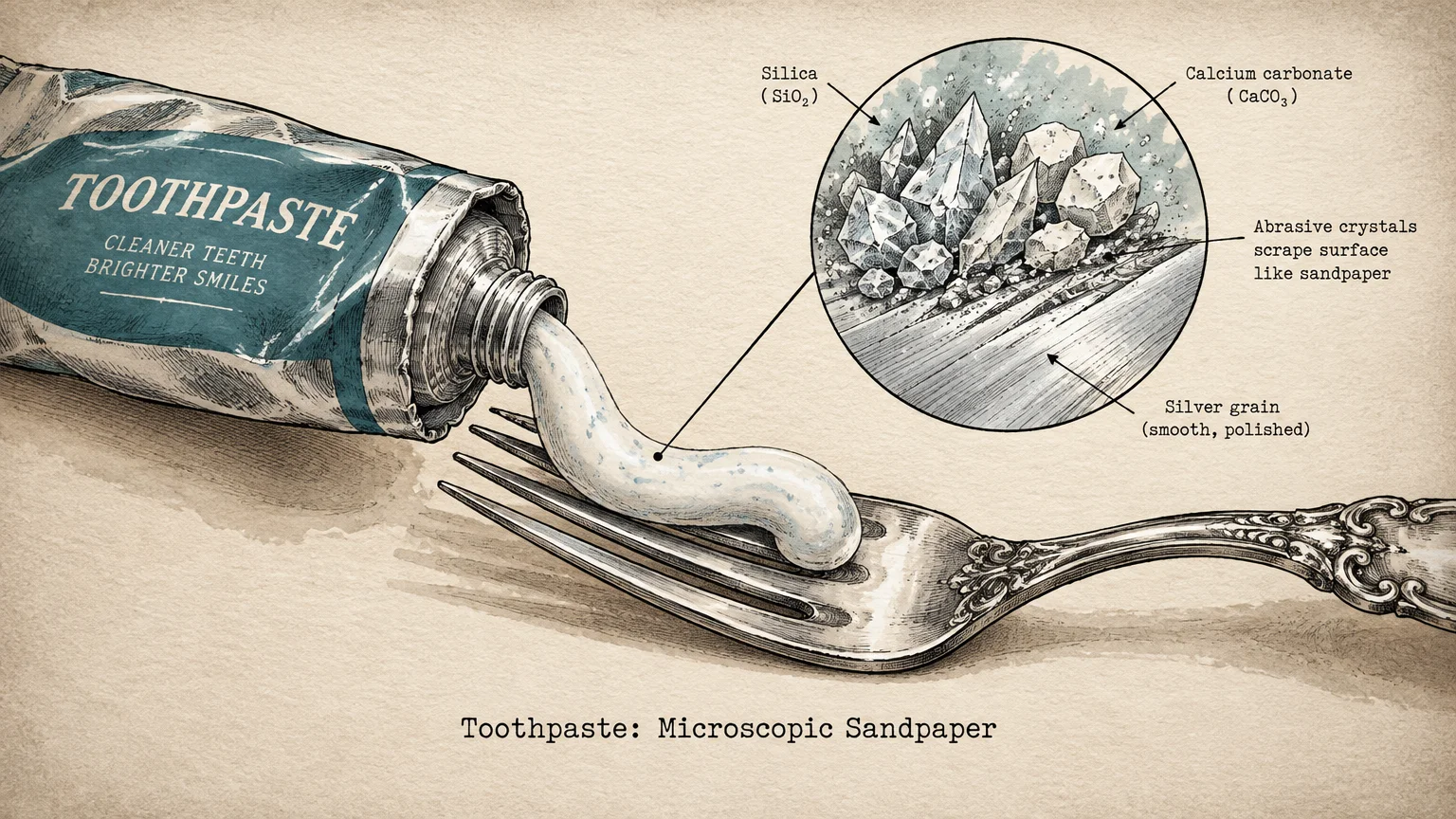
05 Relying on Toothpaste as a Quick Silver Polish
Popular home cleaning blogs frequently promote white toothpaste as a budget-friendly silver polish.
Never smear toothpaste onto fine silverware or silver-plated items.
Toothpaste formulas contain sharp abrasive particulates like hydrated silica, calcium carbonate, and dicalcium phosphate.
While these abrasives safely clean tooth enamel, they carve millions of micro-gouges into soft silver surfaces.
On silver-plated pieces, regular toothpaste use strips the thin silver coating away entirely, exposing the underlying base metal.
Choose dedicated, non-abrasive silver creams designed to chemically lift tarnish without carving into the metal.
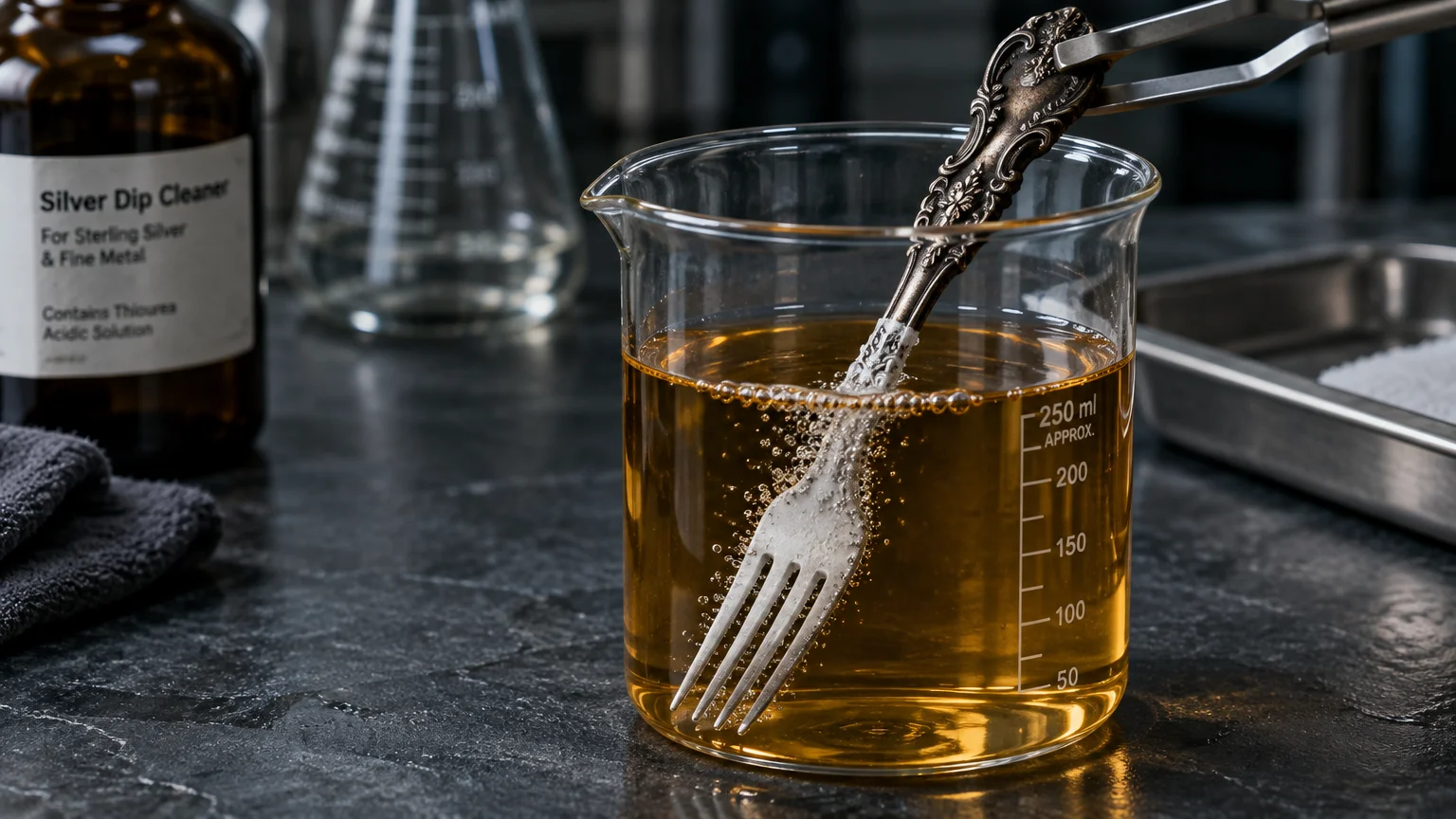
06 Overusing Harsh Chemical Dip Cleaners
Commercial liquid dip solutions seem magical because they erase dark oxidation in a split second.
These fast-acting products rely on acidified thiourea to strip silver sulfide away chemically.
The Canadian Conservation Institute cautions that chemical dips strip microscopic surface layers and leave silver unnaturally porous.
This microscopic roughness scatters light and accelerates future oxidation, trapping you in a cycle of constant dipping.
Chemical dips also strip the deliberate dark oxidation inside ornate decorative patterns, making vintage designs look flat and lifeless.
Reserve liquid dips for severely corroded pieces, and rely on gentle polishing creams for routine care.
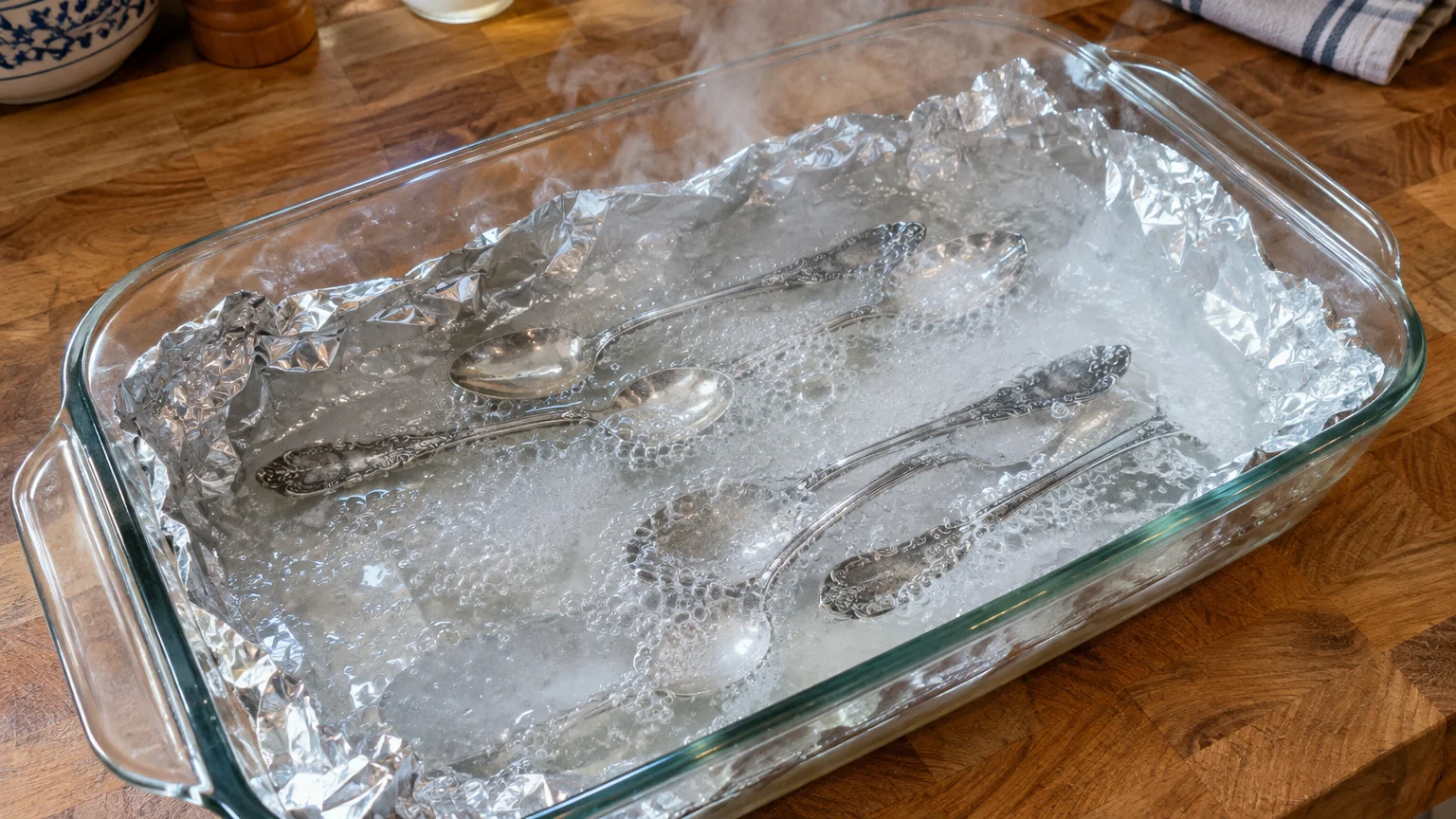
07 Misapplying the Baking Soda and Aluminum Foil Bath
The aluminum foil, boiling water, and baking soda hack remains one of the internet’s most shared silver care tips.
This technique uses an electrolytic reaction to transfer sulfur atoms from silver sulfide onto the aluminum sheet.
While chemically sound for simple solid items, misapplying this bath can ruin valuable cutlery.
Submerging hollow-handled dinner knives in boiling water melts or loosens the internal pitch that secures the stainless blade to the silver handle.
The Smithsonian Museum Conservation Institute notes that electrochemical cleaning strips intentional artistic shading from decorative grooves, leaving a chalky, artificial appearance.
Use this method only on solid flatware lacking decorative antiquing, and limit immersion time to two minutes.
08 Air-Drying Cutlery in Dishwashers and Drain Racks
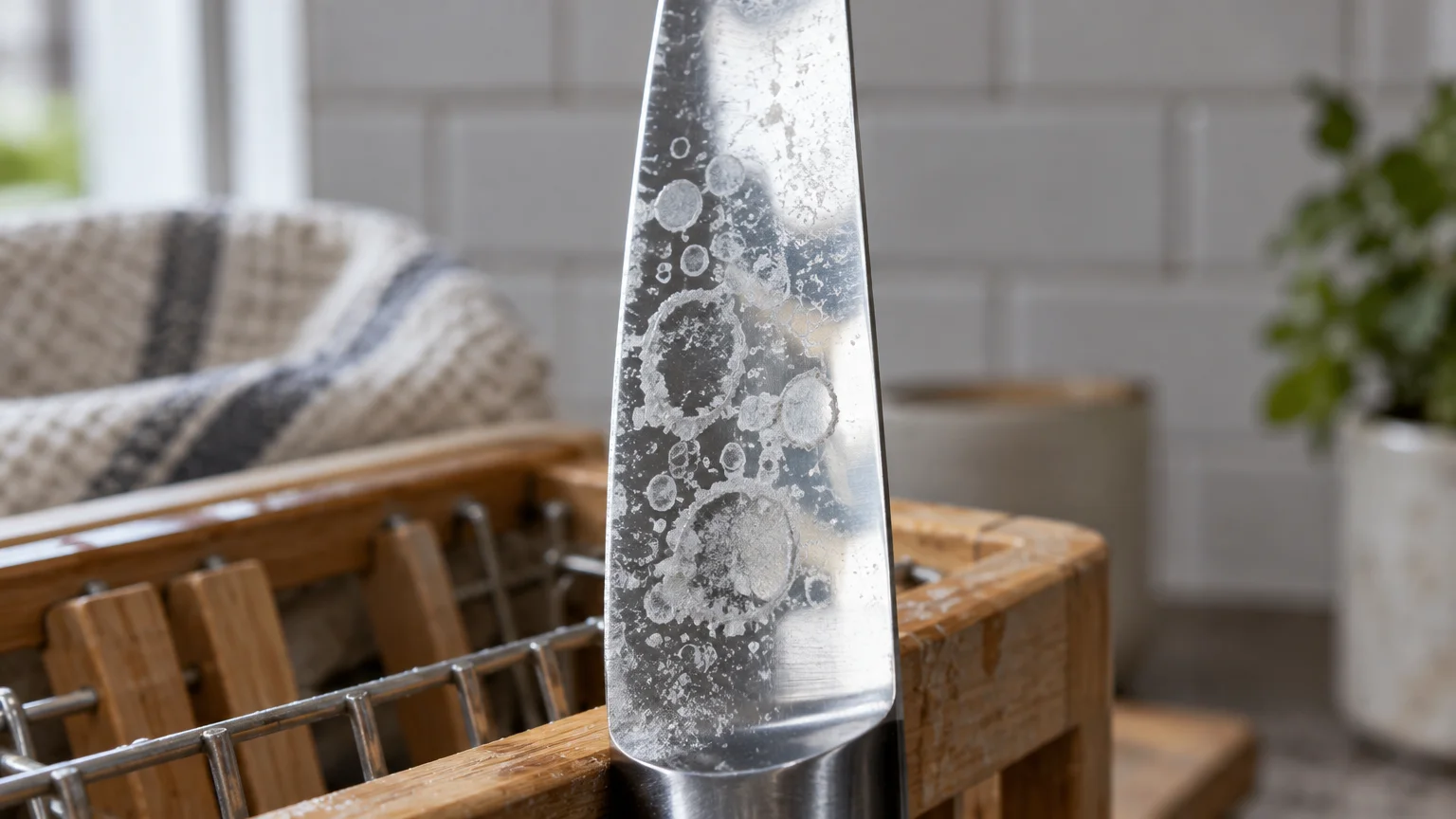
Letting your flatware air-dry in a countertop dish drainer or inside a steamy dishwasher invites dullness.
Tap water carries dissolved minerals like calcium, magnesium, and silica.
As water drops evaporate, these minerals remain behind as cloudy white scales that bond tenaciously to the metal surface.
Inside dishwashers, the combination of high humidity and residual heat accelerates chemical oxidation on silver flatware.
Grab a plush, 100% cotton dishtowel the moment the wash cycle concludes.
Hand-drying each piece immediately removes mineral droplets before they dry, preserving a streak-free, reflective finish.
09 Wrapping Cutlery in Plastic Wrap, Rubber Bands, or Newspaper
How you store cutlery between holiday dinners directly dictates how bright it stays.
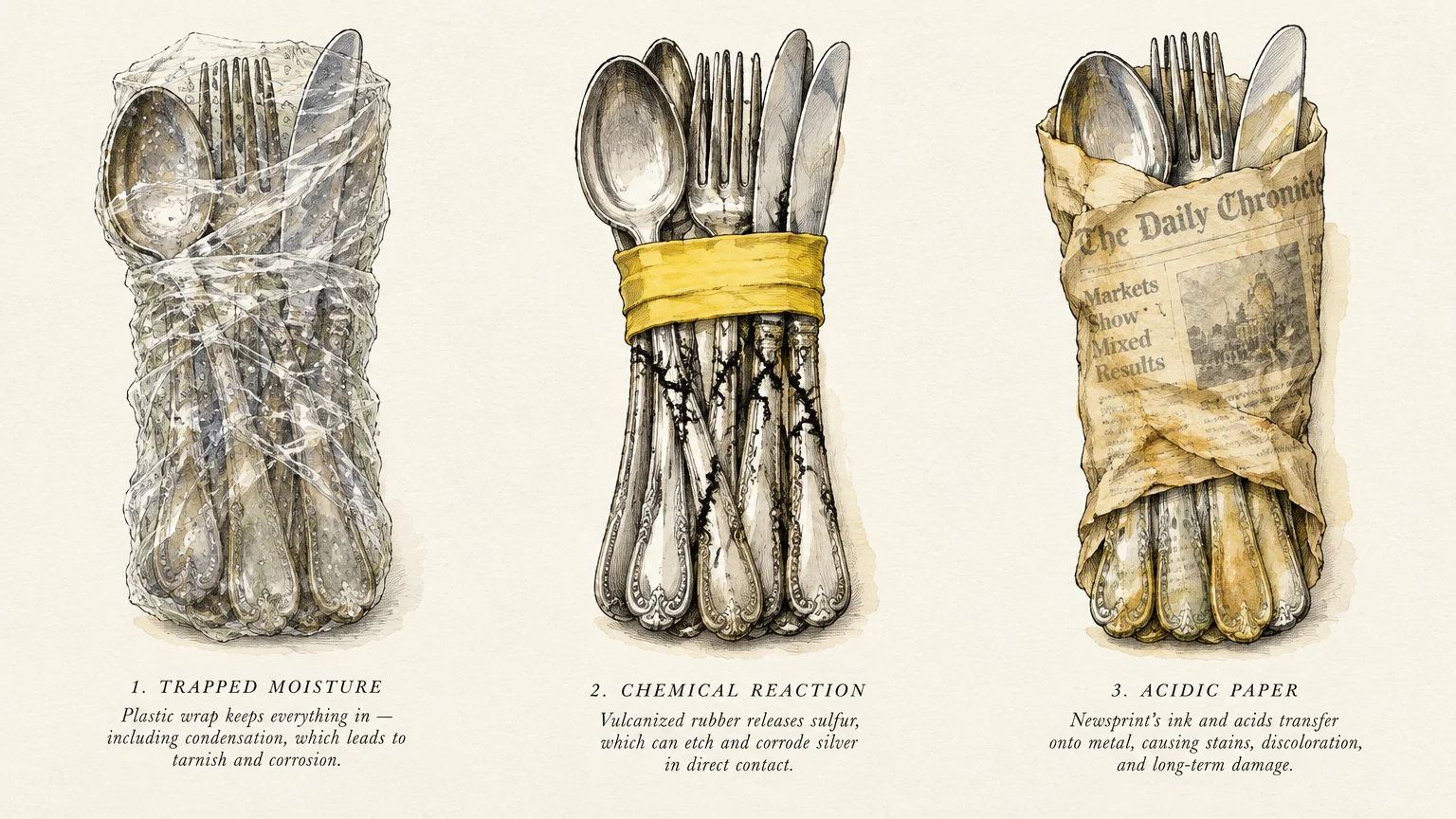
Wrapping silver in plastic cling wrap traps moisture against the metal and releases harmful plasticizer fumes over time.
Never bind your forks and spoons with rubber bands; degrading rubber off-gasses sulfur, leaving deep black bands that permanently damage silver.
Newsprint contains acidic inks and sulfur compounds that etch fine metals during long-term contact.
Cardboard boxes and unsealed raw wood chests also emit acidic vapors from wood lignins.
Wrap your silverware in specialized flannel cloth treated with silver particles to absorb sulfur before it touches the metal.
Keep wrapped flatware in a cool, dry cabinet away from damp exterior walls or humid storage basements.
10 Polishing with Wood-Pulp Paper Towels and Circular Buffing
The material and motion you use to buff silverware matter just as much as the polish you apply.
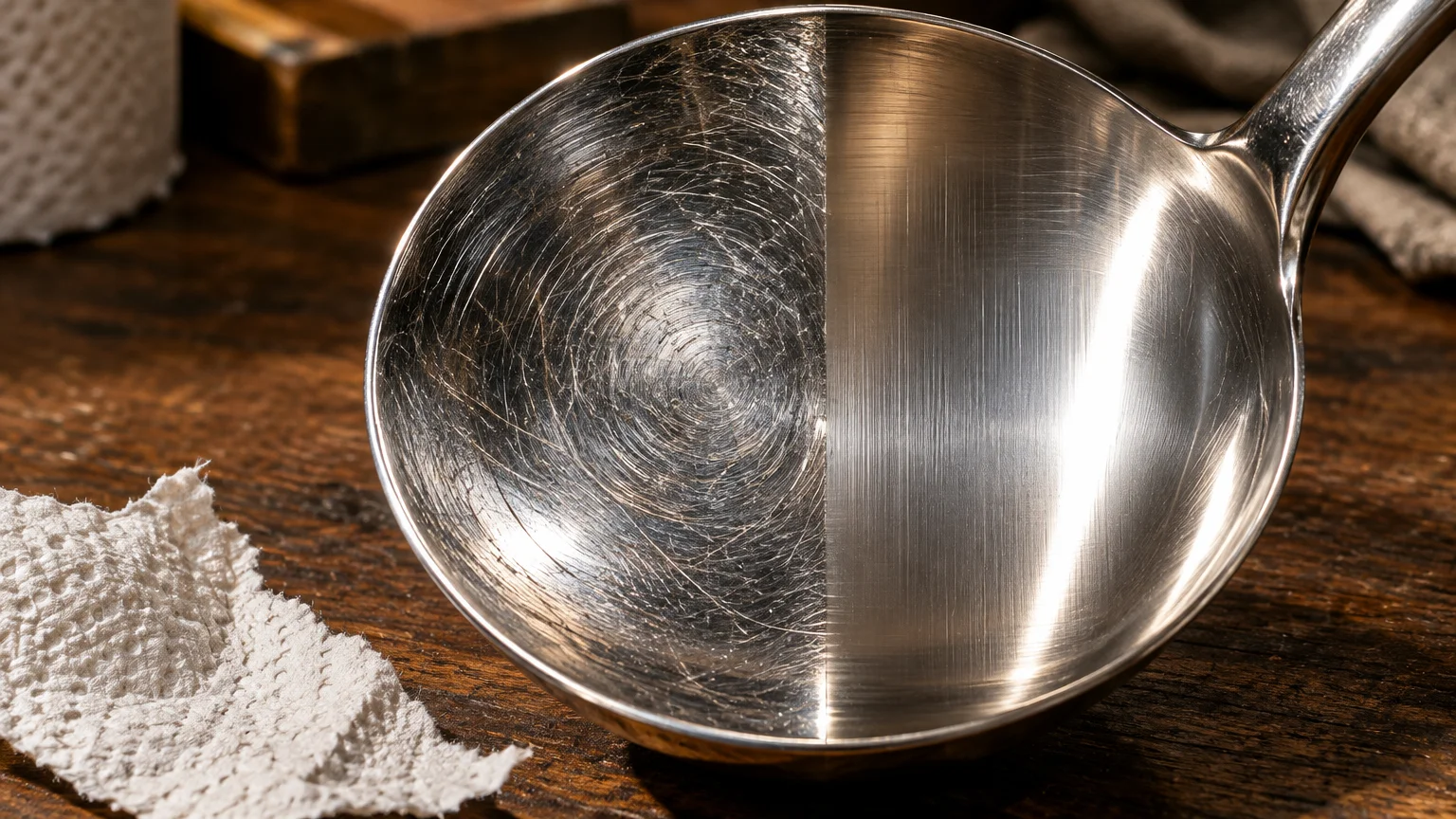
Standard paper towels consist of processed wood pulp; those coarse wood fibers act like ultra-fine sandpaper against soft metals.
Wiping flatware in aggressive circular motions concentrates those fine scratches into noticeable halos under dining room lighting.
Conservators recommend buffing silver in straight, uniform strokes that follow the natural lines of the utensil.
Use soft cotton flannel, an old cotton T-shirt, or a plush microfiber cloth for all polishing and buffing tasks.
Rotate to clean sections of the cloth frequently so you never drag lifted tarnish particles back across clean metal.
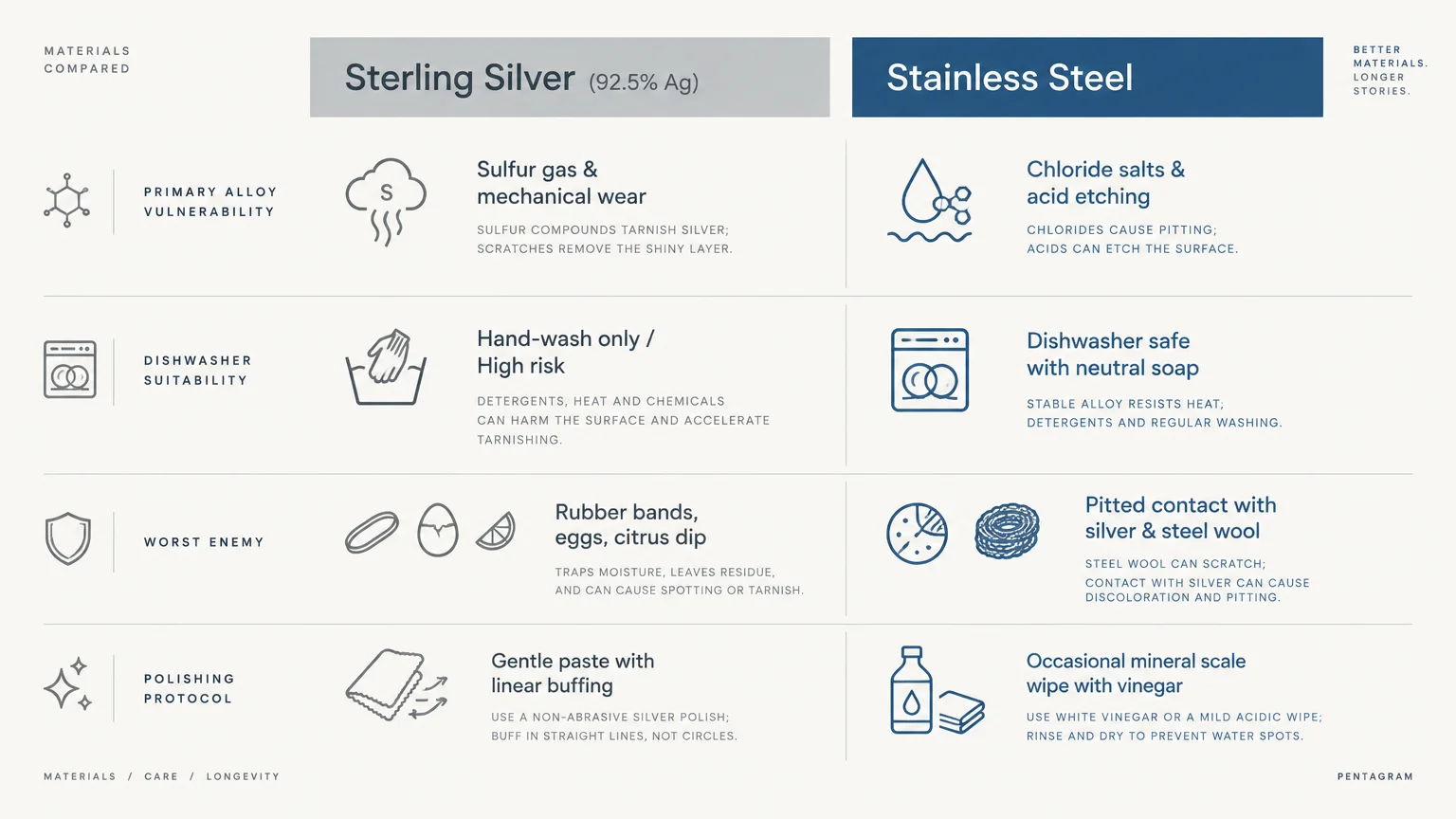
Flatware Care Comparison: Sterling Silver vs. Stainless Steel
Understanding the physical properties of your cutlery prevents costly silverware cleaning mistakes. Sterling silver, silver plate, and stainless steel require distinct maintenance strategies.
Consult this comparison breakdown to match your cleaning technique with your cutlery’s specific metal composition.
| Care Attribute | Sterling Silver | Silver-Plated Flatware | Stainless Steel (18/10) |
|---|---|---|---|
| Dishwasher Safe? | No; wash by hand only | No; wash by hand only | Yes; avoid citrus detergents |
| Recommended Soap | Mild, neutral liquid soap | Mild, neutral liquid soap | Phosphate-free liquid gel |
| Primary Cause of Dullness | Sulfur exposure (tarnish) | Thin silver wear and tarnish | Hard water minerals and acid |
| Best Polishing Agent | Non-abrasive silver cream | Gentle liquid polish | Diluted white vinegar or paste |
| Recommended Drying | Immediate hand towel dry | Immediate hand towel dry | Immediate hand towel dry |
Always inspect your cutlery’s hallmark before selecting a cleaning method. Sterling silver bears stamps like “925” or “Sterling,” while silver plate often shows base metal when worn.
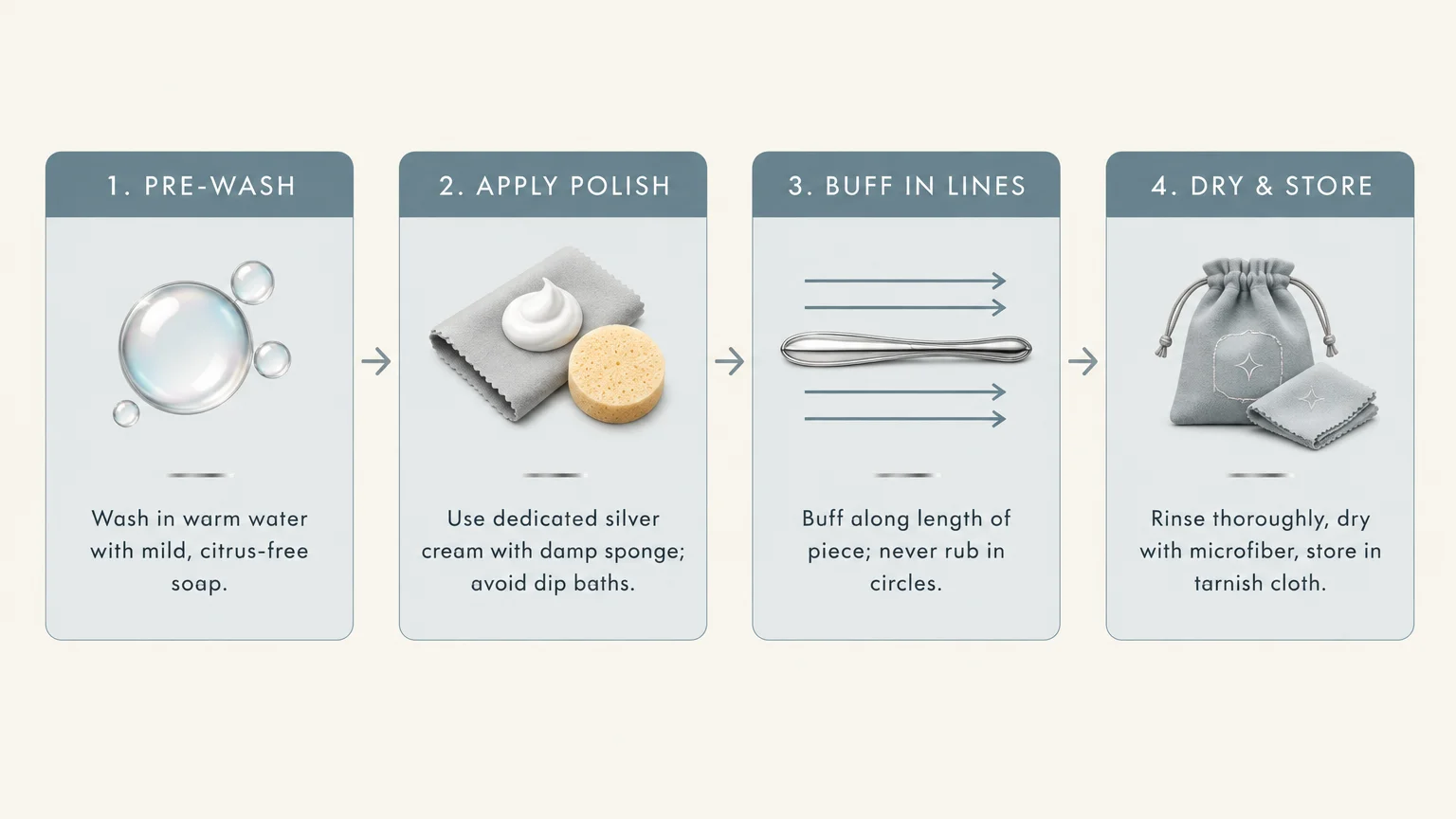
How to Clean Silverware: A Step-by-Step Polishing Protocol
Polishing silverware does not require heavy exertion when you follow a methodical routine. Use this conservation-grade approach to restore dull cutlery safely.
- Wash first: Clean your cutlery in warm, soapy water to remove surface grease, salts, and dust.
- Select your cream: Apply a dime-sized amount of gentle silver cream to a damp cotton sponge or cloth.
- Buff in straight lines: Rub the polish along the length of the utensil using gentle, back-and-forth strokes.
- Detail the crevices: Use a soft baby toothbrush to reach intricate scrollwork and fork tines without scratching flat areas.
- Rinse thoroughly: Wash away every trace of polish under warm, running tap water.
- Dry and buff: Dry the utensil immediately with a clean cotton flannel cloth to reveal the deep luster.
Pre-washing is essential because gritty surface dust will scratch the metal during polishing if left unwashed.
Rinsing away polish residue completely prevents dried cream from hardening into an unsightly white crust inside decorative relief patterns.
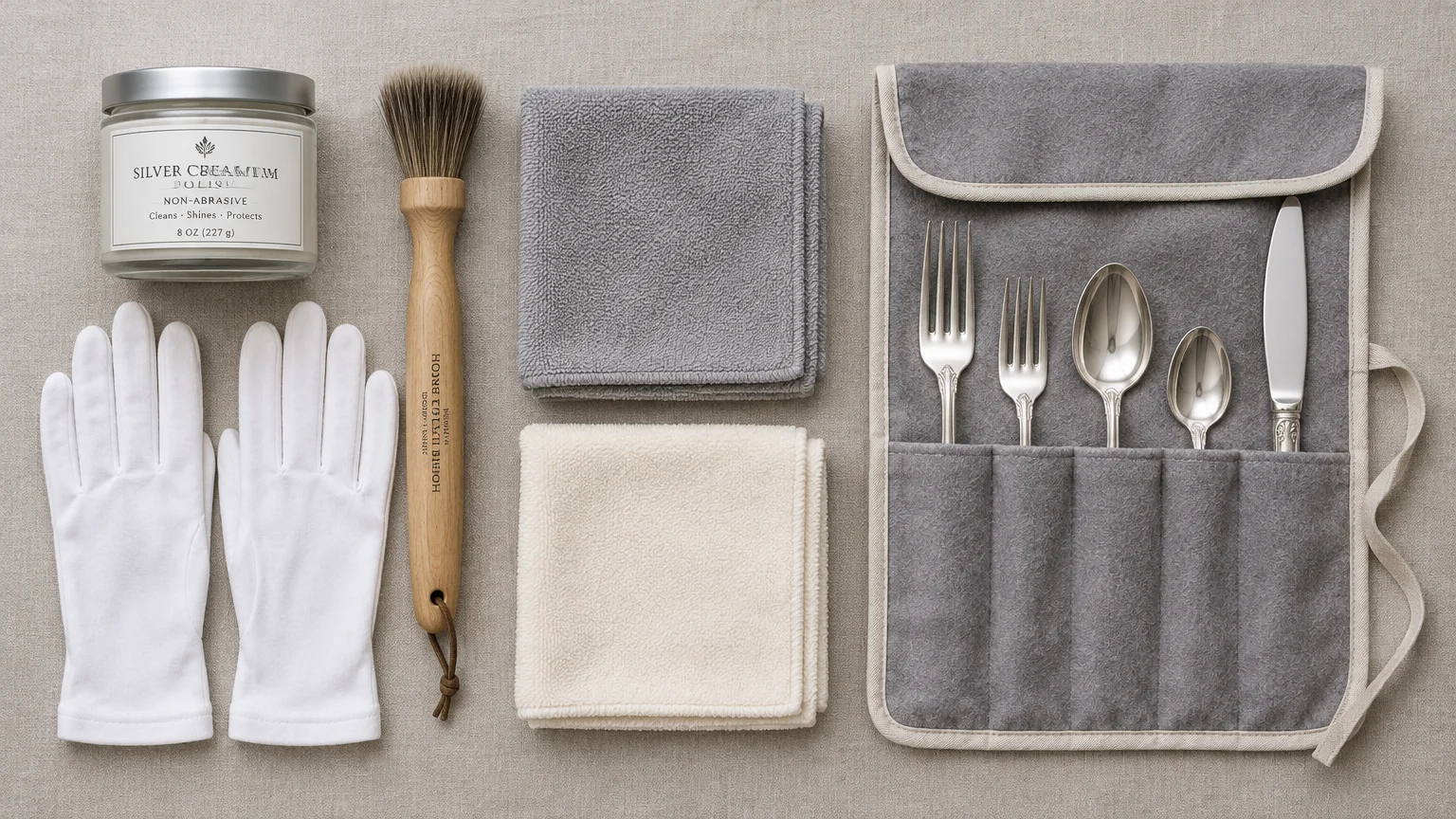
Essential Tools for Gentle Silver Care
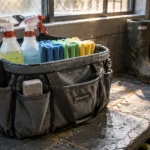
Assembling a dedicated cutlery cleaning kit makes routine maintenance simple and stress-free. Keep these gentle supplies stored together in your pantry.
- Neutral-pH liquid dish soap free from citrus extracts and bleach additives
- High-pile microfiber towels and 100% cotton flannel cloths
- Non-abrasive silver cream polish formulated without harsh mineral spirits
- Ultra-soft baby toothbrush or natural horsehair detailing brush
- Anti-tarnish flannel storage rolls or Pacific Silvercloth drawer liners
The National Park Service Museum Management Program recommends horsehair brushes for cleaning delicate museum metalwork without abrading high-relief surfaces.
Avoid commercial multipurpose metal polishes designed for brass or automotive chrome. Those heavy-duty pastes contain coarse abrasives that will ruin fine flatware.
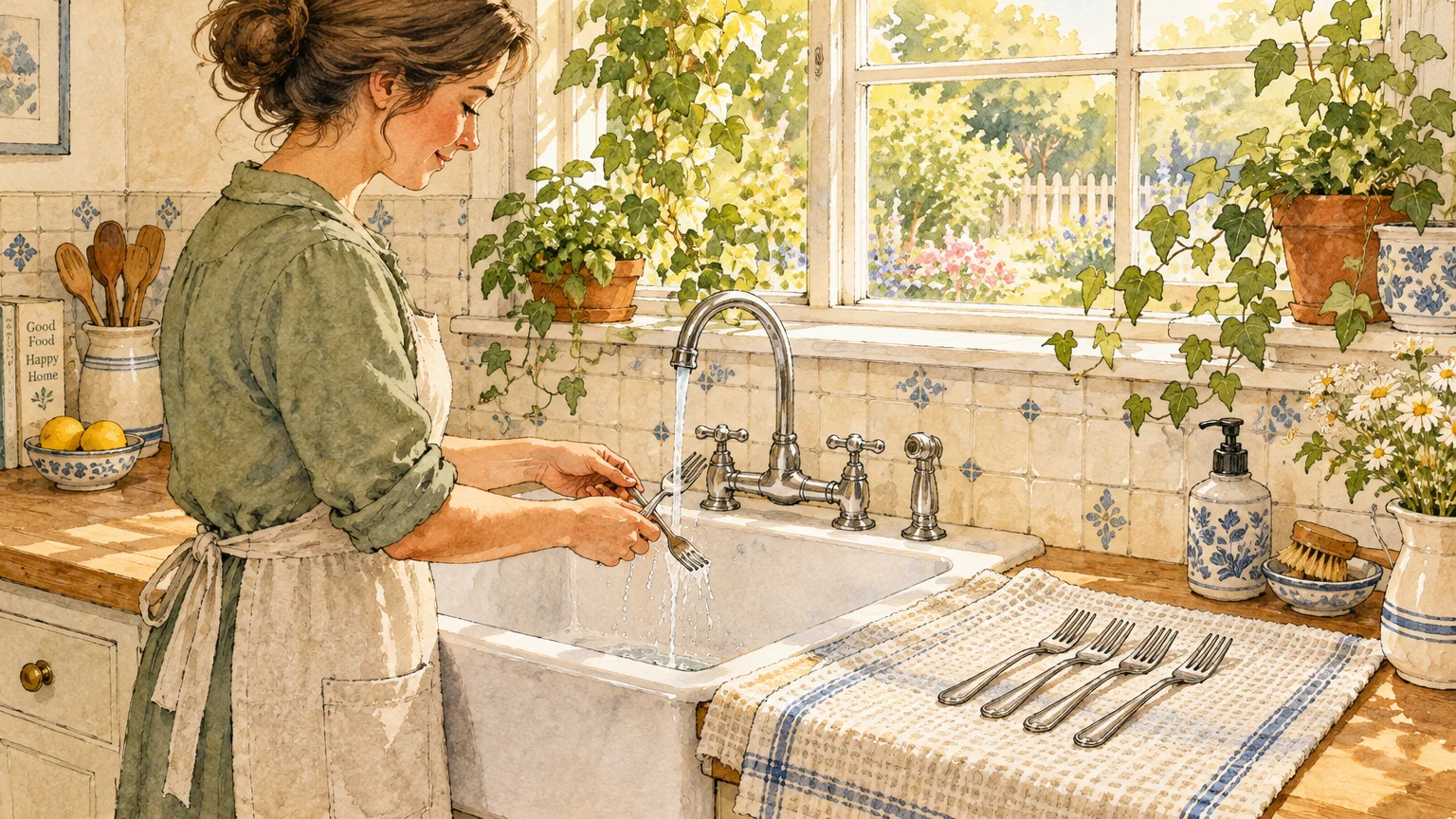
Daily Habits to Prevent Flatware from Dulling
Preventive care reduces how often you need to polish your flatware. Building a few simple habits into your kitchen routine keeps every piece sparkling between uses.
Rotate your daily flatware so individual pieces wear evenly across months of family meals.
Rinse items promptly after consuming sulfur-rich or acidic meals to stop chemical corrosion before it starts.
If you run stainless steel flatware through the dishwasher, empty the basket the moment the drying cycle ends to wipe away stray water drops.
Never leave wet flatware sitting inside a sealed, humid dishwasher overnight.
Store everyday stainless flatware in lined drawer dividers to prevent spoons and forks from grinding against each other during opening and closing.
Your Next Step for Sparkling Cutlery
Inspect your cutlery drawer today to spot any early signs of pitting, cloudy water spots, or tarnish.
Check your current dish detergent bottle to confirm it contains zero lemon juice, citric acid, or chlorine bleach additives.
Grab a clean cotton cloth, set aside fifteen minutes, and give your favorite dining pieces the gentle shine they deserve.