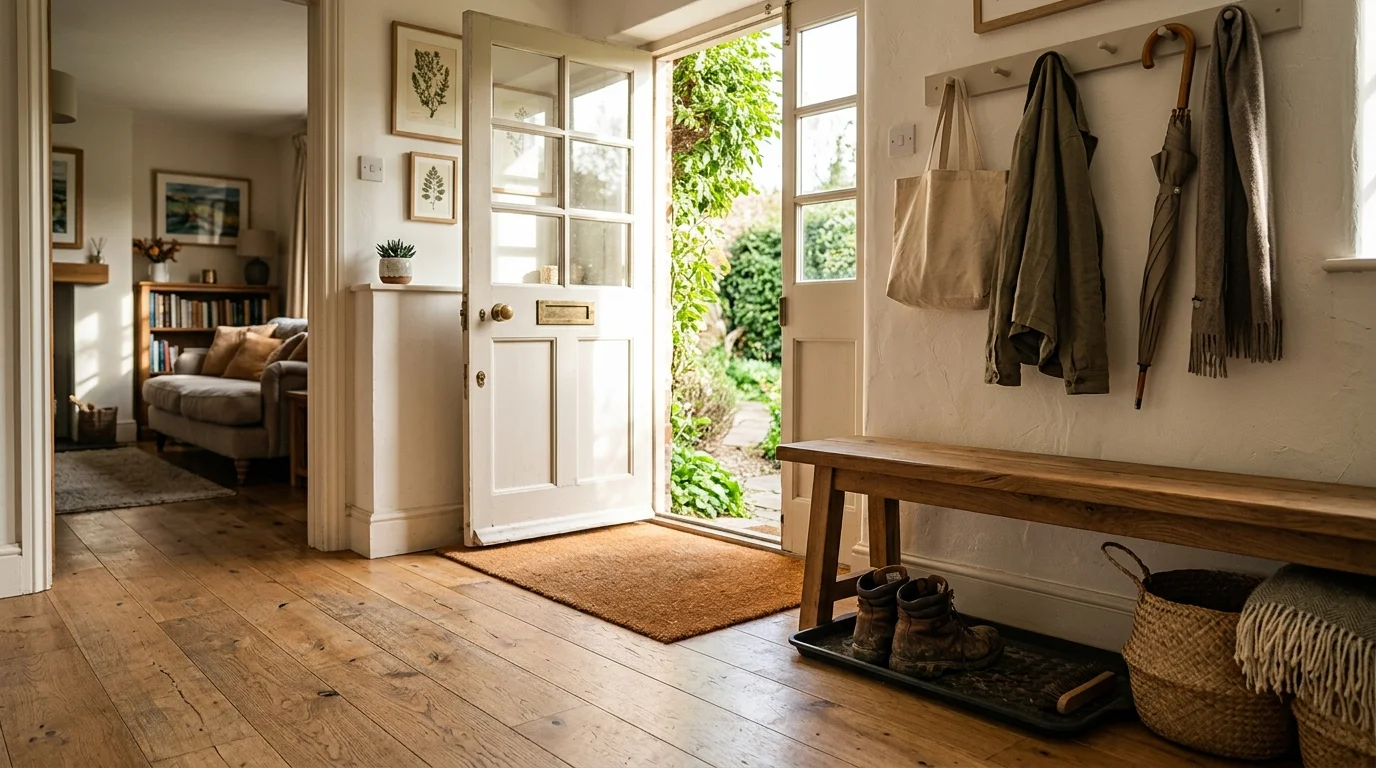
A well-organized entrance saves you ten frantic minutes every morning and blocks outdoor dirt before it crosses your threshold. Setting up functional tools within arm’s reach streamlines your routine and creates an immediate sense of calm when you return.
Without intentional staging, your front foyer quickly becomes a chaotic dumping ground for discarded mail, misplaced keys, and tracked-in debris.
You can transform even the tightest hallway into an efficient checkpoint using purposeful entryway essentials designed to support your daily habits.
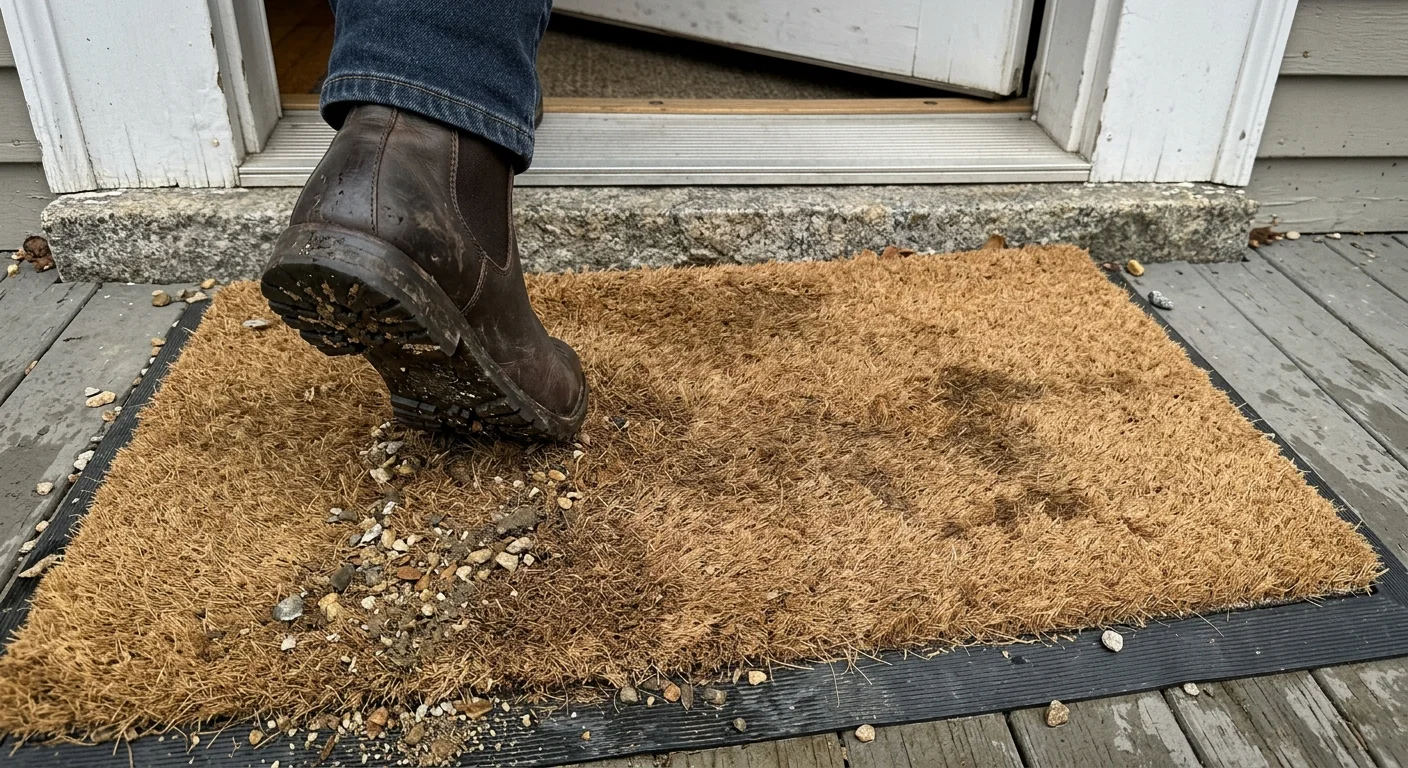
01 Heavy-Duty Exterior Scraper Mat
Your first defense against household mess begins outside the threshold. A rugged coir, rubber, or bristled mat removes coarse soil, gravel, and mud before your family steps inside.
According to researchers at the U.S. Environmental Protection Agency (EPA), wiping shoes on a sturdy mat significantly reduces the amount of lead dust and outdoor contaminants tracked into your home.
Choose a weather-resistant mat that spans at least eighty percent of your doorframe width. This width ensures both feet naturally hit the bristles as you enter.
Clean this mat weekly by giving it a firm shake or vacuuming the bristles. Regular cleaning prevents embedded grit from eroding the fibers over time.
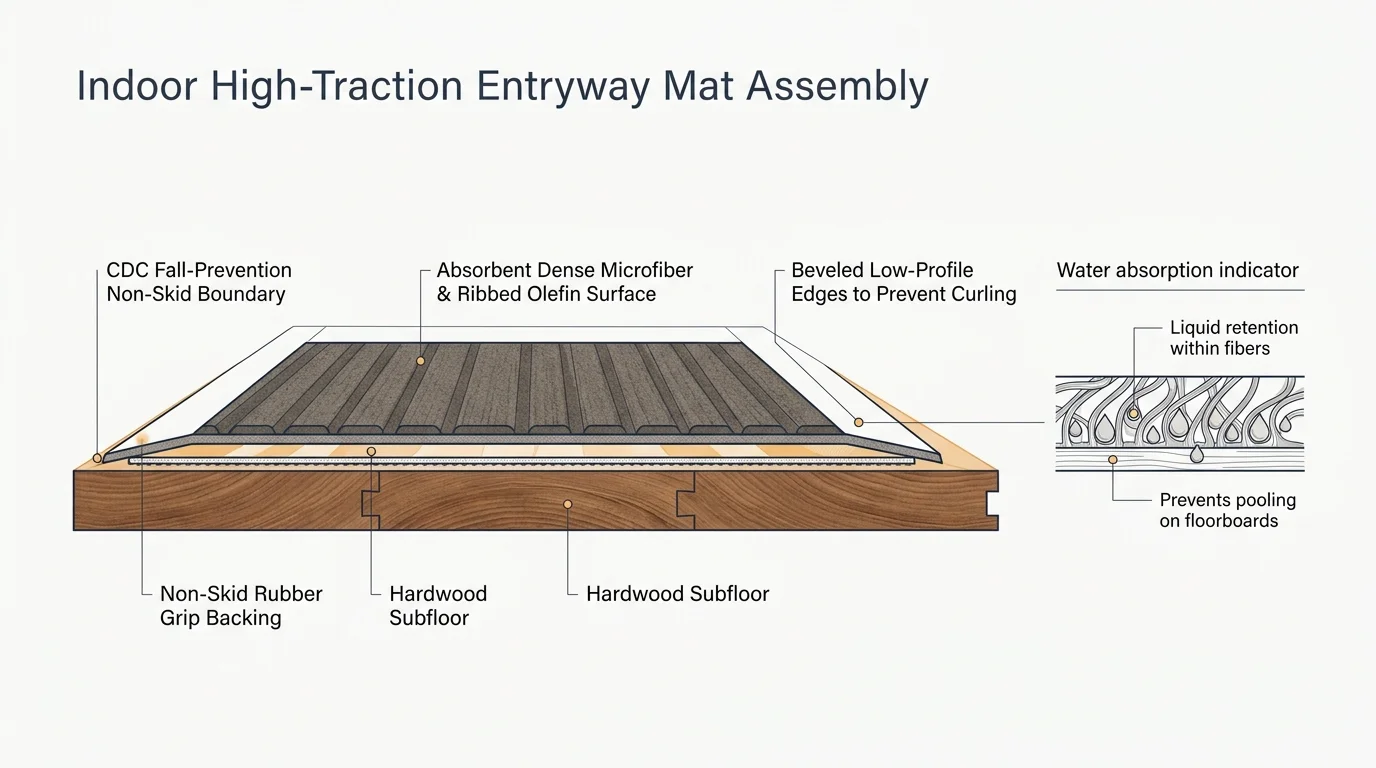
02 High-Traction Interior Runner or Entry Mat
Once you cross the door sill, an absorbent indoor mat captures remaining water, road salt, and fine particles. Microfiber and ribbed olefin rugs pull liquid deep into their fibers instantly.
Safety is critical here. The Centers for Disease Control and Prevention (CDC) notes that loose rugs create substantial slip and fall hazards for older adults.
Always anchor your indoor rugs with a non-skid rubber backing or heavy rug tape. Avoid flimsy decorative accents that curl up at the corners.
Select a dark or patterned runner to conceal everyday traffic wear. Machine-washable options make seasonal cleaning effortless when snow and mud peak.
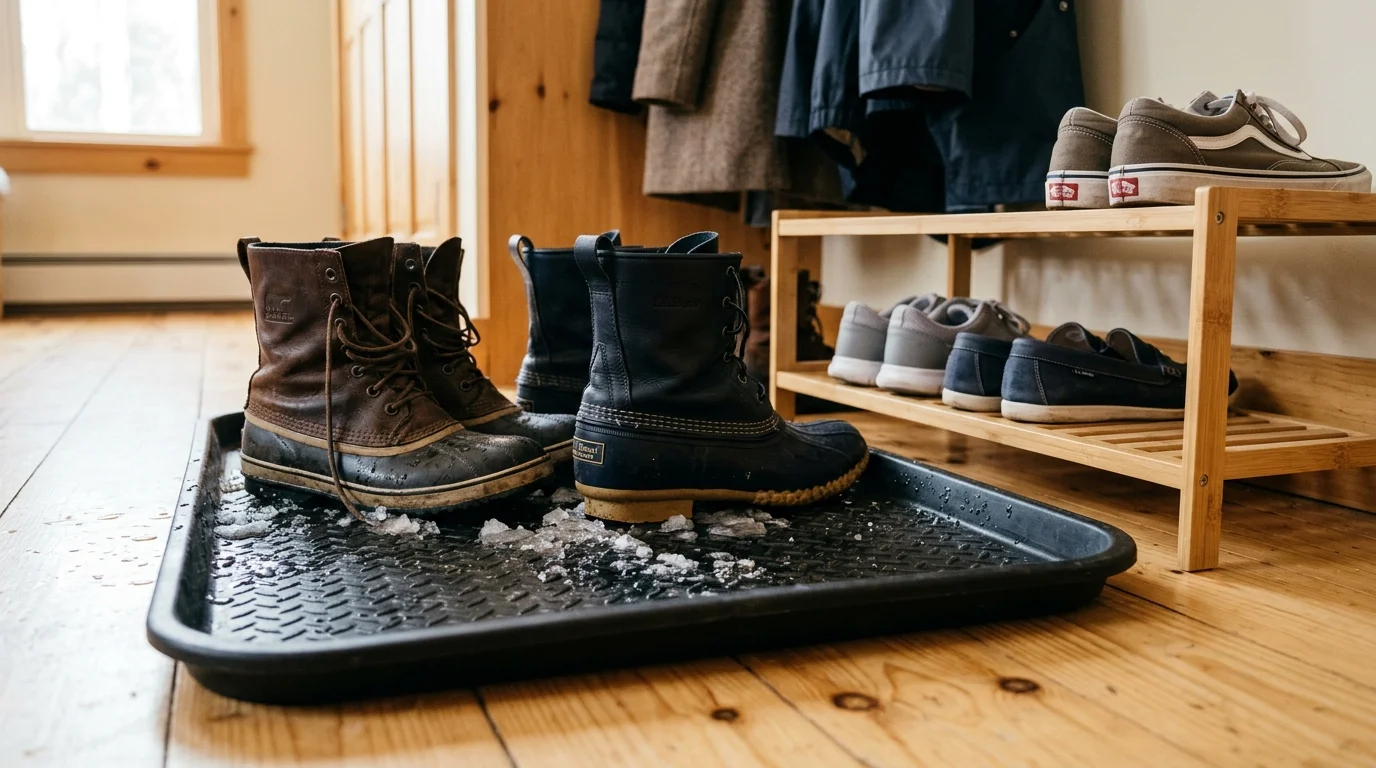
03 Dedicated Shoe Rack or Boot Tray
Scattered shoes create hazardous tripping points and make clean floors look messy. A dedicated shoe rack or rubber boot tray gives every pair a designated landing zone.
A deep rubber tray works wonders during wet winter months. The raised lip traps melting snow and salty runoff, shielding your wood floors from moisture damage.
If you have a narrow foyer, install a slim vertical shoe cabinet with drop-down doors. These compact units hide clutter while preserving open floor space.
Keep only current footwear in this area. Storing out-of-season boots elsewhere keeps your primary entryway free of unnecessary visual weight.
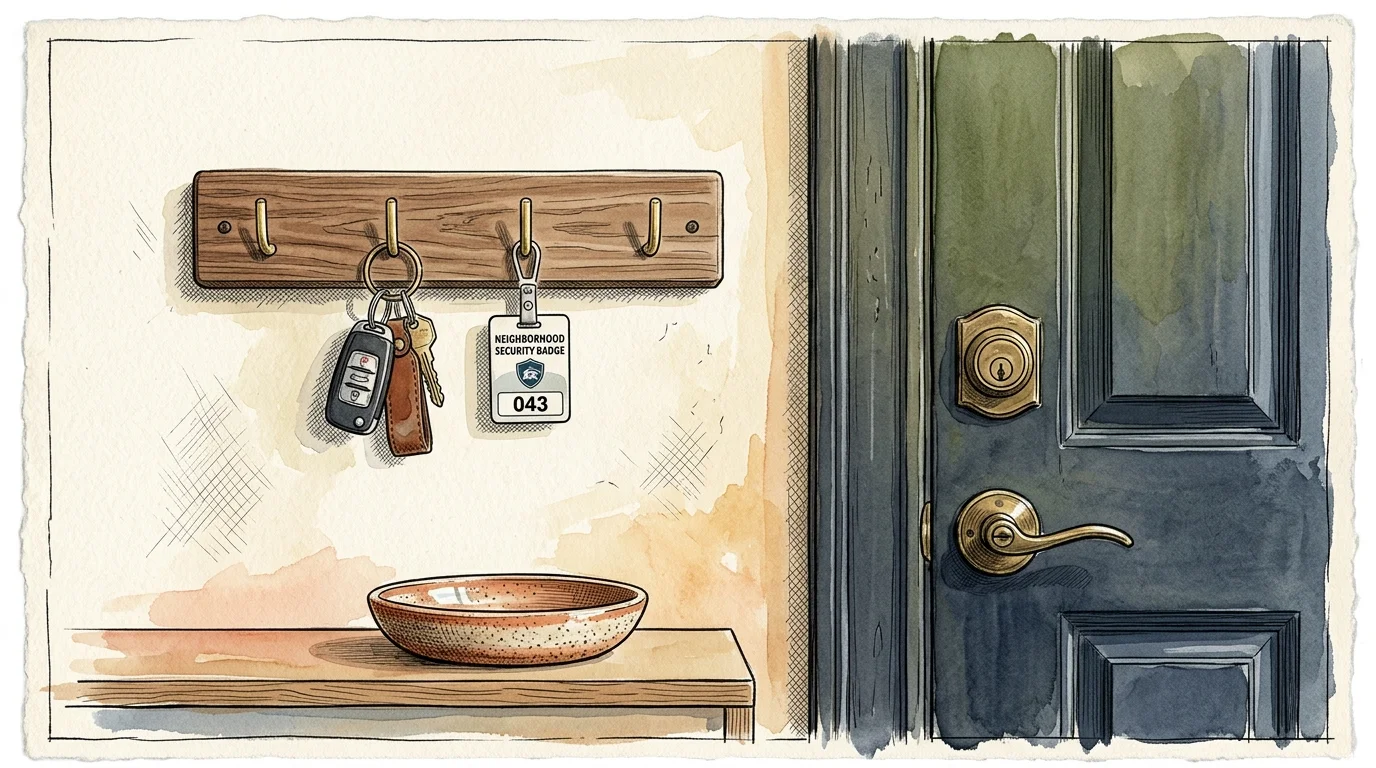
04 Wall-Mounted Key Organizer or Catchall Drop Zone
Searching for misplaced car keys can easily ruin an otherwise smooth morning. A dedicated wall-mounted organizer or shallow drop bowl guarantees you always know where they rest.
Mount your key rack at eye level right beside the interior door lock. Hanging your keys becomes an effortless reflex the second you step inside.
If you choose a catchall bowl instead, pick a heavy ceramic, wooden, or brass dish. A weighted bowl stays firmly planted when you drop bulky key rings.
Reserve this specific spot exclusively for keys, gate fobs, and security badges. Do not let receipts or loose coins crowd out your essentials.
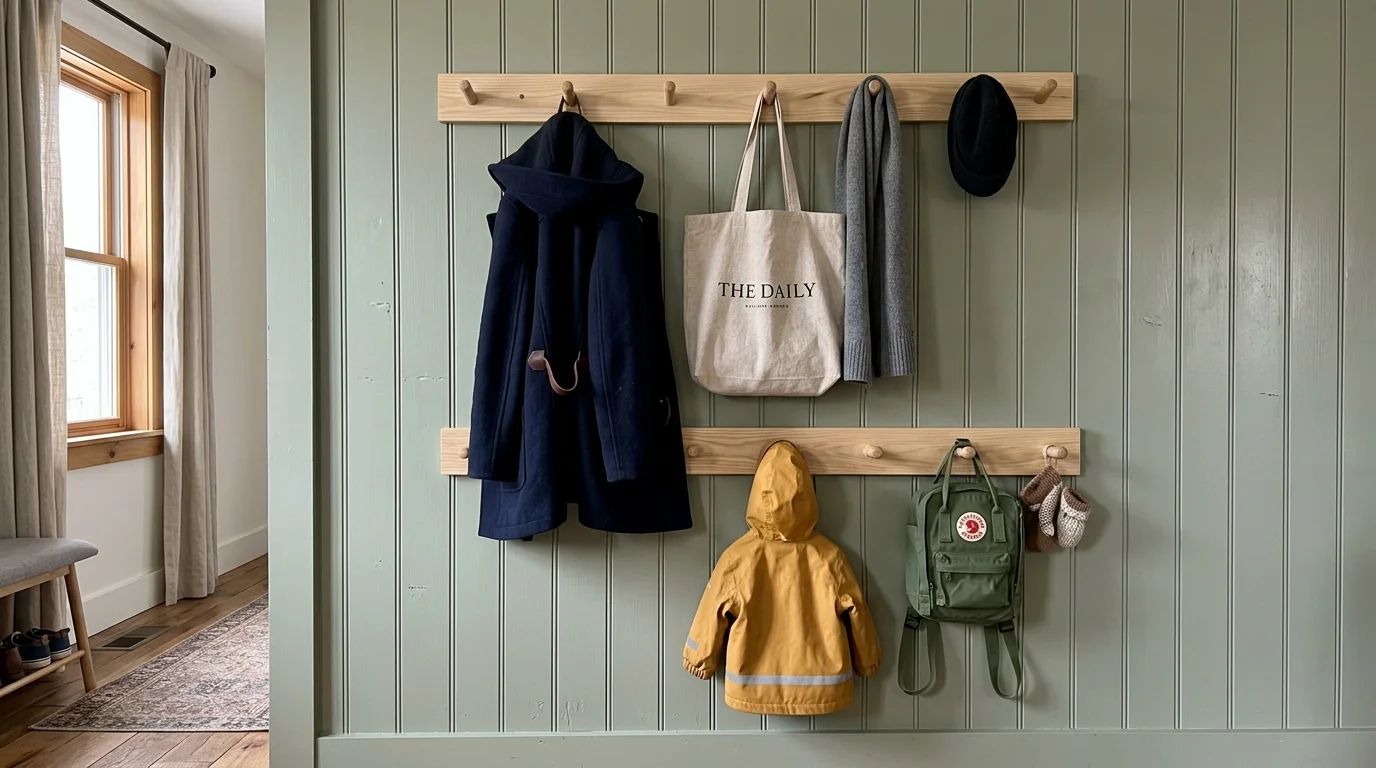
05 Sturdy Wall Hooks or Peg Rail
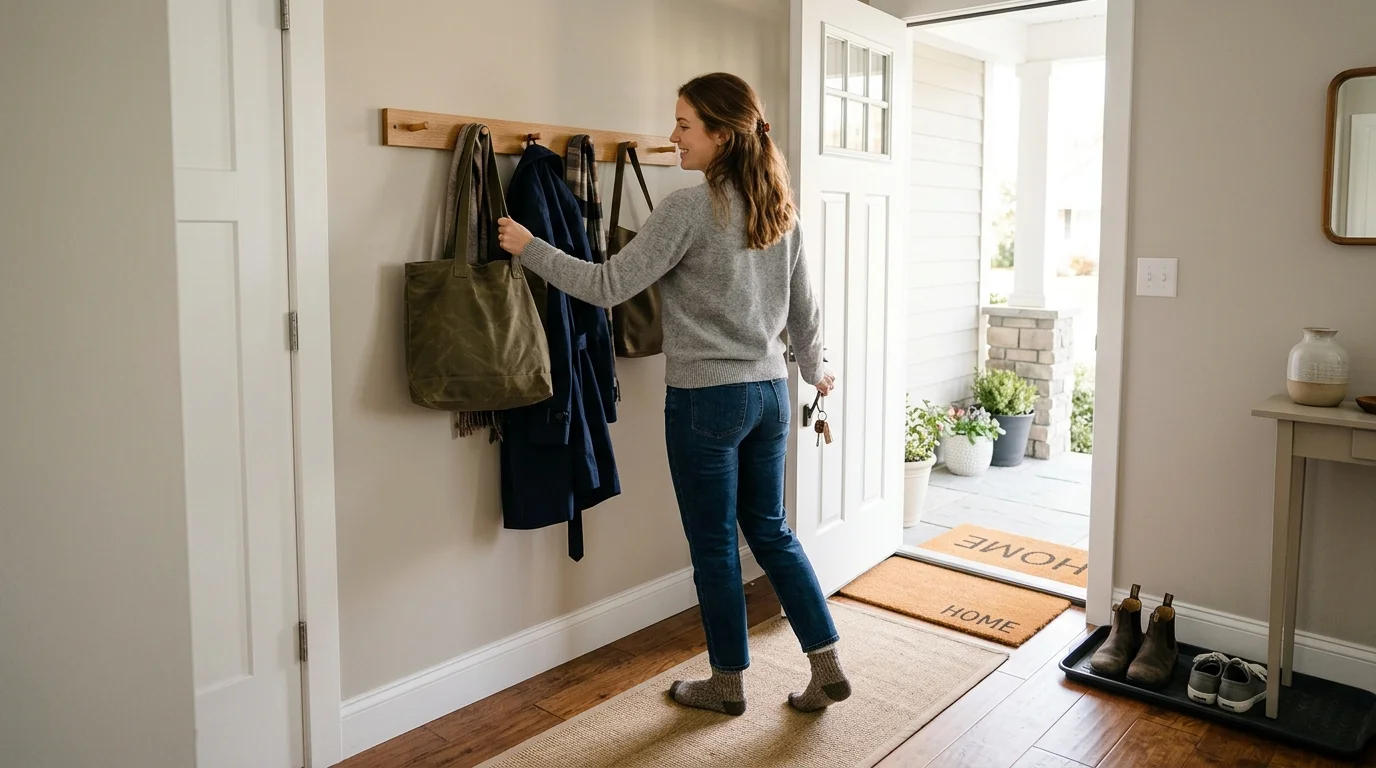
Opening a crowded coat closet requires extra effort that tired family members often skip. Sturdy wall hooks or a wooden peg rail offer quick, accessible hanging storage.
Mount your hooks at varied heights along the wall. Lower pegs allow younger children or grandchildren to hang their own gear without asking for help.
Secure your hook boards directly into wall studs using heavy wood screws. Drywall anchors often fail when loaded with damp winter parkas and heavy work bags.
Assign one hook per family member to prevent unsightly overcrowding. Store spare hangers and guest garments in a nearby secondary closet.
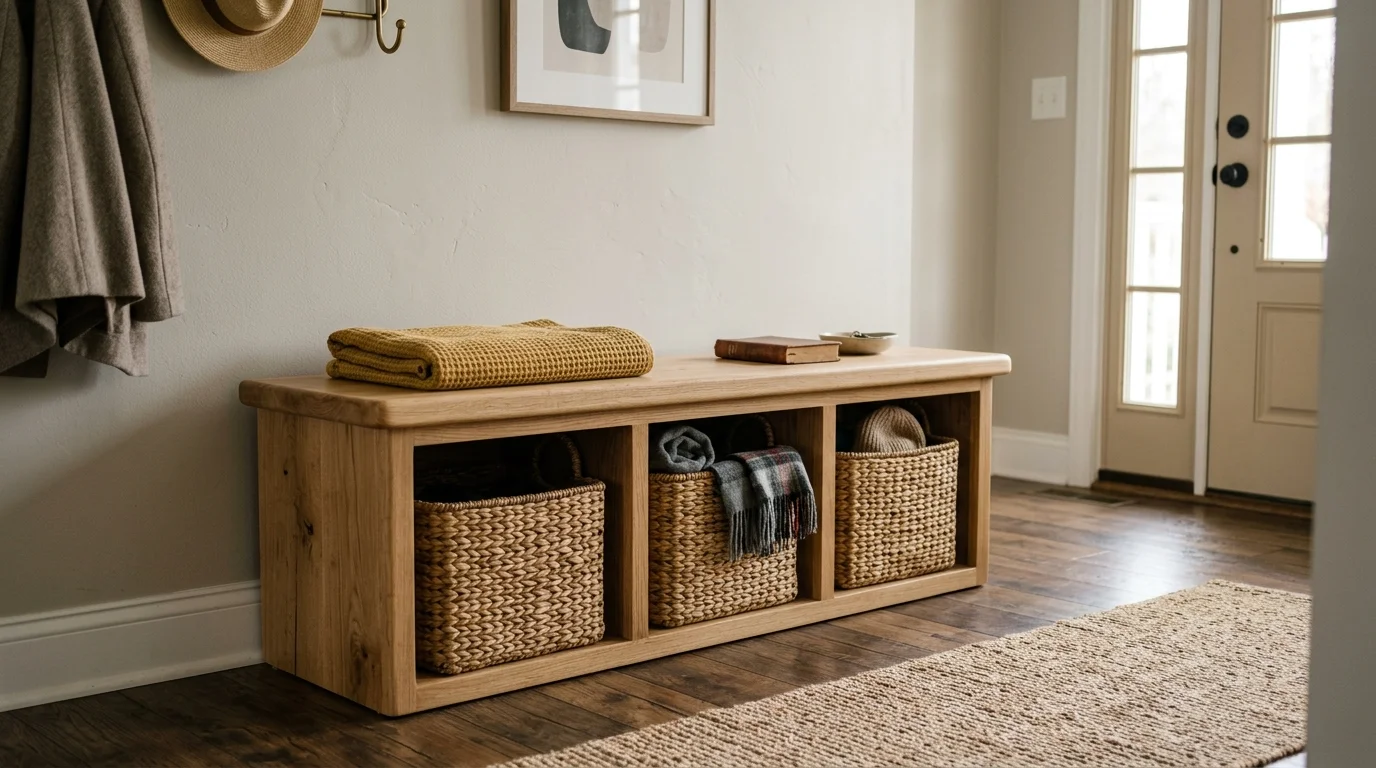
06 Stable Entryway Bench with Under-Seat Storage
Balancing on one foot while wrestling with shoes is uncomfortable and increases your risk of falling. A solid entryway bench gives you a stable seat for changing footwear.
Select a bench between 17 and 19 inches high. This standard seat height allows older adults to stand up smoothly without straining their knees or hips.
Maximize functionality by choosing a bench with integrated drawers or cubbies underneath. You can slide storage baskets beneath the seat to hold winter gloves and dog gear.
Top the bench with an easy-to-clean cushion wrapped in moisture-resistant fabric. A wipeable surface repels dirt from damp clothing and sports equipment.
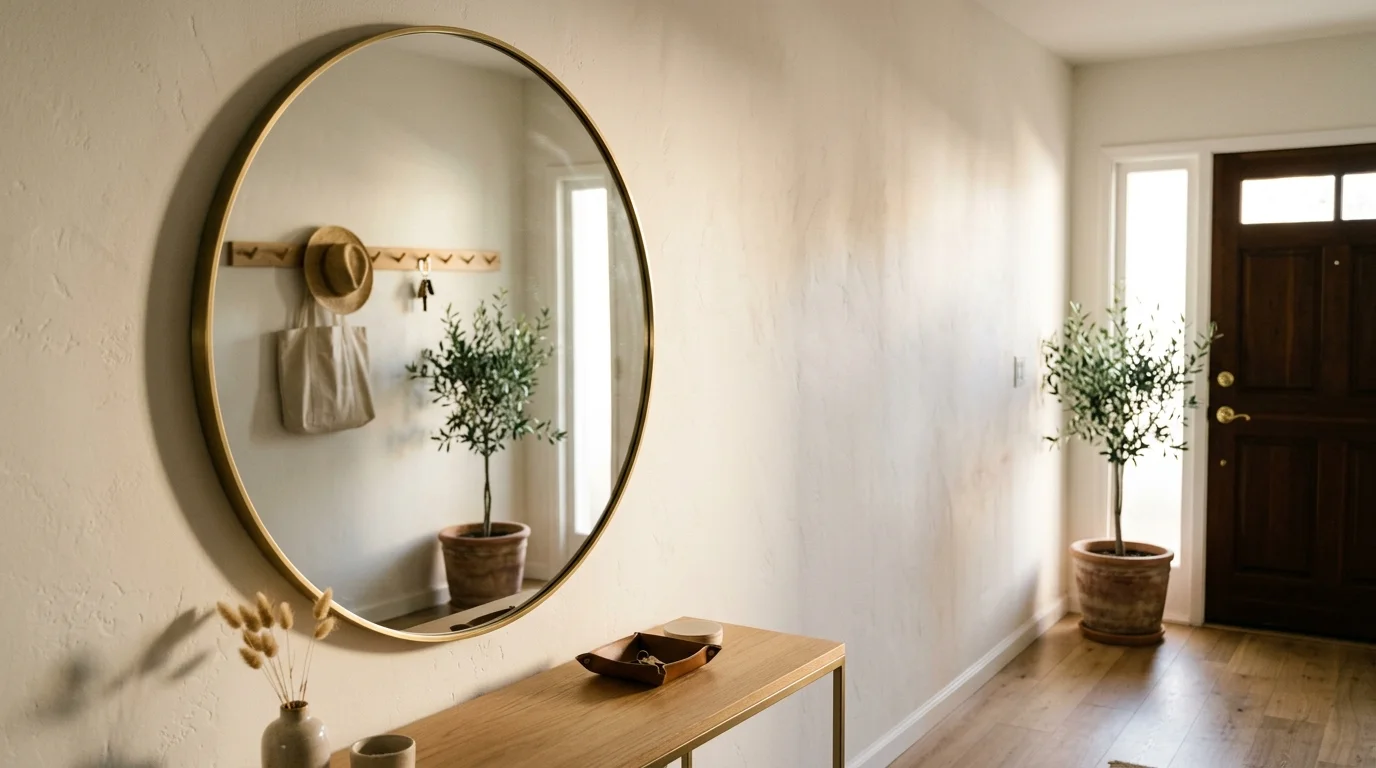
07 Wall-Mounted Mirror for Light and Final Checks
A wall-mounted mirror near the front door serves two valuable purposes. It provides a convenient spot for a final appearance check before you leave the house.
Mirrors also reflect natural light from nearby windows deeper into dim foyers. This reflection immediately makes compact entryways feel broader and more inviting.
Hang the mirror flush against the wall so shoulders and bags do not bump into it. Position the center around 60 inches from the floor for optimal viewing.
For added utility, select a mirror with an integrated narrow shelf. The small ledge holds lip balm, sunglasses, or transit passes without requiring extra furniture.
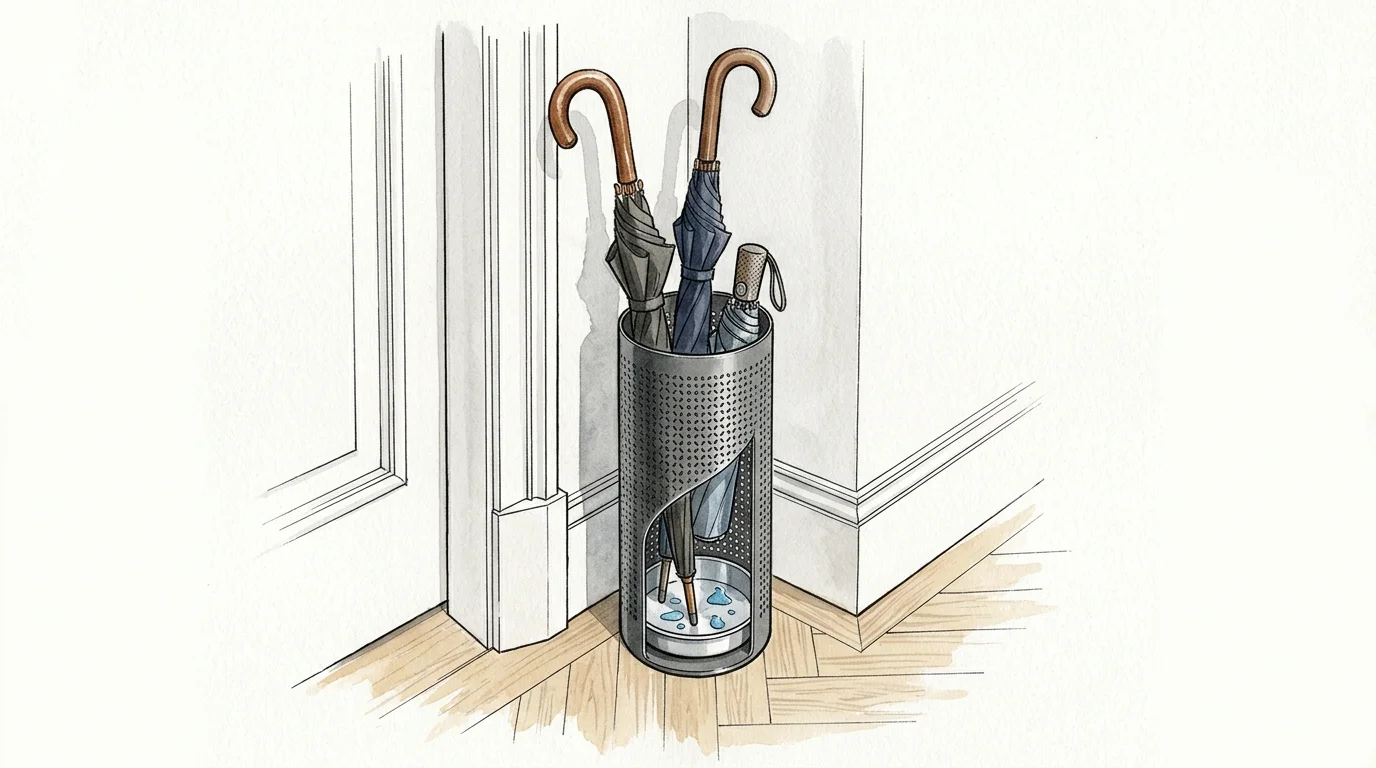
08 Slim Umbrella Stand with a Removable Drip Basin
Leaning wet umbrellas against wallpaper or drywall causes moisture rings, peeling paint, and dangerous floor puddles. A dedicated umbrella stand keeps dripping rainwater contained.
Pick an umbrella stand that includes a removable drip pan at the base. You can slide the pan out and pour excess water into your sink effortlessly.
Ensure the base is heavy enough to remain upright when holding large golf umbrellas. Weighted ceramic, cast iron, or powder-coated steel stands offer the best stability.
Choose a ventilated or perforated design that lets air circulate freely. Constant airflow helps wet umbrella fabric dry rapidly and prevents lingering mildew smells.
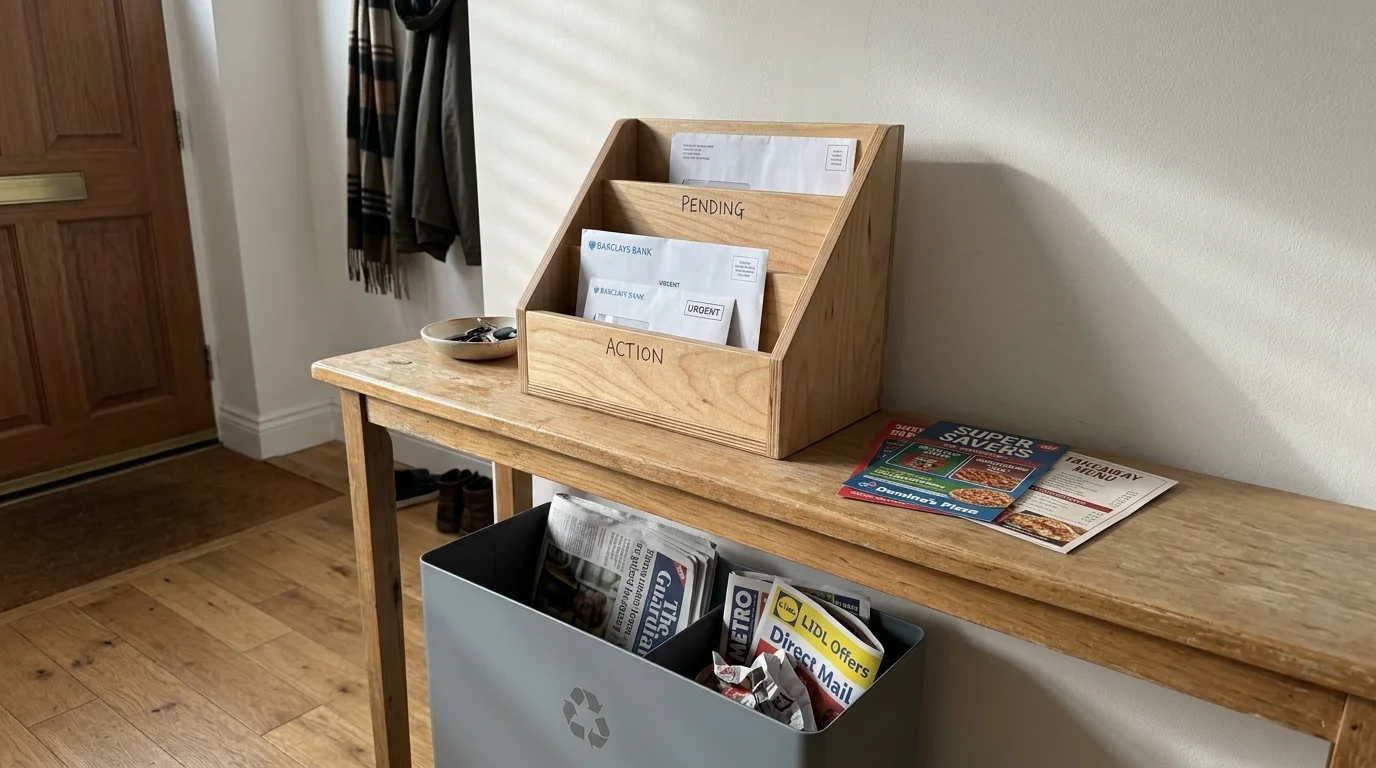
09 Immediate Mail Sorter and Paper Recycling Bin
Paper clutter multiplies fast when you bring unsolicited mail and advertising flyers past your entryway. A compact sorting station lets you triage incoming paper immediately.
Pair a wall-mounted letter holder with a small, attractive paper recycling bin placed directly underneath. You can discard obvious junk mail before it ever reaches your living area.
Use a two-tier sorter to divide bills from general correspondence. Addressing documents at the entrance stops papers from scattering across your dining room table.
Empty the recycling bin weekly to keep the station neat. This simple habit keeps your entrance looking tidy and prevents dangerous paper build-up.
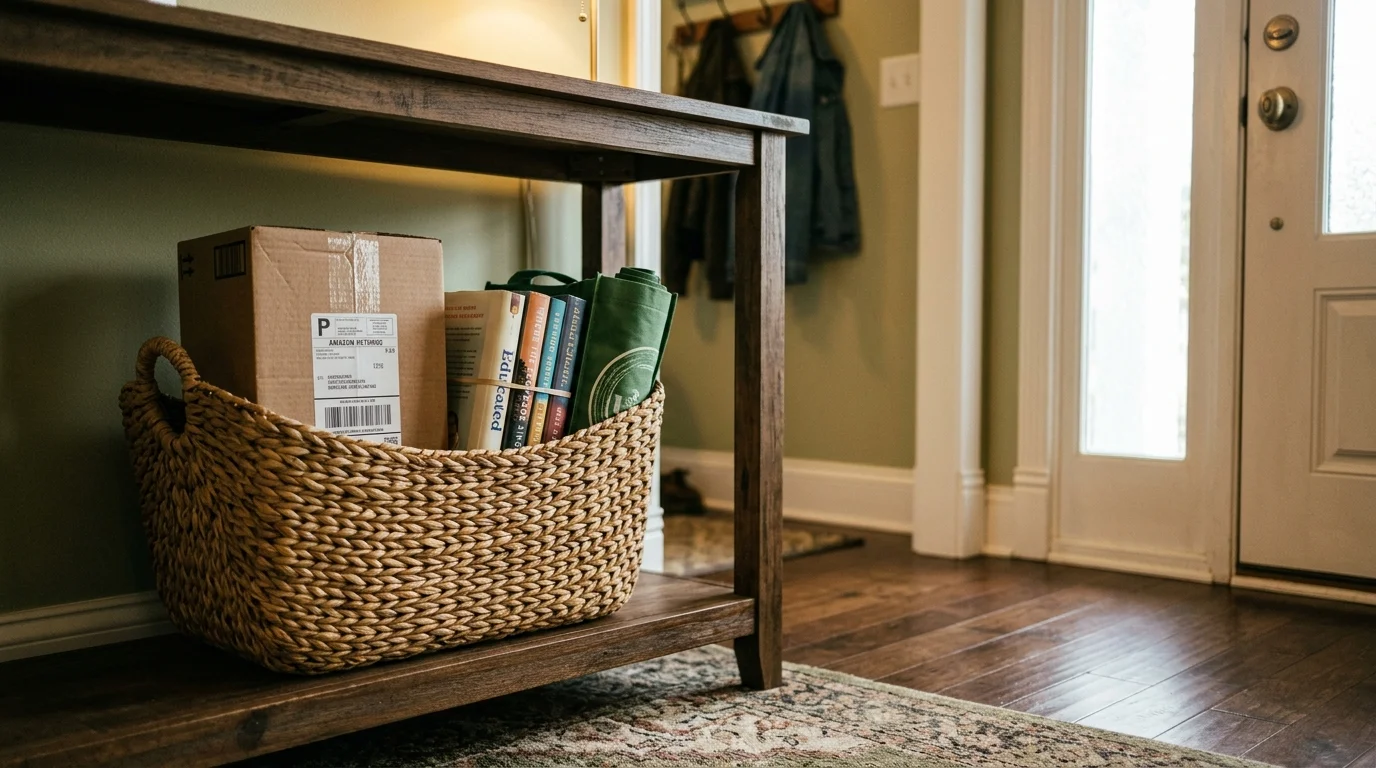
10 Outgoing Items Basket or To-Go Station
We often forget outgoing items like library books, neighbor dishes, and return packages because they stay hidden in bedrooms. An outgoing basket keeps these items front and center.
Place a lidded wicker basket or canvas bin near your door. Everything scheduled to leave your home during your next errand run goes straight inside.
Check the container every time you pick up your car keys. Having items grouped by the exit guarantees you will not forget them when heading out.
Limit the bin to items leaving within forty-eight hours. This boundary prevents the container from becoming another catchall for neglected household clutter.
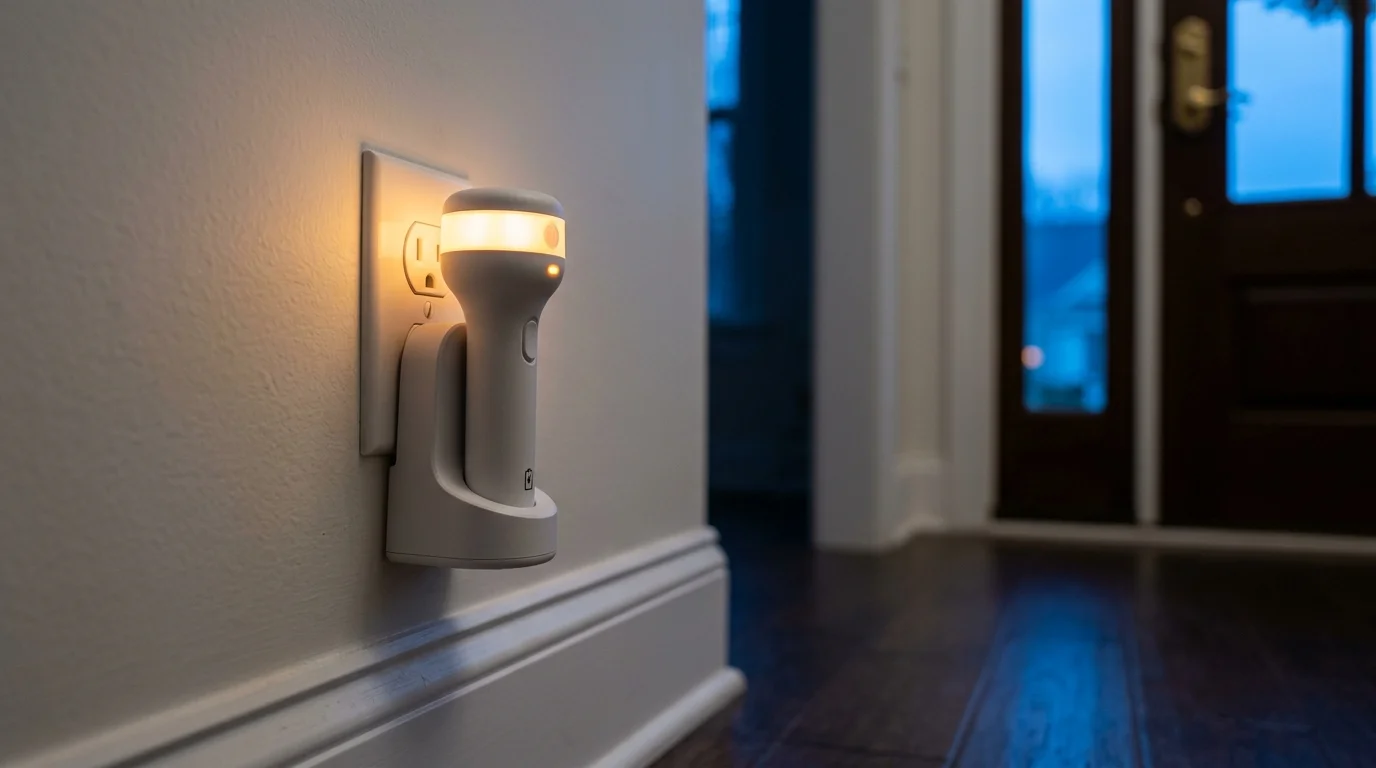
11 Emergency Flashlight and Power Failure Beacon
Severe storms and grid outages plunge homes into darkness without warning. Keeping an emergency light near the front door guarantees rapid illumination when seconds count.
The National Fire Protection Association (NFPA) emphasizes maintaining clear, unobstructed, and readily accessible exit pathways during home emergencies.
Install a plug-in LED emergency light into your lowest entryway electrical outlet. These smart units charge continuously and illuminate automatically during a sudden power outage.
You can also pull the unit from the socket to use it as a handheld torch. This provides instant visibility without forcing you to rummage through dark drawers.
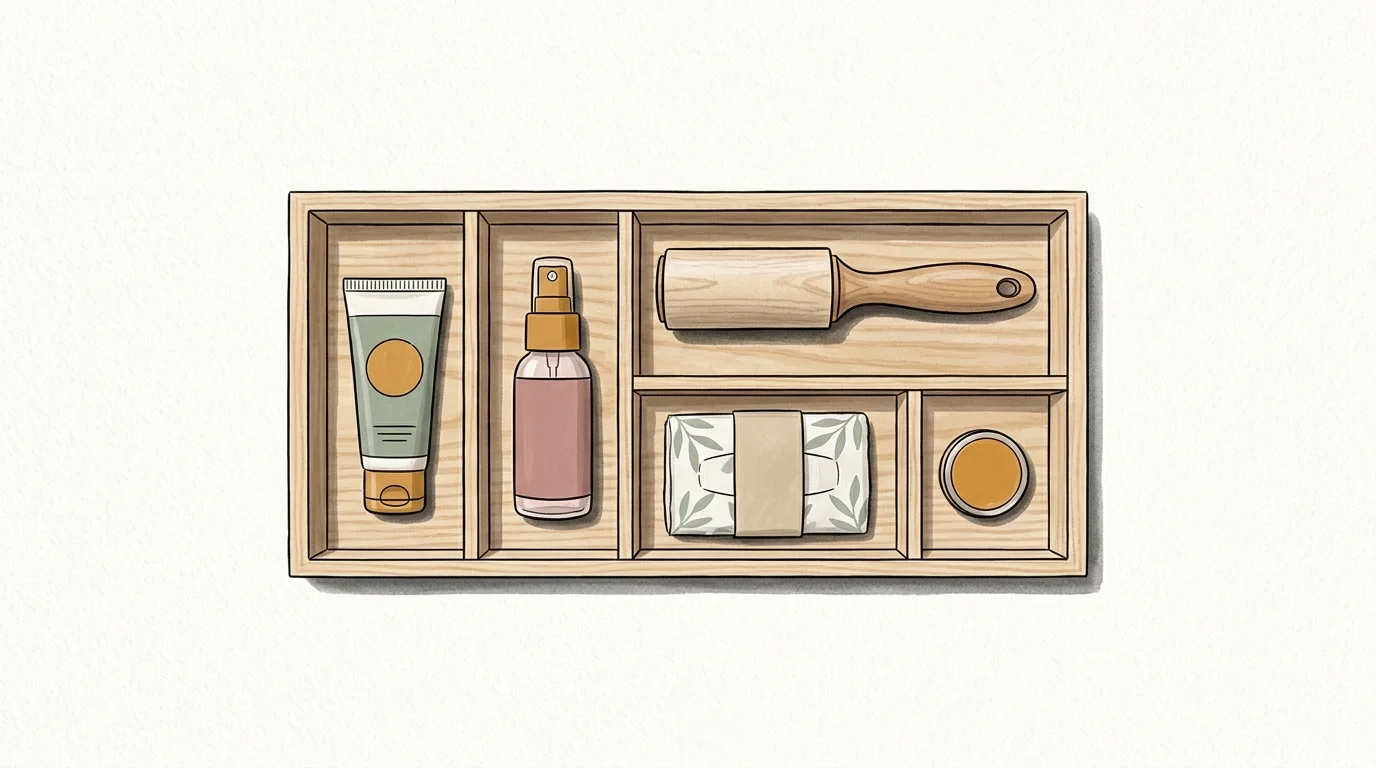
12 Grab-and-Go Personal Care Kit
Daily snags like stray pet hair, chapped lips, or sticky hands often appear just as you step outside. A small personal care kit handles these issues on the spot.
Stock a decorative tabletop box or small drawer with a mini lint roller, pocket tissues, and hand sanitizer. You can freshen your outfit in seconds without tracking back inside.
Include seasonal protection like lip balm with SPF, insect wipe packets, and spare sunglasses. Having these items on hand ensures you never leave home unprepared.
Audit this kit at the start of every season to replenish depleted supplies. Discard dried wipes and replace empty sanitizer bottles promptly.
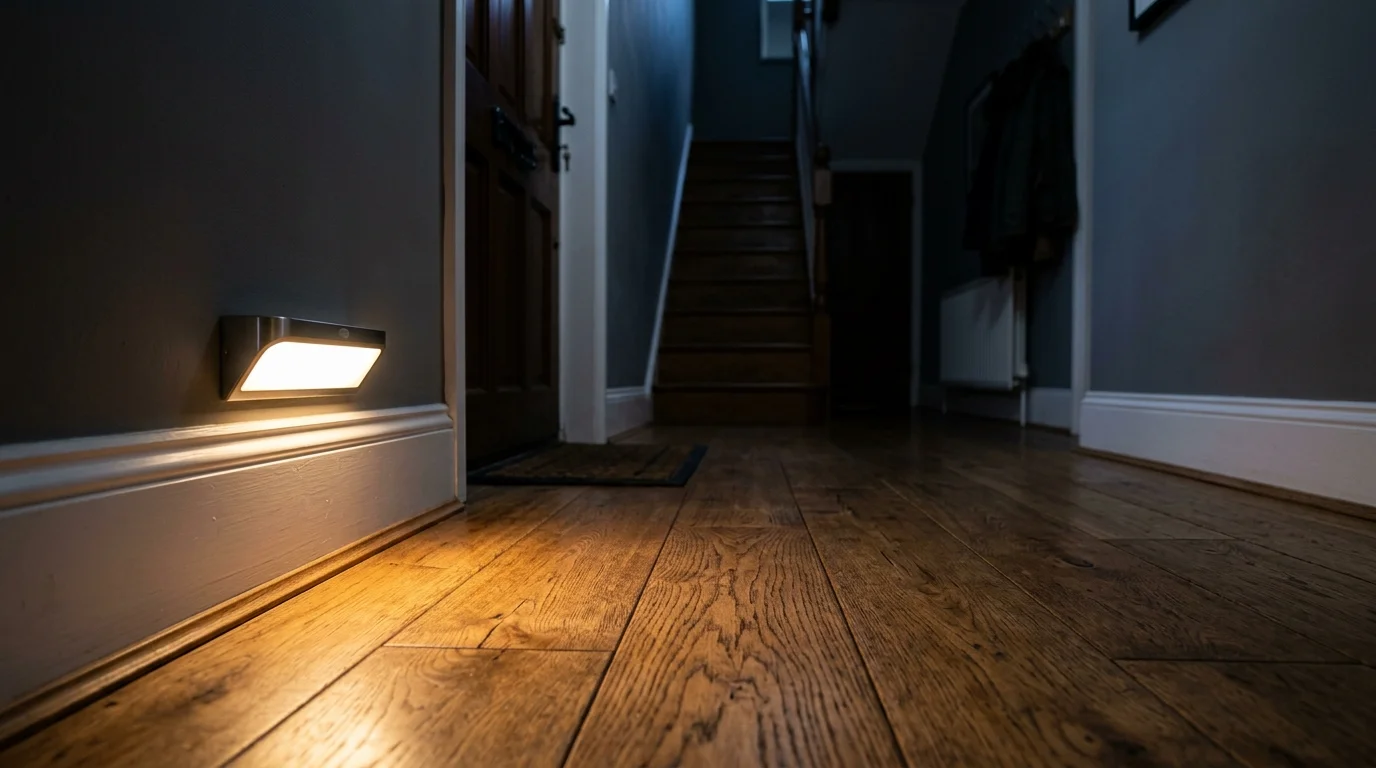
13 Clear Path Task and Motion-Sensor Night Lighting
Walking into a pitch-black foyer while carrying heavy bags presents a severe tripping hazard. Hands-free task and night lighting illuminates your path safely.
Install a motion-activated ceiling light or plug-in wall sensor. The light turns on the moment you open the door, giving you instant hands-free visibility.
Select soft white bulbs around 2700 Kelvin rather than harsh cool white tones. Warm light provides sufficient illumination for tasks without straining your eyes at night.
For older adults navigating at night, a continuous low-lumen nightlight along the baseboard prevents disorientation. Clear illumination ensures a safe journey between your entrance and living spaces.
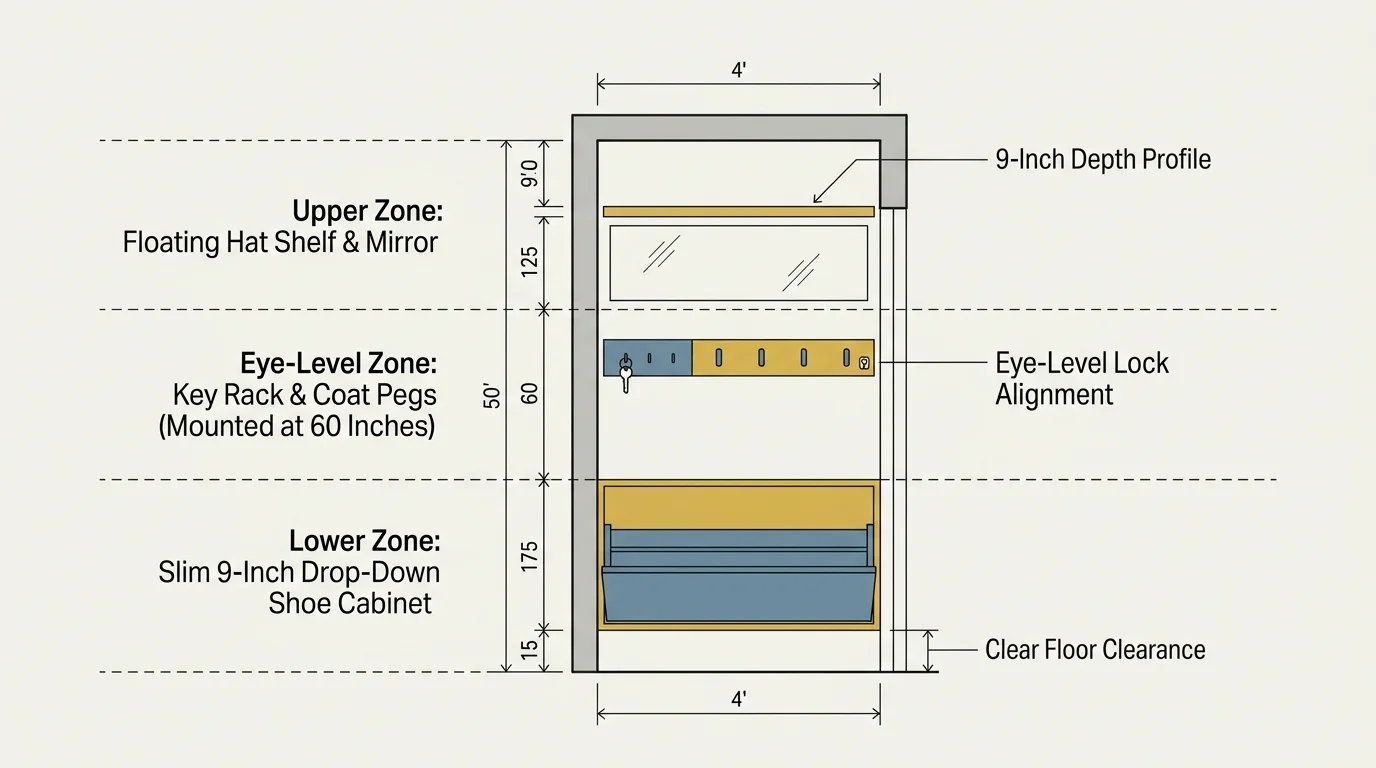
How to Arrange Your Entryway Essentials in Tight Spaces
Not every home features an expansive mudroom or dedicated foyer. You can still incorporate these entryway must-haves into narrow hallways by prioritizing vertical storage solutions.
Mount coat hooks above a low shoe bench to make the most of unused vertical wall area. This configuration preserves precious floor space while keeping walkways completely clear.
If you lack space for a console table, choose a floating wall shelf with built-in hooks beneath it. This compact combination holds your key tray and mail sorter simultaneously.
Explore creative front door decor ideas that merge elegance with daily function. A sleek brass hook rail or framed mirror adds aesthetic charm without creating unnecessary clutter.
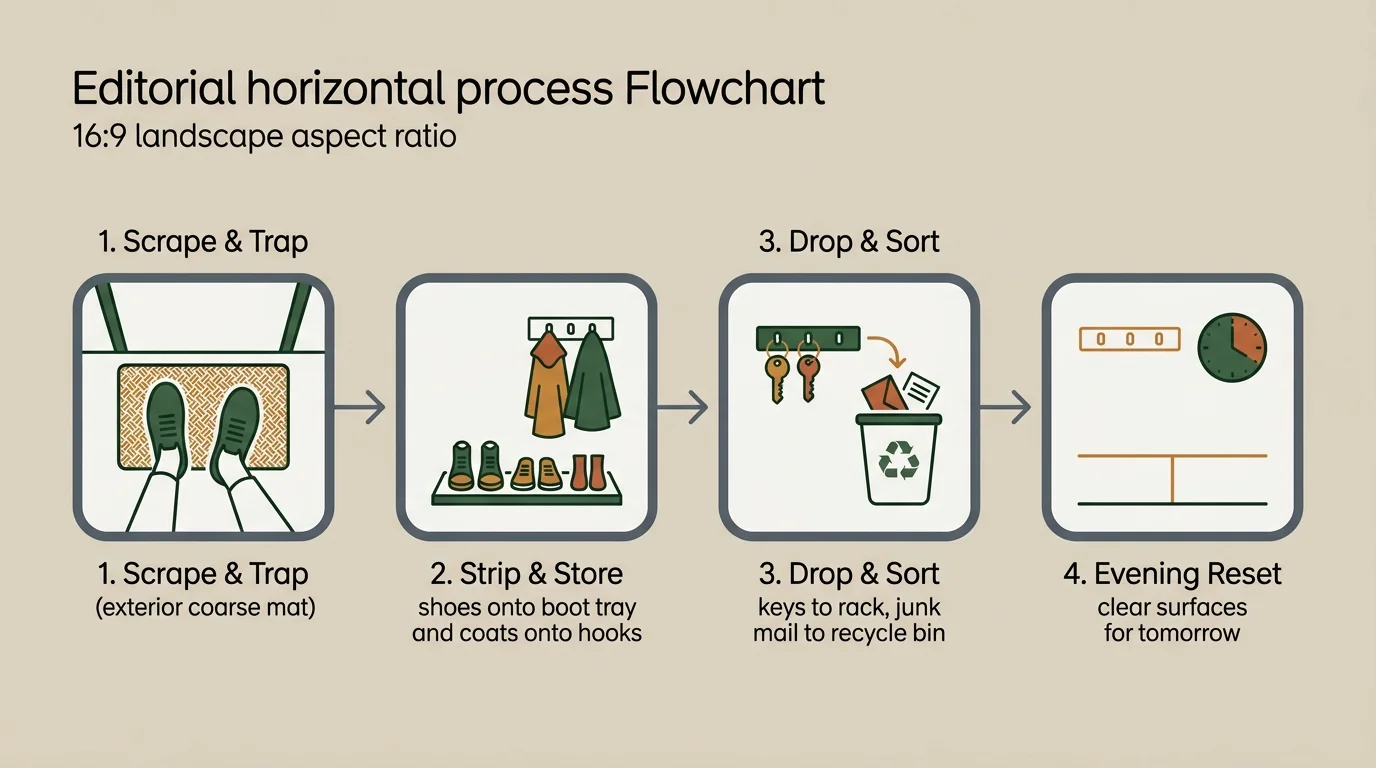
Four Practical Foyer Organization Tips for Daily Flow
Implementing mudroom organization ideas requires thoughtful habits alongside good storage hardware. These practical routines ensure your front entrance remains tidy and stress-free all year long.
- Establish a one-coat rule: Keep only your primary current jacket on the wall hook. Store extra coats in a bedroom or hall closet to prevent hook overload.
- Conduct a Sunday evening reset: Spend five minutes every weekend emptying the outgoing basket, sorting spare mail, and returning stray shoes to bedroom closets.
- Designate personal zones: If you share your home, assign individual hooks and shoe cubbies to each family member. Clear personal ownership prevents shared areas from becoming messy.
- Keep the walking path clear: Never allow backpacks, boxes, or sporting gear to linger directly in front of the door swing. Unobstructed pathways ensure safe emergency egress.
Consistency transforms these simple foyer organization tips into lifelong habits. When every item has an intuitive home, keeping your foyer neat becomes second nature.
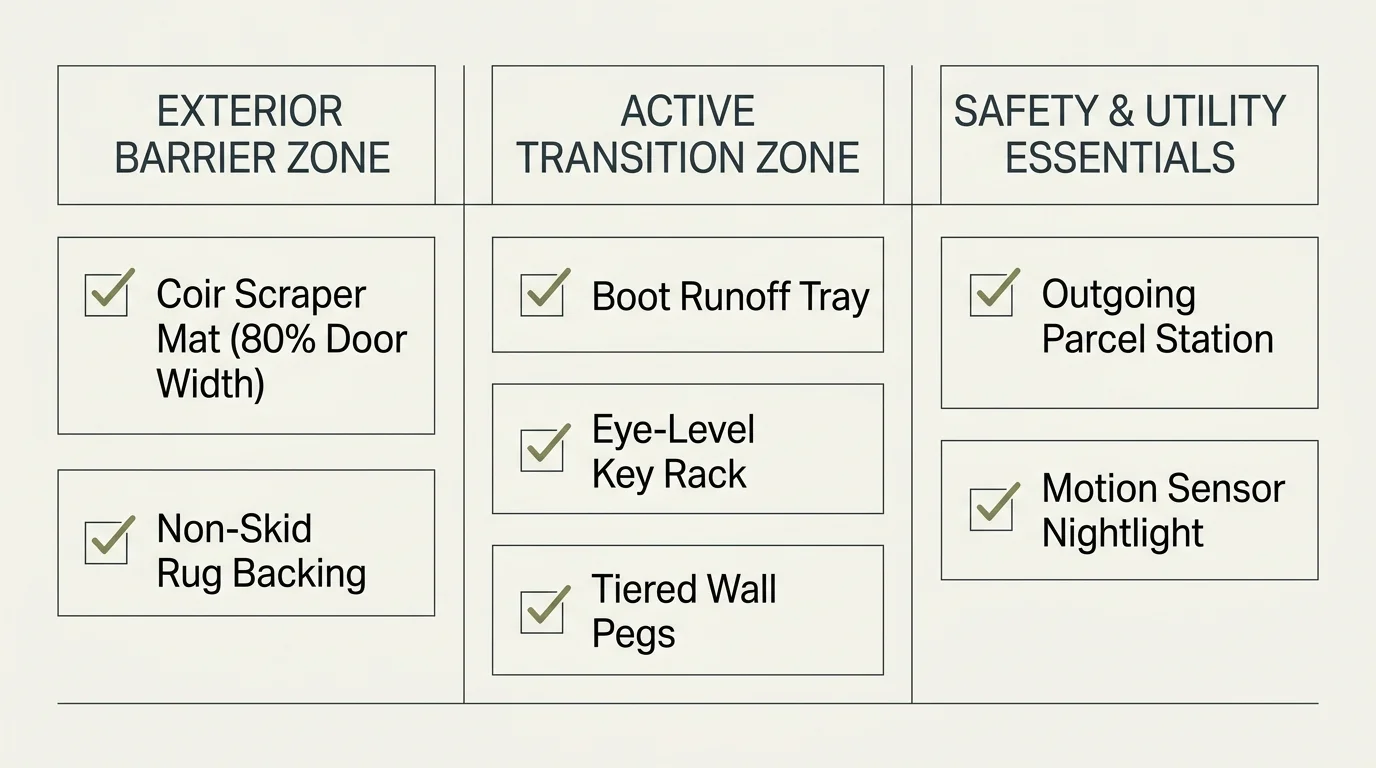
Front Door Organization and Safety Checklist
Use this reference guide to balance cleanliness, convenience, and safety in your front entry zone.
| Entryway Item | Primary Function | Ideal Placement | Care Frequency |
|---|---|---|---|
| Exterior Scraper Mat | Stops dirt, gravel, and outdoor toxins | Outside front door threshold | Shake weekly |
| High-Traction Interior Rug | Absorbs moisture and prevents slips | Inside entryway threshold | Wash monthly |
| Shoe Rack or Boot Tray | Eliminates floor tripping hazards | Adjacent to door swing | Rinse monthly |
| Wall-Mounted Key Hook | Prevents lost keys and morning delays | Eye level next to light switch | Wipe monthly |
| Sturdy Coat Hooks | Quick hanging for daily outerwear | Stud-mounted along open wall | Declutter weekly |
| Entryway Bench | Safe, seated footwear removal | Along primary entrance wall | Wipe down monthly |
| Wall Mirror | Quick appearance check and light bounce | Centered at eye level | Clean bi-weekly |
| Umbrella Stand | Prevents wet floor puddles | Corner near door hinge | Empty after rain |
| Mail Sorter and Bin | Eliminates paper clutter immediately | Console table or lower wall | Recycle weekly |
| Outgoing Items Basket | Prevents forgotten errand items | Low console shelf or floor | Check daily |
| Emergency Light | Provides instant illumination in blackouts | Low electrical wall outlet | Test semi-annually |
| Personal Care Kit | Quick fixes before departure | Small table drawer or box | Restock quarterly |
| Motion-Sensor Light | Hands-free illumination at night | Overhead fixture or baseboard | Check batteries yearly |
Put Your Front Door Essentials into Action
Take five minutes today to audit your current front door area. Identify which missing essentials cause the most daily friction or mess in your routine.
Start by addressing floor safety first. Anchoring your rugs and establishing a designated shoe zone will instantly bring order and cleanliness to your home.