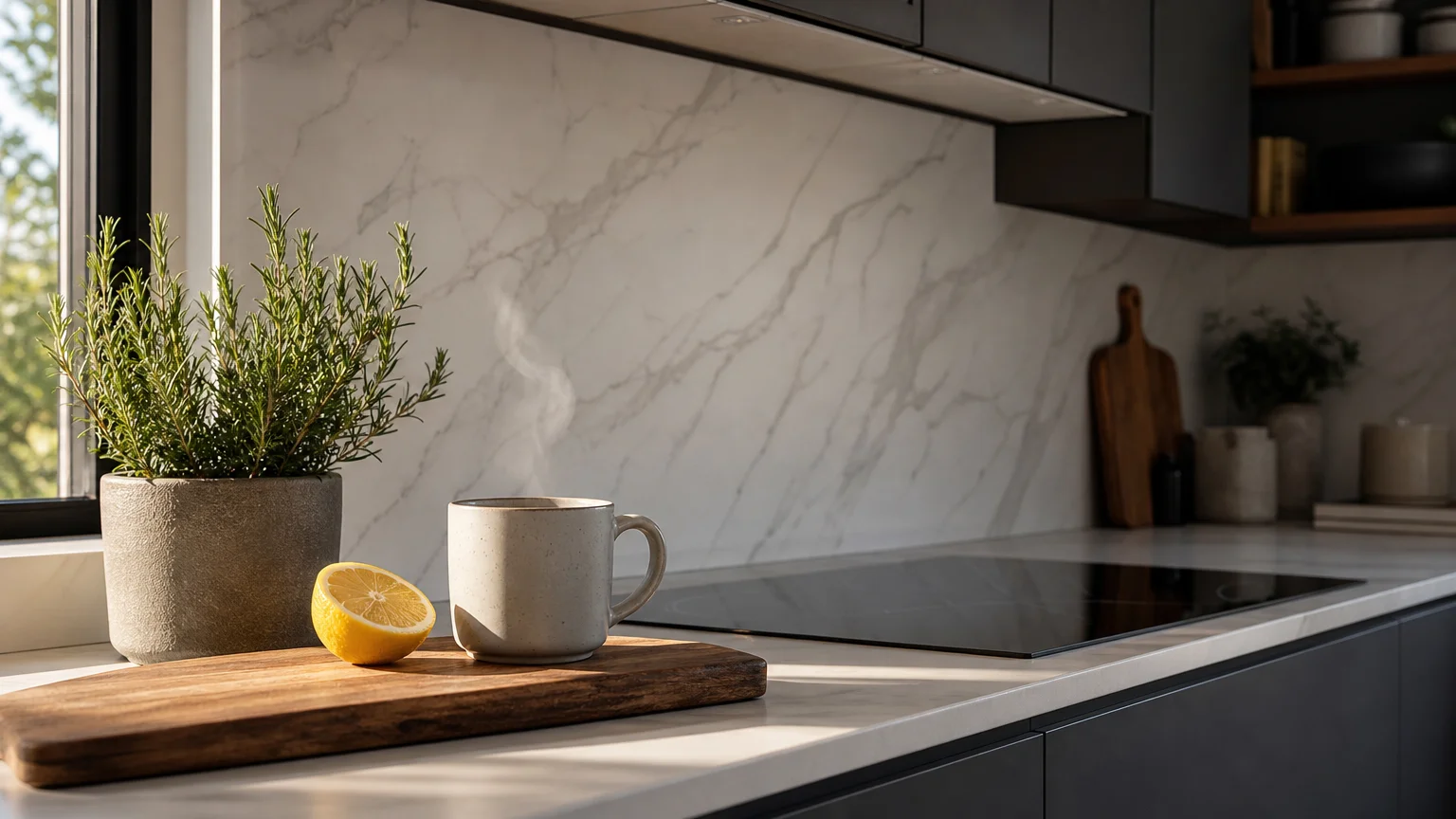
Upgrading your cooking space with a stylish focal point does not mean you have to spend hours scrubbing grease out of tiny grout lines. By choosing an easy-to-clean backsplash, you instantly reduce your daily chores while elevating your home aesthetic. The secret to a low-maintenance kitchen lies in smooth surfaces, minimal seams, and materials that naturally resist stains and heat. Whether you prefer a sleek modern look or a classic traditional vibe, plenty of options combine durability with beautiful design. You can achieve stunning kitchen design ideas without sacrificing practicality. Explore these carefully selected materials that wipe down effortlessly, resist cooking splatters, and keep your kitchen looking pristine with just a quick swipe of a damp cloth.
The Hidden Problem with Traditional Kitchen Backsplashes
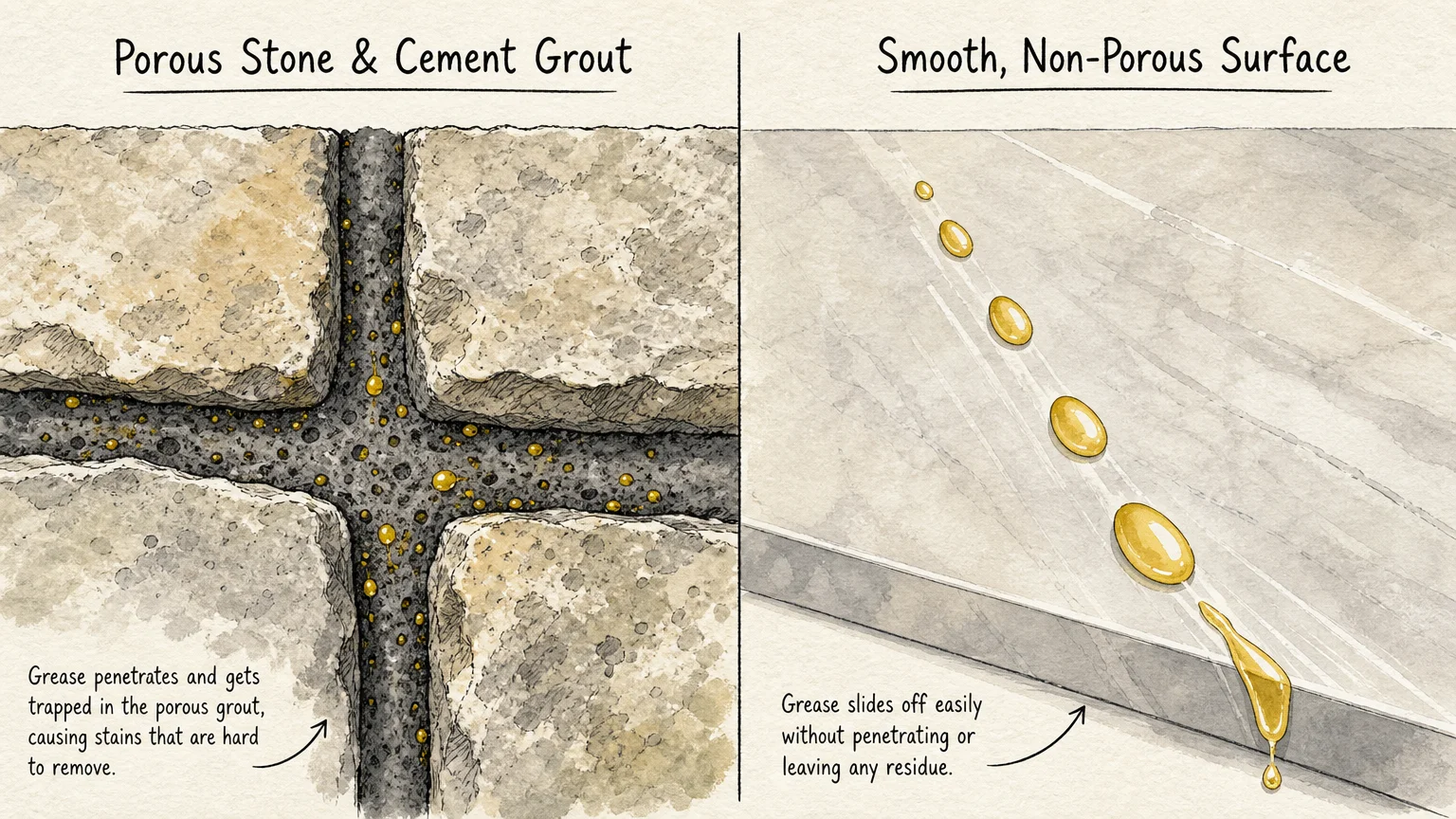
Many homeowners fall in love with intricate mosaics or rough natural stone during the renovation process. However, these choices often become a nightmare once the kitchen sees daily use. The main culprit behind a high-maintenance backsplash is texture and porosity.
When cooking oils vaporize, they carry tiny food particles that settle onto surrounding vertical surfaces. If your backsplash is heavily textured or features hundreds of porous cement grout lines, that grease bakes directly into the surface. Over time, this buildup turns into a sticky, discolored film that requires aggressive chemical cleaners and stiff-bristle brushes to remove. For adults looking to simplify their daily routines—especially older adults seeking to eliminate strenuous scrubbing—this creates unnecessary physical strain.
Porous surfaces near sinks and food preparation zones can also harbor bacteria. According to FDA studies on retail food establishments, the texture and material composition of a surface directly influence how effectively it can be cleaned. Smooth, non-porous materials consistently outperform textured surfaces when removing allergens and pathogens. Switching to a seamless design eliminates the microscopic crevices where grime hides.
01 Back-Painted Glass Panels
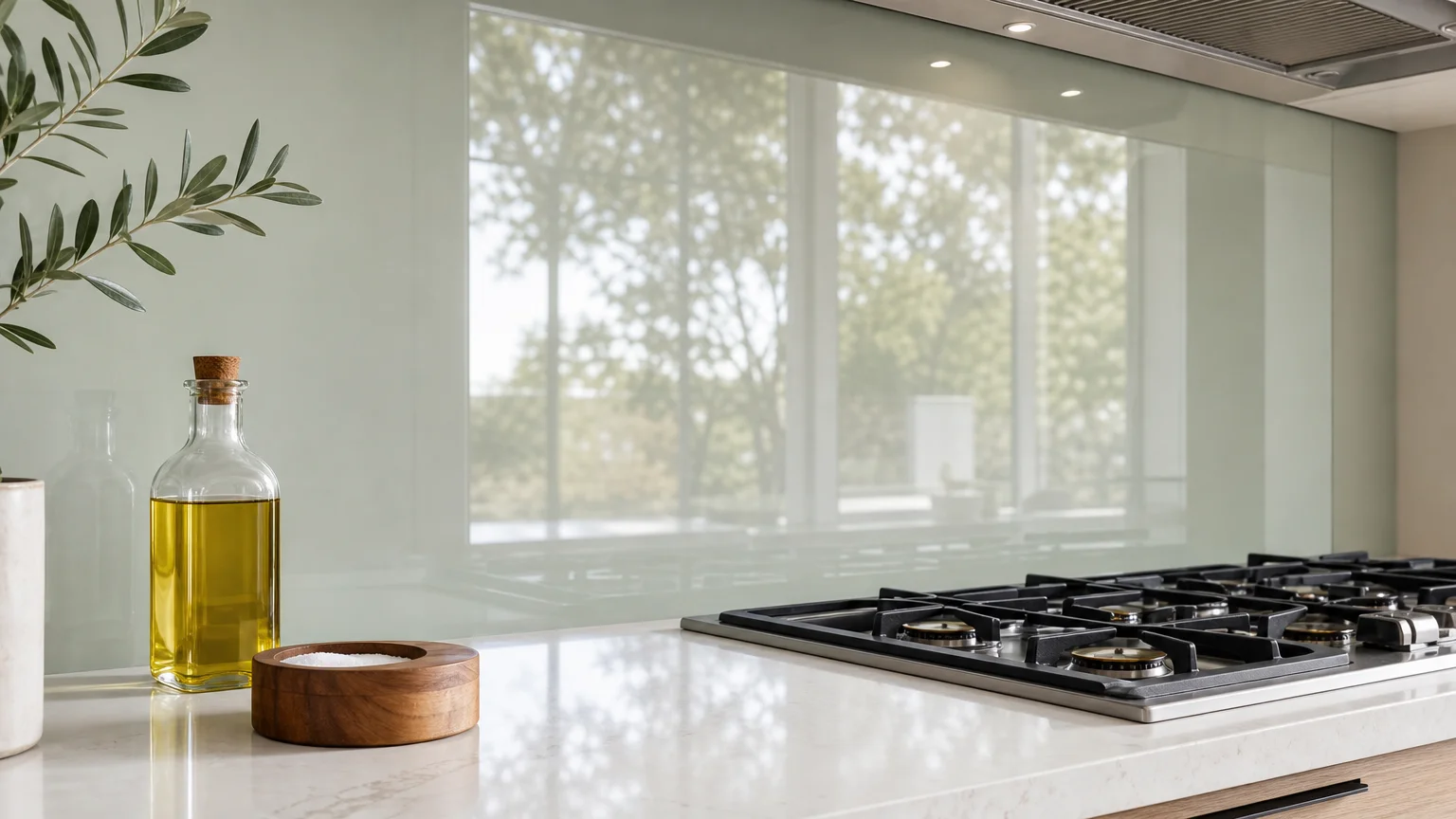
Glass panels offer an incredibly sleek and modern aesthetic while remaining one of the most hygienic options available for a kitchen. Fabricators custom-cut a large sheet of tempered glass to fit the exact dimensions of your wall, paint the reverse side, and adhere it directly to the drywall.
Design Appeal: The reflective quality of glass bounces light around the room, making a small kitchen feel much larger. Because the color is painted on the back, it remains completely protected from scratches, heat, and moisture. You can select any custom color to match your cabinetry.
The Cleaning Advantage: Glass is completely non-porous and naturally resists bacterial growth. The continuous surface means you have absolutely no seams or grout lines behind your stove where grease typically accumulates.
Pro Maintenance Tip: Use a simple mixture of equal parts white vinegar and distilled water in a spray bottle. Wipe the glass with a flat-weave microfiber cloth to achieve a streak-free shine. When selecting the paint and adhesives for the backing, ensure your contractor uses low-VOC products to maintain safe indoor air quality as the installation cures.
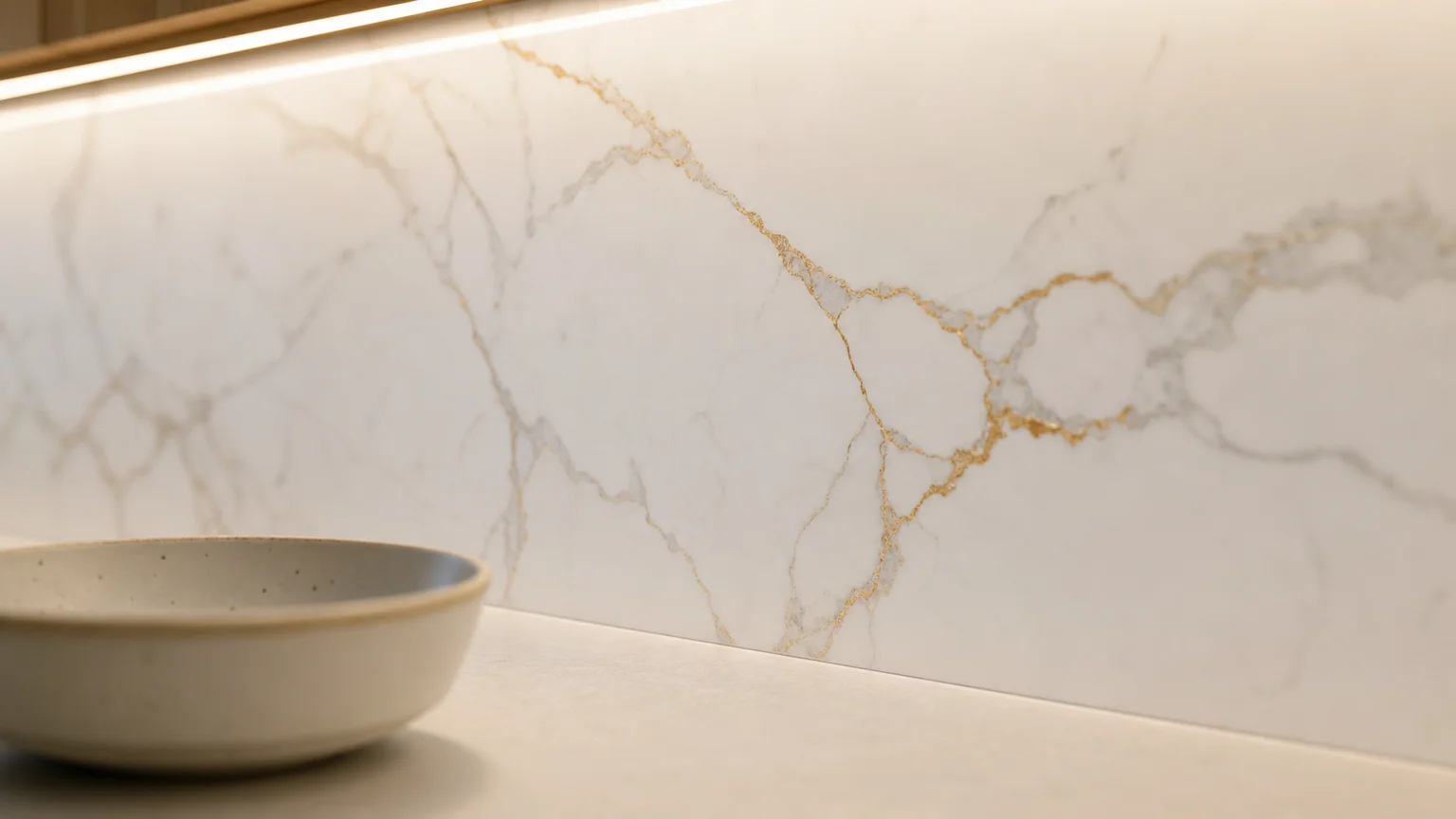
02 Large-Format Porcelain Slabs
If you love the dramatic, luxurious look of natural marble but dread the upkeep, large-format porcelain slabs provide the ultimate compromise. Advances in digital printing allow manufacturers to create porcelain sheets that perfectly mimic the intricate veining of high-end natural stone.
Design Appeal: You achieve a continuous, elegant stone appearance that pairs perfectly with modern or transitional kitchen design ideas. Using a single oversized slab creates a dramatic focal point that elevates the entire room.
The Cleaning Advantage: Natural marble is notoriously porous and highly prone to etching from acidic foods like tomato sauce and lemon juice. Porcelain undergoes firing at extremely high temperatures, resulting in a virtually impervious surface. It does not require annual sealing, will not stain, and handles high heat beautifully.
Pro Maintenance Tip: A drop of mild dish soap on a damp sponge easily lifts cooking splatters. Because the slab is continuous, you save considerable time that you would otherwise spend scrubbing the intricate grout lines of traditional tile.
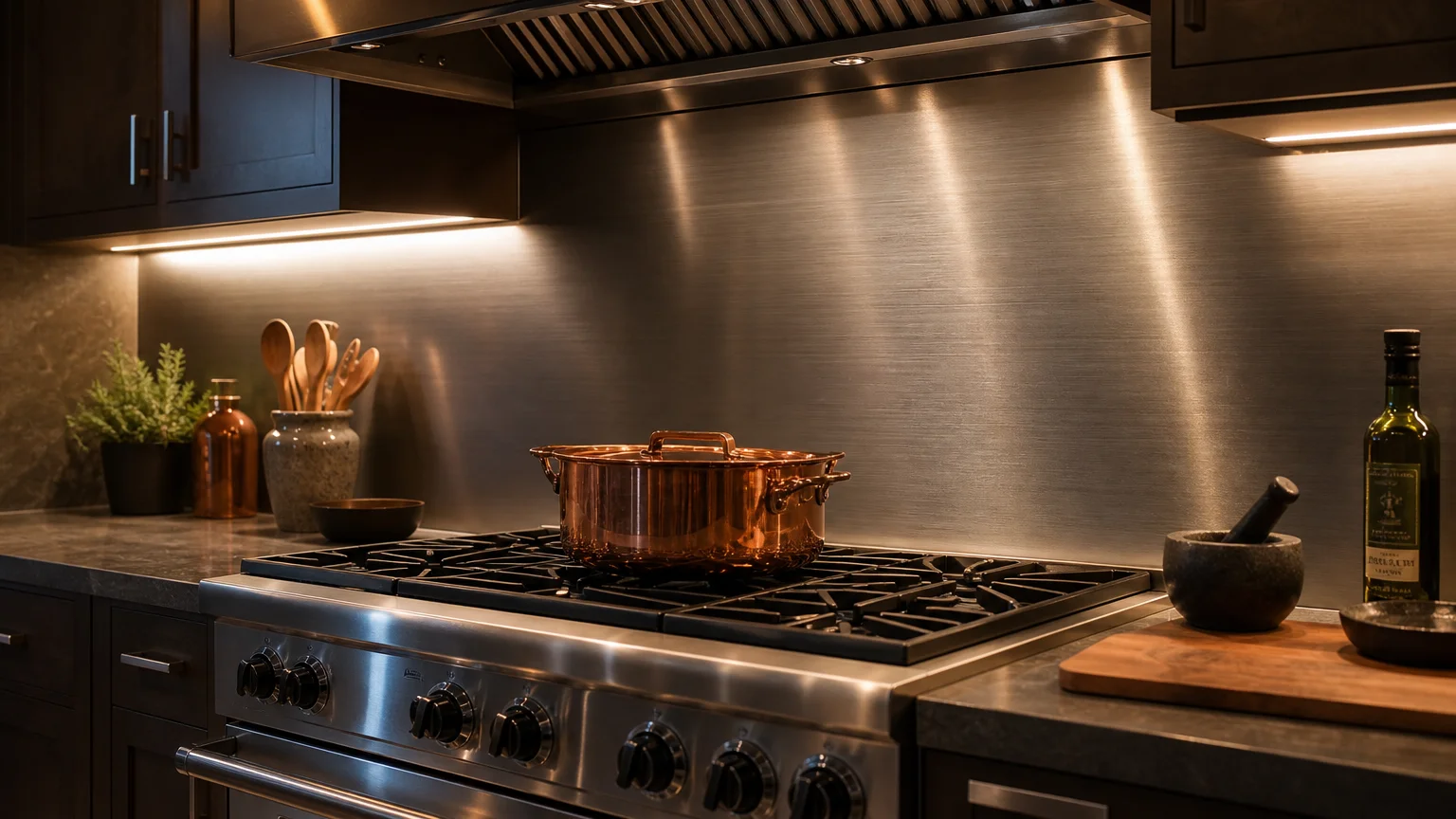
03 Stainless Steel Sheets
There is a very good reason why commercial kitchens rely heavily on stainless steel. It remains the absolute gold standard for a low-maintenance kitchen that prioritizes hygiene, durability, and efficiency.
Design Appeal: Stainless steel instantly lends a professional, chef-inspired look to your home. It pairs seamlessly with stainless appliances and adds a modern, industrial edge to the space.
The Cleaning Advantage: Stainless steel is completely non-porous and highly resistant to heat, water, and stains. The smooth, uninterrupted surface actively prevents the formation of biofilms, making it incredibly easy to sanitize after handling raw ingredients near your countertops.
Pro Maintenance Tip: Always wipe parallel to the grain of the steel to avoid microscopic scratching. To remove stubborn fingerprints and restore the original shine, apply a few drops of mineral oil or olive oil to a soft cloth and buff the surface gently. Never use chlorine bleach; it can pit and damage the metal permanently.
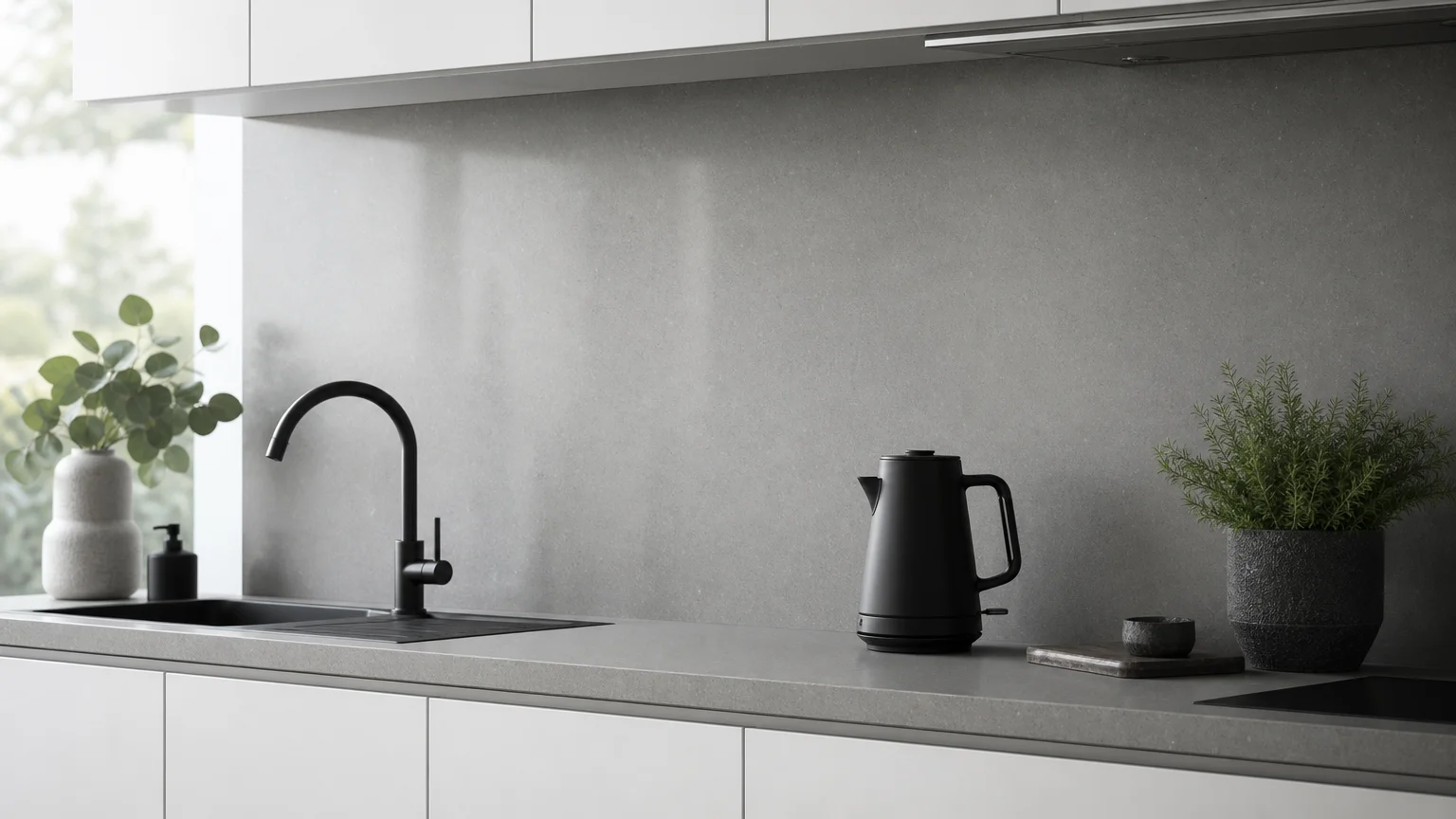
04 Engineered Quartz Slabs
Carrying your countertop material straight up the wall as a backsplash ranks among the most popular current backsplash trends. Engineered quartz makes this seamless vertical transition both stunning and highly practical.
Design Appeal: Running the same material from the horizontal counter to the vertical wall creates a visually quiet and cohesive space. This uninterrupted flow makes ceilings look higher and completely eliminates visual clutter.
The Cleaning Advantage: Unlike natural granite or quartzite, manufacturers bind engineered quartz with durable polymer resins. This creates a completely non-porous surface that stops liquids from penetrating. Many premium quartz brands maintain strict NSF International certification for food equipment materials, ensuring they feature smooth, cleanable surfaces that do not harbor harmful bacteria.
Pro Maintenance Tip: While quartz is incredibly stain-resistant, you should still wipe up dark liquids like red wine or coffee promptly to prevent surface residue from drying. Use a non-abrasive surface cleaner and avoid harsh scouring pads that can dull the resin finish over time.
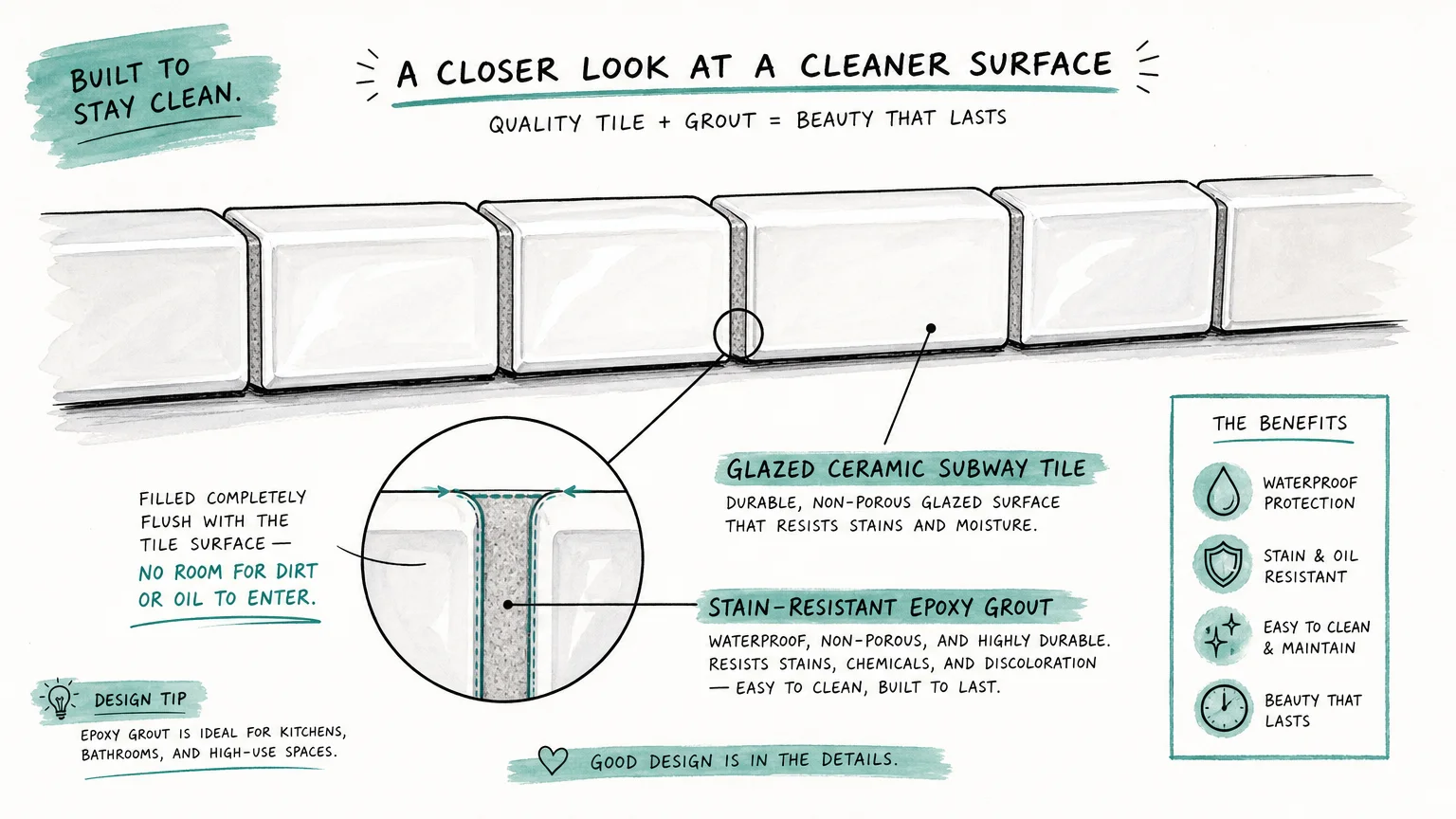
05 Ceramic Subway Tile Upgraded with Epoxy Grout
If you cannot let go of the classic, textured look of a tiled backsplash, you can still achieve an easy-to-clean environment by changing one critical installation component.
Design Appeal: Subway tile offers a timeless aesthetic that fits beautifully into farmhouse, traditional, and contemporary kitchens alike. The smooth, glazed ceramic surface of the tile itself easily sheds water and oil.
The Cleaning Advantage: The fundamental problem with tile installations has never been the tile; it is the standard cement-based grout. Cement grout absorbs grease like a sponge. By upgrading to epoxy grout, you create a waterproof, highly durable grid. Epoxy grout utilizes specialized resins and a hardener, making it impervious to stains and immune to the mold issues that plague traditional grout.
Pro Maintenance Tip: Epoxy grout never requires annual chemical sealing. You can clean your tiled wall simply by spraying it with a mild all-purpose cleaner and wiping it down with a standard kitchen towel. The grease will wipe right off the grout lines just as easily as it wipes off the glazed tile.
06 Solid Surface Materials
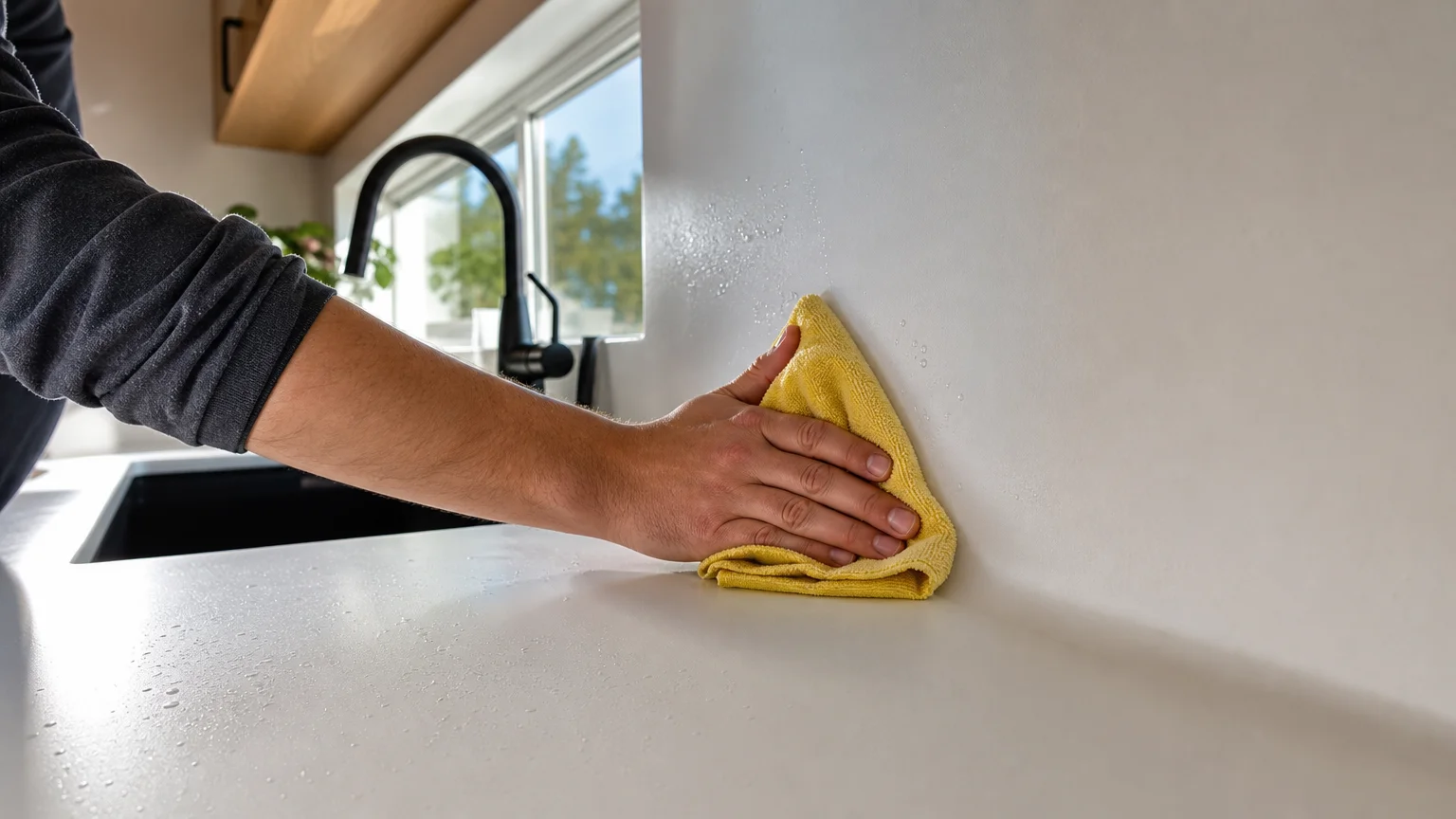
Solid surface materials are composed of acrylic polymers blended with natural minerals. They have served as a staple in hygienic, low-maintenance design for decades.
Design Appeal: Solid surface materials offer an incredibly clean, minimalist aesthetic. Manufacturers produce them in almost any color, including options that closely mimic natural stone or concrete. The standout feature is that the backsplash can be coved and fused directly to the countertop, leaving zero visible joints.
The Cleaning Advantage: Because the transition from the counter to the wall is a smooth, curved sweep of material rather than a hard 90-degree caulked corner, dirt and crumbs have absolutely nowhere to get trapped. The material remains fully non-porous throughout its entire thickness.
Pro Maintenance Tip: You can buff minor scratches or stubborn scuffs right out of a solid surface using a mild abrasive pad. For daily cleaning, warm soapy water works perfectly. Avoid exposing solid surface materials to extreme heat; always use a heat shield or leave adequate spacing if installing it directly behind a high-BTU gas range.
07 High-Gloss Glazed Hexagon Tiles
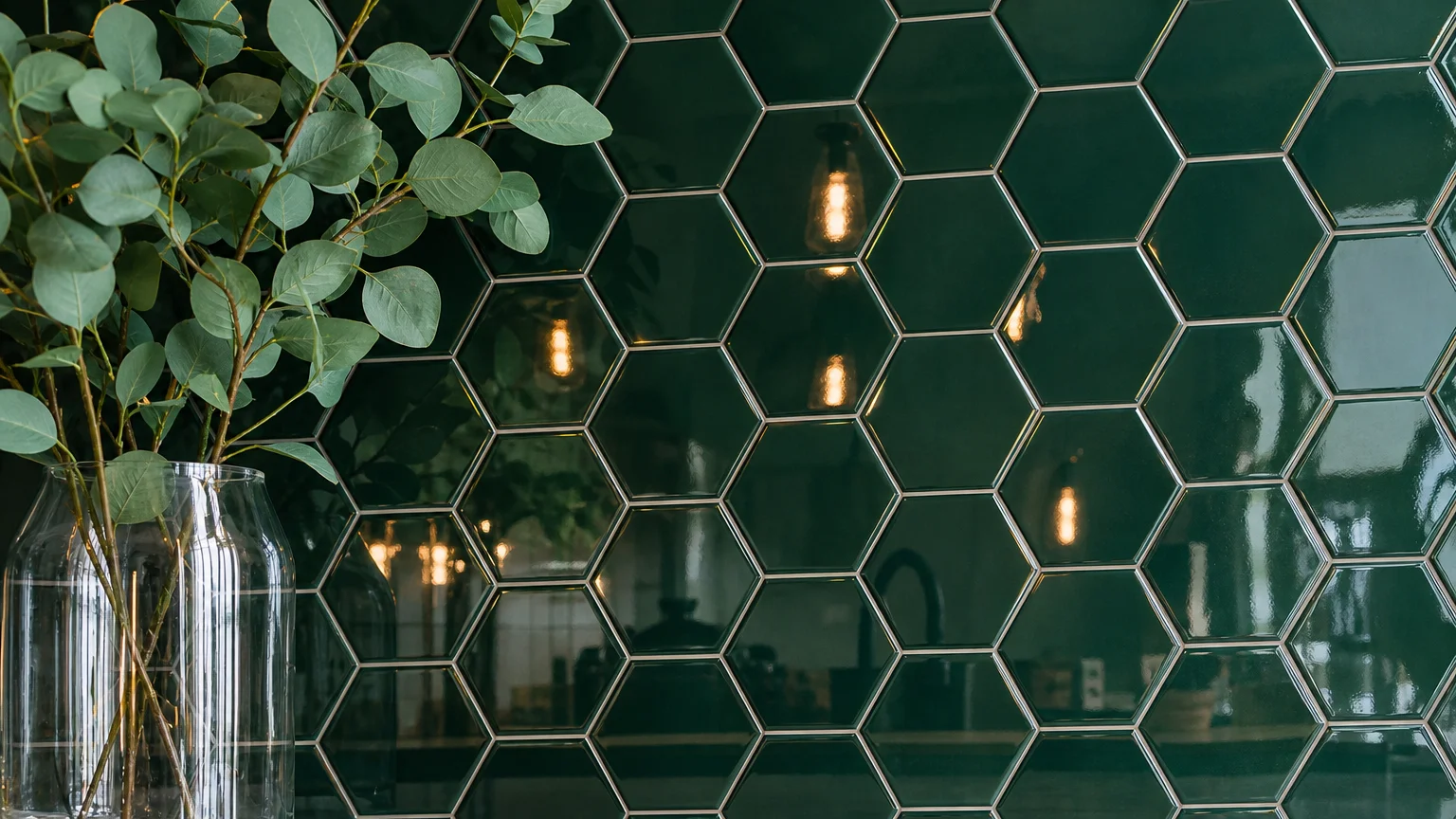
If you want to introduce geometric shapes and vibrant colors into your kitchen design ideas, glazed tiles offer a fantastic route. The trick to keeping them low-maintenance is to carefully select the right finish and scale.
Design Appeal: Large hexagon tiles offer striking visual texture. A high-gloss finish reflects light and highlights the depth of the glaze, creating a dynamic, artistic focal point.
The Cleaning Advantage: A high-gloss glaze acts as an impenetrable glass-like barrier over the ceramic body of the tile. Cooking splatters simply cannot penetrate this fired barrier. By choosing large-format tiles—such as 8-inch or 10-inch hexagons—you drastically reduce the total square footage of grout lines on your wall.
Pro Maintenance Tip: Keep a small squeegee under your kitchen sink. If you generate a lot of steam or splatter while cooking, a quick pass with the squeegee over the glossy tiles pushes the mess straight down to the counter where you can wipe it up easily, preventing buildup on the remaining grout lines.
08 Copper Sheeting
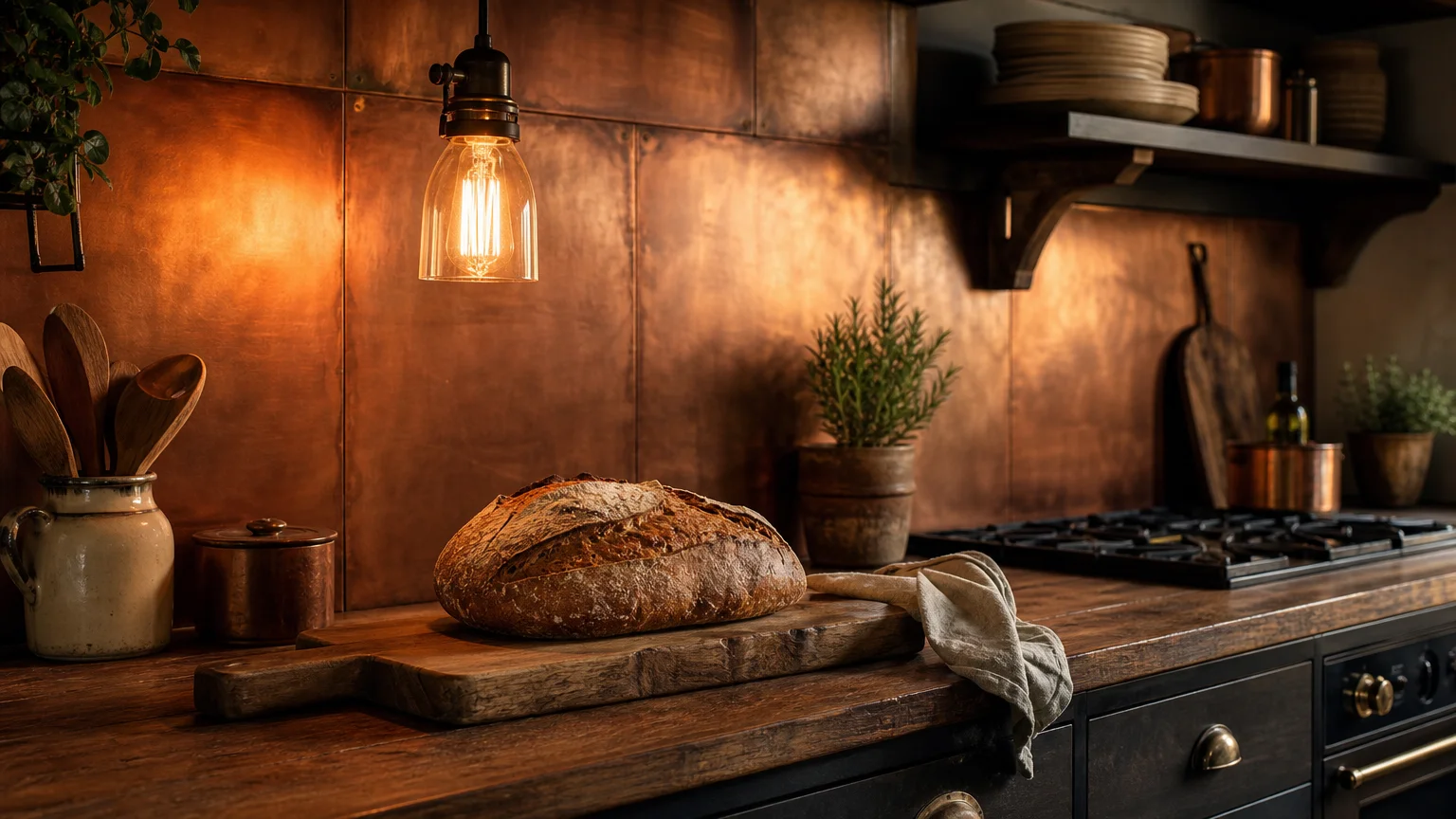
For a truly unique, warming aesthetic, copper sheeting serves as an extraordinary choice that naturally manages its own cleanliness.
Design Appeal: Copper brings a rich, metallic warmth that works beautifully in rustic, industrial, or historic homes. You can maintain a highly polished finish for a glamorous look or let it naturally oxidize for a deeply textured, organic patina.
The Cleaning Advantage: Copper possesses inherent antimicrobial properties. The surface naturally disrupts the cellular structure of bacteria and viruses, effectively destroying them on contact. If you allow the copper to develop a natural patina, minor water spots and cooking splatters simply blend right into the living finish of the metal, making it incredibly forgiving.
Pro Maintenance Tip: If you prefer the bright, polished look of new copper, you must apply a specialized sealant or polish it regularly. If you prefer a low-maintenance approach, simply let the copper age naturally. Wipe away heavy cooking grease with mild soap and water, and let the metal evolve visually on its own.
09 Tempered Mirror Glass
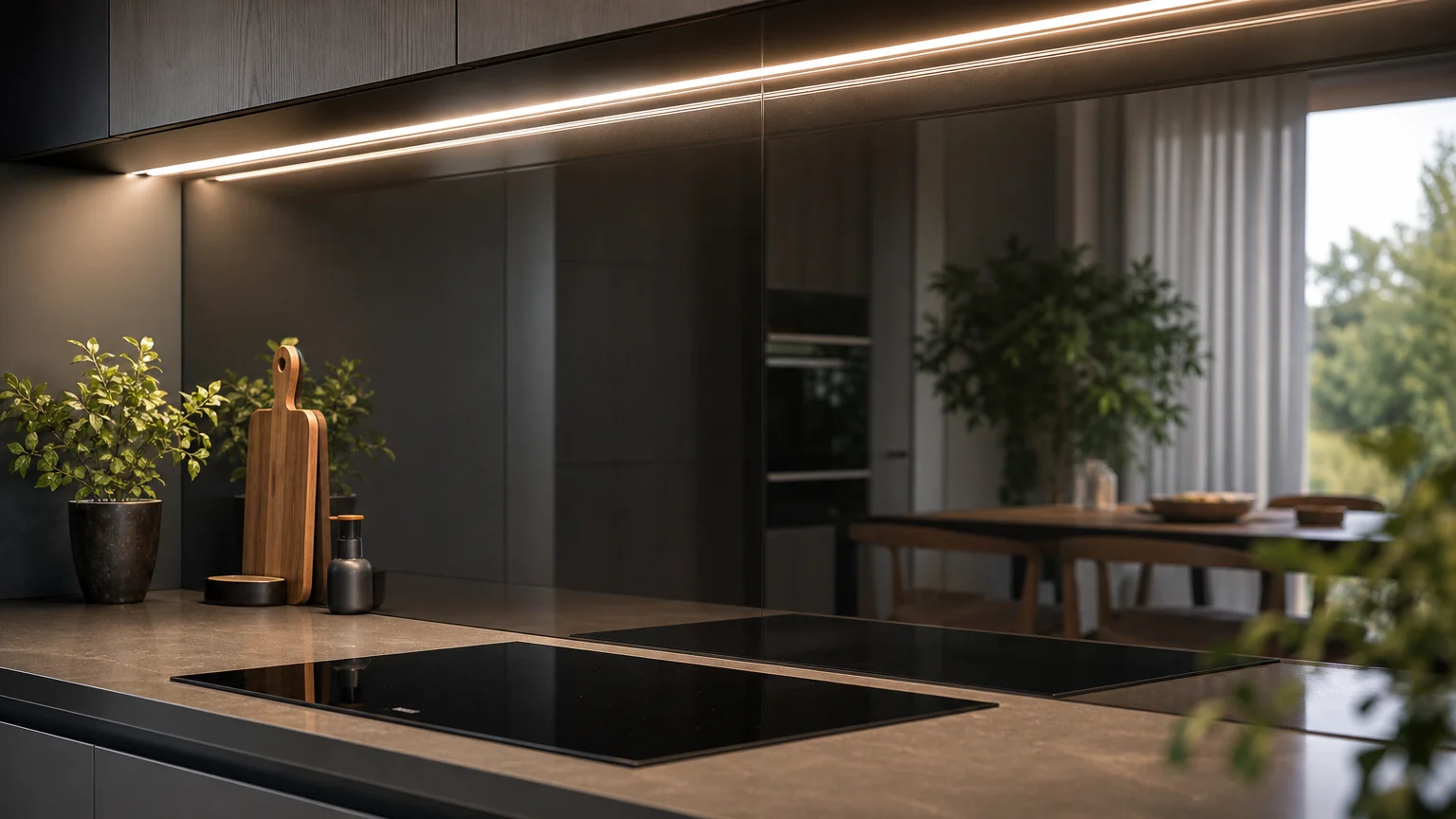
Mirrored backsplashes have seen a massive resurgence in recent backsplash trends, particularly in compact urban kitchens or spaces that lack natural sunlight.
Design Appeal: A mirrored backsplash visually doubles the depth of your kitchen. Antique or lightly smoked mirror finishes offer a sophisticated, moody elegance while hiding minor smudges much better than highly polished clear mirrors.
The Cleaning Advantage: Similar to standard painted glass, mirrored panels are completely smooth, non-porous, and devoid of grease-trapping grout lines. They wipe completely clean in seconds.
Pro Maintenance Tip: Safety is paramount when installing glass near heat. You must ensure your fabricator uses tempered glass, which is specially heat-treated to withstand the rapid temperature fluctuations behind a stovetop. Clean the surface with a mixture of rubbing alcohol and water to instantly dissolve grease and leave a perfectly clear reflection.
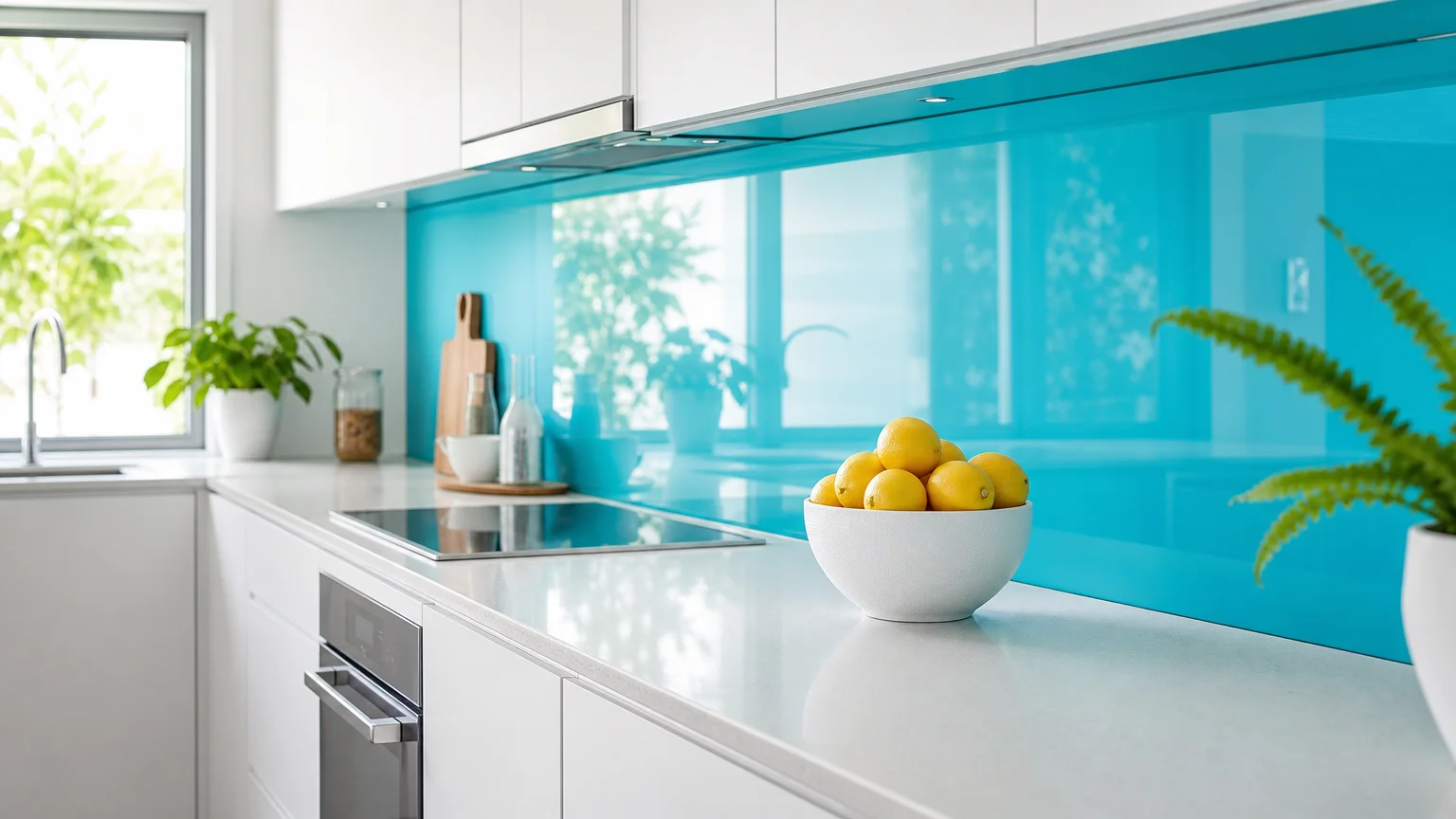
10 Acrylic Splashbacks
Acrylic panels are rapidly gaining popularity as a cost-effective, lightweight alternative to traditional back-painted glass.
Design Appeal: Acrylic delivers the identical high-gloss, seamless look of glass but can be cut and drilled on-site by a standard contractor. It comes in a massive variety of vibrant colors and bold patterns.
The Cleaning Advantage: The material is completely waterproof and perfectly smooth. Because installers mount it in large, seamless panels, you completely avoid the dirt-trapping crevices of a traditional tile layout.
Pro Maintenance Tip: Acrylic is physically softer than glass and can scratch if treated roughly. Never use abrasive scouring pads, steel wool, or harsh chemical solvents on an acrylic backsplash. A soft microfiber cloth combined with warm water and a few drops of dish detergent are all you need to keep it looking brand new.
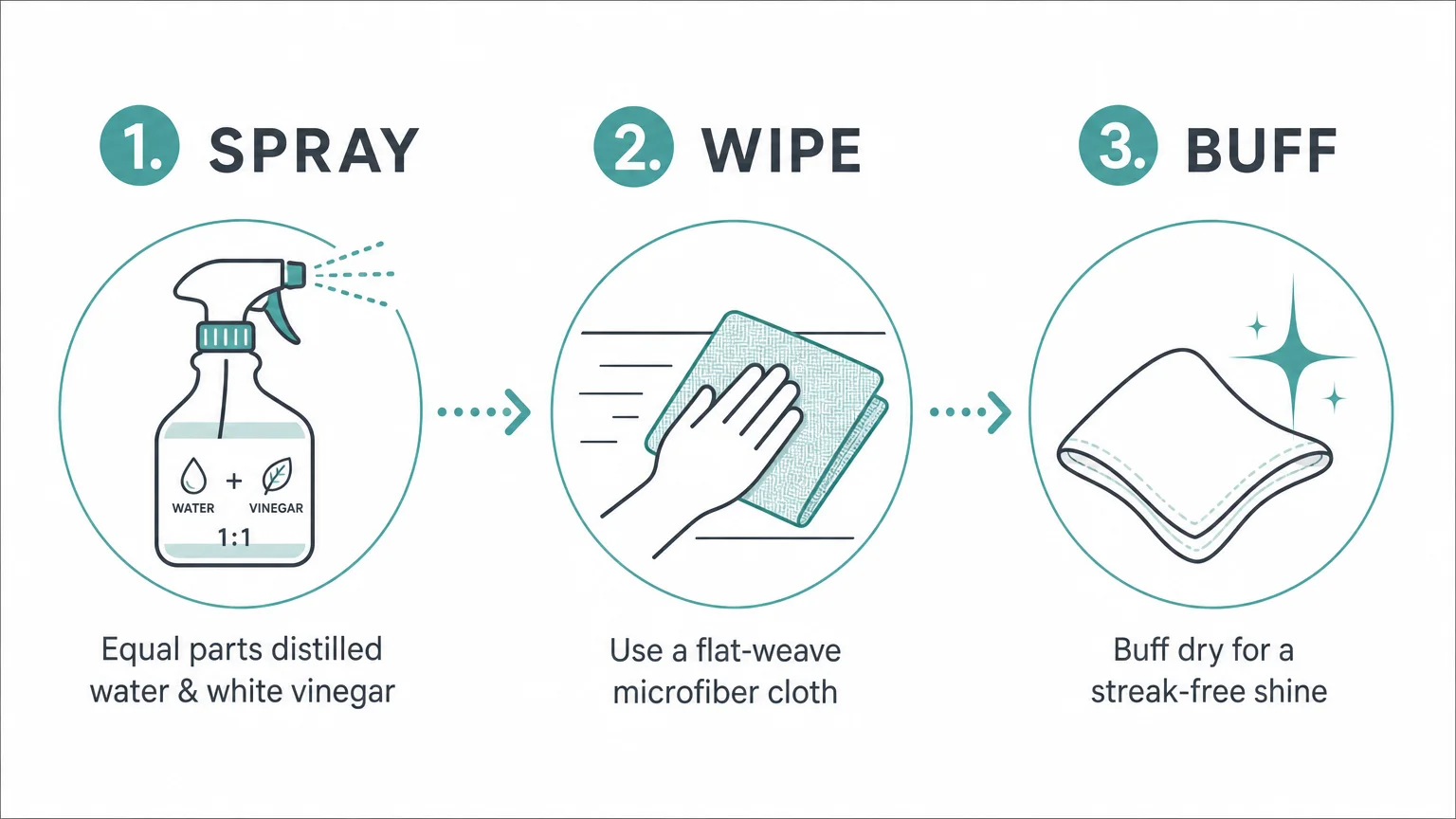
Step-by-Step Backsplash Maintenance Routine
Even the most forgiving, easy-to-clean materials require some basic upkeep to stay beautiful. Implement this simple routine to maintain a pristine, low-maintenance kitchen:
- Step 1: Tackle fresh splatters immediately. The absolute easiest time to clean grease or tomato sauce is before it cools and hardens. Keep a damp cloth handy while cooking to wipe away fresh spills instantly.
- Step 2: Use the right daily cleaner. Stick to pH-neutral dish soap and warm water for almost all smooth surfaces. Avoid harsh chemicals that can aggressively degrade the protective silicone caulking around the edges.
- Step 3: Skip the abrasive tools. Throw away the stiff-bristle brushes and steel wool. Flat-weave microfiber cloths trap grease effectively without scratching high-gloss finishes or delicate metals.
- Step 4: Inspect the caulking annually. Even if your backsplash is perfectly seamless, the 90-degree joint where the wall meets the countertop relies on a bead of silicone caulk. Inspect this line once a year and replace any sections that begin to peel away to prevent moisture from slipping behind your cabinets.

Your Next Step Toward a Cleaner Kitchen
Evaluate your current cooking habits and the layout of your range area today. If you are tired of scrubbing grout lines, order three material samples—such as an engineered quartz, a back-painted glass, and a large-format porcelain—to test against your existing cabinetry. Smear a small amount of cooking oil on each sample and wipe it off to experience the cleaning difference yourself before making your final upgrade decision.