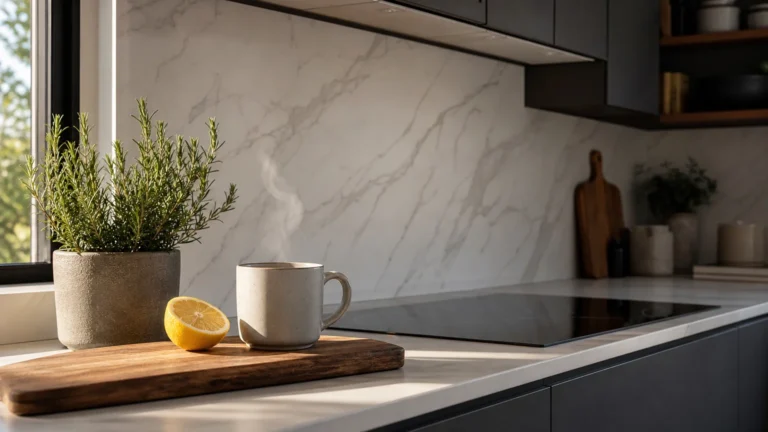
A cluttered kitchen counter often feels like a cluttered mind, but completely bare surfaces are rarely practical for everyday cooking. You need immediate access to the tools you use daily to make meal prep smooth and enjoyable. Keeping the right items on display saves you time, minimizes bending and digging through heavy cabinets, and actually makes your kitchen look intentionally styled. The secret lies in distinguishing the true workhorses from the gadgets gathering dust. By curating your countertops, you reduce physical strain and streamline your daily routines. Here are the exact tools worth surrendering precious counter space to, ensuring your kitchen remains both highly functional and beautifully organized.
The Psychology of Countertop Curation
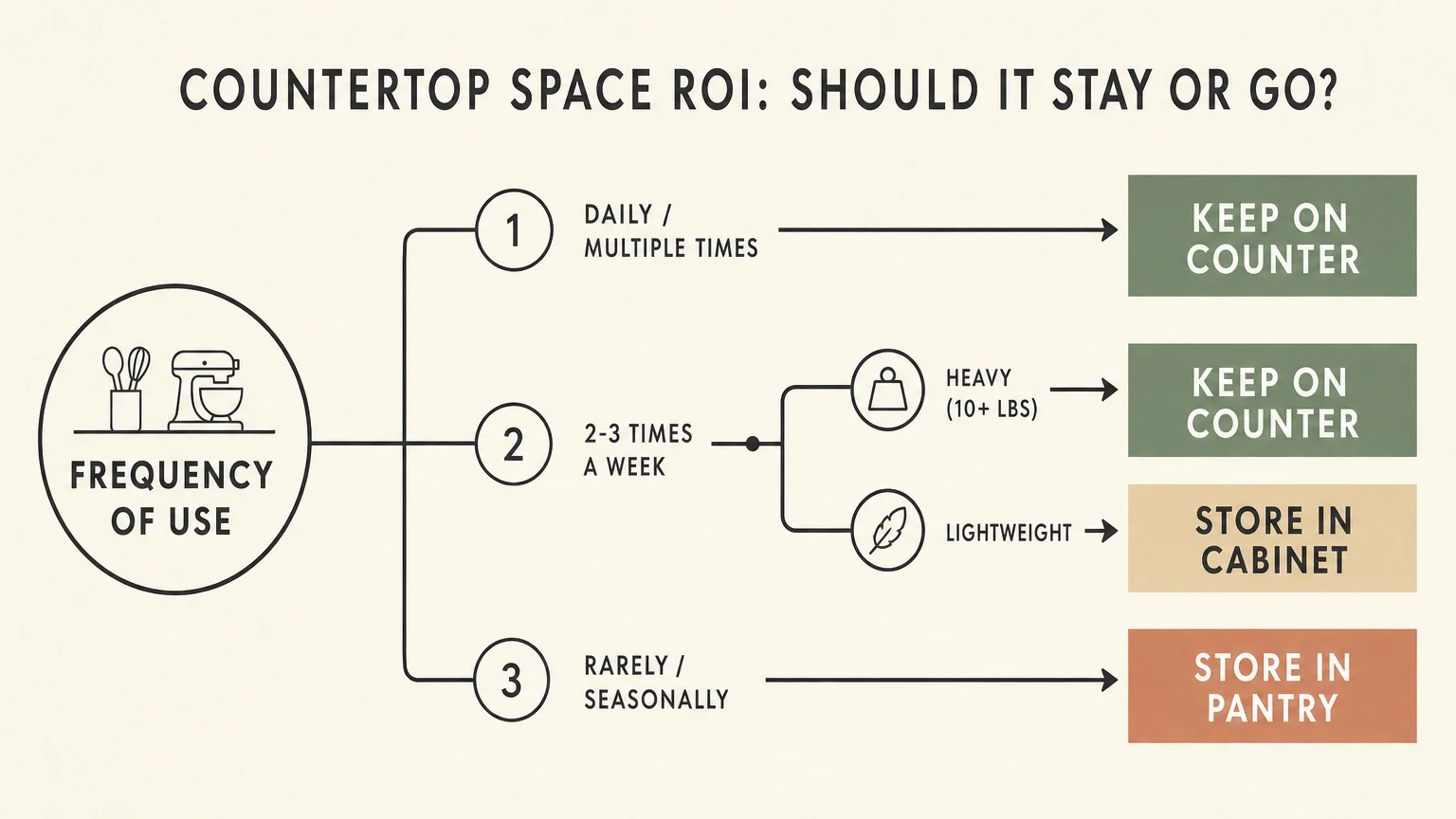
Before examining specific tools, you must recognize why keeping counters highly functional actually matters for your well-being. A cluttered house can cause a spike in the stress hormone cortisol, making you feel entirely overwhelmed before you even begin to cook . However, a completely empty, sterile counter requires you to constantly bend, lift, and reach for daily items, creating unnecessary physical strain on your joints. The true goal is achieving an intentional, curated layout where every visible item actively earns its footprint by serving you daily.
| Frequency of Use | Physical Weight | Recommendation |
|---|---|---|
| Daily or multiple times a day | Light or Heavy | Keep it out on the counter. |
| 2 to 3 times a week | Heavy (10+ lbs) | Keep it out; lifting it risks back strain. |
| 2 to 3 times a week | Lightweight | Store it in an easily accessible upper or lower cabinet. |
| Rarely or seasonally | Any weight | Store it in a pantry, high cabinet, or basement. |
The Morning Routine Essentials
1. Coffee Maker or Espresso Machine
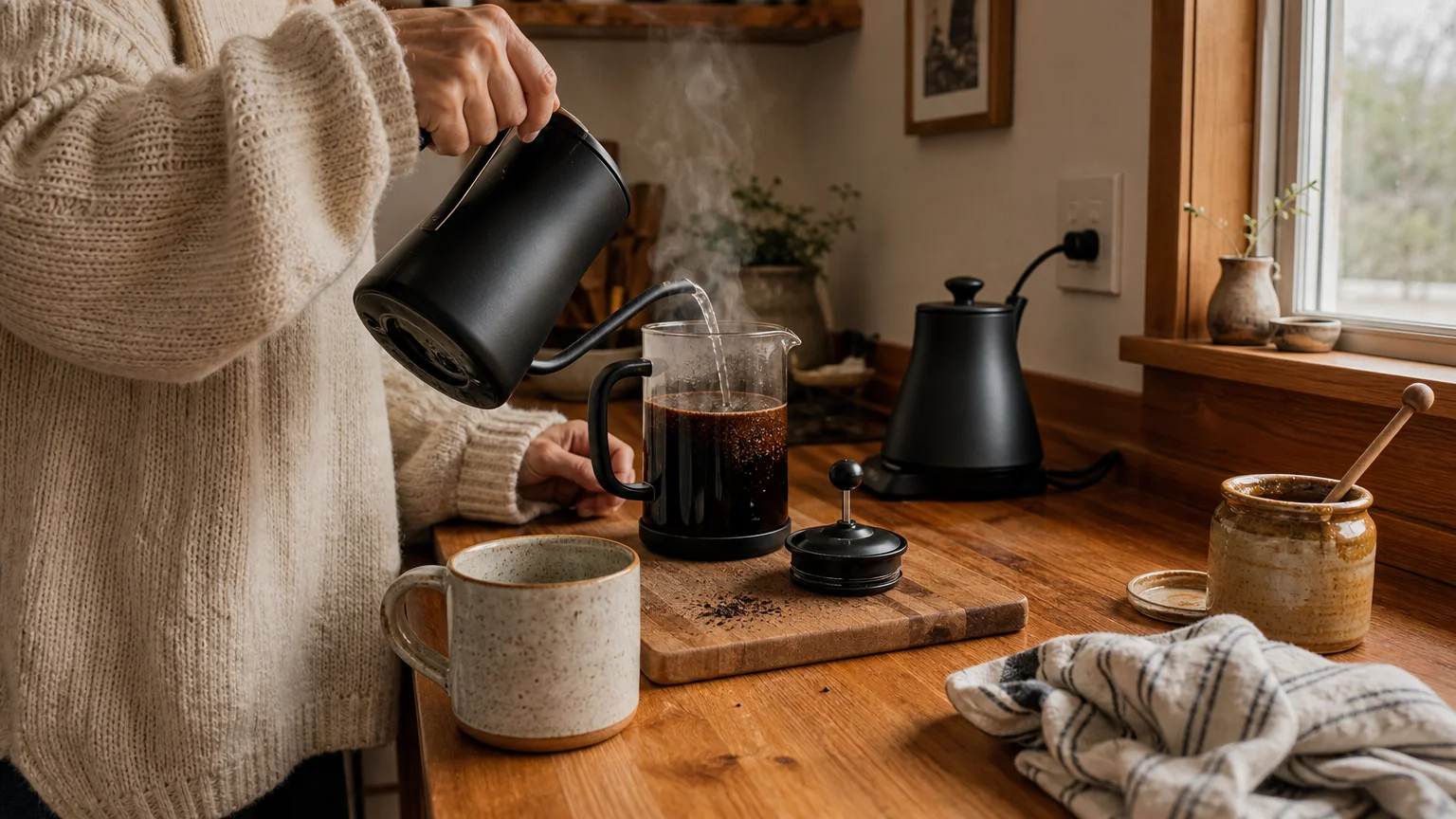
For many, the day does not start until the coffee finishes brewing. Keeping your coffee machine in a dedicated countertop zone establishes a smooth, uninterrupted morning rhythm. Moving a machine filled with water is a recipe for messy spills and unnecessary physical exertion, particularly when dealing with heavy espresso makers. Furthermore, an out-of-sight machine often gets neglected during your cleaning routine. A 2011 germ study by NSF found that coffee maker reservoirs often harbor bacteria, yeast, and mold if not properly washed and dried . Leave your machine anchored in place, but let its prominent visibility remind you to empty the reservoir and wash the removable components frequently.
2. Electric Kettle
An electric kettle boils water significantly faster than a traditional stovetop version and includes a crucial safety feature—an automatic shutoff mechanism. If you drink tea, make pour-over coffee, or prepare instant oatmeal daily, an electric kettle firmly earns its keep on your counter. Tucking this appliance away into a cabinet usually results in a tangled power cord and mounting frustration when you need hot water in a hurry. Give the kettle a permanent home near an accessible electrical outlet to completely streamline your hot beverage routine and prevent morning bottlenecks.
3. Toaster or Toaster Oven
Toasters are notorious for dropping charred breadcrumbs across the floor every single time you attempt to move them. By keeping your toaster or toaster oven securely parked in one spot, you contain the crumb mess to a single, easily wipeable area. Modern toaster ovens also serve as excellent secondary ovens for roasting small batches of vegetables or baking a single chicken breast, which saves significant energy compared to heating up a full-sized conventional oven. If you rely on this appliance more than three times a week, let it claim permanent counter space.
The Heavy-Duty Prep Station MVPs
4. Heavy Wooden Cutting Board
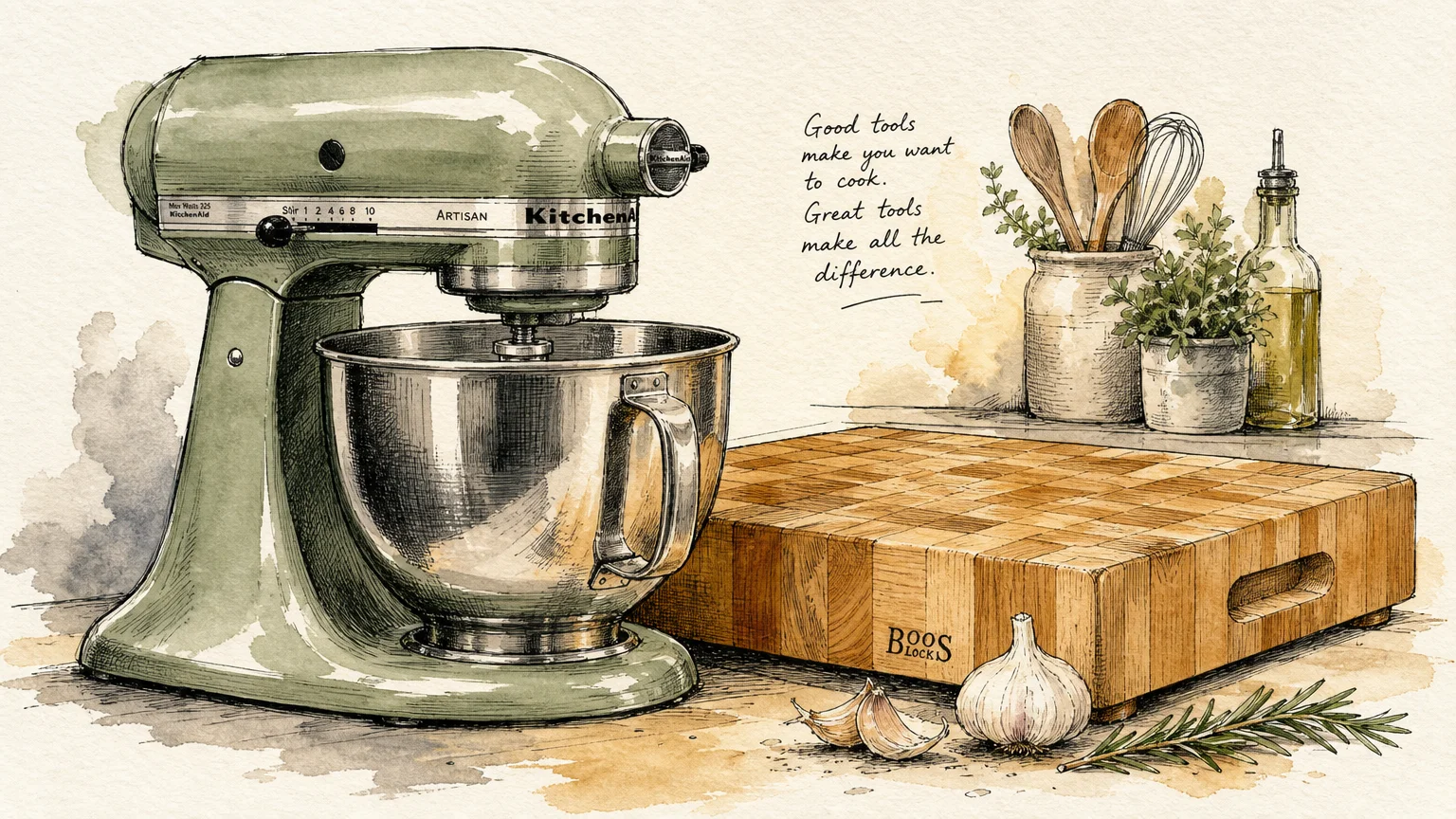
A massive, end-grain wooden cutting board serves as the structural anchor for your daily prep station. These dense wooden boards often weigh upwards of ten pounds, making them incredibly cumbersome and risky to repeatedly lift from lower cabinets. By leaving a beautiful, thick wooden board out on the counter permanently, you create a dedicated chopping zone that shields your expensive quartz or granite surfaces from knife scratches. To maintain food safety, the USDA advises that you wash your board thoroughly with hot, soapy water after each use and promptly discard any board once it develops deep, hard-to-clean knife grooves that can trap bacteria . Occasionally treat the surface with food-grade mineral oil to prevent the wood from drying out or cracking over time.
5. Magnetic Knife Strip or Block
Reaching blindly into a drawer full of loose, extremely sharp blades poses a significant safety hazard to your fingers. A high-quality wooden knife block or a wall-mounted magnetic knife strip keeps your essential cutting tools accessible while protecting their delicate edges from dulling against other metal utensils. The magnetic strip option is especially space-efficient, as it utilizes vertical wall space instead of consuming your horizontal countertop real estate. However, a slim, modern wooden knife block still easily justifies its footprint by offering superior safety and immediate access when you need to dice onions or slice a roast.
6. Salt Cellar
Professional chefs prefer to pinch salt rather than shake it through tiny, easily clogged holes. A salt cellar—often designed as a small ceramic, wooden, or marble container with a protective lid—keeps kosher or flaky sea salt stationed right next to your stove. This setup allows you to season your food intuitively by feel, adjusting the flavor profile of soups, sauces, and roasted meats in real time. It takes up a minuscule amount of physical space, but it completely transforms how efficiently and confidently you cook your evening meals.
7. Pepper Mill
Pre-ground black pepper loses its volatile essential oils and complex, spicy flavors rapidly after packaging. A sturdy, manual pepper mill deserves a permanent, dedicated spot right beside your trusty salt cellar. Leaving the grinder out in the open encourages you to finish your dishes with vibrant, freshly cracked black pepper. Choose a mill equipped with an adjustable ceramic grinding mechanism, which effectively resists corrosion and handles the inevitable moisture of a busy, steaming kitchen far better than standard metal mechanisms.
8. Olive Oil Cruet
You likely reach for a bottle of olive oil every single time you turn on your stove to sauté vegetables or sear proteins. Instead of wrestling with a slippery, oversized, bulk plastic bottle from your dark pantry, decant your daily cooking oil into a ceramic or tinted glass cruet. A cruet equipped with a narrow pour spout gives you precision control when drizzling oil into a hot pan or over a fresh salad. Ensure the container remains opaque; exposing high-quality olive oil to direct sunlight degrades its flavor profile and causes the oil to turn rancid prematurely.
High-Rotation Countertop Appliances
9. Air Fryer
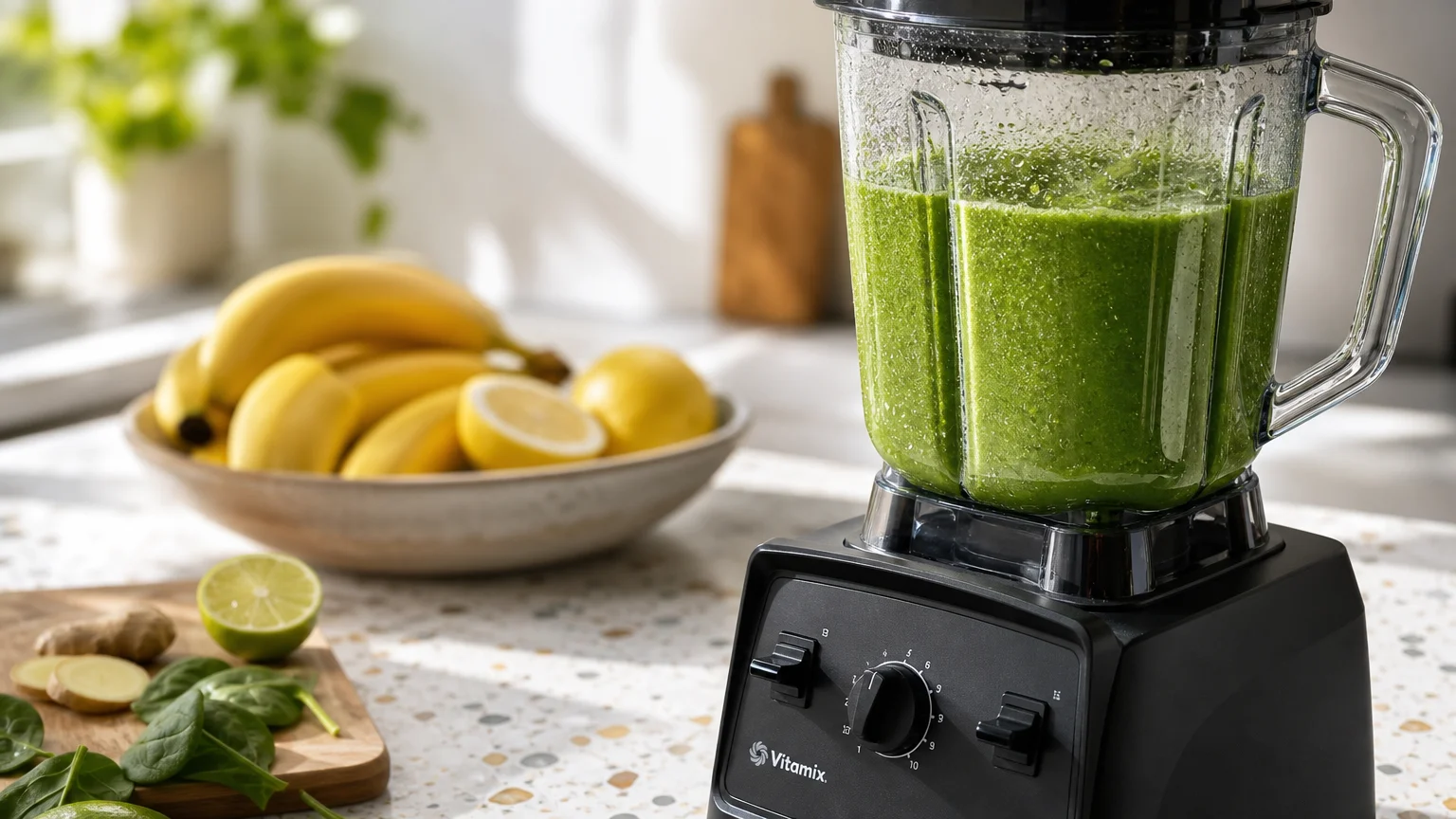
Countertop real estate remains highly competitive, but the modern air fryer has proven it belongs in the spotlight. This popular appliance acts as a powerful, compact convection oven, rapidly circulating intense heat to crisp foods with just a fraction of the fat. The Cleveland Clinic confirms that air frying provides a healthier cooking option because it essentially eliminates the need for added oils while delivering the satisfying, crispy texture you crave . If you find yourself reheating leftovers, roasting root vegetables, or cooking chicken wings almost daily, storing this bulky appliance in a pantry will only discourage you from preparing quick, nutritious meals.
10. Stand Mixer
Lifting a heavy stand mixer from a bottom cabinet stands out as a leading cause of kitchen-related back strain and muscle pulls. These robust machines frequently weigh well over twenty pounds. If you regularly bake artisan bread, mix batches of cookie dough, or utilize the various front-hub attachments to shred cheese and grind fresh meat, your stand mixer deserves a permanent display spot. Push the heavy machine securely into a deep corner where it stays safely out of your primary prep zone, but remains plugged in and completely ready for your next ambitious culinary project.
11. Food Processor
Much like the hefty stand mixer, a food processor carries substantial weight and features a frustrating array of sharp blades and awkward plastic attachments. Storing the machine away in a cabinet usually means you will naturally default to tedious manual chopping just to avoid the overwhelming hassle of retrieving it and assembling the parts. When the food processor sits proudly on your counter, you remain far more likely to quickly whip up a smooth batch of hummus, slice an entire week’s worth of carrots, or grate a solid block of cheddar cheese in mere seconds.
Sink-Side Cleaning and Organization Helpers
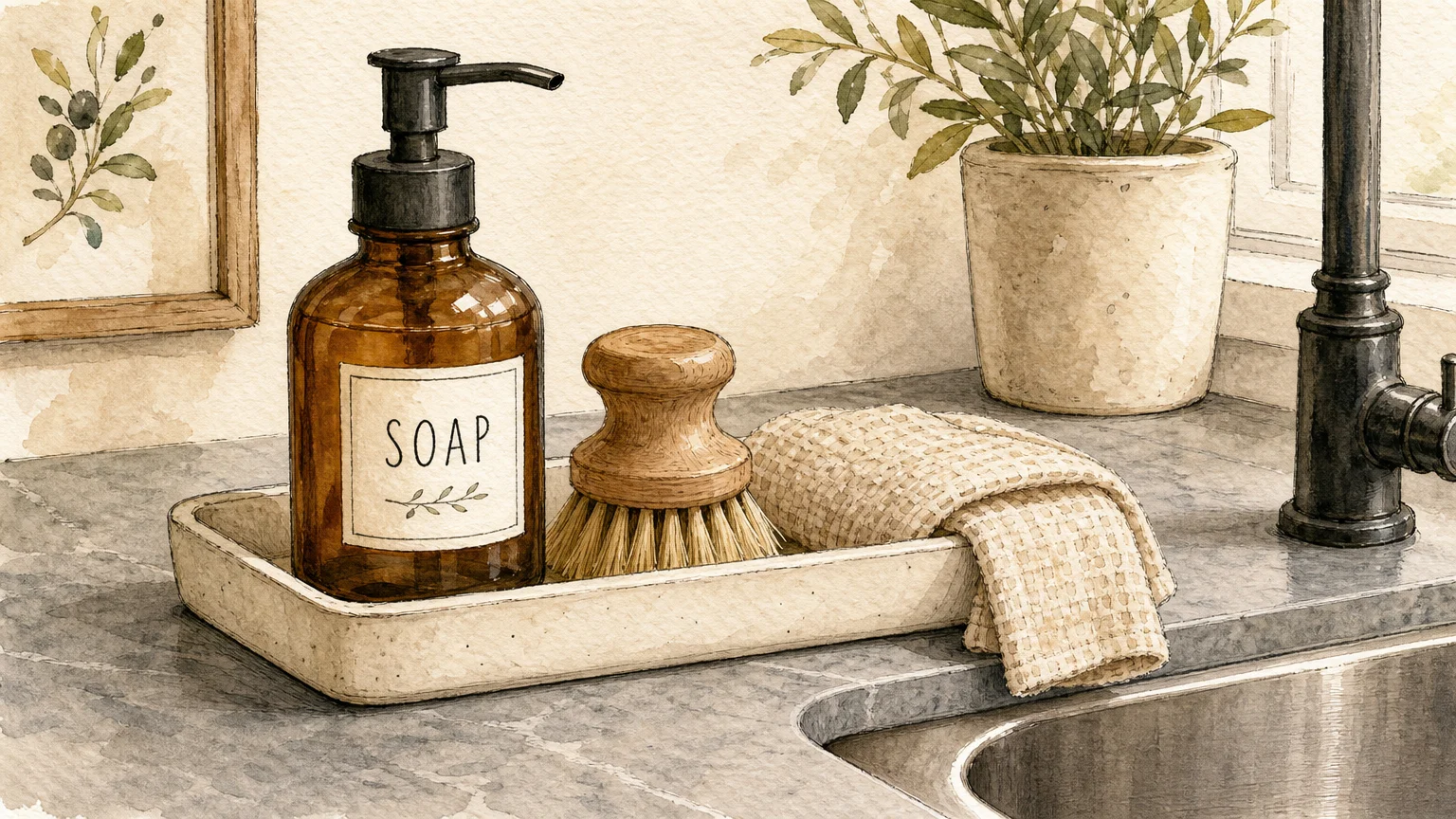
12. Dish Soap Dispenser
Original, branded dish soap bottles introduce unnecessary visual clutter to your otherwise serene kitchen environment. The bright neon plastics and peeling labels clash heavily with your elegant kitchen finishes and create an untidy, chaotic appearance around the sink area. Swapping the commercial plastic bottle for a sleek, weighted glass or ceramic soap dispenser instantly upgrades the visual appeal of your washing station. A sturdy pump dispenser also allows you to forcefully apply soap directly to a sponge with just one hand, freeing up your other hand to securely hold a heavy, dirty pot under the running faucet.
13. Sponge Caddy
Leaving a soaking wet sponge sitting directly on the bottom of the stainless steel sink or flat on the porous counter guarantees rapid bacterial growth and a remarkably foul mildew odor. A dedicated wire sponge caddy or ceramic holder physically elevates your cleaning tools, allowing fresh air to circulate freely and dry the sponge completely between washing sessions. This minor, inexpensive organizational tool dramatically extends the usable life of your sponges and effectively keeps your sink ledge completely free from pooling, soapy, slimy residue.
14. Countertop Compost Bin
If you genuinely want to reduce your household waste, immediate physical accessibility remains the absolute key to consistency. A small, attractive compost bin sitting directly on the counter strongly encourages you to toss in cracked eggshells, wet coffee grounds, and discarded vegetable peels while you actively prep your meals. Look closely for a durable stainless steel or ceramic model equipped with a replaceable activated charcoal filter situated in the lid. The filter effectively traps the associated odors, ensuring your kitchen smells completely fresh even while you responsibly collect organic food waste.
Everyday Cooking Utensils and Accents
15. Utensil Crock
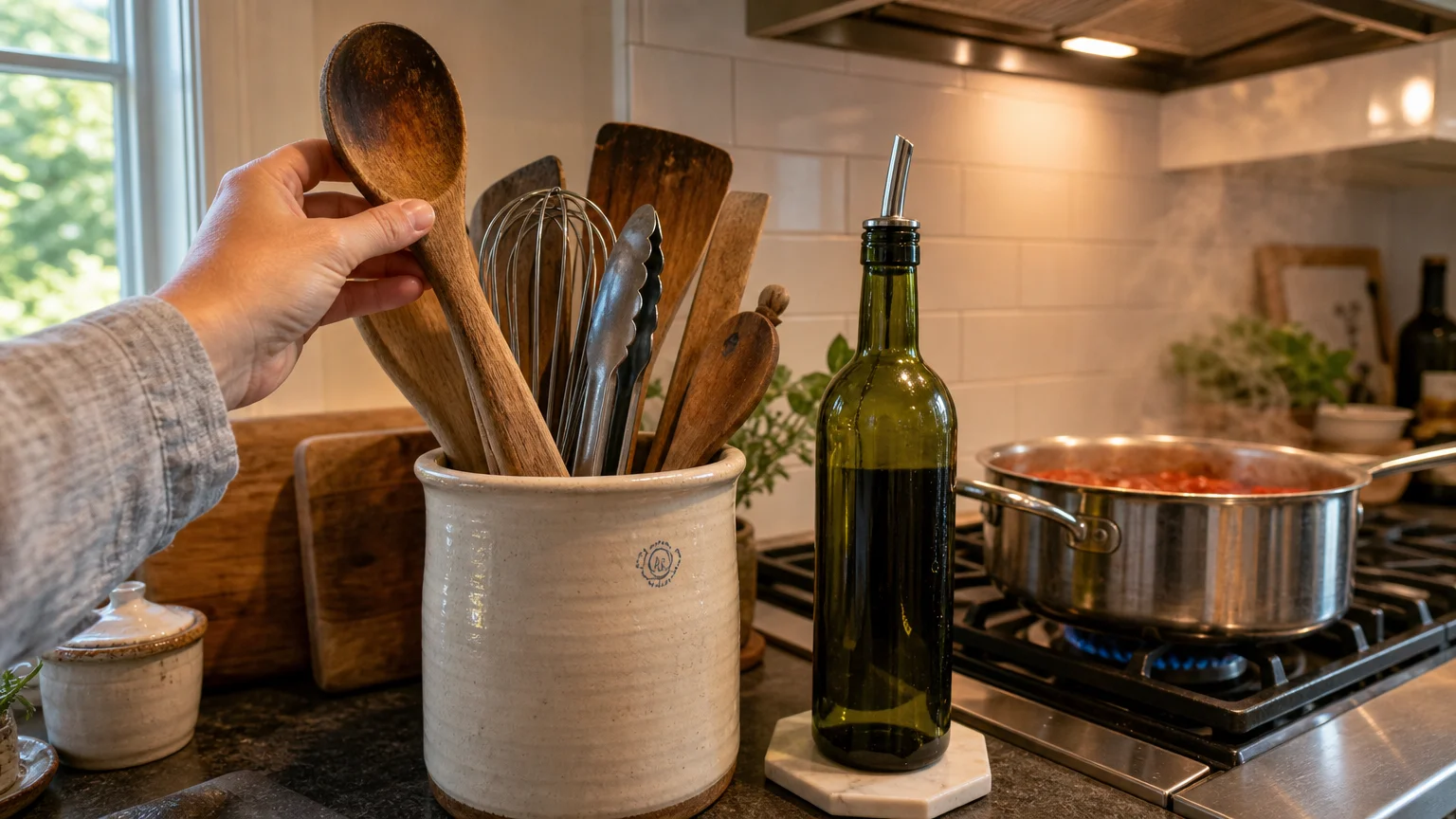
Shallow kitchen drawers inevitably jam and stick when bulky spatulas, deep ladles, and spring-loaded tongs get tangled together in a disorganized pile. Storing your most frequently used cooking utensils upright in a heavy ceramic or stainless steel crock right next to the stove elegantly solves this frustrating problem entirely. You can effortlessly grab exactly the tool you need without ever taking your eyes off a rapidly boiling pot. Keep the crock strictly limited to your daily drivers; leave the obscure, single-use gadgets banished to the drawer to prevent the crock from becoming an overflowing, top-heavy mess.
16. Spoon Rest
A dedicated spoon rest might initially seem like an unnecessary decorative extra, but it operates as a frontline defender against stubborn counter stains. Laying a tomato sauce-covered wooden spoon directly on a light-colored quartz or marble countertop guarantees a difficult scrubbing chore for you later in the evening. A simple, easily washable ceramic or heat-resistant silicone spoon rest gives you a designated, safe drop zone for messy, dripping utensils. You simply toss the dirty rest directly into the dishwasher at the end of the night to reset the space.
17. Butter Crock
Cold, rock-hard butter tears and destroys soft bread. A traditional French butter crock cleverly uses a natural water seal to keep butter perfectly fresh, incredibly soft, and safely stored at room temperature for several weeks. You firmly pack the softened butter into the bell-shaped lid and pour a very small amount of cold tap water into the base. The water physically blocks oxygen from ever reaching the dairy, entirely preventing spoilage. Having perfectly spreadable butter always ready for your morning toast remains a minor, delightful luxury you will appreciate daily.
18. Produce Bowl
Out of sight truly means out of mind, especially when dealing with highly perishable fresh fruit. A wide, shallow wire or ceramic bowl filled prominently with crisp apples, bright bananas, and citrus serves as a powerful visual prompt for you to choose healthy snacks throughout the day. Storing your fruit openly on the counter rather than hiding it away in the dark, crowded crisper drawer ensures the produce ripens properly and actually gets eaten before it spoils. It also instantly adds a vibrant, natural decorative element to the entire room.
19. Paper Towel Holder
Sudden kitchen spills require immediate, decisive action. Fumbling wildly with a loose, unanchored roll of paper towels while holding a dripping, grease-filled pan leads to a significantly larger mess. A standing, vertical paper towel holder constructed with a heavily weighted base allows you to forcefully tear off a single sheet with just one hand without knocking the entire roll onto the floor. Keep the holder strategically positioned near the sink for quick cleanups, but place it far enough away to avoid accidental splashes from the running faucet.
20. Mortar and Pestle
A solid granite or heavy marble mortar and pestle proves practically indestructible and boasts more than enough weight to absolutely warrant leaving it out on display permanently. Beyond its striking aesthetic appeal, having this ancient tool comfortably within arm’s reach actively encourages you to crush your own whole spices, smash fresh garlic into a fragrant paste, or quickly muddle basil for a rough pesto. The immense flavor payoff of using freshly ground spices far exceeds pre-packaged, stale powders, and the heavy stone tool effortlessly serves as a beautiful, rustic statement piece in any kitchen design style.
Your Practical Next Step
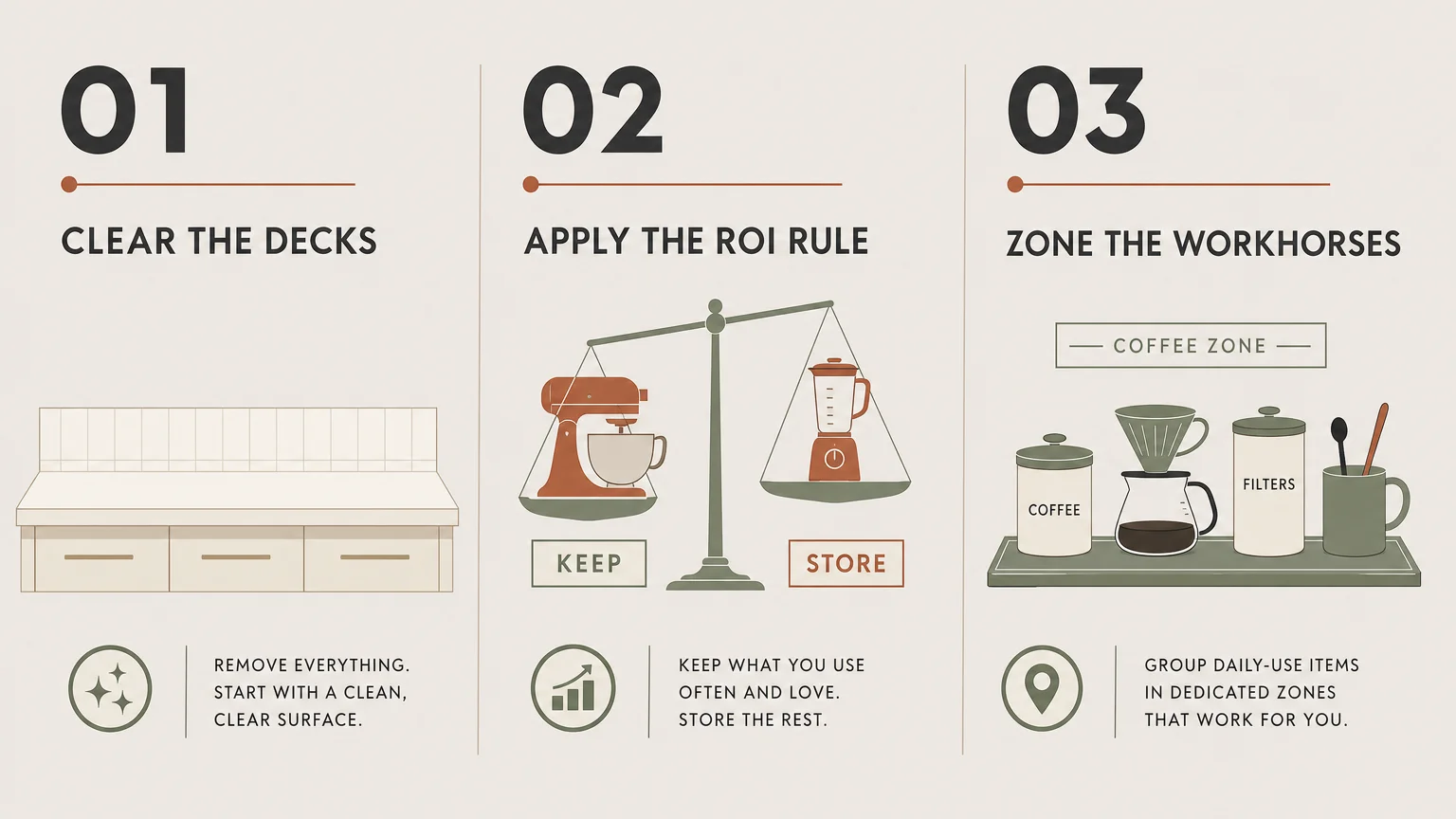
Walk into your kitchen right now and remove three items from your countertops that you have not touched or used in the past week. Relocate them to a lower cabinet or move them into the pantry. Notice how the space instantly feels lighter and gives your true, everyday cooking tools the functional breathing room they actually deserve.