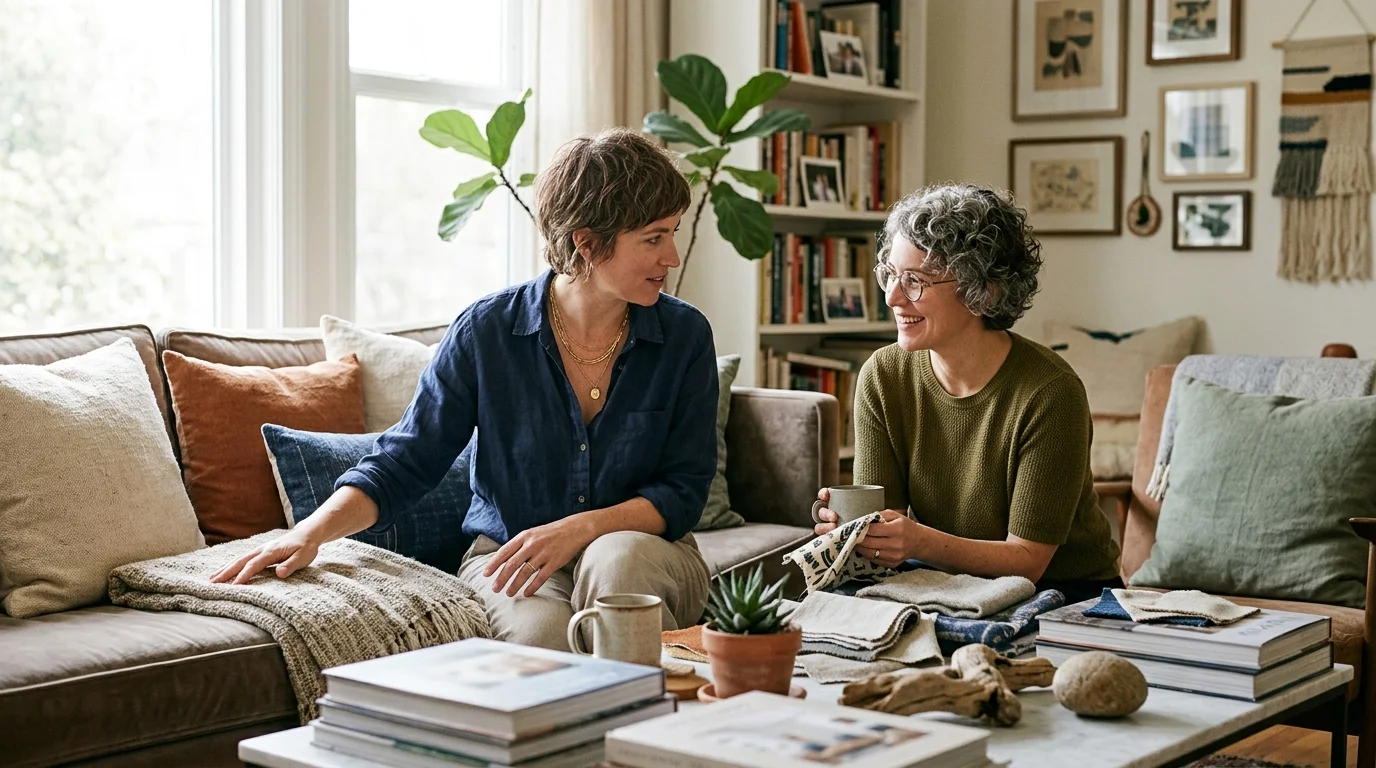
Transforming a sterile house into a comforting sanctuary relies on strategic adjustments rather than a massive renovation budget. You can instantly shift your home’s atmosphere by rethinking lighting, texture, and daily organization. Designers emphasize that a welcoming home caters to your specific routines, balancing aesthetic appeal with absolute functionality. By grounding your design choices in practicality and prioritizing sensory elements—like curated scents, efficient entryways, and soft fabrics—you create an environment that actively supports your lifestyle. Whether you want to simplify your cleaning schedule, remove daily frustrations, or ensure your living room feels effortlessly inviting, these seven designer-approved steps will help you cultivate a deeply functional, cozy space right now.
Layer Your Lighting for Immediate Warmth
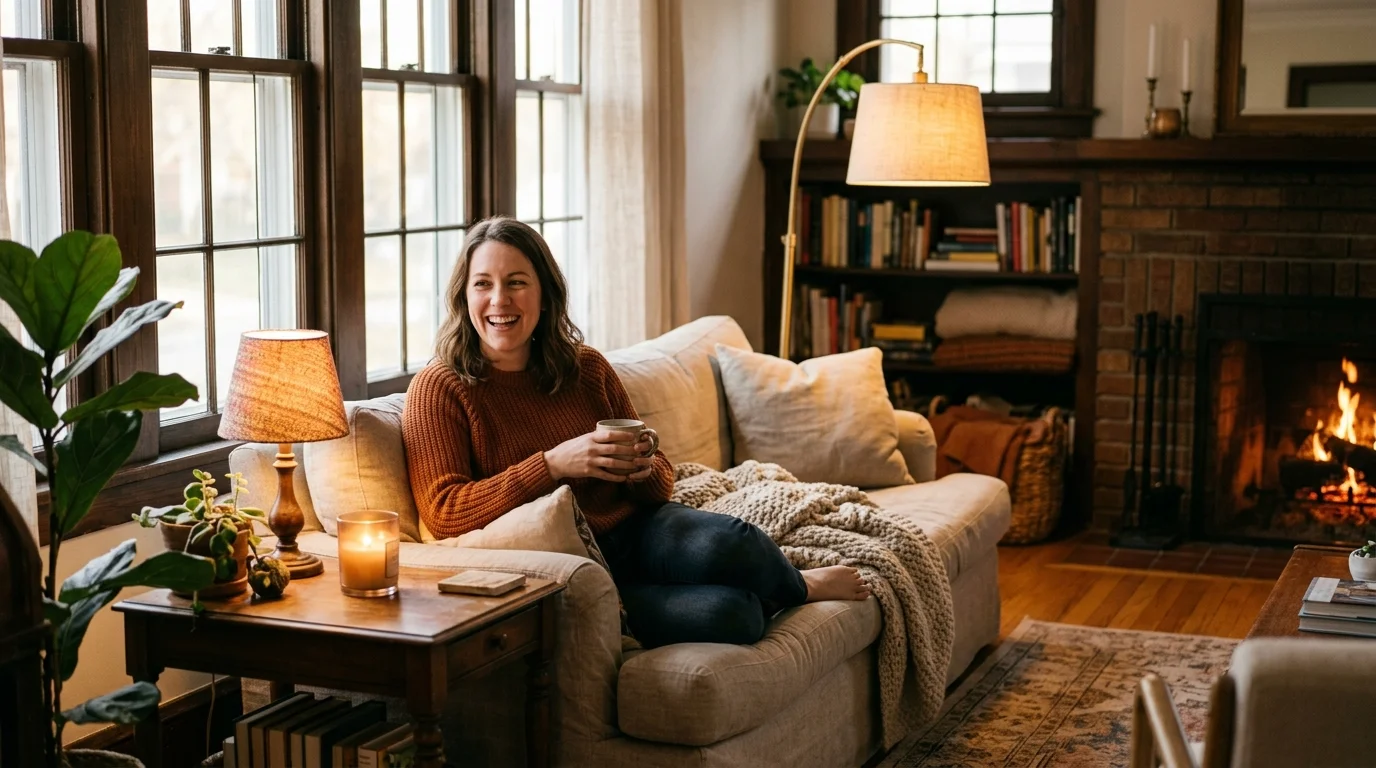
Single-source overhead lighting casts harsh, unflattering shadows and instantly makes a room feel like a clinical waiting area rather than a cozy home. Interior design professionals prioritize layered lighting to build warmth, depth, and dimension. You need three distinct types of light in every room: ambient lighting for overall illumination, task lighting for specific activities like reading or cooking, and accent lighting to highlight architectural features or artwork.
To execute this immediately, turn off your primary overhead fixture and bring in table lamps, floor lamps, and strategically placed wall sconces. Dimmers represent another inexpensive upgrade with a massive impact; installing dimmer switches allows you to customize the intensity of your overhead lights depending on the time of day and the mood you wish to set. Pay close attention to the light bulbs you choose, as the color temperature dictates the entire mood of the room. The U.S. Department of Energy explains that incandescent and warm LED bulbs typically produce color temperatures around 2,700 Kelvin. This warm, yellow light perfectly complements wood finishes, furniture, and soft fabrics, making your home feel instantly more inviting. Cooler temperatures—anything above 4,000 Kelvin—resemble stark daylight and work well for detailed tasks in a garage or utility room, but they will leave your living room feeling rigid and cold. Swap out any cool, blue-toned bulbs in your living spaces for LEDs in the 2,700K to 3,000K range to elevate the ambiance. Furthermore, consider the material of your lamp shades; linen or cloth shades diffuse light beautifully, casting a soft, flattering glow across your walls, whereas opaque metal shades direct light strictly downward for focused task work.
Anchor Your Rooms With Properly Secured Area Rugs
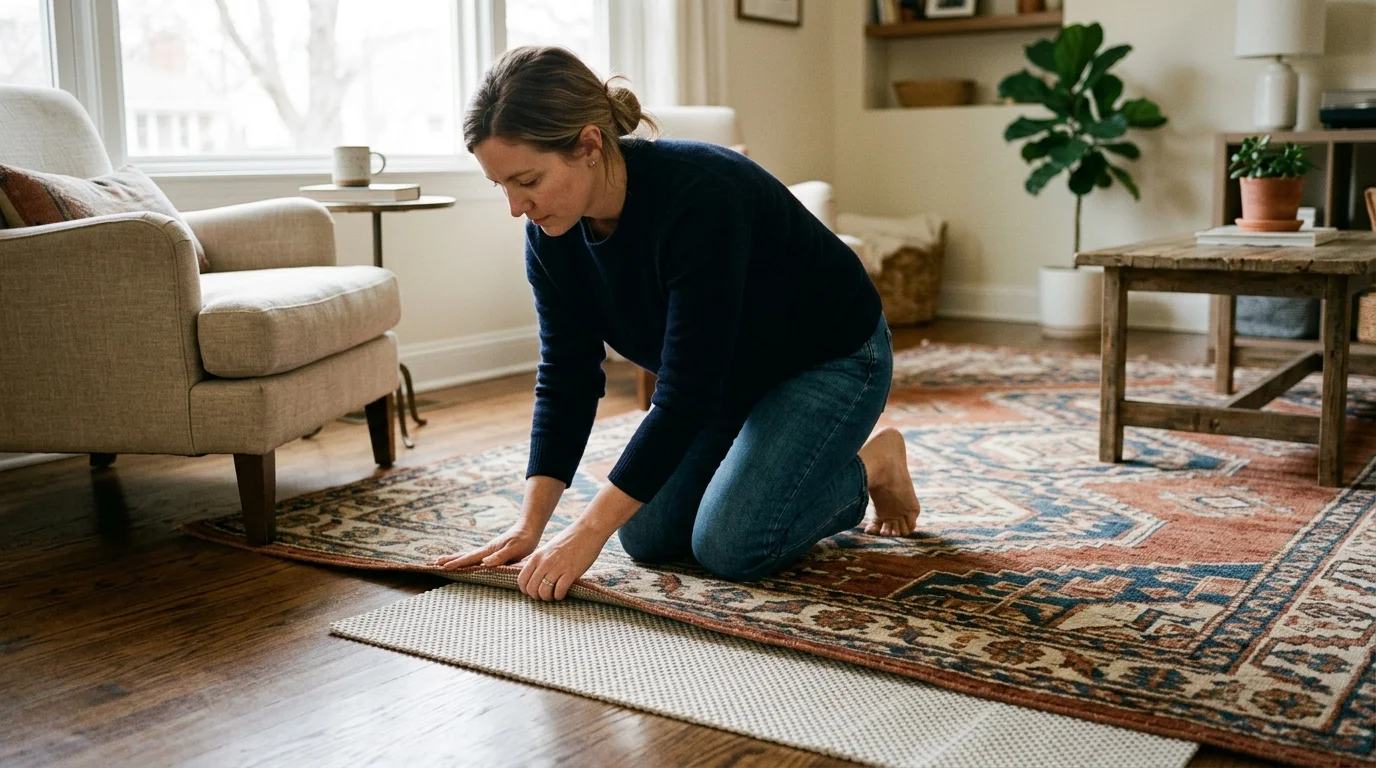
A bare, hard floor often feels unfinished, echoing sound and leaving your furniture floating awkwardly in the middle of the room. Area rugs act as essential visual anchors; they define specific zones within an open floor plan, absorb acoustic reverberation, and introduce necessary color and pattern into your design scheme. When placing a rug in a seating arrangement, ensure at least the front legs of your sofa and chairs rest firmly on the textile. This basic design rule connects the furniture pieces together and grounds the entire space. A rug that is too small makes the room look disjointed, while a properly sized rug expands the visual footprint of your living area.
However, design must always merge seamlessly with safety. Curled rug edges and slipping fabrics present severe household hazards, particularly as we age and simplify our daily routines. The Centers for Disease Control and Prevention warns that millions of older adults fall each year, and loose throw rugs are a leading environmental culprit. You must secure every single rug in your home to protect yourself, your family, and your guests. Remove small, lightweight throw rugs that easily bunch up underfoot. For larger area rugs, apply a high-quality, non-slip rubber backing or heavy-duty double-sided rug tape to pin down the corners and edges flat against the floor. Fixing these environmental hazards does not compromise your interior design; it ensures your beautifully decorated space remains highly functional, accessible, and completely safe for everyone who walks through the door.
Bring Living Nature Indoors Safely
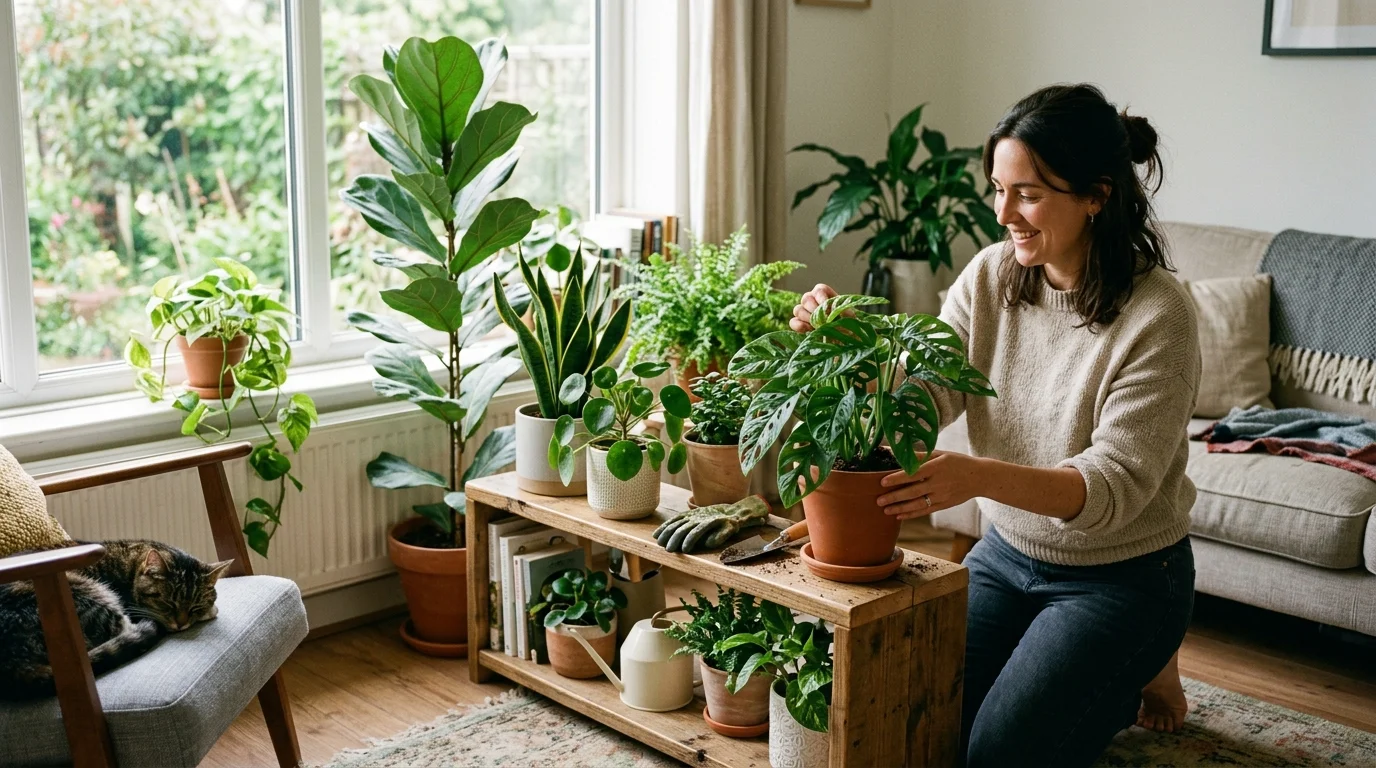
Incorporating organic elements into your decor breathes immediate life into a stagnant room. Houseplants naturally soften harsh architectural lines, add vibrant color, and create a calm, grounded environment. Adding a large potted floor plant in an empty corner or placing a small trailing vine on a bookshelf introduces dynamic, living texture that no manufactured object can replicate. Caring for plants also provides a mindful daily ritual that connects you to nature, lowering stress and boosting your mood.
Before you purchase the trendiest botanical decor, you must verify that your new greenery will not harm your animals. Many popular, beautiful houseplants pose serious health risks to cats and dogs if chewed or ingested. For instance, the ASPCA Animal Poison Control Center identifies common favorites like lilies, pothos, and philodendrons as highly toxic to pets. Lilies can cause acute kidney failure in cats from minimal exposure, while pothos and philodendrons contain insoluble calcium oxalate crystals that trigger intense oral irritation and gastrointestinal distress.
Instead of risking a veterinary emergency, choose safe alternatives that offer the exact same visual impact. Boston ferns, spider plants, and parlor palms provide lush, vibrant foliage and remain completely non-toxic to your dogs and cats. Keep your plant care routine manageable by choosing varieties that thrive in your home’s specific natural light conditions. Overwatering remains the most common way people accidentally kill their indoor plants, so always use pots with adequate drainage holes. When you incorporate safe, low-maintenance nature into your rooms, you achieve a quintessential designer aesthetic without adding unnecessary stress to your daily chore list.
Establish a Functional Drop Zone at the Entryway
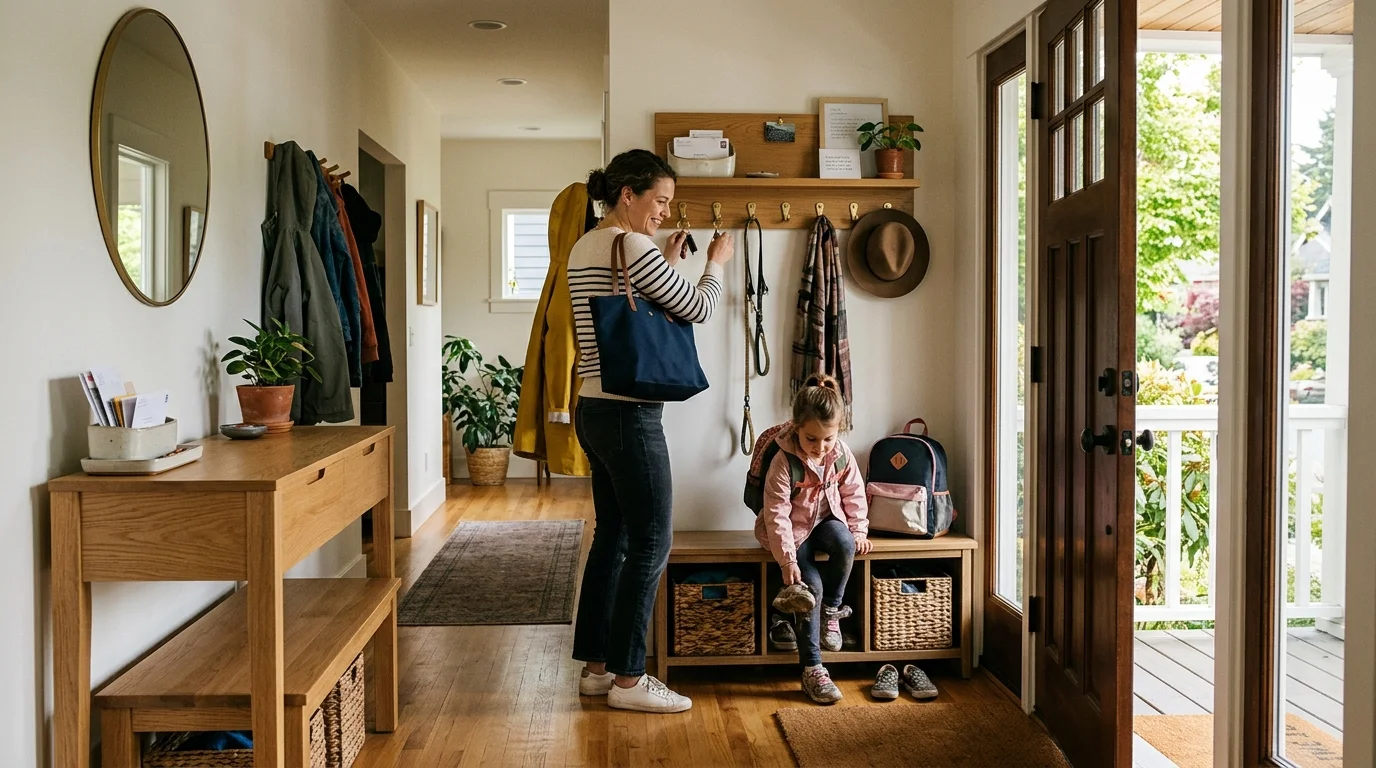
The moment you walk through the front door, your home should offer a profound sense of relief, not a chaotic pile of shoes, mail, and keys. Designers know that a house only feels like a home when it actively supports the practical way you live. Without a designated landing strip, everyday items quickly spread across kitchen counters and dining tables, creating visual clutter that spikes your stress levels and severely complicates your cleaning schedule.
Creating an efficient drop zone requires intentional organization and behavioral design. You do not need a grand, sweeping foyer to execute this concept; a narrow hallway or a simple stretch of wall near the door works perfectly. Follow this straightforward, step-by-step process to build an entryway that halts daily clutter in its tracks:
- Install sturdy wall hooks: Mount heavy-duty hooks at varying heights to accommodate long coats, heavy bags, hats, and dog leashes. This strategy gets bulky, frequently used items off the floor immediately.
- Provide a landing surface: Place a slim console table, mount a floating shelf, or use a small vintage dresser against the wall. This surface serves as the designated spot for items you carry in your hands upon entering.
- Add a dedicated catch-all tray: Put a shallow ceramic bowl or a structured woven tray on the landing surface strictly for keys, loose change, and sunglasses. Containing these tiny items prevents them from scattering and getting lost.
- Set up a mail sorting system: Mount a wall organizer or place a small upright file box on the table. Immediately recycle junk mail and place important documents in the sorter so paper clutter never reaches your kitchen island.
- Create concealed shoe storage: Slide a low bench with hidden compartments or sturdy woven baskets underneath the console table. Instruct everyone to place their daily shoes inside the baskets to keep the walkway clear, safe, and visually serene.
When your entryway expertly handles the reality of your daily transitions, your entire home feels significantly more manageable and peaceful.
Curate a Signature Scent Without Compromising Air Quality
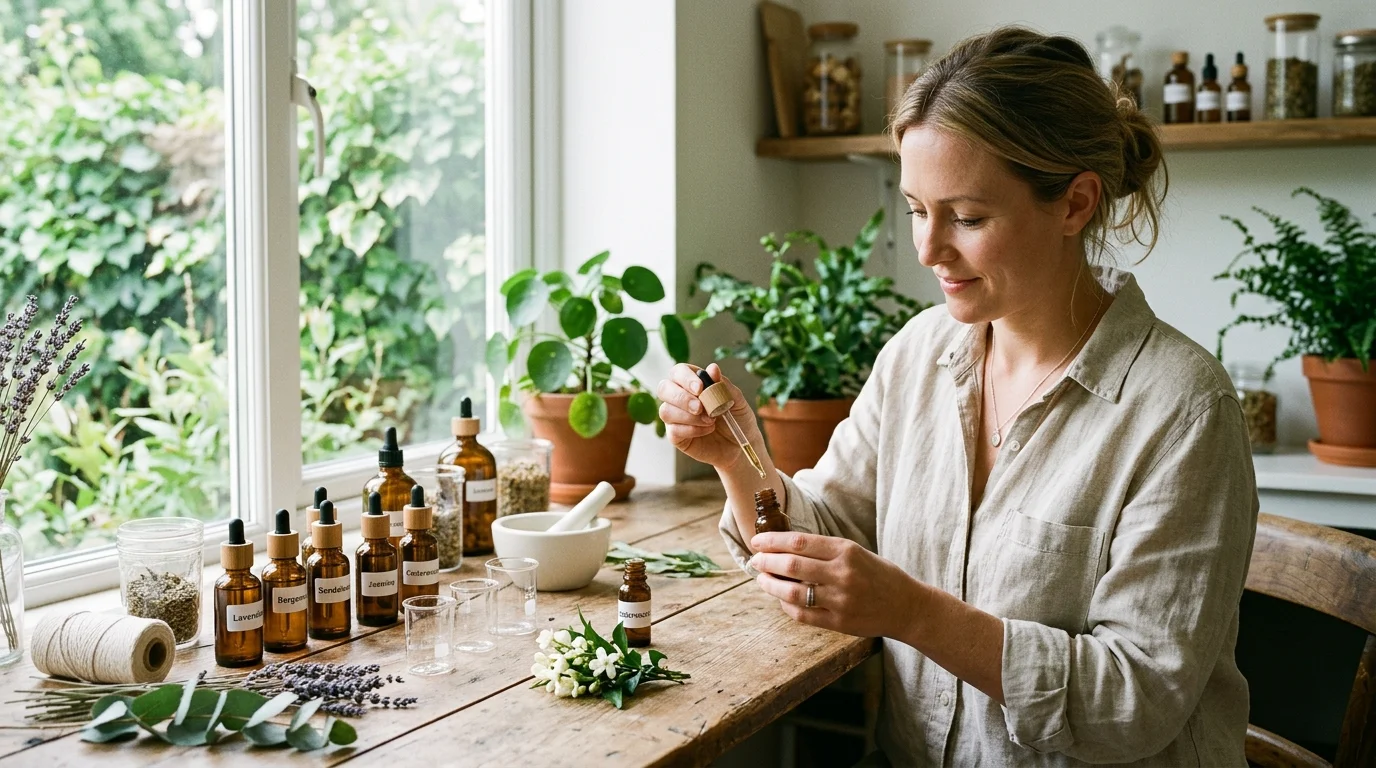
Every home possesses a distinct scent, and consciously curating that fragrance plays a massive role in how cozy and welcoming the space feels. A pleasant, subtle aroma signals cleanliness and comfort the second you cross the threshold. Many people automatically reach for heavily perfumed aerosol sprays, synthetic plug-in air fresheners, or dozens of scented candles to quickly achieve this effect.
While a flickering candle looks beautiful, relying on synthetic combustion to scent your home introduces hidden pollutants. The U.S. Environmental Protection Agency notes that many conventional air fresheners and scented products release Volatile Organic Compounds (VOCs). These airborne chemicals can accumulate indoors—where concentrations often reach up to ten times higher than outdoors—and frequently trigger headaches, dizziness, and respiratory irritation. Burning standard paraffin candles also emits fine particulate matter directly into your enclosed living space, compromising your indoor air quality.
To make your home smell incredible without sacrificing your respiratory health, shift toward cleaner, more natural scent methods. Simmer a pot of water on your stove with cinnamon sticks, orange peels, and whole cloves for a rich, comforting aroma that naturally permeates the whole house. Open your windows for fifteen minutes each morning to flush out stale air and bring in a fresh cross-breeze. If you absolutely prefer burning candles for the visual ambiance, select high-quality beeswax or pure soy candles with unbleached cotton wicks, and always trim the wicks to a quarter-inch before every use to minimize soot production.
Mix Tactile Textures Rather Than Matching Furniture Sets
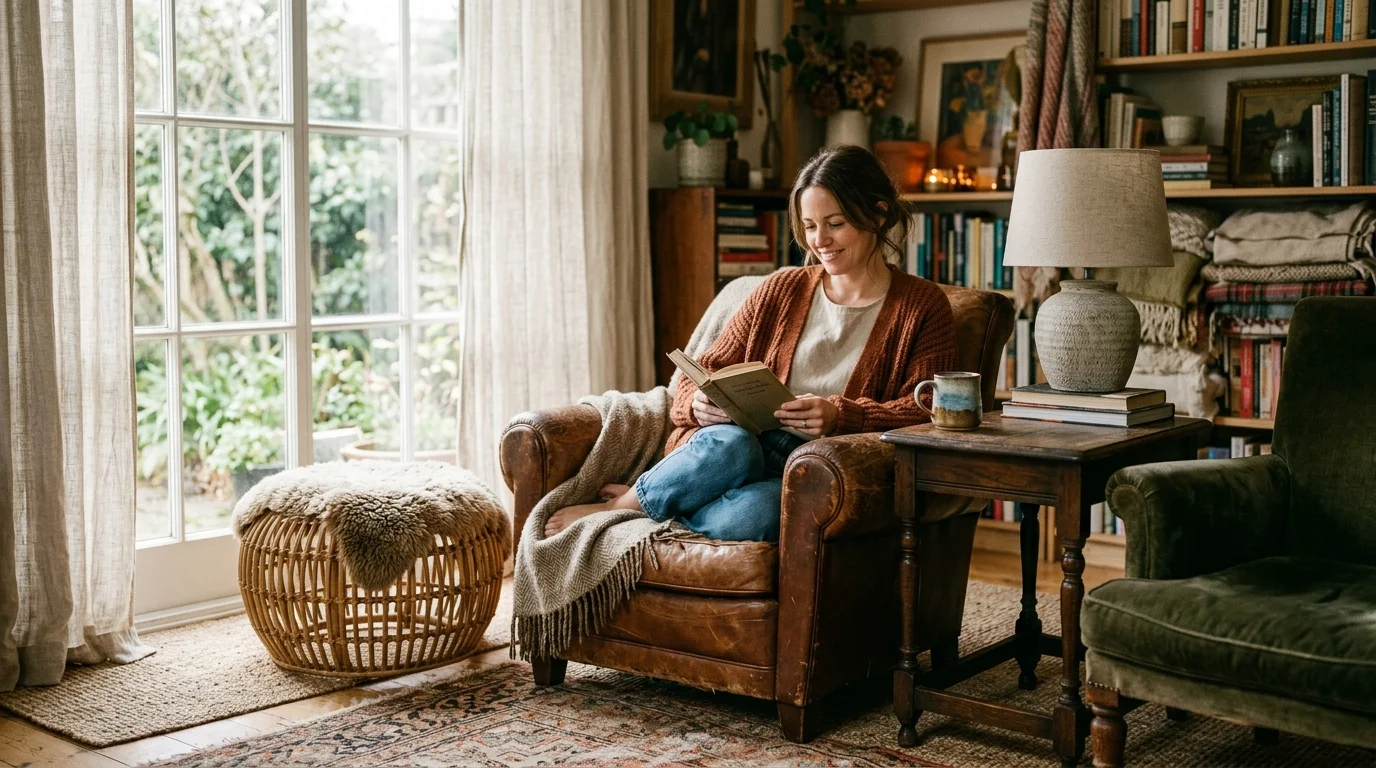
Buying an entire matching furniture set from a showroom floor seems like the easiest, fastest way to decorate a room. You get the sofa, the loveseat, the armchair, and the exact matching coffee table all at once. However, interior designers actively avoid this approach because perfectly matched rooms feel rigid, flat, and distinctly unlived-in. A true home develops a rich, inviting character through the thoughtful layering of contrasting textures and varied materials.
Texture dictates how a room physically and visually feels to the people inside it. If your living room features a sleek, dark leather sofa, pairing it with a matching leather chair creates a cold, heavy atmosphere. Instead, introduce a velvet or nubby boucle armchair to soften the space and provide physical contrast. Drape a chunky knit wool throw over the back of the sofa, and place soft linen pillows in the corners. Mix your hard materials as well; pair a warm, rustic oak dining table with sleek matte black metal chairs, or place a glossy ceramic lamp on a distressed reclaimed wood side table.
This deliberate mixing of rough and smooth, shiny and matte, hard and soft tricks the eye and invites people to touch and interact with the space. It gives the distinct impression that you have collected your furnishings gradually over time, resulting in a deeply personal, customized environment. Start small by swapping out identical throw pillows for variations in corduroy, silk, or faux fur to instantly deepen the comfort level of your existing seating arrangements.
Display Meaningful Objects That Tell Your Unique Story
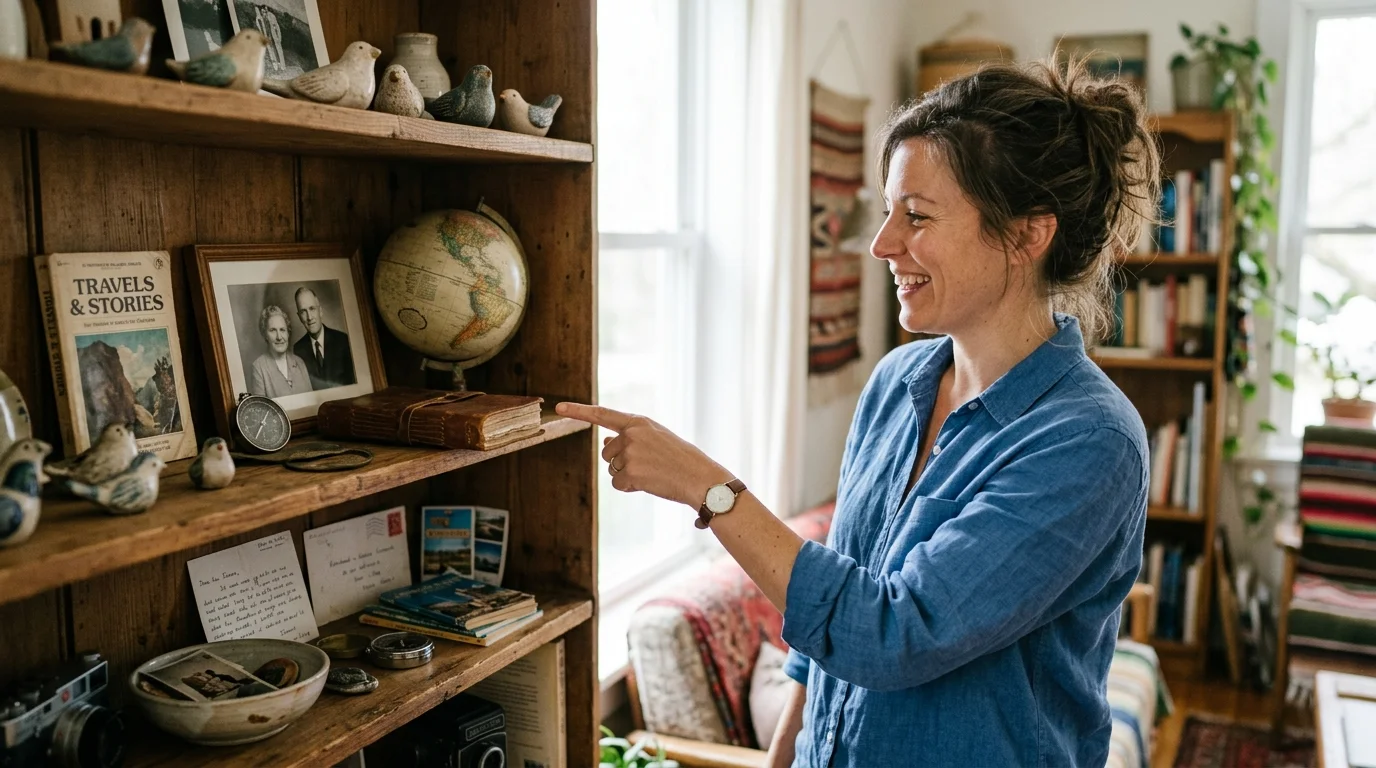
A meticulously clean and perfectly organized house can still feel completely soulless if it lacks your personal context. Model homes look pristine, but they feel empty because no one actually lives in them. To make your house feel like an authentic home, you must display the items that reflect your history, your travels, and your deepest passions.
The challenge lies in displaying these meaningful objects without creating overwhelming visual clutter that makes routine cleaning a nightmare. Instead of scattering dozens of small trinkets across every available horizontal surface, group your favorite items into intentional, curated vignettes. Use the “rule of three” to create balanced, visually appealing arrangements on your bookshelves or coffee table. For example, place a stack of three thick hardcover books, top them with a single piece of handmade pottery you bought on vacation, and position a framed family photograph slightly off-center next to the stack.
Give your precious items ample room to breathe. Leaving negative space—empty, unadorned areas on your shelves and tables—makes the objects you do display stand out much more prominently. It also dramatically speeds up your weekly dusting routine, allowing you to maintain a meticulously clean home with minimal physical effort. Keep a dedicated storage bin in your closet for sentimental items, and switch out the artwork or objects on display every few months. This rotating strategy keeps your space feeling fresh, highly personal, and entirely true to who you are, without ever complicating your tidying habits.

Your Next Practical Step
Walk into your primary living room today, turn off the harsh overhead lighting, and turn on a single table or floor lamp. Notice the immediate, calming shift in the atmosphere, and then identify one small corner where you can clear away unused clutter right now to instantly elevate your space.