Preparing your home for colder weather requires more than pulling sweaters out of storage; addressing key maintenance items right now protects your property and lowers your monthly energy bills. Taking time for a focused seasonal cleaning routine eliminates trapped summer dust, prevents costly water damage from blocked drains, and keeps your heating systems running safely all winter long. By tackling a few high-impact chores before the first cold snap arrives, you will create a warmer, healthier indoor environment while avoiding expensive emergency repairs. Use this practical pre-fall cleaning tasks guide to prioritize the most important areas of your living space today.
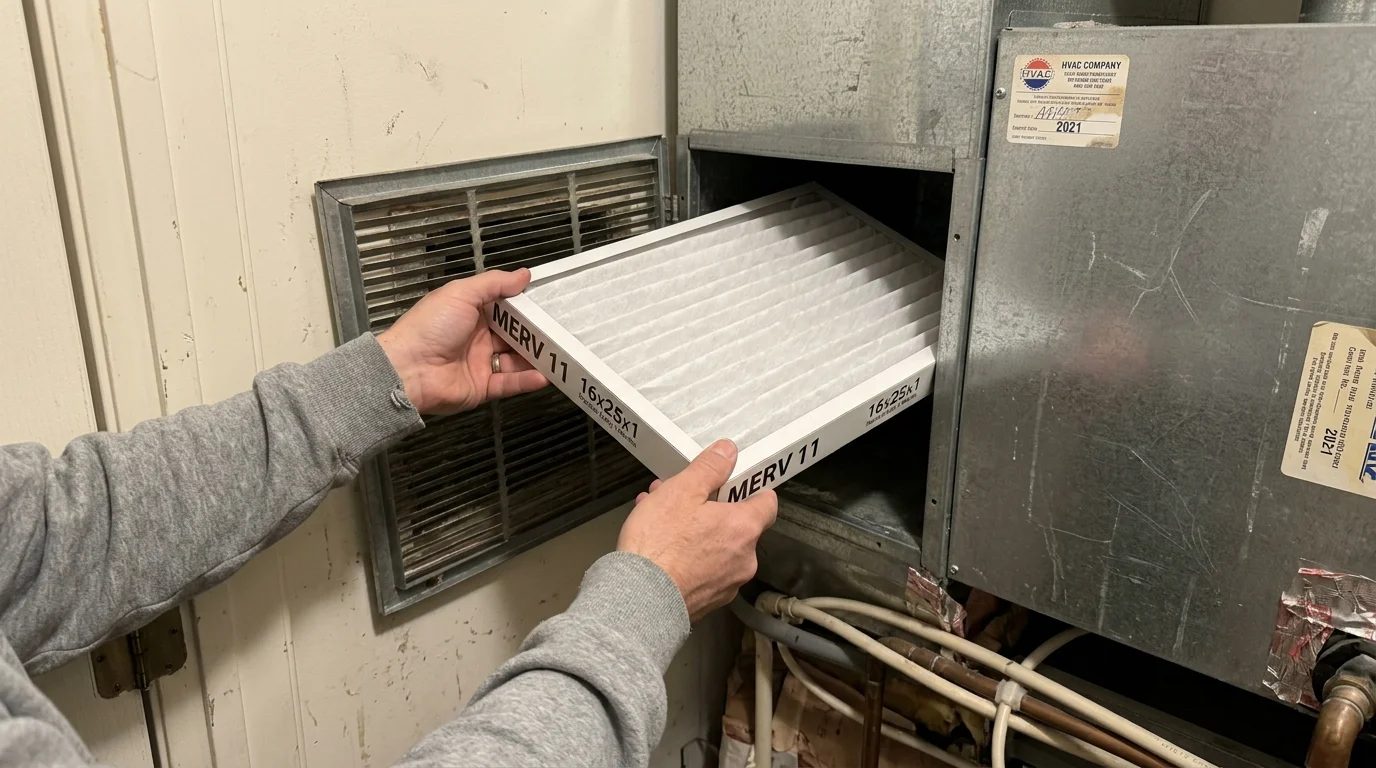
01 Deep-Clean HVAC Vents and Replace Air Filters
Your heating system works hard throughout the autumn and winter months to maintain a comfortable indoor temperature. Before you turn your thermostat to heating mode for the first time, take close look at your supply and return vents; summer dust, pet hair, and pollen accumulate heavily on wall registers and intake grates. Running your furnace with dirty vents circulates those trapped allergens throughout your living space, reducing indoor air quality when your windows remain closed.
Start by turning off your system at the thermostat. Unscrew or unlatch your vent covers, then soak them in warm, soapy water. While the covers soak, reach into the accessible ductwork using your vacuum cleaner’s long hose attachment to clear out loose debris, cobwebs, and pet dander. Wipe down the surrounding wall area with a damp microfiber cloth to catch fine particles before reinstalling the clean, completely dry covers.
Next, replace your furnace air filter with a new model rated appropriately for your system. According to the U.S. Department of Energy, replacing a dirty, clogged filter with a clean one can cut your HVAC energy consumption by 5% to 15%. Choose a pleated filter with a MERV rating between 8 and 11 for optimal balance between air filtration and system airflow. Furthermore, sealing leaky air ducts alongside regular filter changes can boost overall system efficiency by up to 20%, according to ENERGY STAR guidelines.
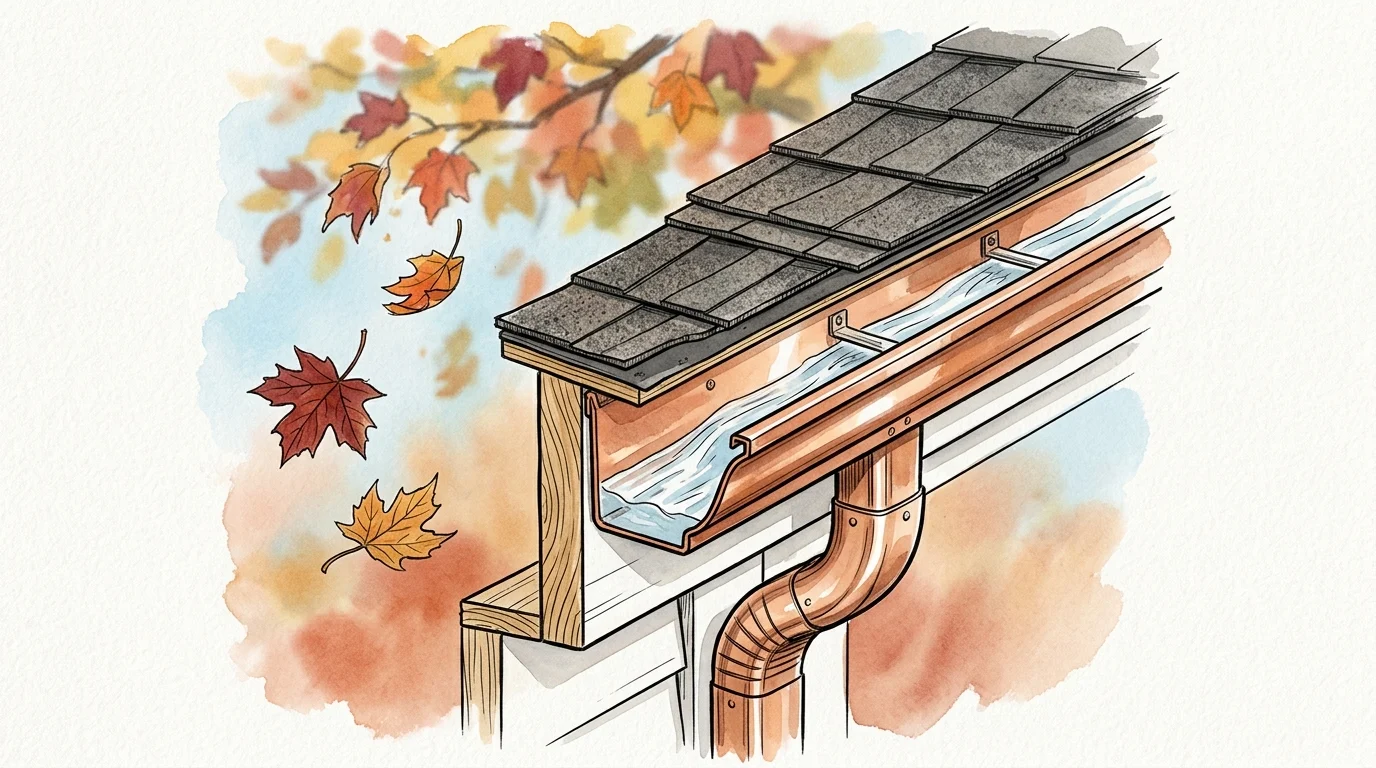
02 Clear Gutters and Downspouts Before Early Storms
Falling autumn leaves create a picturesque outdoor view, but they spell disaster for clogged gutters. Leaves, seeds, small twigs, and windblown dirt build up in your gutter channels during late summer. When heavy autumn rains begin, blocked gutters overflow; water runs down your exterior walls, saturating your foundation and threatening to seep into your basement or crawlspace. In colder regions, standing gutter water freezes into solid ice dams that damage roof shingles and pull heavy gutters away from fascia boards.
While hiring a professional gutter cleaning service costs between $160 and $360 on national average depending on home size and height, you can perform effective ground-level maintenance using telescoping gutter vacuum attachments or garden hose flushing wands. If you choose to climb a ladder, always secure it on stable, level ground and work with a spotter present; older adults should prioritize safety by utilizing telescoping ground tools or hiring trusted help.
Scoop out thick organic material using a small scoop or heavy garden glove, dropping the debris into a bucket attached to your ladder. Once you remove the heavy bulk, flush the entire gutter run with a steady stream of water from your hose. Watch the end of your downspouts carefully; if water trickles slowly, clear the downspout blockage using a plumber’s snake or a high-pressure hose nozzle attached from the top opening.
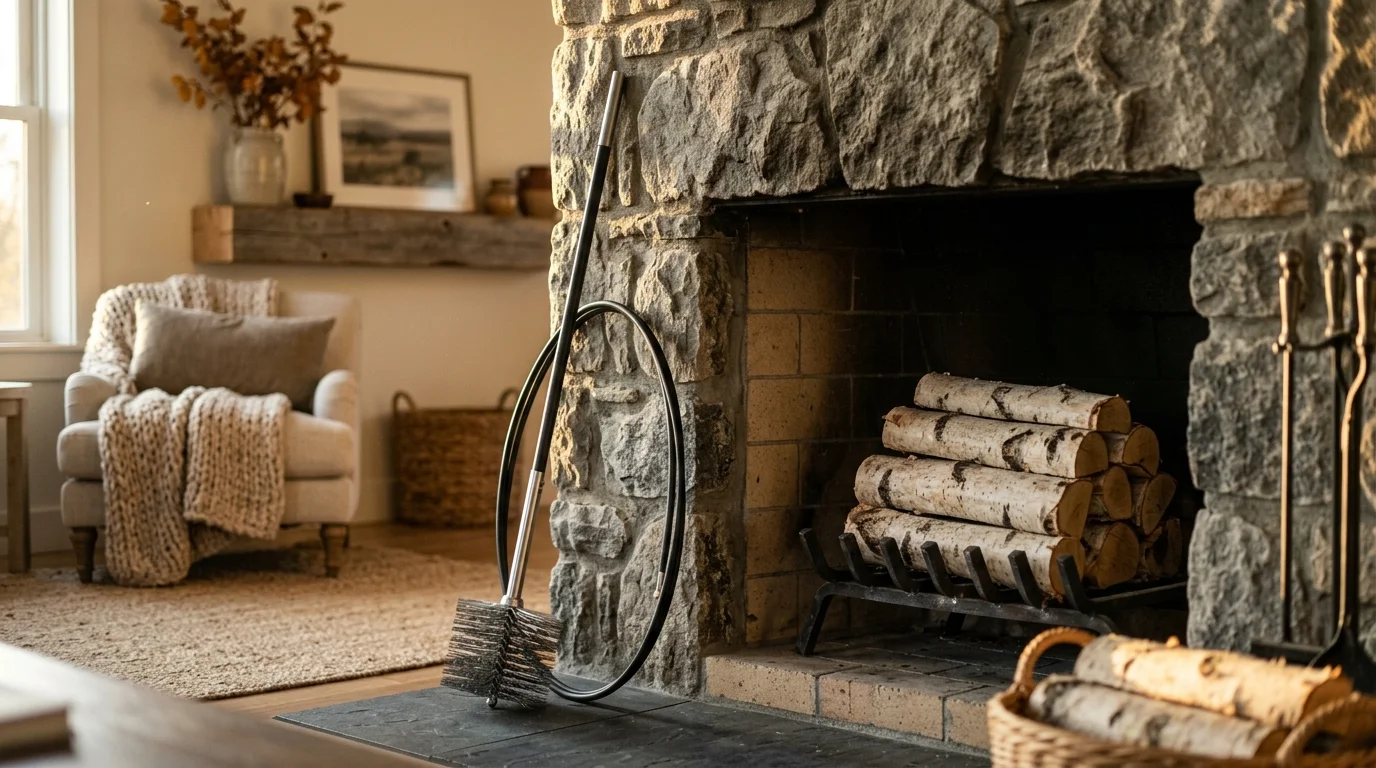
03 Inspect and Sweep Your Chimney and Fireplace
Lighting your first woodfire of the season feels comforting, but an unmaintained fireplace poses severe fire hazards and carbon monoxide risks. Over months of burning wood, creosote—a highly flammable, dark tar-like byproduct—accumulates along the inner walls of your chimney flue. When creosote layers grow thick, intense chimney heat can ignite the buildup, resulting in a dangerous structural fire.
The National Fire Protection Association (NFPA) reports that failure to clean equipment—primarily creosote buildup in chimneys—is the leading factor in home heating fires, contributing to nearly 28% to 30% of home heating equipment fires annually. Scheduling a professional CSIA-certified (Chimney Safety Institute of America) sweep ensures your flue remains structurally sound and free from combustible buildup.
For your routine seasonal cleaning routine, clean the interior firebox by removing old ashes into a metal container; never use a standard vacuum cleaner on fine ash, as fine particles bypass basic filters and damage the motor. Wipe glass doors clean using damp newspaper dipped in cooled wood ash, which scrub off soot stubborn film without scratching the tempered glass. Finally, test your chimney damper to verify it opens and closes smoothly; a stuck damper wastes heated indoor air or fills your home with thick smoke.
04 Reverse Ceiling Fans and Dust High Fan Blades
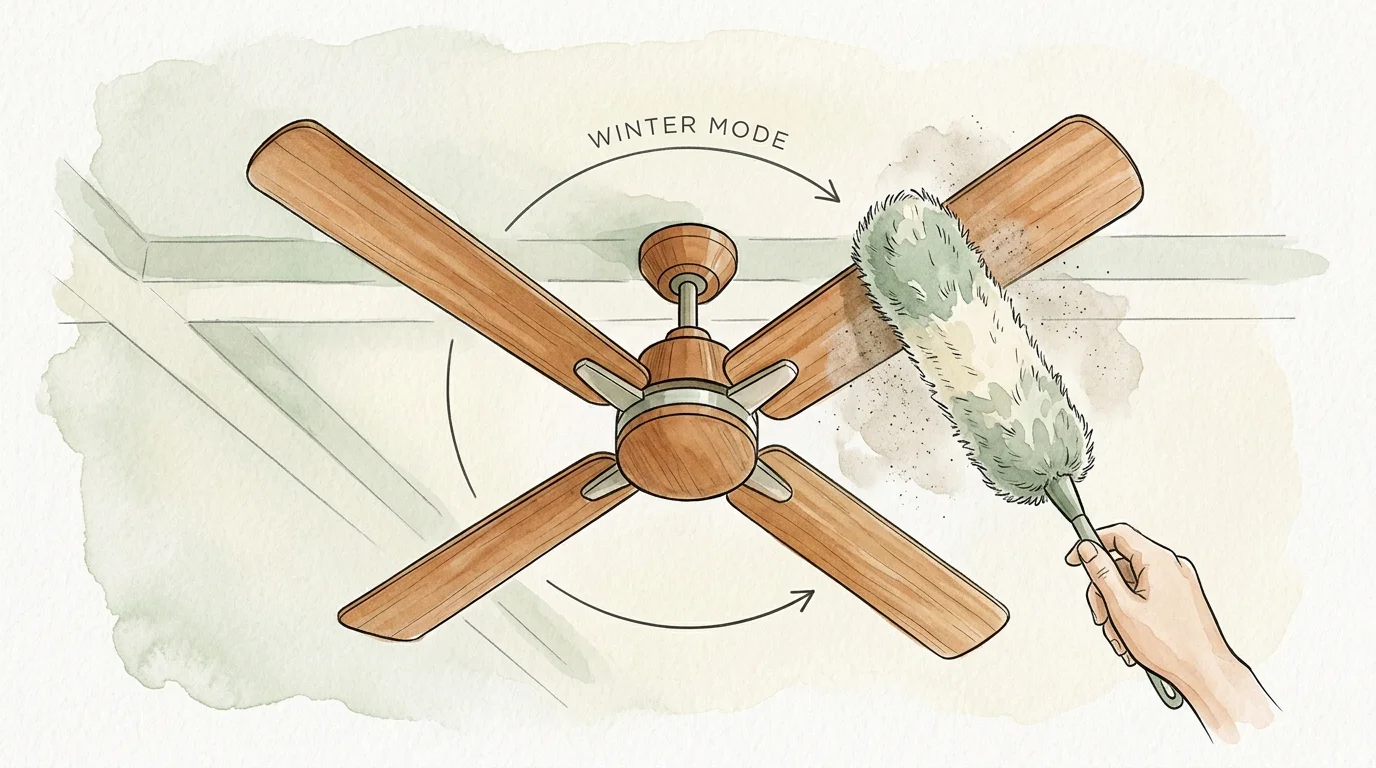
Ceiling fans provide exceptional air circulation during summer heatwaves, but they play an equally valuable role during cool autumn days when set correctly. Because warm air naturally rises toward your ceiling, your living spaces lose valuable heat near floor level. Reversing your fan’s rotation creates a gentle updraft that forces warm ceiling air back down along your walls, evening out room temperatures.
According to research by the U.S. Department of Energy, turning your ceiling fan clockwise at low speed during autumn redistributes trapped heat, which can reduce your heating costs by up to 15% in rooms with high ceilings. This improved heat distribution allows you to set your thermostat 2°F to 4°F lower without sacrificing indoor warmth or physical comfort.
Before you flip the reverse switch, perform a thorough dusting of every blade. Fan blades collect thick layers of greasy summer dust on top. If you reverse the fan before cleaning, those dust clods will shower down onto your furniture and carpets. Slide an old pillowcase over each individual blade, pressing your hands against both sides as you pull the fabric back; the pillowcase traps all loose dust inside without dropping a single speck on your floor.
05 Wash Window Glass, Clean Screens, and Weatherstrip Frames
Autumn brings shorter days and lower sun angles. Maximizing natural sunlight helps warm your home passively while improving daily mood. Clean windows allow maximum solar radiation into your living spaces, whereas dirty, hazy glass blocks a surprising amount of natural light and thermal energy.
Remove window screens and scrub them gently on a flat outdoor surface using warm water mixed with a few drops of mild dish soap. Use a soft-bristle brush to remove caught insects, pollen, and grime; rinse thoroughly with a low-pressure hose and set them in the sun to dry completely. Storing clean screens in a garage or shed over winter protects the mesh from heavy snow and ice buildup, while allowing more sunlight through bare glass window panes.
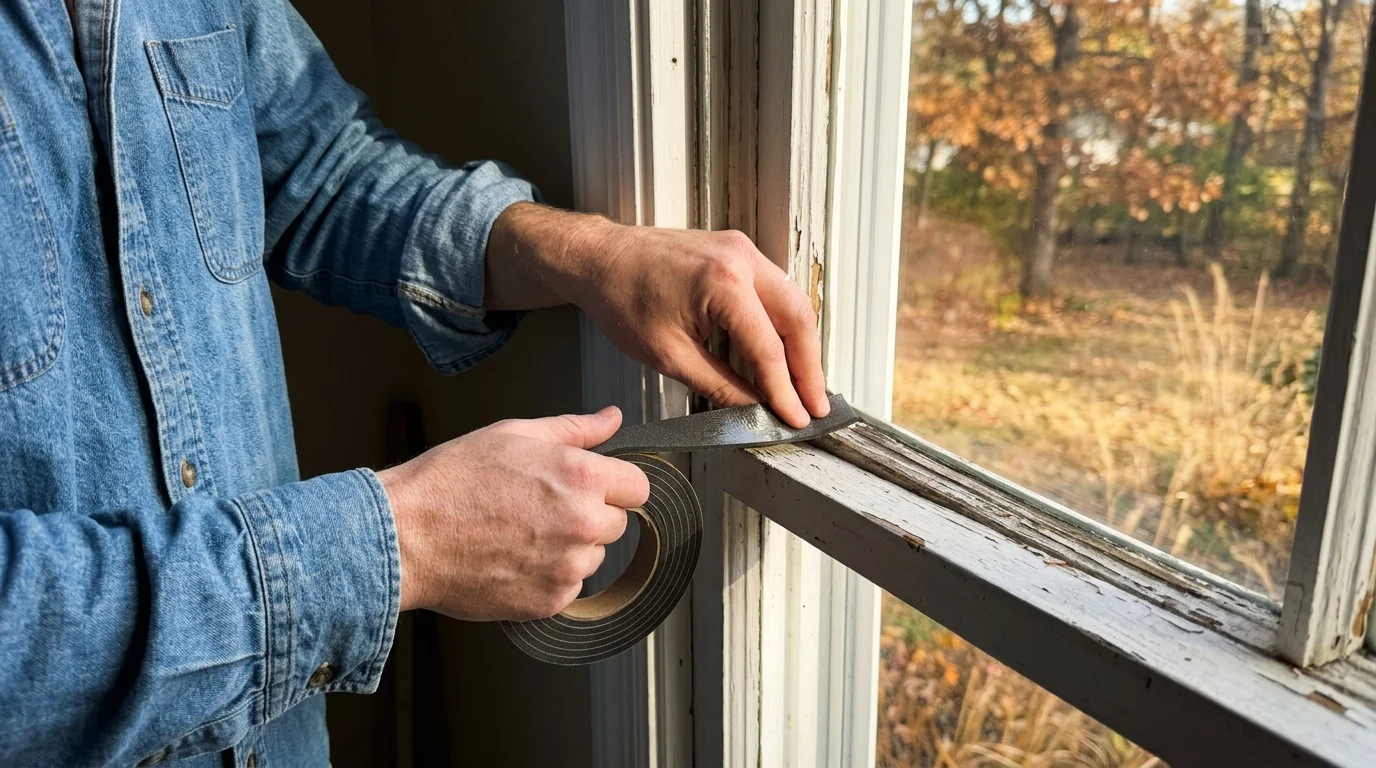
Clean the interior and exterior window glass using a mixture of equal parts warm water and distilled white vinegar, drying the glass with a lint-free microfiber cloth or rubber squeegee. While cleaning around the frames, check the felt or rubber weatherstripping for gaps, cracks, or brittle sections. Replacing worn weatherstripping around drafty windows and exterior doors keeps cold autumn gusts outside, preventing cold spots and lowering heating demands across every room.
06 Deep-Clean Textiles, Area Rugs, and Mudroom Mats
Summer activity pulls outdoor dirt, sand, and pollen deep into home carpets and soft upholstery. Before you close up your home for the colder months, complete a fall deep cleaning checklist task focused on high-traffic textiles. Deep cleaning soft surfaces eliminates lingering allergens from summer before your heating system circulates closed indoor air continuously.
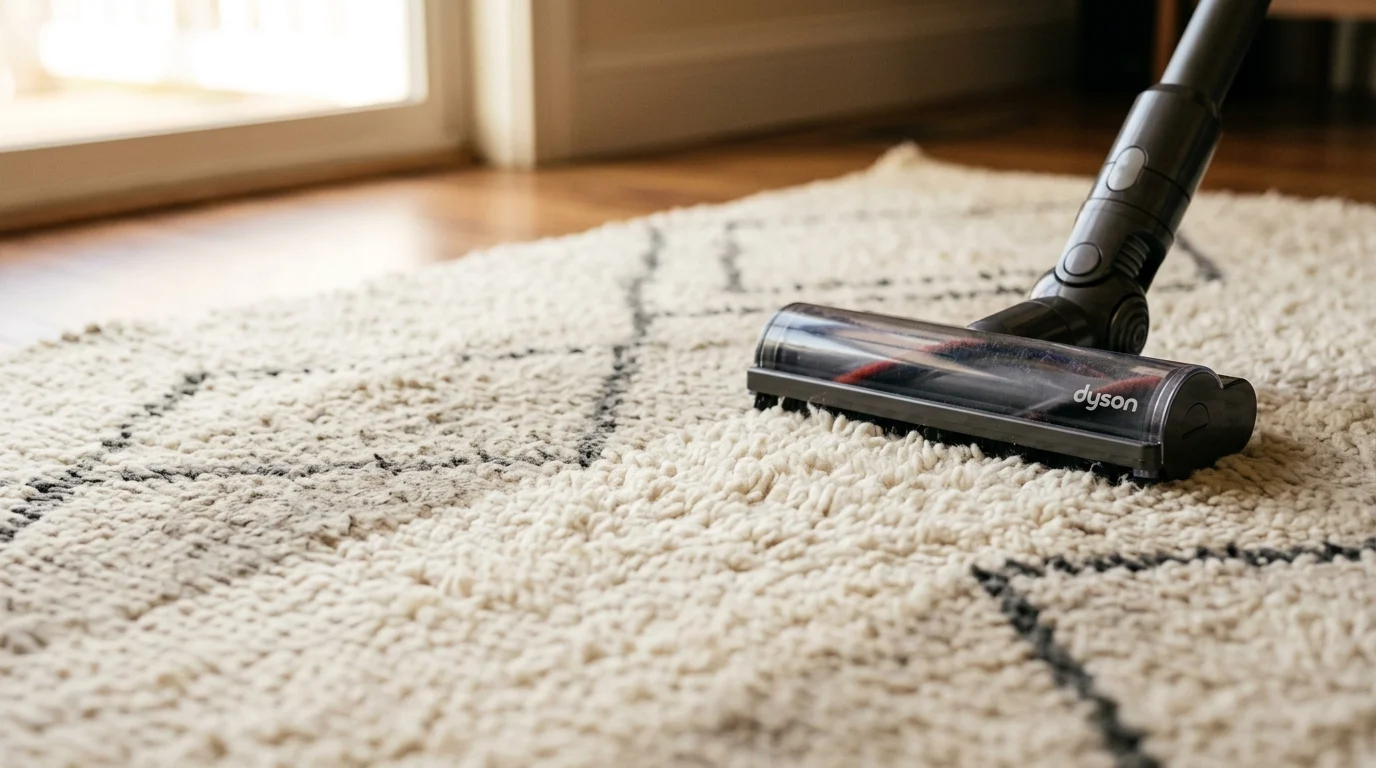
Vacuum your area rugs thoroughly, pulling the vacuum slowly in multiple directions to lift embedded grit that cuts rug fibers. Take smaller woven rugs outdoors and shake them vigorously over a porch railing to loosen deep dust. If you own washable throw blankets, heavy autumn curtains, or cushion covers, launder them according to care labels using scent-free detergents to ensure fresh fabrics around seating areas.
Prepare your entryway for incoming autumn rain, wet leaves, and winter mud by establishing a two-mat trapping system. Place a heavy-duty coir or rubber scraper mat outside your exterior doors to knock off large mud clumps and wet foliage. Directly inside the door, set down a washable, high-absorbency microfiber mat that soaks up moisture from shoe soles. Cleaning and positioning these mats right now stops dirt at your front door, saving you hours of floor scrubbing later.
07 Degrease Kitchen Cooking Appliances and Organize the Pantry
As outdoor temperatures drop, indoor cooking shifts from cool summer salads and outdoor grilling to hearty baked casseroles, slow-cooked soups, and autumn holiday meals. Preparing your kitchen with focused fall home maintenance cleaning simplifies daily meal preparation and reduces fire hazards around hot appliances.
Clean your oven interior before heavy seasonal cooking begins. Baked-on grease and food spills smoke heavily when heated, filling your home with unpleasant odors and setting off smoke detectors. Apply a thick paste of baking soda and water over interior oven surfaces, avoiding heating elements; allow it to sit overnight before wiping clean with a damp cloth and a splash of vinegar. Clean range hood metal grease filters by soaking them in boiling water mixed with baking soda and dish soap to dissolve stubborn grease deposits.
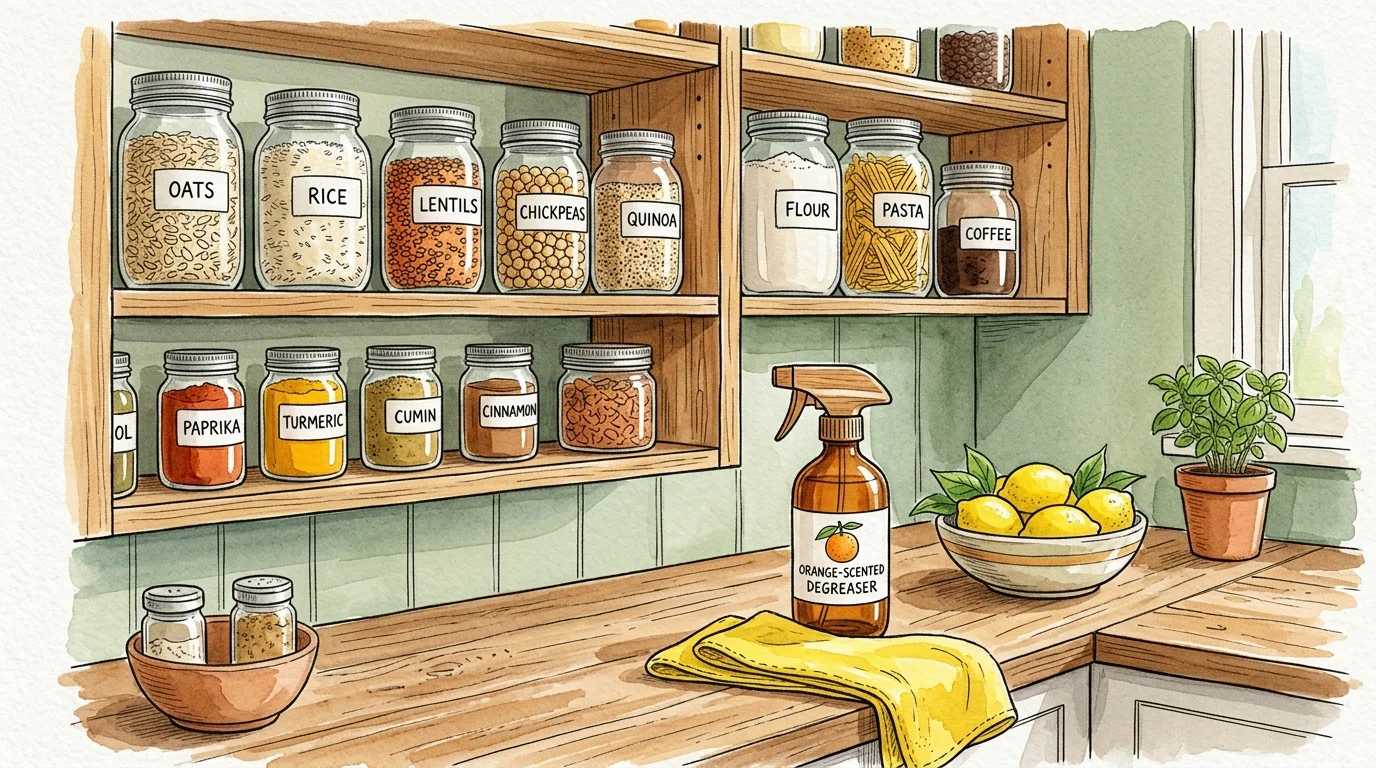
Take time to clean your refrigerator’s condenser coils using a flexible coil brush or vacuum attachment. Coils clogged with dust force your refrigerator compressor to work harder, consuming excess electricity and shortening the appliance’s lifespan. Finally, audit your pantry by pulling out all items, wiping down shelves, discarding expired baking ingredients, and organizing canned goods. A clean, well-stocked pantry makes preparing warm seasonal meals effortless and stress-free.

Autumn Home Maintenance & Cleaning Schedule
Use this convenient summary table to organize your seasonal cleaning routine, allocate proper tools, and understand the core benefits of each essential home task.
| Maintenance Task | Target Frequency | Primary Benefit | Key Tools Needed |
|---|---|---|---|
| HVAC Filter & Vent Clean | Every 60–90 Days | Cuts heating energy use by 5%–15%; boosts air quality | Vacuum hose, MERV 8–11 filter, microfiber cloth |
| Gutter & Downspout Clear | Twice Yearly (Spring/Fall) | Prevents foundation erosion, roof ice dams, leaks | Gutter scoop, hose wand, ladder or telescoping tool |
| Chimney & Flue Inspection | Annually Before First Fire | Prevents dangerous creosote fires (28%-30% risk factor) | Metal ash bucket, glass cleaner, CSIA sweep service |
| Ceiling Fan Direction Flip | Seasonal (Spring/Fall) | Saves up to 15% on heating costs via heat distribution | Pillowcase, step stool, toggle switch adjustment |
| Window Cleaning & Sealing | Twice Yearly | Increases solar heat gain; stops uncomfortable drafts | Vinegar solution, microfiber cloth, weatherstripping |
| Textile & Entry Mat Prep | As Season Changes | Traps incoming autumn mud, moisture, and fine grit | Coir exterior mat, washable interior mat, vacuum |
| Appliance Degreasing | Seasonal Deep Clean | Prevents kitchen smoke, boosts appliance efficiency | Baking soda, dish soap, vacuum coil brush |
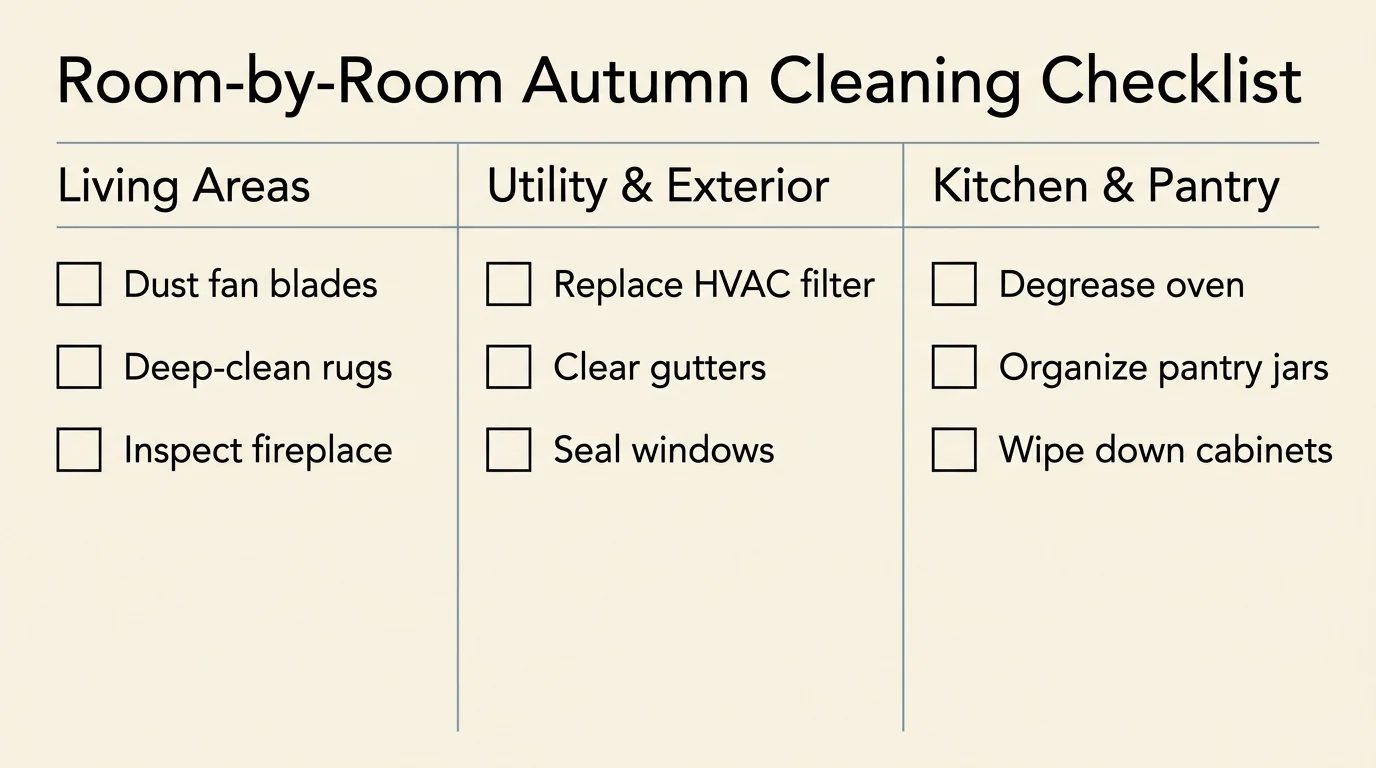
Room-by-Room Autumn Cleaning Checklist
Follow this simple step-by-step room checklist to keep your home organized and fully prepped for the cooler months ahead:
- Living Room & Bedrooms:
- Dust ceiling fan blades with a pillowcase and switch rotation to clockwise at low speed.
- Vacuum upholstered furniture, cushions, and underlying carpet spaces.
- Wash heavy autumn blankets, throw pillow covers, and thick curtains.
- Test carbon monoxide detectors and replace batteries in all smoke alarms.
- Kitchen & Dining Areas:
- Deep-clean the oven box, stove burner grates, and range hood grease filters.
- Pull out the refrigerator to vacuum rear condenser coils and clean floor dust.
- Wipe down pantry shelving and clear out expired canned goods or dry baking ingredients.
- Wash glass light fixtures to maximize kitchen illumination during dark evenings.
- Exterior & Entryways:
- Scoop debris out of gutters and flush downspouts with clean water.
- Wash exterior window glass and store screen frames in protected storage areas.
- Inspect door threshold gaskets and replace damaged foam weatherstripping.
- Set up dual entry mats (outdoor scraper mat and indoor absorbent mat) at primary doors.

Your Immediate Next Step
Pick one quick task from this autumn cleaning checklist today—like replacing your furnace air filter or dusting your ceiling fans—and complete it in under fifteen minutes to start your season strong.