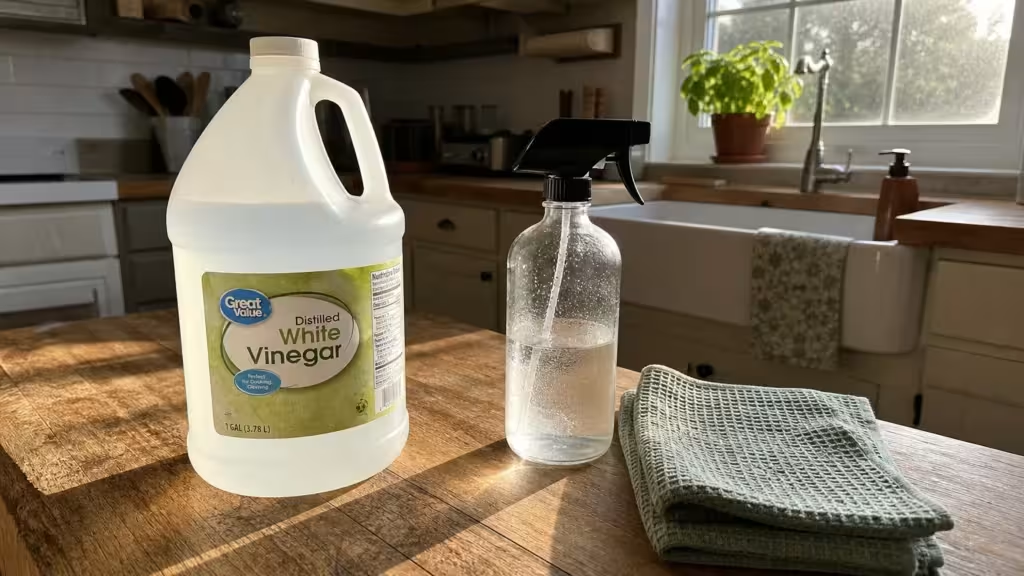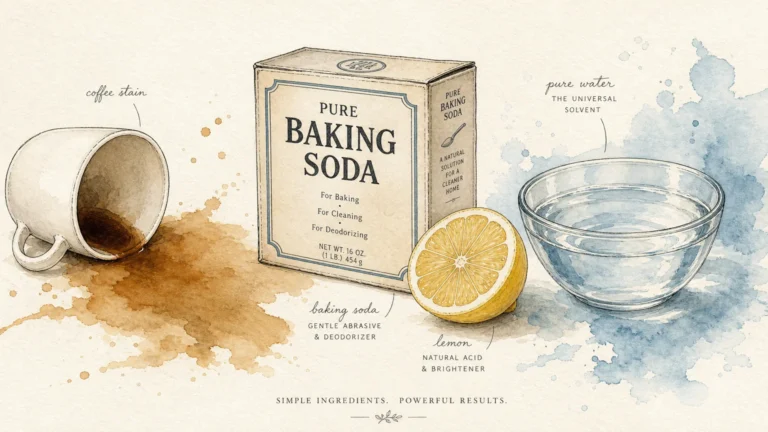
You do not need to buy a specialty spray for every task in your home; the supplies sitting under your sink right now are surprisingly versatile. Everyday cleaners like dish soap, white vinegar, rubbing alcohol, and baking soda can tackle stains, dissolve grime, and freshen fabrics far beyond their intended uses. By rethinking how you use these basics, you streamline your routine, save money, and clear out cabinet clutter. Whether you want to lift stubborn grease from a favorite shirt or easily defog a bathroom mirror, these practical shortcuts make maintenance simpler. Grab the bottles you already own and try these twenty unexpected methods to clean your space faster and more efficiently.
Dish Soap: Beyond the Kitchen Sink
1. Lift Grease Stains from Clothing
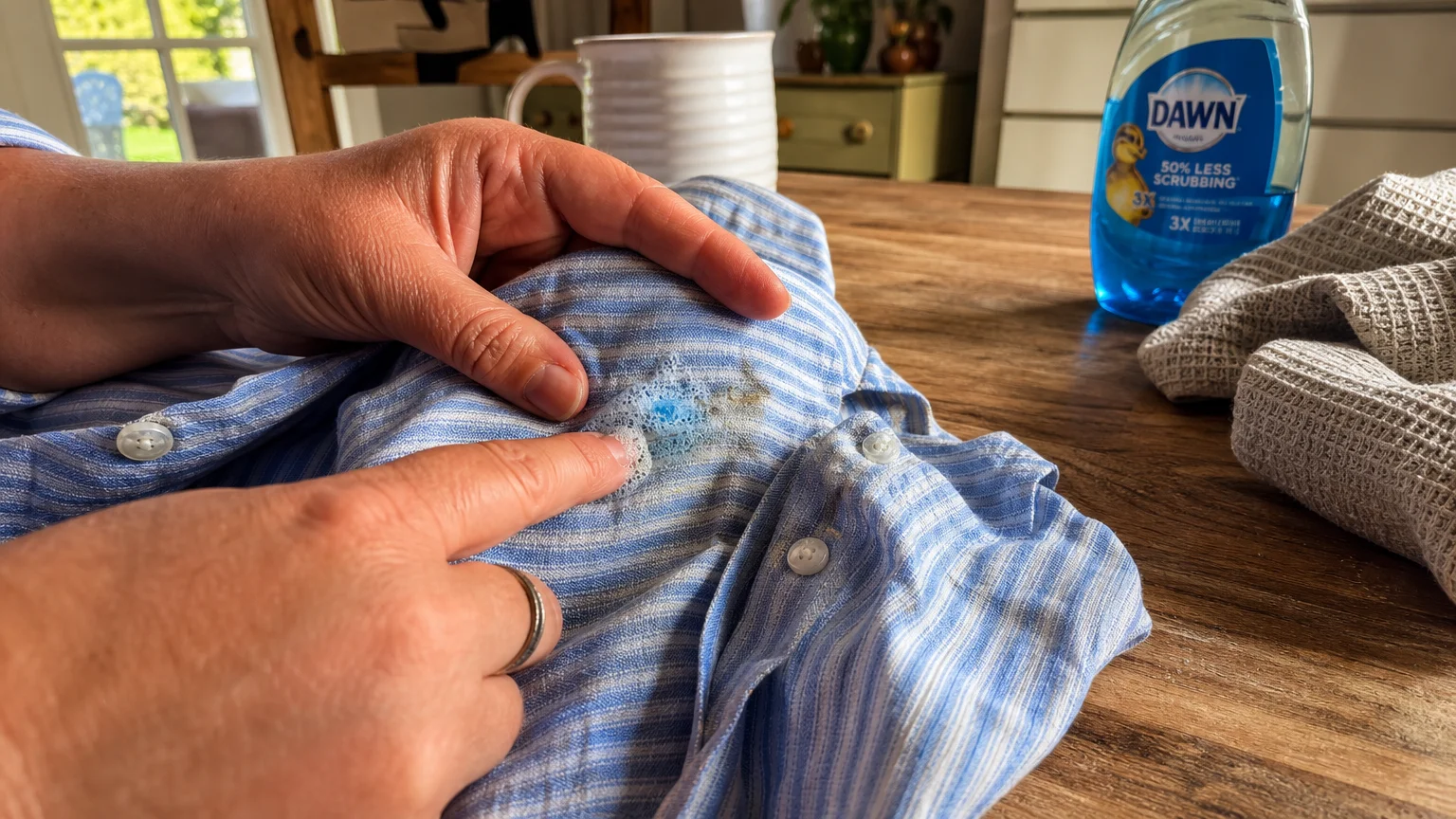
A drop of liquid dish soap is your best defense against salad dressing, motor oil, or bacon grease splatters. Because dish soap is chemically formulated with surfactants to break down food oils and suspend them in water, it works effectively on cotton and polyester blends. Gently rub a small amount of soap directly into the stain using your fingertips or a soft-bristled brush. Let it sit for five to ten minutes to penetrate the fibers, then wash the garment at the warmest water temperature recommended on the care label. The American Cleaning Institute confirms that oil-based stains require a strong solvent or detergent to successfully cut through the fat.
2. Unclog a Stubborn Toilet
If you find yourself without a plunger, dish soap safely clears the bowl. Squeeze approximately half a cup of heavy-duty liquid dish soap directly into the toilet water and let it sit undisturbed for twenty to thirty minutes. The thick soap sinks to the bottom and lubricates the ceramic pipe around the blockage. Follow this by carefully pouring a gallon of hot tap water into the bowl from waist height. The force and heat combine with the slippery soap to break up the clog and flush it smoothly away.
3. Rescue Cloudy Eyeglasses
Commercial lens cleaners are expensive and often unnecessary. A tiny drop of mild dish soap mixed with warm water provides the safest, most effective way to clean everyday eyeglasses or polarized sunglasses. The soap cuts entirely through the facial oils, sunscreen, and skin products that stubbornly smudge your lenses without stripping away delicate protective anti-glare coatings. Lather the soap gently on the lenses with your clean fingers, rinse under lukewarm running water, and dry them with a dedicated microfiber cloth to avoid microscopic scratches.
White Vinegar: The Acidic Powerhouse
4. Descale Crusty Showerheads
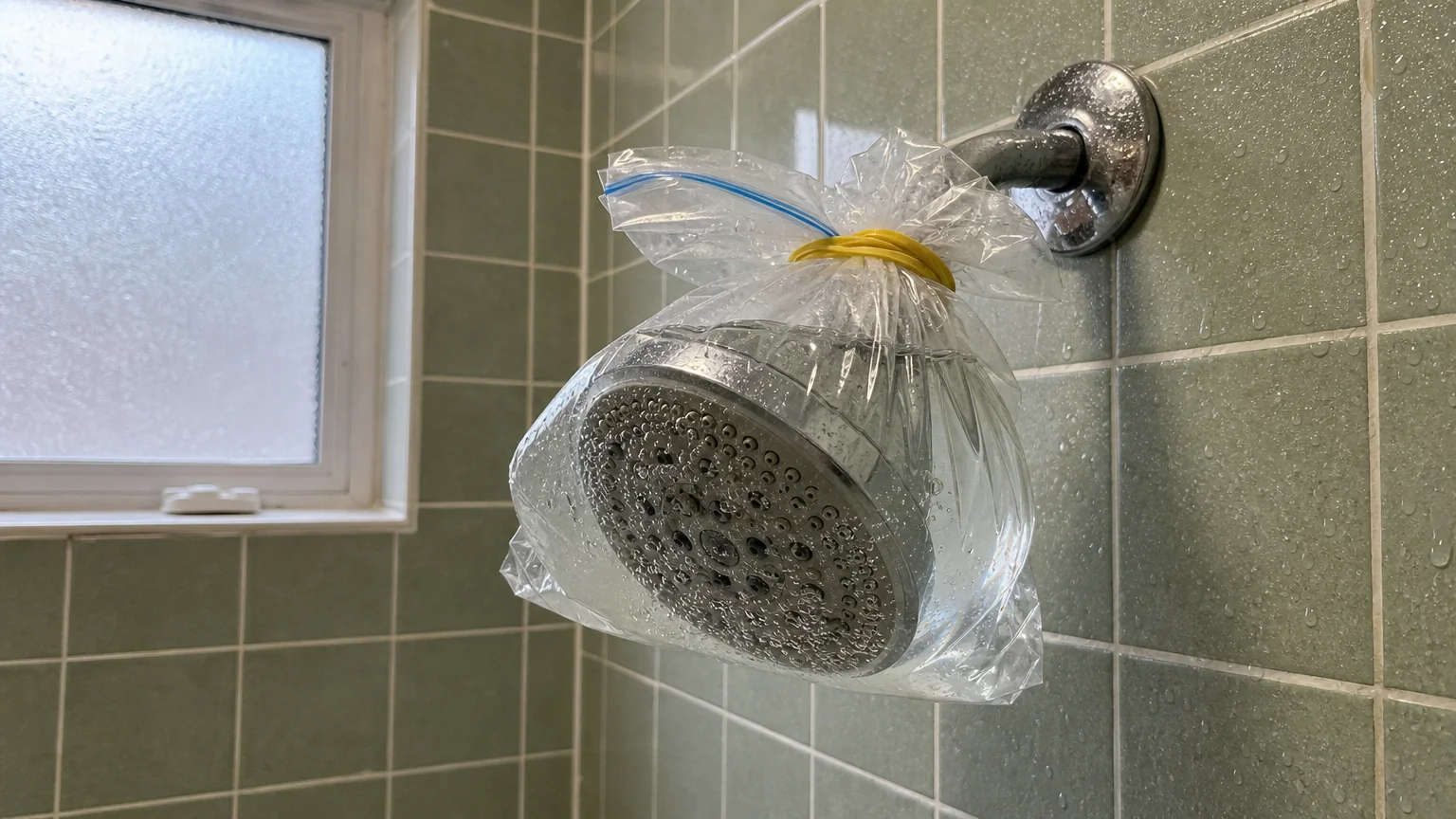
Hard water deposits can severely clog the tiny nozzles of your showerhead, ruining your water pressure and sending spray in every direction. Fill a sturdy plastic sandwich bag with white vinegar, submerge the showerhead inside the liquid, and secure the bag tightly around the pipe with a thick rubber band. Leave it to soak overnight. The natural acidity safely dissolves the calcium and magnesium mineral buildup, so you can simply remove the bag in the morning and wipe the fixture clean. Run the hot water for a minute to flush out any remaining debris.
5. Freshen the Dishwasher
Over time, microscopic food particles, grease, and soap scum accumulate in your dishwasher’s filter and along the door seals, leading to foul, musty odors. You can reset your machine’s cleanliness with one simple step. Place a heavy, dishwasher-safe glass bowl filled with one cup of white vinegar on the top rack of an entirely empty machine. Run a high-temperature cycle without any detergent. The vinegar effectively clears out trapped debris, unclogs the spray arms, and neutralizes lingering smells, leaving the stainless steel interior sparkling.
6. Clean Microwave Splatters
Scrubbing baked-on soup or dried oatmeal from the roof of a microwave requires too much elbow grease. Let steam do the heavy lifting instead. Heat a microwave-safe bowl containing one cup of water and a quarter cup of white vinegar on high power for five minutes. Once the timer finishes, do not open the door immediately; keep it closed for another five minutes to let the trapped steam continue working. The acidic vapor loosens dried-on food splatters, allowing you to wipe the entire interior completely clean with a single damp cloth.
7. Deodorize Smelly Towels
When bath towels develop a permanent musty odor, built-up detergent and fabric softener residue are usually to blame. Wash your clean, dry towels in hot water using one full cup of white vinegar instead of regular laundry detergent. The vinegar strips away the trapped waxy residue and kills the mildew causing the smell, leaving your towels fresh and fully absorbent again.
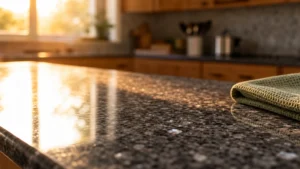
Safety Note: While incredibly versatile, white vinegar is strictly unsafe for natural stone surfaces. Consumer Reports advises keeping it away from marble and granite countertops, as the acid will pit and permanently dull the finish.
Rubbing Alcohol: The Fast-Drying Solvent
8. Erase Permanent Marker Stains
Accidental Sharpie marks on solid surfaces, hardwood floors, or clothing do not have to be a permanent disaster. Rubbing alcohol acts as a powerful, fast-acting solvent that breaks down stubborn ink polymers. According to experts at the Good Housekeeping Institute, sponging the stain with rubbing alcohol effectively transfers the ink from the fabric or surface into a paper towel. Never rub the stain forcefully, as this pushes the ink deeper; always use a gentle dabbing motion, rotating the towel to a clean side as it absorbs the color.
9. Sanitize and Clean Microfiber Upholstery
Water leaves notoriously ugly, dark rings on most microfiber couches, making spot-cleaning feel impossible. Rubbing alcohol solves this problem effortlessly because it evaporates rapidly before it can soak into the padding and leave a water mark.
Here is a step-by-step process to safely clean your microfiber couch:
- Vacuum the couch thoroughly using a crevice tool to remove all loose crumbs, pet hair, and surface dust.
- Fill a clean, empty spray bottle with standard 70 percent rubbing alcohol.
- Lightly mist a small, manageable section of the stained fabric.
- Scrub the damp area gently using a light-colored or white sponge to prevent any dye transfer.
- Allow the alcohol to air dry completely; this usually takes less than twenty minutes.
- Fluff the slightly stiffened fabric by brushing it in circular motions with a soft-bristled scrub brush to restore its original softness.
10. Defrost Car Windshields
Winter mornings are difficult enough without spending ten minutes scraping thick ice off your car. Mix one part tap water with two parts rubbing alcohol in a spray bottle and keep it securely in your car’s trunk or glove compartment. Since rubbing alcohol features a significantly lower freezing point than water, spraying this simple mixture onto a frosted windshield melts the ice almost instantly. You can then use your windshield wipers to clear the slush away, getting you on the road much faster.
11. Shine Stainless Steel Appliances
Banish greasy fingerprints, dog nose smudges, and water drips from your refrigerator and dishwasher by wiping the surface with a microfiber cloth lightly dampened with rubbing alcohol. Unlike thick oil-based stainless steel polishes that attract dust over time, rubbing alcohol cuts right through the natural oils left by human hands. It sanitizes the handle surfaces simultaneously and evaporates completely streak-free, leaving a brilliant, mirror-like finish in seconds.
Baking Soda: The Odor Absorber and Gentle Abrasive
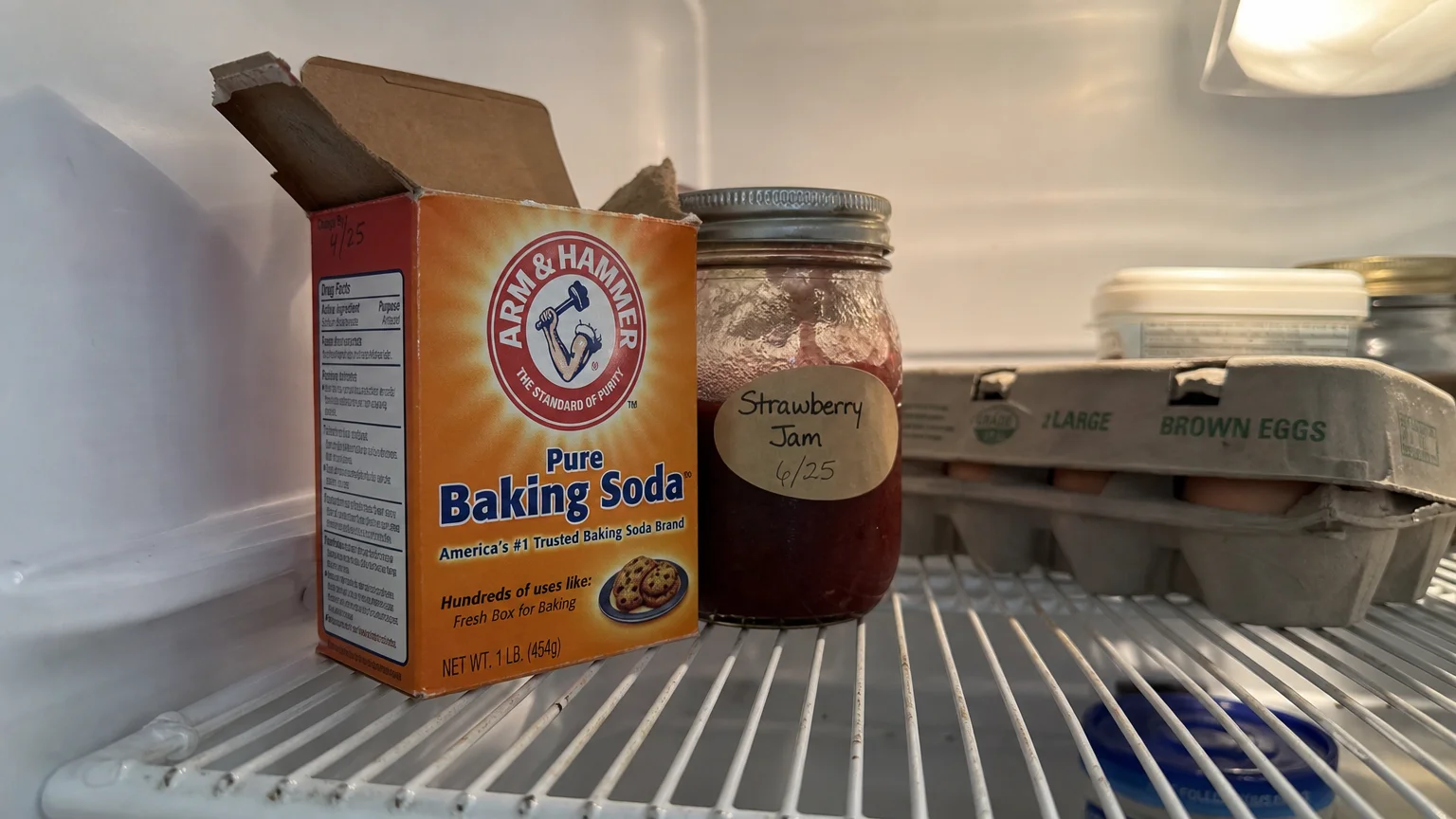
12. Deodorize a Stale Mattress
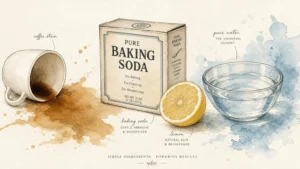
Mattresses silently absorb sweat, body oils, and dead skin cells over the years, leading to a stale, musty odor in your bedroom. Baking soda acts as an intense, natural odor absorber that draws out trapped moisture without the use of artificial fragrances. Strip the bed completely bare, sift a generous, even layer of baking soda over the entire mattress surface, and let it sit for a minimum of two hours. For extra freshening power, leave it on all day while you are at work. Vacuum the powder up thoroughly using your machine’s clean upholstery attachment.
13. Scrub Baked-On Oven Grease
Skip the harsh, lung-irritating fumes of commercial aerosol oven cleaners. Baking soda provides a gentle but highly effective abrasive alternative. Mix half a cup of baking soda with just enough warm water to form a thick, spreadable paste. Coat the greasy interior walls and glass door of your oven, strictly avoiding the delicate heating elements, and let the mixture sit overnight. The alkaline baking soda breaks down the acidic grease slowly. Wipe it away the next morning with a wet cloth, using a plastic scraper for any stubborn carbonized bits.
14. Polish Dull Silverware
You do not need toxic, strong-smelling polishing creams to restore your tarnished flatware or jewelry. Line the bottom of a glass baking dish with standard aluminum foil, keeping the shiny side facing up. Place your tarnished silver items inside so they touch the foil, sprinkle them heavily with dry baking soda, and carefully pour boiling water over the top. The tarnish immediately transfers from the silver to the aluminum foil through a safe, simple electrolytic reaction. Rinse the silver under cool water and buff it dry with a soft cloth.
Hydrogen Peroxide: The Gentle Bleach Alternative
15. Remove Tough Blood Stains
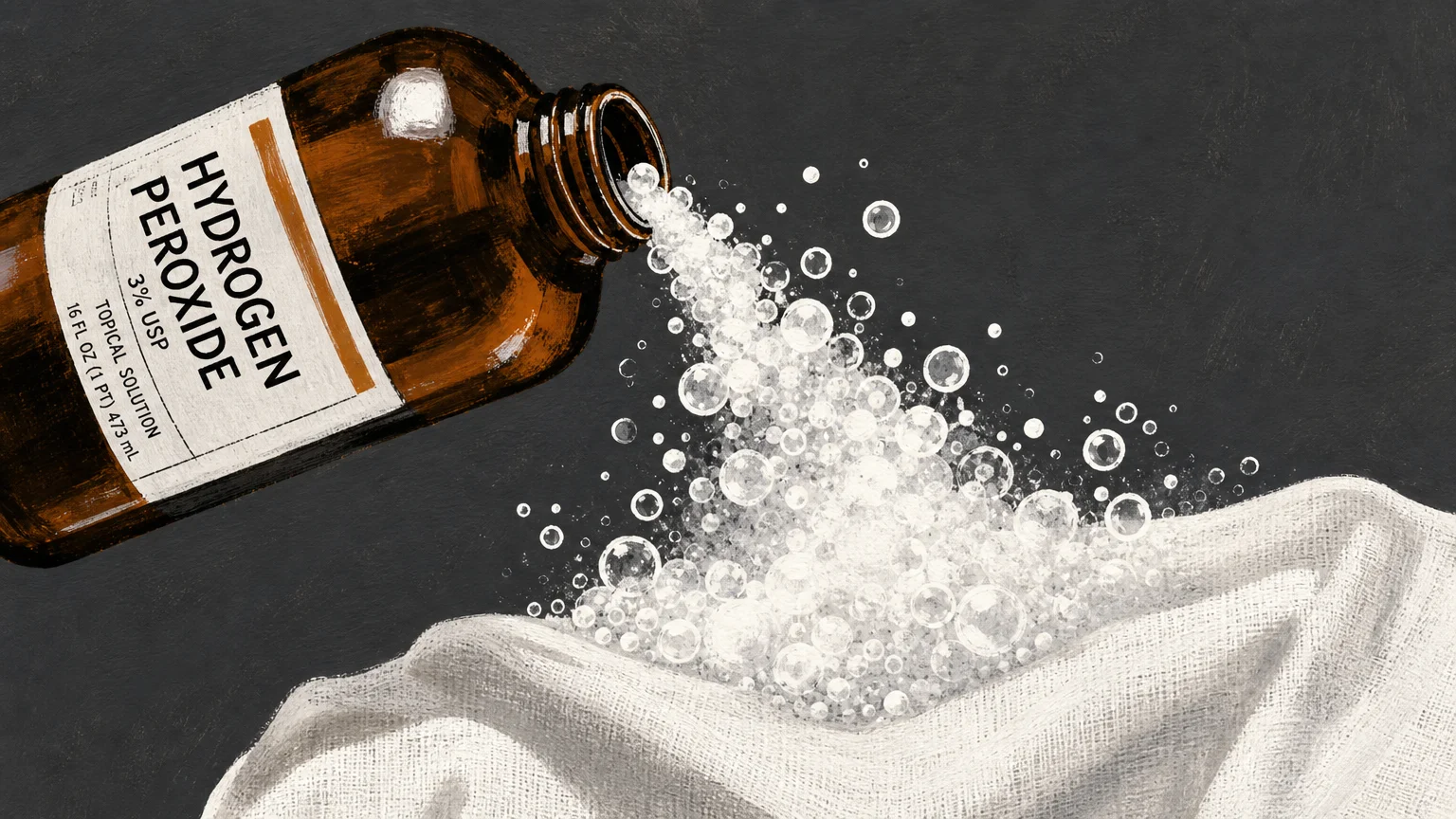
Accidents happen, but a cut finger or scraped knee does not have to ruin your expensive sheets or favorite clothing. Apply standard 3 percent hydrogen peroxide directly to fresh or partially set blood stains. Cleaning experts note that the peroxide will visibly bubble as it rapidly breaks down the complex blood proteins. Let it fizz for a few minutes, blot the area gently with a clean white cloth, and rinse thoroughly with cold water. You must always avoid hot water when dealing with blood, as heat permanently cooks the protein into the fabric fibers.
16. Sanitize Toothbrushes and Retainers
Your toothbrush and clear plastic retainers harbor millions of invisible bacteria, especially since they sit in the damp environment of a bathroom. Drop your toothbrush head-down or place your retainer into a small glass cup. Pour enough hydrogen peroxide to completely submerge the bristles or plastic. Let it soak for ten to fifteen minutes; the bubbling action actively kills germs and breaks down microscopic plaque. Rinse the items thoroughly with warm tap water before putting them in your mouth.
17. Revive Dingy Plastic Containers
Leftover spaghetti sauce or chili heavily stains plastic food storage containers, leaving behind a stubborn orange tint. Rub the stained inside walls with a mixture of baking soda and a splash of hydrogen peroxide, let it sit on the counter for thirty minutes, and wash the container as usual. The hydrogen peroxide acts as a mild bleaching agent that safely lifts the red tomato pigment right out of the porous plastic material.
Unconventional Uses for Other Supplies
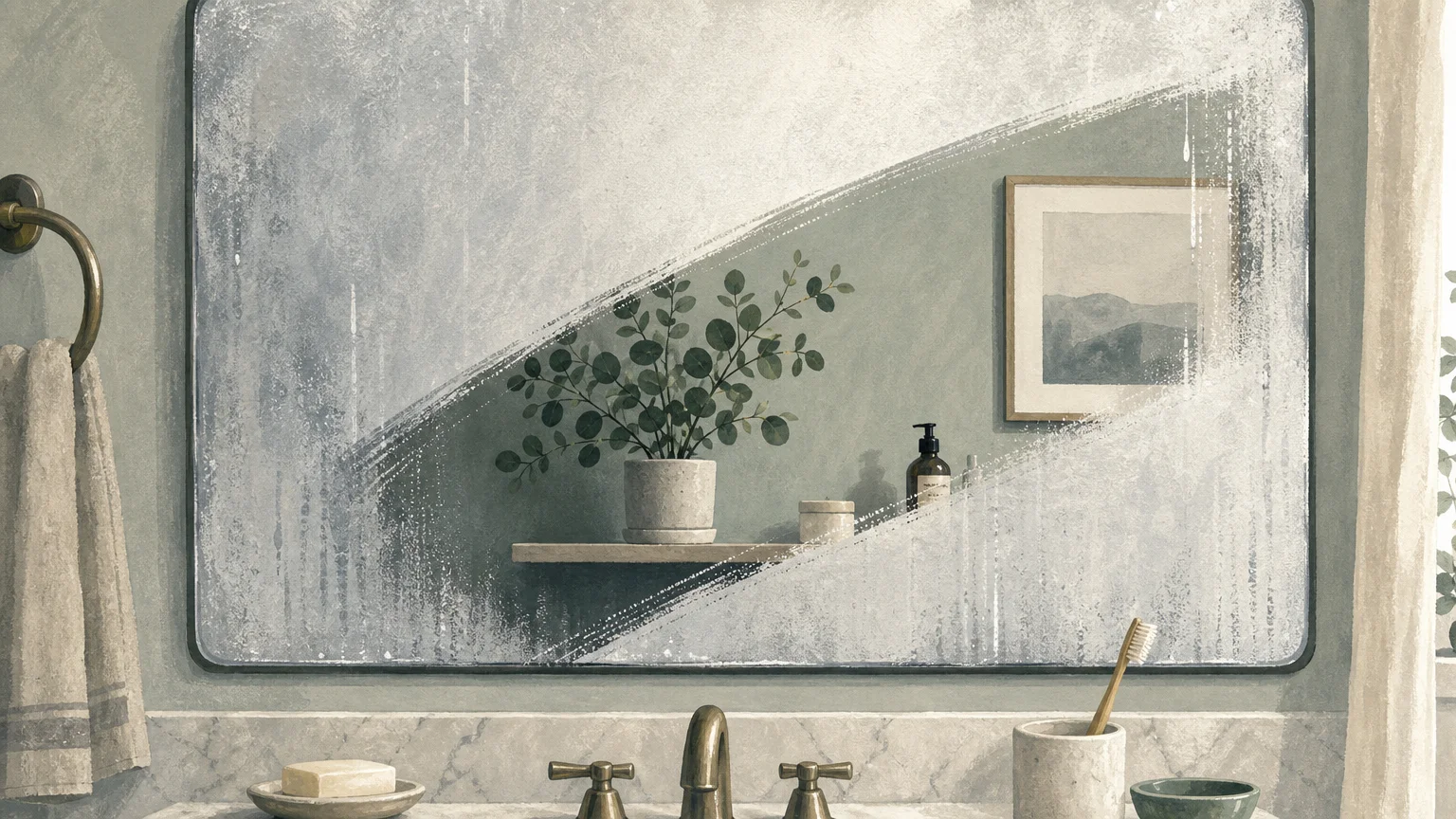
18. Defog Bathroom Mirrors with Shaving Cream
Stepping out of a hot shower only to find a completely fogged-over mirror slows down your morning routine. Apply a thin, even layer of basic foaming shaving cream to your bathroom mirror and wipe it completely clean with a dry microfiber cloth until the glass shines. The glycerin inside the shaving cream leaves an invisible, transparent protective coating. This barrier prevents steam from condensing on the cold glass, keeping your mirror perfectly clear for several weeks at a time.
19. Repel Dust on Baseboards with Dryer Sheets
Baseboards act as a relentless magnet for pet hair, lint, and household dust, forcing you to bend over and clean them constantly. After wiping your baseboards clean with a damp rag, run a fresh laundry dryer sheet directly along the painted wood. The anti-static properties infused in the dryer sheet repel airborne dust particles, keeping your baseboards visibly clean for much longer while leaving a subtle, fresh laundry scent in the room.
20. Whiten Sneaker Soles with Toothpaste
Standard, non-gel white toothpaste contains mild abrasives specifically intended to polish tooth enamel and remove plaque. These exact same properties make it perfect for scrubbing ground-in dirt and scuff marks off the white rubber soles of your favorite sneakers. Apply a small dab of paste to an old, damp toothbrush, scrub the textured rubber vigorously in circular motions, and wipe the dirty foam away with a wet cloth. Your shoes will look freshly unboxed in minutes.
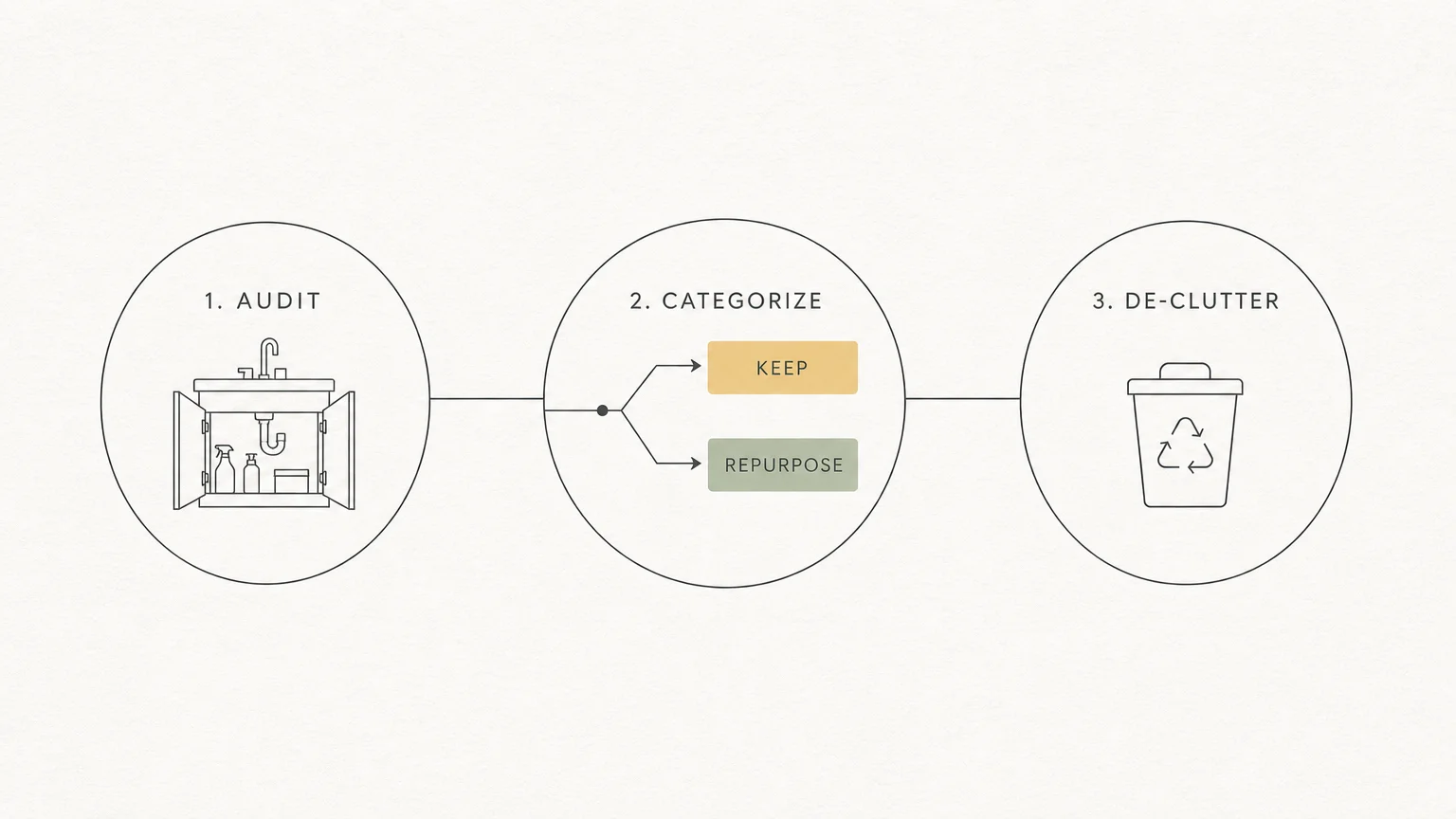
Take Action Today
Pick one room in your home right now, grab a single product from this list, and test out a new technique. Whether you tackle a stubborn clothing stain with dish soap, clear your cloudy mirror with shaving cream, or finally refresh your stale mattress with baking soda, you will quickly see how much easier household maintenance can be. By utilizing what you already own, you simplify your chores and keep your home in top shape with minimal effort.