You can save thousands of dollars on premature carpet replacement by eliminating ineffective, chemical-heavy store products from your routine. Most commercial spot removers actually attract more dirt or permanently discolor your floor fibers.
Replacing carpet in a typical 250-square-foot room costs between $1,000 and $2,700 today. Spending money on harsh consumer formulas often ruins your carpet warranty while accelerating fiber wear.
Learning what not to use on carpet protects your financial investment and keeps your home fresh with minimal effort. Here are eight damaging carpet cleaning products you should stop buying right now.
The Science of Residue, Chemistry, and Fiber Damage
Most retail cleaners claim to dissolve spills magically on contact. In reality, aggressive chemical formulations frequently cause severe carpet cleaning mistakes by disrupting factory engineering.
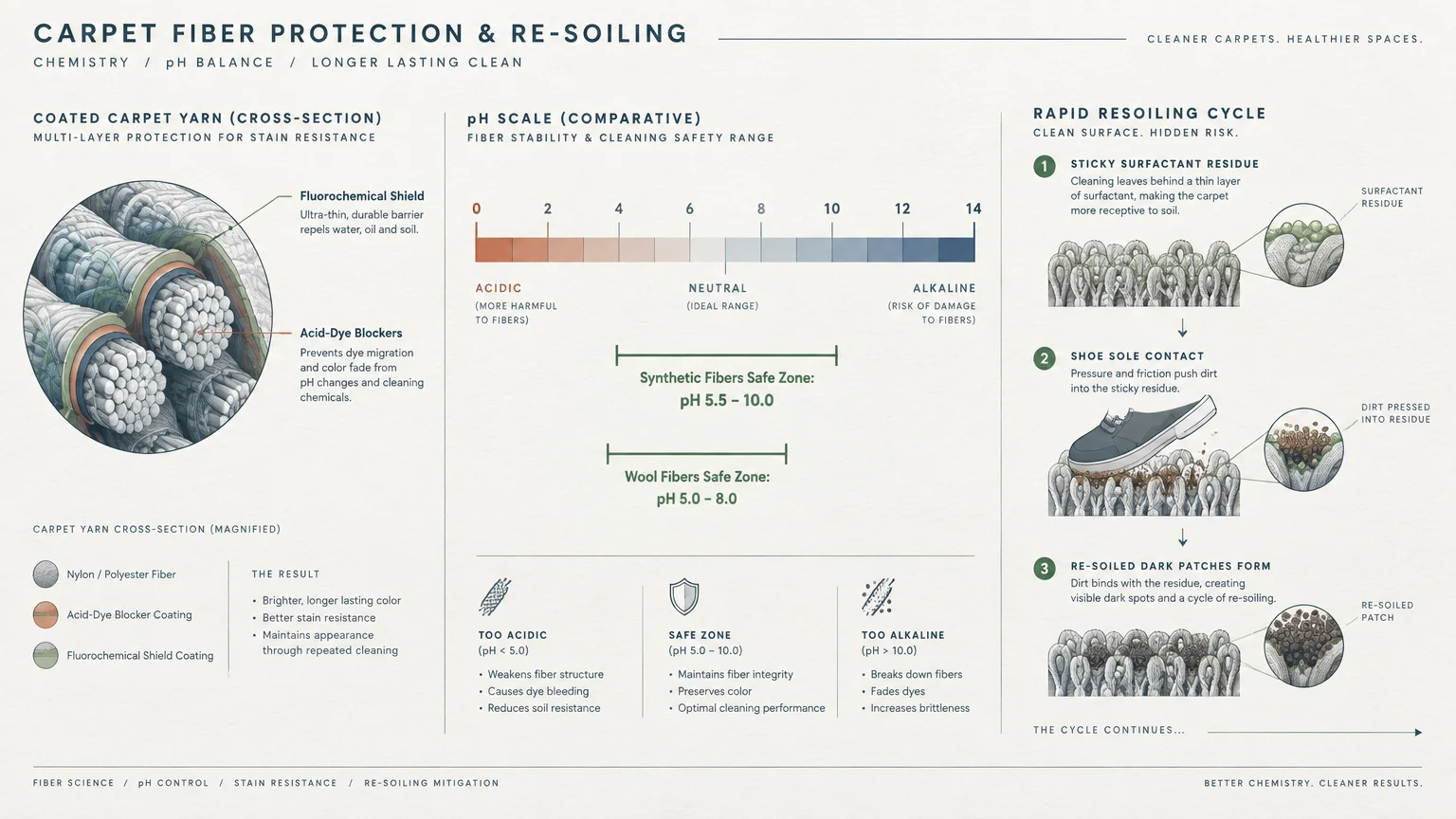
Manufacturers treat modern carpets with acid-dye blockers and fluorochemical coatings. These protective layers prevent liquid spills from bonding to nylon or polyester strands.
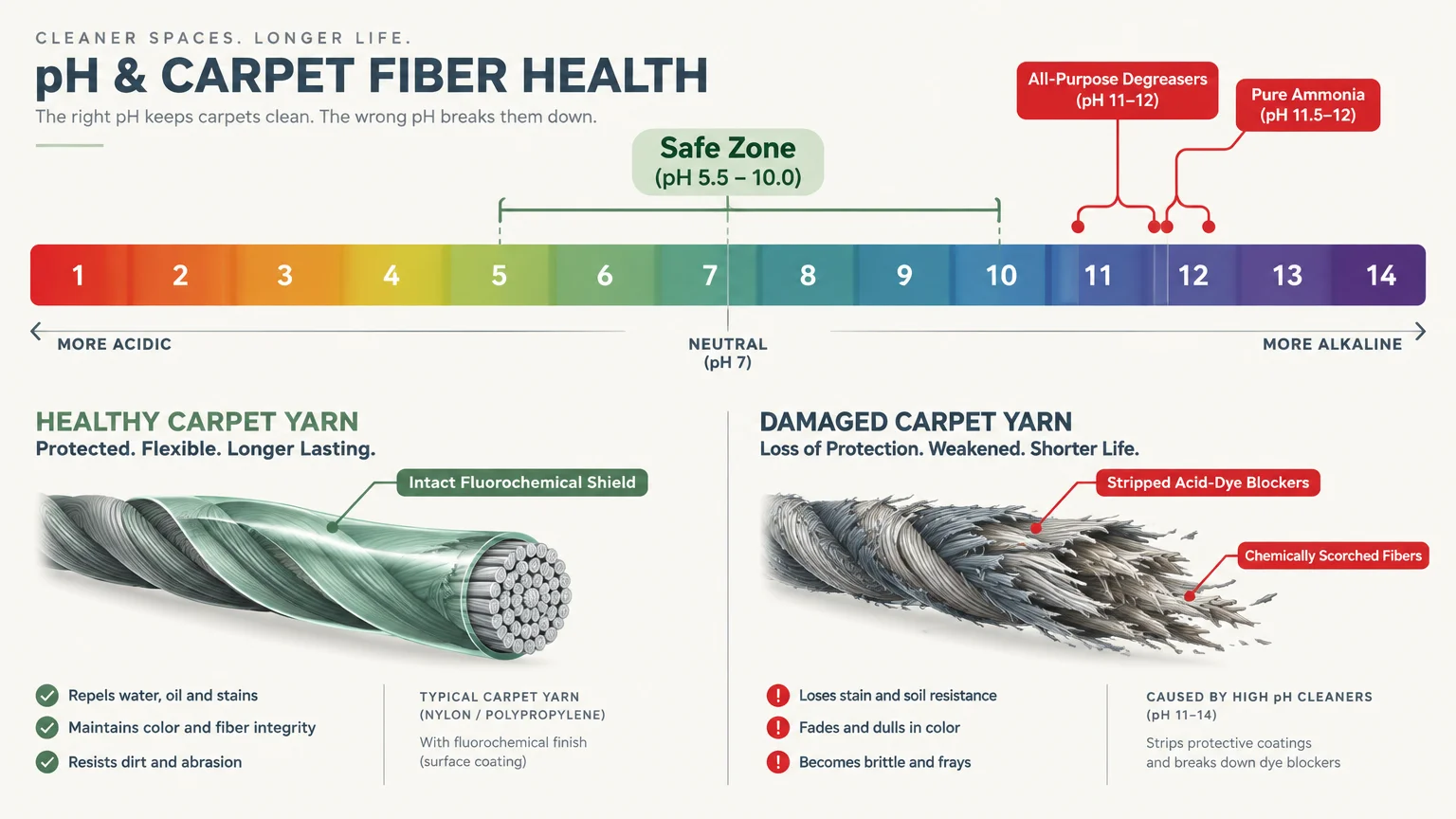
According to the Carpet and Rug Institute (CRI), safe cleaning chemicals must respect strict chemical limits. Synthetic fibers require solutions with a pH between 5.5 and 10.0.
Delicate fibers like wool demand an even narrower range between pH 5.0 and 8.0. Cleaners falling outside these limits strip protective factory coatings or chemically scorch the fibers.
Beyond chemical burning, thick surfactant residues trigger a process called rapid resoiling. When you cannot rinse a cleaning agent away completely, it dries into a sticky film.
Every step across that treated spot presses soil from shoes directly into the tacky residue. Within two weeks, the original spot returns darker than before.
1. Aerosol Foaming Spot Removers with Optical Brighteners
Aerosol foam cleaners look convenient, but they represent some of the most damaging carpet cleaning products in grocery aisles. Many formulas rely on optical brighteners—fluorescent whitening agents that mask stains rather than lift them.
Optical brighteners convert invisible ultraviolet light into visible blue light, tricking your eyes into seeing a cleaner surface. The CRI Seal of Approval program strictly prohibits optical brighteners in certified cleaning solutions.
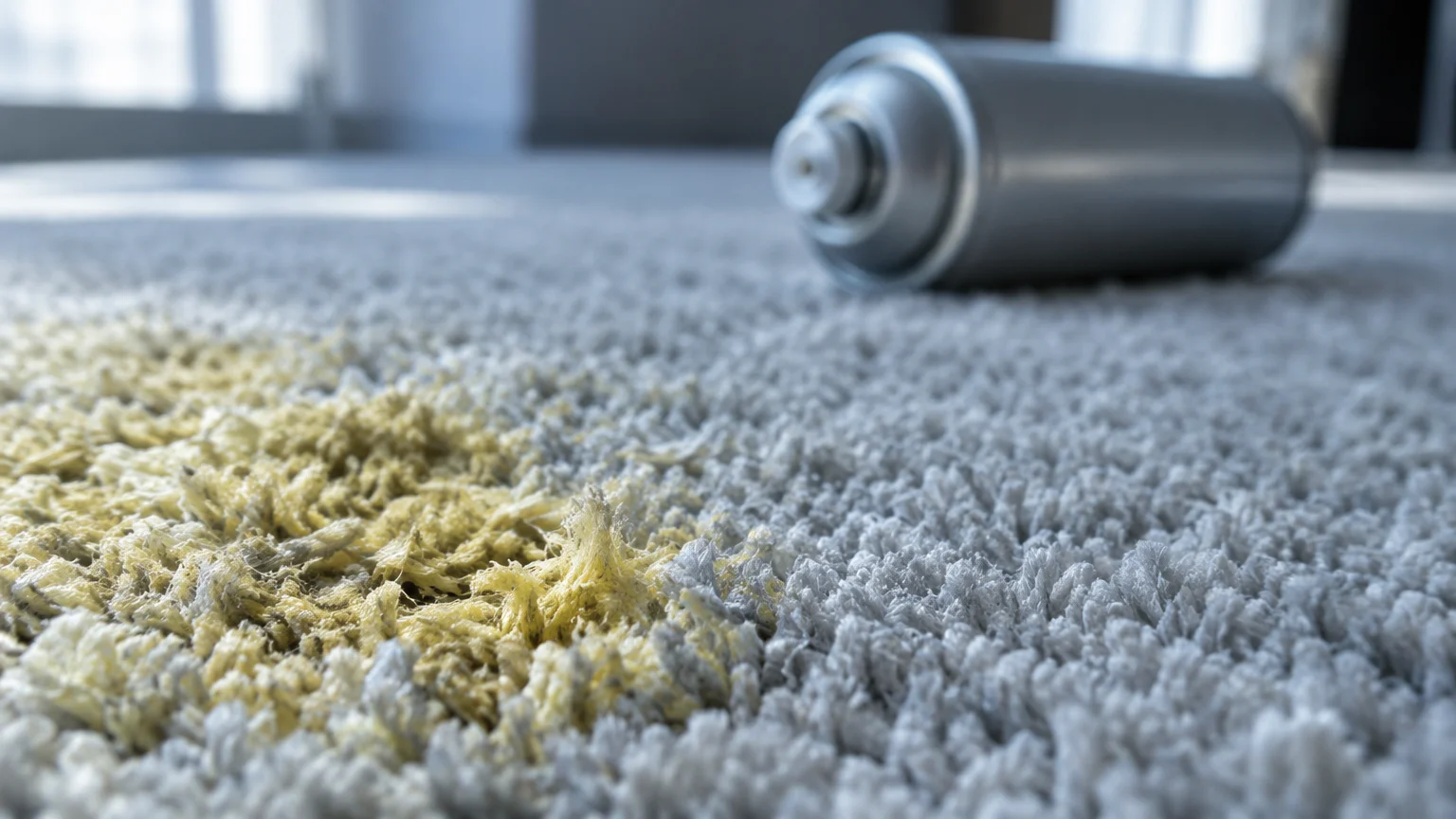
Over time, UV exposure causes optical brighteners to degrade into permanent yellow patches. Once this chemical yellowing occurs, no professional cleaning method can reverse the damage.
These aerosol cans also deposit concentrated detergents deep into carpet backing without providing extraction. You spend money on a product that creates permanent yellow stains while trapping grime.
2. Scented Carpet Deodorizing Powders and Baking Soda
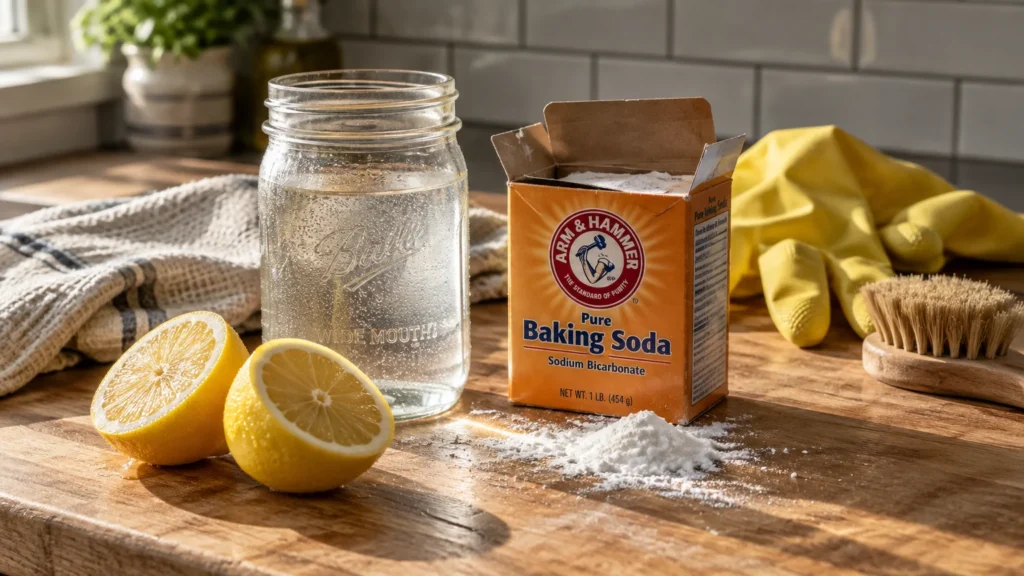
Boxed carpet powders promise to eliminate pet odors with a quick sprinkle and vacuum. Unfortunately, commercial deodorizing powders and household baking soda rank among the primary cleaning products that ruin carpets.
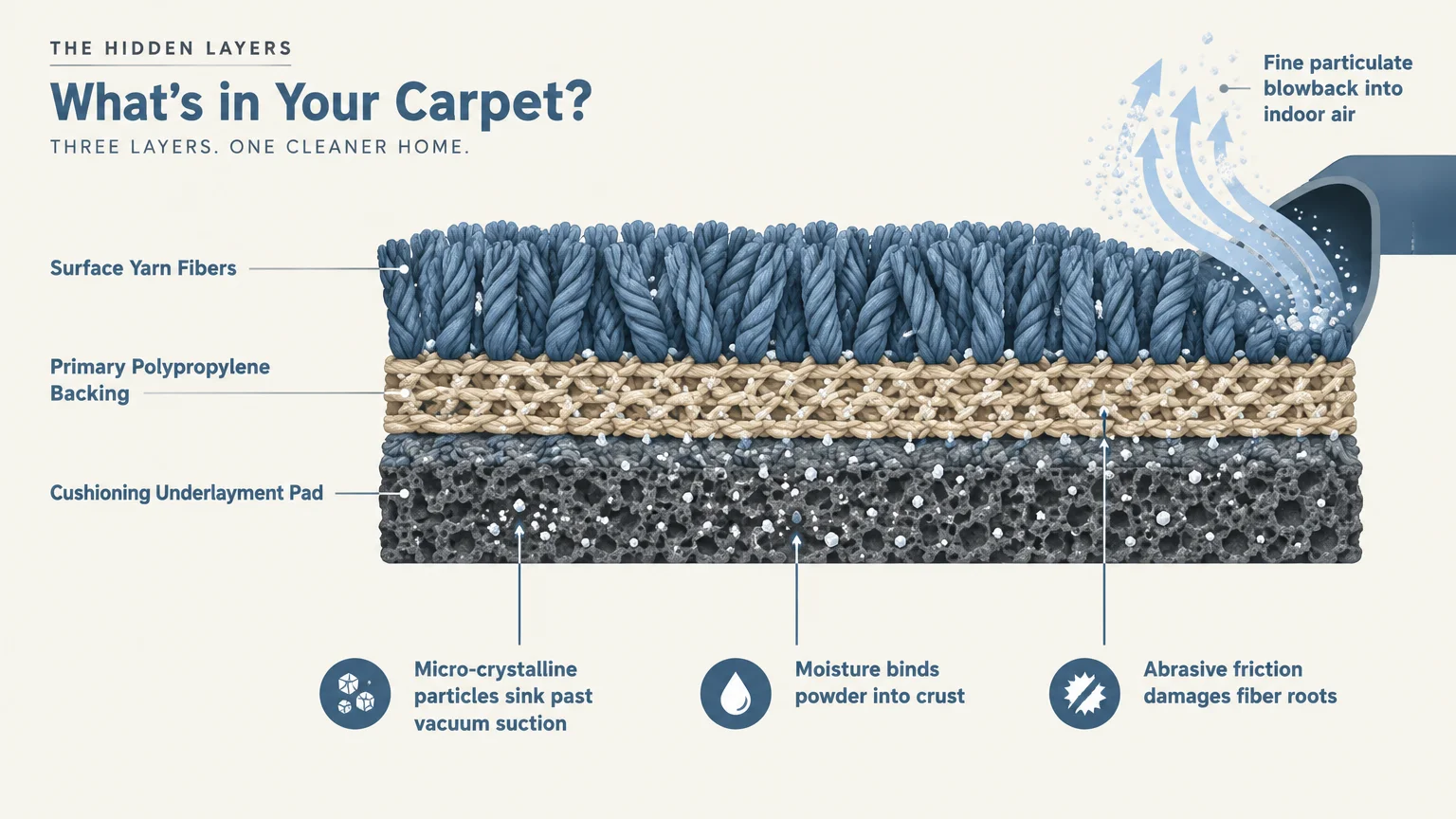
These products consist of micro-crystalline particles that sink past carpet fibers into the backing. Even high-filtration consumer vacuums cannot generate enough suction to dislodge settled powder from the base.
As ambient humidity enters your home, settled powder binds with moisture to form a concrete-like crust. Every time you walk through the room, those gritty particles act like sandpaper against carpet roots.
The EPA notes indoor air quality suffers when vacuum exhaust blows fine particulate matter back into your living space. Skip the store-bought powders and address odor sources at their liquid origin instead.
3. Concentrated Liquid Dish Soaps
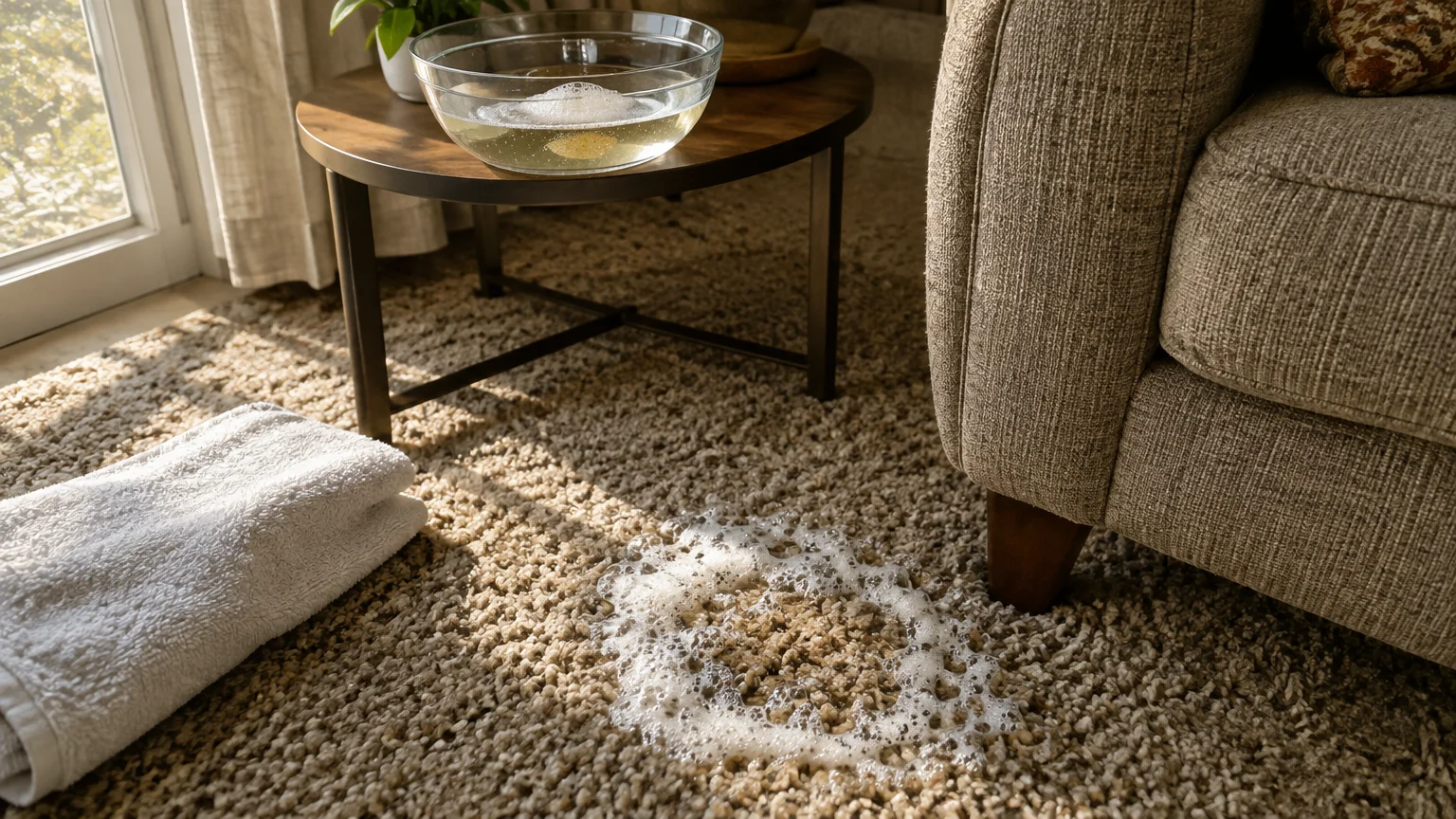
Online cleaning hacks frequently recommend dish soap as an inexpensive universal spot remover. While dish soap cuts kitchen grease brilliantly, using it on carpets creates lasting maintenance headaches.
Dishwashing liquids contain heavy foaming surfactants engineered for endless running tap water. Because you cannot submerge your living room carpet in running water, soap residue remains trapped in the pile.
This trapped surfactant creates a sticky trap that continually pulls dirt off shoes and pet paws. The spot might look clean initially; within days, an oily gray smudge appears in its place.
Extracting dish soap requires gallons of water, which saturates your underlying carpet padding. Wet padding introduces mold and mildew hazards beneath your floorboards.
4. Household Chlorine Bleach Sprays
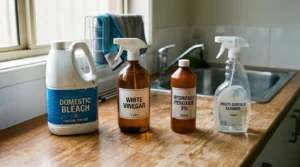
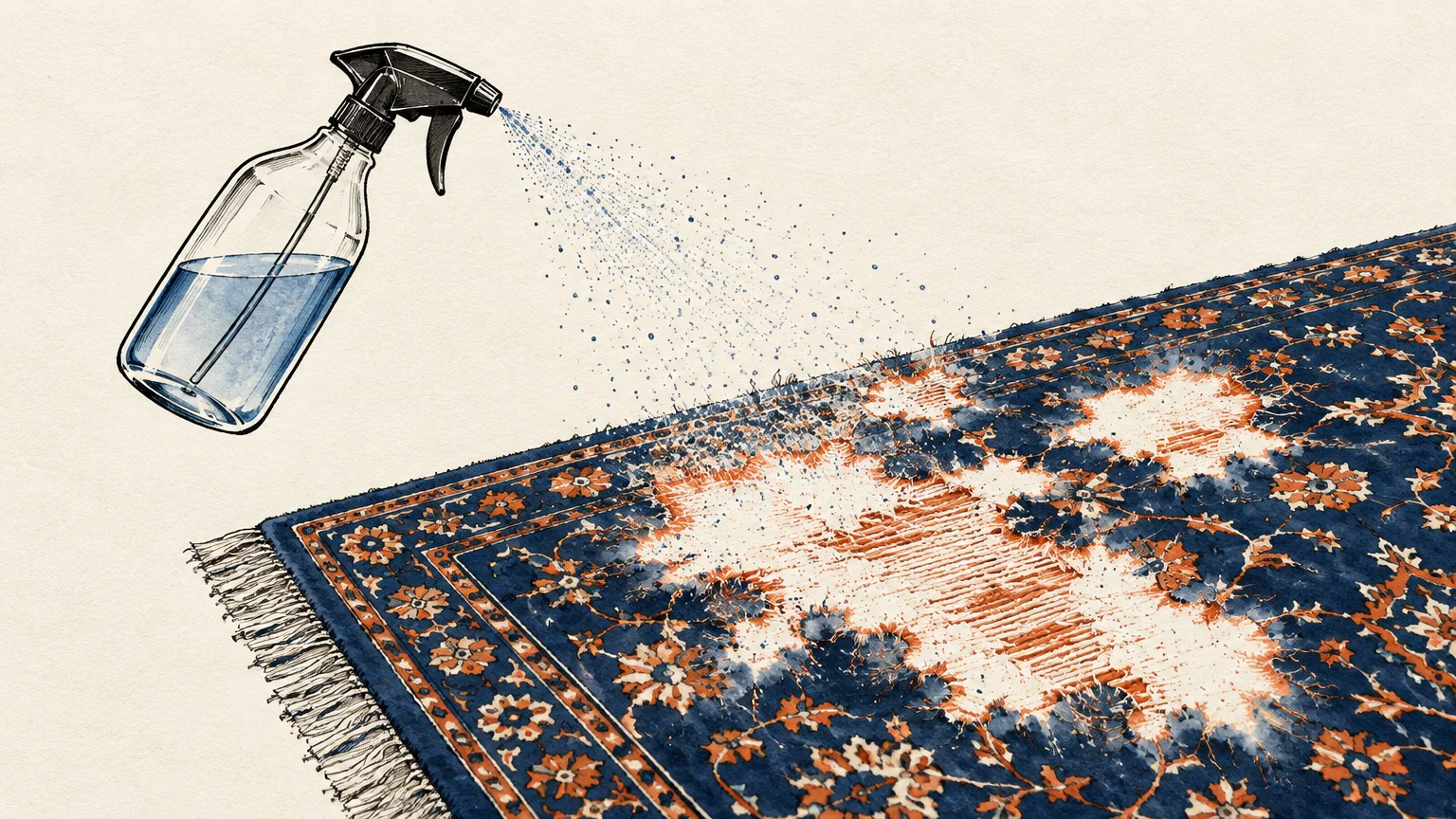
Bleach-based bathroom sprays should never cross the threshold into carpeted rooms. Chlorine bleach strips factory dyes instantaneously, leaving stark white or pale orange patches across your flooring.
Bleach does not clean fiber; it destroys the chemical bonds that produce color. In addition to stripping pigment, bleach dissolves the latex adhesives holding carpet tufts into their backing.
The resulting structural breakdown causes carpet fibers to pull out in clumps during routine vacuuming. Manufacturers void stain and texture warranties immediately if laboratory tests detect chlorine bleach residues.
Even so-called “color-safe” bleaches contain concentrated oxidizing agents that weaken synthetic fibers. Never risk an expensive floor covering with harsh chlorine compounds.
5. Ammonia and Alkaline All-Purpose Degreasers
Window sprays and kitchen degreasers containing ammonia carry an exceptionally high pH, often exceeding 11.5 or 12.0. Cleaners with a pH above 10.0 violate established IICRC carpet maintenance standards.
High alkalinity strips factory stain shields and permanently alters acid dyes in nylon carpets. Ammonia also poses severe behavioral problems for pet owners.
Because animal urine contains ammonia, applying ammonia-based cleaners leaves chemical scent markers behind. Dogs and cats interpret these residual odors as an invitation to re-soil the exact same area.
Spending money on commercial degreasers for carpet spots wastes funds and invites repeat pet accidents. Keep high-pH alkaline cleaners confined to hard, non-porous surfaces like tile and porcelain.
6. Undiluted White Vinegar and DIY Acid Cocktails
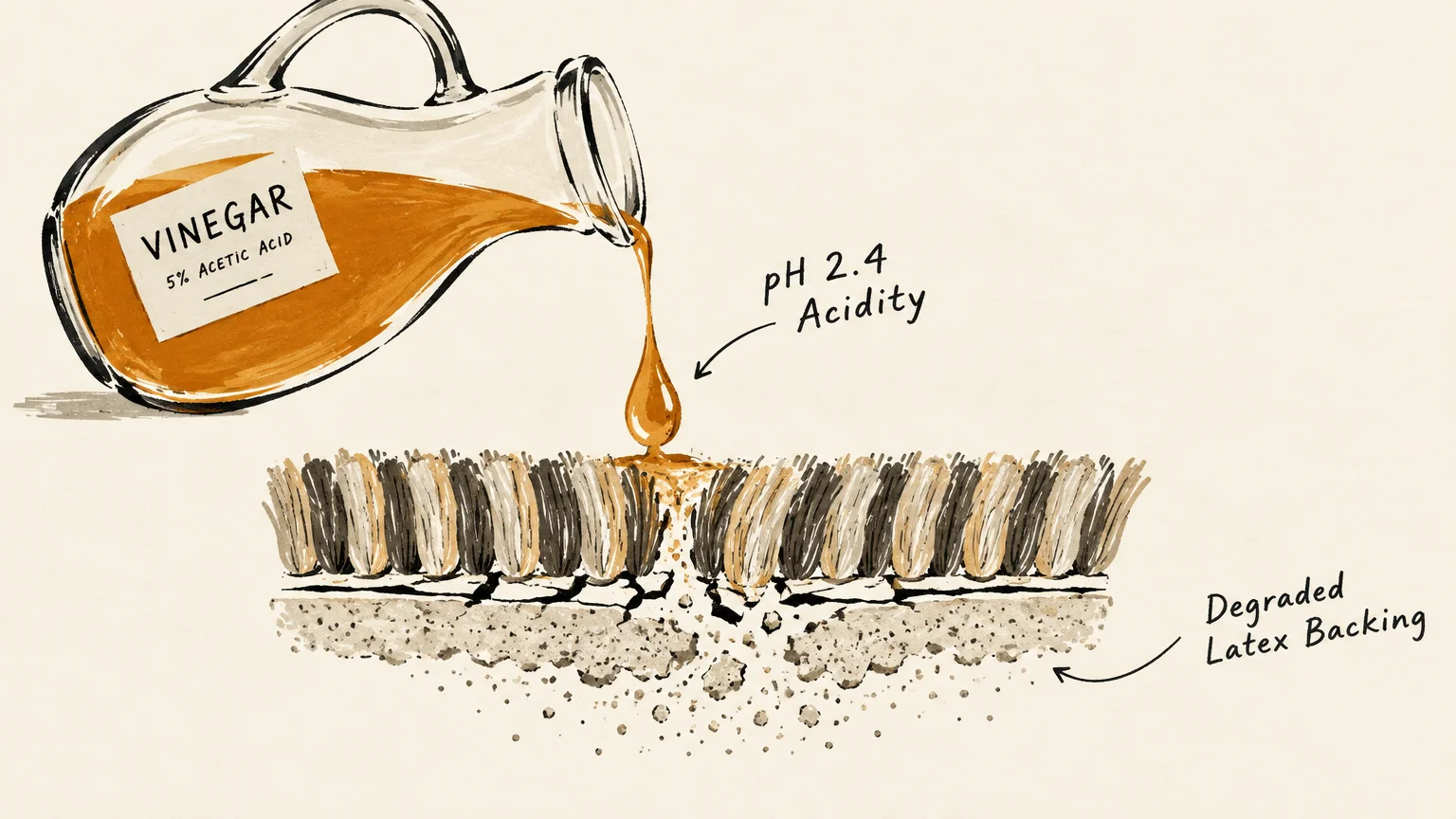
White vinegar sits at roughly pH 2.4, making it a potent household acid. While diluted vinegar serves specific rinsing purposes, dumping undiluted vinegar directly on carpet spots causes irreversible damage.
Strong acids set protein-based stains instantly. If you pour vinegar onto blood, milk, or egg spills, the acid chemically cooks the protein into the fiber matrix.
Excessive acid applications also corrode the secondary latex backing that holds carpet rows together. Once latex degrades, carpets develop ripples, bubbles, and loose backing layers.
Vinegar cannot sanitize carpet padding or eliminate deep biological odors beneath the floor. Relying on vinegar cocktails often locks stains in permanently rather than lifting them.
7. High-Strength Hydrogen Peroxide Concoctions
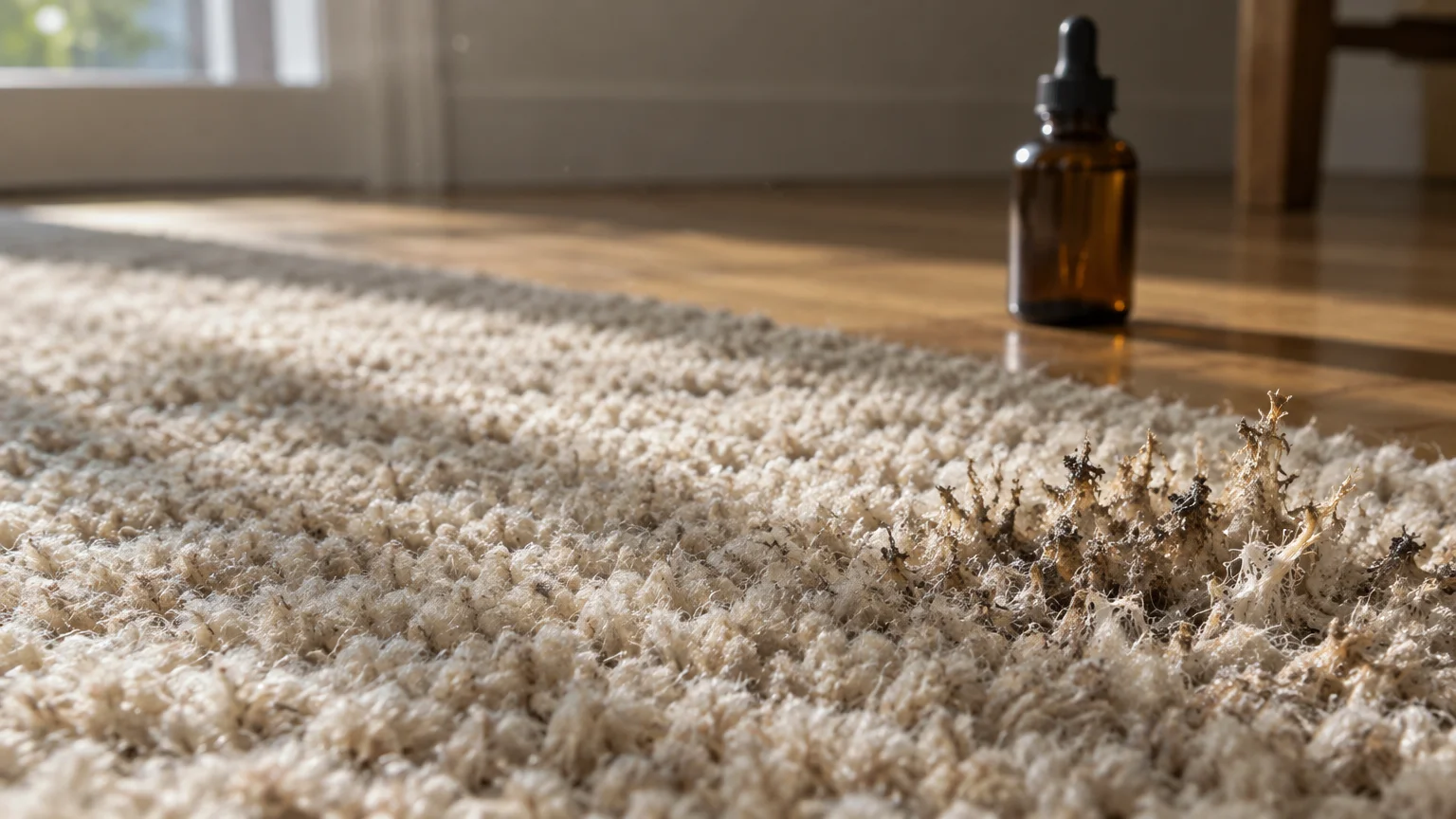
Social media tutorials frequently promote mixing concentrated hydrogen peroxide with dish soap for stubborn spots. Consumer-grade hydrogen peroxide acts as an aggressive chemical oxidizer that requires strict technical controls.
Uncontrolled peroxide mixes slowly bleach synthetic carpet dyes over several weeks, especially when natural sunlight hits the room. What appears clean today becomes a discolored, faded patch next month.
Peroxide also weakens wool and silk fibers by breaking down natural protein structures. The fibers become brittle, snapping off under regular foot traffic and leaving bare spots.
Commercial carpet spotters use stabilized, pH-neutral oxidizers in precise dilutions. Raw hydrogen peroxide mixtures carry too much chemical volatility to justify the modest product savings.
8. Scented Fabric Softeners and Carpet Glazes
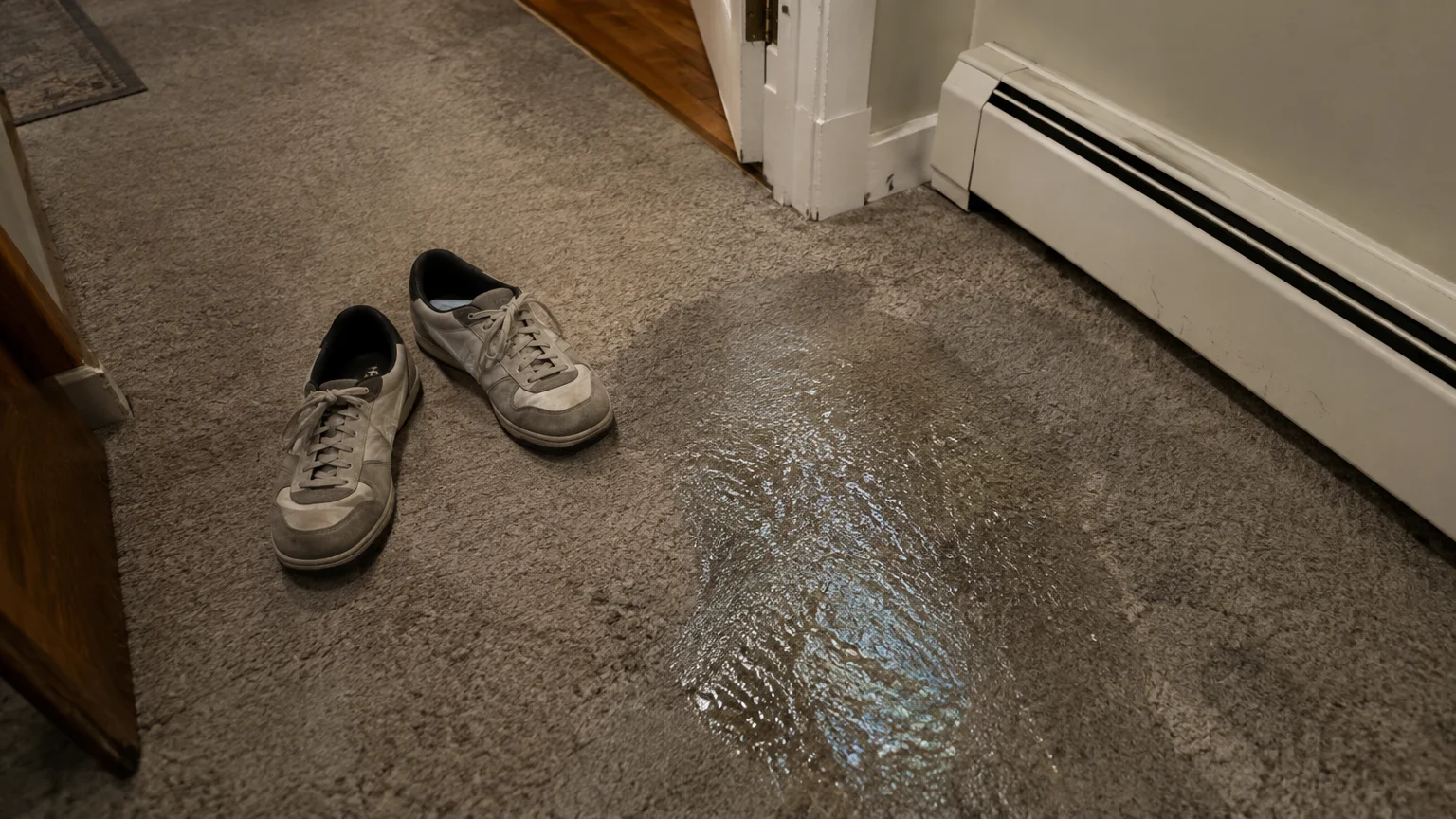
Fabric softeners and aerosol carpet refresher mists claim to restore plush softness and lasting fragrance to crushed carpet pile. In practice, these products coat your carpet strands in slick silicone oils and quaternary ammonium compounds.
These conditioning agents were designed for laundry cycles that rinse thoroughly with warm water. On carpets, oily conditioning agents create a durable, dirt-attracting glaze over the entire floor.
The artificial softness fades within forty-eight hours, leaving behind a gummy film that dulls vibrant carpet colors. Heavily glazed carpets soil twice as fast as clean, untreated fibers.
Furthermore, artificial perfumes only mask underlying organic odors rather than sanitizing the spill. Investing in fabric softeners for floor care is a fast way to ruin texture and waste money.
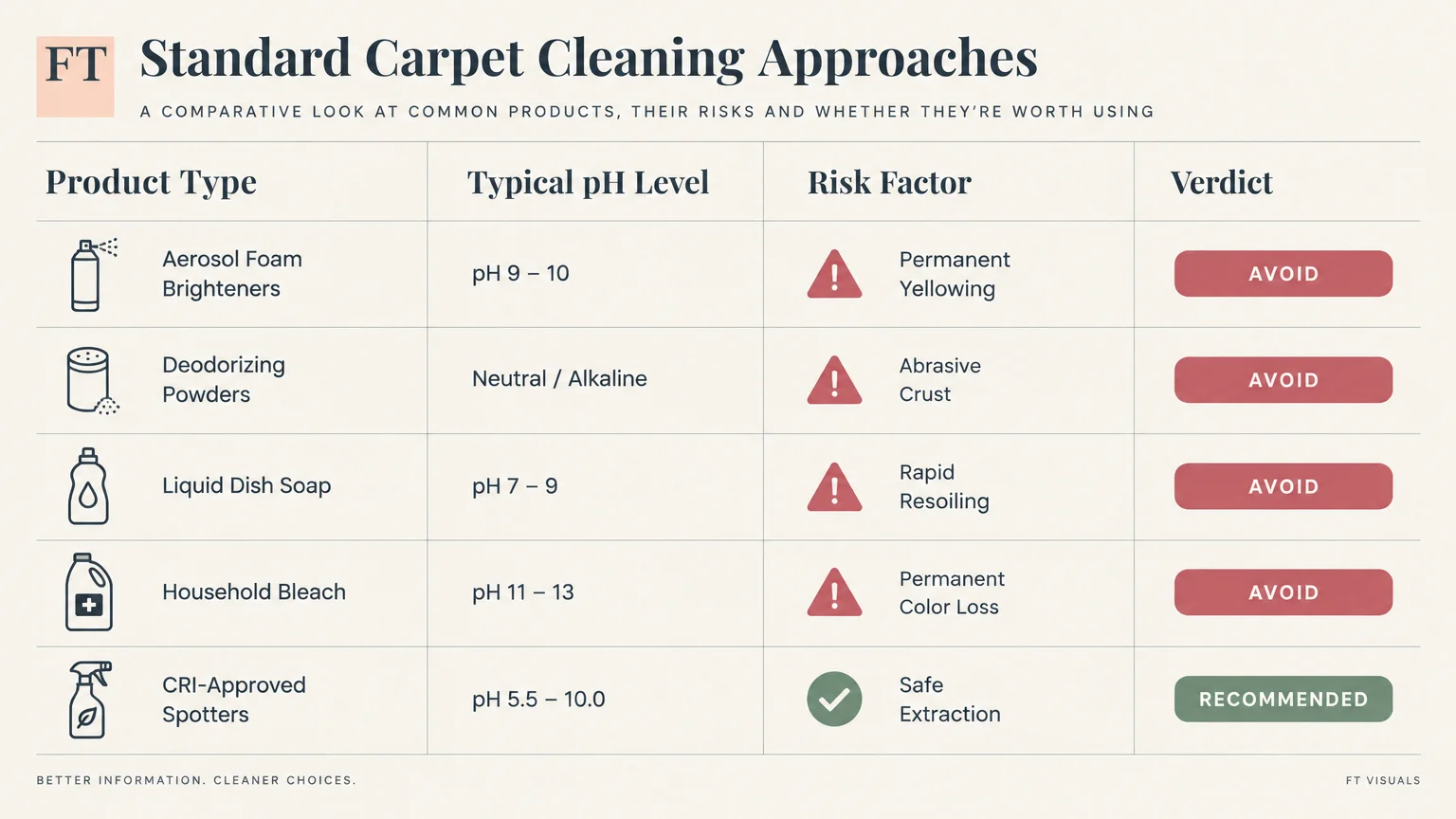
Carpet Cleaning Product Comparison
Before purchasing another specialized floor cleaner, review how common options compare in real-world performance. The table below details why common purchases fail and what you should use instead.
| Product Type | Average Retail Cost | Primary Risk to Carpet | Safe CRI-Approved Alternative |
|---|---|---|---|
| Aerosol Spotting Foams | $6.00 – $12.00 | Yellowing from optical brighteners; sticky residue | CRI-certified neutral spot cleaner ($8.00) |
| Carpet Deodorizing Powders | $4.00 – $9.00 | Backing abrasion; settled micro-particles | HEPA vacuuming and clean water extraction |
| Liquid Dish Detergents | $3.00 – $6.00 | Severe rapid resoiling; pad waterlogging | Diluted white towel water blot (Free) |
| Chlorine Bleach Cleaners | $4.00 – $8.00 | Permanent color loss; fiber dissolution | Dedicated color-safe enzyme treatment ($10.00) |
| Ammonia-Based Sprays | $3.50 – $7.00 | Acid-dye blocker damage; pet re-soiling | Enzymatic pet digester cleaner ($12.00) |
| Undiluted White Vinegar | $2.50 – $5.00 | Protein stain setting; latex backing breakdown | Cold water blot followed by mild extraction |
| Hydrogen Peroxide Hacks | $2.00 – $5.00 | Uncontrolled oxidation; delayed dye fading | Certified encapsulating spot lifter ($11.00) |
| Fabric Softeners & Glazes | $5.00 – $11.00 | Oily surfactant film; rapid dirt binding | Hot water extraction rinse (Rental or Pro) |
Warranty Realities and the True Cost of Carpet Mistakes
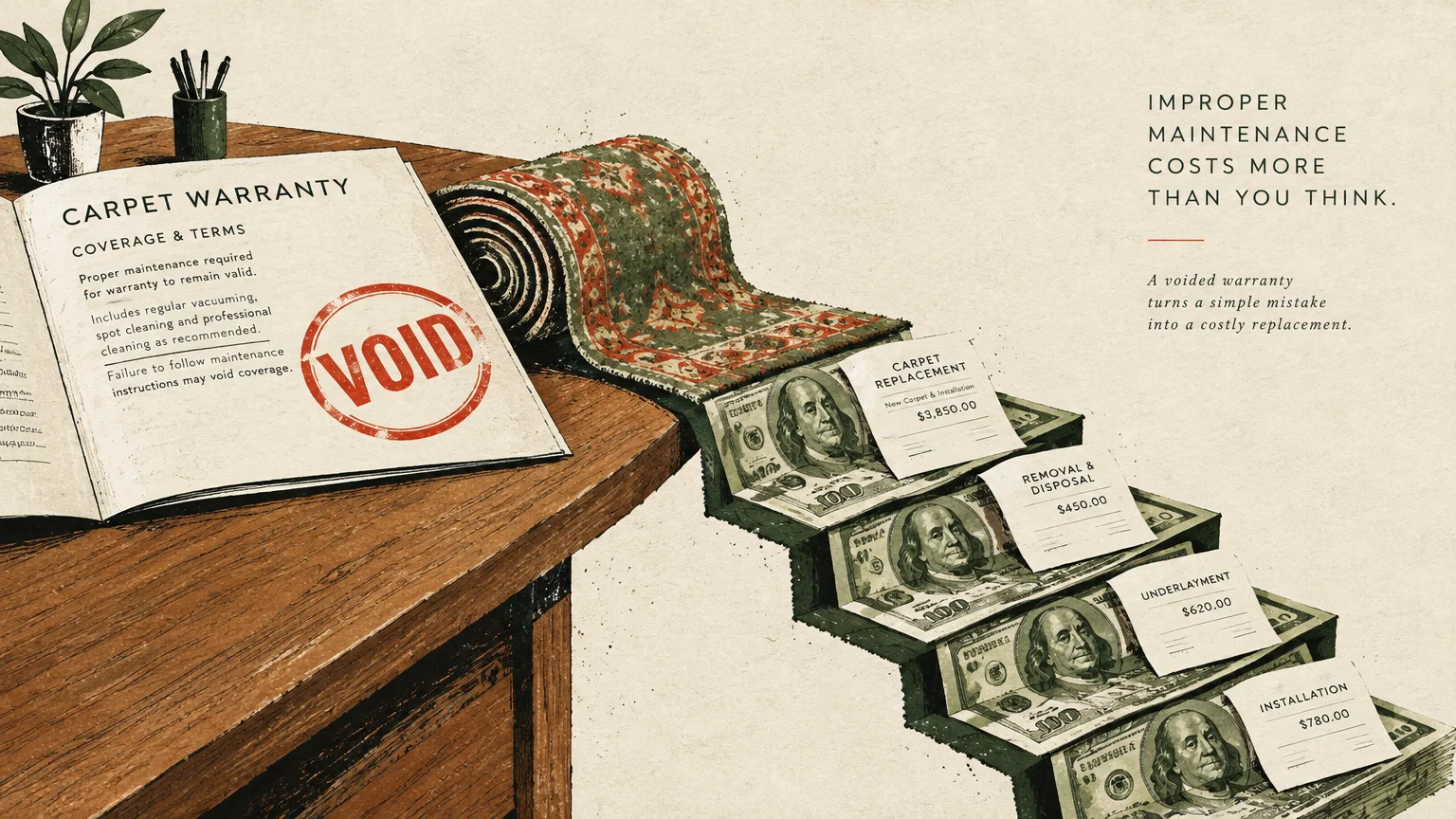
Major carpet manufacturers enforce stringent maintenance rules to keep product warranties valid. Industry leaders like Shaw Floors mandate professional hot water extraction every 12 to 18 months.
You must maintain dated receipts proving certified professionals serviced your floors with CRI-approved equipment. Using unauthorized DIY chemicals—such as chlorine bleach, dry powders, or optical brighteners—voids 10-to-20-year wear guarantees immediately.
National installation data shows carpet replacement averages between $3.00 and $6.00 per square foot installed. Premium materials push costs toward $9.00 per square foot.
Ruining a typical 300-square-foot living room carpet with improper chemicals leaves you with an unexpected $1,800 replacement bill. Spending money on unapproved spot cleaners simply does not justify that financial risk.
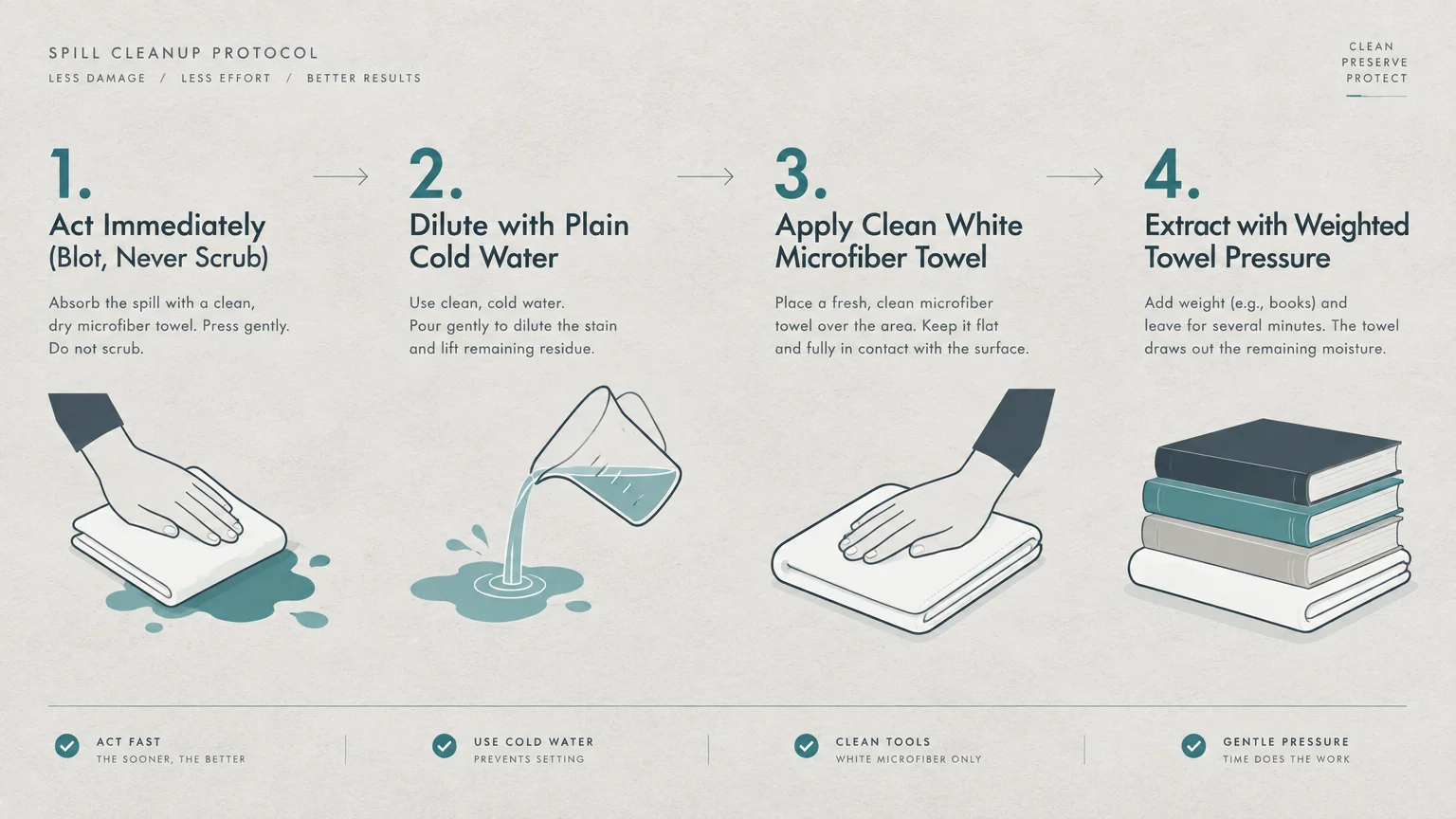
Safe Spot Removal Checklist for Spills
You do not need an arsenal of chemical sprays to handle everyday household accidents. Follow this simple, manufacturer-approved checklist whenever an unexpected spill occurs on your floor.
- Act immediately: Blot fresh liquids instantly with dry, white cotton towels; never use printed paper towels that bleed dyes.
- Blot, never scrub: Press firmly downward into the spill rather than scrubbing back and forth; scrubbing frays pile tips permanently.
- Use clean, lukewarm water: Apply small quantities of clean water to dilute the liquid; avoid soaking the underlying cushion.
- Work outside-in: Clean from the outer rim of the spot toward the center to avoid spreading the spill boundary.
- Verify CRI certification: If water alone fails, apply only spot cleaners displaying the blue CRI Seal of Approval logo.
- Stack weighted towels: Place a clean dry towel over the damp spot weighted with a heavy book overnight to absorb remaining moisture.
Simple and Budget-Friendly Carpet Care Tips
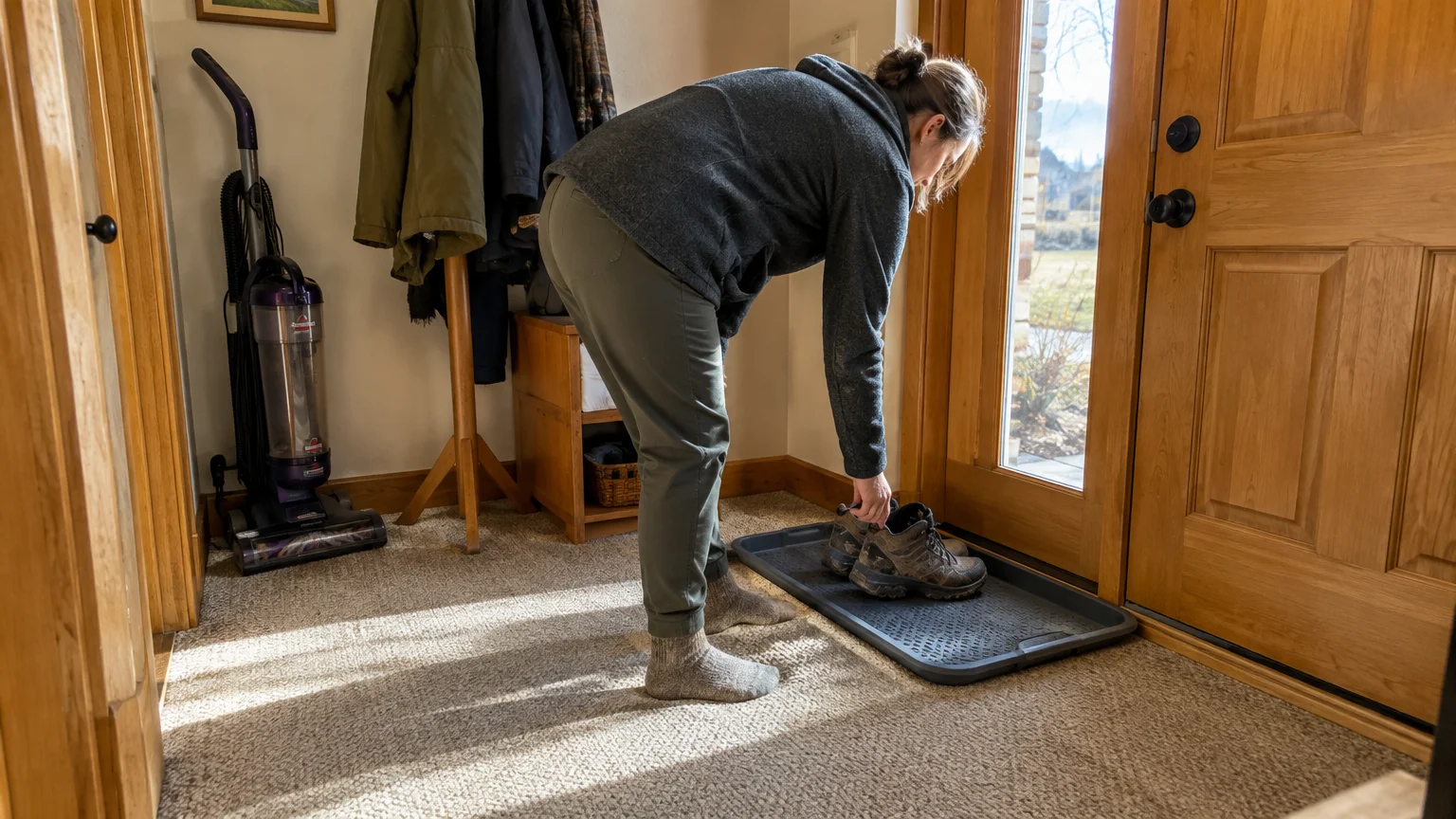
Keeping carpets clean without wasting money comes down to prevention rather than aggressive chemistry. High-efficiency entry mats placed at all exterior doors trap up to 85 percent of tracked-in soil before it reaches your living room.
Vacuum high-traffic lanes three times per week using slow, deliberate passes. Routine vacuuming removes loose dirt while particles remain on top of the pile, before foot traffic grinds grit down into backing fibers.
If you need an economical spot cleaner, mix one-quarter teaspoon of clear, dye-free liquid hand dishwashing soap into one quart of warm water. Apply this dilute solution sparingly with a clean white cloth, then blot repeatedly with clear water to rinse.
This simple water rinse prevents surfactant buildup and costs pennies per application. Practicing conservative spot care protects carpet fibers and keeps your home budget intact.
Your Next Step for Healthier Carpets
Take five minutes today to inspect your utility closet and discard aerosol foams, dry powders, and harsh bleach sprays. Check your carpet warranty paperwork to confirm your scheduled professional cleaning timeline, and keep clear water and clean white towels ready for life’s inevitable spills.