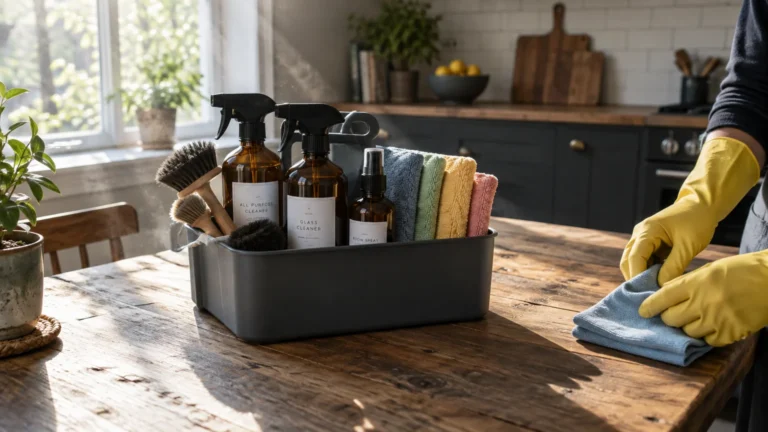
A spotless kitchen counter will not protect your home if ordinary objects secretly supply pests with food, water, and shelter. Eliminating these attractants stops insect activity before an infestation takes hold.
Cockroaches do not simply target untidy spaces; they exploit specific household materials like starch, damp cellulose, and organic film. Even meticulous homeowners inadvertently provide these resources every day.
Learning what attracts roaches indoors empowers you to make simple, practical adjustments throughout your living areas. Discover five common household items attracting cockroaches and learn how to replace them safely.
Why Roaches Invade Clean Homes
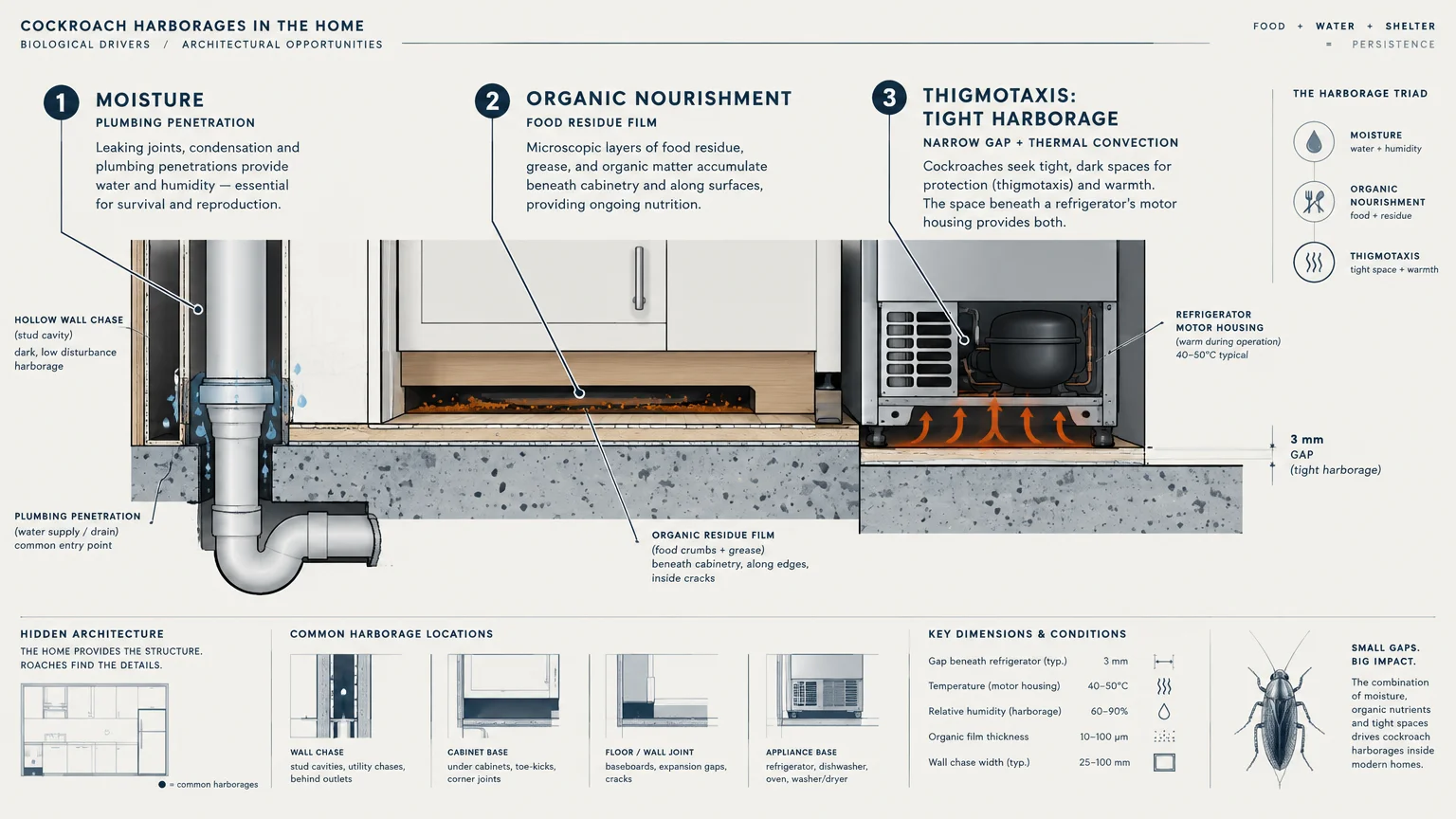
Many people assume insect infestations stem solely from poor hygiene or neglected clutter. In reality, cockroaches search for three fundamental survival resources: moisture, organic nourishment, and tight harborage.
Cockroaches exhibit thigmotaxis—an instinctual preference for narrow, compact crevices where their bodies touch surfaces on all sides. Tight cracks inside cabinetry and beneath appliances satisfy this biological urge perfectly.
Modern homes also generate localized warmth and humidity that mimic tropical microclimates. Motor housings on refrigerators, dishwashers, and water heaters create continuous ambient warmth that accelerates insect egg development.
Plumbing penetrations and electrical chases provide protected travel corridors between rooms. When common household items offer food or moisture along these travel paths, pests quickly settle and colonize.
Understanding these biological drivers helps you identify the common causes of roach infestations before populations multiply. Removing tempting items eliminates their nesting sites without requiring harsh airborne chemicals.
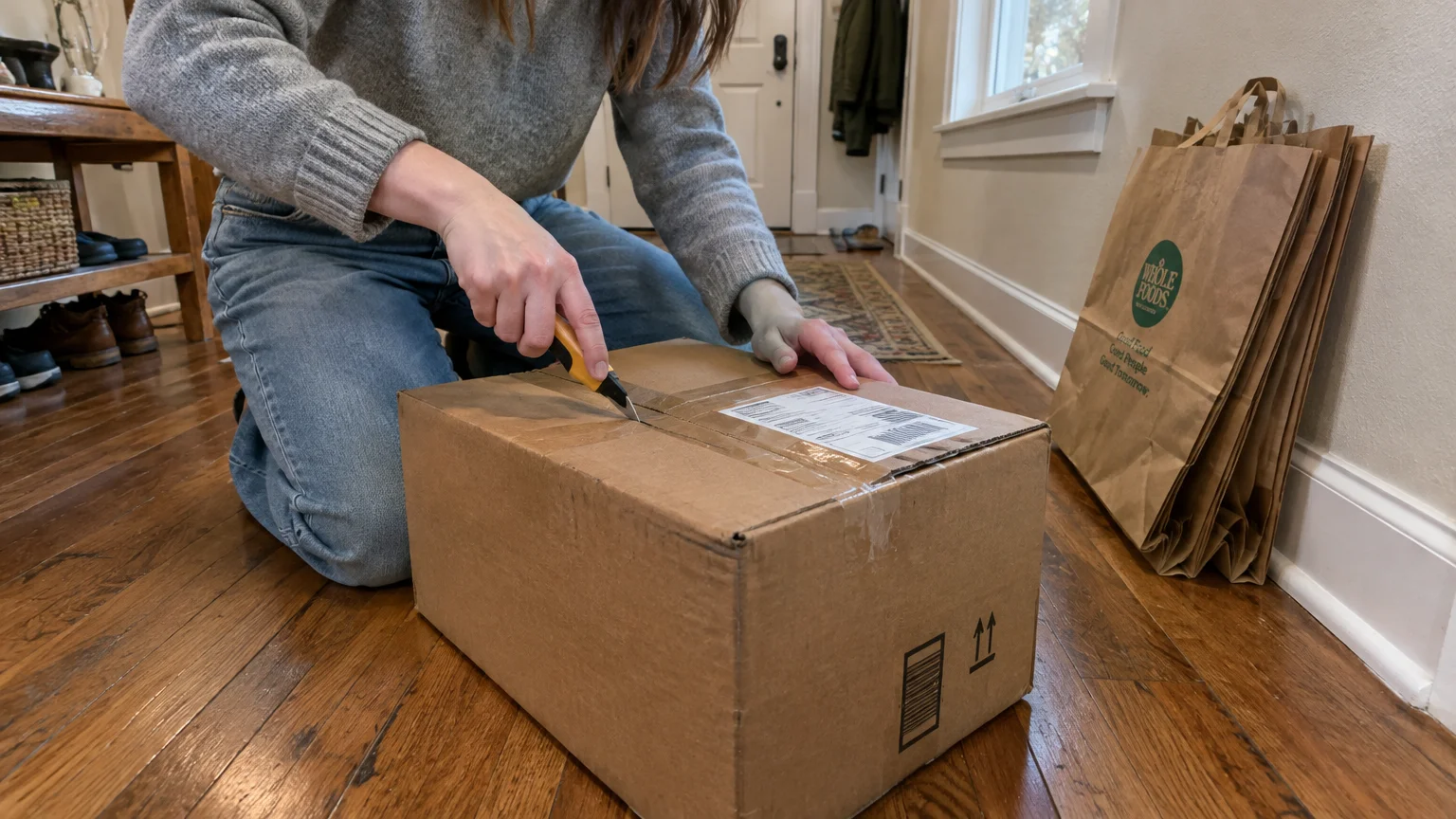
1. Corrugated Cardboard Boxes and Paper Grocery Bags
Corrugated delivery boxes represent one of the most frequent household items attracting cockroaches. The wavy fluting between the cardboard sheets creates prefabricated tunnels that shield insects from ambient light and predators.
Cardboard manufacturers bond these structural paper layers with starch-based adhesives. Cockroaches feed directly on these carbohydrate-rich glues when standard food scraps remain unavailable.
Corrugated paper also absorbs moisture, cooking grease, and insect aggregation pheromones exceptionally well. Once a foraging cockroach deposits scent markers on cardboard, that paper continues drawing other pests for months.
Shipping boxes frequently introduce pests into homes directly from distribution warehouses and shipping trucks. Roaches deposit flattened egg cases (oothecae) inside cardboard crevices, which hatch days after delivery into your living room.
Paper grocery sacks stored beneath kitchen sinks create an identical hazard. Damp plumbing pipes soften the paper fibers, creating an ideal feeding and nesting site in dark under-sink cabinets.
Safer Storage Alternatives
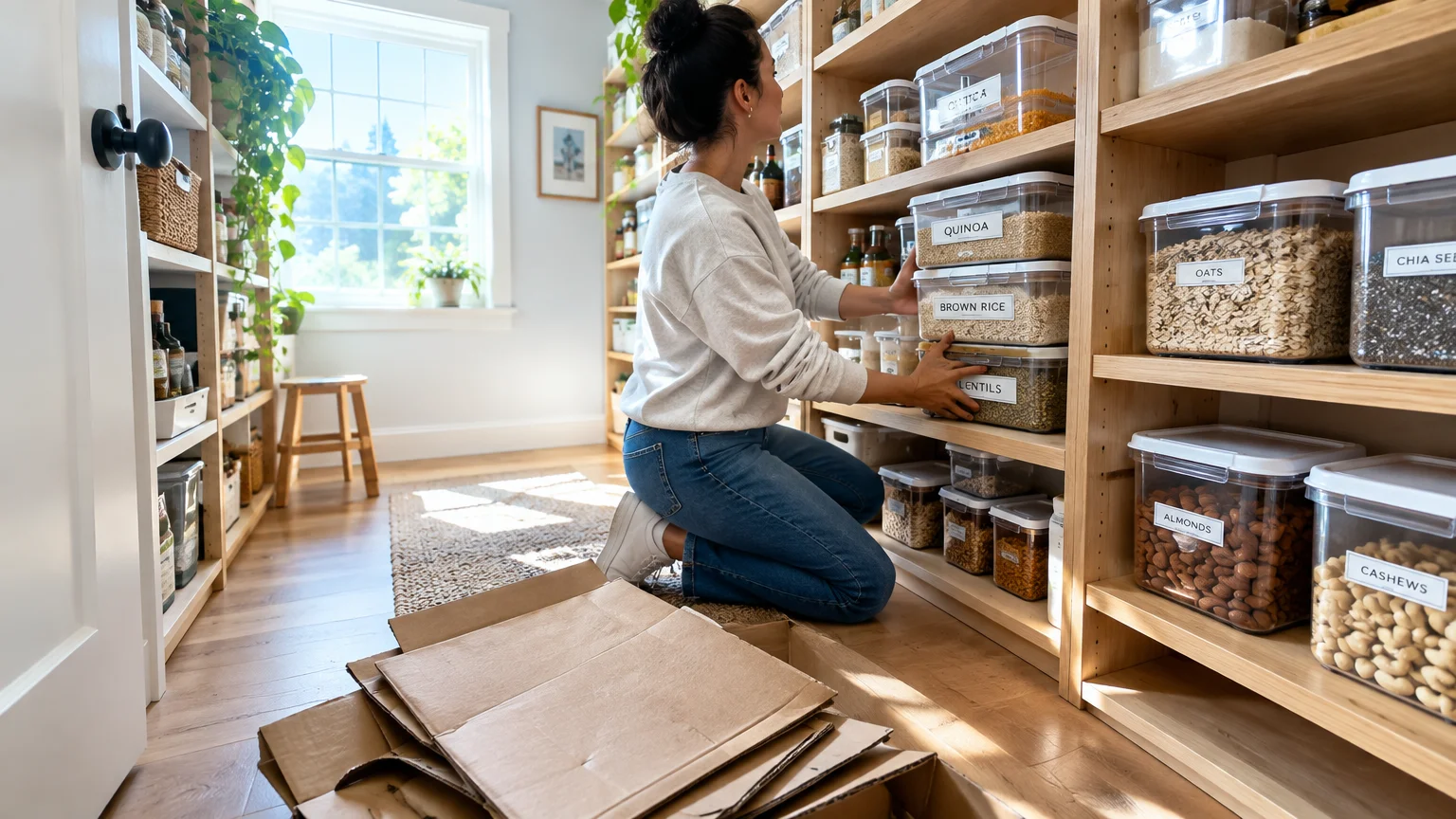
Break down delivery boxes outside immediately after unpacking your shipments. Move the flattened cardboard directly into outdoor recycling bins rather than stacking it in your garage or pantry.
Transfer sentimental keepsakes, seasonal clothing, and dry pantry goods into heavy-duty plastic storage bins with secure latching lids. Smooth plastic walls deter climbing and seal out searching pests entirely.
Replace paper grocery sacks with washable canvas or synthetic shopping bags. Store reusable shopping bags on elevated shelving rather than tucked inside damp base cabinets.
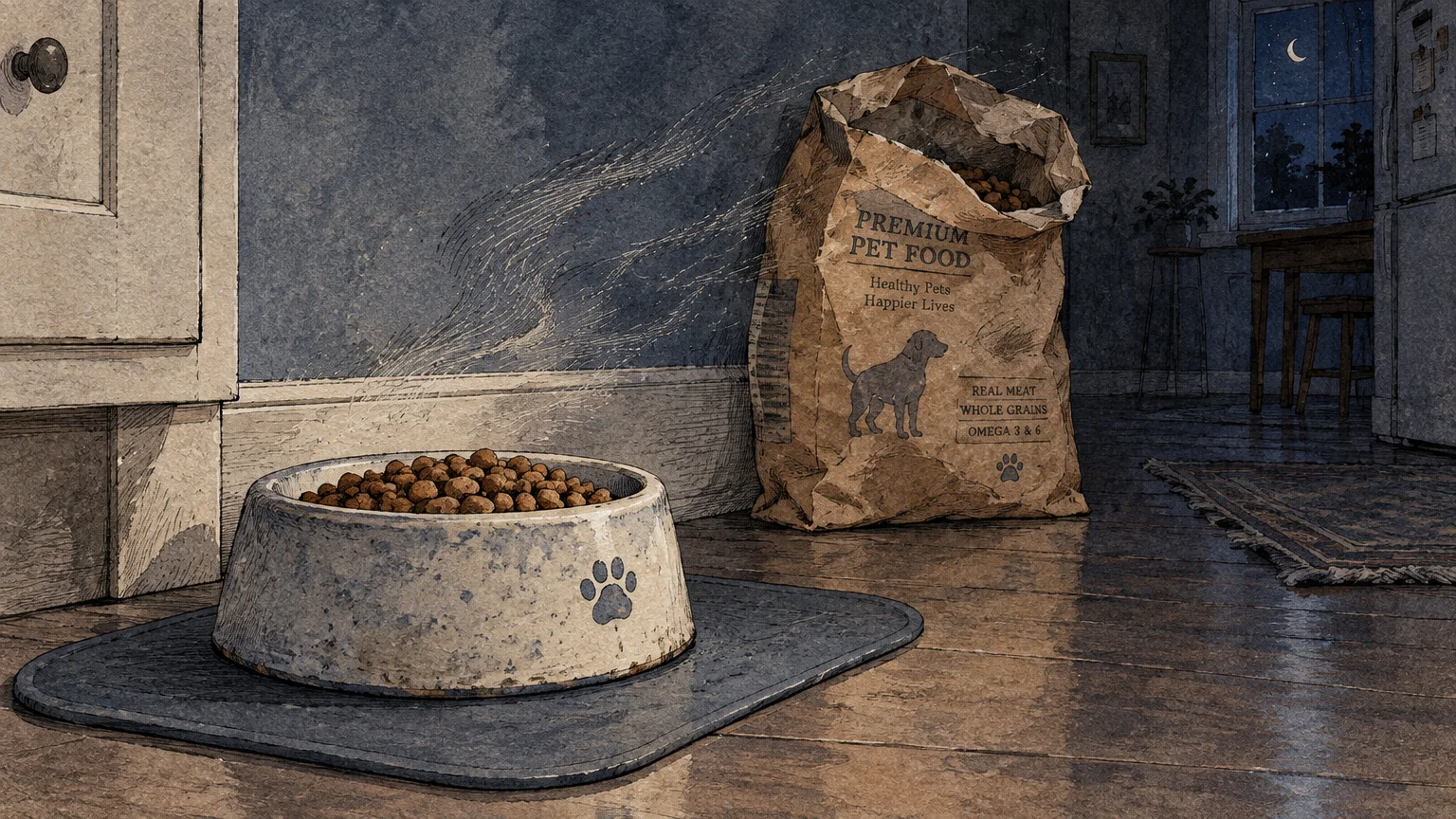
2. Pet Food Bowls and Unsealed Feed Bags
Leaving pet kibble out overnight is an open invitation for nocturnal scavengers. Cockroaches forage actively after dark, following protein and fat aromas straight to your pet’s feeding station.
Commercial pet foods pack dense concentrations of meat meals, animal tallows, and grain carbohydrates. A single unattended bowl provides enough nutrient-rich fuel to support dozens of foraging roaches for weeks.
Multi-ply paper pet food sacks offer little protection against persistent pests. Cockroaches chew through thin paper barriers or slip past folded-over bag tops to nest directly inside the kibble.
Pet water dishes compound this problem by supplying an open hydration reservoir. Cockroaches survive a month without food, but they perish within a single week without consistent water access.
Automatic gravity feeders create high pest risks because they hold several pounds of accessible food continuously. Insects climb into the dispenser chutes and feed undisturbed beneath the hopper mechanisms.
Practical Pet Feeding Protocols
Establish structured, scheduled meal times for dogs and cats rather than permitting free-feeding throughout the day. Pick up and store all uneaten kibble twenty minutes after serving.
Wash your pet’s food and water bowls every evening using hot water and liquid dish soap. Thorough washing removes dried saliva rings and greasy residues that emit strong food scents overnight.
Wipe down the floor beneath feeding mats nightly to remove stray crumbs and spilled droplets. Even microscopic kibble fragments provide substantial nourishment for juvenile roach nymphs.
Pour bulk pet food directly into food-grade plastic containers fitted with airtight silicone gaskets. Screw-top or heavy-clamp lids preserve food freshness while keeping insects completely locked out.
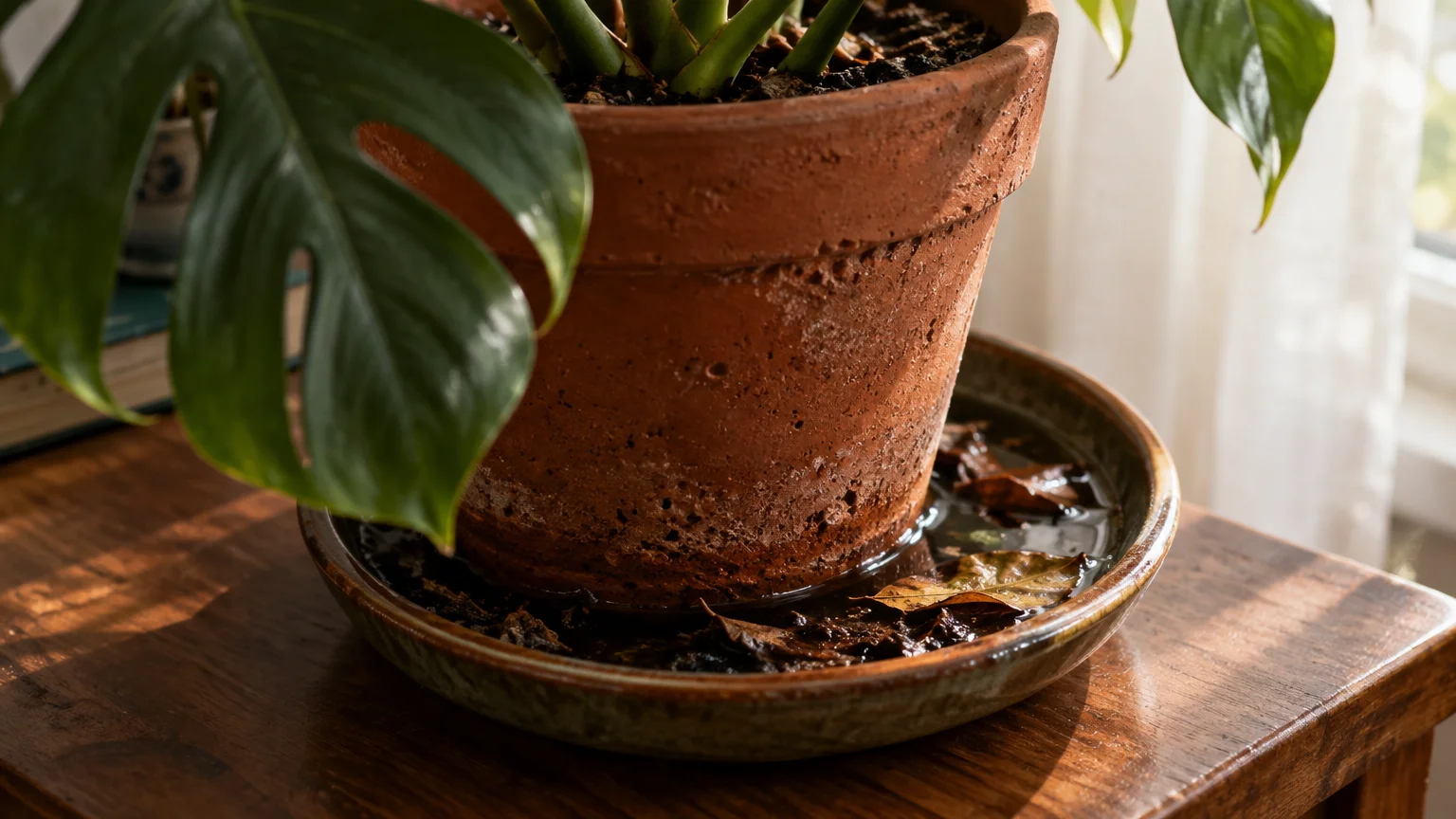
3. Indoor Houseplants and Drainage Trays
Houseplants purify indoor air and elevate home aesthetics, but they frequently harbor scavenging insects. Potted plants supply the exact combination roaches need to survive: rich soil, humidity, and constant water.
The plastic or ceramic saucer beneath your potted plant captures runoff water whenever you irrigate. This standing water puddle serves as a dependable drinking trough for wandering pests throughout the night.
Commercial potting soils contain rich organic amendments like peat moss, composted forest products, and worm castings. Cockroaches burrow beneath loose soil surfaces to lay eggs and consume decaying organic matter.
Overwatered plants frequently develop root rot and fungal gnats, producing musty scents that attract larger scavenging bugs. Dense foliage collections also create sheltered humidity pockets where insects rest safely during daylight hours.
Terracotta pots absorb water and release moisture slowly through their porous walls. This evaporative cooling effect creates a cool, damp microclimate that draws pests toward plant stands and window sills.
Houseplant Protection Strategies
Empty standing water out of plant saucers fifteen minutes after thorough watering. Removing excess drainage protects root systems from rot while eliminating open water sources for household pests.
Top-dress houseplant soil with a half-inch layer of decorative pea gravel or horticultural coarse sand. This dense mineral barrier prevents cockroaches from digging into the damp organic soil mix.
Irrigate indoor greenery during morning hours instead of late afternoons. Daylight warmth evaporates surface dampness from leaves and soil before nocturnal insects emerge to forage.
Wipe down plant stands and clean exterior pot surfaces monthly using a damp microfiber cloth. Removing dust, dropped leaves, and mineral deposits strips away potential hiding spots and food sources.
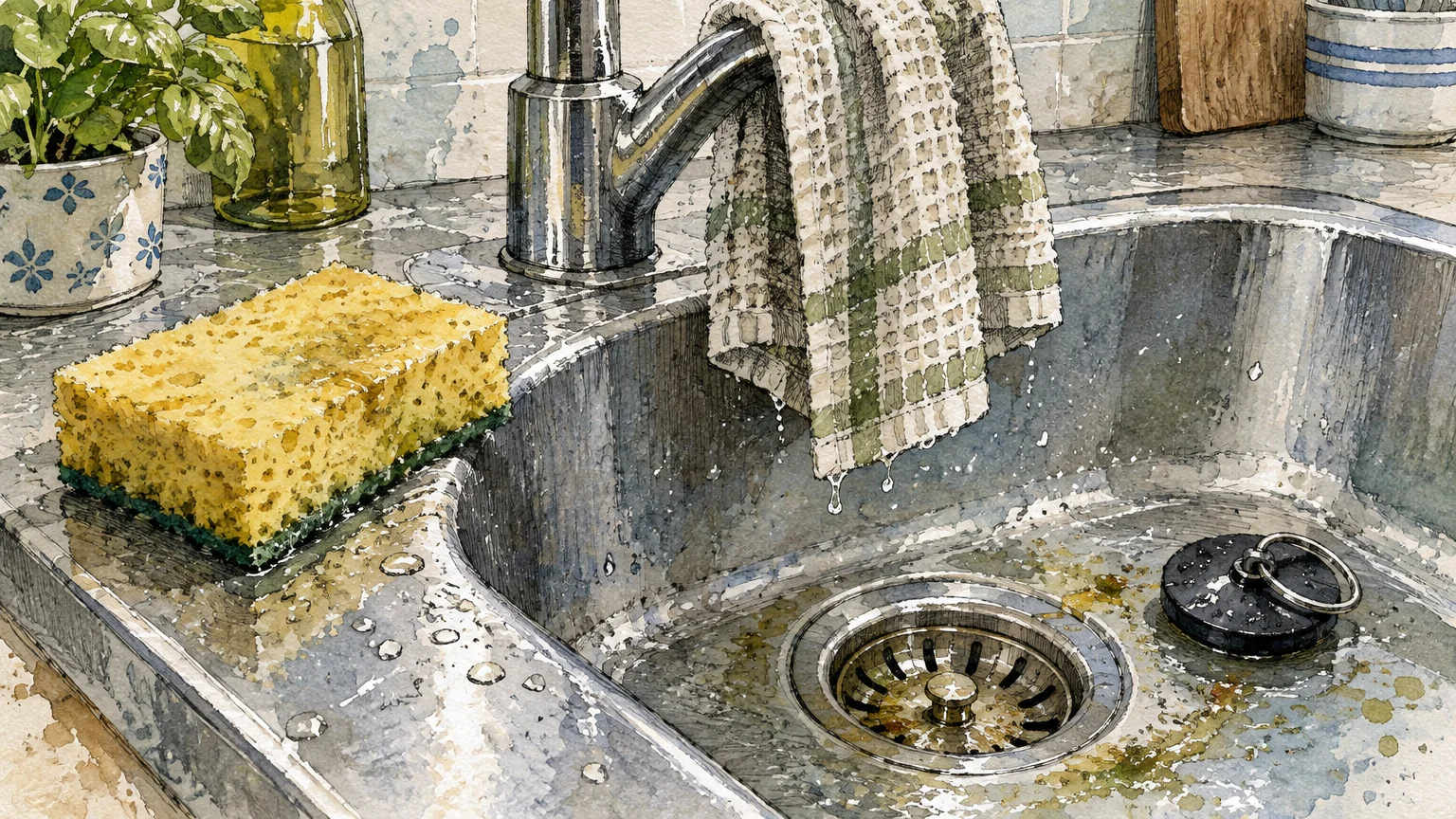
4. Kitchen Sponges, Dish Towels, and Sink Plugs
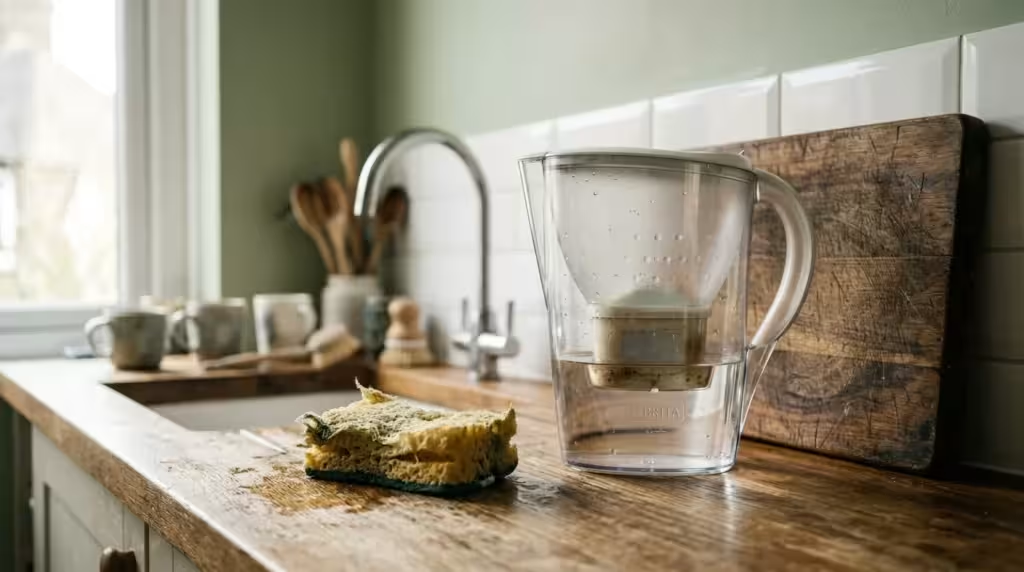
A wet kitchen sponge resting inside a dark sink basin creates an ideal feeding station. Porous cellulose fibers retain moisture for hours while trapping microscopic particles of animal fat, dairy, and starch.
Cockroaches consume these trapped food films and drink directly from the damp sponge core. Leaving a moist sponge in your sink overnight provides pests with both hydration and a full meal.
Damp dish towels bunched on kitchen countertops present an identical pest hazard. The folds trap moisture against countertop surfaces, creating dark, humid retreats scented with residual cooking oils.
Kitchen sink drains and disposal baffles gather sticky coatings of food debris and decomposing grease. Cockroaches travel up drain pipes from municipal plumbing systems to graze on this rich biofilm.
Rubber sink stoppers left over drain openings trap moisture beneath the plug while catching food particles. This dark, wet void beneath the rubber seal functions as an undisturbed daytime harborage.
Sink Sanitation and Drying Habits
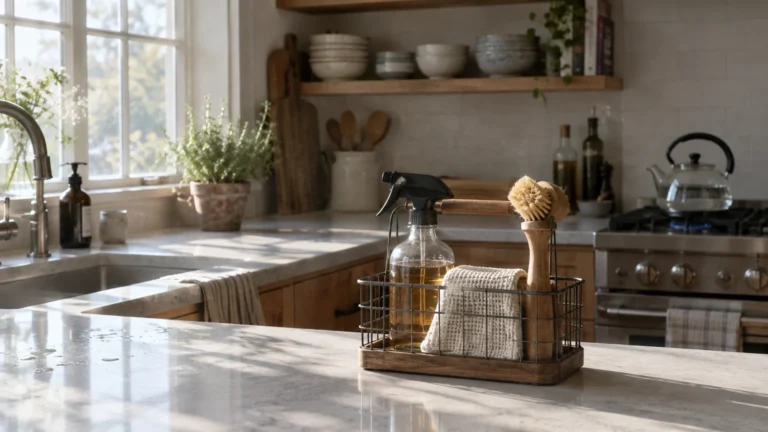
Squeeze water thoroughly from kitchen sponges after each use and place them in an elevated, wire drying caddy. Rapid air circulation dries the sponge core quickly, depriving insects of easy hydration.
Microwave damp cellulose sponges for one minute or run them through a heated dishwasher cycle daily. High heat sanitizes trapped food bacteria and neutralizes food odors that attract scavengers.
Hang kitchen dish towels across open oven handles or ventilated drying racks rather than leaving them balled up. Replace dish towels every evening with fresh, dry linens.
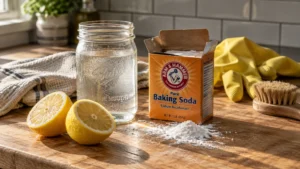
Scrub sink strainers, rubber disposal baffles, and drain rims weekly with a stiff utility brush and baking soda. Flush drains with boiling water to dissolve internal grease films lining plumbing pipes.
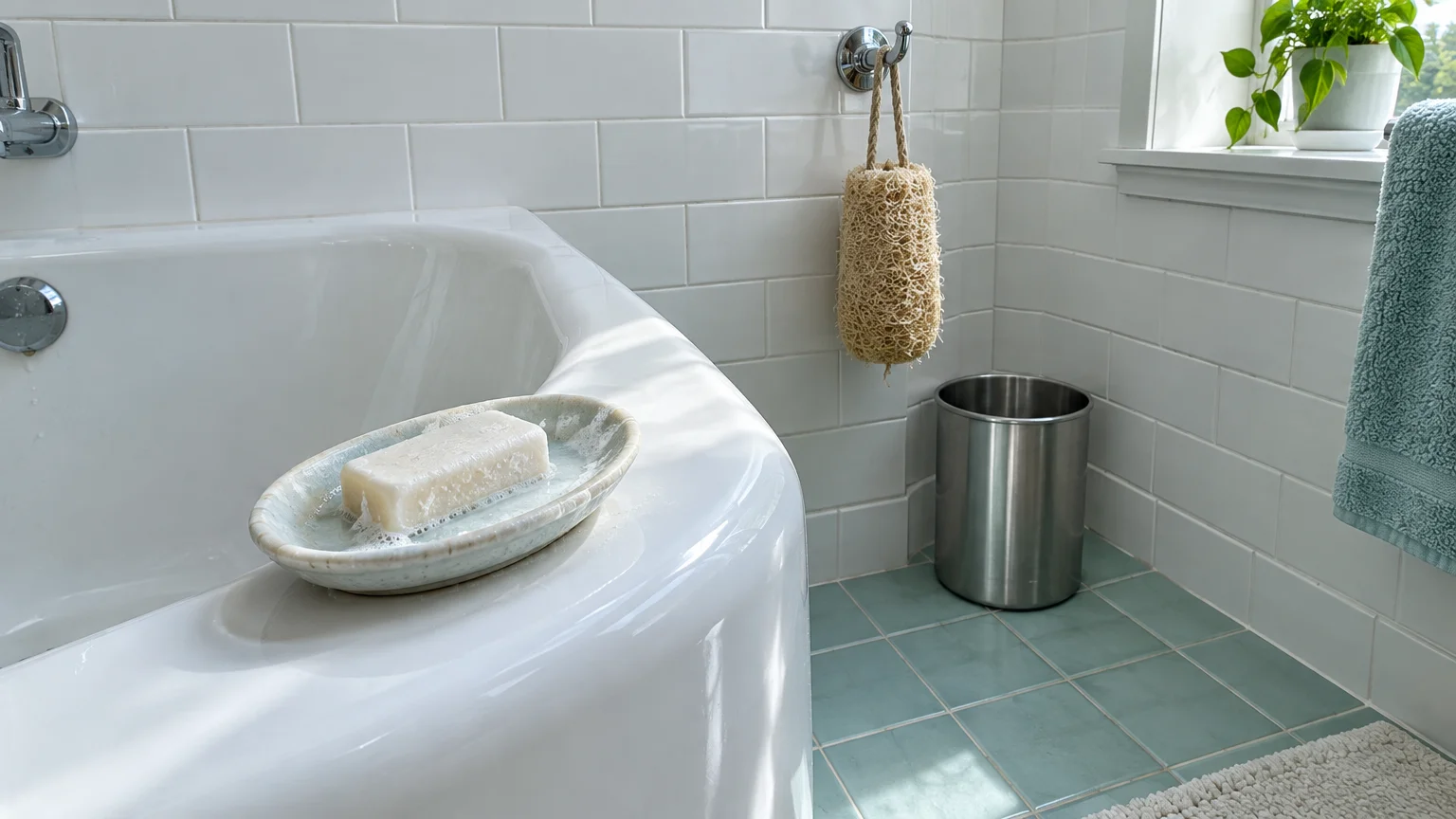
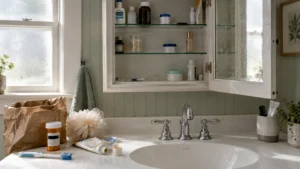
5. Bar Soaps, Bath Loofahs, and Unlined Bathroom Bins
Bathrooms combine persistent plumbing moisture, warm temperatures, and seclusion, making them prime targets for invading insects. Several common personal care products unintentionally double as nutritional sources for roaches.
Traditional bar soaps contain animal tallows, vegetable oils, and coconut fatty acids that cockroaches readily consume. Softened soap slurry pooling in flat soap dishes provides pests with concentrated calories and moisture.
Synthetic mesh loofahs, natural sea sponges, and wet washcloths remain damp for extended periods inside humid shower stalls. Furthermore, these exfoliating tools trap dead human skin cells, providing abundant animal protein for scavengers.
Unlined bathroom wastebaskets hold discarded dental floss, facial tissues, cotton swabs, and hygiene products. Cockroaches forage through open trash receptacles to consume saliva, body oils, and paper cellulose.
Leaking sink shut-off valves and uncaulked escutcheon plates around bathroom pipes grant pests easy access into wall cavities. Once inside, they move freely between the bathroom and adjacent rooms.
Bathroom Hygiene Adjustments
Switch from traditional bar soaps to liquid body washes and pump hand soaps. Liquid dispensers eliminate greasy soap residue from sink basins, shower ledges, and countertop surfaces.
Hang shower loofahs and washcloths in well-ventilated areas outside the shower enclosure so they dry completely. Run your bathroom exhaust fan for twenty minutes following every shower to eliminate residual humidity.
Use bathroom wastebaskets equipped with tightly fitted step-pedal lids and replaceable plastic liners. Empty these bins twice a week to keep discarded organic residues from attracting nocturnal visitors.
Inspect under-sink plumbing connections quarterly and tighten loose compression fittings. Caulk gaps around supply pipes where they enter walls using silicone sealant to block structural access points.
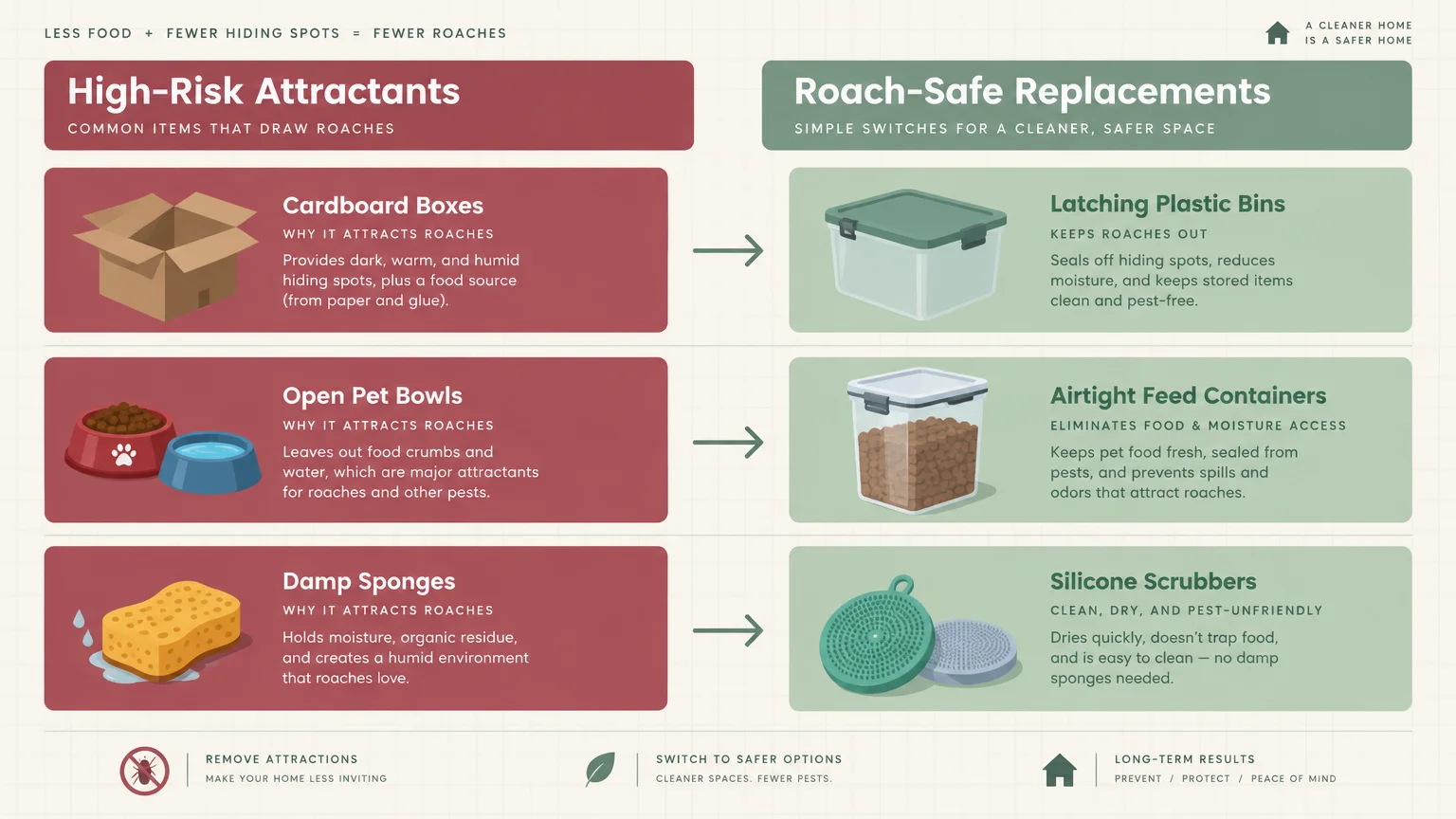
Comparison: Common Items vs. Roach-Safe Alternatives
Simple household adjustments yield dramatic pest prevention benefits without significant financial cost. Use this reference table to swap vulnerable household items for durable, insect-resistant alternatives.
| Household Item | Why It Attracts Cockroaches | Pest-Safe Replacement | Key Benefit |
|---|---|---|---|
| Corrugated cardboard boxes | Starch-based glues, dark fluted tunnels, aggregation pheromone retention | Heavy-duty plastic totes with latching lids | Eliminates structural nesting tunnels and edible starches |
| Unattended pet kibble bowls | High-protein food scents, open fats, and overnight accessibility | Scheduled feeding routines; elevated stainless bowls | Removes overnight food sources during peak foraging hours |
| Plant drainage saucers | Standing runoff water and moist potting soil rich in compost | Gravel soil top-dressing; empty saucers after watering | Deprives roaches of standing water and burrowing substrate |
| Damp kitchen sponges | Trapped grease, organic food particles, and sustained moisture | Elevated drying racks; silicone scrubbers; nightly wash | Speeds drying time to eliminate open hydration stations |
| Bar soap and open bath bins | Animal fats in soap; shed skin cells on loofahs; open waste | Liquid pump soaps; lidded step-cans; quick-dry towels | Removes accessible fats, oils, and sheltered feeding zones |
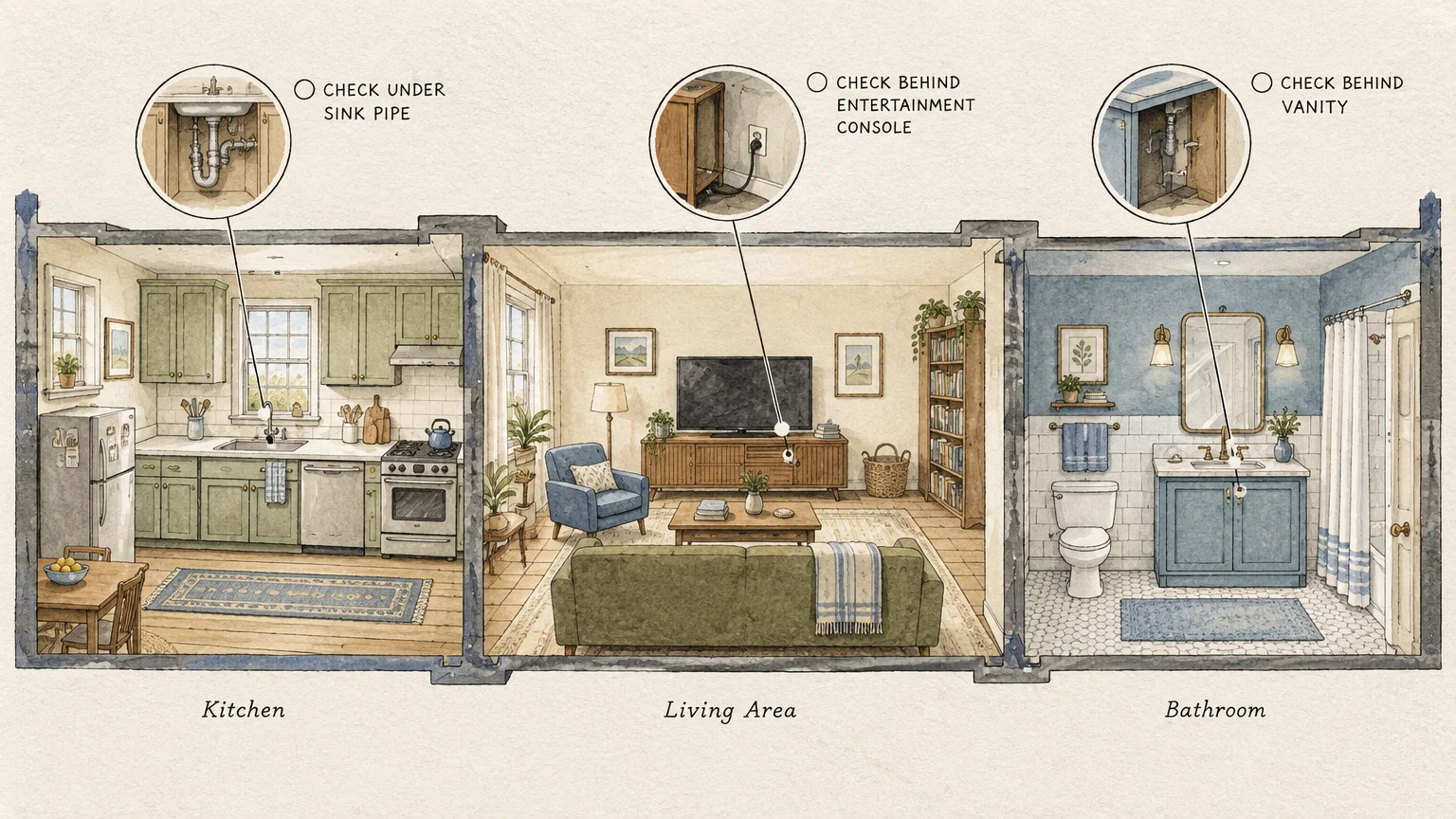
Room-by-Room Cockroach Prevention Tips
Targeted sanitation and moisture reduction provide the most reliable defense against pest infestations. Apply these practical cockroach prevention tips systematically across your home to secure vulnerable rooms.
Kitchen Sanitation Checklist
- Wipe down countertops, stovetops, and appliance faces nightly using an antibacterial degreasing spray.
- Store open cereals, flours, sugars, and dry pasta inside airtight glass or rigid plastic canisters.
- Pull the refrigerator out biannually to vacuum dust and food debris from the compressor motor and drip pan.
- Empty kitchen trash nightly into an outdoor bin, particularly if the bag contains meat wrappers or fruit rinds.
Bathroom Moisture Control Checklist
- Repair dripping faucet washers and leaking toilet supply lines immediately to eliminate standing water.
- Hang bath mats over shower curtain rods after use to prevent moisture buildup on flooring.
- Seal openings around bathroom drain lines and water pipes where they penetrate drywall surfaces.
- Clean vanity drawers regularly to remove stray hair, dried toothpaste residue, and paper dust.
Living Area and Basement Checklist
- Elevate stored items off concrete basement floors using metal shelving units instead of wood pallets.
- Inspect delivery parcels on your porch and discard shipping packaging outdoors before bringing items inside.
- Vacuum carpets and upholstered furniture weekly to pick up crumbs, hair, and pet dander.
- Caulk gaps along baseboards and window frames to seal potential insect travel pathways between rooms.
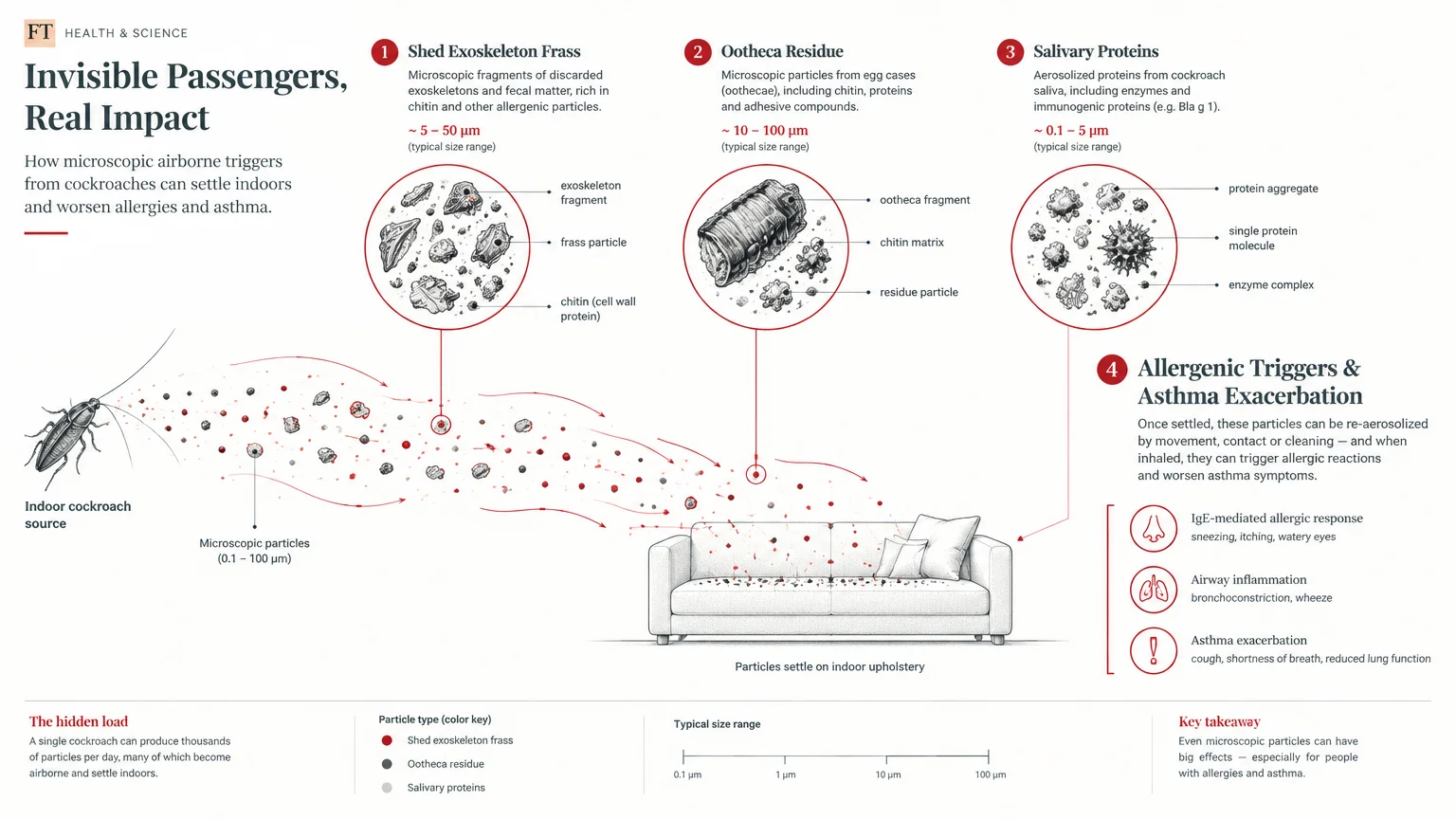
Health Risks Associated with Cockroaches Indoors
Cockroach infestations threaten far more than your peace of mind and household cleanliness. According to the Environmental Protection Agency (EPA), cockroaches produce potent allergens that aggravate asthma and trigger severe respiratory attacks in vulnerable individuals.
These allergens stem from shed insect skins, digestive secretions, and microscopic fecal particles. Once these materials dry, ordinary foot traffic and vacuuming launch them into the air, where they circulate through HVAC ducts.
The Centers for Disease Control and Prevention (CDC) emphasizes that cockroaches transmit dangerous pathogenic organisms across interior surfaces. As insects crawl through sewer lines and trash, their spiny legs pick up bacteria including Salmonella, Staphylococcus, and E. coli.
Research published by the University of California Statewide Integrated Pest Management Program demonstrates that sanitation and structural exclusion represent the most effective long-term defense against pests. Relying solely on chemical sprays rarely eliminates an infestation if primary attractants remain accessible.
Guidance from Penn State Extension confirms that eliminating cardboard harborages and fixing plumbing leaks drastically lowers German cockroach reproductive rates. Managing these environmental factors protects your household health while minimizing reliance on synthetic insecticides.
How to Get Rid of Cockroaches at Home
If you observe signs of pest activity, act swiftly before isolated bugs turn into an established breeding colony. Black pepper-like droppings, discarded oval egg shells, or an oily, musty odor indicate an active infestation.
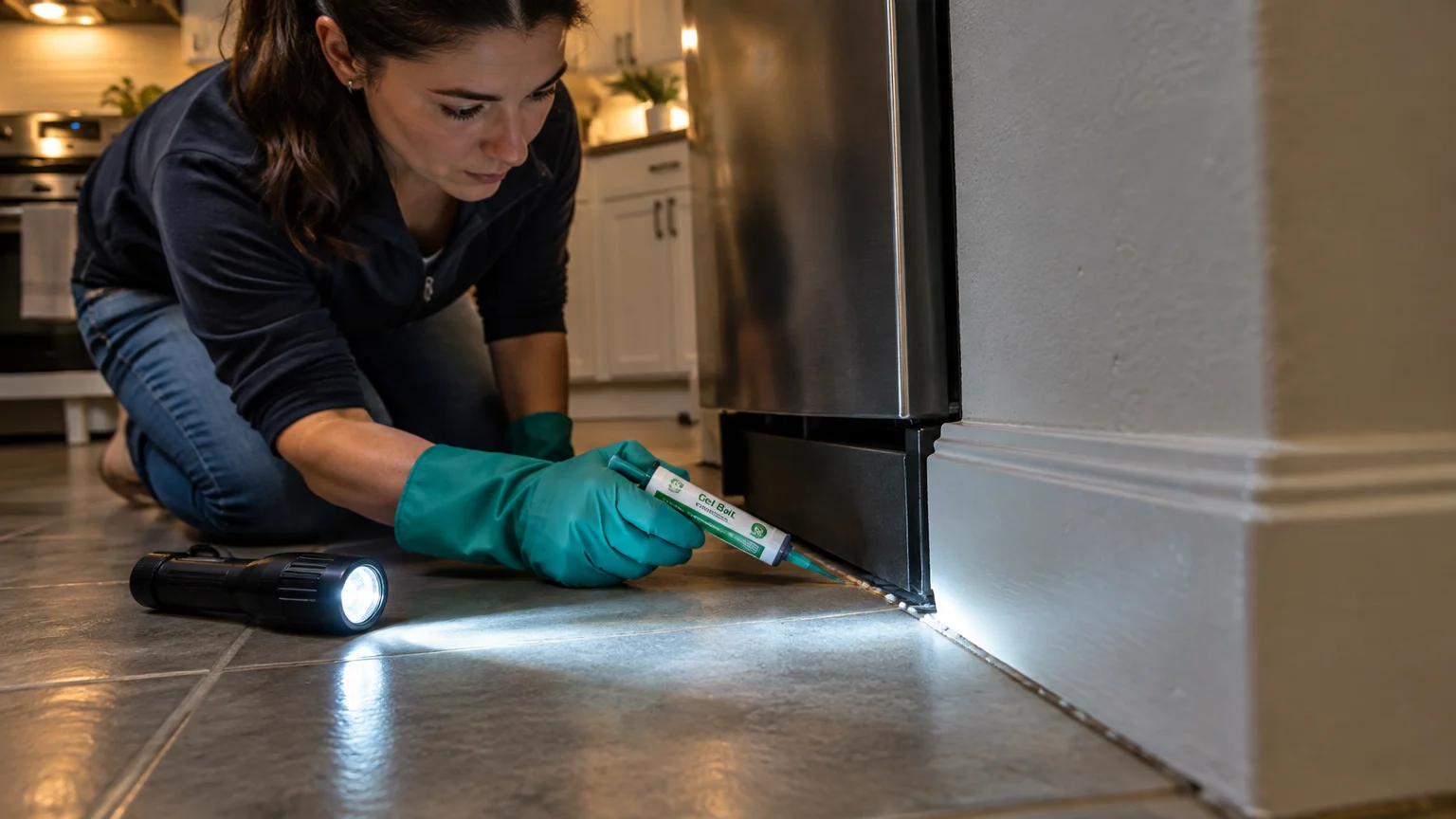
Place non-toxic sticky glue monitors along baseboards, behind the refrigerator, and beneath kitchen and bathroom sinks. These monitor boards capture wandering insects, revealing travel corridors and pinpointing where to focus your cleaning efforts.
Apply targeted roach bait gels in tiny, pea-sized droplets inside cabinet hinges, behind switch plates, and around pipe penetrations. Foraging insects feed on the bait and return to nests, transferring the active ingredient to other colony members.
Dust pure, food-grade diatomaceous earth into dry, enclosed wall cavities and beneath major kitchen appliances. This natural mineral powder cuts through the waxy outer layer of insect exoskeletons, dehydrating pests safely without chemical vapors.
Seal exterior foundation gaps, crawlspace vents, and window weep holes using copper mesh and exterior-grade silicone caulk. Physical exclusion stops outdoor species like American and Oriental cockroaches from entering your home initially.
Practical Next Step
Walk through your kitchen, pantry, and bathrooms tonight with a recycling bin and a roll of trash bags. Discard empty corrugated delivery boxes, toss bunched paper bags, and transfer exposed pet food into airtight containers to protect your home immediately.