Downsizing your living space unlocks a simpler, freer lifestyle, yet sifting through decades of accumulated belongings can quickly exhaust your energy. When you approach decluttering before downsizing with a structured strategy, you transform a daunting chore into a manageable, empowering project. Sorting through your home room by room lets you maintain complete control over your timeline, save money on moving costs, and curate an environment tailored to your current needs. Whether you want to simplify daily maintenance or prepare for a major move, applying clear decision-making filters protects your peace of mind throughout the transition. You deserve a home that supports your future rather than anchoring you to your past.
1. Start Early to Build Momentum Without Exhaustion
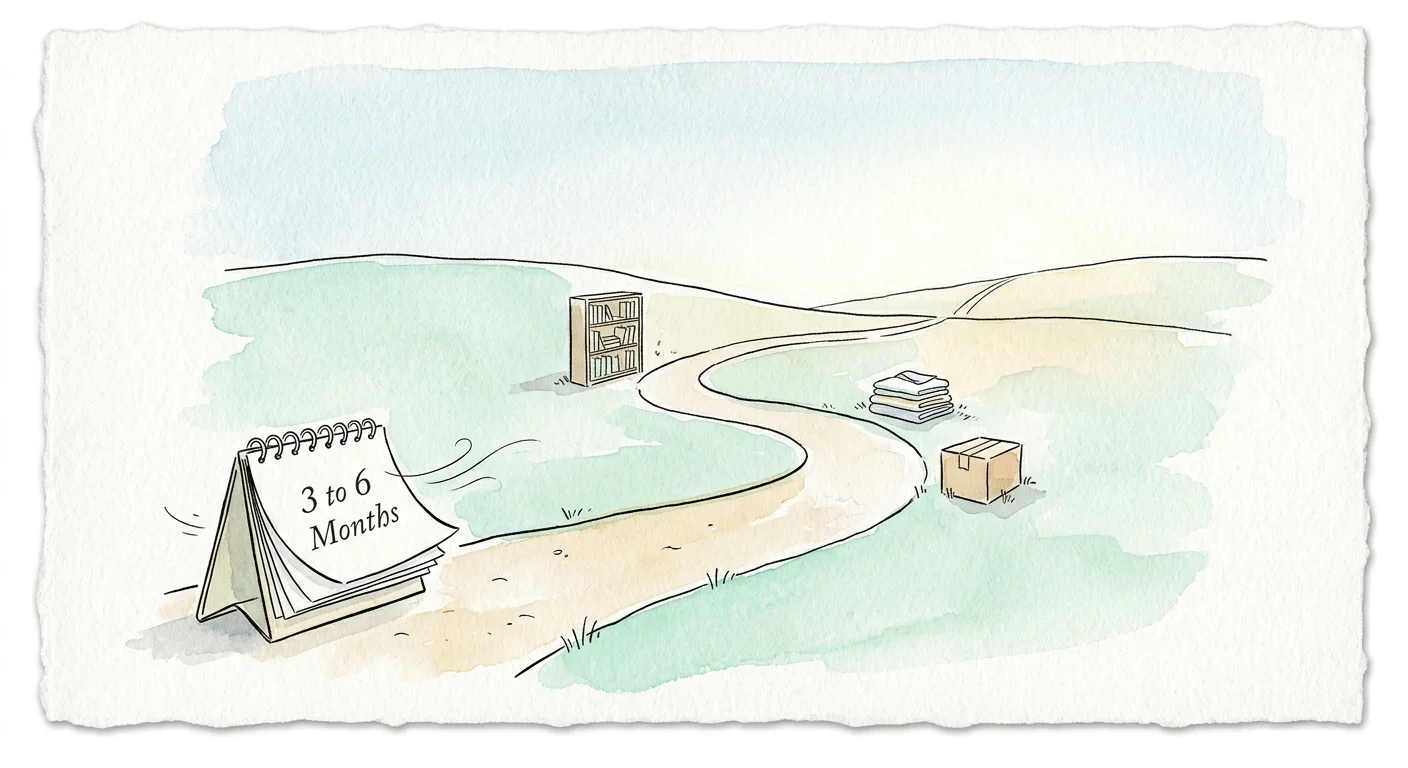
Give yourself a generous head start—ideally three to six months before your targeted moving date. Attempting to sort through years of accumulated personal history in a single weekend guarantees physical fatigue and emotional strain. Instead, treat downsizing as a steady marathon rather than a frantic sprint.
Commit to spending just 20 to 30 minutes each day tackling a single drawer, shelf, or cabinet. This consistent micro-session strategy keeps your mental energy fresh and prevents physical exhaustion. Research shows that making frequent, small decisions builds confidence and speed over time without triggering decision fatigue.
Starting early also yields direct financial benefits. Professional moving services calculate estimates primarily by weight and total cubic volume. By reducing your household possessions by 30% to 40% well before requesting quotes, you save hundreds—sometimes thousands—of dollars on transportation and labor. You also gain ample time to sell valuable items at fair market prices rather than rushing to give them away under tight moving deadlines.
2. Measure Your New Space First to Set Hard Boundaries
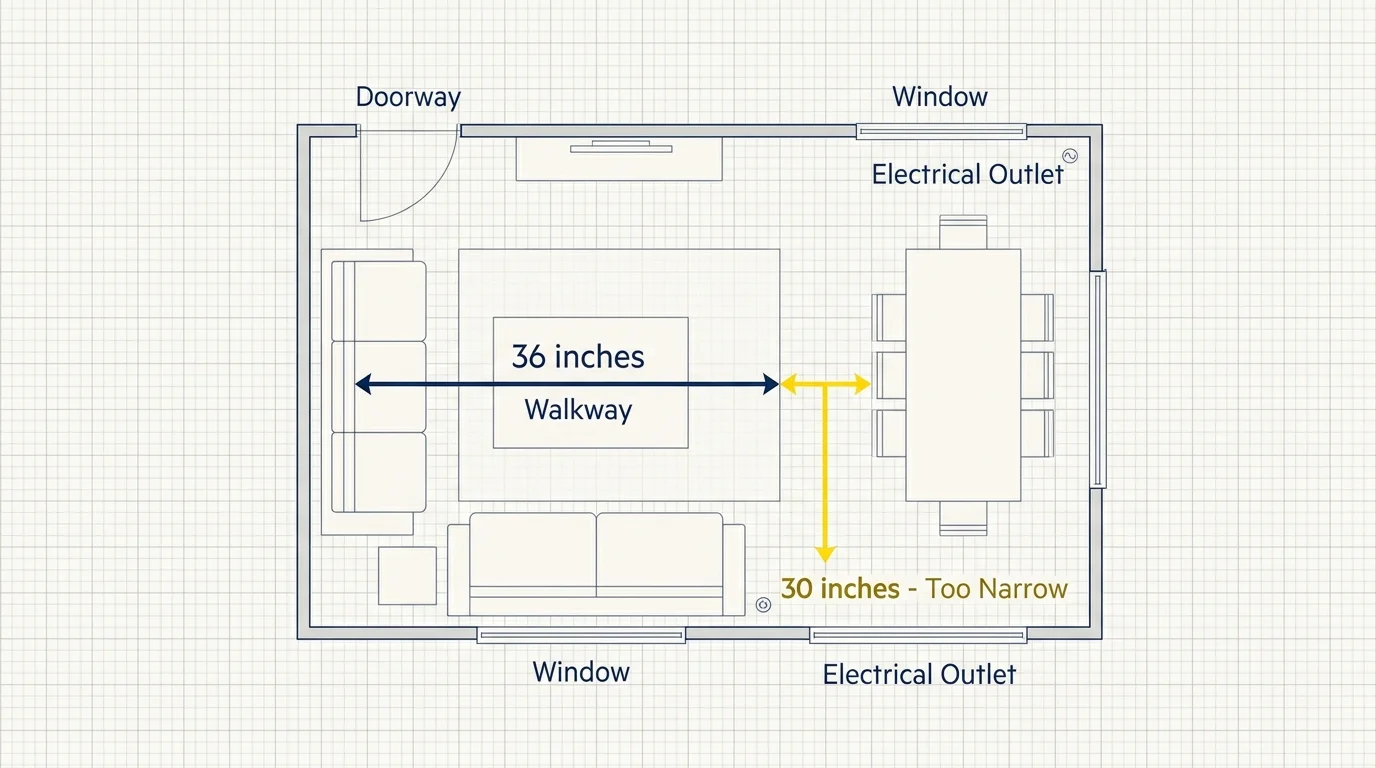
Never rely on mental estimates when deciding which furniture pieces to take with you. Before packing a single box, obtain exact room dimensions and doorway measurements of your new residence. Take note of window locations, built-in features, heating vents, and electrical outlet placements.
Create a scaled floor plan on grid paper or use visual room-planning software to test your furniture arrangements. Clear walkways are essential for comfort and day-to-day safety; ensure main interior pathways maintain at least 36 inches of unobstructed width. If your oversized dining table or expansive sectional sofa leaves less than 30 inches of walking space in your new floor plan, rehoming those pieces now saves you heavy lifting on moving day.
To establish professional standards for room arrangement and sorting efficiency, experts at the National Association of Productivity and Organizing Professionals emphasize setting strict spatial boundaries before packing. When your new floor plan dictates what fits, you eliminate emotional debate from the equation; the physical footprint becomes your neutral decision-maker.
3. Use the “Four-Box Method” for Immediate Sorting Clarity
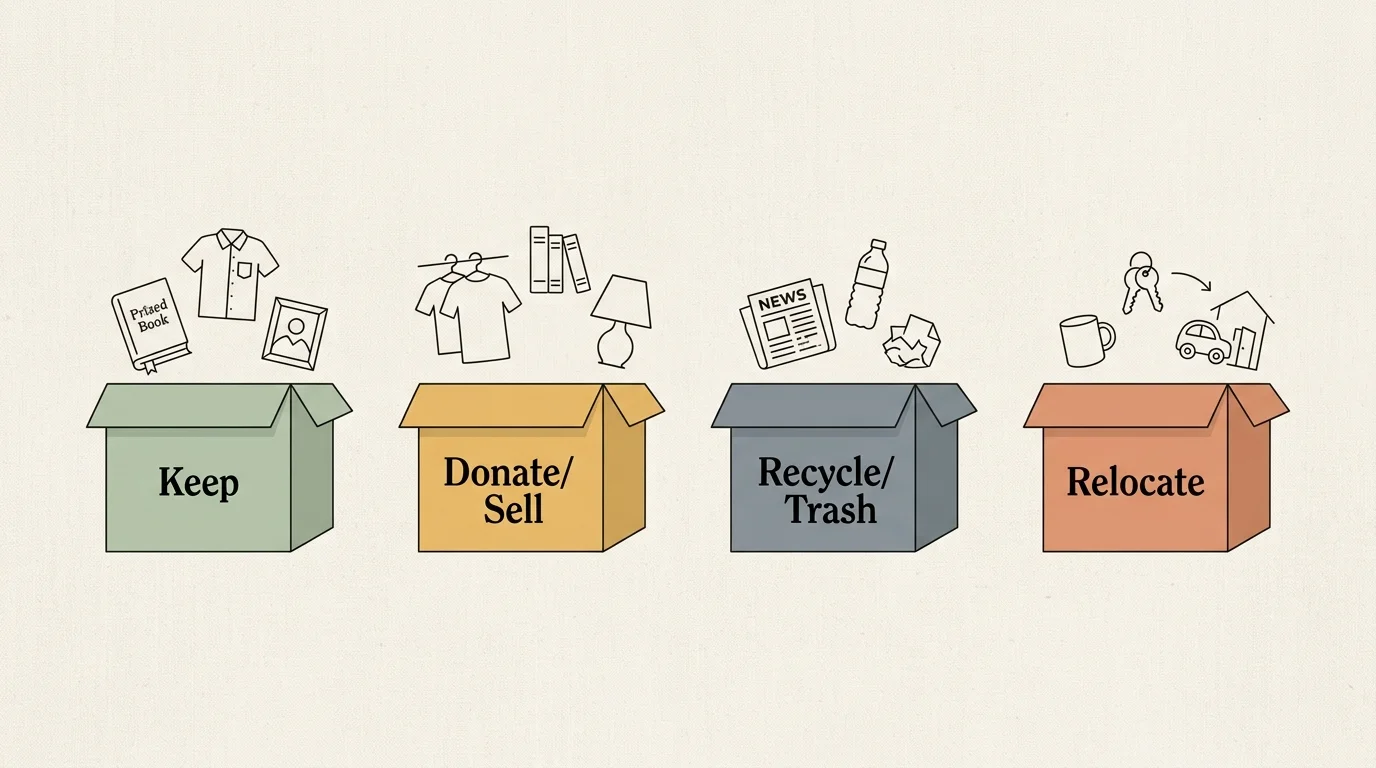
Systematic sorting eliminates physical mess and prevents items from ending up in random piles across your floors. Whenever you enter a room to work, bring four clearly labeled containers: Keep, Donate/Sell, Recycle/Trash, and Relocate. Every item you touch must land in one of these four categories before you finish your session.
Streamline your decision process by adhering strictly to defined criteria for each category container:
| Container Category | Criteria for Selection | Immediate Action Step |
|---|---|---|
| Keep | Items you use regularly, love deeply, and have actual space for in your new floor plan. | Pack directly into labeled moving boxes or place back neatly in designated zones. |
| Donate / Sell | Functional items in good condition that no longer fit your lifestyle or physical footprint. | Move to a designated staging area—such as the garage—for scheduled pickup or sale. |
| Recycle / Trash | Broken, expired, worn-out, or non-repairable goods past their useful life. | Dispose of immediately in municipal recycling bins or trash containers. |
| Relocate | Items that belong in another room within your current home during the transition. | Deliver to their proper room at the end of your daily 30-minute session. |
When you focus on decluttering for a move, enforce a strict rule: once an item enters the Donate or Recycle box, it does not come back out. Re-evaluating items twice doubles your workload and stalls your overall progress.
4. Tackle the Least Emotional Rooms Before Anything Else
Resist the temptation to open old photo albums, heirloom trunks, or sentimental keepsakes during your first week. Sentimental items trigger nostalgia and lingering hesitation, which rapidly drain your mental stamina. Begin your work in low-emotion, highly practical zones where decisions depend entirely on utility.
Focus your initial energy on these high-utility spaces:
- Guest Bathrooms: Discard expired medications, ancient toiletries, hardened lotions, and frayed towels.
- Pantry and Kitchen Cabinets: Purge expired canned goods, duplicate spices, cracked plastic containers, and specialty gadgets you haven’t used in the past year.
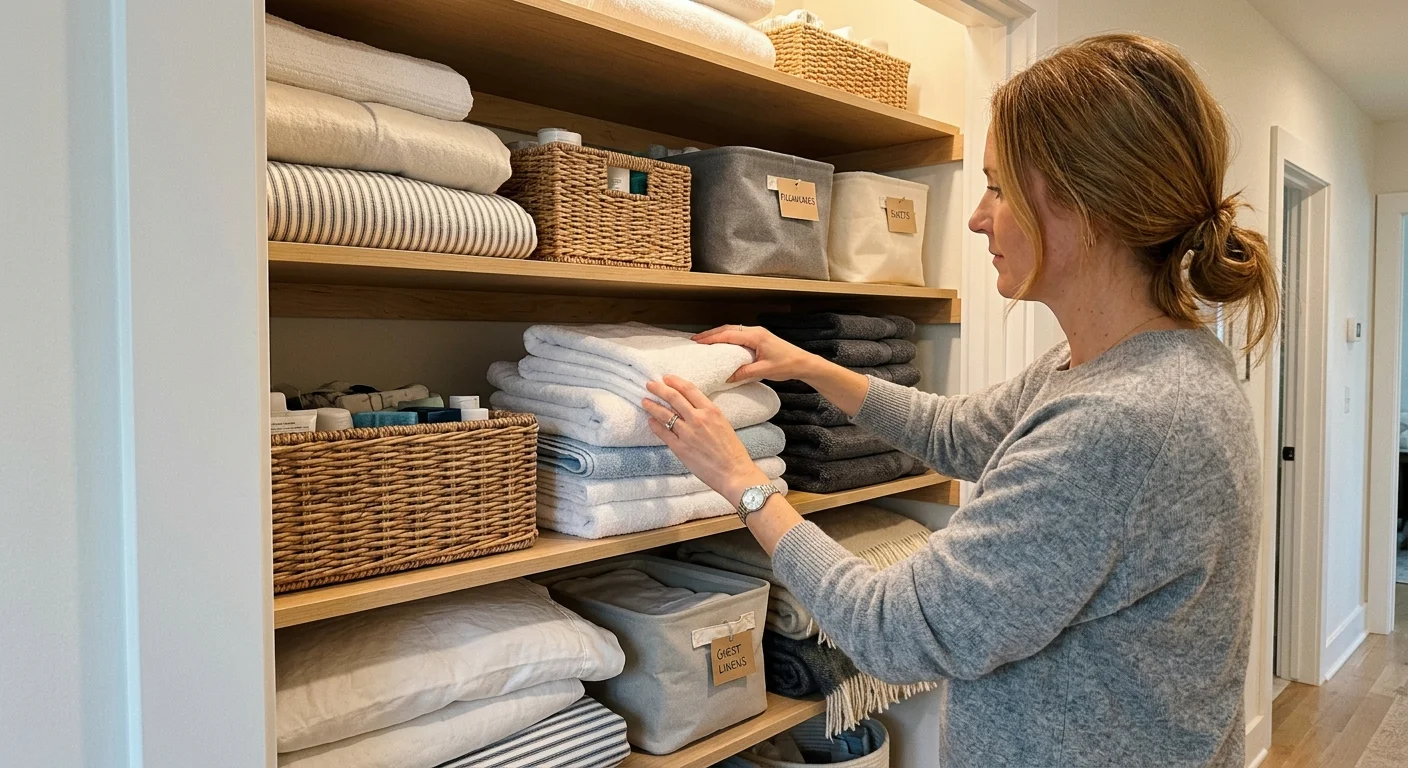
- Linen Closets: Retain two high-quality bed sheet sets per bed and donate thin, stained, or mismatched linens.
- Coat Closets and Entryways: Donate coats that no longer fit and surplus umbrellas, worn gloves, or outdated footwear.
Clearing two or three utility rooms grants you an immediate visual victory. You build decision-making confidence and master your sorting routines long before facing emotional family heirlooms or personal mementos.

5. Master Sentimental Item Decluttering Tips to Honor Memories Without the Clutter
Addressing heirlooms, inherited objects, and childhood memorabilia often presents the toughest challenge during a move. Distinguish between the physical object and the memory attached to it; releasing an item does not erase your fond memories or personal history. Applying practical sentimental item decluttering tips lets you cherish your past while respecting your new spatial boundaries.
Use these compassionate, practical strategies to manage sentimental belongings:
- Digitize Visual Records: Photograph bulky heirlooms, hand-carved furniture, or childhood artwork. Store these images in high-resolution digital albums or compile them into a slim photo book that occupies minimal shelf space.
- Curate a Memory Box: Assign one attractive, designated storage box per household member (such as a standard 12×15-inch container). Once the container is full, enforce a “one-in, one-out” rule for any new keepsakes.
- Gift Items Ahead of Time: Pass family heirlooms, vintage jewelry, or fine china to children or relatives now. Seeing family members enjoy these treasures brings far more joy than storing them away in dark boxes.
- Repurpose or Downsize the Object: Transform a collection of nostalgic concert shirts into a single quilt, or frame a single piece of heirloom china in a shadow box instead of keeping twelve full place settings.
Selecting only the absolute highlights converts heavy physical baggage into a curated, meaningful collection of personal treasures.

6. Eliminate Duplicates and “Just-in-Case” Surplus
Household surveys show that most people use roughly 20% of their belongings 80% of the time. The remaining 80% often consists of duplicate tools, redundant kitchen utensils, extra linens, and “just-in-case” supplies that create persistent visual clutter.
Adopt the “20/20 Rule” whenever you encounter duplicate goods: if you can replace an item in less than 20 minutes for under $20, let it go today if you do not actively use it. You do not need three blenders, four sets of measuring cups, or six excess hammers; select your single best, most durable tool in each category and donate the rest.
Evaluate storage closets ruthlessly. Consolidate cleaning chemicals, hardware fasteners, craft items, and kitchen accessories. Eliminating duplicate inventory reduces storage density immediately and slashes the total number of boxes you must pack, transport, and unpack.
7. Implement Proven Downsizing Tips Seniors Need for Safety and Accessibility
When simplifying a living environment for long-term comfort, aging in place, or moving into a low-maintenance community, prioritize physical safety and effortless accessibility. Standard home hazards—such as cluttered walkways, poor lighting, and overstuffed high cabinets—greatly increase the risk of accidental falls. Integrating targeted downsizing tips seniors rely on creates a serene, navigable home.
Focus on these key home accessibility adjustments:
- Maintain Unobstructed Walkways: Keep main interior pathways free from floor clutter, electrical cords, and low coffee tables. Review official safety recommendations in the CDC Fall Prevention Guidelines to identify and eliminate common household hazards.
- Remove Loose Throw Rugs: Secure or discard loose accent mats and throw rugs that slide easily on hardwood or tile floors.
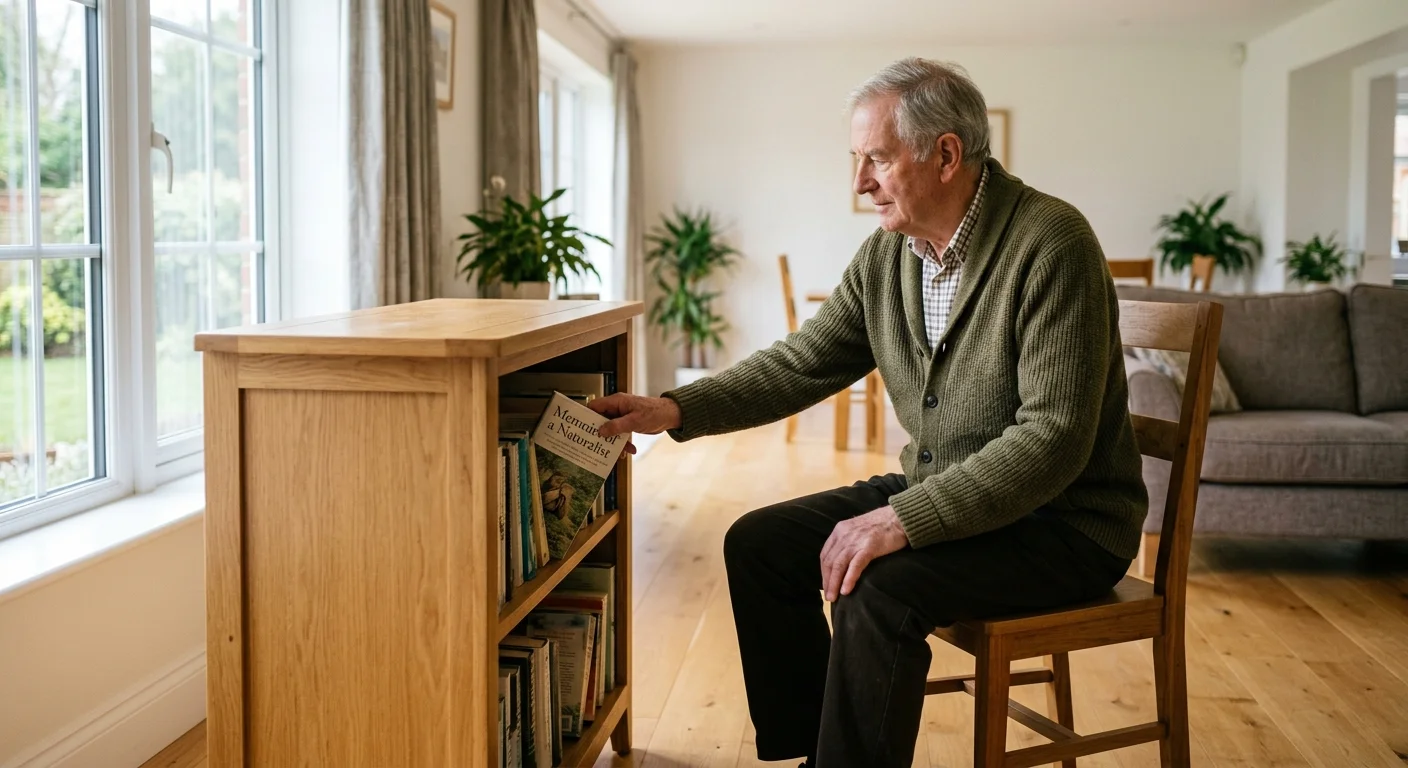
- Optimize Storage Heights: Store everyday items between waist and eye level to eliminate the need for step stools or deep bending into low cabinets.
- Select Stable Furnishings: Choose sturdy furniture with solid armrests that assist with sitting and standing, and remove lightweight tables that could tip over if leaned upon.
Structuring your living space around health and mobility transforms your home into a secure sanctuary. For additional strategies on rightsizing your home for long-term comfort, review the comprehensive AARP Downsizing and Living Guide.

8. Digitize Paperwork, Photos, and Legacy Files
Paper files consume vast amounts of vertical cabinet space and drawer real estate while adding substantial weight to a move. Transitioning physical paper archives into organized digital files reclaims valuable floor space and simplifies administrative tasks.
Follow this simple paper-reduction plan:
- Shred Unnecessary Documents: Securely shred old utility bills, expired tax records (older than seven years), bank statements, and paid medical invoices. Retain original hard copies only for essential vital records, such as birth certificates, military discharges, property deeds, and estate documents.
- Scan Essential Files: Use a high-speed scanner or smartphone scanning app to store paper documents in encrypted cloud folders.
- Convert Physical Photo Albums: Send loose photos and heavy albums to a professional scanning service, or scan them yourself using dedicated mobile photo apps. Store digital backups on an external drive and secure cloud service.
Eliminating bulky file cabinets creates instant floor space in your home while keeping important health and financial documents at your fingertips.
9. Plan a Safe and Eco-Friendly Disposal Strategy
Discovering how many items need to leave your home can trigger worry about environmental waste. Establishing a responsible disposal plan ensures your discarded belongings benefit others or undergo proper recycling rather than ending up in a landfill.
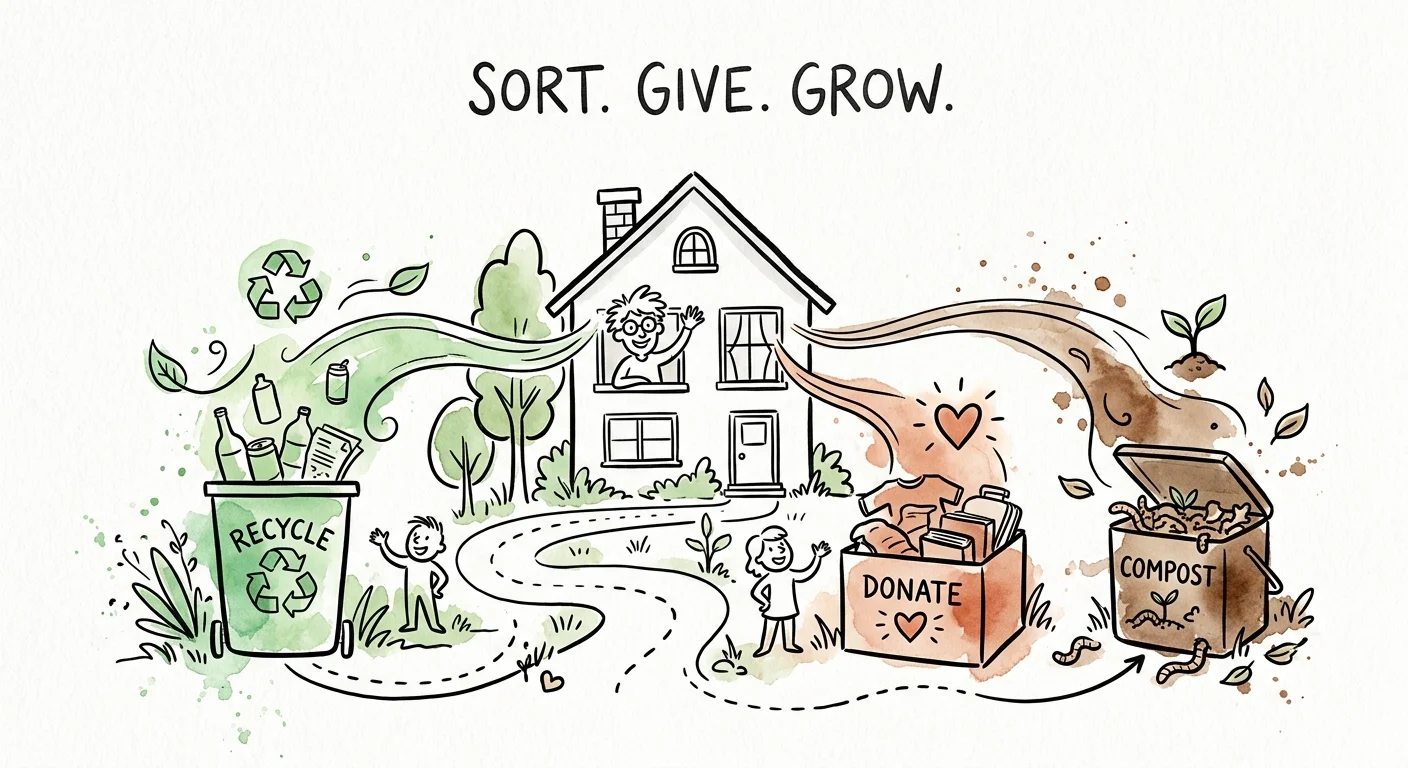
Sort outgoing items into these eco-friendly disposal channels:
- Charitable Donation Centers: Donate functional furniture, housewares, and clean clothing to local nonprofit organizations, community shelters, or thrift shops. Groups like Habitat for Humanity ReStore frequently offer free pickup for large, intact furniture pieces.
- Textile and Material Recycling: Drop off worn clothing or torn linens at dedicated textile recycling centers, and donate surplus books to local libraries or community exchange boxes.
- Hazardous Household Waste Collection: Never throw liquid paints, motor oil, cleaning chemicals, fluorescent bulbs, or batteries into regular trash bins. Consult the EPA Household Hazardous Waste Guidelines to locate designated recycling collection sites in your area.
Knowing your unwanted items are supporting local families or receiving proper ecological processing brings psychological peace of mind as you clear your space.
10. Establish Daily Rules for a Stress Free Decluttering Experience
Maintaining steady progress through a major move requires simple, repeatable rules that protect your time and physical energy. Establishing clear daily guidelines fosters a calm environment where downsizing happens naturally without constant decision fatigue.
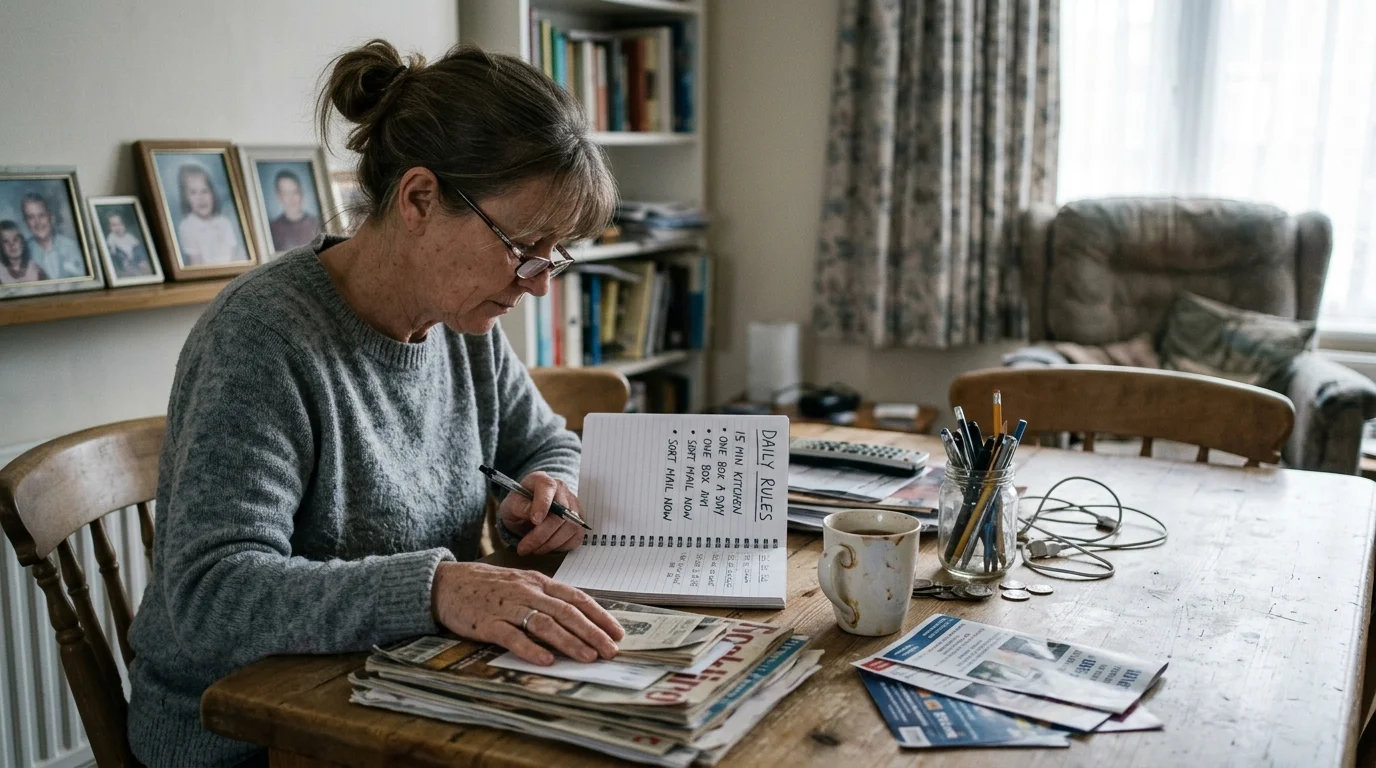
Incorporate these simple daily routines for a stress free decluttering process:
- Enforce “One-In, One-Out”: For every new item you bring into your home during the moving period, remove one existing item of similar size.
- Schedule Regular Donation Drop-Offs: Choose one day each week (such as Friday afternoon) to deliver filled donation boxes to collection centers. Allowing filled boxes to pile up in your garage creates visual noise and invites second-guessing.
- Honor Your Daily Stop Time: When your designated 30-minute timer finishes, stop immediately. Rest and celebrate the progress you made rather than pushing until you feel exhausted.
Consistent, unhurried effort ensures you arrive at moving day organized, rested, and fully ready to enjoy your new living space.
Your Immediate Next Steps for a Simplified Home
Downsizing your home does not mean sacrificing comfort or letting go of cherished memories. By starting early, setting hard physical boundaries, and executing a steady 30-minute daily routine, you transform a potentially overwhelming project into a rewarding journey toward living with greater clarity and ease.
Take your first practical step right now: select one small, low-emotion area—such as your medicine cabinet, coat closet, or kitchen junk drawer. Set a timer for 15 minutes, grab your four sorting containers, and clear that single space to kickstart your downsizing journey today.