
Clearing physical clutter immediately lowers stress levels and restores a sense of control over your living space. When you target items to throw away at home that offer zero functional or emotional value, you make instant progress without second-guessing every decision. Deciding what to throw away becomes effortless once you focus on safety hazards, expired products, and broken items taking up valuable real estate. Toss these unneeded objects into the trash or recycling bin today—you will gain immediate breathing room in your kitchen, bathroom, and closet. Use this list as your immediate action plan to toss obsolete items, simplify daily maintenance routines, and create a calm, manageable home atmosphere without delay.
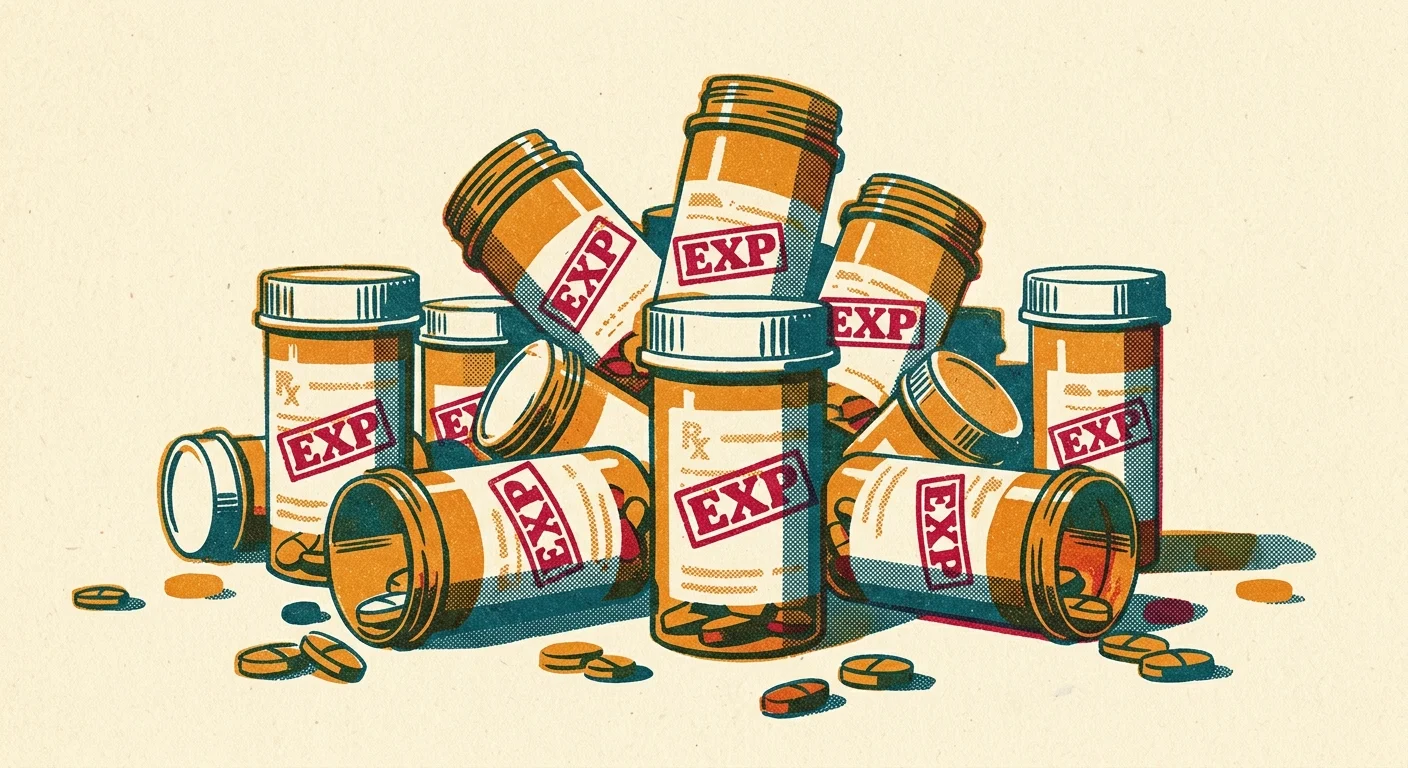
1. Expired Medications and Old Prescription Bottles
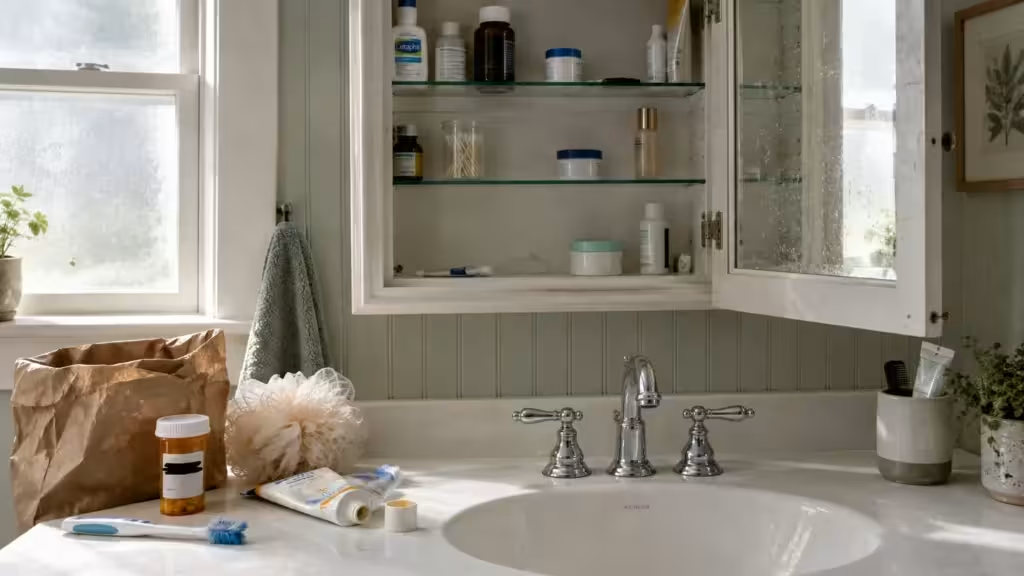
Keeping expired prescription drugs and over-the-counter medications in your medicine cabinet creates serious safety risks; active chemical compounds degrade over time, which drastically reduces their effectiveness or forms toxic byproducts. According to official FDA Drug Disposal Guidelines, keeping unused pain relievers, antibiotics, or heart medications in accessible bathroom cabinets increases the risk of accidental poisoning among children and pets. Take a clear plastic bag and collect every pill bottle, eye drop container, and ointment tube that has passed its expiration date. Check the small printed date on the bottom or side of each container; if the text has worn off or the date passed six months ago, discard the item immediately. To dispose of non-flushable medications safely at home, mix whole pills or liquids with an unappealing substance like used coffee grounds or kitty litter, seal the mixture inside a plastic bag, and throw it into your household trash after removing or scratching out all personal prescription details from the original bottle.
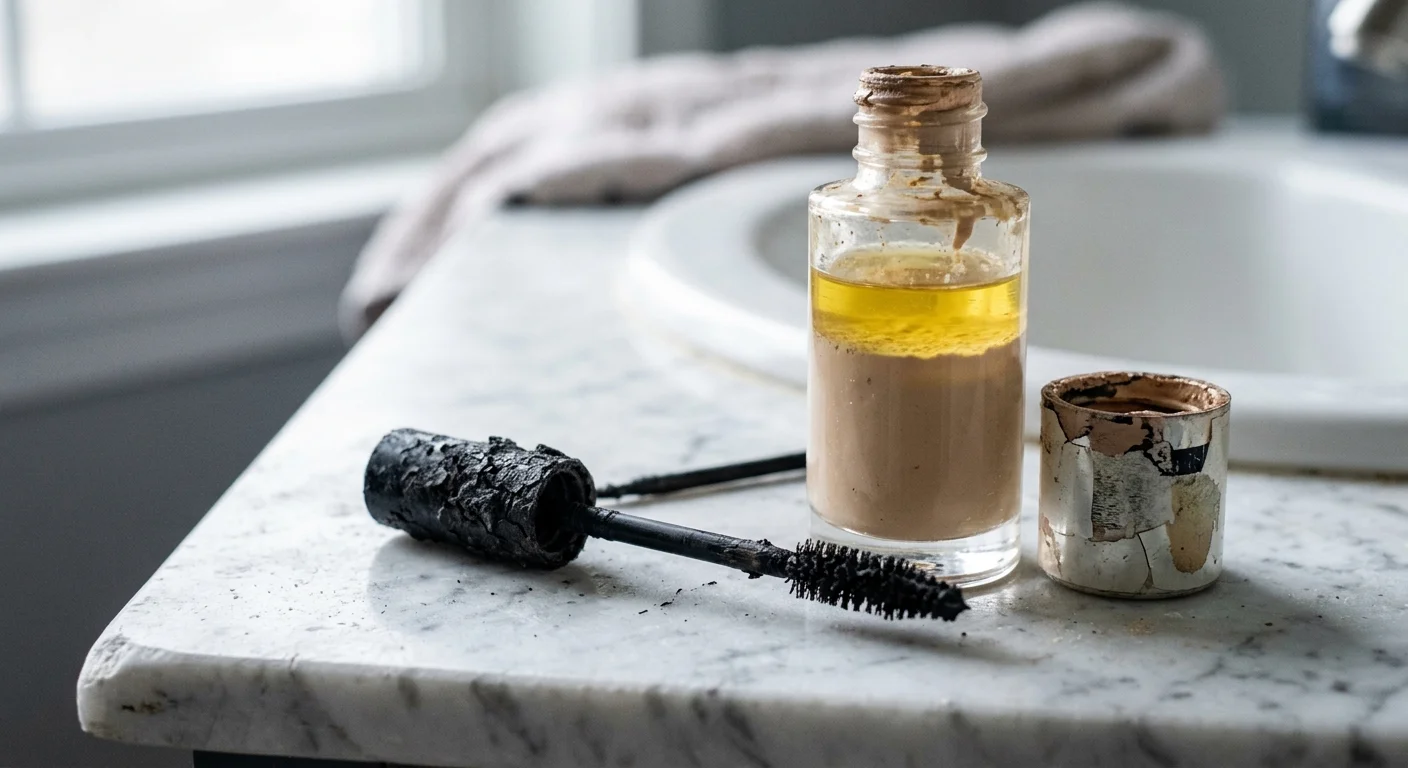
2. Old Makeup and Skin Care Past Their Prime
Cosmetics do not last forever, and using old mascara, liquid foundation, or skin cream exposes your skin to harmful bacteria, fungus, and mold growth. Water-based beauty products act as breeding grounds for microbes once you break the seal; mascara and liquid eyeliners carry the highest risk because direct contact with your eyelids introduces bacteria back into the tube every single day. The FDA Cosmetics Shelf Life Guide warns that preservatives breakdown over time, leaving you vulnerable to painful eye infections, acne breakouts, and skin rashes. Throw away any mascara tube older than three months, liquid foundations past the twelve-month mark, and natural creams without synthetic preservatives that have changed color, separated, or developed a sour smell. Toss out crusty lipsticks and cracked eyeshadow powders as part of your bathroom clutter removal tips to instantly streamline your morning routine.
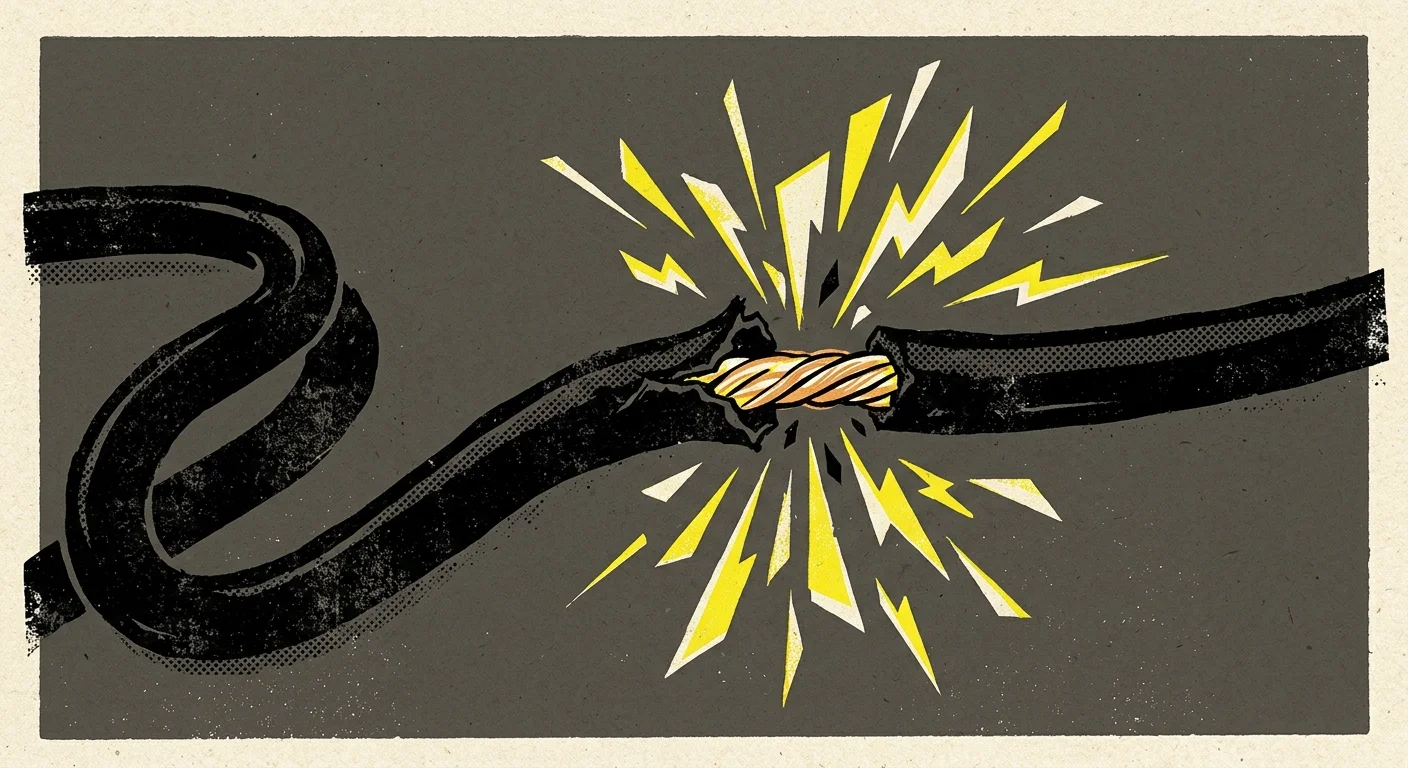
3. Frayed Electrical Cords and Damaged Extension Cords
Exposed copper wiring, cracked insulation, and bent plug prongs represent major fire hazards and electrical shock dangers inside your home. Wrapping black electrical tape around a frayed cord might feel like a quick fix, but tape does not restore structural insulation nor prevent dangerous short circuits. Guidance from the Electrical Safety Foundation International highlights frayed cords as a leading cause of residential electrical fires each year. Inspect every lamp cord, phone charger, toaster wire, and surge protector hidden behind your furniture. If you spot cracked rubber, visible inner wiring, or loose connections near the plug head, unplug the device immediately, cut the cord completely so no one else reuses it, and throw it straight into the trash or take it to an e-waste recycling facility.
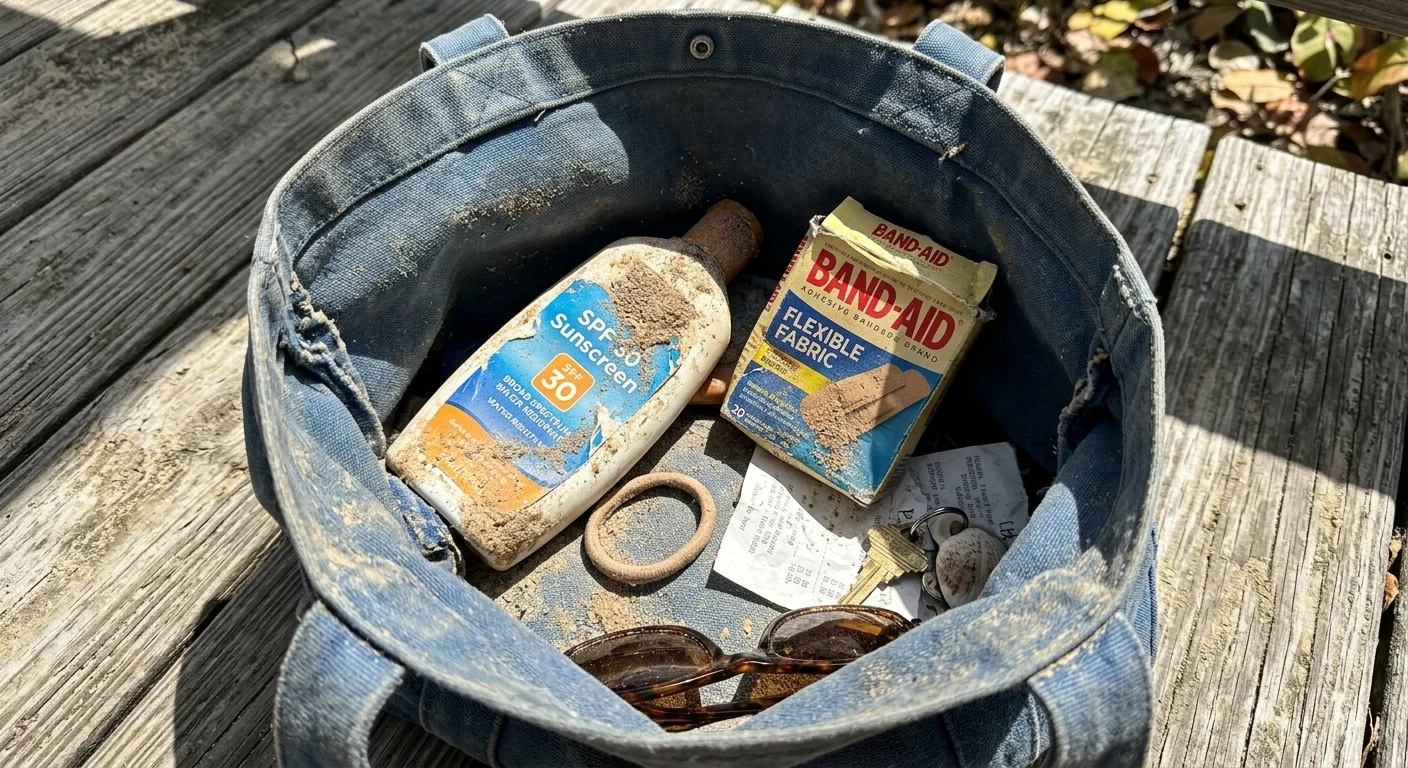
4. Expired Sunscreen and Degraded First-Aid Supplies
Sunscreen active ingredients lose their protective strength after their expiration date or after three years of storage, leaving your skin completely exposed to dangerous ultraviolet radiation. Chemical filters like avobenzone break down rapidly under heat, which means that bottle left in your hot car trunk all summer probably offers zero protection today. Experts at the American Academy of Dermatology recommend discarding any sunscreen that lacks an expiration date and has been in your cabinet for over three years. While inspecting your first-aid kit, throw away dried-out antiseptic wipes, sticky bandages that have lost their adhesive backing, expired burn creams, and rusty tweezers—replacing these items with a fresh, compact kit ensures you can handle minor emergencies safely.
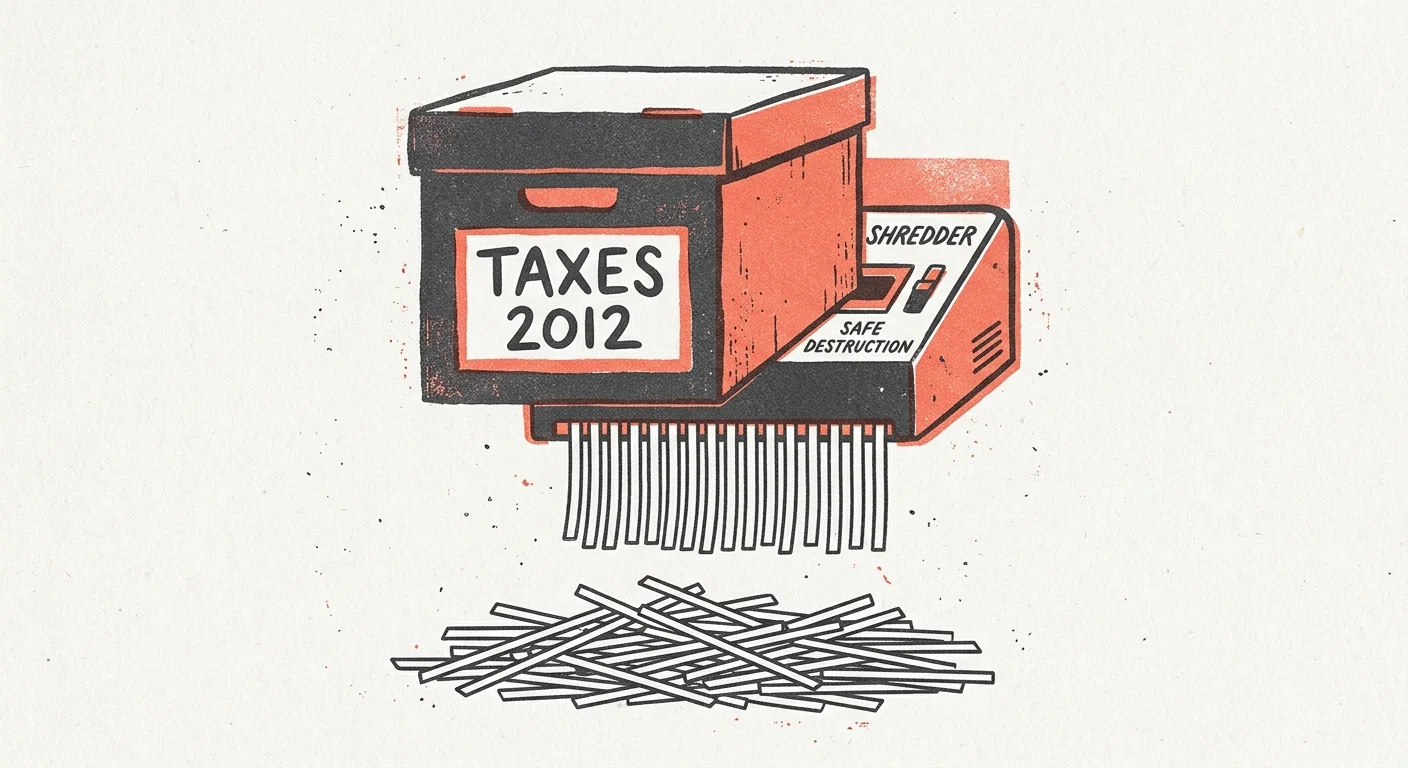
5. Tax Records Older Than Seven Years and Obsolete Paperwork
Stacks of old paper create heavy visual clutter and consume valuable office storage space without providing security. While holding onto tax documents is necessary for audit protection, you generally do not need to keep paper tax returns, receipts, or W-2 forms forever. Official IRS Record Retention Guidelines state that the agency usually reviews returns from the past three years, though they can audit up to six years if you underreport income significantly. Set aside any tax documents, bank statements, and canceled checks older than seven years; feed them directly into a cross-cut paper shredder to protect your identity. Throw away expired user manuals for appliances you no longer own, old utility bills from previous addresses, and paid medical invoices that are settled and documented on your digital bank statements.
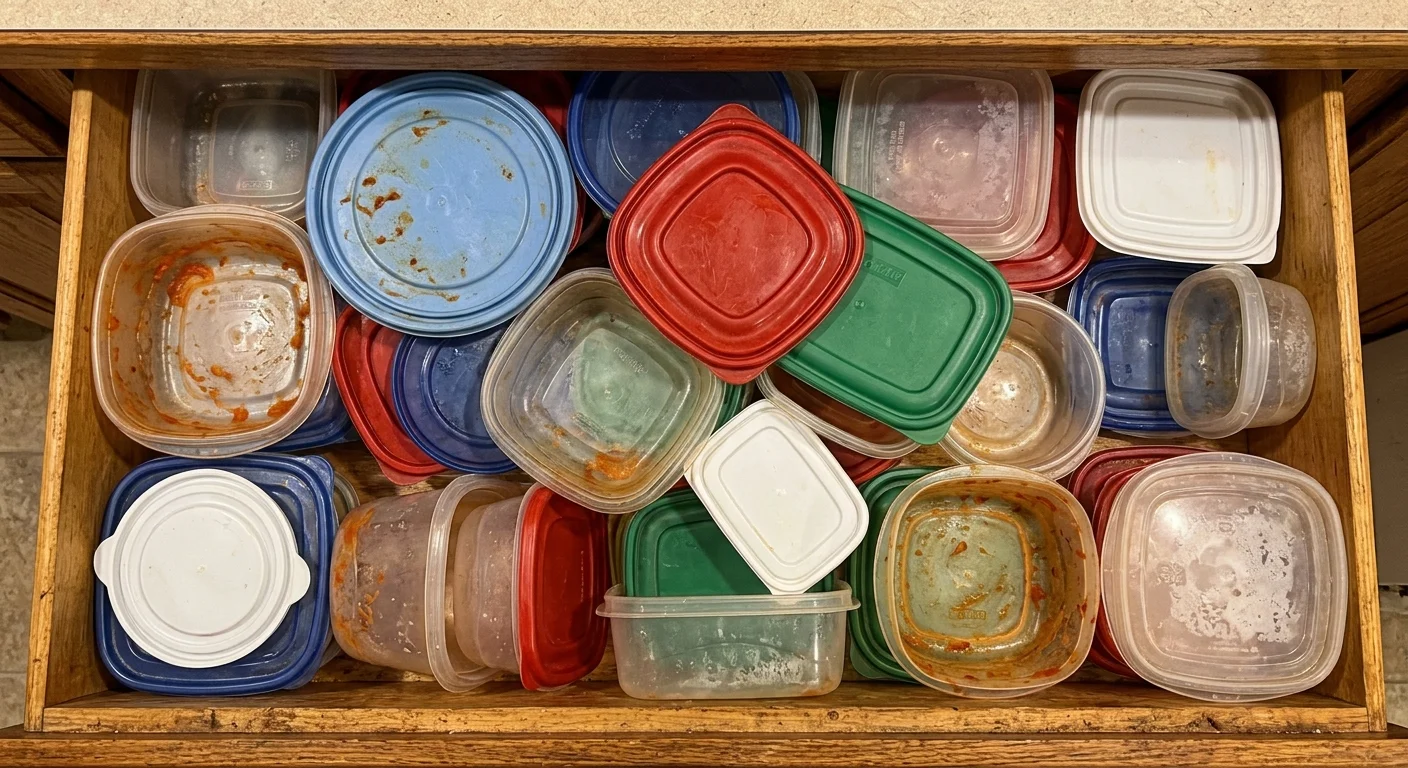
6. Mismatched Plastic Food Containers and Stained Plasticware
Kitchen cabinets often turn into chaos when plastic storage containers multiply without matching lids. Discarding container bases without matching tops and cracked plastic bowls instantly reclaims functional cupboard space. Older rigid plastic containers manufactured before 2012 may contain Bisphenol A (BPA), a chemical compound that leaches into hot food during microwaving; stained, warped, or pitted surfaces signal that the plastic polymer structure is degrading. Gather every container and lid from your cabinets onto your kitchen counter; match every lid with its base, and discard any warped, cloudy, or orphaned piece immediately. Transitioning to a matching set of tempered glass containers simplifies stackable storage, eliminates microplastic risks, and ends the frustration of searching for missing pieces while packing leftovers.
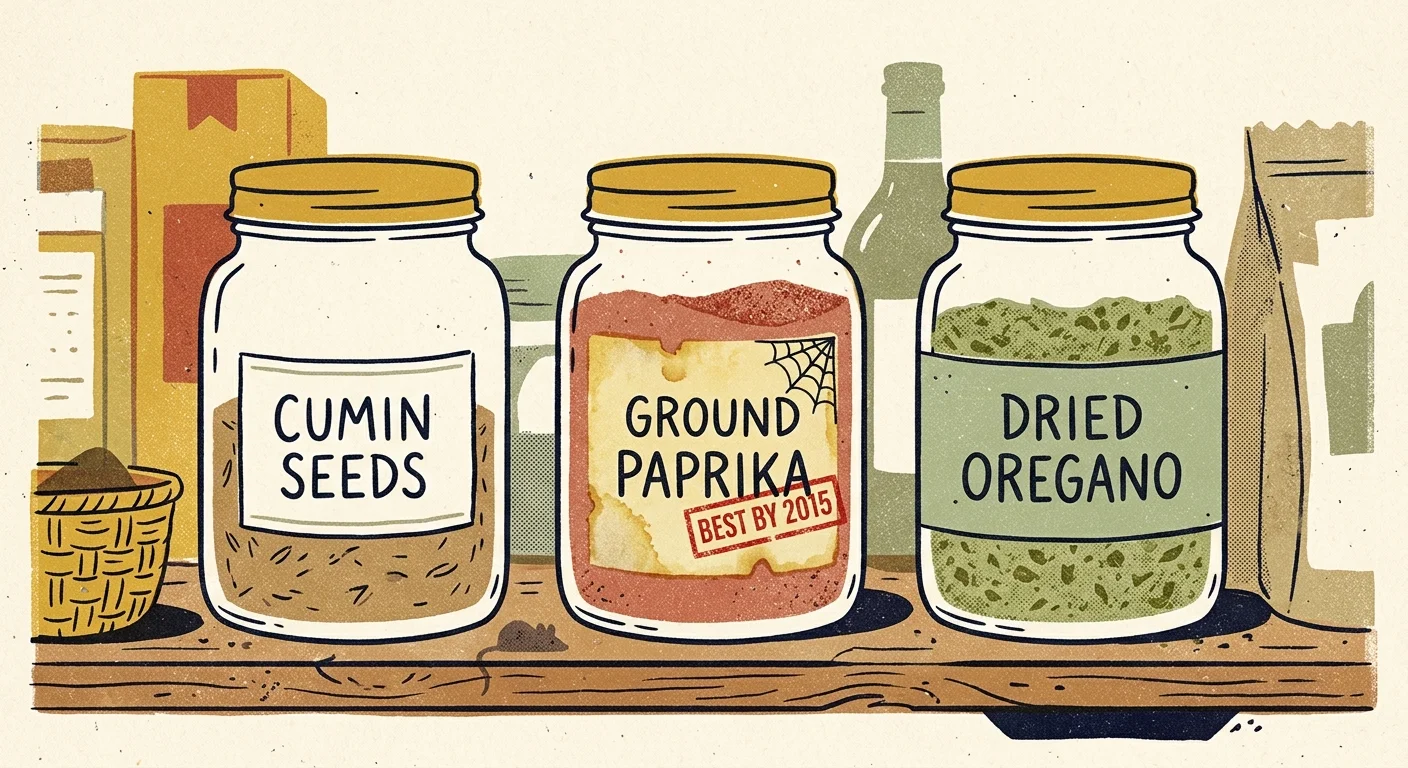
7. Expired Spices, Rancid Cooking Oils, and Stale Pantry Goods
Ground spices, whole seeds, and cooking oils do not remain fresh indefinitely; while old spices rarely cause severe illness, they lose essential volatile oils and flavor compounds over time, turning your favorite recipes bland. Cooking oils like olive, vegetable, and canola oil oxidize when exposed to light, heat, and air, developing a varnish-like smell and rancid, bitter taste that ruins fresh food. Open your pantry door and conduct a quick smell-and-visual test across your shelves. Throw out ground spices older than three years, dried herbs past one year, and any cooking oil that smells metallic or paint-like. Clear out stale crackers, split bags of dry pasta, and expired canned goods to prevent pantry moth infestations and keep your cooking ingredients fresh and flavorful.
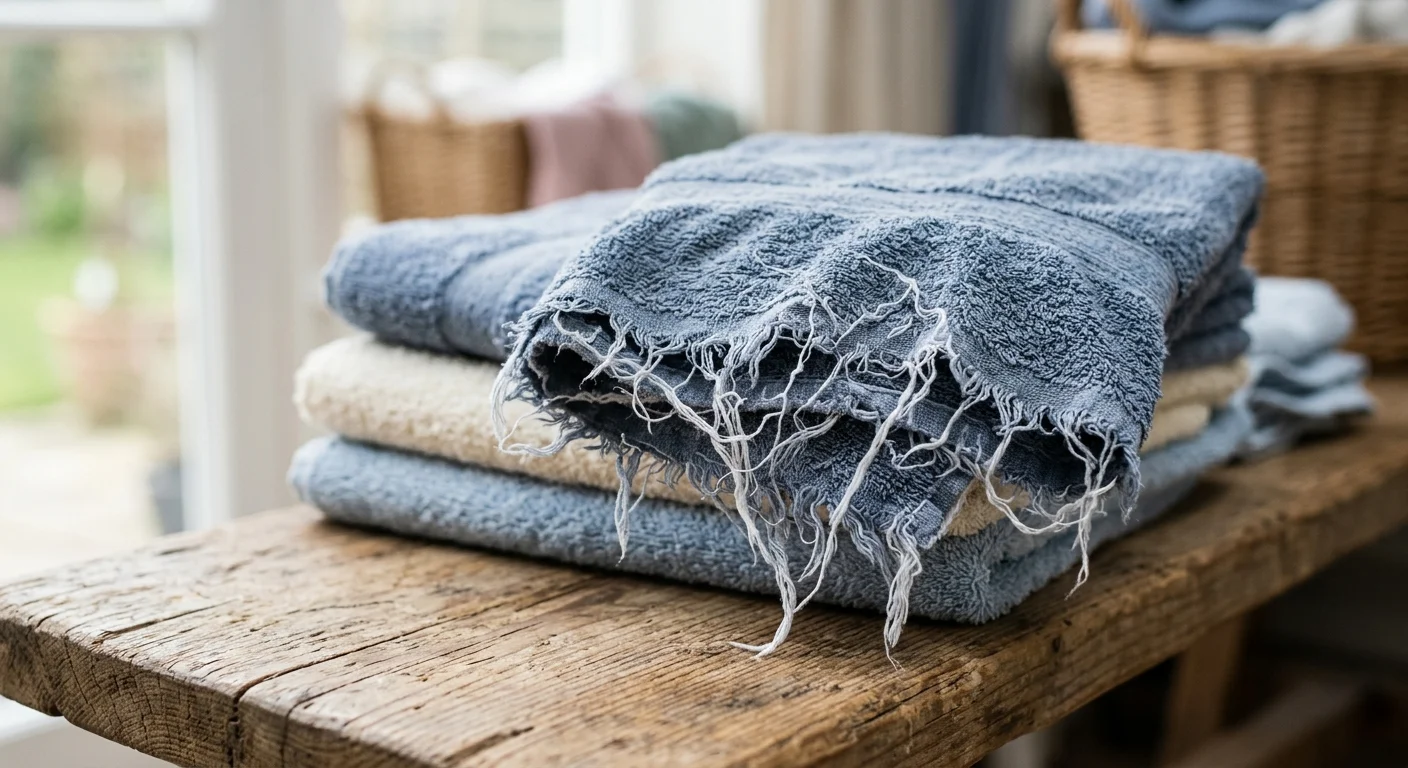
8. Threadbare Towels, Stained Linens, and Unmatched Pillowcases
Linen closets frequently become overcrowded dumping grounds for worn-out bath towels, thin sheets, and faded pillowcases that you never choose on laundry day. Towels lose their absorbency once cotton fibers break down from hundreds of wash cycles, turning into scratchy rags that take up massive amounts of storage space. Pull everything out of your linen closet and establish a strict threshold for keeping items. Discard towels with frayed edges, severe bleach stains, or lingering mildew odors that survive hot washing. If you want to avoid adding textiles to landfill waste, cut threadbare towels into small cleaning rags or donate them to local animal shelters, which frequently need clean towels for animal bedding.
9. Wire Hangers and Broken Garment Accessories
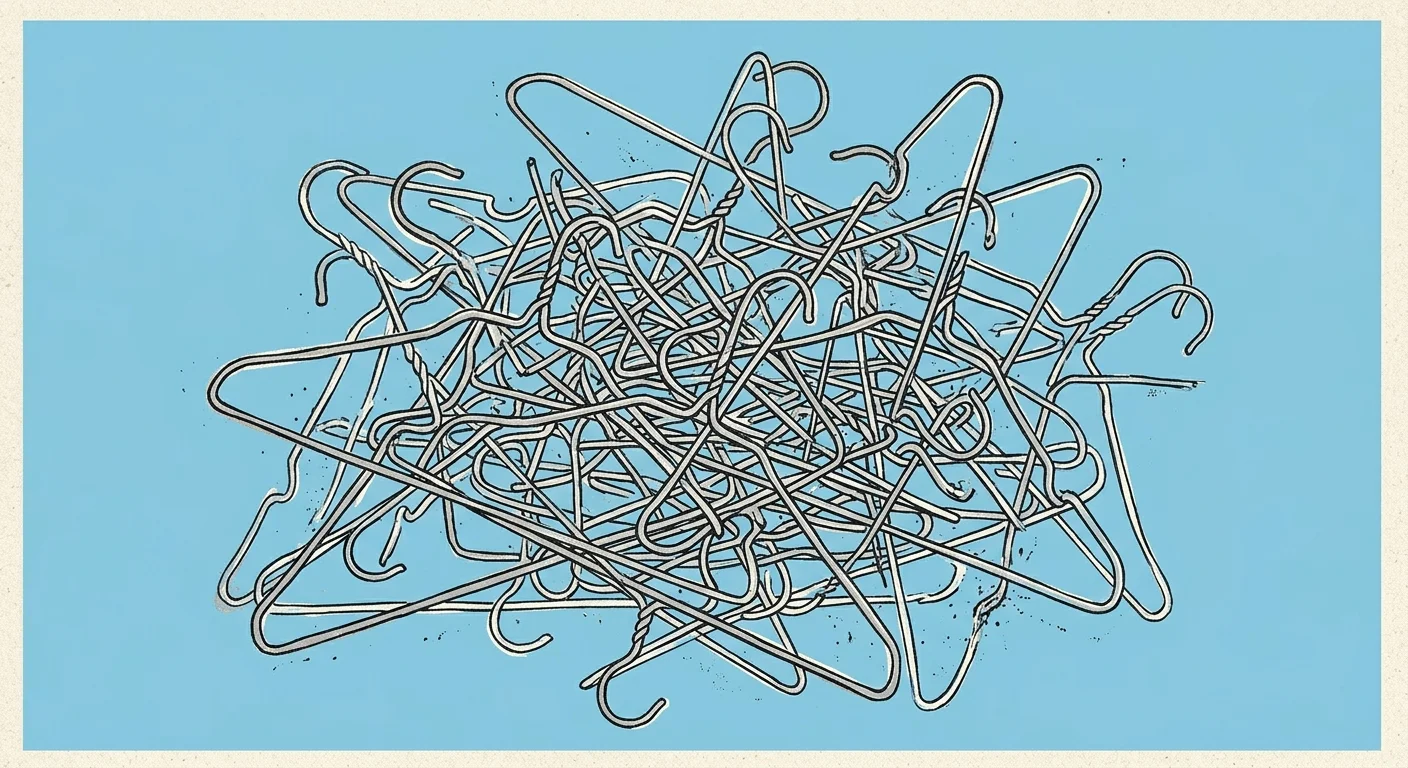
Thin wire hangers from dry cleaners distort garment shoulder seams, create permanent fabric puckers, and tangle easily in your closet. Metal wire rusts over time and transfers orange stains onto light-colored shirts and dresses, while cheap plastic hangers bend and snap under heavy winter coats. Strip wire hangers off your clothing and return them to your local dry cleaner for reuse or recycling. Replace them with slim, velvet-flocked hangers or durable wooden hangers that preserve garment shape, maximize hanging space, and instantly elevate the visual calm of your bedroom closet. While clearing your closet, toss stretched-out belts, single unmatched socks, and damaged shoe trees that no longer hold their tension.
10. Dried-Up Pens, Dead Batteries, and Mystery Electronic Cables
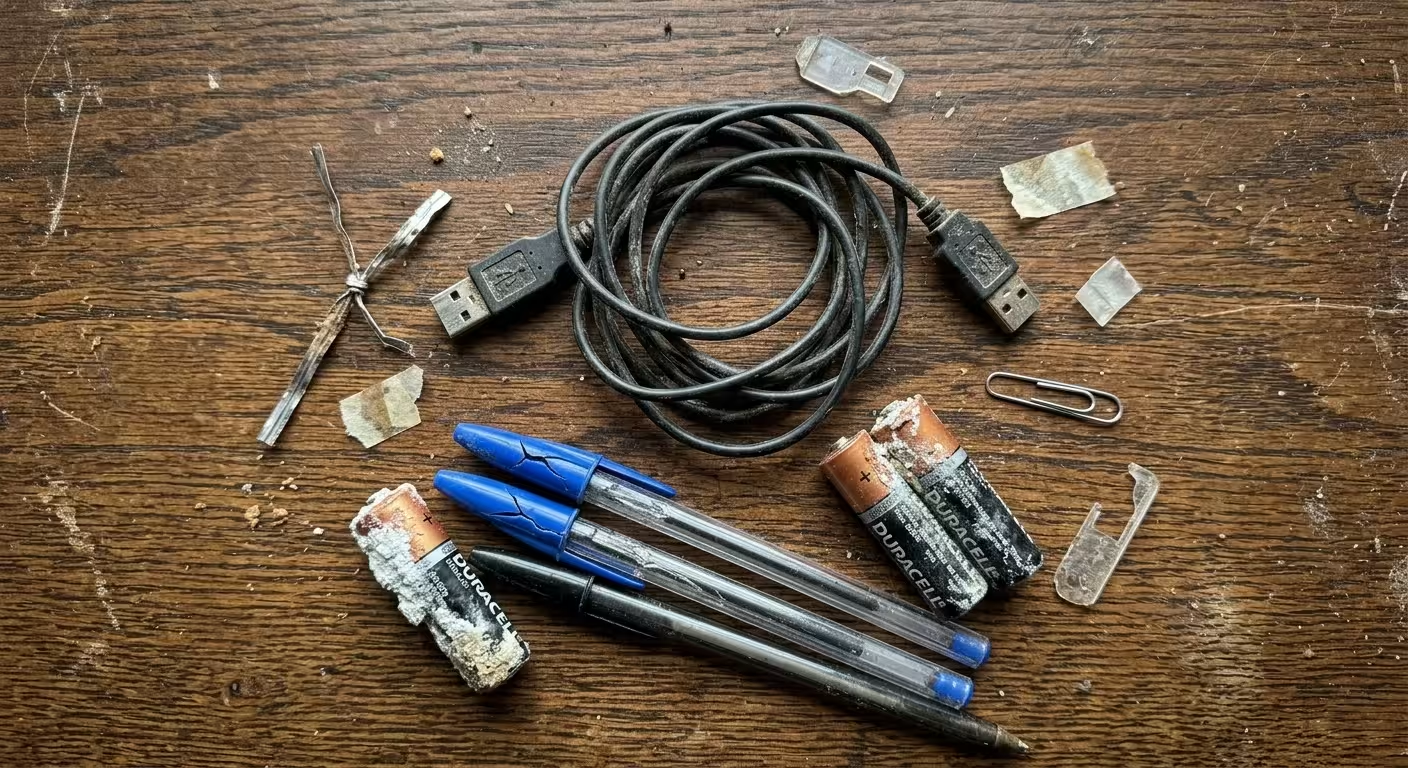
Junk drawers accumulate random items because decisions get postponed. When searching for quick things to declutter now, eliminating obsolete tech clutter delivers immediate space savings. Dried-up ballpoint pens, unidentifiable charger cords, and dead household batteries choke off usable space in desk drawers and entryway consoles. Take a scrap piece of paper and test every pen, marker, and highlighter in your collection; throw away any pen that skips, drags, or leaks ink. Gather every loose cable and match it to an active device in your home; discard or drop off at an e-waste center any cable that powered an obsolete flip phone, old digital camera, or unknown gadget. Test loose batteries with a simple battery tester and bring depleted batteries to a proper hazardous waste or battery recycling drop-off bin instead of keeping them mixed in with fresh batteries.
Quick-Reference Decluttering Checklist and Disposal Matrix
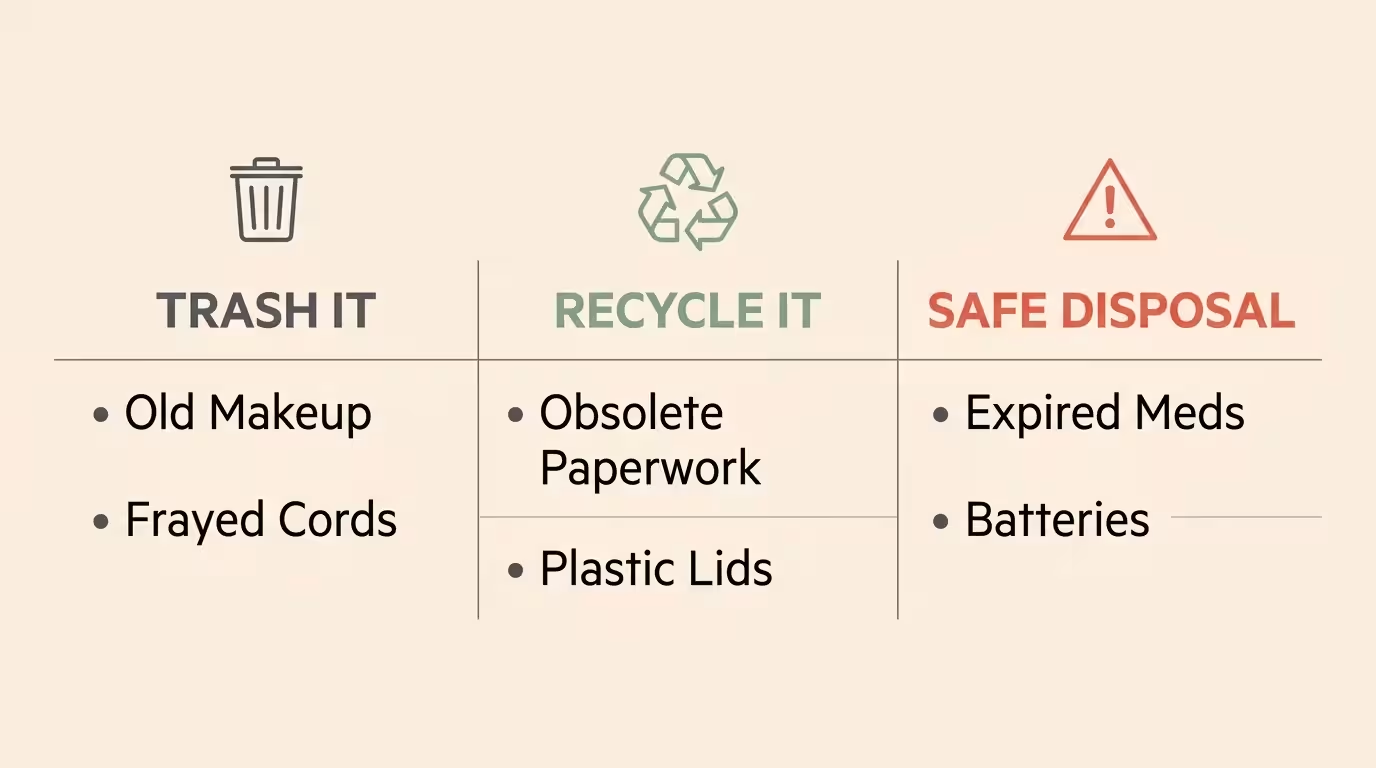
Use this practical decluttering checklist to quickly identify top candidates for clutter removal tips across every zone of your home. It outlines key discard triggers and recommended disposal methods so you can act swiftly without hesitation.
| Item Category | Discard Triggers | Safe Disposal Method | Home Zone |
|---|---|---|---|
| Medications & Pills | Passed expiration date; unknown loose pills | Pharmacy take-back box or mixed with coffee grounds in trash | Bathroom / Medicine Cabinet |
| Liquid Beauty Products | Mascara > 3 months; changed odor, texture, or color | Household trash bin (recycle clean plastic bottles) | Vanity / Bathroom |
| Electrical Cords | Frayed rubber, exposed wires, bent plug prongs | Cut cord head; drop at local e-waste facility or trash | Living Room / Home Office |
| Sunscreen & First-Aid | Sunscreen > 3 years old; dried antiseptic wipes | Household trash bin | Linen Closet / Outdoor Gear |
| Paper Tax Records | Tax returns & financial receipts older than 7 years | Cross-cut paper shredder before trash or composting | Home Office / Desk |
| Plastic Food Storage | Missing lids, warped bases, heavy microwave staining | Curbside plastics recycling bin | Kitchen Cabinets |
| Spices & Cooking Oils | Ground spices > 3 years; oil with metallic odor | Compost organic matter; trash bottle or recycle glass | Kitchen Pantry |
| Towels & Bedding | Frayed edges, thin fabric, non-removable mildew smells | Donate to local animal shelter or cut into cleaning rags | Linen Closet |
| Wire Closet Hangers | Bent metal, thin wire, rusting surfaces | Return to dry cleaners or drop at scrap metal recycling | Bedroom Closet |
| Junk Drawer Items | Dried ink pens, mystery cables, depleted batteries | Trash dried pens; send cables and batteries to e-waste recycling | Desk / Entryway Console |
How to Maintain Momentum and Prevent Re-Cluttering
Eliminating initial physical clutter generates high energy and immediate satisfaction, but long-term success requires clear systems that stop unnecessary items from crossing your threshold again. Implementing practical strategies prevents clutter from creeping back into your living spaces over time.
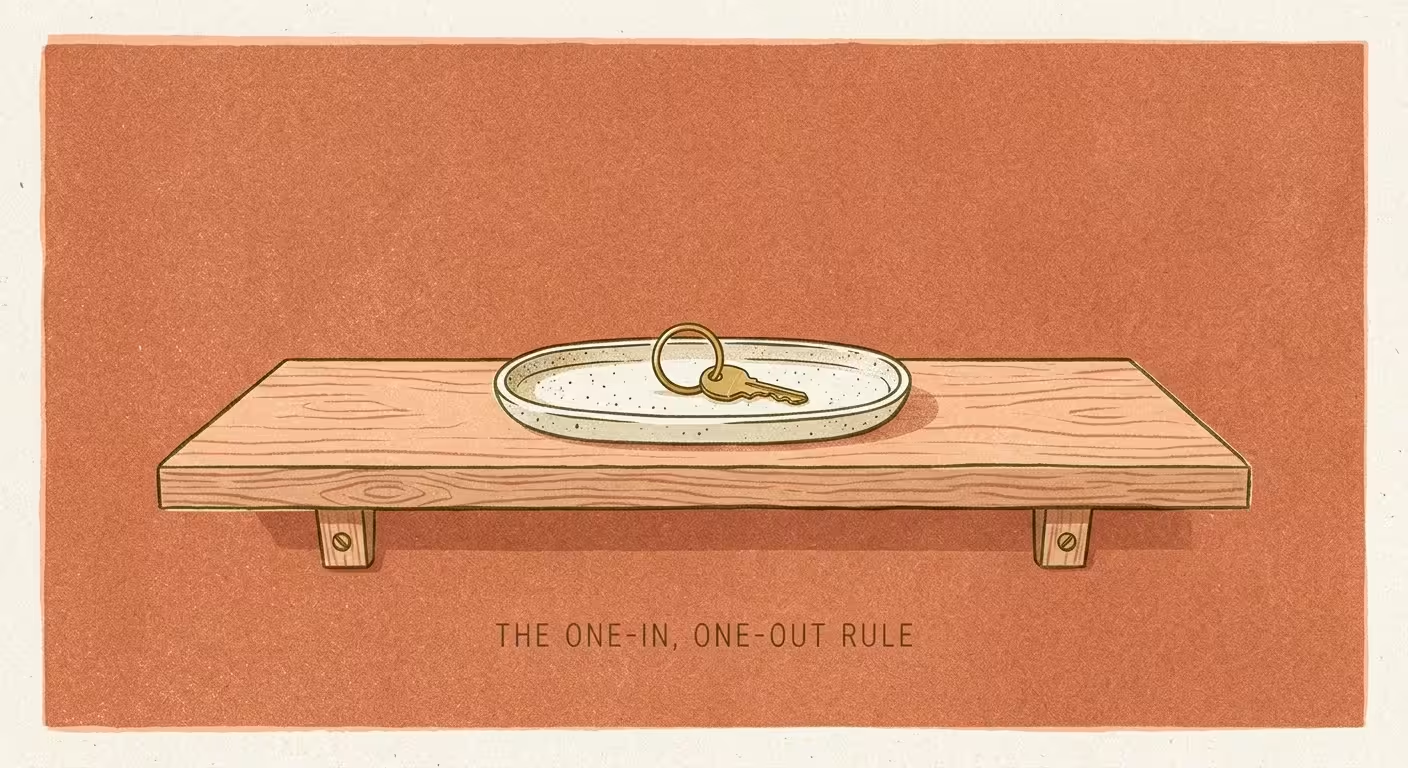
- Enforce the One-In, One-Out Rule: Whenever you bring a new item into your home—whether a bath towel, sweater, or kitchen container—discard or donate an older item in the same category immediately.
- Establish a Dedicated Outbox Station: Keep a clean plastic tote or cardboard box inside your utility room or garage. Deposit items meant for donation, scrap metal recycling, or e-waste drop-off directly into this bin as soon as you spot them.
- Conduct 5-Minute Daily Sweeps: Spend five minutes every evening clearing trash, junk mail, and broken items off your kitchen counter and desk. Rapid maintenance prevents small items from accumulating into overwhelming weekend projects.
- Perform Seasonal Expiration Checks: Set calendar reminders every spring and autumn to review your medicine cabinet, pantry spices, and sunscreens. Purging expired items twice a year keeps your storage areas functioning efficiently.
Your Immediate Action Step
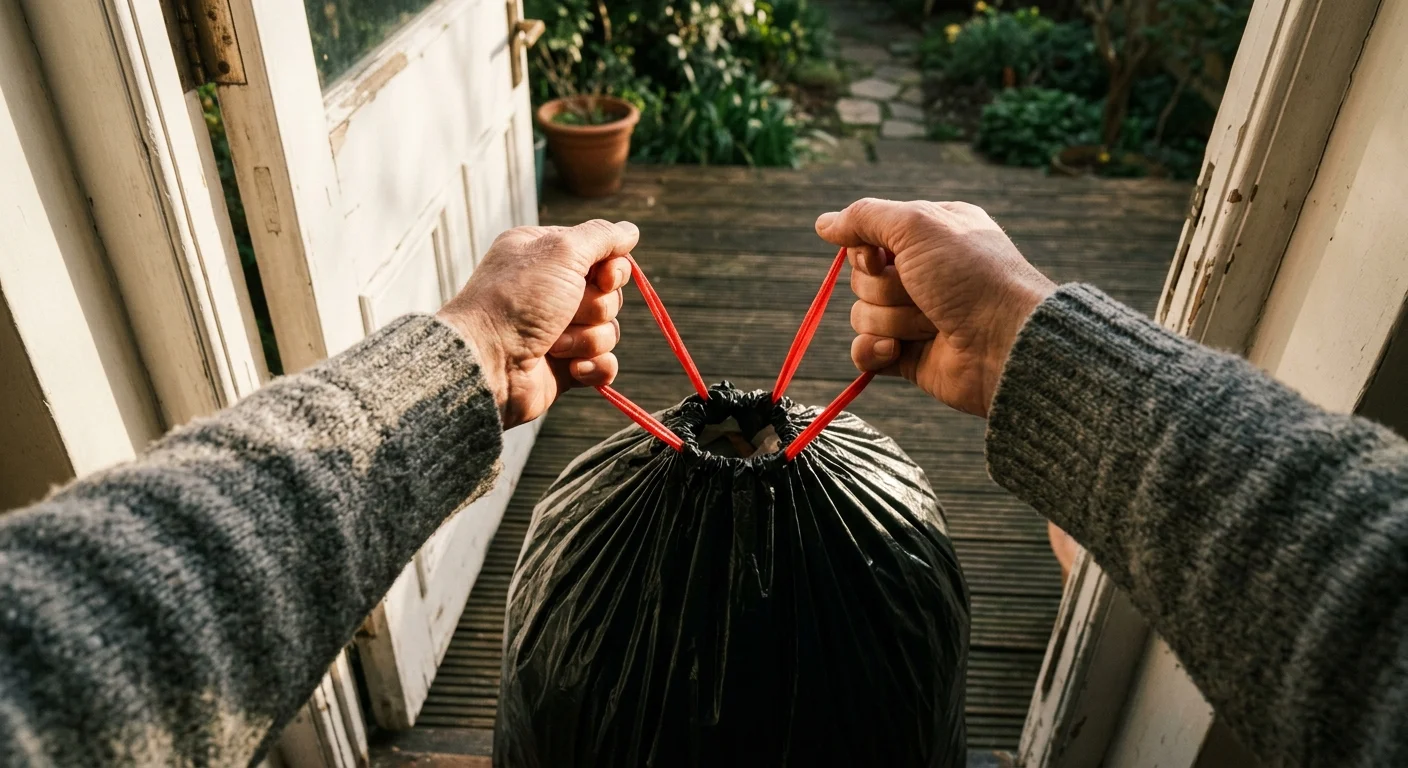
Do not attempt to tackle your entire home in a single exhausting afternoon; instead, grab a heavy-duty trash bag right now and head directly to your medicine cabinet or junk drawer. Spend exactly ten minutes tossing expired medications, dried-up pens, and mystery cables straight into the bin. Once you feel the satisfaction of a clean, organized drawer, build on that momentum and tackle another item from this list tomorrow.






3 Responses
THANK YOU! I have been struggling with “where to start” + What to toss for way too long! I am unsure if what pictures +how old ) to keep or toss
Any info is helpful;
A great list to work on. Thank you for the info. We have so much clutter to deal with.
This will be a hard task but I’m moving soon and I thank you for the great ideals.