You can transform your cramped bathroom into an efficient, clutter-free sanctuary by reclaiming unused vertical real estate and optimizing hidden corners. Turning a tight bathroom into an organized space requires smart, space-saving strategies rather than expensive full-scale renovations. By utilizing vertical wall space, exploiting over-the-toilet zones, and organizing cabinet interiors with modular inserts, you instantly double your functional storage space while keeping daily essentials within easy reach. Whether you manage a tiny powder room or a compact full bath, these actionable bathroom storage solutions eliminate daily clutter, streamline morning routines, and create a calm atmosphere without sacrificing style or accessible floor space.
1. Install Floating Wall Shelves Above the Commode
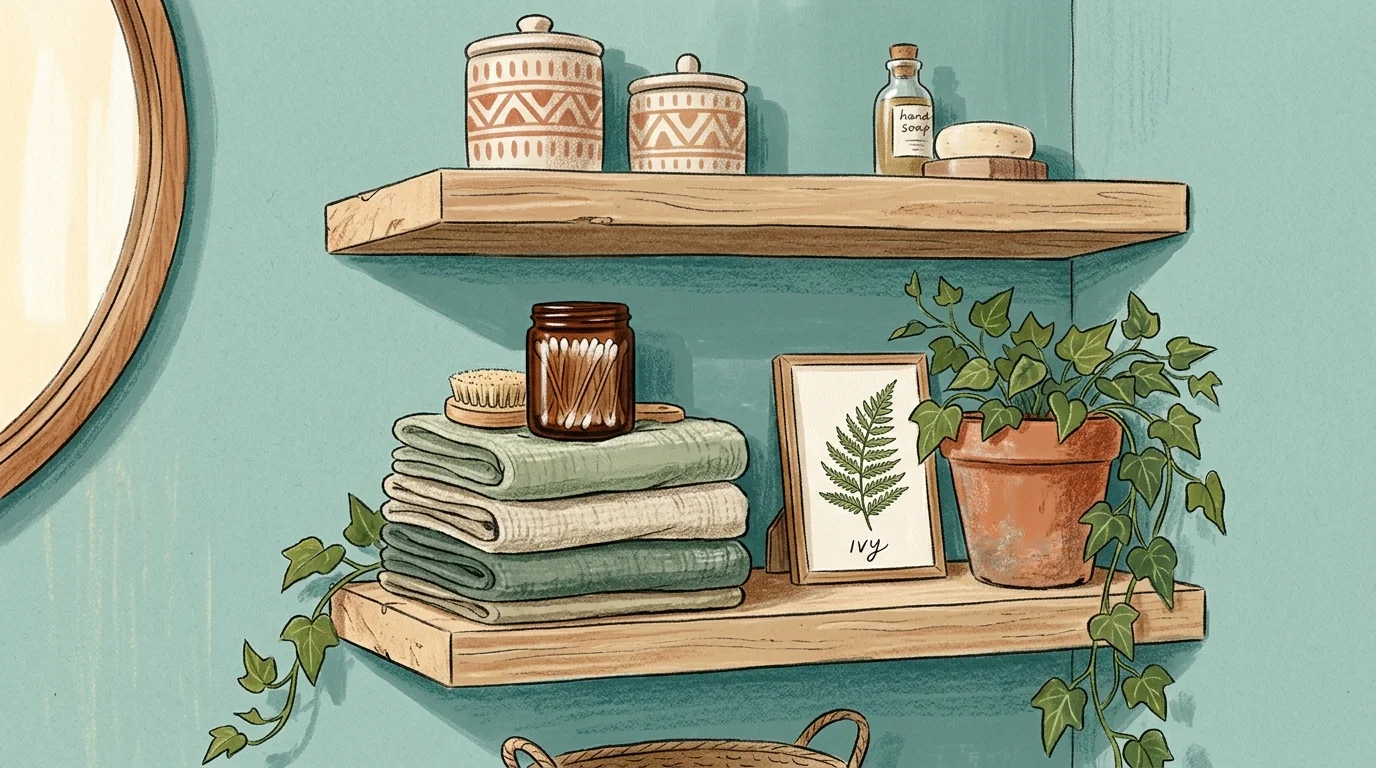
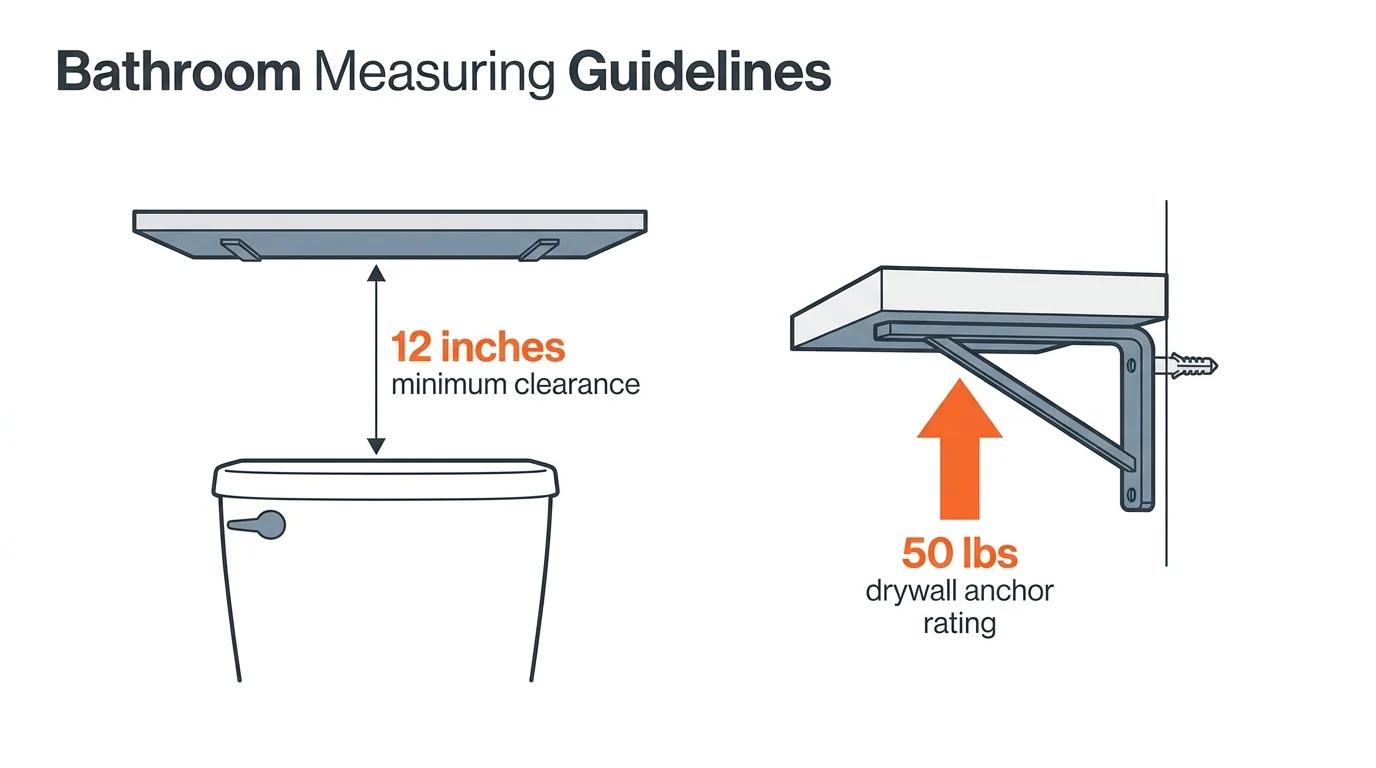
The open vertical space above your toilet offers three to four feet of unutilized wall real estate; leaving this area blank misses a prime organizing opportunity. By mounting two or three deep floating shelves above the tank, you turn empty drywall into an accessible display and storage center. Position the lowest shelf at least 12 inches above the top of the toilet tank or flush button to allow unobstructed access for plumbing repairs and tank lid removal.
Select shelf materials engineered for high-humidity environments, such as sealed hardwood, tempered glass, or powder-coated metal. Moisture from daily hot showers warps untreated wood over time, leading to sagging, finish peeling, and potential mold growth. To anchor heavy shelves securely into hollow drywall, use toggle bolts or threaded dry-wall anchors rated for at least 50 pounds. Review structural anchoring recommendations from the U.S. Consumer Product Safety Commission to prevent tip-over hazards and accidental shelf detachment. Use these open shelves for stackable clear acrylic canisters, rolled hand towels, and small potted plants that thrive in humid settings.
2. Capitalize on Under-Sink Real Estate with Tiered Sliding Drawers
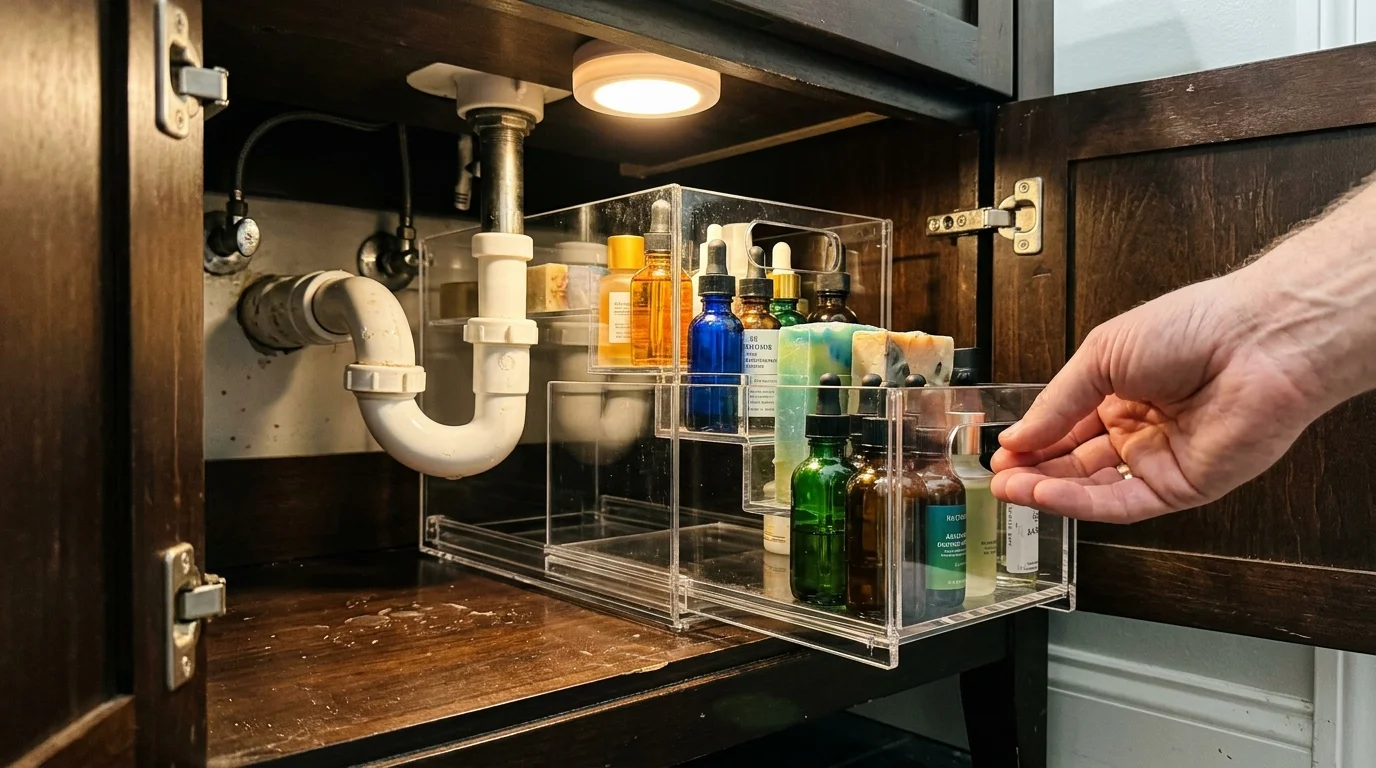
Under-sink cabinets pose a unique spatial puzzle because curved drainpipes, P-traps, and shut-off valves bisect the interior volume. Leaving this space as one wide open cavern leads to messy piles of cleaning products, half-empty shampoo bottles, and lost personal supplies. You can solve this layout challenge by installing tiered, pull-out storage drawers designed specifically around plumbing obstructions.
L-shaped expandable organizer units feature narrow upper tiers and wider bottom shelves, allowing them to fit around vertical drainpipes seamlessly. Choose transparent acrylic or rust-proof wire mesh drawers that slide outward on smooth ball-bearing tracks; this setup prevents you from reaching blindly into dark cabinet corners. Measure your cabinet footprint carefully before purchasing, accounting for door hinge clearance and cabinet door thickness. Group your items by category—placing daily skin care items on top levels and heavy bulk containers below—to make your small bathroom storage completely functional and effortlessly accessible.
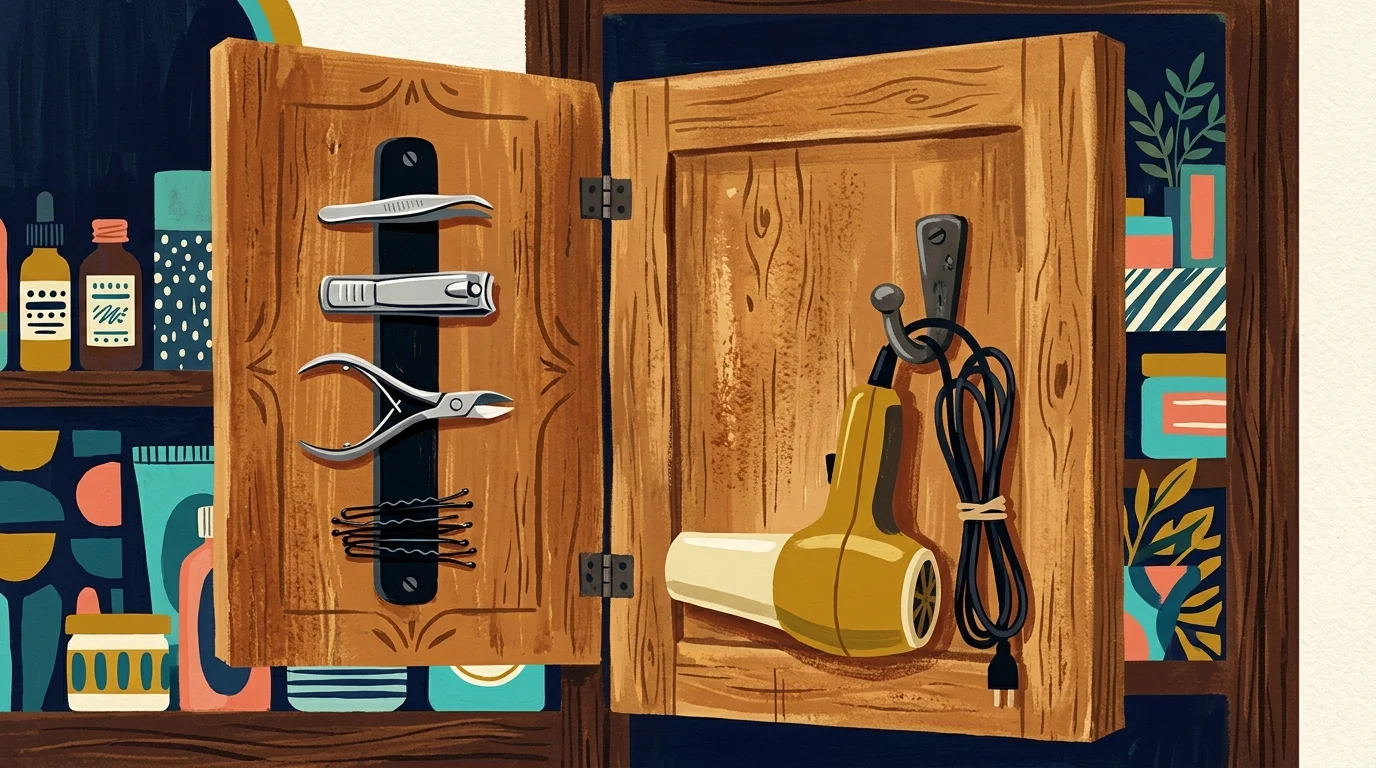
3. Mount Magnetic Strips and Hooks Inside Cabinet Doors
The inside panels of vanity doors represent prime storage real estate that usually remains completely untouched. Attaching heavy-duty magnetic tool strips to the interior panel creates a secure landing pad for small metal grooming items like tweezers, fingernail clippers, cuticle trimmers, and bobby pins. This strategy keeps small items off your sink counters and prevents them from disappearing inside cluttered drawers.
For larger grooming tools such as hair dryers, diffusers, and curling irons, attach sturdy metal over-cabinet hooks or heat-resistant holsters. Always allow electric heating appliances to cool down completely to room temperature before storing them inside enclosed wooden cabinets. Fire prevention guidelines from the National Fire Protection Association emphasize keeping active heating elements away from combustible cabinet materials and synthetic cords. Adding small adhesive wire baskets to the lower door interior also holds extra sponges, makeup wedges, and daily prescription bottles right where you need them.
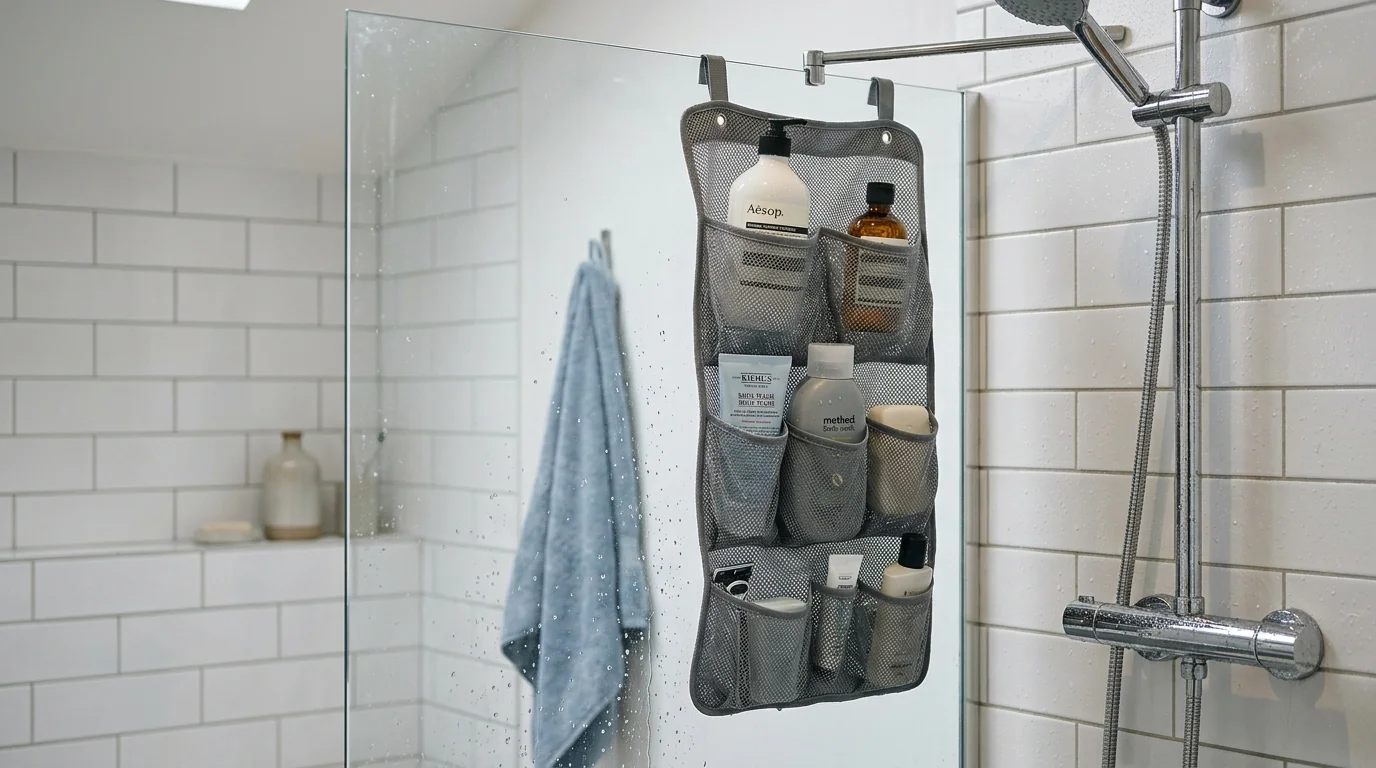
4. Hang a Multi-Pocket Mesh Shower Caddy or Tension Pole System
Shampoo bottles, body washes, and bar soaps frequently overwhelm small shower ledges, creating slippery surfaces and messy soap scum build-up. Installing a rustproof stainless steel corner tension pole provides four to five adjustable tiers of corner storage without requiring you to drill into ceramic shower tile. Adjust the shelf heights to fit tall pump bottles and hanging loofahs, utilizing the full vertical height from tub ledge to ceiling.
If you prefer a lightweight, portable alternative, attach a fast-drying mesh pocket caddy directly to your shower curtain rings using heavy-duty clips. Choose quick-drying polyester mesh that lets water drain freely, preventing stagnant pooling at the bottom of the pockets. Regular maintenance remains critical for damp shower zones; inspect shower accessories frequently and wash mesh caddies monthly to inhibit mildew growth. Following sanitation practices endorsed by the Centers for Disease Control and Prevention keeps your shower environment hygienic, safe, and free from airborne mold spores.
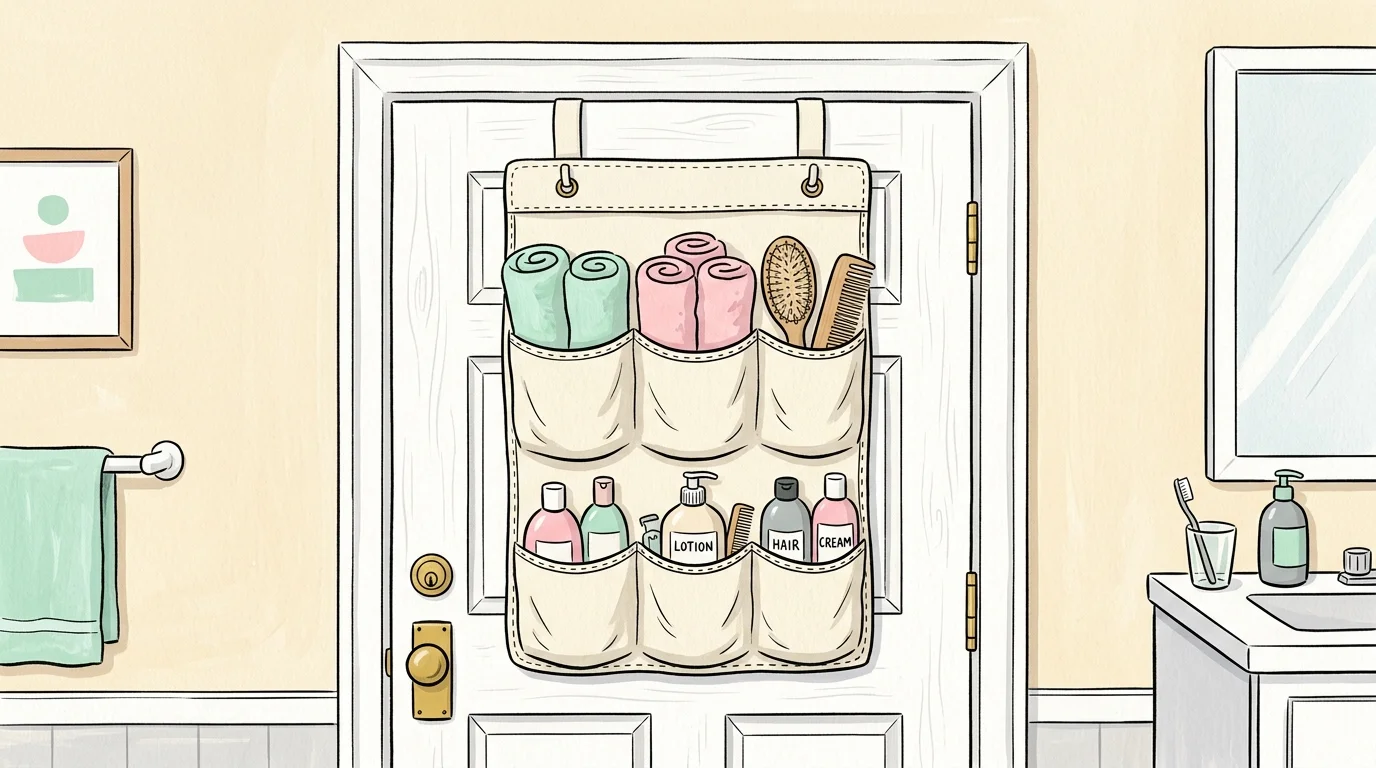
5. Utilize Over-the-Door Organizers for Extra Towels and Toiletries
The back of your main bathroom entry door offers up to twenty square feet of flat vertical surface that often goes unused. Hanging a heavy-duty over-the-door rack equipped with multiple horizontal towel bars allows you to dry several full-sized bath towels simultaneously without taking up wall space. Look for commercial-grade metal units with padded bracket hooks that protect your door frame trim from scratches and prevent annoying rattling when opening the door.
Alternatively, hang a clear vinyl or breathable fabric pocket organizer over the door to store extra toilet paper rolls, spare hairbrushes, cleaning sprays, and body lotions. Clear pockets let you check inventory at a glance so you never run out of daily necessities unexpectedly. Keep weight distribution balanced across the door frame by placing heavy liquid bottles in lower pockets and storing lighter items like cotton balls, extra sponges, or tissue packs near the top.
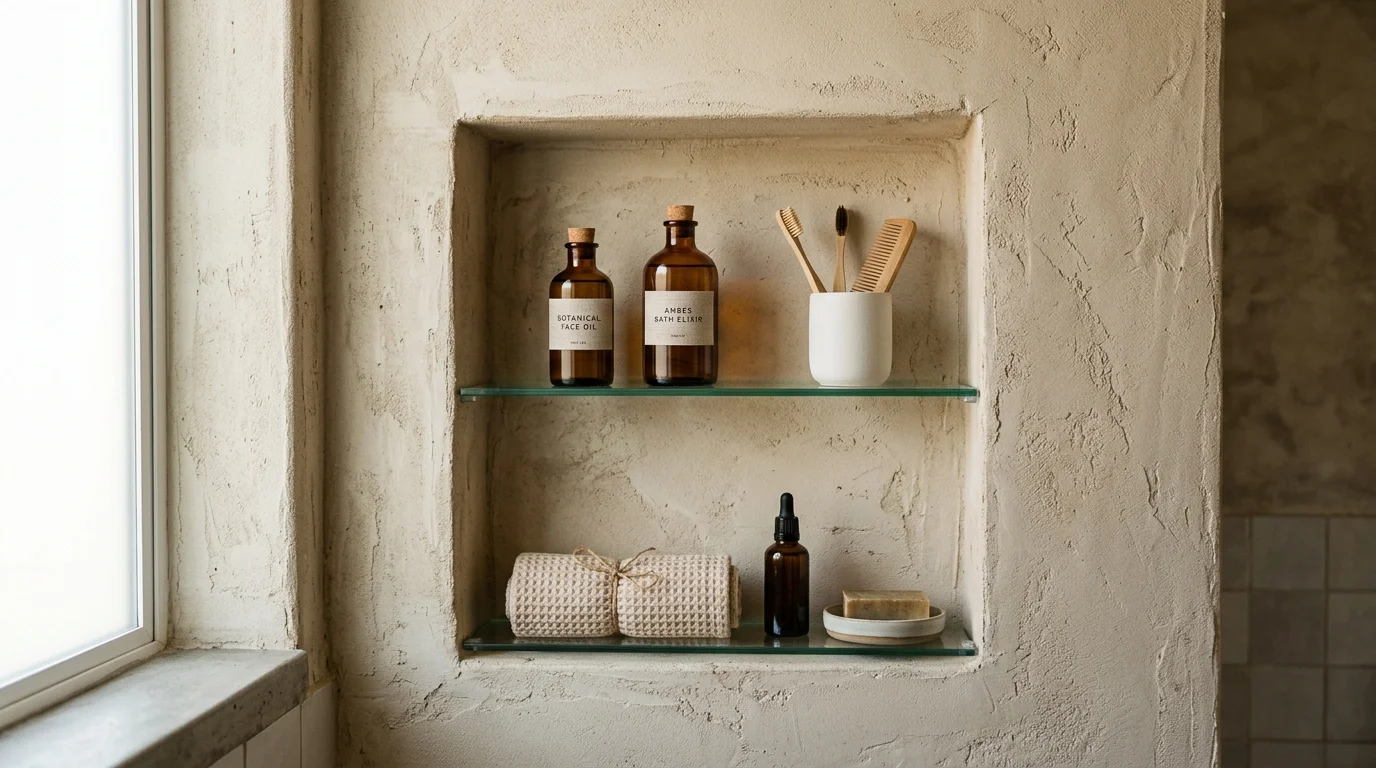
6. Install Recessed Medicine Cabinets or Wall Niches
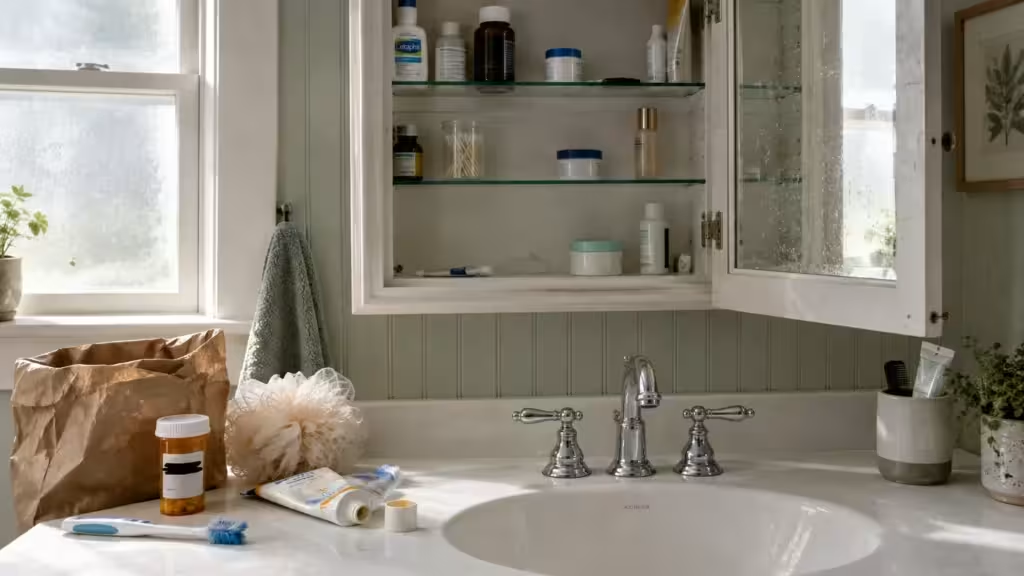
Standard surface-mounted cabinets project three to six inches out into small rooms, obstructing walking pathways and casting heavy shadows over your vanity counter. Installing a recessed medicine cabinet between existing wall studs hides your storage depth entirely inside the wall cavity. Standard residential interior wall framing places wood studs 16 inches apart on center, offering a pre-built frame that accommodates a 14.5-inch wide cabinet frame perfectly.
Carving out recessed niches inside tiled shower walls creates integrated storage ledges for soaps and shampoos without reducing your elbow room while bathing. Always pitch the bottom tile of any shower wall niche downward by a quarter-inch toward the shower floor to prevent standing water accumulation. Recessed architectural features keep your room’s visual lines clean and open, making small space bathroom organization feel built-in and purposeful.
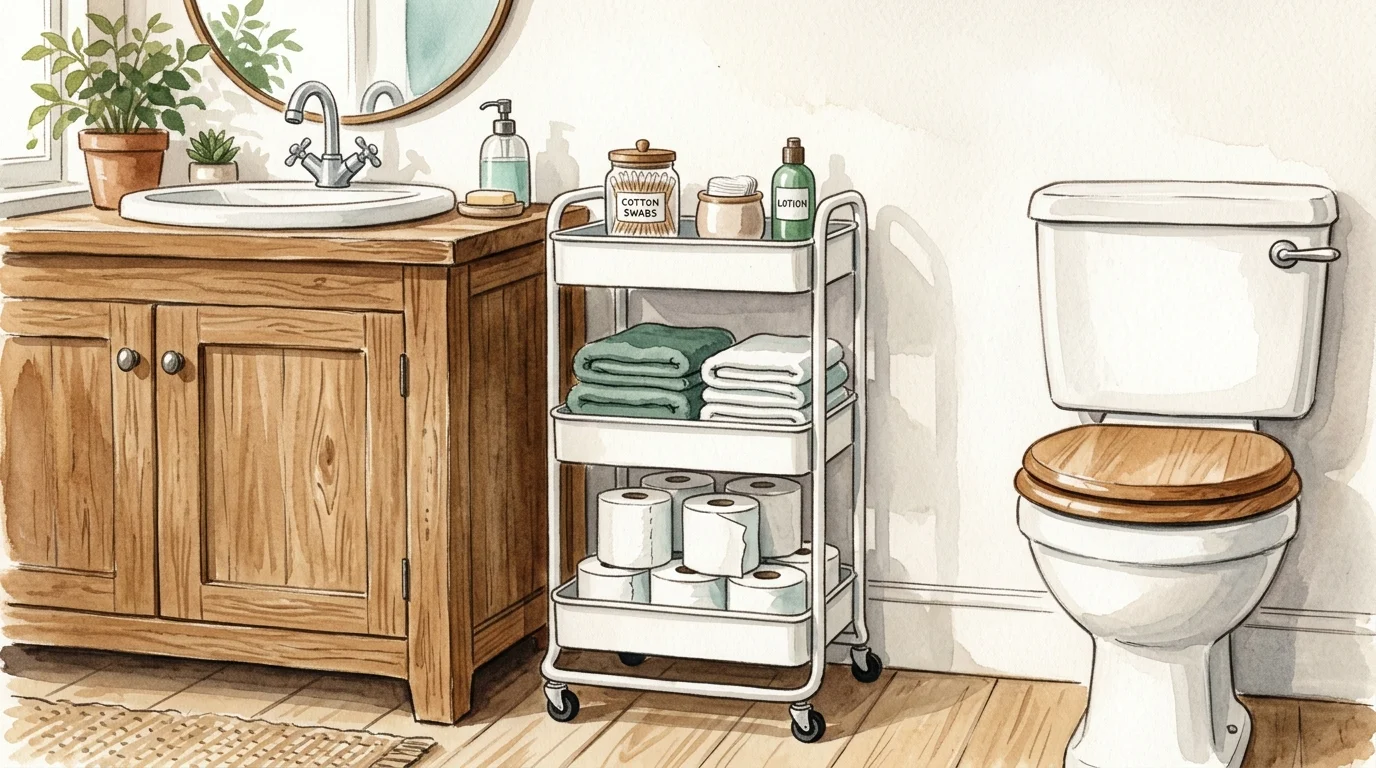
7. Incorporate Rolling Slim Utility Carts in Narrow Gaps
Narrow gaps between your sink vanity and the toilet or side wall often end up as dead, wasted space where dust gathers. A slim rolling utility cart measuring just five to eight inches wide slides effortlessly into these tight gaps, turning neglected crevices into multi-tiered storage stations. Use these mobile carts to store extra toilet paper rolls, folded hand towels, cleaning supplies, or extra toiletries.
Select cart models constructed from moisture-resistant materials such as powder-coated steel or easy-to-clean high-density polyethylene. Smooth-rolling swivel casters allow you to slide the cart out completely when wiping down bathroom floor tiles or restocking inventory. When shopping for a utility cart, choose designs with raised basket guardrails to keep tall containers from tipping over when you roll the cart outward.
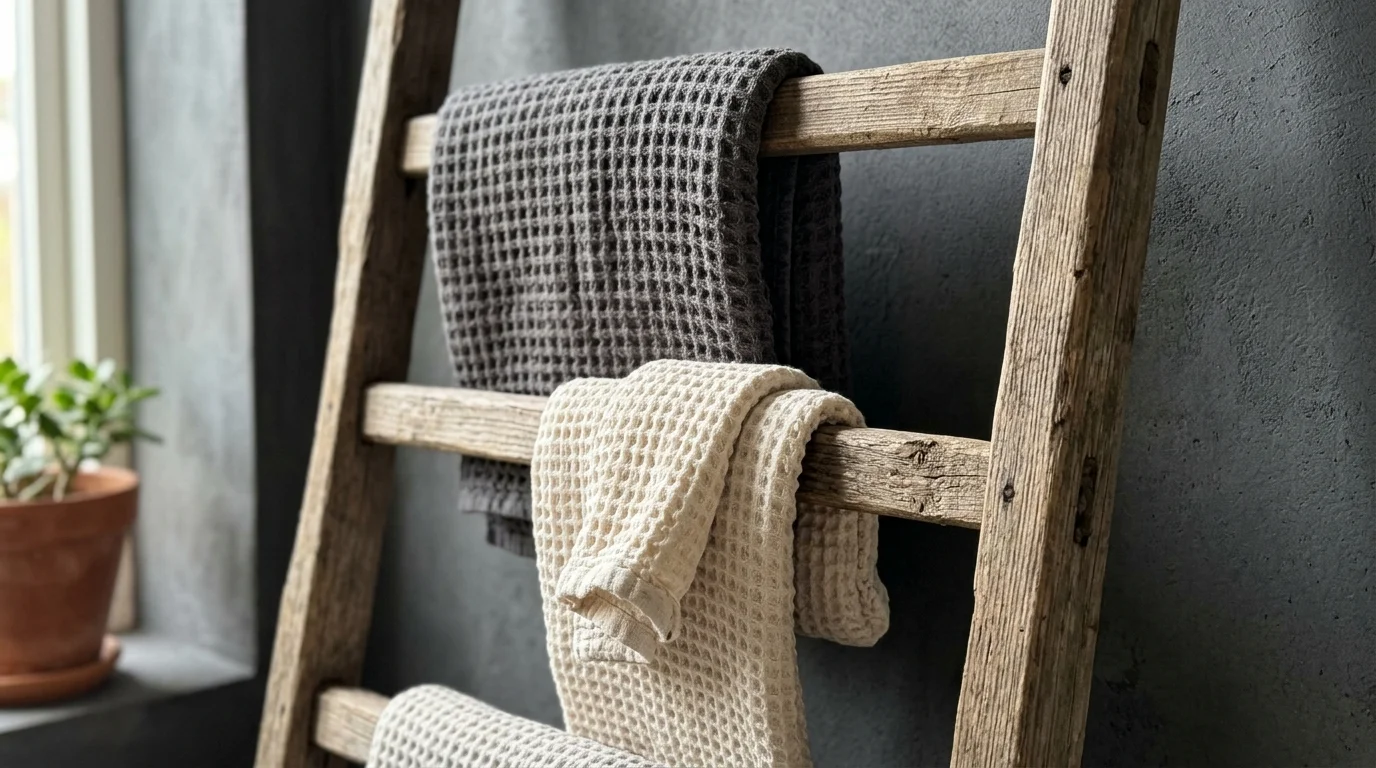
8. Hang Floating Baskets or Ladder Racks for Towel Storage
Traditional towel bars accommodate only one or two hanging bath towels while consuming substantial horizontal wall space. Hanging sturdy wire or woven wicker baskets horizontally on the wall creates attractive cubbies that hold neatly rolled bath sheets. Rolling towels hotel-style saves significant space and adds warm visual texture to plain bathroom walls.
Alternatively, place a lightweight wooden or metal blanket ladder leaning against an empty wall section. A leaning ladder occupies only a few inches of floor depth while offering four or five vertical rungs for hanging hand towels, bath sheets, and change of clothes. Attach rubber grip pads or subtle wall anchor straps to the top of the ladder frame to prevent slipping on smooth bathroom floor tiles.

9. Use Stackable Acrylic Trays and Turntables Inside Drawers and Counters
Clutter expands rapidly when small vanity drawers lack interior compartments. Inserting modular, stackable acrylic drawer organizers creates dedicated homes for makeup, dental supplies, hair ties, and daily skincare products. Clear acrylic materials allow ambient light to pass through, making it simple to locate tiny items stored in deeper drawer sections.
On compact counter corners or inside deep vanity cabinets, place a two-tier Lazy Susan turntable. Spinning turntables bring items stored in the back directly to the front with a light twist, eliminating the frustration of knocking over front bottles to reach items behind them. To keep countertops clean, sanitize surfaces regularly with non-toxic, eco-friendly formulas certified under the U.S. EPA Safer Choice Program, preserving clear acrylic finishes without chemical clouding.
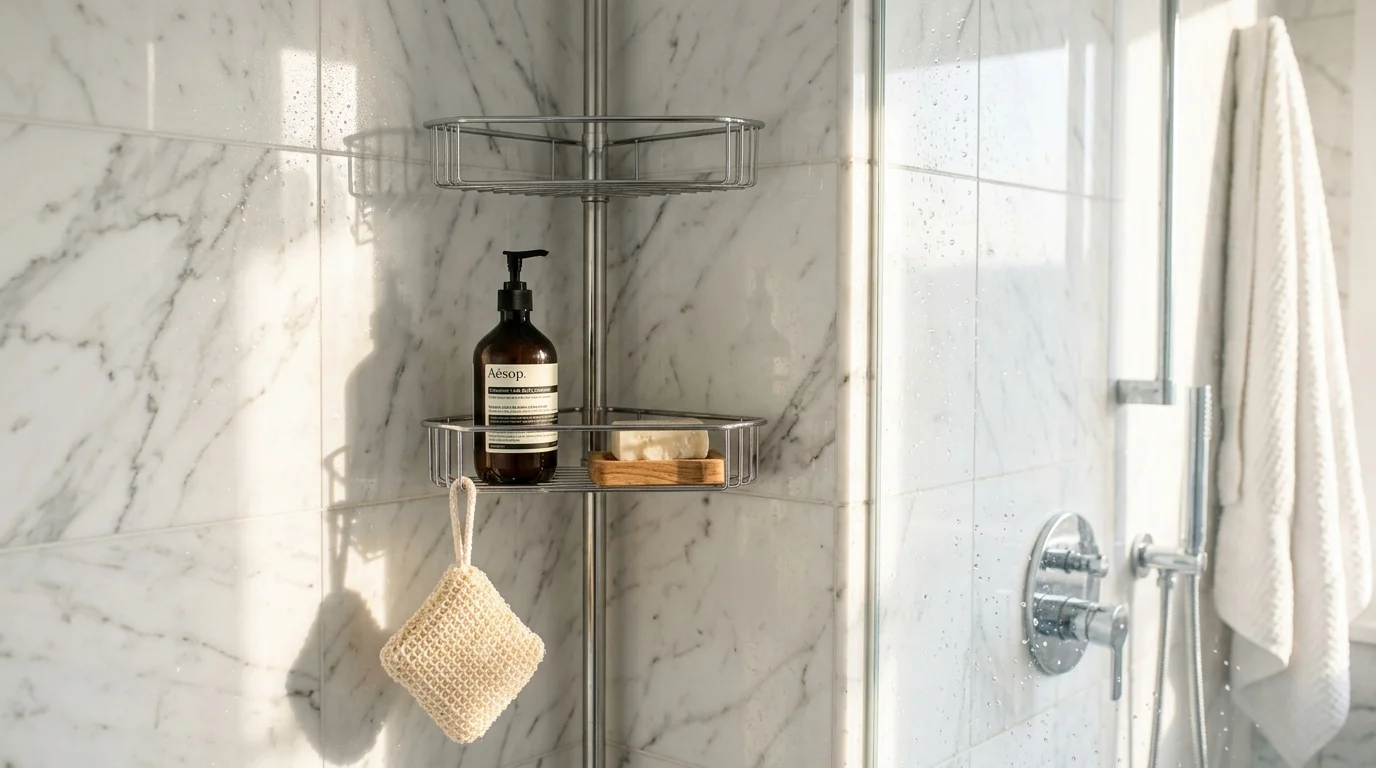
10. Install Corner Shelving Units in Unused Shower and Wall Angles
Room corners represent the most underutilized areas in compact bathroom designs. Installing triangular floating corner shelves takes advantage of intersecting walls without intruding into primary walking paths or swinging door arcs. Mount stacked corner shelves adjacent to vanity mirrors or inside glass shower enclosures to gain valuable storage space.
In tile shower enclosures, attach glass or solid-surface corner shelves using waterproof structural silicone adhesive or specialized drill-free mounting hardware designed for ceramic surfaces. For dry drywall zones, install floating corner shelves securely anchored into corner studs. Corner storage keeps item profiles low and centralized, turning empty 90-degree wall intersections into highly efficient storage points.
Essential Planning Guide: Measuring and Weight Capacities
Before purchasing hardware or drilling into bathroom walls, evaluate the structural limits and proper application methods for each organizer type. Using appropriate mounting techniques ensures your installations remain safe, stable, and durable in wet room conditions.
| Storage Strategy | Ideal Items Stored | Maximum Safe Capacity | Recommended Mounting Method |
|---|---|---|---|
| Floating Wall Shelves | Rolled towels, jars, decorative items | 30–50 lbs | Heavy-duty toggle bolts into drywall or studs |
| Tiered Under-Sink Drawers | Cleaning sprays, shampoo bottles | 15–25 lbs per shelf | Free-standing base inside cabinet bottom |
| Door Magnetic Strips | Tweezers, clippers, bobby pins | 2–5 lbs | Commercial-grade foam adhesive or screws |
| Corner Tension Poles | Shampoos, body wash, loofahs | 10–15 lbs total | Spring-loaded tension mechanism floor-to-ceiling |
| Over-the-Door Racks | Extra bath sheets, paper products | 20–30 lbs | Padded over-door brackets with silicone bumpers |
| Slim Rolling Carts | Extra paper, soaps, spare towels | 20–40 lbs | Free-rolling heavy-duty swivel casters |
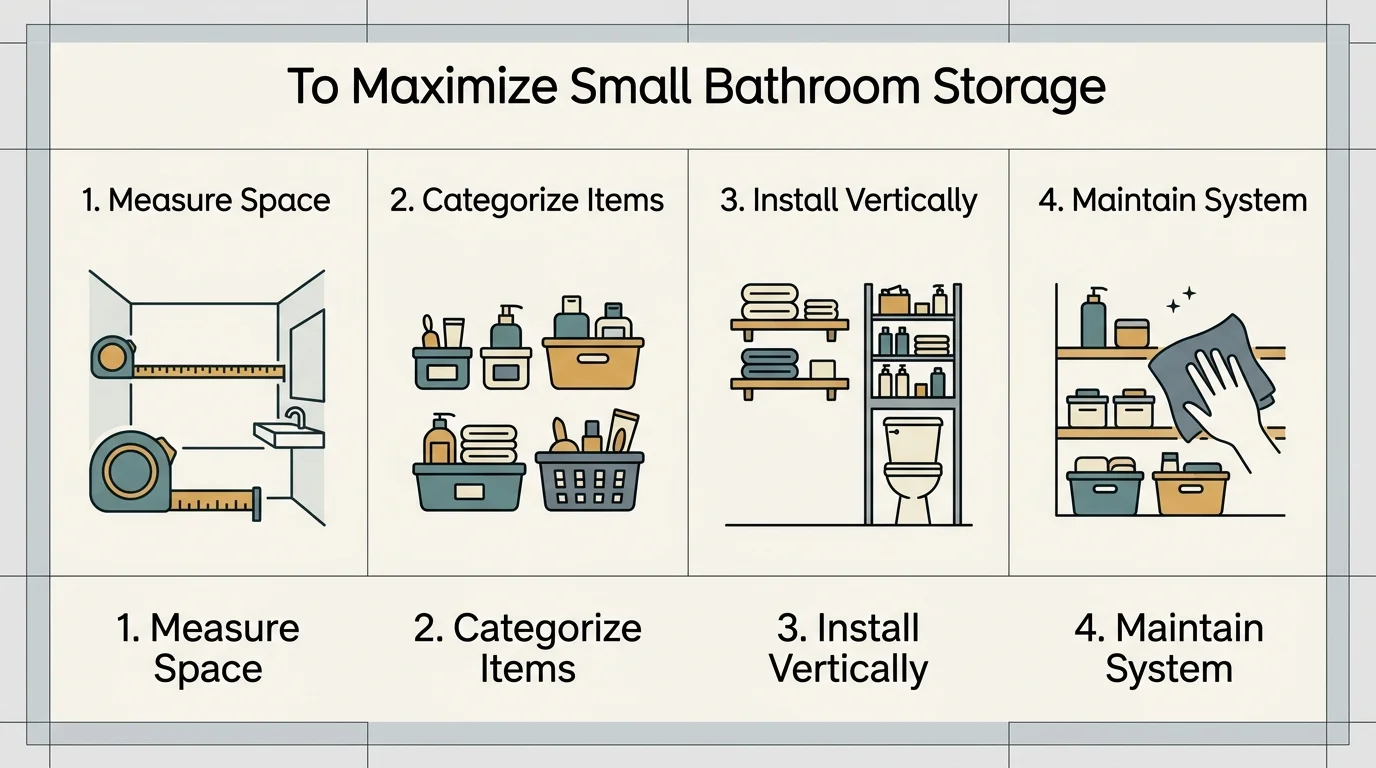
Step-by-Step Checklist for Maximizing Storage Ideas for Tiny Bathrooms
Follow this systematic sequence to declutter your space and install new storage fixtures efficiently without creating extra mess:
- Audit and Declutter: Empty all cabinets, drawers, and shower ledges completely. Discard expired medications, old cosmetics, dried-up lotions, and frayed towels.
- Measure Available Clearances: Record exact dimensions of under-sink interior spaces, wall areas above the toilet, gap widths next to the vanity, and door frame depths.
- Map Plumbing Lines: Locate supply lines and drain pipes inside walls using a digital stud finder before drilling holes for floating shelves or recessed cabinets.
- Select Moisture-Resistant Materials: Purchase products constructed from sealed hardwoods, stainless steel, aluminum, glass, or heavy acrylic designed to withstand steam and water.
- Install Structural Anchors: Mount wall shelves and heavy organizers using toggle bolts or stud mounts rather than basic plastic expansion anchors.
- Group and Containerize: Sort remaining items by usage frequency. Store daily necessities at eye level and keep backup supplies in lower bins or over-door pockets.

Your Next Practical Step
Take your tape measure right now and record the exact height and width of the open wall space above your toilet tank. Ordering a set of moisture-resistant floating shelves sized specifically for that wall footprint gives you an immediate storage upgrade this weekend.