10 Things You Do at Hotels That Staff Actually Hate

You want to be a polite hotel guest, so you strip the bed and leave your room service tray in the hall, but hotel staff actually hate most of those supposedly helpful gestures. Housekeepers operate on tight schedules, often cleaning 15 to 20 rooms a day, and your well-intentioned habits are likely slowing them down or creating genuine safety hazards. Simple changes to your checkout routine make a massive difference for the hardworking people maintaining your space. If you want to stop accidentally frustrating the front desk and cleaning teams, you need to completely rethink your travel etiquette. Here are the 10 most common mistakes you make during your hotel stays—and exactly what you should do instead.
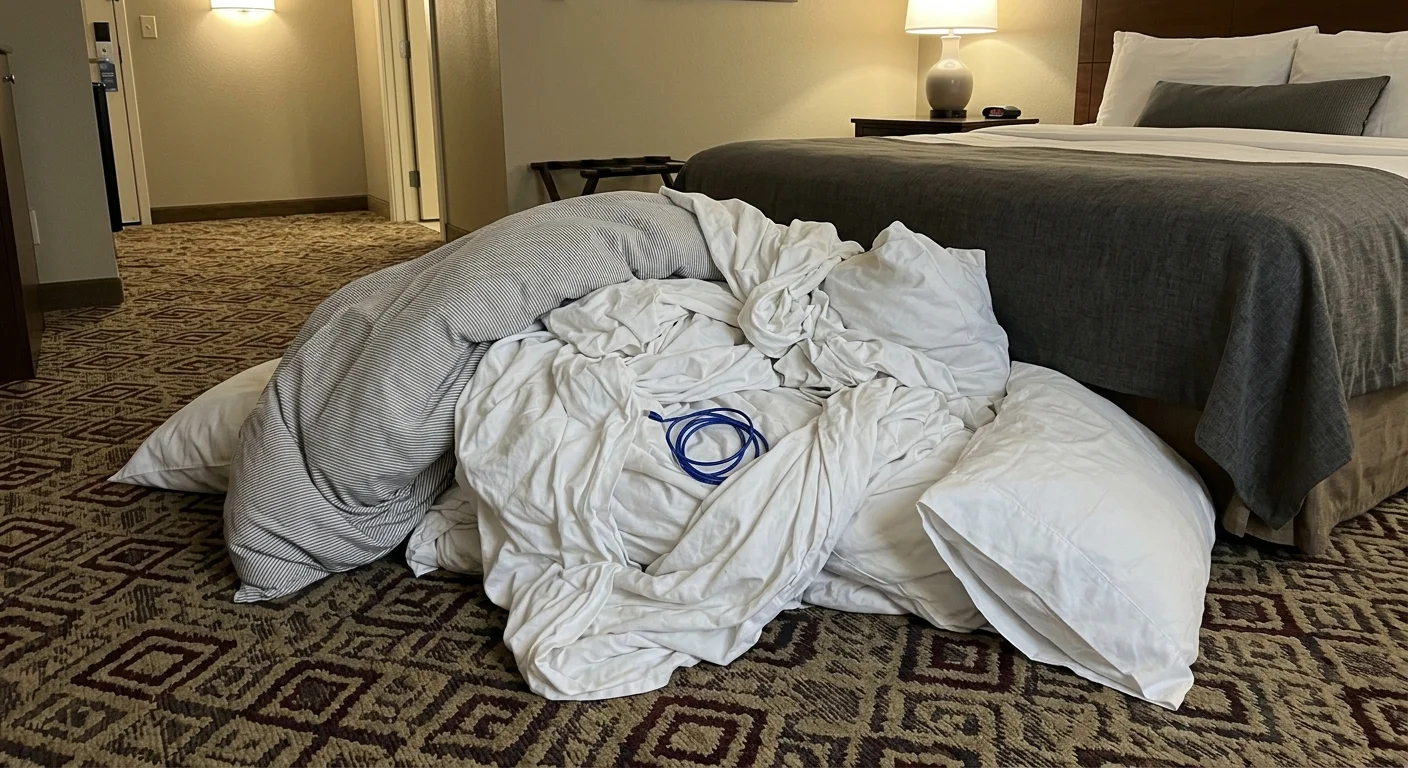
A candid photo of a tangled pile of white hotel sheets left on the floor next to a bed, with a phone charger tangled inside.
Leaving stripped sheets and pillows piled on the floor is a hotel habit housekeepers actually hate.

1. Stripping the Bed (Yes, Really)

You probably think you are doing the housekeeping staff a massive favor when you strip the sheets, pillowcases, and heavy duvet covers before checking out. In reality, pulling the linens off the bed disrupts a highly choreographed cleaning routine and creates unnecessary physical strain. Hotel housekeepers operate on a demanding schedule, usually receiving a strict 15 to 30 minutes to turn over an entire room. When you strip the bed yourself, you leave behind a massive, tangled pile of fabric that the staff must carefully sift through to ensure you did not leave behind a television remote, a phone charger, or expensive jewelry.

Furthermore, tearing heavy linens off a king-sized mattress requires specific ergonomic movements. According to the Canadian Centre for Occupational Health and Safety (CCOHS), housekeepers face a high risk of repetitive motion injuries and back strain from lifting mattresses and bending awkwardly. Staff members are trained to strip beds efficiently using specific methods that protect their wrists and lower backs. Instead of wrestling with the fitted sheet, simply leave the bed unmade. An unmade bed clearly signals that the room was occupied and the linens require changing, allowing the professionals to handle the heavy lifting safely.


A dirty room service tray with leftover food abandoned on the carpet of a narrow hotel hallway.
Leaving a messy room service tray in the hallway with a half-eaten burger frustrates hotel staff.

2. Leaving Room Service Trays in the Hallway

After finishing a late-night club sandwich or a heavy breakfast in bed, carrying your heavy metal tray out to the hallway feels like the standard procedure. However, abandoning your dirty dishes outside your hotel room door creates a severe tripping hazard, invites pests, and leaves the entire corridor smelling like stale ketchup and cold coffee. Hallways in commercial hotels serve as vital, heavily trafficked fire exit routes; obstructing these narrow pathways with leftover food trays and fragile glassware poses a genuine safety risk to both staff and fellow guests.

Rather than leaving your dirty dishes for an unsuspecting guest to trip over, simply call the room service department or the front desk to notify them that your tray is ready for pickup. If you need the clutter out of your immediate living space, neatly stack the plates and cover them on a sturdy desk or table inside your room until a staff member arrives to collect them. Keeping the hallway clear maintains the aesthetic appeal of the hotel and prevents unnecessary accidents.

Wet white towels draped over a wooden armchair, leaving a dark moisture stain on the wood finish.
Leaving a damp towel on a wooden hotel chair leaves a damaging water stain on the armrest.

3. Dumping Wet Towels on the Furniture

Following a long, hot shower or an afternoon relaxing by the hotel pool, you must handle your damp towels properly. Draping soaking wet towels over wooden desk chairs, upholstered sofas, or dropping them directly onto the carpet causes expensive and irreversible damage. The moisture quickly seeps into these vulnerable materials, leaving permanent water rings on expensive wood finishes and encouraging mold growth deep inside plush fabrics. Hotel managers despise walking into a recently vacated room only to discover ruined furniture because a guest treated an armchair like a drying rack.

Gather your used, damp towels and place them together in a designated, water-resistant location. The absolute best place to leave wet towels is inside the bathtub, on the floor of the shower stall, or directly on the bathroom tile. This simple, thoughtful act protects the hotel’s furniture investments and makes it incredibly easy for the cleaning crew to scoop up the laundry bundle in one swift motion without having to hunt around the room for stray washcloths.

An overflowing hotel room trash can with a pile of extra plastic bottles and food boxes stacked on the floor next to it.
Piling empty plastic bottles and takeout boxes next to a full hotel trash bin frustrates housekeeping staff.

4. Piling Trash Outside a Full Bin

Hotel trash cans are notoriously tiny, often holding barely enough volume for a single day of normal use. When you order takeout food, open packages, or accumulate empty water bottles, those small bins fill up remarkably fast. However, stacking your greasy pizza boxes, half-empty coffee cups, and sticky food wrappers next to an overflowing bin turns a quick room turnover into a frustrating, unhygienic chore for the housekeeping staff. Loose trash forces the cleaning crew to bend down and pick up individual pieces of garbage by hand, which wastes their limited time and exposes them to unsanitary conditions.

If you know you will generate more garbage than the provided bins can handle, act proactively. Ask the front desk for a few extra plastic trash bags when you check in, or use the plastic bags from your own shopping trips. Consolidate your loose waste into these larger bags and tie them off securely before you check out. If you order food delivery, place the empty containers back into the original paper delivery bag. Keeping your garbage contained speeds up the cleaning process and keeps the environment sanitary for everyone.

An empty hotel room with a glowing blue TV screen and bright bedside lamps left on after checkout.
A glowing television and lit bedside lamps illuminate an empty, messy hotel room after guests leave.

5. Leaving the TV and Lights On When You Leave

Leaving the television blaring and all the lamps illuminated when you leave the room might seem harmless, but it creates a major logistical headache for the hotel staff. When a housekeeper knocks on your door to perform their daily cleaning and hears a loud television broadcasting the morning news, they will naturally assume you are still inside the room. They will likely skip your room and move on to the next one to avoid intruding on your privacy or waking you up.

By the time the staff realizes you actually checked out or left for a full day of sightseeing, their carefully planned cleaning route is completely derailed. Always turn off your television, lower the volume on any radios, and flip off the lights before you leave the room. This clear, quiet signal instantly tells the staff that your room is vacant and ready for servicing. It also aligns with the sustainability standards promoted by the American Hotel & Lodging Association (AHLA) by conserving valuable electricity during your stay.

Close-up of a white hotel hand towel stained with orange foundation and black mascara streaks.
A white hotel towel sits stained with brown foundation and black mascara on a marble counter.

6. Ruining White Towels with Makeup

High-quality hotel towels are deliberately bright white so they can be easily bleached, sanitized, and washed at high temperatures for the next guest. Unfortunately, when you grab a pristine white washcloth to scrub off heavy liquid foundation, waterproof mascara, or bright red lipstick, you permanently ruin the fabric. The heavy oils, stubborn pigments, and harsh chemicals found in cosmetics rarely wash out completely, even when the hotel employs industrial-grade bleach and scalding hot water. The hotel ultimately has to throw the stained towels in the garbage, driving up their operating costs significantly.

You can easily prevent this costly damage by packing your own disposable makeup wipes or bringing a dedicated dark-colored washcloth from home. Recognizing this common issue, many modern boutique and luxury hotels now provide specific black makeup towels embroidered with the word “Makeup” right on the bathroom counter. Use these provided dark towels or your own facial wipes for your skincare routine, and reserve the plush white towels strictly for drying your clean hands and body.

An illustration showing a disposable razor safely wrapped in cardboard inside a hotel trash can.
An unwrapped green razor lies carelessly in a trash bin next to its unused safe disposal sleeve.

7. Tossing Sharp Objects Unwrapped in the Trash

Housekeepers frequently reach their hands directly into trash cans to compress the garbage or pull out the plastic liners. If you throw away shattered drinking glasses, open razor blades, or used medical syringes without securely wrapping them up, you put the cleaning staff at high risk for severe physical lacerations and dangerous bloodborne pathogen exposure. Puncture wounds are a serious occupational hazard in the hospitality industry, and a single hidden needle can result in months of medical testing and severe anxiety for the affected worker.

If you accidentally break a glass during your stay, do not attempt to hide it in the trash bin. Immediately call the front desk so they can dispatch a maintenance worker equipped with a broom, a dustpan, and puncture-proof gloves. For personal items like disposable shaving razors, wrap the sharp blade securely in several thick layers of toilet paper or empty cardboard before carefully placing it in the trash. If you require medical syringes for insulin or other treatments, you must use a designated, rigid sharps container. The Occupational Safety and Health Administration (OSHA) strictly warns against the improper disposal of sharp objects, making it your responsibility to keep these hazards out of the standard room bins.

An illustration of a hotel guest relaxing past checkout time, with a clock showing 11:15 AM next to an 11:00 AM checkout sign.
A guest relaxes in an armchair, blissfully ignoring the clock and the eleven AM checkout sign.

8. Ignoring the Checkout Time

Checkout times exist for a very specific operational reason, not just to inconvenience your travel schedule. The brief window of hours between the standard checkout time—usually 11:00 AM—and the standard check-in time of 3:00 PM or 4:00 PM is the only opportunity the hotel staff has to thoroughly clean, sanitize, and restock every single room in the building. When you stay past your designated checkout time without securing prior approval, you create a stressful, cascading backlog for the housekeepers waiting patiently with their heavy carts in the hallway.

If you genuinely need an extra hour to finish packing your suitcase, take a final shower, or wait for a delayed taxi, simply call the front desk early in the morning and politely request a late checkout. Hotels are often happy to accommodate these requests for free or a small fee if their daily occupancy rate permits it. Once approved, the front desk updates the system, allowing the housekeeping manager to adjust their staff’s routing accordingly. Never just lock the deadbolt, ignore the knocking, and refuse to leave.

A black rolling suitcase sitting on a white hotel bed duvet, leaving dirty wheel marks on the fabric.
Placing a dirty suitcase on a pristine white bed leaves filthy tracks that hotel housekeepers hate.

9. Putting Your Suitcase on the Bed

After a long, exhausting day of travel, hoisting your heavy luggage directly onto the pristine hotel bed to unpack feels like the most convenient option. However, take a moment to think about exactly where those small plastic wheels have been rolling all day. Your suitcase has navigated filthy airport bathrooms, oily sidewalks, dirty train stations, and the grimy floors of public taxi cabs. Placing your luggage directly onto the white sheets transfers concentrated outside dirt, harmful bacteria, and potentially even hitchhiking bedbugs right into the exact space where you intend to sleep.

Housekeepers intensely dislike this habit because the dirt from the wheels instantly stains the freshly laundered duvet covers, forcing them to strip the bed and start the cleaning process over before you even officially settle into the room. Instead of using the bed as a staging area, utilize the foldable wooden or metal luggage rack typically stored inside the closet. If your room lacks a dedicated luggage rack, unpack your bags on the hard surface of a desk, the bathroom tile, or the entryway floor. Keeping your luggage off the bed maintains the impeccable cleanliness of the linens for both your own comfort and the staff’s peace of mind.

An illustration of a guest standing awkwardly in a corner while a housekeeper cleans the hotel room.
An awkward guest hovers in the corner while a housekeeper cleans the hotel room mirror.

10. Hovering in the Room While They Clean

When a housekeeper arrives to refresh your room during a multi-night stay, sitting on the edge of the bed and silently watching them work creates an incredibly uncomfortable dynamic. Cleaning a hotel room is a highly physical, demanding job that requires constant bending, rigorous scrubbing, and moving quickly from one task to the next. Trying to maneuver a heavy vacuum cleaner and wipe down dusty surfaces while carefully navigating around a seated guest makes the job awkward, highly inefficient, and socially stressful for the staff member.

When housekeeping knocks on your door and announces their presence, take it as your immediate cue to vacate the space. Use those 20 to 30 minutes to visit the lobby, grab a fresh coffee from the café, or utilize the hotel gym. Giving the staff an empty room allows them to clean thoroughly and efficiently without feeling rushed or scrutinized. If you absolutely cannot leave the room because you are actively working on a laptop or recovering from an illness, politely decline the full cleaning service for that day. Simply open the door and ask them to hand you a stack of fresh towels and a quick restock of coffee pods so they can move on to their next assignment.

Editorial photograph illustrating: Step-by-Step Hotel Checkout Routine
A woman carefully packs her suitcase on a desk, starting her hotel checkout routine.

Step-by-Step Hotel Checkout Routine

To ensure you leave your room in the best possible condition for the incoming housekeeping staff, follow this simple, highly effective checkout routine before you hand over your key card.

  1. Gather all your garbage: Walk through the room and place all loose wrappers, bottles, and food containers into the trash bins. Tie off any extra bags you created during your stay.
  2. Pile your wet towels: Collect every damp washcloth, hand towel, and bath towel. Stack them neatly inside the bathtub or on the shower floor to prevent water damage to the room’s surfaces.
  3. Leave the bed unmade: Do not strip the sheets or attempt to make the bed. Leave the blankets casually pulled back so the staff instantly know the bed was used and needs changing.
  4. Check for hidden belongings: Open every dresser drawer, check the bathroom vanity, look under the bed skirts, and scan the wall outlets for forgotten items like phone chargers.
  5. Turn off the electronics: Shut down the television, turn off the alarm clock radio, and switch off all the lamps and overhead lights as you walk toward the door.
  6. Return your keys: Stop by the front desk to formally check out. This immediately notifies the entire cleaning staff that your room is completely vacant and ready for their arrival.
An illustration of a traveler waving a warm goodbye to a hotel housekeeper in a bright hallway.
A smiling guest waves to a friendly housekeeper, showing how simple respect makes a big difference.

Your Next Step

The next time you pack your bags for a weekend getaway or a business trip, keep the hardworking hotel staff in mind. Start by buying a dedicated dark-colored washcloth or a travel pack of makeup wipes to keep in your toiletry bag. By making this one simple addition to your packing list, you will instantly protect the hotel’s pristine white towels, reduce unnecessary waste, and establish yourself as the respectful, hassle-free guest that every housekeeper loves to see.

Leave a Reply

Your email address will not be published. Required fields are marked *

RELATED POSTS