You can lift stubborn pet hair from your furniture and carpets without wasting hours scrubbing the exact same cushion. Everyday friction techniques and accessible tools loosen deeply trapped fur across your home in seconds.
Guard hairs act like barbed needles that weave directly into upholstery weaves and dense carpet pile. Breaking their electrostatic grip restores your furniture quickly while keeping your home’s fabric surfaces safe from wear.
Review these twelve practical pet hair removal tips to clear stubborn fur, reduce household dander, and streamline your routine across couches, rugs, and stairs.
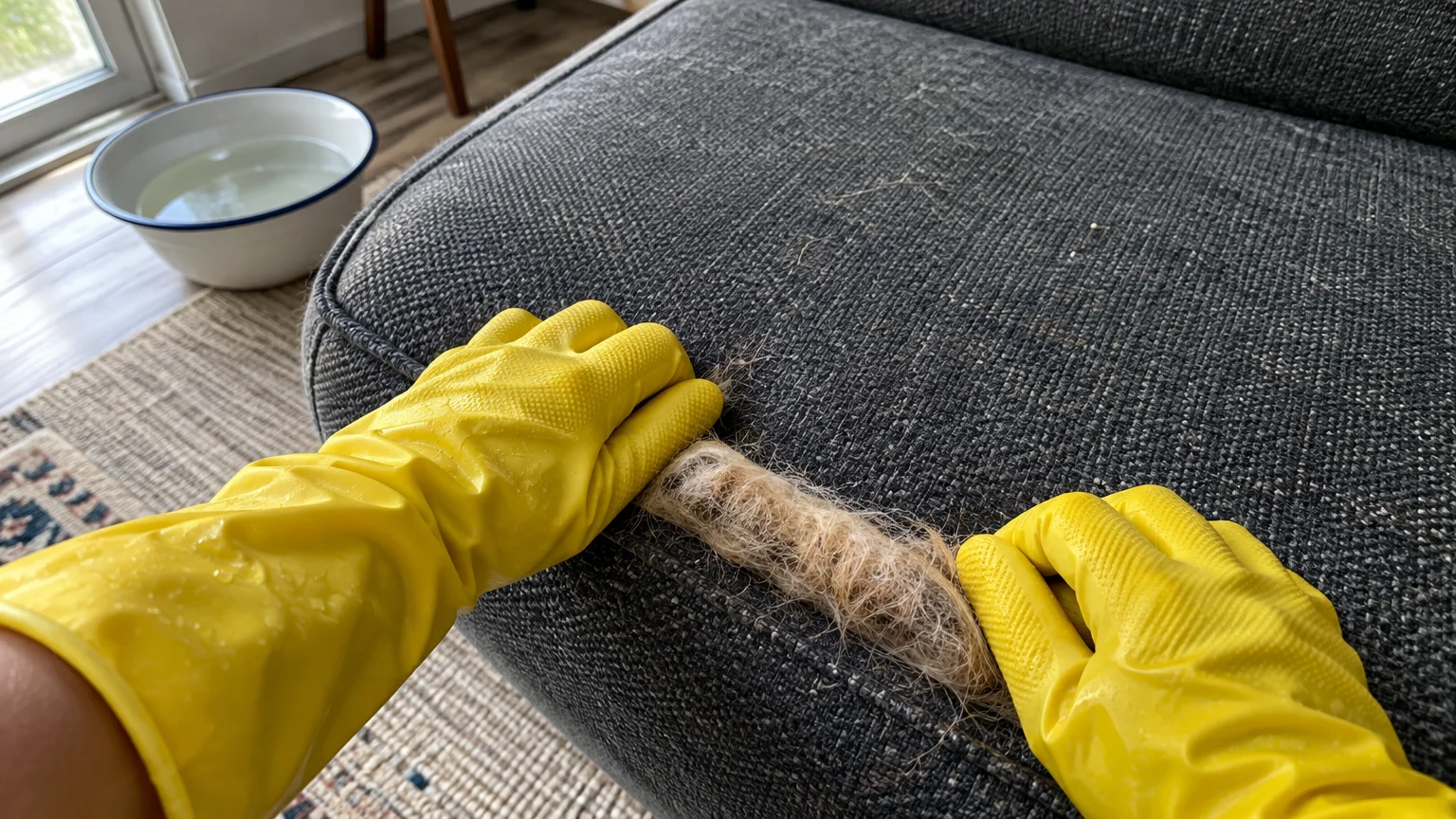
01 Sweep Sofas with Damp Rubber Gloves
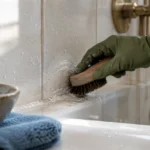
A simple pair of yellow dishwashing gloves provides exceptional traction against pet hair on upholstery. Textured latex and nitrile surfaces generate a mild electrostatic charge that drags embedded fur directly out of woven fabric.
Slip the gloves on and run your flattened hands under tap water, shaking off the excess moisture. You want the rubber surfaces barely damp rather than dripping wet.
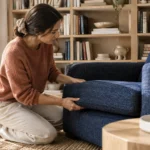
Firmly sweep your palms across sofa cushions and armrests in short, downward strokes. The physical friction gathers scattered hairs into dense, tidy rolls that you can pull away with your fingers.
Rinse the gloves in a small bucket of warm water whenever they become loaded with fuzz. Wipe the seams and welted piping where fur gathers most heavily.
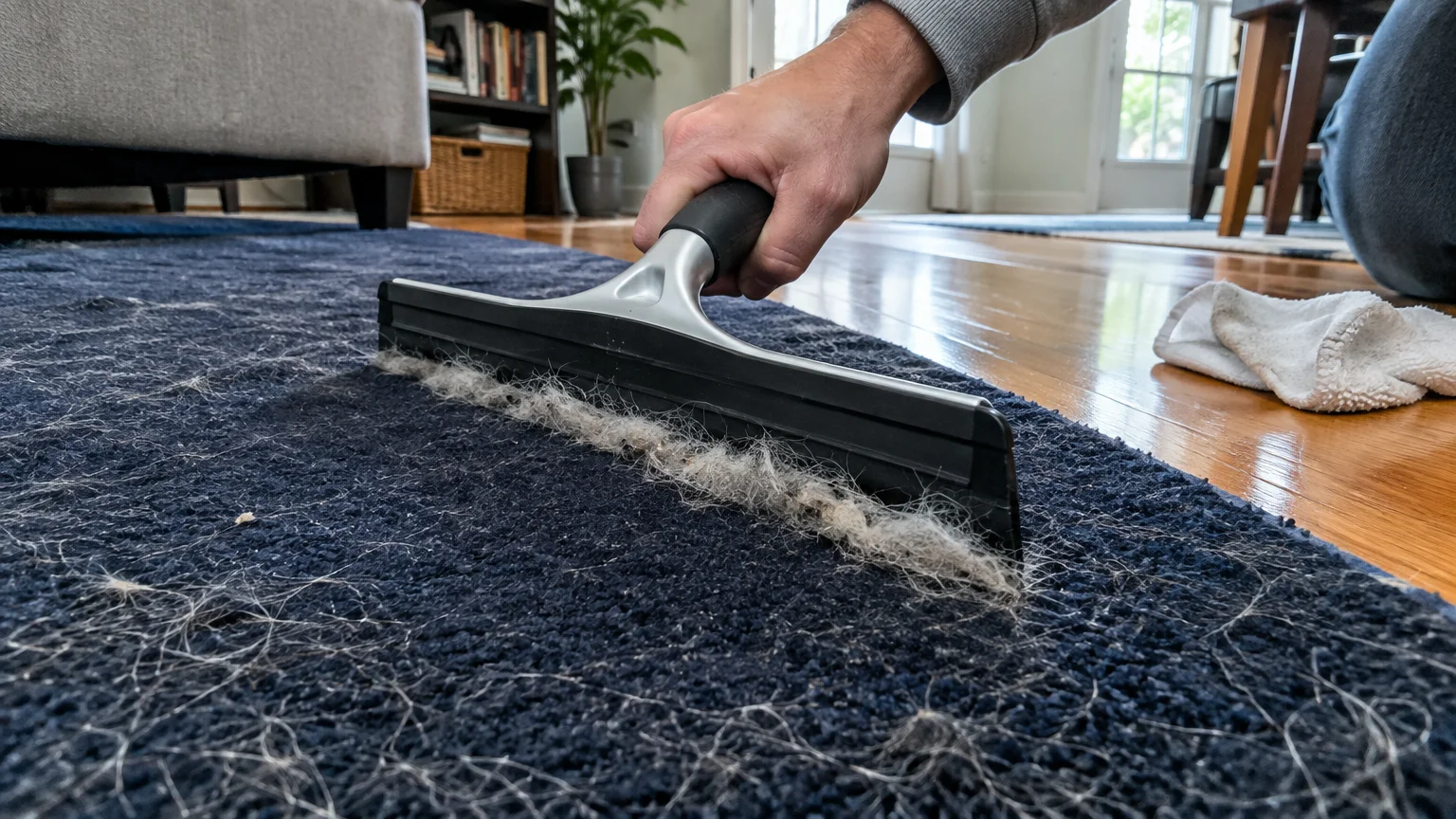
02 Scrape Rugs with a Handheld Window Squeegee
A standard window squeegee with a firm rubber blade works wonders on low-pile carpets and area rugs. The stiff edge digs deeper into pile fibers than standard vacuum cleaner suction can reach.
Hold the squeegee handle firmly and draw the blade toward yourself in short, firm strokes. Use light downward pressure to bend the rubber blade slightly against the floor.
You will immediately see hidden fur, dander, and lint gather into thick mats along the blade line. This method functions exceptionally well on carpeted stair treads where dragging a bulky upright vacuum presents a fall hazard.
Wipe the rubber edge with a damp rag every few strokes to keep debris from smearing back into the rug. Replace squeegees whose rubber blades become jagged or stiff from age.
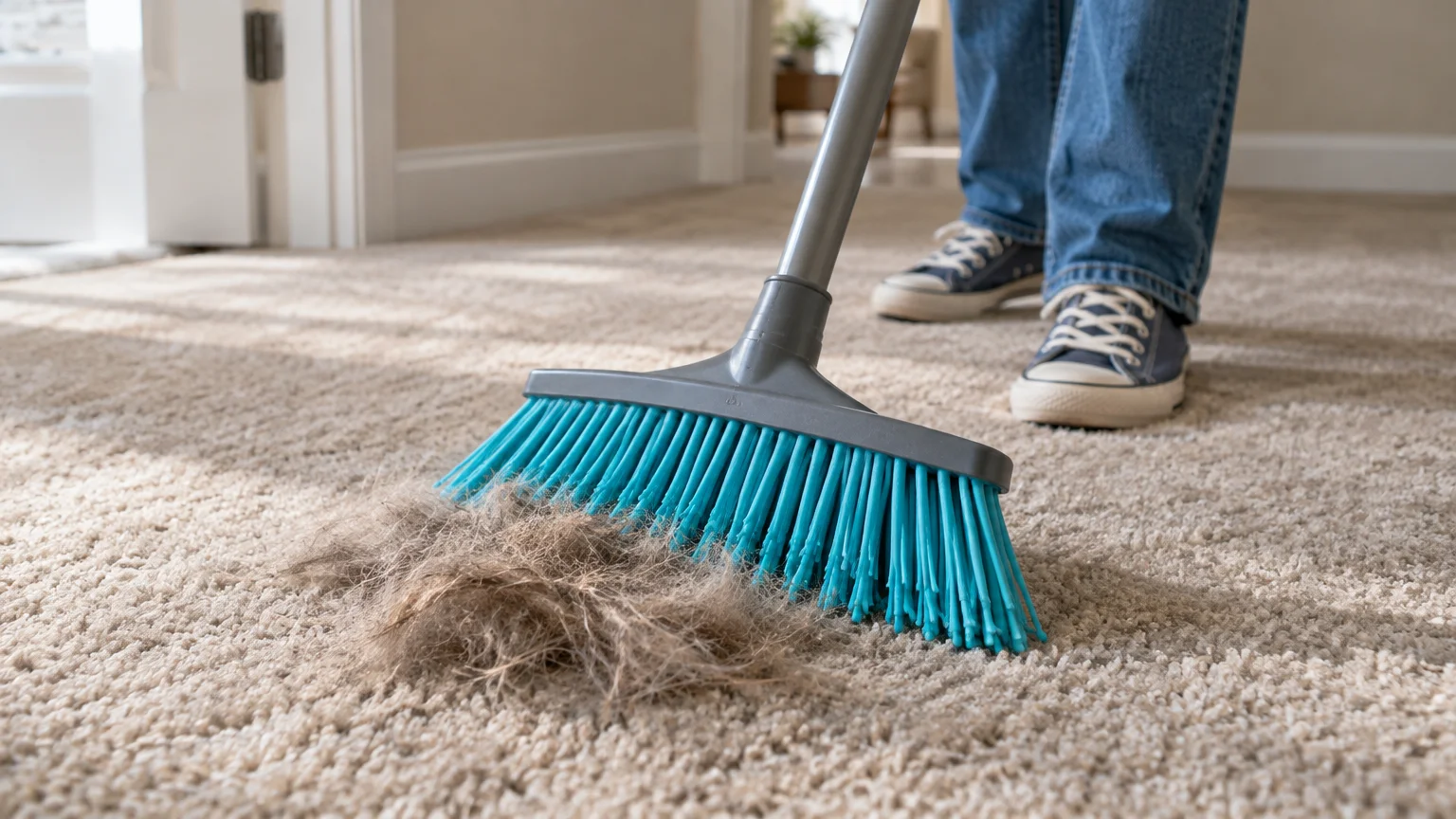
03 Groom Dense Carpeting with a Rubber-Bristle Broom
Rubber-bristled brooms feature flexible cones that penetrate carpet piles without tearing delicate yarns. Professional carpet cleaners frequently use these tools to extract pet hair on carpet before performing deep steam treatments.
Pull the broom toward you using brisk, overlapping sweeping motions. The rubber nubs twist and flex, catching fine undercoat hairs that cling to synthetic backing fibers.
According to maintenance guidelines from the Carpet and Rug Institute, mechanical agitation helps release soil and fibers trapped below surface pile. This pre-treatment significantly boosts the efficiency of subsequent vacuuming passes.
Wash the broom head under running water in your utility sink after finishing each room. Let the rubber air-dry completely before storing it away.
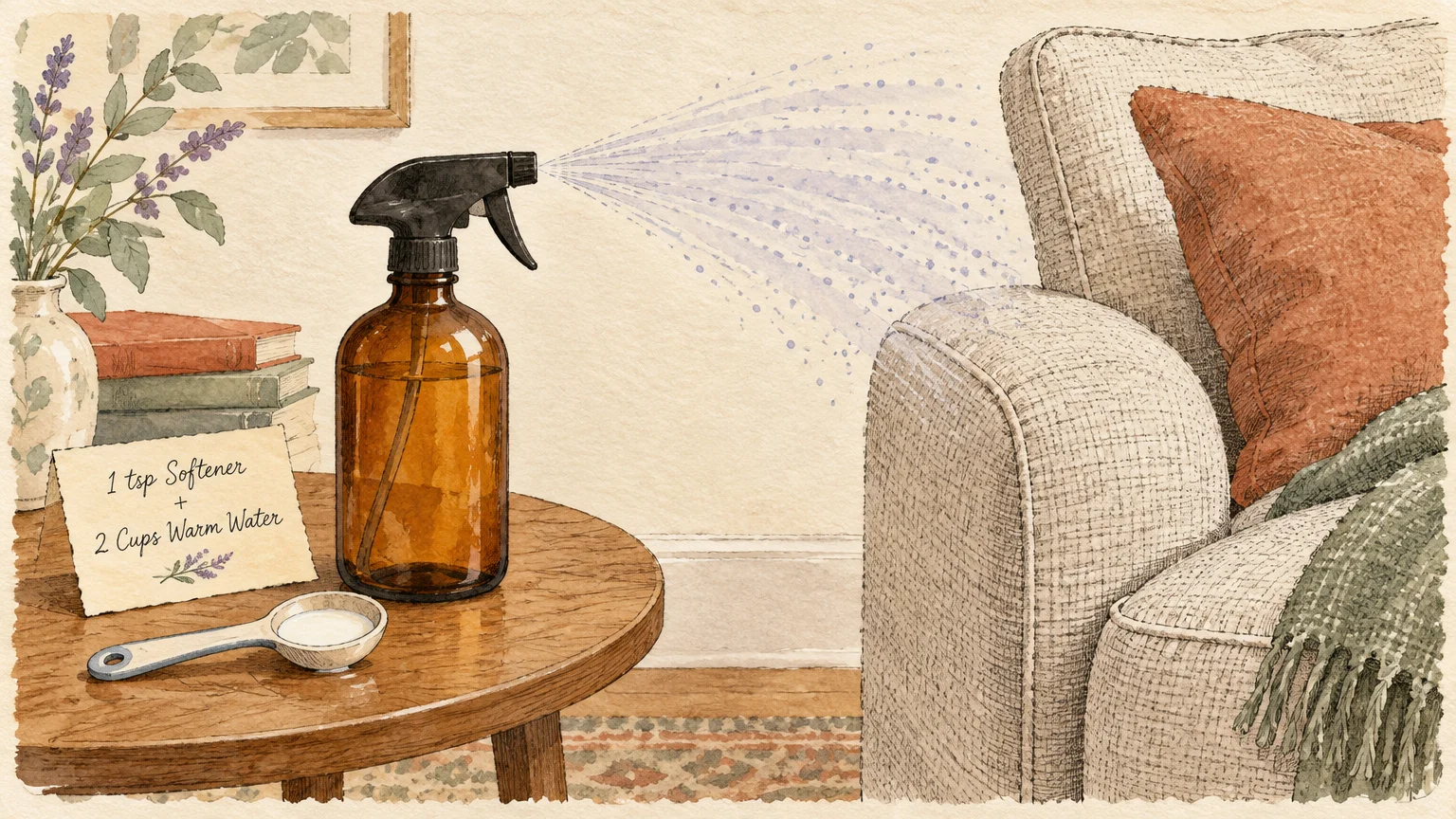
04 Relax Fiber Grip with an Anti-Static Softener Mist
Static electricity binds fine animal hair to synthetic upholstery fabrics like polyester, acrylic, and nylon. Neutralizing that electrical charge allows your vacuum cleaner to lift fur effortlessly.
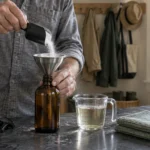
Mix one teaspoon of liquid fabric softener with two cups of warm water inside a clean spray bottle. Shake the mixture vigorously to combine the ingredients evenly.
Mist the solution lightly over your sofa or rug from twelve inches away. Avoid saturating the fabric; a whisper-thin mist provides plenty of anti-static power.
The ASPCA Animal Poison Control Center advises keeping pets away from wet cleaning solutions containing cationic detergents. Wait until the fabric dries fully before allowing your cat or dog back on the furniture.
Once dry, run a standard vacuum attachment over the area to harvest the loosened hair.
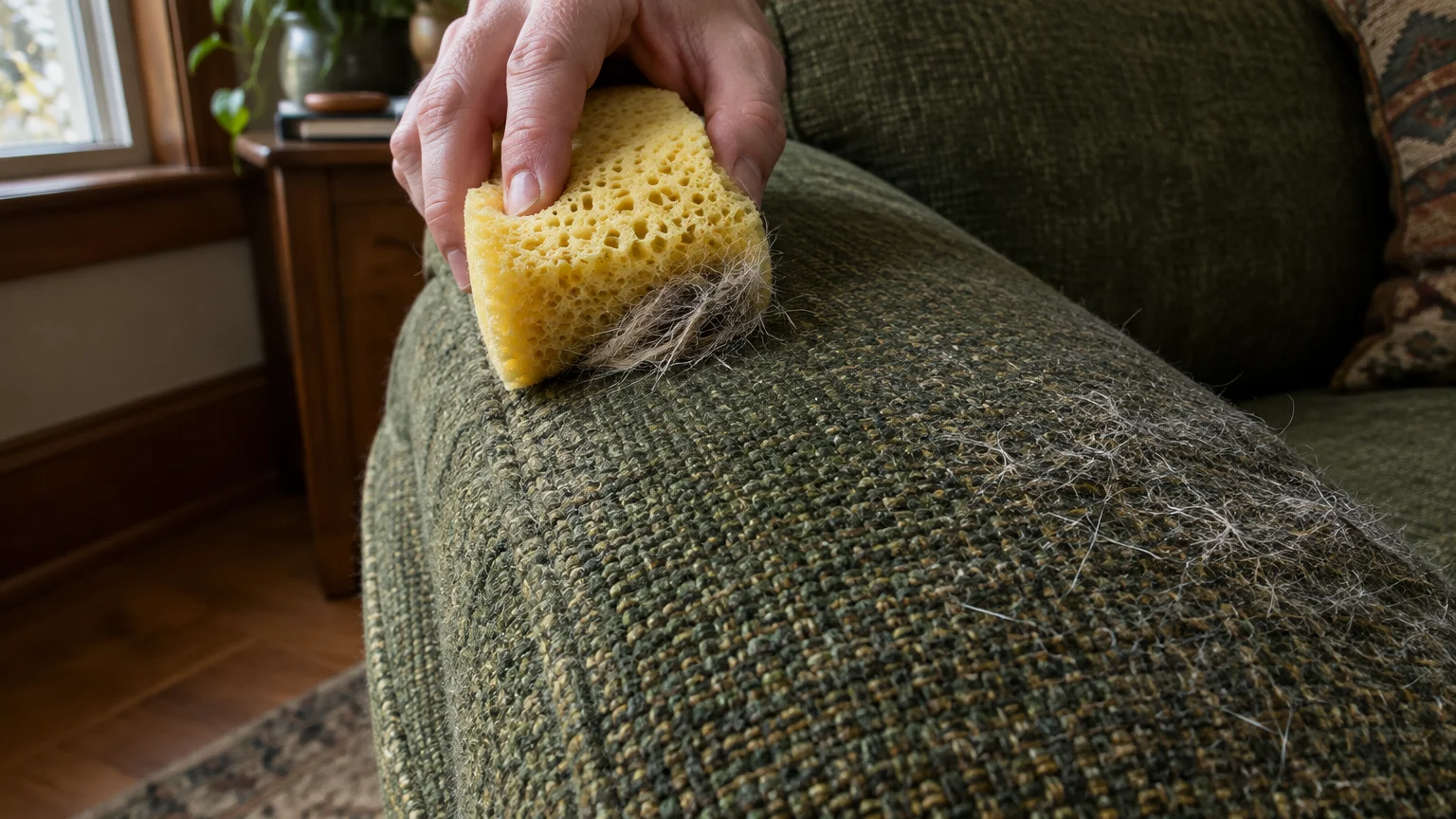
05 Roll Upholstery with a Dry Cellulose Sponge
Dense cellulose kitchen sponges provide steady, non-abrasive friction on velvet, microsuede, and tweed couches. Dry sponge cells grab loose hair shafts without leaving moisture or chemical residue behind.
Purchase an inexpensive, un-dyed cellulose sponge and keep it completely dry. Press the flat side against the top of your sofa cushions and draw it steadily downward.
Hair clings immediately to the open-cell structure of the sponge face. Roll the collected fur off the sponge face into your palm and toss it straight into the trash.
If you encounter heavy accumulation, mist the sponge edge with a single spritz of water. This technique makes removing pet hair from furniture fast, quiet, and completely mess-free.
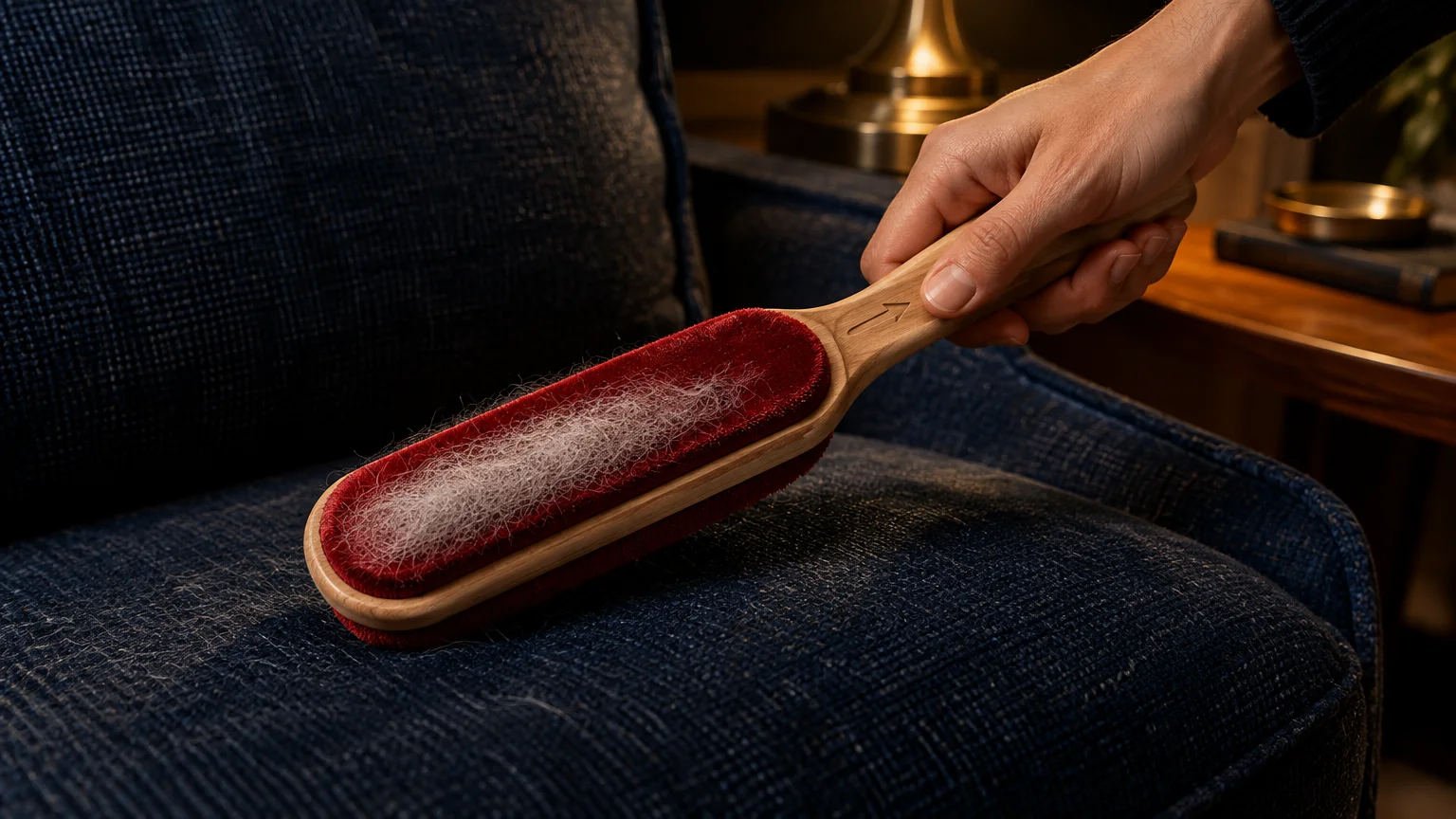
06 Swipe Woven Fabrics with Velvet Lint Brushes
Dual-sided velvet lint brushes remain superior lint roller alternatives for delicate upholstery and woven throws. Their directional fabric teeth trap fur when pushed one way, then release it cleanly when wiped backward.
Check the arrow printed on the brush handle to determine the correct sweeping direction. Pull the brush smoothly across your chairs, headboards, and decorative pillows along that single line.
Avoid scrubbing back and forth, which transfers fur right back onto your fabric. Instead, lift the tool after each stroke and begin the next pass from the starting edge.
Clear the collected fur by swiping the brush in reverse across an old washcloth. These durable brushes create zero paper waste and last for years without replacement parts.
07 Clear Durable Mats with a Grooming Stone
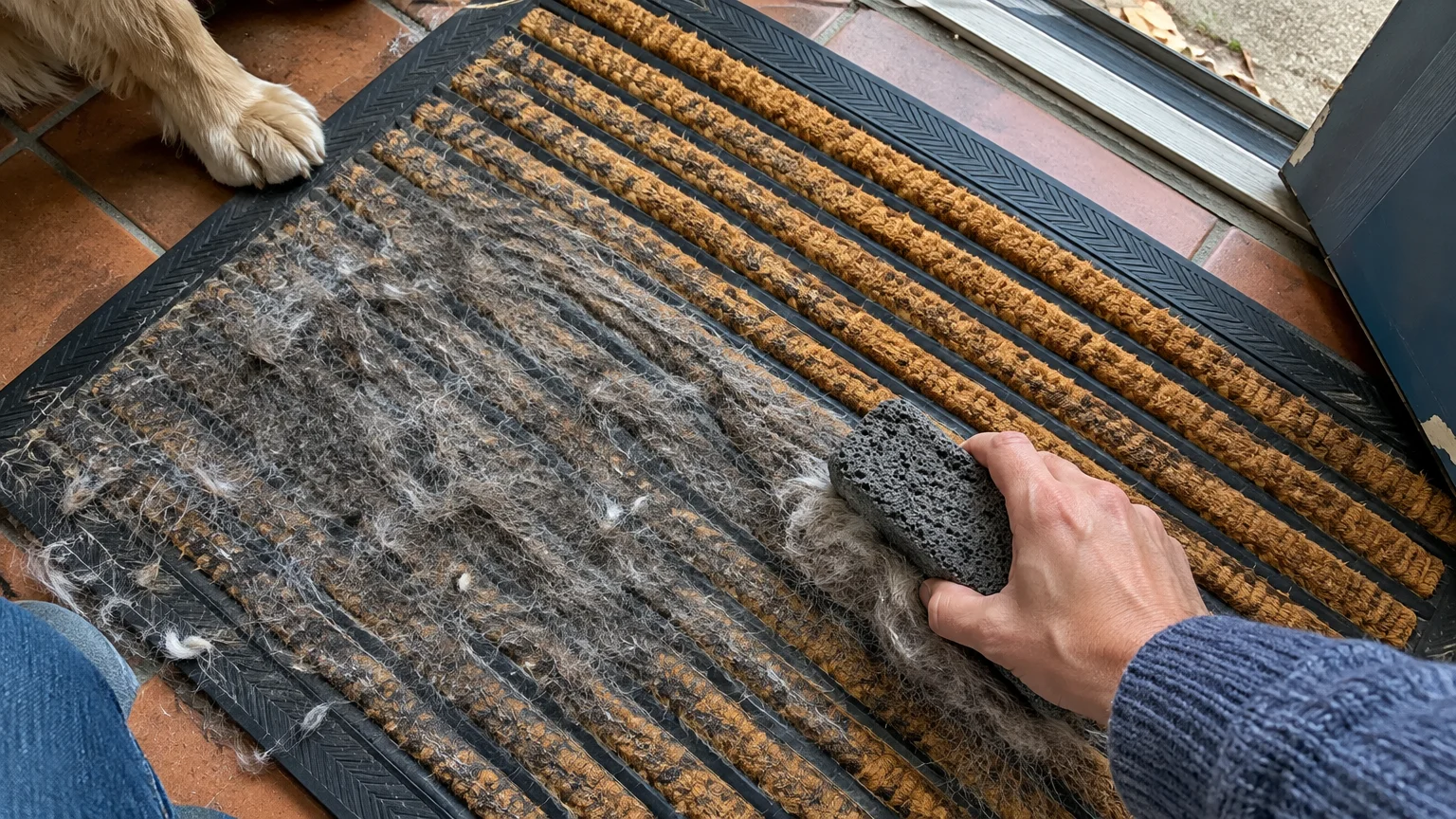
Pumice stones and volcanic grooming blocks offer strong mechanical grab for coarse carpets and automotive floor mats. Their porous, gritty edges snag tangled guard hairs that defy conventional brushes.
Always test a hidden corner first to ensure the stone does not pull carpet loops. Never use a pumice stone on delicate silks, wool weaves, or berber carpets.
Hold the stone at a forty-five-degree angle and stroke the carpet gently in one uniform direction. The rough stone catches stubborn dog hair and rolls it into neat clumps along the surface.
Wipe the surface with a vacuum nozzle afterward to gather loosened stone grit and pet hair. This technique is especially helpful for refreshing carpeted car trunks after trips to the dog park.
08 Scrape Corners with a Silicone Pet Hair Detailer
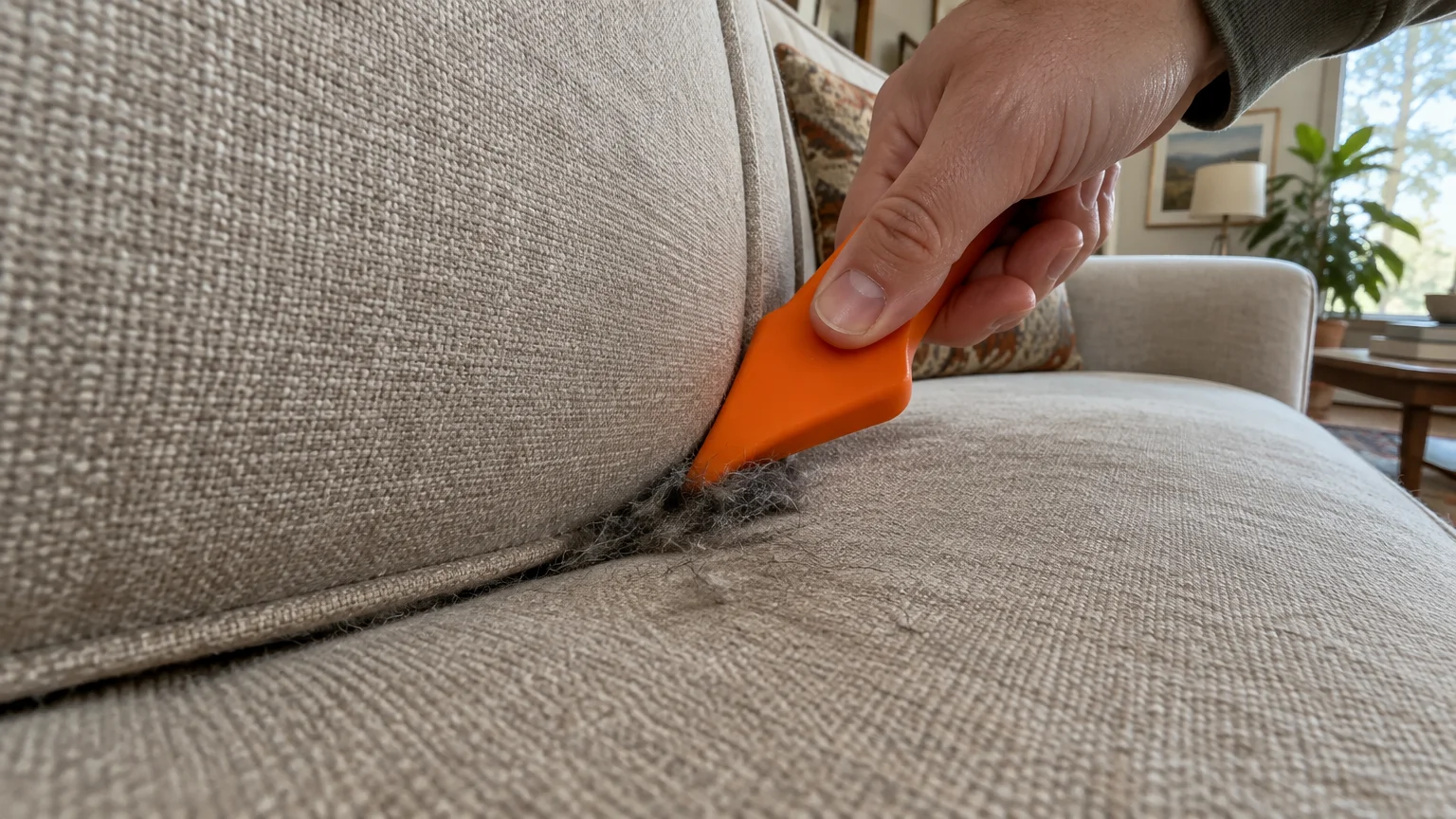
Compact silicone blades and triangular detailer tools maneuver easily into deep sofa crevices and tight stair edges. The flexible silicone edges grip hair without scratching painted baseboards or damaging wooden chair frames.
Insert the pointed corner of the silicone tool straight into the seam where cushion meets couch frame. Pull outward along the welt line with moderate, consistent pressure.
Short strokes prevent hair from slipping under the blade during collection. The silicone blade pulls trapped fur from seams that round vacuum nozzles frequently skip.
Rinse the detailer with warm dish soap after heavy use to remove natural pet oils. A clean silicone edge provides far stronger friction than an oily one.
09 Loosen Fur with Baking Soda Pre-Treatments
Natural body oils from cats and dogs coat loose fur, causing individual hair shafts to stick to carpet pile. Baking soda absorbs these oily binders, making hairs lighter and significantly easier to dislodge.
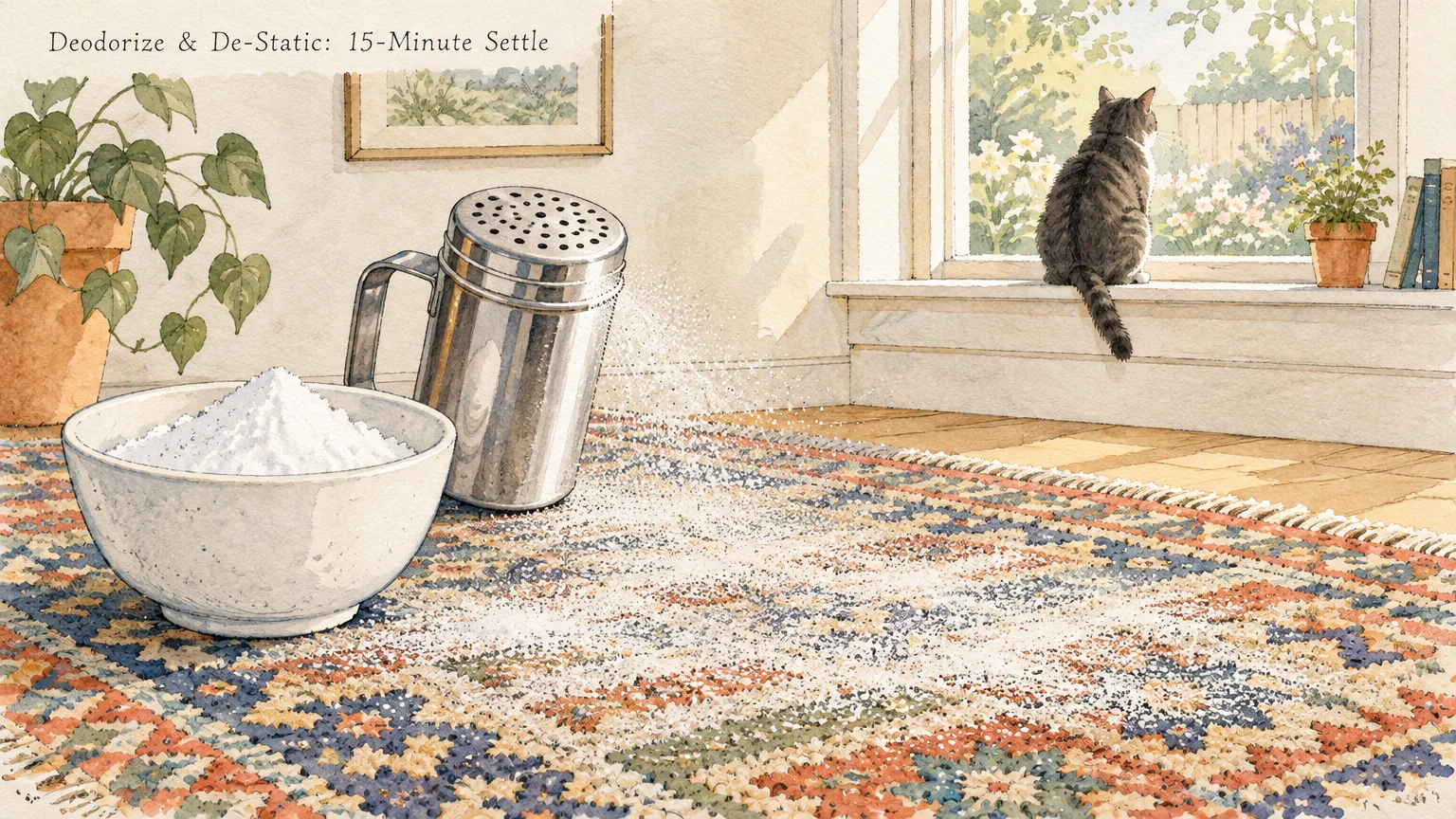
Sprinkle a light, even dusting of pure baking soda across your carpet or upholstered cushions. Let the powder rest on the fibers for twenty minutes.
Lightly agitate the carpet with a dry microfiber mop to work the powder into the backing. The absorbent particles reduce pet odors while breaking the bond between hair and carpet yarns.
Guidelines from the U.S. Environmental Protection Agency emphasize removing indoor dust and allergens to maintain healthy home air quality. Vacuum the powder and loosened fur thoroughly with an upright cleaner.
10 Vacuum Systematically with a Motorized Turbo Head
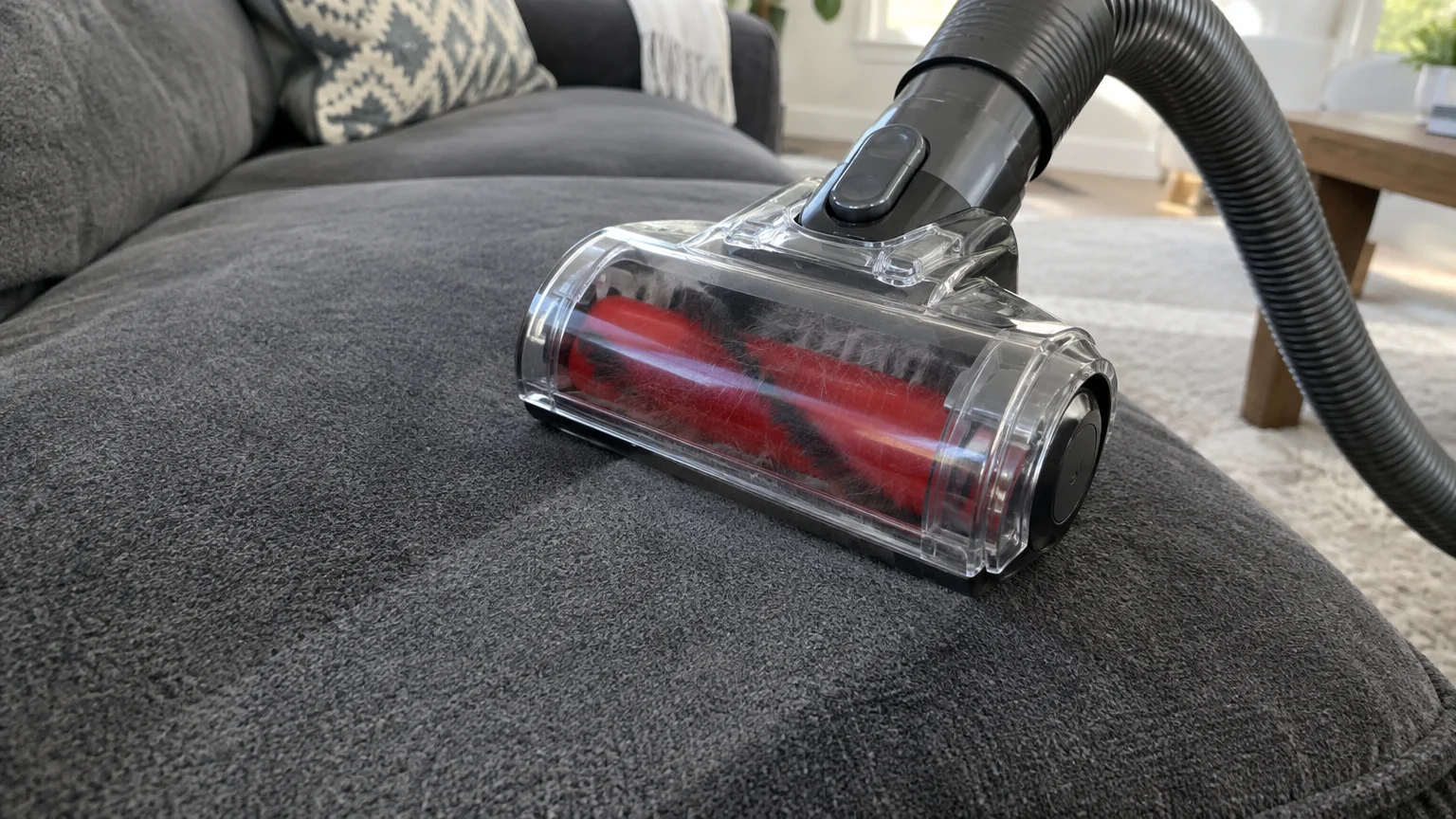
Standard floor nozzles glide over hair without extracting it from woven carpet backing. A motorized turbo brush uses revolving nylon bristles to pry individual hairs out of deep fabric valleys.
Slow down your vacuuming stroke to give the motorized agitator time to do its job. Push the nozzle forward slowly, then pull it back across the same path at half speed.
Work across your floor in an overlapping criss-cross grid pattern. Vacuum north to south first, then make a second pass east to west over the same carpet area.
Medical data from the Asthma and Allergy Foundation of America indicates that true HEPA filtration prevents pet dander from recirculating into your breathable indoor air. Empty the dust cup frequently to maintain maximum suction power.
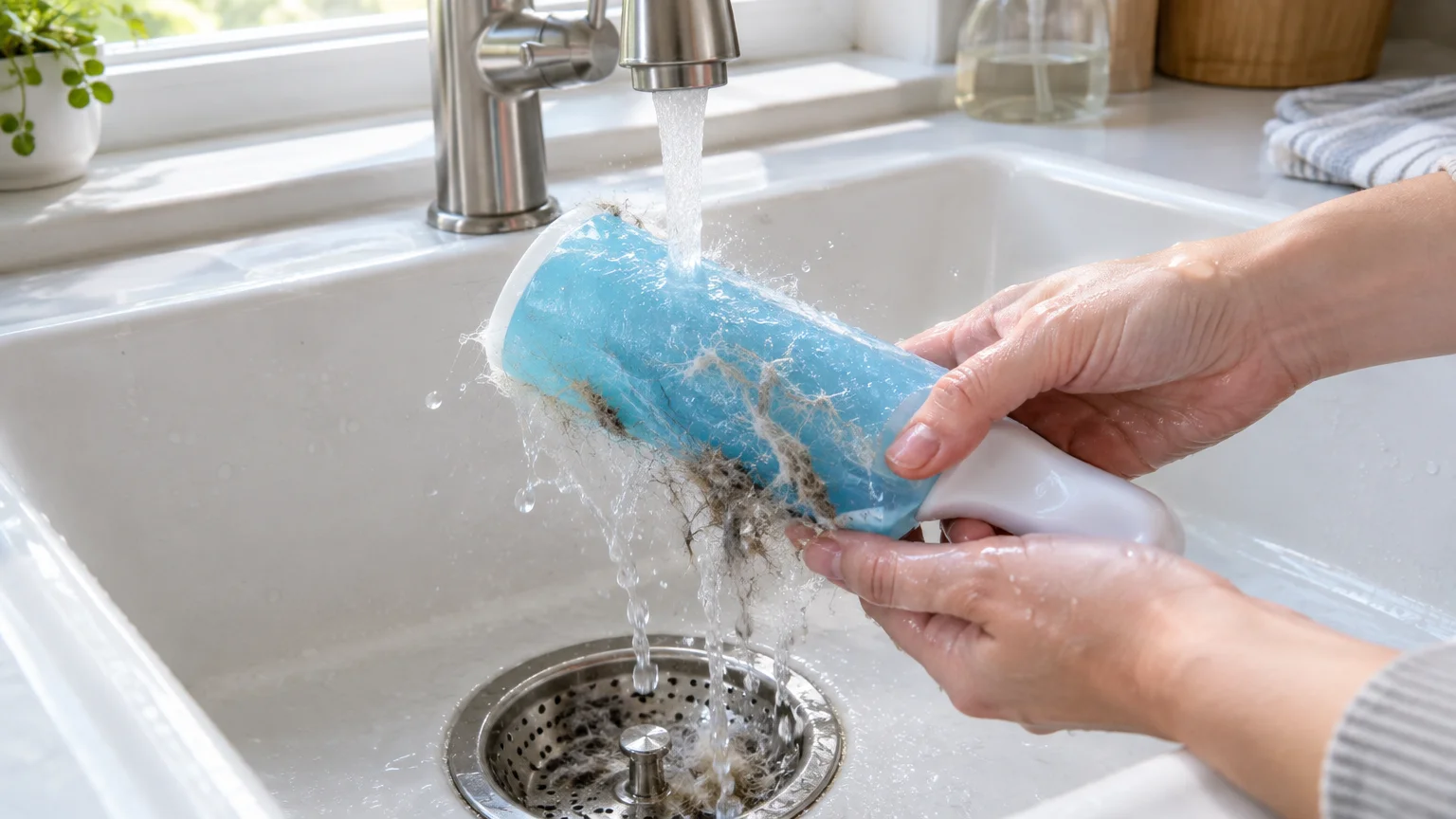
11 Use Washable Sticky Gel Rollers for Touch-Ups
Reusable thermoplastic rubber rollers use tacky silicone gel to lift surface hairs instantly without disposable adhesive sheets. They serve as cost-effective, environmentally conscious lint roller alternatives for everyday maintenance.
Roll the tacky cylinder across cushions, dining chair pads, and entryway rugs before guests arrive. The sticky gel pulls fine cat hair and downy undercoat fur off fabric immediately.
When the roller surface loses tackiness, wash it under warm running water with a drop of liquid soap. The trapped hair slides away down a drain strainer in seconds.
Allow the roller to air-dry or pat it with a lint-free cloth. Once dry, the synthetic polymer returns to its original sticky state for immediate reuse.
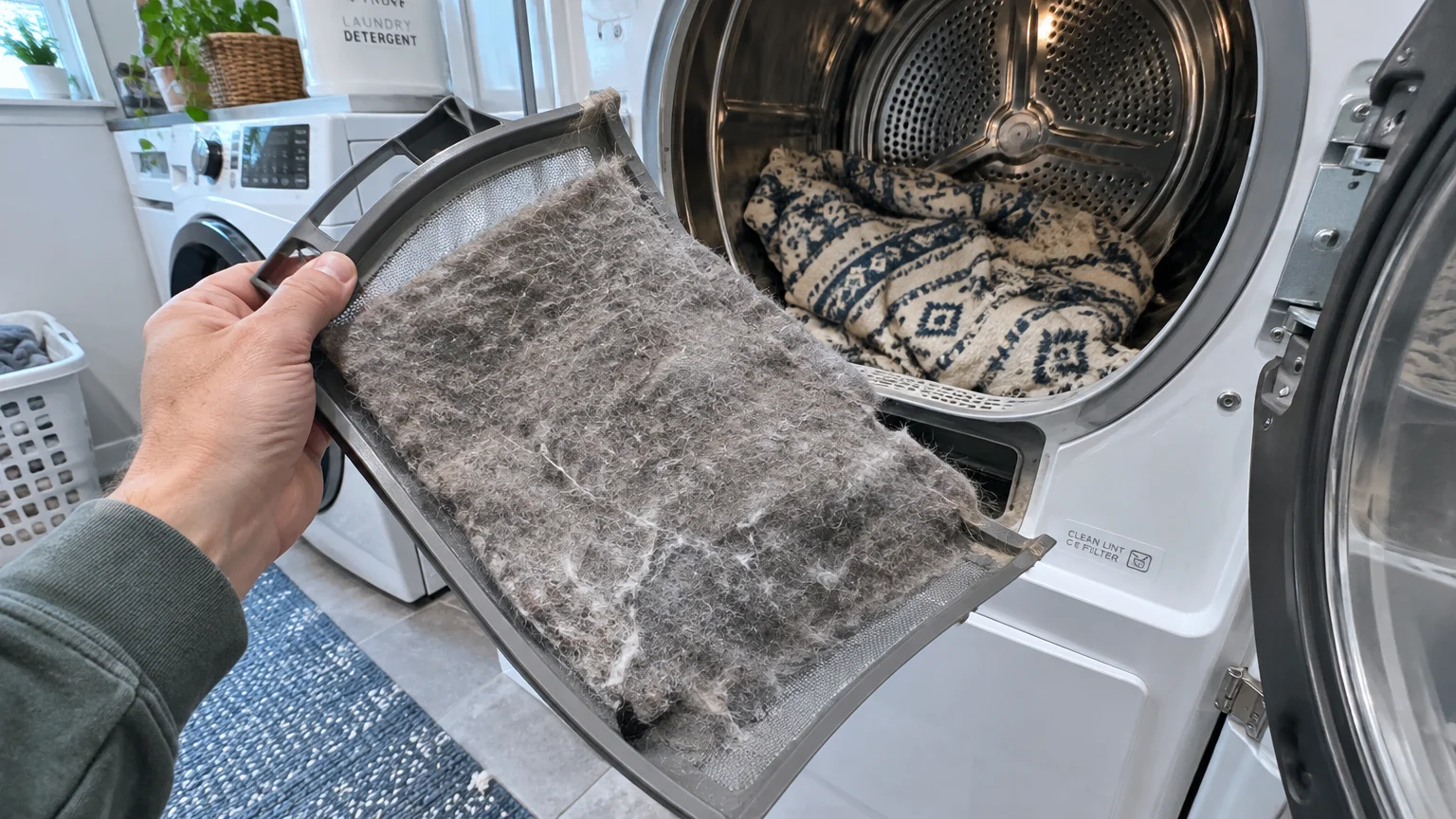
12 Tumble Throws and Slipcovers in the Dryer First
Washing pet-covered slipcovers and fleece throws without preparation creates a soggy, fur-matted mess inside your washing machine. Running dry fabrics through the tumble dryer first extracts most hair cleanly.
Place pet-covered throws, pillow shams, and cushion covers into your dryer while completely dry. Add two wool dryer balls or a lightly dampened microfiber towel to create friction.
Set your dryer to the no-heat or air-fluff cycle for ten minutes. The tumbling action and circulating air separate pet hair from the fabric weave.
Your dryer’s high-velocity blower pulls the dislodged fur straight into the lint screen. Empty your lint filter immediately afterward before proceeding with normal laundering.
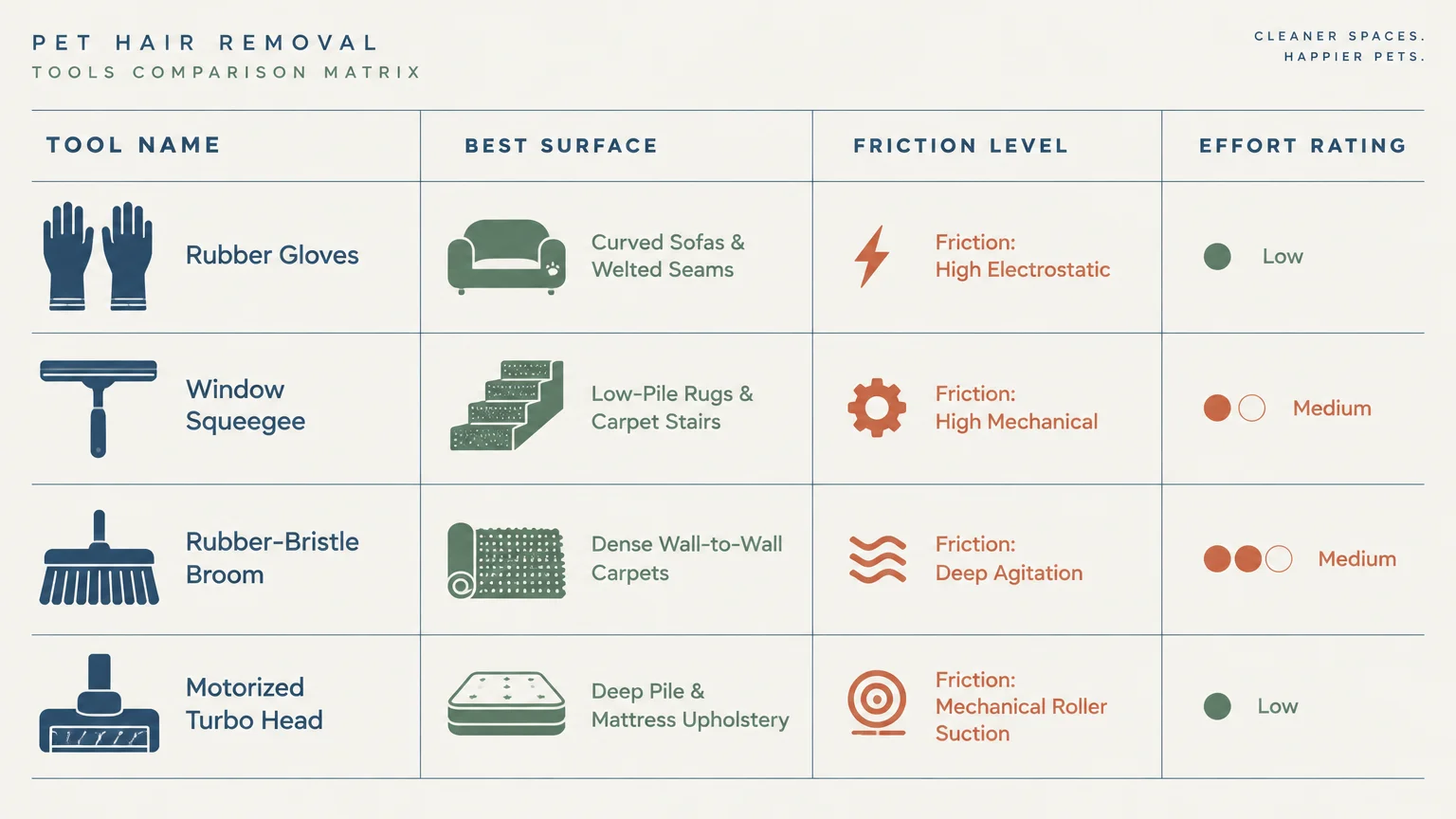
Comparing the Best Pet Hair Removal Tools
Selecting the best pet hair remover depends entirely on the fabric texture and surface area you need to clean. The following reference table matches proven tools to appropriate furniture and flooring surfaces.
| Tool Option | Ideal Surface | Effort Level | Fabric Safety |
|---|---|---|---|
| Damp Rubber Glove | Couches, armchairs, microsuede cushions | Low | Safe for all woven upholstery |
| Window Squeegee | Area rugs, low-pile carpets, stair runners | Moderate | Safe for tufted and loop carpets |
| Rubber Broom | Large rooms, wall-to-wall carpeting | Moderate | Gentle on carpet fibers |
| Velvet Directional Brush | Velvet, linen, decorative throw pillows | Low | Very gentle on fine textiles |
| Pumice Grooming Stone | Automotive carpets, durable entryway mats | High | Coarse; test hidden areas first |
| Washable Gel Roller | Bedspreads, dining chairs, quick clothing touch-ups | Low | Completely safe for delicate weaves |
Use firmer tools on durable flooring and gentler friction pads on delicate upholstery. Matching your tool to the material prevents accidental snags while cutting cleaning time in half.
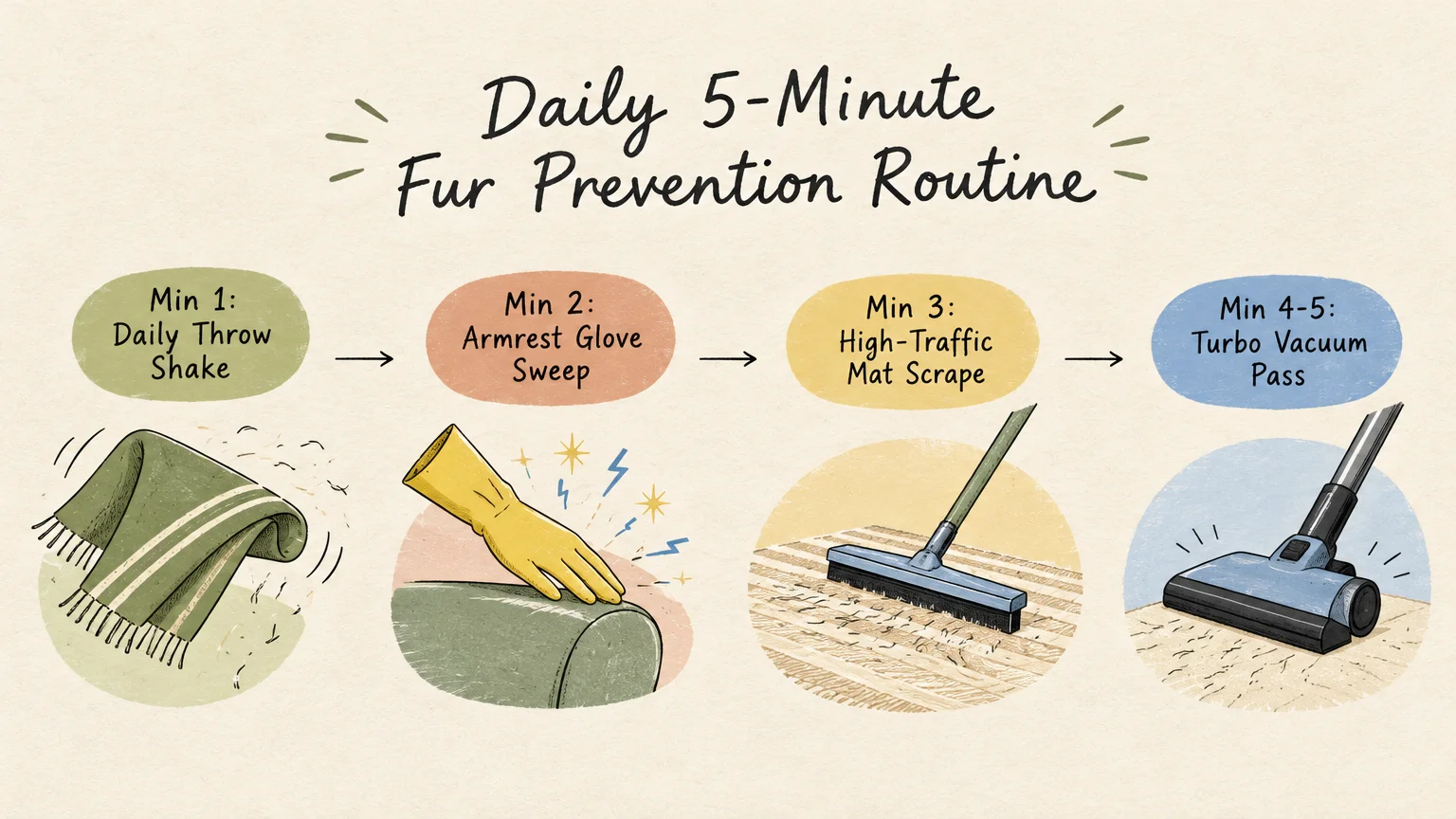
Routine Maintenance: 5-Minute Fur Prevention Checklist
Consistent daily habits prevent loose animal fur from matting deep into carpet padding and upholstery backing. Implement this quick maintenance checklist to protect your living spaces from heavy buildup.
- Drape high-contact zones: Place washable cotton throws across your pet’s favorite corner of the couch.
- Brush pets outdoors: Brush your cat or dog outside daily to catch shedding undercoat before it lands inside.
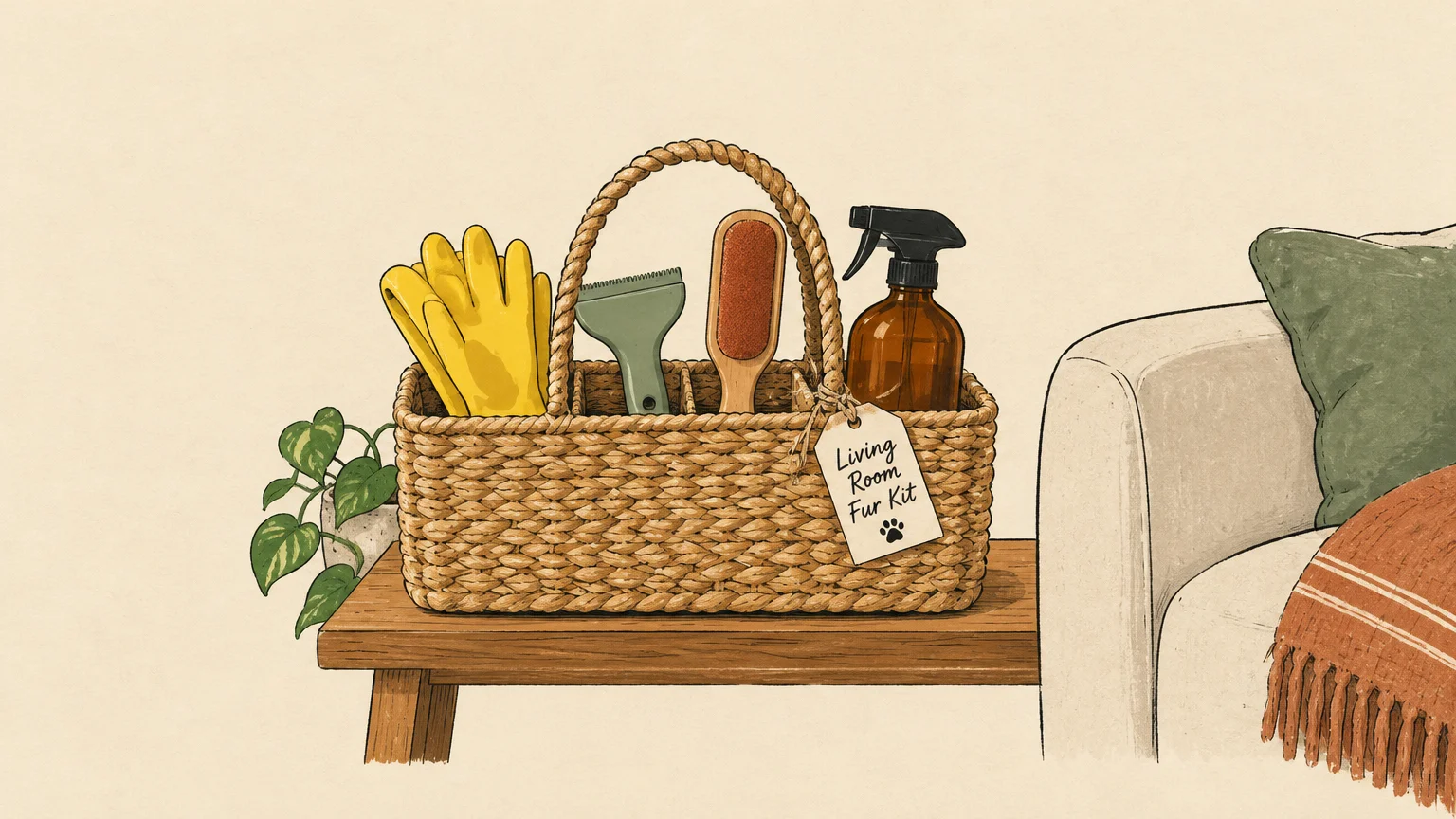
- Clear cushions daily: Keep a damp rubber glove or velvet brush near the sofa for a thirty-second evening sweep.
- Change furnace filters regularly: Replace central air filters on schedule to catch floating hair and dander.
- Wipe pet paws at doorways: Clean damp paws with a towel to prevent dirt from bonding loose fur to carpets.
Spending five minutes on daily maintenance eliminates the need for exhausting weekend scrubbing sessions. Small adjustments protect carpet fibers from premature wear caused by ground-in grit and dander.
Preserving Your Furniture and Carpets Long-Term
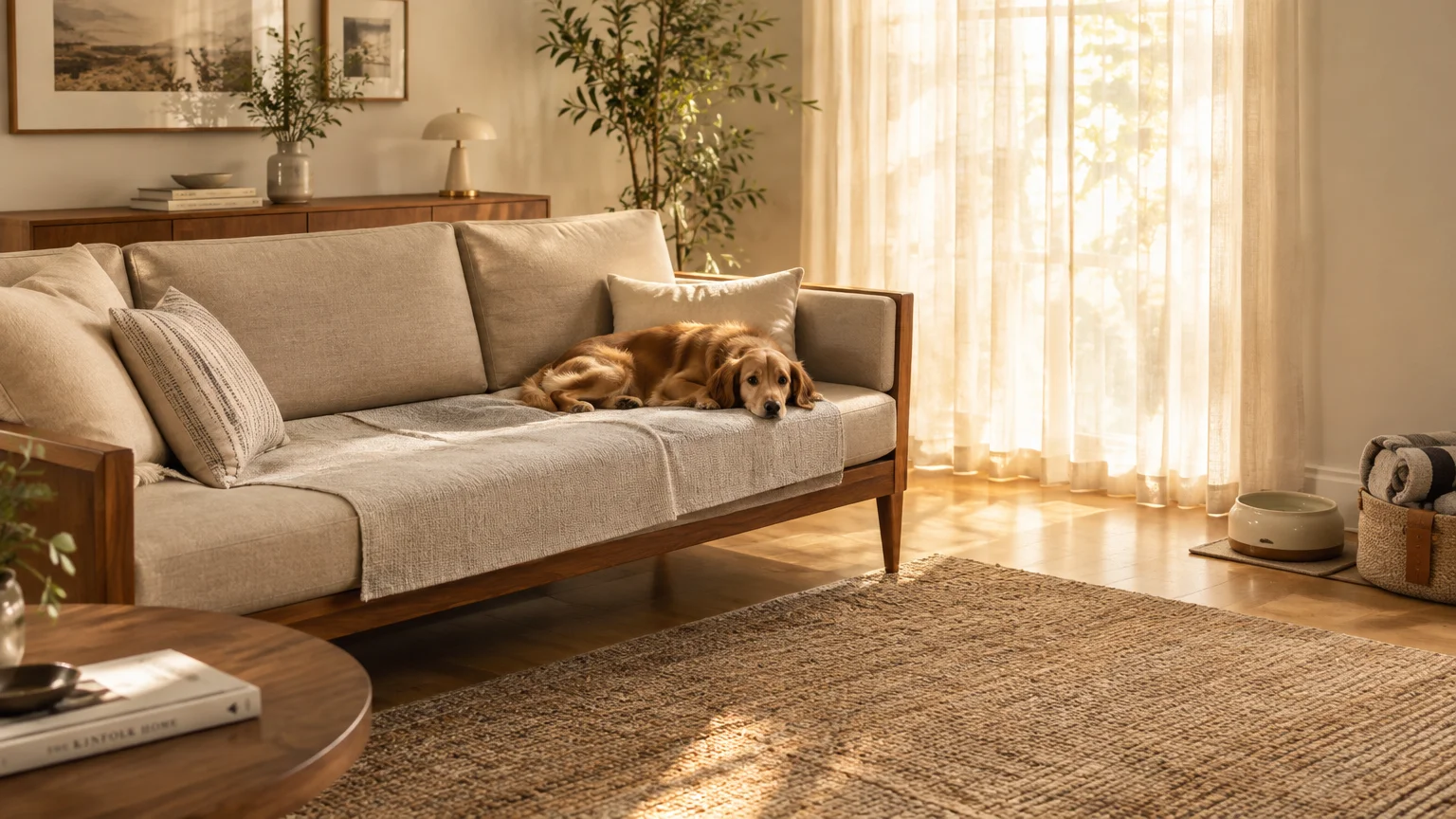
Aggressive scrubbing can distort delicate upholstery weaves and cause unsightly fuzzing on textured fabrics. Always work with the grain of the textile rather than sawing against it.
Avoid harsh wire pet slickers on home furniture or plush carpeting. Wire teeth snag loops, fray seam threads, and quickly damage furniture foundations.
Regular grooming of your pet remains your most powerful defense against household fur accumulation. Brushing removes loose guard hairs while distributing natural skin oils across your pet’s coat.
Pairing regular brushing with gentle friction cleaning keeps your home clean, comfortable, and inviting for everyone. You preserve the beauty of your furniture without sacrificing time with your pets.
Next Practical Step
Grab a pair of rubber household gloves from under your sink right now. Moisten the palms lightly and wipe down your favorite sofa cushion to see how quickly trapped pet hair lifts away.