A clean washing machine guarantees spotless, fresh laundry and stops foul odors from invading your utility space. You can eliminate sour odors permanently by adopting a few simple laundry habits.
Modern washers trap moisture, lint, and detergent residue inside airtight drums and seals, creating an ideal breeding ground for mold. Everyday maintenance stops this grime before it transfers onto your favorite fabrics.
Follow these ten practical habits to protect your appliance, prevent expensive repair calls, and keep your washer smelling clean year after year.
01 Leave the Door or Lid Ajar Between Loads
Modern front-load and top-load washers form airtight seals when shut. Stagnant moisture trapped inside a dark, warm drum quickly produces a musty washing machine odor.
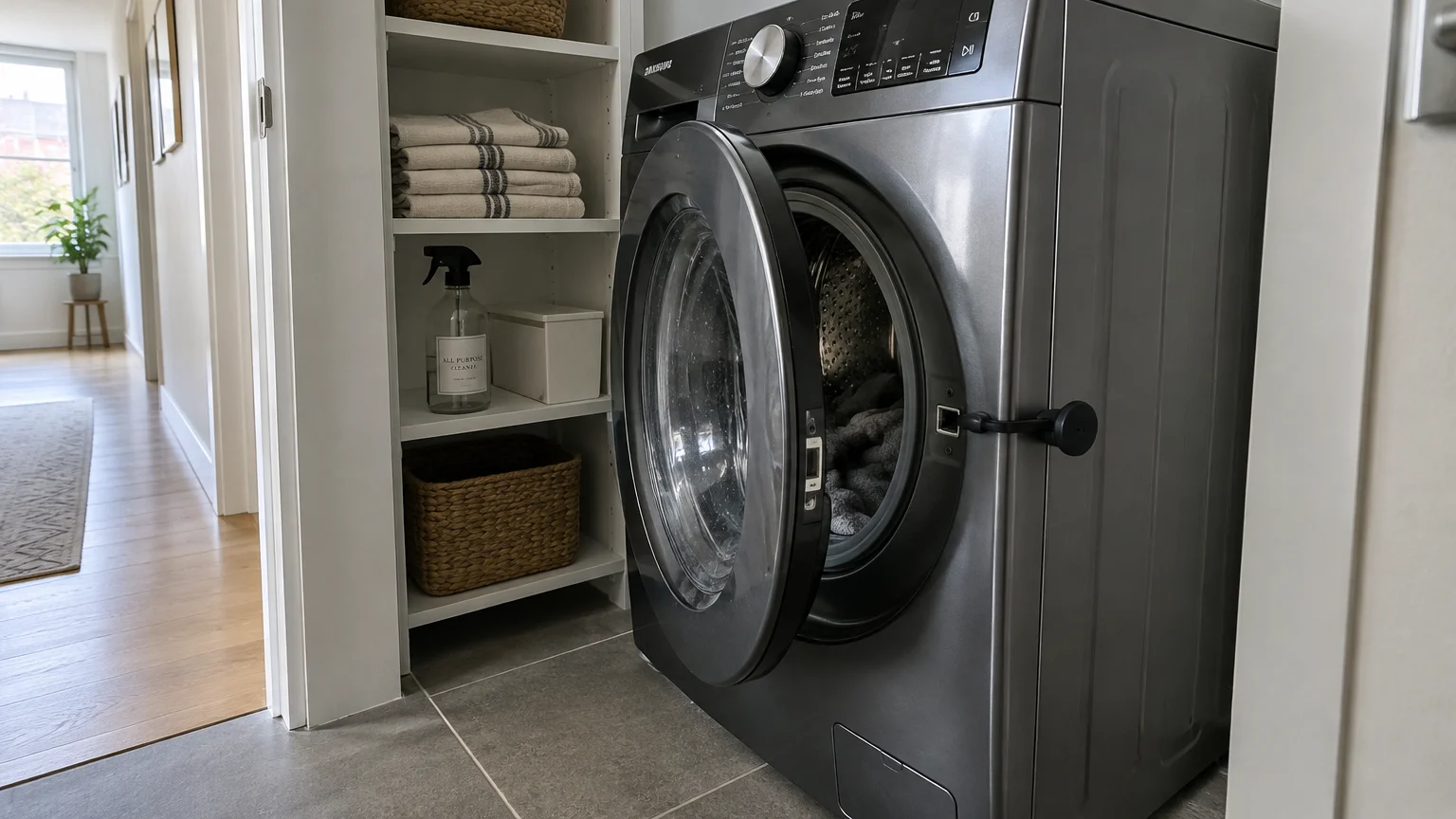
Prop your washer door or lid open several inches whenever a cycle finishes. This constant airflow allows internal components and rubber seals to dry out completely.
If your front-loader door swings into a busy walkway, use an adjustable magnetic door prop. These simple tools hold the door slightly cracked without getting in your way.
Top-load owners have an even simpler routine; keep the lid raised between cycles. This single adjustment prevents up to ninety percent of everyday odor problems.

02 Measure Detergent Accurately to Stop Scum Buildup
Pouring extra detergent into a cycle will never get your laundry cleaner. In reality, surplus soap leaves a slippery film across the drum and outer tub.
High-efficiency machines use minimal water, which means surplus suds cannot rinse away completely. The resulting soap scum provides an abundant food supply for foul-smelling bacteria and mildew.
Follow the detergent guidelines established by the American Cleaning Institute. Most standard wash loads require merely two tablespoons of concentrated liquid detergent.
Inspect your drum after a cycle; you should never see leftover bubbles or foam. Reduce your detergent measurement immediately if you spot soapy residue clinging to the glass door.
03 Wipe Down the Rubber Door Bellows and Gaskets
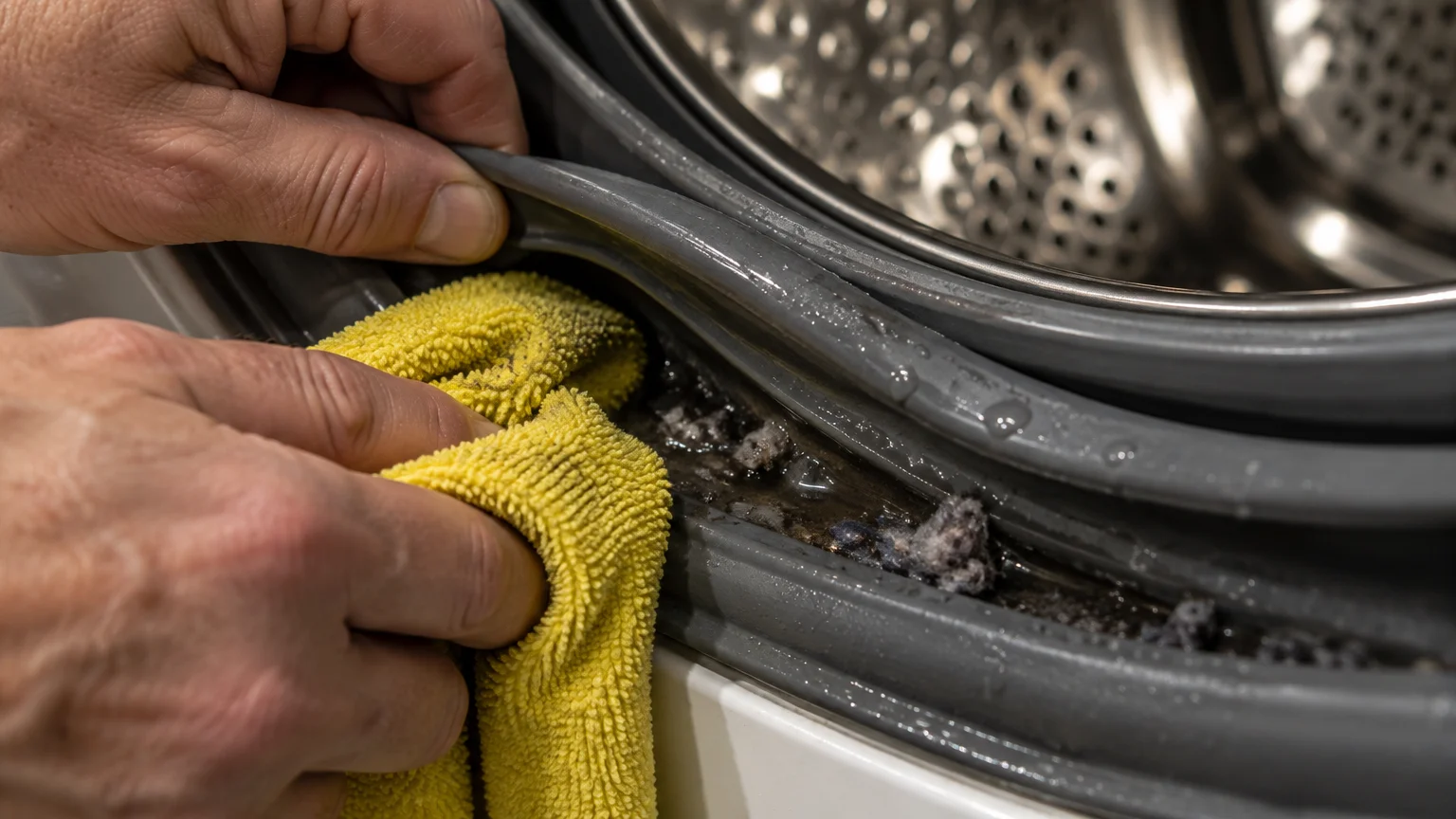
Front-load washing machines rely on a thick rubber door gasket to prevent water leaks. Unfortunately, the deep folds of this gasket trap moisture, lint, pet fur, and stray debris.
Pull back the rubber folds after your final load of the day. You will often discover stagnant puddle water and trapped hair resting directly inside the lower drainage grooves.
Wipe the entire gasket dry with an absorbent microfiber towel. A fast five-second wipe removes standing moisture before fungal spores establish a foothold.
Dampen your cloth with warm water or diluted vinegar if grime has accumulated. Consistent drying prevents the stubborn black mold stains that permanently discolor rubber bellows.

04 Transfer Wet Clothes to the Dryer Without Delay
Forgetting clean clothes inside a sealed washer drum invites rapid mildew growth. Within just a few hours, damp fabric fibers begin developing a sour, musty stench.
Unload your washing machine as soon as the completion chime sounds. Prompt removal keeps both your clothes and the washing machine drum smelling fresh.
Set a recurring timer on your smartphone if you work far from your laundry area. A timely reminder ensures you never leave damp garments sitting forgotten all afternoon.
If you accidentally leave a load sitting overnight, rerun it with a cup of white vinegar. Avoid moving sour clothes directly to the dryer, which bakes the smell into fabrics.
05 Remove and Scrub the Dispenser Drawer
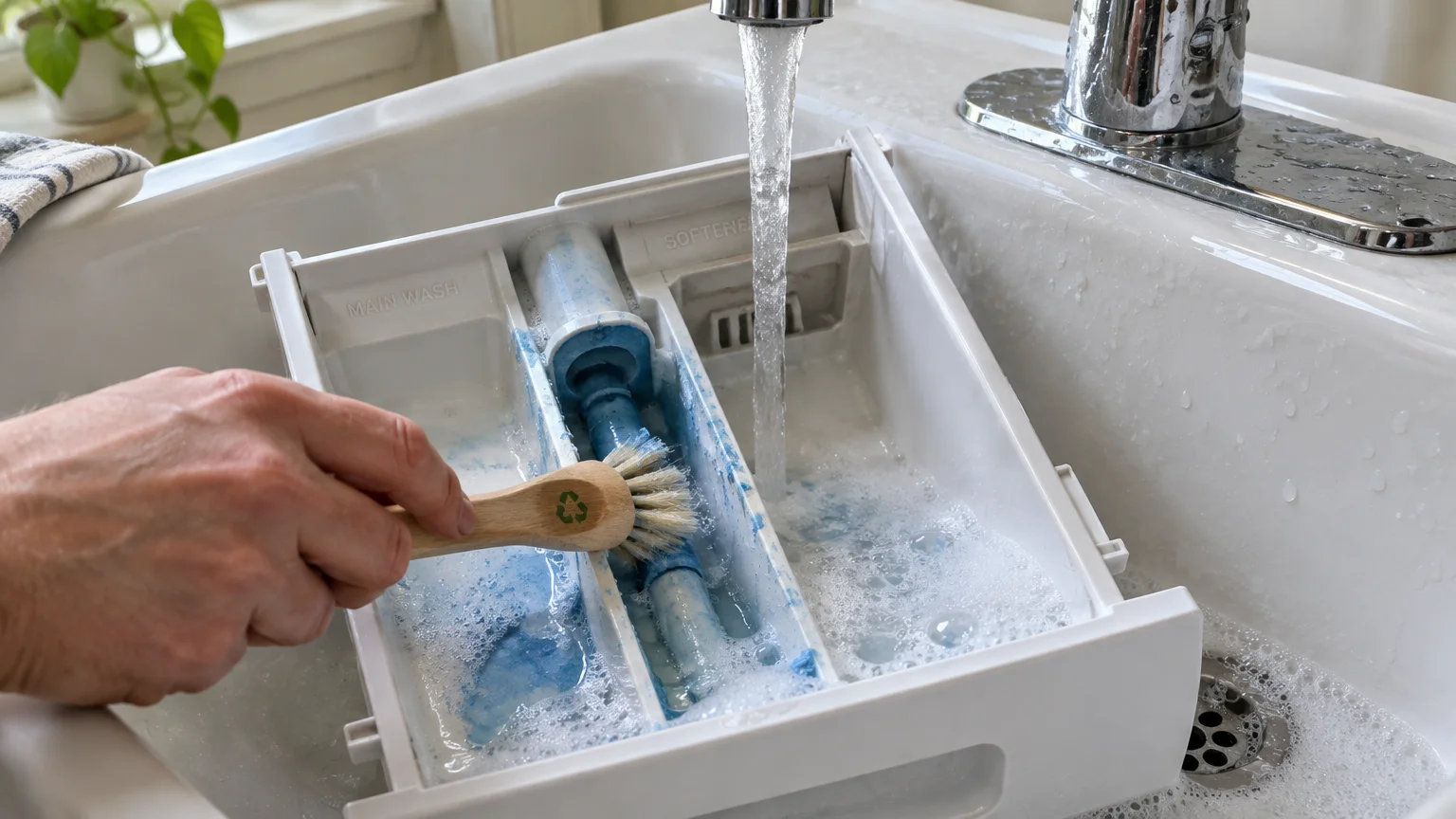
Liquid detergent and fabric softener travel through the dispenser drawer during every cycle. Over time, thick liquids leave behind a sticky residue that turns into black slime.
Locate the plastic release tab on the dispenser drawer and pull the drawer completely out. Removing the entire assembly takes only two seconds.
Soak the drawer in warm, soapy water to dissolve encrusted detergent buildup. Use a soft bottle brush or an old toothbrush to scrub away slime from narrow siphons.
Look inside the empty housing cavity in the machine before replacing the drawer. Wipe away any hidden mold clinging to the ceiling spray nozzles with a damp microfiber cloth.
06 Run a Monthly Hot Maintenance Wash
Frequent cold-water washes save electrical energy, but they do not dissolve body oils or greasy soils. These unwashed residues steadily accumulate behind the stainless steel drum.
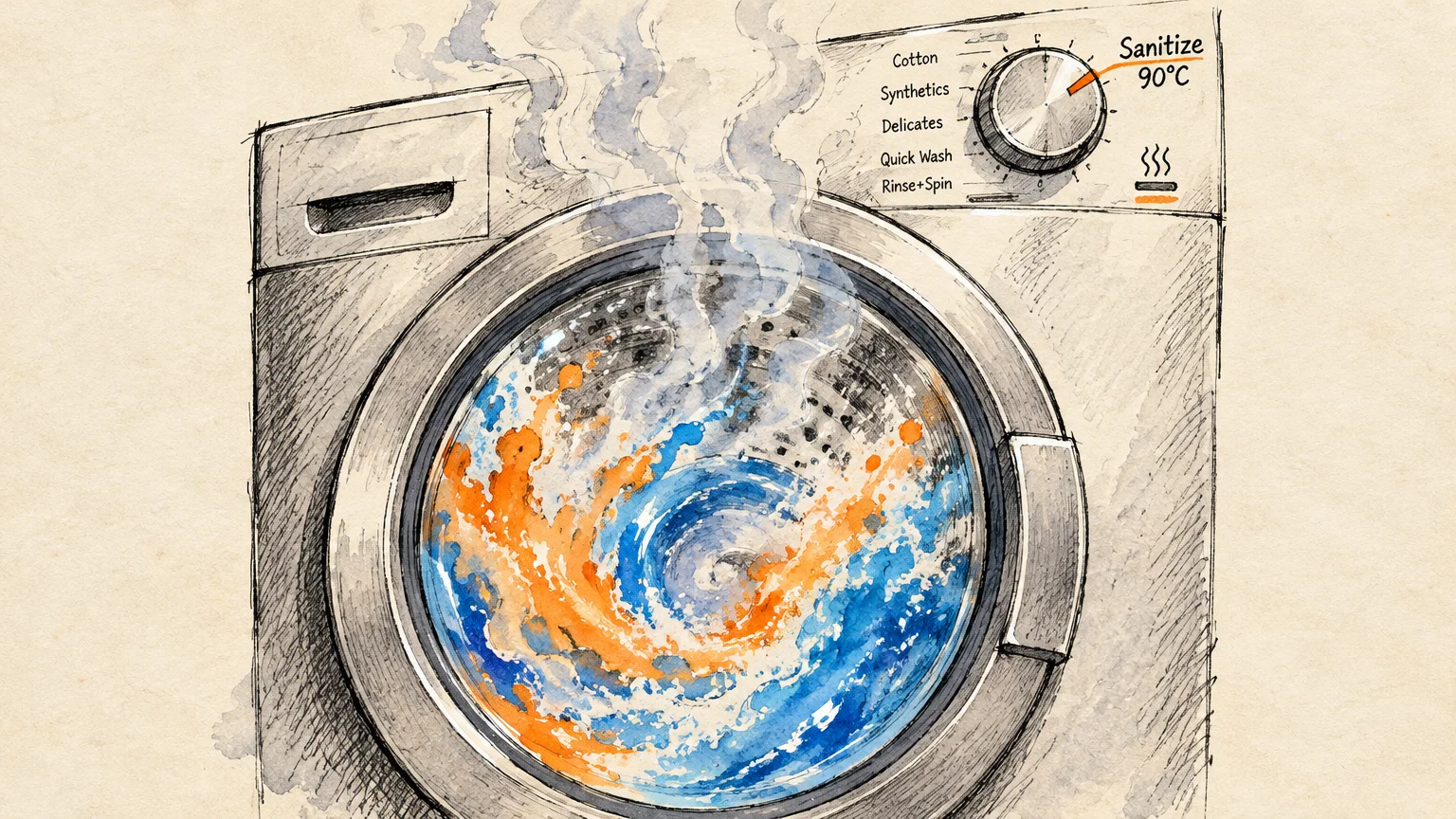
Schedule a monthly sanitation cycle using the hottest temperature setting on your machine. Many modern units feature an automated “Tub Clean” cycle configured for deep cleaning.
Drop a specialized washing machine cleaner tablet directly into the empty drum. Commercial tablets contain oxygen-based bleaching agents that foam up and strip grime from inaccessible pipes.
According to the Environmental Protection Agency, moisture control remains essential for inhibiting mold. High-temperature water flushes away organic material before it generates persistent odors.
07 Empty the Drain Pump Filter and Coin Trap
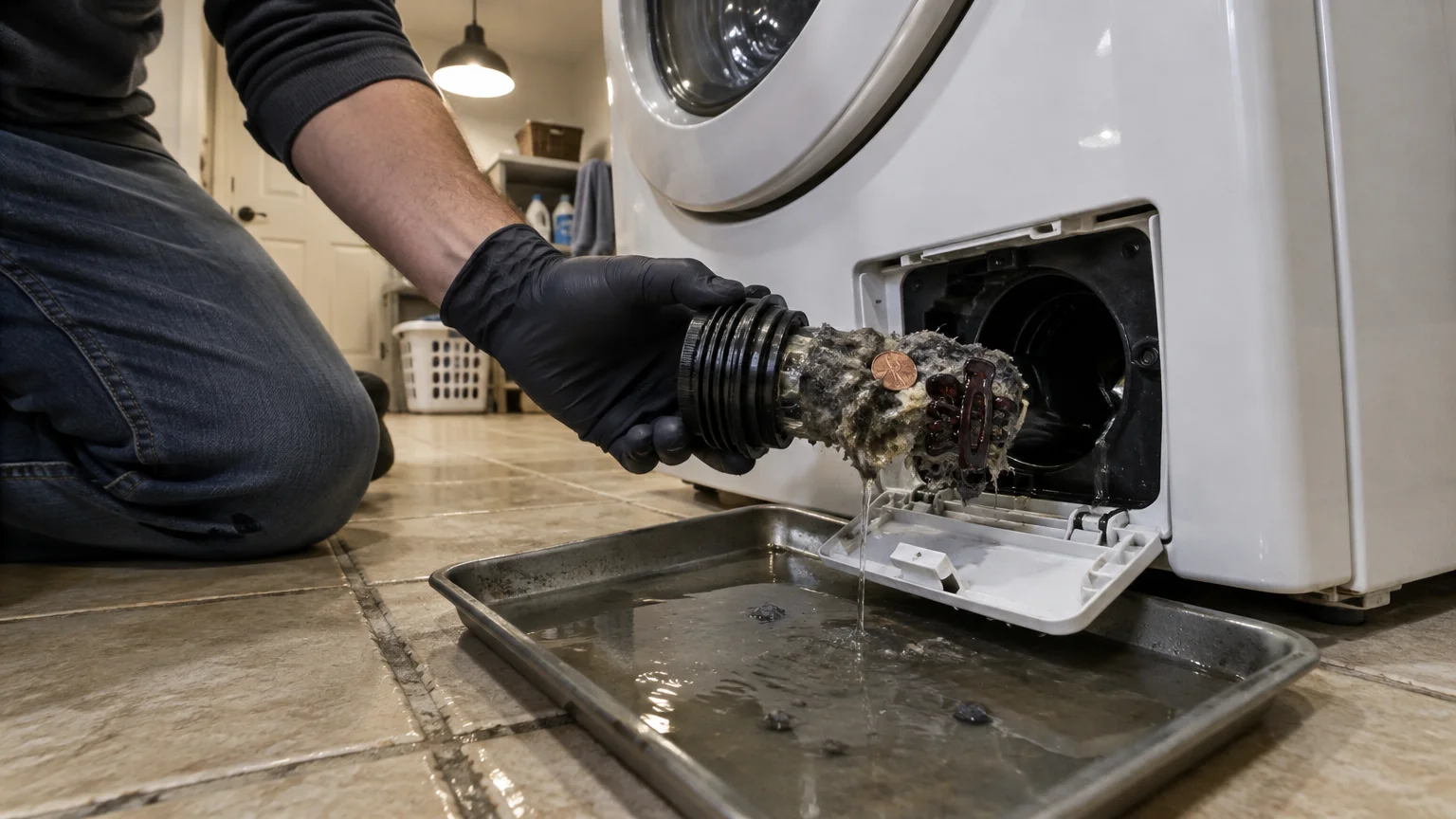
Most front-load washers feature a small maintenance door near the bottom of the front panel. Inside sits the drain pump filter, designed to trap coins, hair, and lint.
When debris clogs this filter, wastewater drains sluggishly or remains trapped inside the pump. That stagnant dirty water produces an unbearable rotten-egg or sewer smell.
Spread an old bath towel and place a shallow pan beneath the filter door. Unclip the small rubber drain tube first to drain excess standing water into a cup.
Unscrew the large filter cap counterclockwise and pull the plastic cylinder out. Rinse away trapped sludge under warm running tap water, clear the housing, and screw the cap back in tightly.
08 Replace Liquid Softener with Distilled White Vinegar
Conventional liquid fabric softeners coat clothing fibers with animal fats and synthetic emulsifiers. Unfortunately, these waxy coatings also coat your washer drum and internal plumbing.
This greasy buildup—often called “scrud”—attracts lint and feeds smelly bacterial colonies. Scrud resists regular rinsing and gradually clogs internal drain channels.
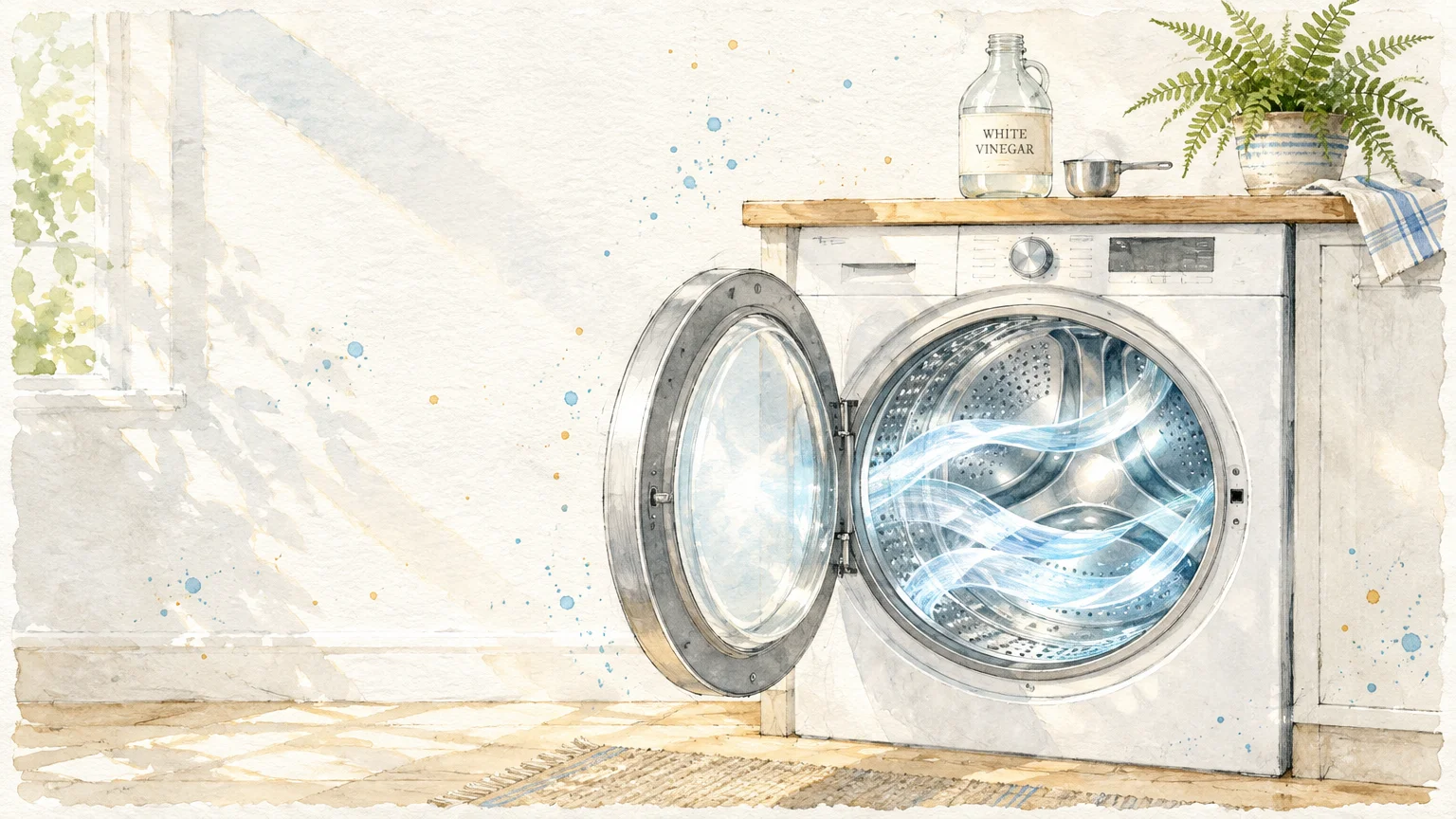
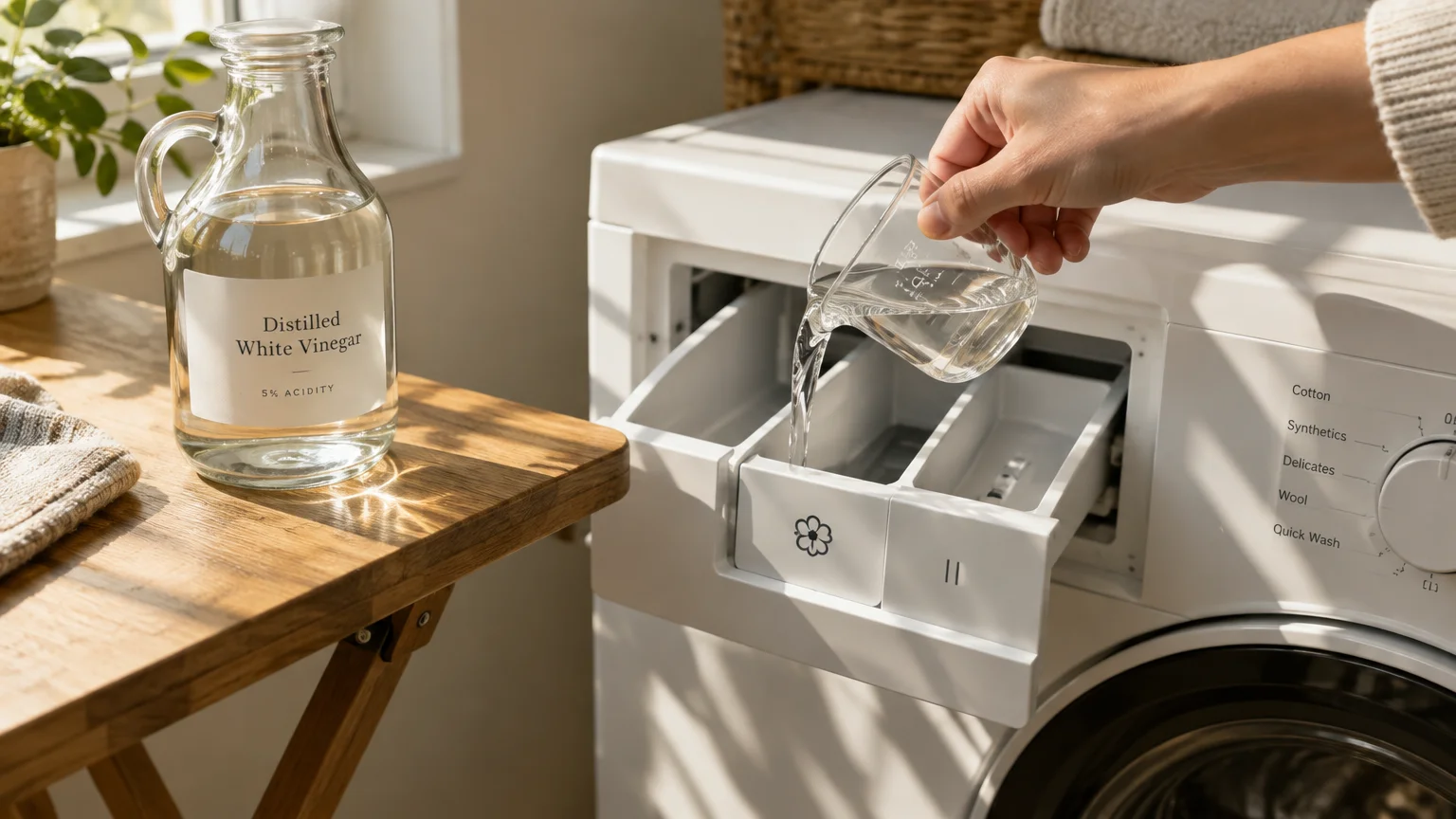
Pour half a cup of distilled white vinegar into the fabric softener compartment instead. Vinegar naturally softens fabrics, dissolves mineral scale, and leaves clothes completely scent-free.
Pair vinegar in the wash with wool dryer balls in the dryer for static-free softness. This straightforward swap keeps your washing machine internal surfaces spotless and odor-free.
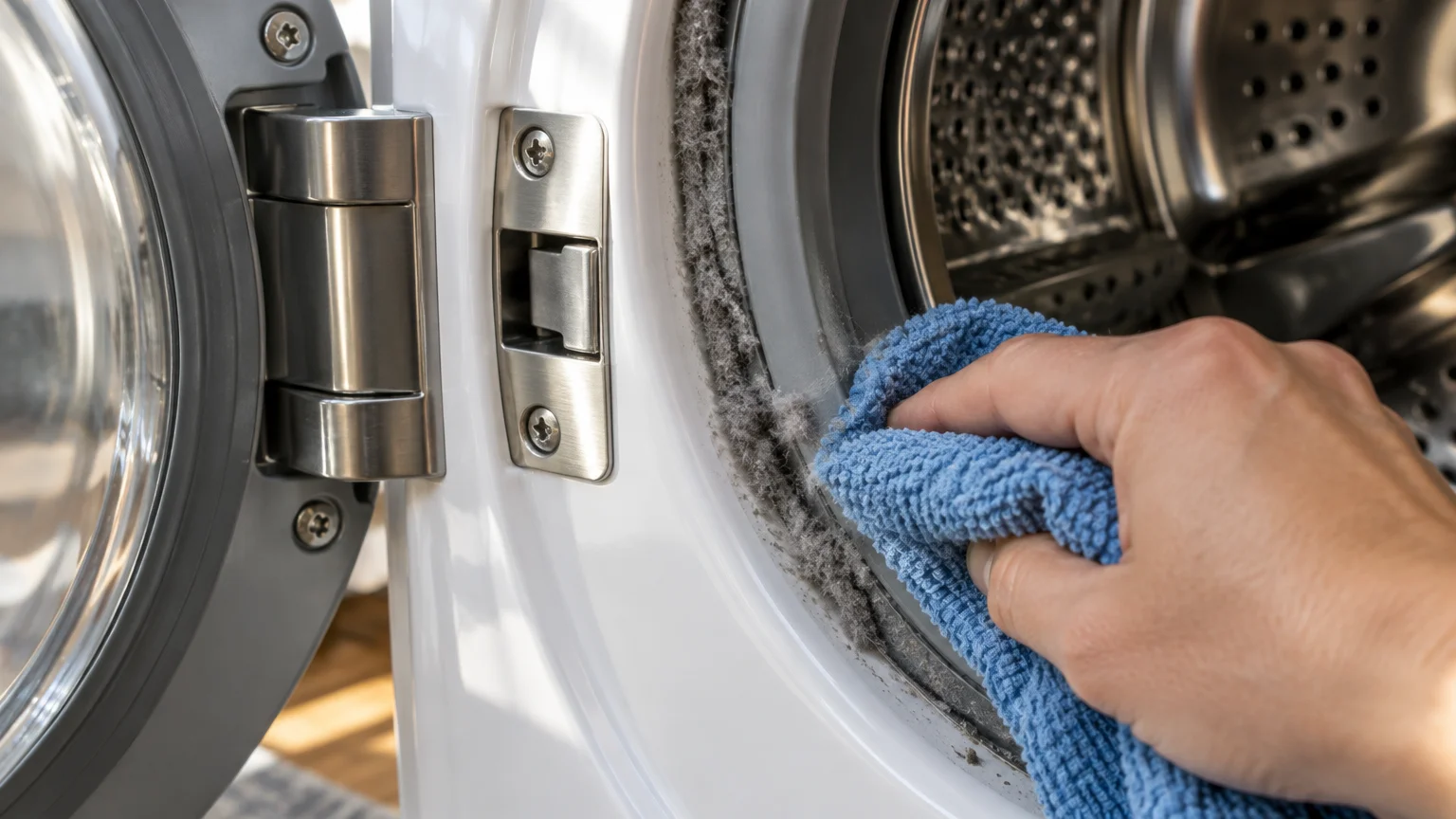
09 Clean Around the Door Rim and Exterior Housing
Lint, hair, and spilled detergent readily collect along the outer lip of the washer drum. Whenever you pull clean laundry out of the machine, it brushes against this accumulated dust.
Wipe the machine exterior, controls, and door frame once a week with an all-purpose cleaner. Keeping the perimeter clean prevents dust from falling into the washer drum.
Clean the glass viewing window inside and out to remove soapy mineral streaks. A clear window allows you to monitor suds levels during cycles easily.
Inspect the door latch and magnetic strike plate for lint buildup. Ensuring a smooth, tight closure maintains the seal and prevents water leaks during operation.
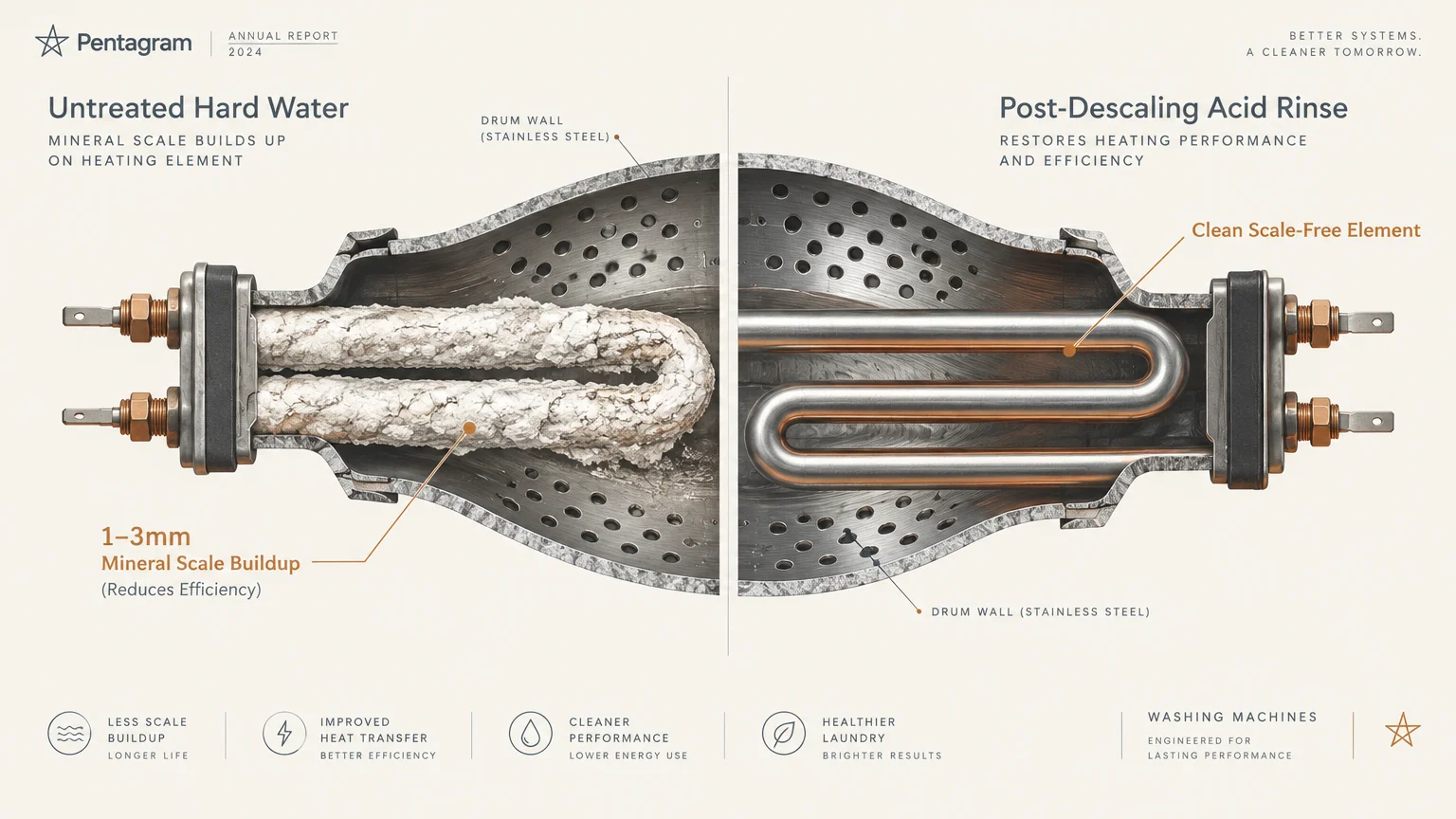
10 Descale Hard Water Mineral Deposits Regularly
Homes with hard water suffer from dissolved calcium and magnesium accumulation. These minerals coat heating elements and drum perforations, creating a rough surface where mold clings.
Descale your washer every three to six months using food-grade citric acid powder. Citric acid safely dissolves mineral scale without corroding internal rubber components or hoses.
Place one cup of citric acid powder directly into the empty drum. Run an empty hot cycle to strip scale, flush the drum, and restore heating efficiency.
Periodic descaling preserves energy efficiency, as verified by Energy Star appliance performance standards. Descaled machines heat water faster and wash clothes more effectively.

Step-by-Step Guide: How to Clean a Washing Machine That Smells
If your washer already smells foul, simple daily habits will not reset it. Follow this targeted step-by-step cleaning sequence to eliminate stubborn biofilm and embedded odors.
- Empty the drum completely: Remove all clothing, stray socks, and washcloths from the drum and door seals.
- Clean the dispenser drawer: Slide out the detergent drawer, soak it in warm soapy water, and scrub away residue.
- Scrub the rubber door gasket: Pull back the rubber folds, spray with diluted vinegar, and wipe out trapped hair and lint.
- Clear the drain pump filter: Drain standing water through the emergency hose, unscrew the filter, and rinse out collected debris.
- Run an intensive hot cycle: Place an oxygen-based cleaner tablet in the empty drum and run your machine on the sanitize cycle.
- Wipe down and air out: Dry the drum interior and gasket with a clean microfiber towel, then leave the door open to air dry.

Chemical Safety: Cleaners You Must Never Mix in Your Washer
When tackling tough washing machine odor, you might feel tempted to combine multiple cleaners. Mixing common household cleaning chemicals can create lethal gases and cause severe respiratory harm.
Never combine chlorine bleach with vinegar, citric acid, or ammonia. The Centers for Disease Control and Prevention (CDC) warns that mixing bleach with acids produces toxic chlorine gas.
If you run a sanitizing cycle using bleach, perform an extra empty water rinse afterward. Only introduce vinegar or citric acid after all bleach residue has been flushed down the drain.
Always keep your laundry room well-ventilated by turning on an exhaust fan or opening a window. Good airflow protects your lungs while working with concentrated cleaning agents.
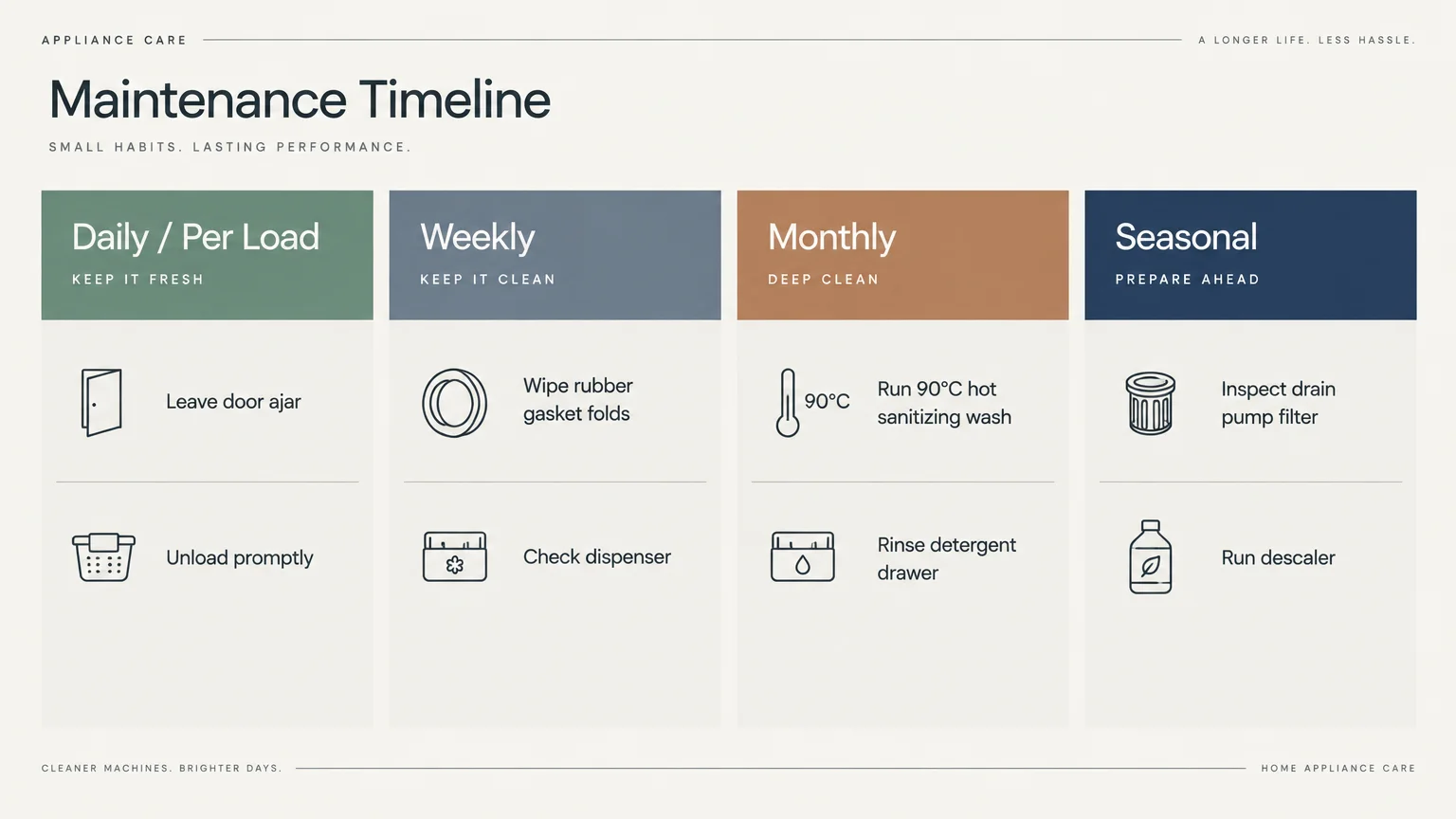
Washing Machine Care Schedule: Daily to Seasonal Checklist
Maintaining a fresh washing machine does not require hours of heavy labor. Breaking down tasks into manageable intervals keeps your laundry habits simple and stress-free.
| Frequency | Maintenance Task | Why It Matters | Time Required |
|---|---|---|---|
| Daily / Per Cycle | Leave door open and unload wet clothes immediately | Prevents moisture stagnation and halts mildew growth | 15 seconds |
| Weekly | Wipe rubber gasket folds and clean door glass | Removes trapped hair, lint, and standing water | 1 minute |
| Monthly | Run a hot tub-clean cycle and scrub dispenser drawer | Dissolves detergent scum and sanitizes hidden tub walls | 5 minutes |
| Quarterly | Clear drain pump filter and descale mineral deposits | Restores fast water drainage and removes hard water scale | 10 minutes |
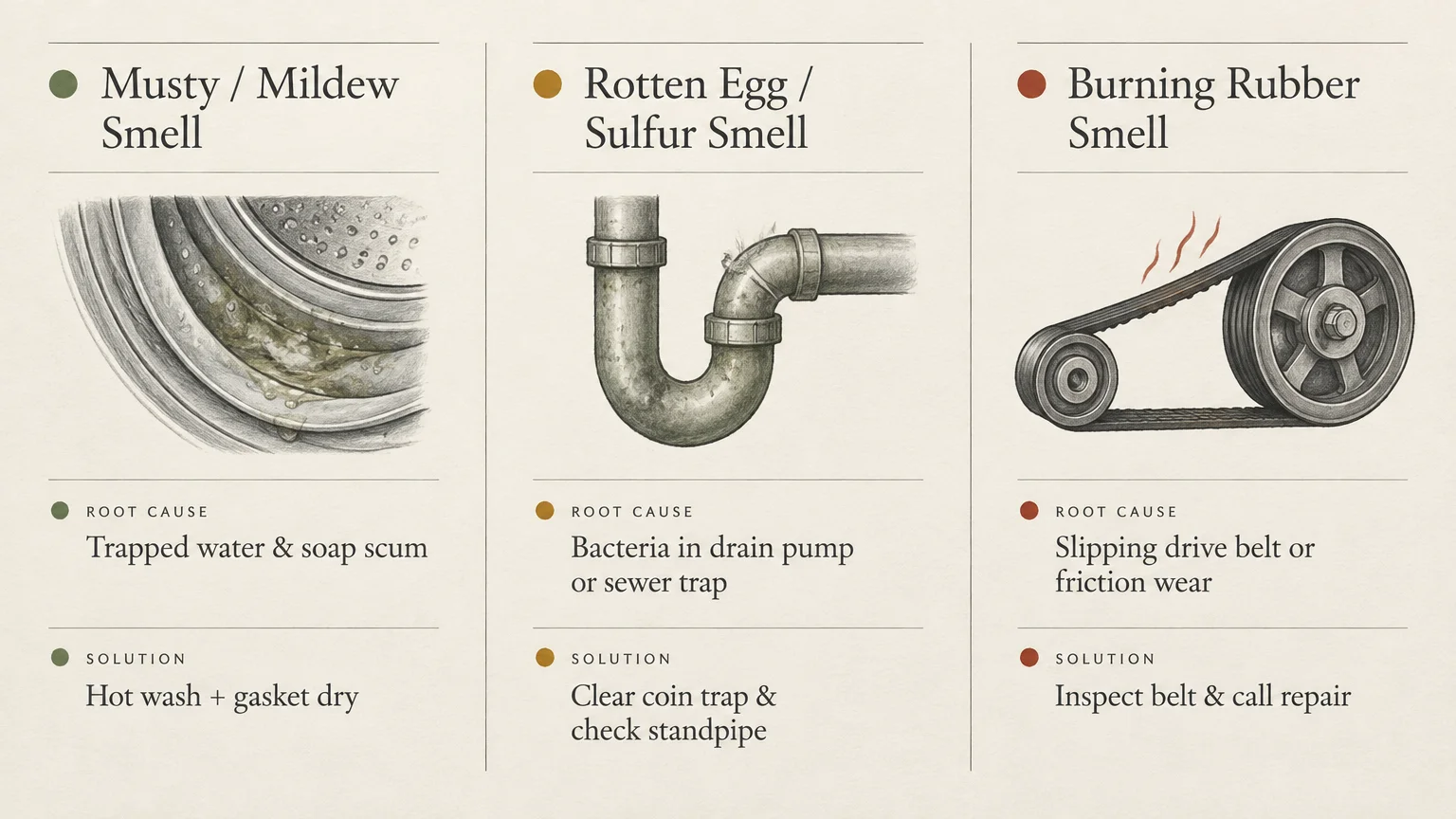
Troubleshooting Specific Washing Machine Odors
Different smells point to distinct mechanical or biological issues inside your machine. Identifying the exact scent helps you apply the correct cleaning remedy quickly.
Rotten Egg or Sewer Smell
A sewage odor typically points to stagnant water trapped in your drain pump filter. Clear the lower coin trap and verify that your drain hose does not sit too deep in the standpipe.
If the smell persists, inspect your household plumbing drain lines. A dried-out P-trap allows sewer gases to rise directly into your laundry room.
Sour Mildew or Damp Basement Smell
Musty odors indicate mold thriving inside the door gasket, dispenser drawer, or outer tub. Run a hot cycle with an oxygen cleaner and wipe the gasket folds thoroughly.
Always leave the washer door open after washing to eliminate the damp conditions mold needs to survive. Promptly unloading wet clothes will keep this odor from returning.
Chemical or Burning Odor
A sharp burning rubber or electrical scent indicates mechanical friction or a slipping drive belt. Stop the cycle immediately and inspect the drum for resistance when turned by hand.
If you smell melted plastic or hot wiring, disconnect the power cord right away. Contact a certified appliance technician to inspect the motor and internal wiring before running another load.
What to Do If Odors Won’t Go Away
Some persistent washing machine odor problems survive regular maintenance washes. When basic surface cleaning fails, deeper mechanical areas require your attention.
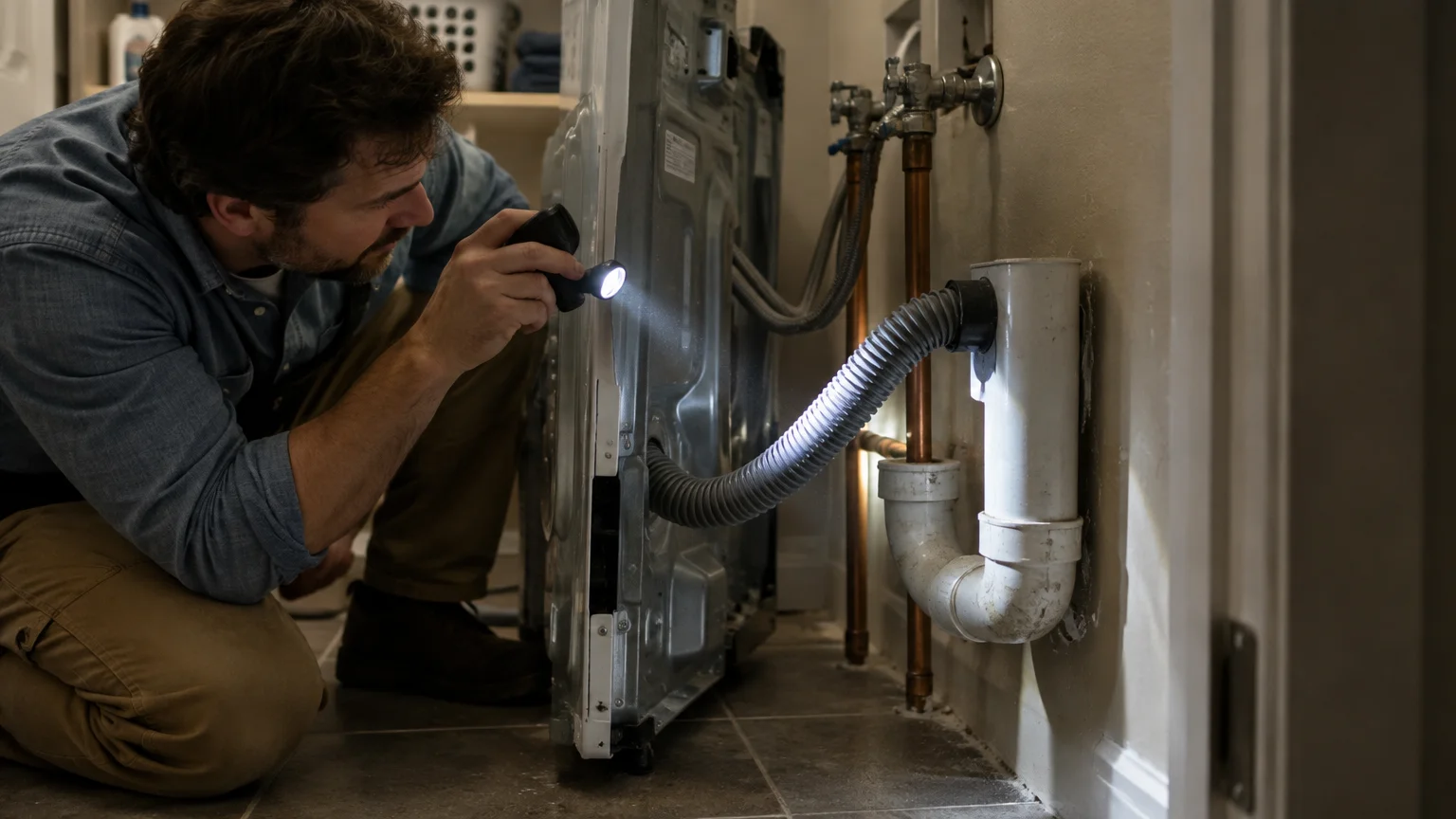
Check the drain standpipe behind your machine for partial blockages. A slow-draining sewer pipe causes dirty wastewater to back siphon into the machine drum during spin cycles.
Inspect the corrugated drain hose for trapped sludge and bacterial slime. Detach the hose and flush it outdoors with a high-pressure garden hose to clear built-up organic muck.
In rare cases, extensive black mold penetrates the internal spider arm bracket behind the drum. If sour smells persist despite deep cleaning, a professional technician may need to disassemble the tub.
Your Next Step to a Fresh Washer
Start right now by opening your washing machine door and checking inside the rubber door gasket. Wipe away any pooled water or trapped lint with a clean, dry microfiber cloth.
Set a recurring monthly calendar reminder on your phone to run a hot maintenance wash. Adopting these small daily habits will keep your washer fresh, clean, and whisper-quiet for years to come.