

A sparkling tub transforms your daily wash into a relaxing retreat while protecting your home investment. You can easily keep your bathtub clean without exhausting scrubbing sessions by adopting simple, proactive routines.
Daily micro-habits stop grimy soap scum, hard water minerals, and slippery residues before they bond to delicate finishes. Consistent care preserves that bright, factory-fresh gloss year after year.
Discover ten effortless bathtub cleaning habits and bathroom cleaning tips that eliminate heavy labor and extend the life of your fixture.
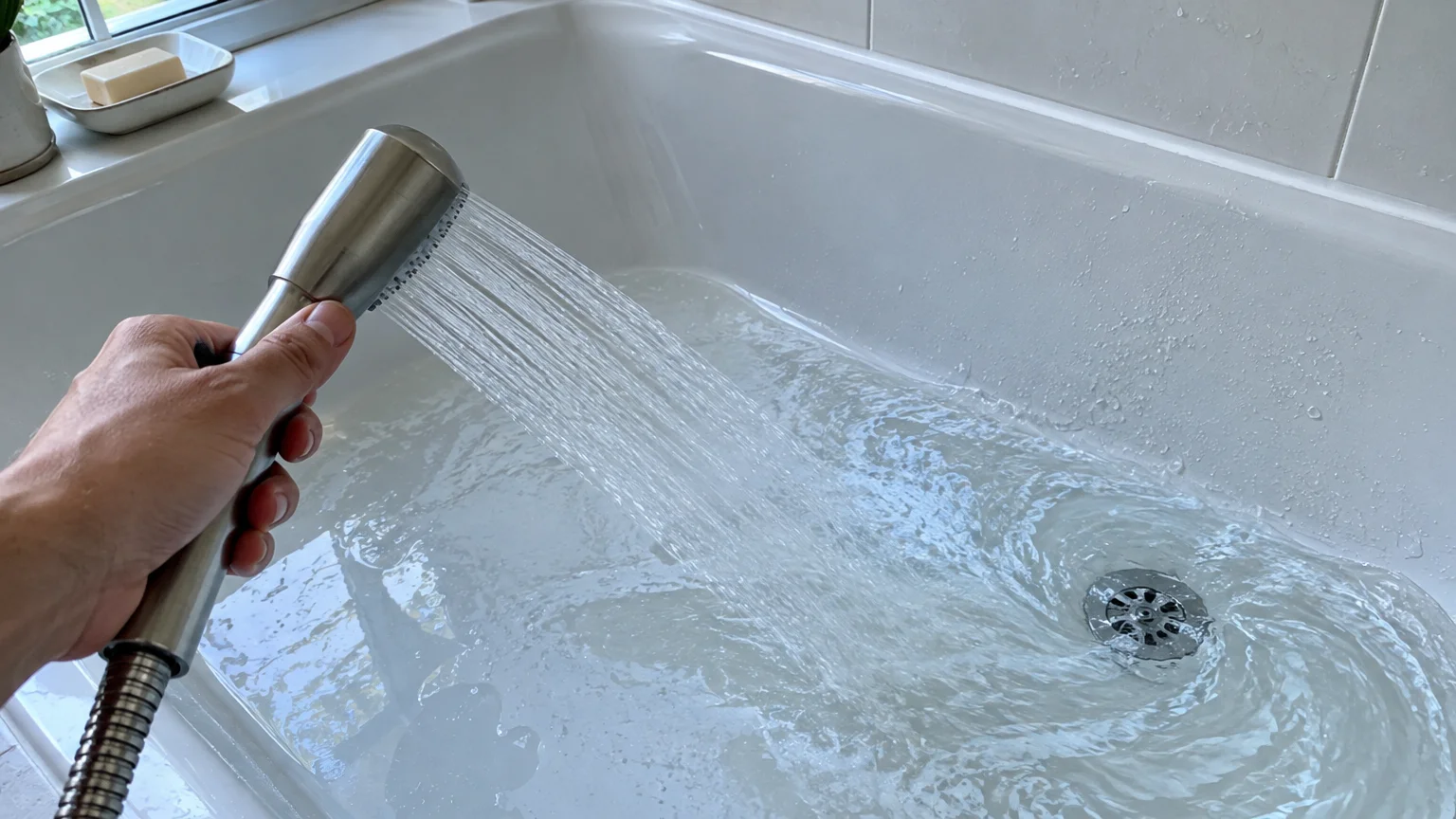
Habit 1: Rinse the Basin Immediately After Every Use
Warm bath water dissolves body oils, bubble solutions, and exfoliating scrubs during your soak. As the water drains away, these organic compounds cling to the basin floor and walls.
If you allow this damp residue to air-dry, it hardens into an adhesive film that attracts airborne dust. Rinse the entire tub with clean warm water immediately after bathing.
Keep a lightweight handheld showerhead or an unbreakable rinsing cup resting on your shower ledge. A 20-second rinse flushes away lingering grime before it bonds to delicate enamel or acrylic.
Making this quick rinse a muscle-memory habit serves as your primary defense in long-term bathtub stain prevention.
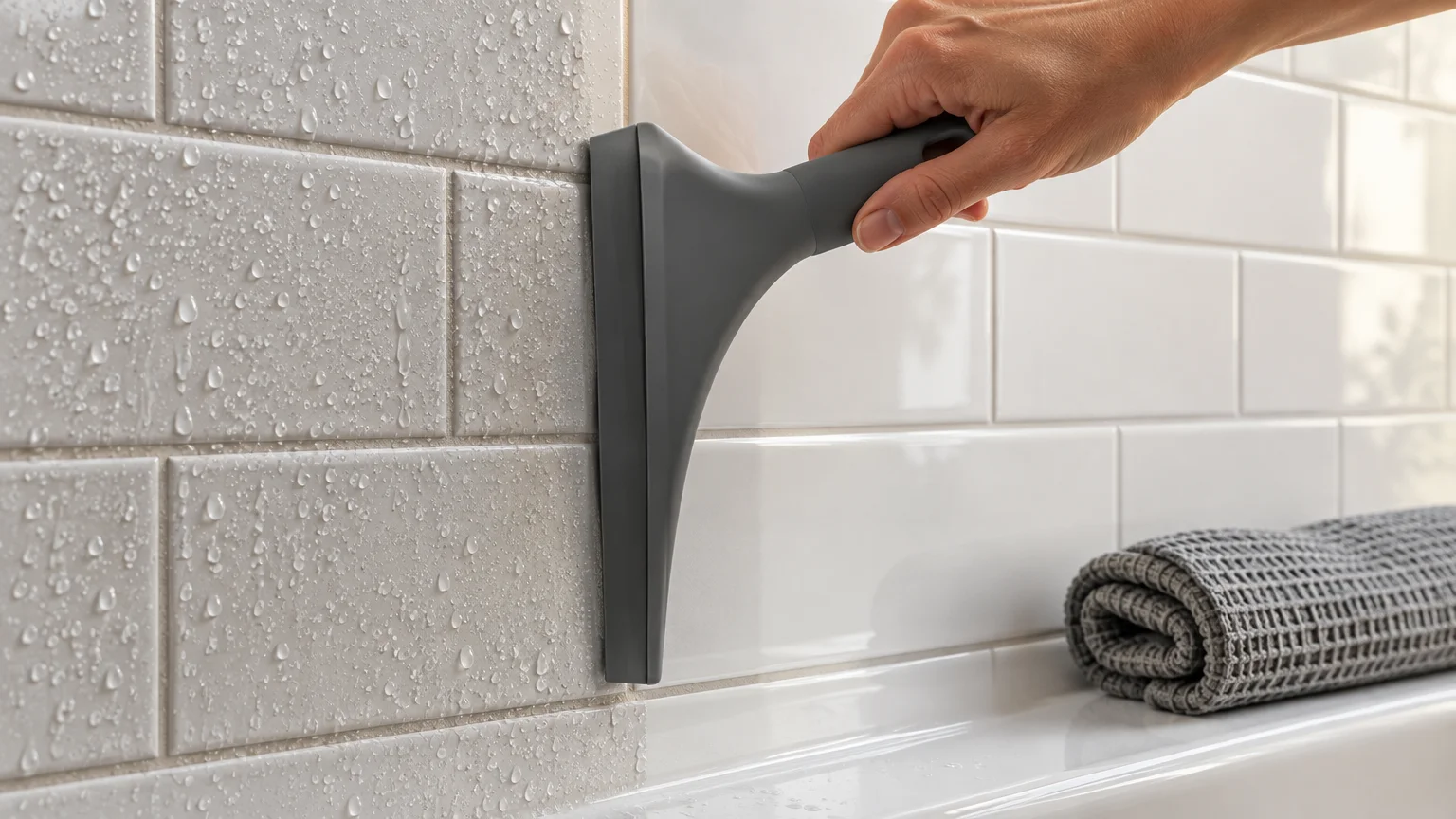
Habit 2: Squeegee Water Off Surrounding Walls and Flat Ledges
Standing water droplets do not evaporate cleanly; they leave behind chalky dissolved minerals. According to the USGS water hardness guidelines, dissolved calcium and magnesium rapidly solidify into crusty limescale.
Run a compact silicone squeegee down your tub surround to guide standing droplets straight into the drain. Silicone blades conform to curved corners and textured tiles much better than rigid plastic edges.
Follow up by wiping horizontal surfaces—such as shampoo ledges and faucet decks—with a dry microfiber towel.
Removing surface moisture eliminates water spotting and denies mold spores the damp breeding ground they crave.
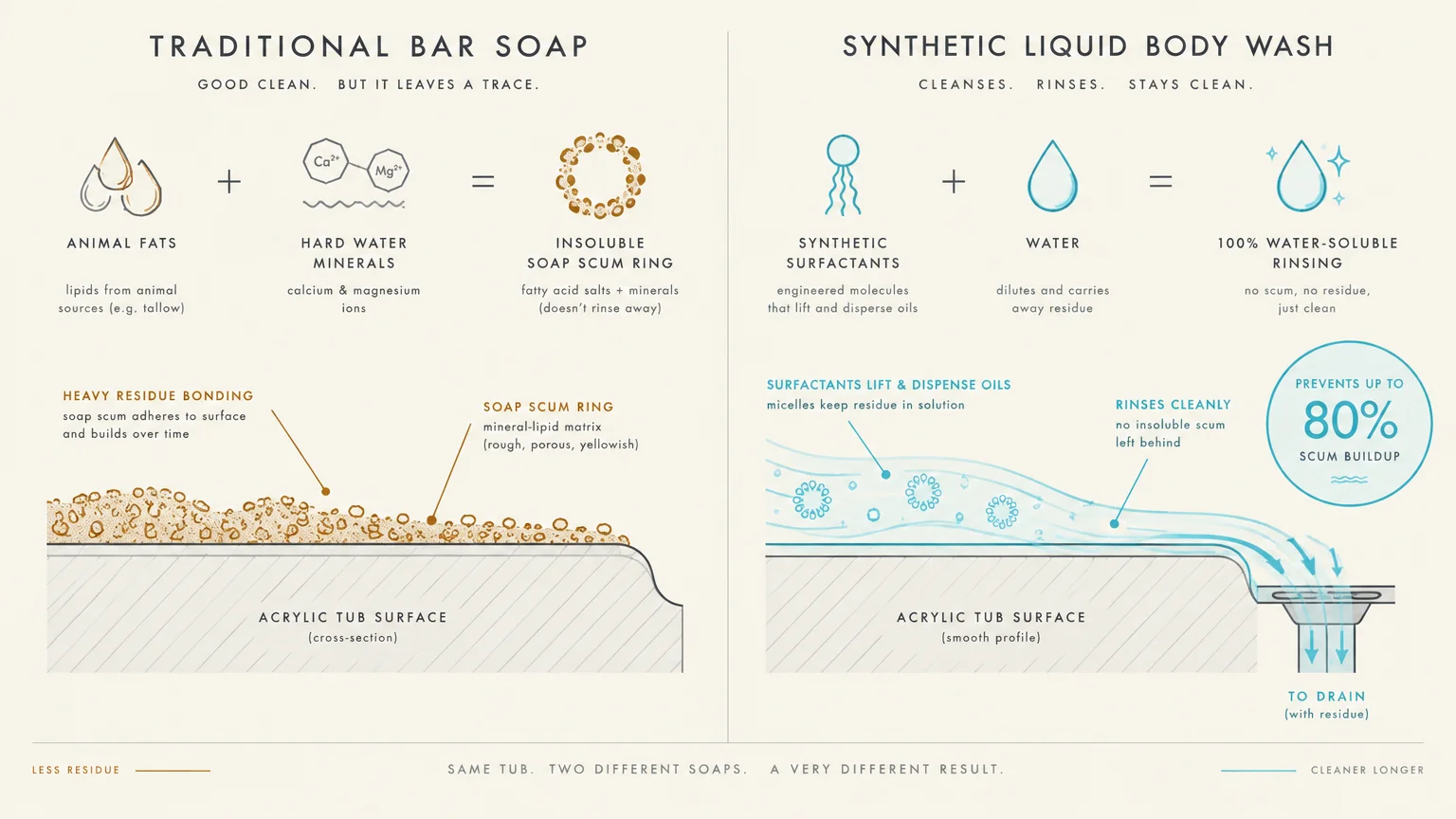
Habit 3: Replace Traditional Bar Soaps with Liquid Body Washes
Traditional bar soaps contain animal fats and vegetable tallow bound together with alkaline salts. When these fatty acids combine with minerals in your water supply, they produce greasy soap scum.
Liquid body washes and shower gels rely on synthetic detergents that dissolve completely and rinse away freely. The American Cleaning Institute confirms that synthetic cleansing agents substantially minimize bathtub residue.
Switching to liquid wash instantly prevents up to 80 percent of common bathtub scum buildup.
You will spend far less time scrubbing grime rings simply by swapping your shower soap format.
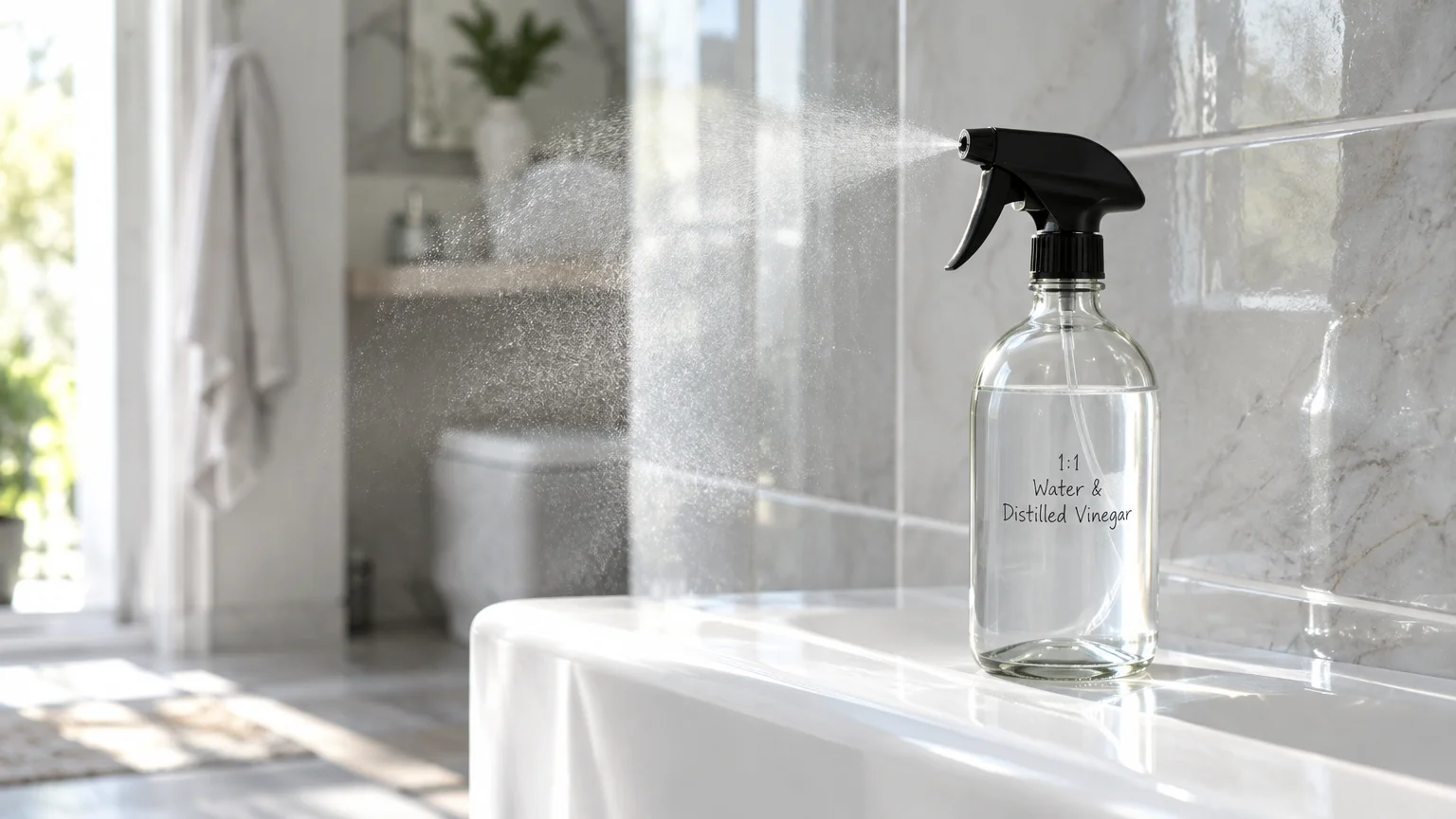
Habit 4: Mist Surfaces with a Daily Maintenance Spray
Daily shower sprays work passively between deep cleanings to dissolve light soap residues. Spray the warm, damp walls and basin right after your post-shower rinse.
You can prepare an economical homemade spray by mixing one cup of water, one cup of distilled white vinegar, and two drops of dish soap. Use this blend only on acrylic, fiberglass, and porcelain tubs.
If your tub features natural stone surrounds like marble or travertine, choose a pH-neutral commercial daily shower spray instead. Acidic vinegar can permanently etch and pit natural calcium-based stone.
Because daily misting prevents residues from solidifying, you never have to scrub stubborn rings on your hands and knees.
Habit 5: Clear Hair and Drain Openings Every Week
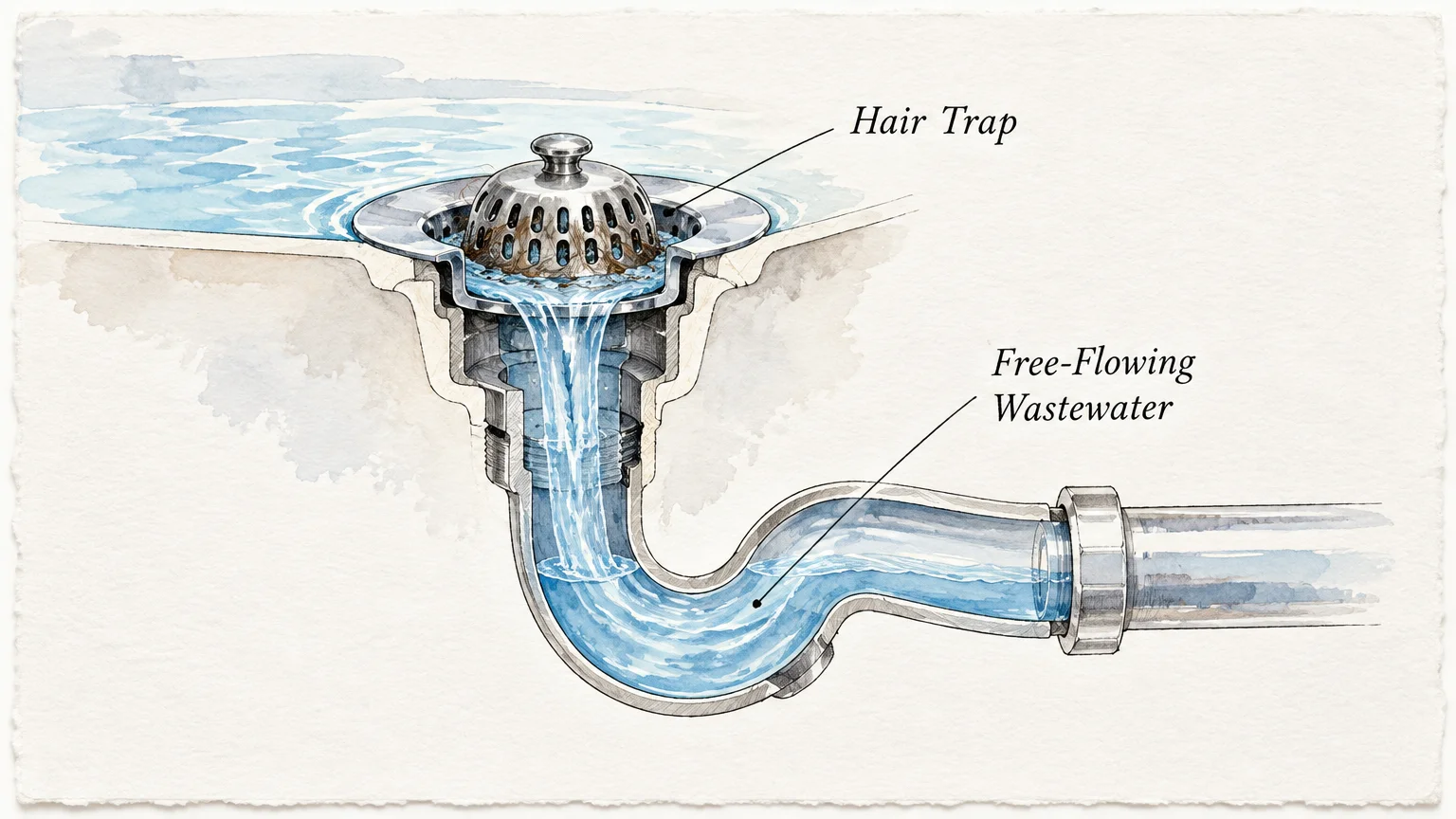
Loose hair catches soap curds, bath oils, and conditioner, creating dense blockages inside tub drains. When wastewater drains slowly, dirty bathtub water pools and leaves a dark scum ring along your tub perimeter.
Place a silicone hair catcher or fine stainless steel mesh basket over your drain opening. Empty the collected hair into the trash can after every bath or shower.
Once a week, lift the drain stopper and flush the pipe with a kettle of steaming water. Hot water dissolves sticky conditioner residues before they form stubborn interior clogs.
Maintaining a fast, free-flowing drain ensures dirty rinse water exits the tub immediately without leaving tidemarks behind.
Habit 6: Clean Exclusively with Non-Abrasive Cleaners and Tools
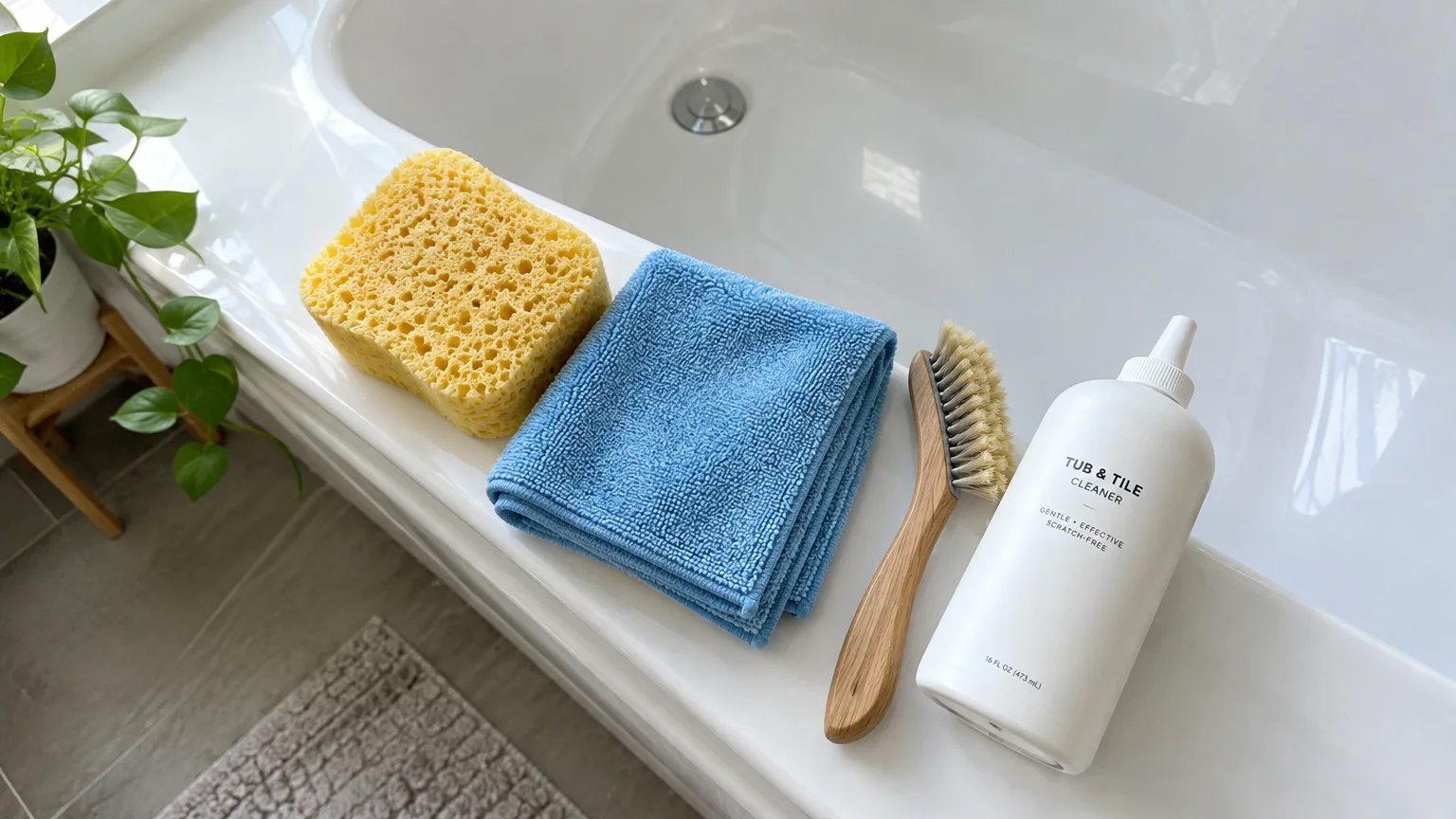
Abrasive scouring powders, bleach crystals, and stiff wire pads scour microscopic scratches into acrylic and porcelain surfaces. These scratches destroy the glossy protective glaze and trap dirt deeper inside the fixture.
Master how to clean a bathtub safely by using soft microfiber cloths, cellulose sponges, and gentle liquid cleaners. A mild liquid dish soap cuts through body oils effortlessly without damaging the finish.
If you need extra scrubbing power for stubborn residue, sprinkle a light layer of baking soda over a wet sponge. Baking soda provides gentle mechanical lift with zero risk of gouging sensitive surfaces.
Protecting your tub glaze ensures the smooth surface continues to shed water and dirt naturally.
Matching Bathtub Materials to Safe Cleaning Methods
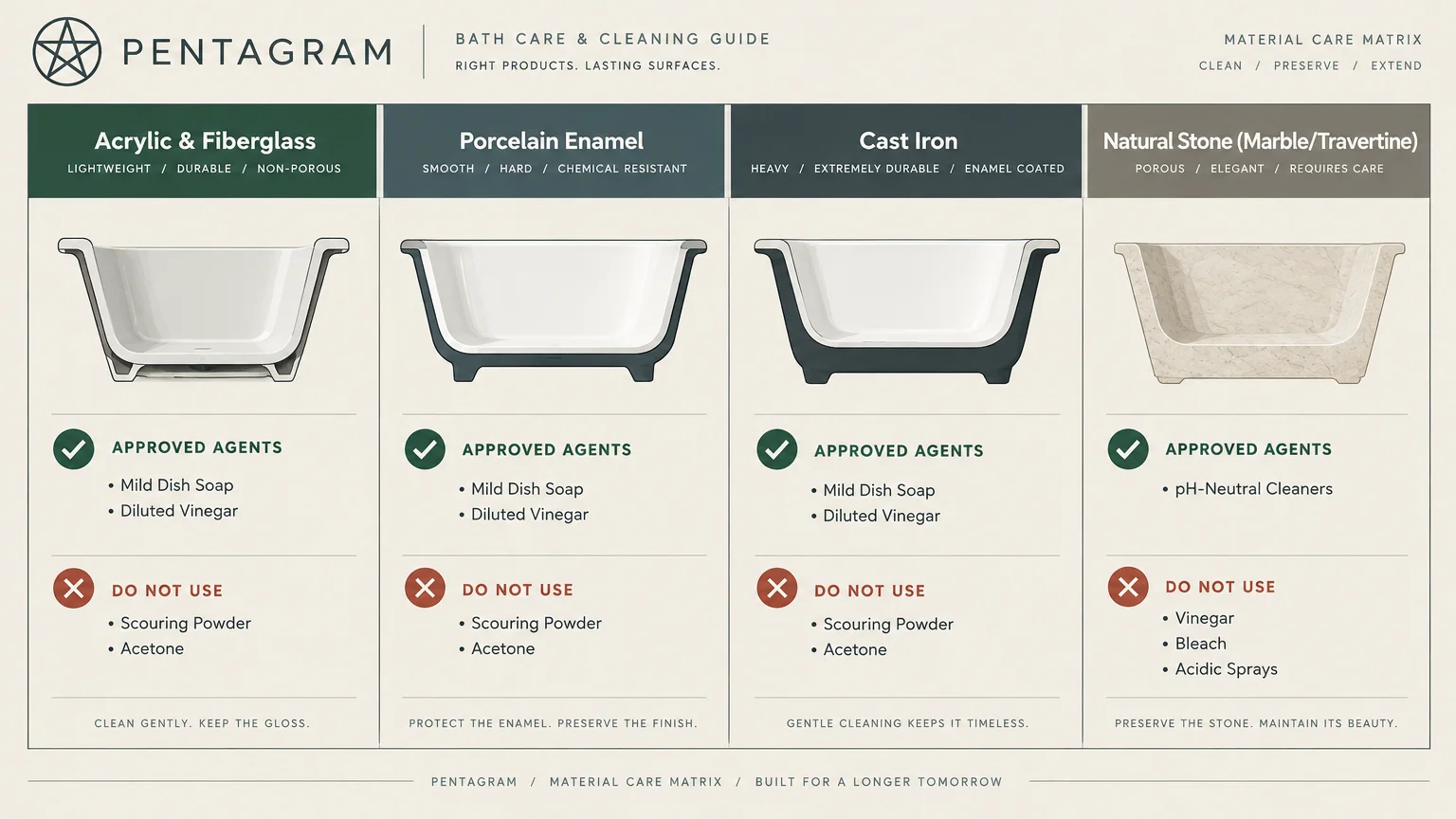
Using incorrect cleaning products can void warranties and cause permanent surface pitting. Consult this reference guide before applying any new solution to your bathtub.
| Tub Material | Recommended Cleaners | Tools to Avoid | Key Surface Risks |
|---|---|---|---|
| Acrylic & Fiberglass | Mild dish soap, diluted vinegar, baking soda paste | Steel wool, stiff bristle brushes, scouring powders | Micro-scratches, dull haze, and lost surface gloss |
| Porcelain-Enameled Steel or Iron | Baking soda, pH-neutral cleaners, mild dish liquid | Wire scouring pads, undiluted harsh mineral acids | Enamel chipping, rust spot formation, and acid etching |
| Cultured Marble & Natural Stone | pH-neutral stone soap, warm water, liquid Castile soap | Vinegar, lemon juice, bleach, abrasive creams | Severe chemical etching, seal degradation, and clouding |
| Solid Surface (Resin) | Mild bathroom spray, soapy water, gentle cream polish | Harsh chemical strippers, dry scrub pads | Discoloration, solvent staining, and uneven sheen |
Always test any new cleaning formula on a small, hidden corner of the tub apron before widespread application.
This brief test ensures the chemical will not dull, stain, or etch your specific fixture finish.
Habit 7: Run Ventilation Fans to Keep Humidity Low
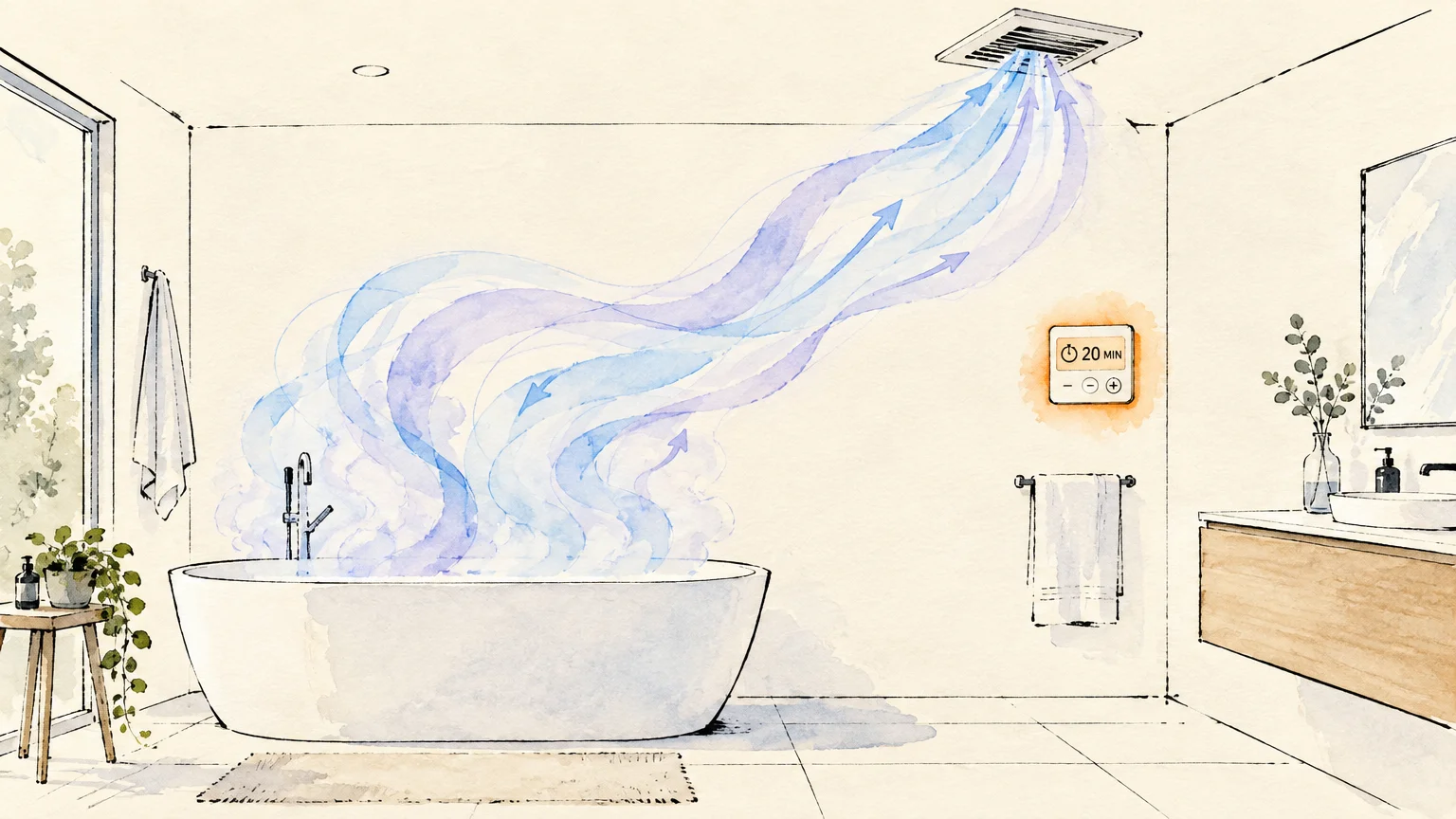
Damp bathroom air encourages rapid colonization by mold and mildew spores along silicone caulking and grout. The CDC mold guidelines emphasize controlling indoor moisture as the single most effective defense against fungal growth.
Turn on your bathroom exhaust fan before turning on the water, and run it for 20 minutes after bathing. If your bathroom lacks a mechanical exhaust fan, open an exterior window and set up a small oscillating fan.
Swift air movement dries damp crevices where mold spores take root. Keeping moisture levels below 50 percent stops black mold from degrading your tub caulk and requiring premature replacement.

Habit 8: Hang Bath Mats and Liners to Dry Completely
Non-slip suction mats protect against slips, but their suction cups trap soapy water against the tub floor. This stagnant environment creates a breeding ground for pink bacterial slime and smelly mildew.
Peel the bath mat off the tub floor as soon as you finish bathing. Drape the mat over your shower curtain rail or a hook so air circulates freely on both sides.
Wash machine-safe fabric mats every week and scrub rubber suction mats twice a month. Keeping the tub floor bare between uses preserves the smooth porcelain or acrylic glaze.
Pull your shower curtain liner fully closed after each use so water runs off and folds do not mildew.
Habit 9: Dissolve Hard Water Minerals Before They Etch
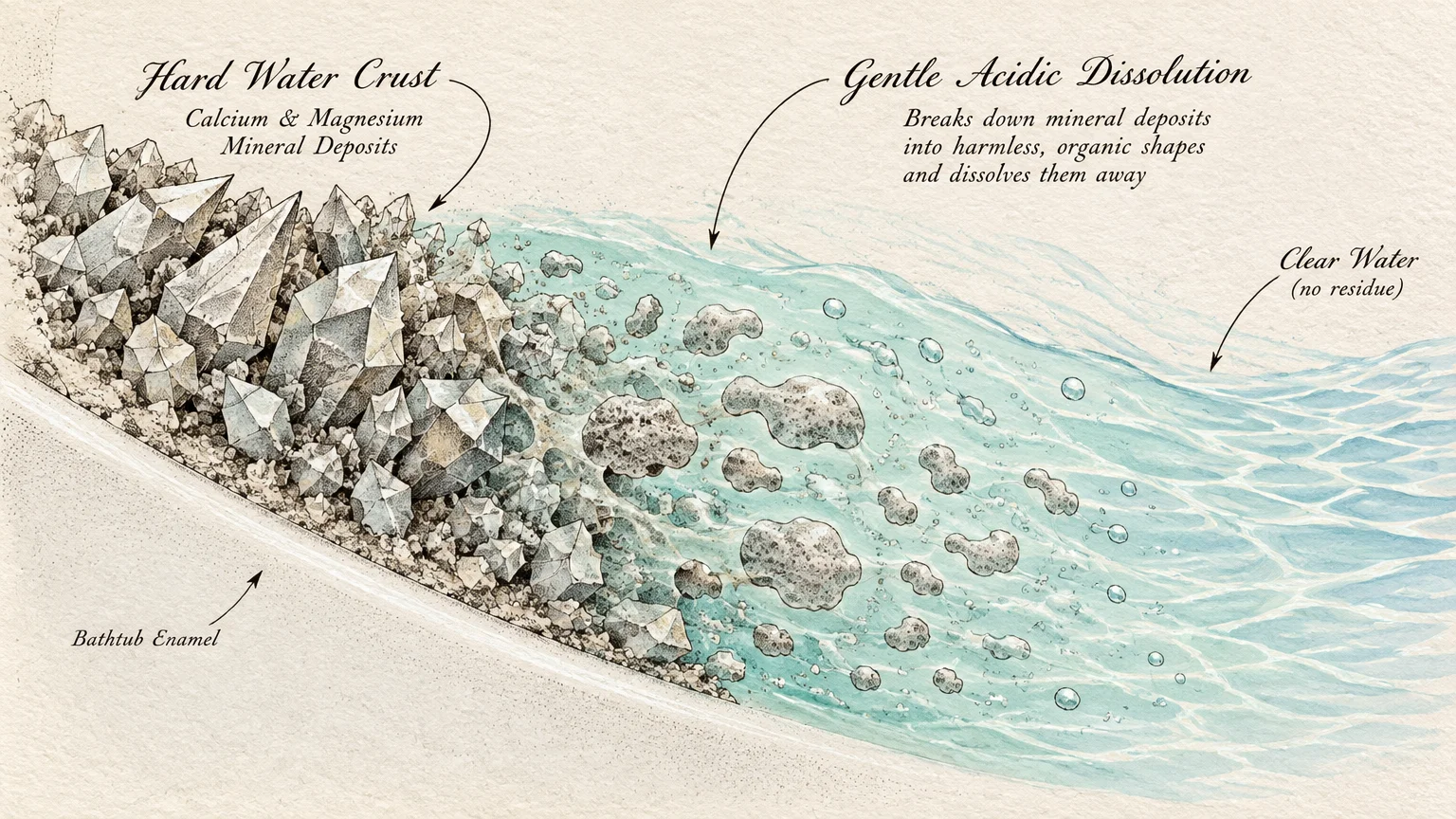
Evaporating water deposits dissolved calcium carbonate around your chrome fixtures, overflow cover, and drain trim. Over time, these mineral rings harden into stubborn scale that etches metal and dulls surrounding enamel.
To remove buildup without scratching chrome, saturate a microfiber rag in warm distilled white vinegar. Wrap the soaked cloth around the mineral-encrusted fixture and let it rest for 15 minutes.
The mild acetic acid dissolves the calcified bond without pitting the polished metal underneath. Wipe the fixture clean with a damp microfiber cloth and buff it dry with a clean towel.
Regular mineral removal prevents permanent clouding and preserves that brilliant, showroom-quality sparkle on your faucets.
Habit 10: Perform a Consistent Weekly Reset Clean
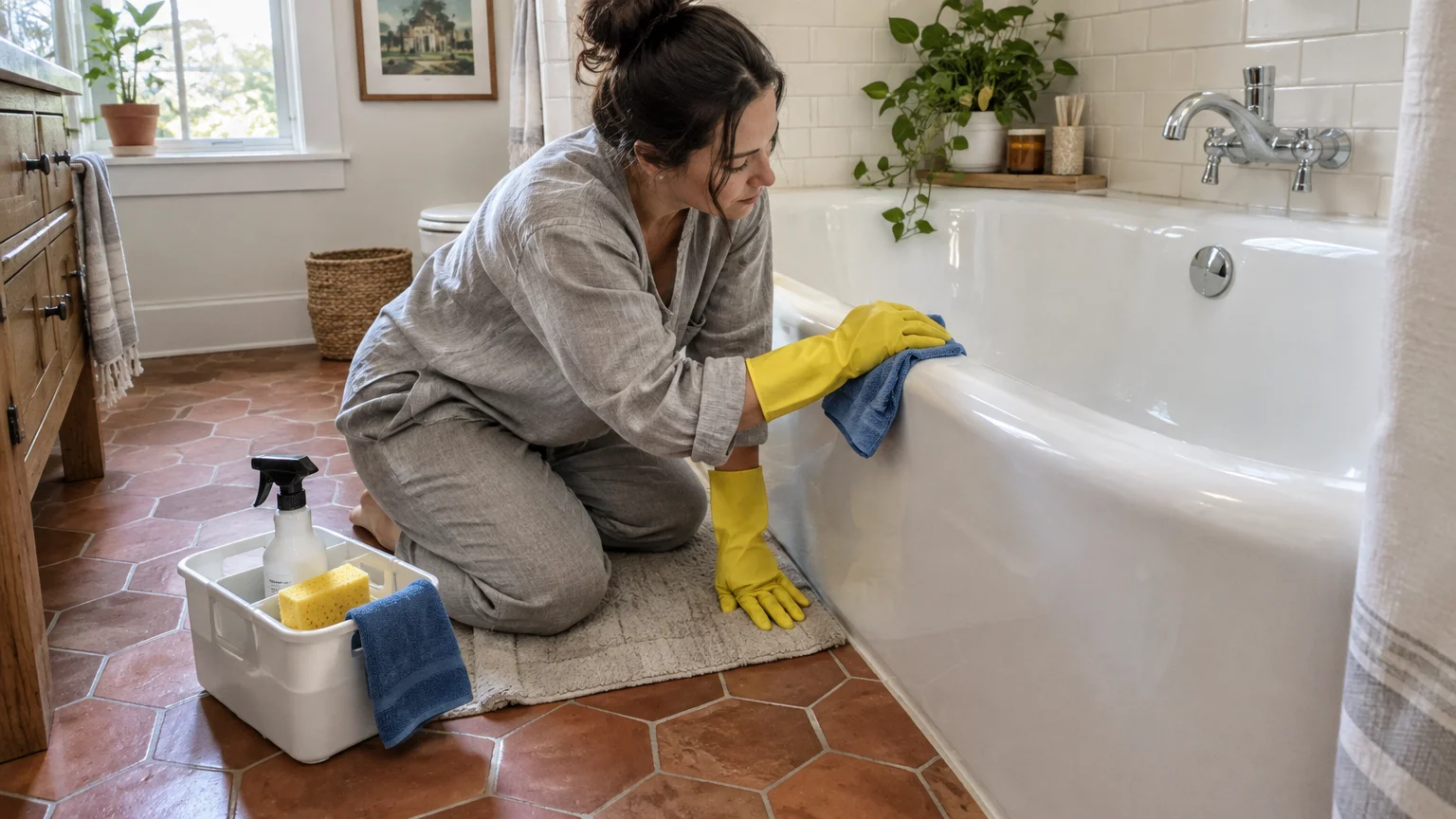
Daily maintenance handles surface moisture, but a structured weekly reset cleans away invisible body oils and fine dust. Dedicating ten minutes once a week keeps heavy deep cleaning off your chore list entirely.
Spray a generous layer of non-abrasive bathroom cleaner across the tub walls and let it sit for five minutes. Chemical dwell time lets the surfactants break down greasy grime so you do not have to scrub.
Wipe the surfaces smoothly using a wide microfiber washing mitt or a soft cellulose sponge. Rinse the basin completely with clean warm water from your showerhead or rinsing cup.
Finish by buffing the tub dry with a clean microfiber towel to eliminate all water spots.

Chemical Safety Rules: Mixtures You Must Never Combine
Mixing common household cleaning agents can produce deadly chemical reactions in enclosed bathroom spaces. According to the CDC chemical safety warnings, combining chlorine bleach with acids or ammonia creates toxic chloramine and chlorine gas.
Never combine bleach with vinegar, lemon juice, or commercial limescale removers. Inhaling these generated vapors causes severe respiratory distress, eye burns, and lasting internal damage.
Similarly, never mix bleach with ammonia-based glass cleaners or toilet bowl cleaners. If you decide to switch between different cleaning products, thoroughly rinse the tub with plain water first.
Always open bathroom windows and run ventilation fans whenever you work with commercial cleaning products.
Step-by-Step Bathtub Maintenance Schedules
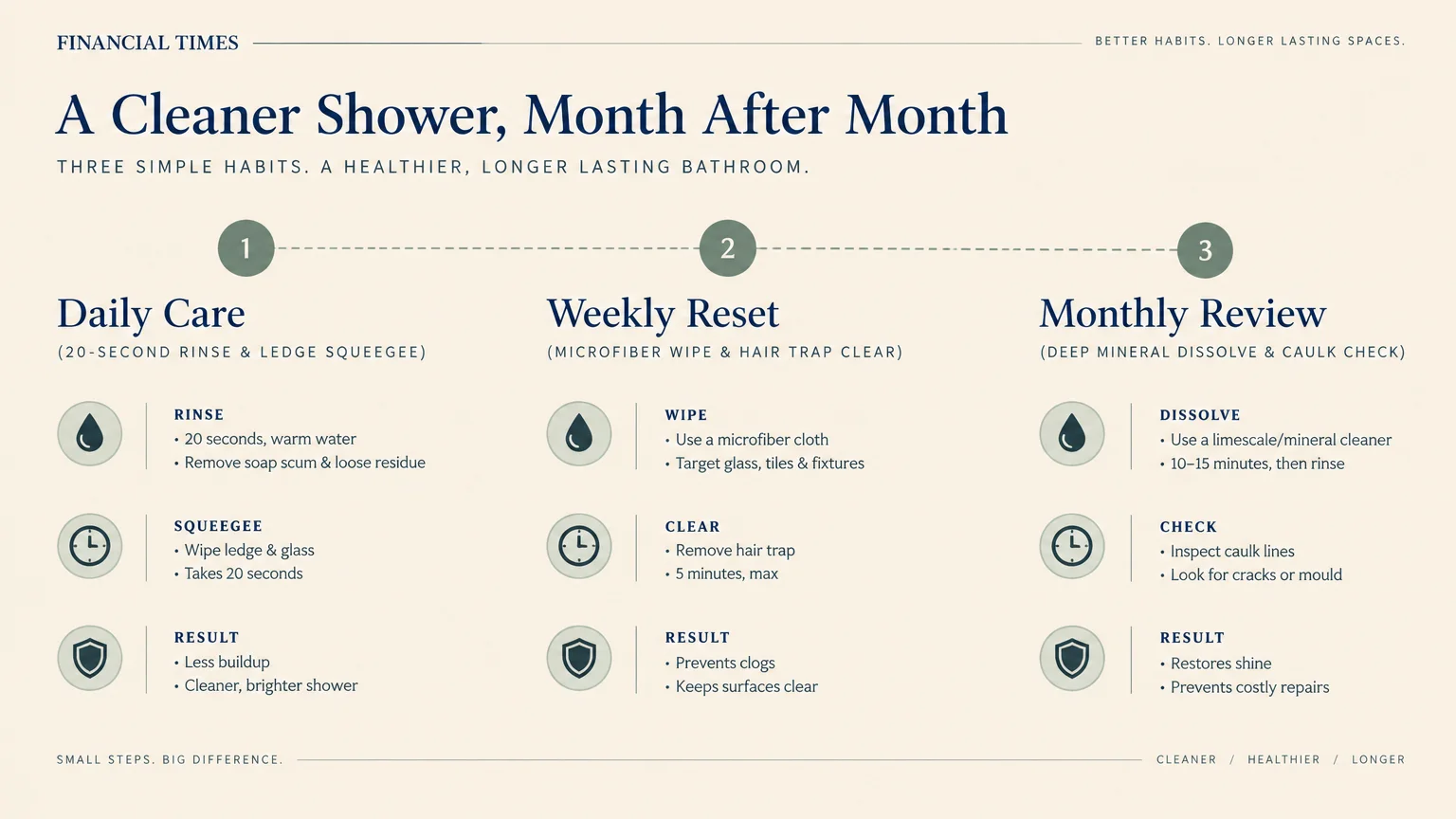
Building predictable cleaning rhythms ensures your bathtub stays immaculate with minimal physical effort. Use these simple step-by-step checklists to guide your daily and weekly cleaning sessions.
The 60-Second Daily Routine:
- Rinse: Wash down residual bath oils, soaps, and loose hairs using warm running water.
- Squeegee: Wipe down shower walls and flat tub edges toward the drain to eliminate droplets.
- Mist: Spray basin walls lightly with a daily maintenance mist to dissolve soap scum.
- Lift: Unstick rubber floor mats and hang them over the rail to dry thoroughly.
- Ventilate: Keep the exhaust fan running for 20 minutes to purge ambient humidity.
This daily routine prevents soap scum and mineral scale from ever adhering to your bathtub.
The 10-Minute Weekly Reset Routine:
- Clear Drain: Remove collected hair from the strainer basket and flush the pipe with hot water.
- Apply Cleaner: Coat basin walls with a non-abrasive, surface-safe liquid bathroom cleaner.
- Dwell Time: Wait five minutes to allow the surfactants to dissolve stubborn skin oils and grease.
- Soft Wipe: Glide a damp microfiber sponge across all surfaces using smooth circular motions.
- Rinse & Buff: Rinse with clean water and buff chrome fixtures dry with a fresh microfiber cloth.
Following this weekly schedule maintains spotless tub walls and prevents heavy grime from forming.
Bathtub Stain Prevention: Rapid Solutions for Common Discolorations
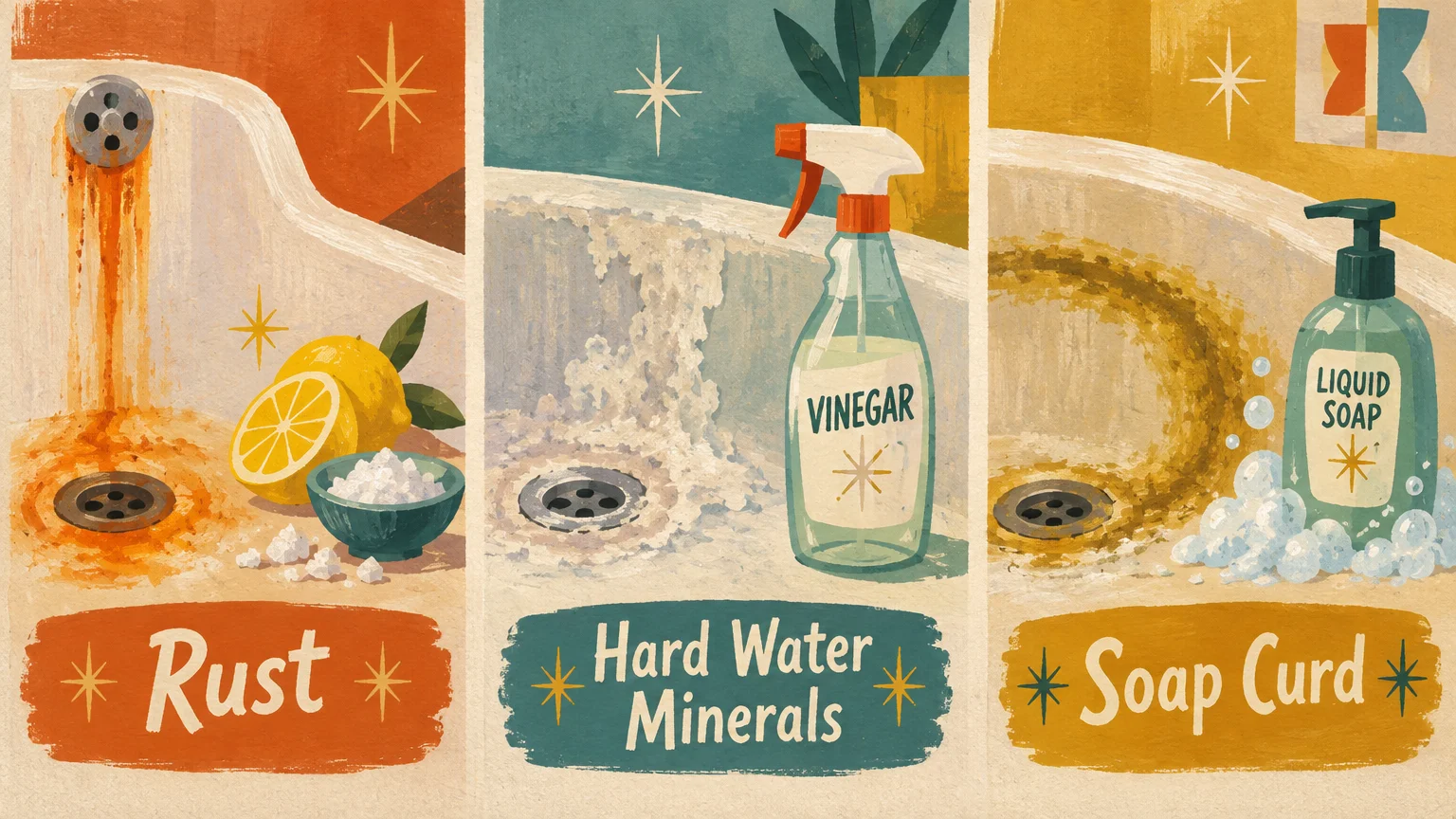
Addressing minor stains immediately stops pigments and chemical residues from penetrating into the surface matrix. Match the treatment directly to the specific discoloration type for best results.
For pink bacterial residue along caulk seams, spray with an antibacterial cleanser, wait ten minutes, and wipe clean. This pink color comes from airborne Serratia marcescens bacteria that feed on fatty soap residues.
For yellow hard water stains, mix cream of tartar with three percent hydrogen peroxide to form a spreadable paste. Spread the paste over the yellowed area, wait 20 minutes, and rinse with warm water.
For rust marks caused by shaving cream cans, apply a baking soda paste mixed with a few drops of dish soap. Buff gently with a microfiber towel; never use pumice stones or wire pads on acrylic finishes.
Prompt treatment prevents surface discoloration from becoming permanent damage that requires expensive tub refinishing.

Start Your Easy Bathtub Care Routine Today
Keeping your bathtub looking brand new does not require grueling physical labor or harsh chemical products. Simple, consistent preventive habits protect your tub finish and streamline your household routines.
Hang a squeegee in your shower stall today and rinse the basin thoroughly after your next bath. Adopt one simple habit each week to enjoy a clean, relaxing bathtub every single day.

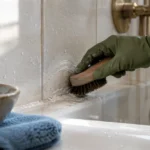




Bathtub Maintenance works wonders.