A streamlined laundry space saves hours of labor, protects delicate fabrics, and stops tough stains from ruining your favorite wardrobe staples. You do not need dozens of specialty bottles to get fresh, immaculate clothing every single week.
Stocking ten versatile, high-performing formulas simplifies your routine and clears away cabinet clutter immediately. These reliable essentials conquer everything from deep cooking grease splatters to foul washing machine mold.
Equipping your shelves with this focused toolkit transforms your regular wash day into a calm, predictable task you can handle with complete confidence.
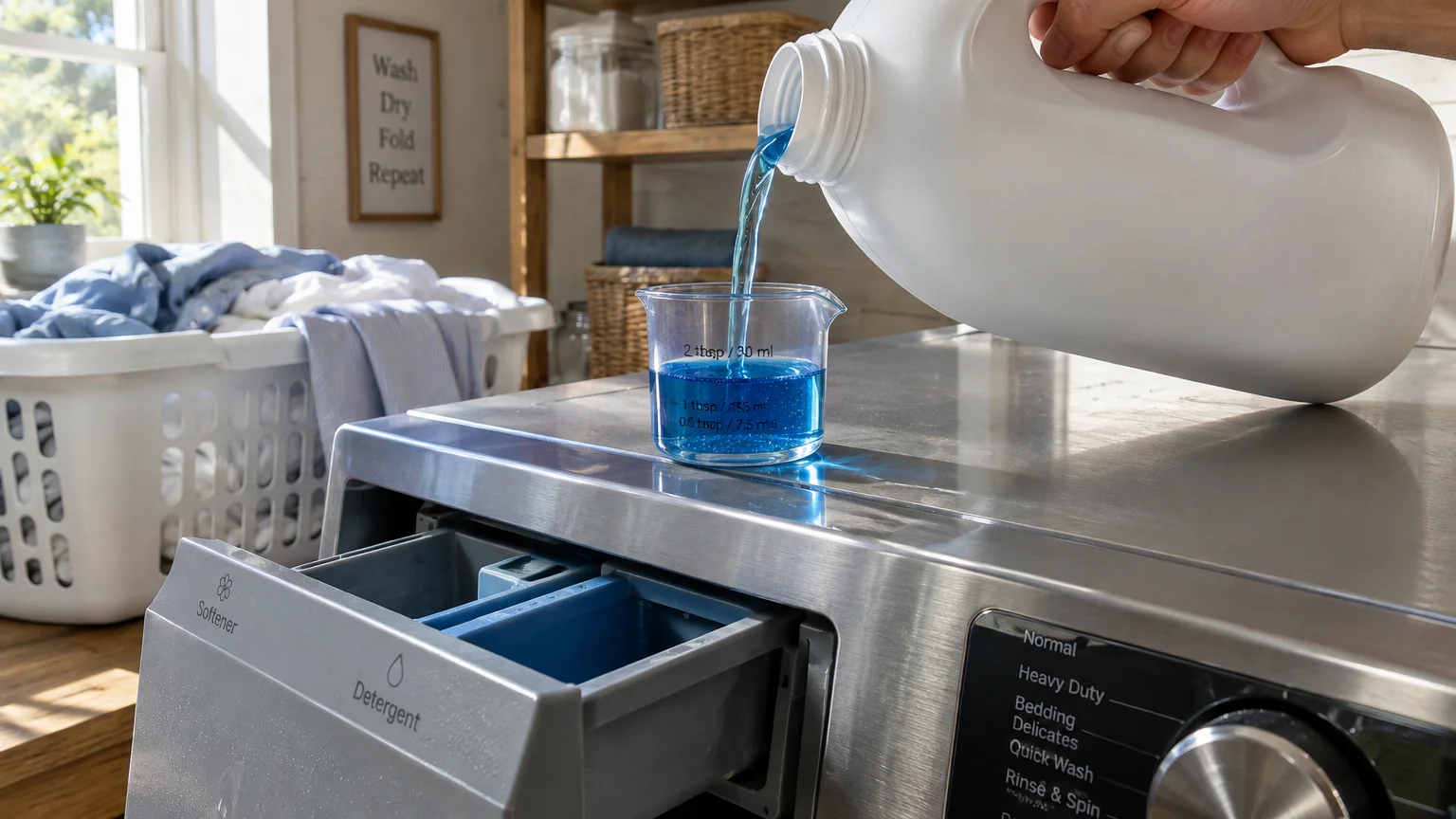
1. High-Efficiency Enzyme Laundry Detergent
Quality laundry detergent serves as the foundational anchor of your laundry room essentials. Look for a liquid or powder formula powered by active enzymes such as protease, amylase, and lipase.
Protease enzymes dissolve protein-based messes like sweat and blood, while amylase breaks down sticky starches. Lipase targets oily stains and greasy residue that standard surfactants leave behind.
Modern high-efficiency washing machines require low-foaming detergent formulations to clean effectively. Excess lather cushions clothing fibers and prevents the mechanical friction needed to dislodge trapped soil.
Always follow the dosing guidelines provided by the American Cleaning Institute. Using more detergent than directed does not make fabrics cleaner; it actually leaves gummy residue that attracts dirt.
For most regular laundry loads, two tablespoons of concentrated liquid detergent provide optimal cleaning performance. Measuring your detergent precisely saves money and keeps your machine running smoothly for years.
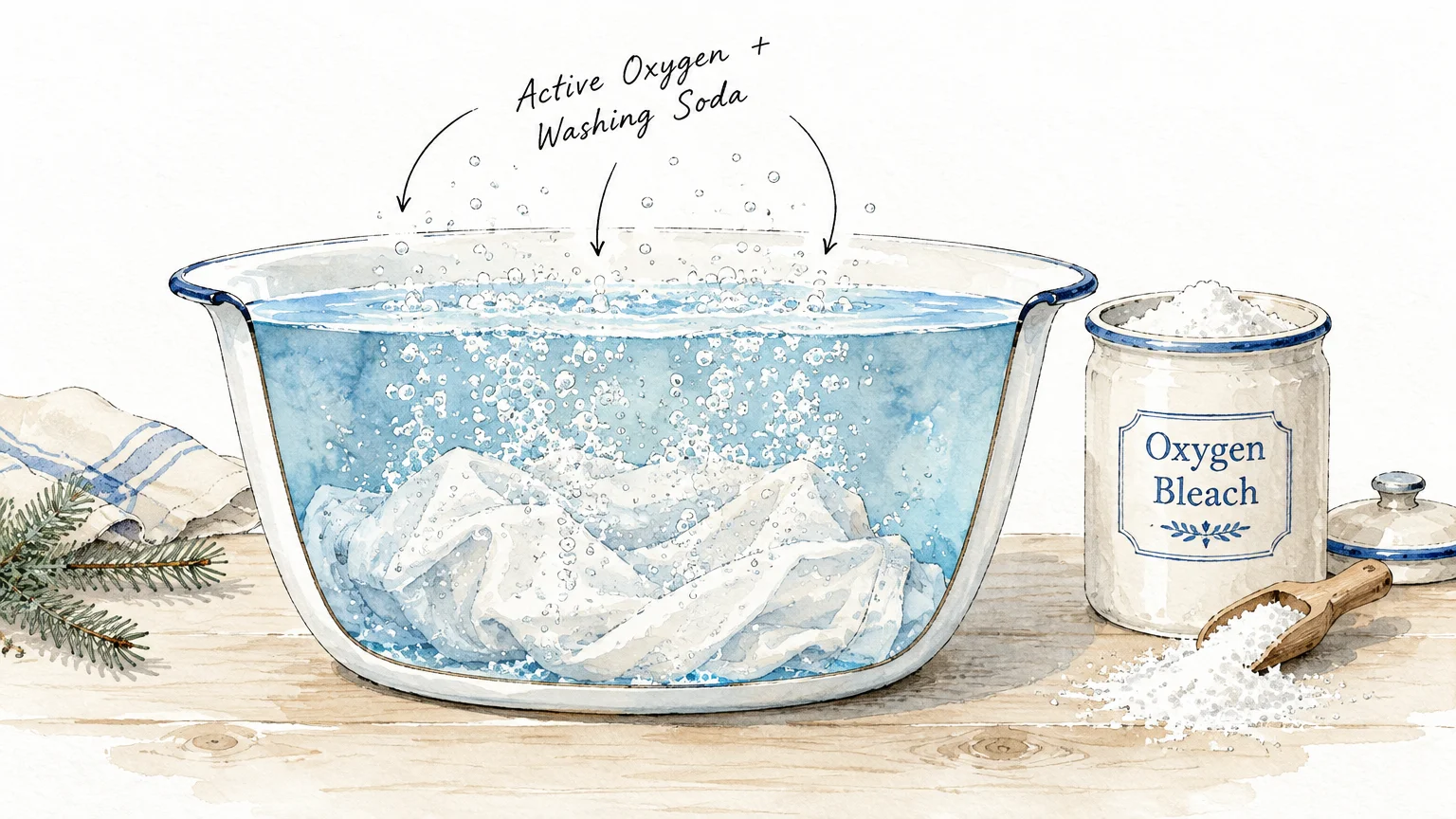
2. Oxygen Bleach Powder (Sodium Percarbonate)
Oxygen bleach powder represents one of the safest and most versatile stain remover must-haves you can own. Unlike chlorine bleach, sodium percarbonate brightens dingy whites without degrading delicate cotton fibers or stripping dyed colors.
When mixed with warm water, this powder releases hydrogen peroxide and natural washing soda. The effervescent bubbling action lifts gray buildup, coffee spills, and yellow underarm discoloration from clothing.
Add one scoop directly to your wash drum alongside your everyday detergent for routine brightening. For heavily soiled fabrics, dissolve two tablespoons in a bucket of warm water and soak garments overnight.
Oxygen bleach also deodorizes athletic apparel and mildewed towels without harsh fumes. Keep the container sealed tightly in a dry location to prevent moisture from degrading the active ingredients.
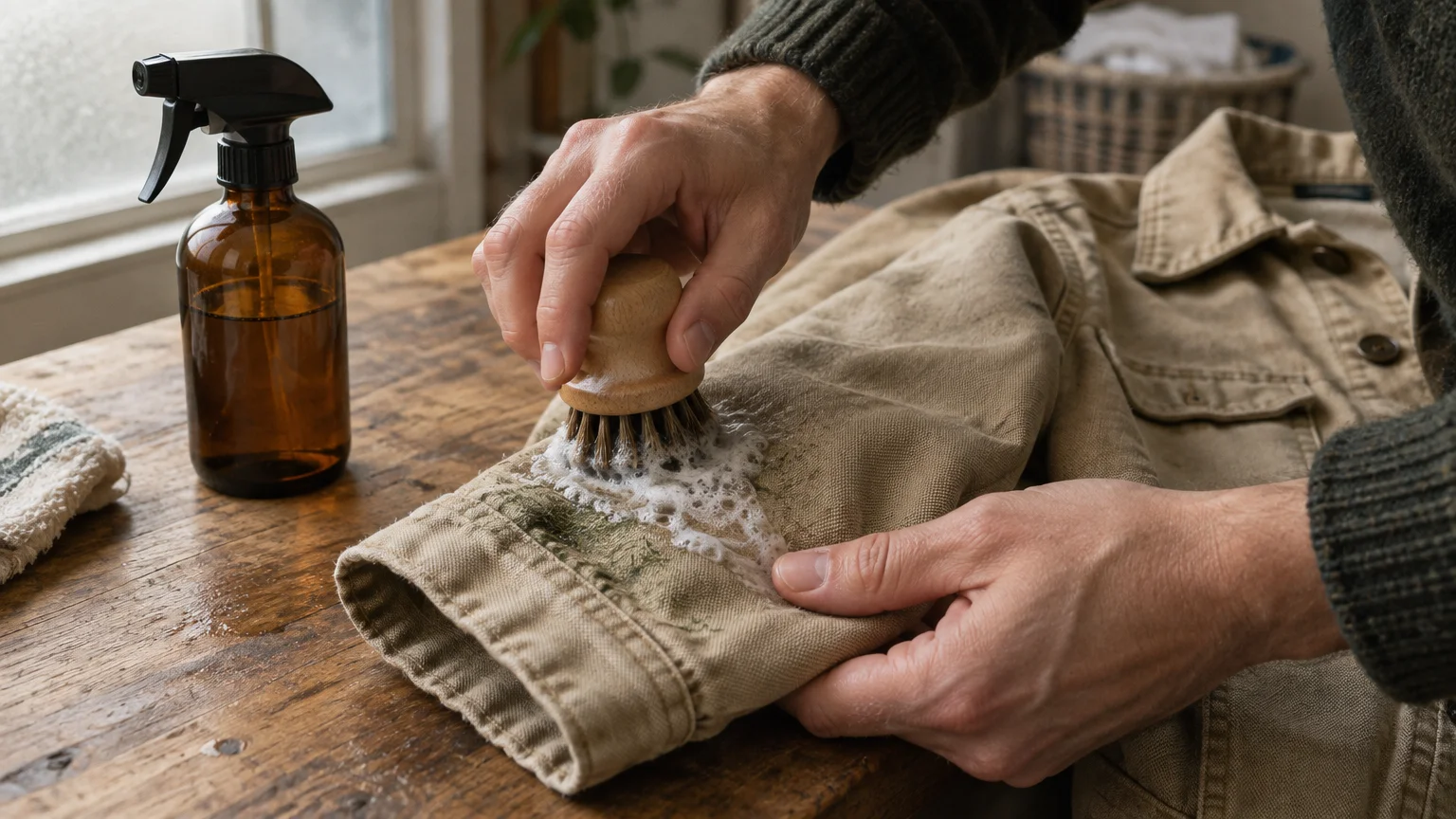
3. Enzymatic Stain Remover Spray
A dedicated stain pre-treatment spray stops accidental spills from setting into permanent fabric blemishes. Choosing a concentrated enzymatic spray gives you an immediate defense against grass, wine, and food accidents.
Apply the spray directly to the soiled area as soon as you notice the mark. Gently massage the liquid into the weave using your fingers or a soft-bristled laundry brush.
Allow the formula to dwell on the fabric for ten to fifteen minutes before starting the wash. This resting period gives the biological enzymes adequate time to digest complex protein and carbohydrate chains.
Never let stain sprays dry completely onto fabrics, as dried residue can create a secondary ring. If you cannot wash the garment right away, dampen the treated spot with cold water.
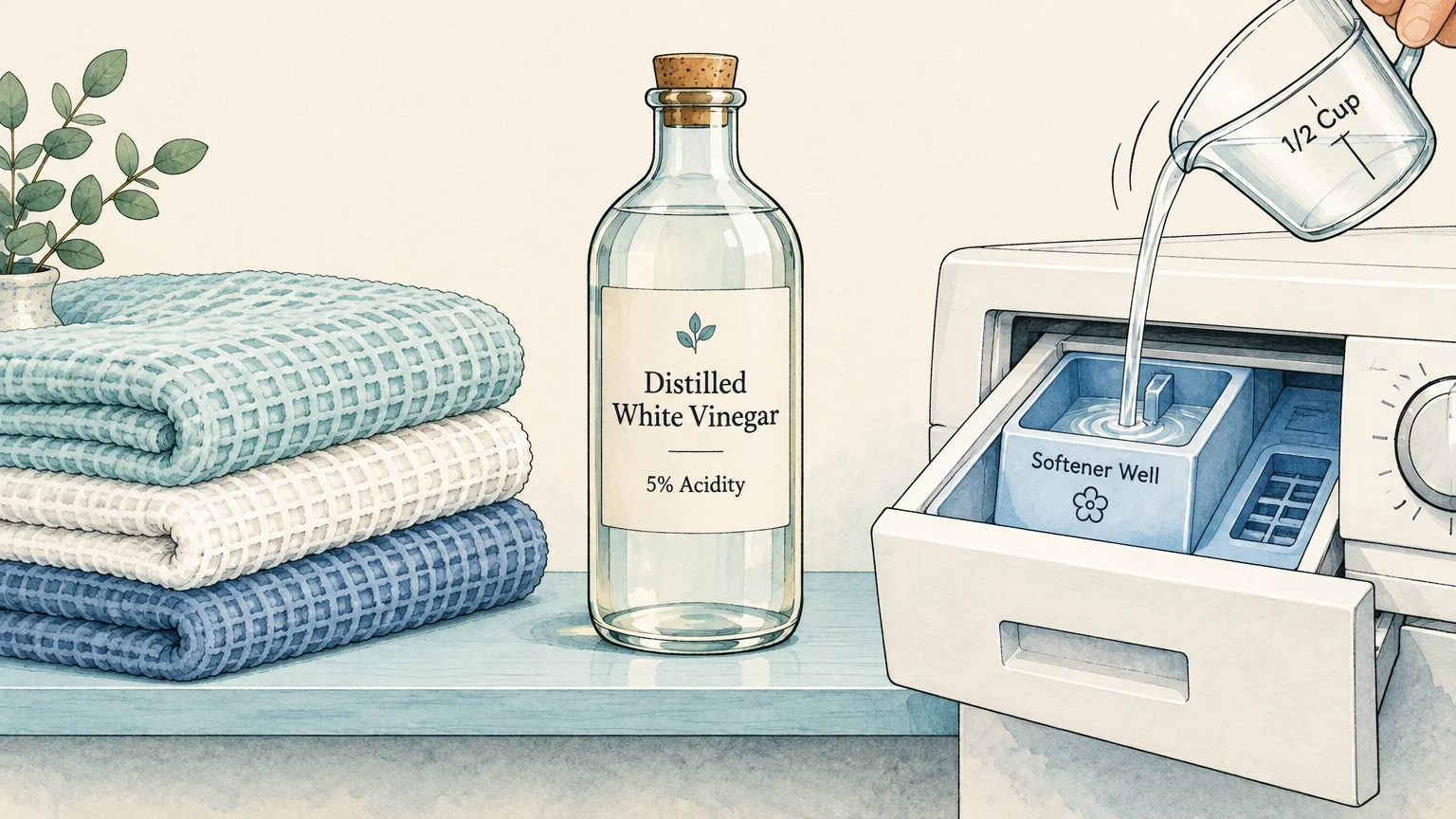
4. Distilled White Vinegar (5% Acidity)
Distilled white vinegar is an inexpensive multi-tasker that belongs in every sensible laundry supplies checklist. Its mild acetic acid content strips away detergent buildup and neutralizes stubborn odors with exceptional speed.
Pour half a cup of white vinegar into your fabric softener compartment during the rinse cycle. The acid dissolves alkaline mineral deposits and softens textiles naturally without coating fibers in synthetic wax.
Commercial fabric softeners reduce towel absorbency over time by leaving a hydrophobic silicone coating behind. White vinegar restores plush fluffiness to bath towels while dissolving sweat odors from athletic synthetic gear.
Never combine vinegar directly with liquid chlorine bleach; the reaction produces dangerous chlorine gas. Store your vinegar in an easy-to-pour jug with a secure handle to simplify regular measuring.
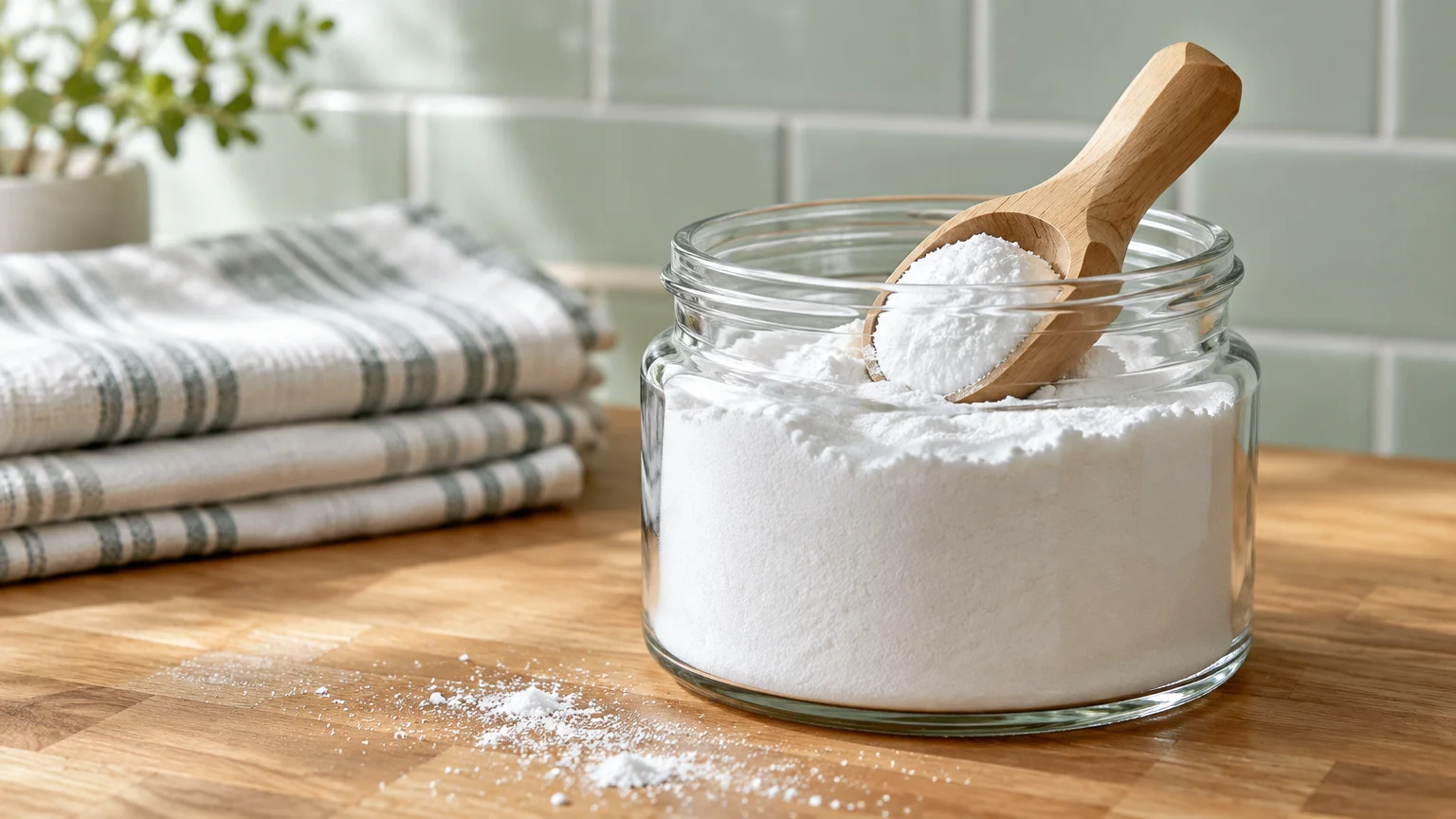
5. Baking Soda (Sodium Bicarbonate)
Baking soda serves as an exceptional natural deodorizer and detergent booster for family laundry. This mild alkaline compound regulates the pH level of your wash water to approximately 8.1.
Maintaining an optimal pH helps your detergent suspend loosened soil so the rinse water carries it away. Add half a cup of baking soda directly to the drum before loading your clothes.
Baking soda also functions as a gentle, non-scratch abrasive cleaner for laundry utility sinks. Sprinkle a small handful across stainless steel or porcelain basins and scrub with a damp cloth.
It neutralizes acidic sour odors—such as vomit or sour milk—faster than perfume-laden laundry additives. Keep an open box inside your laundry cabinet to absorb lingering ambient humidity and stale dampness.
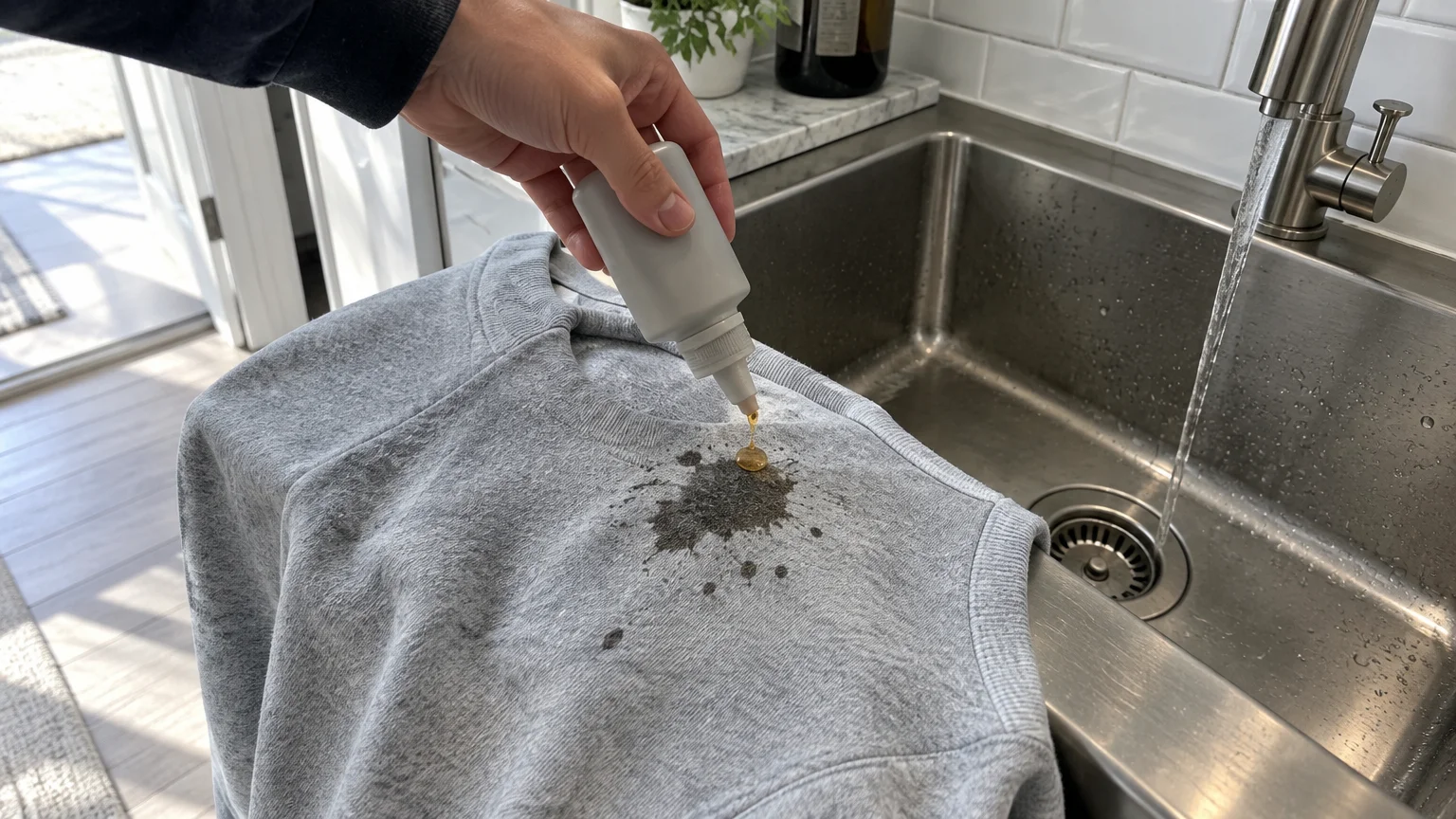
6. Concentrated Degreasing Dish Soap
A small bottle of concentrated degreasing dish soap solves stubborn oil stains that standard detergents miss. Formulas containing specialized grease-cutting surfactants break down cooking oils, butter, salad dressings, and motor lubricants effortlessly.
Dab a tiny drop of dish soap directly onto the oily spot using a clean cotton swab. Work the liquid outward from the center of the stain to prevent spreading the grease rings.
Rinse the treated fabric thoroughly under warm running water before tossing the garment into your washing machine. Removing excess soap suds beforehand prevents your machine from overflowing with thick foam during the cycle.
Dish soap also cleans the rubber door gasket and glass window of your front-loading machine beautifully. A quick wipe with soapy water removes slimy lint buildup without eroding the rubber seal.
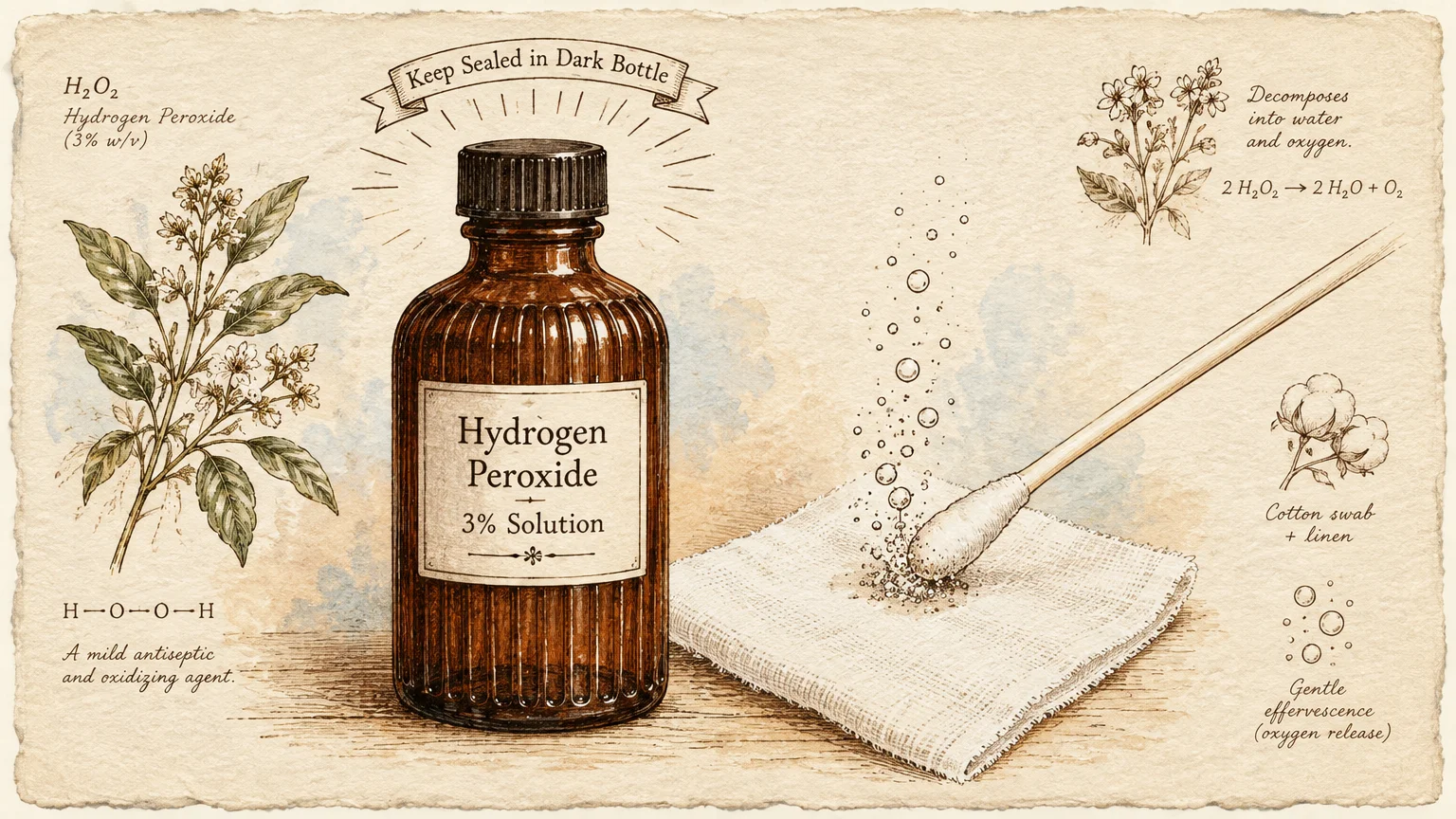
7. Hydrogen Peroxide (3% Topical Solution)
A standard brown bottle of three percent hydrogen peroxide provides rapid oxidation for medical and biological messes. It remains the gold standard for dissolving fresh blood stains, perspiration marks, and spilled berry juices.
Apply hydrogen peroxide directly to fresh blood spots and watch the liquid bubble immediately. The active oxidation process breaks the iron bonds within hemoglobin without damaging sturdy fabric fibers.
Because hydrogen peroxide has mild bleaching properties, test it on an inconspicuous hem before treating colored fabrics. For white shirts with collar stains, mix equal parts hydrogen peroxide and baking soda into a paste.
Always store hydrogen peroxide in its original opaque bottle away from direct heat and sunlight. Exposure to UV rays breaks down the peroxide molecules into plain water, destroying its cleaning strength.
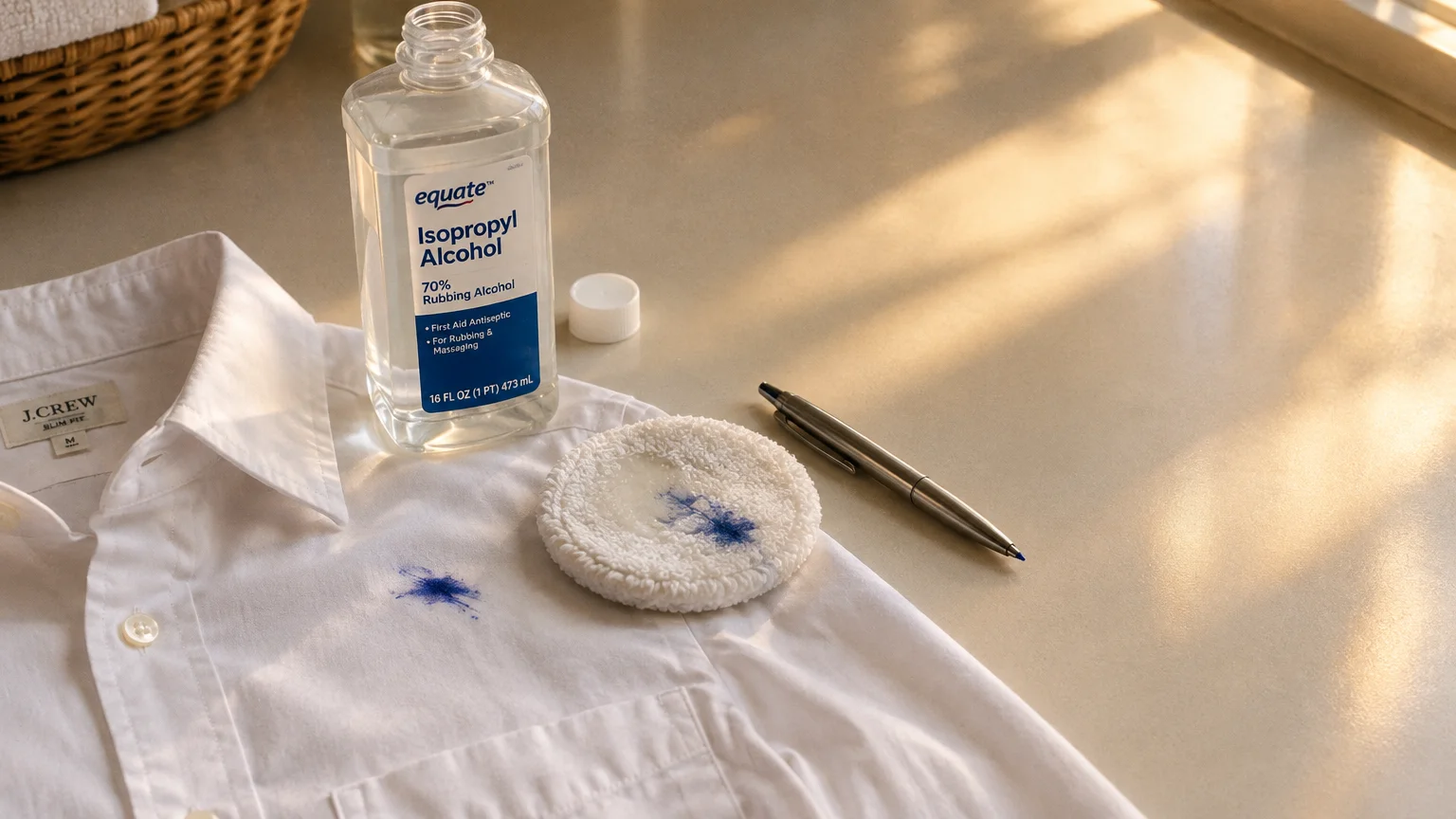
8. Isopropyl Alcohol (70% Rubbing Alcohol)
Isopropyl rubbing alcohol acts as an indispensable solvent for tricky chemical stains and sticky residues. It dissolves ballpoint ink, permanent marker, pine tree sap, and adhesive tape residue quickly.
Place a clean paper towel beneath the stained fabric and dab the alcohol gently with a cotton pad. The solvent liquefies the ink dyes, transferring the pigment directly onto the paper towel underneath.
Rubbing alcohol evaporates rapidly and leaves no water stains behind on delicate woven garments. It also serves as an effective disinfectant for sanitizing dirty laundry baskets and sorting hamper handles.
Keep isopropyl alcohol sealed tightly and store it far away from open dryer flames or gas connections. Always work in a well-ventilated room when using alcohol on extensive clothing stains.
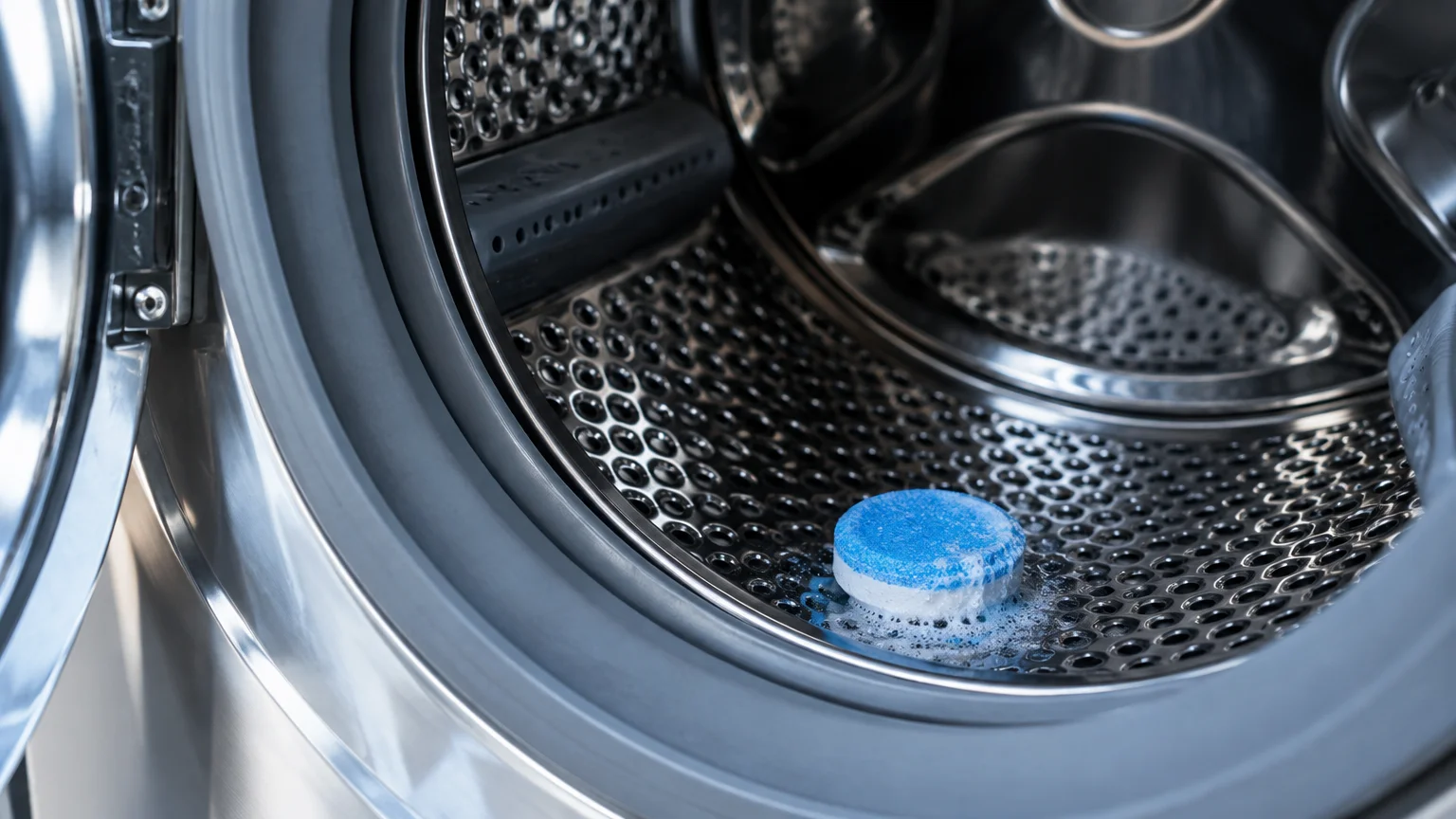
9. Washing Machine Cleaner Tablets
Your clothes cannot emerge truly clean if your washing machine harbors mildew, limescale, and stagnant water deposits. Dedicated washing machine cleaning tablets dissolve accumulated grime deep within hidden internal hoses and the outer tub.
According to sanitation data from the Centers for Disease Control and Prevention, warm, damp environments foster rapid bacterial and fungal proliferation. Running a monthly maintenance cycle stops foul odors from transferring onto fresh garments.
Drop one tablet directly into the empty wash drum and run your machine on the dedicated clean cycle. If your machine lacks a self-clean button, choose the hottest water setting with an extra rinse.
Wipe down the interior drum and the rubber bellows seal with a clean microfiber cloth immediately afterward. Leave the washer door cracked open between loads to allow air circulation and deter mold growth.
10. Multi-Surface Disinfecting Spray
A reliable multi-surface disinfectant keeps folding counters, appliance dials, and utility areas clean and sanitary. Selecting products certified by the EPA Safer Choice program ensures effective sanitizing power without noxious chemical emissions.
Spray down sorting surfaces before folding clean sheets and underwear to eliminate lingering cross-contamination from dirty laundry. Pay special attention to high-touch areas like appliance buttons, door handles, and detergent dispenser pull-tabs.
Dust and lint accumulate rapidly across the top surfaces of your washer and dryer cabinets. Wiping these areas weekly prevents airborne lint from settling back down onto freshly laundered damp clothes.
Choose a multi-surface cleaner that leaves no sticky film behind on laminated counters or enameled metal. A clean prep space makes folding and organizing clothing far more satisfying and hygienic.
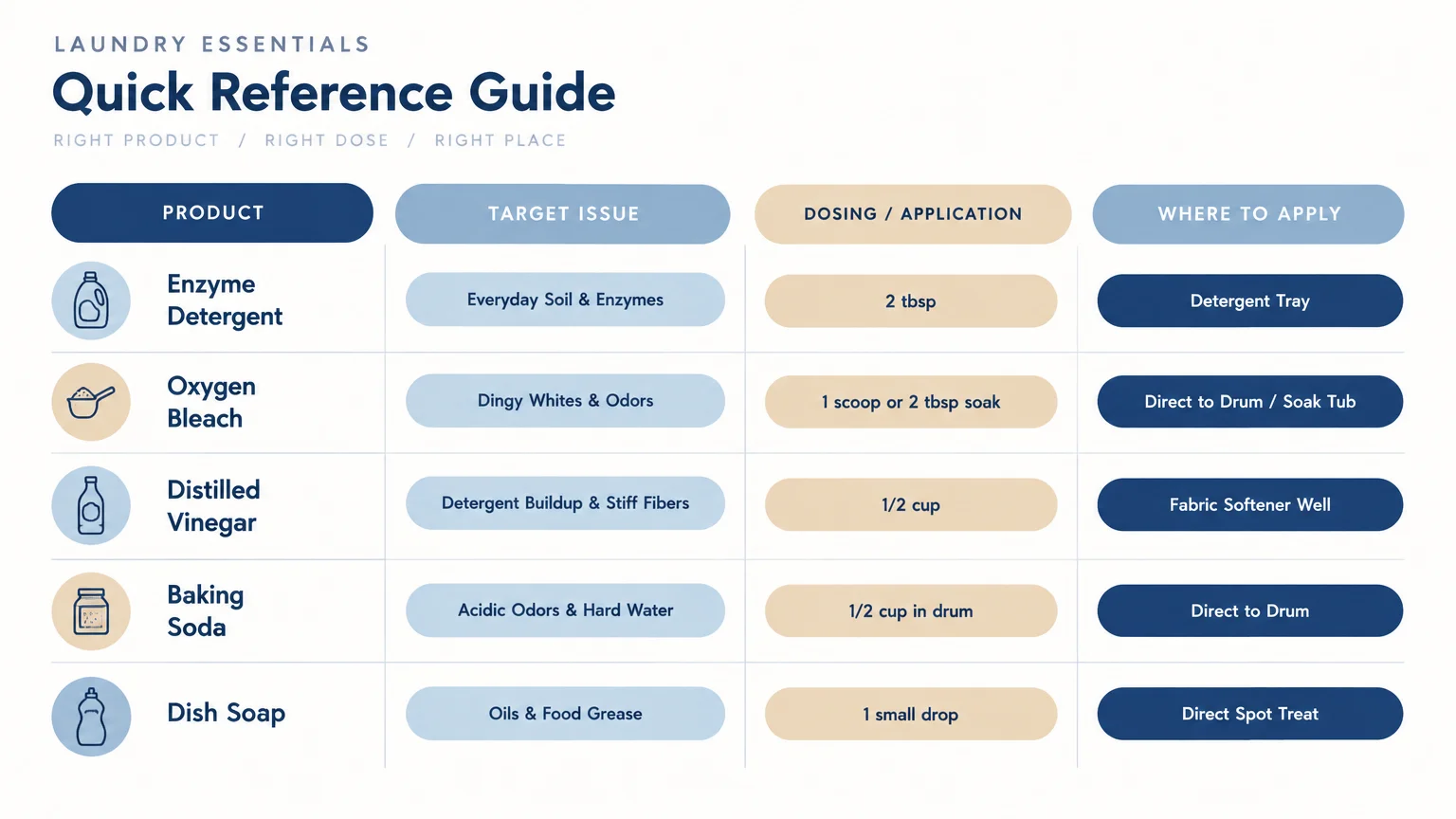
Essential Laundry Supplies Checklist and Usage Guide
Having the best laundry cleaning products means little if you reach for the wrong bottle during a laundry emergency. Refer to this practical reference table to match each cleaning formula to its ideal household task.
| Product | Primary Function | Best Used For | Application Pro-Tip |
|---|---|---|---|
| Enzyme Detergent | Routine soil removal | Daily clothing, bed linens, bath towels | Use two tablespoons max per standard load to prevent residue buildup. |
| Oxygen Bleach | Color-safe brightening | Dull whites, sports gear, dingy socks | Dissolve in warm water first to activate the oxygen release. |
| Enzyme Stain Spray | Targeted spot digestion | Food splatters, grass, blood, collar grime | Allow ten to fifteen minutes of dwell time before washing. |
| White Vinegar | Mineral rinse and softener | Odor removal, stiff towels, detergent stripping | Add to the fabric softener dispenser; never mix with bleach. |
| Baking Soda | pH buffer and deodorizer | Sour smells, smoke odor, sink scrubbing | Toss half a cup directly into the drum beneath your clothes. |
| Dishwashing Liquid | Surfactant degreasing | Salad dressing, butter, automotive oils | Rinse treated spots thoroughly before machine washing. |
| Hydrogen Peroxide (3%) | Oxidizing spot remover | Fresh blood, berry juice, yellow pit stains | Keep in its dark amber bottle to prevent degradation from light. |
| Isopropyl Alcohol (70%) | Solvent spot lifter | Ballpoint ink, permanent marker, sticky glue | Blot gently with a cotton pad over an absorbent cloth. |
| Machine Cleaner Tablets | Appliance descaling | Drum bio-film, limescale, musty tub odor | Run empty on the hottest cycle once every thirty days. |
| Multi-Surface Spray | Sanitizing hard surfaces | Sorting counters, appliance dials, hampers | Disinfect folding counters before dropping clean linens on them. |
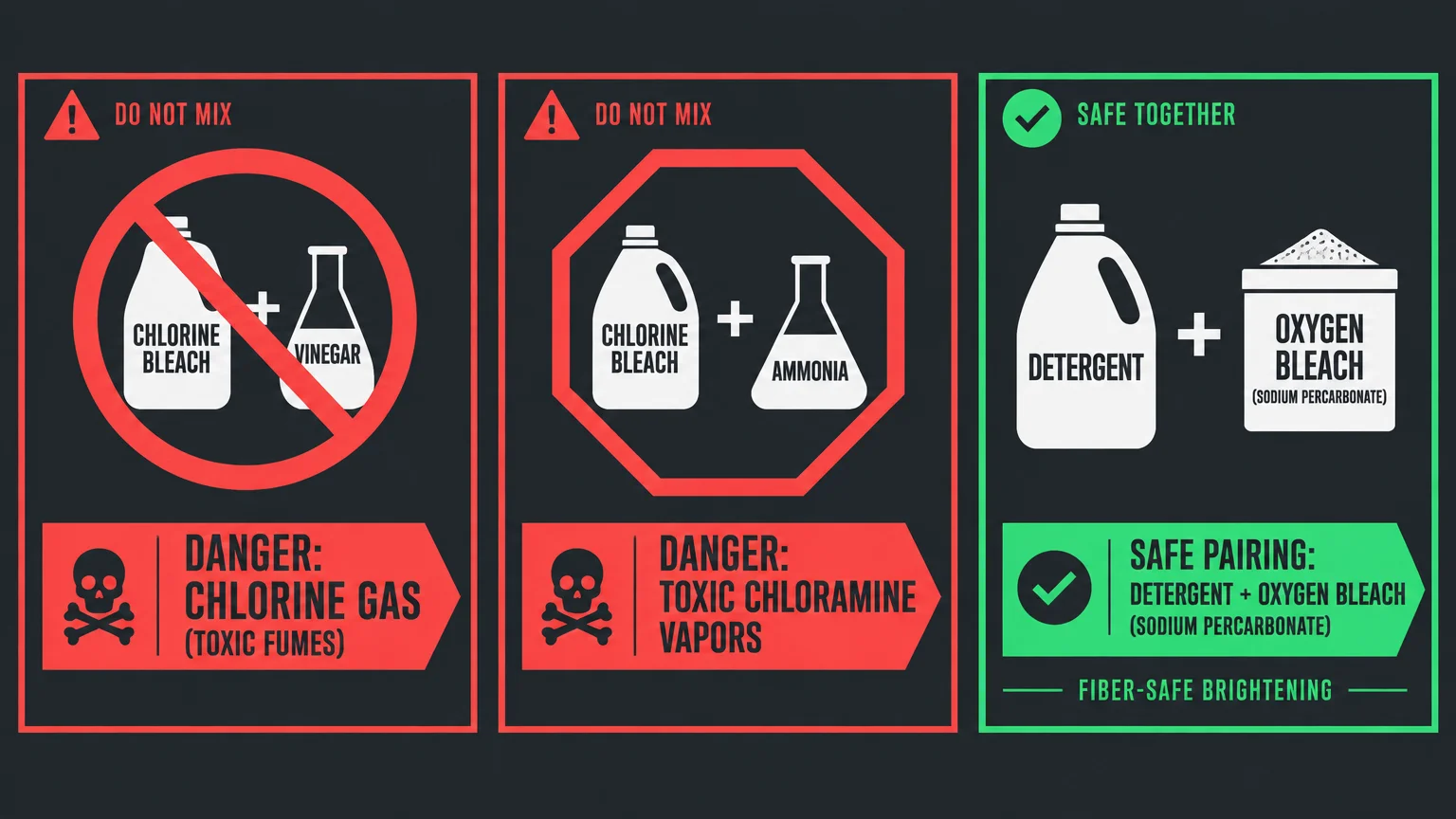
Critical Chemical Safety Rules for Laundry Spaces
Your laundry room holds powerful active chemistry that requires sensible handling and respect. Mixing the wrong household cleaners produces hazardous respiratory toxins in seconds.
According to emergency guidelines from Poison Control, never combine chlorine bleach with ammonia or acidic compounds like vinegar. The chemical reaction generates lethal chloramine gas that damages lung tissues and causes immediate breathing distress.
Similarly, avoid mixing hydrogen peroxide with distilled vinegar inside the same cleaning container. Combining them creates peracetic acid—a caustic substance that irritates the eyes, throat, and delicate skin.
Always store laundry chemicals in their original manufacturer bottles with warning labels intact. If you transfer powders into decorative containers, label each jar clearly and attach the original safety instructions.
Keep all cleaning supplies out of reach of grandchildren, curious toddlers, and household pets. Install childproof latches on lower utility cabinets or elevate strong chemicals to higher overhead shelves.
Smart Laundry Room Organization for Pain-Free Routines
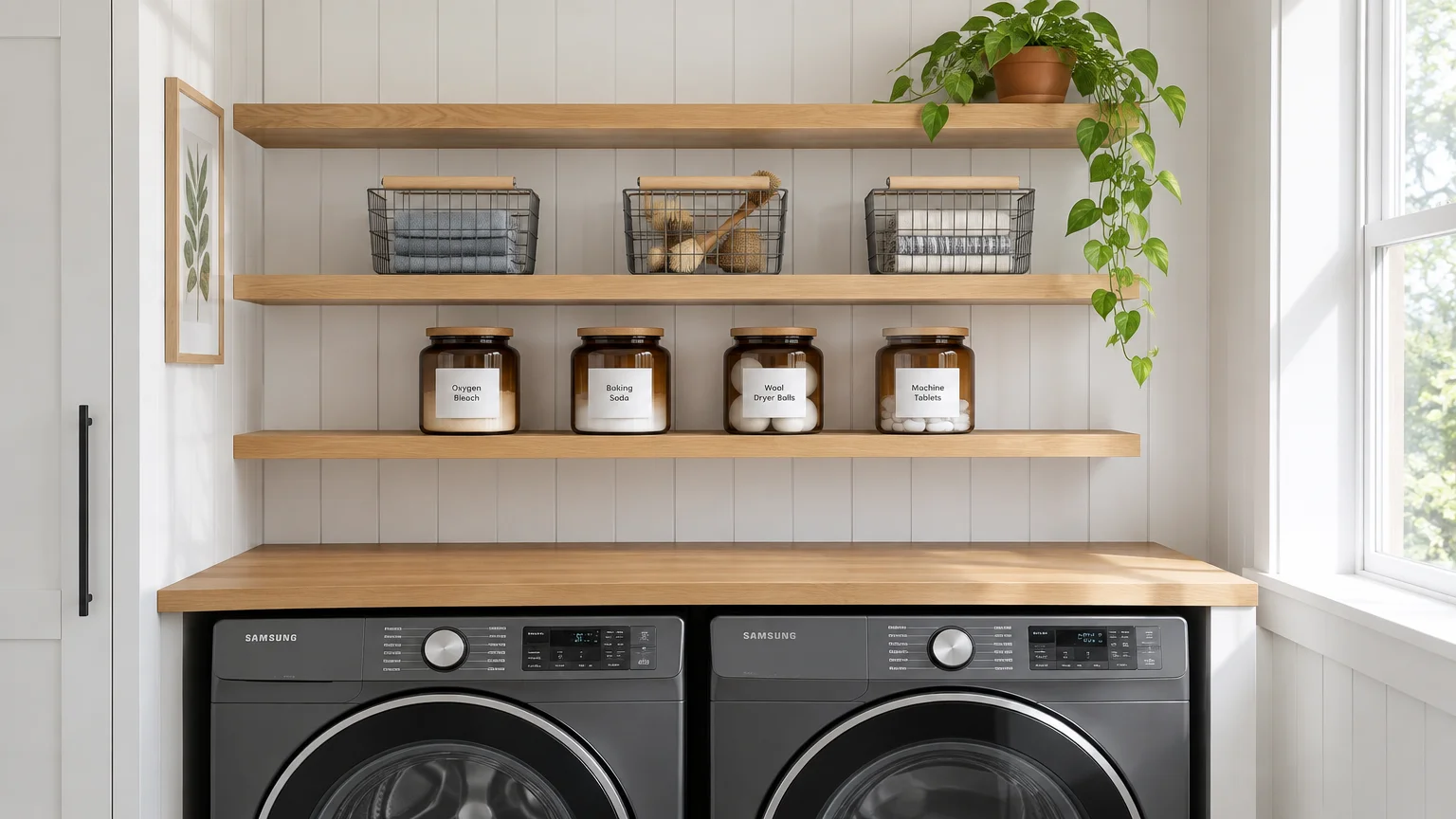
Effective laundry room organization saves valuable physical energy and keeps your essential supplies within effortless reach. Setting up functional storage zones turns a cluttered laundry closet into an efficient, orderly workstation.
Store everyday items—such as detergent and vinegar—between waist and eye level on open shelves. This ergonomic placement eliminates repetitive bending and stretching, which protects your lower back during heavy wash days.
Place liquid detergent jugs and vinegar bottles inside shallow plastic trays or rimmed lipped caddies. These inexpensive trays catch accidental drips and prevent sticky detergent rings from marring your cabinetry.
Use a rotating lazy Susan in deep cabinets to bring back-row bottles forward with a gentle spin. Rotating turntables make locating rubbing alcohol or peroxide effortless without knocking over surrounding containers.
Group your products by task using clear, labeled storage bins. Keep one bin for routine wash additives, another for spot stain removal, and a third for appliance maintenance.
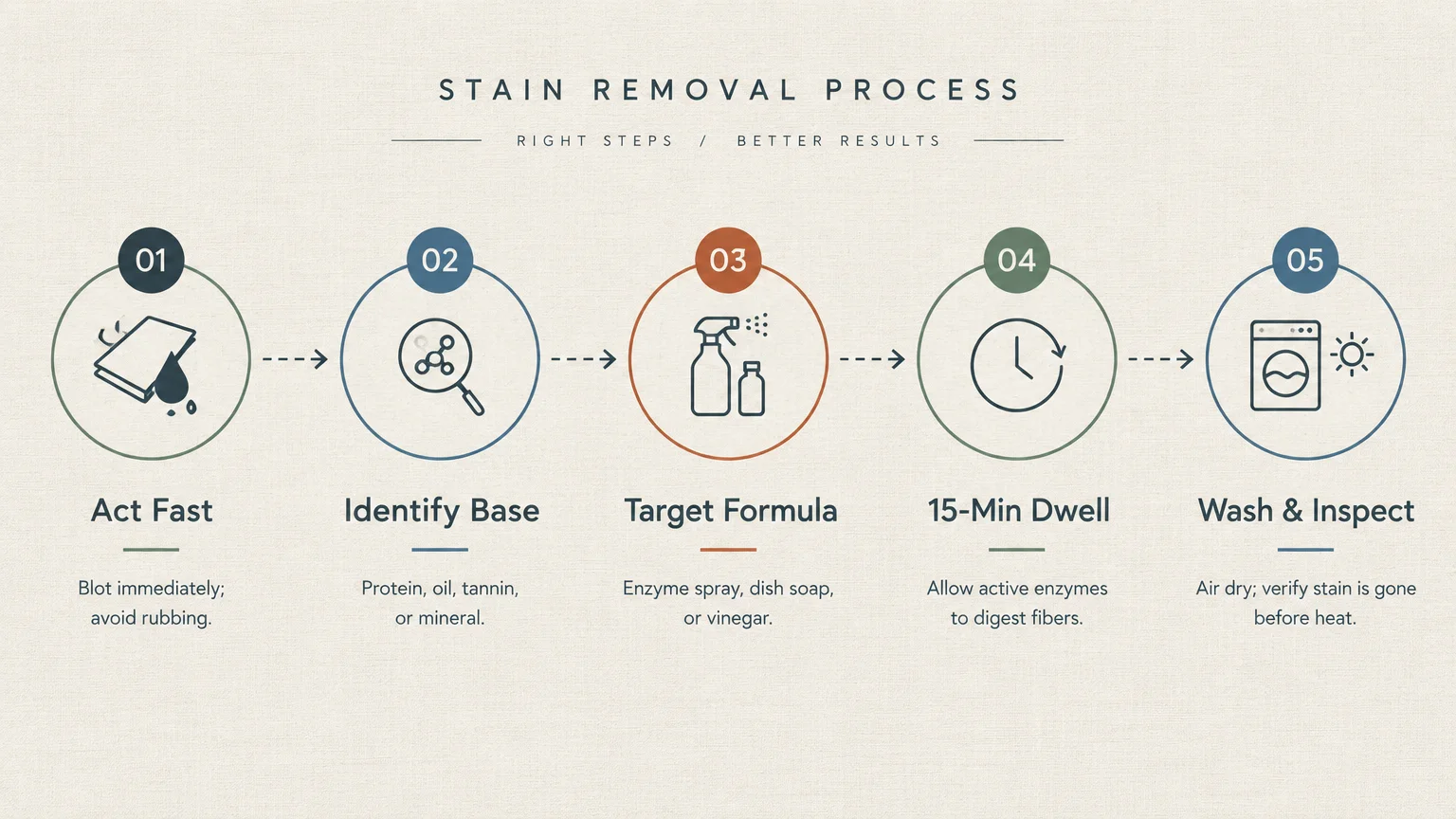
A 5-Step System to Tackle Tough Laundry Stains
Having the best laundry cleaning products is only half the battle; technique dictates your final success. Follow this systematic approach to eliminate stubborn marks without wearing down fabric weaves.
- Identify the stain and inspect the care label: Determine whether the mess stems from oil, protein, or dye, and confirm the fabric withstands warm water.
- Scrape excess residue away gently: Use a dull spoon or butter knife to lift away dried solids without forcing them deeper into the cloth weave.
- Apply your targeted treatment: Use dish soap for oils, enzyme spray for organic food, rubbing alcohol for ink, or hydrogen peroxide for fresh blood.
- Grant adequate dwell time: Allow the active formula to rest on the stain for ten to fifteen minutes so the molecules can sever chemical bonds.
- Wash and verify before machine drying: Launder the item on the warmest safe water setting, then air-dry the garment until you verify the spot has cleared.
Never place a stained garment into a hot clothes dryer until you confirm the spot has vanished completely. Intense dryer heat bakes residual oils and pigments permanently into synthetic and natural fibers.
If a faint shadow remains after washing, repeat the spot treatment and rewash the garment immediately. Most difficult stains surrender after a second patient treatment with enzyme sprays or oxygen bleach.

Practical Next Steps for an Organized Laundry Room
Take ten minutes today to audit your laundry cabinets and discard empty or expired bottles safely. Consolidate your supplies around these ten essential products and arrange them within easy, comfortable reach.
With this reliable toolkit in place, you will protect your favorite clothing, safeguard your appliances, and simplify every wash cycle from start to finish.