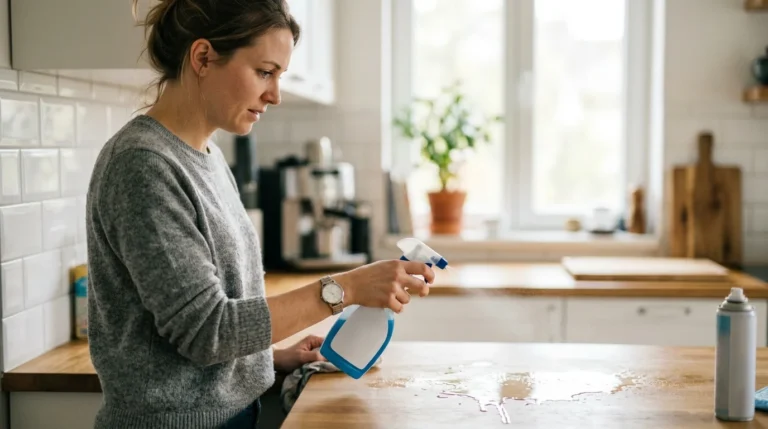
Your window tracks quietly collect dust, pollen, dead insects, and windborne grit, silently damaging your window mechanics while compromising your home’s indoor air quality. Cleaning these narrow tracks restores smooth window operation, protects your frame seals, and prevents mold spores from entering your living space with every spring breeze. Overlooked tracks gradually transform from simple structural channels into dense reservoirs of compacted dirt and allergens. Recognizing the early signs of window track dirt and debris buildup lets you tackle the problem before permanent damage occurs or costly repairs become necessary. Below, you will discover the primary indicators that your window maintenance routine requires a focused track cleanup, alongside practical steps to refresh your channels quickly.
1. High Mechanical Resistance: Your Window Sticks, Screeches, or Grinds
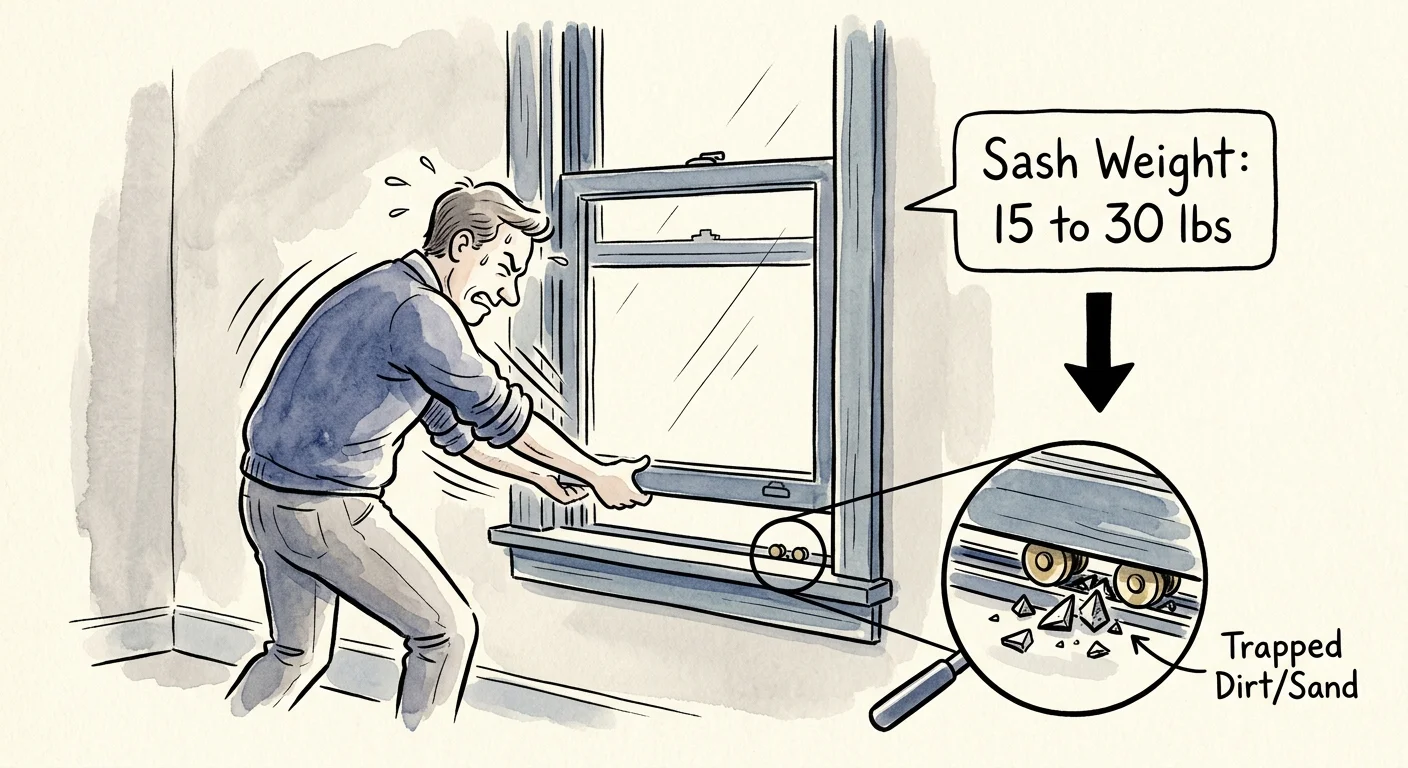
When you pull up on a double-hung window or slide a horizontal sash, the motion should feel uniform and silent. If you experience sudden resistance, a harsh grating sound, or physical sticking, grit has accumulated along the vinyl or aluminum tracks. Wind carries microscopic quartz dust, topsoil, and coarse sand directly into your window frames; over time, these abrasive particles settle into the narrow guide grooves. When a heavy glass sash—which often weighs between 15 and 30 pounds—slides over trapped grit, the debris acts like coarse sandpaper. This abrasive action strips away protective coatings, scores the soft vinyl extrusions, and damages small nylon roller wheels beneath the sash. Ignoring this friction strains your arms and shoulders, making window operation frustrating; worse yet, it permanently damages internal track components that cost hundreds of dollars to replace.
2. Dark Speckling and Fungal Clusters Along the Sill Channels
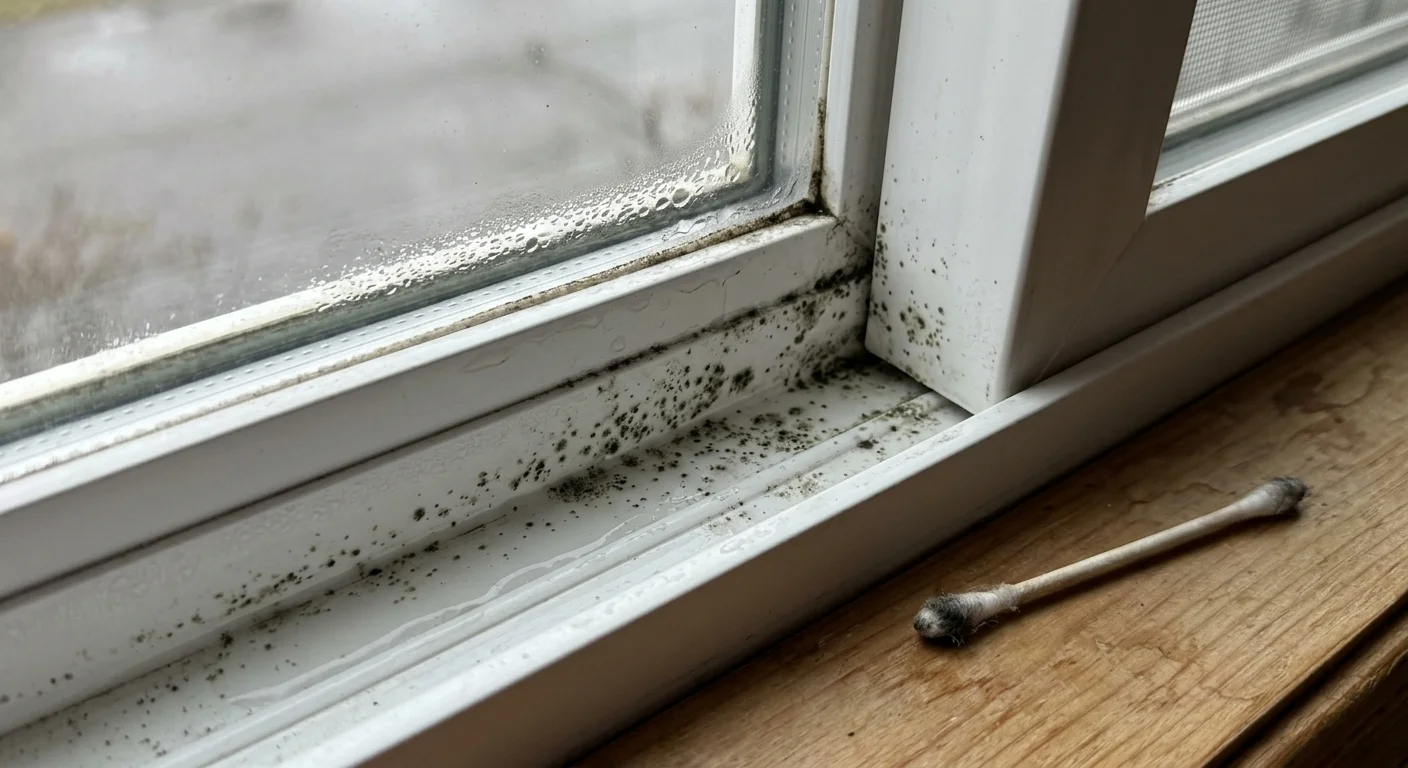
Black or dark green speckling along the bottom of your window track signals active fungal growth rather than harmless dirt. Window tracks represent a unique microenvironment inside your home because condensation routinely pools along the colder glass and trickles into the lower track channels. When this moisture mixes with organic material—such as microscopic pollen grains, airborne dust mites, and skin flakes—it creates an ideal nursery for mold spores. According to the U.S. Environmental Protection Agency, moisture control remains the single most critical factor in preventing indoor mold growth. Allowing fungal colonies to multiply in your tracks allows high concentrations of spores to circulate through your room whenever you open the frame.
3. Blocked Weep Holes and Indoor Water Seepage
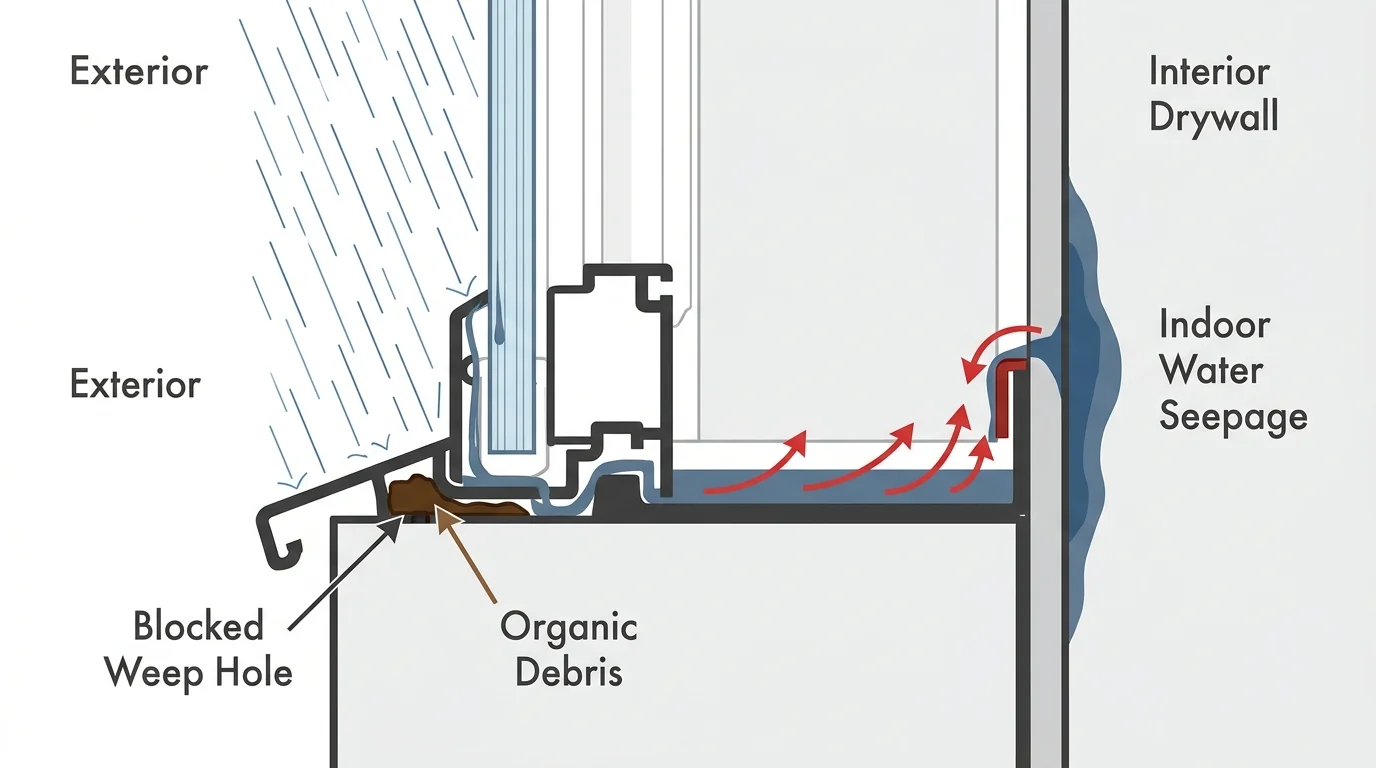
Modern vinyl and aluminum windows feature small exterior drainage slots called weep holes. These openings allow rainwater that hits the glass to drain out to your home’s exterior safely; however, weep holes are among the most common window maintenance overlooked areas. When organic sludge, dead leaves, and dirt fill the lower track, they plug these tiny drainage ports completely. During heavy downpours, water collects inside the track with nowhere to run; eventually, it spills over the interior track lip onto your drywall, trim, and subflooring. If you notice dark water stains on interior walls beneath window frames or soggy wooden sills, clear your window track weep holes immediately before wood rot and structural drywall failure occur.
4. Persistent Musty Odors When Windows Open
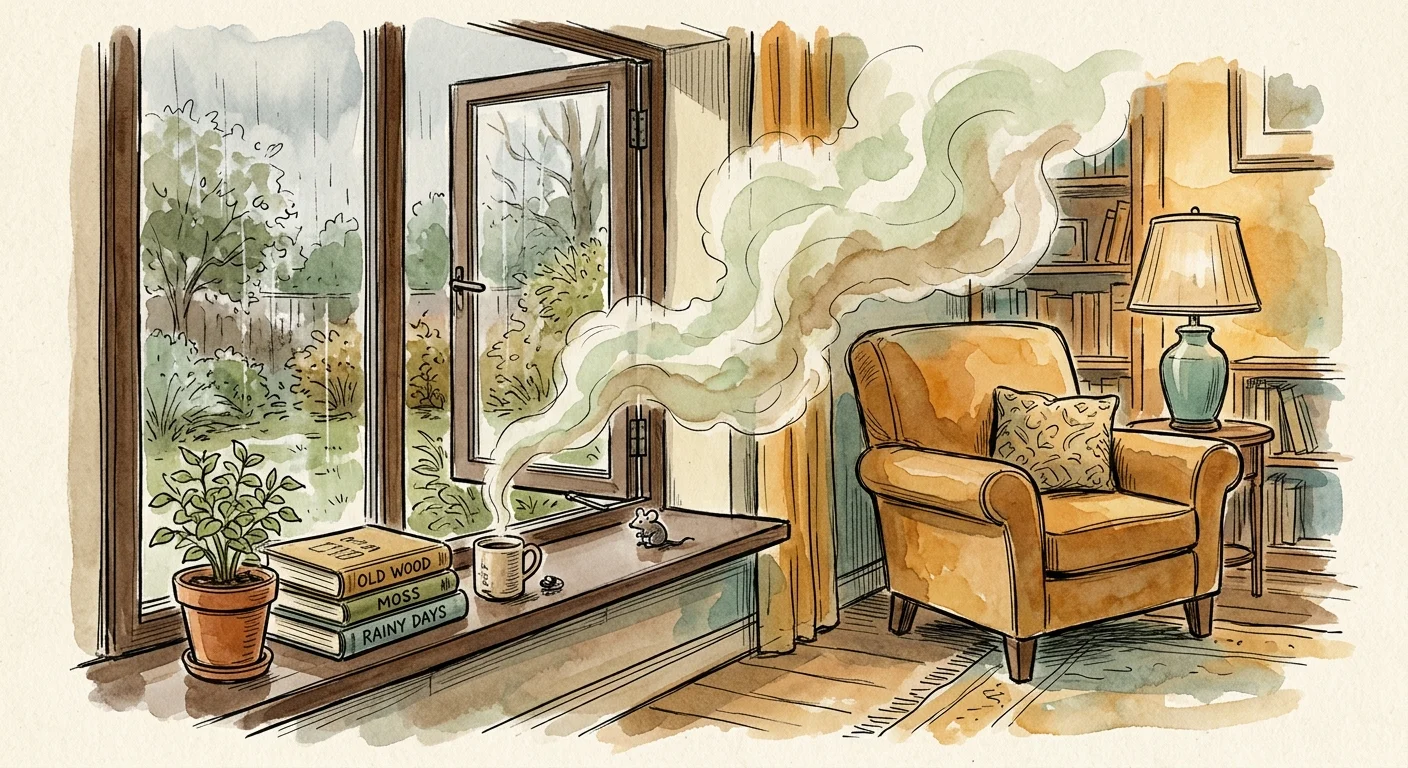
Fresh outdoor air should revive your living space, not fill it with a damp, swampy smell. If opening your windows brings a wave of stale, musty odors, your window tracks have become an incubator for organic decomposition. Deep inside the narrow channels—hidden beneath the lower sash—trapped insects, rotting plant debris, and stagnant water collect over months of neglect. As microbes break down this material in humid conditions, they release volatile organic compounds that produce an earthy, off-putting stench. Wiping down the glass surfaces will not solve this odor problem; you must thoroughly clean and sanitize the deepest recesses of the track channel to remove the biological source.
5. Visible Accumulations of Insect Remains and Cobwebs
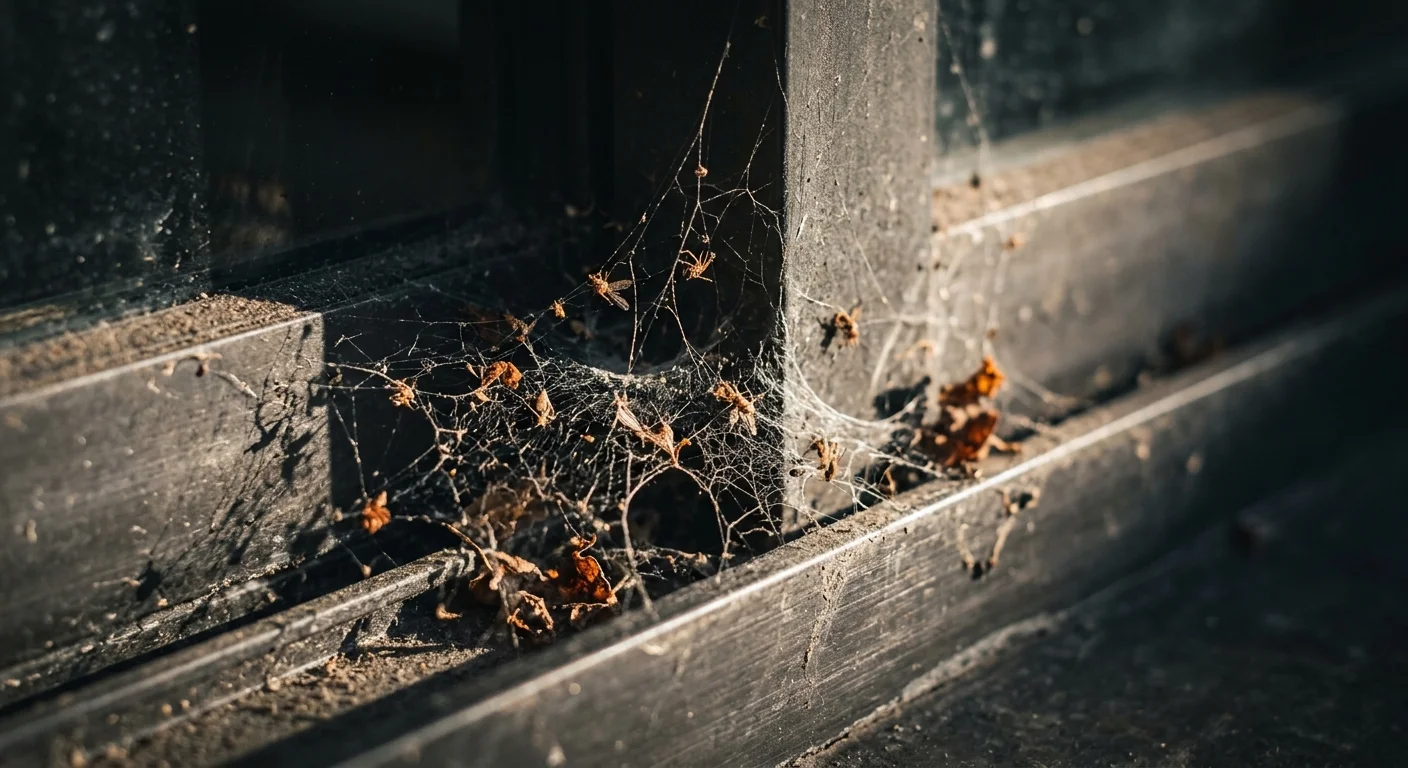
Window tracks provide shelter for tiny pests looking for protection from rain and cold winds. Spiders frequently spin webs in track corners to catch insects crawling through screen gaps; meanwhile, boxelder bugs, gnats, and ants often die inside these narrow channels. Over time, these bug remains break down into fragile, dried chitin and microscopic droppings. When dried insect matter combines with household dust, it forms a powdery allergen layer that spreads across your home whenever air passes through. If you spot web netting, egg sacs, or scattered insect bodies in your window sills, your tracks require an immediate vacuuming and deep clean to deter further pest infestations.
6. Compromised Weatherstripping and Unexplained Drafts
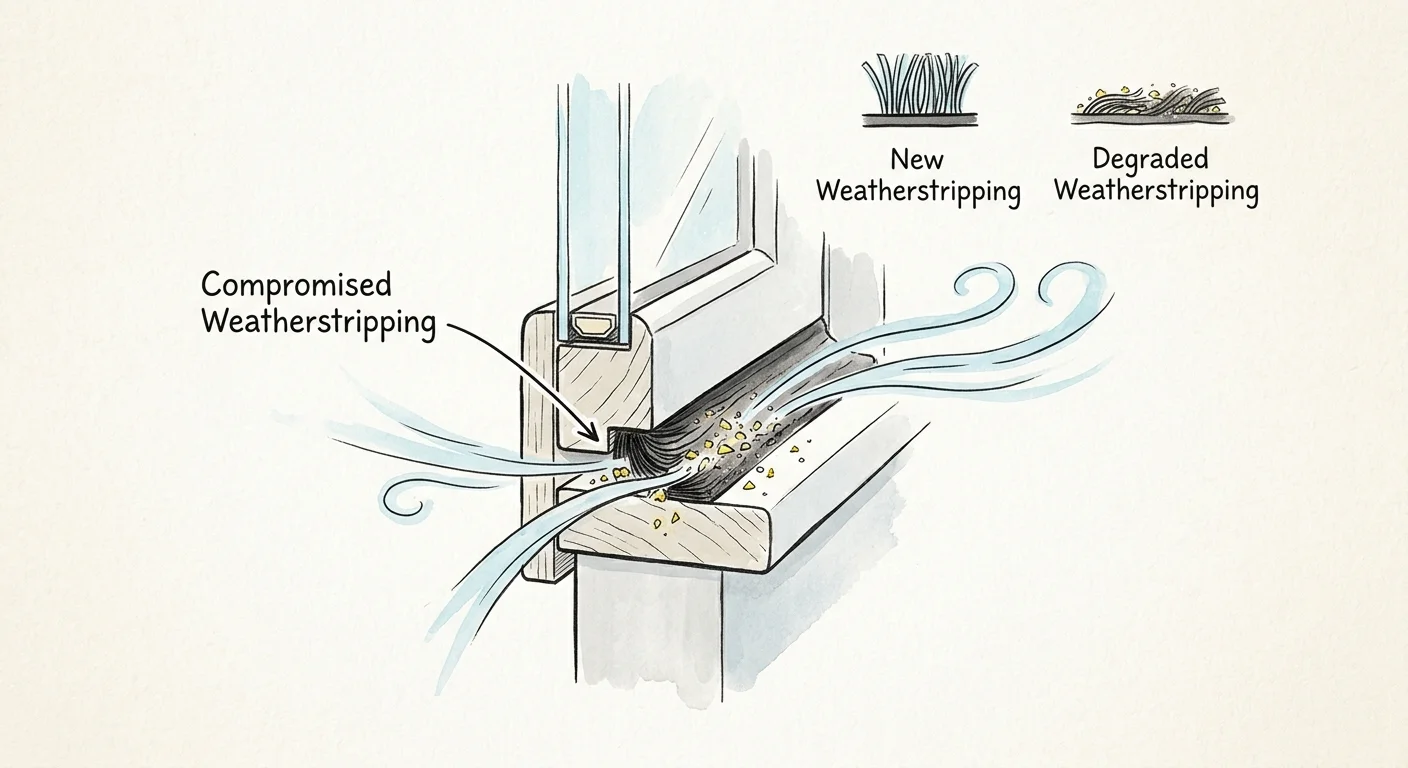
High heating and cooling bills often stem from tiny gaps around window sashes rather than broken glass panes. Soft pile or rubber weatherstripping strips seal the boundary between the moving sash and the frame to prevent draft transfer. However, when window track dirt and debris buildup reaches a critical thickness, the debris prevents the window sash from closing fully down into its locking pocket. Even a three-millimeter layer of packed dirt leaves a continuous gap across the bottom of the window; cold winter air rushes in while expensive heated air escapes. Keeping your tracks thoroughly clean ensures that window locks align properly and weatherstripping compresses as intended by manufacturers.
7. Discoloration Transforming Tracks from Bright White to Dark Grey
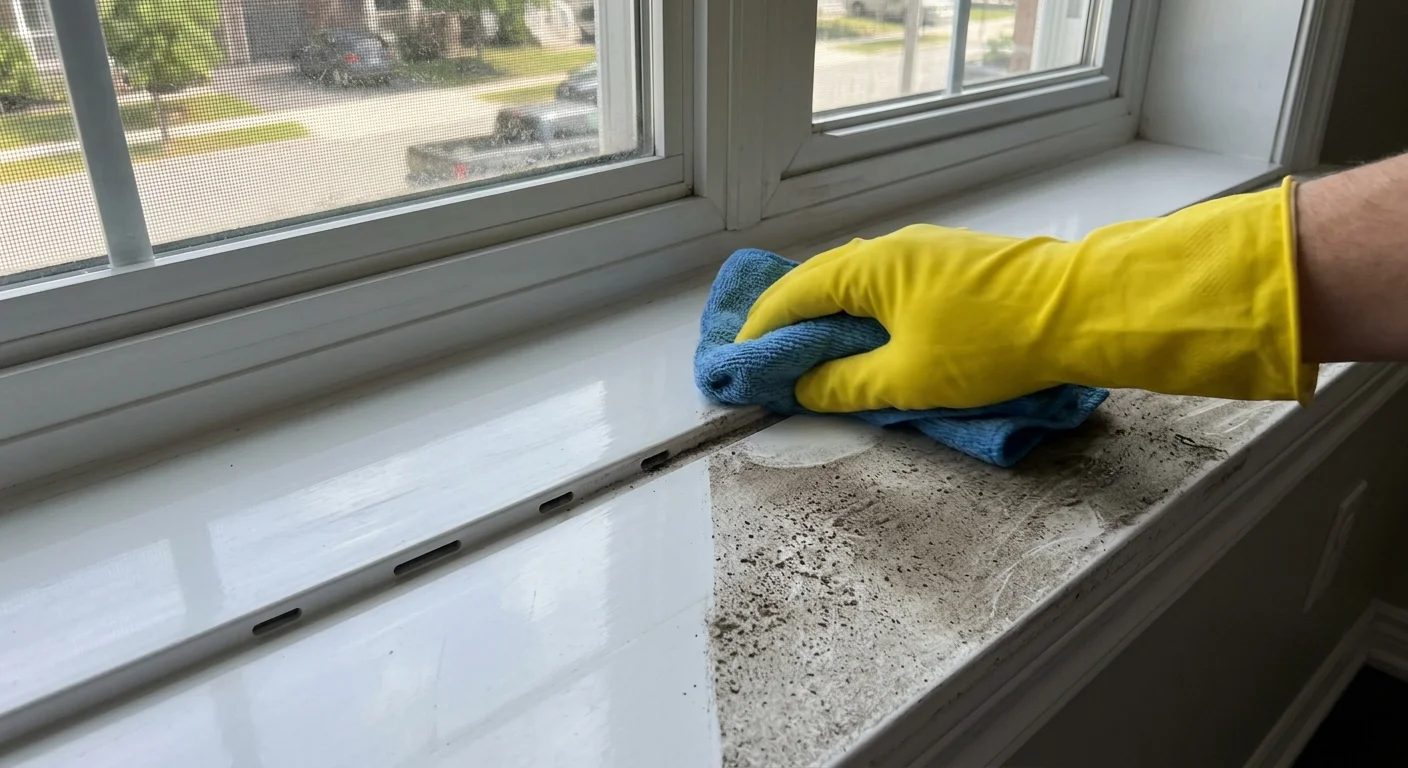
Freshly installed window frames feature bright white vinyl or sleek metallic finishes; however, neglected window tracks gradually develop a dull, mottled grey or charcoal discoloration. Atmospheric oils, soot from passing vehicle exhaust, and microscopic wildfire smoke particles bind tightly to raw vinyl surfaces when exposed to sun and rain. Over time, sunlight bakes this gritty film into the plastic, creating stubborn stains that simple dusting cannot remove. This discoloration ruins your room’s aesthetic trim and signals that chemical degradation of the vinyl surface is occurring. Regular track cleaning stops these oily pollutants from permanently staining and weakening the frame extrusions.

8. Unexpected Allergy Flare-Ups Near Open Windows
If you experience sudden sneezing, itchy eyes, or nasal congestion whenever you open your windows, your track channels are likely acting as an allergen reservoir. During spring and summer, outdoor tree and grass pollens collect heavily on window screens and settle directly into track corners. According to the Asthma and Allergy Foundation of America, indoor air management requires eliminating allergen collection points throughout the living space. When you open a window sash over a pollen-filled track, incoming air acts like a leaf blower; it picks up microscopic pollen grains and disperses them directly across your living room furniture and bedding.
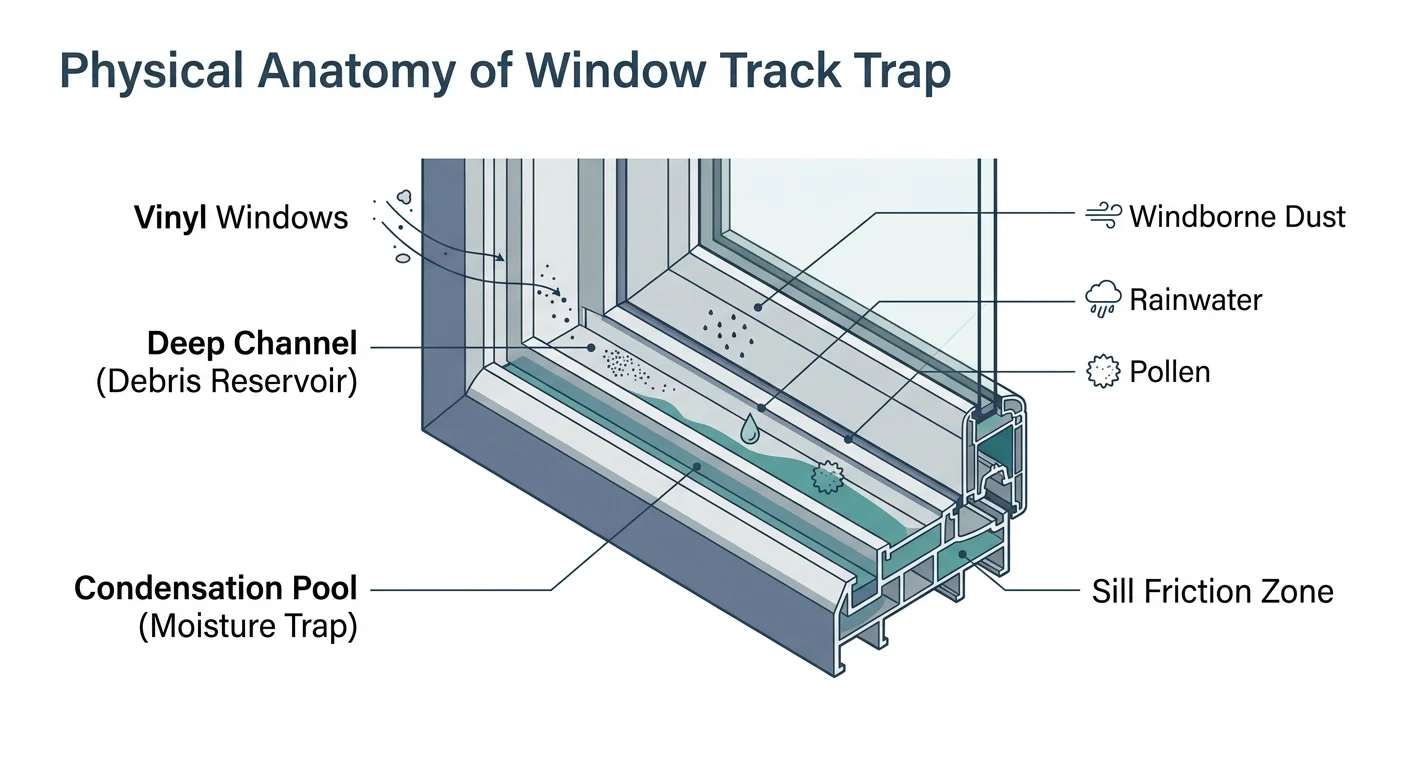
Why Window Tracks Trap Dirt So Efficiently
Understanding why window tracks attract so much grime helps you prevent rapid re-accumulation. Window channels sit at the intersection of two distinct environments: the controlled, warm interior of your home and the humid, dusty outdoors. Temperature differentials create natural air currents right along the window glass; these currents carry airborne dust down into the sill channels. Furthermore, vinyl window frames develop static electricity charges that attract fine dust particles like a magnet. Rain splashes outdoor dirt against lower sills, while screen mesh filters out larger debris but concentrates fine dirt right over the track channels. Recognizing these signs your window tracks need cleaning helps you intervene before grime damages internal mechanics.
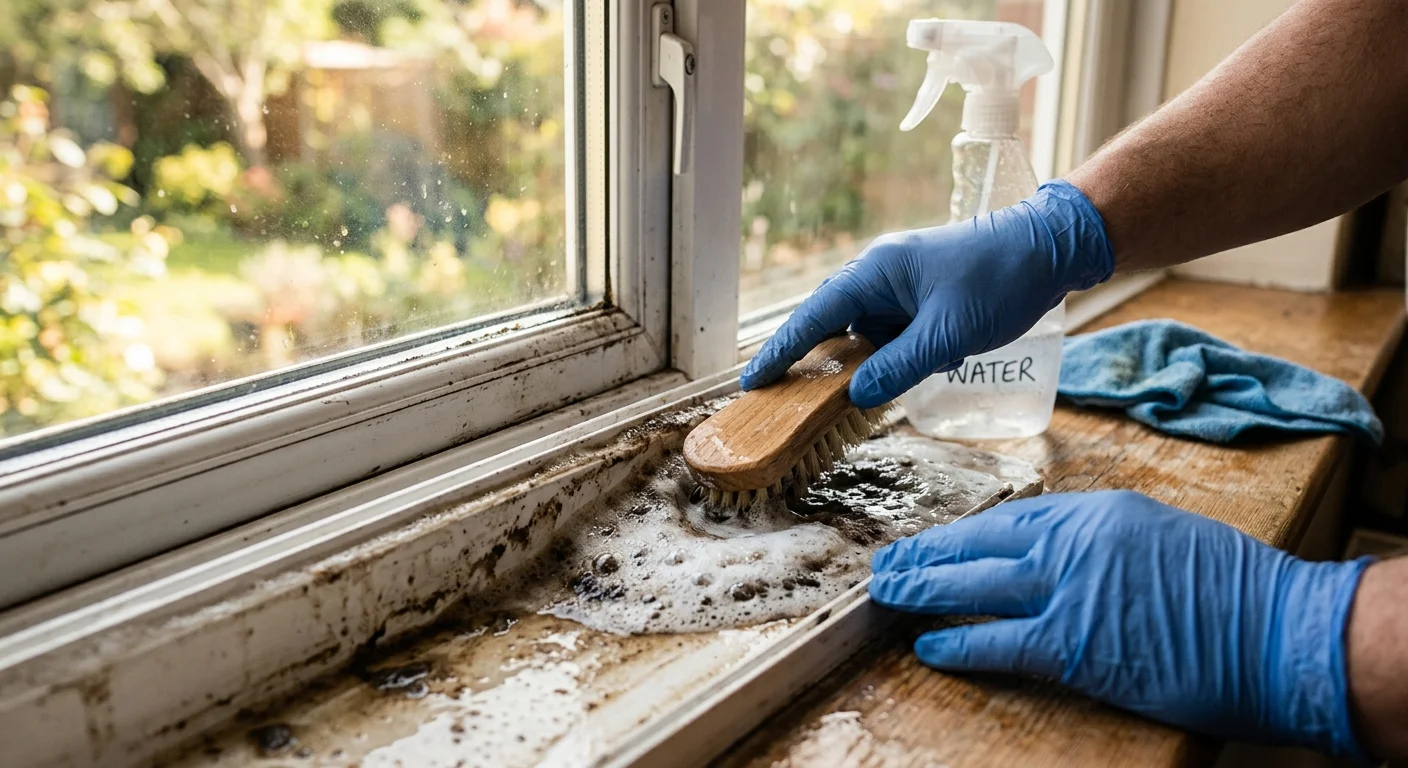
A Practical Dirty Window Track Cleaning Guide
Restoring clogged window tracks does not require expensive specialized machinery or harsh chemical solvents. Following this simple, step-by-step method allows you to clear heavy buildup quickly without straining your hands or damaging sensitive window seals. For full manufacturer maintenance standards and frame care guidelines, consult the Fenestration and Glazing Industry Alliance.
- Vacuum Dry Debris First: Never apply liquid cleaners directly to heavy dirt piles; doing so creates thick, muddy sludge that is difficult to remove. Attach a narrow crevice tool to your vacuum cleaner and sweep away dry dust, dead insects, and loose dirt. Use a stiff, dry paintbrush or an old toothbrush to loosen dirt jammed into tight corners while vacuuming.
- Apply an Eco-Friendly Loosening Solution: Lightly sprinkle baking soda along the entire track channel. Next, spray a 50/50 mix of warm water and distilled white vinegar directly over the baking soda. The mild fizzing reaction softens hardened mud, breaks down mineral deposits, and neutralizes lingering odors safely.
- Scrub and Detail Narrow Channels: Allow the solution to sit for three to five minutes. Take a soft-bristled brush or an old toothbrush and scrub the track corners gently. To clean tight narrow slots, wrap a thin microfiber cloth over a flat wooden craft stick or butter knife and slide it through the grooves.
- Clear the Exterior Weep Holes: Inspect the outer drainage slots along the bottom frame. Push a pipe cleaner or soft cotton swab into the weep holes to push out trapped dirt, pine needles, or mud-dauber nests. Pour a small cup of clean water into the inner track to verify that liquid drains out freely onto the exterior sill.
- Wipe Dry and Apply Dry Lubricant: Thoroughly dry the track using a clean microfiber cloth to prevent rust on metal springs or new mold growth on vinyl. Finish by spraying a light layer of dry silicone spray along the sliding contact points; avoid oil-based lubricants like traditional multi-use sprays, which attract fresh dirt rapidly.
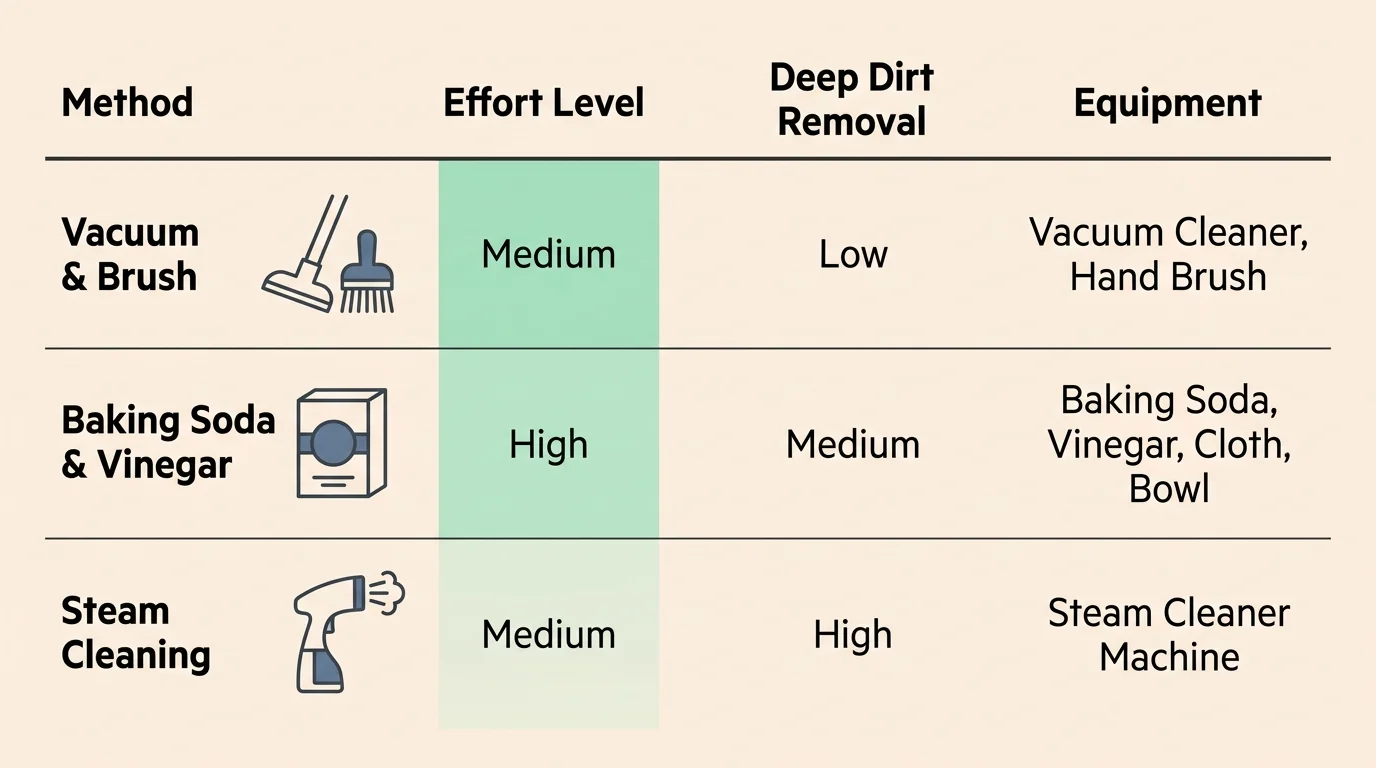
Window Track Cleaning Methods Compared
Select the right approach based on the severity of your track buildup and the amount of physical effort you want to exert:
| Cleaning Method | Best Used For | Physical Effort Required | Risk of Frame/Seal Damage |
|---|---|---|---|
| Dry Vacuum & Brush Sweep | Weekly or monthly routine maintenance on light dust. | Very Low (minimal bending or scrubbing). | None; extremely safe for all materials. |
| Baking Soda & Vinegar Foam | Seasonal deep cleaning; removing moderate mud, grime, and mold. | Moderate (requires detail wiping with cloths). | Low; safe for vinyl, fiberglass, and aluminum. |
| Handheld Steam Cleaner | Heavy insect accumulation, stubborn grease, and severe mold buildup. | Low to Moderate (steam does the heavy lifting). | Moderate; avoid direct high heat on double-pane glass seals. |
| Pressure Washer or Garden Hose | Exterior track rinsing on ground-floor storm windows. | Low. | High; can force water past internal seals into wall cavities. |

Preventative Checklist for Maintenance Overlooked Areas
Incorporate these cleaning window tracks tips into your home care routine to keep track channels sliding effortlessly year-round:
- Inspect Tracks Seasonally: Check all track channels during spring opening and autumn winterization.
- Keep Screen Bottoms Clean: Vacuum the lower edge of window screens where pollen and insect debris gather before dropping into tracks.
- Test Drainage Once a Year: Pour half a cup of water into exterior tracks every spring to ensure weep holes operate without obstruction.
- Choose the Right Lubricant: Apply PTFE or dry silicone spray twice a year; never use grease or standard oil formulations.
- Protect Tracks During Renovations: Cover window channels with painter’s tape whenever sanding drywall, painting, or doing outdoor masonry work nearby.
Your Next Practical Step
Walk over to the window you open most frequently right now and unlock the sash. Slide it open, look down into the lower guide track, and inspect the corners for dark debris or blocked weep holes. If you spot grit, take five minutes to vacuum out the loose dust today—this simple action prevents costly frame wear and lets fresh, clean air circulate freely through your home.