
Fresh bedsheets offer a clean, crisp feel, but changing them only addresses surface dirt while sweat, dead skin cells, allergens, and dust mites accumulate deep within your mattress over time. Ignoring the core of your bed compromises your sleep quality, degrades indoor air quality, and dramatically shortens the life of a major household investment. Recognizing the subtle signs your mattress needs more care allows you to restore proper support, eliminate hidden triggers for allergies, and maintain a healthier sleeping environment. Implementing proper mattress maintenance tips and embracing mattress care beyond changing sheets protects your physical health while successfully extending mattress lifespan for years.
1. Unexplained Morning Congestion and Allergy Flare-Ups
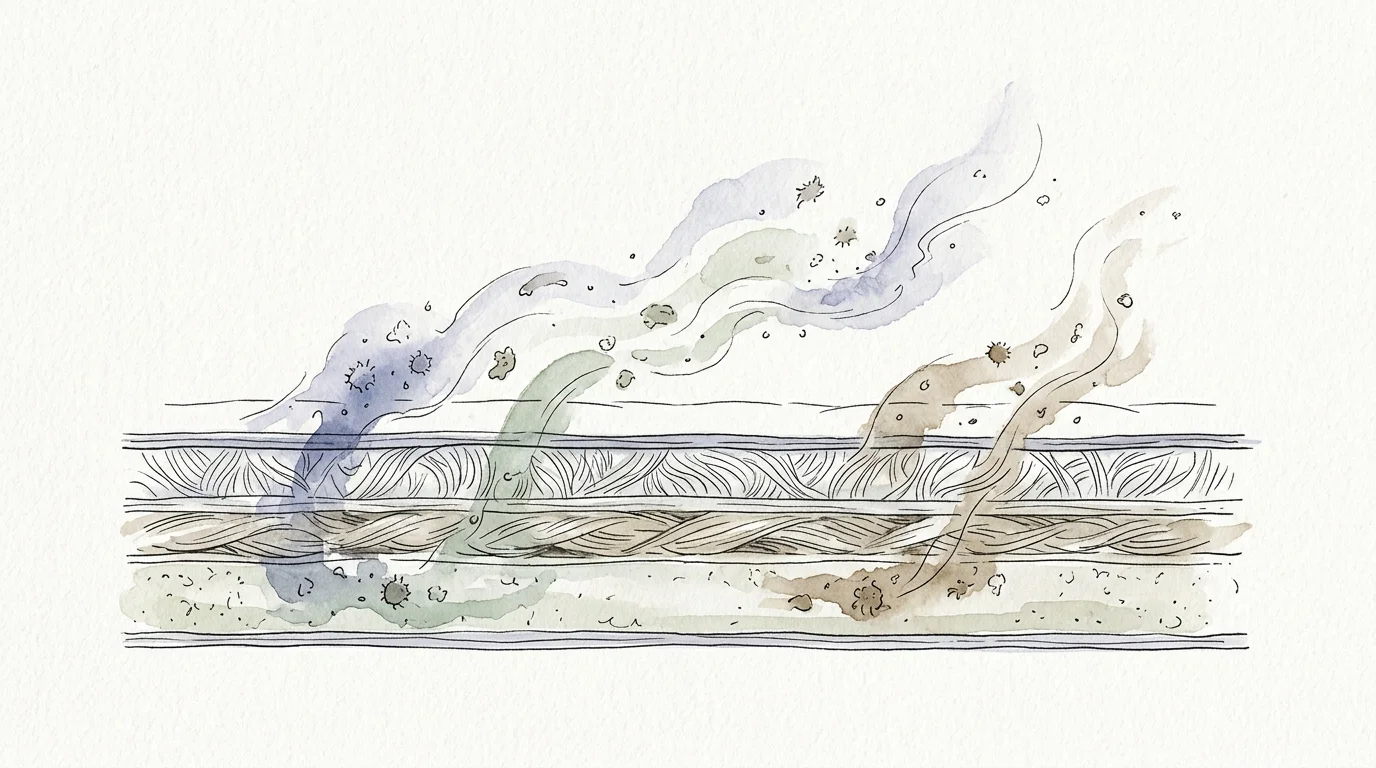
If you wake up every morning with a stuffy nose, scratchy throat, or watery eyes that mysteriously clear up an hour after getting out of bed, your mattress is likely harboring millions of microscopic organisms. Human beings shed approximately 1.5 grams of skin flakes each day; this skin debris settles deep into the fabric fibers and foam layers of your bed. Dust mites feed specifically on these discarded skin cells, thriving in the warm, humid environment created by your body heat during sleep.
According to the Asthma and Allergy Foundation of America, dust mite allergens represent one of the most common indoor triggers for year-round allergies and asthma. Over several years, an untreated mattress can absorb significant weight from dust mite waste, dead skin cells, and dried perspiration. Simple sheet laundering fails to reach these deeper layers. To combat this issue, you need a targeted strategy that combines HEPA-vacuuming with high-temperature laundering for mattress covers.
2. Visible Sagging and Deep Body Impressions
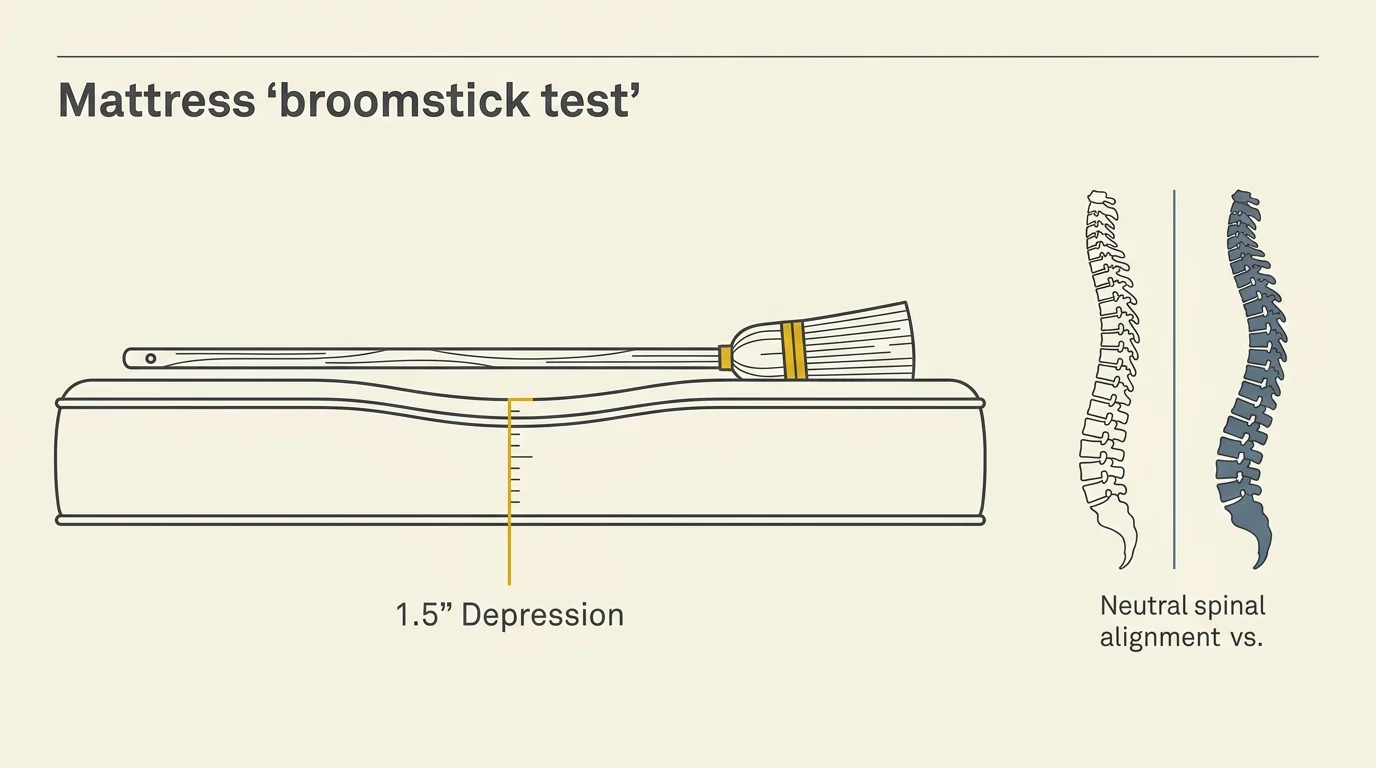
When you strip off your fitted sheet, take a close look at the bare surface of your bed under bright light. Do you notice permanent dips, hammocks, or body-shaped depressions where you usually sleep? Structural sag is one of the most definitive signs your mattress needs more care beyond routine bed-making. While a minor impression of less than half an inch is normal as materials break in, any depression deeper than 1.5 inches indicates severe internal mechanical failure.
Sleeping on a sagging mattress forces your spine out of its natural neutral alignment, placing continuous strain on your lower back muscles, ligaments, and spinal discs throughout the night. Guidance from the Mayo Clinic highlights that improper spinal support during sleep frequently leads to chronic back pain and daytime stiffness. You can test your bed’s surface by laying a broomstick straight across the mattress from side to side; measure the gap between the broomstick and the lowest point of the cushion using a tape measure to determine whether structural intervention or replacement is necessary.
3. Persistent Musty Odors and Stale Smells
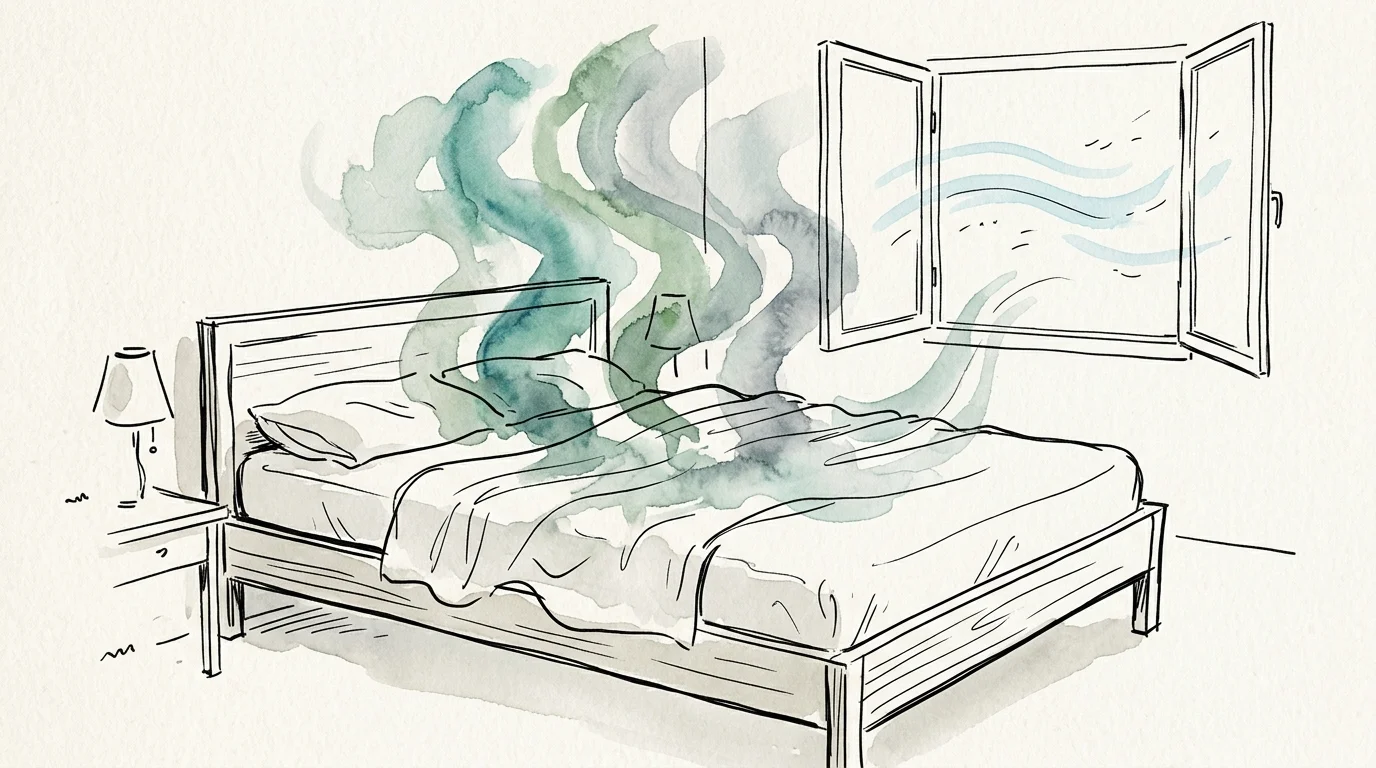
An average adult loses roughly 26 gallons of sweat in bed every single year. When moisture penetrates deep into memory foam or internal batting, it creates an ideal breeding ground for bacterial cultures, mold, and mildew. If your bedroom maintains a lingering, damp, or musty smell even after washing your sheets and opening the windows, moisture has become trapped within the mattress core.
The U.S. Environmental Protection Agency emphasizes that indoor mold spores can significantly compromise indoor air quality and exacerbate respiratory issues. Ignoring musty odors allows fungal spores to spread throughout the core foam layers, making recovery far more difficult later. Applying specialized deodorizing techniques—such as baking soda treatments combined with controlled airflow and sunlight exposure—helps draw out trapped moisture and neutralize volatile organic compounds before permanent structural decay occurs.
4. Unexplained Skin Irritation and Micro-Breakouts
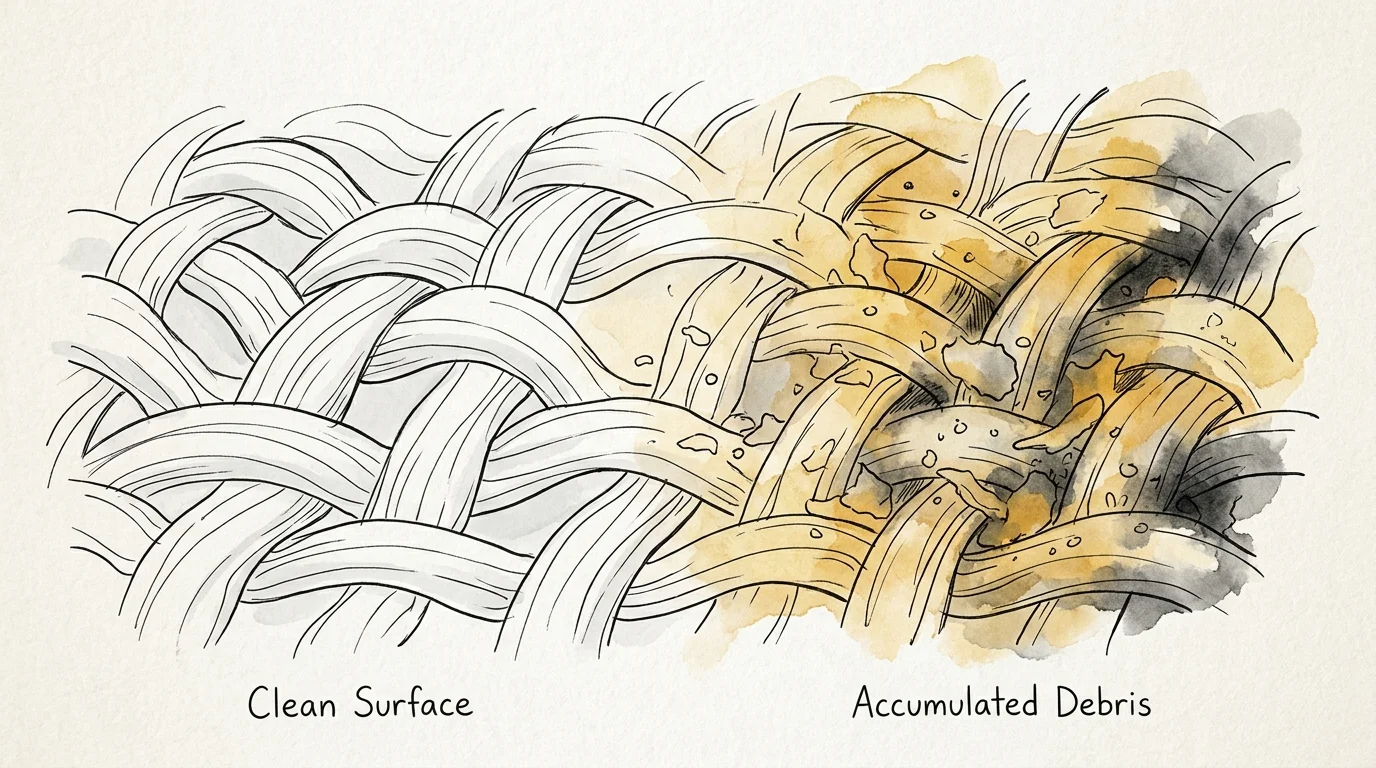
Waking up with unexplained redness, minor skin rashes, or persistent facial breakouts despite a consistent skincare routine often points directly to your sleeping surface. As you move during the night, friction transfers trapped oils, dried sweat salts, and microscopic debris from the mattress surface back into your skin pores. Over months of use without deep cleaning, your mattress cover becomes saturated with organic matter that harbors harmful bacteria like Staphylococcus aureus.
Standard bed sheets are porous woven fabrics; they allow microscopic particles and oils to migrate downwards onto the mattress ticking. Once settled, these compounds act as abrasive irritants every time you roll over. Implementing deep-cleaning mattress care beyond changing sheets stops this cycle of reinfection, protecting your skin barrier and ensuring a truly hygienic sleeping environment.
5. Dark Spots, Discoloration, and Moisture Stains
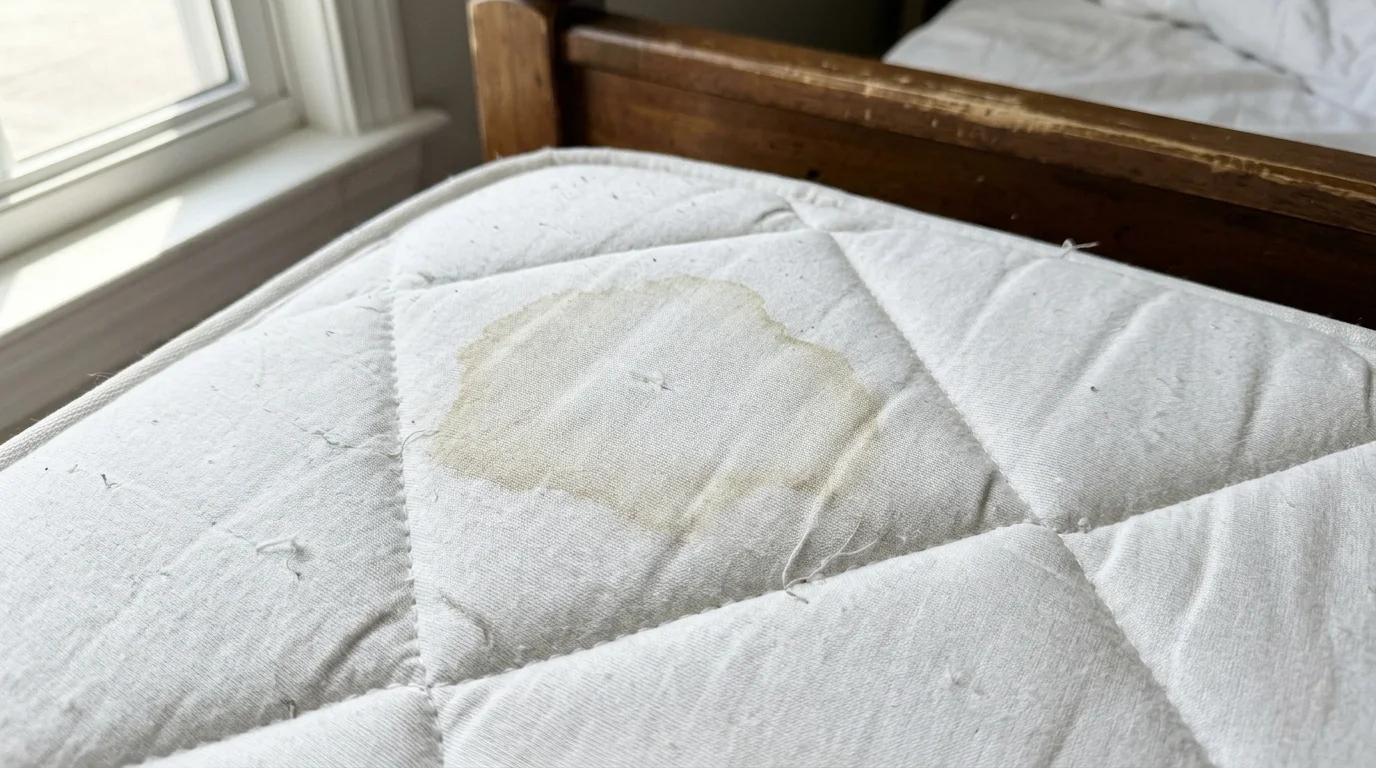
Yellowish rings, dark spots, and discoloration on your mattress fabric are clear indicators of chemical oxidation caused by body sweat, skin oils, and accidental spills. Moisture acts as a catalyst; it breaks down the protective finishes on mattress fabrics and allows organic stains to bind permanently to the fibers. Left untreated, these moist patches can harbor localized mold colonies that appear as tiny black or dark green speckles along the seams.
Ignoring these stains allows liquids to seep into underlying comfort layers, leading to foam degradation and chemical breakdown. Once liquid reaches inner coils or high-density core foam, rust and structural weakening quickly follow. Spot-treating stains promptly with non-saturating enzyme cleaners prevents liquid migration into the deeper support layers.

6. Creaking, Squeaking, and Noisy Components
A healthy, well-supported mattress should remain virtually silent when you change positions, roll over, or sit on the edge. Squeaking, popping, or grinding noises indicate structural friction within innerspring coils, broken pocket spring units, or a failing bed frame foundation. When internal springs warp or lose tension, they shift unevenly, causing metal-on-metal friction and uneven weight distribution.
Noise is a clear warning signal that the core support mechanism is failing to stabilize your body weight. Continuing to sleep on a noisy, destabilized unit accelerates wear across all remaining coils, leading to rapid sagging and increased pressure point pain along your hips and shoulders.

9. realitatea (9)
10. unui (10)
11. somn (11)
12. agitat (12)
13. și (13)
14. obositor. (14)
Let’s count
7. Restless Nights and Superior Sleep Away From Home
Pay close attention to how you feel when you stay at a hotel or sleep in a guest bed. If you consistently wake up refreshed and pain-free away from home—but struggle with tossing, turning, and morning stiffness in your own bed—your mattress has lost its ergonomic effectiveness. Over time, physical wear happens so gradually that your body attempts to adjust to poor support, resulting in frequent micro-arousals during the night.
The Sleep Foundation recommends evaluating your sleeping surface every 7 to 10 years, as cushion layers lose elasticity and structural integrity over time. When your bed no longer supports restorative sleep, executing proper mattress cleaning and rotation tips can temporarily restore comfort, but severe wear indicates it is time to plan for a replacement.
Step-by-Step Mattress Deep Cleaning Guide
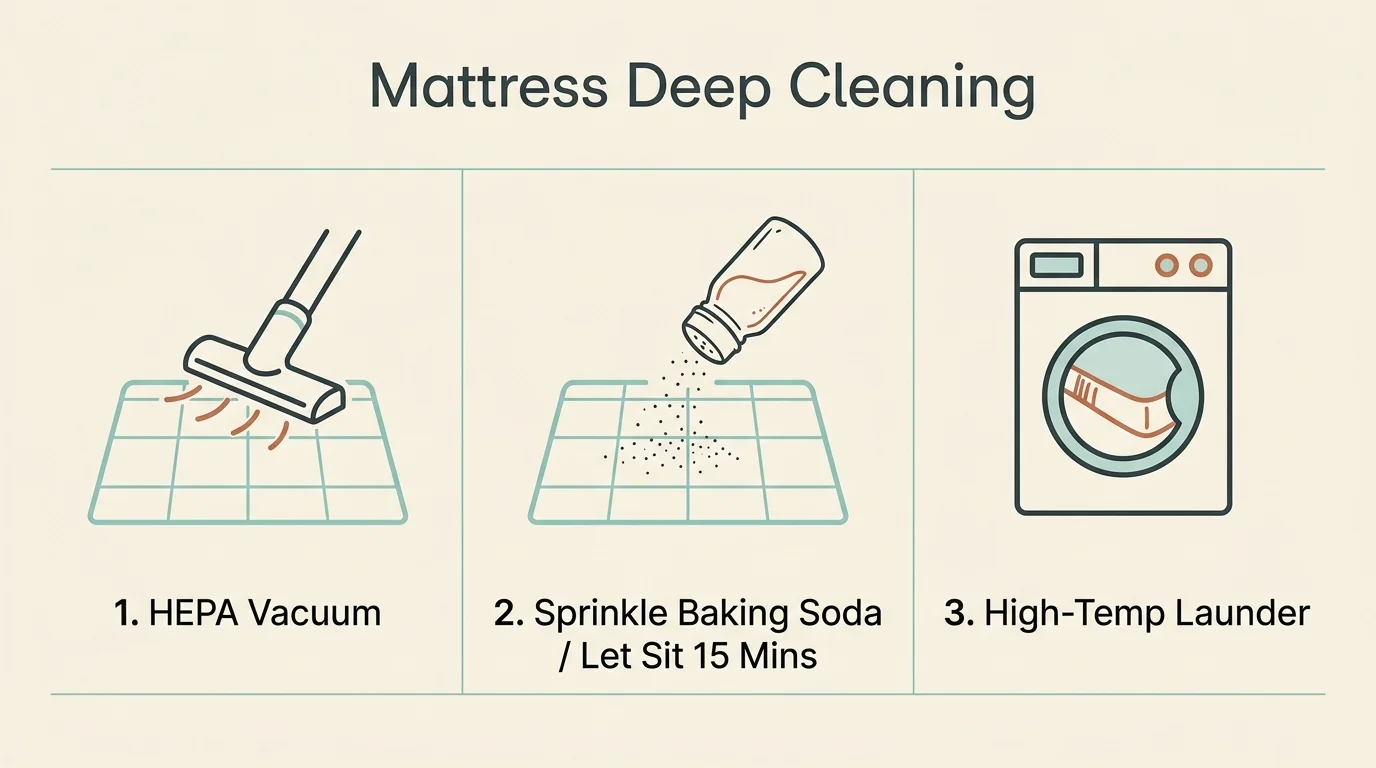
To restore your sleeping surface, perform a comprehensive deep clean at least twice a year. Follow these practical steps to sanitize and refresh your mattress effectively:
- Strip and Wash All Bedding: Remove all sheets, pillowcases, and mattress pads. Wash them in hot water—at least 130°F (54°C)—to eliminate dust mites and dissolve body oils completely.
- Vacuum Thoroughly: Use your vacuum cleaner’s upholstery attachment with a HEPA filter. Press firmly into the fabric, paying special attention to seams, tufts, and edge stitching where dust mite debris accumulates.
- Spot-Clean Stains Safely: Mix a few drops of mild liquid dish soap and a small amount of 3% hydrogen peroxide in a spray bottle. Lightly mist a clean microfiber cloth (never spray directly onto the mattress) and gently dab stains from the outside edges inward. Avoid over-saturating memory foam or latex.
- Apply a Deodorizing Baking Soda Layer: Generously sprinkle pure baking soda over the entire surface of the bare mattress. For added freshening, mix in a few drops of lavender or eucalyptus essential oil before sprinkling. Let the baking soda sit undisturbed for at least 6 to 8 hours; this draws out trapped moisture and neutralizes deep odors.
- Vacuum a Second Time: Carefully vacuum up all baking soda residue using slow, overlapping passes to ensure complete removal.
- Aerate with Sunlight and Fresh Air: If possible, open bedroom windows to allow direct sunlight and fresh air to hit the mattress. Ultraviolet light acts as a natural disinfectant against surface bacteria.
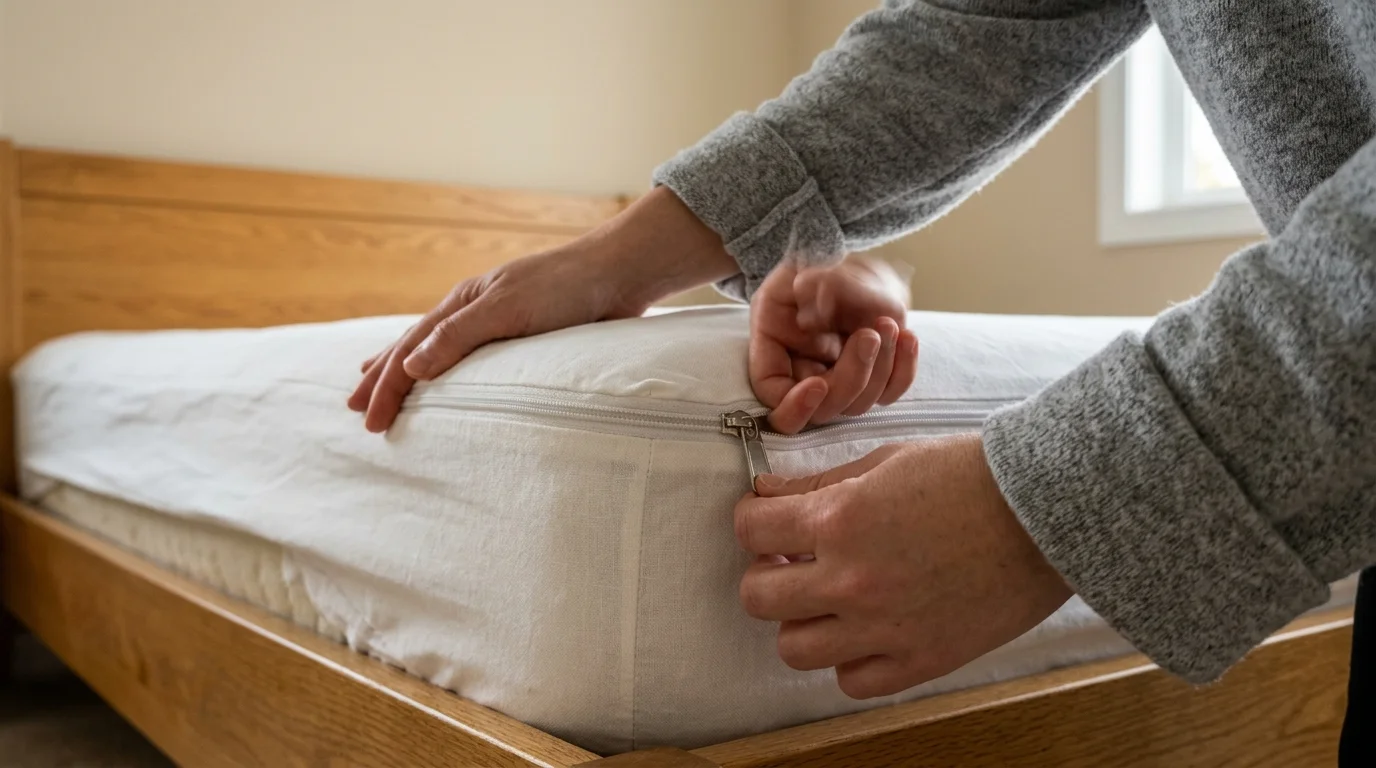
- Install a Sealed Mattress Encasement: Finish by applying a waterproof, breathable, zippered mattress encasement to protect your bed against future spills, allergens, and moisture buildup.
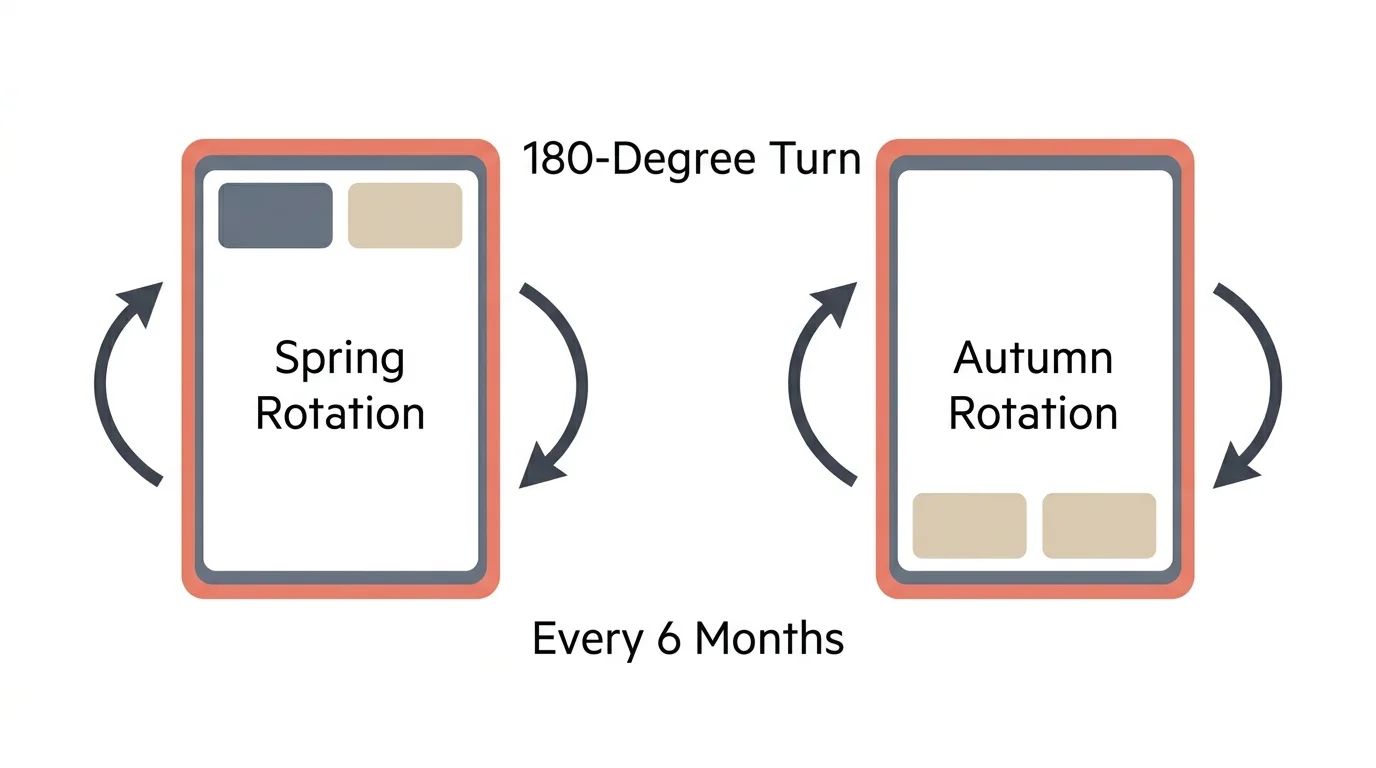
6. 180 (6)
7. de (7)
8. grade, (8)
9. recomandată (9)
10. primăvara (10)
11. și (11)
12. toamna, (12)
Mattress Rotation and Maintenance Schedule
Establishing a regular rotation schedule distributes body weight evenly across the surface, preventing deep sagging and extending mattress lifespan significantly. The table below outlines specific care guidelines based on your mattress construction type:
| Mattress Construction Type | Rotation Frequency | Flipping Instructions | Deep Cleaning Interval |
|---|---|---|---|
| Memory Foam / Gel Foam | Every 3 to 6 months (180 degrees) | Do NOT flip (single-sided design) | Every 6 months |
| Innerspring (Traditional) | Every 3 months (180 degrees) | Flip twice a year if double-sided | Every 6 months |
| Hybrid (Coils + Foam Top) | Every 3 to 6 months (180 degrees) | Do NOT flip (single-sided design) | Every 6 months |
| Natural Latex | Every 6 months (180 degrees) | Flip annually if dual-density/sided | Every 6 to 12 months |
Proactive Strategies for Extending Mattress Lifespan
Beyond regular deep cleaning and rotation, adopting proactive maintenance habits preserves the structural integrity of your bed for years. First, always verify that your bed frame provides adequate support. Innerspring and hybrid beds require a rigid central support beam with vertical legs that touch the floor, especially for queen and king sizes. Slatted bases must feature slat spacing of no more than 3 inches apart to prevent foam from sagging through the gaps.
Second, manage your bedroom environment. Maintain indoor humidity levels between 30% and 50% using a dehumidifier during humid months; high humidity accelerates biological degradation inside foam and fiber layers. Finally, avoid sitting on the exact same edge of the bed every morning while putting on shoes, as concentrated edge-sitting breaks down perimeter foam encasements over time.

Your Next Practical Step
Take five minutes today to strip your bed entirely down to the bare mattress. Inspect the surface under bright light for visible dips, check seams for dust buildup, and perform a quick sniff test for trapped moisture or odors. Pick one actionable step from this guide—such as ordering a high-quality zippered mattress encasement or applying a baking soda treatment this weekend—to immediately improve your sleep environment and protect your mattress investment.