Transforming a tired space does not require expensive cans of paint, messy drop cloths, or endless hours of taping trim. You can completely transform your home’s look and feel by making strategic, low-cost adjustments to lighting, layout, textiles, and wall decor. Simple swaps like updating cabinet hardware, rearranging heavy furniture, or adding peel-and-stick accents give any room an immediate facelift without draining your savings account. By focusing on high-impact visual anchors and practical clutter management, you create a brighter, more serene living area in a single afternoon while keeping your budget intact.
1. Rearrange Your Furniture Layout for Improved Flow
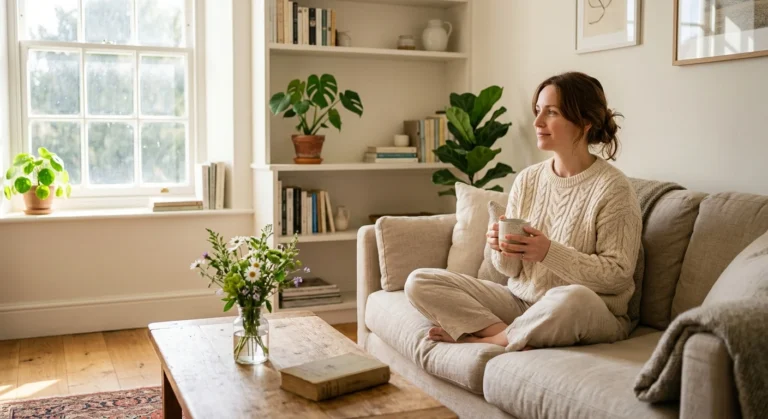
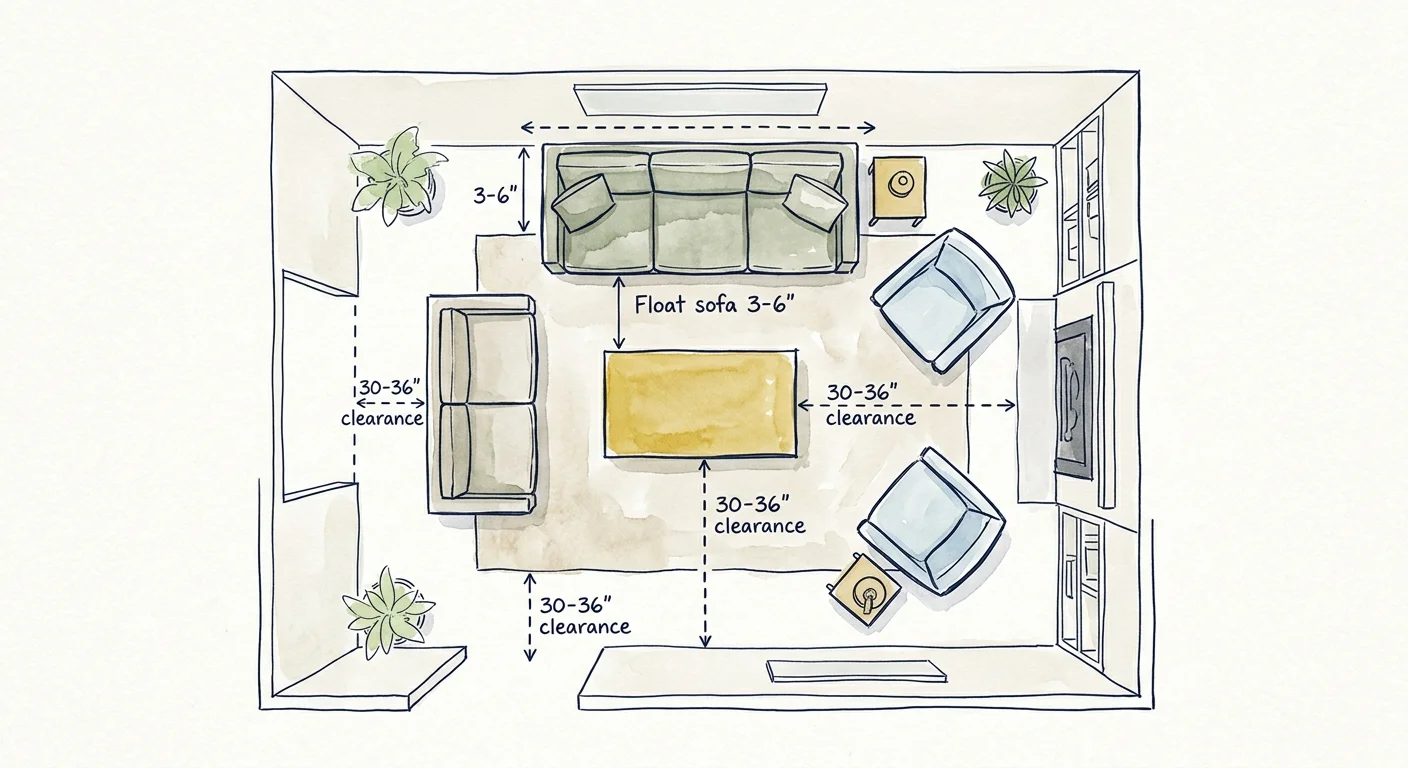
Rearranging your existing furniture costs nothing, yet it completely alters how you experience a room. Over time, chairs, tables, and sofas settle into fixed positions that might block natural light pathways or constrict traffic movement. Start by identifying the primary focal point in your space—such as a fireplace, a large picture window, or a media console—and arrange your largest seating pieces toward it.
Pull your sofa and armchairs away from the perimeter walls by just three to six inches; this technique, known as floating furniture, creates an immediate illusion of depth and airiness. Ensure walkways remain clear by leaving at least thirty to thirty-six inches of space between major pieces. If you want cheap ways to refresh a room without painting, changing the angle of an armchair or shifting a desk to face a window reenergizes your room in under an hour.
2. Refresh Soft Textiles with Seasonal Swaps and Layering
Textiles absorb a massive amount of visual real estate in any bedroom or living space. Replacing worn or dark fabrics with lighter, textured alternatives gives your home a quick, budget-friendly facelift. Instead of buying entirely new pillows, buy inexpensive pillow covers in size 18×18 or 20×20 inches to slip over your existing inserts; this saves both money and storage space.
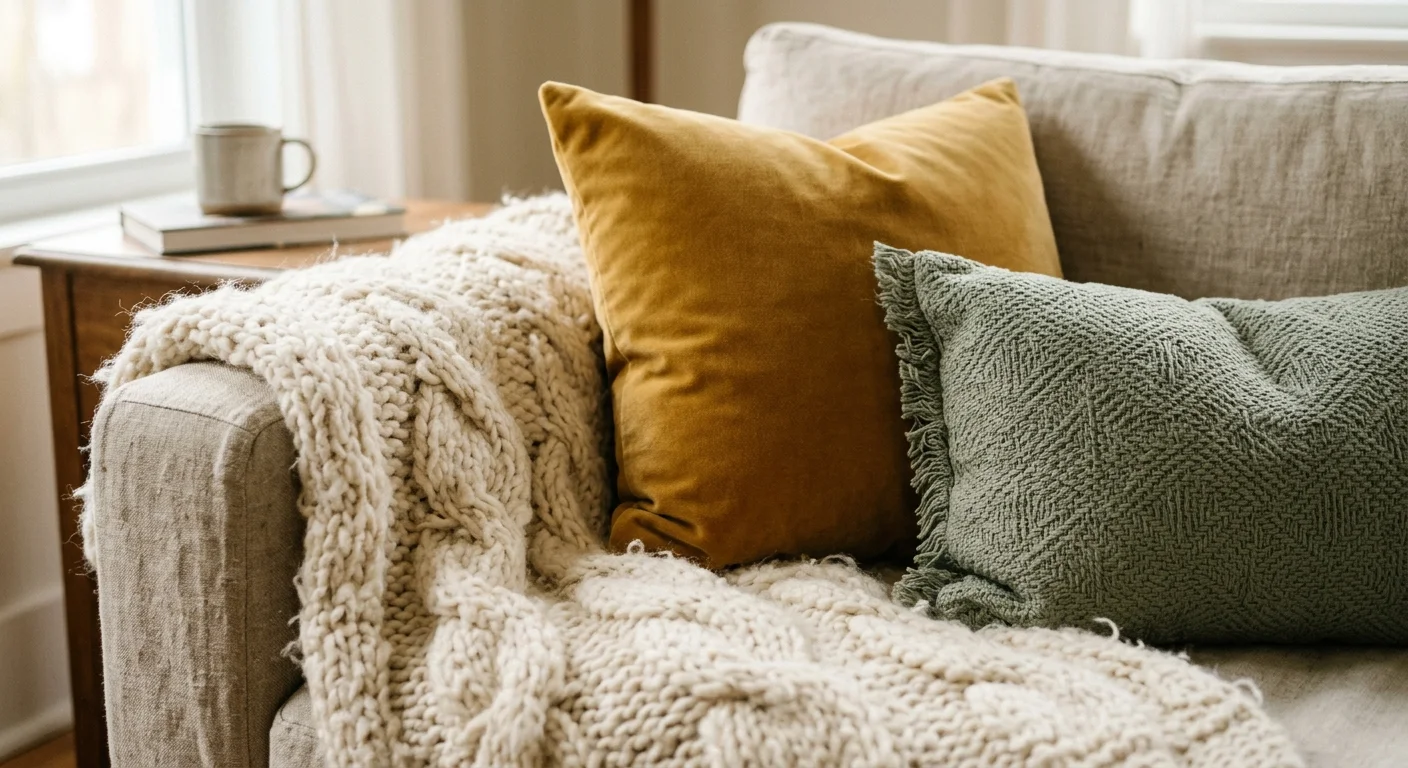
Layer different materials—such as chunky knit throw blankets across a linen couch, or velvet accents alongside crisp cotton—to create tactile richness. When evaluating drapery, hang your curtain rods four to six inches above the window frame and extend the rod three to six inches beyond the sides. High and wide drapery placement instantly tricks the eye into seeing taller ceilings and wider windows, delivering easy room updates on a budget without picking up a paintbrush.

3. Deep Clean Hard Surfaces, Glass, and Upholstery
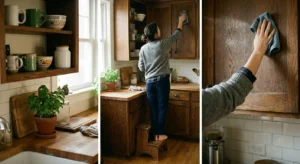
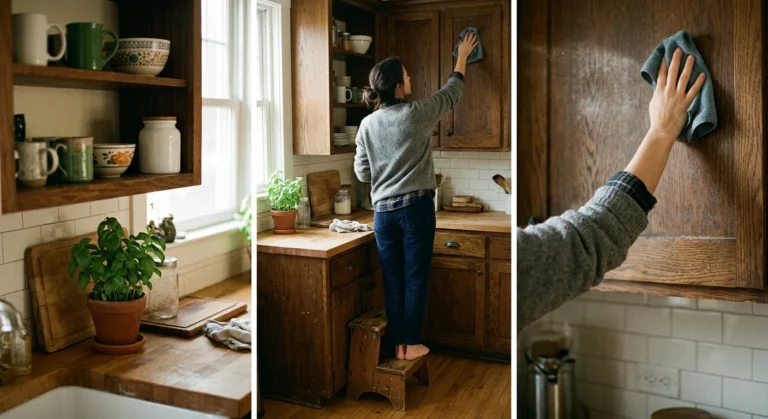
Accumulated dust, film on window panes, and muted upholstery fibers dull a room’s natural color palette far more than you might realize. Deep cleaning hard surfaces and soft goods restores the vividness of your existing finishes without buying anything new. Clean your windows inside and out; removing grime allows up to thirty percent more natural daylight to bounce around your living spaces.
Vacuum soft furniture thoroughly using upholstery attachments, and consider using a fabric shaver on pillowed couches to eliminate unsightly fuzz balls. Spot-clean stubborn rug stains and polish wooden furniture with a quality conditioner to bring out deep grain tones. Following established cleaning protocols—such as those recommended in the CDC guide on cleaning home surfaces safely—keeps your home healthy while maximizing brightness and surface clarity.
4. Replace Standard Cabinet Hardware and Switch Plates
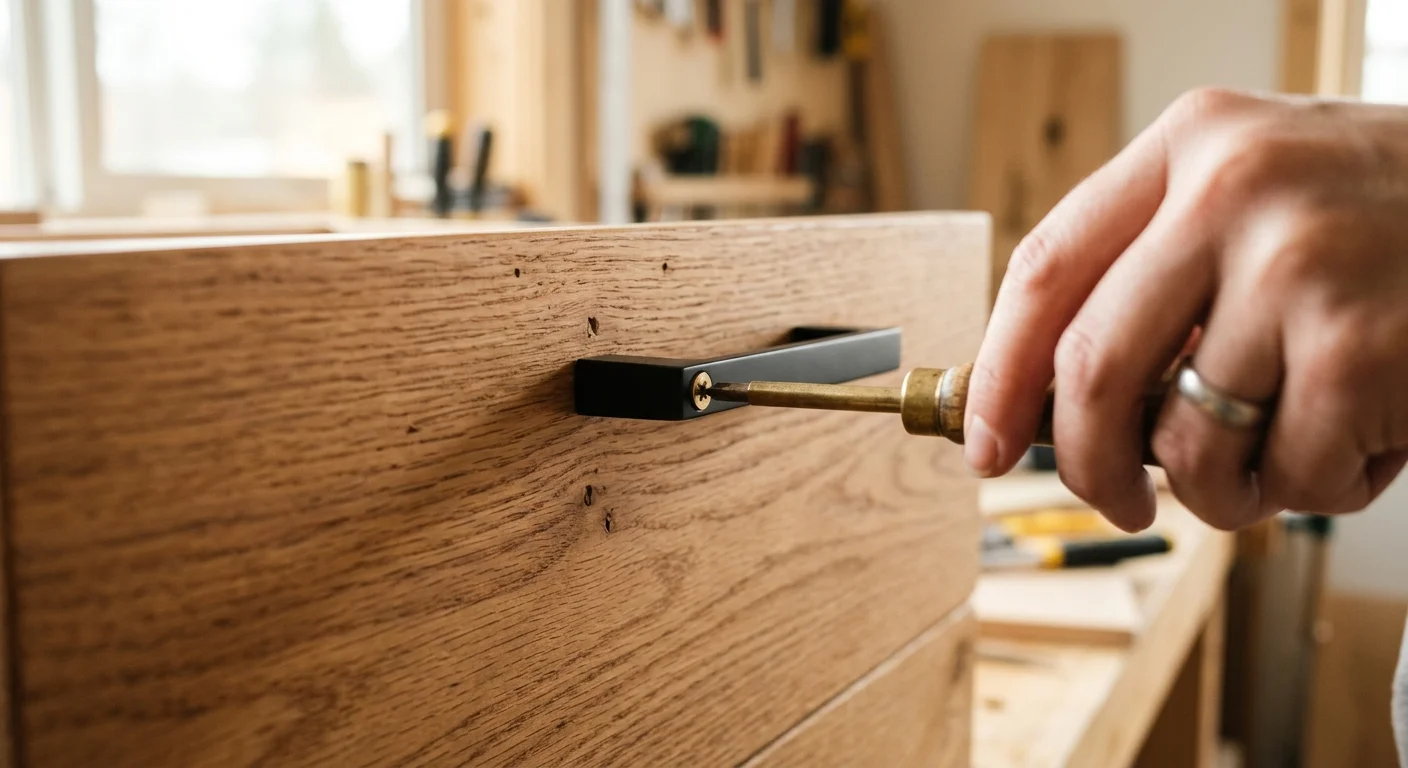
Builder-grade cabinet handles, yellowed outlet covers, and plain switch plates lower the visual quality of an otherwise tidy room. Upgrading hardware is one of the most effective low cost room refresh tips available. Modern drawer pulls and cabinet knobs in finishes like matte black, brushed brass, or oil-rubbed bronze add instant elegance to dressers, nightstands, or built-in cabinets.
Before purchasing new hardware, measure the distance between the screw holes on your current drawers—standard spacing is usually three inches center-to-center. Swapping out standard plastic switch plates for clean, decorative brass or polished white plates takes only a screwdriver and five minutes per outlet. This small investment yields an upscale, custom look across your entire room.
5. Apply Removable Peel-and-Stick Wallpaper or Wall Decals
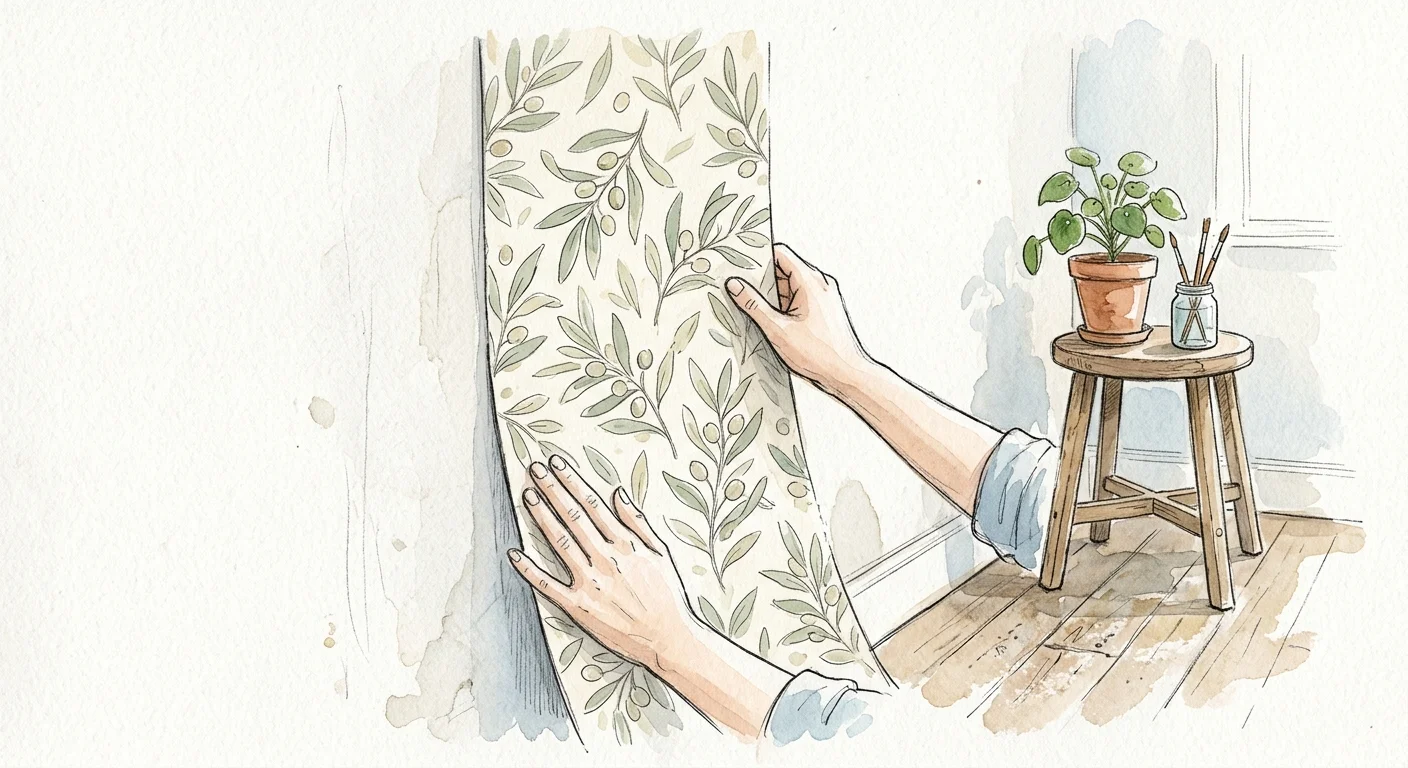
If your walls look blank or outdated, removable peel-and-stick wallpaper offers a damage-free way to add vibrant pattern and accent texture. Unlike traditional wallpaper, modern self-adhesive rolls require no paste, produce no mess, and peel off cleanly when you want a change. This makes peel-and-stick products ideal for renters or homeowners who want to update a room without repainting long-term.
Apply accent wallpaper behind your bed headboard, inside a reading nook alcove, or along the back panels of a bookcase for an unexpected pop of style. If a full roll feels intimidating, purchase minimalist geometric or botanical wall decals; arranging them in a repeated pattern creates a subtle, custom stenciled effect for under thirty dollars per room.
6. Upgrade Lighting with Warm LEDs and Layered Lamps
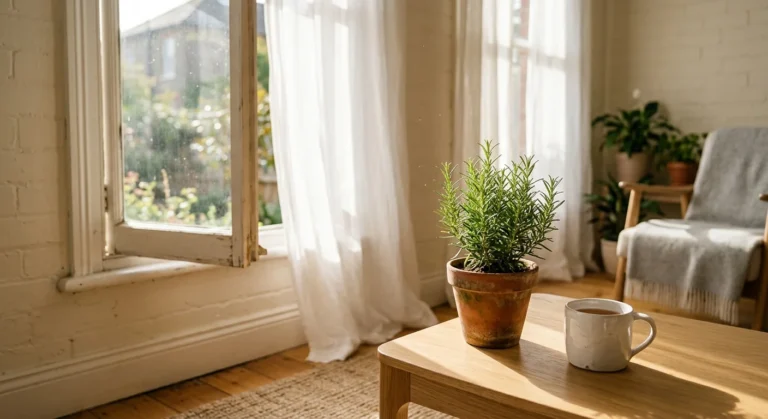
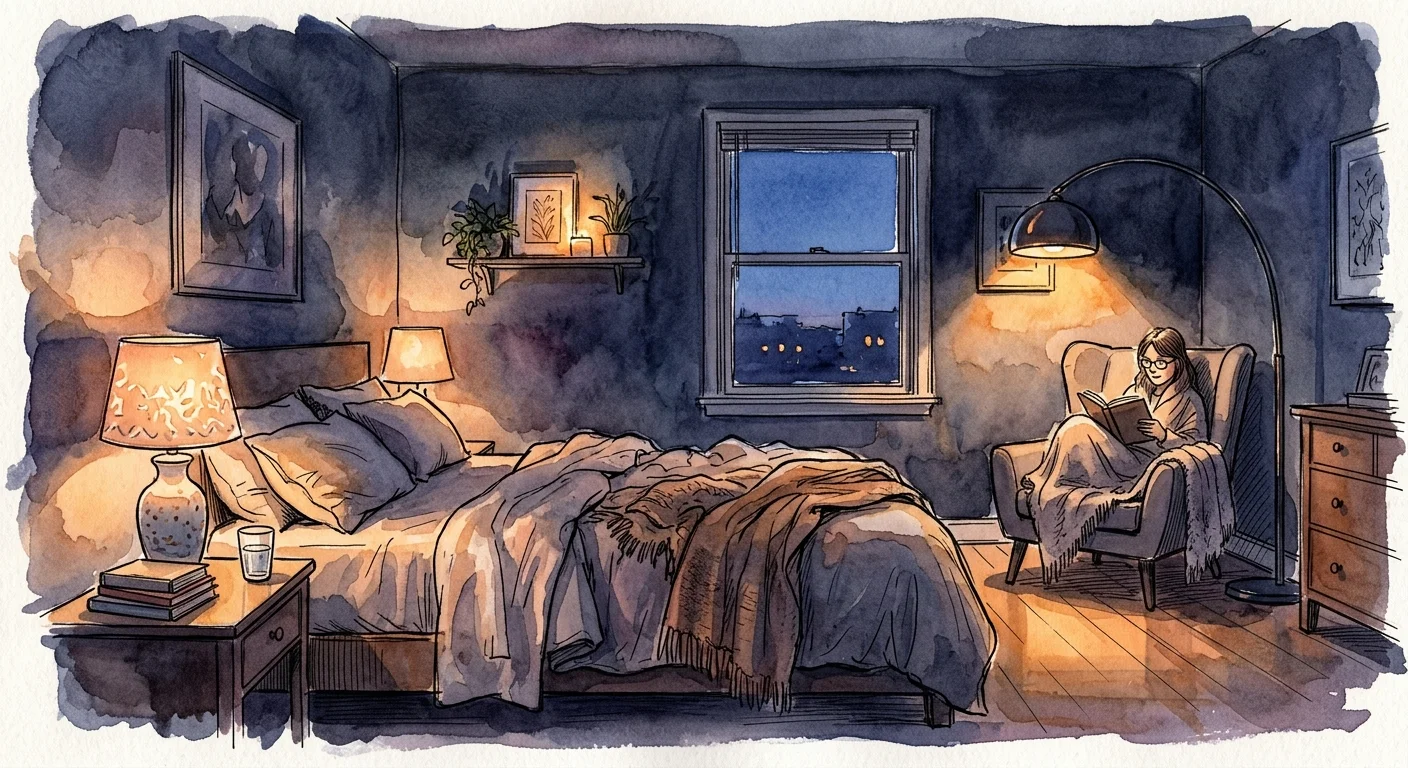
Harsh overhead lighting washes out wall colors, accentuates minor imperfections, and creates an uninviting atmosphere. Replacing cool, blue-tinted bulbs with warm-white LED options immediately softens the environment. Aim for light bulbs rated between 2700 Kelvin and 3000 Kelvin, which mimic the gentle, flattering hue of late afternoon sunlight.
To avoid relying strictly on a central ceiling fixture, implement layered lighting by placing floor lamps and table lamps at varying heights across the room. Reviewing energy performance facts, such as the guidelines provided on Energy.gov lighting guidance, helps you choose energy-efficient bulbs with the exact lumen output needed to warm up dark corners effectively.
7. Style Surfaces Using the “Rule of Three” and Decluttering
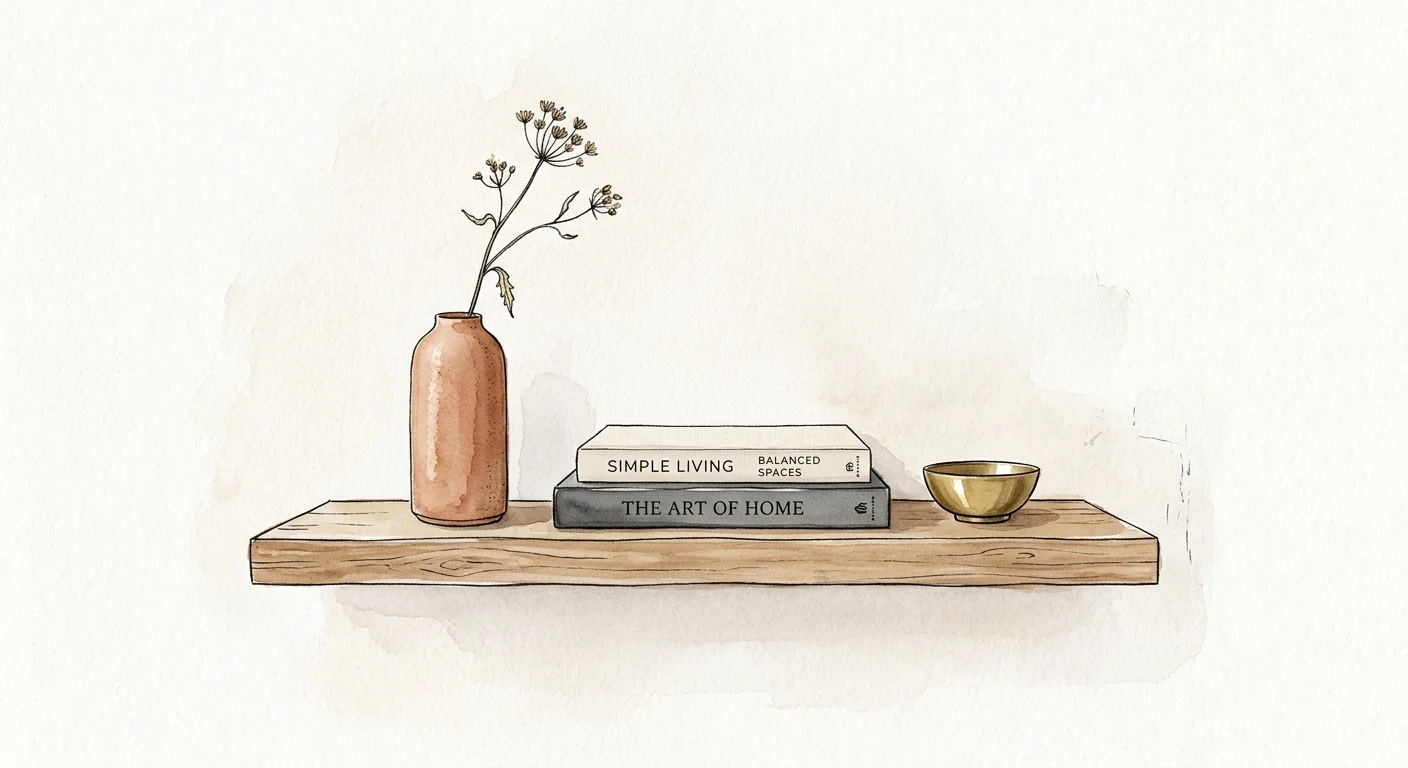
Flat surfaces like coffee tables, sideboards, and dressers easily gather visual clutter, making a room feel chaotic and small. Streamlining these surfaces instantly elevates your home decor. Clear away random papers and loose objects, then organize remaining items using decorative trays or small wooden bowls to keep items grouped intentionally.
When placing decorative items, follow the visual design principle known as the Rule of Three. Arrange items in odd-numbered groups—such as a tall vase, a medium stack of books, and a small scented candle—to create balance and visual interest. Studies highlighted by the Sleep Foundation bedroom environment research show that reducing visual clutter in personal spaces significantly reduces daily stress and promotes better rest.
8. Introduce Low-Maintenance Houseplants for Natural Color
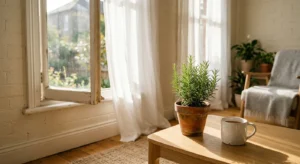
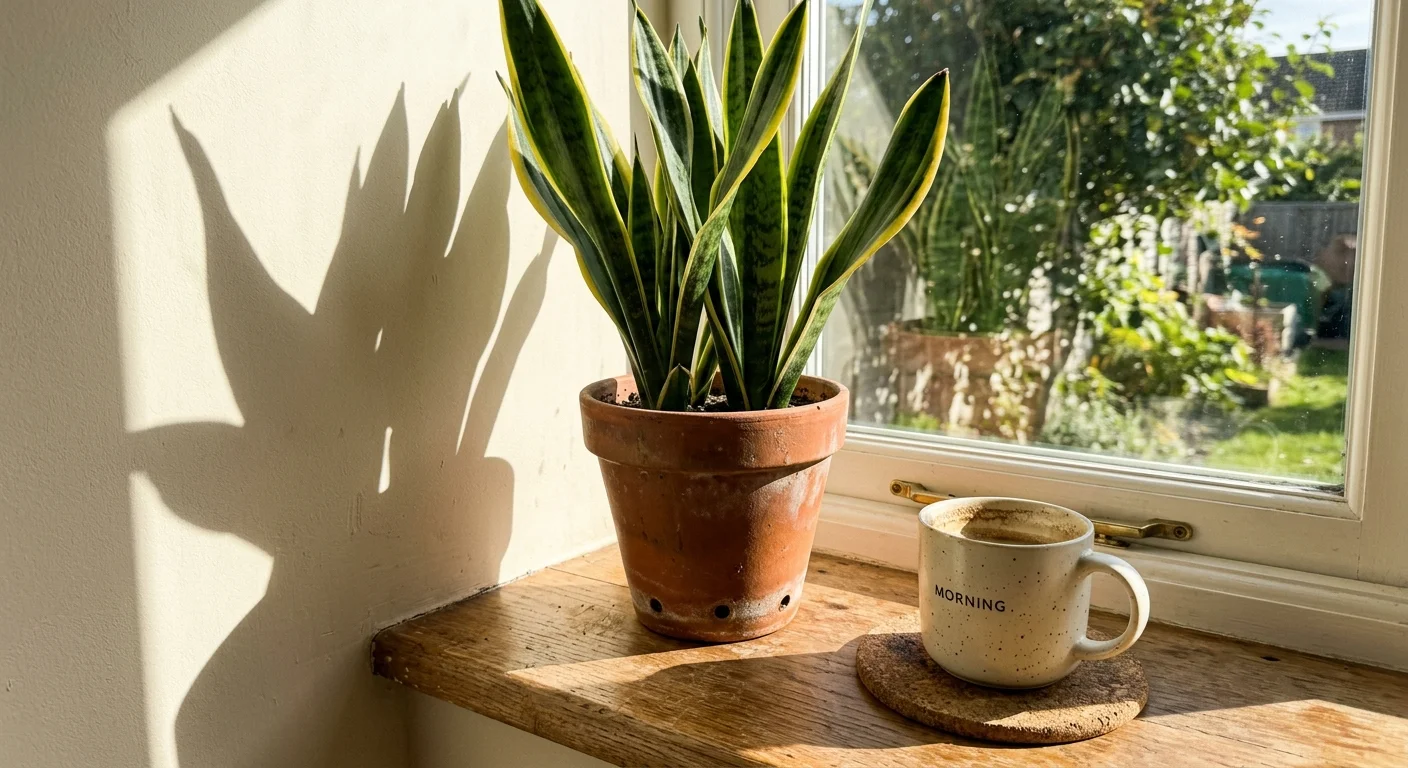
Living plants introduce vibrant greens, organic shapes, and natural energy into static interior spaces. If your room feels sterile, adding a few leafy indoor plants creates an instant connection to nature while serving as budget room makeover ideas. Low-maintenance options like Pothos, Snake Plants, and ZZ Plants thrive in low-to-medium light conditions and require infrequent watering, making them perfect for busy households.
Place trailing plants on upper bookshelves so their vines drape downward, or position a tall Snake Plant in a basket near a empty corner to add vertical structure. According to the EPA indoor air quality resources, maintaining clean, well-ventilated indoor spaces paired with natural elements fosters a healthier living environment.
9. Frame Oversized Printables, Fabric Swatches, or Thrifted Art
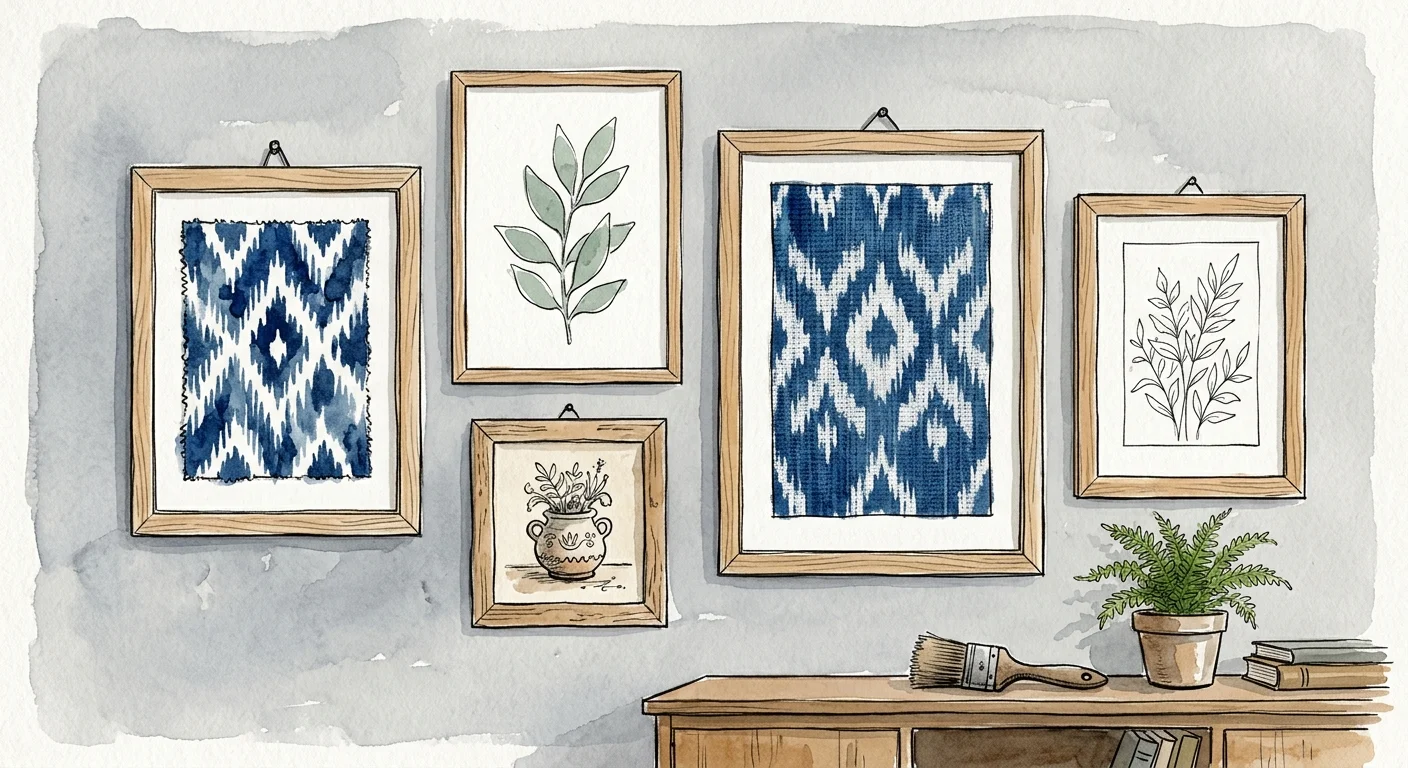
Blank walls make spaces feel unfinished, but purchasing large, original canvas art can strain your home budget. You can bypass high prices by framing high-resolution digital art printables, vintage textile swatches, or stylish wallpaper samples. Many online creators sell printable digital art files for under five dollars, which you can print affordably at a local office supply shop.
To give budget art a museum-quality feel, buy large frames with wide white mat boards. Insert smaller prints inside oversized mats—for example, placing an 8×10 print inside a 16×20 frame. When hanging art, mount frames so the visual center sits roughly fifty-seven to sixty inches from the floor, which aligns with eye level and builds standard gallery balance throughout your room.
10. Position Strategic Mirrors to Double Daylight and Depth
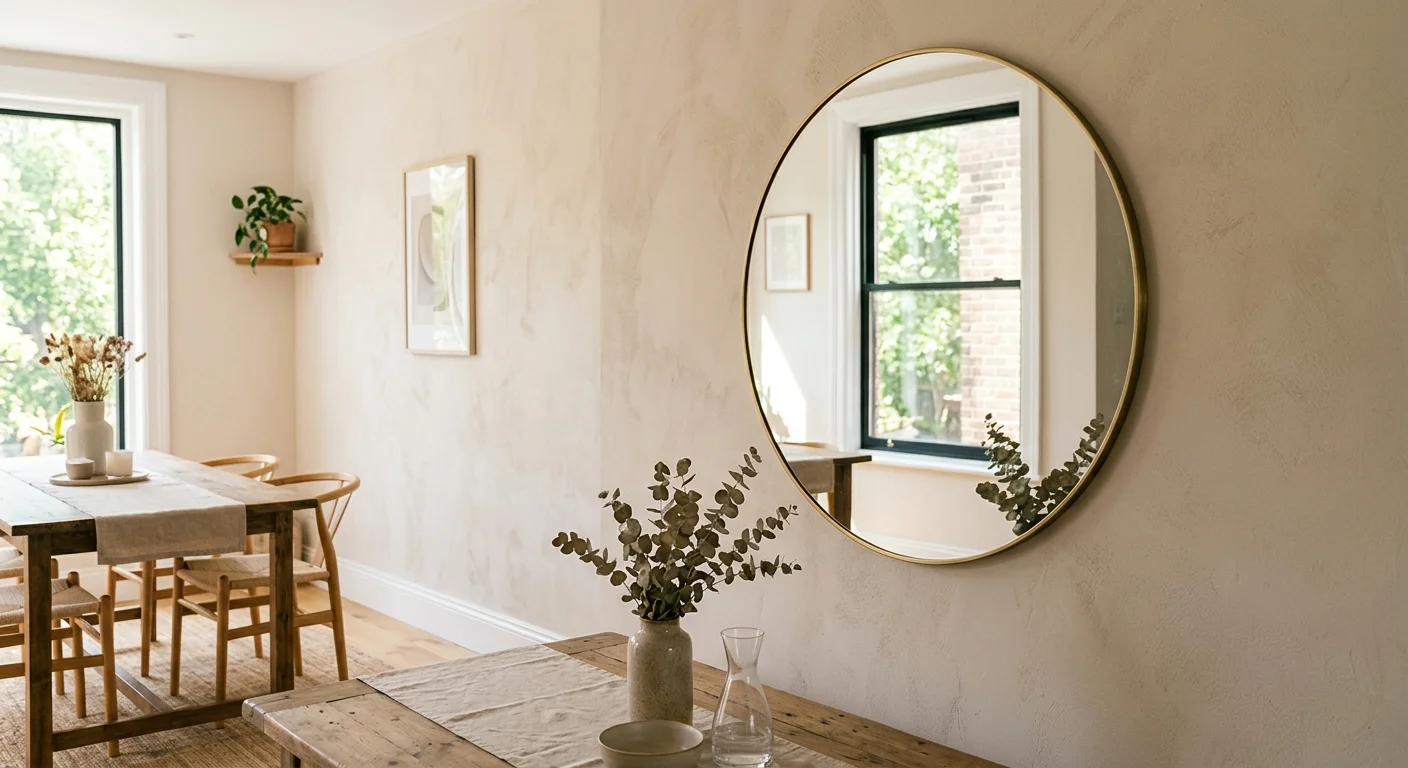
Mirrors act as virtual windows; they reflect ambient daylight, bounce interior lighting into dim corners, and double the perceived visual footprint of compact rooms. Placing a medium or large mirror directly across from or adjacent to a window catches incoming sunlight and casts it across adjacent walls, brightening the room naturally.
If wall mounting feels difficult, rest a tall full-length floor mirror against a sturdy wall in a bedroom or hallway. For added style, shop second-hand thrift stores for antique framed mirrors; a quick wipe down or a subtle metallic wax rub restores vintage frames and adds timeless character to modern interiors.
Comparing Low-Cost Room Refresh Options
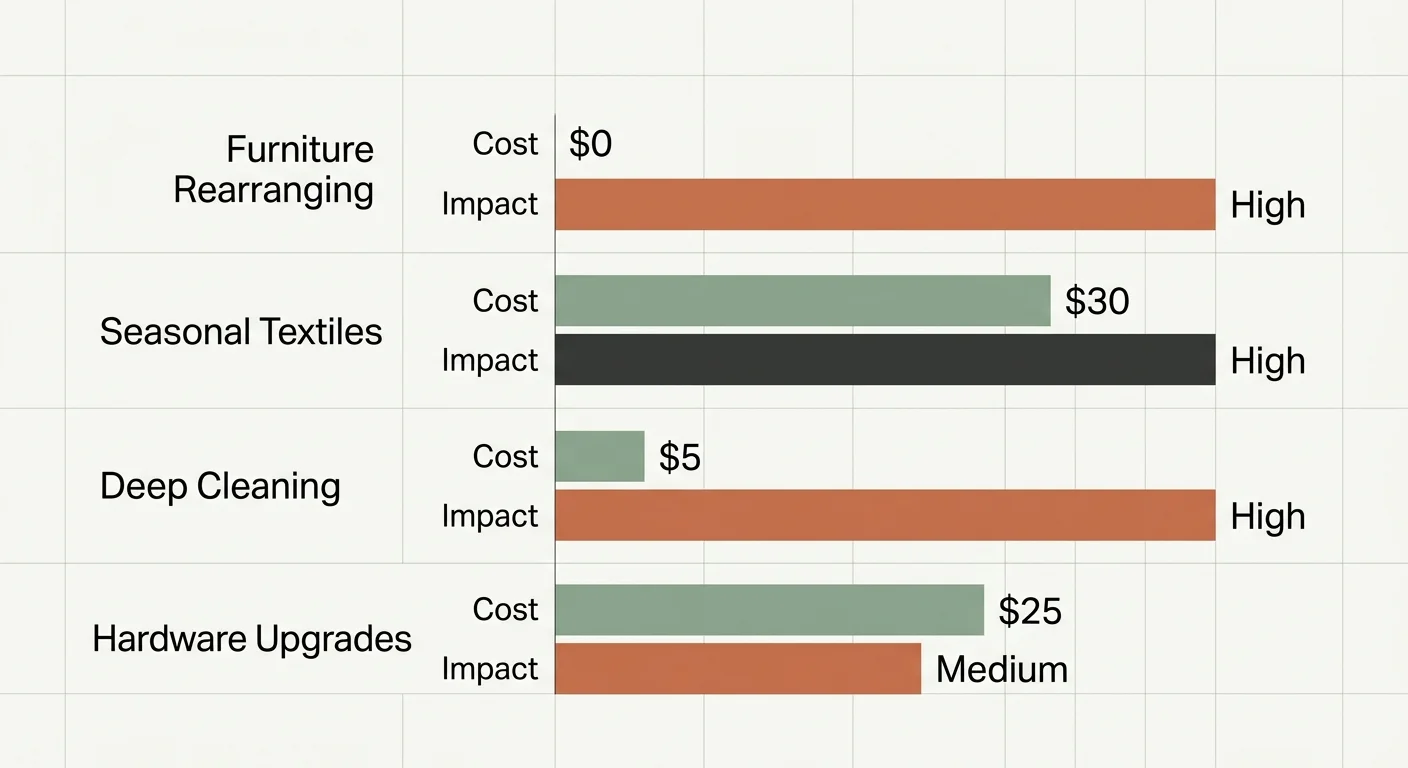
Use the simple comparison table below to evaluate which budget room updates match your timeline, desired visual impact, and target spending cap.
| Refresh Strategy | Estimated Cost | Time Required | Visual Impact |
|---|---|---|---|
| Rearranging Furniture Layout | $0 | 30 – 60 Minutes | High |
| Deep Cleaning Surfaces & Glass | $0 – $10 | 1 – 2 Hours | Moderate |
| Surface Decluttering & Styling | $0 | 30 Minutes | Moderate |
| Swapping Warm LED Bulbs | $10 – $25 | 15 Minutes | High |
| Adding Low-Maintenance Plants | $10 – $30 | 20 Minutes | Moderate |
| Updating Cabinet & Drawer Hardware | $15 – $40 | 45 Minutes | High |
| Framing Oversized Printable Art | $15 – $35 | 1 Hour | High |
| Peel-and-Stick Accent Wallpaper | $25 – $50 | 1 – 2 Hours | Very High |
5-Step Room Assessment Checklist Before You Start
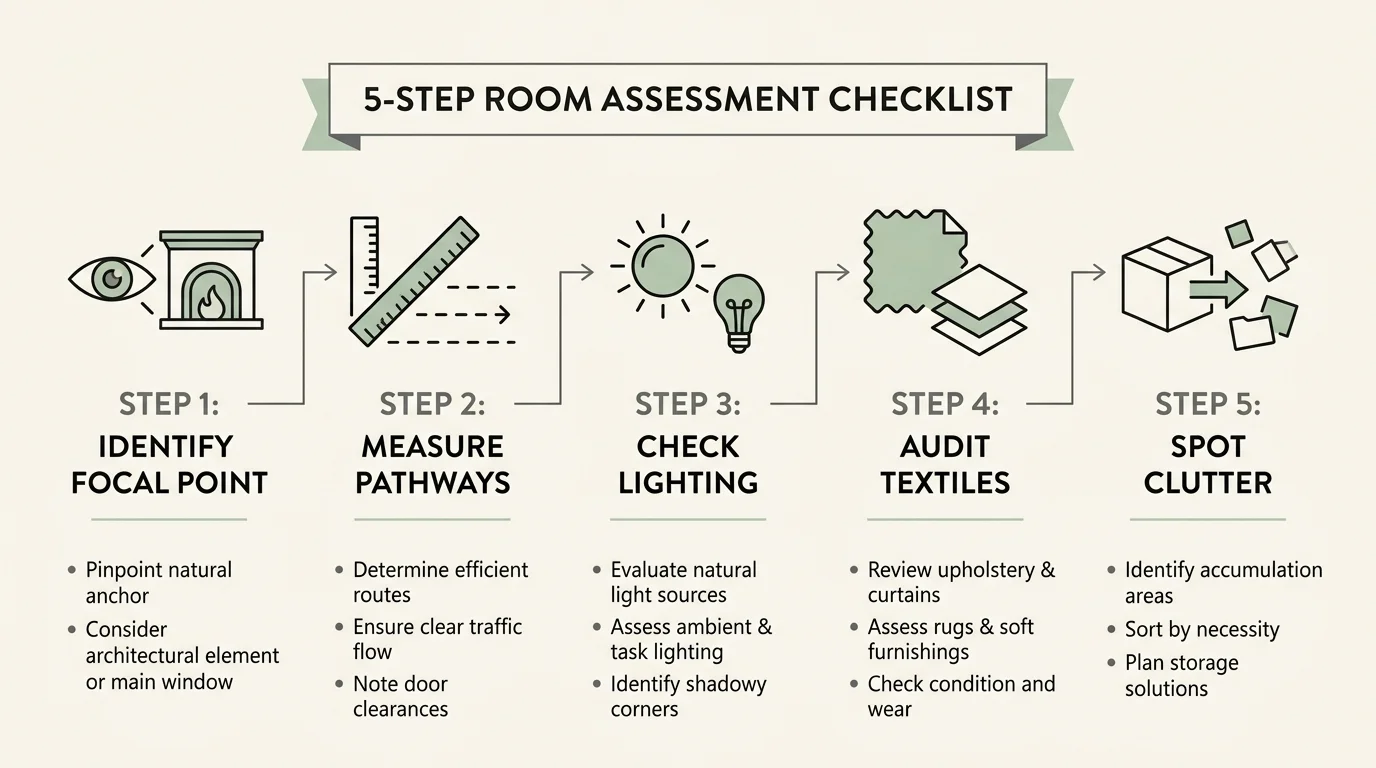
Follow this practical checklist to audit your room before spending money on new decor items:
- Audit Your Natural Light: Open all blinds and curtains completely. Identify dark corners that need warm lamp lighting or reflective mirrors.
- Clear All Flat Surfaces: Strip dressers, nightstands, and tables down to bare wood. Only return items that serve a daily practical function or bring genuine joy.
- Check Traffic Paths: Walk through the room normally. Adjust chair angles or table placements if you bump into furniture edges or feel boxed in.
- Measure Existing Frames and Hardware: Take exact measurements of drawer pull hole distances and wall spaces before ordering new accent pieces online.
- Shop Your Own Home First: Gather unused vases, throws, frames, or lamps from other rooms to see if swapping items between spaces solves your design needs.
Your Practical Next Step
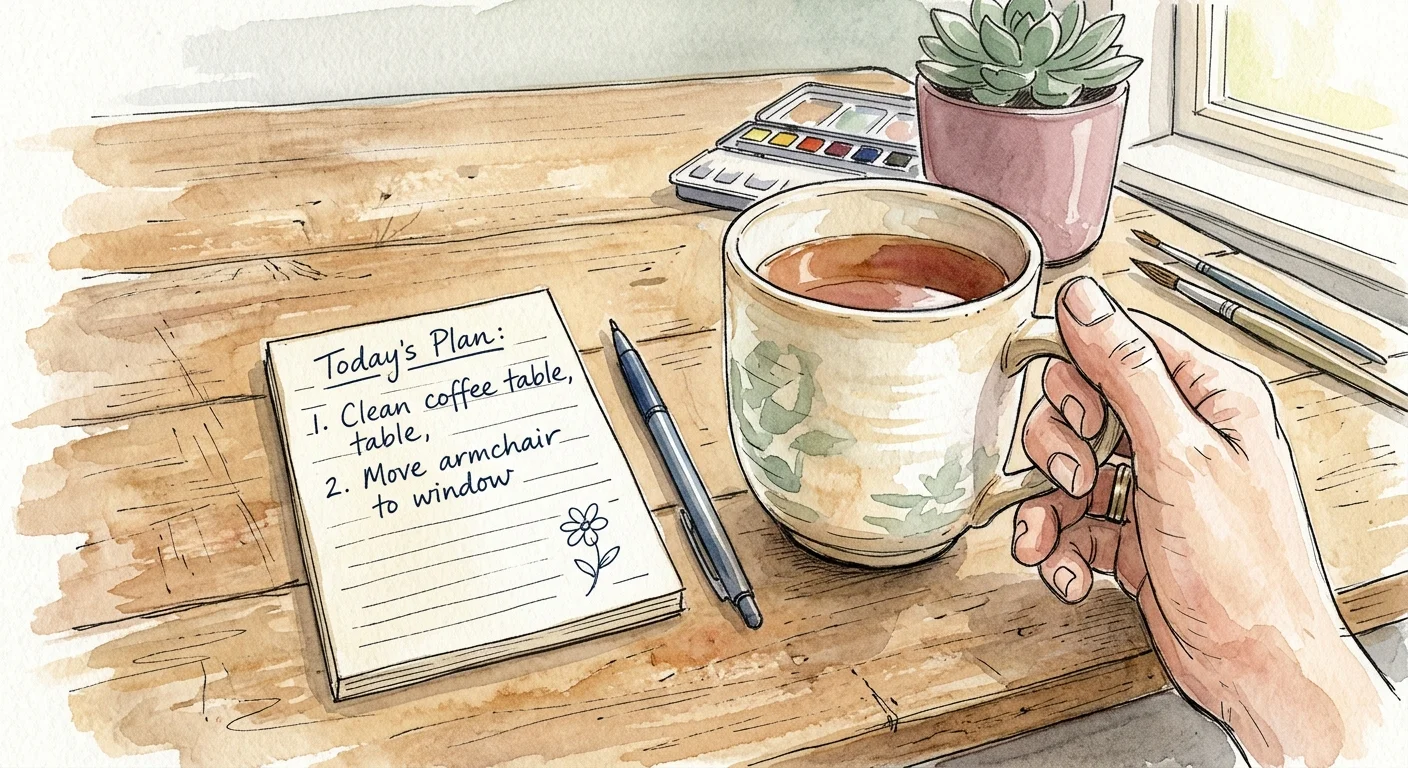
Pick a single room in your home today and perform a ten-minute lighting and layout audit. Clear one visual surface—like your main coffee table or nightstand—and rearrange your seating pieces to face the primary window or focal point. You will immediately notice a lighter, more inviting space without spending a single dollar or opening a paint can.