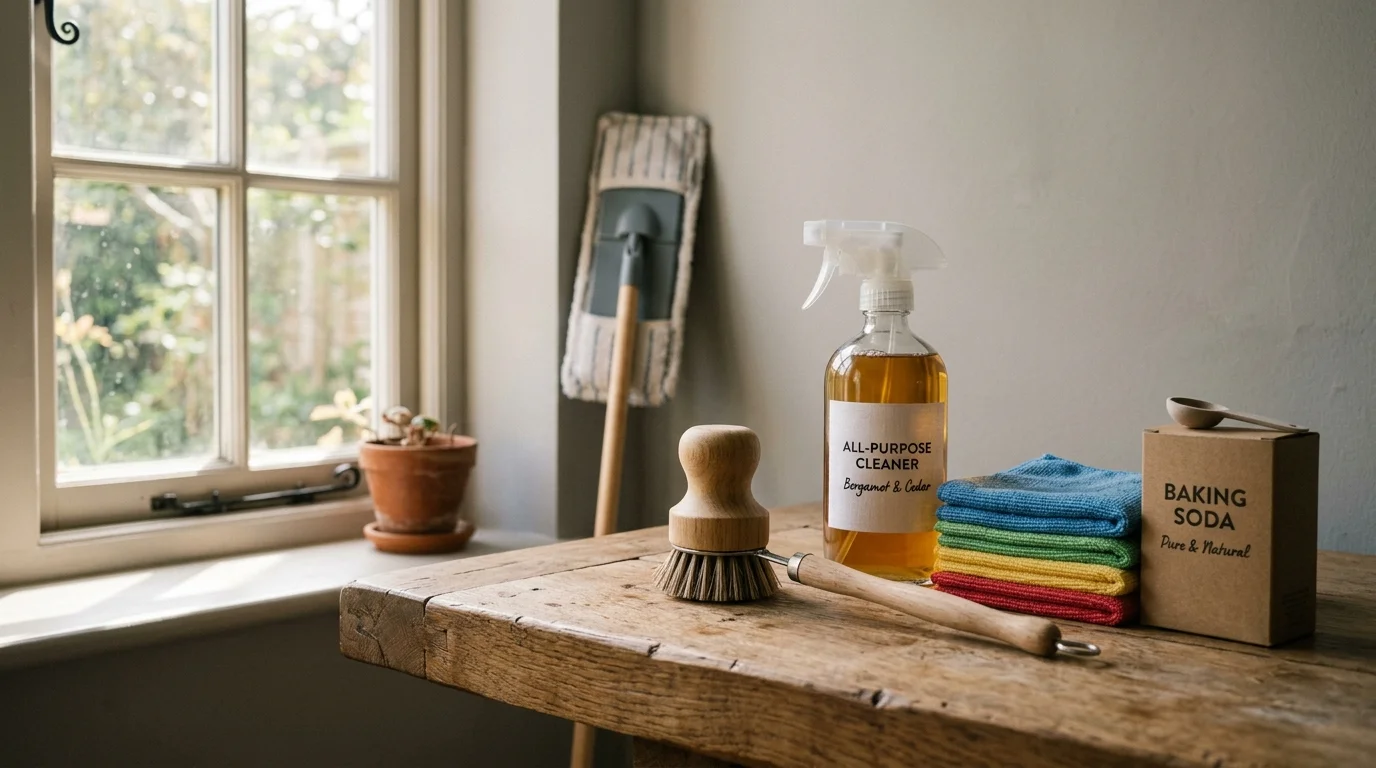
A streamlined cleaning routine starts by stripping your supply closet down to the absolute necessities, saving you time, money, and mental energy. You do not need a specialized spray for every surface in your home; a tightly curated 10-item cleaning kit can tackle daily maintenance and deep cleaning alike. By relying on versatile household essentials and ergonomic tools, you can create a cleaner, calmer living space without hauling heavy buckets or juggling chemical-laden bottles. This approach proves especially beneficial if you want to simplify daily chores or reduce physical strain. Mastering these ten core supplies will completely transform your home cleaning process into a fast, manageable system.
01 Color-Coded Microfiber Cloths for Chemical-Free Dusting
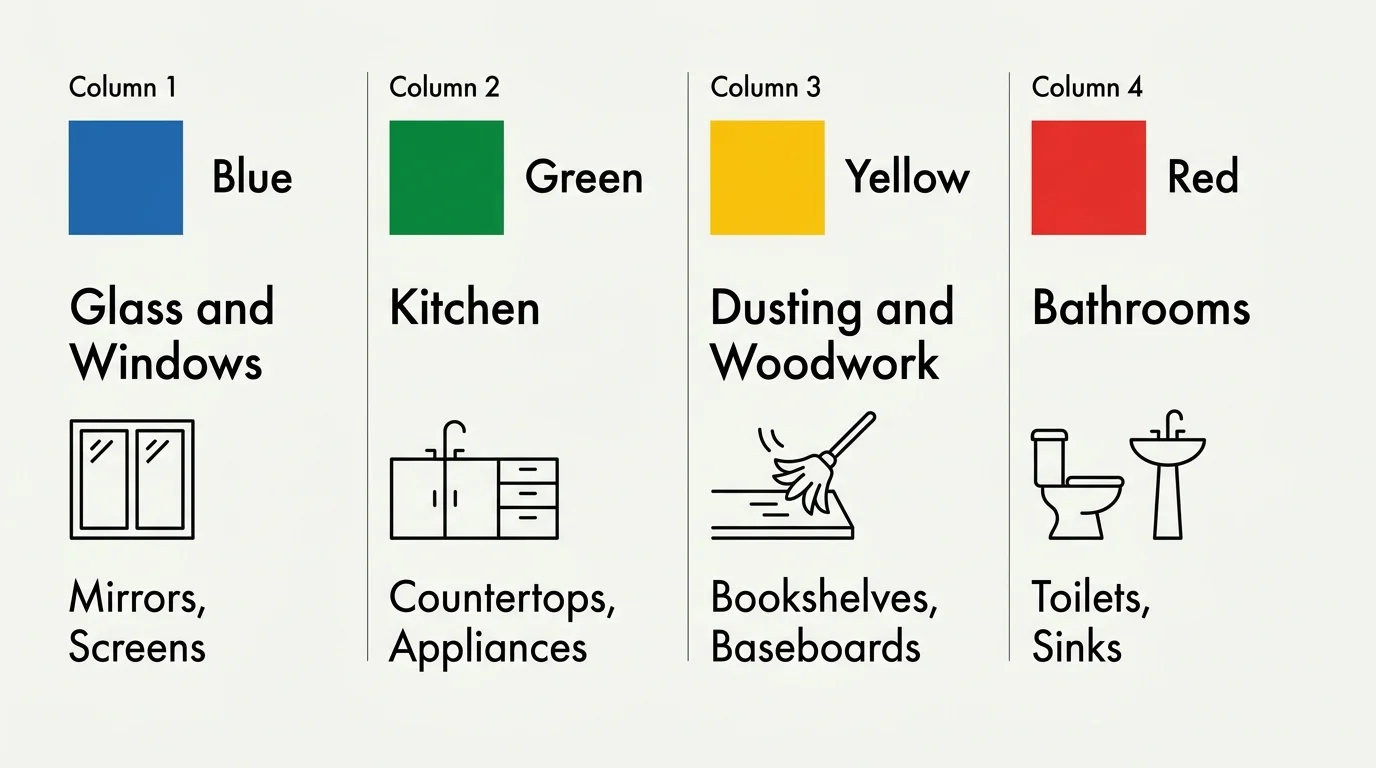
Microfiber technology stands as a true cornerstone of modern, efficient home cleaning. Unlike traditional cotton towels that simply push dirt around the surface, dense synthetic microfiber physically traps microscopic materials, including dust, dirt, and up to 98 percent of bacteria, using nothing but water. This exceptional absorbency and gripping power allow you to dramatically cut down on the use of expensive, chemical-laden sprays. To maximize your cleaning efficiency and prevent cross-contamination between different hygiene areas of your house, implement a strict color-coded system.
To maintain your microfiber cloths and extend their lifespan, you must follow a few basic laundry rules. Always wash microfiber separately from cotton fabrics; cotton sheds lint that will permanently clog the microscopic hooks of the synthetic fibers. Furthermore, never use fabric softener or dryer sheets. These common laundry additives coat the fibers in a waxy residue, completely ruining the cloth’s natural absorbency and static charge. Simply wash them in warm water with a mild detergent and tumble dry on low heat.
| Cloth Color | Designated Zone | Primary Uses |
|---|---|---|
| Blue | Glass and Windows | Mirrors, interior windows, television screens, and glass tables |
| Green | Kitchen | Countertops, stovetops, refrigerator handles, and appliance exteriors |
| Yellow | Dusting and Woodwork | Bookshelves, baseboards, picture frames, and living room furniture |
| Red | Bathrooms | Toilets, shower tiles, bathroom sinks, and plumbing fixtures |
02 A High-Quality HEPA Vacuum for Better Indoor Air
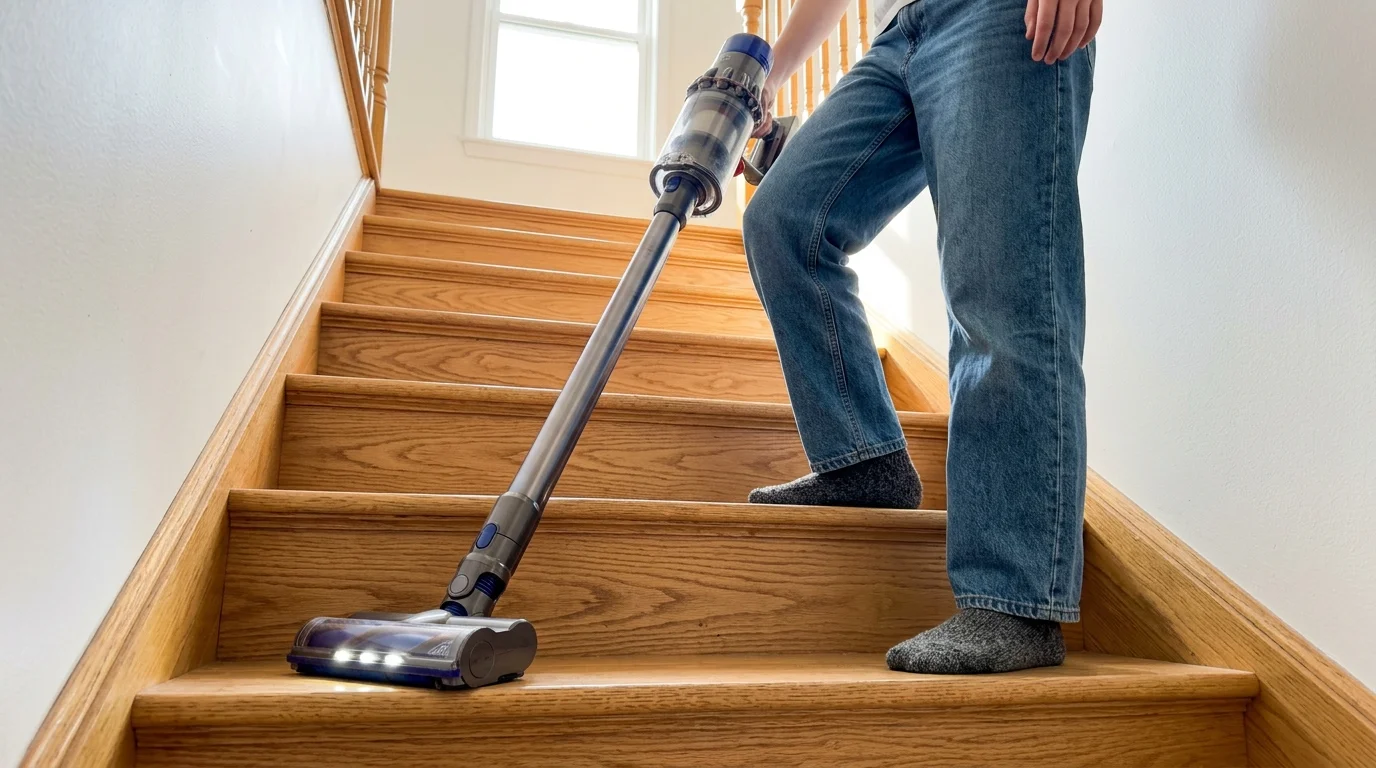
While older vacuum cleaners simply kick microscopic dust back into the air you breathe, a vacuum equipped with a High-Efficiency Particulate Air (HEPA) filter safely traps fine particles, including pet dander, pollen, and dust mites. The American Lung Association recommends vacuuming at least weekly with a HEPA vacuum to significantly reduce indoor air pollutants. This specific mechanical feature proves particularly crucial for older adults or anyone managing asthma and seasonal respiratory allergies.
When selecting a machine to anchor your kit, consider choosing a lightweight stick model or a nimble canister vacuum equipped with ergonomic attachments. These modern designs drastically reduce physical strain on your back and shoulders while allowing you to easily reach high ceiling corners, narrow staircase crevices, or the tight spaces beneath heavy living room furniture without bending over awkwardly.
03 Distilled White Vinegar for Hard Water and Glass
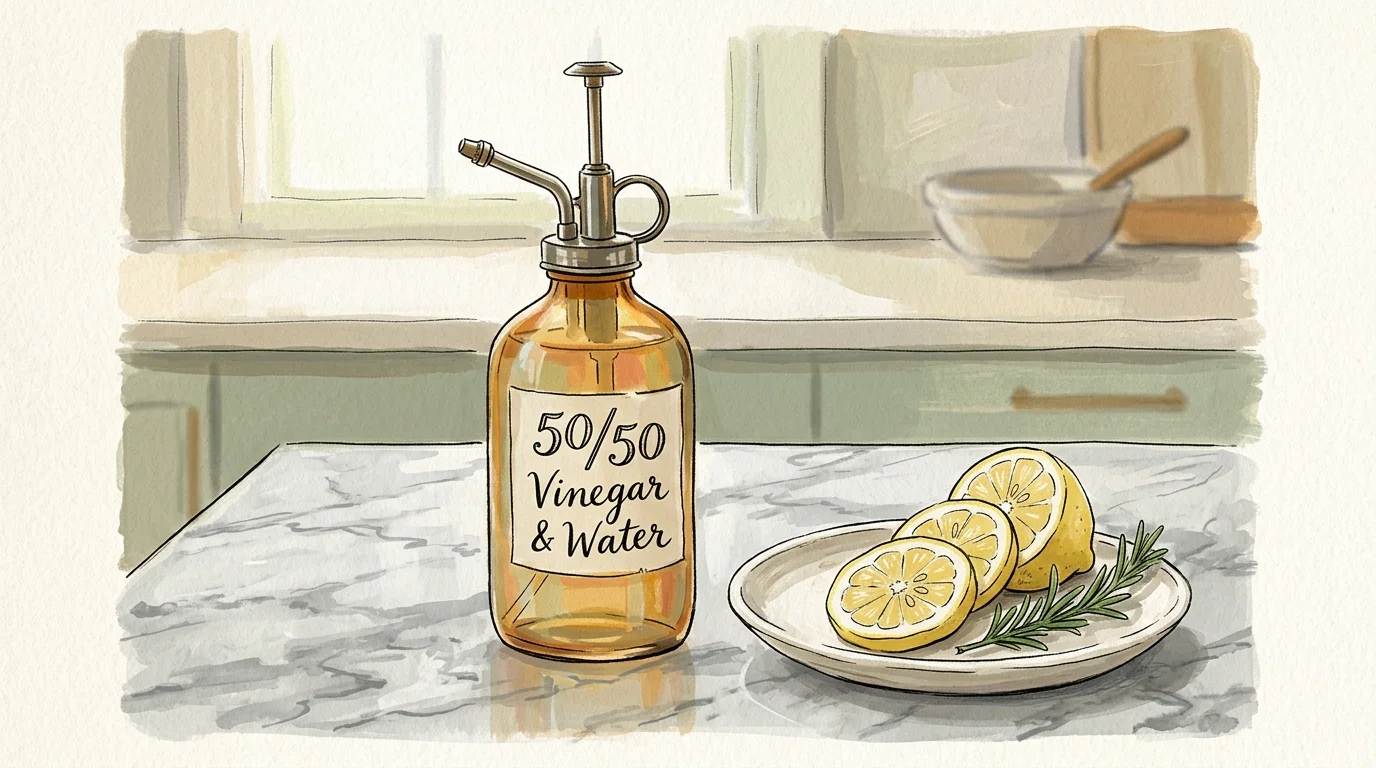
Vinegar serves as an incredible natural powerhouse for dissolving mineral deposits, cutting through mild household grease, and tackling stubborn hard water stains. Keep a standard spray bottle filled with a 50/50 mixture of distilled white vinegar and water. You can use this simple solution for daily wipe-downs on glass doors, bathroom mirrors, and chrome sink fixtures to maintain a brilliant, streak-free shine.
However, you must observe crucial safety rules when dealing with acidic cleaners. Never mix vinegar with bleach under any circumstances. Combining the acetic acid found in vinegar with sodium hypochlorite—the active ingredient in household bleach—produces highly toxic chlorine gas, which causes severe respiratory damage, coughing, and eye irritation. Additionally, avoid spraying vinegar onto natural stone surfaces like granite or marble, as the acid will slowly etch and dull the expensive finish over time.
04 Baking Soda to Safely Scour and Deodorize
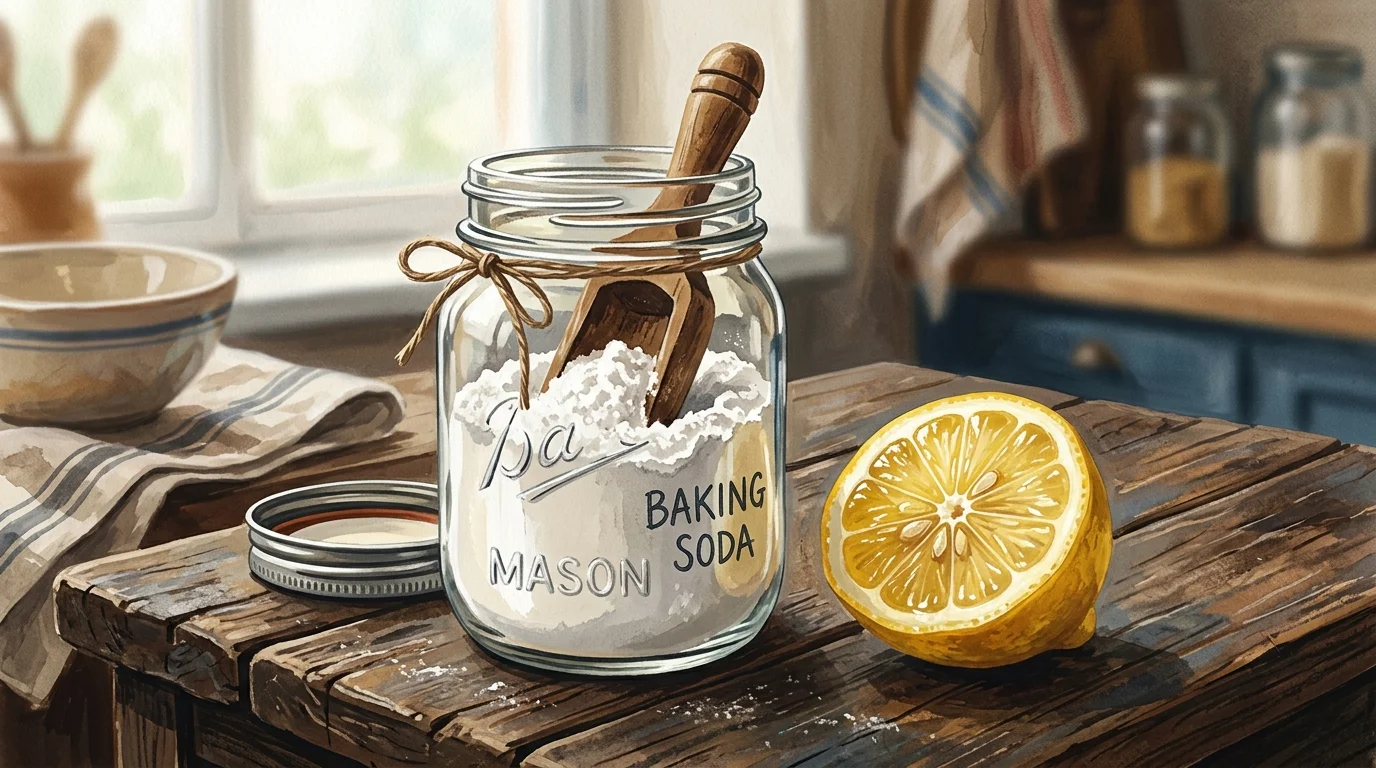
Baking soda, formally known as sodium bicarbonate, acts as a mild alkali that easily cuts through everyday dirt while providing a gentle, non-scratching abrasive texture. This makes it the perfect inexpensive alternative to harsh commercial scouring powders. You can use plain baking soda to scrub stainless steel sinks, lift burnt food residue from glass oven doors, and remove stubborn dark coffee stains from the inside of your favorite mugs.
For heavy bathroom soap scum, simply create a thick paste using baking soda and a few drops of warm water. Apply it directly to the grimy surface, let it sit for ten minutes to break down the oils, and gently scrub it away. Baking soda also naturally neutralizes offensive odors. You can sprinkle it generously over stale carpets thirty minutes before vacuuming, or keep a small, open container inside your refrigerator to continuously absorb lingering food smells.
05 Grease-Cutting Dish Soap for Versatile Surface Cleaning
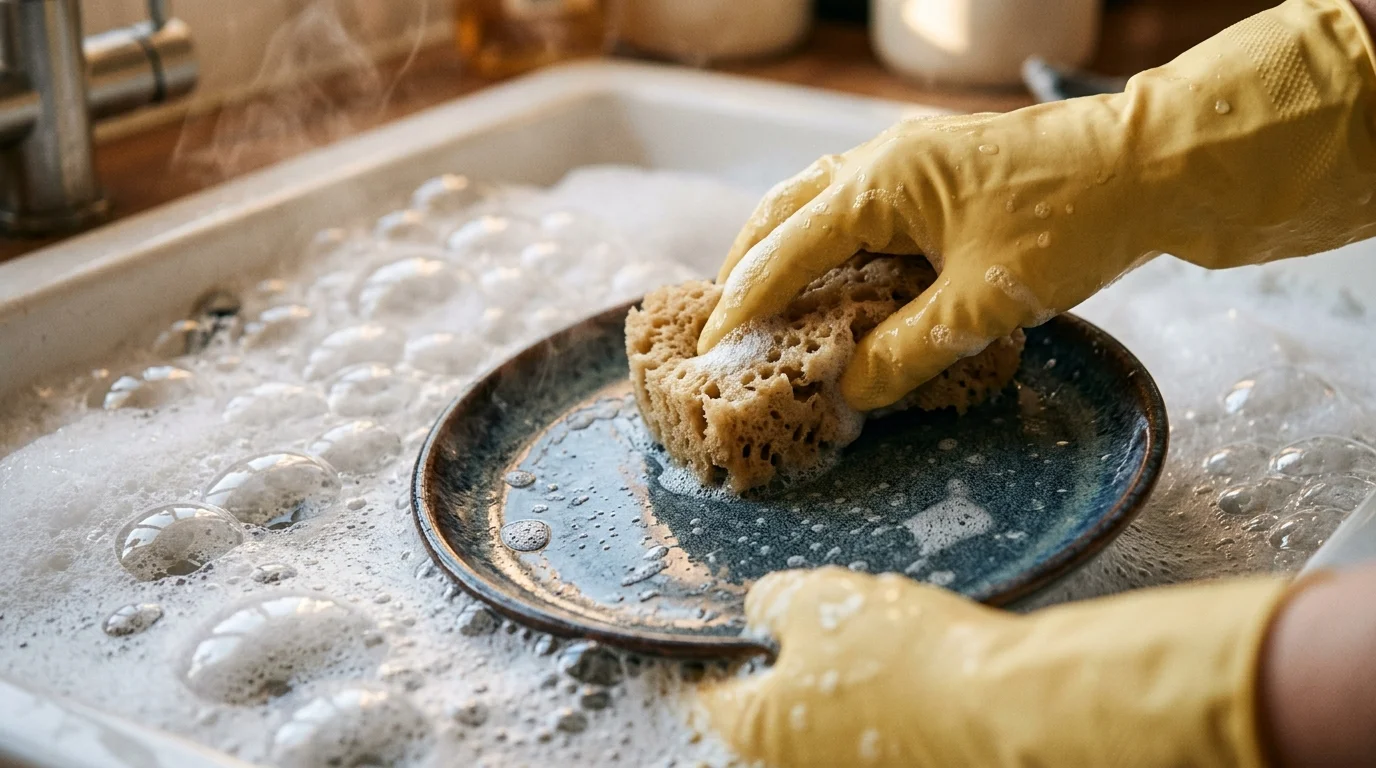
You might assume that dish soap belongs strictly beside the kitchen sink, but a high-quality, grease-cutting formula ranks among the most versatile cleaning agents you can possibly own. Because premium dish soap features a gentle, neutral pH balance, it safely cleans delicate materials that acidic vinegar would otherwise damage, including sealed hardwood floors, linoleum, and natural stone countertops.
You only need a remarkably tiny amount to see massive cleaning results. Mix just three drops of dish soap into a bucket of warm water to mop your floors, wash exterior windows without leaving murky streaks, or spot-treat oil-based stains on your clothing and living room upholstery. This single concentrated bottle effectively eliminates the need for expensive specialty wood cleaners, window concentrates, and chemical floor solutions.
06 An EPA-Registered Disinfectant for High-Touch Germ Zones
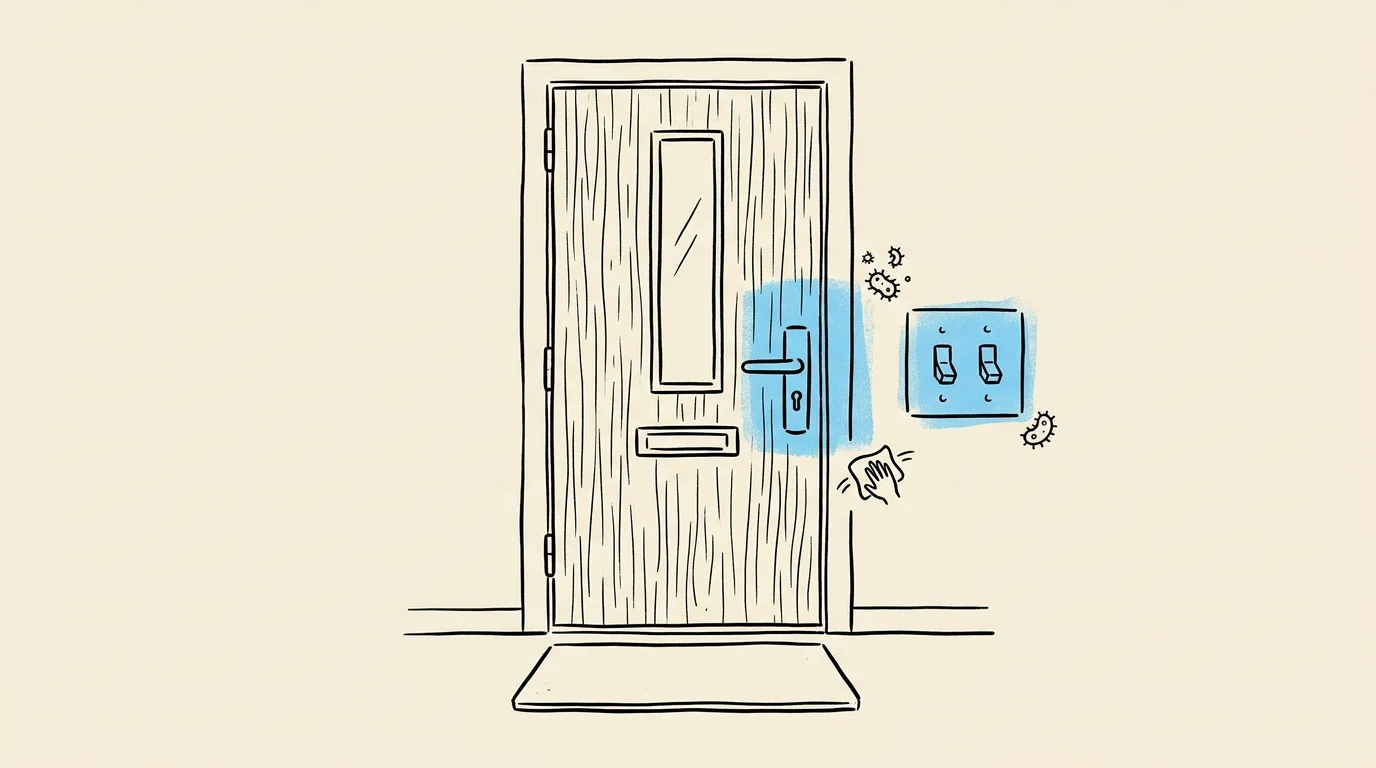
While standard cleaning removes visible dirt and a portion of surface germs, disinfecting physically kills the remaining pathogens. During the height of cold and flu season, or immediately after handling raw poultry on your kitchen counters, you need a highly reliable sanitation product. Skip the heavily fragranced, generic all-purpose sprays and opt instead for a dedicated EPA-registered disinfectant. The Environmental Protection Agency stringently regulates these specific products to ensure they actively destroy dangerous bacteria and viruses when you follow the label instructions exactly.
To use a disinfectant correctly, always pre-clean the heavily soiled surface with dish soap and water first. Dirt and organic matter can block the chemicals from reaching the bacteria, according to guidelines from the Centers for Disease Control and Prevention. Once the surface looks clean, apply the disinfectant spray and allow the surface to remain visibly wet for the required contact time listed on the back of the bottle before wiping it dry.
07 A Stiff-Bristled Scrub Brush for Grout and Grime
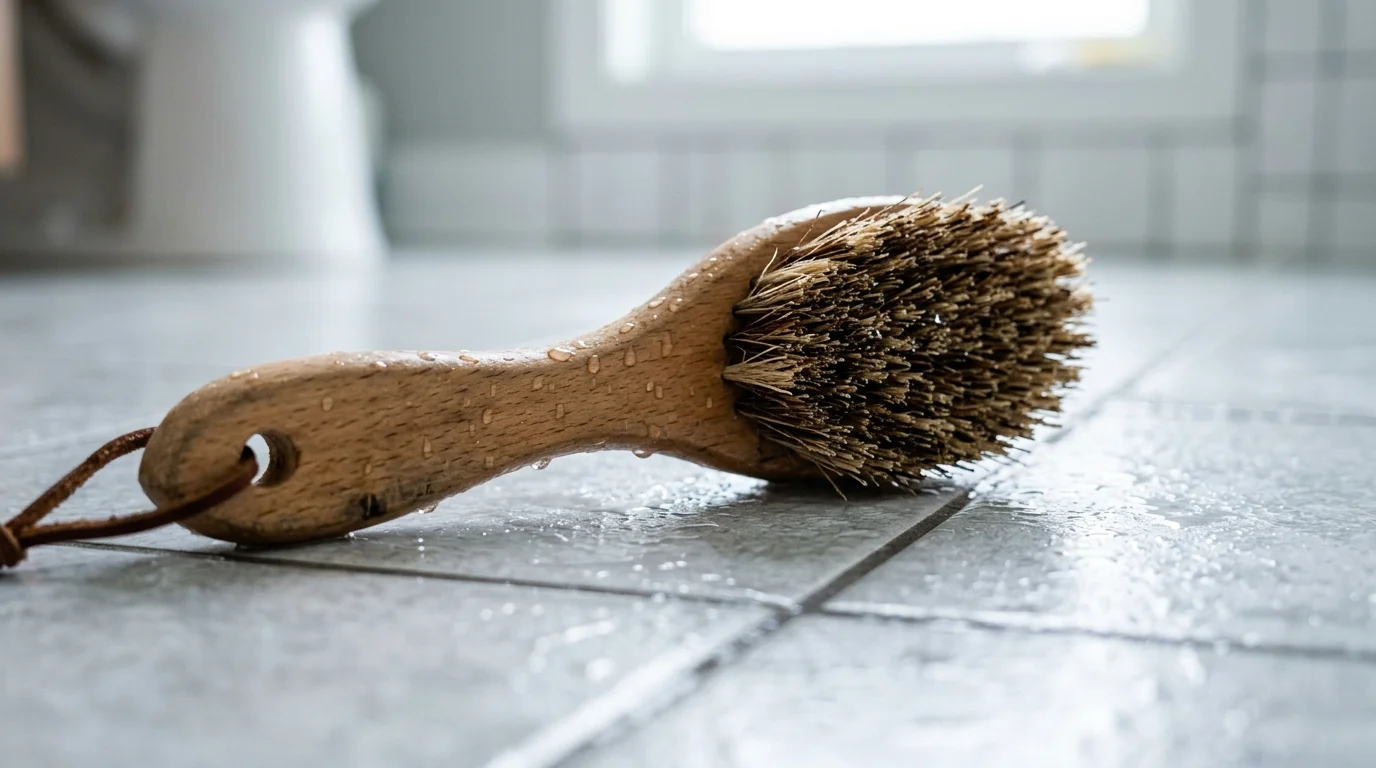
While microfiber cloths handle flat, smooth surfaces perfectly, deeply textured areas demand mechanical scrubbing power. A handheld, stiff-bristled scrub brush easily dislodges pink mildew from narrow shower grout lines, pulls stubborn mud from the treads of winter boots, and flakes baked-on food residue away from heavy cast-iron skillets.
Look for a scrub brush equipped with a comfortable, ergonomic rubber grip. A well-designed handle saves your wrists and knuckles from unnecessary strain, making intense physical scrubbing tasks far more manageable for aging hands or anyone dealing with arthritis. To maintain proper home hygiene, you should purchase two identical brushes in different colors: keep one designated strictly for bathroom sanitation and store the other under the kitchen sink for culinary and general household messes.
08 A Handheld Squeegee to Prevent Shower Scum
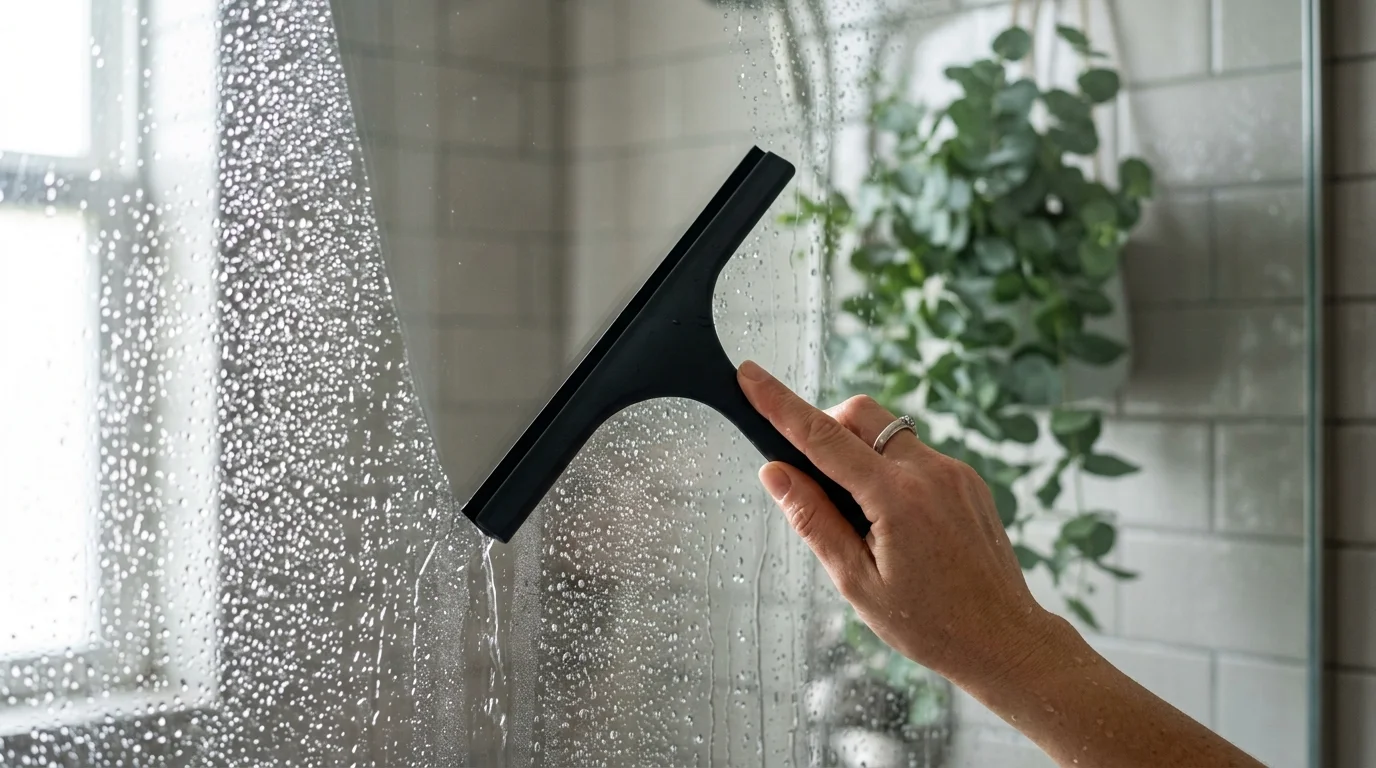
A squeegee belongs in your bathroom, not just in the buckets of professional window washers. Keeping a small, lightweight squeegee inside your shower and swiping down the glass doors and tile walls after every single use prevents hard water spots and soap scum from building up in the first place. Adopting this quick, one-minute daily habit entirely eliminates the need to purchase harsh daily shower sprays or endure intense, back-breaking weekend scrubbing sessions.
Beyond the bathroom, a dry squeegee works absolute wonders on embedded pet hair. You can drag the rubber blade firmly across upholstered sofas, carpeted stair treads, or area rugs; the tight friction grips embedded dog and cat hair, instantly pulling it into an easily manageable pile that you can toss into the trash.
09 A Flat Microfiber Mop to Save Your Back
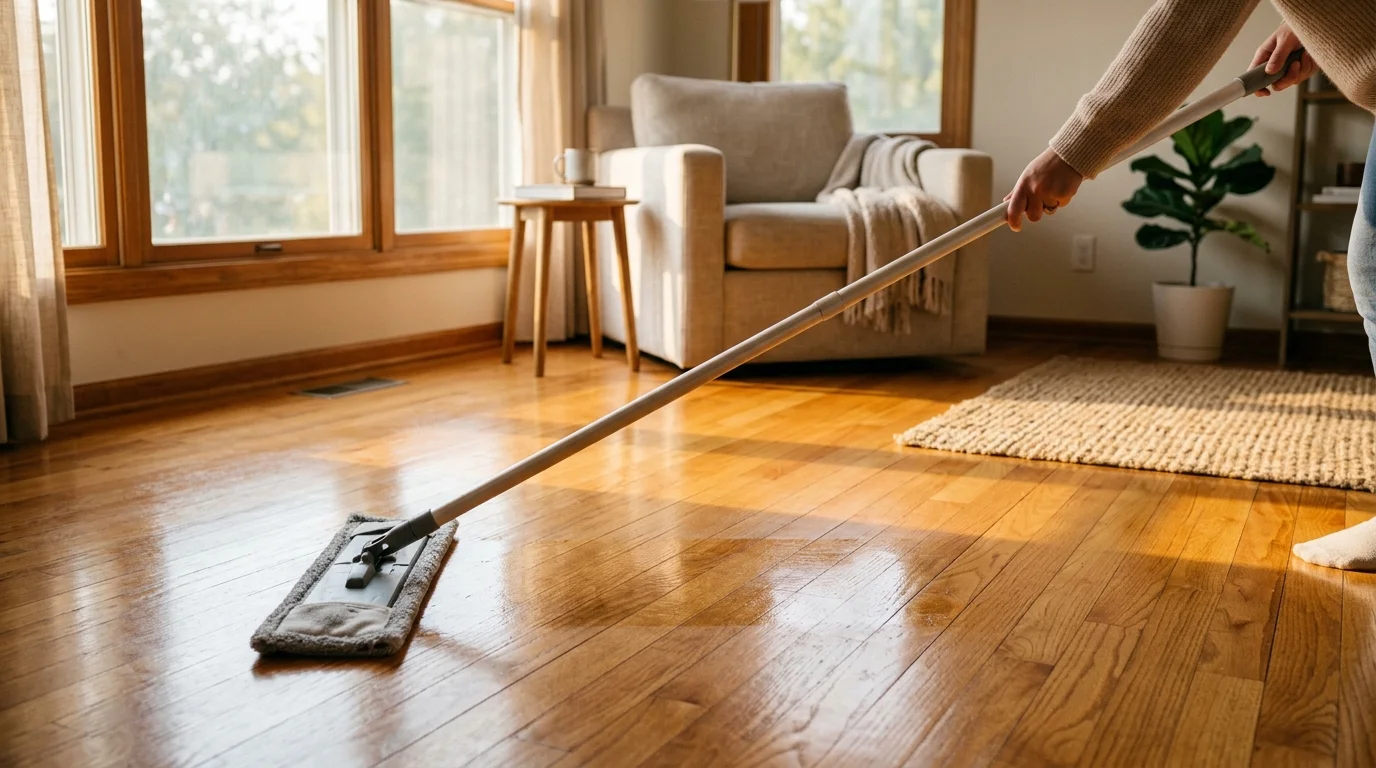
It is time to permanently ditch the heavy, sloshing mop bucket and the traditional cotton string mop, which frequently just pushes dirty water back around the floor. A modern flat microfiber mop features removable, machine-washable pads that magnetically grip dust, dirt, and pet hair. You can push the mop completely dry for a quick daily sweep, or you can dampen the reusable pad with your mild dish soap and water solution for a thorough weekly wash.
Because the aluminum handles and flat cleaning pads remain incredibly lightweight and easy to maneuver under low furniture, this specific tool drastically reduces lower back strain. This ergonomic advantage makes routine floor care much faster, physically safer, and highly accessible for older adults wanting to maintain a consistently clean home without risking injury.
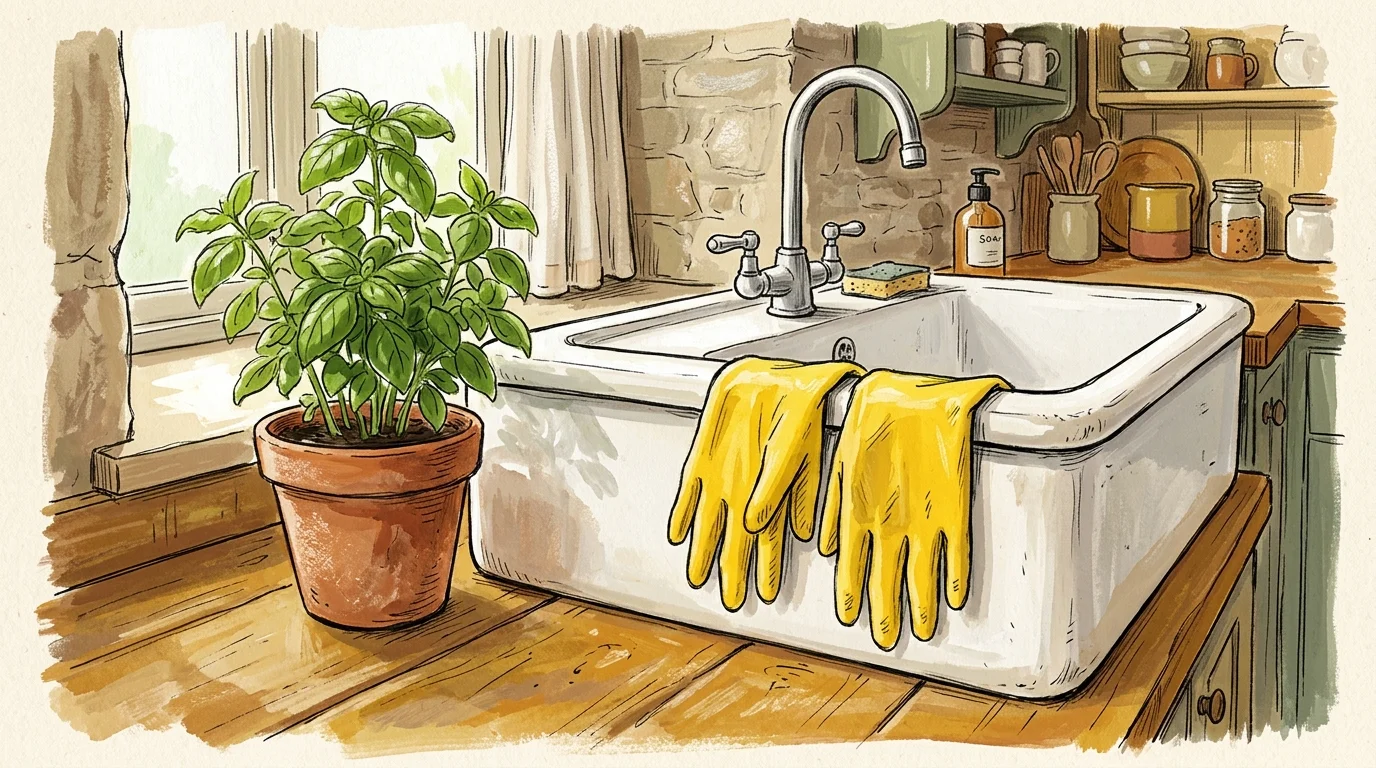
10 Heavy-Duty Rubber Gloves to Protect Your Skin
Protecting your skin remains a non-negotiable component of any safe home cleaning routine. Frequent exposure to hot water, repetitive manual friction, and contact with cleaning agents—even mild natural ones like vinegar and baking soda—will rapidly dry out, crack, and damage your hands over time.
A pair of thick, reusable rubber gloves provides an impenetrable physical barrier against grime and chemicals. Wearing gloves also greatly improves your tactile grip on slippery wet tools and allows you to comfortably tolerate hotter water temperatures, which yields much better grease-cutting results. Invest in a high-quality, cotton-lined pair that extends high up your forearms to prevent dirty water from splashing inside. Always rinse the outside of the gloves thoroughly with soap and water after each cleaning session before hanging them up to air dry.

How to Use Your 10-Item Kit: A Room-by-Room Checklist
To put your newly minimized supply kit into action, follow this highly efficient step-by-step process. Working through your house in this specific top-to-bottom order prevents you from accidentally knocking new dust onto surfaces you already washed.
- Prep and Declutter: Put on your heavy-duty rubber gloves to protect your hands. Walk through every room with a trash bag to throw away garbage, put away stray items, and completely clear off all countertops and tables.
- Dry Dusting: Grab a dry yellow microfiber cloth. Wipe down your ceiling fan blades, window sills, bookshelves, and baseboards in your living room and bedrooms. The dense microfiber naturally grabs the dust so it does not float back into the air.
- Vacuum Floors and Upholstery: Run your HEPA vacuum over all carpets, area rugs, and hard surface floors to collect the loose debris. Switch to the upholstery attachment to suck up crumbs and pet hair from your fabric sofas and lounge chairs.
- Kitchen Degreasing: Mix three drops of dish soap into a bowl of warm water. Dip your green microfiber cloth into the suds and thoroughly wipe down your kitchen counters, stovetop, and appliance handles. For baked-on oven messes, apply a thick paste of baking soda and water, wait ten minutes, and scrub it entirely away with your stiff-bristled brush.
- Bathroom Disinfecting: Spray your EPA-registered disinfectant directly on the high-touch surfaces of your toilet and bathroom sink. Allow the liquid to sit for the required contact time printed on the label, then wipe the porcelain dry using your red microfiber cloth.
- Shower Scrubbing: Mist your 50/50 vinegar and water solution generously across your shower walls. Scrub the dark grout lines with your stiff-bristled bathroom brush, then glide your squeegee down the glass doors and tiles to pull the excess moisture down the drain.
- Glass Polishing: Lightly mist your bathroom mirrors and interior window panes with a tiny splash of vinegar. Wipe them in a continuous S-pattern with a dry blue microfiber cloth to ensure a brilliantly streak-free finish.
- Floor Mopping: Dampen your flat microfiber mop pad with a very weak solution of warm water and one drop of dish soap. Mop your hard surface floors by starting at the furthest corner of the room and working your way backward out the door.
Your Practical Next Step
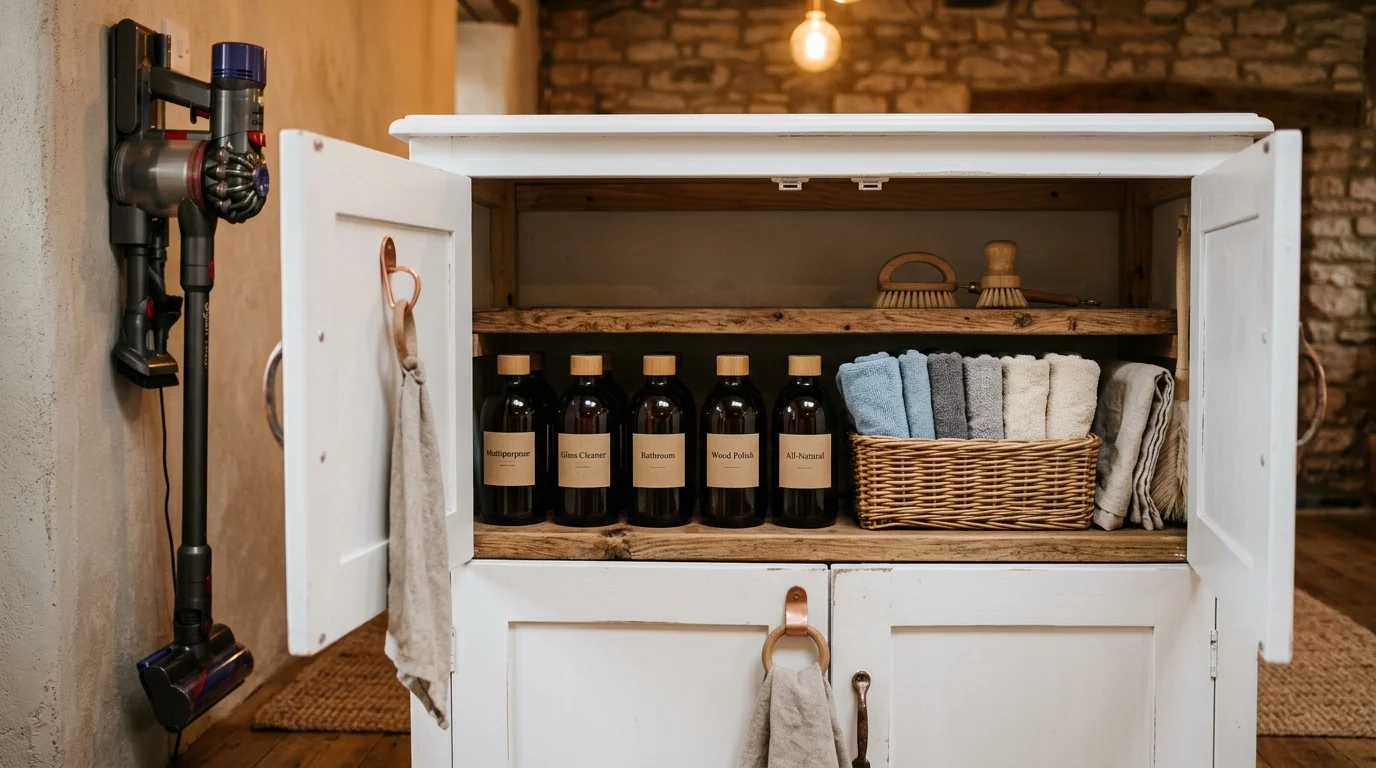
Stop overcomplicating your chores with an overflowing cabinet of harsh, single-use specialty cleaners. Grab a sturdy caddy or a designated storage basket today and load it exclusively with these ten essential items. Take ten minutes to empty out your current cleaning supplies, throw away expired products, and securely store away the excess chemical bottles you rarely use. By keeping this streamlined, powerful kit easily accessible, you will remove the frustrating friction from your daily tidying habits, protect your indoor air quality, and reclaim hours of your valuable free time each week.