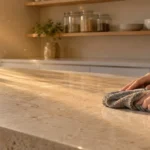
Disinfecting wipes make daily chores fast and simple, yet grabbing one for every mess can quietly ruin your home’s most valuable surfaces. Knowing where to pause protects your investments, finishes, and health from harsh chemical reactions.
While these pre-moistened cloths neutralize common bacteria, their active ingredients strip delicate protective coatings, break down natural sealers, and leave dull chemical residues behind.
Review these common disinfecting wipes mistakes before you tackle your next chore; switching to gentle alternatives will keep your living space pristine without accidental wear.
The Chemistry Behind Disinfecting Wipes Damage
Most commercial wipes rely on quaternary ammonium compounds, commonly known as quats, or concentrated alcohols to eliminate germs. While these compounds disrupt microbial membranes effectively, they also dissolve waxes, polyurethanes, and mineral binders.
Manufacturers formulate these wipes to keep surfaces wet for extended dwell times—often between four and ten minutes—to achieve full sanitization. This prolonged moisture exposure accelerates the degradation of porous materials and delicate surface sealants.
When you swipe a wipe across a finish and let it air-dry, chemical salts remain behind. Over time, these residues build up into a sticky film that attracts airborne dirt and creates stubborn discoloration.
Understanding these basic chemical interactions helps you choose appropriate tools for your weekly household cleaning routine. Memorizing the main things not to clean with wipes protects your belongings and prevents costly surface repairs.
01 Natural Stone Counters and Tiles
Natural stone surfaces—including granite, marble, quartzite, and travertine—feature microscopic pores sealed by protective resin coats. Applying disinfecting wipes to these surfaces breaks down those protective sealers within just a few applications.
Once the sealant degrades, the wipe’s chemical agents react with the calcium carbonate and minerals inside the stone. This reaction causes irreversible etching, turning polished countertops dull and rough.
Unsealed stone absorbs liquids rapidly, which leaves dark water spots and invites permanent oil stains deep into the slab. Chemical cleaners can also settle into these voids, causing internal discoloration you cannot buff away.
Clean natural stone with a pH-neutral stone cleaner or simple warm water paired with mild dish soap. Dry the area immediately with a clean microfiber cloth to prevent water marks and preserve the natural sheen.
02 Hardwood Flooring and Finished Wood Furniture
Hardwood dining tables, cabinets, and plank floors rely on protective topcoats such as polyurethane, conversion varnish, or paste wax. The chemical solvents in disinfecting wipes quickly soften, dissolve, and cloud these protective finishes.
Repeated use leaves white, hazy rings that permanently mar the wood’s natural grain. Stripping away the topcoat also exposes the raw wood underneath to ambient moisture and grime.
Wood grain acts like a sponge when moisture penetrates beyond the protective finish. Saturated floorboards or veneer seams will cup, warp, or split along the glue joints over time.
Dust your wood regularly with a dry electrostatic cloth to remove abrasive grit. For stuck-on grime, use a well-wrung microfiber mop lightly dampened with a designated wood cleaner.
03 Leather Upholstery, Apparel, and Vehicle Seats
Leather is an organic material that depends on natural oils and factory sealers for flexibility and strength. Disinfecting wipes contain alcohols and harsh surfactants that instantly strip these vital oils from the hide.
Without essential moisture, leather stiffens, fades, and forms microscopic surface fissures. These tiny fissures eventually expand into unsightly cracks that split across seat cushions and armrests.
Furthermore, disinfectants often dissolve the pigment layers applied to automotive leather and fine furniture. You may notice your cleaning cloth turning the color of your sofa as the dye lifts off.
Wipe your leather goods with a soft, damp cloth using distilled water and a drop of specialized saddle soap. Follow up every few months with a high-quality leather conditioner to restore suppleness.
04 Touchscreens and Coated Electronics
Modern smartphones, tablets, laptop screens, and television monitors feature ultra-thin oleophobic coatings engineered to repel finger oils and reduce glare. Disinfecting wipes chemically strip these delicate coatings within seconds.
Once an oleophobic coating dissolves, your glass screen smudges more easily and resists effortless cleaning. Over time, the surface can turn cloudy, develop uneven patches, and suffer reduced touch sensitivity.
Major tech manufacturers, including Apple Support, warn against using bleach-based wipes, aerosol sprays, or excessive moisture on open ports and speaker grilles. Liquid seeping into seams can permanently short out internal electronic components.
Clean your electronic displays with a dry, lint-free microfiber cloth designed specifically for optical glass. If you encounter stubborn grime, dampen the cloth minimally with distilled water or a dedicated screen-safe solution.
05 Prescription Eyeglasses and Coated Lenses
Prescription lenses, sunglasses, and reading glasses rely on intricate optical layers, including anti-reflective, scratch-resistant, and ultraviolet coatings. The harsh chemicals in household wipes eat through these microscopic synthetic films.
Damage often manifests as a crazing pattern—a fine web of tiny cracks that ruins your visual clarity. Once anti-reflective coatings craze or peel, no cleaning product can repair the lens.
In addition, the rough wood-pulp or synthetic fibers in some disposable wipes cause micro-scratches on delicate plastic lenses. These scratches scatter incoming light and create distracting glare while driving or reading.
Wash your eyeglasses daily under lukewarm tap water with a single drop of lotion-free dish soap. Dry them gently with a clean optical microfiber cloth to keep your vision crystal clear.
06 Well-Seasoned Cast Iron Cookware
Cast iron skillets and Dutch ovens build their non-stick capability through polymerized layers of oil baked directly into the metal pores. Disinfecting wipes contain aggressive degreasers that strip this prized seasoning away.
Bare cast iron reacts immediately with oxygen and moisture once the protective seasoning disappears. Your cookware will develop reddish flash rust across the cooking surface within a matter of hours.
Cooking surfaces also absorb chemical residues from the wipe, which can vaporize into your food during heating. This ruins your meal’s flavor and introduces chemical contaminants into your family’s dinner.
Scrub seasoned pans with hot water and a stiff natural-bristle brush or chainmail scrubber. Dry the pan thoroughly on your stovetop over low heat, then rub a drop of neutral oil into the surface.
07 Direct Food Preparation Surfaces
Wiping down cutting boards, rolling pins, or pantry shelving with disinfectant wipes presents serious chemical ingestion hazards. The active antimicrobials in these wipes are not formulated for direct culinary consumption.
The Environmental Protection Agency mandates a thorough potable water rinse for any food-contact surface treated with chemical disinfectants. Skipping this step leaves concentrated chemical salts directly on surfaces where you chop vegetables or knead dough.
Wooden cutting boards and butcher blocks suffer double the damage because their porous wood grain drinks in toxic chemicals. You cannot completely rinse away disinfectants that soak into deep knife grooves.
Wash plastic cutting boards with hot soapy water or sanitize them in your dishwasher’s high-heat cycle. Treat wooden boards with food-grade mineral oil and clean them using warm water and mild dish soap.
08 Children’s Toys and Pet Accessories
Infants, toddlers, and pets explore their surroundings by mouthing toys, chew bones, and silicone pacifiers. Wiping these items with chemical cleaners deposits residue that transfers directly into their mouths.
Ingesting traces of quaternary ammonium compounds can irritate sensitive mucous membranes, cause stomach upset, or provoke nausea. The National Capital Poison Center frequently highlights the danger of young children ingesting surface cleaner residues.
Certain soft plastics and rubber toys also degrade or become tacky when exposed to chemical solvents. This sticky degradation attracts ambient dust, hair, and bacteria, making the toy far dirtier over time.
Wash plastic and silicone toys in warm water mixed with gentle, unscented dish soap, then rinse them completely with fresh water. You can sanitize machine-washable plush toys safely using your laundry machine’s hot water cycle.
09 Delicate, Unlacquered, or Antique Metals
Copper accents, brass hardware, pewter bowls, and sterling silver heirlooms react aggressively to the acidic agents or salts in disinfecting wipes. These chemicals accelerate oxidation, resulting in splotchy, dark tarnishing across the metal.
Lacquered brass fixtures—common on older doors and fine cabinetry—suffer immediate damage when chemical wipes strip their protective clear coats. Once the lacquer dissolves, air hits the raw metal unevenly, creating permanent discoloration.
Aluminum cookware and decorative trays can pit or discolor when exposed to alkaline disinfectant formulas. These chemical pits weaken the metal and leave chalky gray stains that are difficult to polish away.
Dust your decorative metals with a soft cotton cloth and polish them exclusively with specialized metal polishes. For daily maintenance, a clean rag dampened with warm, soapy water removes fingerprints safely.
10 Your Bare Hands and Sensitive Skin
Disinfecting wipes are industrial sanitizing tools formulated for hard, non-porous surfaces—never personal hygiene. Reaching for a cleaning wipe to clean sticky fingers or freshen your skin strips away your natural lipid barrier.
Repeated skin contact with disinfectants often triggers irritant contact dermatitis, leading to redness, itching, burning, and severe dryness. Individuals with eczema or sensitive skin experience fast flare-ups after bare-handed wiping.
The Centers for Disease Control and Prevention recommends washing hands thoroughly with soap and water rather than relying on chemical wipes for personal cleanliness. Soap lifts and washes away pathogens without leaving harsh pesticides on your hands.
Wear protective gloves whenever you handle chemical wipes during extensive cleaning chores. If chemicals touch your skin, wash the area immediately under cool running water with a gentle hand soap.
Cleaning vs. Sanitizing: Understanding Dwell Time and Efficacy
Many homeowners confuse everyday cleaning with medical-grade disinfection. Cleaning removes visible dirt, grease, and crumbs, whereas disinfecting uses active chemistry to neutralize microscopic pathogens on contact.
To disinfect effectively, the liquid from a wipe must remain visibly wet on a surface for its complete dwell time. If the moisture evaporates after sixty seconds, you have not disinfected the surface properly.
Wiping down an entire kitchen counter with a single drying sheet simply spreads germs from one spot to another. It also leaves behind a patchy chemical film without killing target bacteria.
Save your disinfecting wipes for high-touch, non-porous hotspots like plastic light switches, porcelain doorknobs, and metal trash cans. Use simple detergents or microfiber cloths for daily surface cleaning tips and routine tidying.
Quick Reference: Surfaces to Avoid and Safe Alternatives
Use this reference guide to identify which household items require gentle care and which cleaning methods preserve them best.
| Surface Material | Primary Risk from Wipes | Recommended Safe Alternative |
|---|---|---|
| Natural Stone (Granite, Marble) | Acidic etching, breakdown of protective sealant, cloudiness | pH-neutral stone cleaner or warm water with mild dish soap |
| Finished Hardwood | Stripped polyurethane topcoats, moisture cupping, white haze | Damp microfiber mop with specialized wood cleaner |
| Leather Furniture | Extracted natural oils, cracking, pigment lift, brittleness | Damp cloth with saddle soap, followed by leather conditioner |
| Electronic Screens | Dissolved anti-glare and oleophobic coatings, cloudy glass | Dry optical microfiber cloth; minimal distilled water if needed |
| Prescription Eyewear | Crazed anti-reflective film, delamination, lens scratching | Lukewarm tap water, lotion-free dish soap, lens cloth |
| Seasoned Cast Iron | Stripped non-stick patina, immediate rusting, toxic residue | Hot water, stiff bristle brush, heat dry, and oil rub |
| Food Prep Zones | Chemical ingestion hazard from quat residue on food | Hot soapy water, dishwasher cycle, or clear water rinse |
| Bare Hands & Skin | Contact dermatitis, stripped lipid barrier, chemical absorption | Hand washing with warm water and moisturizing hand soap |
Accidental Exposure: How to Reverse Cleaning Wipes Damage
If you mistakenly ran a disinfecting wipe across a delicate item, prompt action can prevent permanent staining or cloudiness. Fast intervention dilutes the active ingredients before they etch finishes or dissolve protective oils.
Take these corrective steps immediately based on the specific material involved:
- Natural Stone: Flush the area with warm tap water to neutralize chemical salts, then pat the stone completely dry with clean cotton towels.
- Hardwood and Cabinets: Wipe away damp residue with a dry microfiber cloth, then buff with a wood polish to restore the sheen.
- Electronics and Touchscreens: Gently wipe the screen using an optical microfiber towel dampened with distilled water, then polish with a dry cloth.
- Leather Upholstery: Sponge the leather with pure water to lift residual surfactants, allow it to dry naturally, and apply leather balm.
- Skin and Hands: Rinse your hands under running tap water for two full minutes, then apply a rich unscented hand cream.
Always monitor the affected area over the next twenty-four hours to check whether the finish recovers its original luster. If etching remains noticeable on stone or wood, a professional restoration compound may be necessary.
Establishing a Safer Household Cleaning Routine
Organizing your cleaning supplies by room and surface type prevents accidental cross-contamination and surface damage. A few deliberate changes to your cleaning station simplify daily chores while keeping your family safe.
Stock color-coded microfiber cloths in your cleaning caddy so you always use the correct fabric on glass, wood, and countertops. High-grade microfiber lifts bacteria and soil mechanically without relying on harsh chemicals.
Store disinfecting wipes exclusively near high-traffic sanitation zones, such as the laundry room or primary bathroom. Keeping them away from food prep stations reduces the chance of someone making dangerous disinfecting wipes mistakes.
Check product packaging carefully for specific material exclusions and required contact times before tackling any unfamiliar surface. Manufacturers print essential safety precautions directly on the container’s rear label.
Safe Disinfection Checklist for High-Touch Household Areas
Follow this simple workflow whenever you need to sanitize high-touch household areas safely and efficiently without ruining surrounding materials.
- Clear loose debris first: Wipe away surface crumbs, dust, or grease using a warm, damp cloth before applying any disinfectant.
- Confirm surface compatibility: Check that the target item consists of non-porous plastic, glazed ceramic, or sealed stainless steel.
- Keep the surface visibly wet: Use enough wipes so the sanitizing solution sits wet for the full dwell time listed on the label.
- Rinse food-contact surfaces: Wash the area with fresh water and dry it completely if food will touch the surface later.
- Wash your hands thoroughly: Clean your hands with soap and water immediately after disposing of used wipes in the trash.
Your Next Practical Step
Walk through your kitchen, bathroom, and living areas right now to check where your wipes container currently sits. Relocate those wipes away from natural stone countertops, dining tables, and food prep areas.
Place a stack of clean, dry microfiber cloths in your kitchen drawer instead for daily messes. This single adjustment prevents accidental surface damage and keeps your home looking beautiful for years to come.