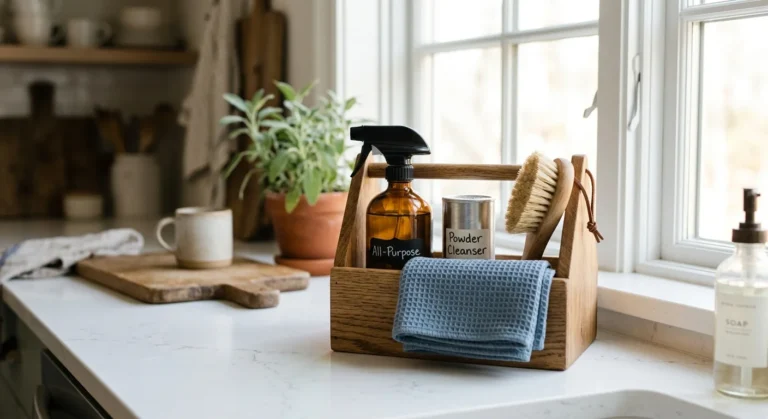
Pouring extra detergent into your laundry or slathering tile cleaner across your shower floor seems like a fast track to a spotless home, but heavy-handed pouring actually leaves behind sticky residues that trap dirt, dull surfaces, and double your household expenses. Excess soaps create microscopic films on countertops and fabrics, turning your hard work into an endless cycle of re-cleaning while triggering skin irritation and wasting hundreds of dollars each year. Spotting the subtle signs of cleaning product overuse allows you to strip away chemical build-up, protect your home’s surfaces, and streamline your weekly chores with half the effort.
1. Your Countertops and Hard Surfaces Feel Sticky or Tacky
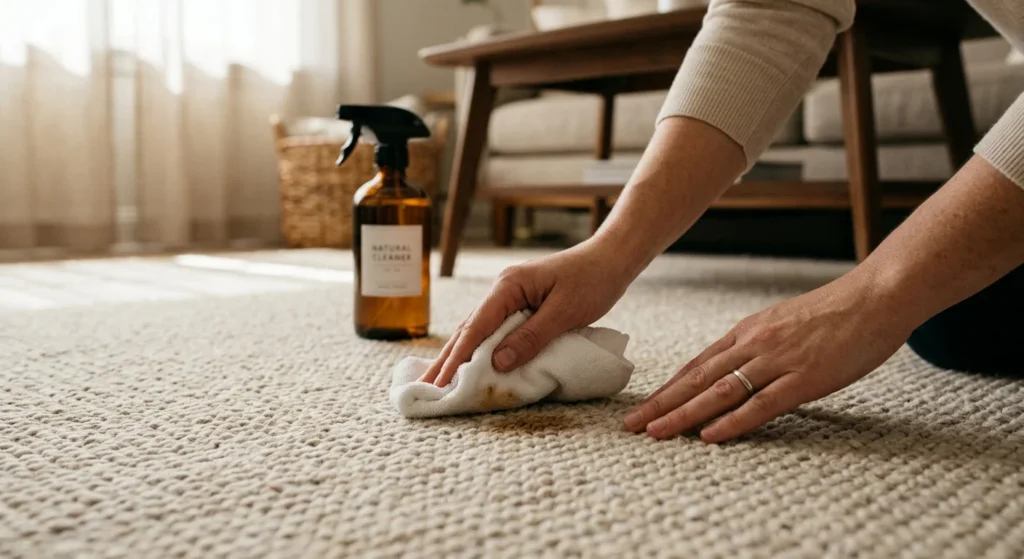
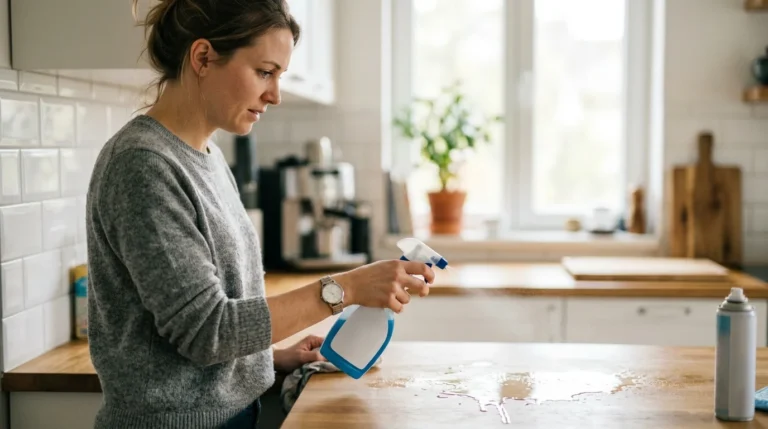
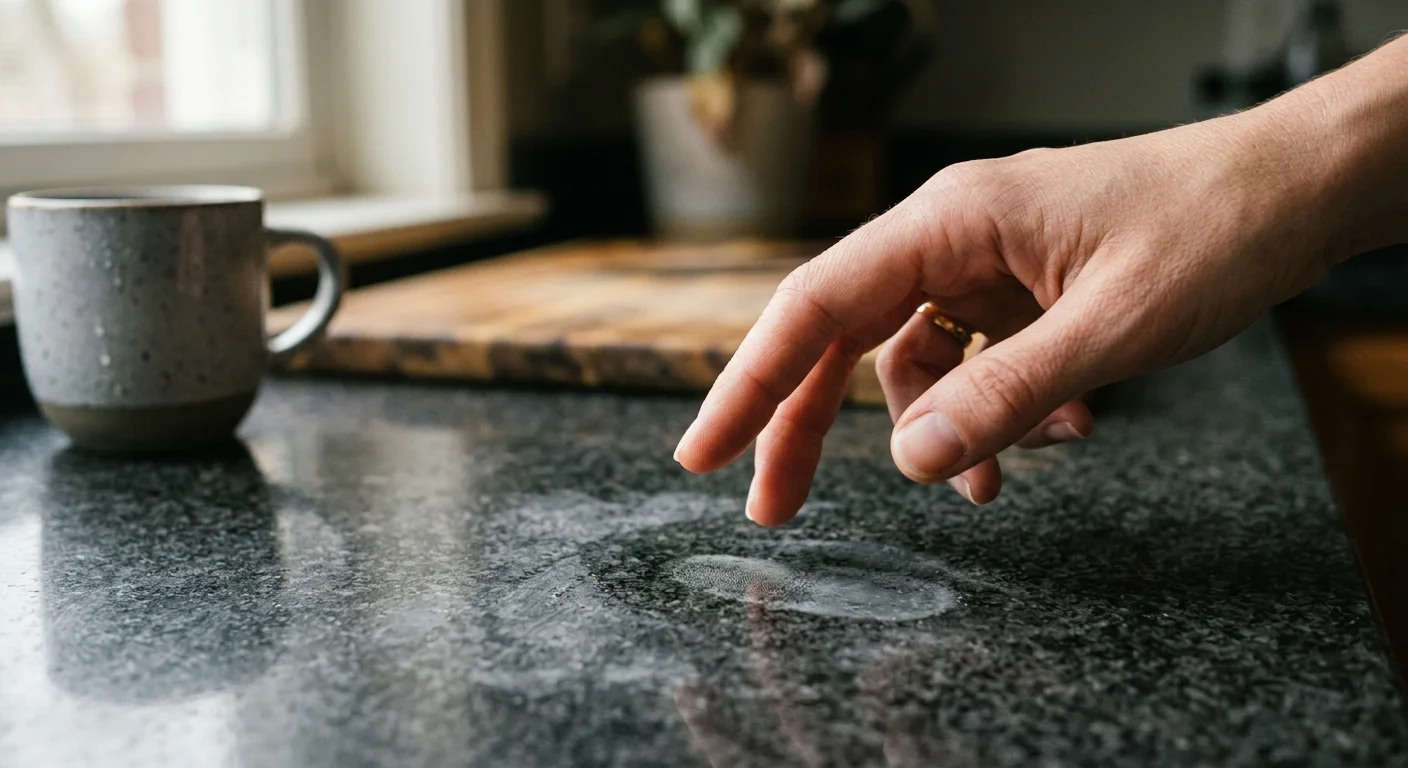
If you wipe down your kitchen counters or dining table and notice a slightly rubbery, tacky grip under your fingers after the surface dries, you are definitely using too much cleaning product. Liquid surface sprays rely on chemical surfactants—compounds that lower water tension so grease and grime dissolve easily. However, surfactants require adequate water to rinse clean; when you spray concentrated cleaner directly onto a surface without rinsing, the liquid carrier evaporates, leaving the active chemical agents sitting behind on your solid stone, laminate, or finished wood.
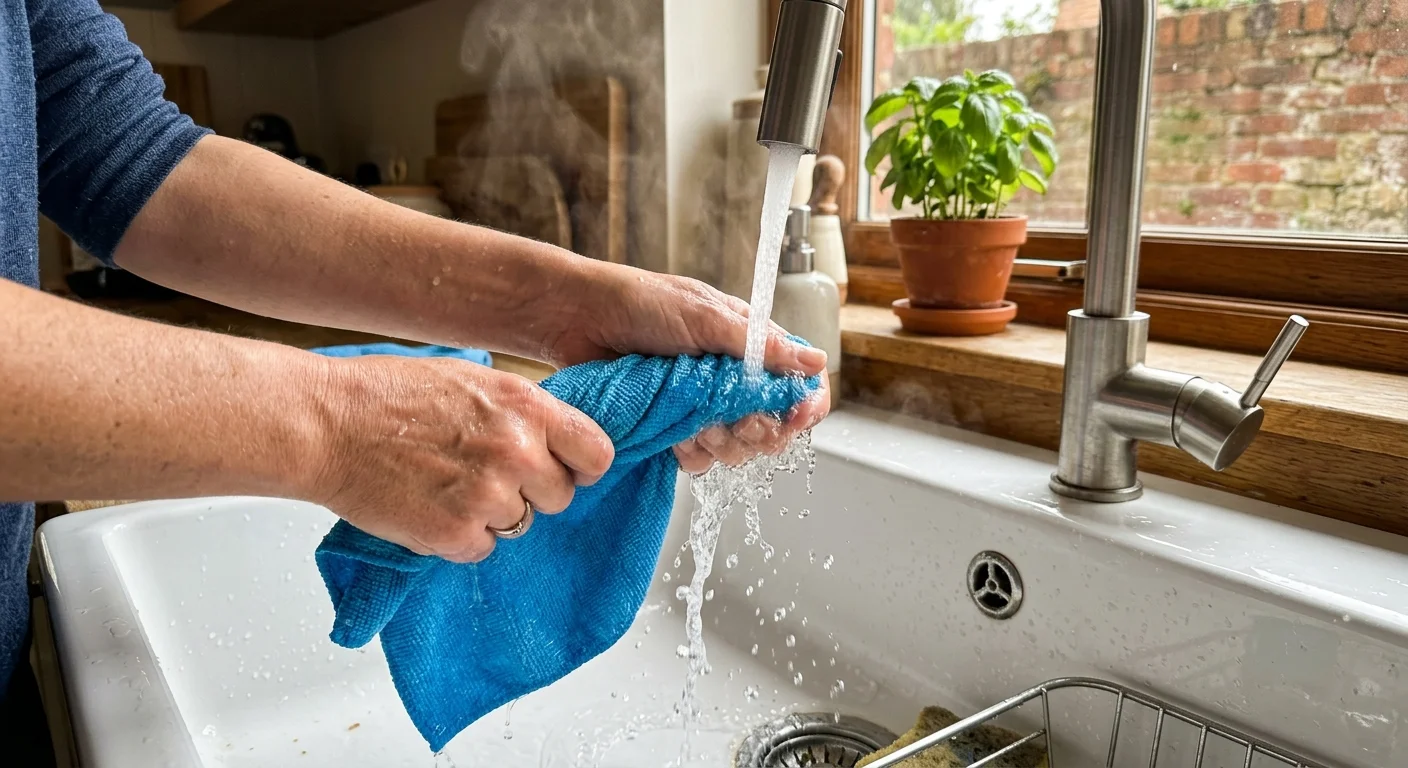
Over time, this sticky layer collects airborne dust particles, food crumbs, and pet dander. Instead of a smooth, sanitized kitchen island, you end up with a persistent film that feels constantly dirty. You can easily test for surfactant build-up by dampening a fresh microfiber towel with plain warm water and firmly wiping a single section of your counter; if white suds or a cloudy streak appears under the towel, soap residue is coating your surface.
2. Freshly Washed Laundry Feels Scratchy, Stiff, or Musty
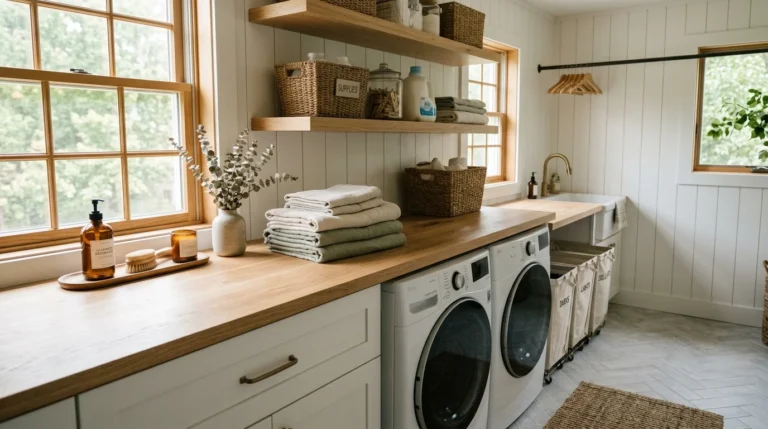
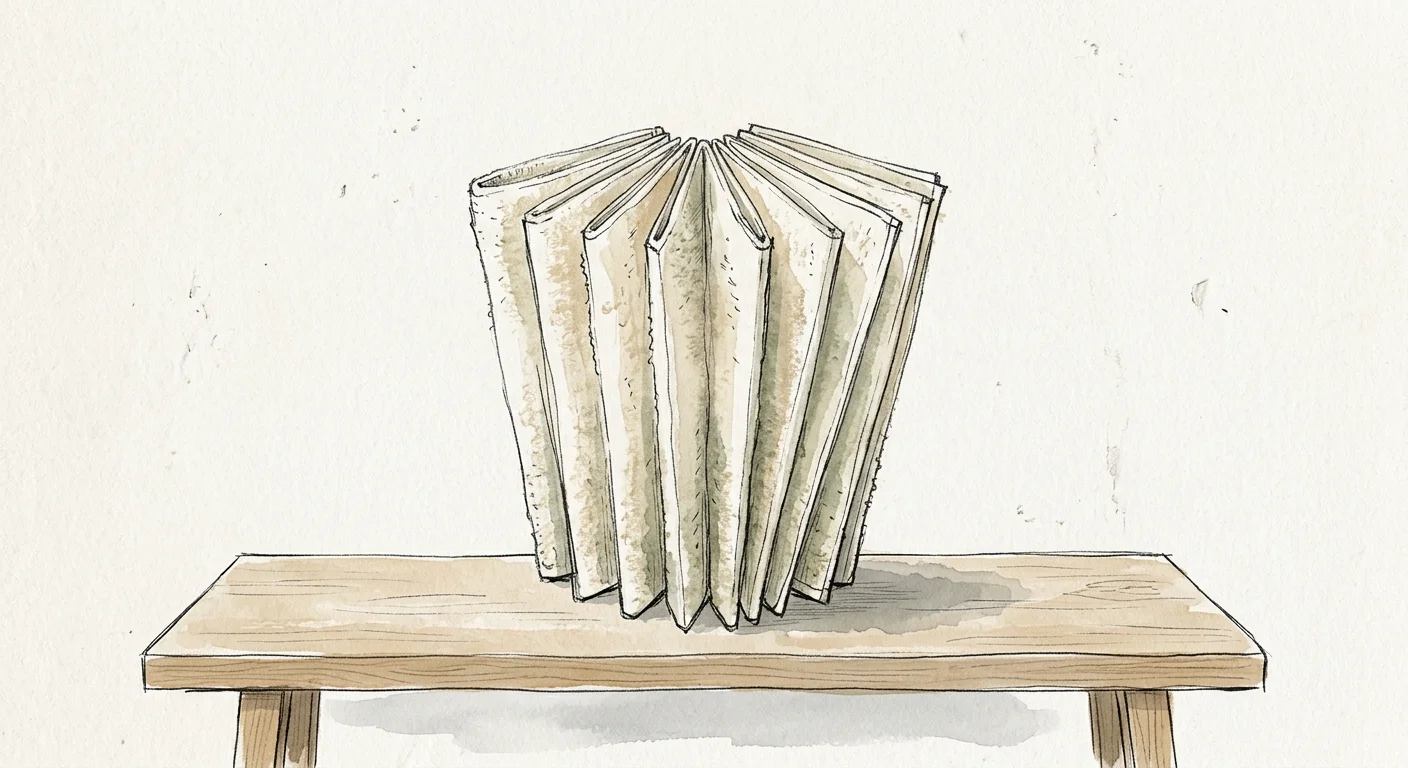
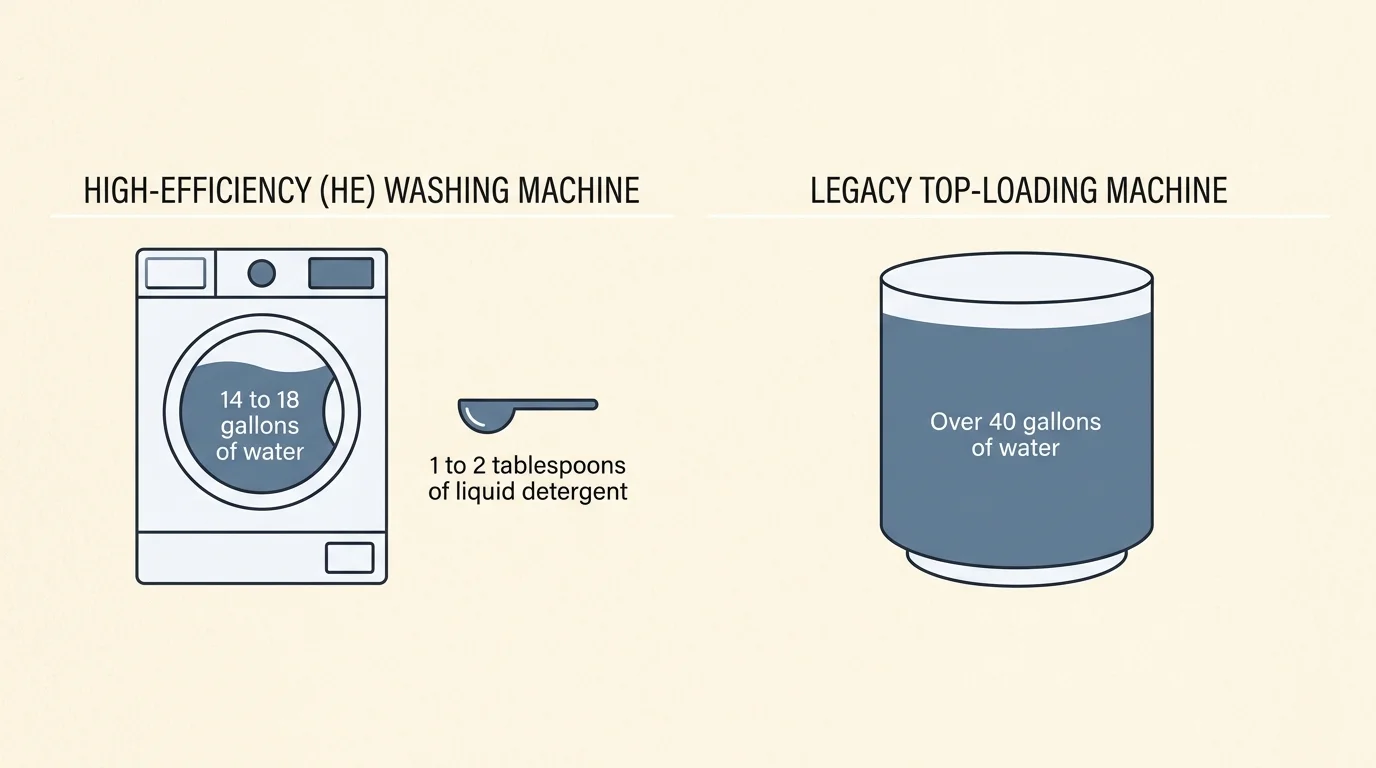
Do you routinely ask yourself, are you using too much detergent when pulling stiff bath towels or scratchy t-shirts from the dryer? Modern High-Efficiency (HE) washing machines use a fraction of the water that legacy top-loading washers used—typically 14 to 18 gallons per cycle compared to older models that flooded tubs with over 40 gallons. When you fill liquid detergent measuring caps up to line 3 or 4, the appliance lacks the water volume necessary to flush those heavy concentrates out of dense woven fabrics.
Excess detergent embeds deeply into cloth fibers, drying into a rigid structure that makes towels feel like sandpaper. Worse yet, this chemical buildup locks in body oils, sweat, and sloughed skin cells. When stored inside dark linen closets, bacteria feed on these trapped organic remnants and off-gas a characteristic sour, damp stench. According to laundry care standards established by the American Cleaning Institute, a single standard load of laundry requires only 1 to 2 tablespoons of concentrated liquid detergent to achieve peak sanitation without fabric stiffness.
3. Windows, Glass, and Polished Stone Show Persistent Streaks
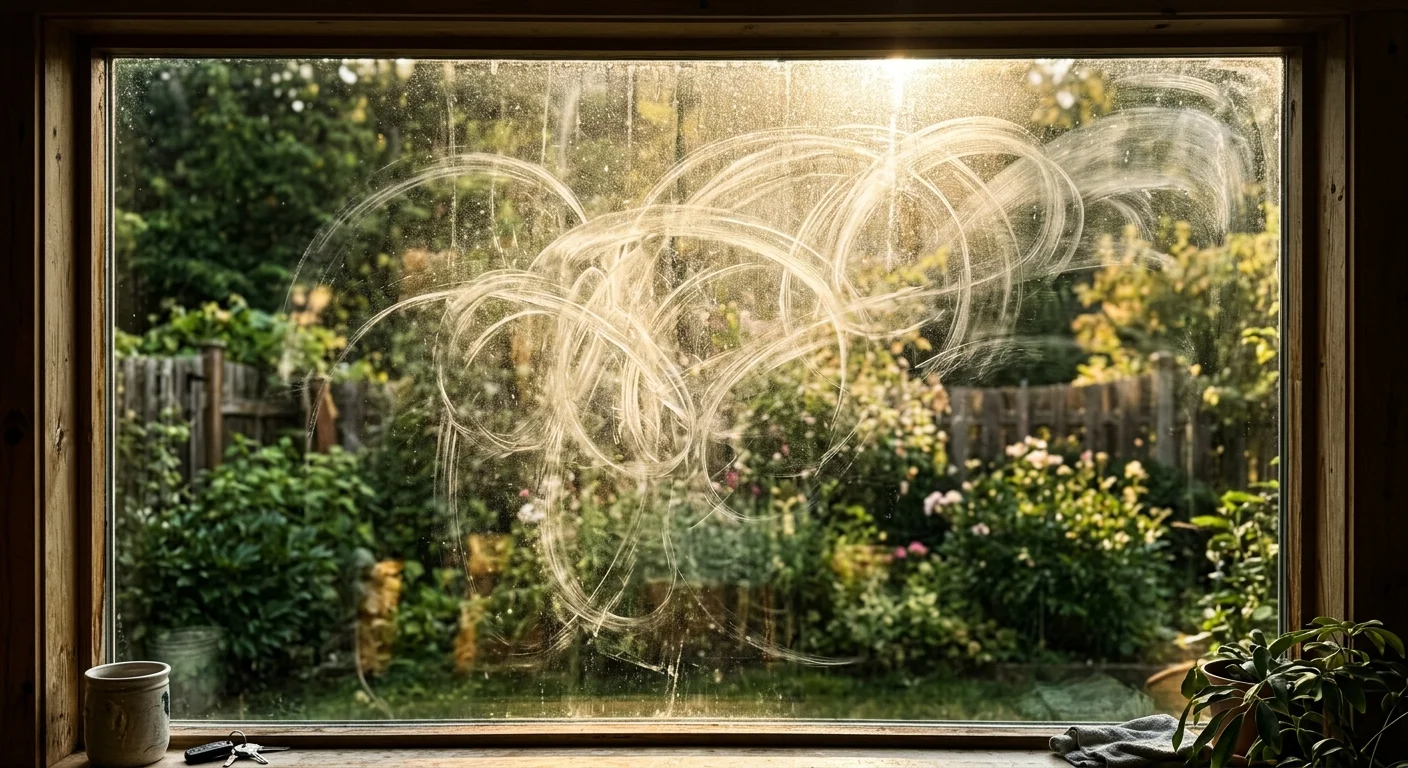
Spraying half a bottle of glass cleaner across a bath mirror or glass patio door does not make it twice as clean; instead, excessive liquid creates a hazy, milky film that reflects light unevenly. When you drench glass surfaces, the rubber squeegee or paper towel saturates instantly, spreading liquefied surfactant and dye back and forth across the glass rather than lifting it away. Once the liquid portion evaporates under room temperature, chemical concentrates dry into unsightly streaks.
Polished granite, quartz, and stainless steel appliances exhibit this exact same phenomenon. The moment light hits a stainless steel refrigerator door at an angle, heavy cleaning residue manifests as greasy smudges and dark shadows. To keep glass and polished metals crystal clear, mist your spray lightly onto a dry microfiber cloth first—never spray directly onto the glass—and buff the surface in sweeping figure-eight motions.
4. You Encounter Excessive Foam and Unending Machine Rinse Cycles
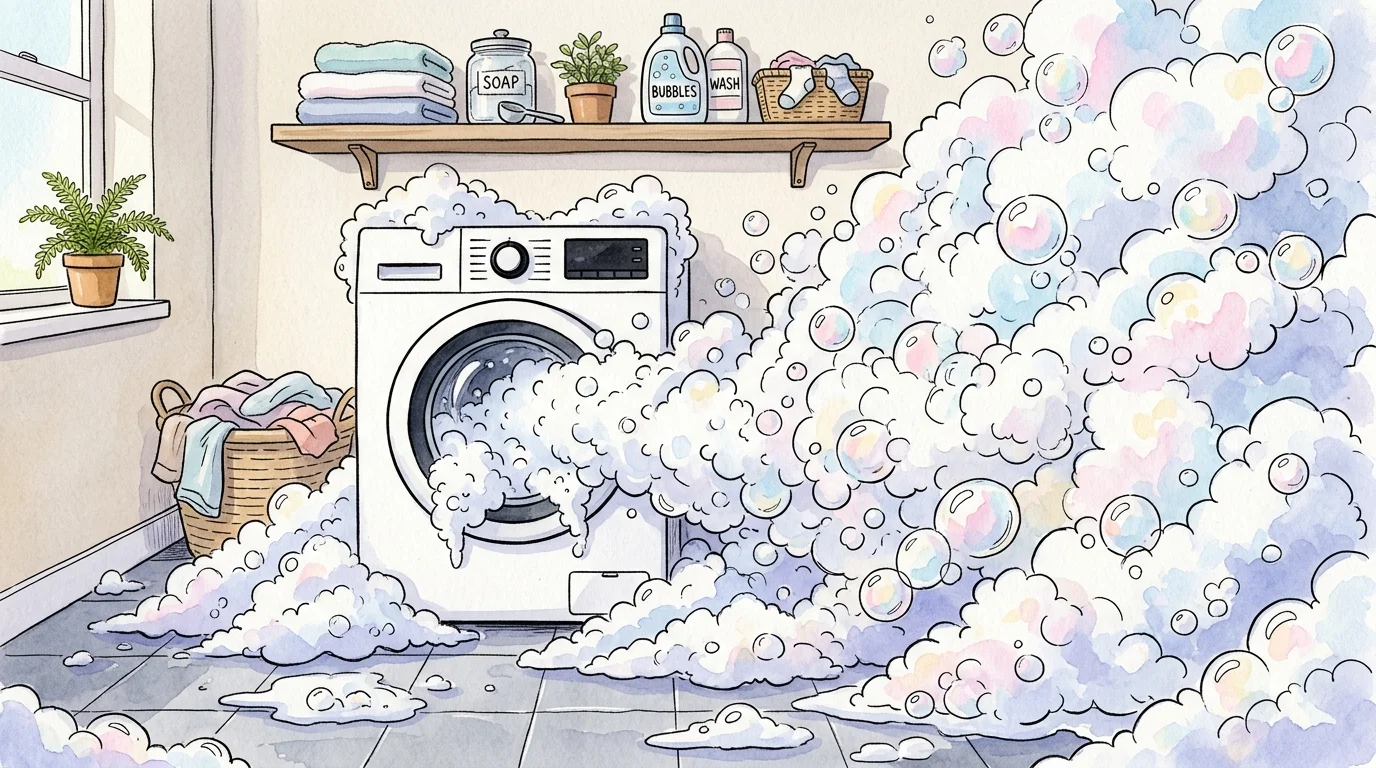
Modern home appliances feature sophisticated sensors that monitor water clarity, drum resistance, and foam levels. If you open your dishwasher door mid-cycle and spot a thick blanket of white foam creeping across the bottom rack, or if your washing machine routinely pauses to display a “Suds” or “5UD” error code, your liquid soap dosage is drastically off balance. Excessive foam cushions clothes inside washing machine drums, preventing fabrics from rubbing against one another—the mechanical action actually responsible for friction-cleaning dirty garments.
When high-efficiency dishwashers and clothes washers detect surplus suds, they trigger automated emergency recovery cycles. The appliance repeatedly drains water, fills the tub with fresh cold water, and attempts to flush the foam away; this automatic intervention adds 20 to 45 minutes to your wash cycle, consumes tens of gallons of extra municipal water, and drives up your monthly utility bills. Choosing low-foaming products certified under the U.S. EPA Safer Choice Program helps protect sensitive electronic appliances while preventing foam overflow.
5. Strong Chemical Odors Cause Sneezing, Coughing, or Watery Eyes
A long-standing household myth suggests that a room must smell intensely of bleach, pine, or synthetic floral perfume to count as clean. In reality, clean home environments smell like fresh, neutral air. If stepping into your freshly mopped bathroom causes your throat to tickle, your eyes to water, or your chest to feel tight, you are breathing in heavy concentrations of aerosolized volatile organic compounds (VOCs) caused by product overuse.
When you pour undiluted bleach or heavy quat-based cleaners into enclosed rooms, chemical vapors accumulate rapidly. Inhaling concentrated fumes irritates delicate mucous membranes in your eyes, nose, and respiratory tract. Guidance published by the American Lung Association warns that chemical overuse directly lowers indoor air quality, posing acute health risks for children, seniors, and individuals managing asthma or chronic obstructive pulmonary disease (COPD).
6. Your Monthly Household Budget Suffers from Excessive Cleaning Product Waste
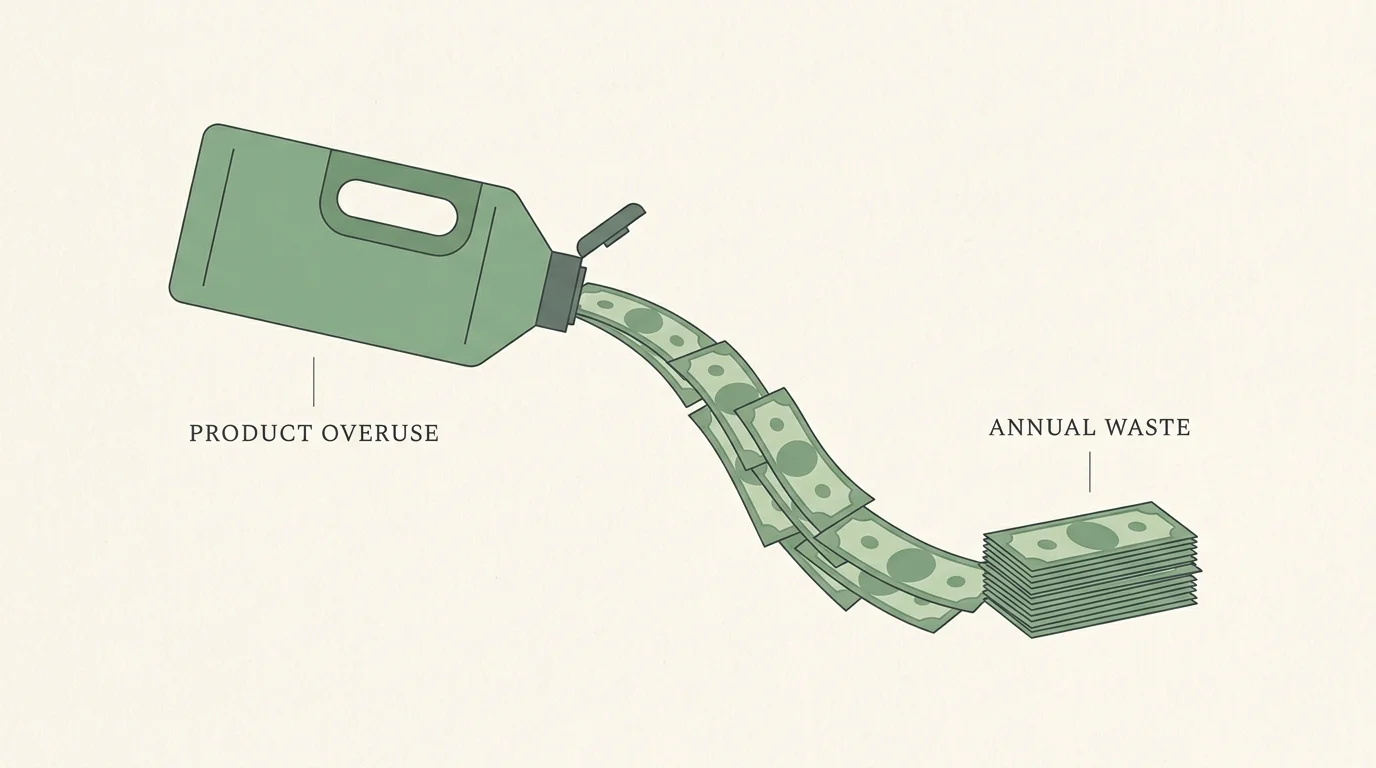
One of the clearest cleaning product overuse signs lies inside your grocery receipt log. A standard 64-ounce container of 2X concentrated laundry detergent should comfortably clean 64 full loads of laundry. If a household of two adults burns through that same bottle in three weeks, heavy-handed pouring is draining your bank account through pure cleaning product waste.
Consider the cumulative financial impact of overusing everyday household liquids:
- Laundry Detergent: Over-dosing by two extra tablespoons per load wastes approximately $120 to $180 per year.
- Multi-Surface Sprays: Drenching counters instead of misting increases spray bottle replacement frequency by 300%, adding $80 annually.
- Hard Floor Concentrates: Pouring unmeasured glugs directly into mop buckets wastes up to three-quarters of every bottle, dumping another $60 down the drain.
Eliminating product waste saves an average household between $250 and $350 each year, while simultaneously reducing physical heavy lifting when carrying bulky grocery jugs into your home—a major benefit for older adults simplifying daily routines.
7. Hard Floors Attract Fresh Dirt Faster Than Ever Before
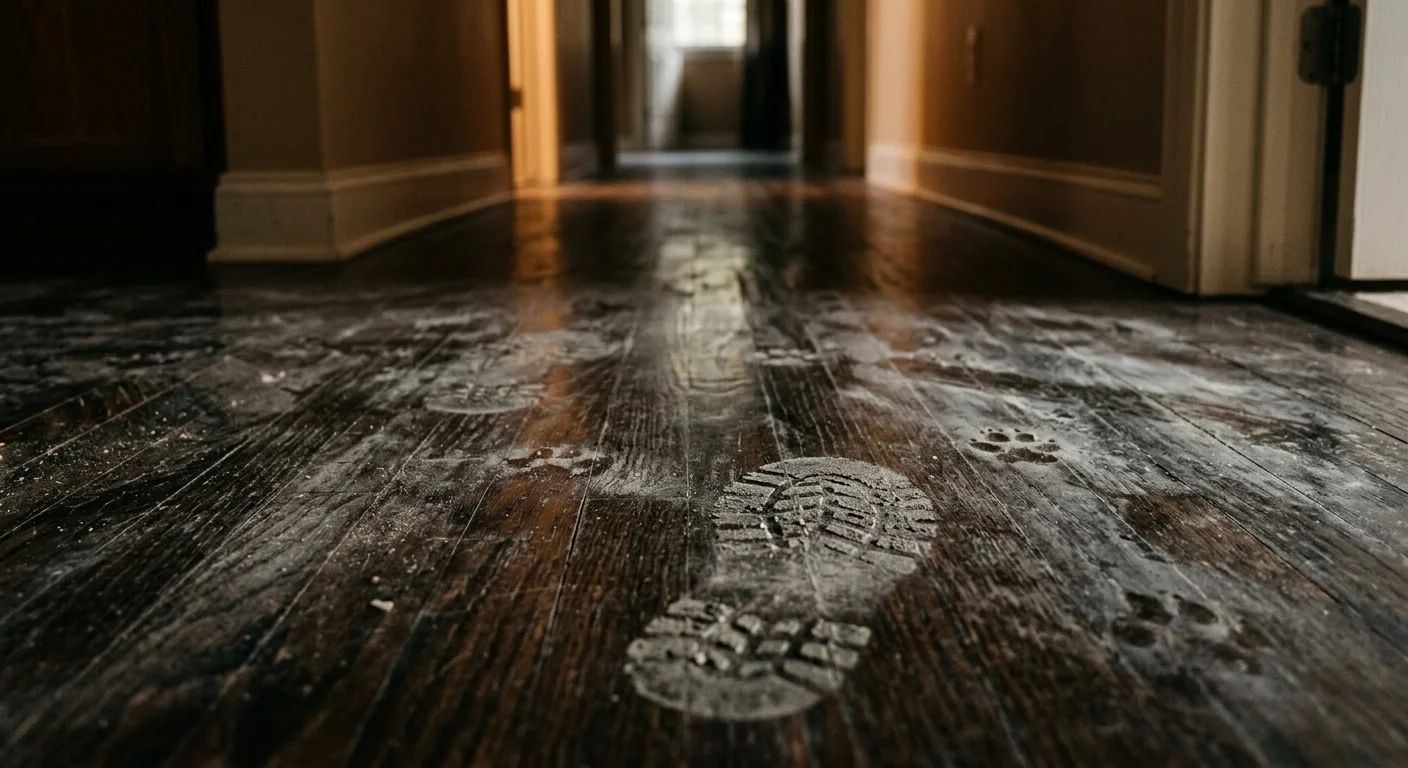
If you mop your hardwood, ceramic tile, or luxury vinyl plank (LVP) floors on Monday, only to find dark shoe tracks, fuzzy dust bunnies, and pet paw prints clinging tightly to the floor by Wednesday morning, soap residue is working against you. Concentrated floor cleaners left on flooring materials form an invisible, flexible film that acts like double-sided tape for household debris.
As family members walk across the floor, sock fibers and shoe soles deposit microscopic dust into the tacky surface coating. The more you mop with heavy cleaning solutions to remove those dark tracks, the thicker the sticky residue layer becomes. Hard floors cleaned with **proper cleaning product amounts**—or plain water mixed with a tiny splash of floor-safe solution—stay clean significantly longer because dust cannot bond to a completely dry, film-free surface.
Reference Guide: Proper Cleaning Product Amounts
Calibrating exact measurements saves time, money, and physical energy. Use this quick dosing reference chart to adjust your daily cleaning habits:
| Product Category | Recommended Task Amount | Common Overuse Mistake | Immediate Result of Overuse |
|---|---|---|---|
| HE Liquid Laundry Detergent | 1 tablespoon (medium load) 2 tablespoons (heavily soiled/large load) |
Filling the cap to line 3, 4, or max fill line (4 to 6 tablespoons) | Stiff towels, sour clothes smell, drum mold, extended cycle times. |
| Multi-Surface Cleaner Spray | 1 to 2 light mists per 3-square-foot area directly on microfiber cloth | Drenching granite or laminate until liquid pools and runs off edges | Tacky countertops, cloudy streaks, fast dust accumulation. |
| Hard Floor Cleaning Concentrate | 1 capful (approx. 1 tablespoon) per 1 gallon of warm water | Free-pouring unmeasured liquid directly into mop bucket or onto floor | Sticky floor surfaces, fast re-soiling, dull finish on vinyl/hardwood. |
| Liquid Concentrated Dish Soap | 1 small drop (dime-sized) directly onto a wet cleaning sponge | Squeezing continuous streams into warm dishwater or directly onto plates | Endless rinsing required, slippery dish handles, wasted water. |
| Dishwasher Powder or Gel | 1 tablespoon placed in main wash compartment only | Packing both pre-wash and main detergent cups completely full | Etched glass, cloudy film on drinkware, white chalky spots on cutlery. |
How to Strip Soap Buildup and Recalibrate Your Routine
Reclaiming your home from years of soap accumulation requires a systematic reset. Follow these concrete steps to strip away residue, restore original material shine, and establish low-waste habits:
- Perform a Laundry Vinegar Strip: Place stiff towels or odor-retaining activewear into your washing machine without any detergent. Add 1 cup of plain distilled white vinegar into the liquid fabric softener compartment and run a normal cycle with warm water. The natural acetic acid dissolves trapped detergent salts from fabric fibers.
- Reset Hard Floors with Plain Hot Water: Mop your tile, vinyl, or hardwood floors using damp microfiber mop pads saturated with plain warm water. Do not add any soaps, fragrant concentrates, or oils. Wash the floor twice to lift existing surfactant layers off the surface.
- Pre-Mark Your Dispensing Caps: Take a tablespoon, pour 1 tablespoon of water into your laundry detergent cap, and draw a thick ring around the inside and outside of the plastic cap using a bright permanent marker. Stop relying on faint molded factory lines that encourage overpouring.
- Transition to High-Density Microfiber: Replace paper towels and cheap terry cloth rags with premium split-fiber microfiber towels. Microfiber structure mechanically traps dirt and oils using water alone, allowing you to cut liquid spray chemical usage by up to 75%.
- Review Environmental Health Guidelines: Check domestic cleaning safety recommendations maintained by the Centers for Disease Control and Prevention to ensure proper room ventilation, adequate water dilution ratios, and safe chemical storage practices.
Your Immediate Next Step for a Cleaner Home
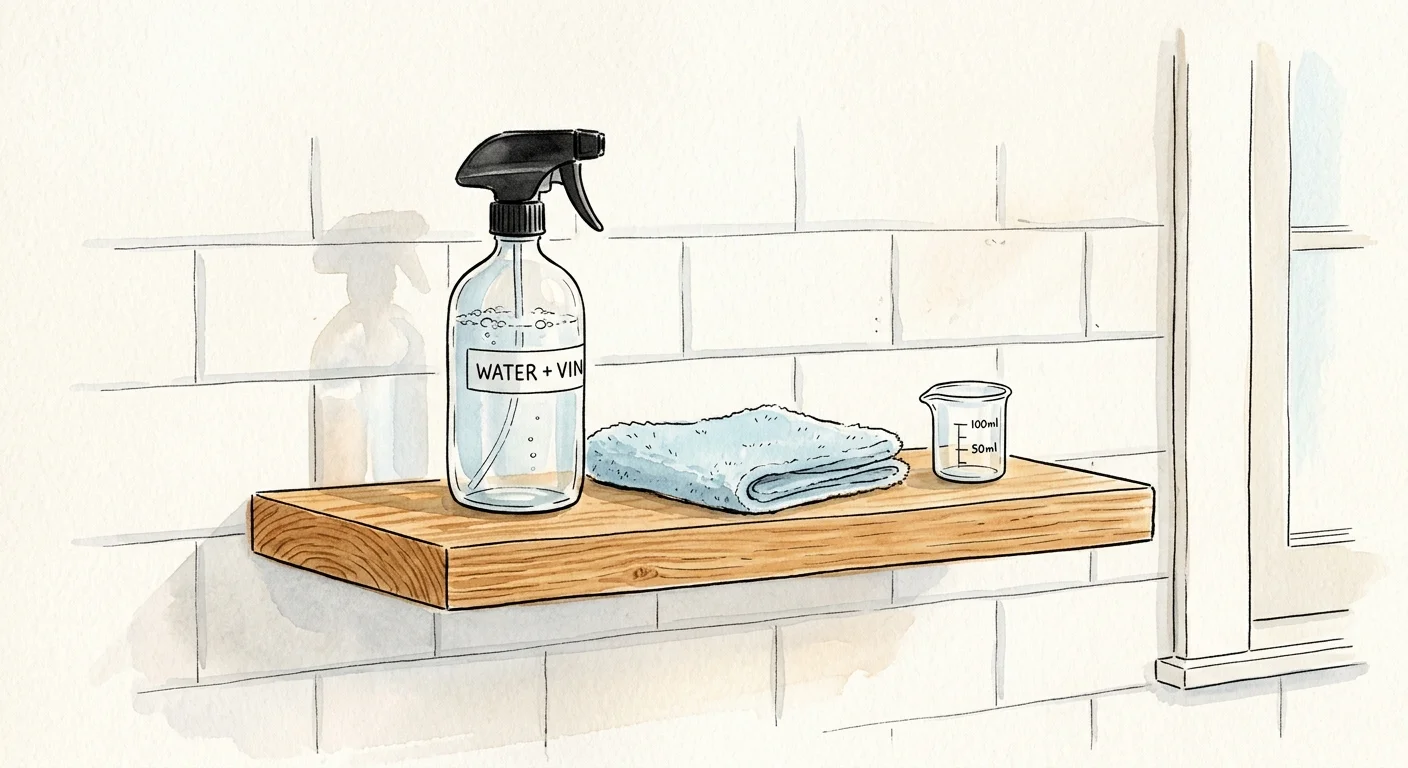
Walk directly into your laundry room right now with a bright permanent marker and a standard measuring tablespoon. Measure exactly 1 tablespoon of water into your laundry detergent cap, observe how tiny that correct volume looks inside the massive cup, and draw a solid line on the cap at that exact height; using this simple visual anchor starting with your next load will instantly eliminate chemical waste, protect your clothing, and put money back in your pocket today.