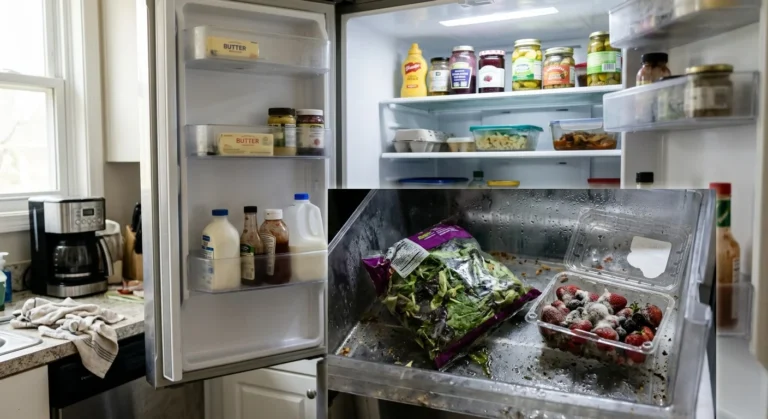
Misplaced household items drain your energy, waste precious minutes, and leave lingering clutter across your counters every single day. Storing items where you use them creates an intuitive home flow that eliminates friction and keeps rooms tidy without constant effort. When you align your storage habits with your daily routines, cleaning becomes faster and your living space stays naturally organized. Look closely at how you move through your home; small physical barriers often reveal larger storage mismatches. Identifying these spatial roadblocks allows you to relocate essential tools to their point of performance, immediately transforming your daily routines into smooth, effortless habits that save you hours every week.
The Power of Point-of-Use Home Organization
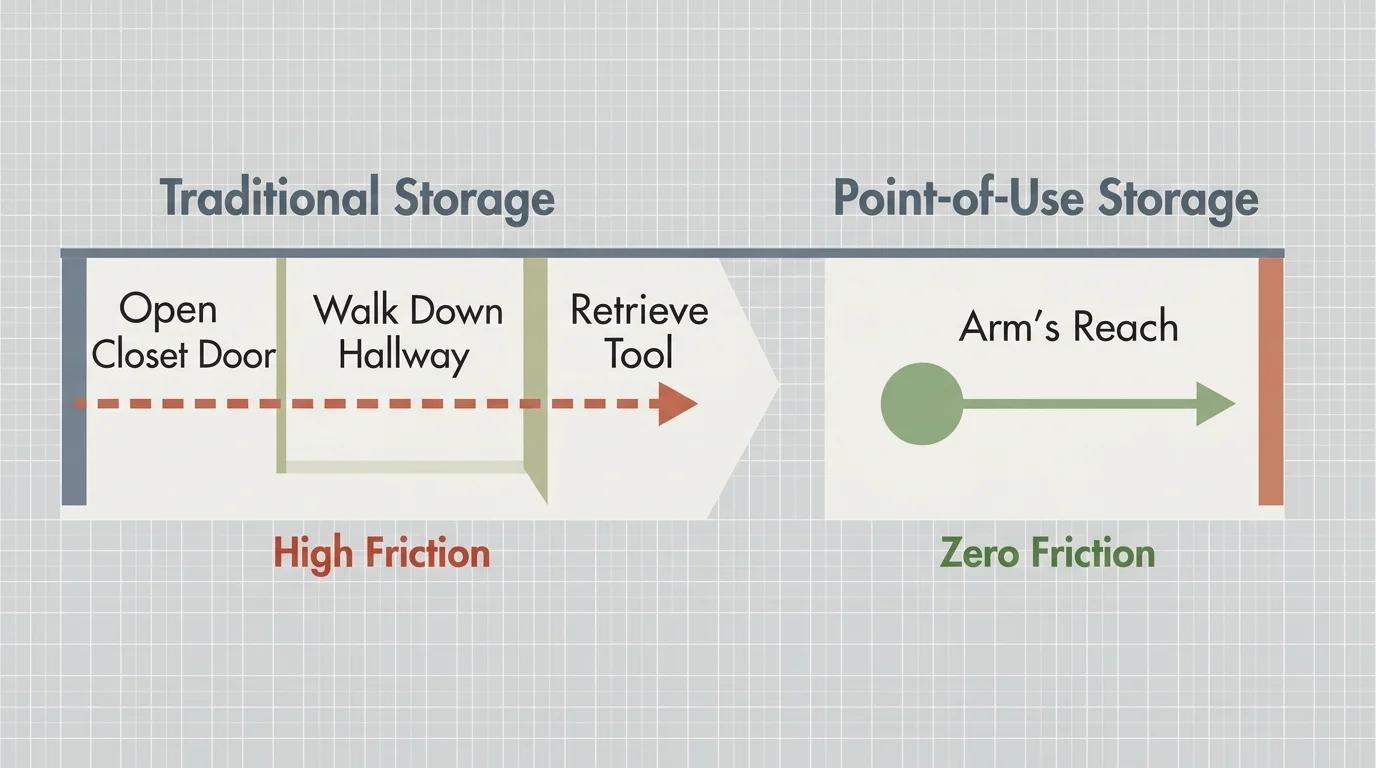
Professional organizers and industrial engineers rely on a fundamental principle called point-of-use placement. This strategy requires you to store every tool, appliance, and supply within arm’s reach of the exact spot where you apply it. When you implement home organization efficiency tips rooted in this concept, you eliminate unnecessary steps and reduce physical resistance. Storing items where you use them transforms maintenance from a tedious chore into an automatic habit. If putting an item away requires opening three doors, stepping around a table, or walking down a hallway, human nature dictates that the item will sit on the nearest flat surface instead.
1. High-Traffic Counters Become Permanent Landing Pads
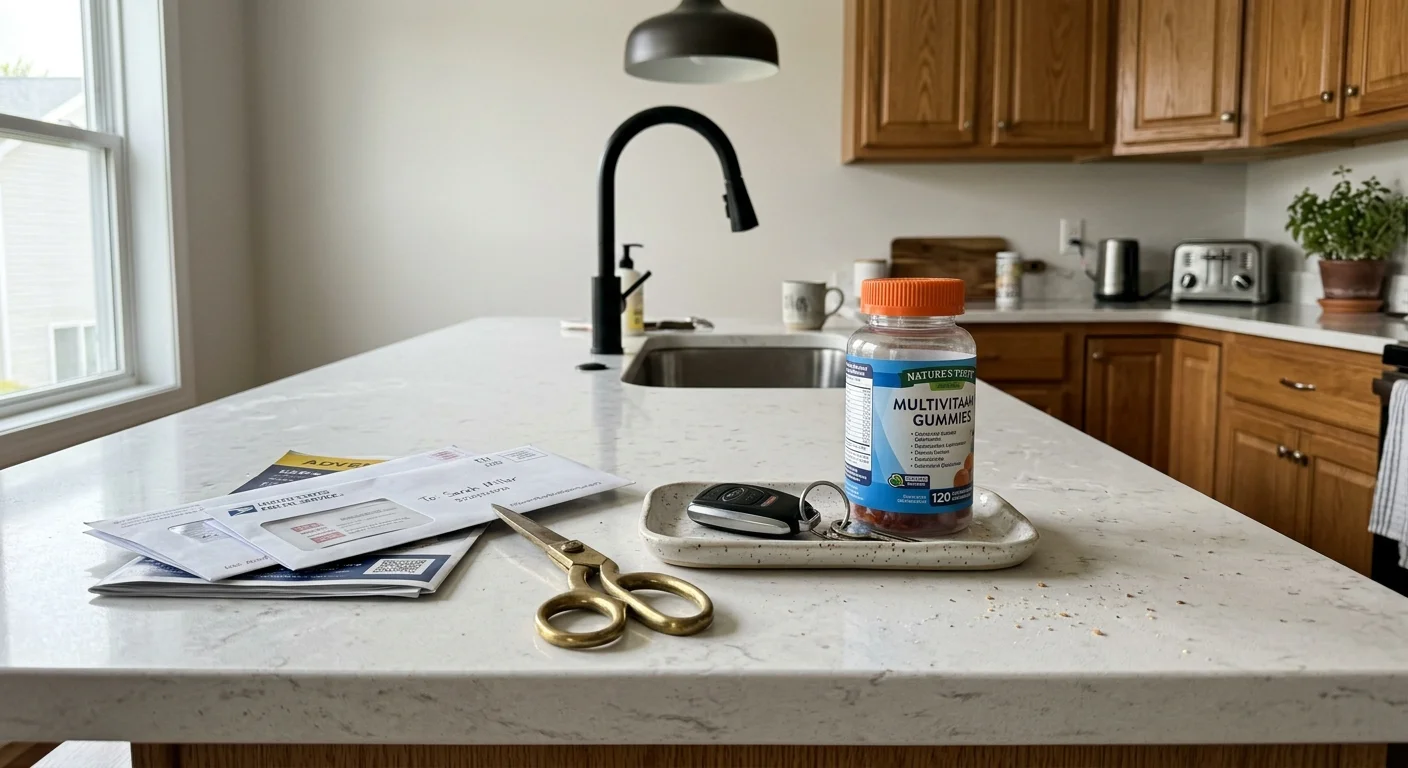
Kitchen islands, entry tables, and bathroom vanity tops frequently collect piles of unrelated objects. When mail, nail clippers, vitamin bottles, or scissors accumulate on your kitchen counter, your home is sending a clear spatial signal. You use these items in that specific room, but their assigned homes sit somewhere far away—perhaps in an upstairs office or a distant hallway closet. Instead of forcing yourself to walk across the house every time you finish opening mail, create a dedicated drop zone right next to the entrance or kitchen counter. Decluttering by function means establishing a small basket or drawer organizer exactly where the activity takes place.
2. You Regularly Leave Items Out After Finishing a Task
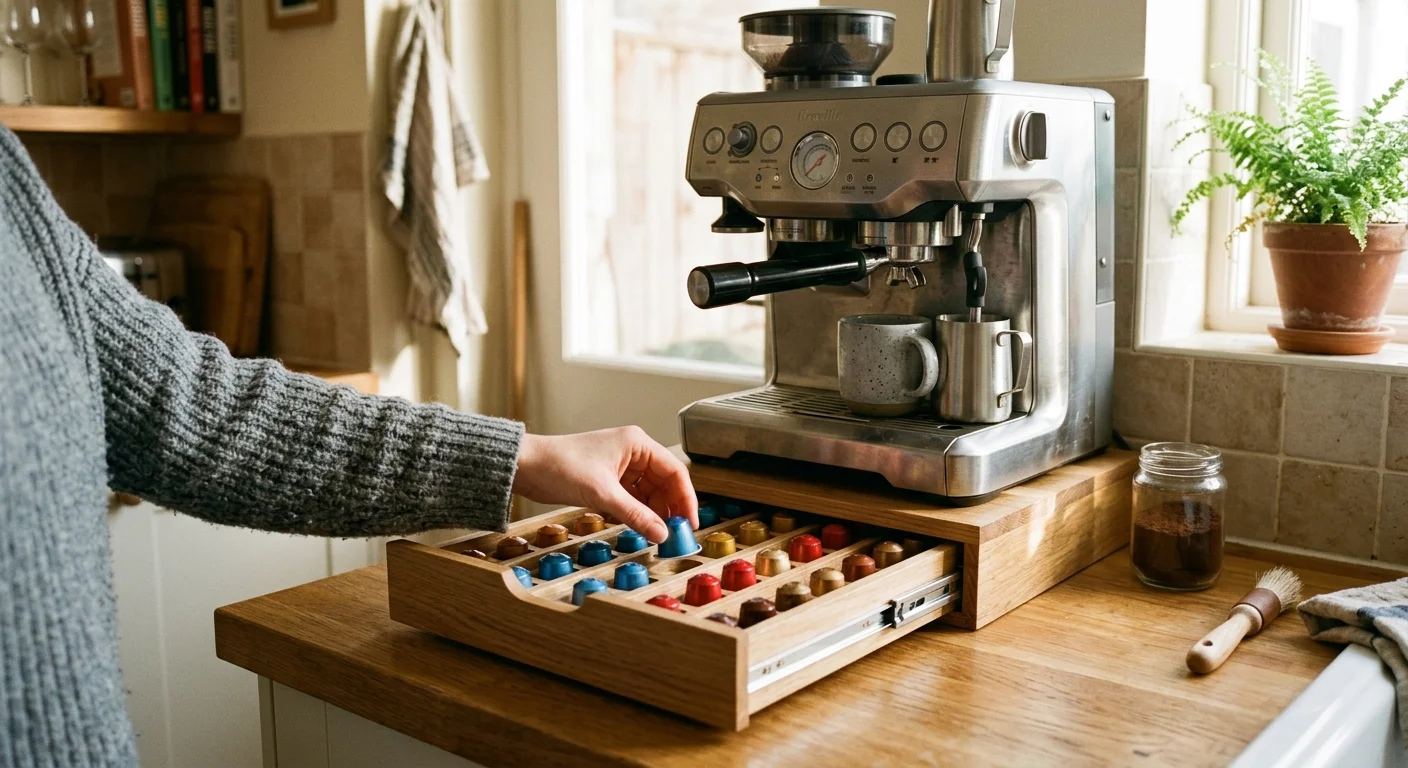
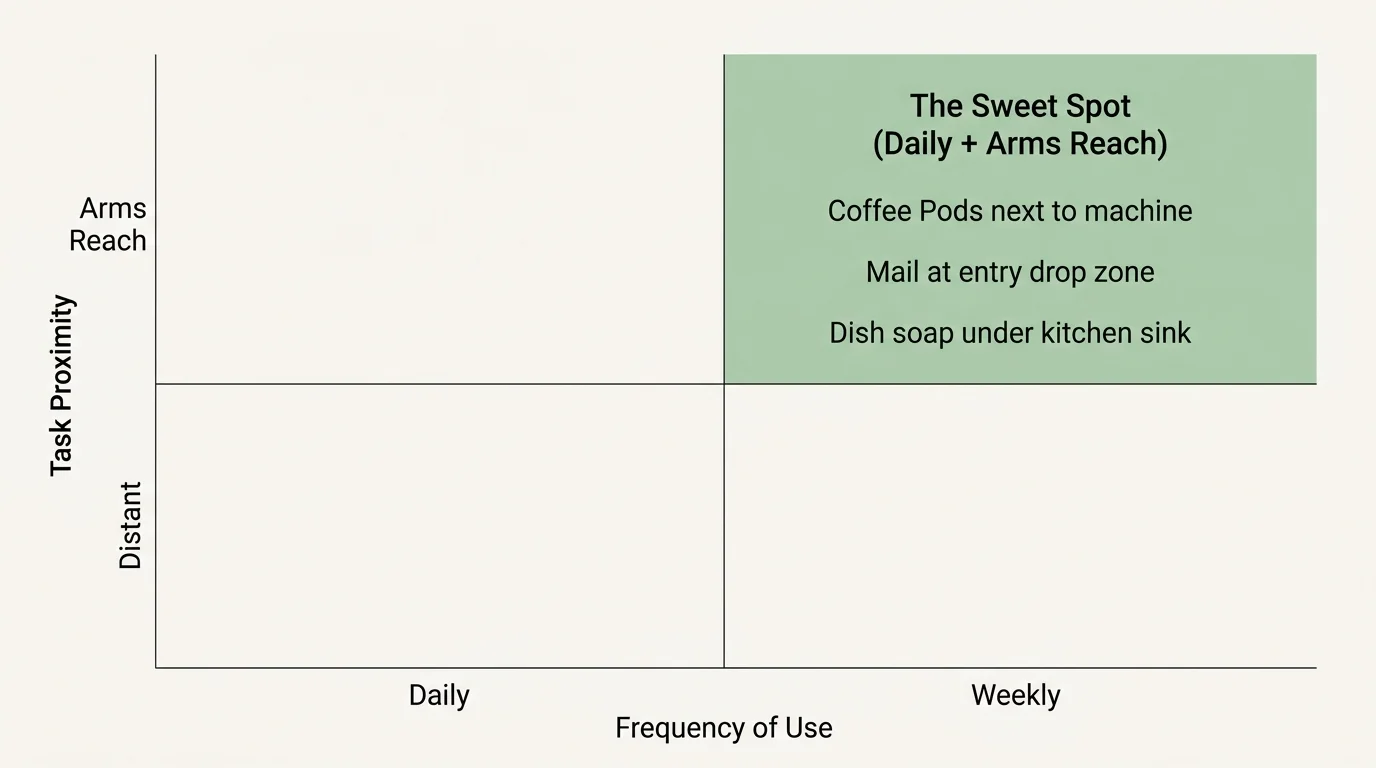
If you routinely find cutting boards on the counter, hair tools on the bathroom sink, or workout gear on the bedroom floor, do not blame a lack of discipline. Resistance usually stems from storage placement rather than laziness. When return pathways involve too many steps, physical barriers, or overcrowded cabinets, your brain naturally postpones the effort. Test this by measuring the distance between where you use an item and where you store it. Moving your daily coffee pods from a pantry across the room to a small drawer directly beneath the coffee machine eliminates friction and keeps counters clear effortlessly.
3. You Accidentally Buy Duplicates of Everyday Household Goods
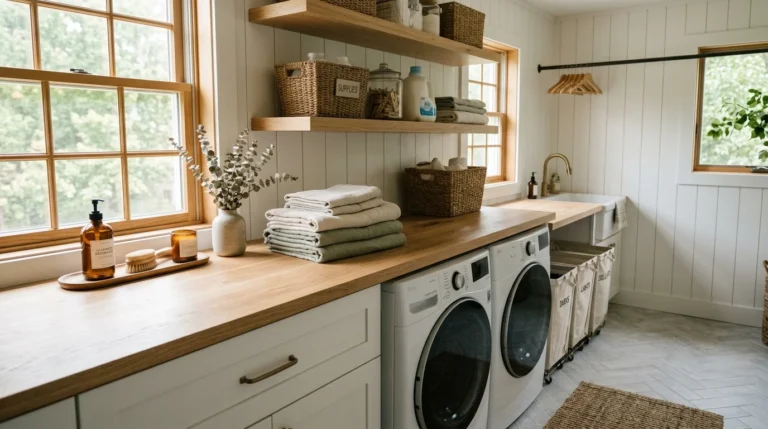
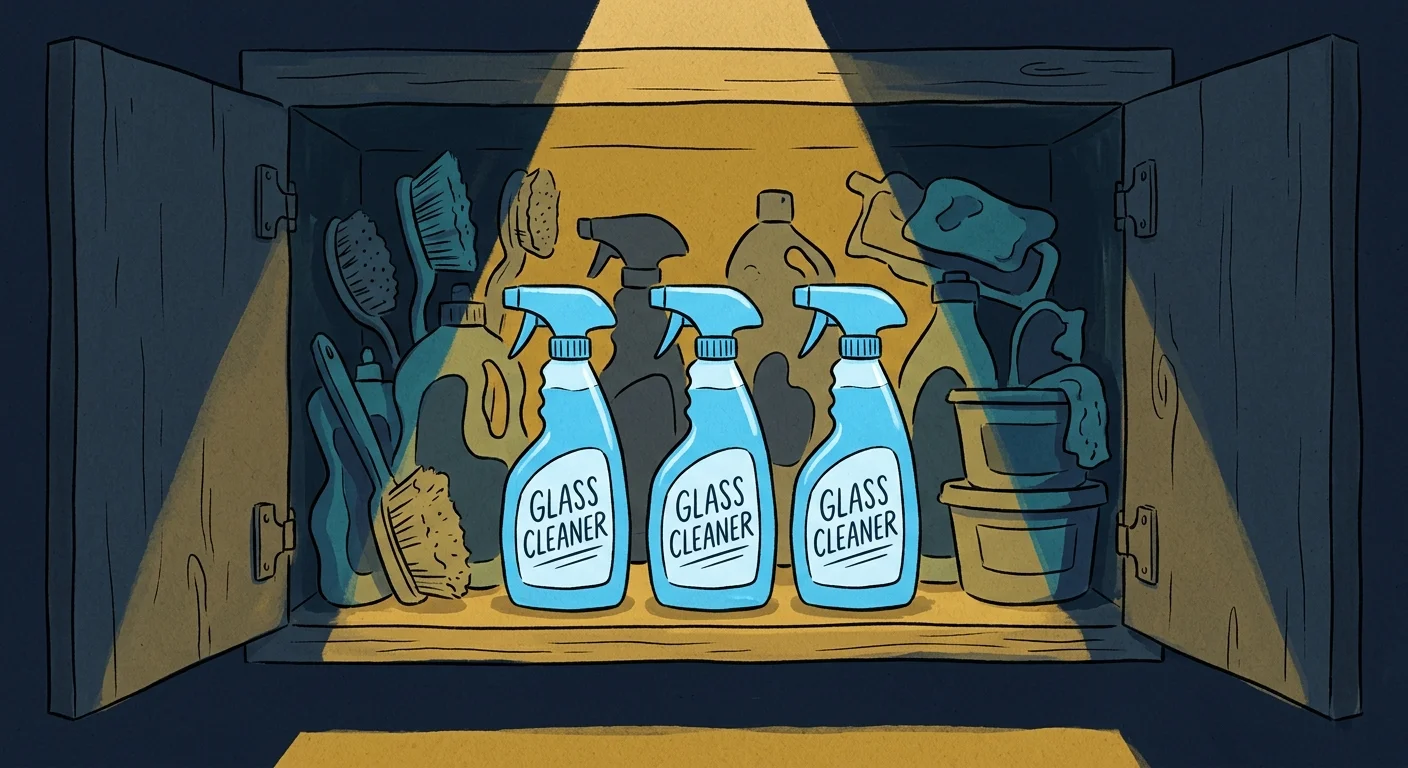
Uncovering three half-used boxes of foil, multiple tape rolls, or redundant bottles of glass cleaner proves that your storage system hides items from your workflow. When you store supplies far from their functional zone, checking inventory before shopping becomes inconvenient. You end up purchasing extras because confirming what you own requires searching through distant closets. Organizing for convenience ensures that backup supplies live directly behind or beneath the active items. When you store extra dish soap beneath the kitchen sink rather than in a basement storage rack, you instantly know when you need to reorder.
4. Simple Daily Routines Take Twice as Long as Expected
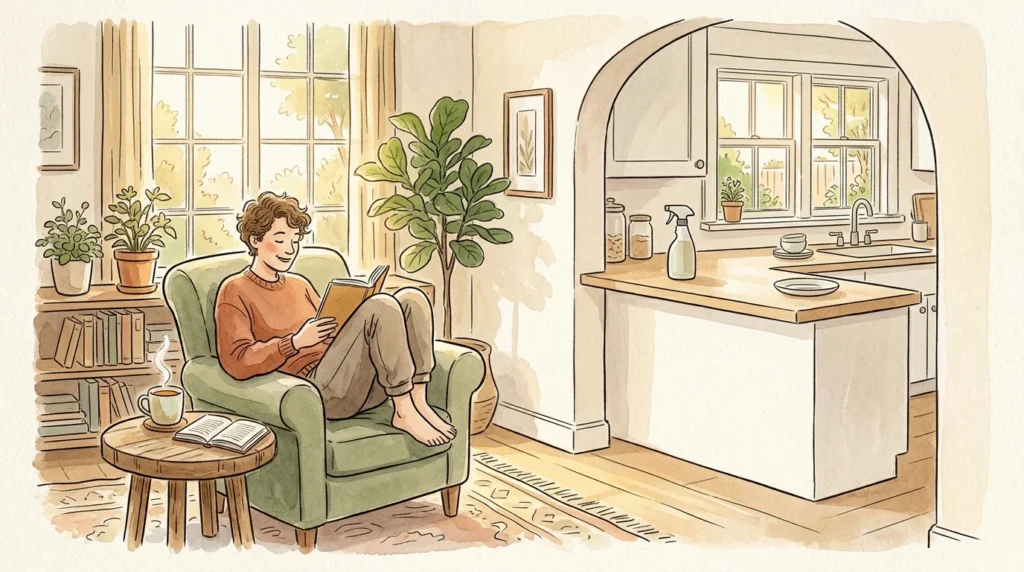
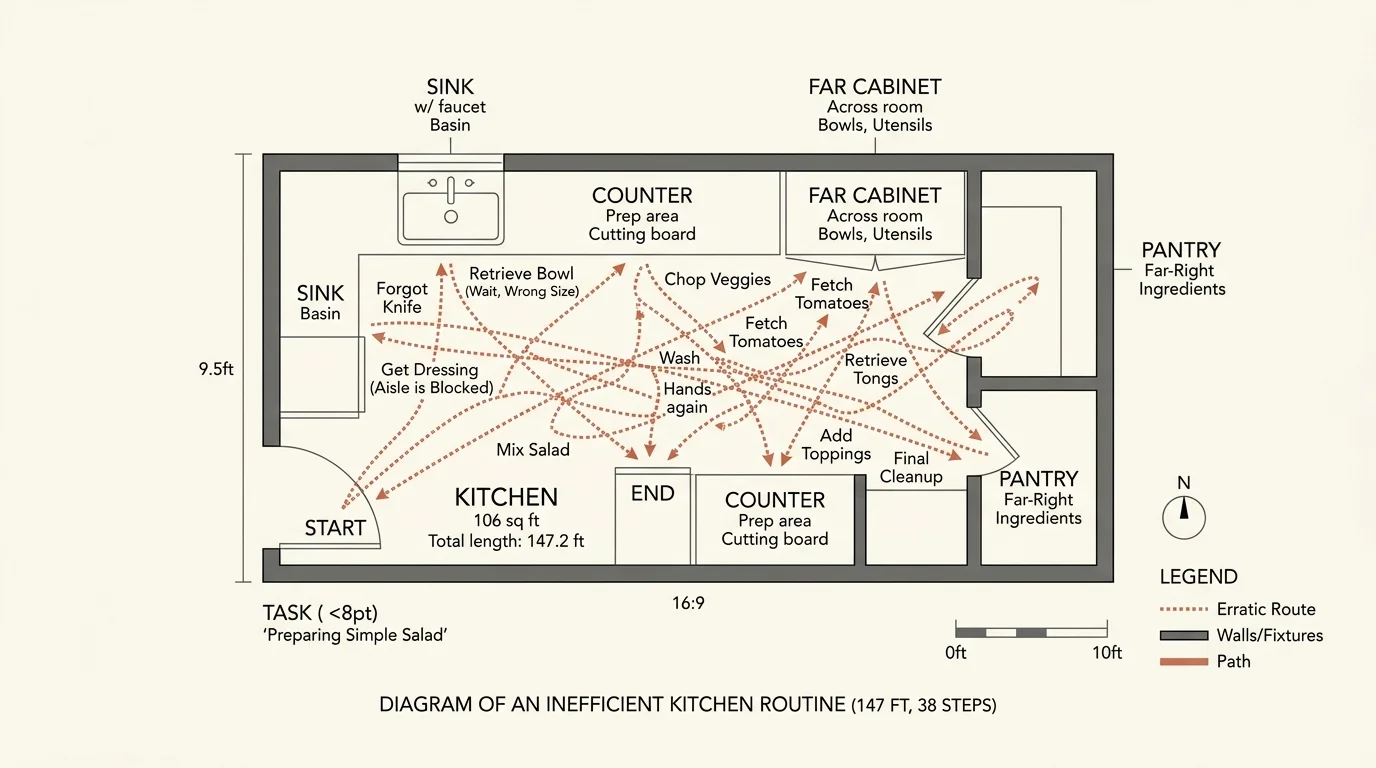
Track your movement during a basic morning routine like making tea or preparing breakfast. If you walk from the sink to a far cabinet for a mug, turn around to reach a drawer across the room for a spoon, and then walk to a pantry for tea bags, you are wasting physical energy. These micro-steps add up to structural delay. Organizing items by usage location groups complementary items into functional stations. Setting up a dedicated beverage station consolidates mugs, sweetener, tea, and spoons into one tight zone, cutting your prep time in half and streamlining your morning workflow.
5. You Experience Physical Strain or Discomfort During Basic Chores
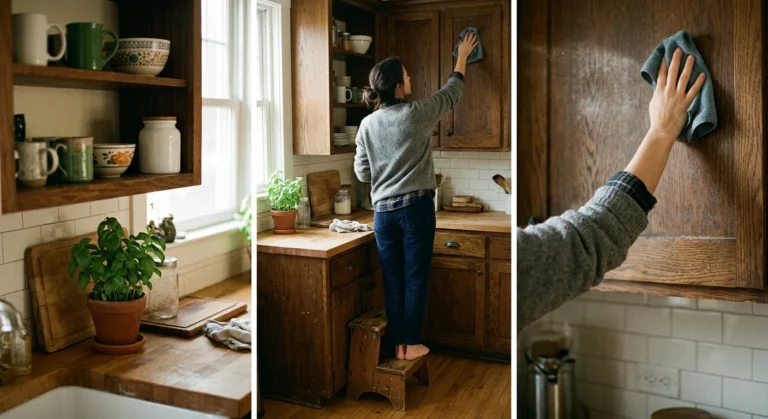
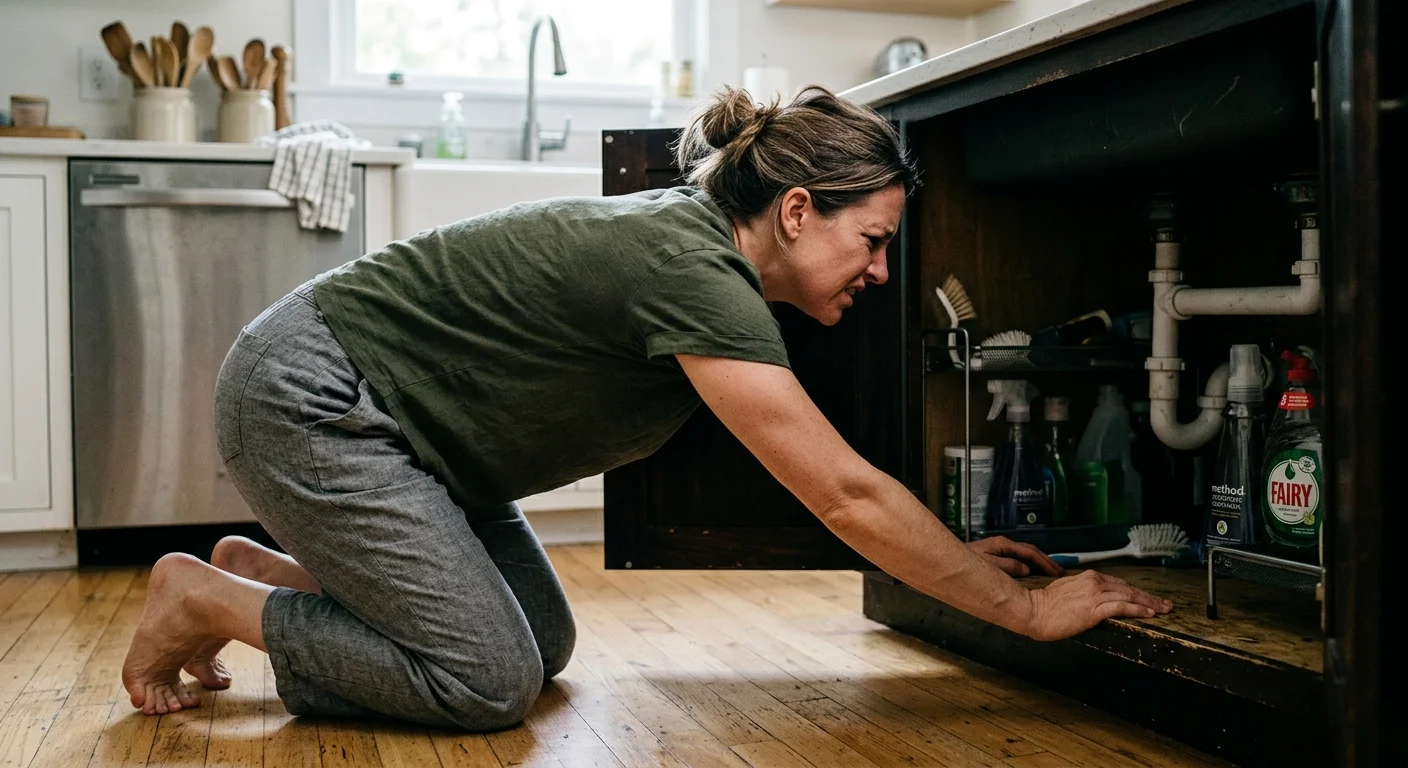
Reaching high above your shoulders for heavy pots, bending low for daily cleaners, or carrying heavy vacuum cleaners up and down stairs causes unnecessary physical fatigue. The American Occupational Therapy Association emphasizes that adaptive home design and ergonomic storage reduce repetitive strain and prevent accidental falls, especially for mature adults simplifying their living spaces. When you store heavy or frequently used items outside your physical comfort zone (between hip and chest height), you increase injury risks. Move daily cooking pots to mid-level drawers near the stove and reserve high or low shelves for seasonal items you rarely touch.
6. Specialized Cleaning Supplies Sit Unused While Stains Set
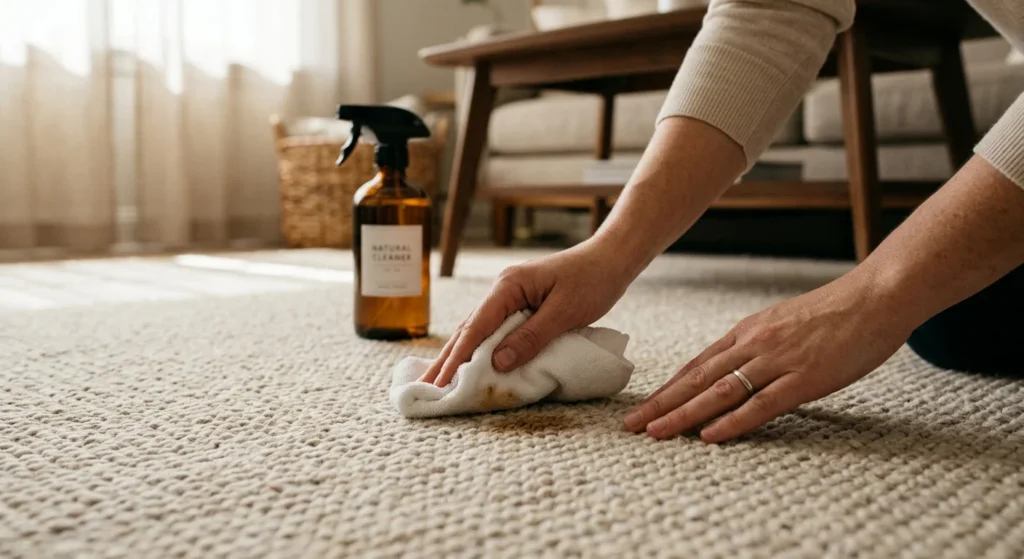
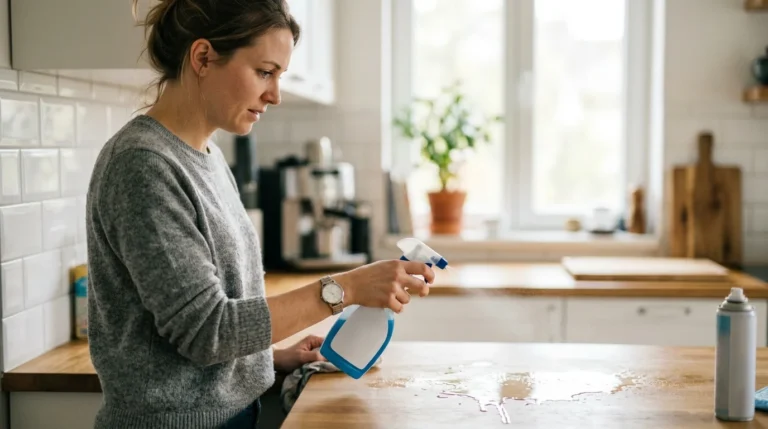
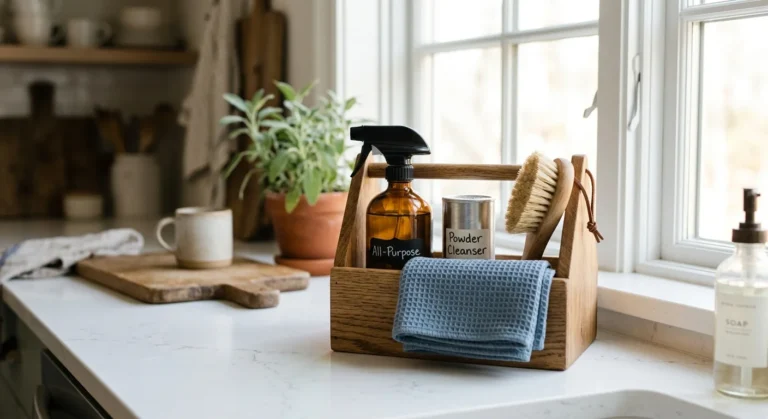
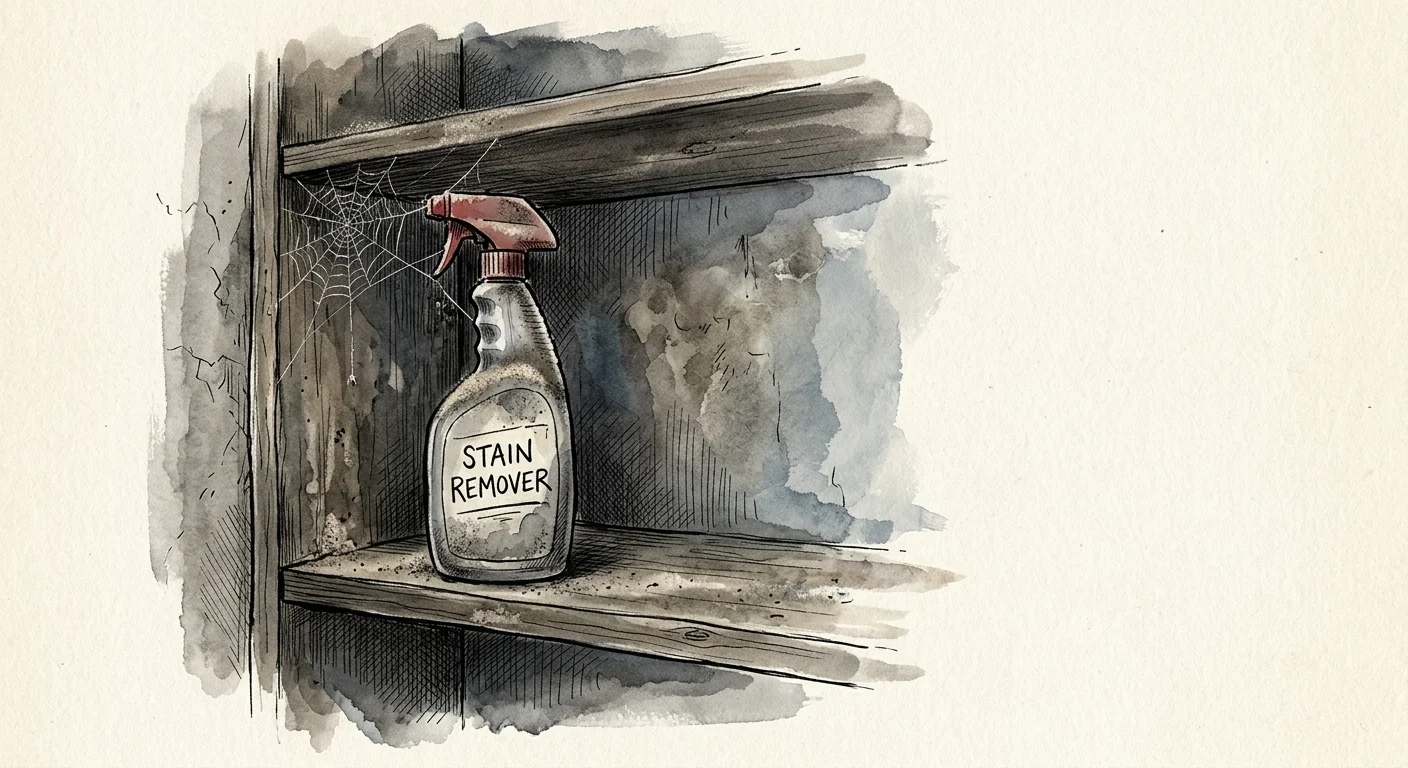
If you notice soap scum building up in the shower or dust gathering on living room shelving, evaluate where you keep your cleaning tools. Keeping all cleaning sprays tucked inside a central utility closet forces you to retrieve supplies every time a spill happens. The Centers for Disease Control and Prevention highlights that maintaining clean surfaces reduces indoor environmental hazards and pathogen transmission. Stashing micro-fiber cloths and bathroom cleaner in a small caddy right under the bathroom sink encourages immediate touch-ups. When the cleaner sits two feet from the mirror, wiping a smudge takes five seconds instead of five minutes.
7. Organizer Bins and Drawer Dividers Sit Empty
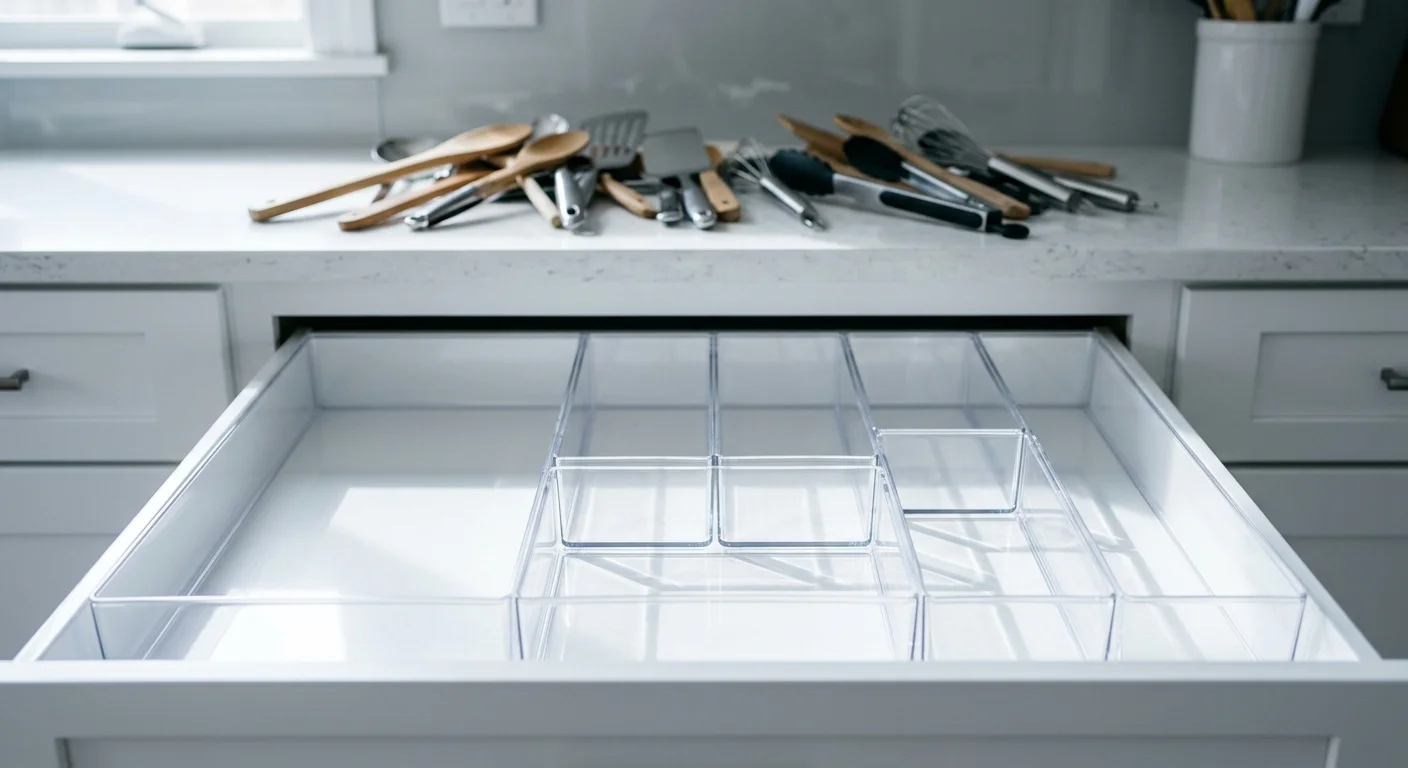
An empty organizer inside a closet or cabinet signals a breakdown between storage design and human habit. You might have bought beautiful acrylic bins for your home office, but if you consistently work at the dining table, those bins will remain empty while your dining table turns into a paper mountain. Never force your habits to fit an arbitrary storage location. Relocate the bins to a sideboard or drawer right beside the dining table where you actually open mail and manage bills. Aligning your container choices with your real-life behavior keeps systems functional over time.
8. You Travel Through Multiple Rooms for One Simple Job
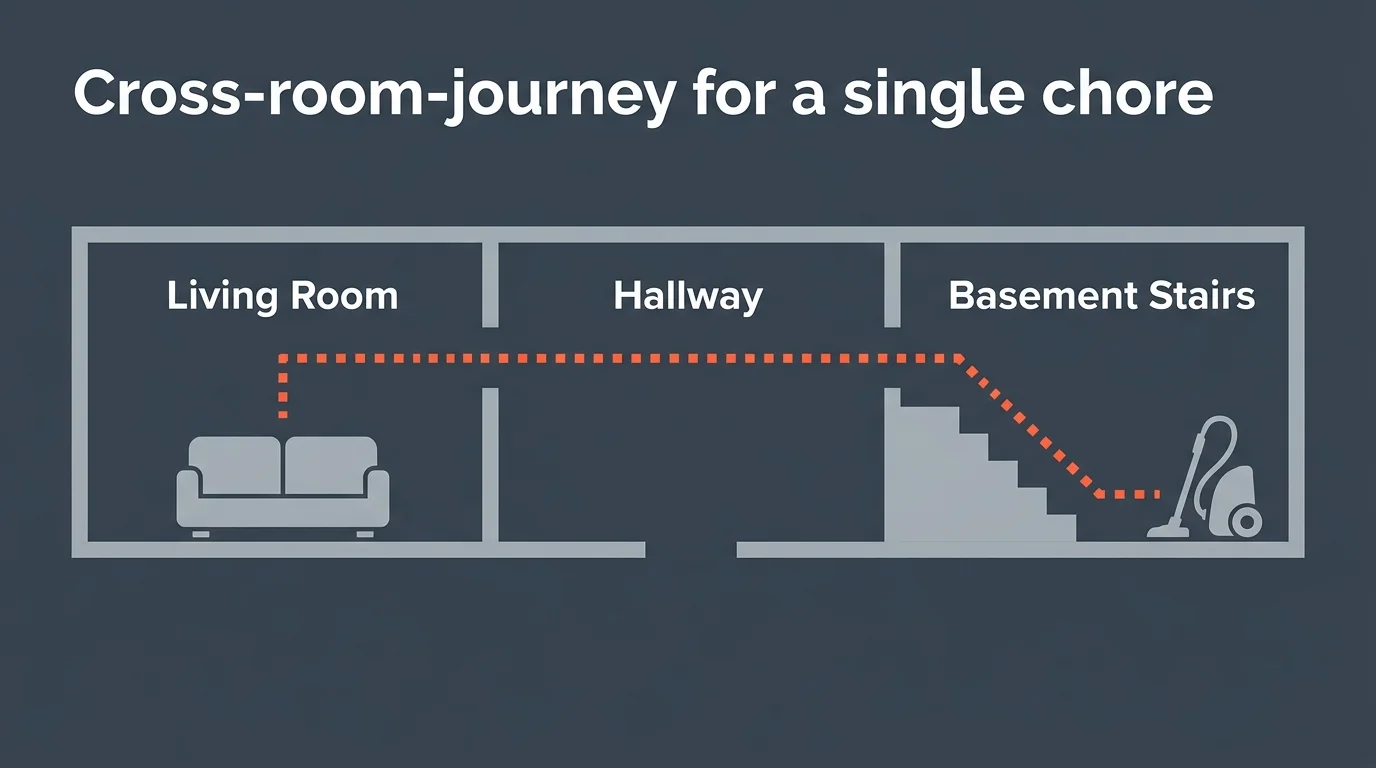
Consider the process of grooming your pet or watering your houseplants. If you retrieve the watering can from a laundry room, fill it in the kitchen, carry it to the sunroom, and then return the empty can back across the house, your storage setup lacks logic. Streamline your tasks by placing watering cans near the main indoor plant cluster, or store pet brushes in the living room near the rug where your pet likes to relax. Cutting out cross-house transit saves time, protects your flooring from drips, and keeps tools readily available when needed.
9. Temporary “Staging Stacks” Never Disappear
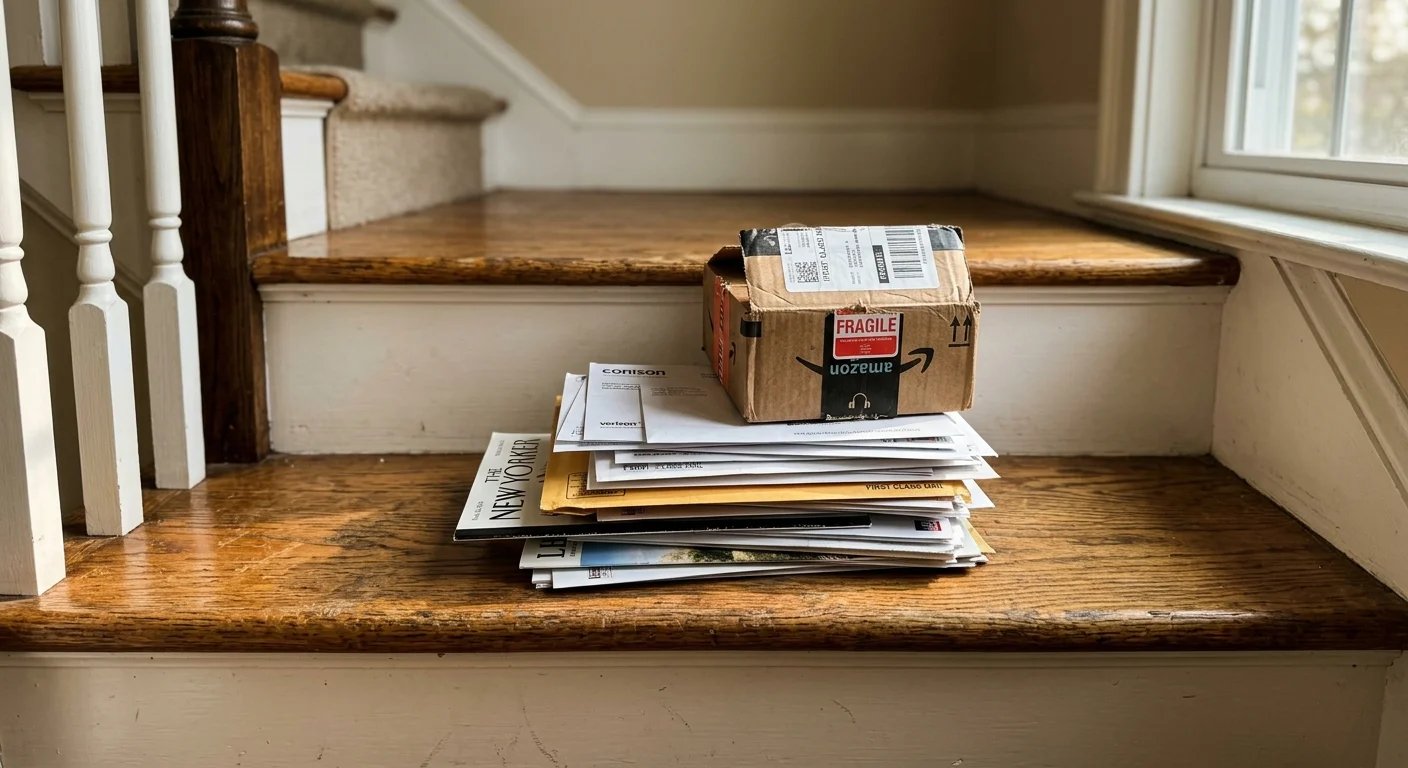
Staging stacks occur when you place items near the stairs, on a hallway bench, or beside a doorway with the intention of taking them to another room later. These temporary piles signal that the destination point is too inconvenient to visit during your normal routine. Over time, staging stacks blend into the background and become permanent clutter eyesores. Eliminate these middleman piles by moving the final storage location closer to your main daily path, or re-evaluate whether those items even belong in your home. If an item constantly waits on the stairs, build a permanent storage solution right near the foot of the staircase.
10. Household Members Continually Ask Where Essentials Live
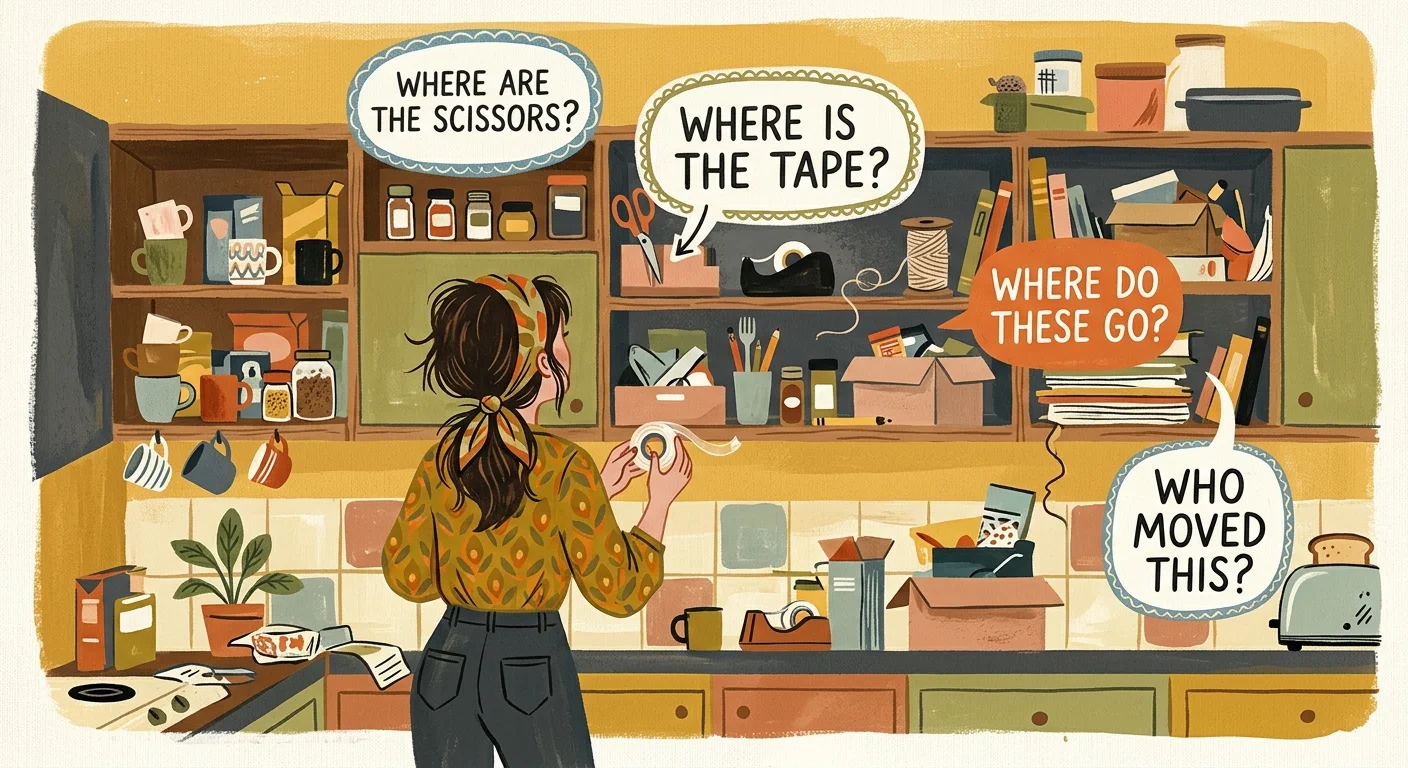
When family members constantly ask where to find lightbulbs, tape, batteries, or spare towels, your storage logic makes sense only to you. Intuitive organization requires no explanation because items rest where common sense dictates. Storing batteries near the electronics or living room remote drawer makes immediate sense to everyone in the home. Placing emergency flashlights near nightstands or main entry points ensures rapid access during unexpected power outages. When you organize by intuitive placement, everyone in your household can locate and return items without supervision.
How to Map Your Home Using the Point-of-Use Principle
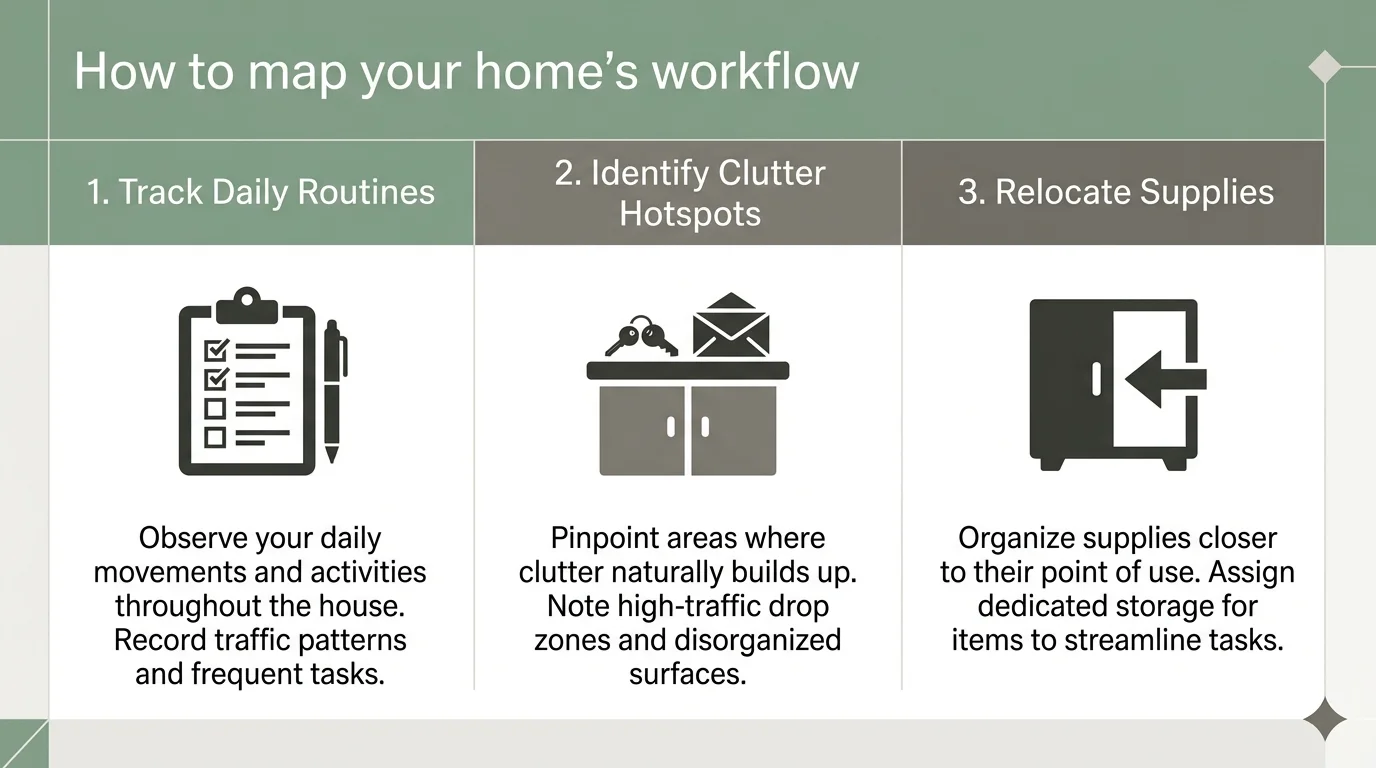
Relocating your possessions requires a structured approach so you avoid shifting clutter aimlessly from room to room. Follow this step-by-step audit to align your home with your physical habits.
- Observe Your Daily Patterns: For three days, make mental notes of every item left out on counters, tables, or floors. Do not judge your habits; simply record where items land.
- Identify Functional Action Zones: Define the primary activity zones in your home, such as the prep sink, the coffee bar, the bill-paying desk, or the entryway drop zone.
- Clear Space at the Point of Performance: Remove decorative objects or rarely used tools from prime real estate—drawers and cabinets situated between waist and eye level in high-use areas.
- Relocate the Core Tools: Move the items you identified in step one directly into the open storage space within arm’s reach of the action zone.
- Establish a Secondary Storage Zone: Store excess bulk inventory or back-up items in secondary zones like top shelves, basements, or hall closets.
Storage Relocation Matrix for Maximum Efficiency
Use this reference table to evaluate common household items, identify problematic storage zones, and implement functional, ergonomic solutions.
| Household Item | Inefficient Storage Location | Optimal Point-of-Use Location | Functional Benefit |
|---|---|---|---|
| Disinfectant Wipes | Central hallway closet | Under sink in kitchen & bathrooms | Allows immediate cleanup of spills and surfaces |
| Daily Medications & Vitamins | High pantry shelf | Beside kitchen water pitcher or mug rack | Triggers habit coupling during morning coffee routine |
| Pet Leashes & Waste Bags | Back utility room | Entryway drawer or wall hook near front door | Speeds up dog walking routine without tracking dirt |
| Heavy Kitchen Mixers & Dutch Ovens | High cabinet above refrigerator | Lower cabinet pull-out drawer near counter | Prevents back and shoulder strain from overhead lifting |
| Reading Glasses & Nail Files | Bedroom dresser drawer | Living room side table drawer | Keeps relaxation items available where you unwind |
Balancing Convenience with Safety and Accessibility
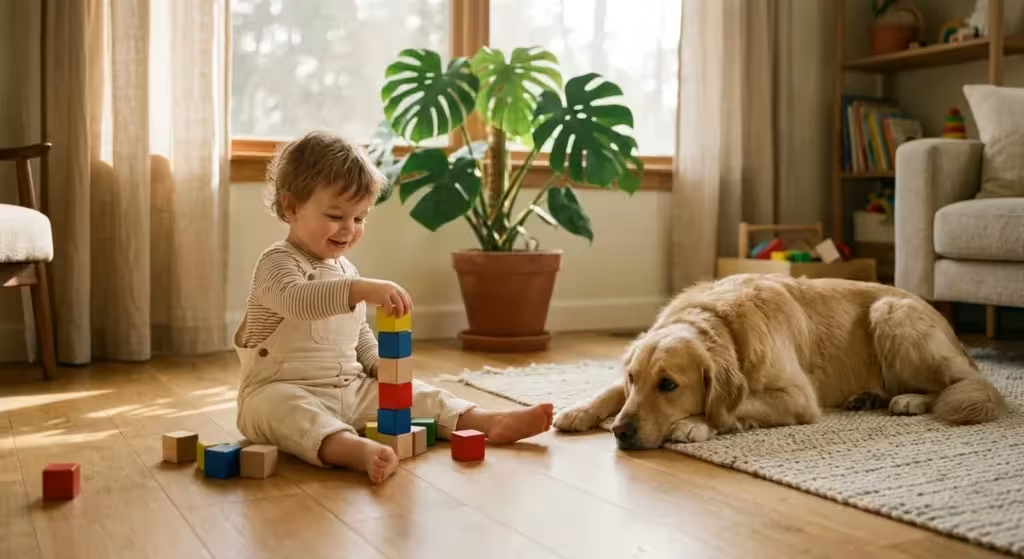
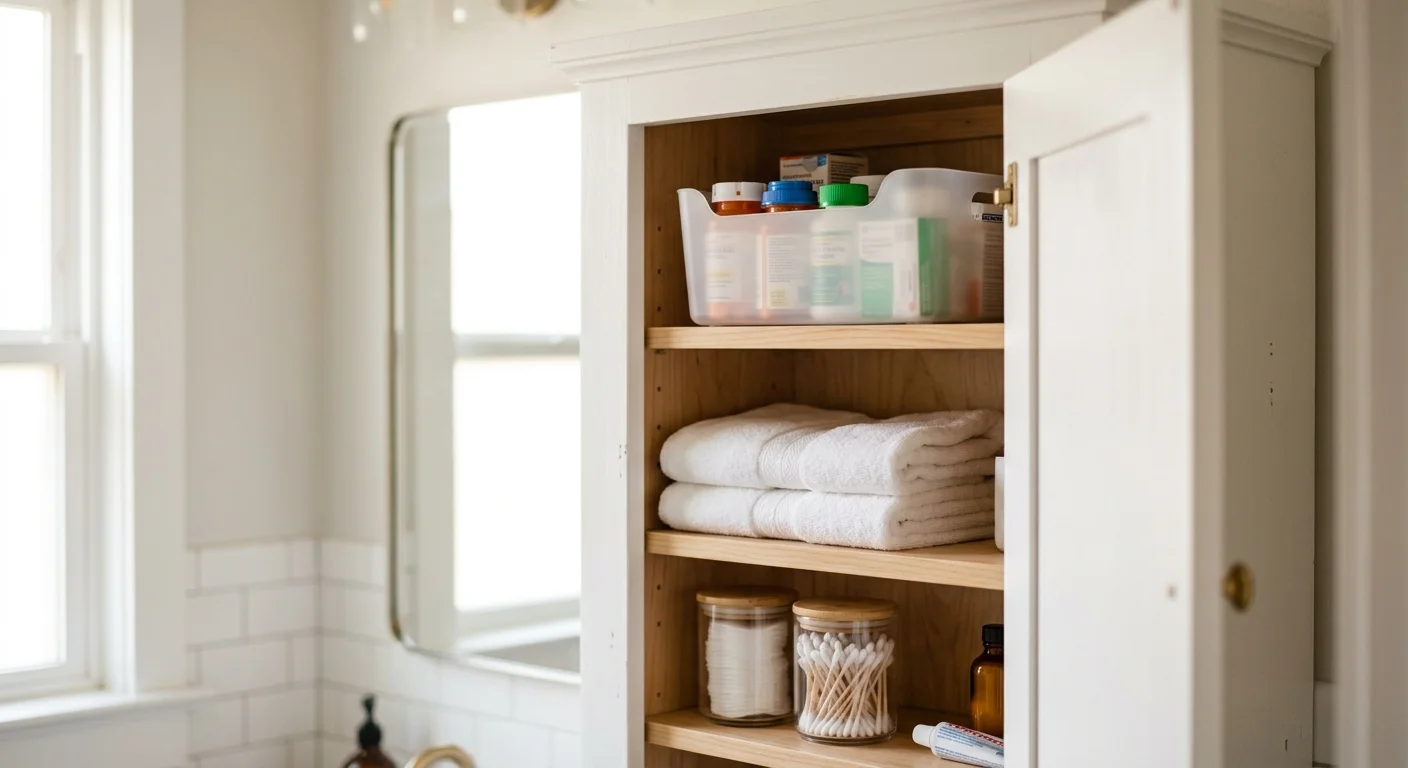
While storing items closer to where you use them improves efficiency, you must balance convenience with household safety. Keep hazardous materials, sharp tools, and chemical cleaners secured if young children or pets live in or visit your home. When storing electrical appliances or charging stations near workspaces, consult safety resources like the National Fire Protection Association to ensure cords stay uncrowded, well-ventilated, and free from moisture hazards.
For older adults, safety and convenience go hand in hand. Placing heavy cast-iron skillets in deep, slide-out lower drawers eliminates dangerous overhead reaching. Storing everyday dishes on lower cabinet shelves prevents balance loss on step stools. By combining home organization efficiency tips with ergonomic design, you create a living space that supports your physical well-being and independence for years to come.
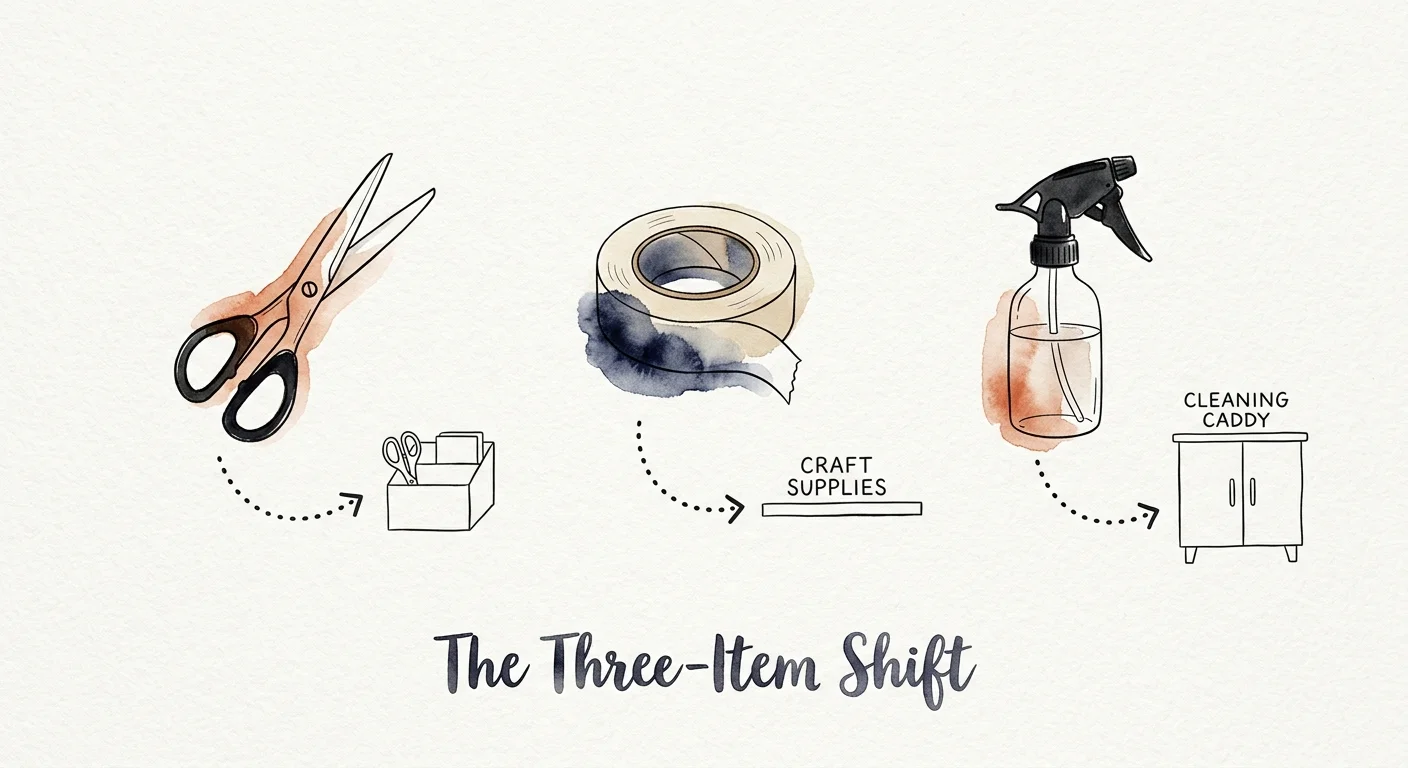
Your Immediate Next Step: The Three-Item Shift
You do not need to reorganize your entire house today to experience immediate relief. Pick just three items currently cluttering your kitchen counter or coffee table right now. Identify where you actually use them, clear out three corresponding spaces within arm’s reach of that location, and move the items there immediately. Notice how much smoother your daily routine feels tomorrow morning when those tools sit ready right where you need them.