You can transform your living space into a clean, naturally fragrant sanctuary without exposing your household to harsh synthetic fragrances or volatile organic compounds. By adopting targeted, eco-friendly strategies, you eliminate stubborn odors at their source rather than temporarily masking them with heavy aerosol sprays. Synthetic fresheners often trigger respiratory irritation, headaches, and indoor air pollution; however, natural alternatives purify your home while keeping daily maintenance simple and budget-friendly. Whether you want to tackle lingering cooking smells, damp bathroom air, or pet odors, these seven practical methods offer immediate, long-lasting freshness for a healthier home environment.
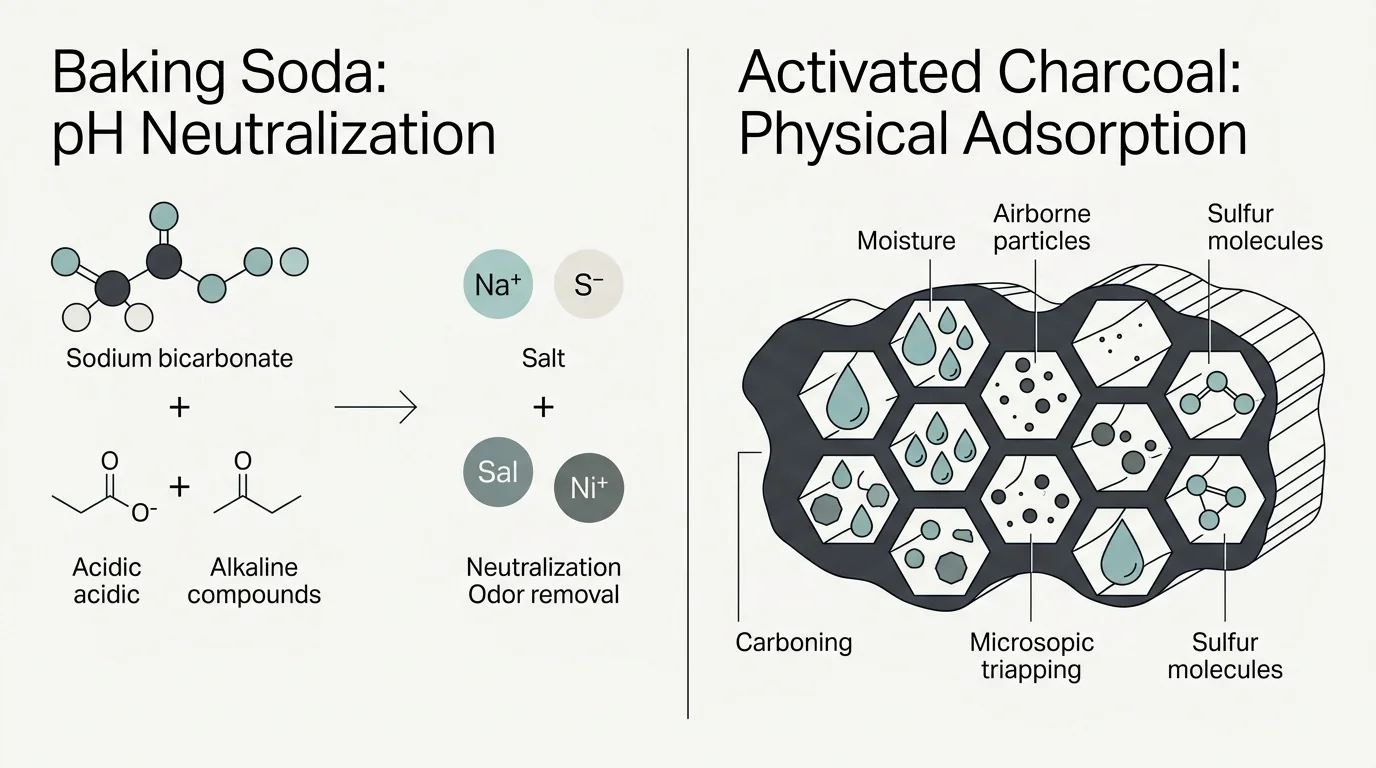
1. Neutralize Odors at the Source with Baking Soda and Activated Charcoal
Commercial aerosol sprays rely on synthetic perfume compounds that blanket bad smells without addressing the root cause. For true, chemical free odor removal, you need materials that trap or chemically neutralize odor molecules. Baking soda (sodium bicarbonate) and activated bamboo charcoal represent two of the most efficient, cost-effective natural deodorizers available.
Baking soda works through pH neutralization. Most foul household smells—such as acidic milk spills or alkaline fish odors—fall on extreme ends of the pH scale. Because baking soda is amphoteric, it reacts with both acidic and basic volatile compounds, converting them into odorless neutral salts. Activated charcoal operates through physical adsorption. High-temperature processing creates millions of microscopic pores across the surface of the charcoal, creating a massive porous trap that locks in moisture, bacteria, and volatile organic chemicals.
You can easily assemble your own targeted odor absorbers across your home using these basic household items:
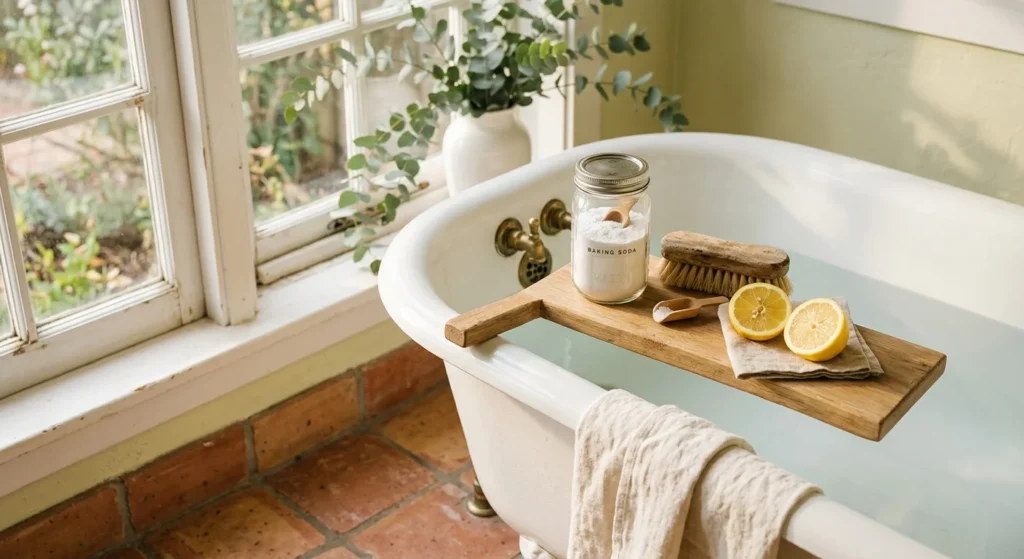
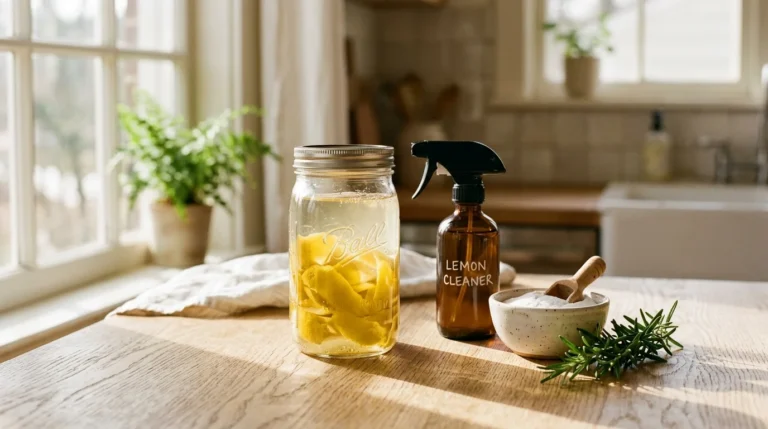
- Under-Sink Deodorizing Jars: Fill a small glass mason jar with 1/2 cup of fresh baking soda. Stir in 5 to 10 drops of lemon or lavender essential oil if desired. Cover the jar with a breathable piece of cheesecloth or cotton fabric, securing it with a rubber band. Place these jars inside damp areas like bathroom vanity cabinets, under kitchen sinks, or inside coat closets. Replace the baking soda every 30 to 45 days.
- Activated Charcoal Bags: Purchase linen pouches filled with activated bamboo charcoal and hang them inside shoe closets, near cat litter boxes, or in damp mudrooms. These bags continuously pull moisture and airborne sulfur compounds out of the air. To reactivate them, simply lay the bags outside under direct sunlight for one hour every month; the ultraviolet rays clear the charcoal pores, renewing their absorption capacity for up to two years.
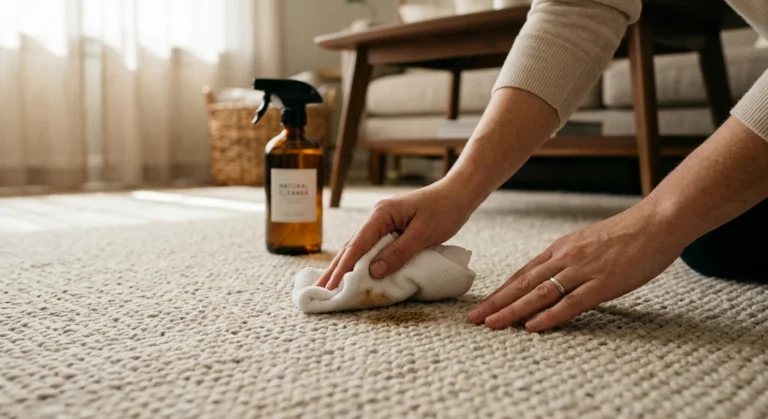
- Carpet and Rug Refresher: Sprinkle a light layer of plain baking soda across high-traffic carpets and woven area rugs before bed. Allow the powder to sit undisturbed overnight so it absorbs embedded foot odors and oil residues, then vacuum thoroughly the next morning.
According to research from Clemson University Cooperative Extension, sodium bicarbonate offers a safe, non-toxic compound that actively breaks down odor-causing organic molecules without adding chemical loads to your indoor environment.

2. Simmer Natural Botanicals for Warm, Chemical-Free Fragrance
When you want your home to smell inviting for guests, skip synthetic plugin warmers and candles made from paraffin wax, which can release benzene and toluene into your living room. Instead, turn your stovetop or a small slow cooker into a natural fragrance diffuser using fresh kitchen ingredients, herbs, and spices. Stovetop simmer pots release gentle, moisture-rich aromas that carry across multiple rooms while gently humidifying dry winter air.
Try these proven botanical combinations for keeping house smelling fresh throughout the year:
- Bright Citrus and Rosemary: Slice one whole lemon and one orange into thin rounds. Add three sprigs of fresh rosemary, one teaspoon of pure vanilla extract, and one bay leaf into a pot. Fill the pot three-quarters full with water.
- Spiced Warm Apple: Combine apple peels, two cinnamon sticks, half a tablespoon of whole cloves, and two star anise pods in water. This blend cuts through deep kitchen odors after frying food or cooking fish.
- Eucalyptus Mint Refresh: Add fresh eucalyptus leaves, a few sprigs of mint, and sliced lime peels to hot water. This mix works exceptionally well during cold and flu season to create a crisp, uplifting atmosphere.
Bring your chosen ingredients to a gentle boil on the stove, then immediately reduce the heat to the lowest setting. Allow the pot to simmer uncovered; add hot water every 30 to 45 minutes as liquid evaporates. If you prefer a hands-off approach—or if you are an older adult looking for a safer, flame-free option—use a 1.5-quart mini slow cooker set to “Low.” This lets you enjoy hours of gentle diffusion without monitoring an open stove burner.

3. Optimize Cross-Ventilation and Daily Air Circulation
Stagnant air acts like a sponge for indoor pollutants, dust mites, pet dander, and moisture build-up. The simplest method for non toxic home freshening costs nothing at all: intentional air exchange. Modern homes feature tight insulation designed to keep heat inside, but this seal also locks foul smells indoors.
The U.S. Environmental Protection Agency (EPA) notes that indoor levels of many key pollutants can run two to five times higher than outdoor levels. Without proper airflow, everyday household activities continuously accumulate indoor air toxins.
Implement the “15-Minute Daily Flush” routine to restore air freshness:
- Open Strategic Windows: Every morning, open at least two windows on opposite sides of your house for 10 to 15 minutes. This creates a pressure gradient that pushes stale, moisture-laden indoor air out while drawing fresh, oxygen-rich outdoor air inside.
- Use Box Fan Directionality: During warm months, place a portable box fan in an open window facing outward to pull stale air out of the room. Open another window on the cool side of the house to draw fresh air in.
- Maintain Mechanical Exhaust Fans: Run your bathroom exhaust fan during showers and leave it running for 20 minutes afterward to vent humid air before mold takes root. Always turn on your kitchen range hood fan while cooking; ensure your range hood vents directly outdoors rather than recirculating air through a mesh filter. Clean the metal mesh grease filters in hot water and baking soda once a month to maintain maximum airflow performance.
4. Deploy Essential Oils and Natural Wood Blocks Safely
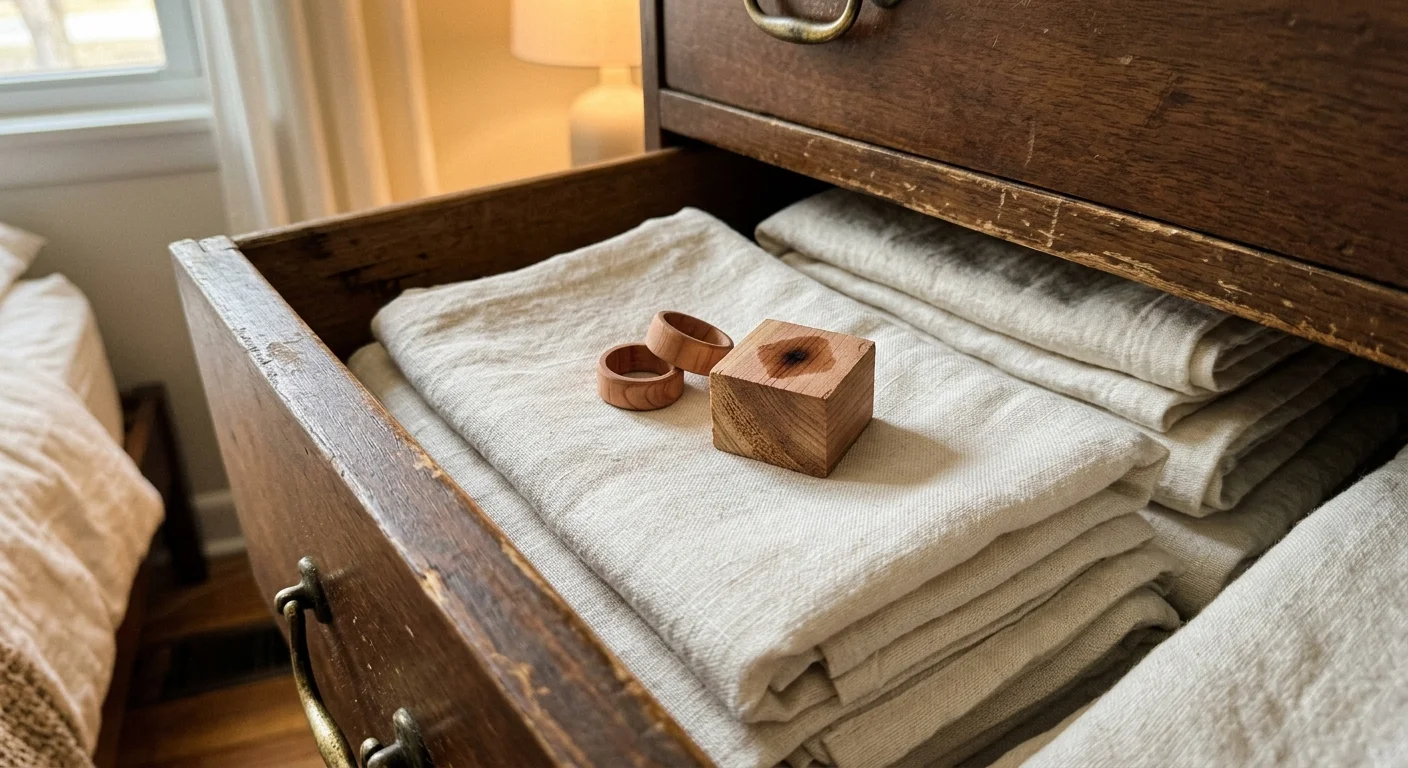
Natural plant oils and aromatic woods offer a long-lasting alternative to aerosol sprays. Cedarwood, for example, contains natural thujone and cedarol compounds that repel insects while leaving a rich, woody scent across closets and storage drawers. Unglazed ceramic disks, wool felt pads, and natural pinecones also work as passive diffusers that slowly release scents without requiring heat or electricity.
If you prefer active fragrance distribution, use an ultrasonic cold-mist diffuser. Add 100 milliliters of cold tap water and 3 to 5 drops of pure, steam-distilled essential oils like bergamot, sweet orange, lavender, or pink grapefruit. Ultrasonic diffusers break water and plant oils into micro-droplets, dispersing a fine, cool mist across the room.
However, safety matters when diffusing concentrated plant extracts around sensitive family members or house pets. Guidance from the ASPCA Animal Poison Control Center highlights that certain essential oils pose significant toxicity risks to dogs and cats. Keep these safety practices in mind:
- Pet Safety Cautions: Never diffuse tea tree (melaleuca), pennyroyal, wintergreen, pine, or citrus oils in enclosed, unventilated rooms where cats or dogs spend time. Cats lack specific liver enzymes (glucuronyl transferase) required to metabolize concentrated terpenes, which can cause respiratory distress or liver stress.
- Keep Air Flow Open: Always run diffusers in well-ventilated spaces, leaving room doors open so pets can freely leave the area if the aroma feels overwhelming to their sensitive nasal passages.
- Avoid Over-Saturation: Limit ultrasonic diffuser operation to 30-minute intervals once or twice a day rather than running the unit continuously.
5. Deep-Clean Soft Fabrics with Vinegar and Steam
Soft surfaces act as huge odor sponges in your home. Upholstered sofas, window drapes, velvet accent pillows, plush dog beds, and wall-to-wall carpets trap human body oils, pet dander, spilled liquids, and kitchen grease over time. If your house still smells stale after cleaning hard surfaces, your soft textiles are likely holding onto trapped scents.
Chemical fabric sprays rely on cyclodextrins—ring-shaped sugar molecules that temporarily trap odors—along with heavy synthetic perfumes. You can achieve far superior, non-toxic results using distilled white vinegar and water steam.
Distilled white vinegar contains roughly 5% acetic acid. This mild acid lowers the pH of volatile odor compounds, dissolving mineral deposits, sweat residues, and bacterial odors without damaging fabric fibers. While the solution smells faintly like vinegar during application, the odor completely vanishes as the liquid dries, taking trapped fabric smells with it.
Follow this step-by-step fabric refresh routine every month:
- Mix the Solution: Combine equal parts distilled white vinegar and distilled water in a clean spray bottle. Add 5 drops of lavender or eucalyptus essential oil if desired.
- Spot Test First: Spray a small hidden patch of fabric (such as the backside of a cushion) to check for color fastness. Allow it to dry completely.
- Mist Fabrics Lightly: Hold the bottle 12 inches away from couch upholstery, heavy curtains, and fabric headboards. Spray a fine mist over the surface—do not soak the material. Allow the fabric to air-dry completely under good room ventilation.
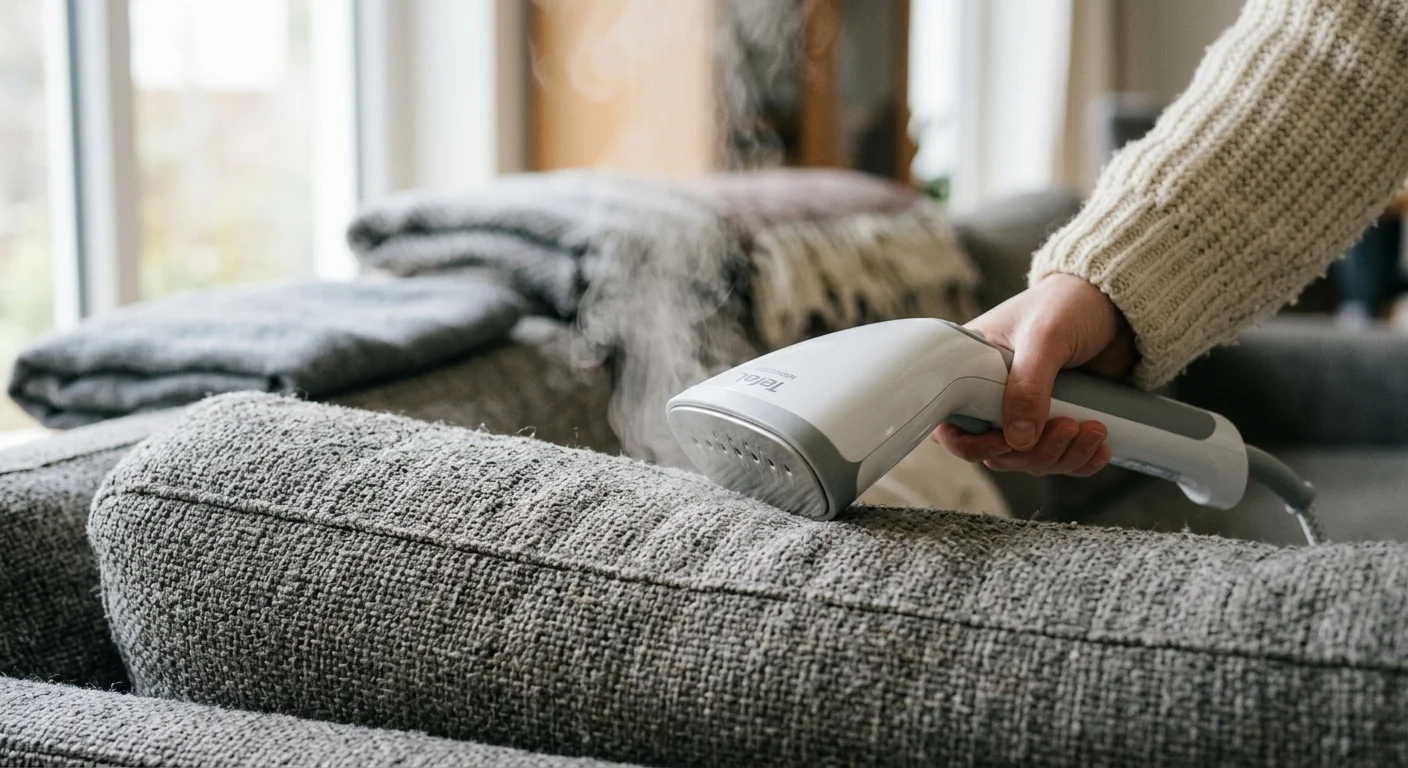
- Steam Sanitization: Run a handheld garment steamer or steam mop with an upholstery attachment over couch cushions and mattress tops. The high heat (above 200°F) kills odor-producing bacteria and dust mites without using any chemical additions.
Health authorities like the American Lung Association advise reducing exposure to synthetic household chemicals, noting that VOCs released by scented cleaners and fabric refreshers can aggravate asthma and reduce overall lung function.
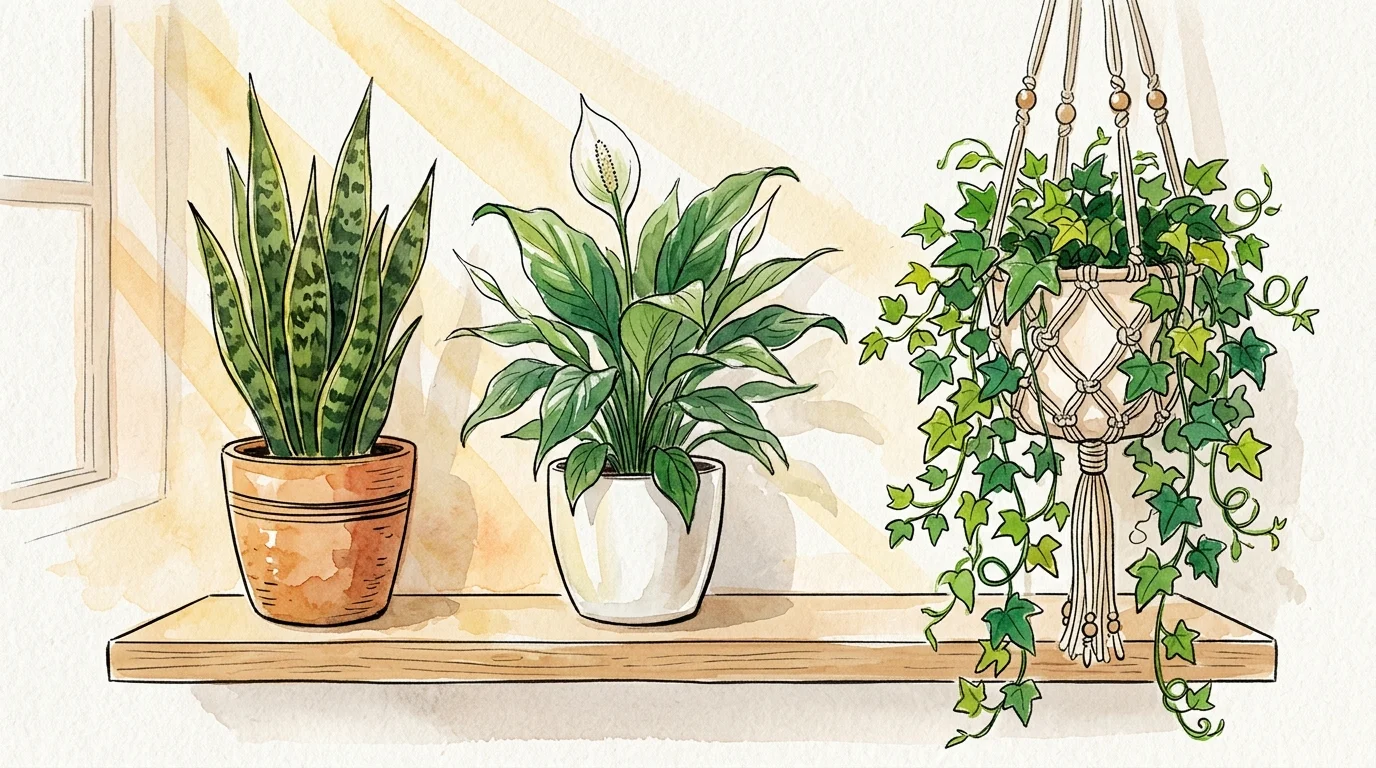
6. Introduce Air-Purifying and Fragrant Houseplants
Integrating live foliage into your interior decor offers a quiet, continuous approach to indoor air quality management. Beyond adding color and visual warmth, living plants exchange carbon dioxide for oxygen, increase ambient humidity naturally, and assist in regulating stale indoor air.
Select hardy, low-maintenance plant varieties that suit your light conditions while enhancing room freshness:
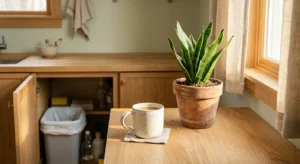
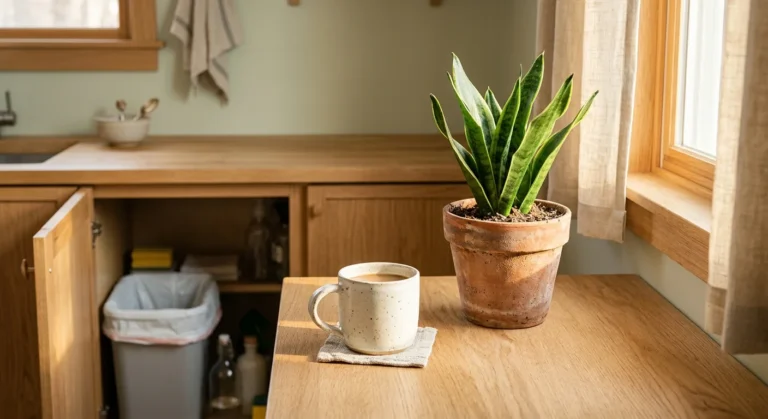
- Snake Plant (Sansevieria trifasciata): Exceptionally hardy and ideal for dark corners or bedrooms, the snake plant converts carbon dioxide into oxygen night and day. Its thick, architectural leaves require minimal watering, making it ideal for low-maintenance daily routines.
- Peace Lily (Spathiphyllum): Excellent at absorbing ambient moisture, making it a valuable addition to damp bathrooms or laundry rooms prone to lingering mildew smells. (Keep out of reach of cats and dogs, as leaves contain calcium oxalate crystals).
- Windowsill Culinary Herbs: Place small pots of sweet basil, spearmint, or rosemary on sunny kitchen sills. Brushing past these plants releases pleasant essential oils into your kitchen, providing crisp fragrance while offering fresh ingredients for meals.
Avoid overwatering indoor plants. Standing water inside drainage saucers leads to root rot, producing damp, sour, soil smells that defeat your freshening efforts. Always dry out the top inch of soil between waterings and empty saucer runoff promptly.
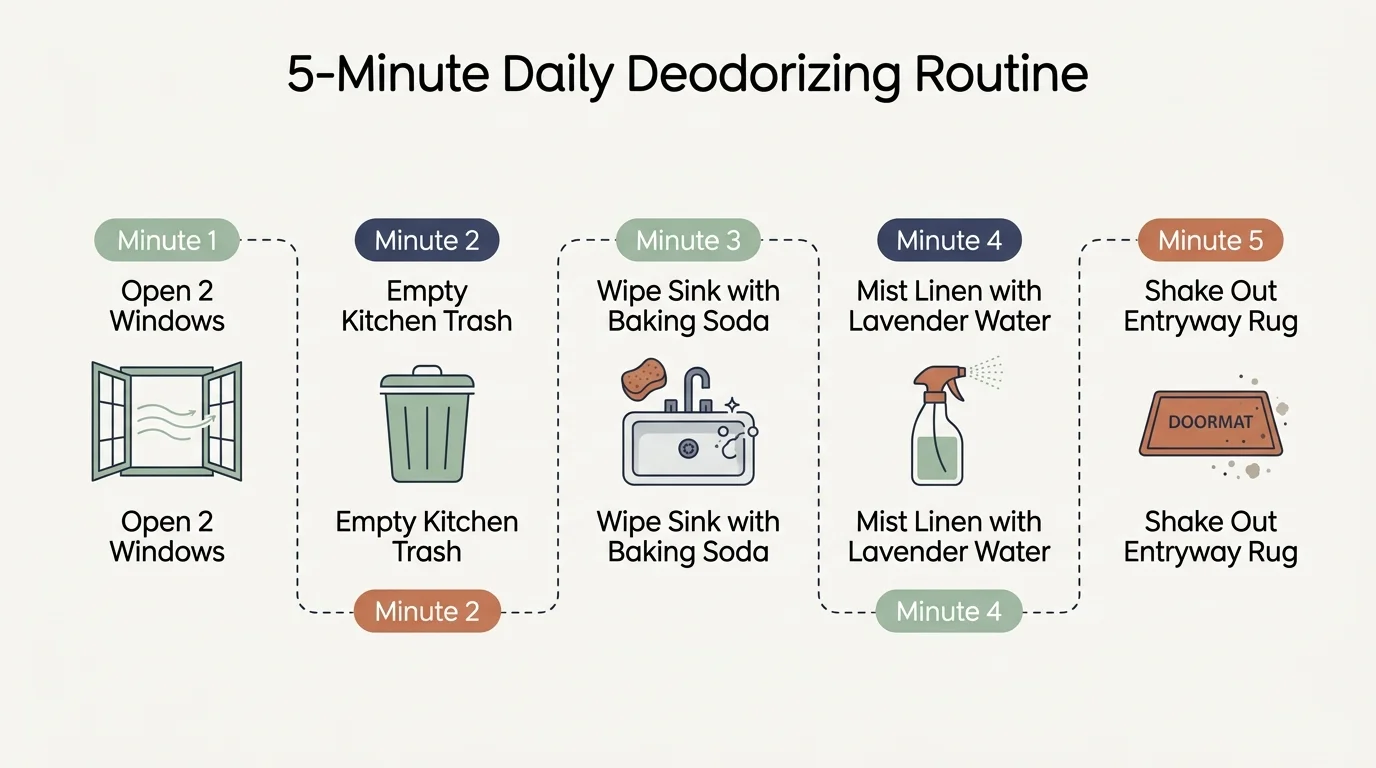
7. Establish a High-Impact 5-Minute Daily Deodorizing Routine
Consistency eliminates the need for intense, time-consuming deep-cleaning sessions. By incorporating small, daily targeted actions into your morning or evening habits, you prevent bad smells from building up in high-risk zones. Focus your attention on the primary odor sources in every home: garbage cans, kitchen sink drains, dishwashers, and pet areas.
Use this reference table to quickly match natural ingredients to specific problem areas across your home:
| Target Area | Primary Odor Cause | Natural Solution | Application Frequency |
|---|---|---|---|
| Kitchen Garbage Disposal | Trapped food grease, bacterial buildup | 1 cup ice cubes + citrus peels ground together | Twice weekly |
| Trash Can Base | Liquid leaks, decompose odors | 2 tablespoons baking soda sprinkled under liner | Every bag change |
| Kitchen Sink Drain | Organic sludge, stagnant water | 1/2 cup baking soda flushed with 1 cup warm vinegar | Weekly |
| Pet Bedding | Accumulated pet hair, body oils | Sprinkle baking soda, let sit 20 mins, vacuum off | Weekly |
| Refrigerator Interior | Spilled liquids, food gases | Open box of baking soda or bowl of dry coffee grounds | Replace every 60 days |
Follow these quick daily steps for effective results:
- Flush the Garbage Disposal: Drop whole lemon or lime rinds into the disposal along with a handful of ice cubes. Run cold water and switch on the disposal for 30 seconds. The hard ice scrapes grease off the spinning blades while citrus oils coat the interior pipes.
- Dust Trash Can Bases: Every time you remove a full trash liner, sprinkle two tablespoons of baking soda directly into the bottom of the plastic outer bin before inserting a new bag. This traps small drips and neutralizes trash odors before they leak into your kitchen.
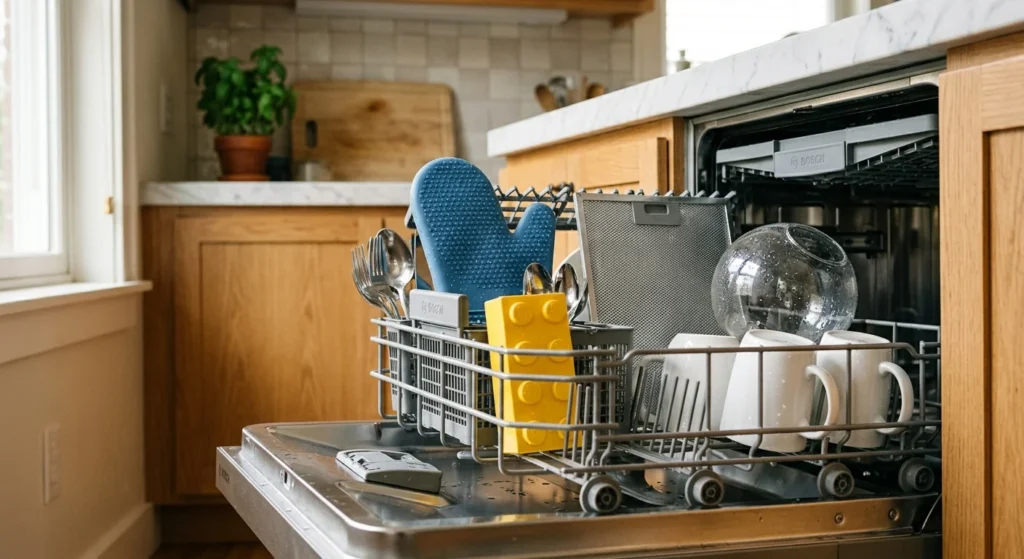
- Wipe Down the Dishwasher Seal: Moisture and food particles lodge inside the rubber door gasket of your dishwasher, creating a sour, swampy smell. Wipe this rubber seal daily using a damp microfiber cloth sprayed with plain white vinegar. Leave the dishwasher door cracked open an inch after cycles to allow the tub to dry completely.
Simple Next Steps for a Cleaner, Fresher Home
You do not need to overhaul your entire household cleaning routine overnight. Pick just one simple method from this guide to start today—such as setting up a baking soda jar under your kitchen sink, or opening two windows for a 15-minute cross-ventilation flush tomorrow morning. Once that quick task becomes a natural daily habit, add a second technique. Step by step, you will build a naturally fresh, clean home environment that supports your health, protects your budget, and smells wonderful without relying on a single chemical spray.